
The question of Armenian identity has, for centuries, stood not only at the center of historical inquiry but also as a matter of existential choice. From Hayk Nahapet to modern scientists and cultural figures, one thing has remained constant: Armenian identity has been shaped by the synthesis of struggle, creativity, and faith.
The origins of Armenian statehood are rooted in ancient myths and historical memory. The battle between Hayk and Bel is not merely an epic episode, but a symbolic birth of the idea of freedom. In later centuries, this idea continued through various figures—both in the legendary and collective heroic image of David of Sassoun and in the actions of real historical personalities.
It is noteworthy that one of the key factors in preserving Armenian identity has been culture and language. The creation of the Armenian alphabet by Mesrop Mashtots became not only the foundation for literary development, but also a crucial tool for safeguarding national identity. Likewise, Komitas played a major role in preserving spiritual and cultural heritage by collecting and refining Armenian folk songs, turning them into a living expression of national memory.
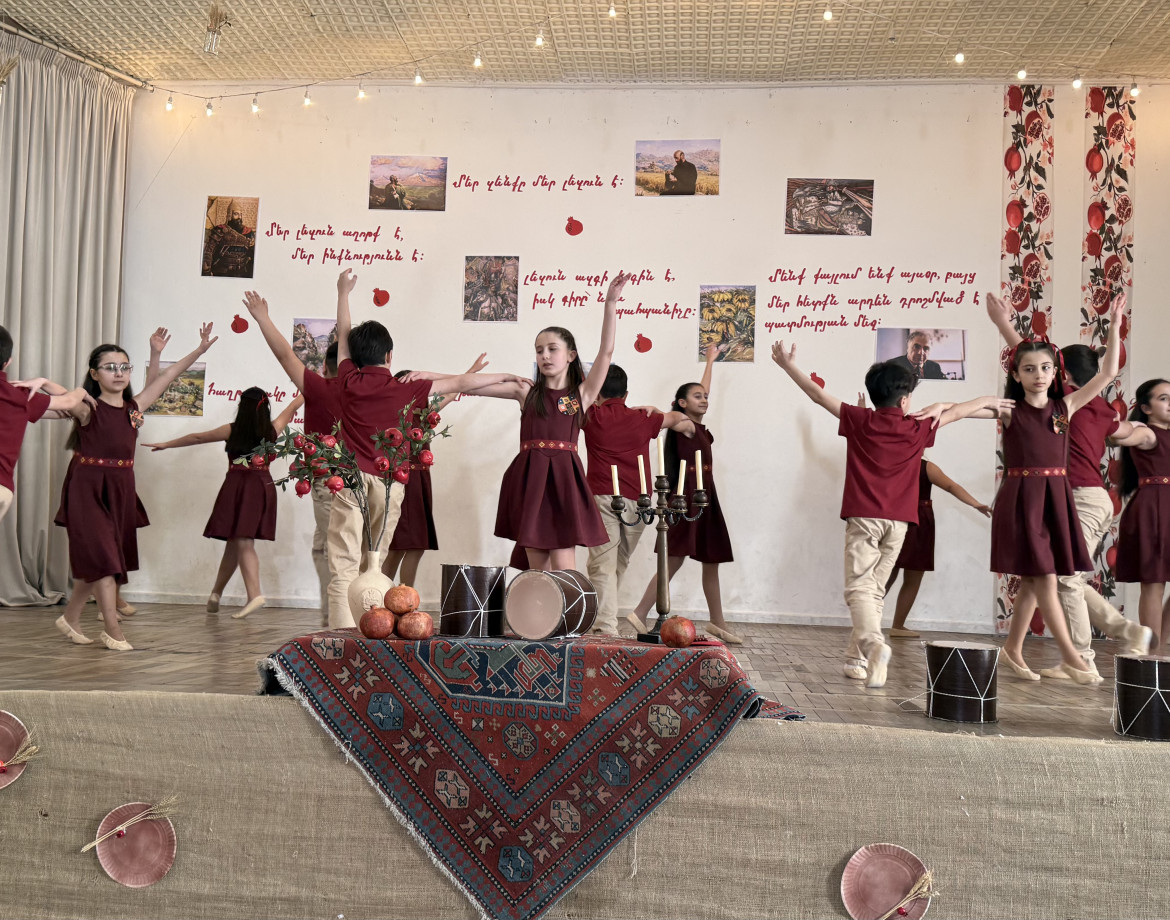
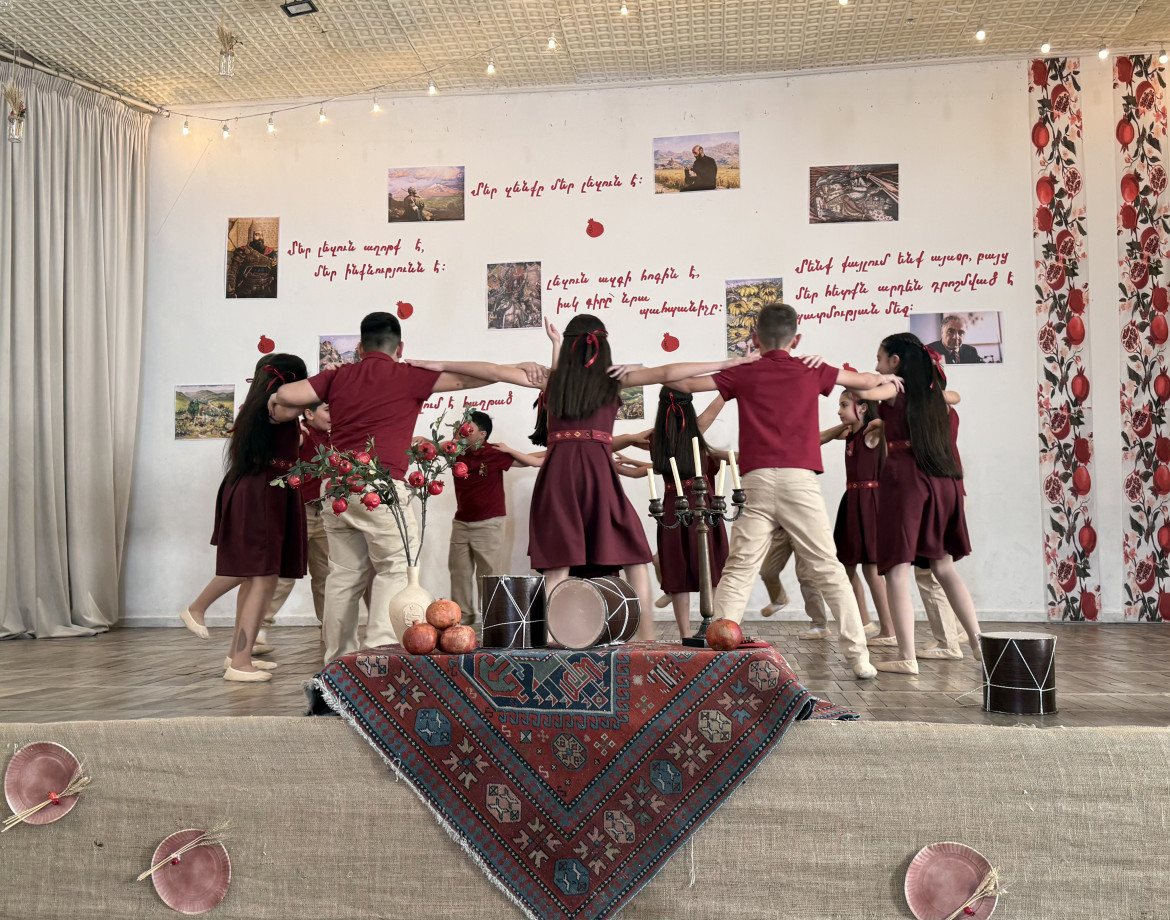
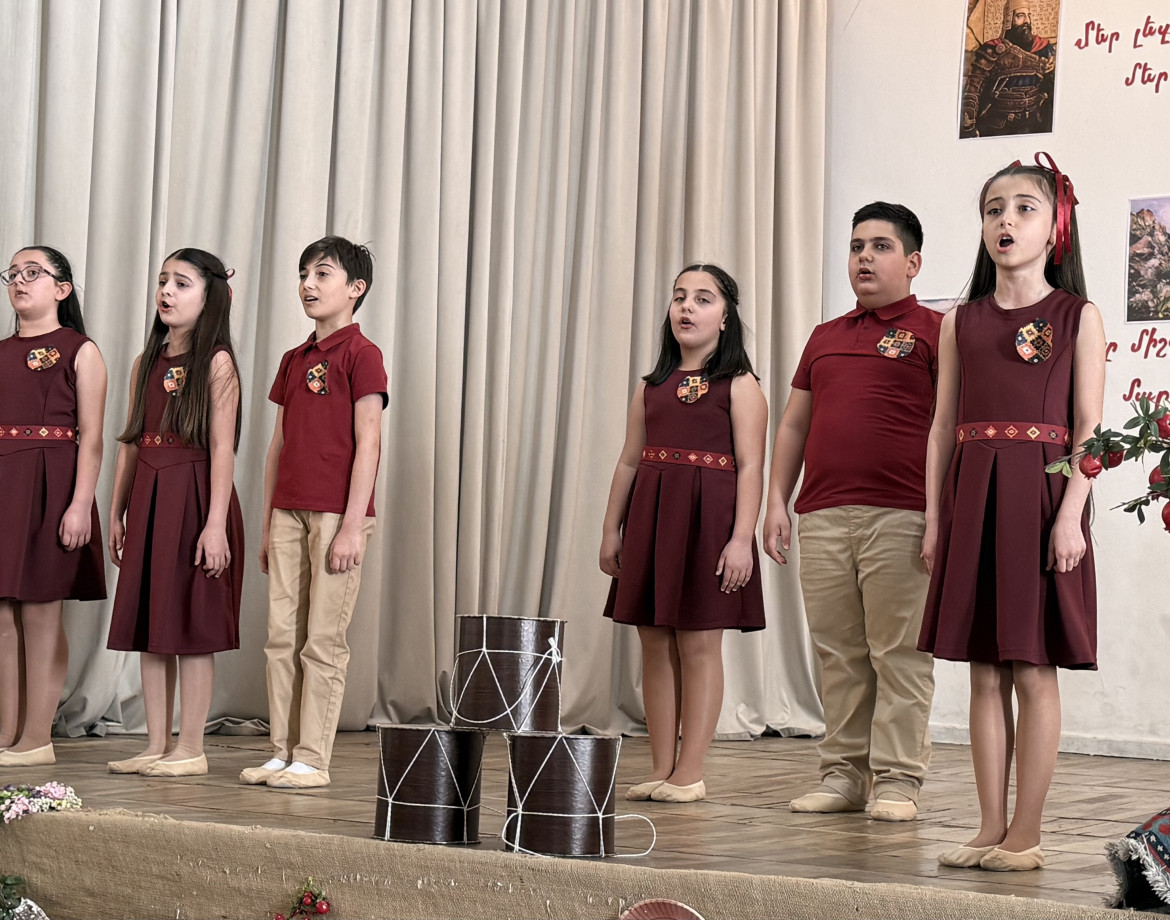
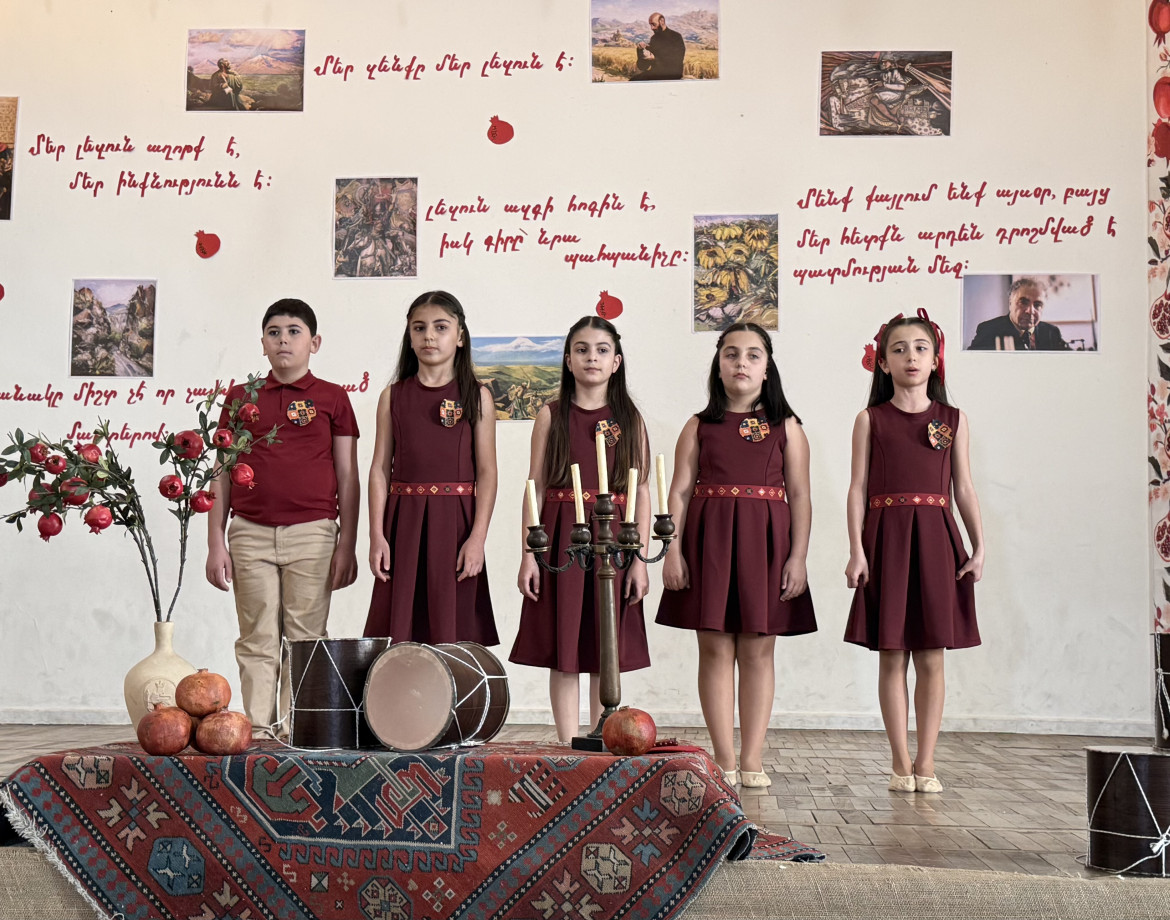
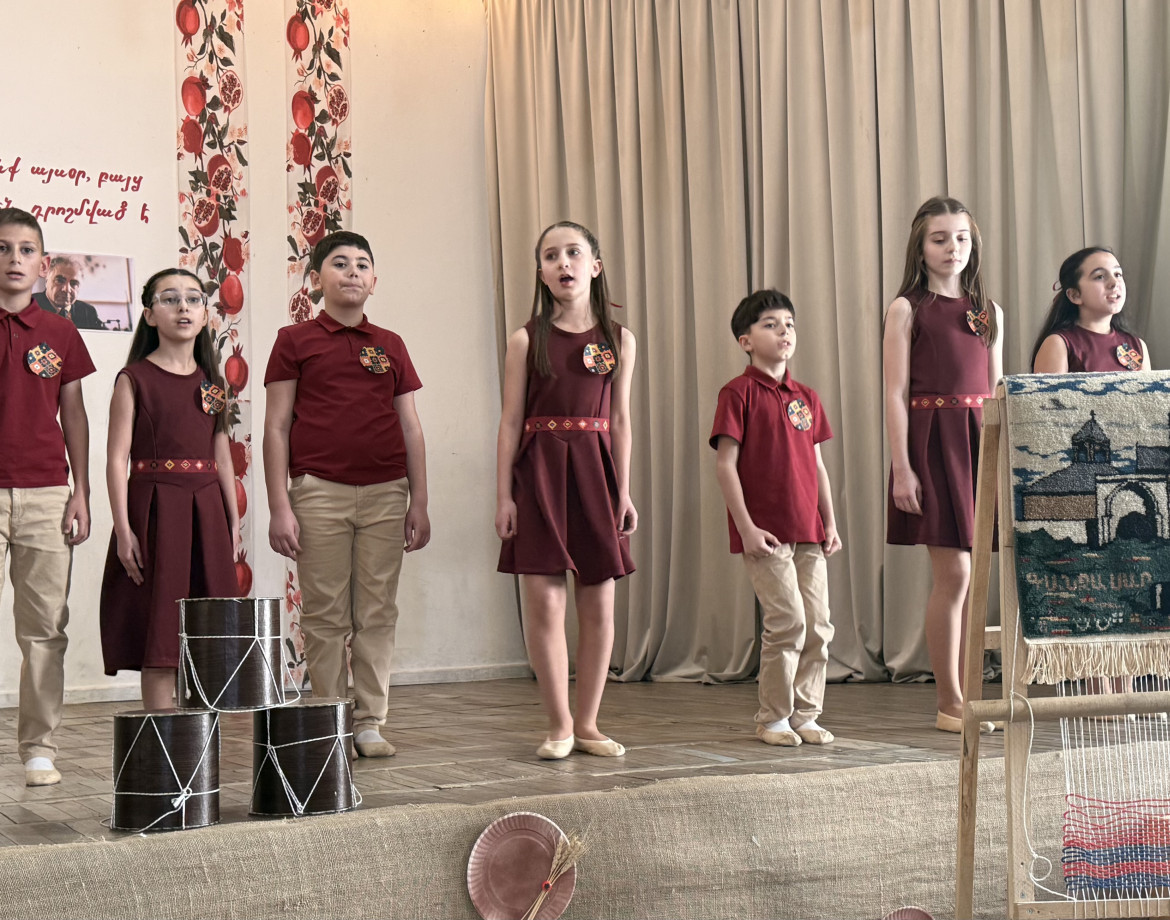
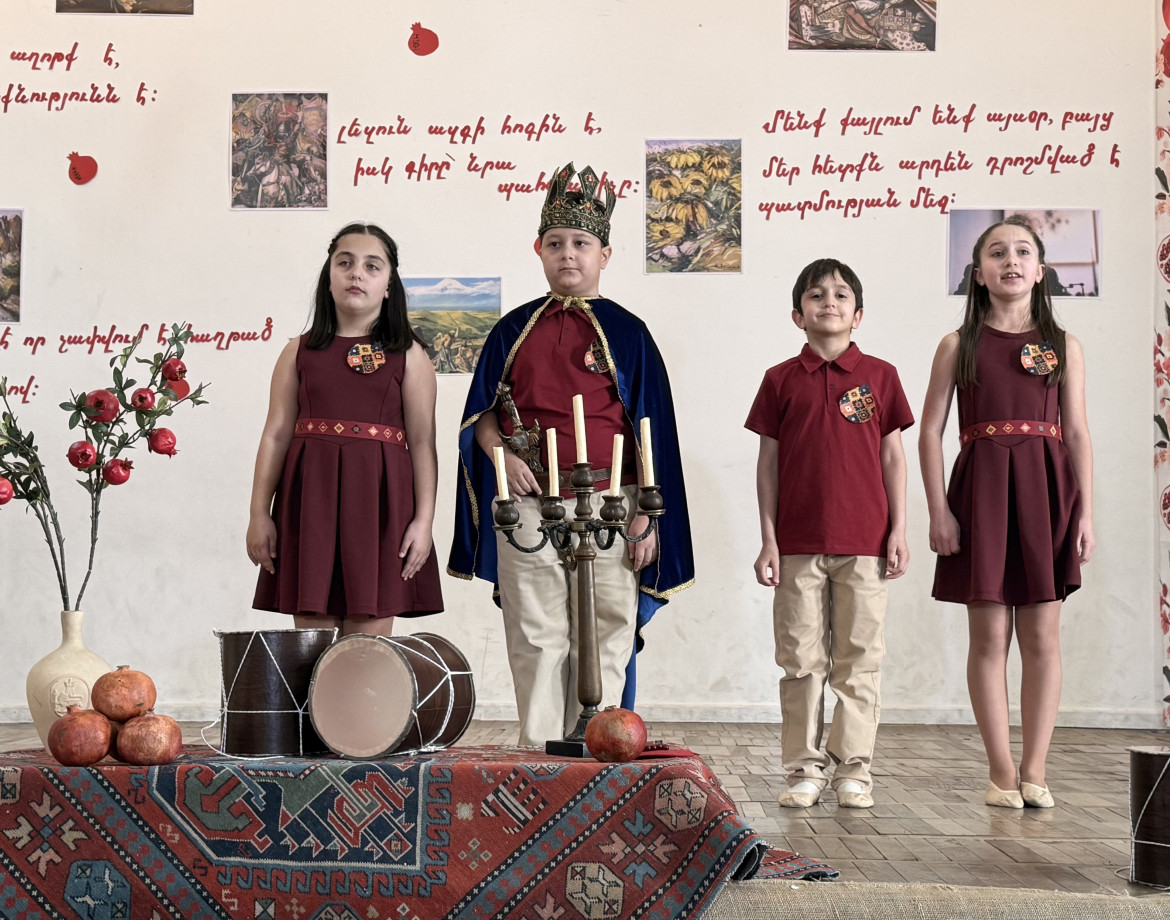
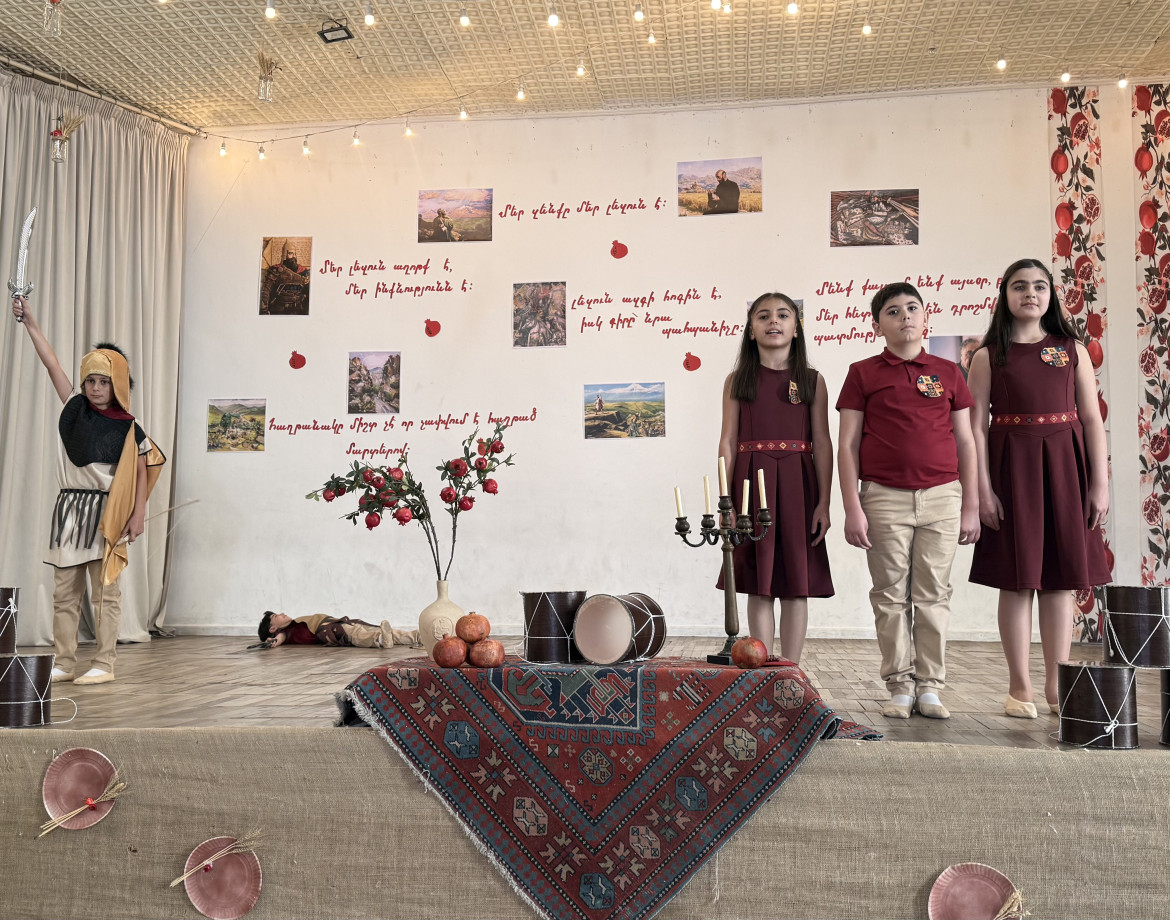
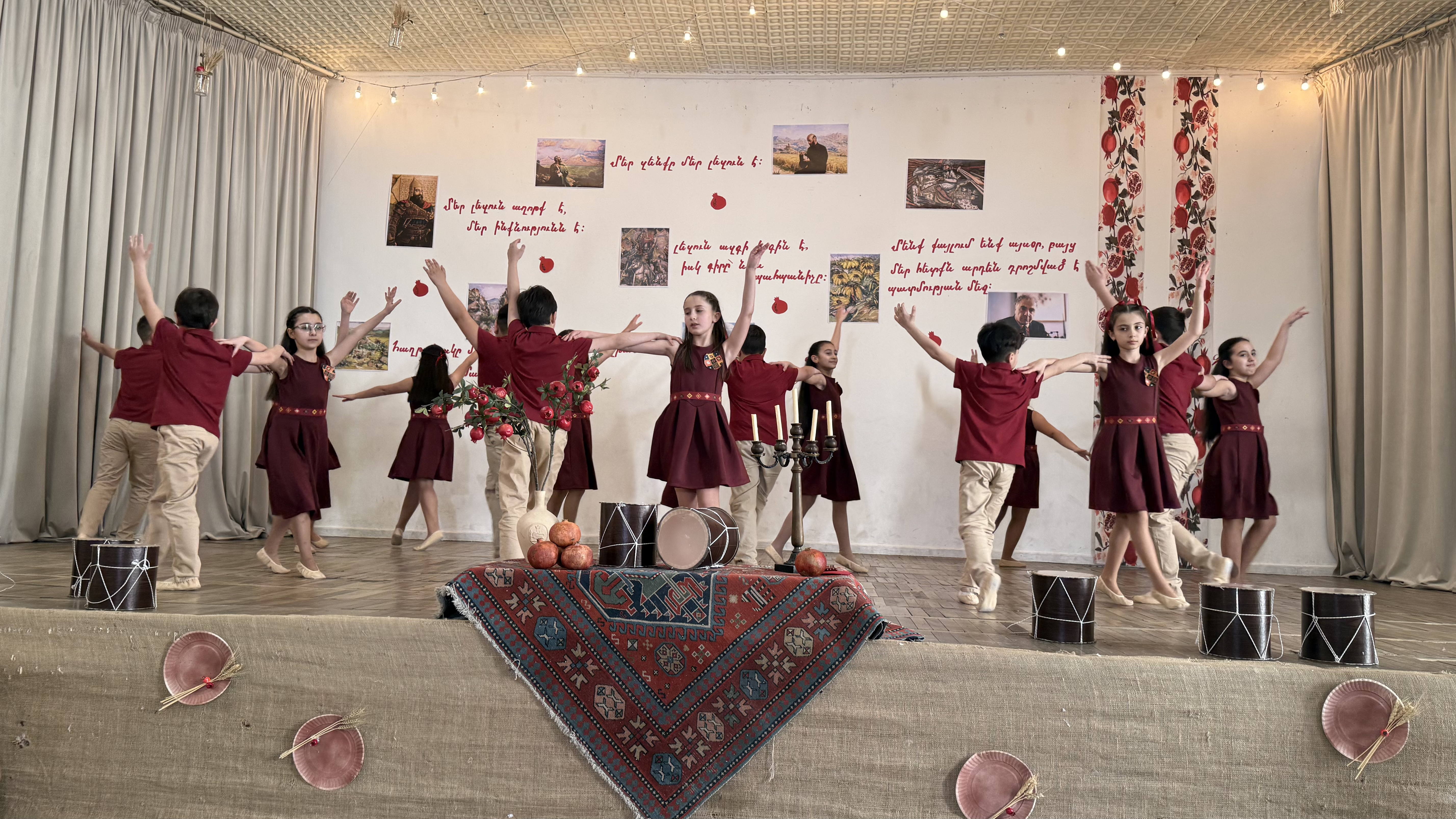
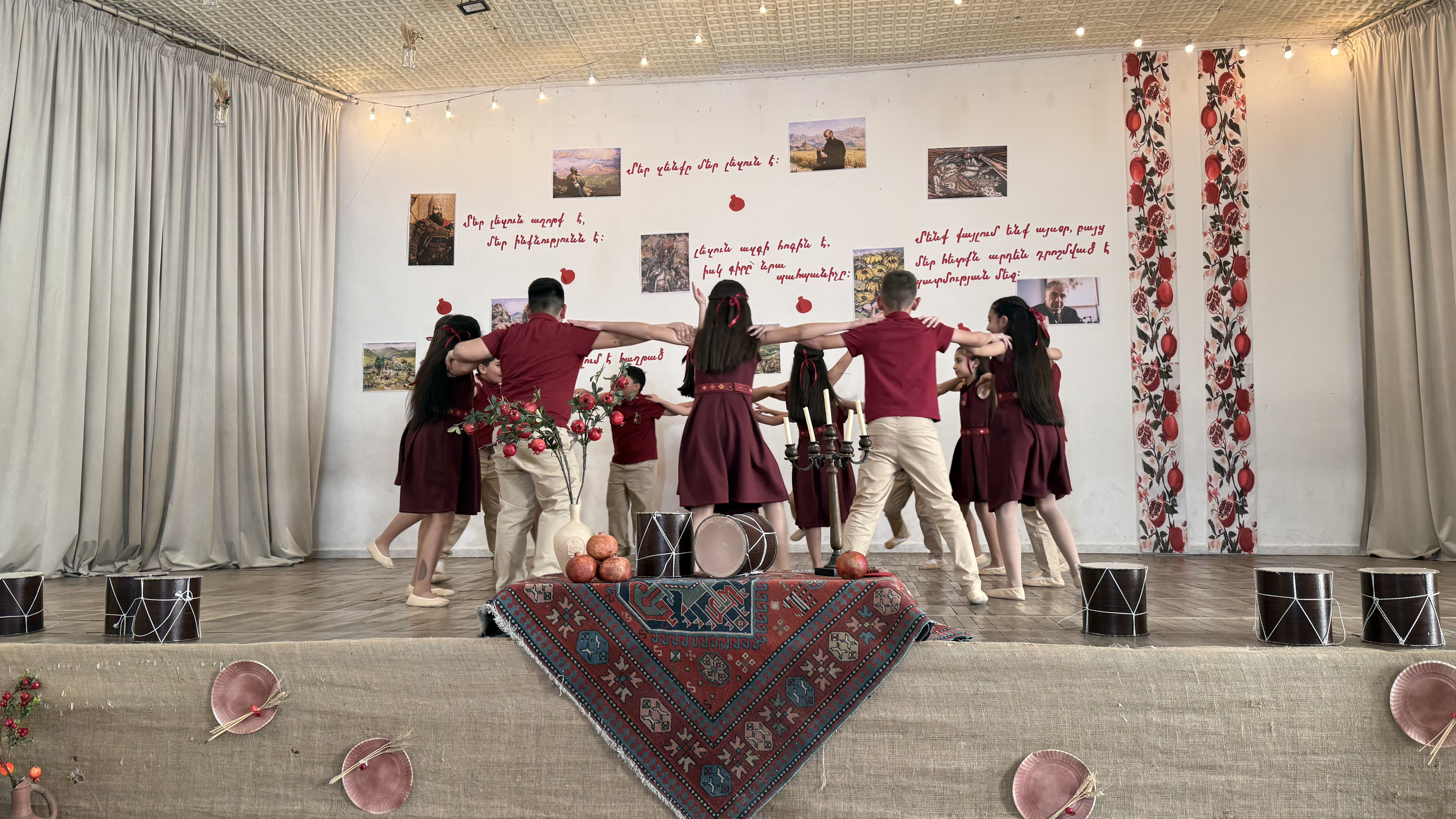
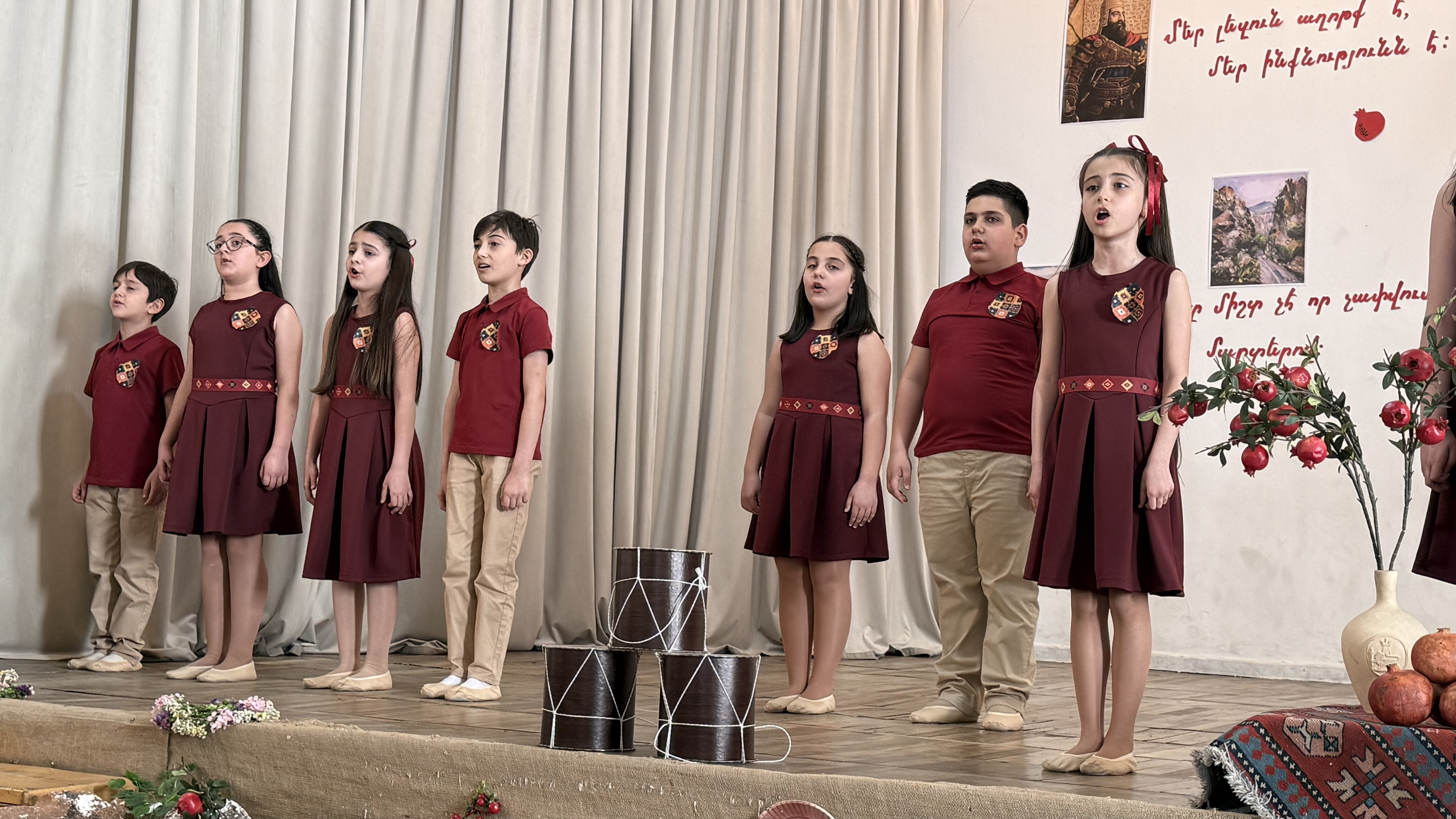
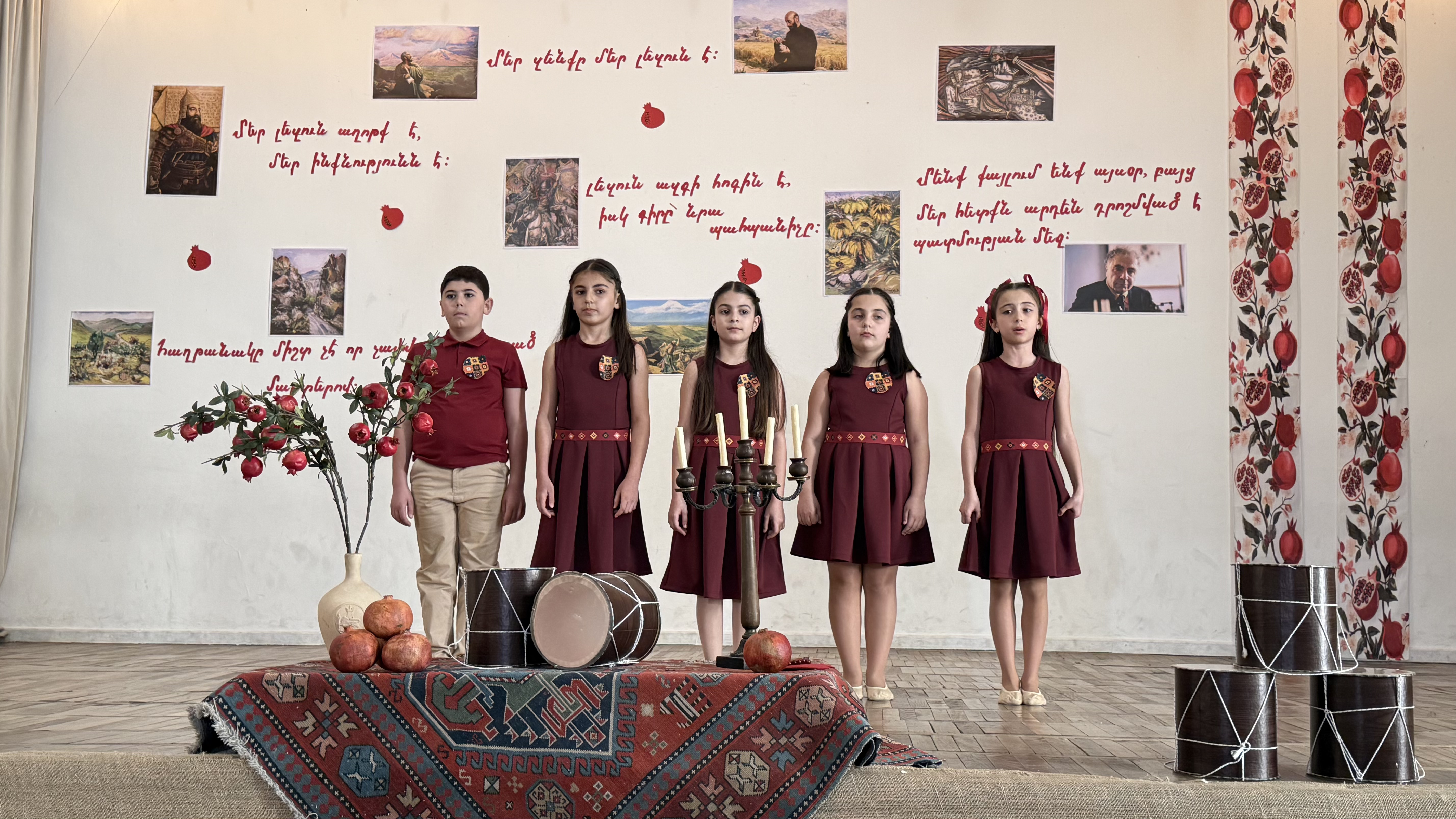
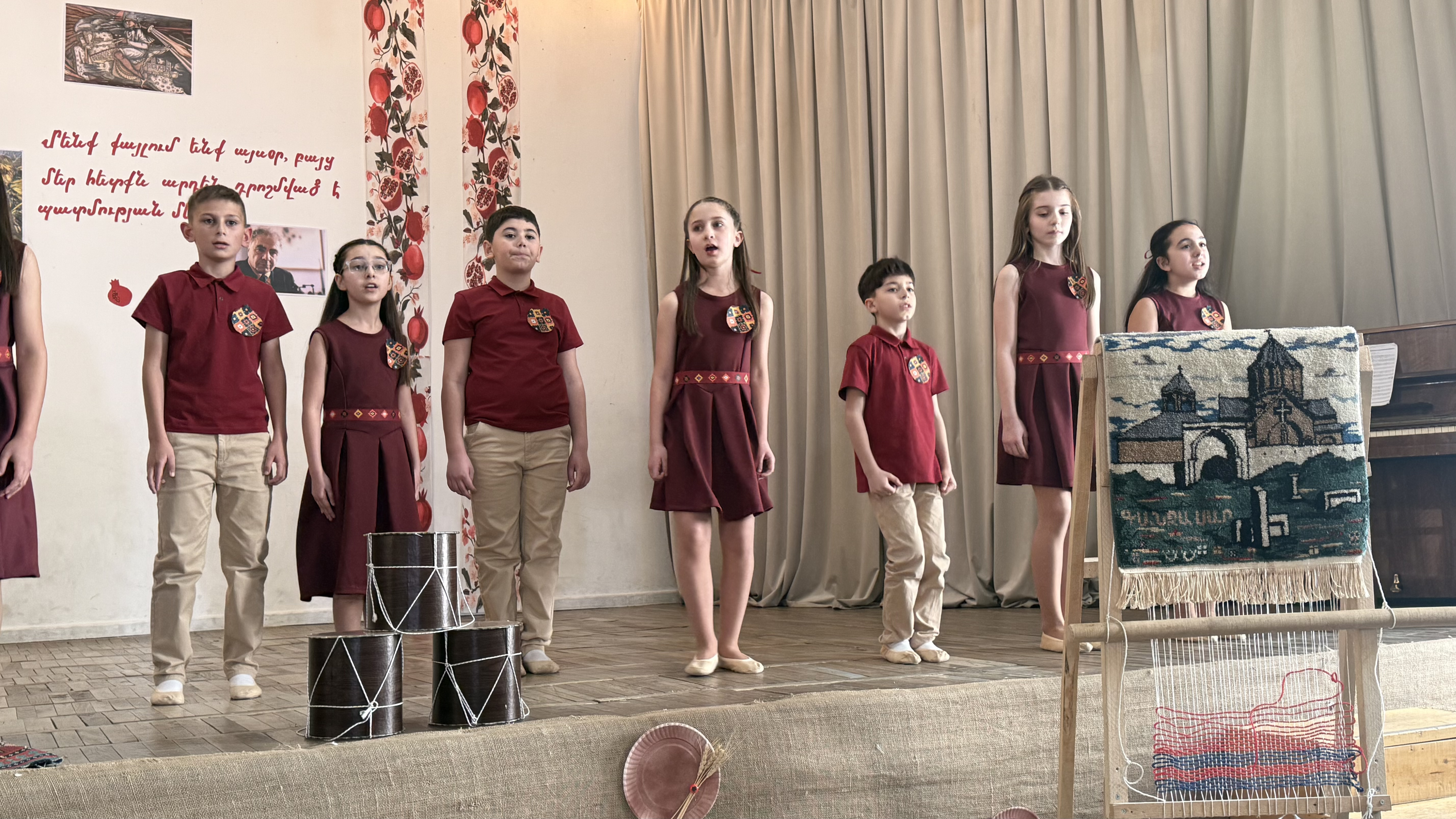
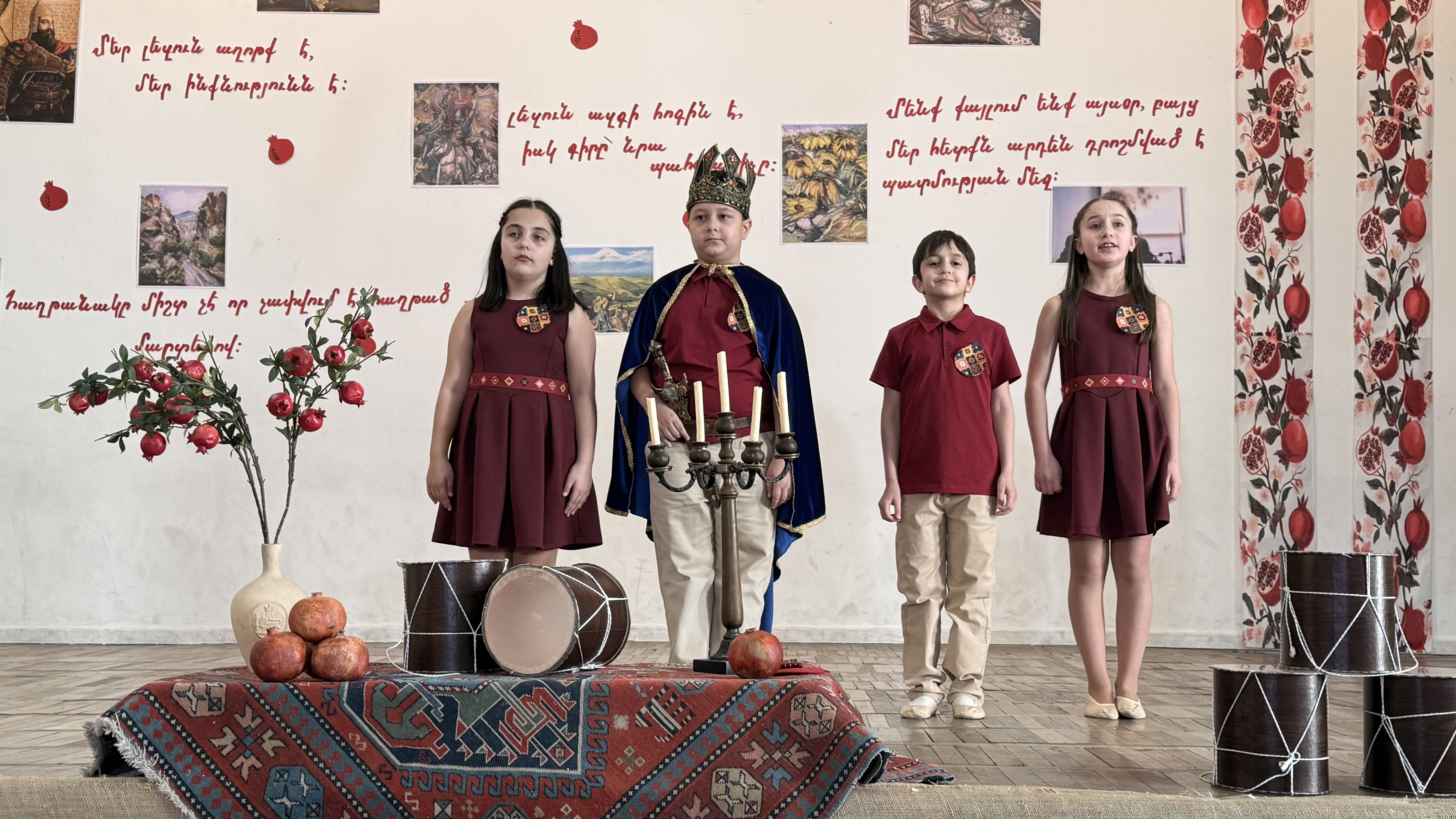
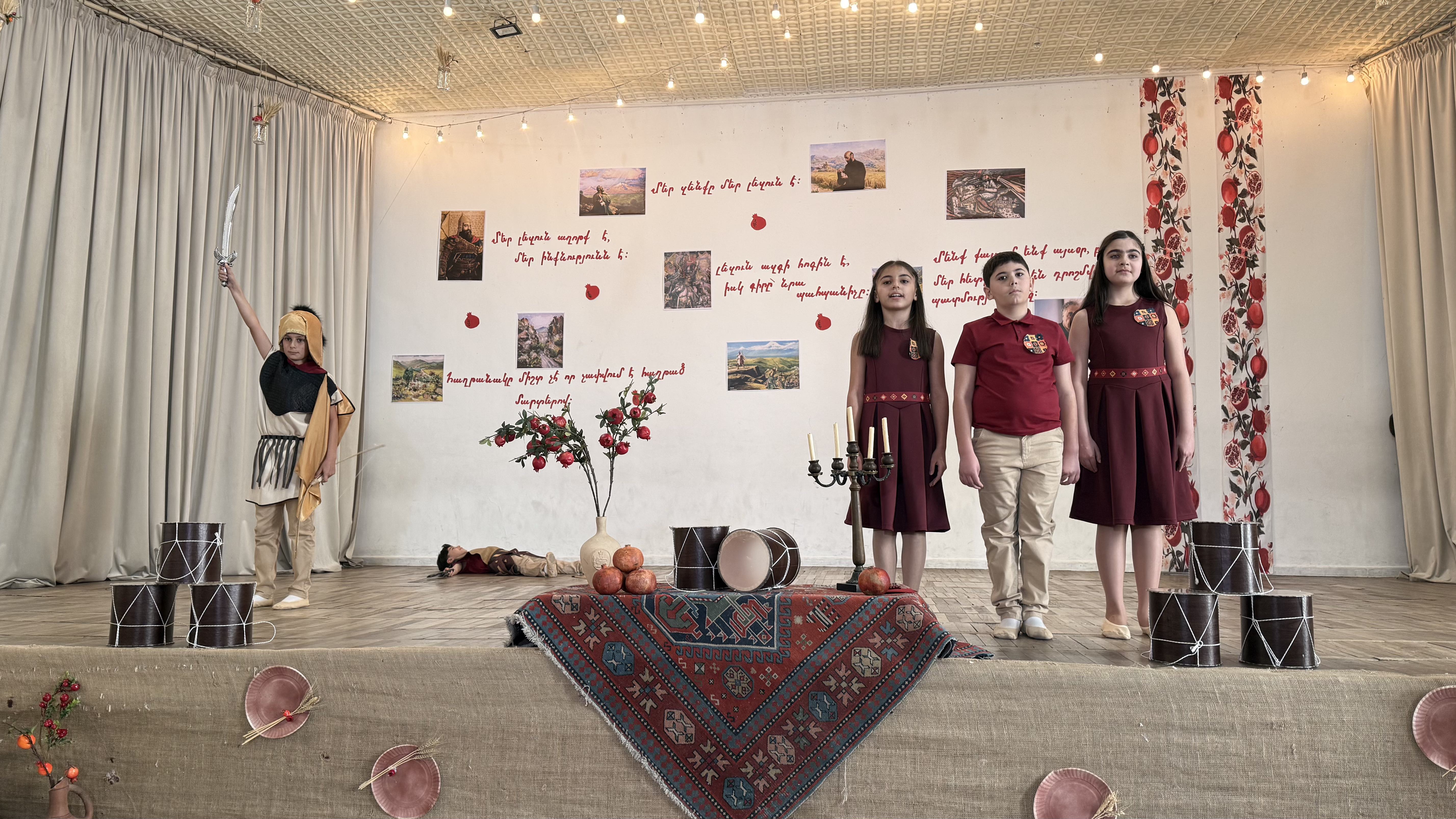
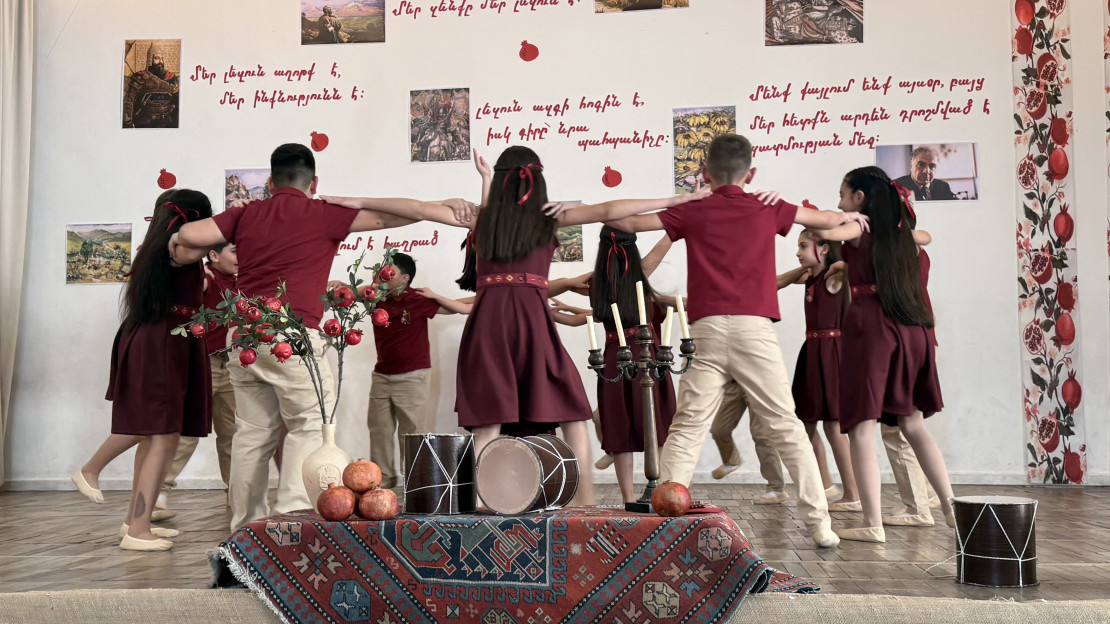
A unique devotion to creativity has also transcended time and space within the Armenian people. It was precisely this devotion that gave rise to the stage performance “Who Are We?” presented at “Usum,” which reflects the continuity of the Armenian people and their enduring—sometimes weakened, yet never extinguished—struggle.
Beginning with a symbolic dialogue, the performance sought to answer what appears to be a simple yet perhaps the most complex question: “Who is an Armenian?”
The stage brought to life significant historical and cultural figures of the Armenian people—from Hayk Nahapet, the embodiment of freedom, to David of Sassoun, the bearer of justice and bravery; from Argishti I, symbolizing the continuity of statehood, to Vardan Mamikonian, the defender of faith and homeland. These figures reflected the colors of dignity that, over centuries, transcended the military-political sphere and became embedded in the realms of culture and science. This legacy includes astrophysics pioneer Viktor Hambardzumyan and the legendary Armenian-American writer William Saroyan, emphasizing that Armenians are not only creators of the past, but also of the present and the future—both in their homeland and beyond its borders.
The theatrical performance “Who Are We?” was not only an artistic presentation but also an exploration of identity. It demonstrated that being Armenian is not merely a matter of origin, but a conscious choice—to preserve language, culture, and values.
The main message of the event was clear: the Armenian people are a continuum, and each generation bears the responsibility to preserve and develop that continuity.
To not think freely is to not think at all!