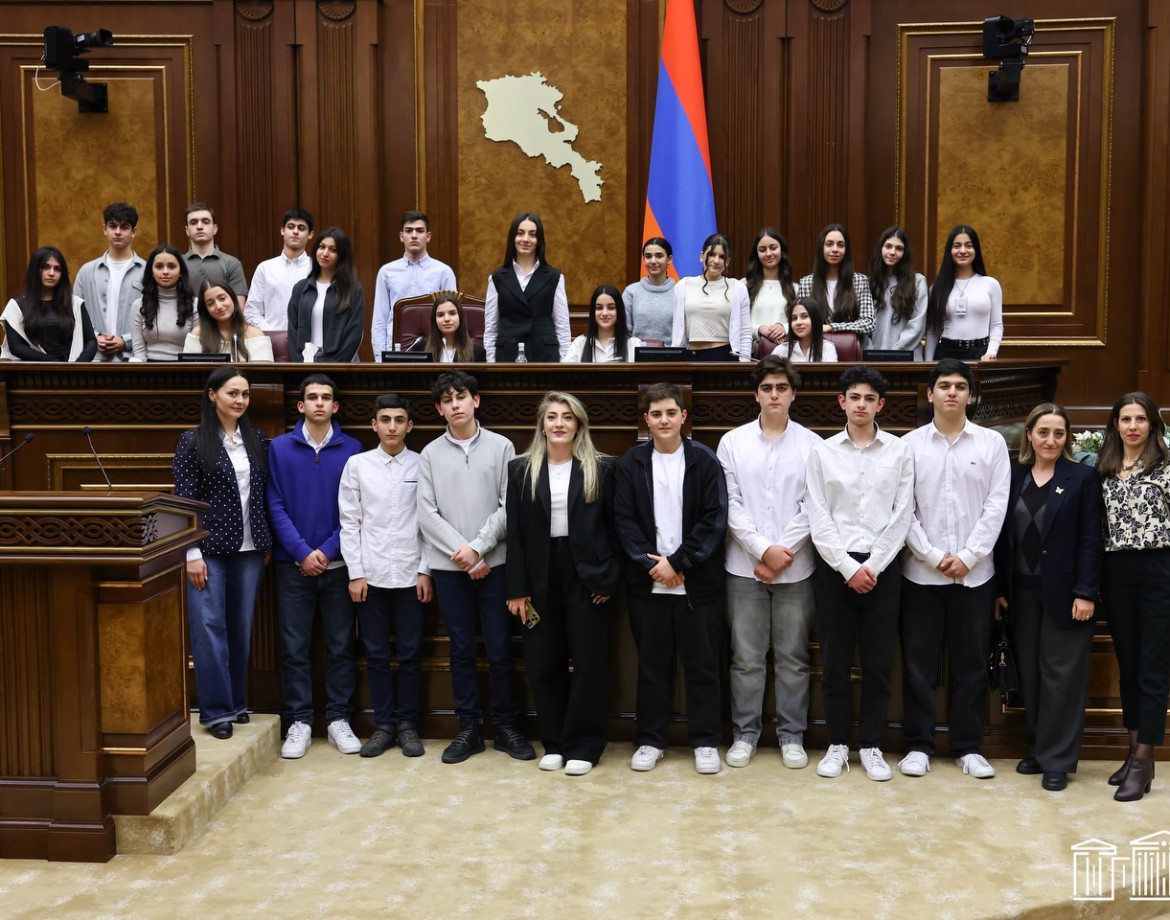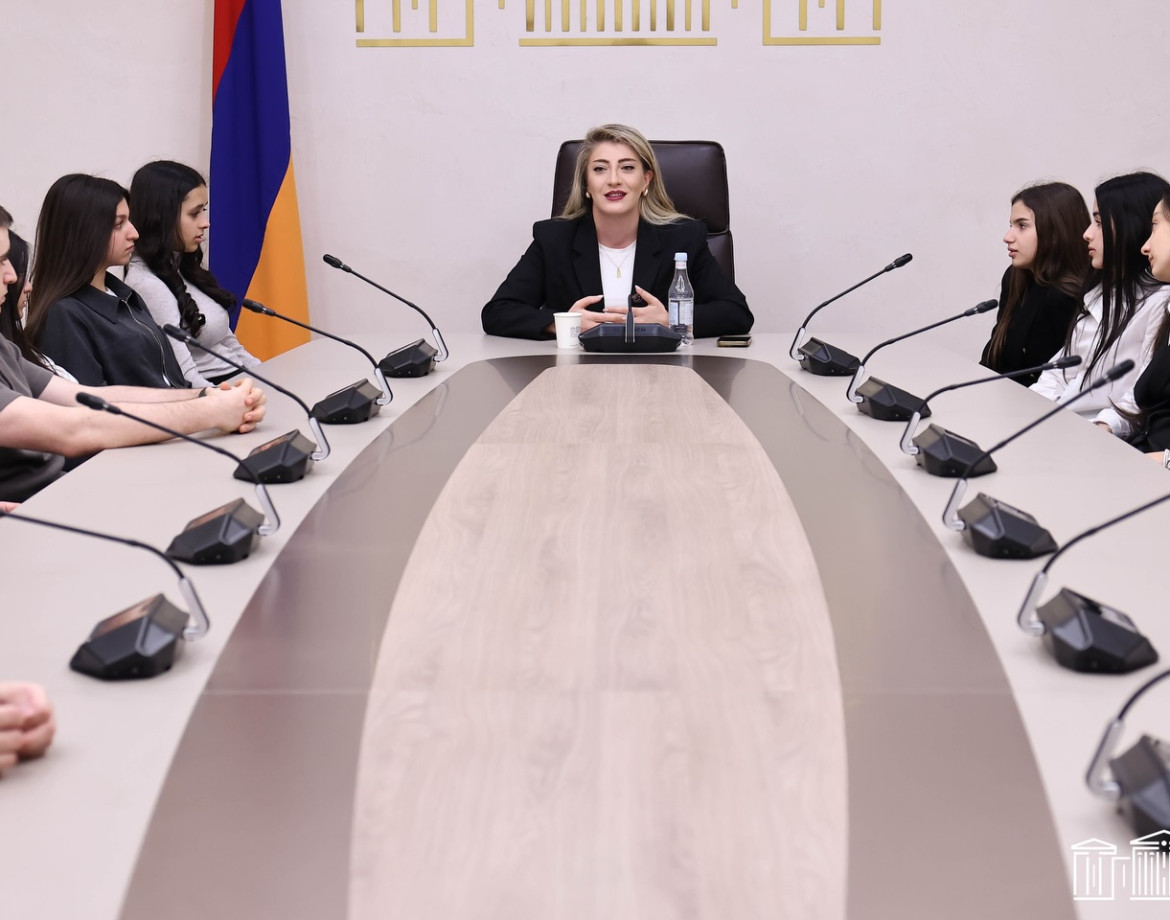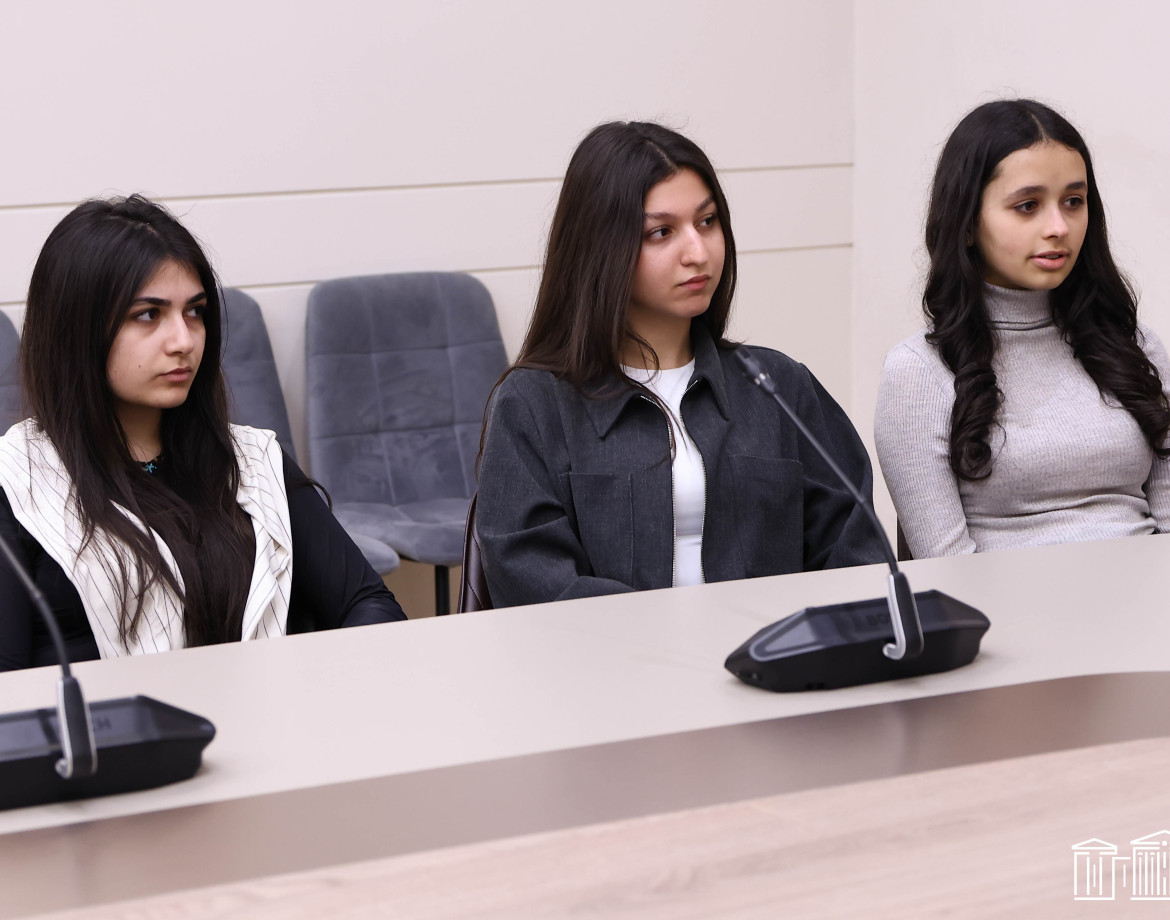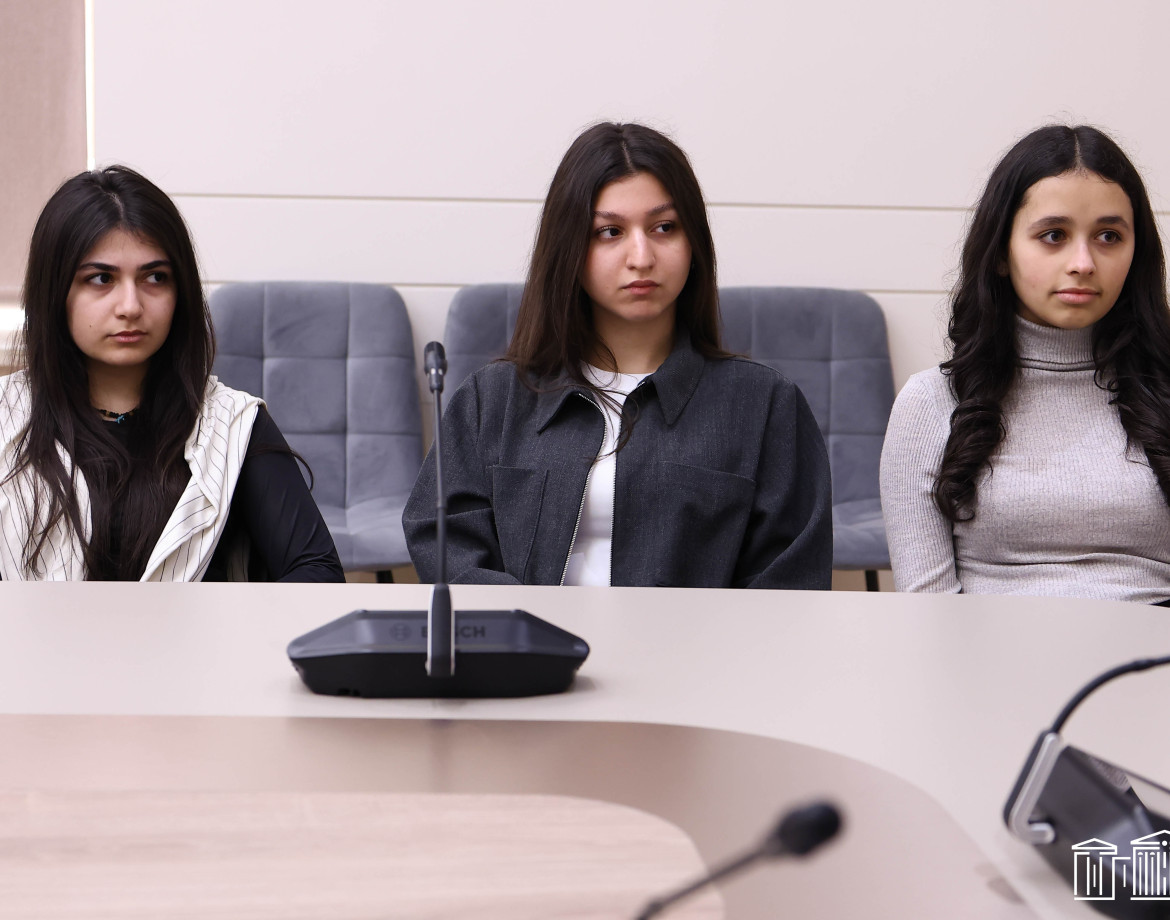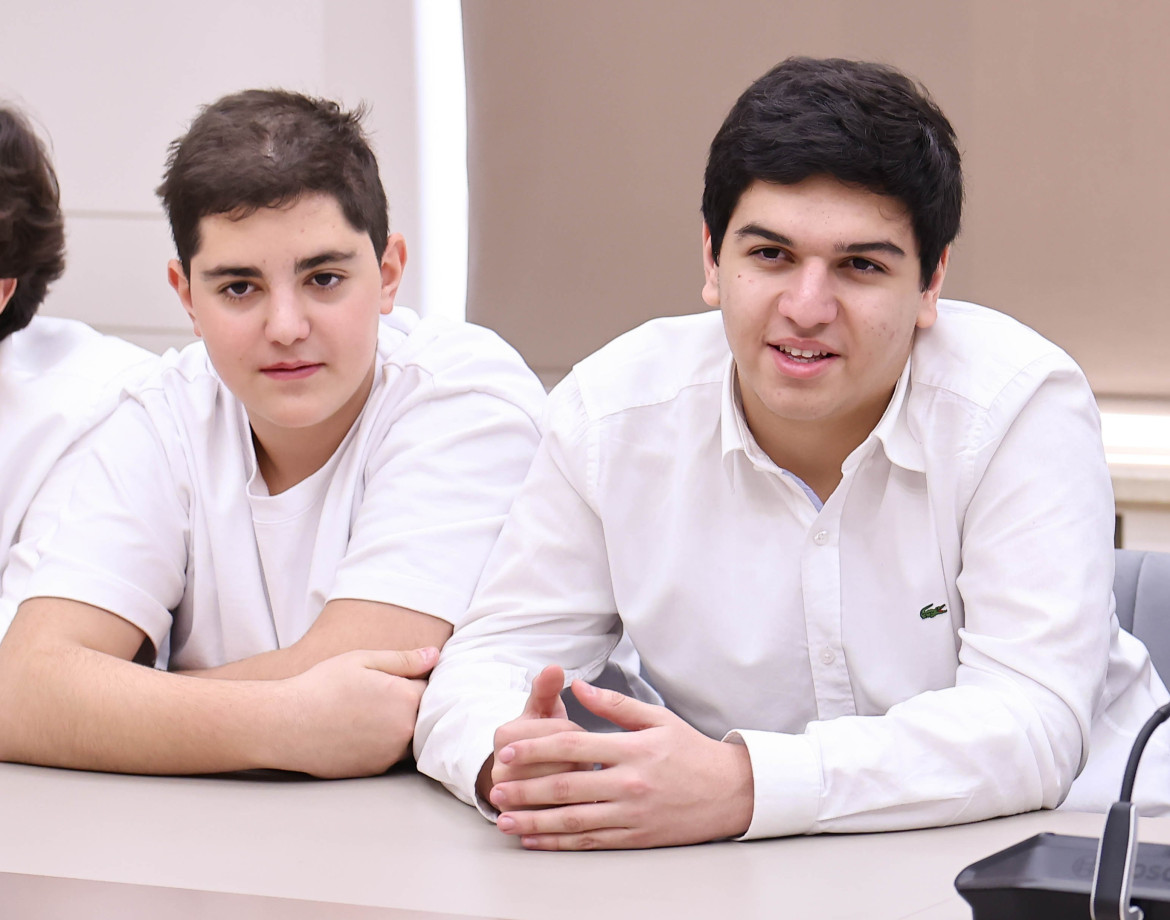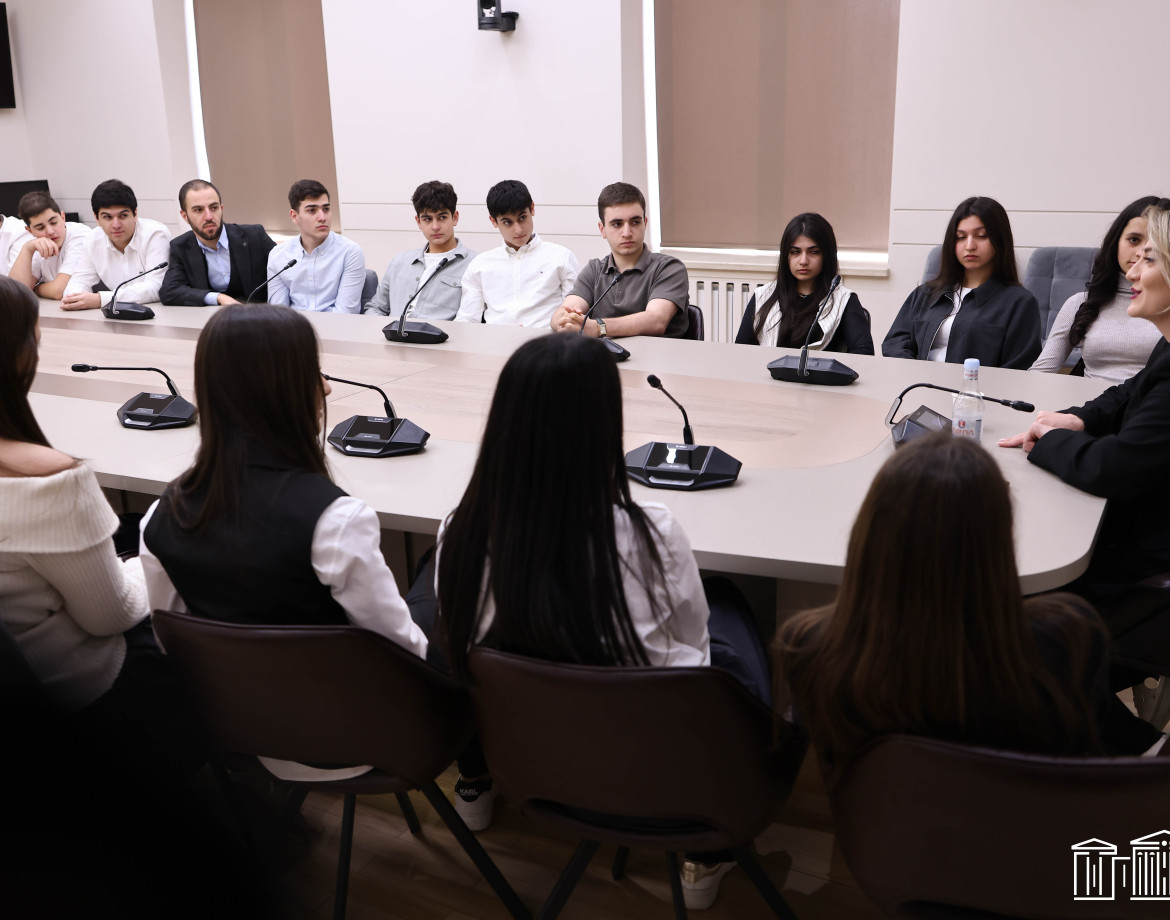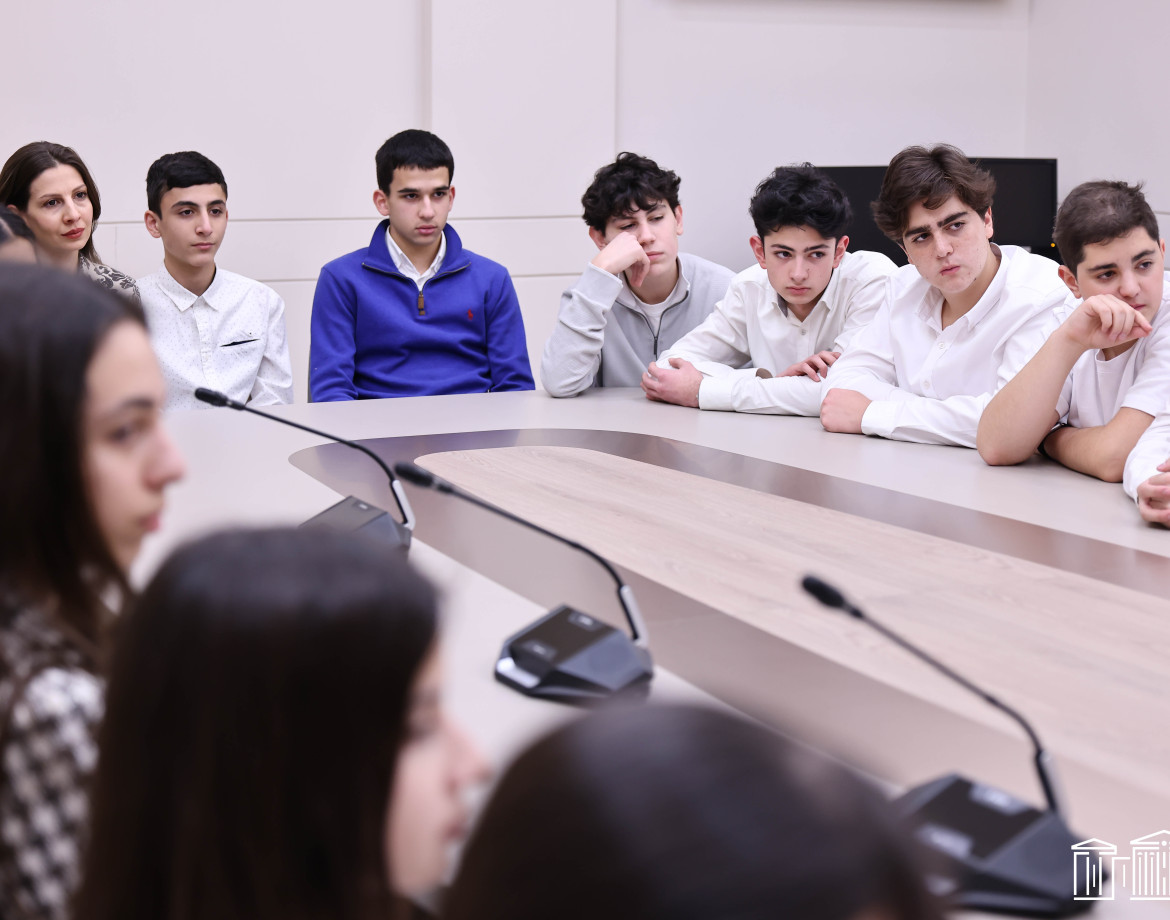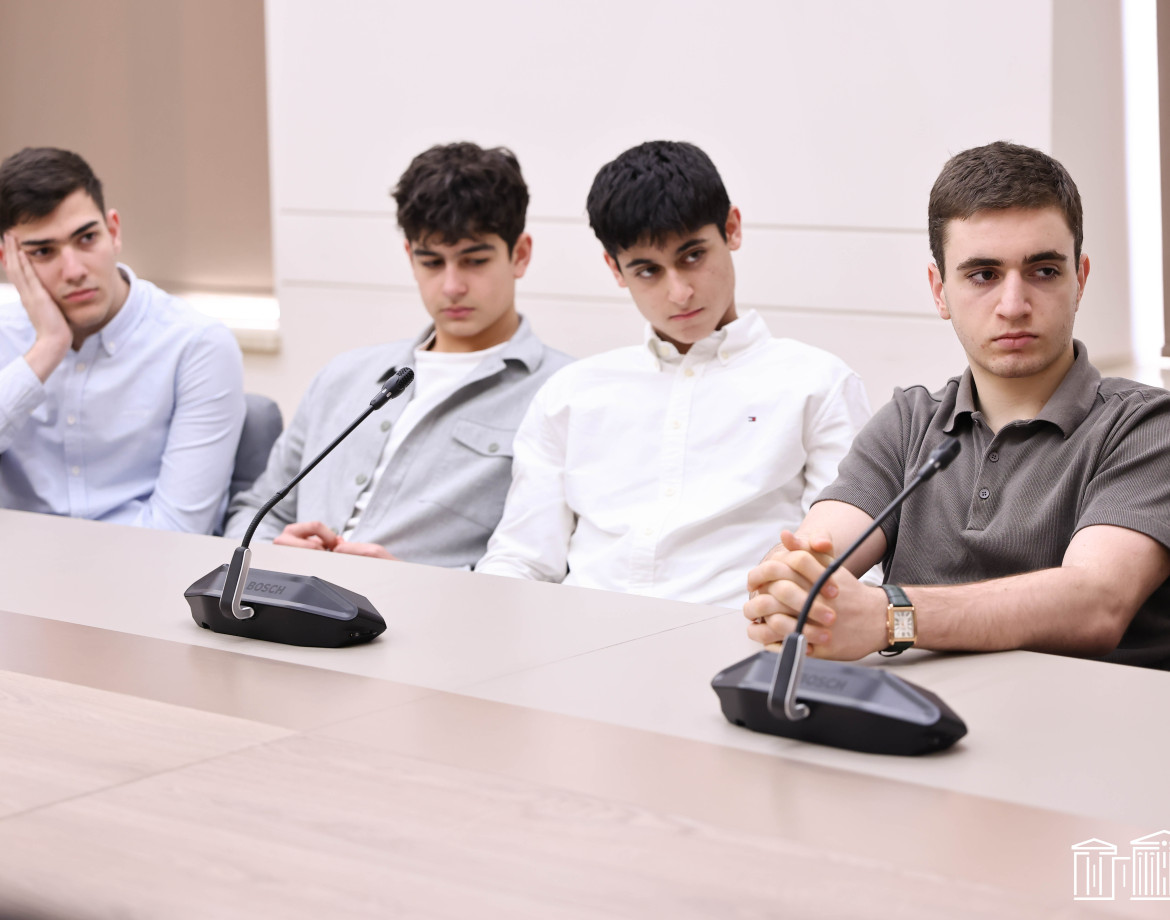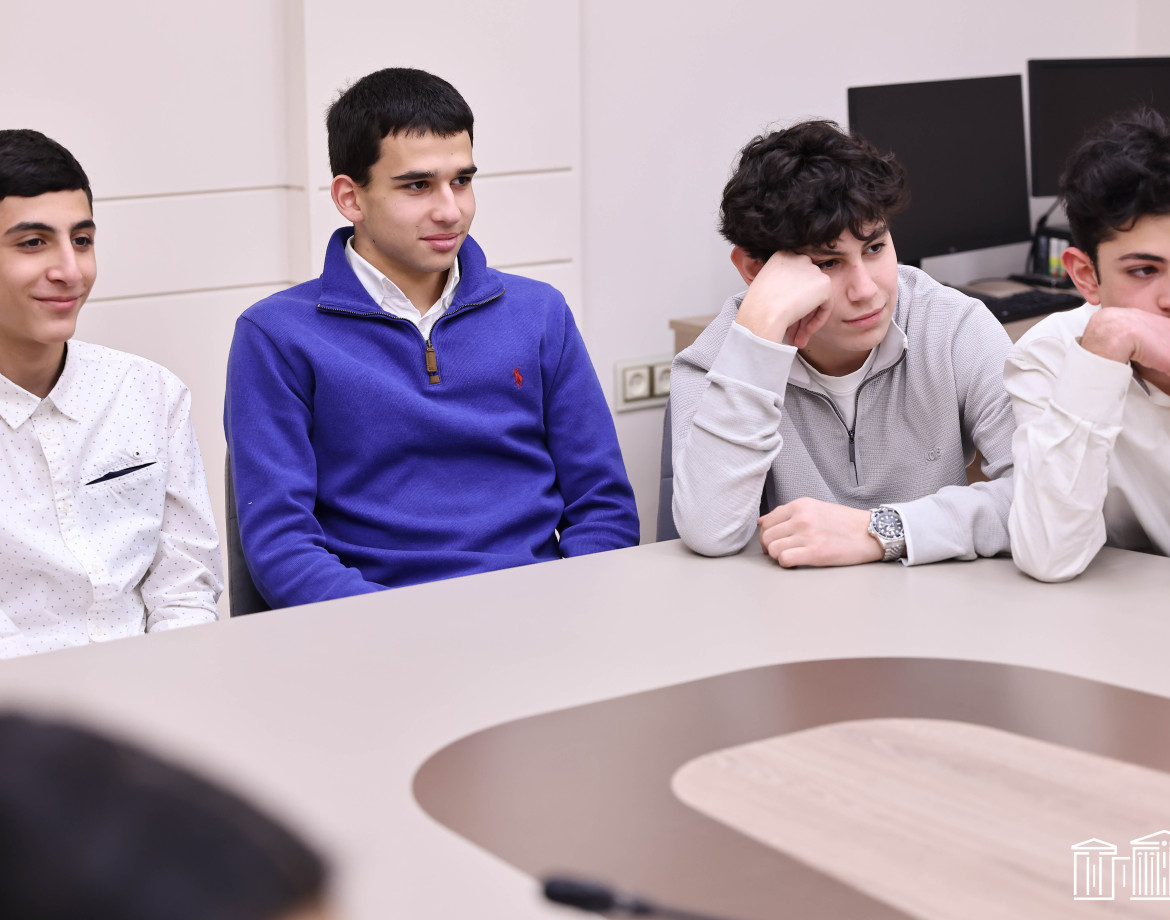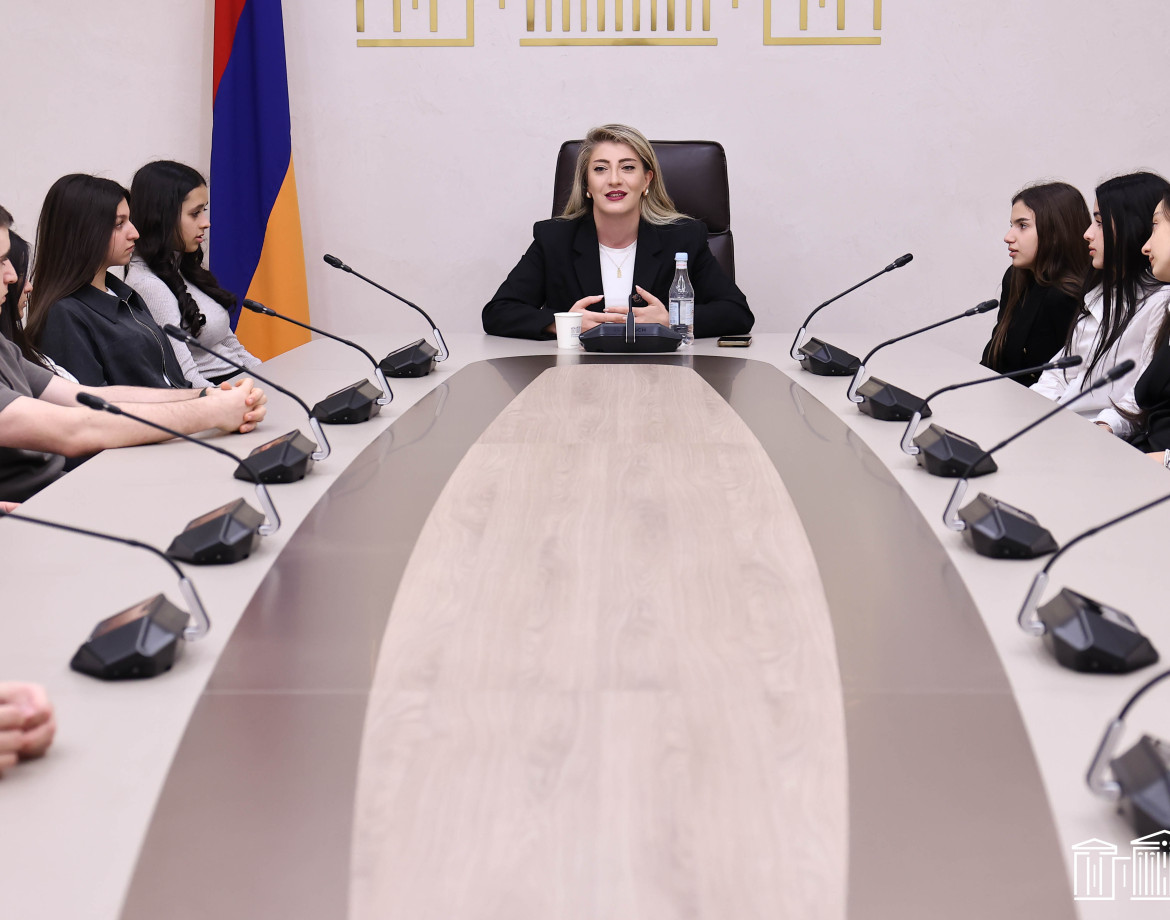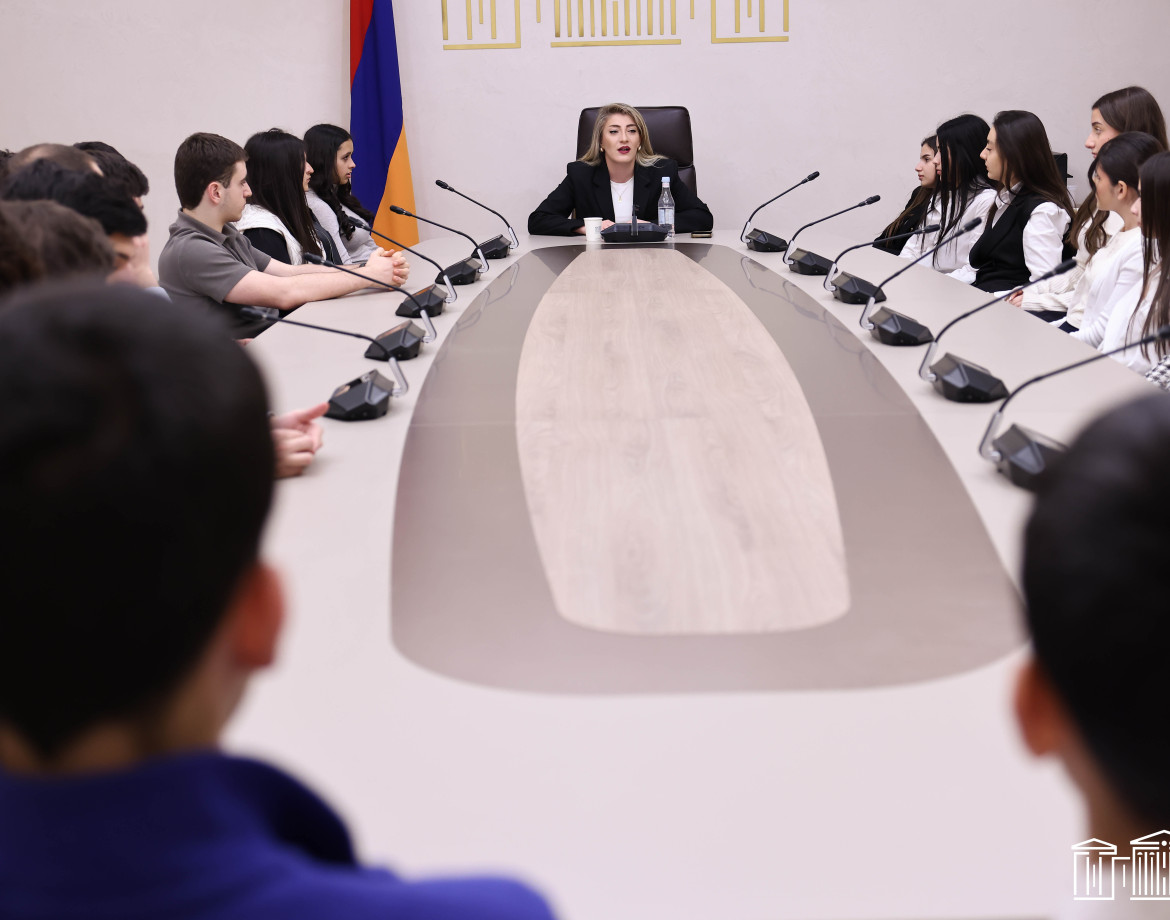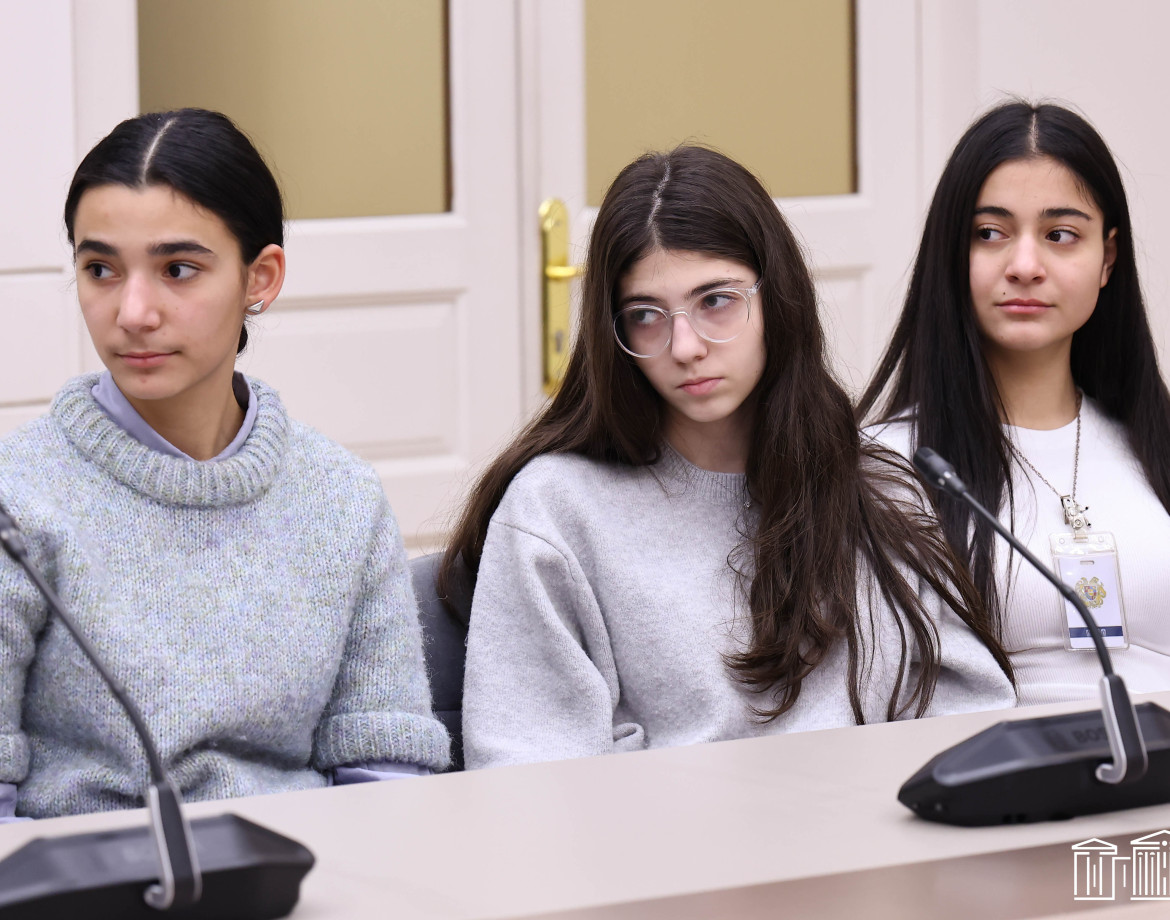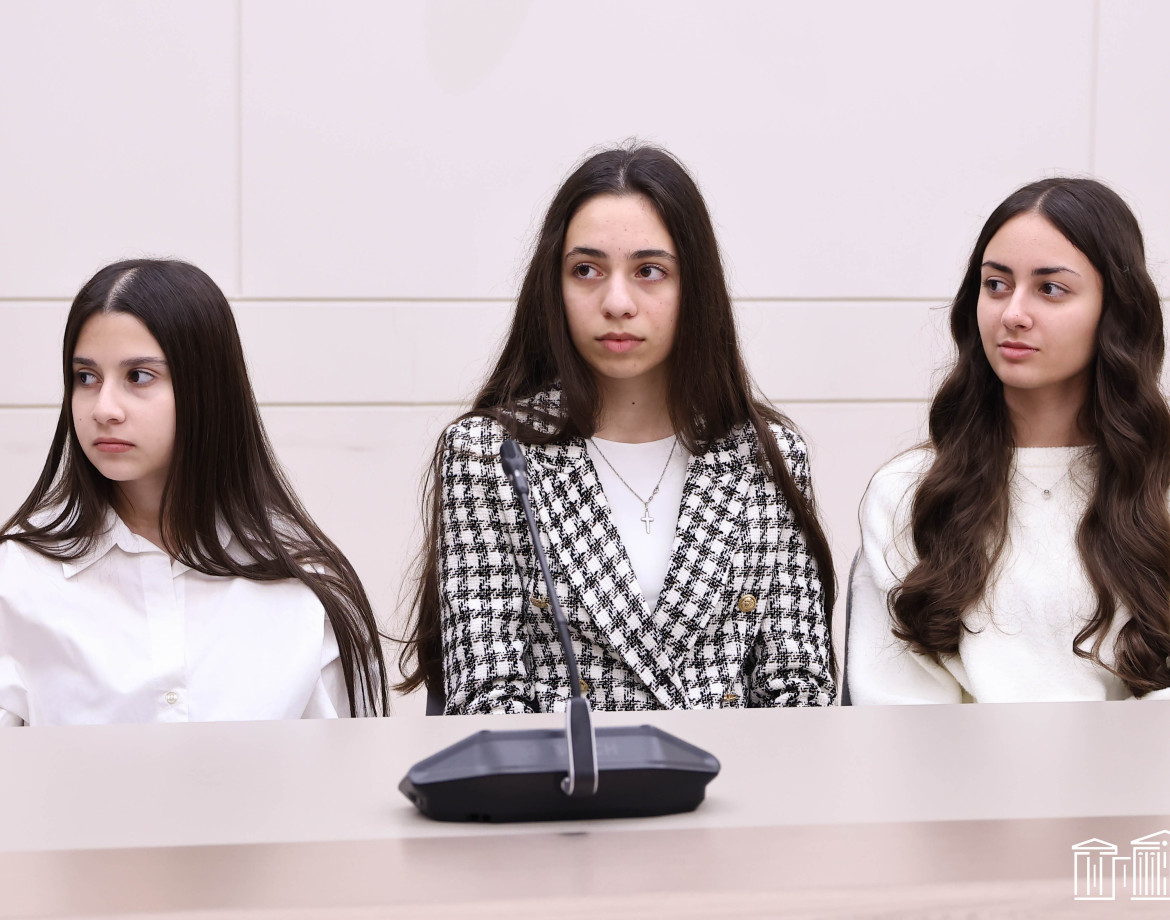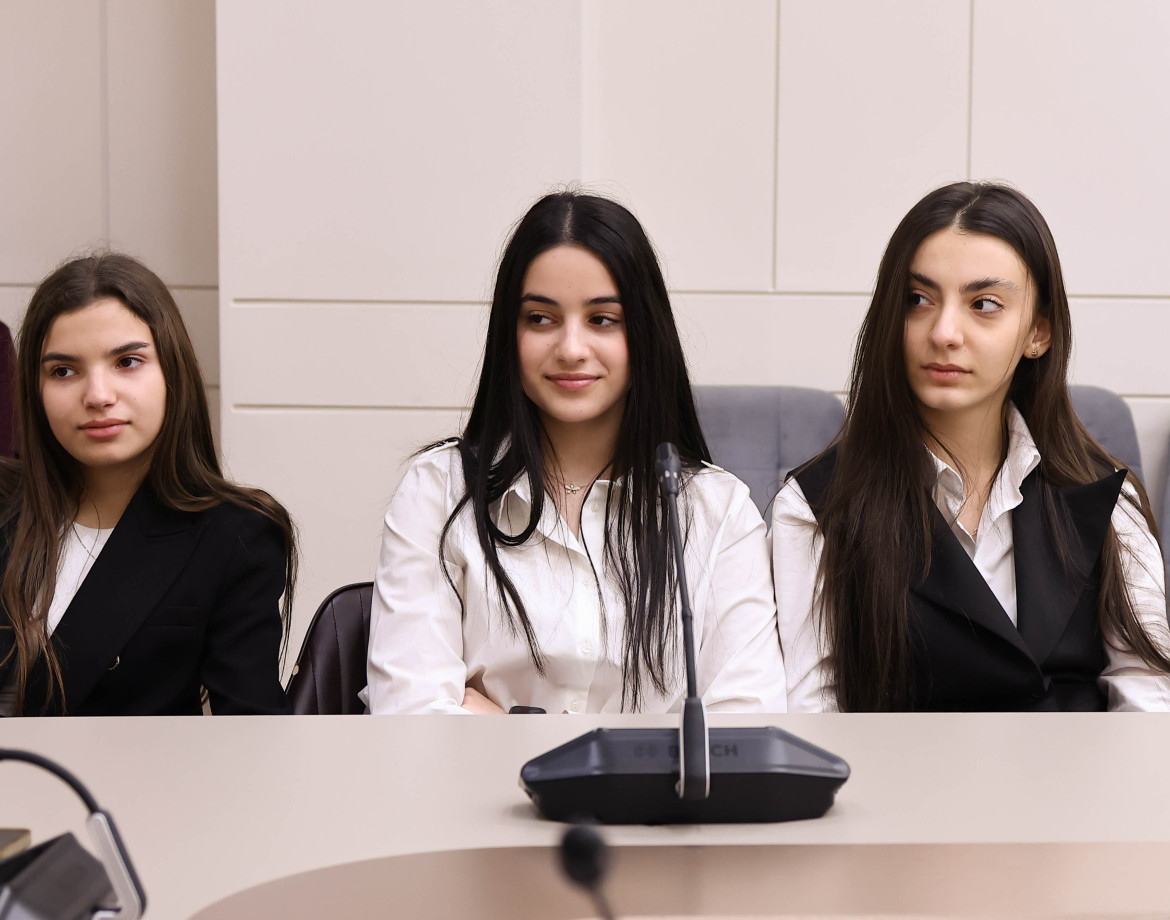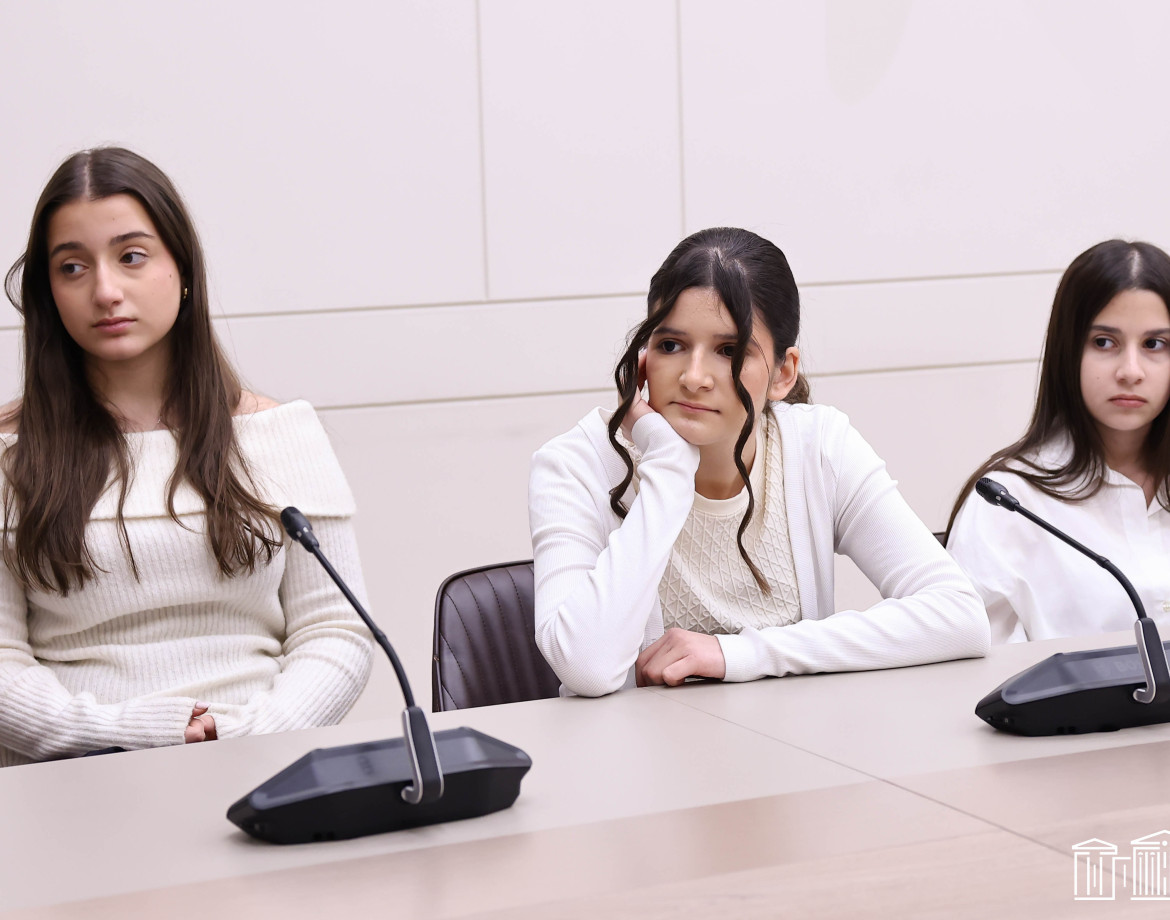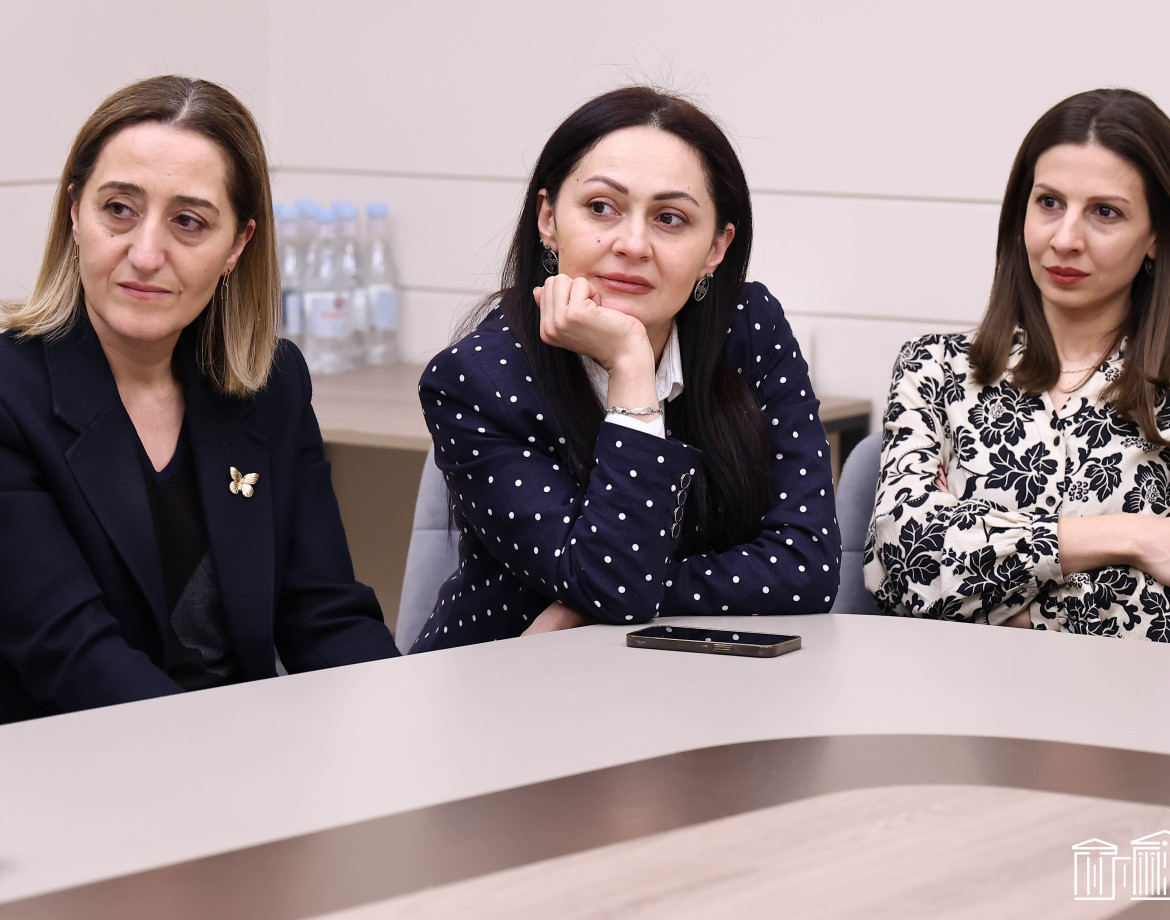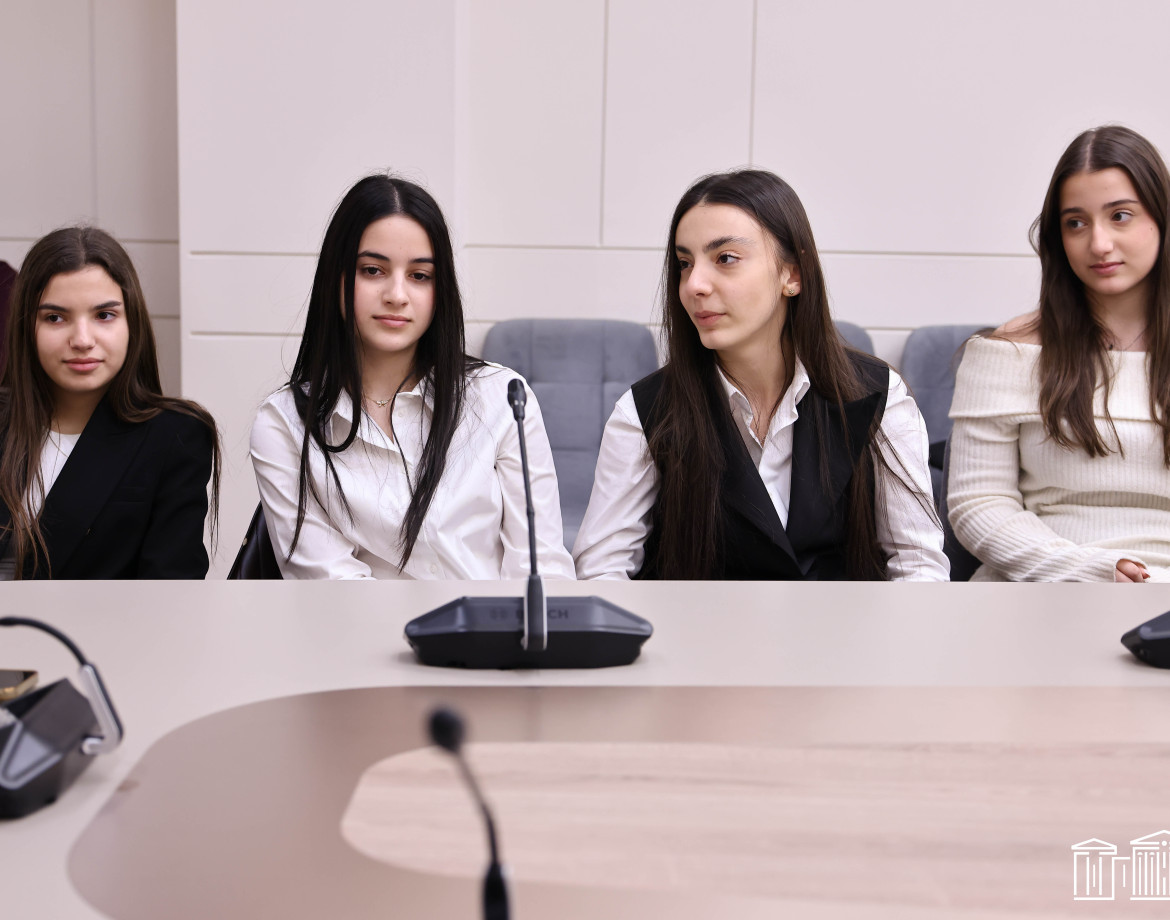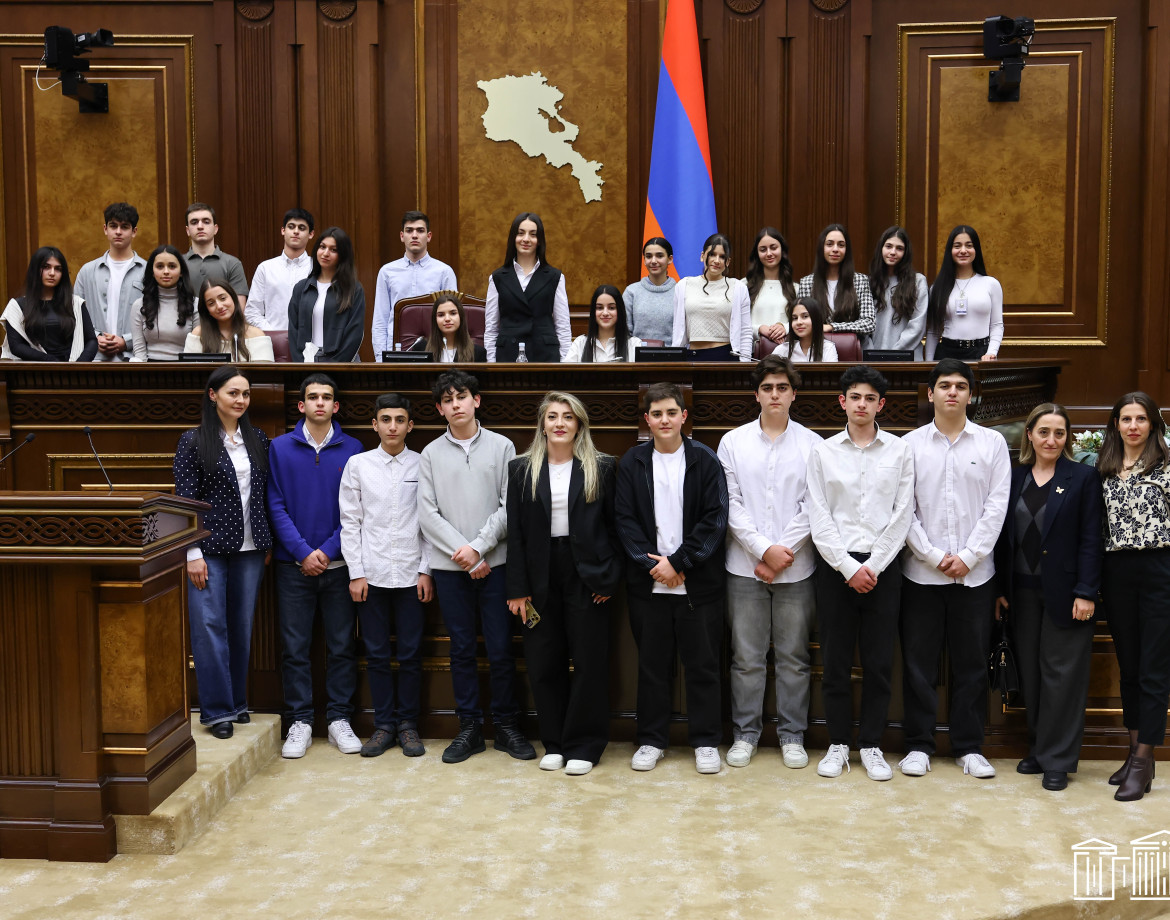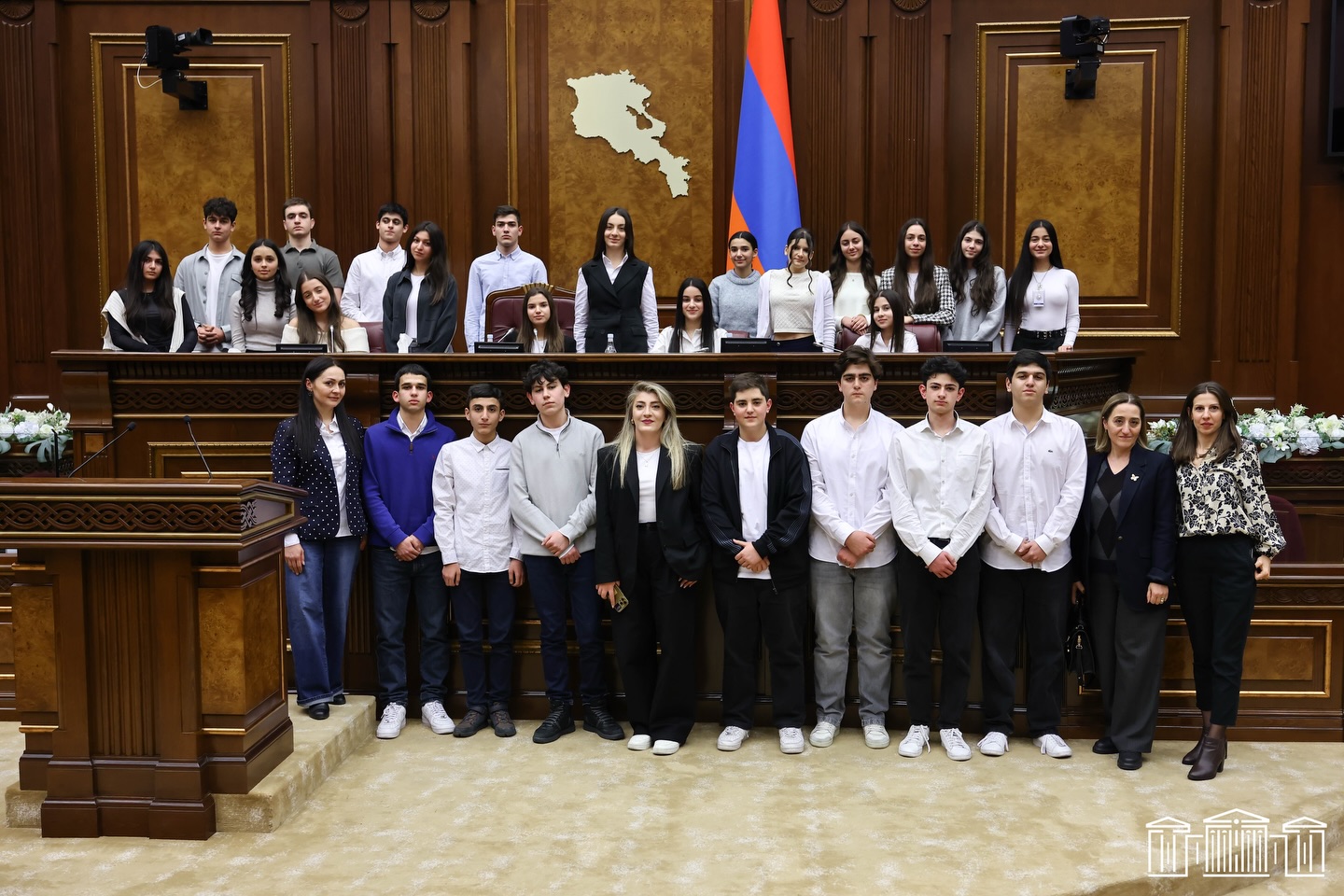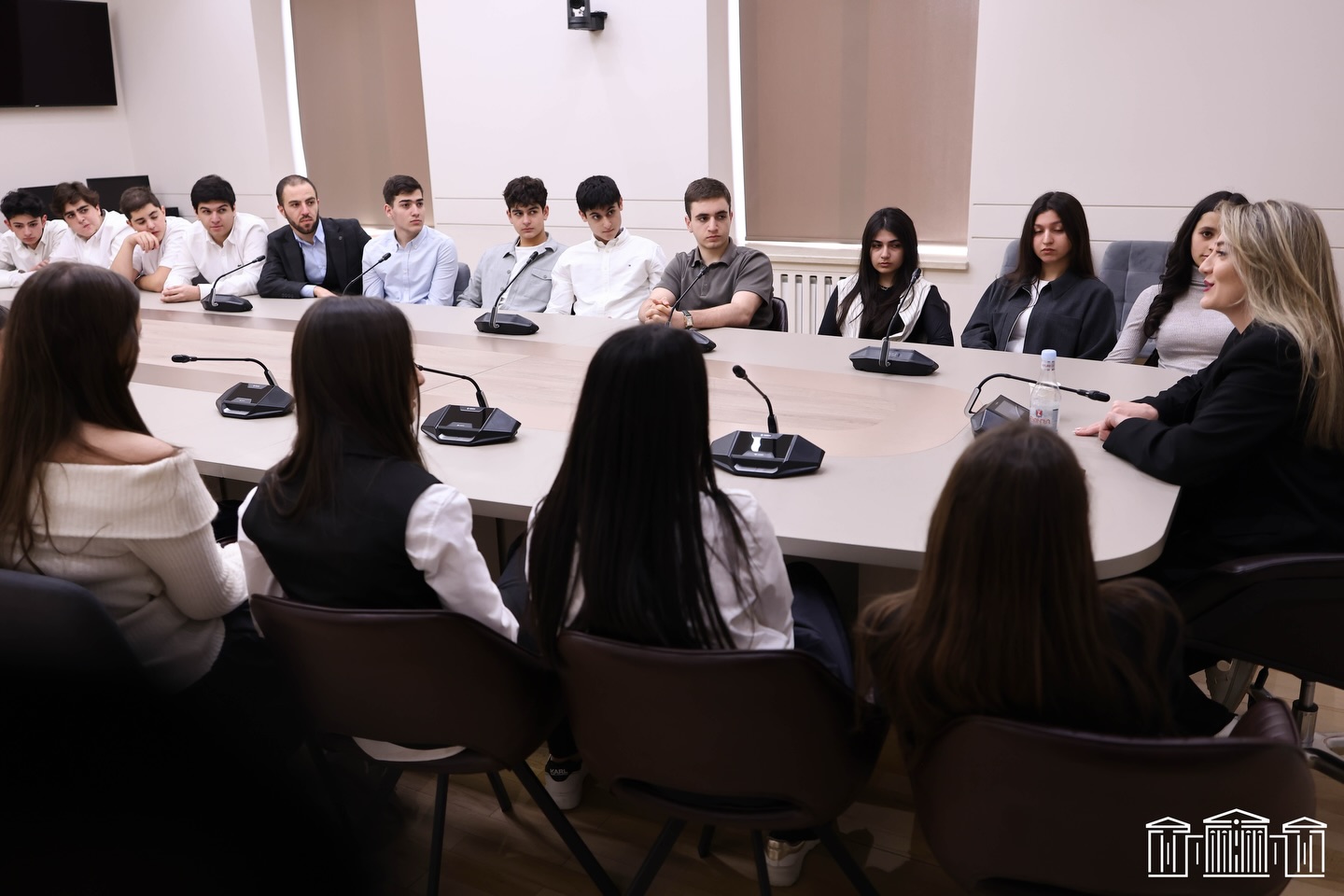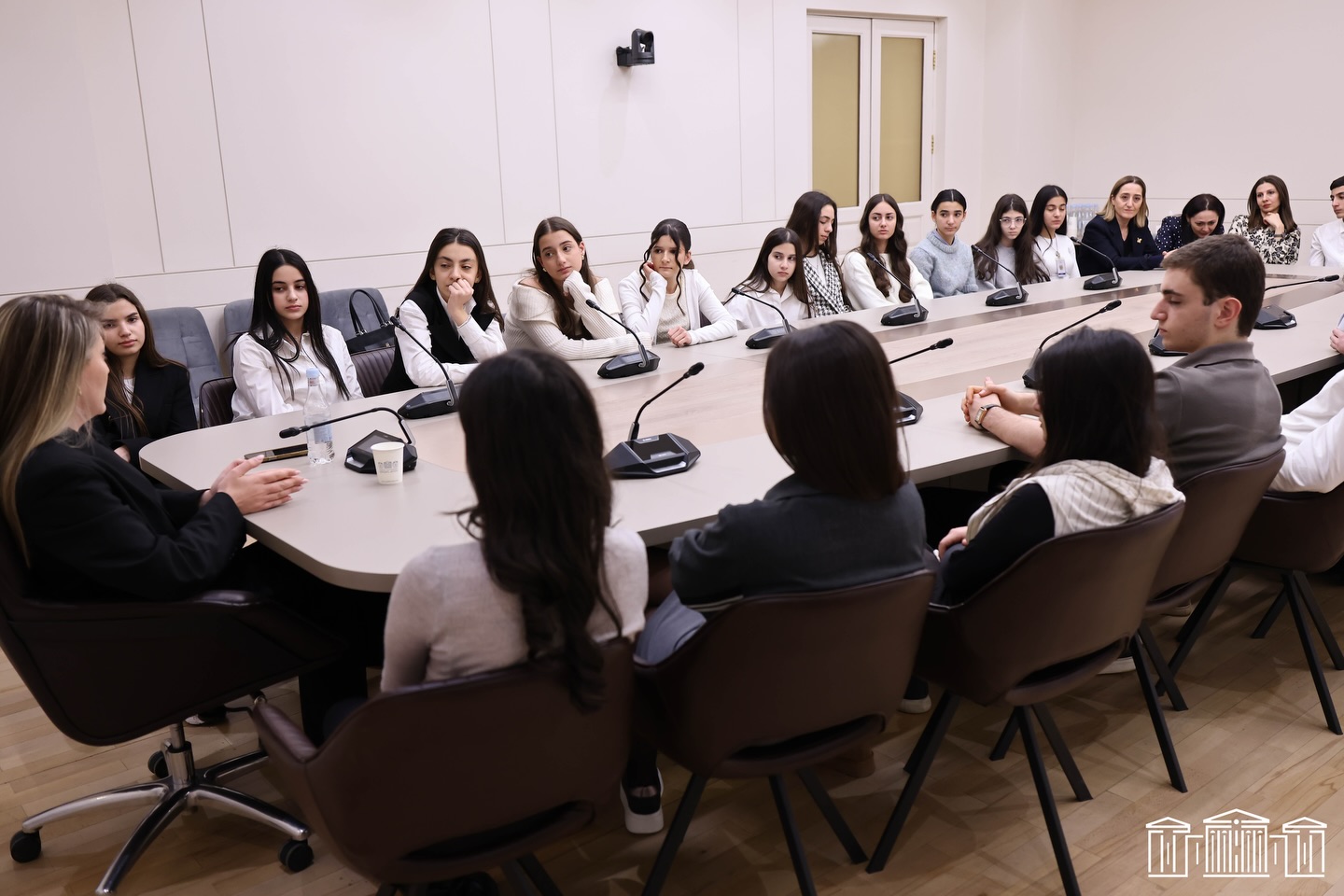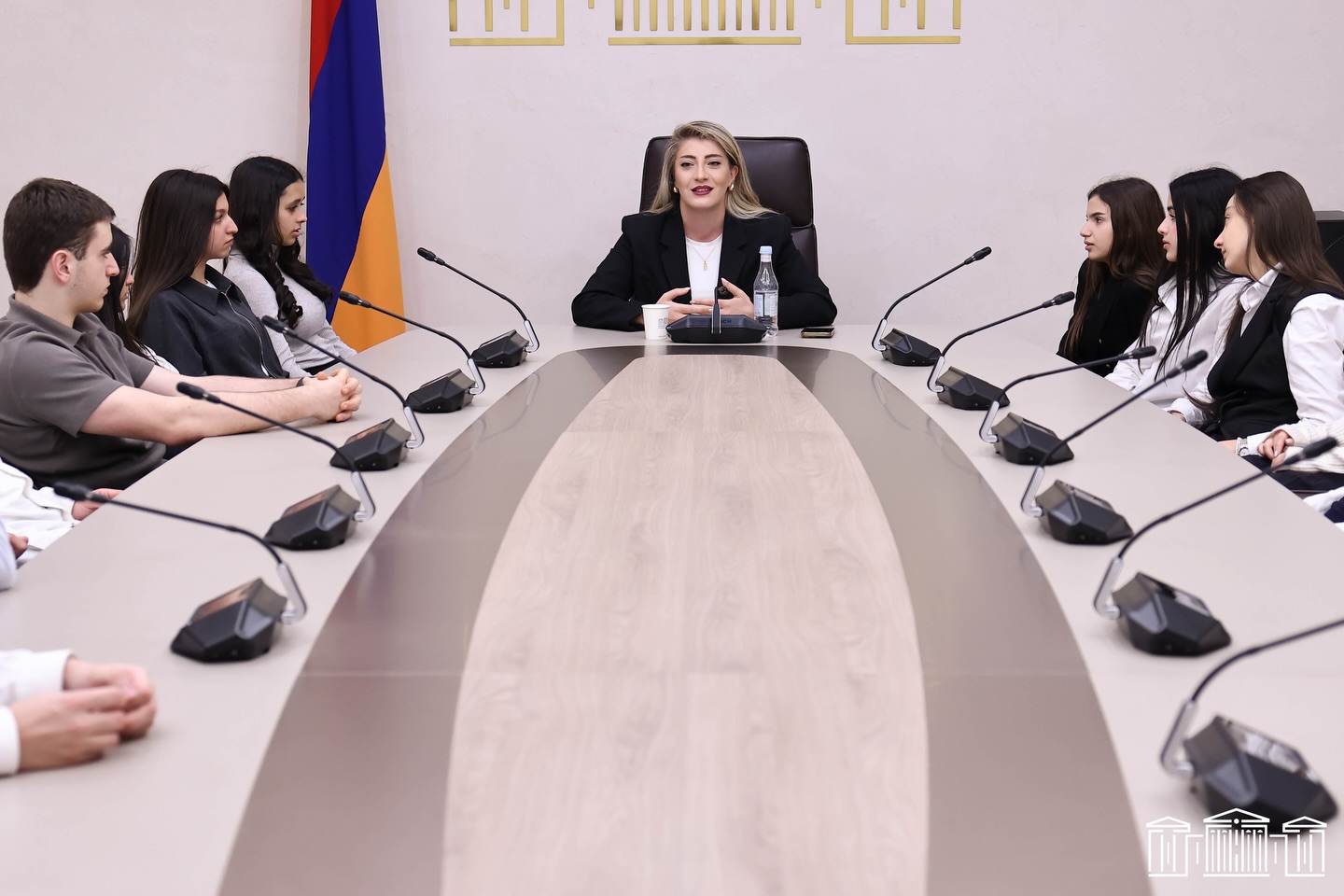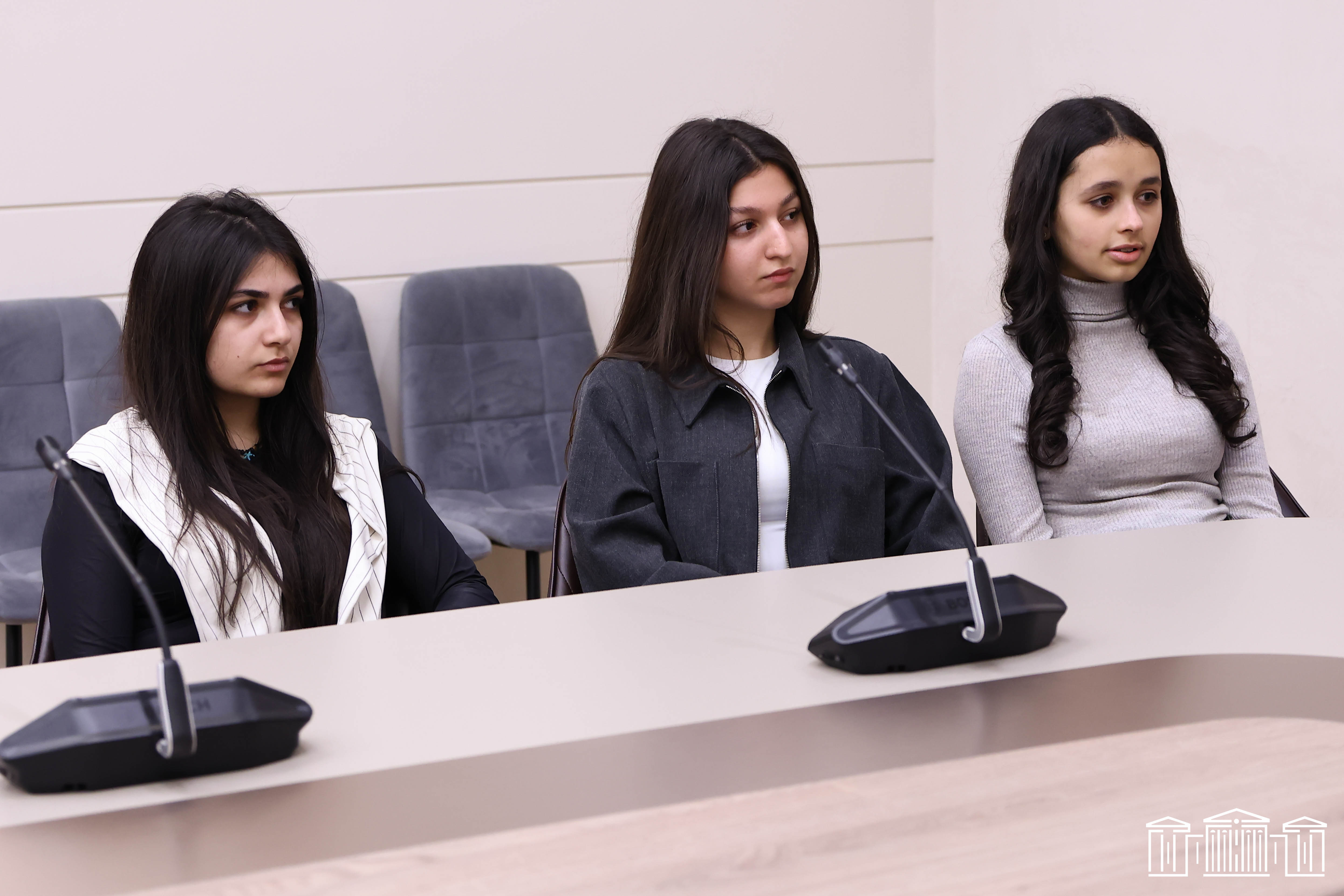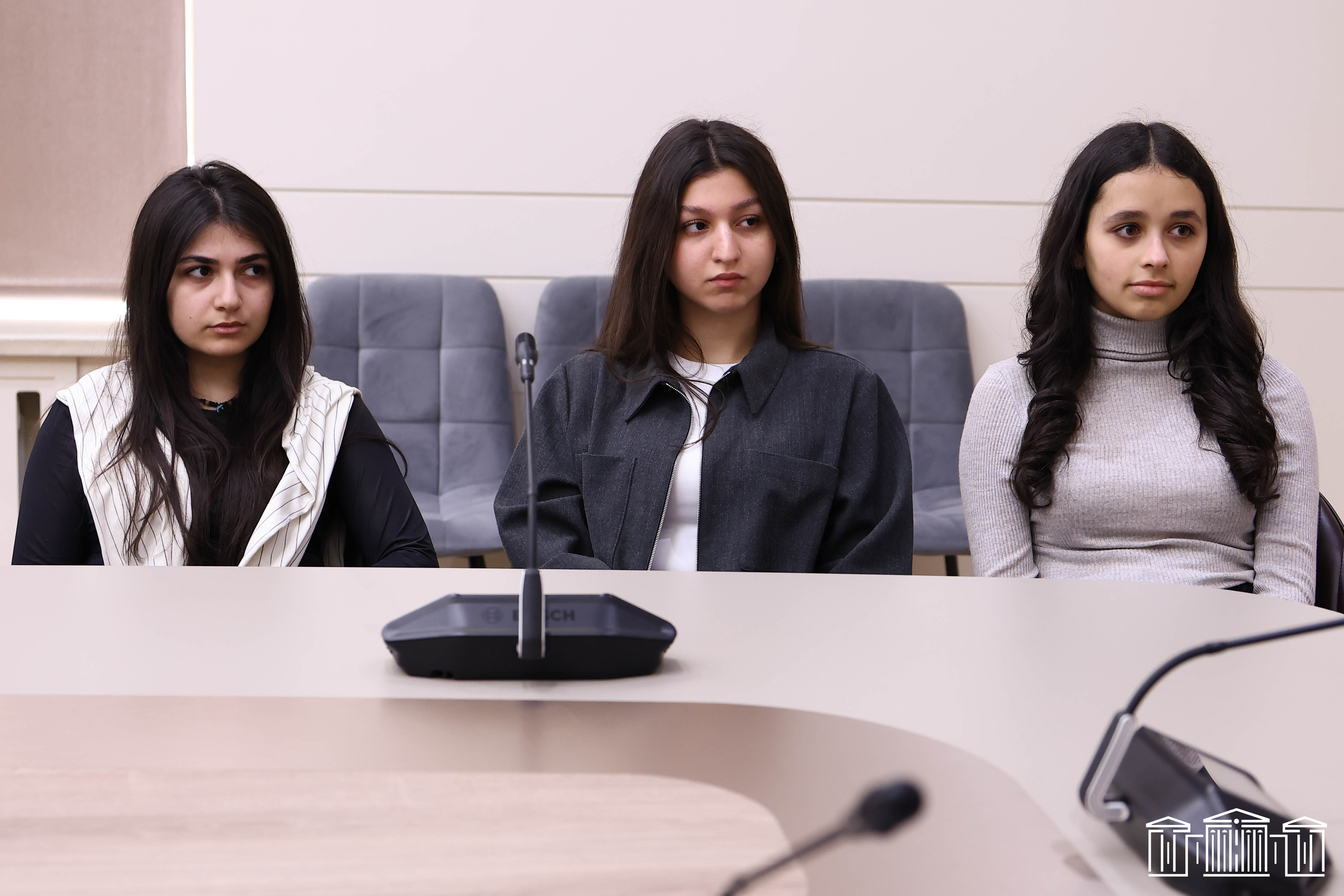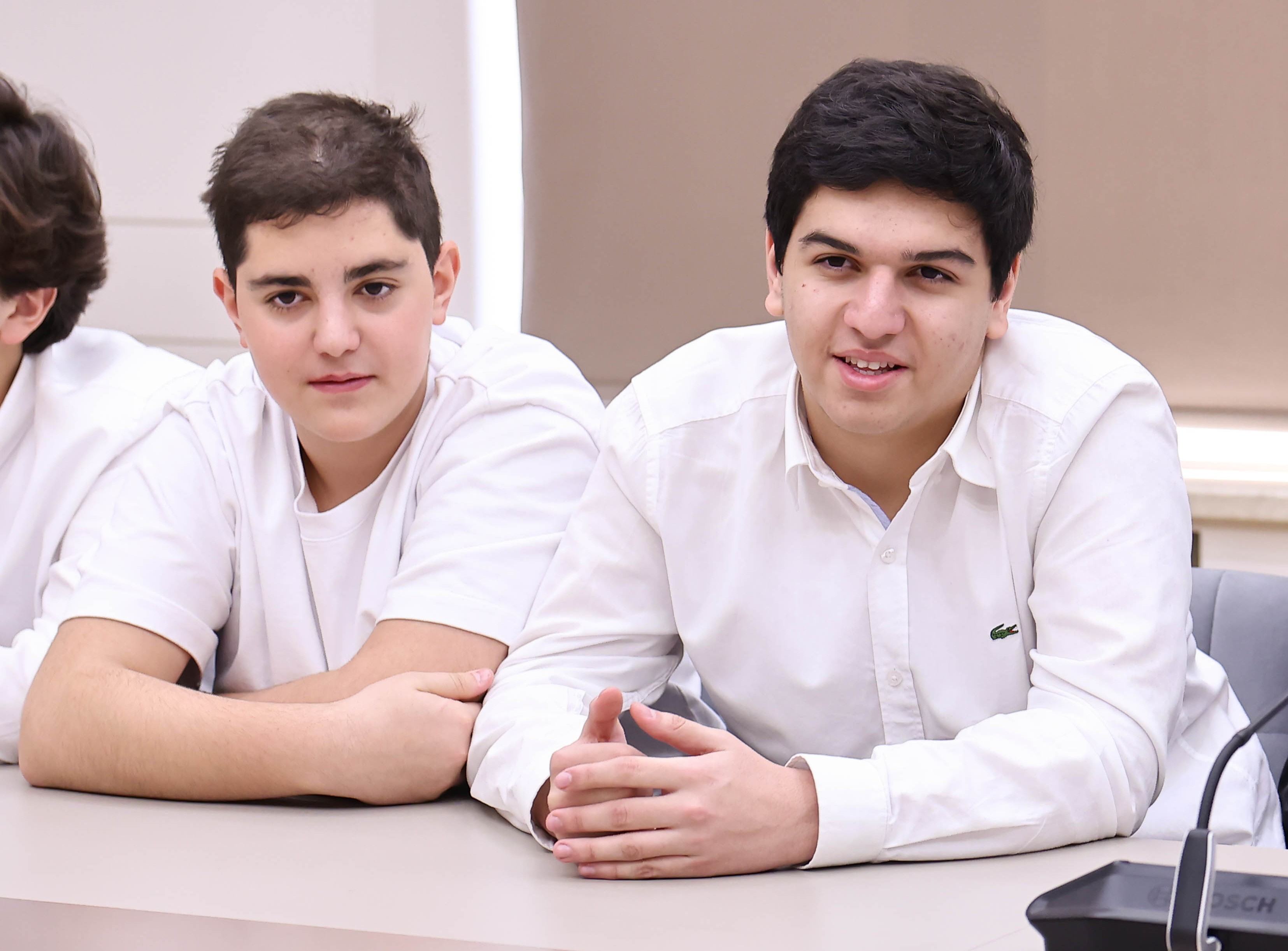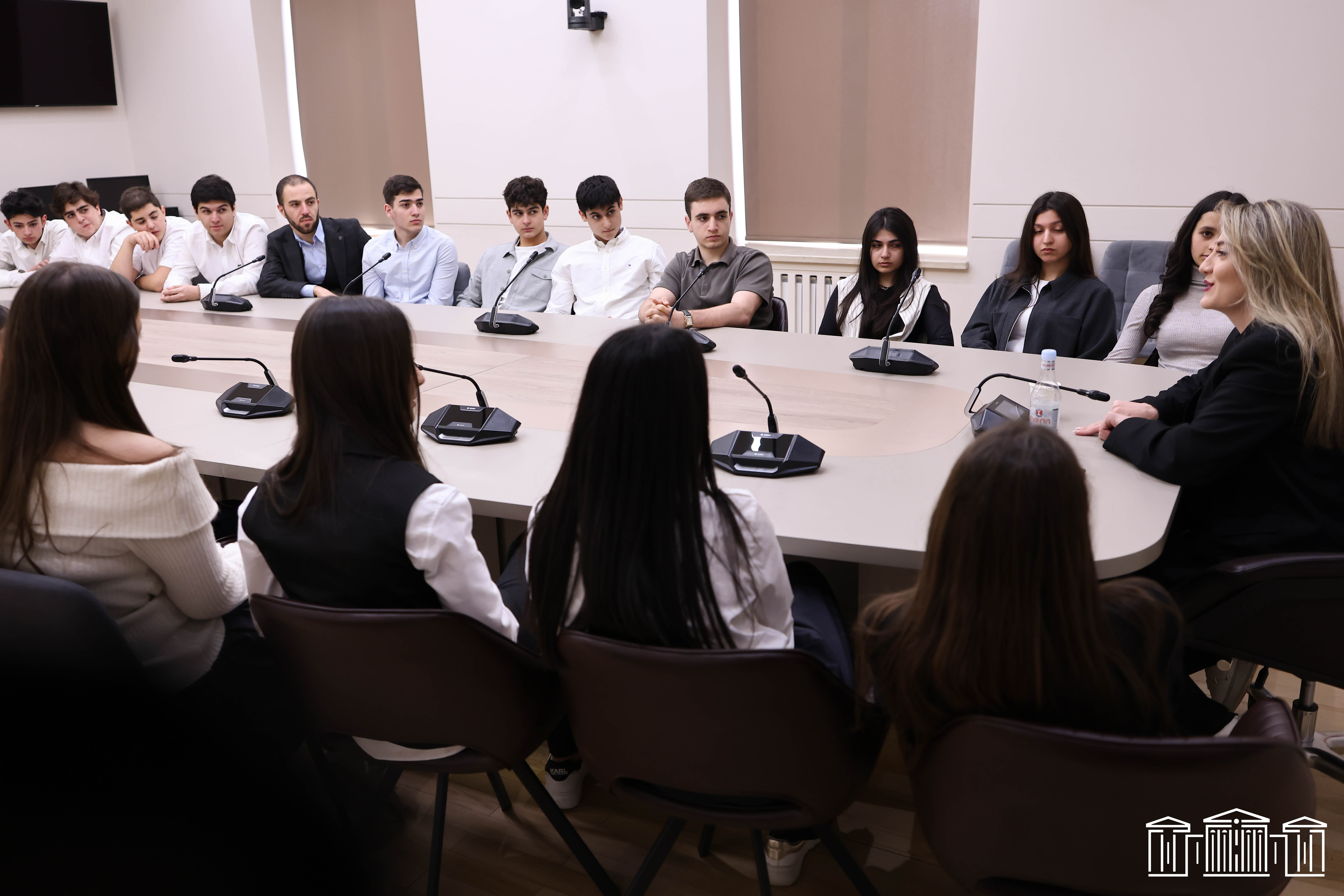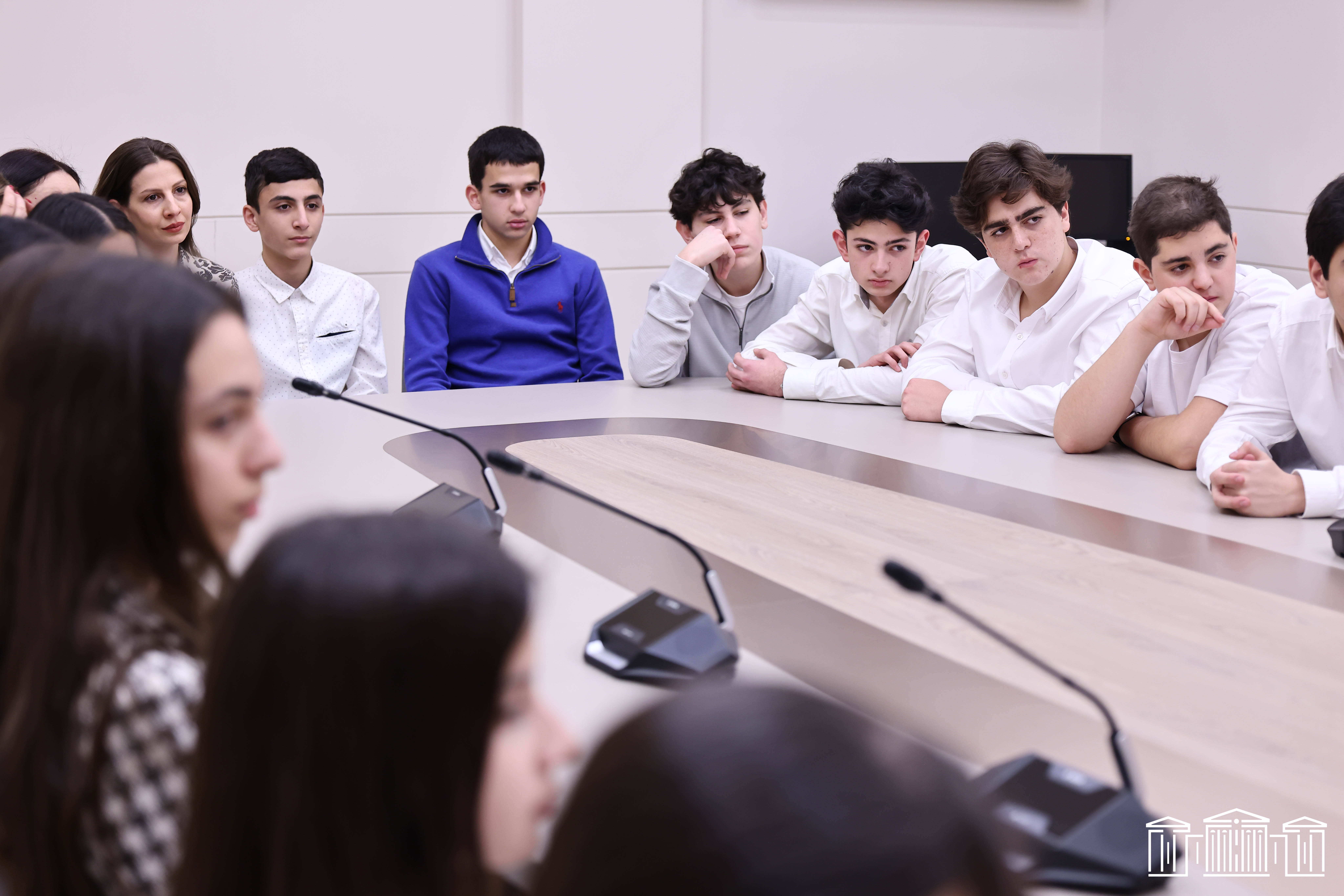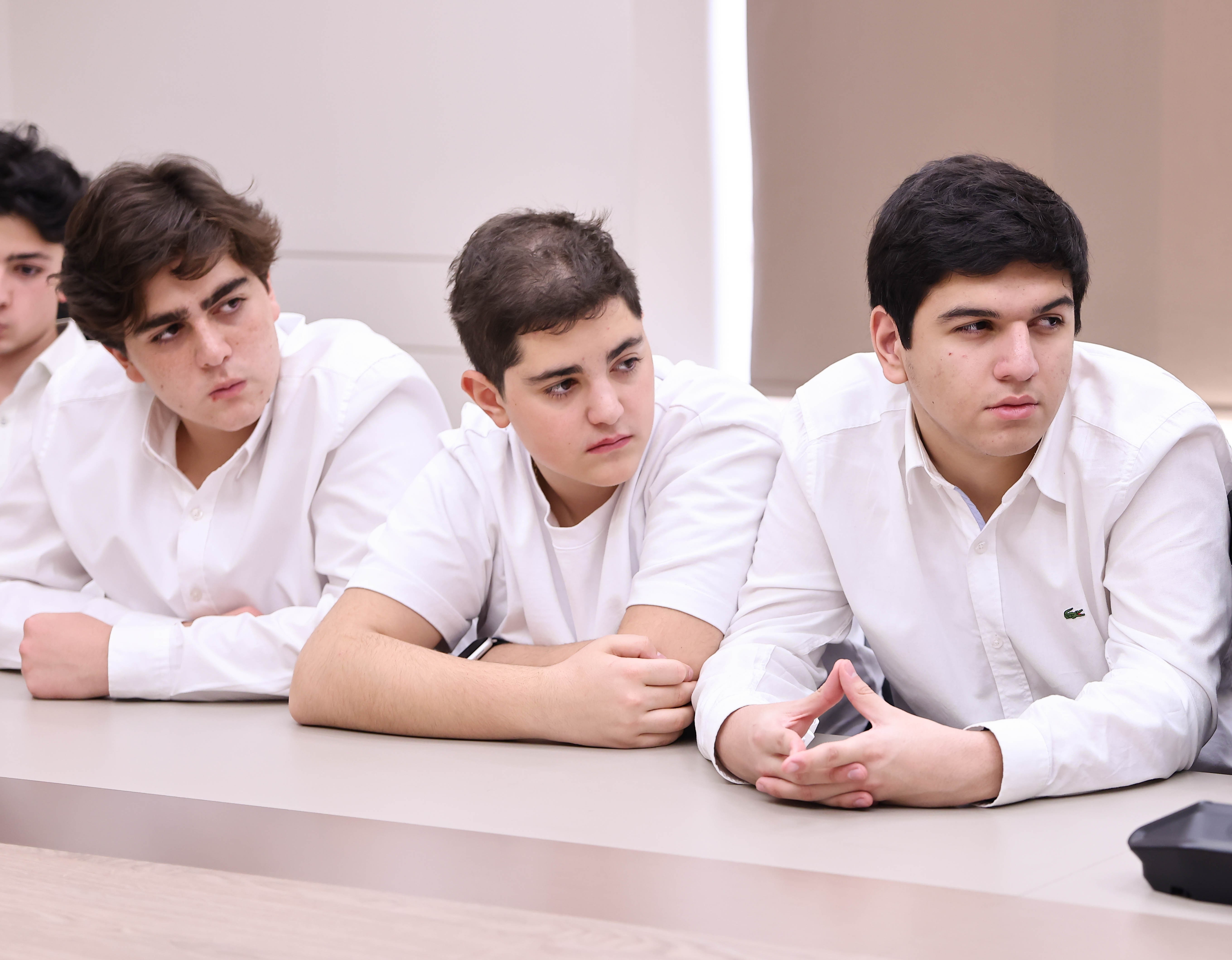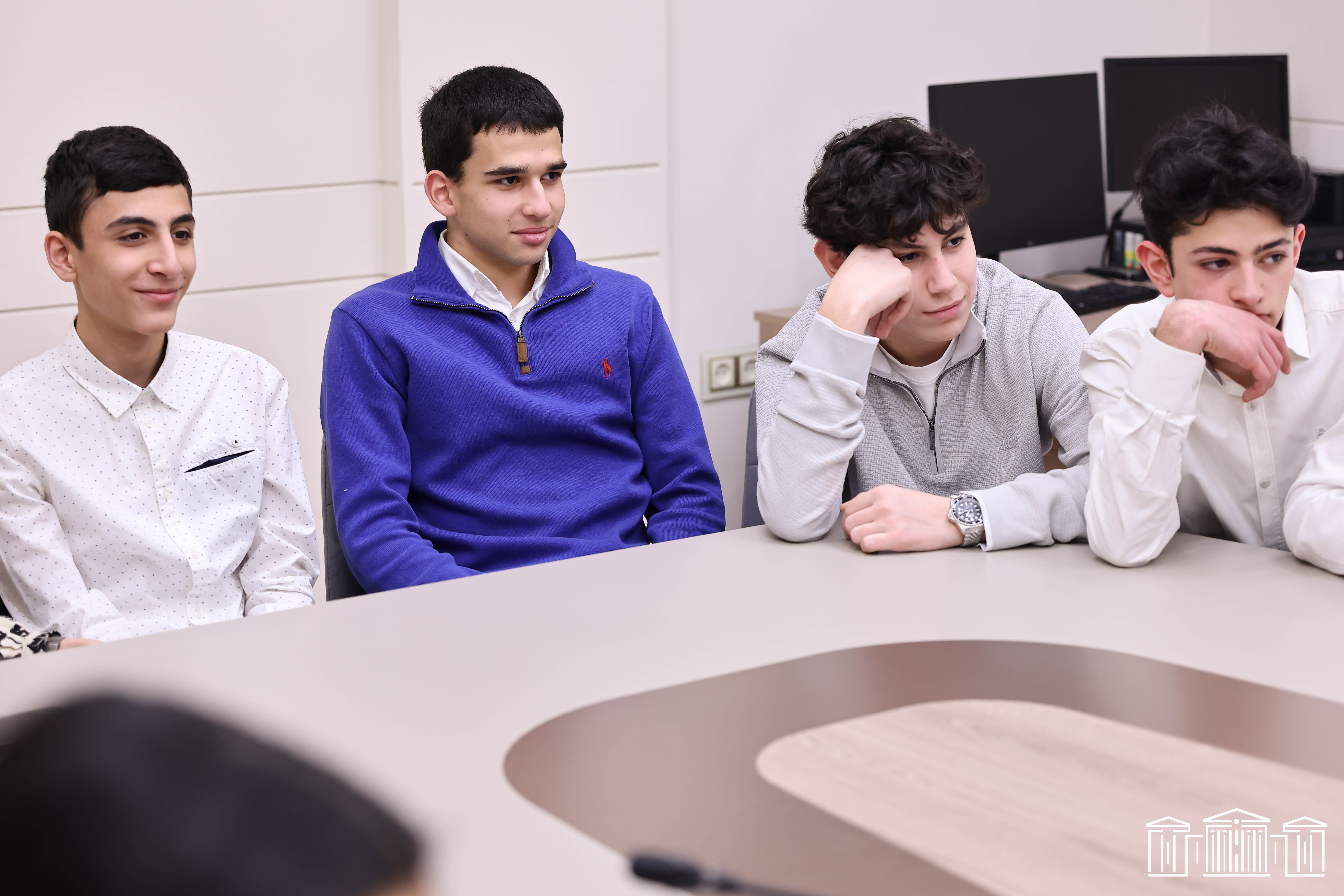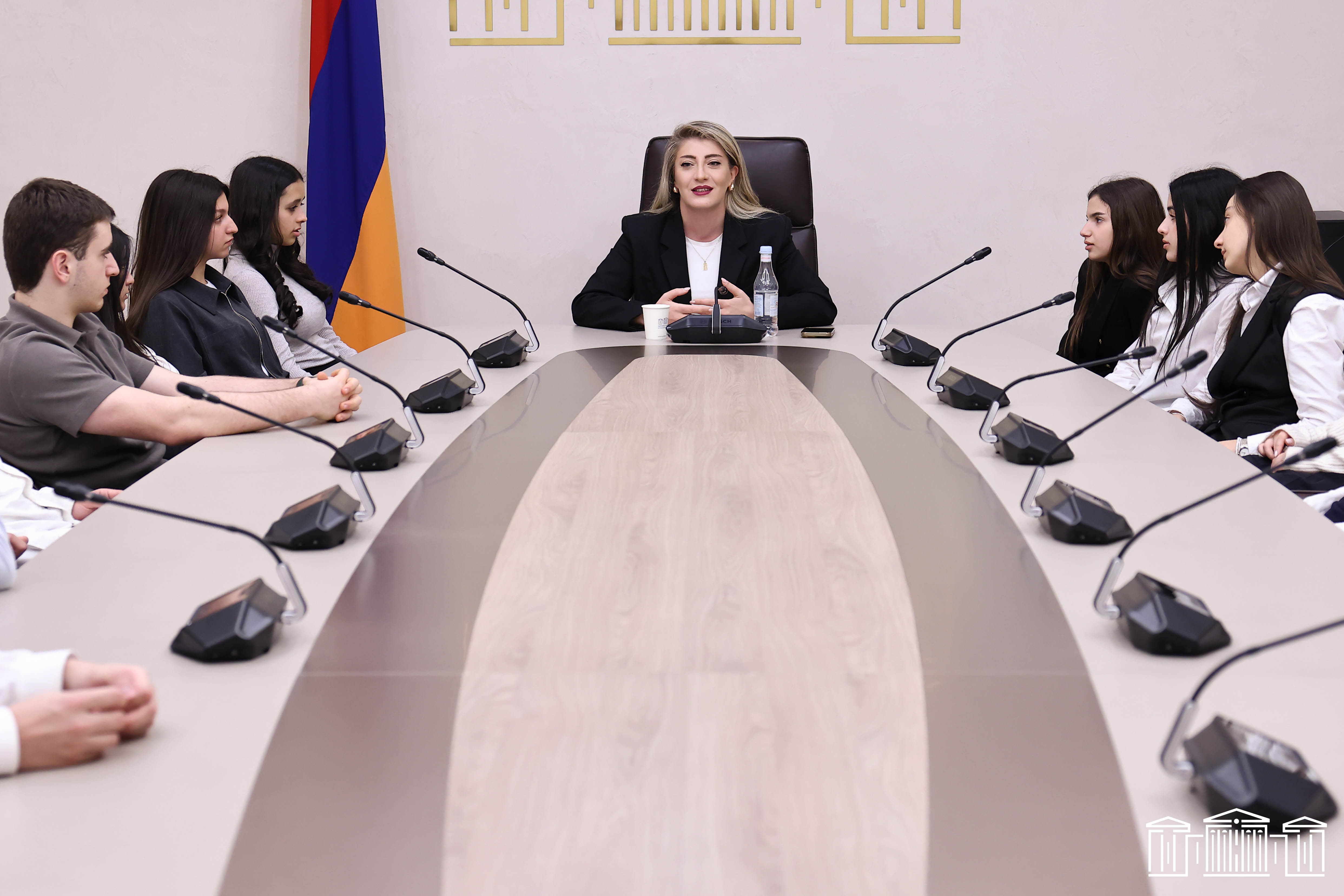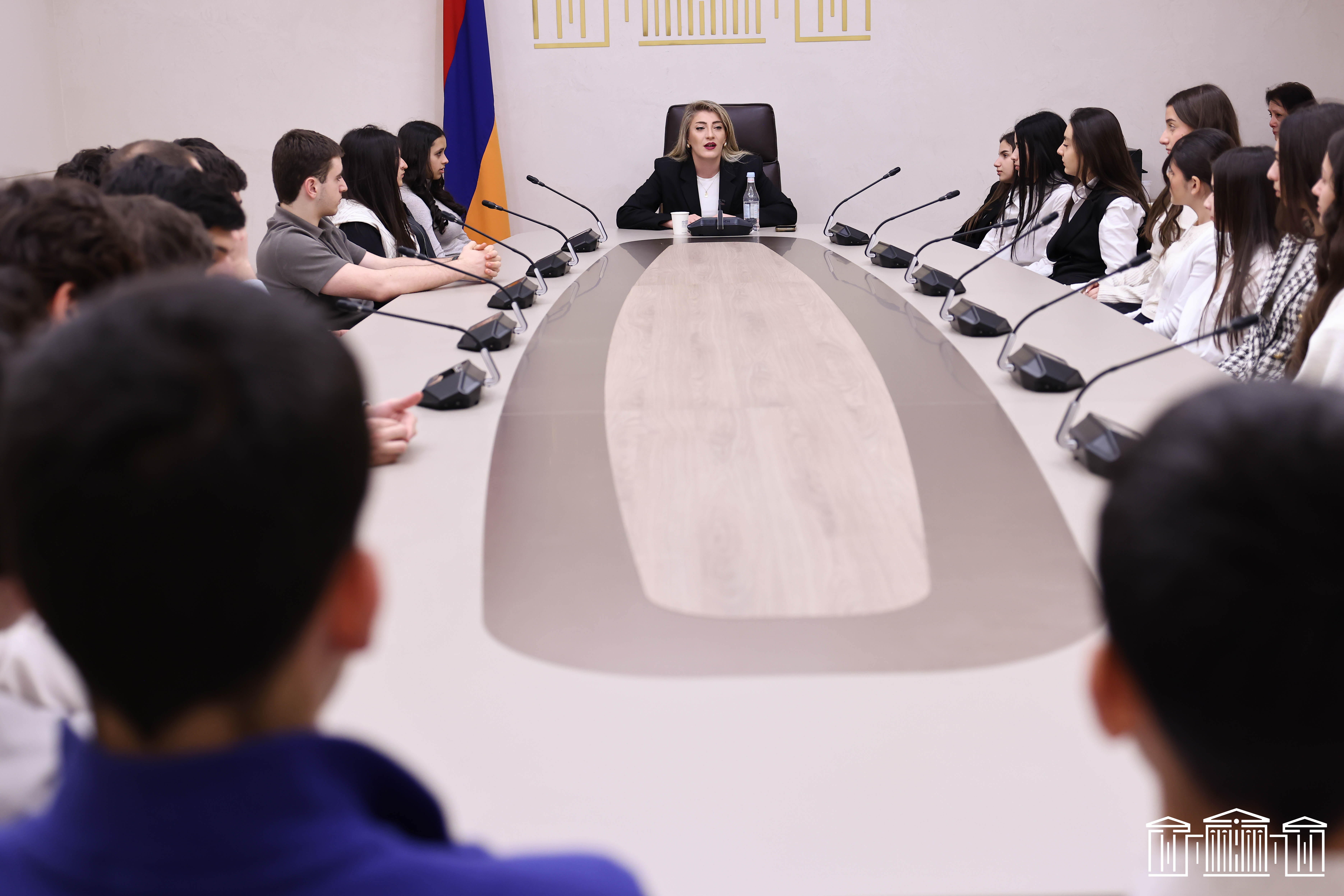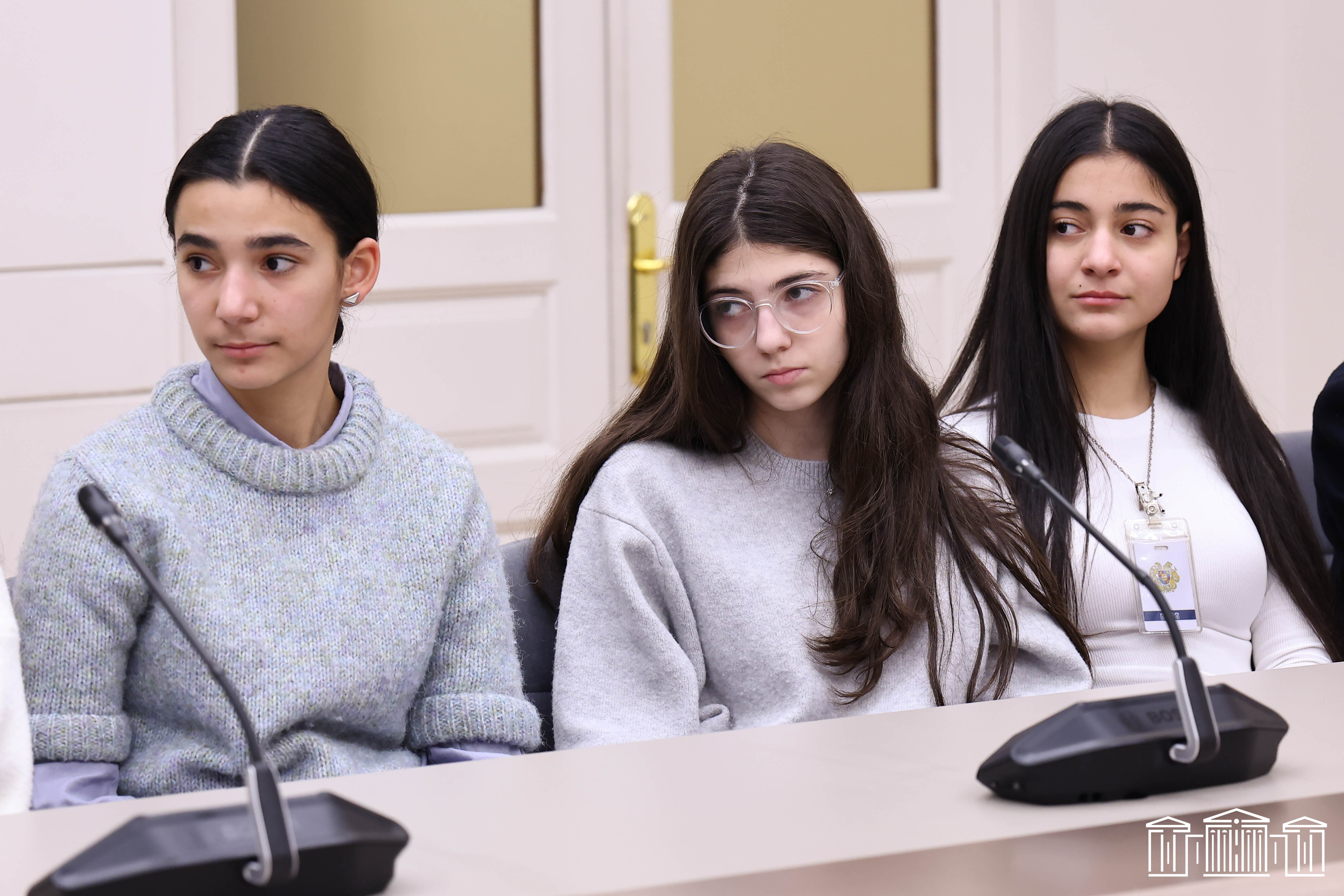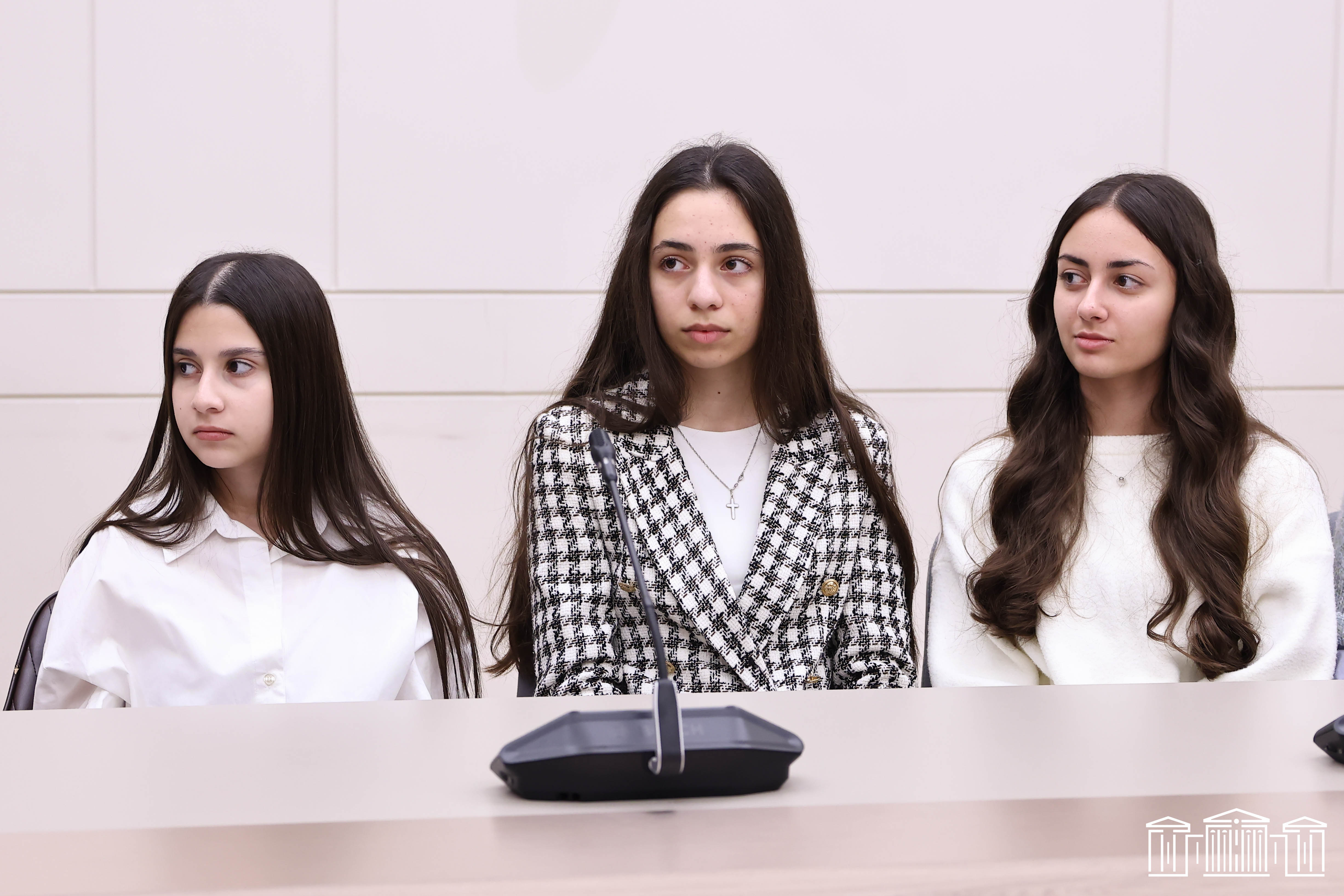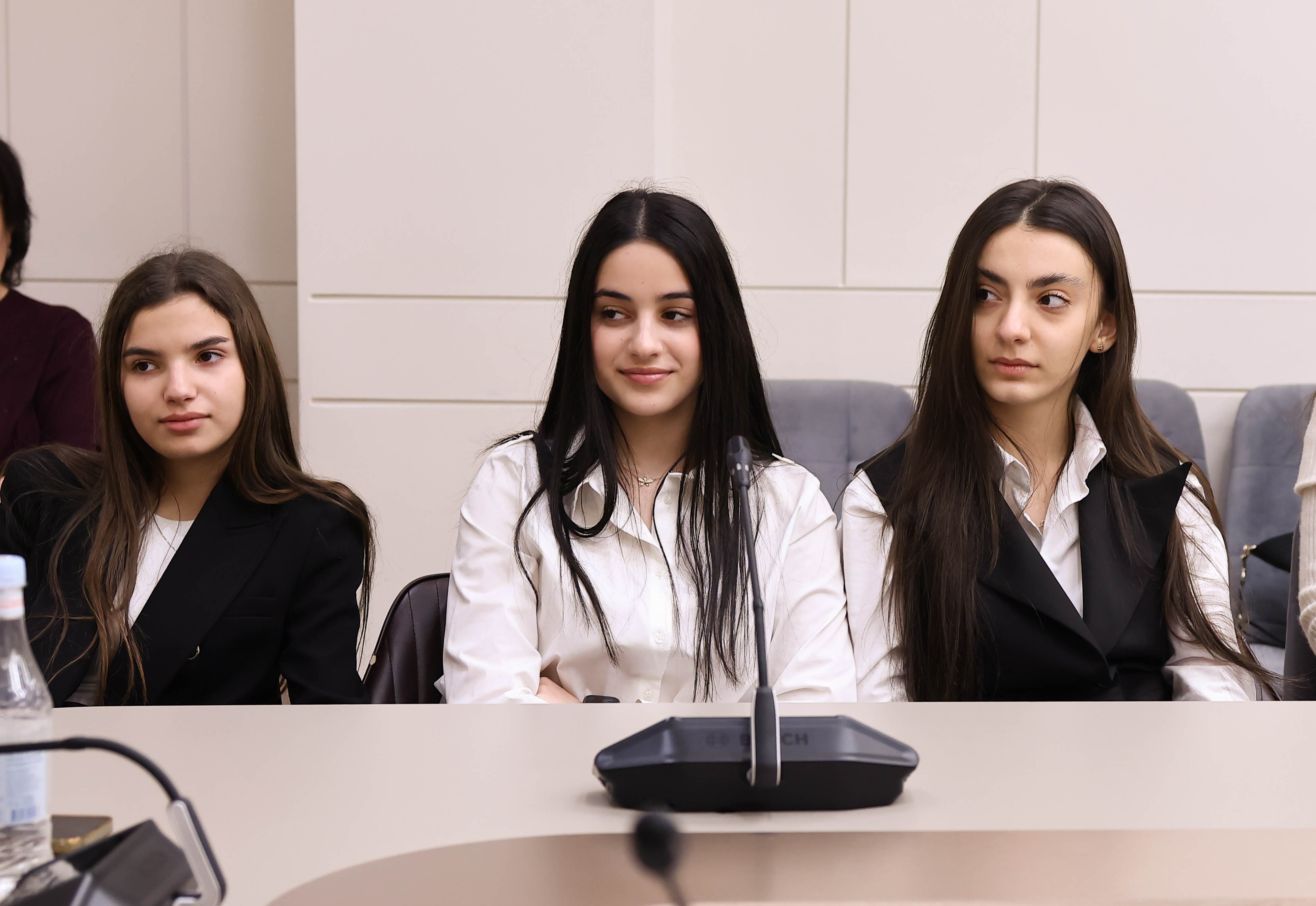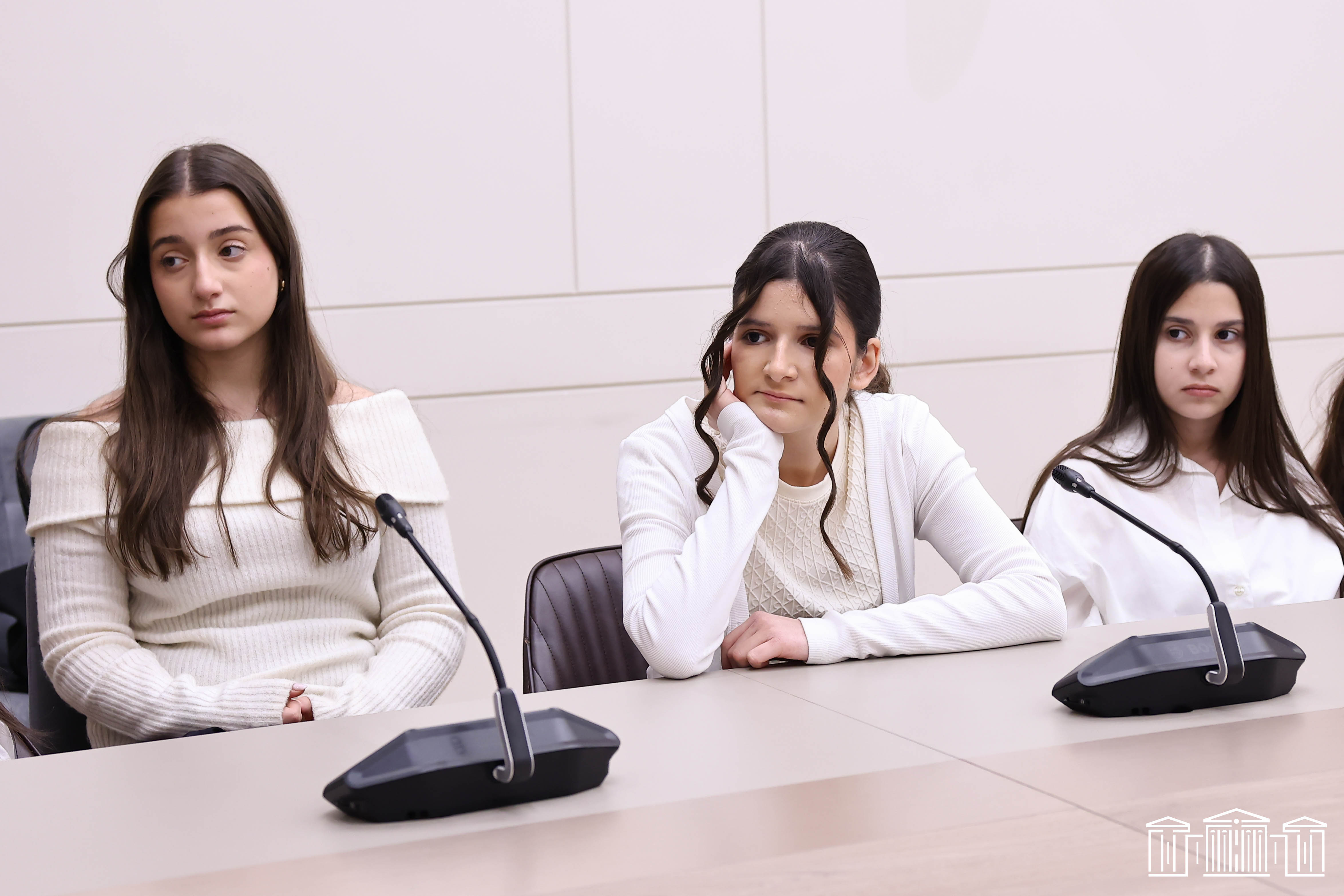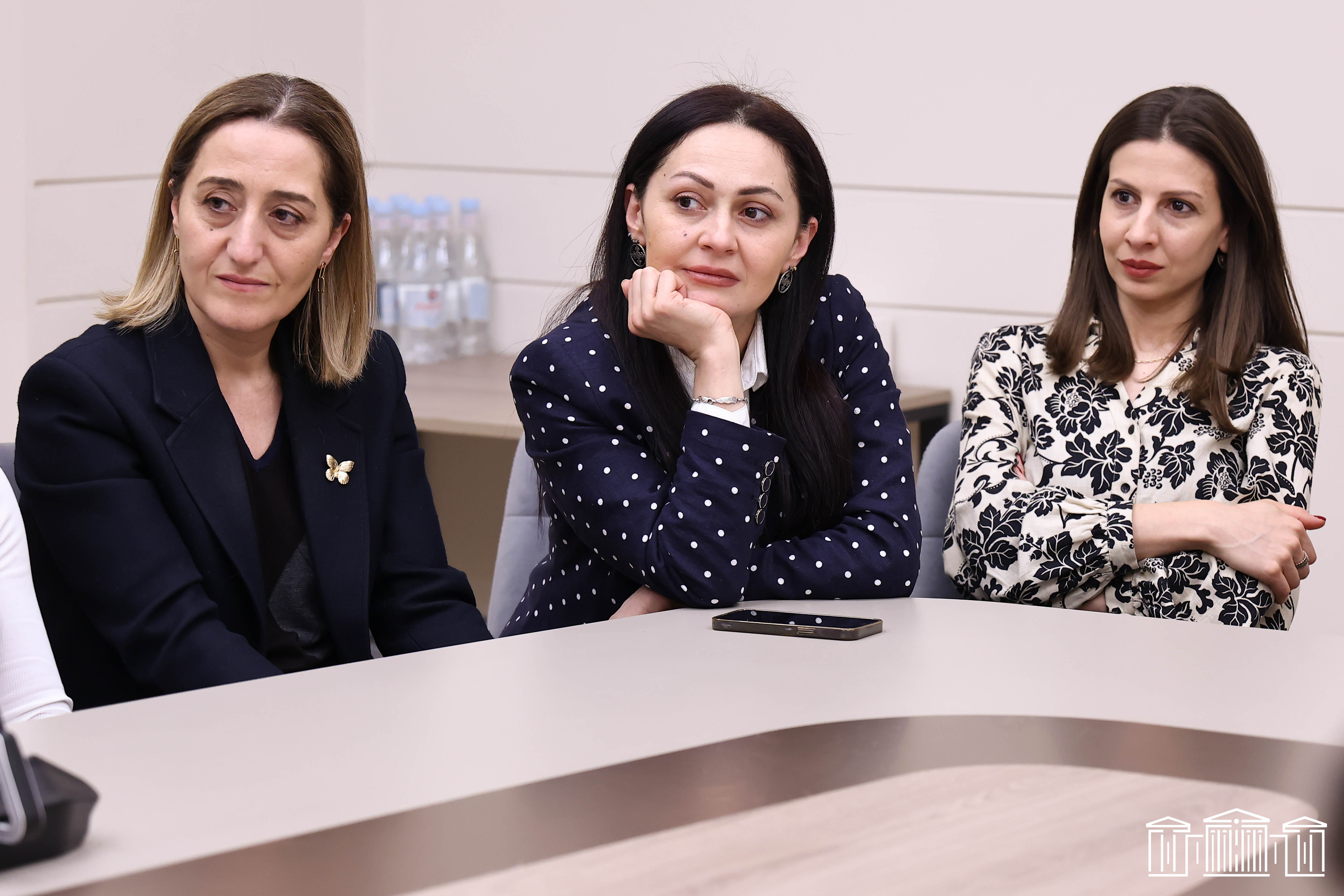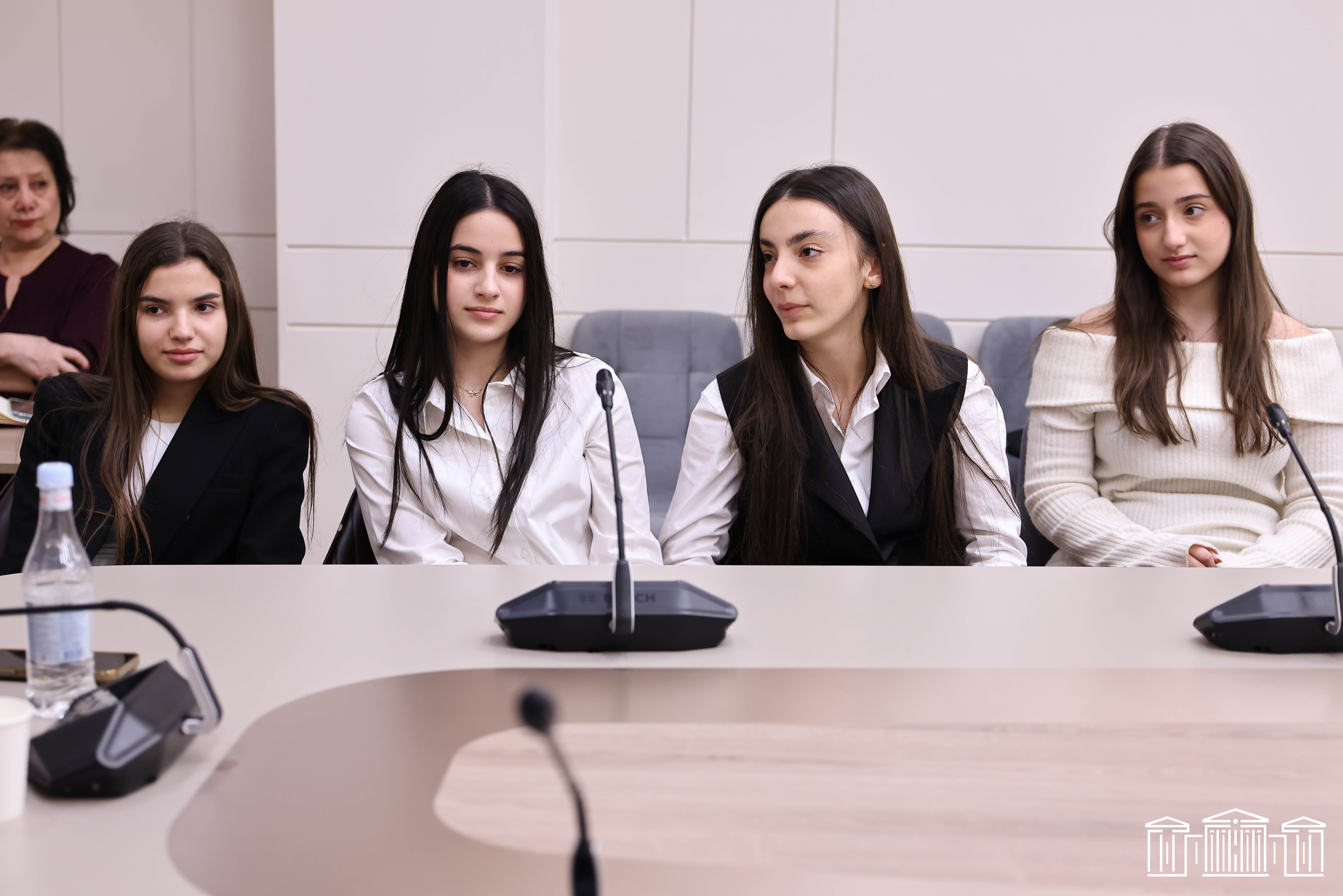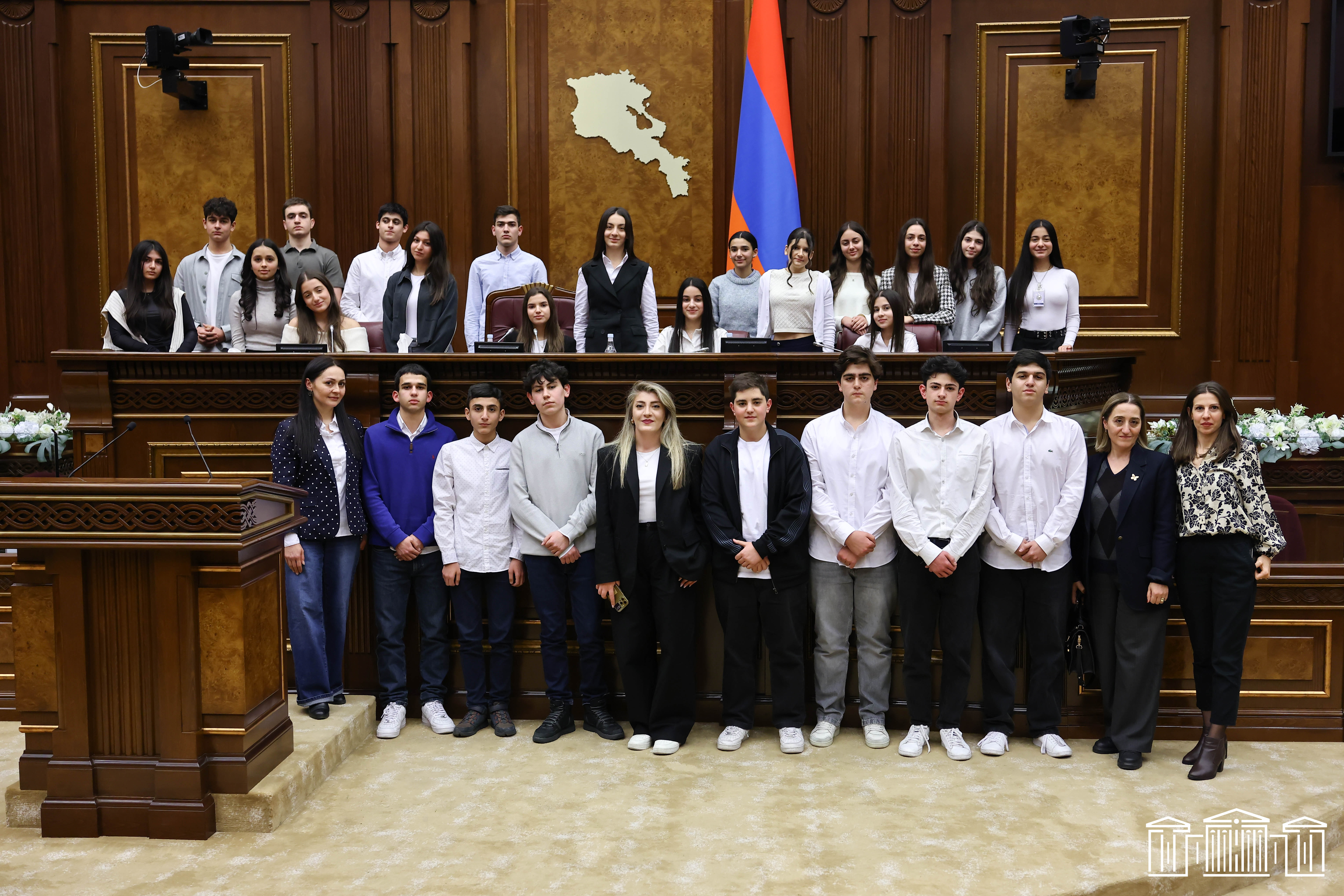

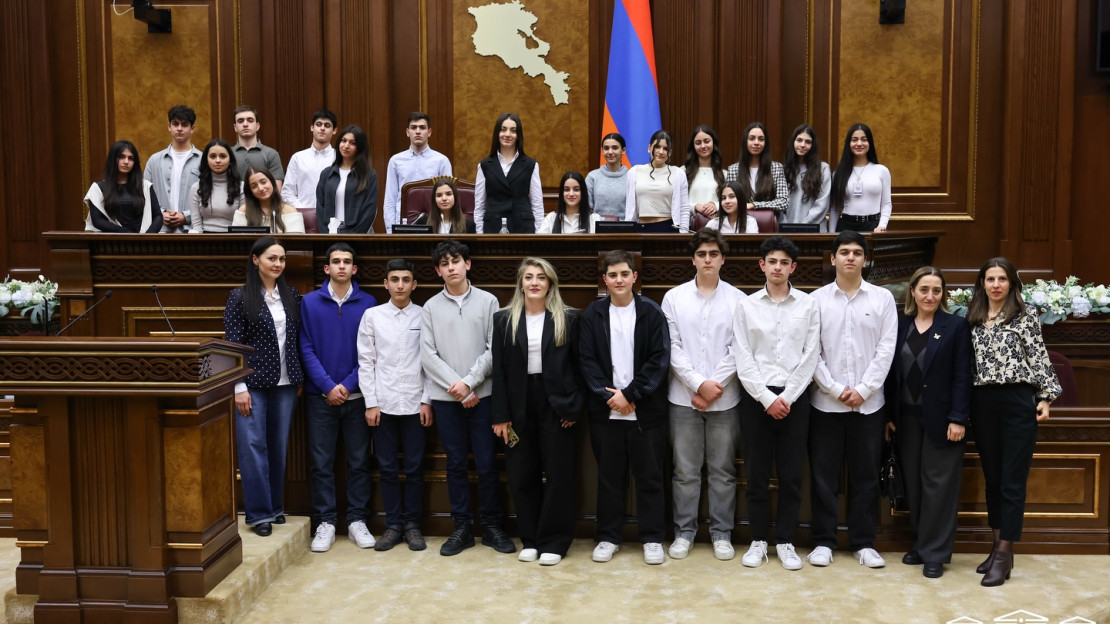
The destination of the latest educational and exploratory visit of the 10th grade students of Usum School was the National Assembly of the Republic of Armenia. The visit was organized within the framework of the RA National Assembly’s “Open Class” educational program, which aims to familiarize school and university students with the activities of the legislative body, the specifics of parliamentary work, and the importance of civic participation.
The program seeks to contribute to the formation of young people’s civic awareness, increase their interest in public administration, and encourage active participation in social and political life. The “Open Class” program serves as a bridge between school education and real political processes, making learning more practical and life-oriented. It also directly correlates with the thematic frameworks offered to students within the Civics curriculum, further emphasizing the purposeful and subject-based nature of the visit.
It should be noted that this marks the fifth visit of our school’s students to the National Assembly, which testifies to a consistent and goal-oriented approach toward civic education.
During the visit, the students toured the National Assembly premises and visited the NA Library, where they became acquainted with legislative, legal, and historically valuable literature, as well as the role of the library in supporting the work of members of parliament and standing committees. The library visit enabled the students to gain insight into the informational and academic resources underpinning legislative activity.
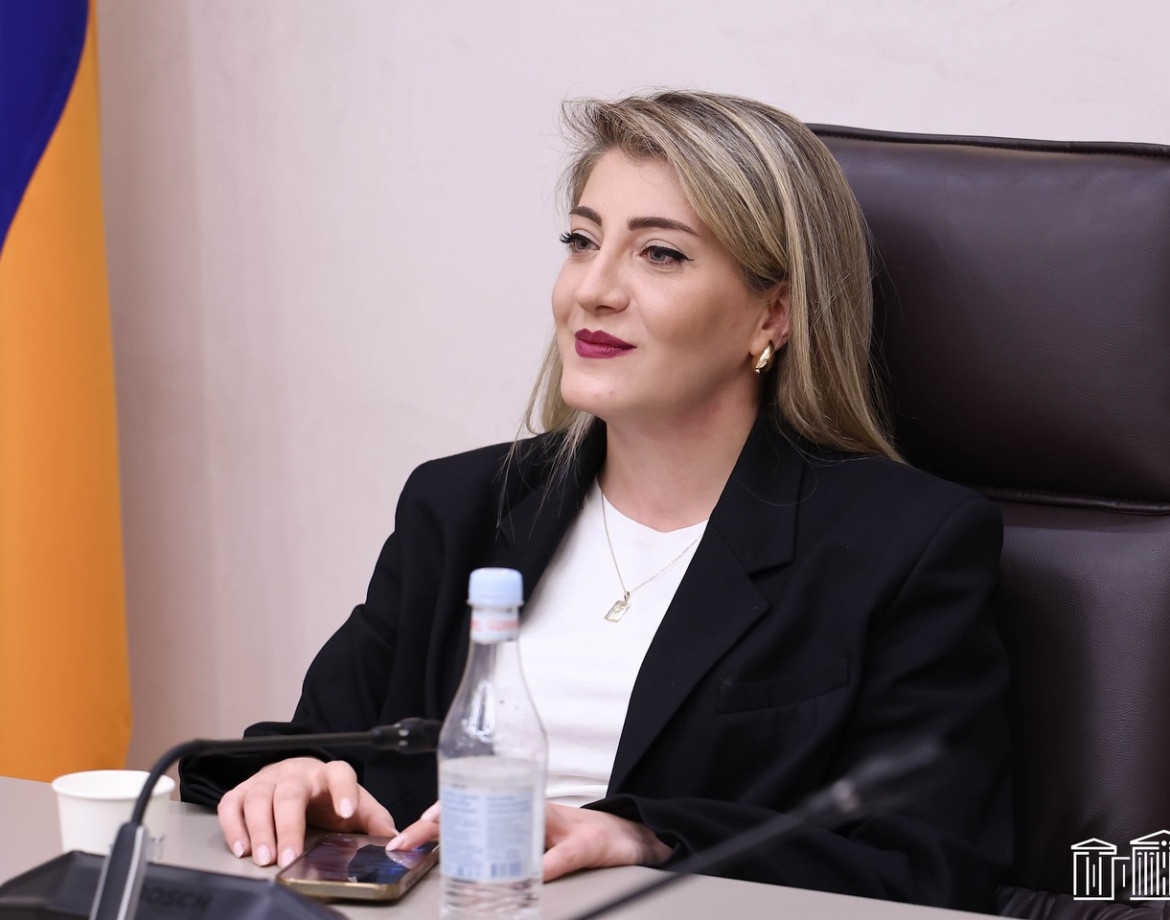
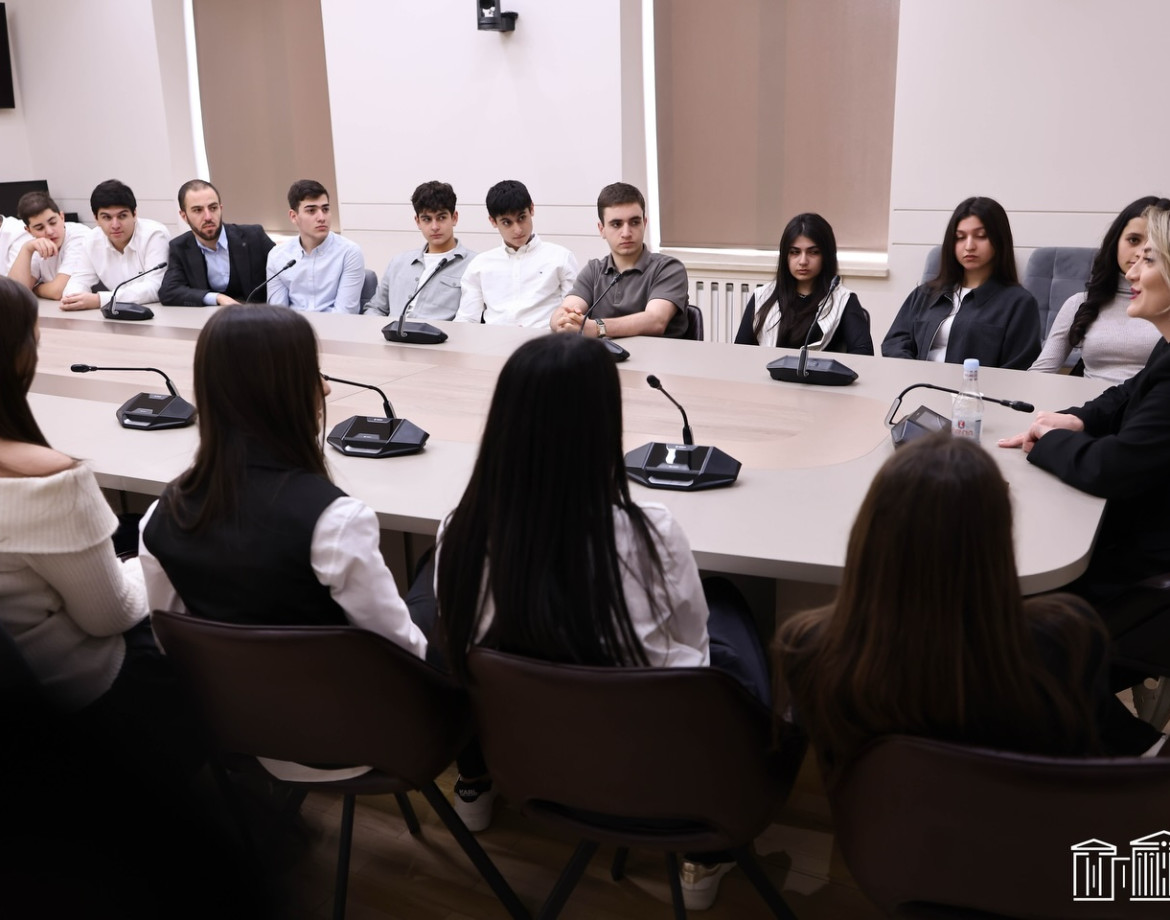
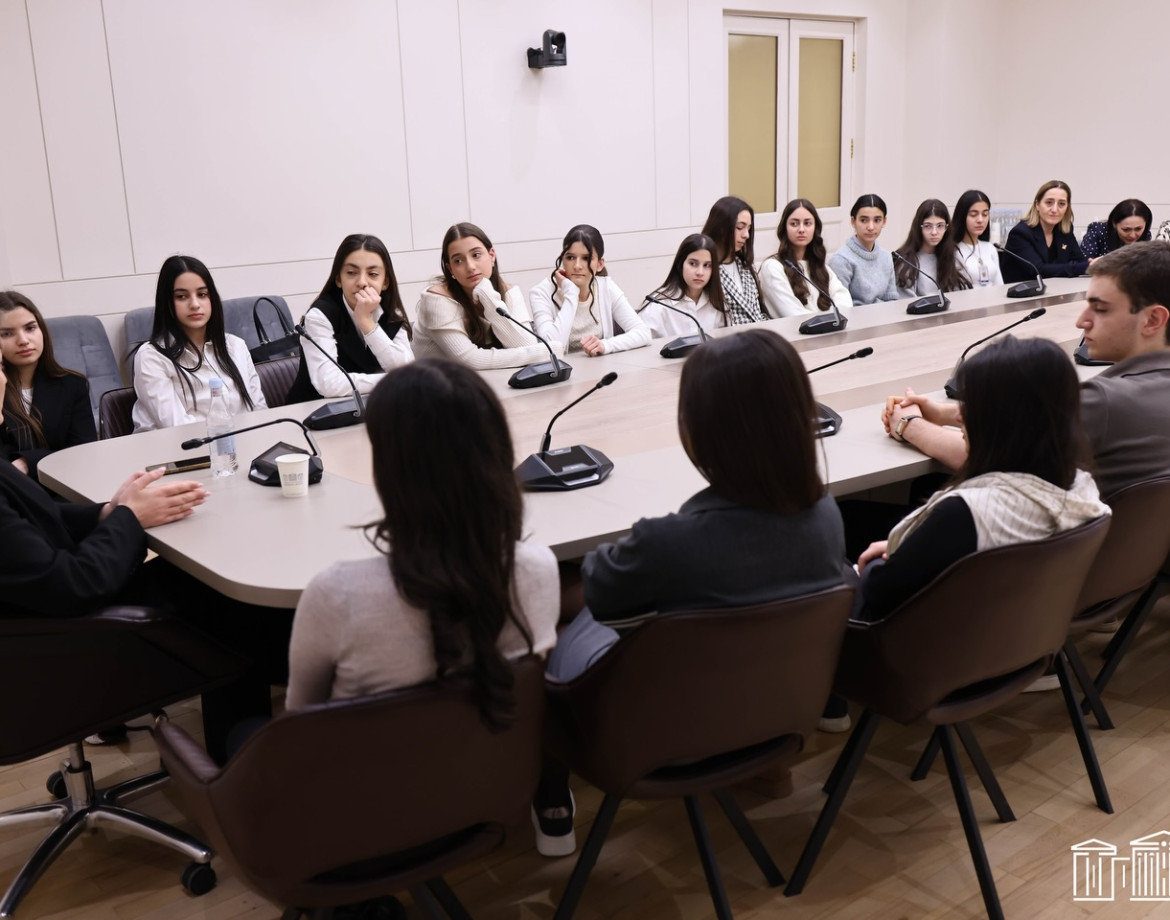
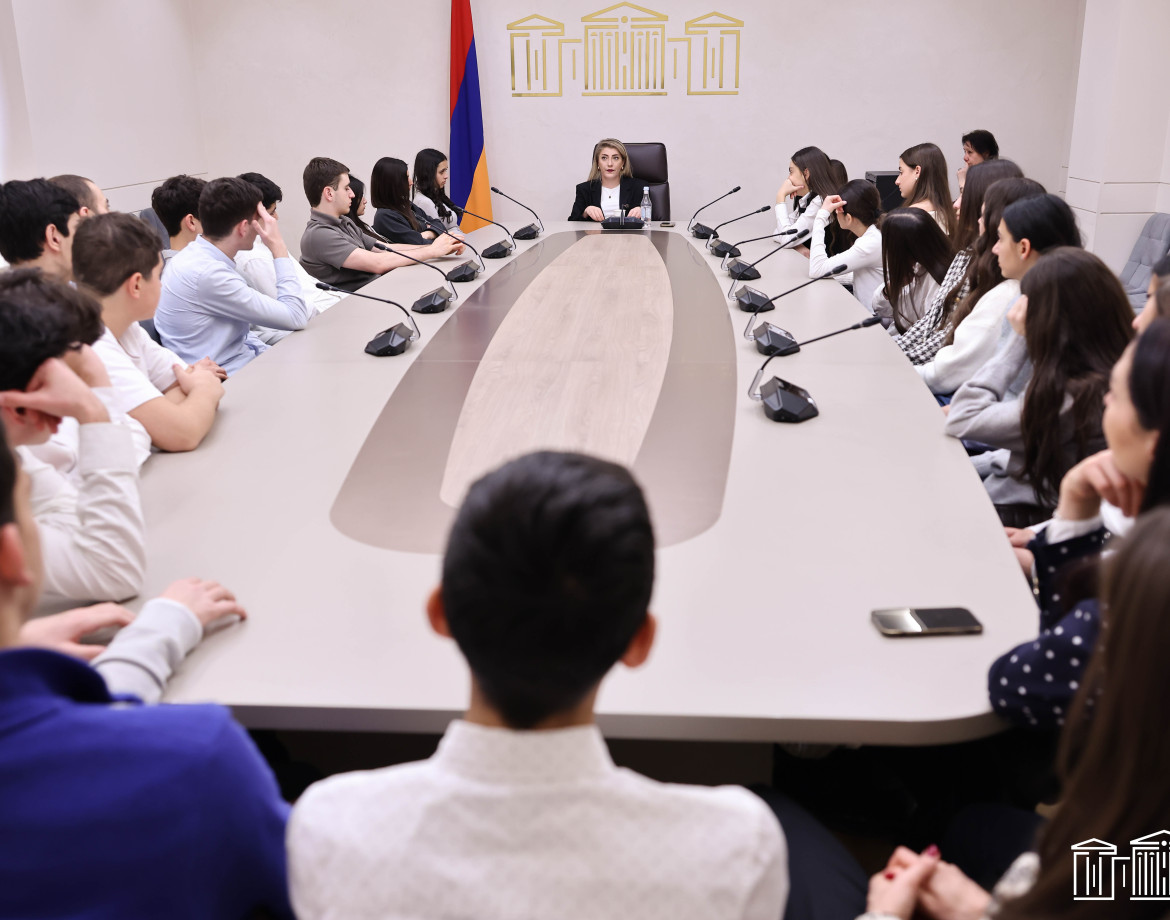
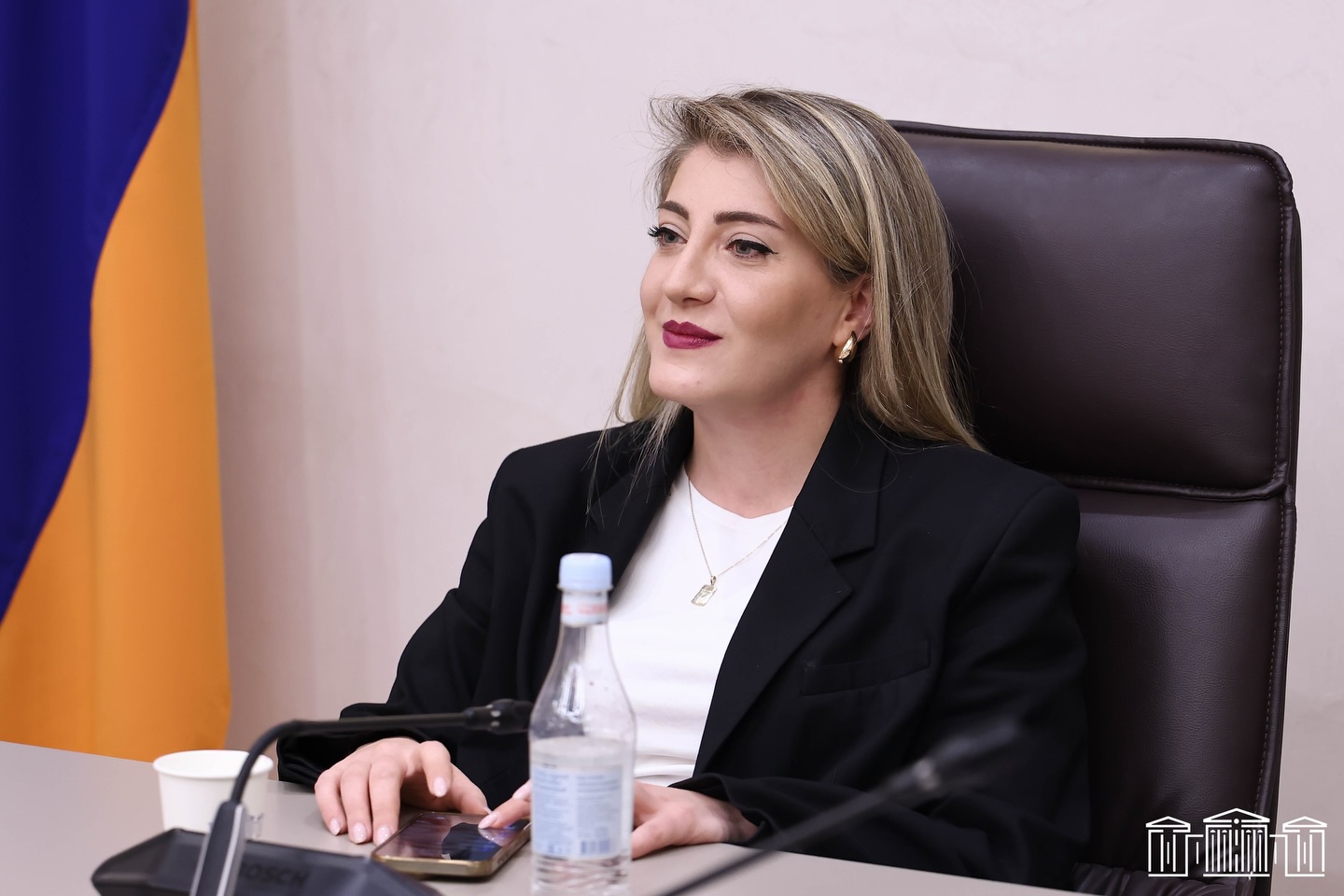
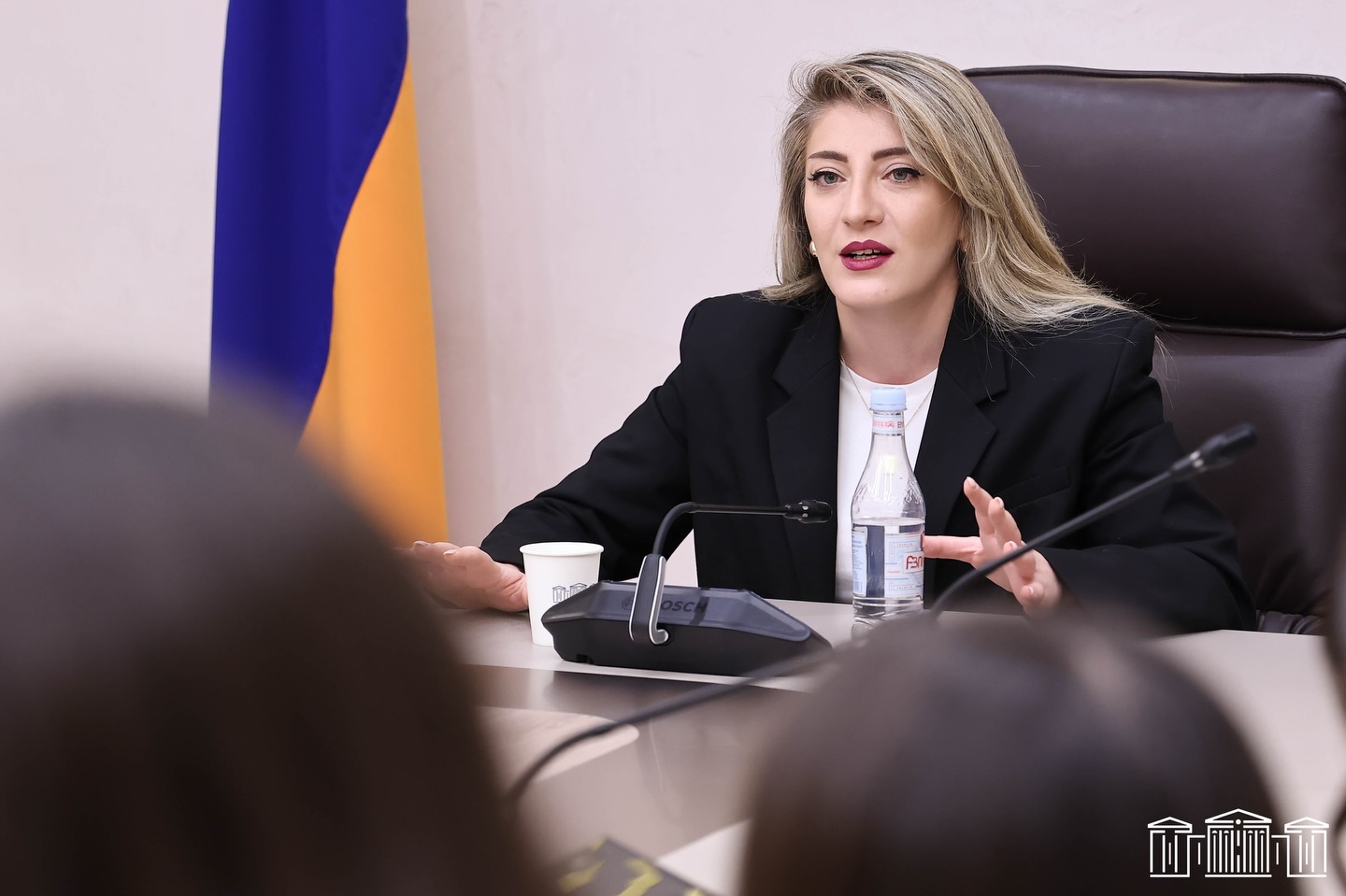
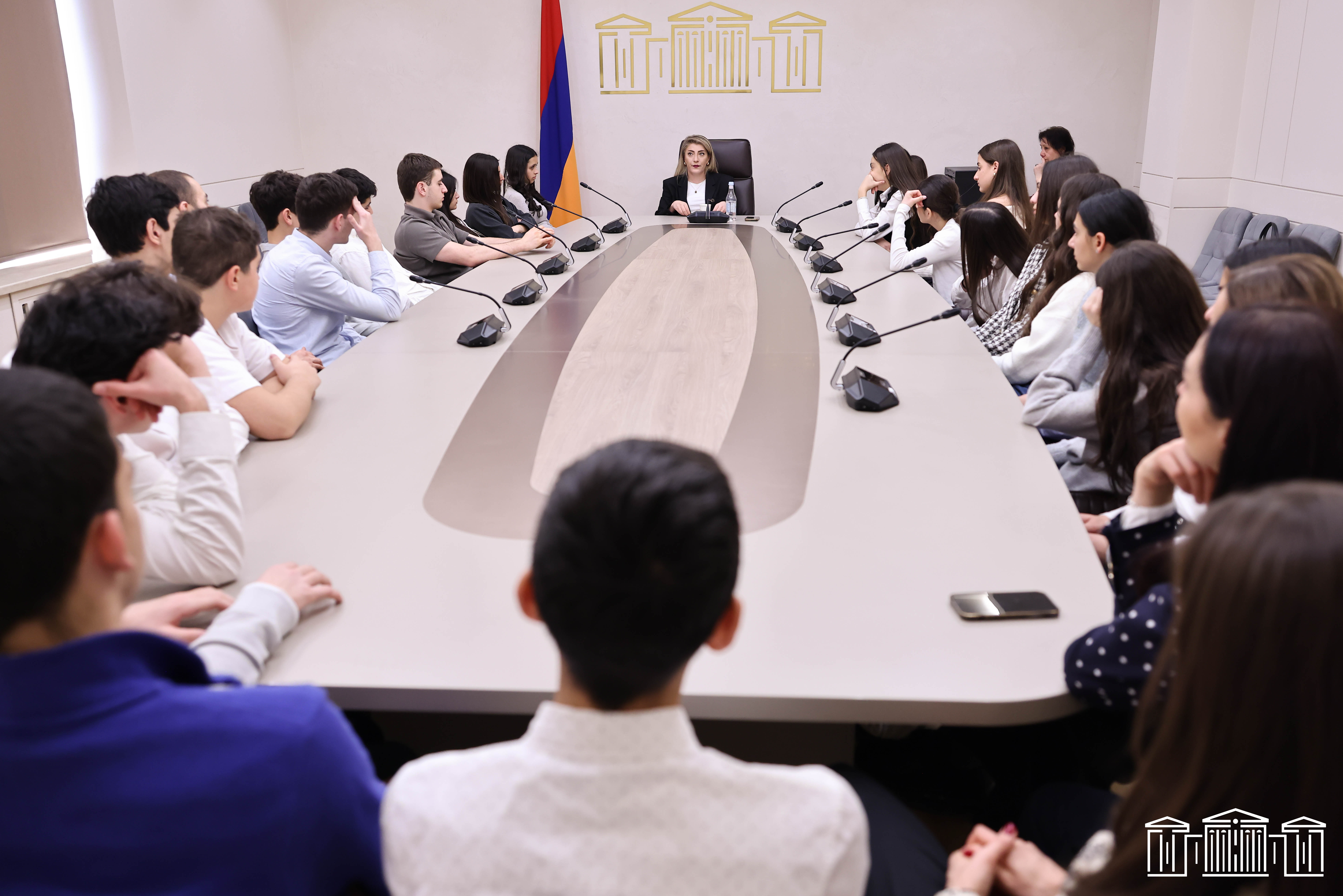
As part of the visit, the students met with Lilit Minasyan, Member of the National Assembly of the Republic of Armenia and member of the Standing Committee on State and Legal Affairs. The meeting was held in an open and engaging atmosphere. Students had the opportunity not only to learn about the MP’s work, but also to raise questions concerning current state challenges, democratic processes, and political responsibility.
Tenth-grade student Mikayel addressed the issue of emigration, highlighting the contradictory opinions surrounding the topic. In response, the MP presented actual emigration statistics and spoke about the state’s efforts—both ongoing and planned—to promote tourism. She noted with satisfaction that in the reporting year Armenia surpassed the five-million-tourist threshold, reflecting the growing attractiveness of the country.
The question posed by S. Martirosyan, President of the Student Council, was more advisory in nature. Having already experienced school-level electoral processes, Sara is aware that these experiences may not be sufficient for the elections she will face upon reaching adulthood. Therefore, she sought broader guidance from the MP as a future active, informed citizen and voter.
Tenth-grade student Nare Nazaryan raised a question regarding policies aimed at improving the living conditions of pensioners. In response, MP Lilit Minasyan addressed the extensive benefits provided to pensioners through the introduction of mandatory health insurance, including access to free medical services.
Particularly engaging and interrelated were the questions posed by tenth-grade students Anna and Nare, which touched upon the ethical aspects of parliamentary work, situations where public opinion contradicts personal convictions, and the challenges MPs face in assessing public sentiment amid today’s overwhelming flow of information.
Perhaps the most extensive discussions on issues that concern students were recorded around the questions raised by A. Vorskanyan and V. Makaryan regarding the reform of secondary education and the diversification of Armenia’s foreign policy.
MP Lilit Minasyan responded to all questions, sharing her experience and viewpoints while emphasizing the importance of youth engagement, critical thinking, and responsible citizenship. She stressed that such visits not only broaden students’ knowledge but also lay the foundation for becoming informed, responsible, and active citizens. Concluding the meeting, Ms. Minasyan expressed her firm belief that it is essential to engage in frequent dialogue with young people and to actively discuss both the past and the present, as this determines how accurately we assess current realities and prepare for the future.
To not think freely is to not think at all!