
School education is not limited to learning the facts presented in textbooks. Some knowledge becomes complete when students have the opportunity to see, hear, and explore it in a real-life environment. In this sense, a museum can become an extension of the classroom—not simply a place to visit, but an independent learning environment.
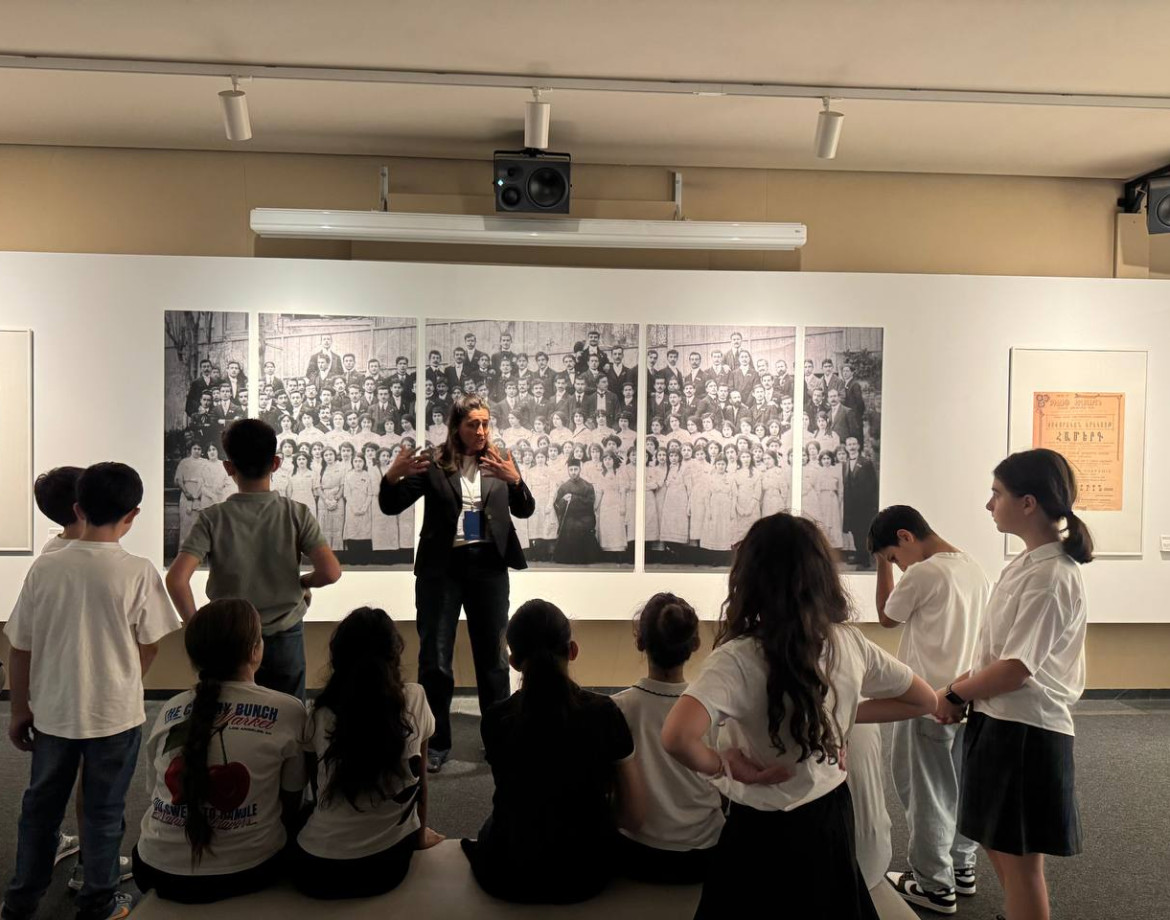
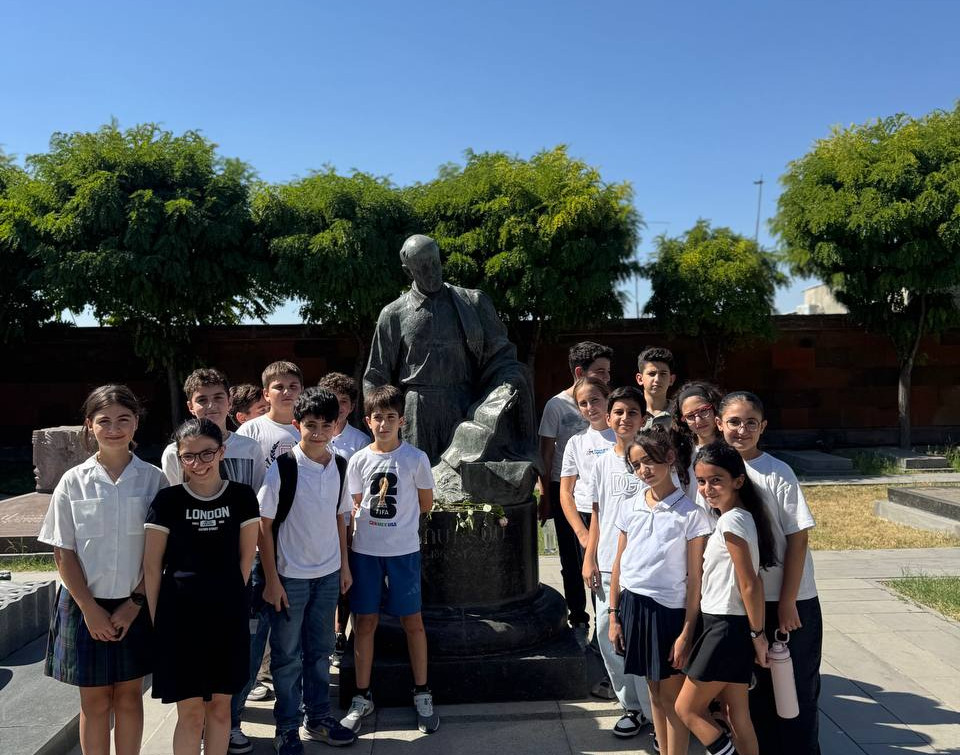
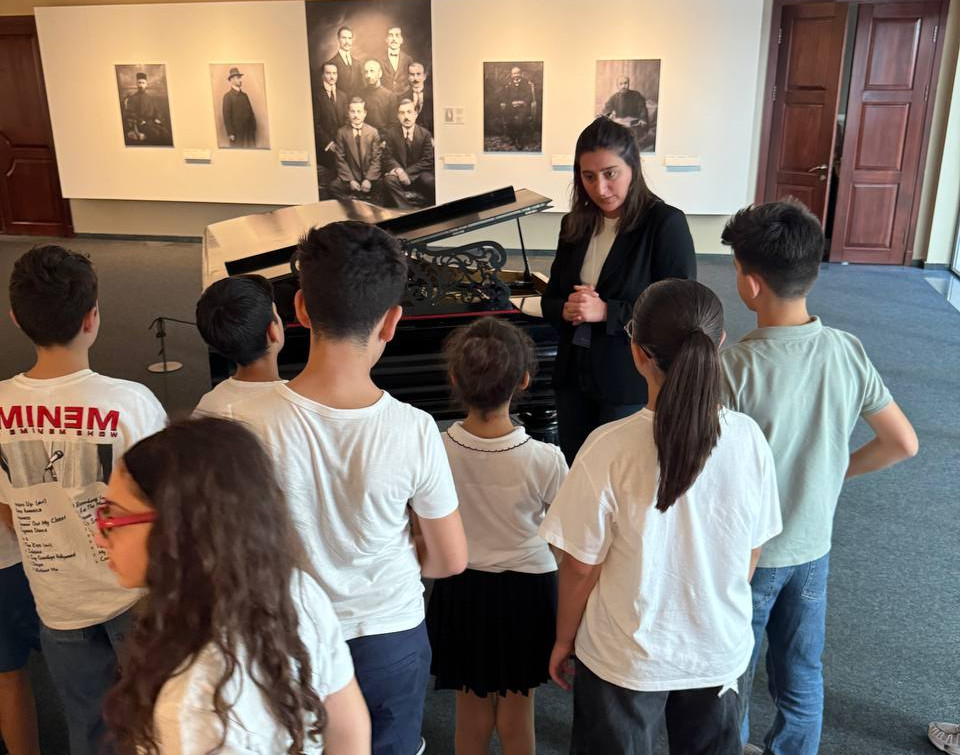
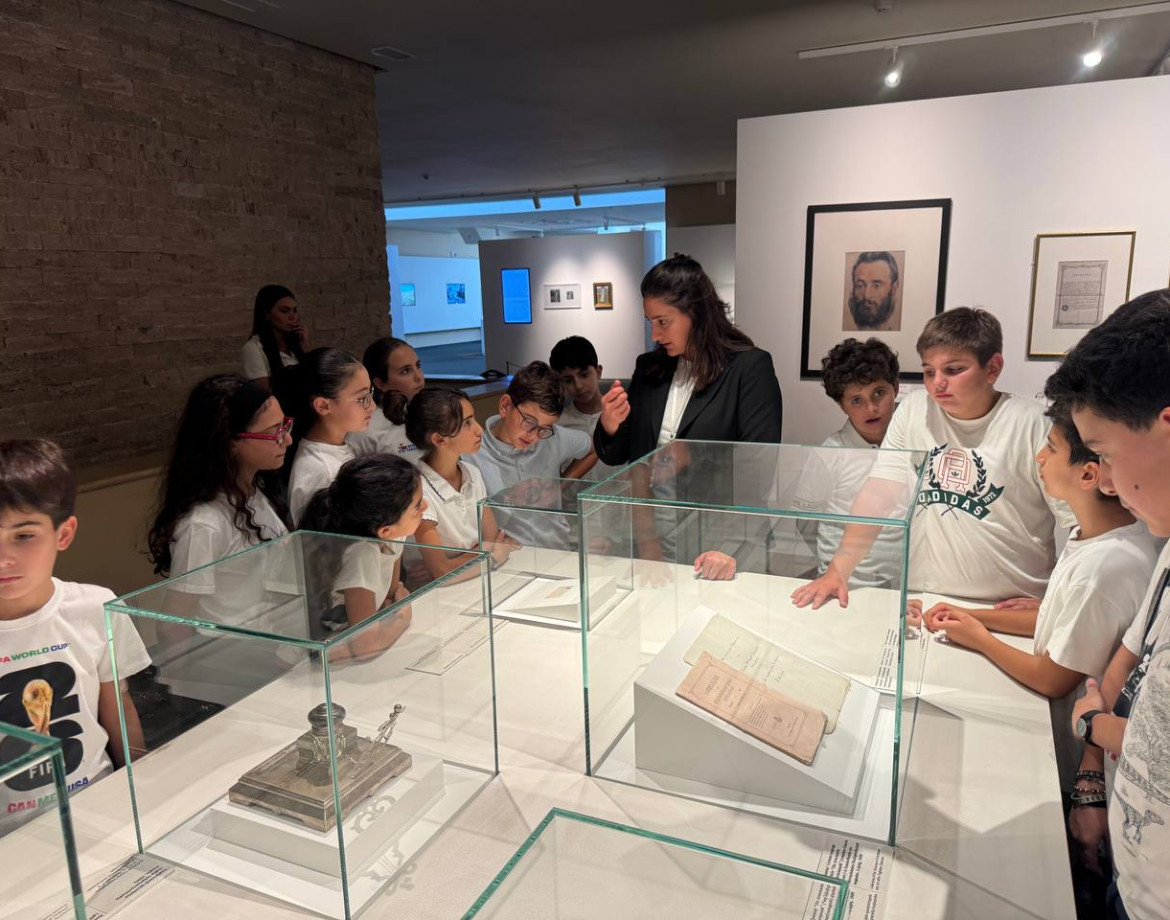
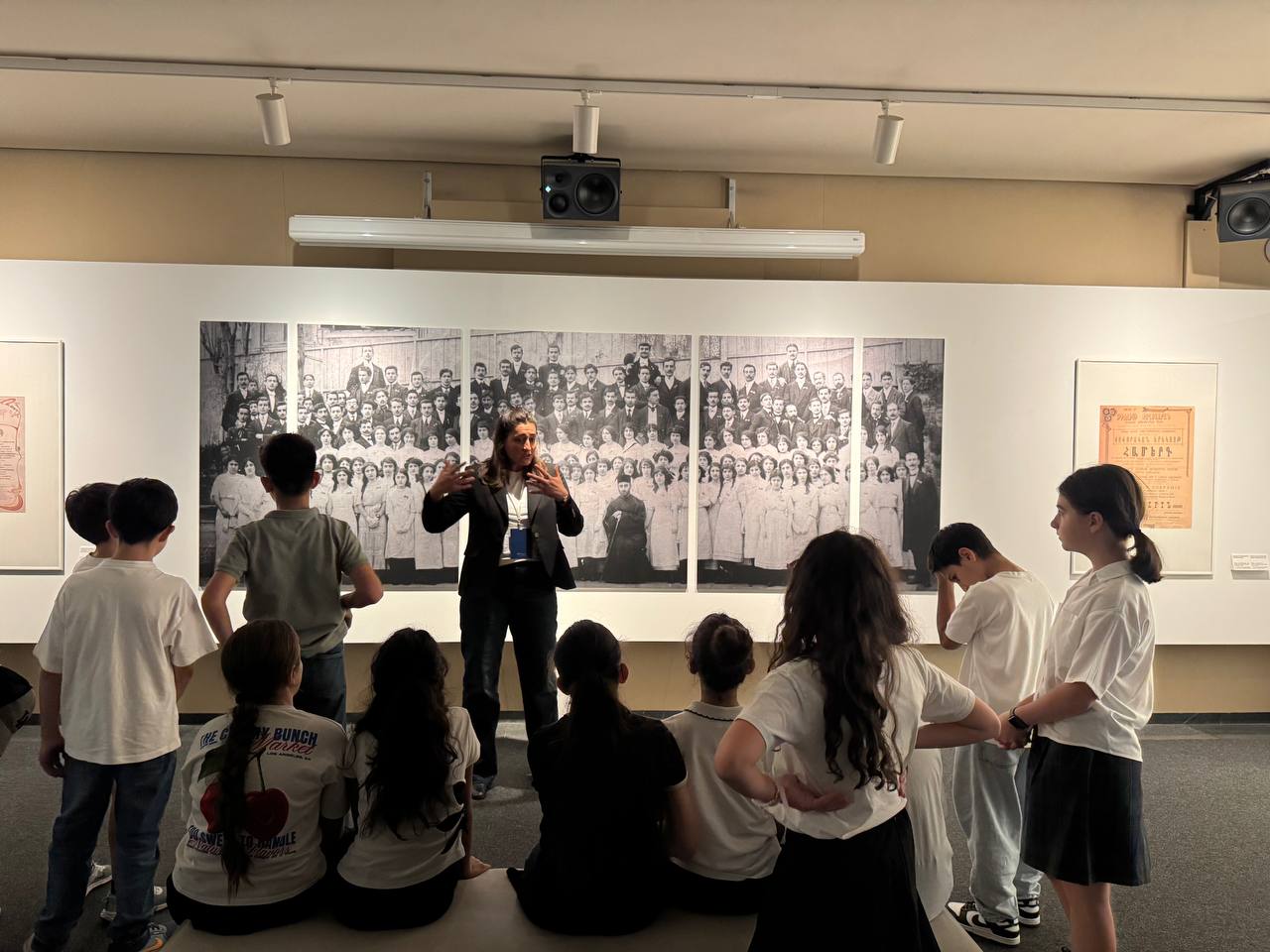
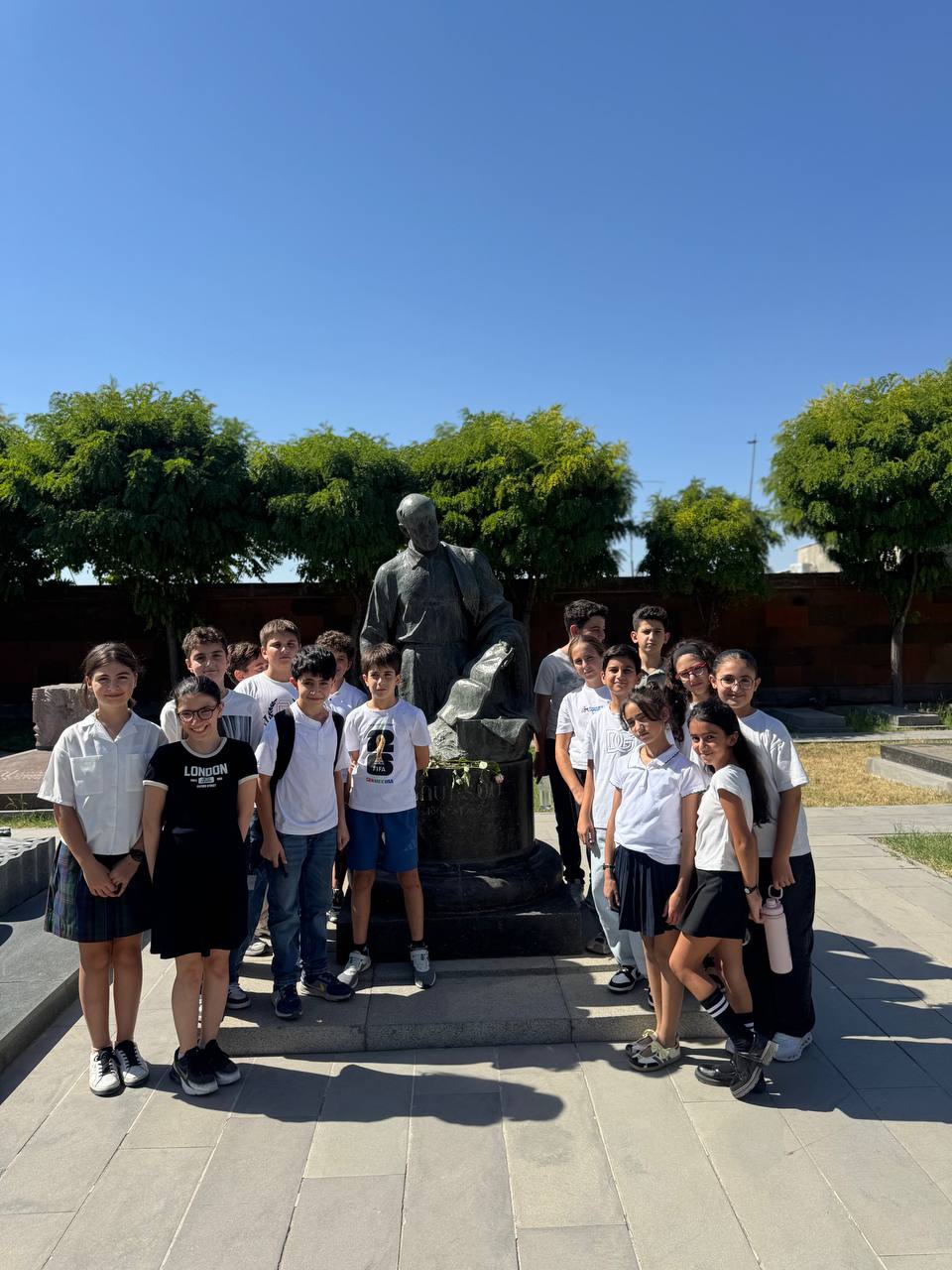
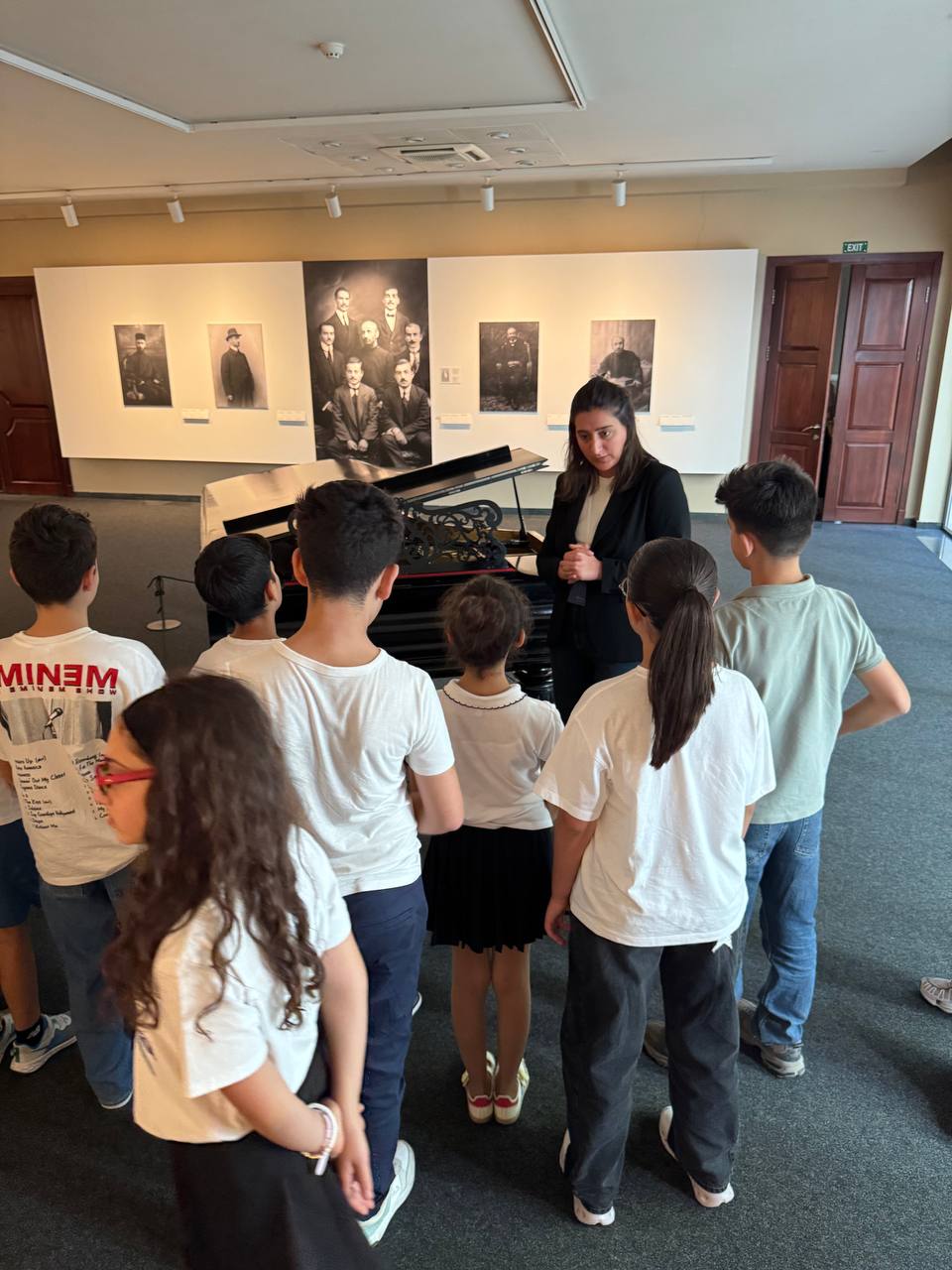
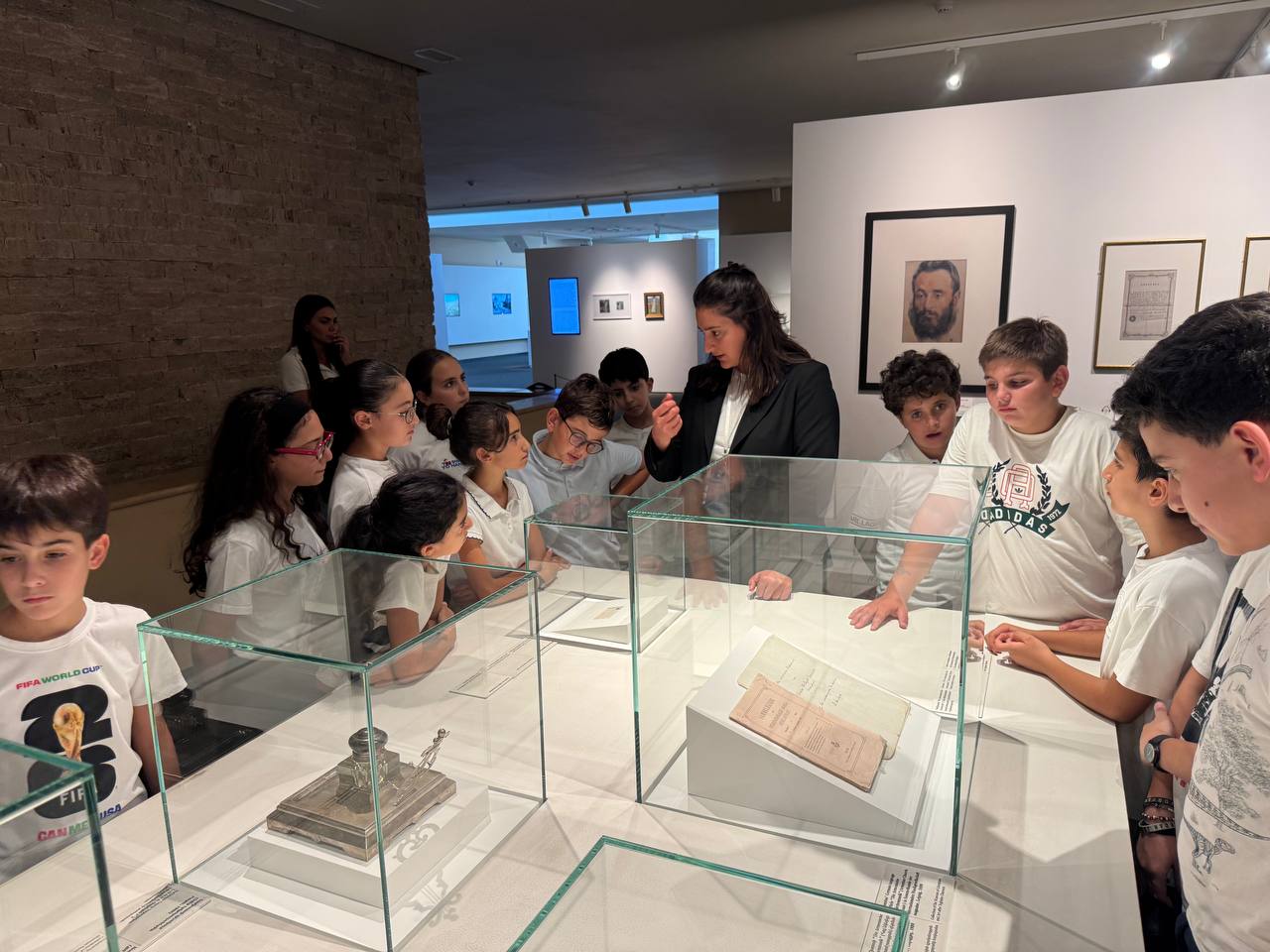
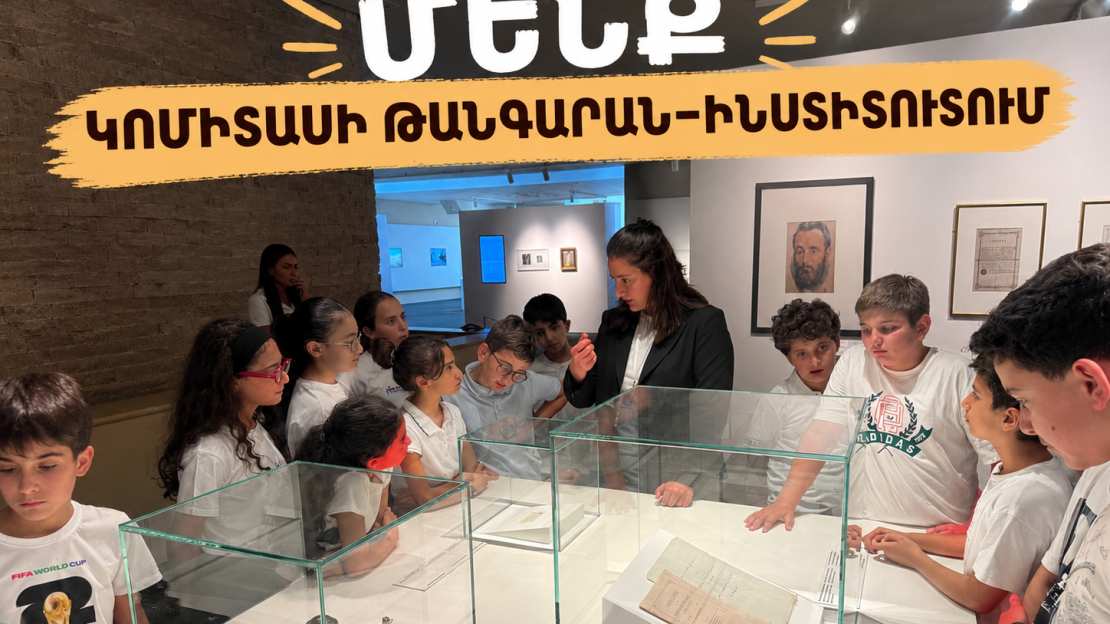
With this approach, the 6th-grade students of USUM School visited the Komitas Museum-Institute to gain a deeper understanding of the life, scholarly and creative work of Komitas Vardapet, as well as the cultural heritage he left behind.
The Komitas Museum-Institute officially opened its doors in Yerevan on January 29, 2015. The decision to establish the museum was made on May 30, 2013, and on July 24, 2014, the Government of the Republic of Armenia adopted a decision to establish it as a state non-commercial organization. The museum was built on the site of the former Palace of Culture in Komitas Park. The original building was designed in the 1950s by architect Koryun Hakobyan, while the new museum-institute was designed by architect Arthur Meschian.
This history itself is an important educational subject. The museum is not simply an exhibition space dedicated to Komitas; it was established to collect, preserve, study, and promote his legacy. In this sense, the combination of the words “museum” and “institute” in its name highlights its dual mission: preserving cultural memory while also contributing to scholarly research.
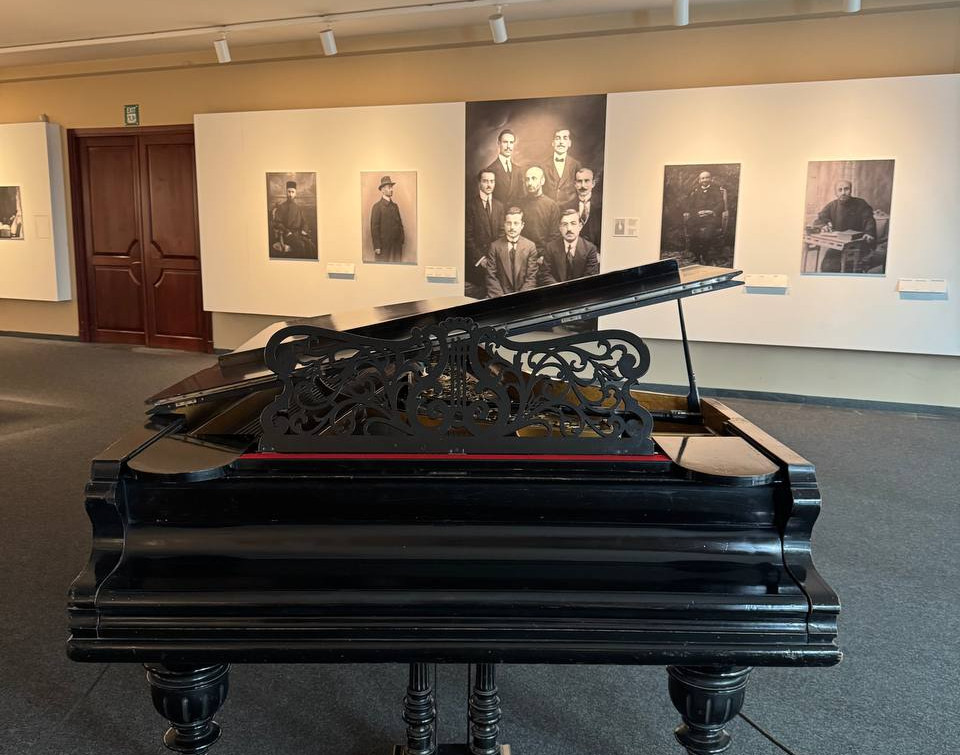
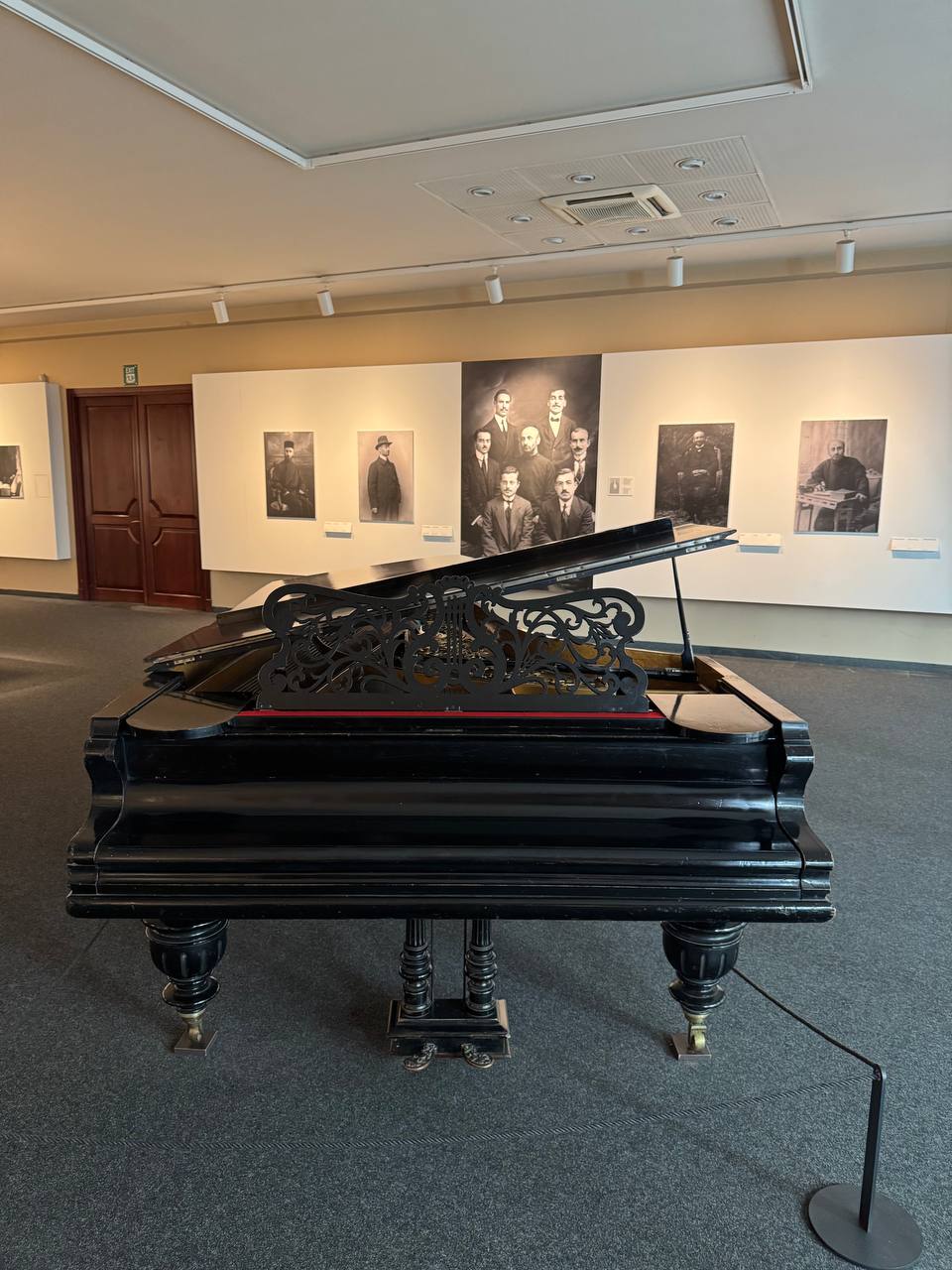
The museum’s permanent exhibition consists of eight halls, each focusing on an important aspect of Komitas’s life and work. The exhibition covers his biography, his connections with contemporaries, his scholarly and intellectual legacy, his work as a collector of folk music, his activities as a composer, his contribution to sacred music, his concert and lecturing activities, as well as the continuation of his legacy after Komitas.
This structure provides a unique opportunity to understand Komitas not simply as a “composer of songs.” His activities were much broader. He collected and documented folk songs, studied Armenian musical culture, worked with sacred music, composed, lectured, and presented Armenian music in different countries.
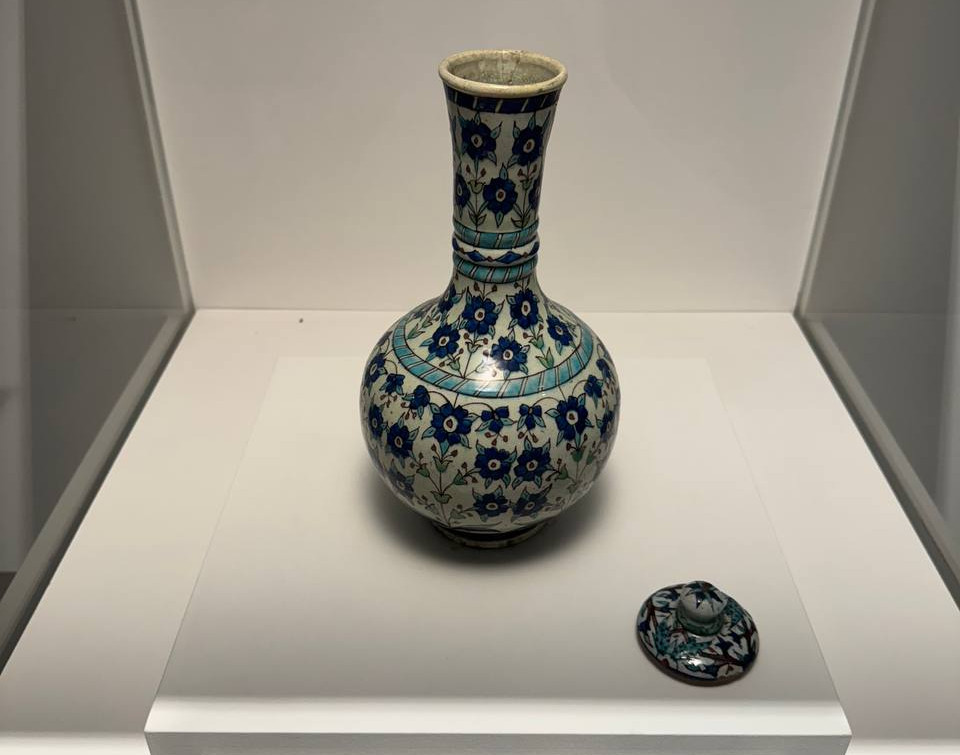
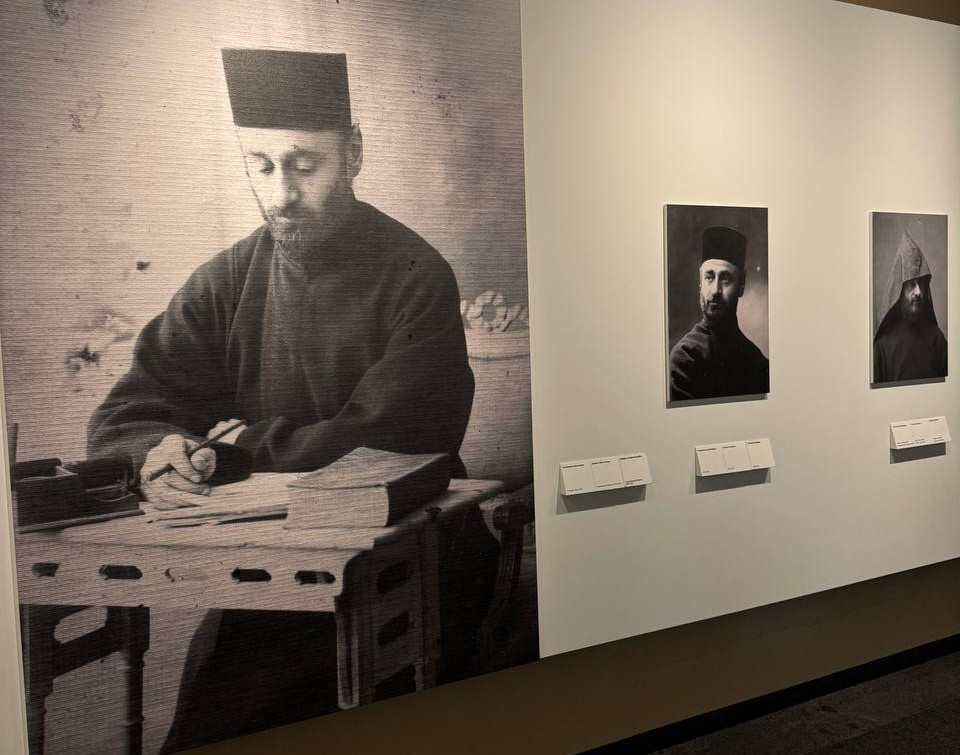
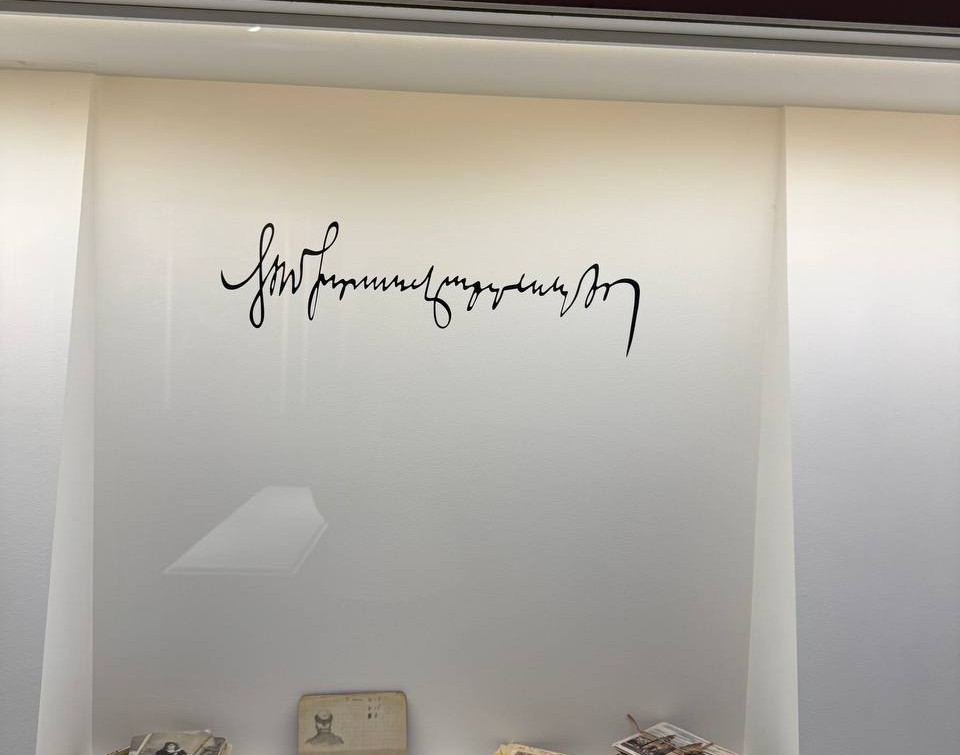
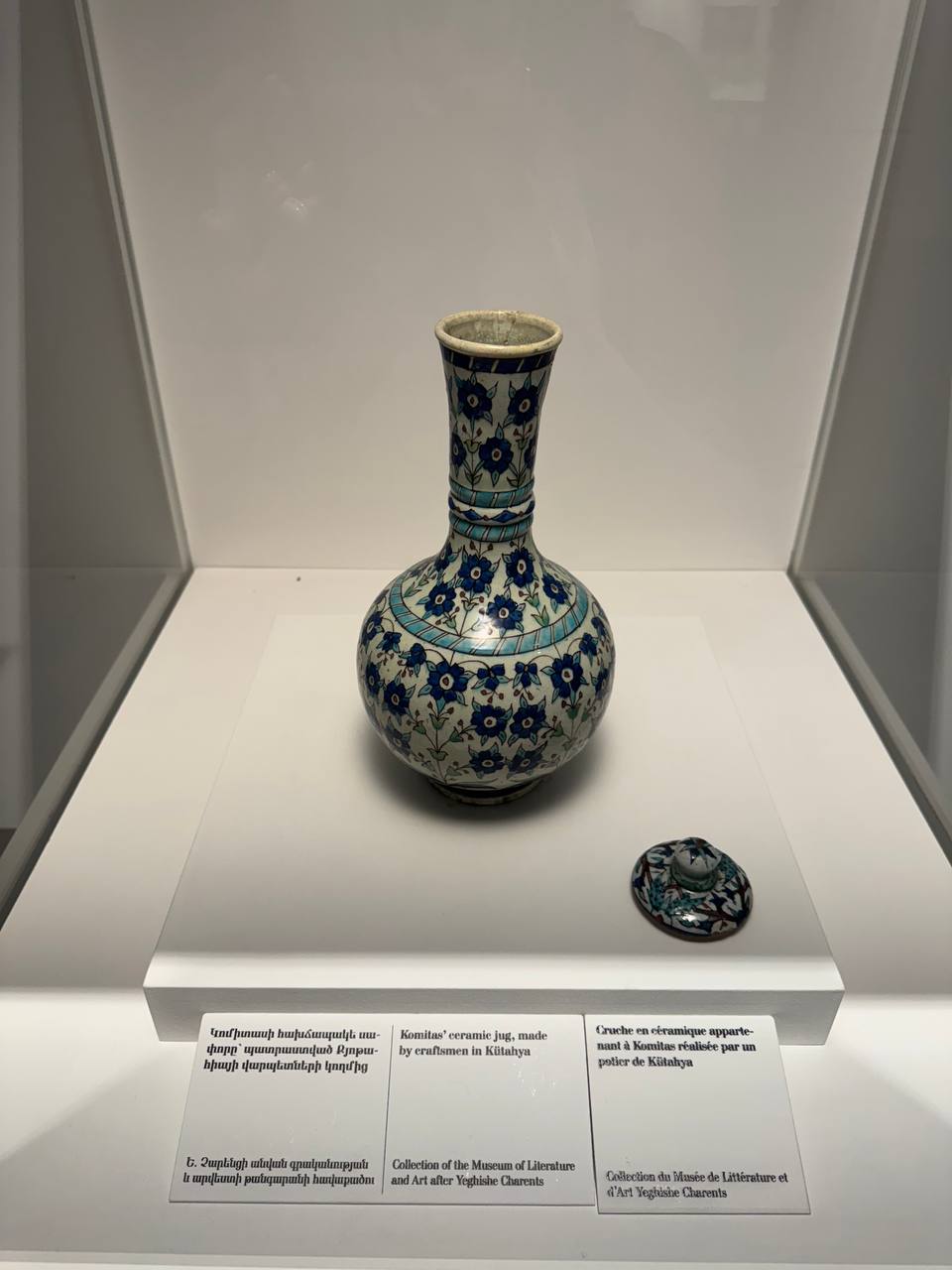
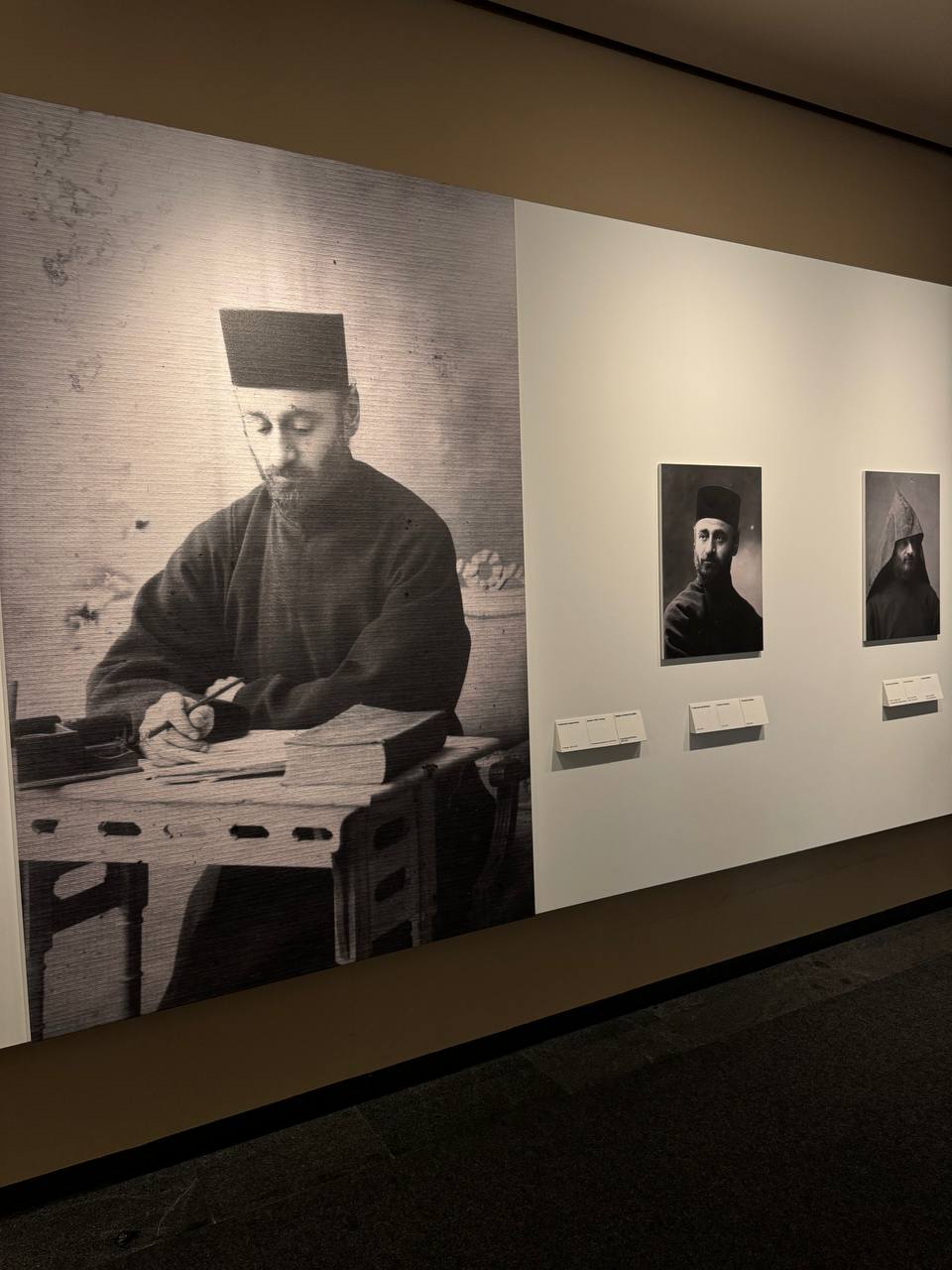
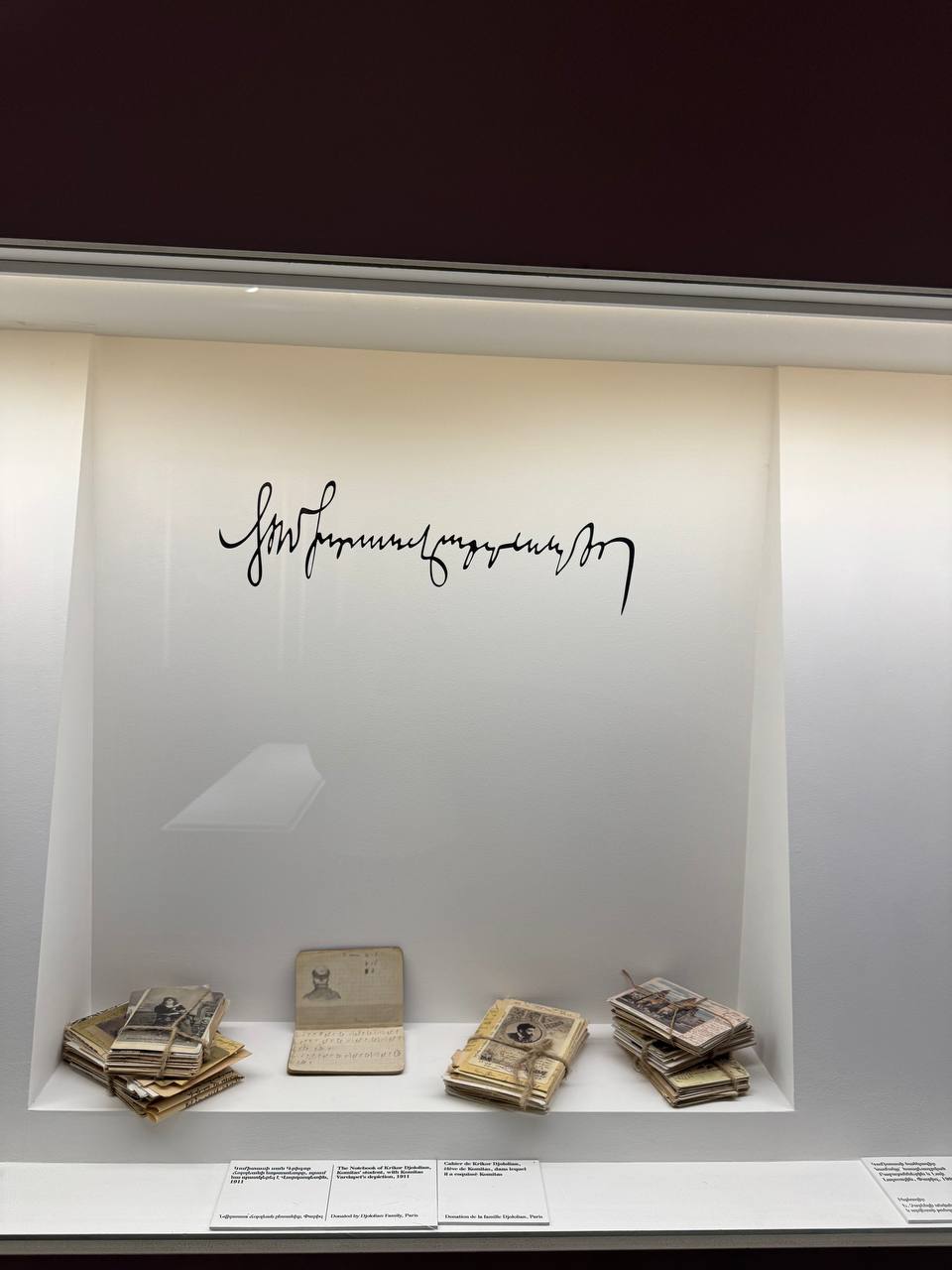
For 6th-grade students, this multifaceted presentation is also important from the perspective of interdisciplinary learning. Komitas can be studied in music lessons, but his work is simultaneously connected with history, literature, cultural studies, art, and the preservation of national heritage. In the classroom, students can learn biographical facts about Komitas, listen to his compositions, or study materials related to his work. At the museum, this knowledge takes on another dimension. Personal belongings, photographs, documents, and materials related to his creative and scholarly work allow students to perceive this historical figure not merely as a character from a textbook, but as a person who lived and worked within a particular historical period.
This is where the importance of museum-based education becomes evident. Students do not simply receive ready-made information; they observe, compare, and formulate questions. Why did Komitas collect folk songs preserved in villages? What was the significance of documenting them? How could folk music become an object of scholarly study? And why does his work remain relevant more than a century later? Through these questions, the story of Komitas becomes part of a broader discussion about the preservation and transmission of cultural heritage.
At USUM School, an important component of education is connecting knowledge with real-life environments. From this perspective, the 6th-grade students’ visit to the Komitas Museum-Institute can be viewed not as an extracurricular activity, but as a continuation of the learning process. The visit was particularly important in developing this understanding. Getting to know Komitas means not only learning about his biography and listening to his compositions, but also understanding the extensive work through which numerous examples of Armenian folk and sacred music were preserved and passed on to future generations.
Having stepped outside the classroom, the students returned with new opportunities to continue exploring the topic of Komitas through what they had seen, heard, and questioned. The coordinators involved in organizing the school’s educational visits believe that when education is connected with a real cultural environment, knowledge ceases to be merely a fact to be memorized and becomes a personal experience, a question, and an opportunity to understand one’s own culture.
To not think freely is to not think at all!