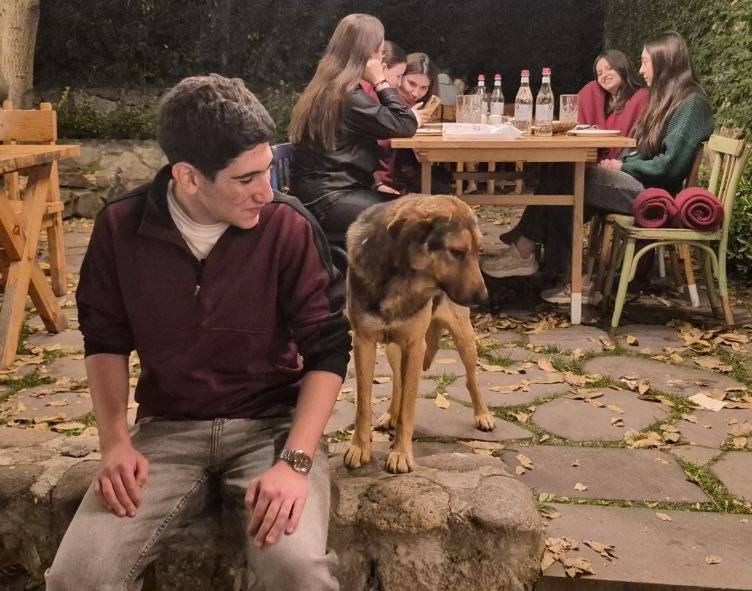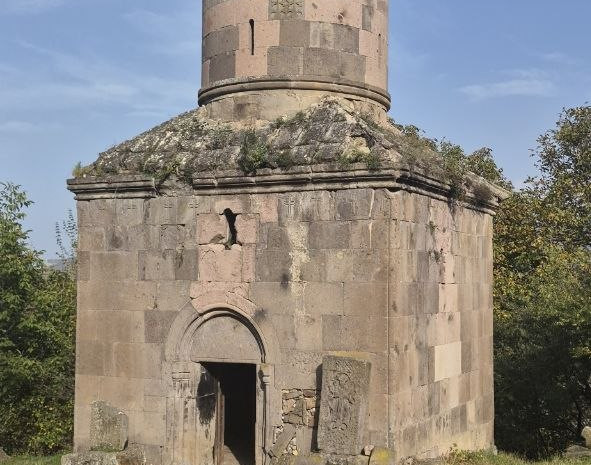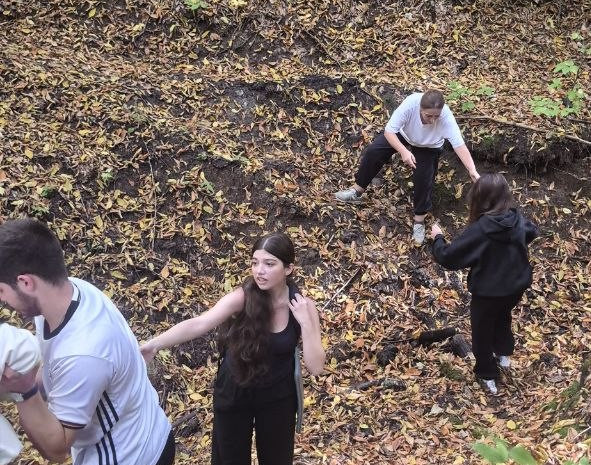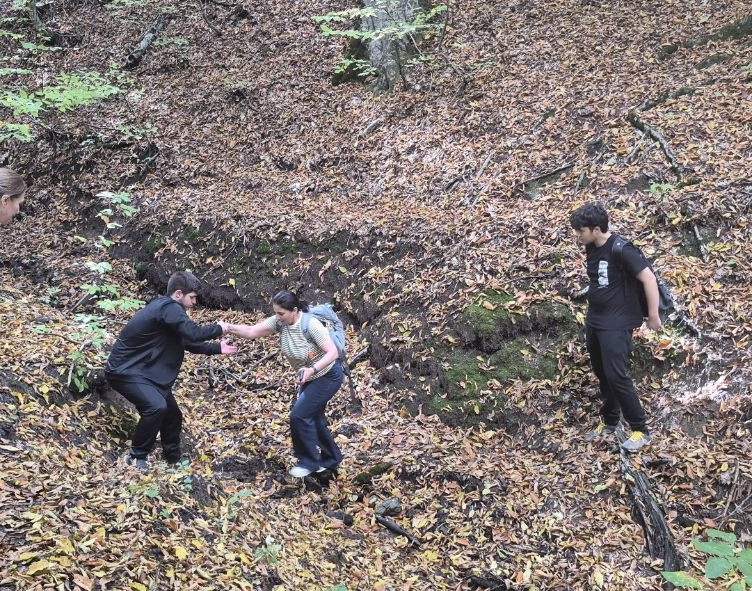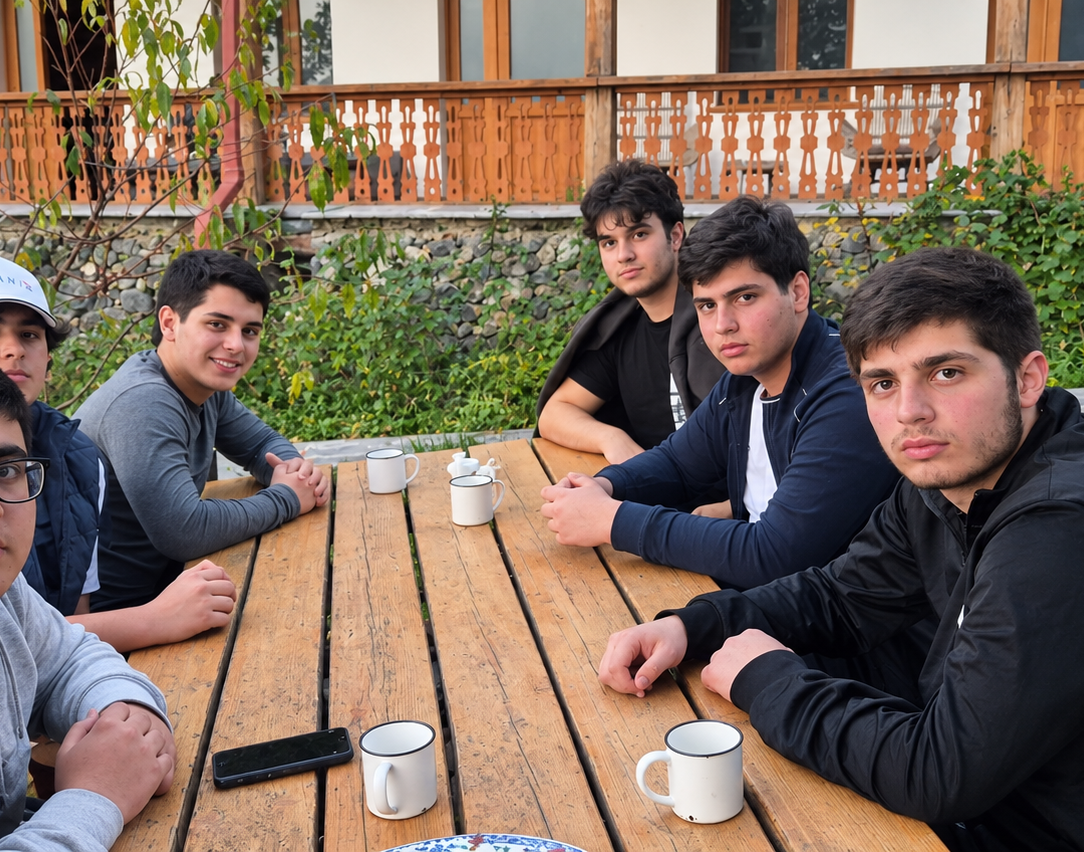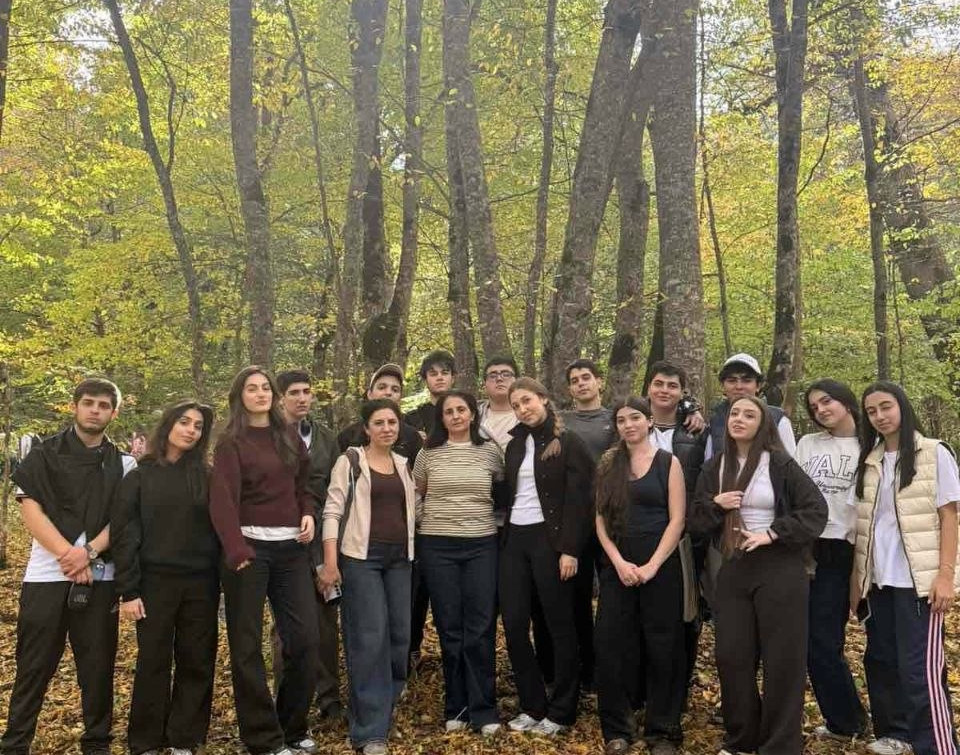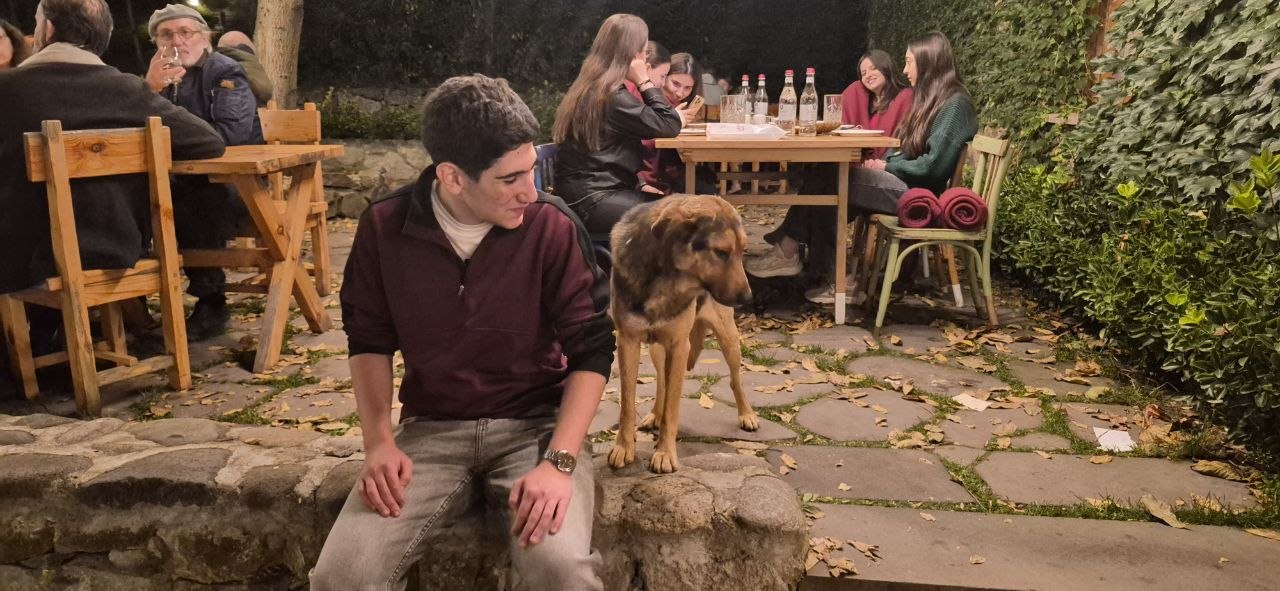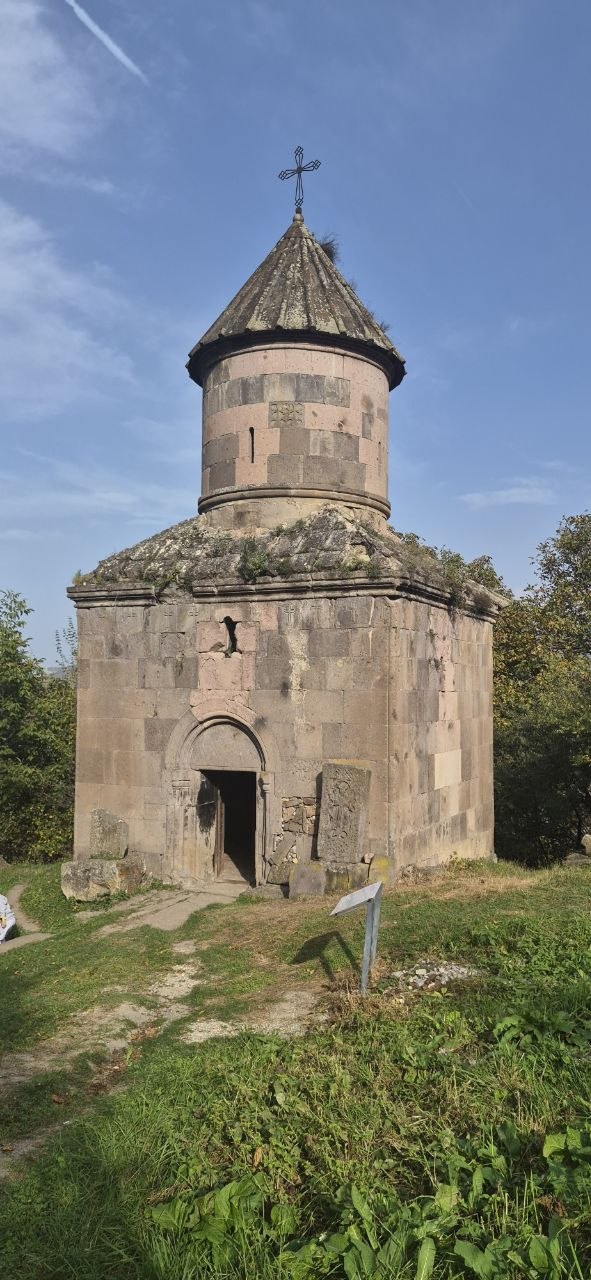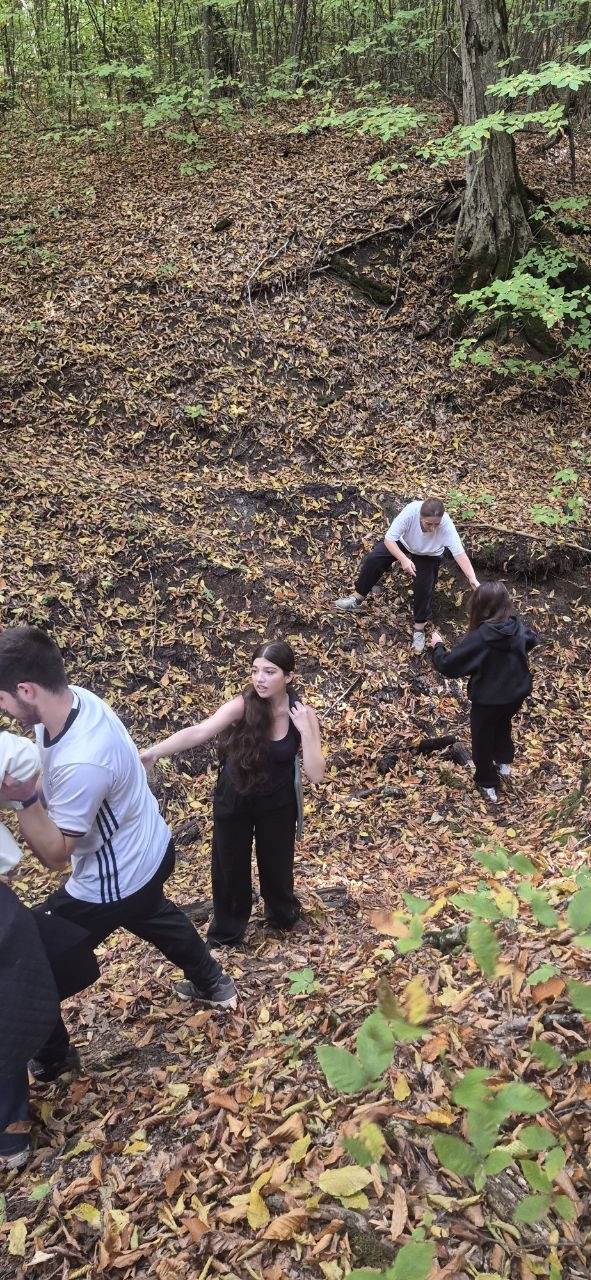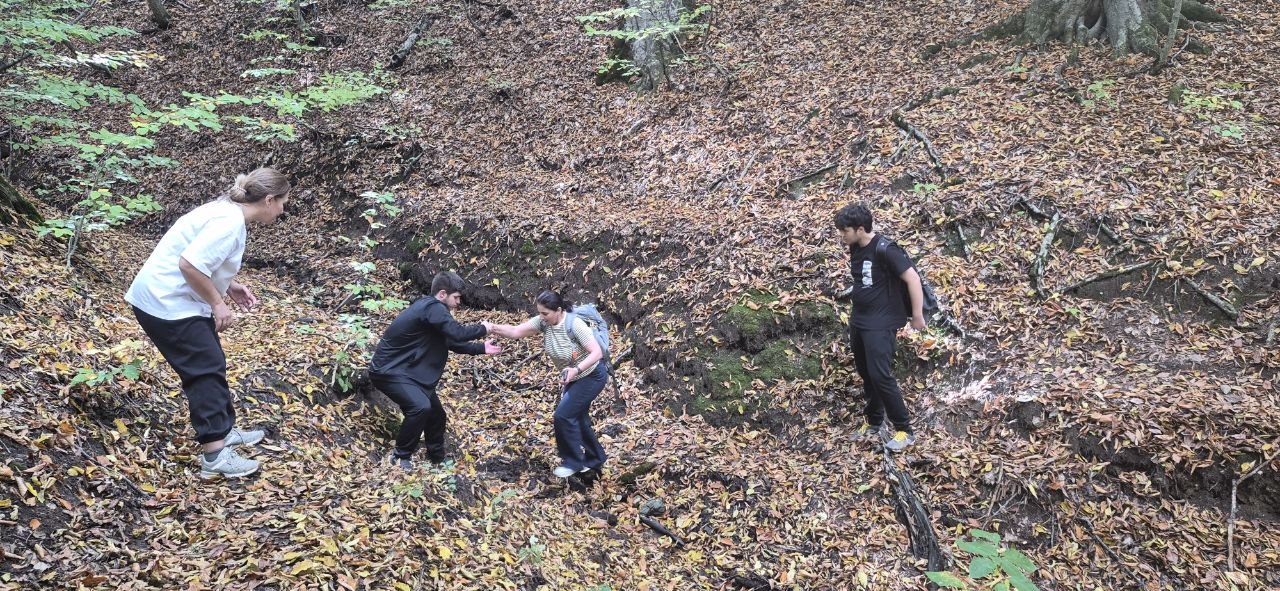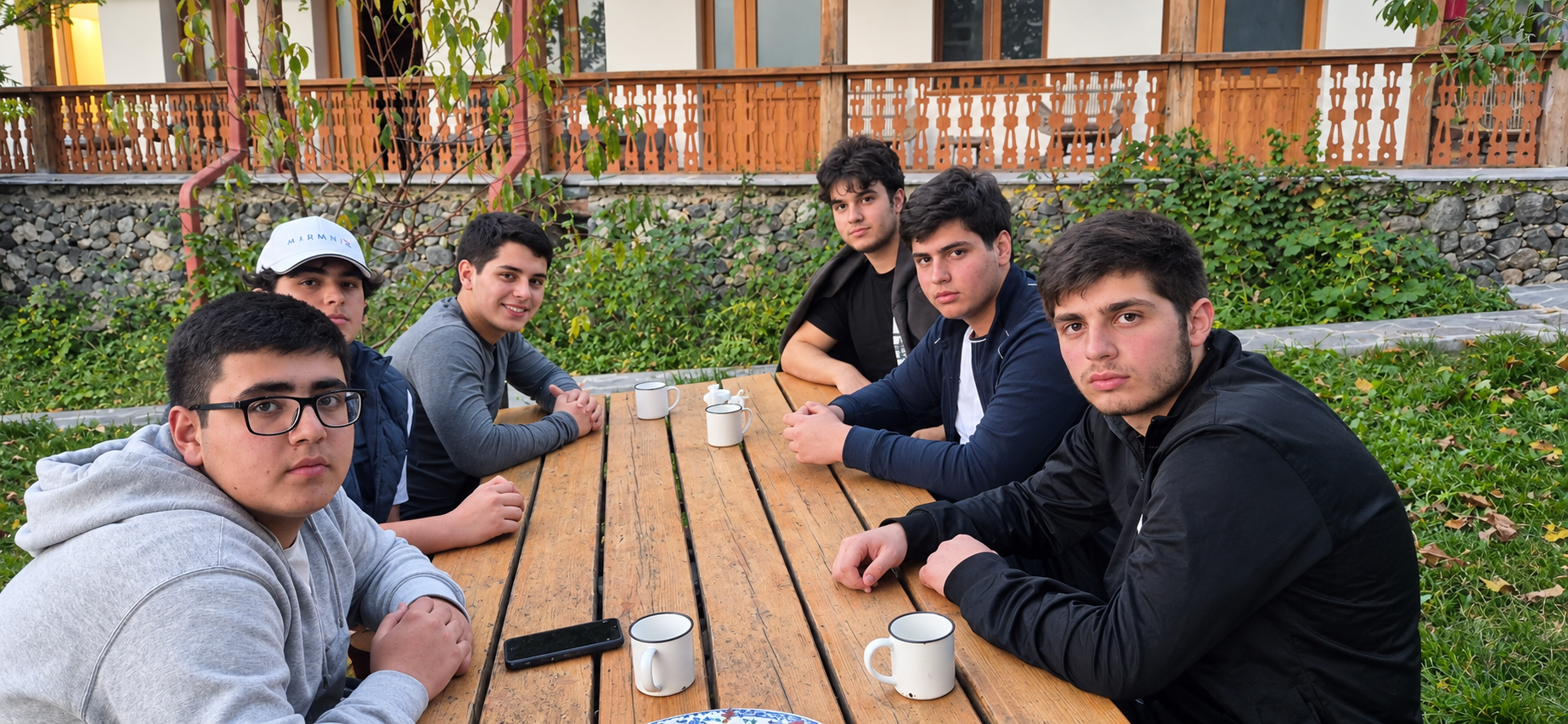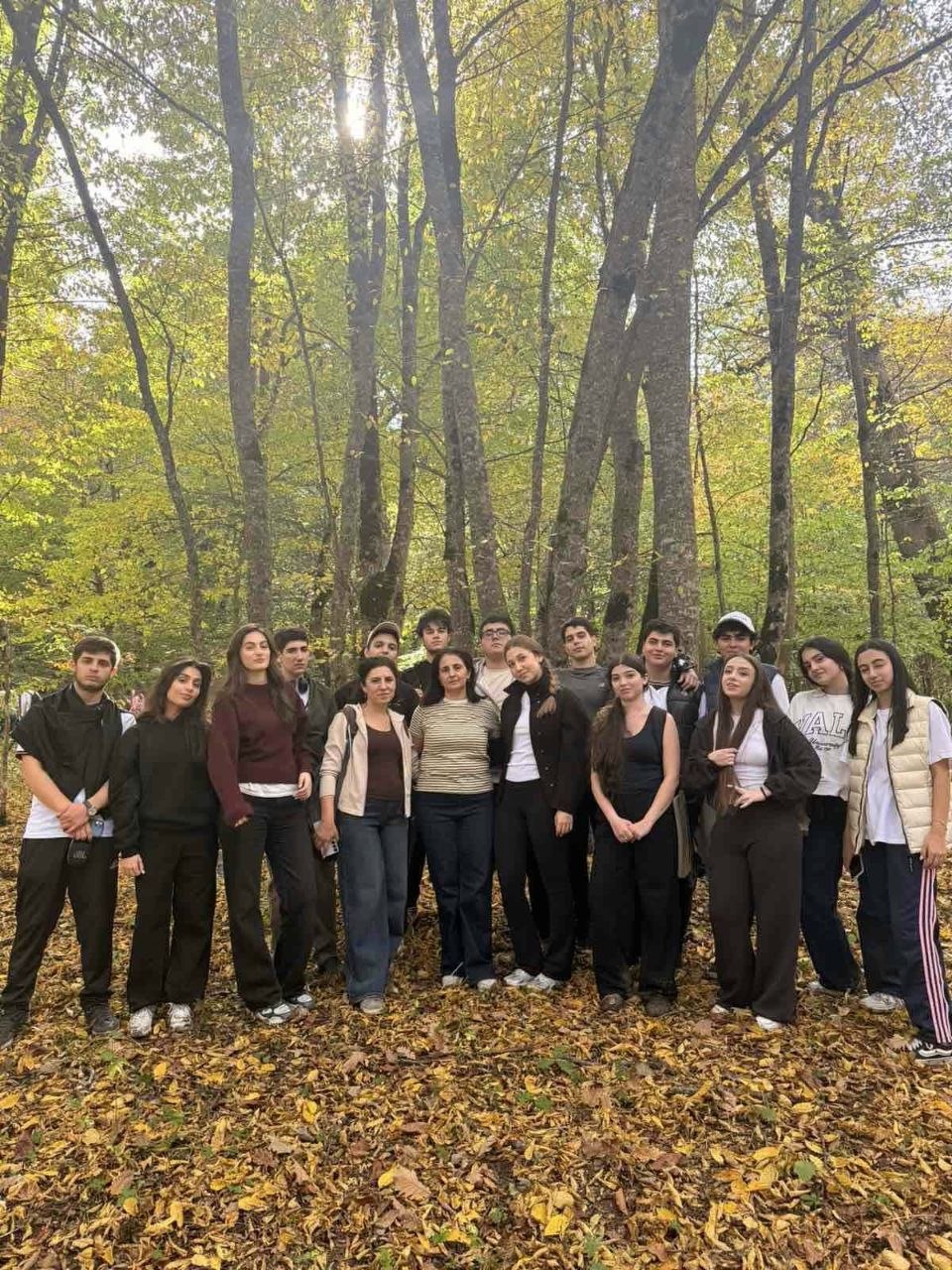

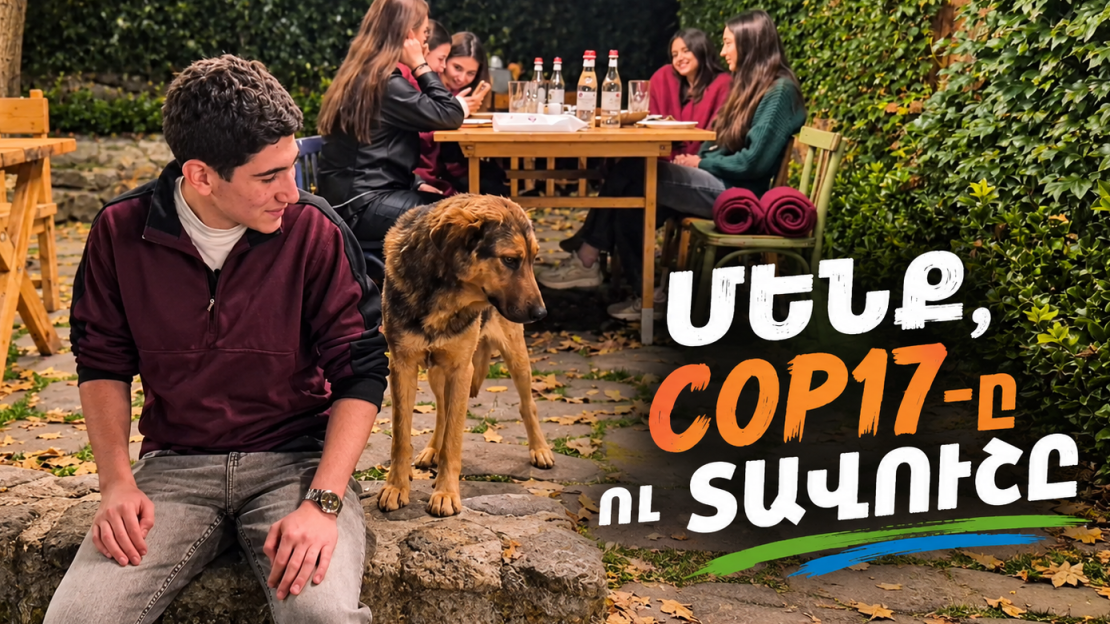
One of the best ways to discover Armenia’s natural beauty, explore its landscapes, and challenge oneself is through hiking. This time, 11th- and 12th-grade students from USUM School set off from Lake Gosh toward Lake Parz, ready to navigate forest trails, enjoy autumn scenery, and gain new knowledge and impressions through direct contact with nature.
Hiking in natural surroundings has significant educational value: it complements classroom learning with firsthand observation and personal experience. Through hiking, students develop physical endurance, independence, navigation skills, a sense of responsibility, and teamwork. By overcoming challenges along the way, they learn to support one another, consider the needs and abilities of their fellow hikers, and work toward a common goal. Hiking also helps them better understand the importance of environmental protection. When students see with their own eyes the beauty of forests, water resources, and natural habitats, as well as how these elements are interconnected, caring for nature becomes not merely theoretical knowledge but a personal commitment.
Educational excursions into nature are not a new phenomenon in the history of education. Their development as a teaching method was influenced by educational ideas dating back to the 18th century, which emphasized that learning should take place not only through books but also through direct observation and experience. During the 19th century, school excursions gradually became more widespread across Europe. Their roots are often traced to Great Britain, where, from 1890 onward, schoolchildren began taking trips into nature to study geography and the natural environment. Over time, educational trips became an important way to complement classroom instruction and strengthen students’ practical knowledge.
Today, hiking remains an important part of education. It allows students to learn in real-world settings, sharpen their powers of observation, discover their homeland, and develop a responsible attitude toward the environment.
Environmental protection is particularly relevant to Armenia at this time. From October 19 to 30, 2026, Yerevan is hosting the 17th meeting of the Conference of the Parties to the UN Convention on Biological Diversity, known as COP17, under the slogan “Taking Action for Nature.” The conference focuses on biodiversity conservation, the protection of natural ecosystems, and assessing global progress toward achieving the goals of halting and reversing nature loss by 2030.
In this context, the hike from Lake Gosh to Lake Parz can also be seen as an opportunity to foster environmental awareness. Understanding nature is one of the first steps toward protecting it. Responsible attitudes begin with simple actions: keeping natural areas clean, protecting plant life, respecting wildlife and its habitats, and behaving responsibly in the outdoors.
For USUM School’s 11th- and 12th-grade students, this hike was more than just an autumn outing. It brought together physical activity, friendship, the discovery of nature, and a sense of responsibility, reminding everyone that to protect Armenia’s natural heritage, we must first discover, understand, and appreciate it.
To not think freely is to not think at all!