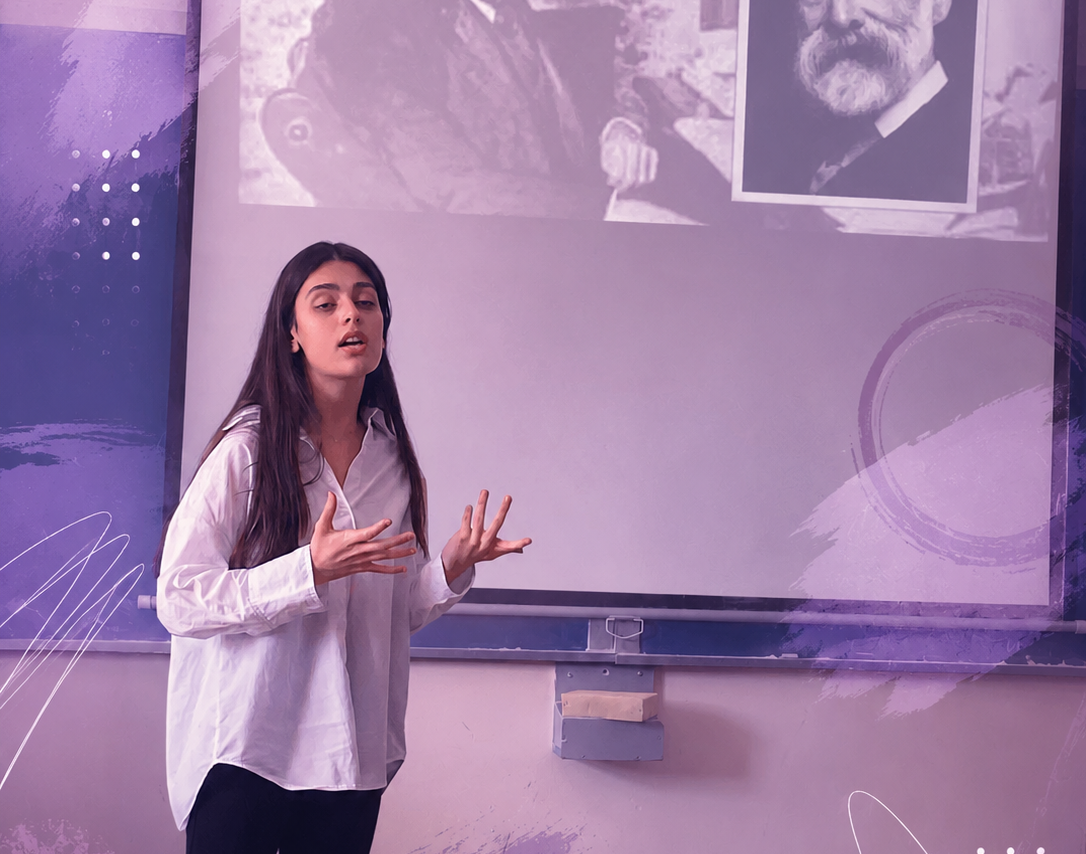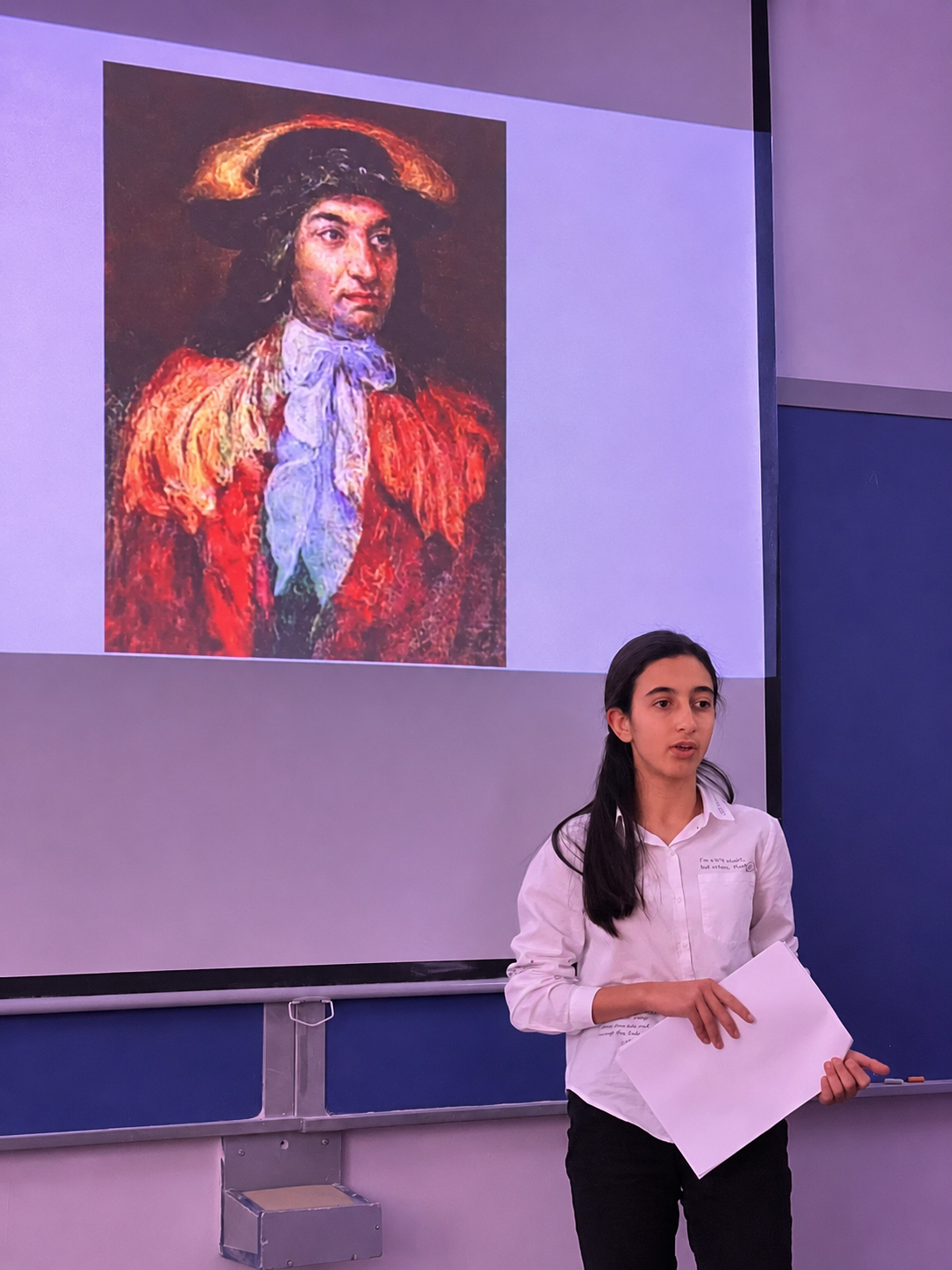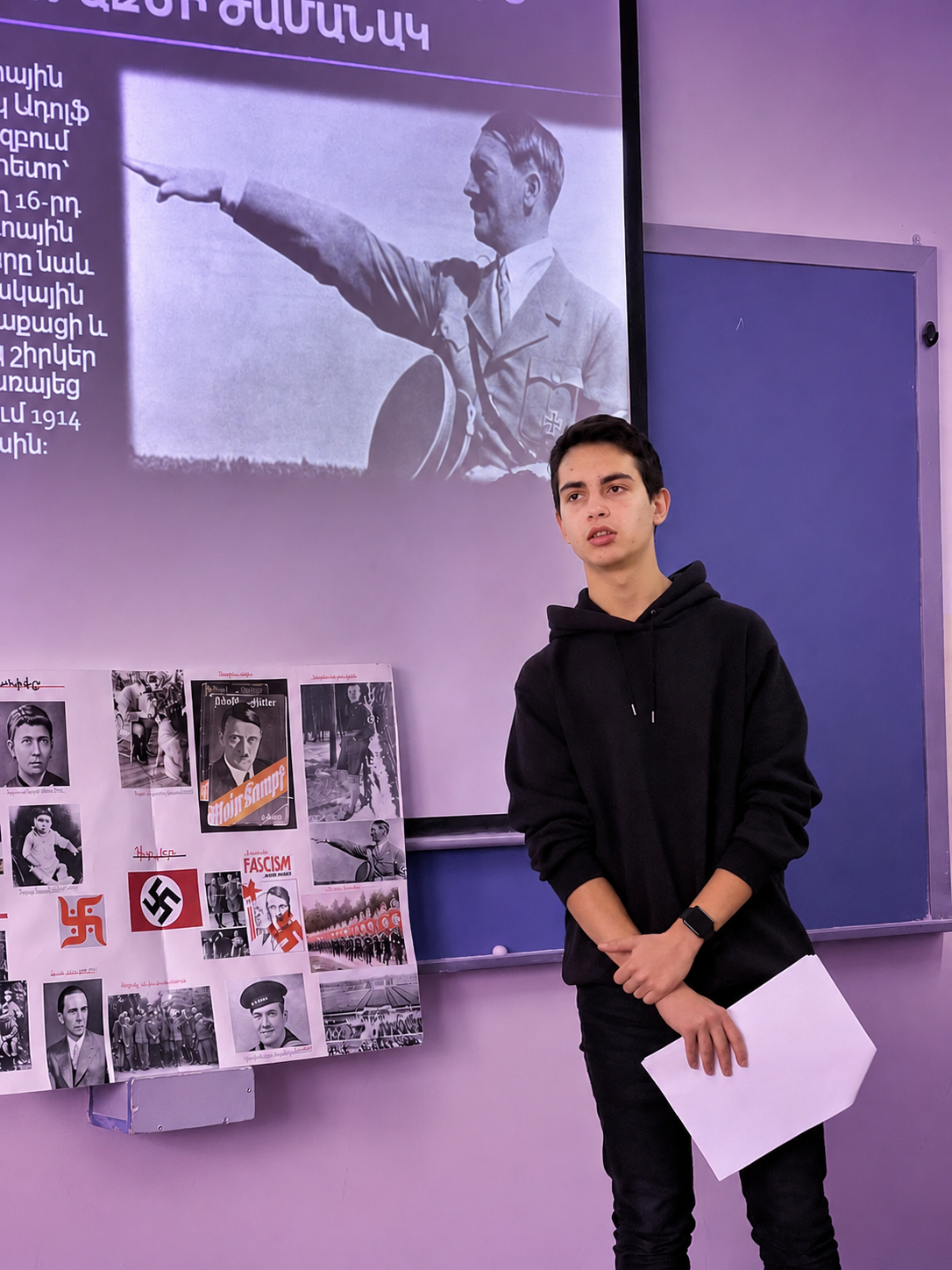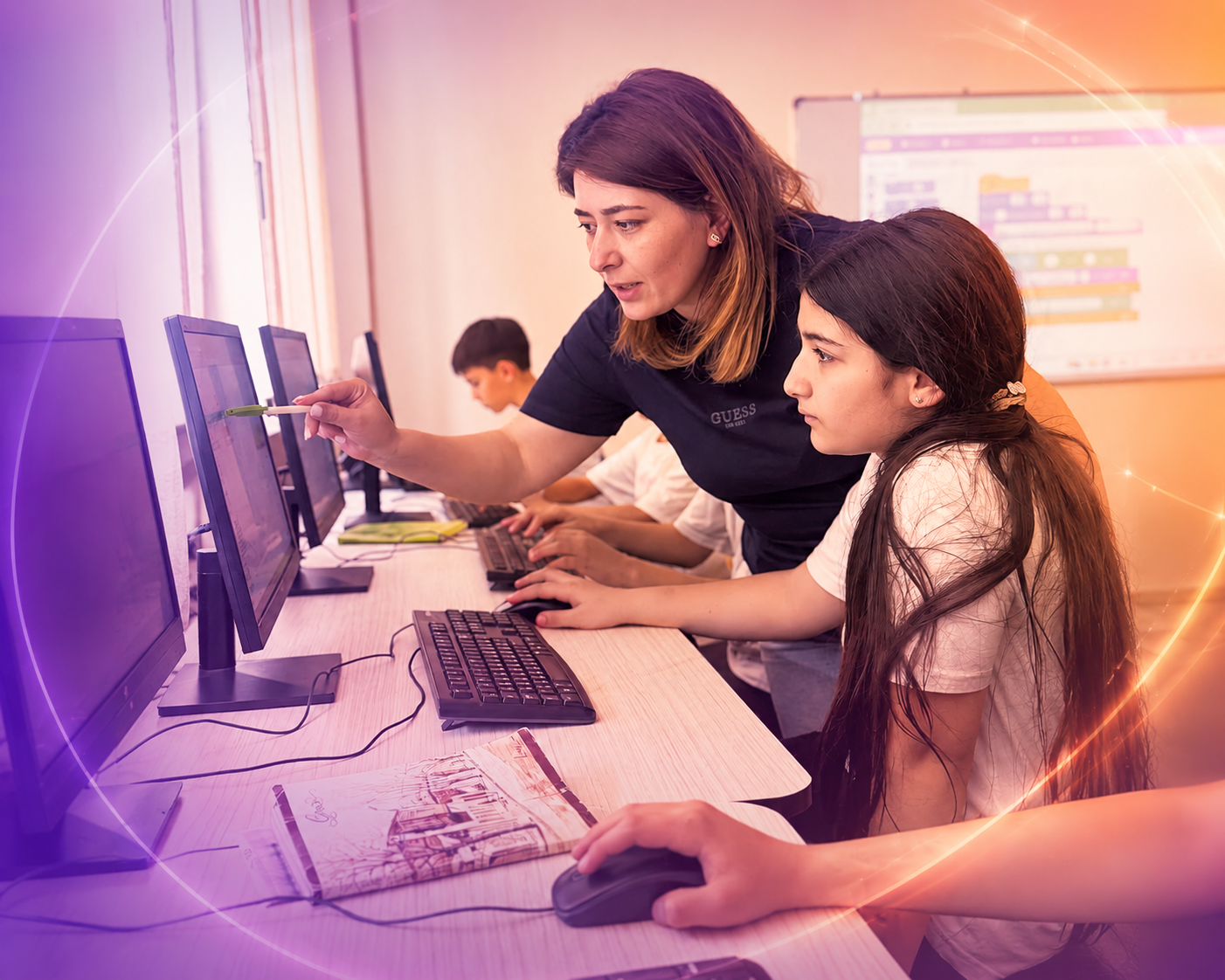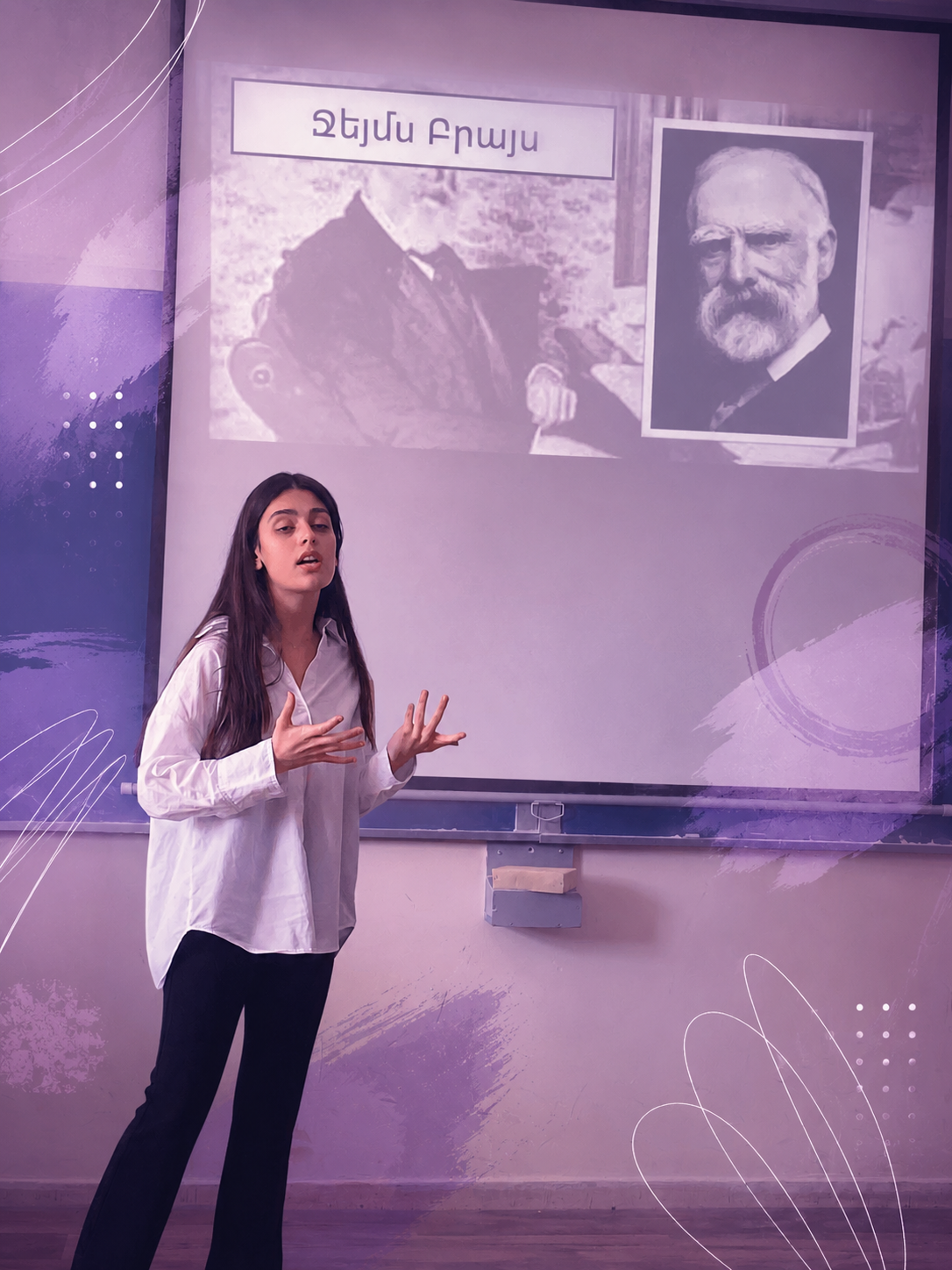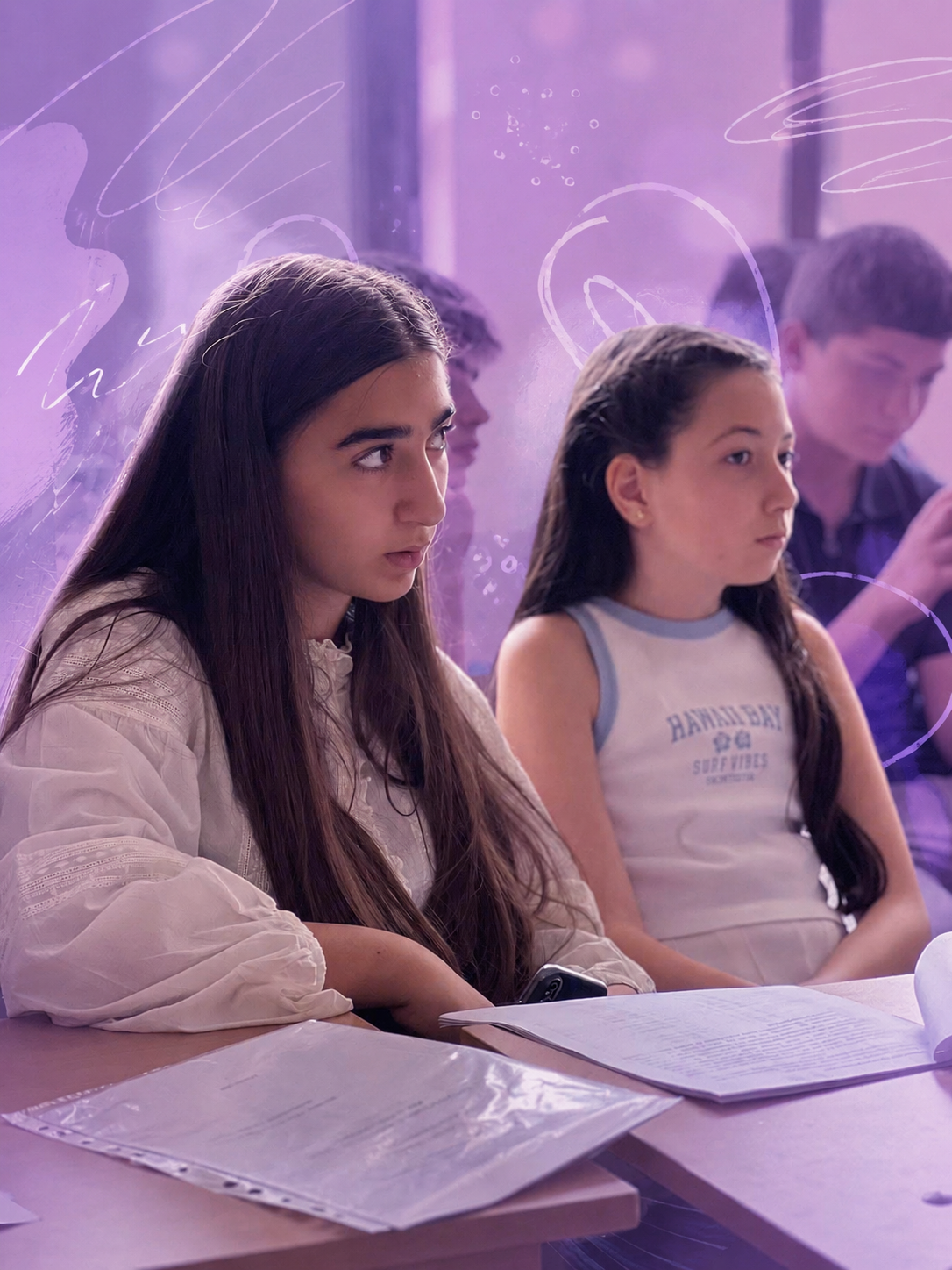

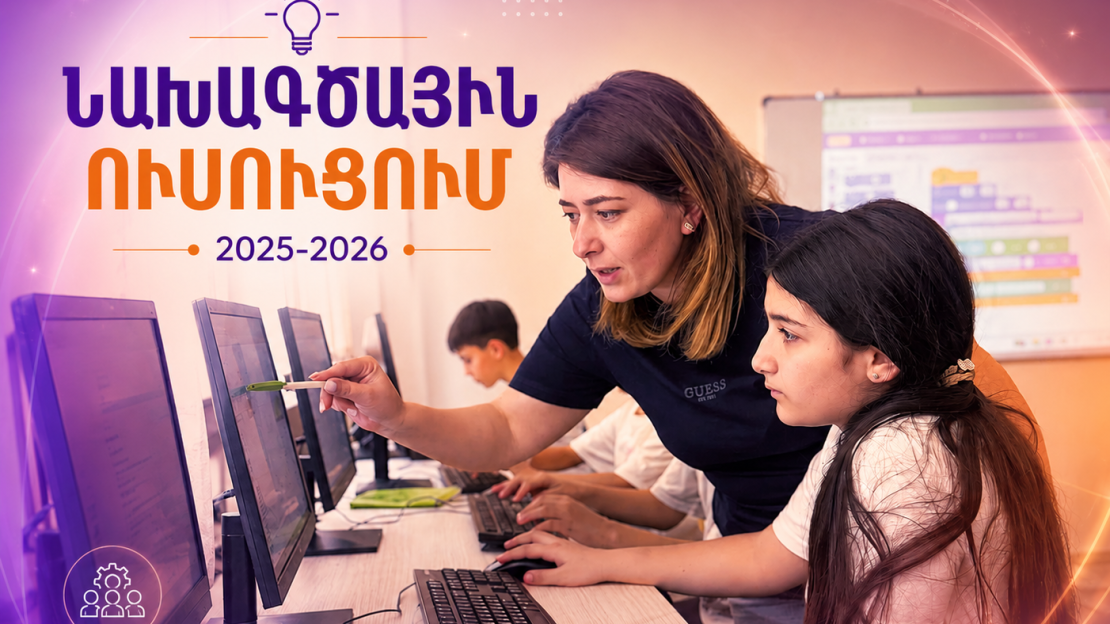
Education is not merely the transmission of knowledge; it is also about developing students' ability to explore, discover, create, and bring their own ideas to life. This is precisely the purpose of the project-based learning approach introduced under Armenia's new State Educational Standards and successfully implemented at Usum School, where it has become an integral part of the educational process for the fifth consecutive academic year.
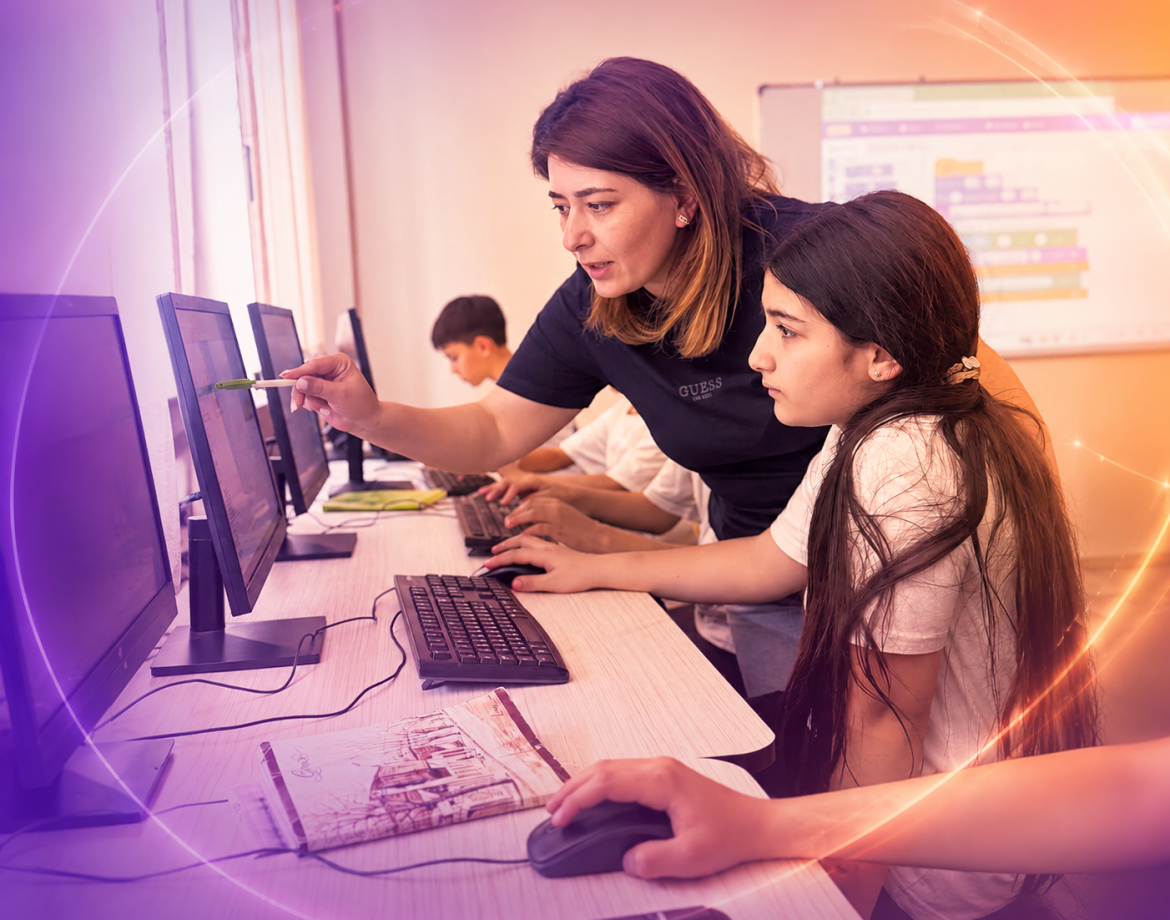
Through project-based learning, students have the opportunity to connect theoretical knowledge with real-life experiences, work collaboratively, and develop critical thinking, analytical reasoning, and creative skills. During the 2025–2026 academic year, this mandatory component of the curriculum involved students from Grades 7–12, encompassing a wide range of academic disciplines, project formats, and research approaches.
A total of 191 students from Grades 7–9 participated in project-based learning. Throughout the academic year, 51 educational projects were completed under the supervision of 26 project advisors. These figures demonstrate that project-based learning has become a natural extension of the learning process in middle school, enabling students to explore diverse topics, conduct research, and present the outcomes of their work.
An analysis of the completed projects by subject departments reveals that the largest share belonged to the Natural Sciences Department. The projects were distributed as follows:
- Natural Sciences Department – 25 projects (49%)
- History and Culture Department – 12 projects (24%)
- European Languages Department – 8 projects (16%)
- Mathematics and Informatics Department – 4 projects (8%)
- Russian Language Department – 1 project (2%)
- Sports and Logical Thinking Department – 1 project (2%)
These data clearly indicate that the most active areas were the natural sciences and the humanities, particularly history and culture. At the same time, project-based learning successfully engaged students across other subject areas as well, ensuring a well-rounded educational experience.
When classified by content and project type, the distribution is as follows:
- Historical, cultural, and social studies projects – 16 projects (31%)
- Natural sciences, environmental education, and technology projects – 14 projects (27%)
- Research projects – 9 projects (18%)
- Practical, applied, and experimental projects – 6 projects (12%)
- Creative projects – 6 projects (12%)
This diversity reflects the school's commitment to fostering not only academic achievement but also creativity, practical application of knowledge, and research culture. Project-based learning reaches a new level in high school, focusing on students' independence, research competencies, and career orientation.
During the reporting academic year, 12 educational projects were completed with the participation of 68 students, one of whom took part in more than one project. The projects were supervised by 10 teachers.
Notably, for the second consecutive year, all high school projects have undergone independent peer review by specialists in relevant fields. This practice provides valuable professional feedback and serves as an important tool for ensuring the objectivity and quality of project evaluation.
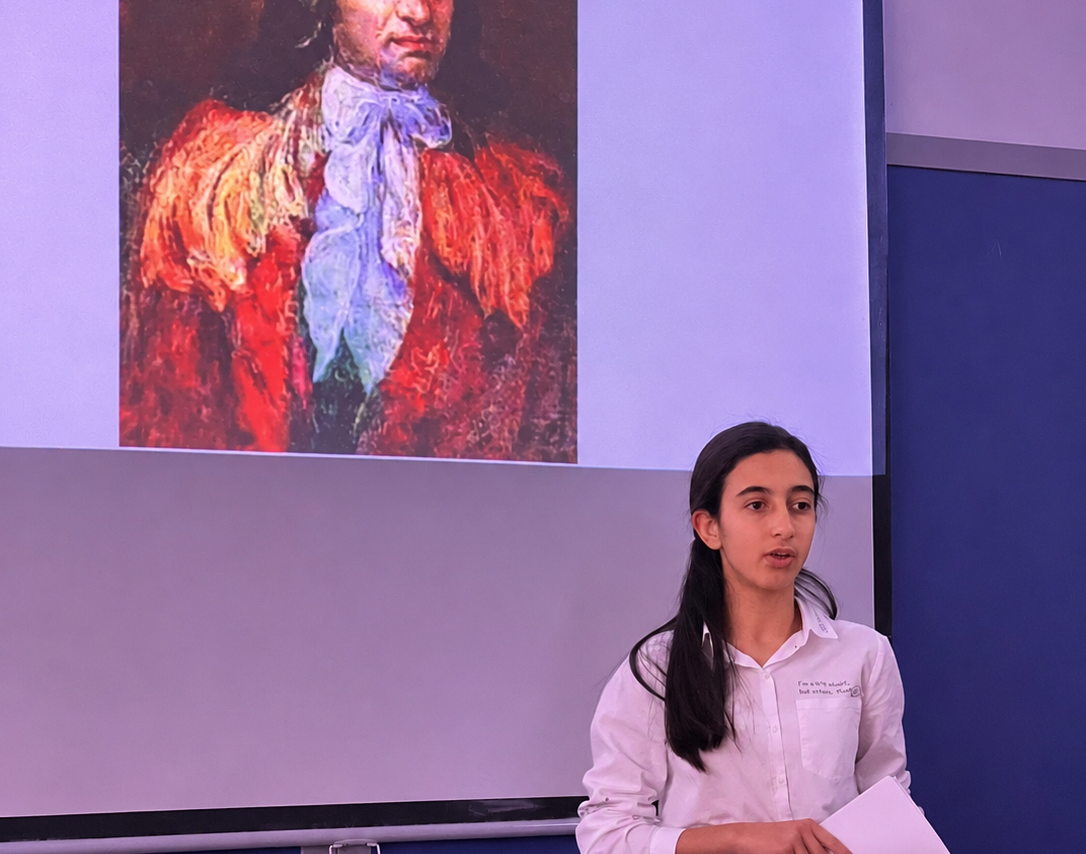
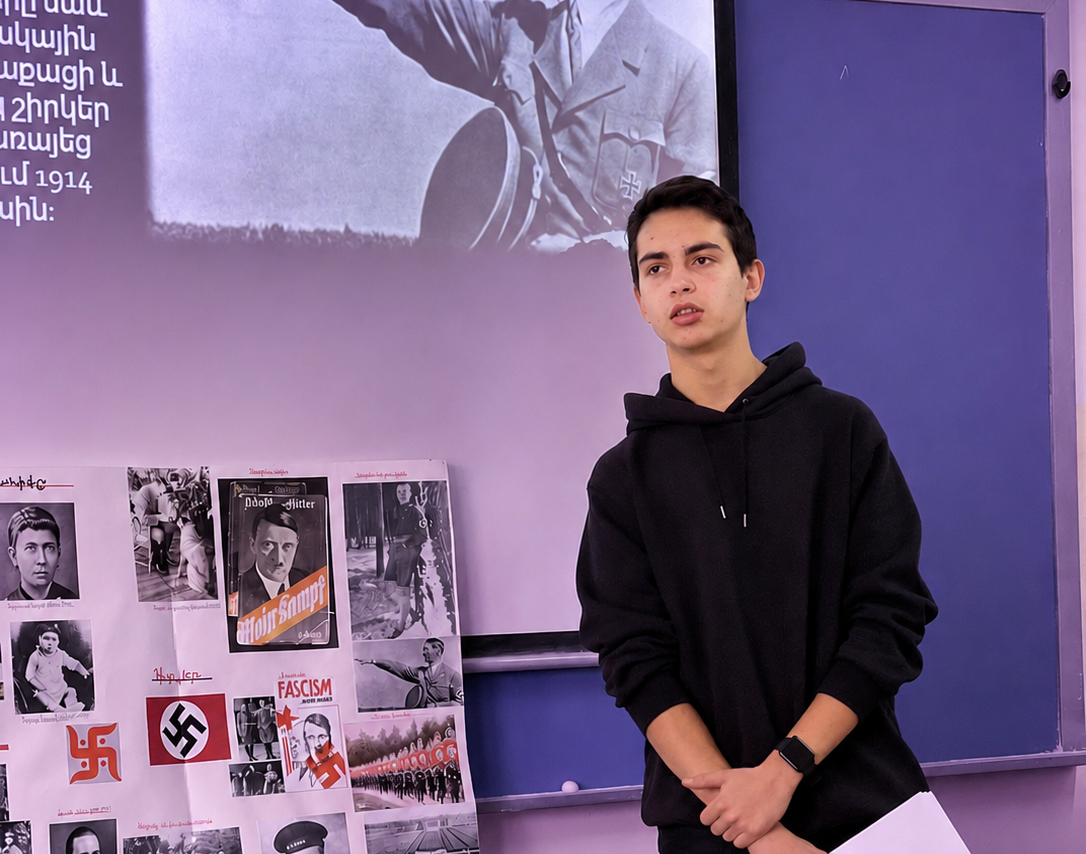
The high school projects were presented in a variety of formats. Four of these—a book presentation, a panel discussion, an off-campus field research project, and an event-based project—were introduced for the first time in the school's history. In addition, students presented projects in the form of research studies and experimental reports.
The majority of the projects had a strong research focus, aligning with the educational objectives of high school by strengthening students' analytical thinking, scientific inquiry, and ability to present well-founded ideas.
The projects were distributed across educational fields as follows:
- Social Sciences – 5 projects, involving 24 students
- Natural Sciences – 3 projects, involving 26 students
- Linguistics – 3 projects, involving 11 students
- Mathematics – 1 project, involving 7 students
The results of the 2025–2026 academic year demonstrate that project-based learning at Usum School is no longer simply a teaching methodology but has evolved into an established educational culture. Overall, students in Grades 7–12 completed 63 educational projects, involving 259 students, under the guidance of 36 teachers and project supervisors.
Each project became a meaningful learning experience, encouraging students to ask questions, conduct research, collaborate with peers, analyze information, and create original outcomes. Through project-based learning, Usum School continues to cultivate an educational environment in which every student becomes an active learner, a researcher, and a creator—well prepared to meet the academic and professional challenges of the future.
To not think freely is to not think at all!