Every year in February, Armenia and the Armenian Diaspora warmly celebrate the birthday of Hovhannes Tumanyan. February 19 is not only the great writer’s birth anniversary, but is also marked as Book Giving Day, having become a beautiful cultural tradition. In schools, libraries, and cultural centers, the day is celebrated with literary readings, theatrical performances, discussions, and creative competitions.
Perhaps it is Tumanyan’s genius, greatness, and deep popularity that inspired the tradition of not limiting the celebration to a single day, but dedicating an entire “Tumanyan Week” of events to the All-Armenian Poet. During this symbolic week, students at our school explore the writer’s life and works, stage his fairy tales, recite his poetry, and present research projects. The week becomes not only a literary celebration, but also an important educational initiative that fosters children’s artistic thinking and appreciation of national values.
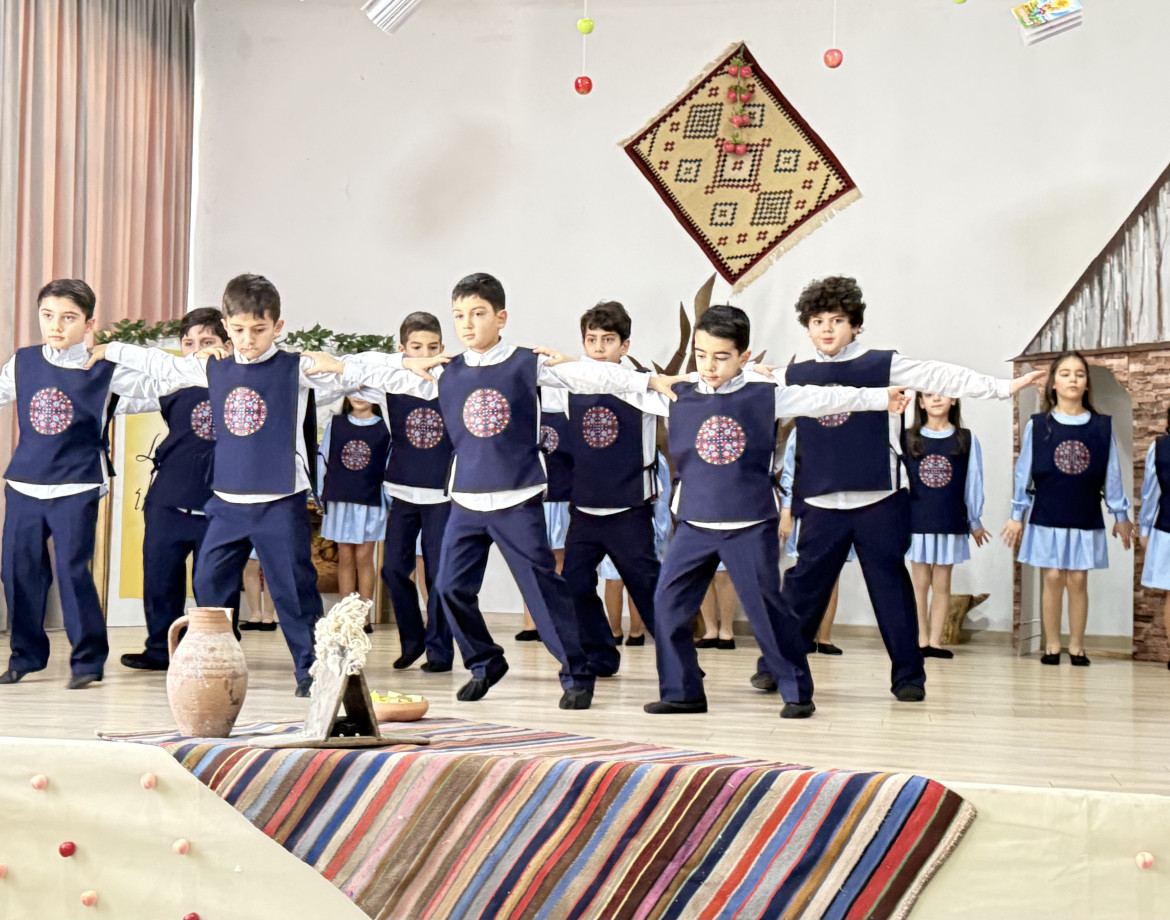
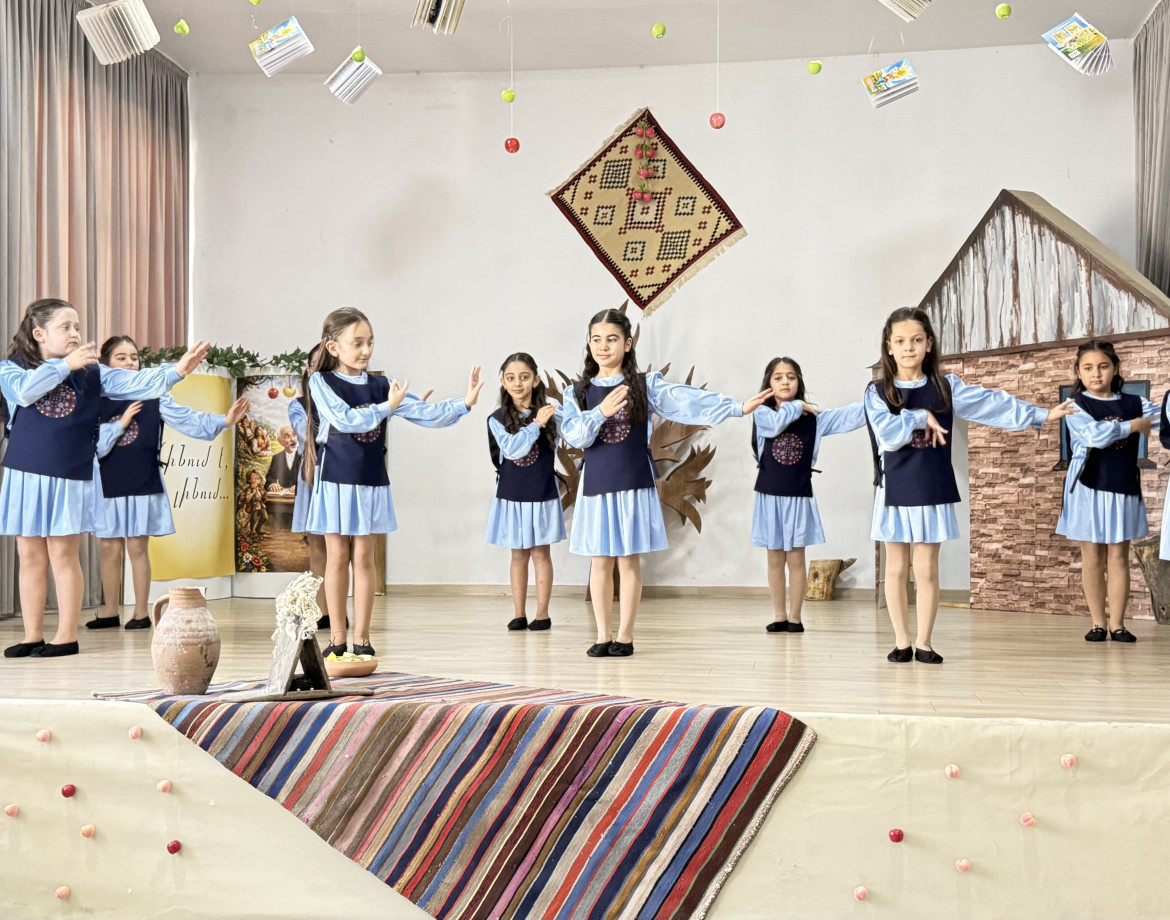
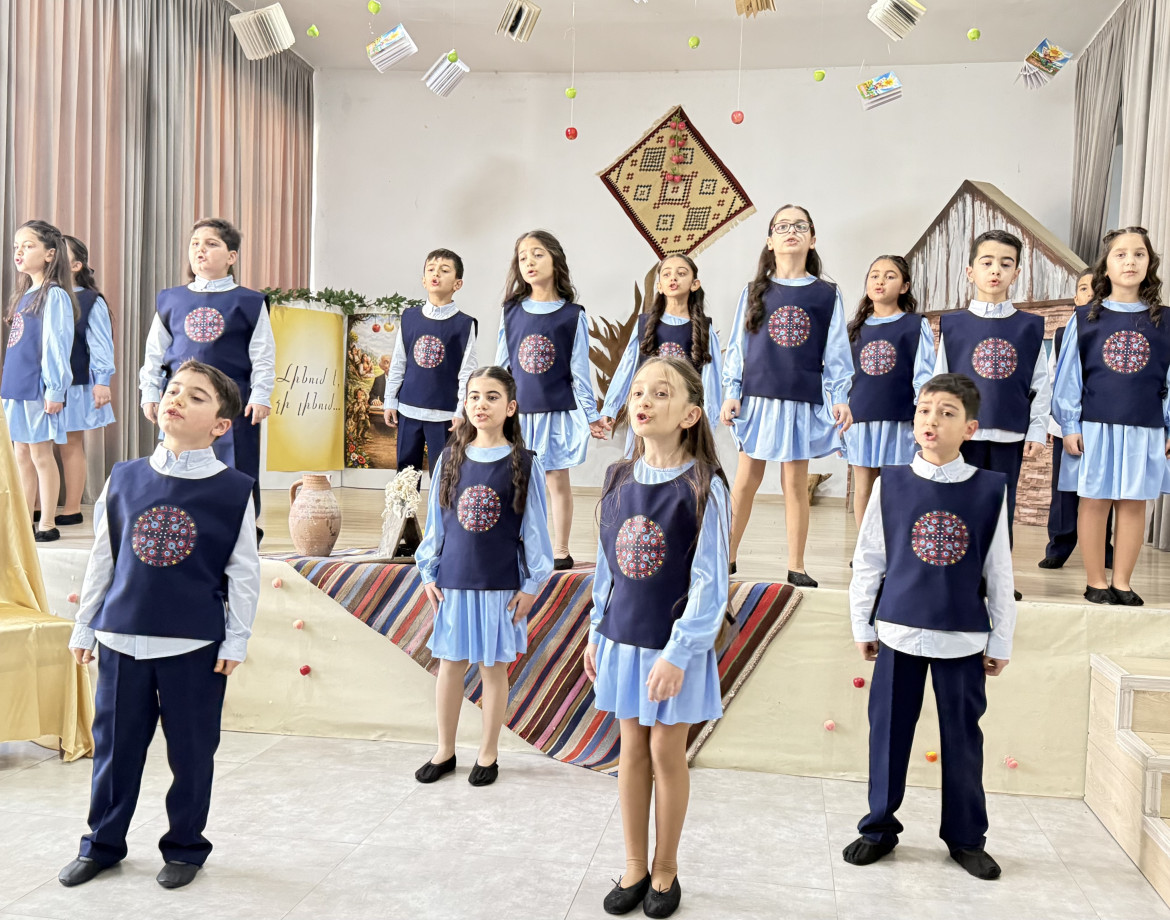
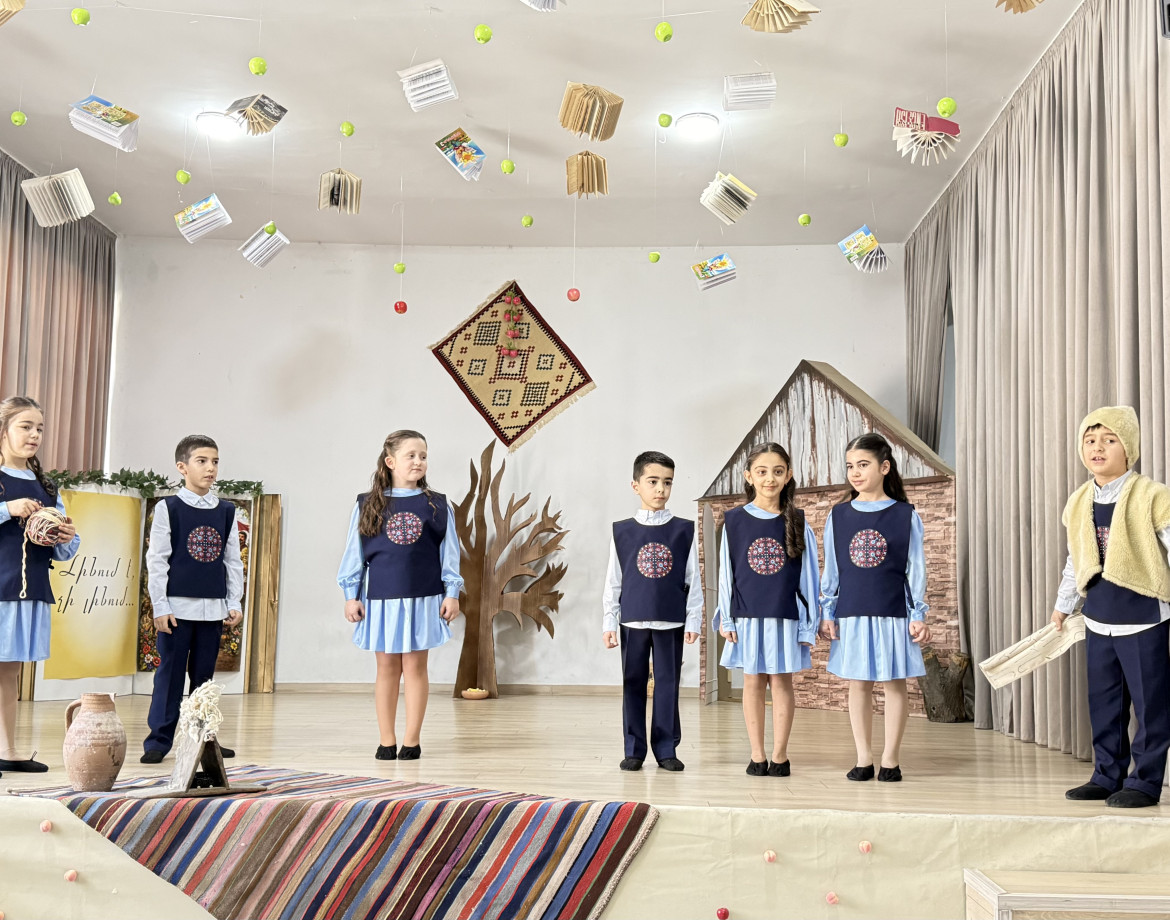
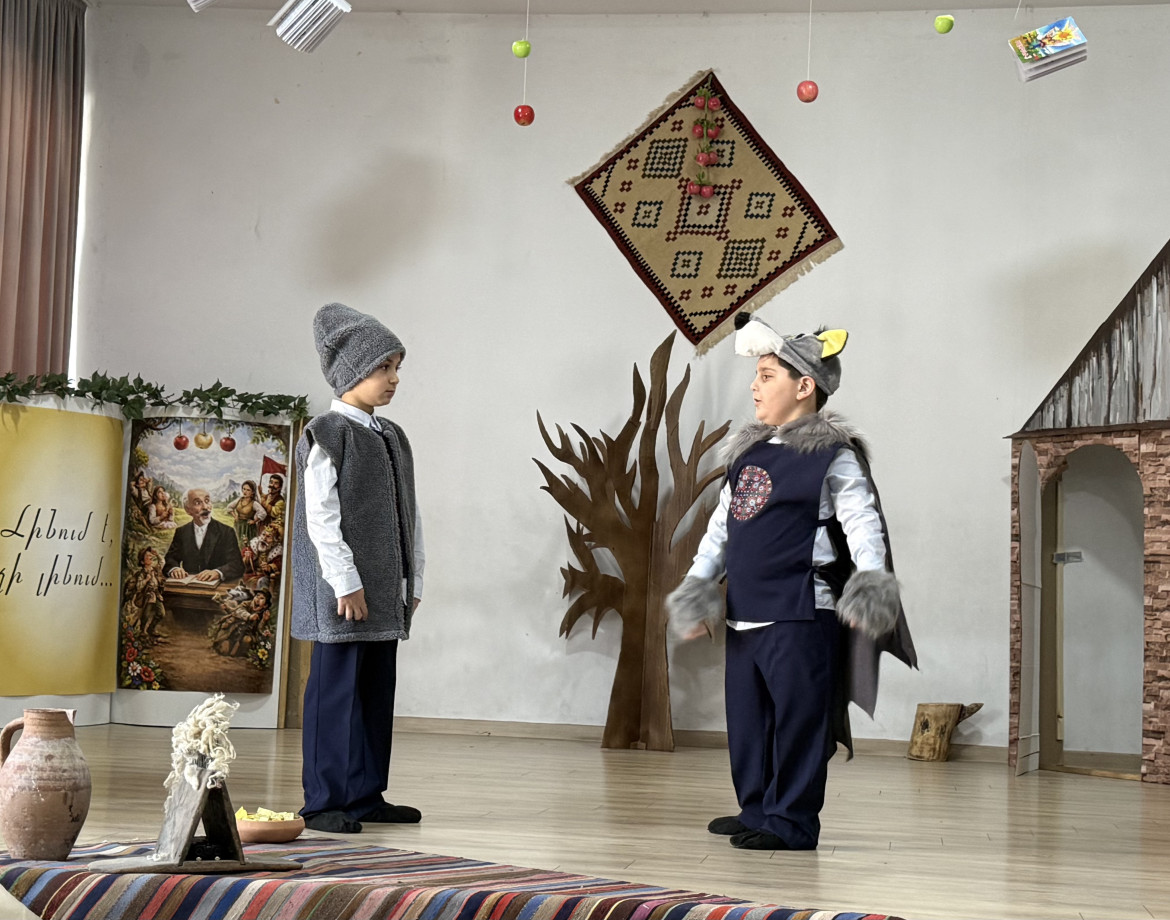
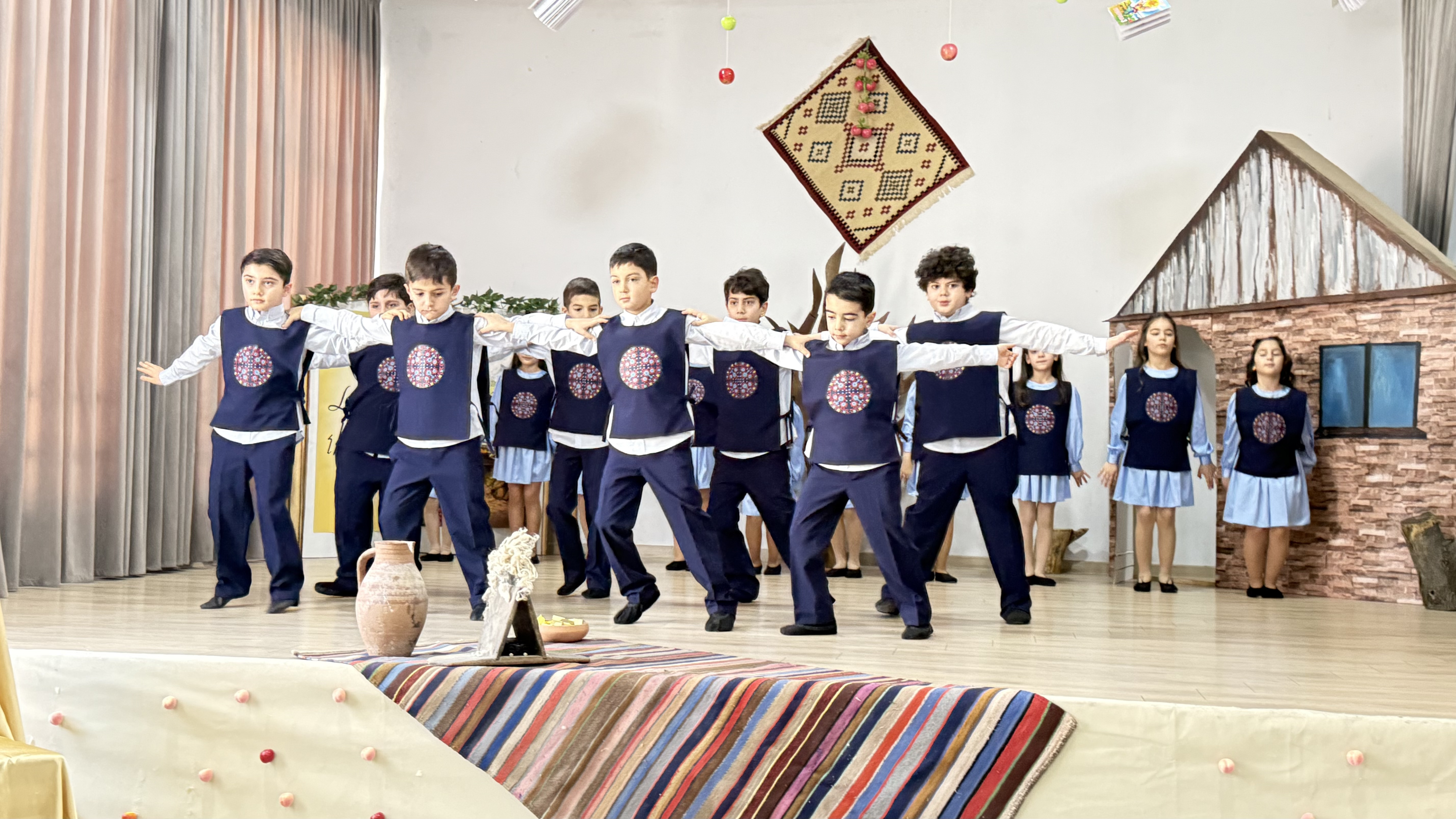
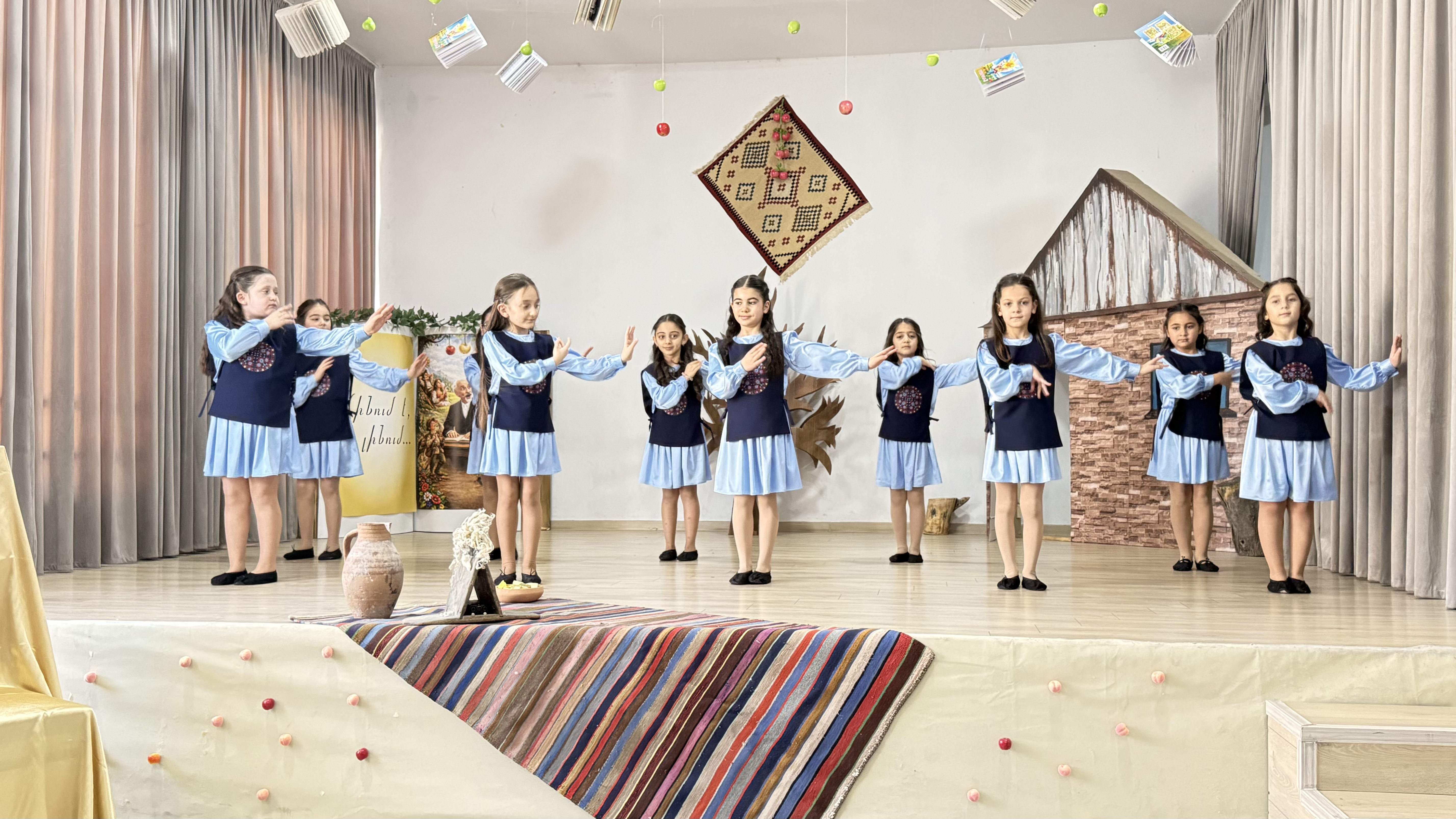
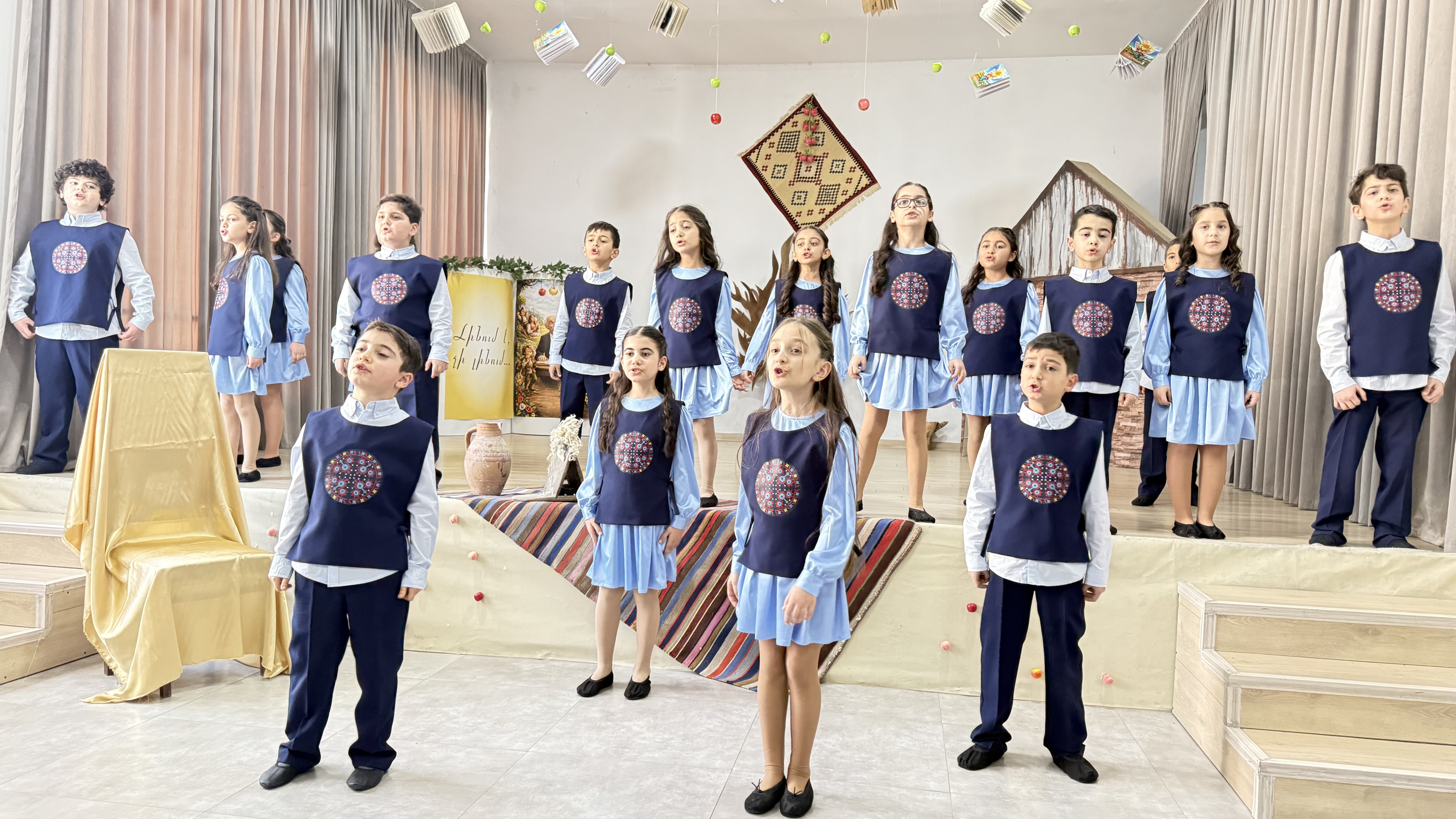
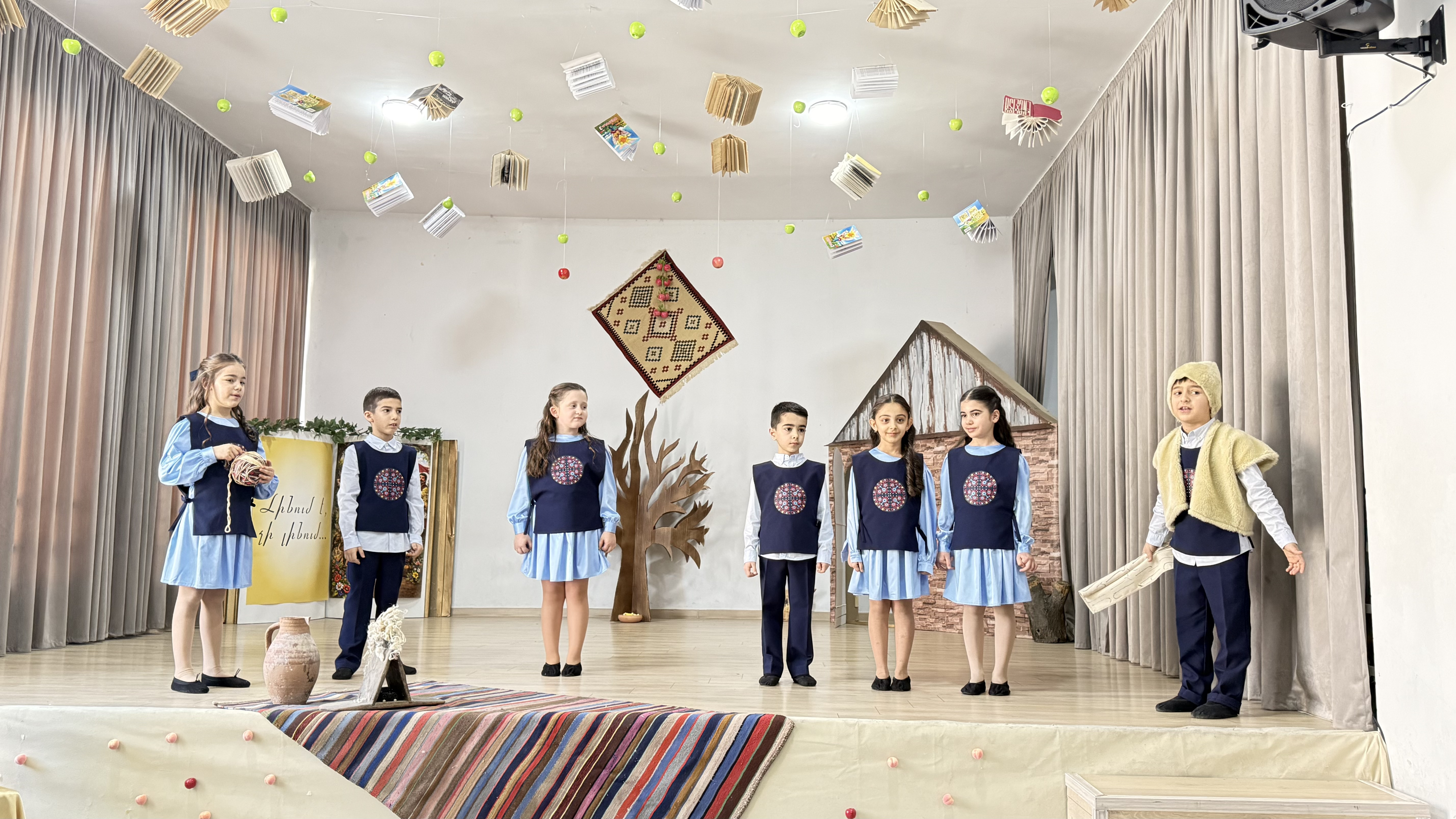
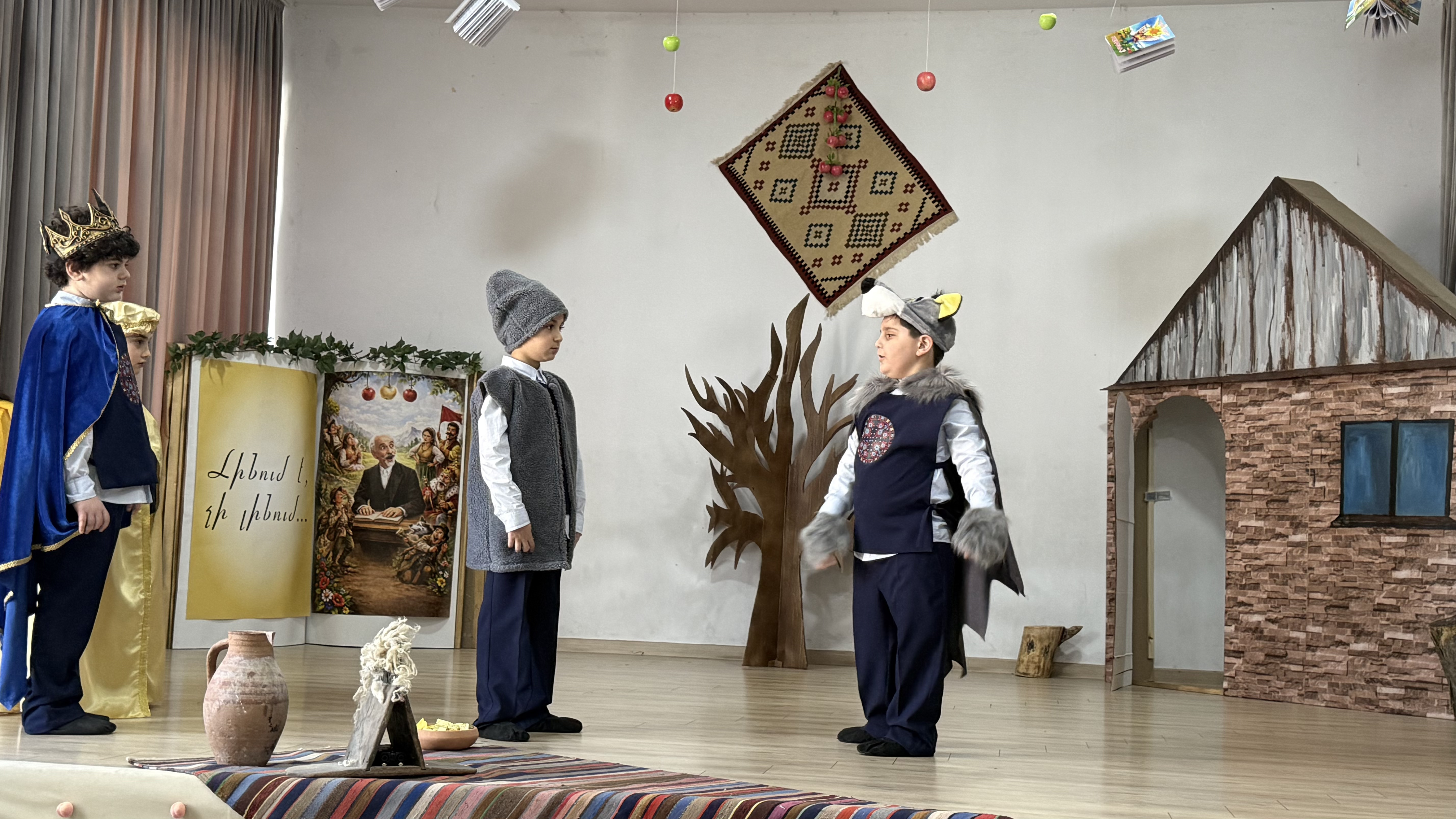
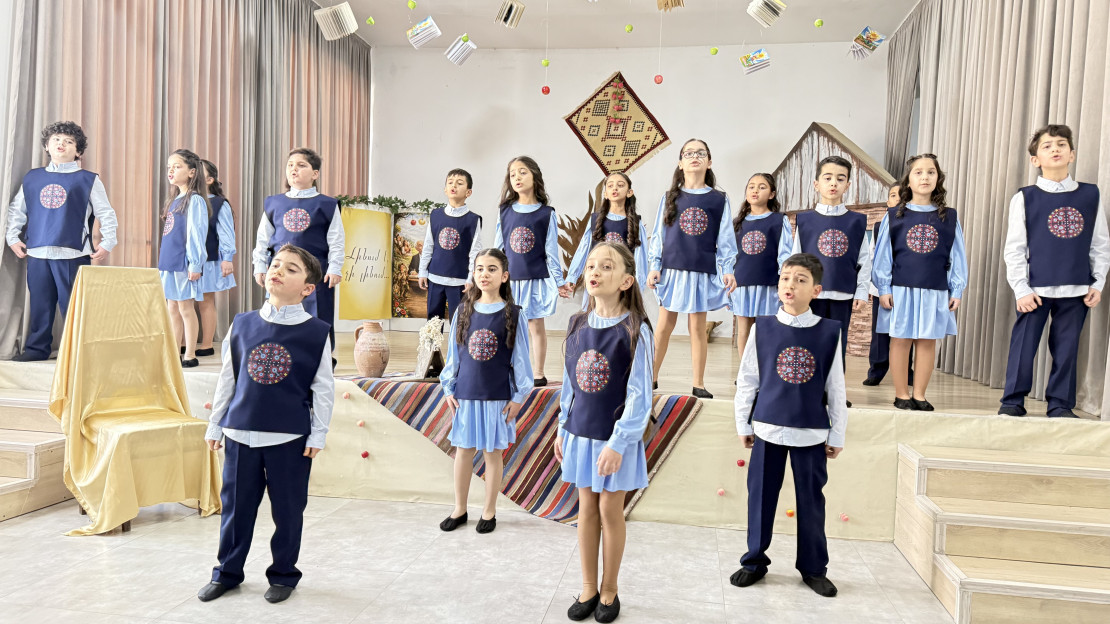
The performance titled “Once There Was and Was Not” — a gift from our second graders to Tumanyan lovers of all ages — was part of this thematic week. It brought together Tumanyan’s well-known characters, presenting the amusing yet instructive consequences of lying, boastfulness, and unfounded imagination. The performance transported the audience into a fairy-tale world where humor and moral guidance walked hand in hand.
The play opened with a symbolic scene: a girl and a boy storyteller “wove” a chain of stories using a ball of thread. They reminded the audience that the world is full of stories — about good and evil, truth and falsehood, courage and cowardice.
From this shared idea, Tumanyan’s characters appeared on stage, whose actions — despite changes in time — continue to reflect universal human weaknesses.
Through the comical figure of Nazar, the second graders recreated not only humor but also an educational message. He embodied those who are bold in words but weak in deeds. His presence created a humorous atmosphere, while the ending once again highlighted his cowardly nature. Alongside him, the character of Sutilik Vorskan served as another example of the same flaw, as the young performers gently mocked the absurdity that can result from uncontrolled imagination. The students confidently conveyed that imagination is a wonderful gift — but it must be guided wisely.
Through the amusing figure of Kikos, the children also called for making decisions based on reason and evidence, avoiding ridiculous situations born from baseless fears. This episode is especially meaningful in a school setting, as it emphasizes the importance of rational thinking.
The finale was futuristic in tone: Tumanyan miraculously meets his own characters and witnesses their reverent bow — a tribute both to the educational figures he created and to Tumanyan as a beloved national writer.
In conclusion, the performance was not merely an entertaining event, but an educational initiative reminding us that lies and boastfulness are always laughable, and that unfounded fear can lead to irrational consequences. It conveyed the message that intellect and education must always be valued, as they illuminate a person’s path.
The event once again proved that Tumanyan’s fairy tales continue to live on — on stage, in classrooms, in families, and in the hearts of readers — remaining an inseparable part of our cultural identity.

To not think freely is to not think at all!