Human history preserves countless testimonies showing that the greatest victories are born from unity. When people have stood around a common purpose, they have managed to overcome wars, build cities, face seemingly insurmountable challenges, survive pandemics, and preserve their culture and identity. Throughout the centuries, communities have been formed on the foundations of cooperation, mutual support, and solidarity: people cultivated the land together, built their homes together, and envisioned the future together.
History is full of examples where unity has become the most powerful force. It is appropriate to recall the words of Henry Ford: “Coming together is a beginning, staying together is progress, and working together is success.” Mother Teresa also reminded us that even small steps matter when they are taken together: “I can do things you cannot, you can do things I cannot; together we can do great things.”
The idea of unity is also deeply rooted in Armenian folklore and linguistic thinking. Armenian proverbs say: “One tree does not make a forest.” “Unity can move mountains.” “One hand cannot clap.” and “One flower does not bring spring.” These short expressions, embedded in the wisdom of the people, once again confirm that human beings are social creatures. Their strength lies not only in individual abilities but also in the capacity to work together and support one another — something that becomes especially important during decisive moments.
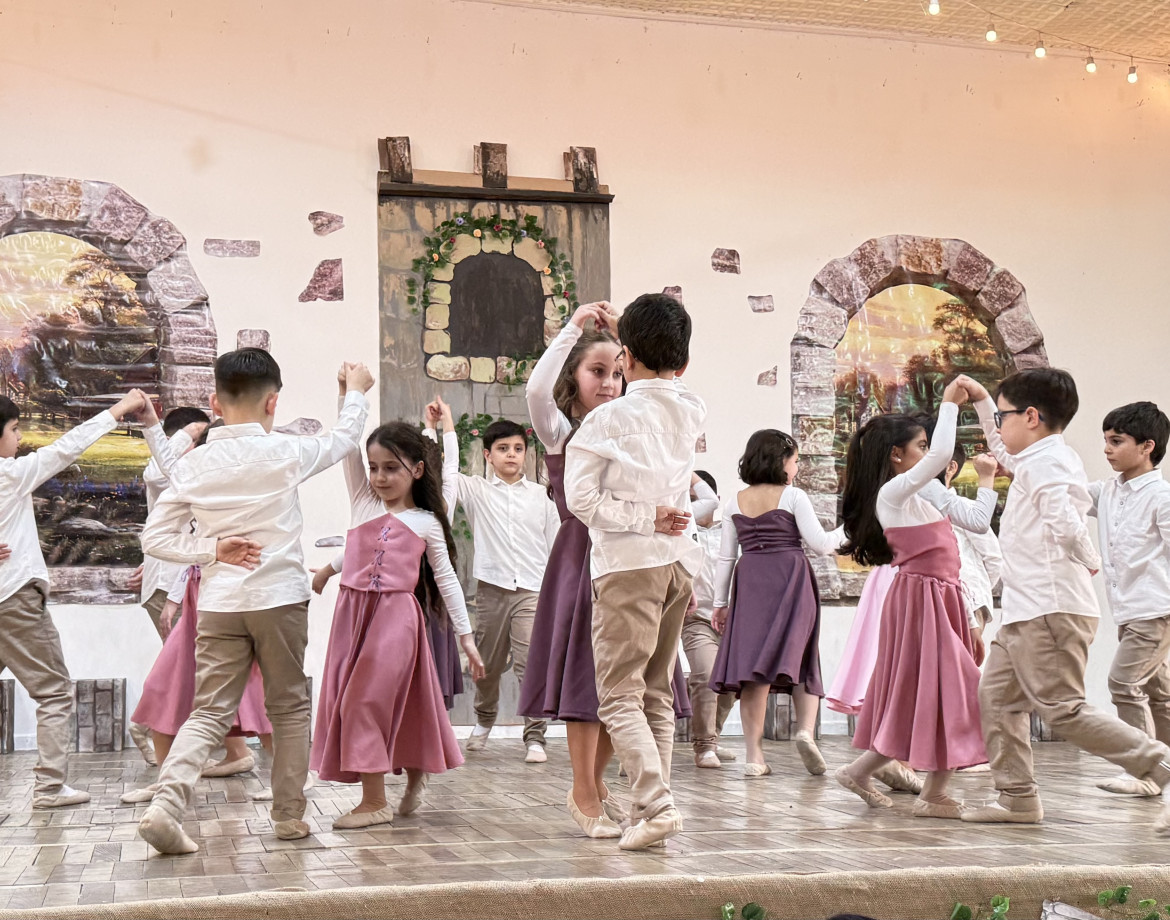
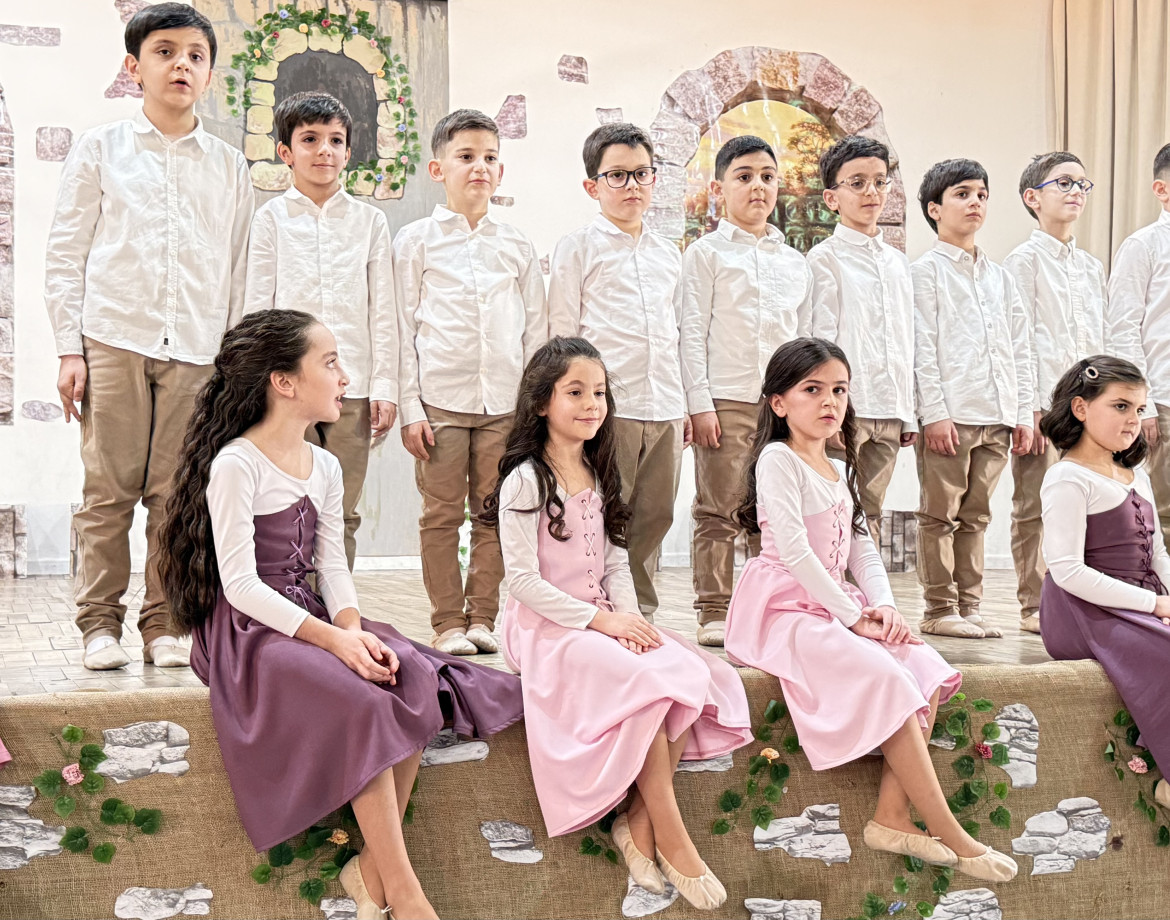
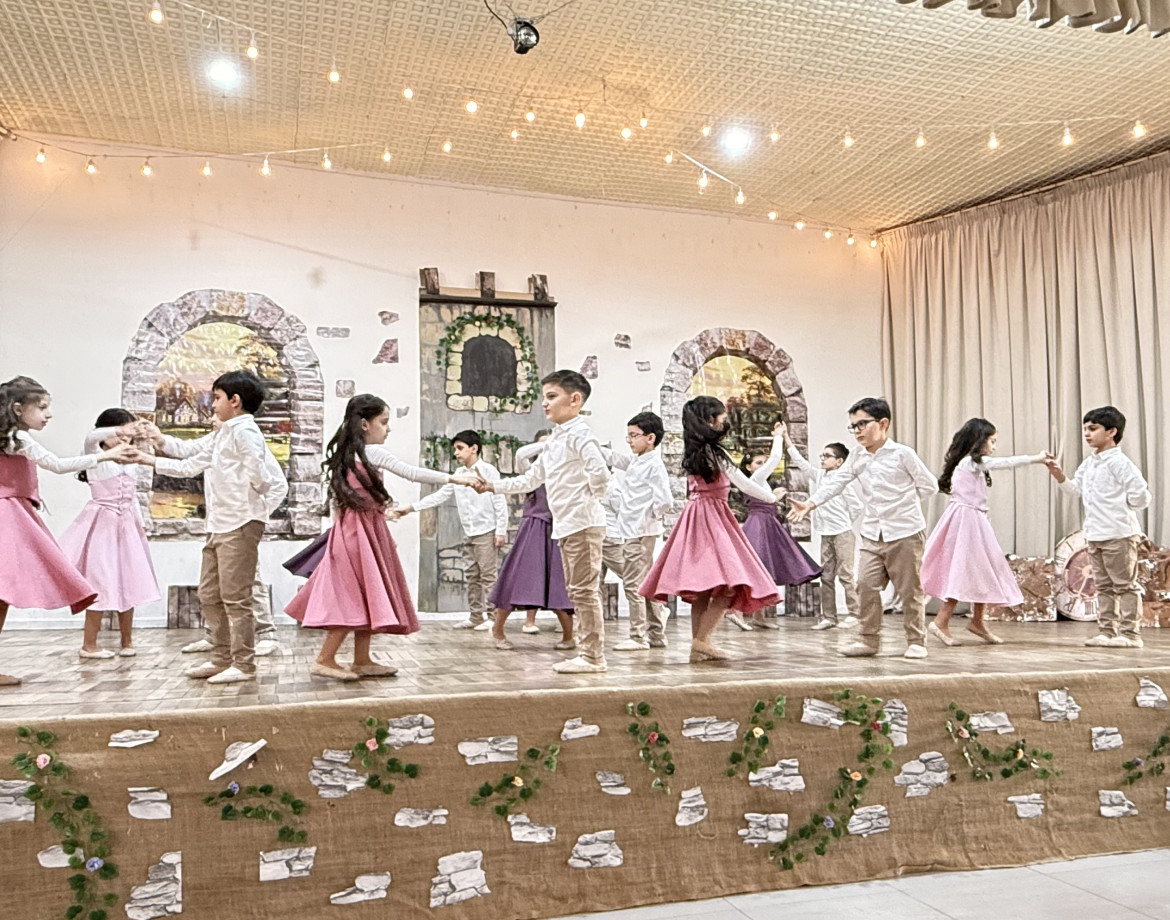
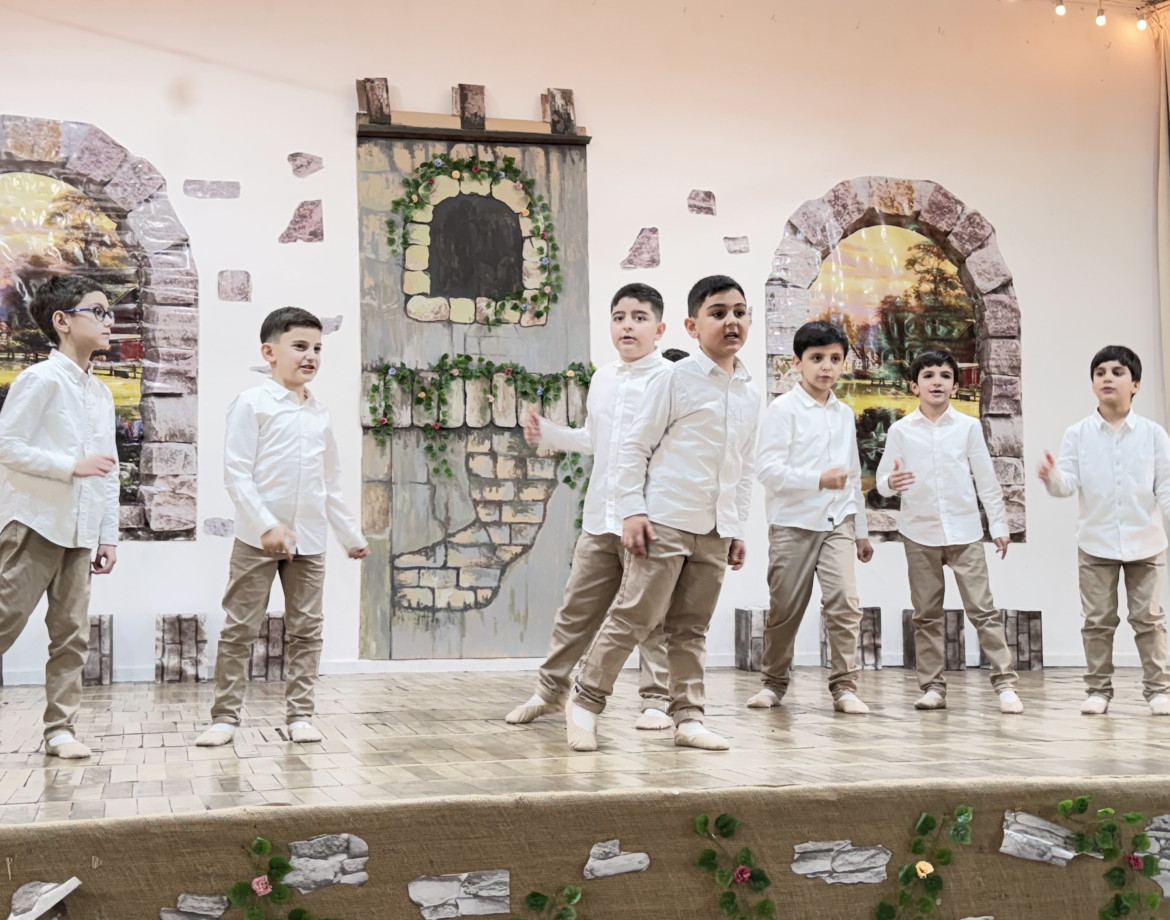
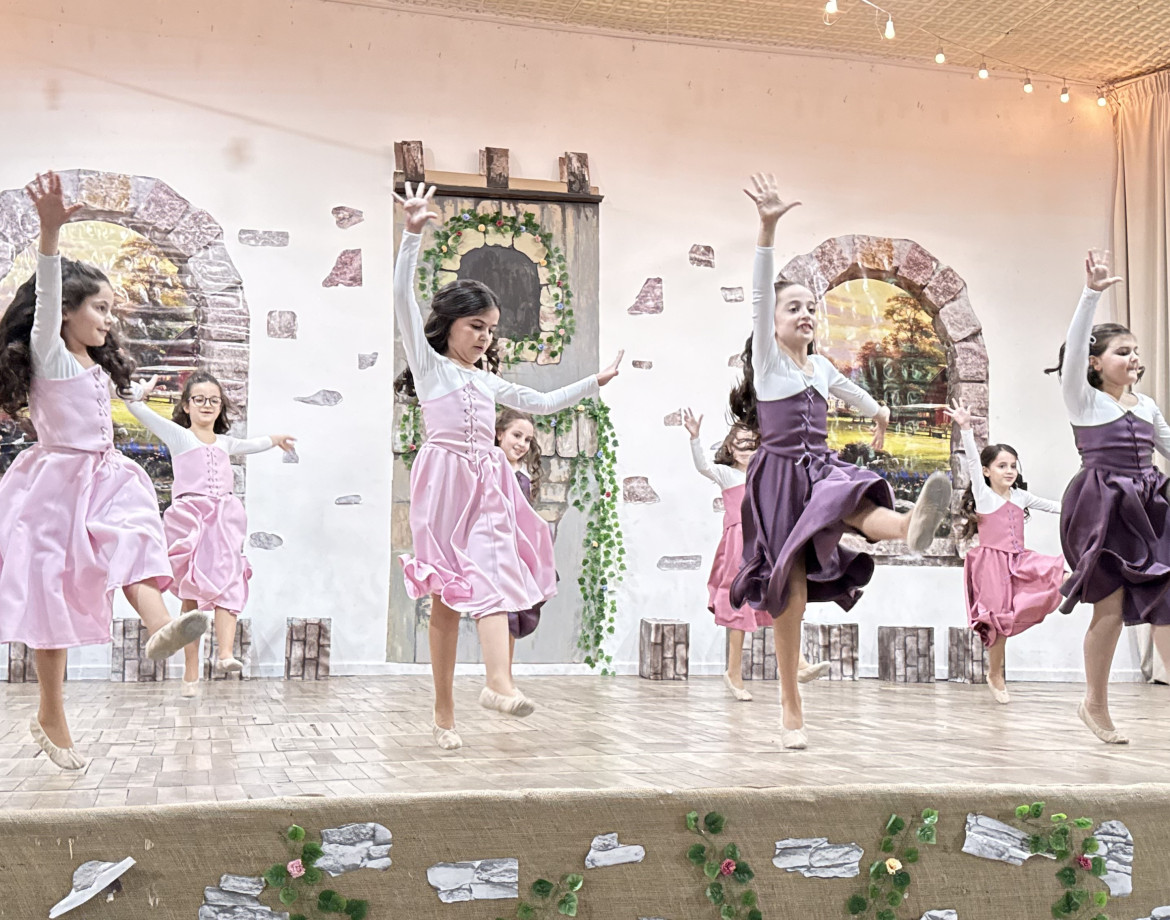
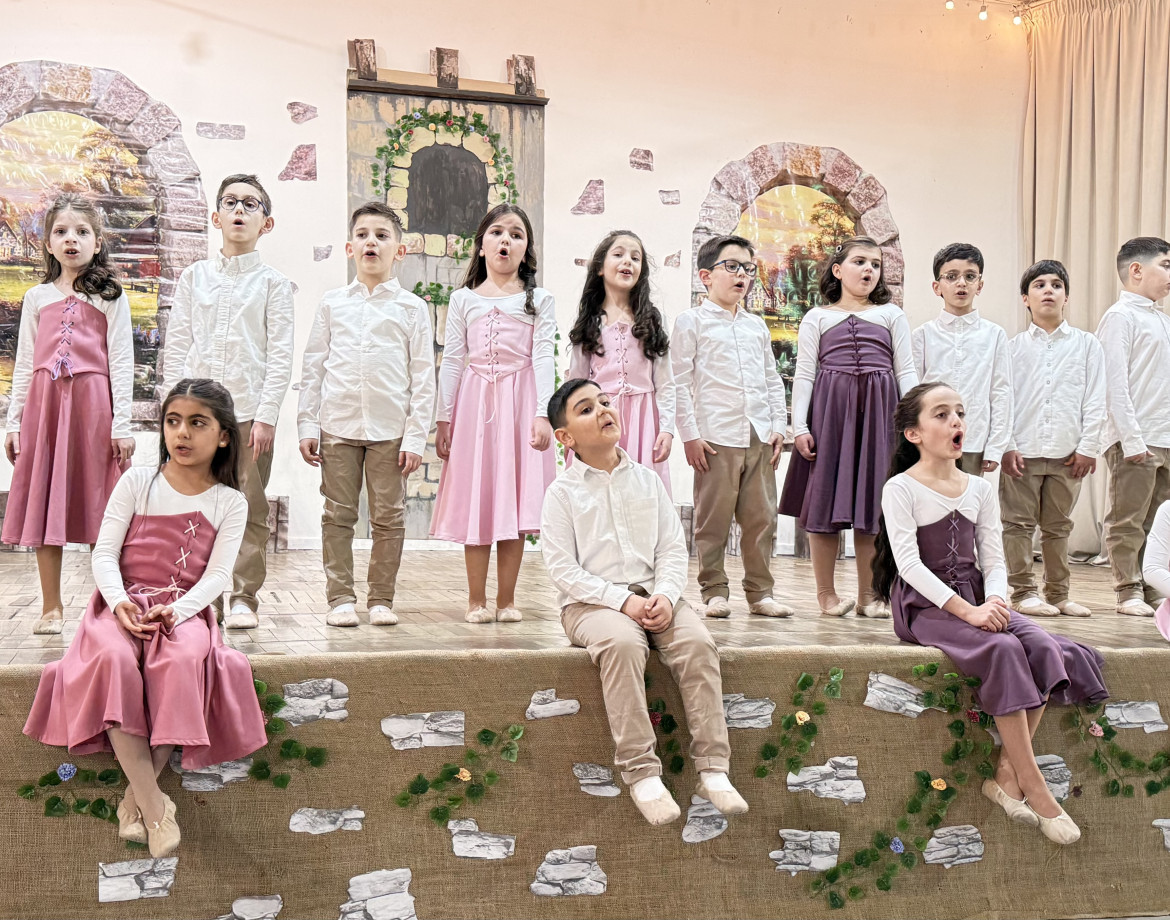
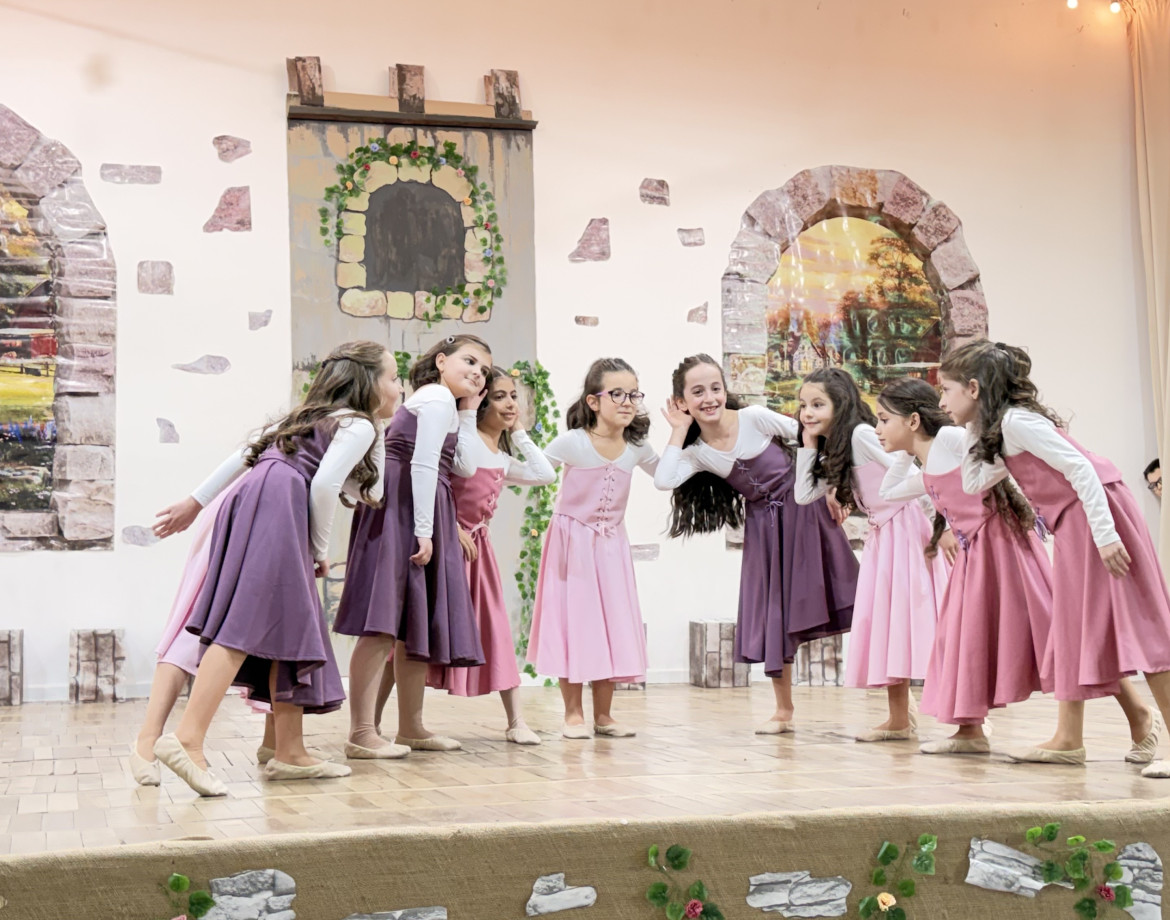
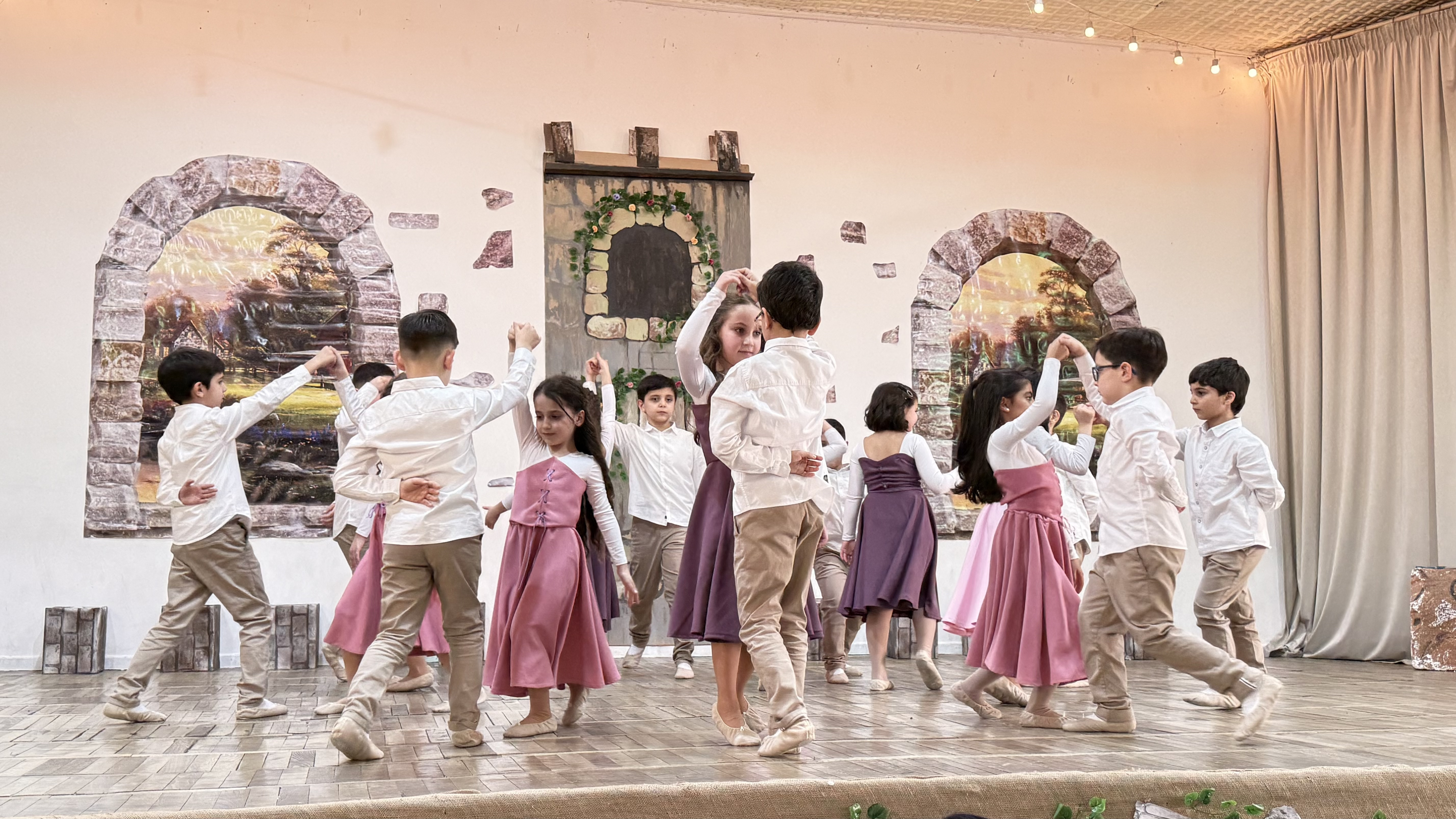
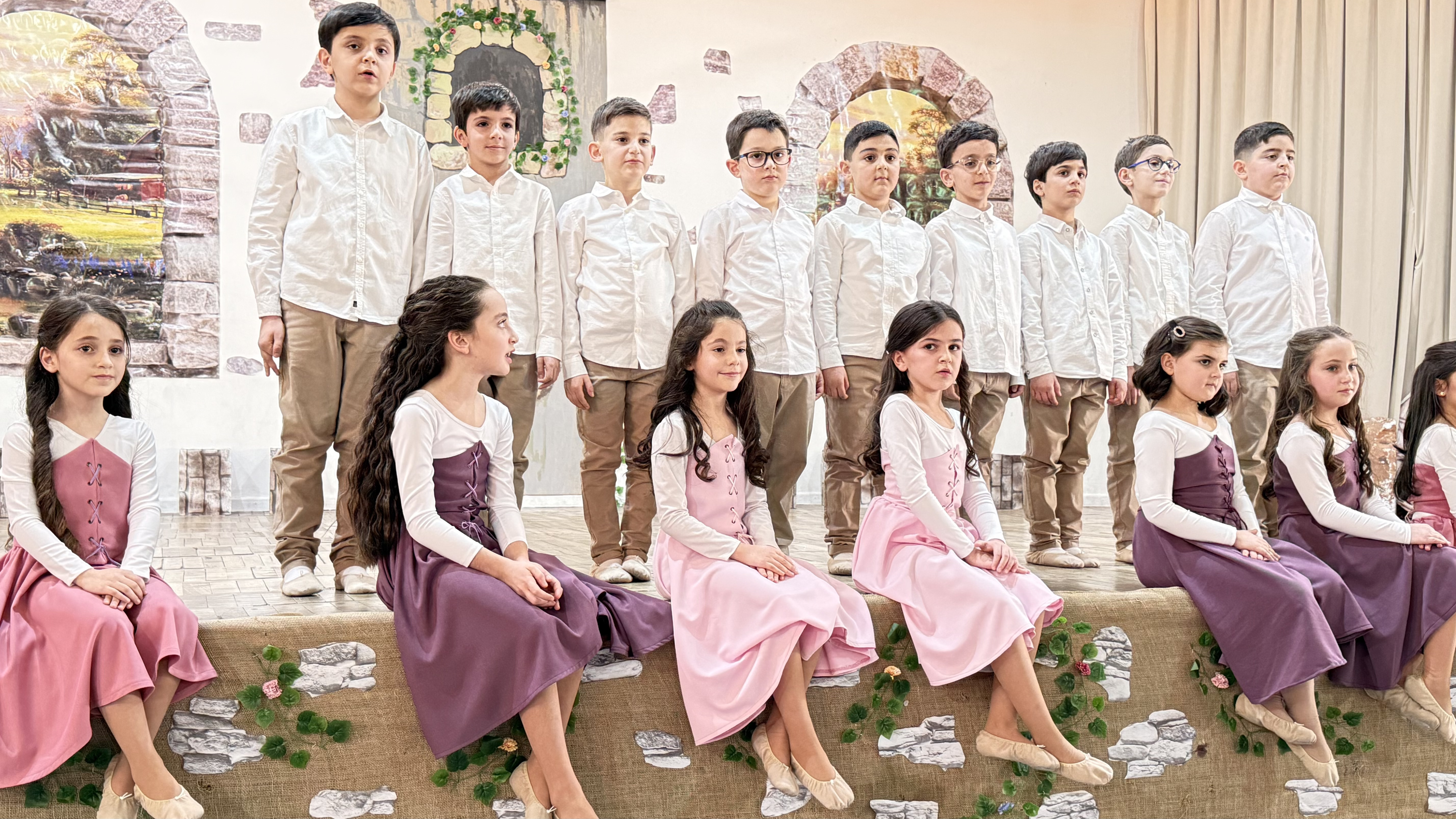
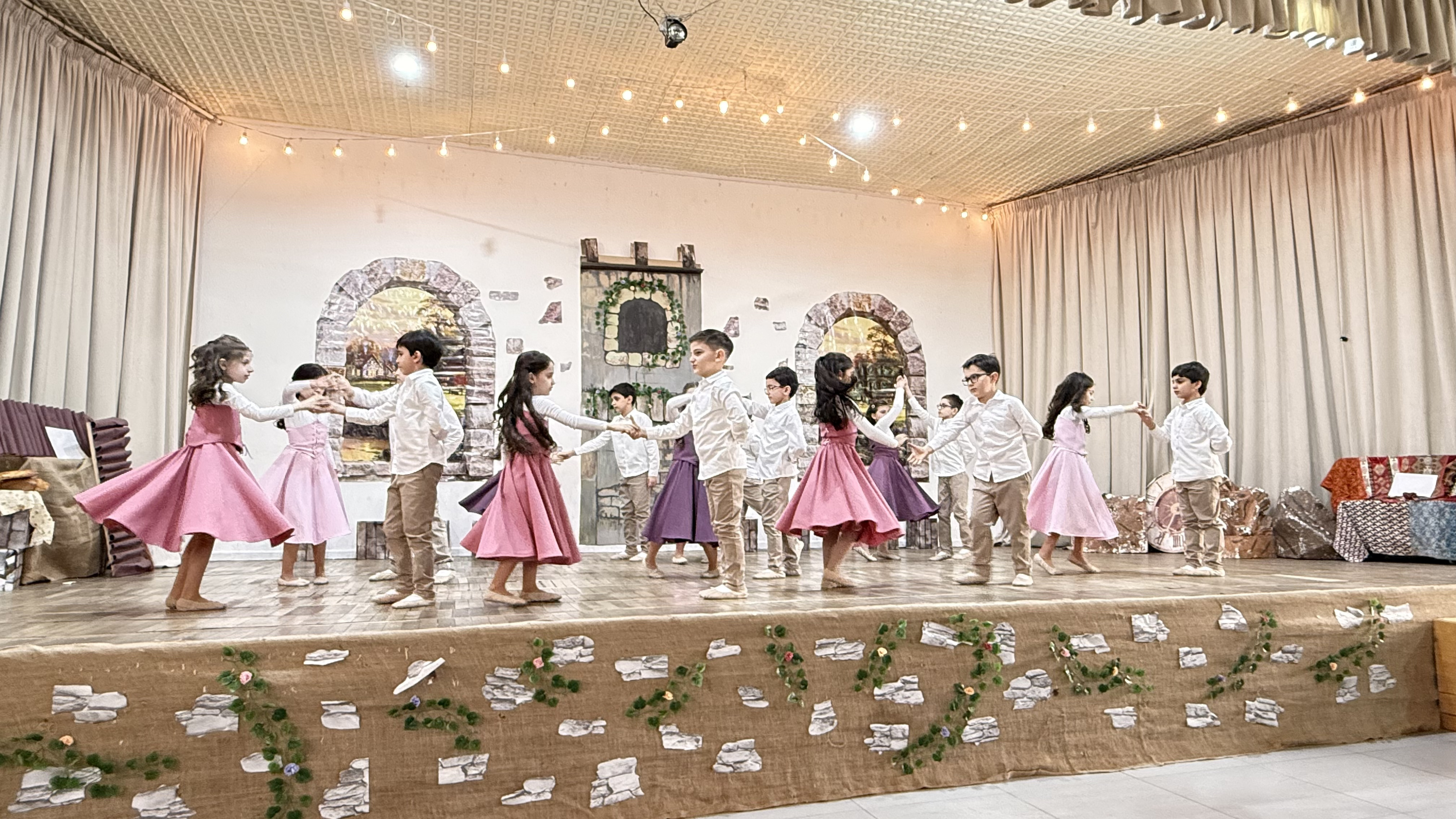
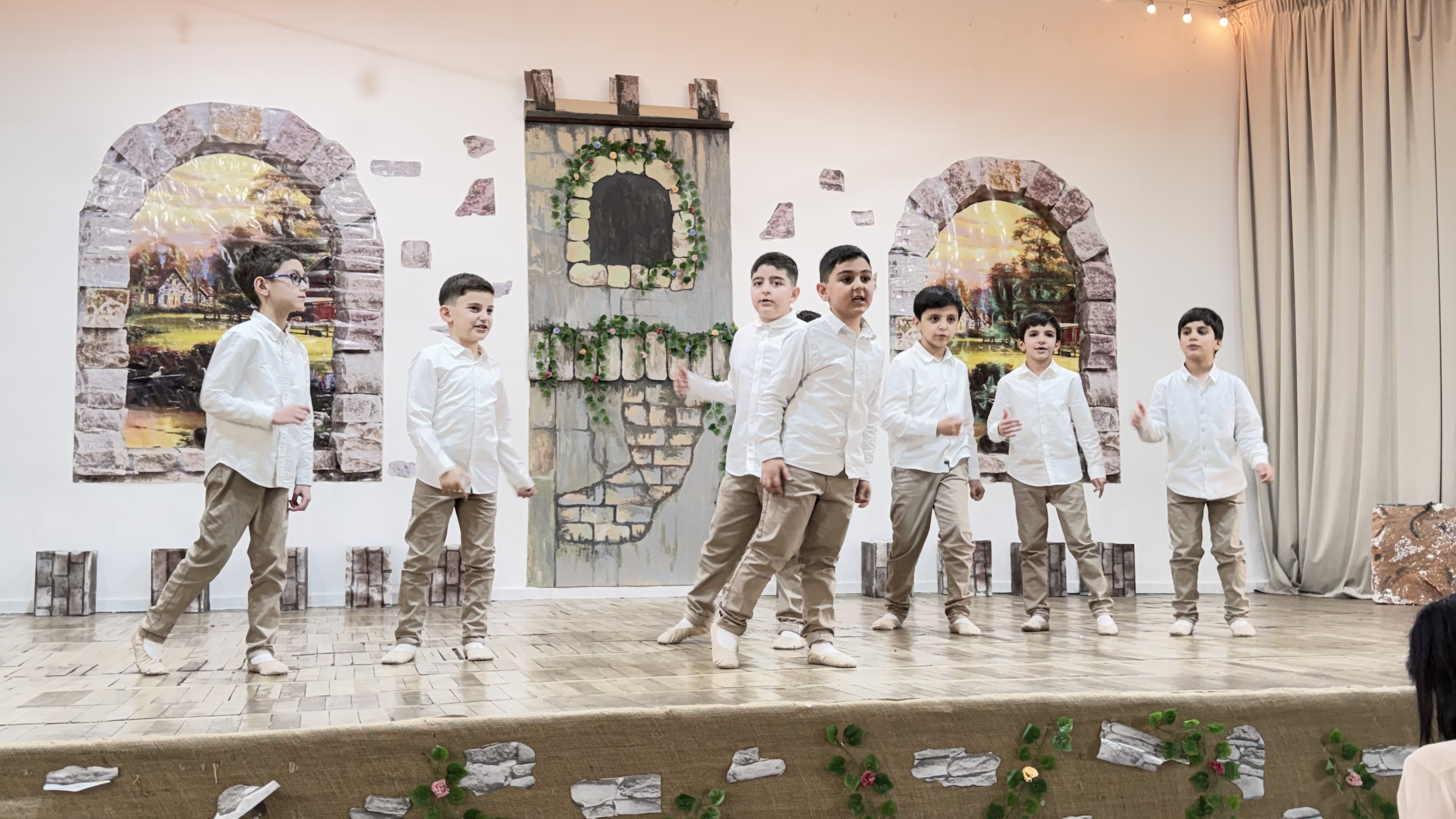
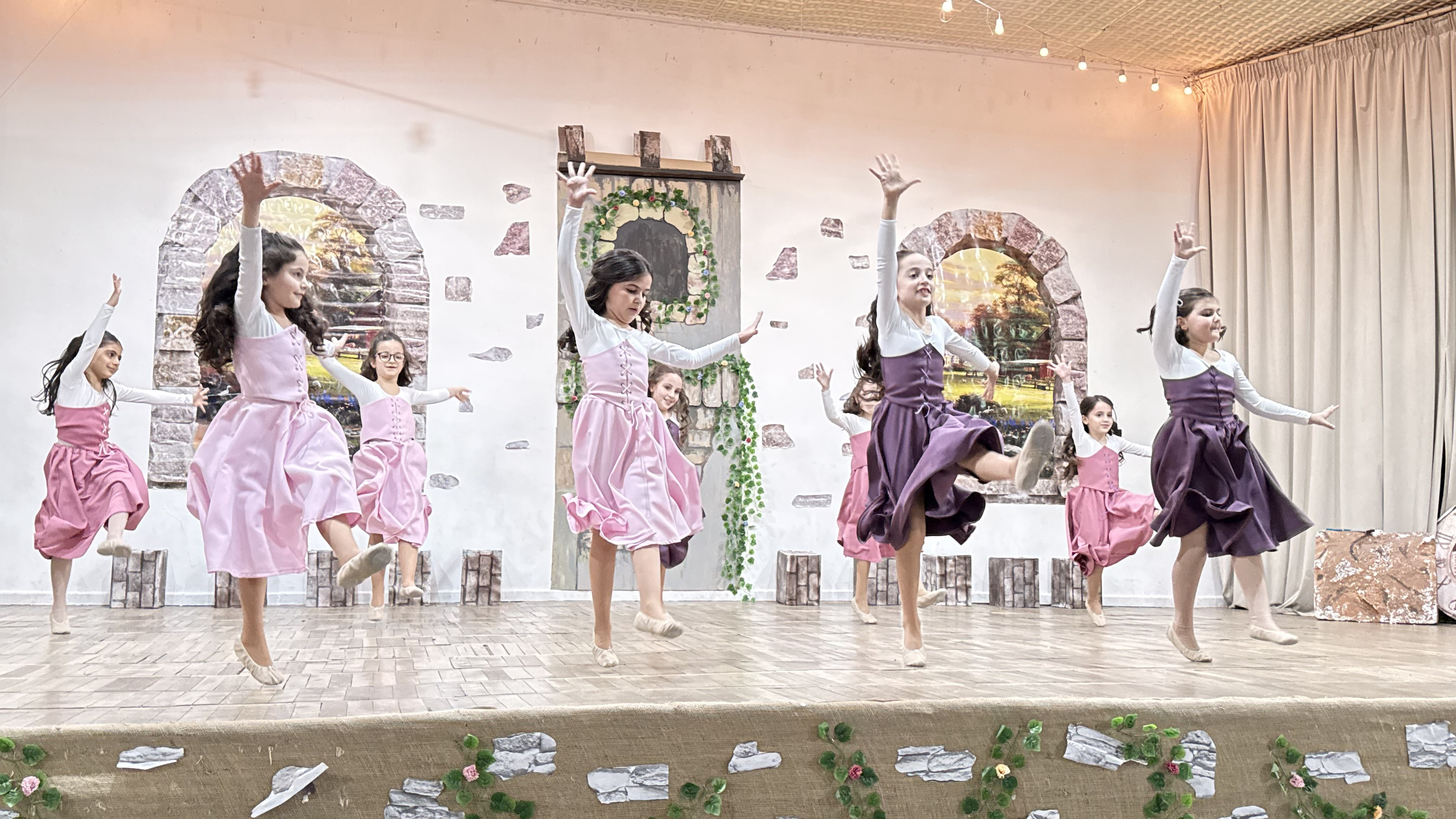
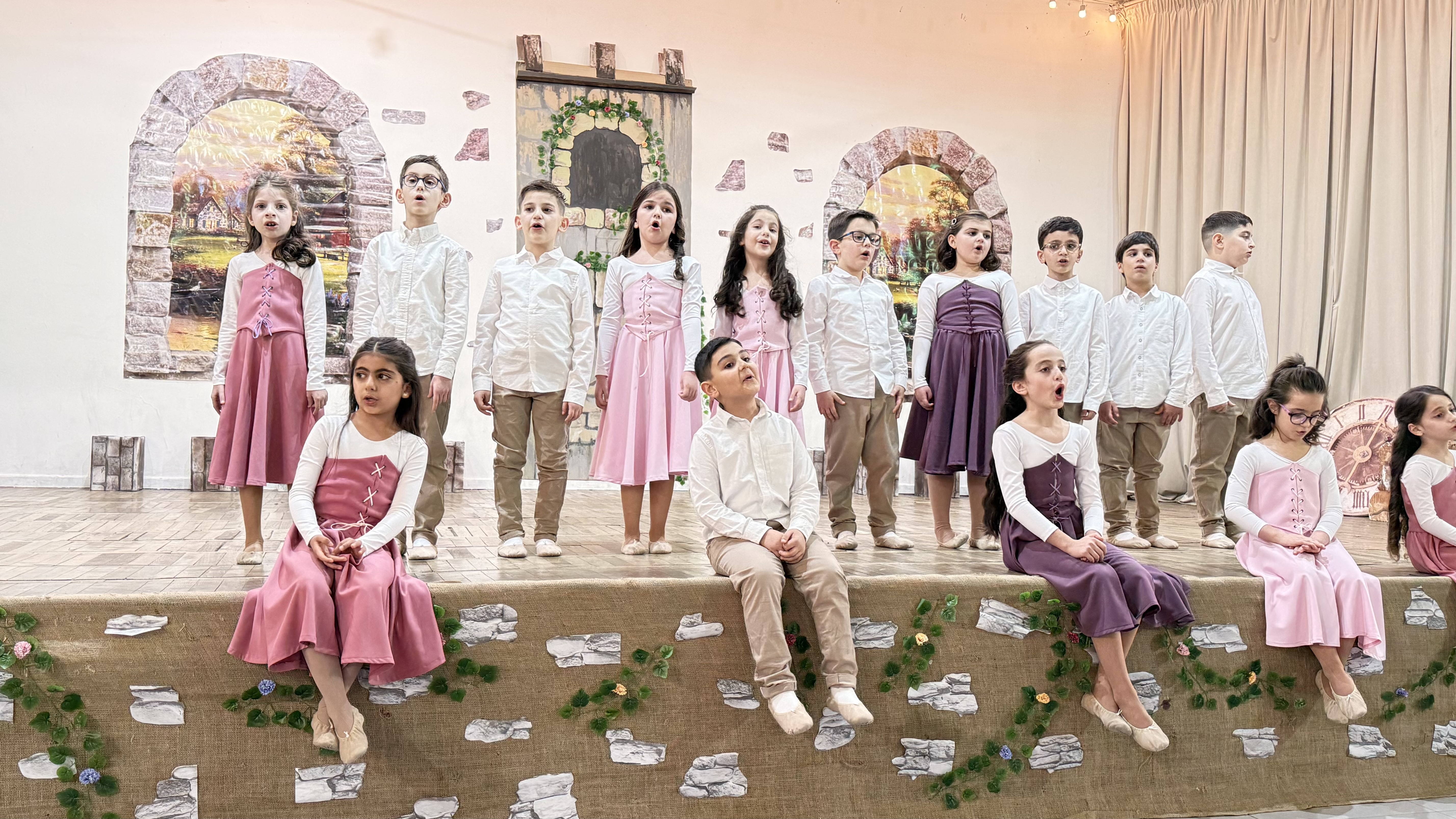
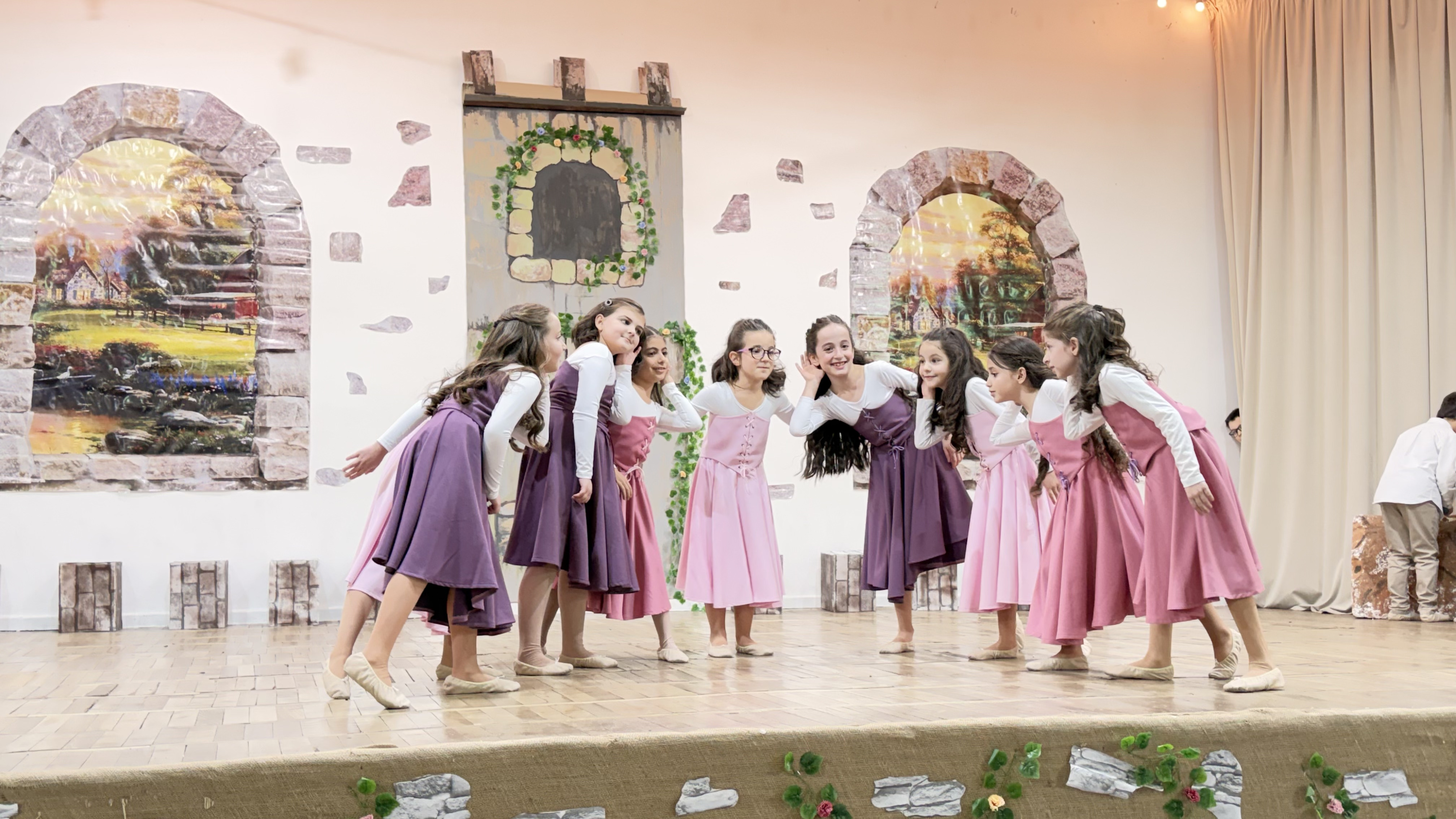
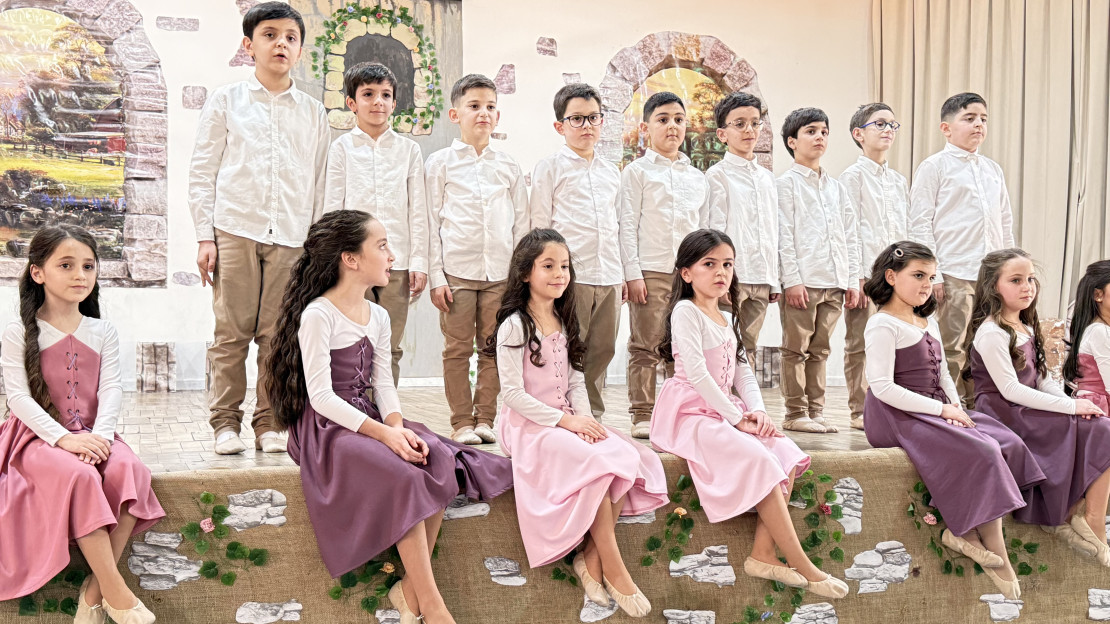
This very idea formed the basis of the performance presented by the young students of Usum School. The play told the story of an ancient kingdom where people lived according to their traditions, worked together, and passed on to the next generation a heritage better than what they had received. One day, however, the king introduced a strange new law: from then on, everyone had to work alone, and working in groups was forbidden.
The new law disrupted the people’s usual way of life. Those who had worked side by side for years suddenly found themselves alone. Work became more difficult and ceased to be enjoyable, turning into a dull obligation, while the once lively city transformed into a silent and melancholic place.
On stage, this transformation was presented through songs, dialogues, and humorous scenes. The baker’s dough “complained” that it would not rise when left alone, and people tried to understand whether this was a punishment or a test. The episode revealed not only the difficulty of working alone but also the spiritual crisis that arises when there is no one to celebrate success with or share the pain of failure.
It is precisely in such moments that societies give rise to individuals who step forward to voice what everyone thinks but fears to say aloud. The people were afraid to admit that work is not only about money or prosperity — it is also about unity and happiness. Yet in strong societies, leaders listen to the interests of their people, just as in the “society” created by the second-grade students. At the end of the performance, the kingdom once again celebrated its victory and enjoyed a reality in which the ruler understood that a strong state is built not only by laws but also by unity, smiles, and people reaching out to help one another.
The final part of the performance became a dialogue between the students and the audience. On stage it was expressed through words; in the hall — through silence and reflection. The students encouraged everyone not to fear difficulties, because sometimes challenges do not lead to division but help us understand our true goals and appreciate what often remains unnoticed in everyday life.
In conclusion, the event was about the non-military side of courage and heroism. The students believe that speaking the truth should not be considered an act of heroism, but rather an everyday habit.
To not think freely is to not think at all!