There are books that are simply read and quickly forgotten, leaving no lasting impact. Yet there are also bestsellers that stay alive within us—books in which the reader finds themselves. Heart is one of those. Written by Edmondo De Amicis in 1886, this work is a condensed diary of a school year. The book consists not only of the main character’s entries, but also of letters from teachers and parents, as well as separate stories presented each month as moral lessons.
Many of these stories, brought to life on the stage of “Usum,” have become classic examples of conveying human values. For instance, “The Little Lombard” tells the story of a boy who supports his family through hard work without losing his dignity. In “The Little Patriot,” a boy refuses money when he realizes it comes at the cost of his homeland’s honor. Meanwhile, “From the Apennines to the Andes” recounts the journey of a child who travels a long and difficult road to find his mother.
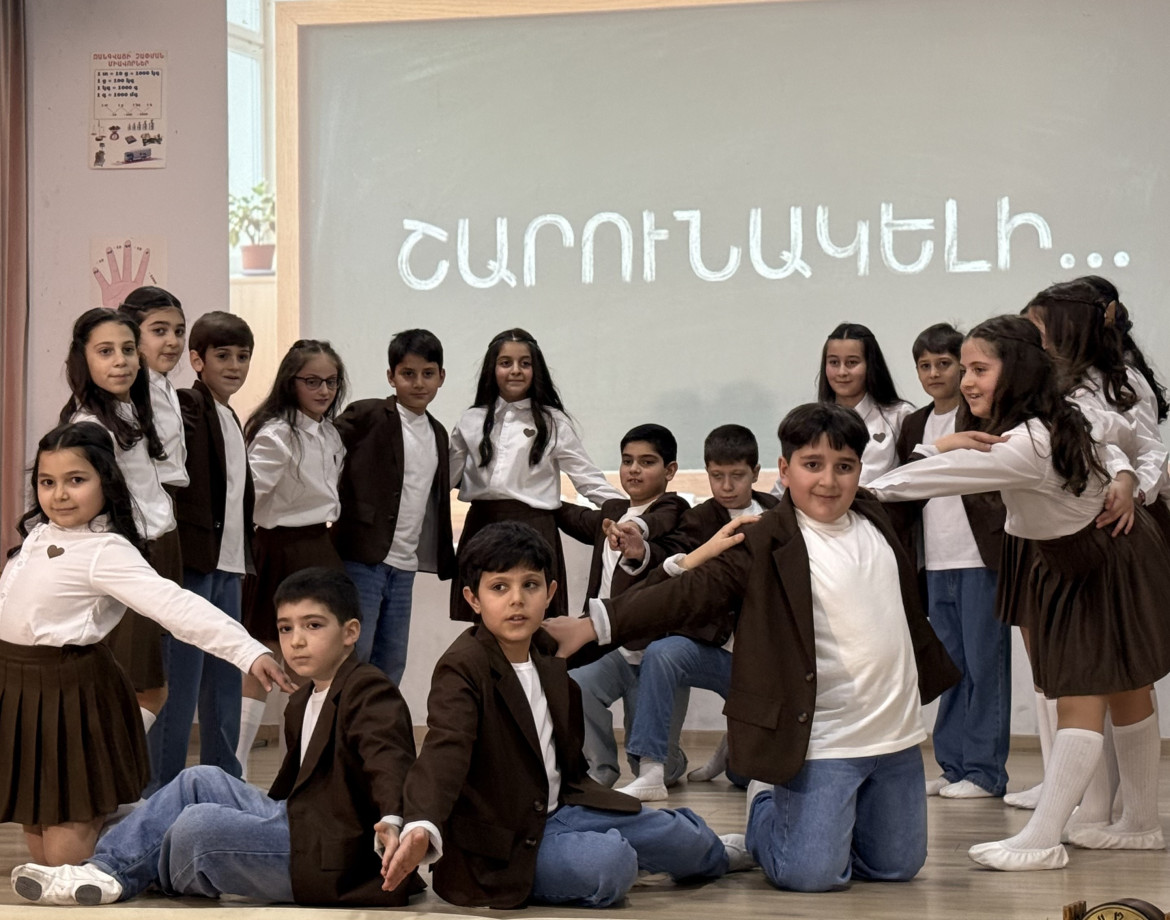
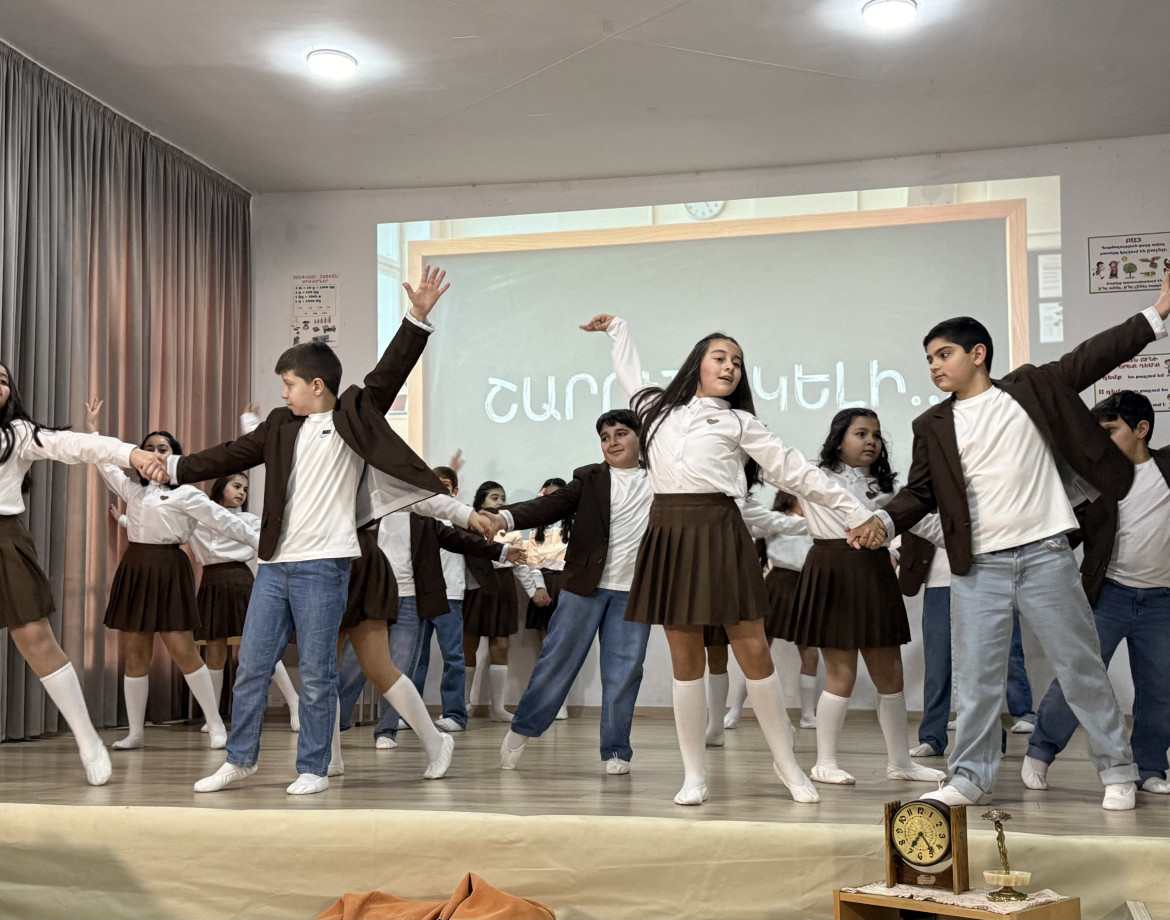
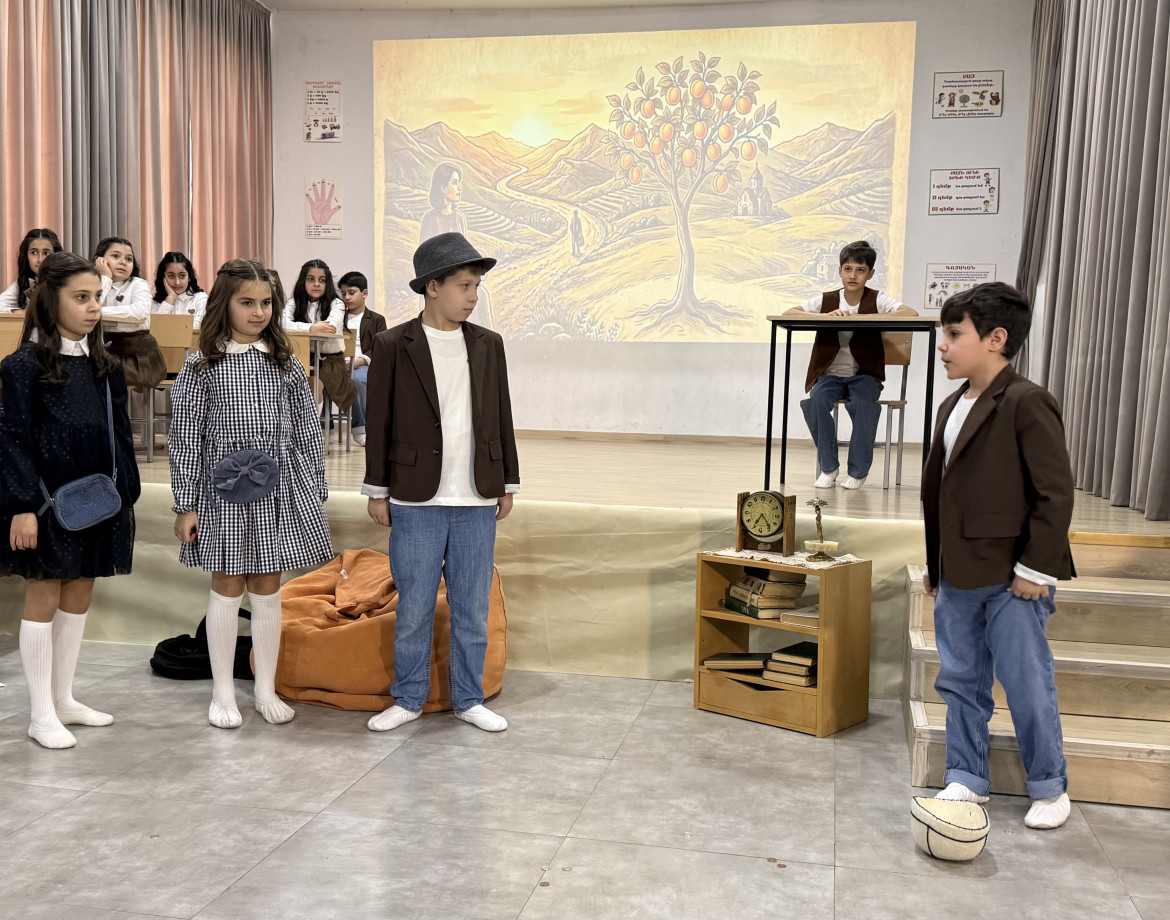
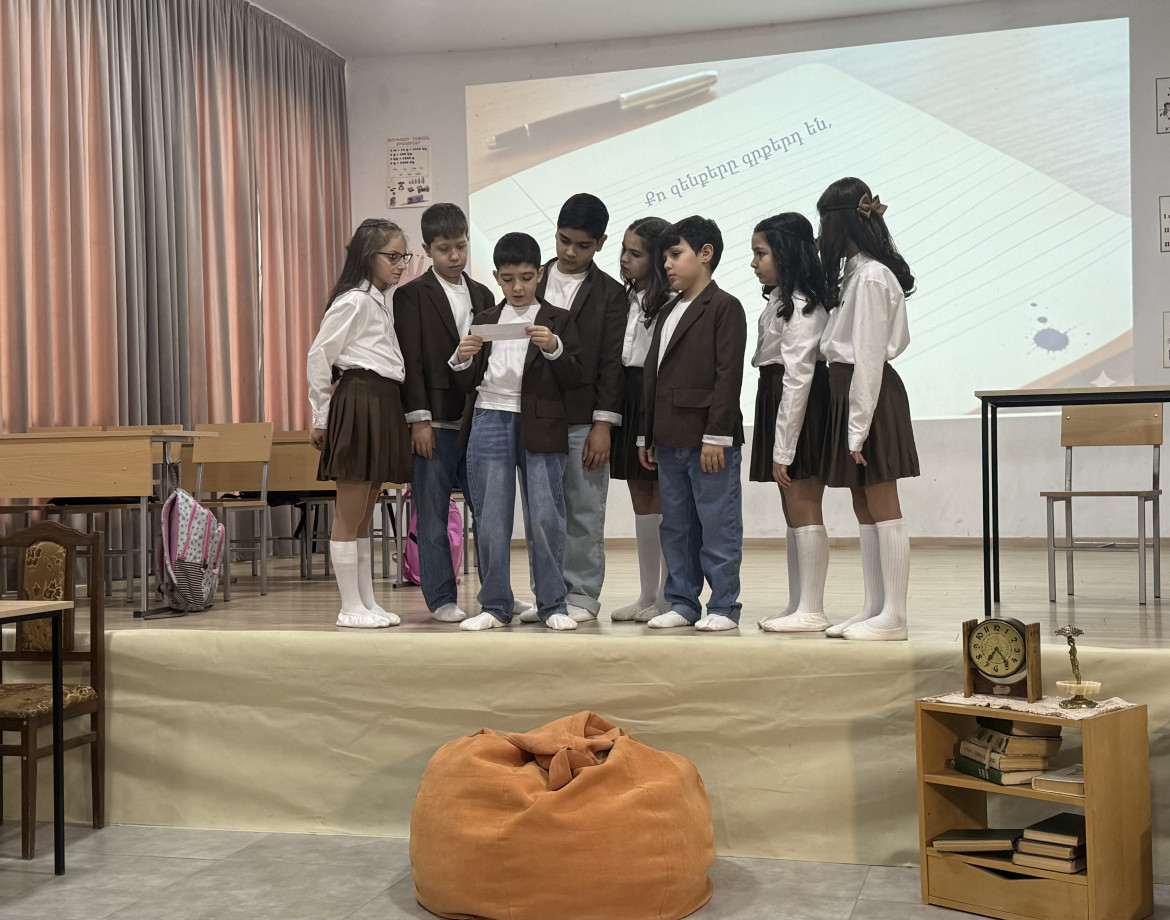
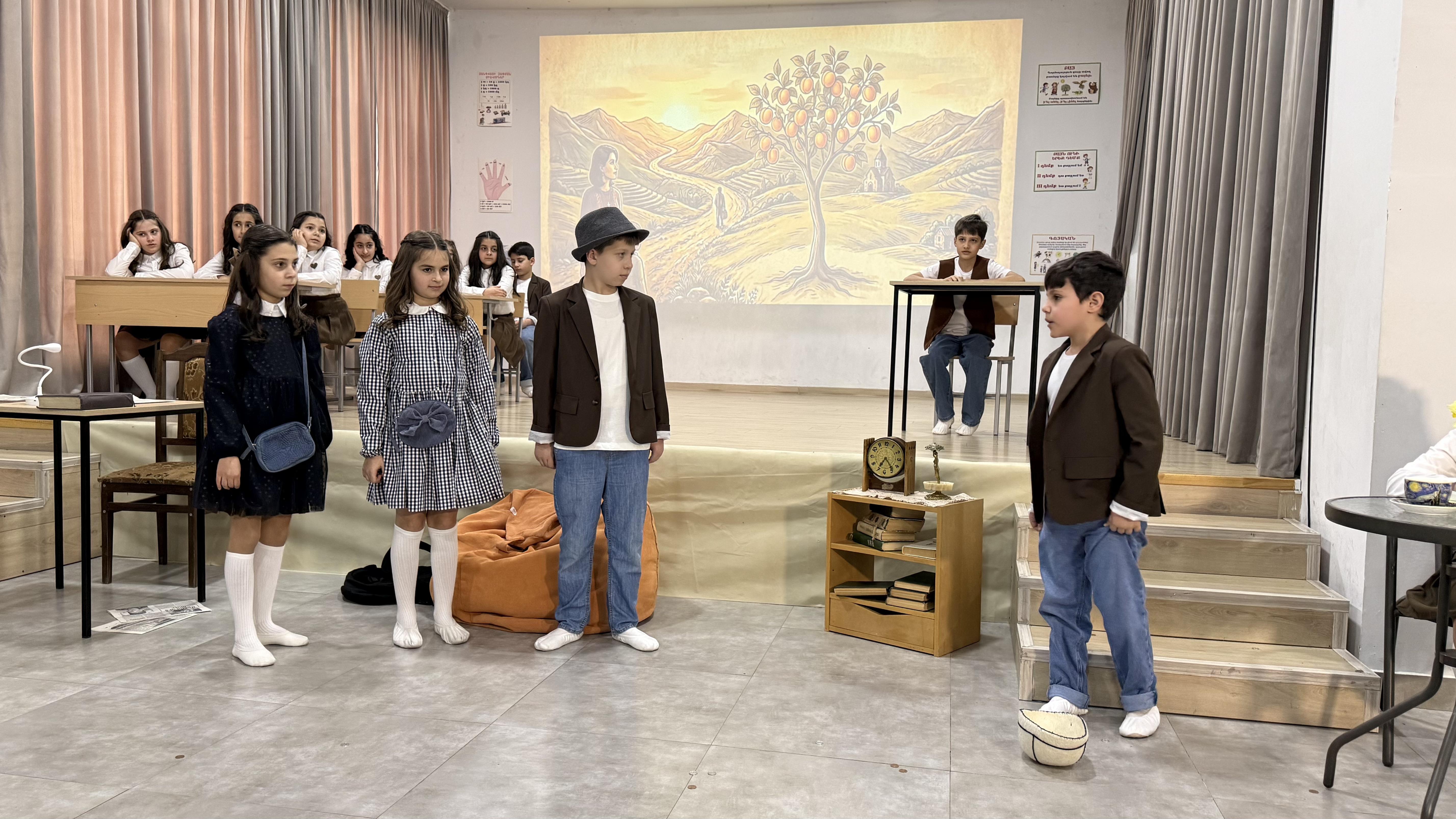
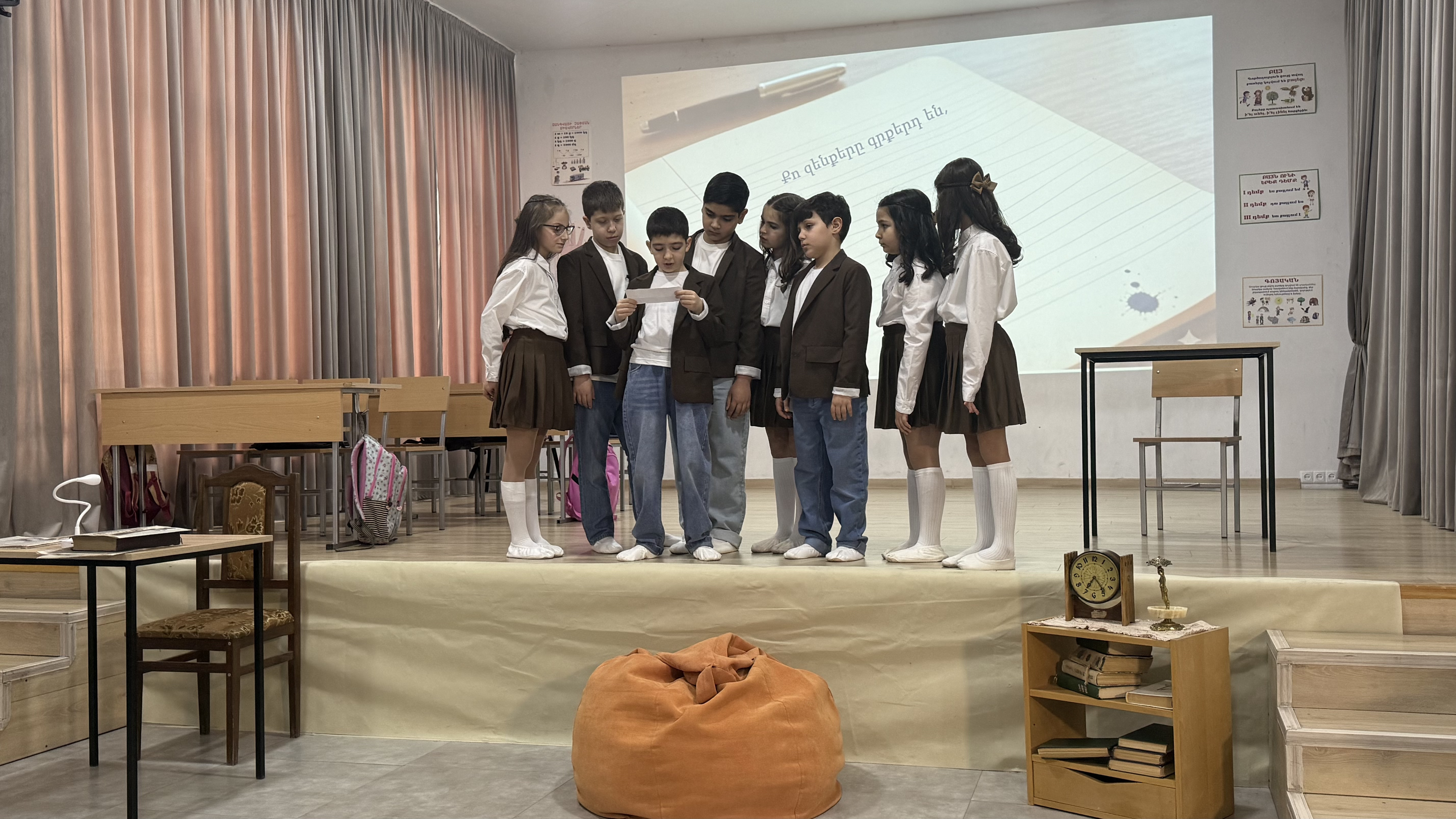
Inspired by these ideas, the fourth-grade students presented the performance “The Subtle Art of Being Human.” The play opens with a familiar school scene—an energetic classroom filled with laughter, small conflicts, and meaningful discoveries. The arrival of a newcomer becomes a turning point: first met with misunderstanding, then with acceptance. This moment conveys a simple yet powerful truth: the choice is always ours—to hurt or to understand. As the teacher emphasizes, a family is a place where we help, forgive, and support one another—and the classroom is such a family.
As the performance unfolds, students gradually reveal an important idea: laughing at others is no longer a sign of strength or authority. The young performers show that true strength lies in forgiveness, support, and extending a helping hand at the right moment. Their collective message is simple yet powerful: if we can change here, then the world can change too.
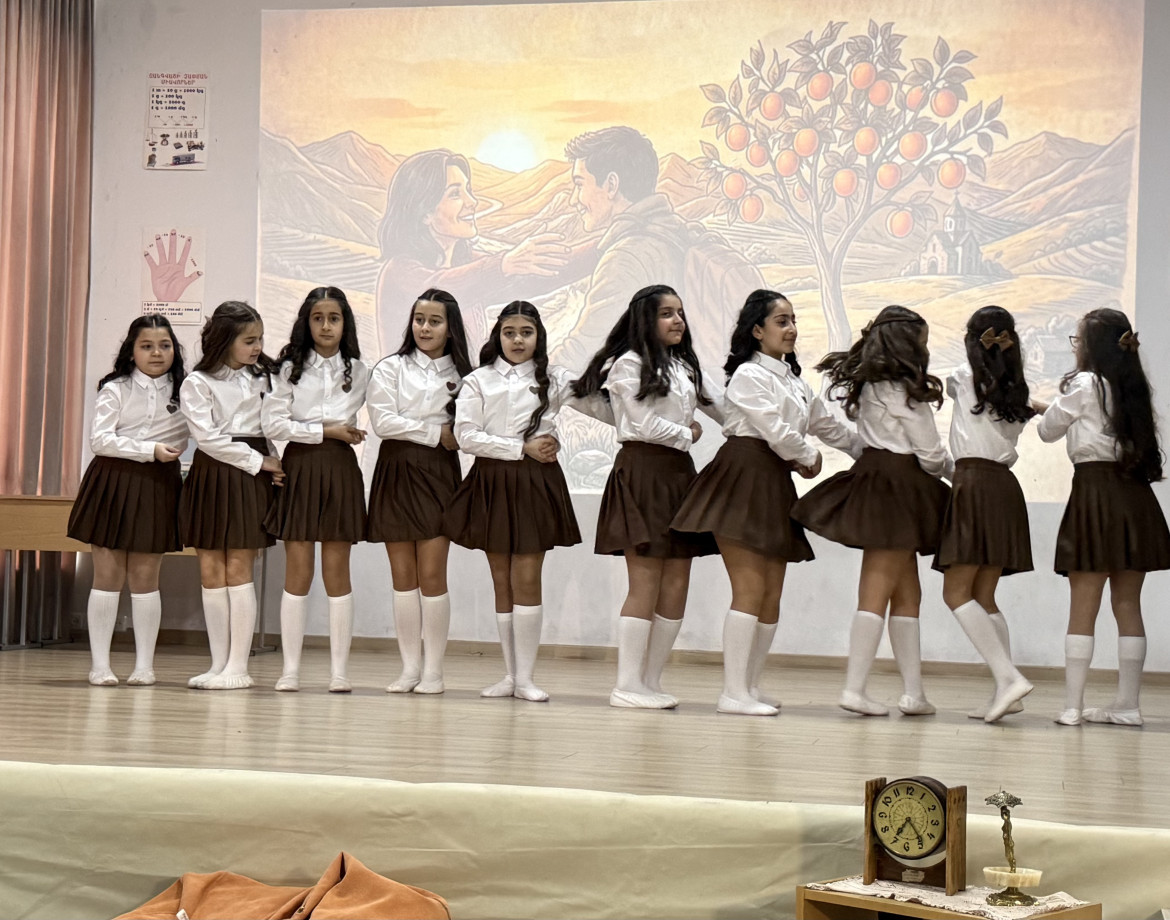
In the next part, the story moves into a family setting, where a boy secretly works at night to help his father. This scene reflects De Amicis’s recurring theme of children silently carrying the burdens of adults without complaint.
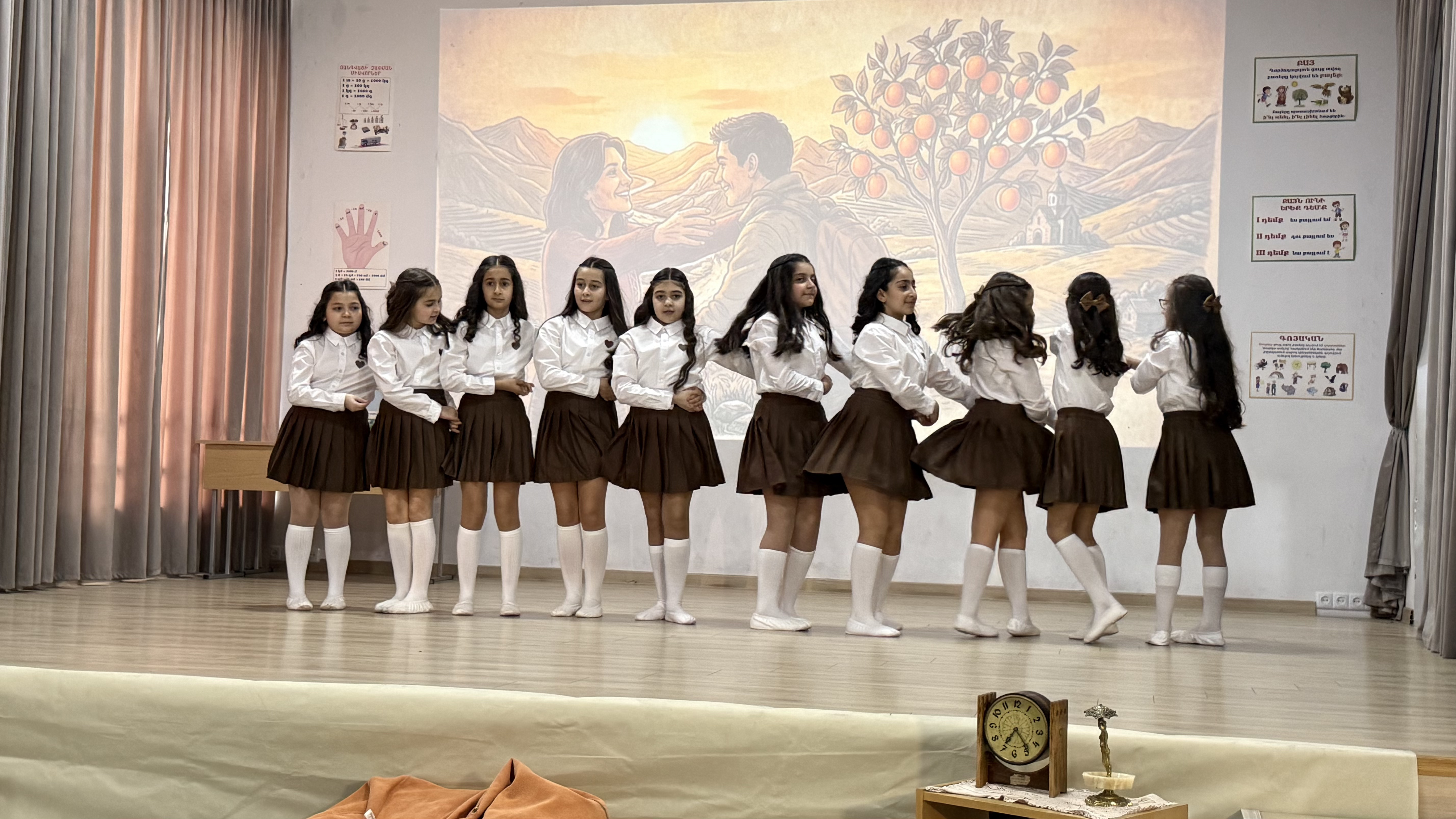
The theme of homeland is also explored during the performance. The scene in which a boy refuses humiliating help directly echoes “The Little Patriot.” It shows that a homeland is not merely a place, but dignity, memory, and identity. Patriotism is not about grand words, but about making the right choice at the right moment.
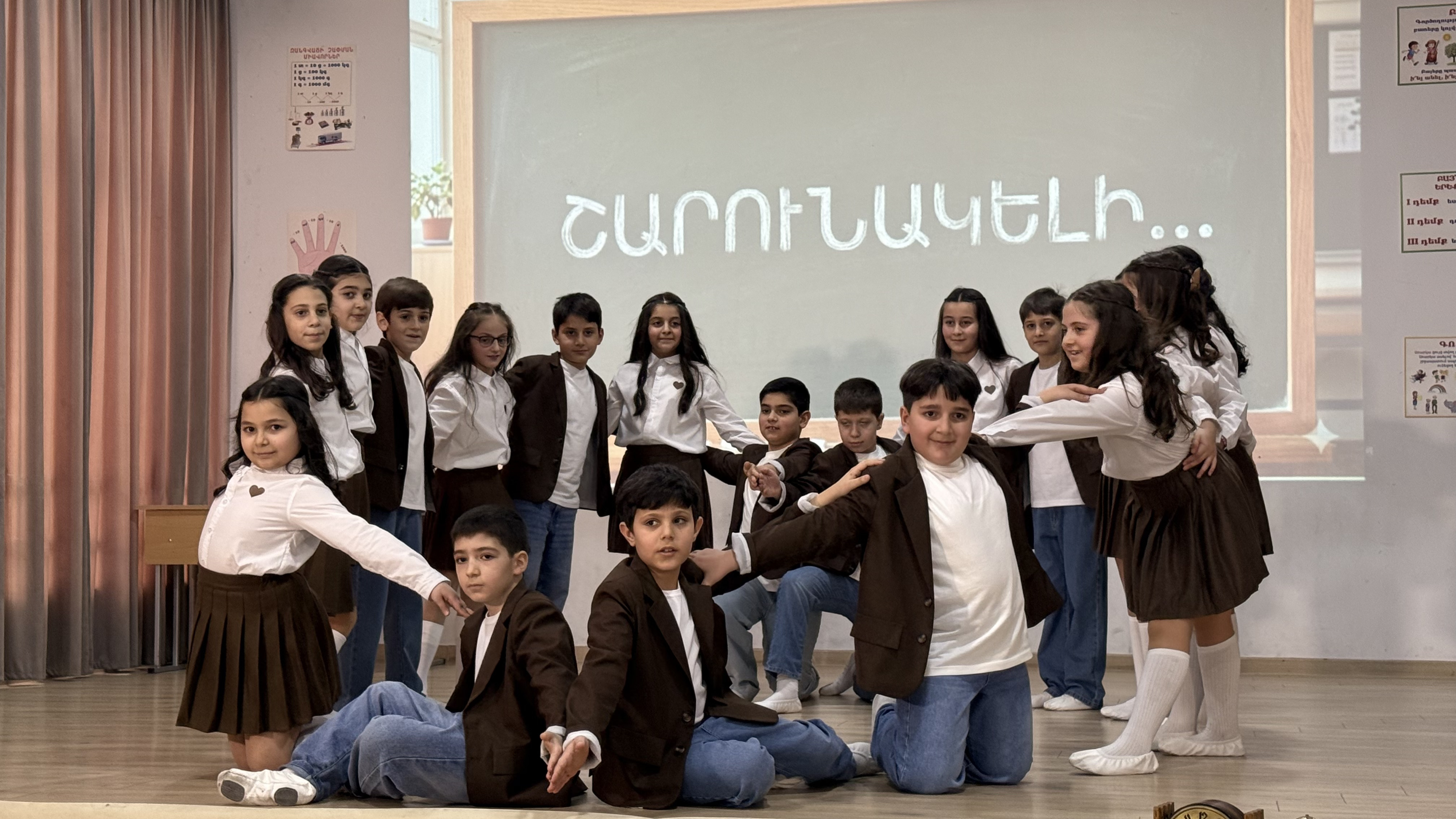
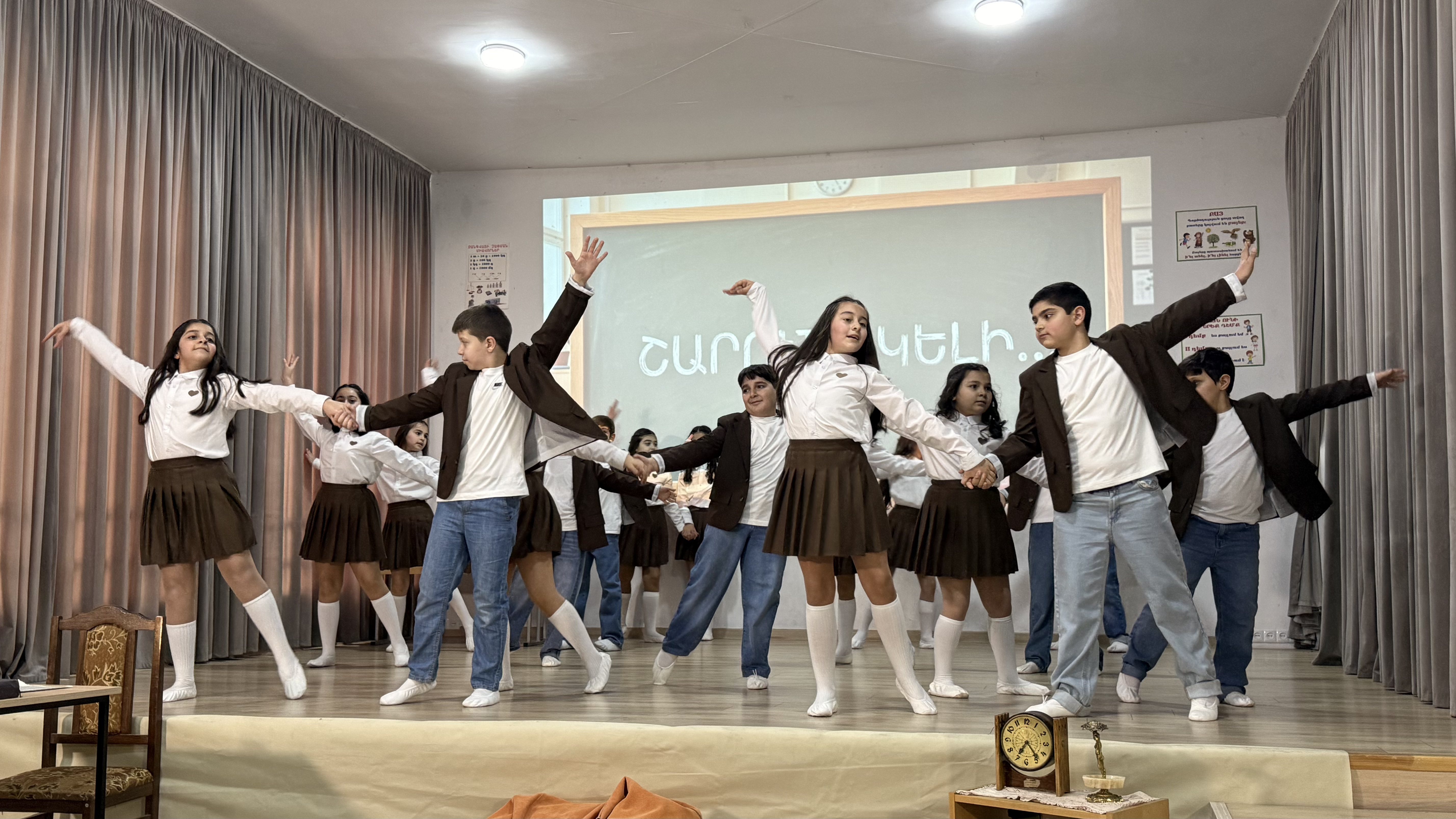
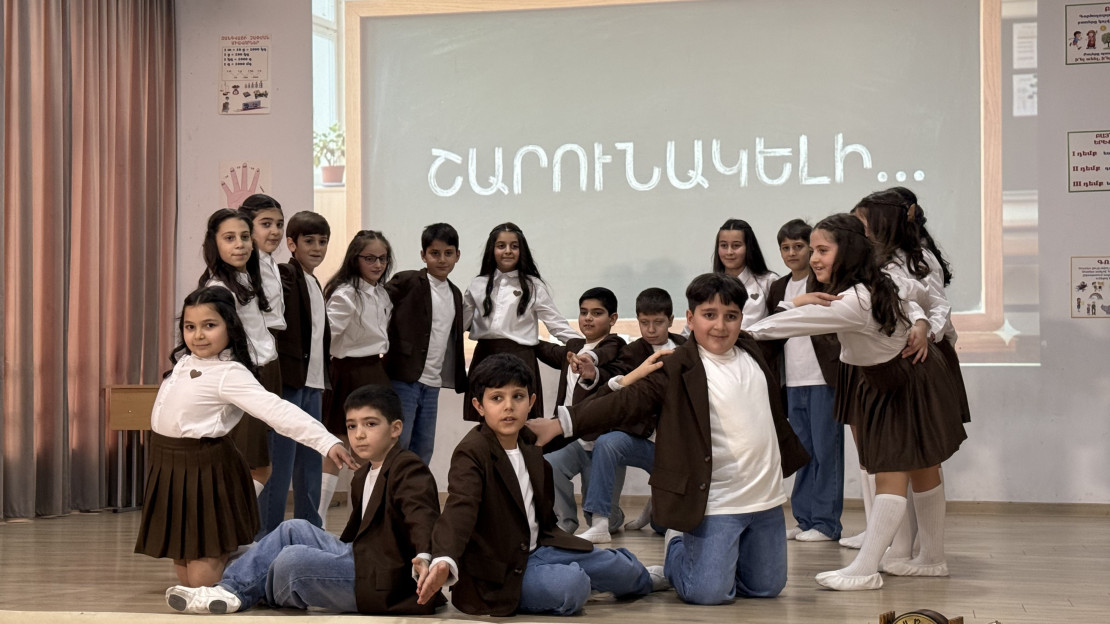
The performance concludes with a symbolic self-portrait of the class, where each student is presented as a unique personality with creative and vivid descriptions. This final moment emphasizes that while each of us is different, together we form a whole—a small world filled with joy, intelligence, humor, and kindness. This approach reflects the structure of the book itself, where each character carries their own story and significance.
“The Subtle Art of Being Human” once again reminded us that forgiveness is strength, kindness is a choice, and being human is a daily practice.

To not think freely is to not think at all!