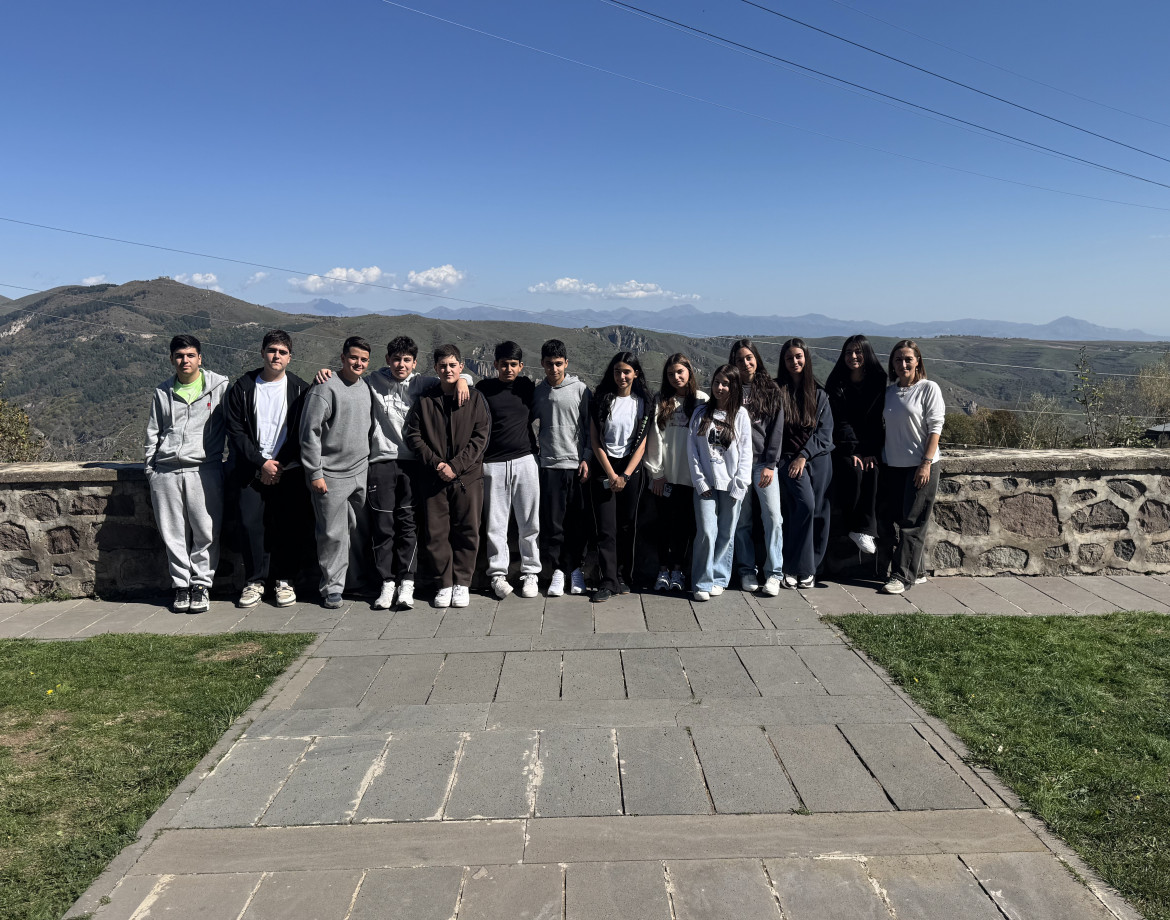

In today's world, it is essential to recognize that education extends far beyond the classroom. Educational trips across Armenia's regions provide invaluable opportunities for shaping informed citizens and individuals who feel a strong sense of responsibility toward their homeland. Such initiatives have long been an integral part of Usum School’s educational mission, and their geographical scope continues to expand year after year.
According to Lilit Sujoyan, Coordinator of Specialized Educational Support and the person responsible for developing the school’s educational travel programs, these visits contribute not only to the expansion of students’ knowledge but also to the development of patriotism, national identity, and civic responsibility. In an interview with usumschool.am, Ms. Sujoyan emphasized the importance of the new experiences students gain during such journeys, as well as the development of communication and teamwork skills and the connection between theoretical knowledge and real-life experiences.
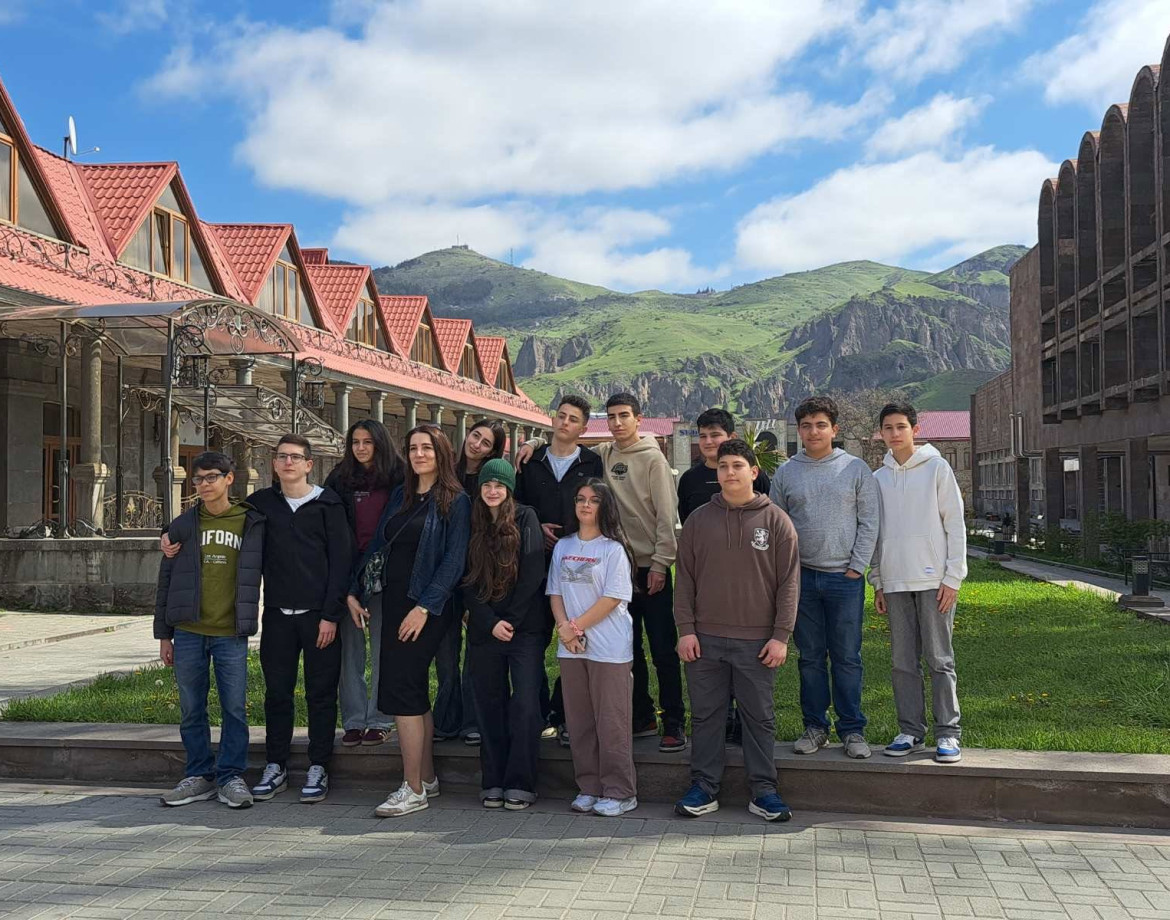
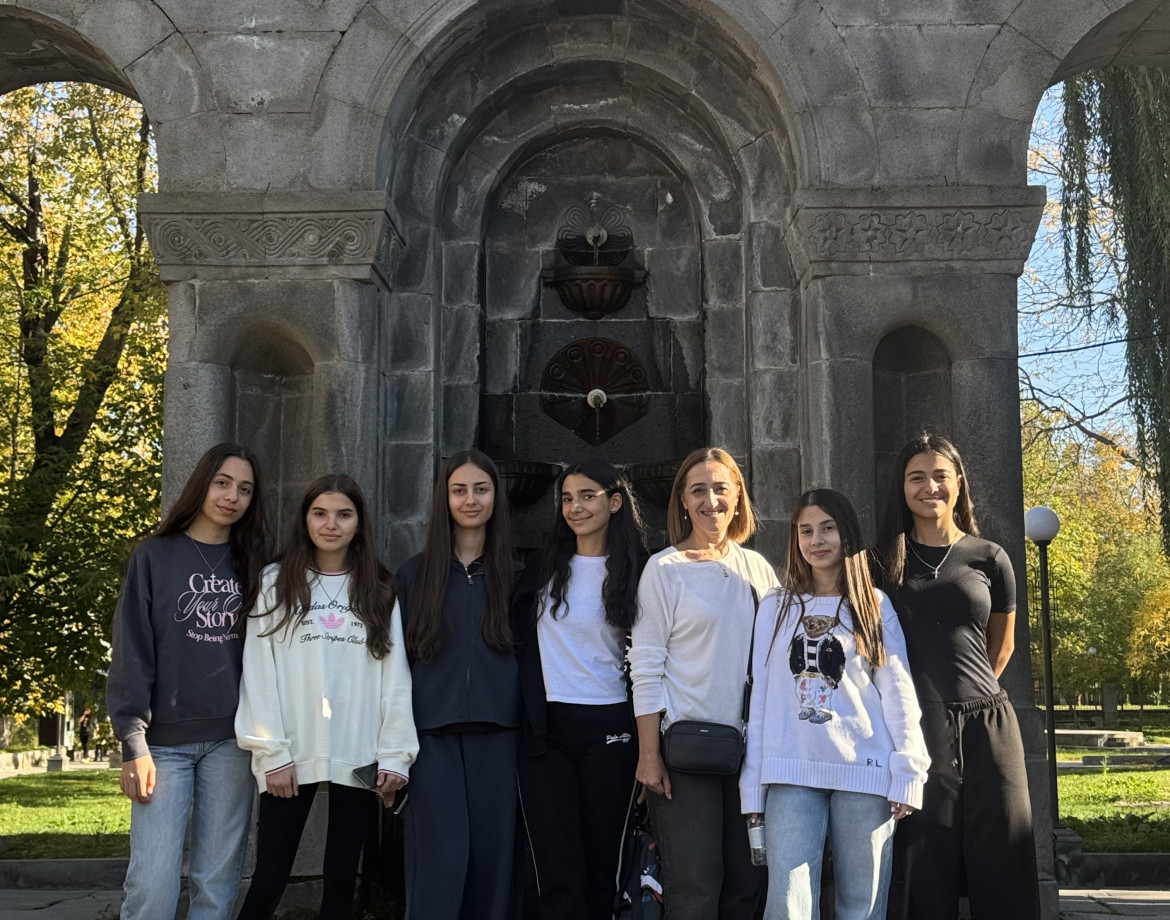
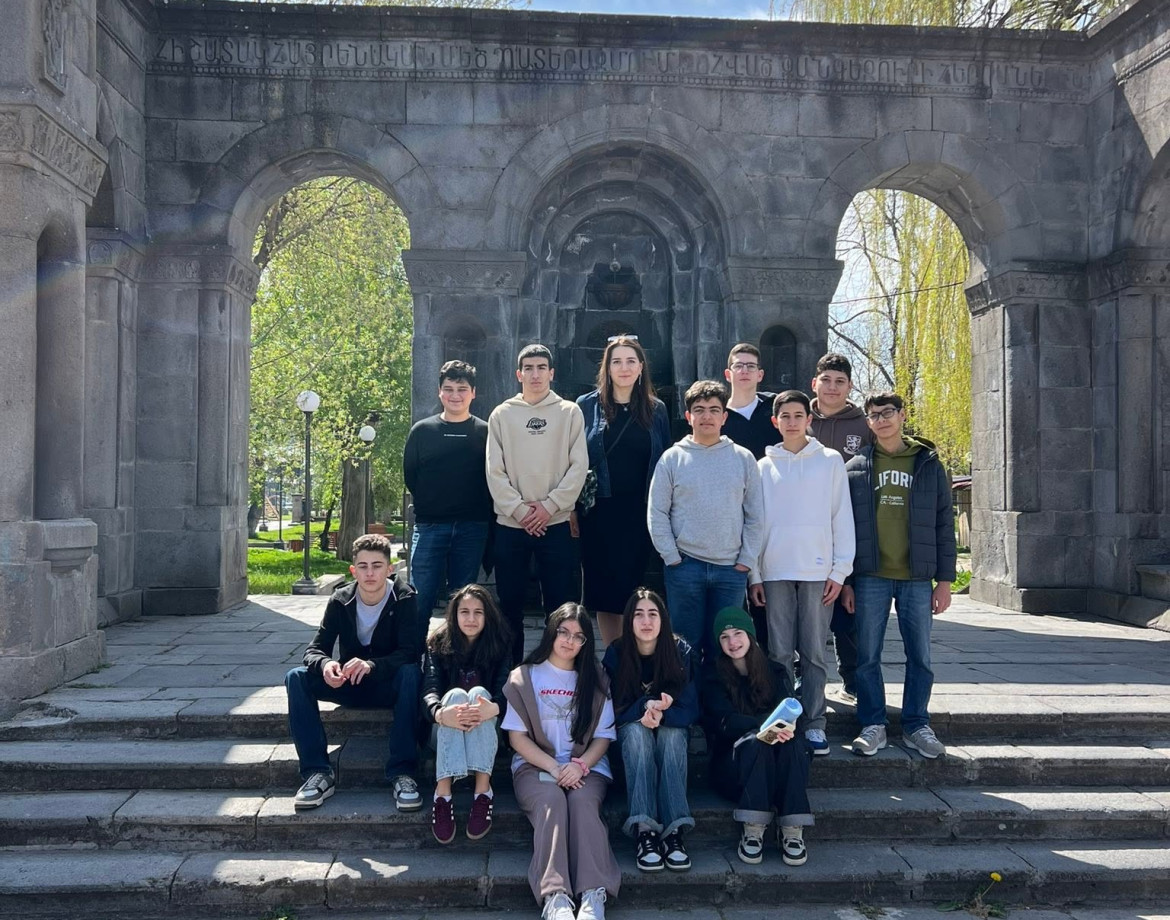
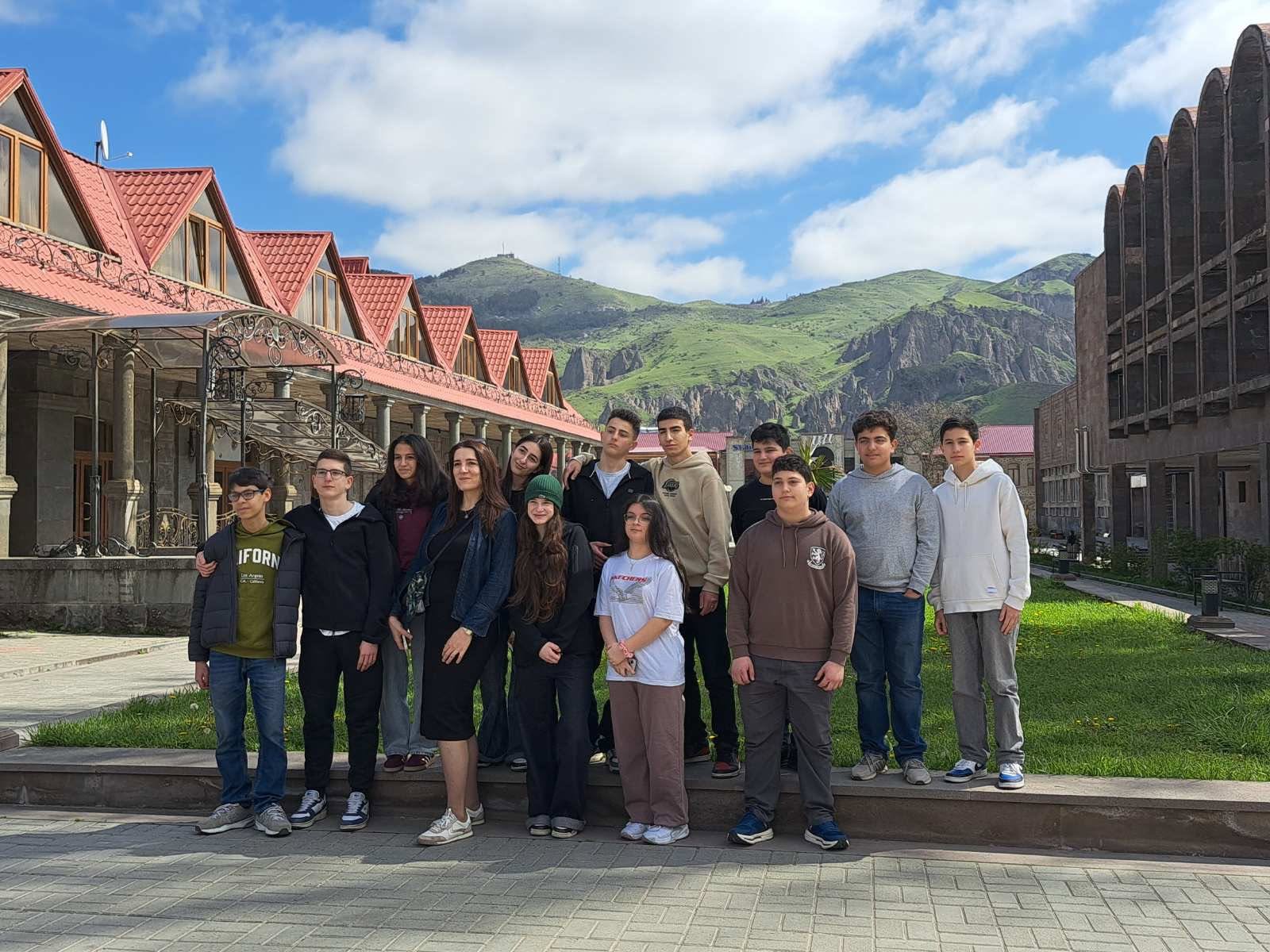
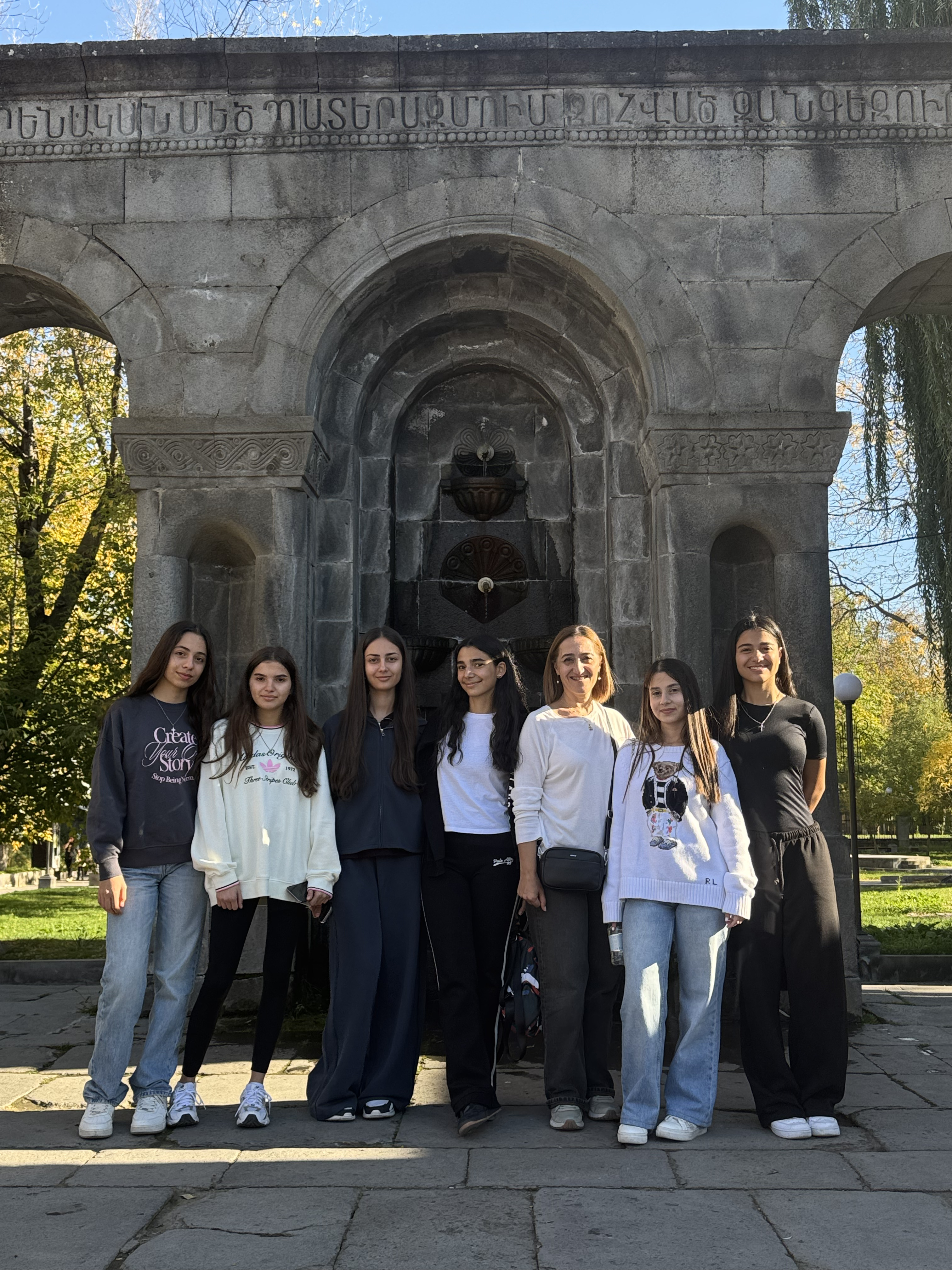
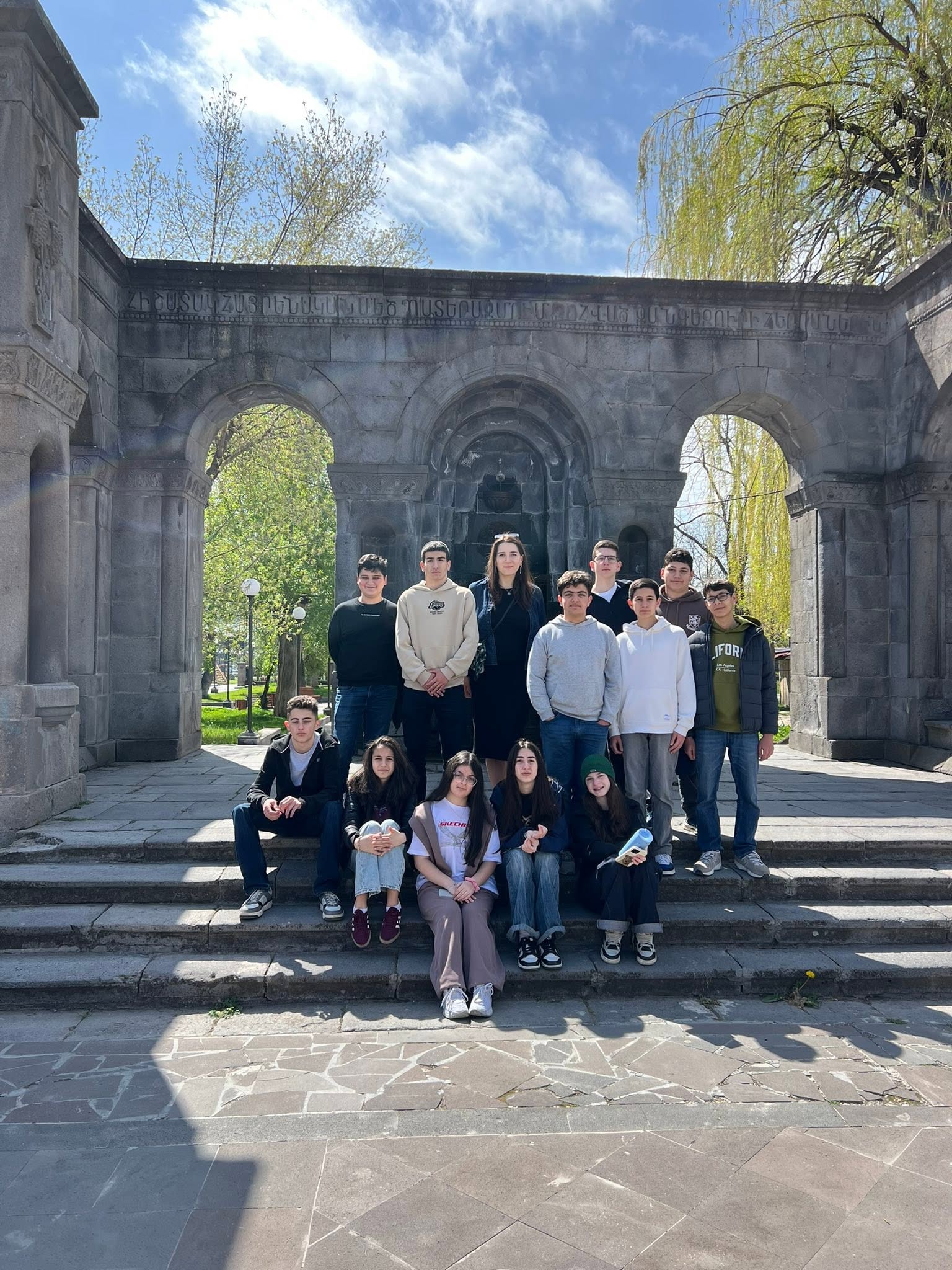
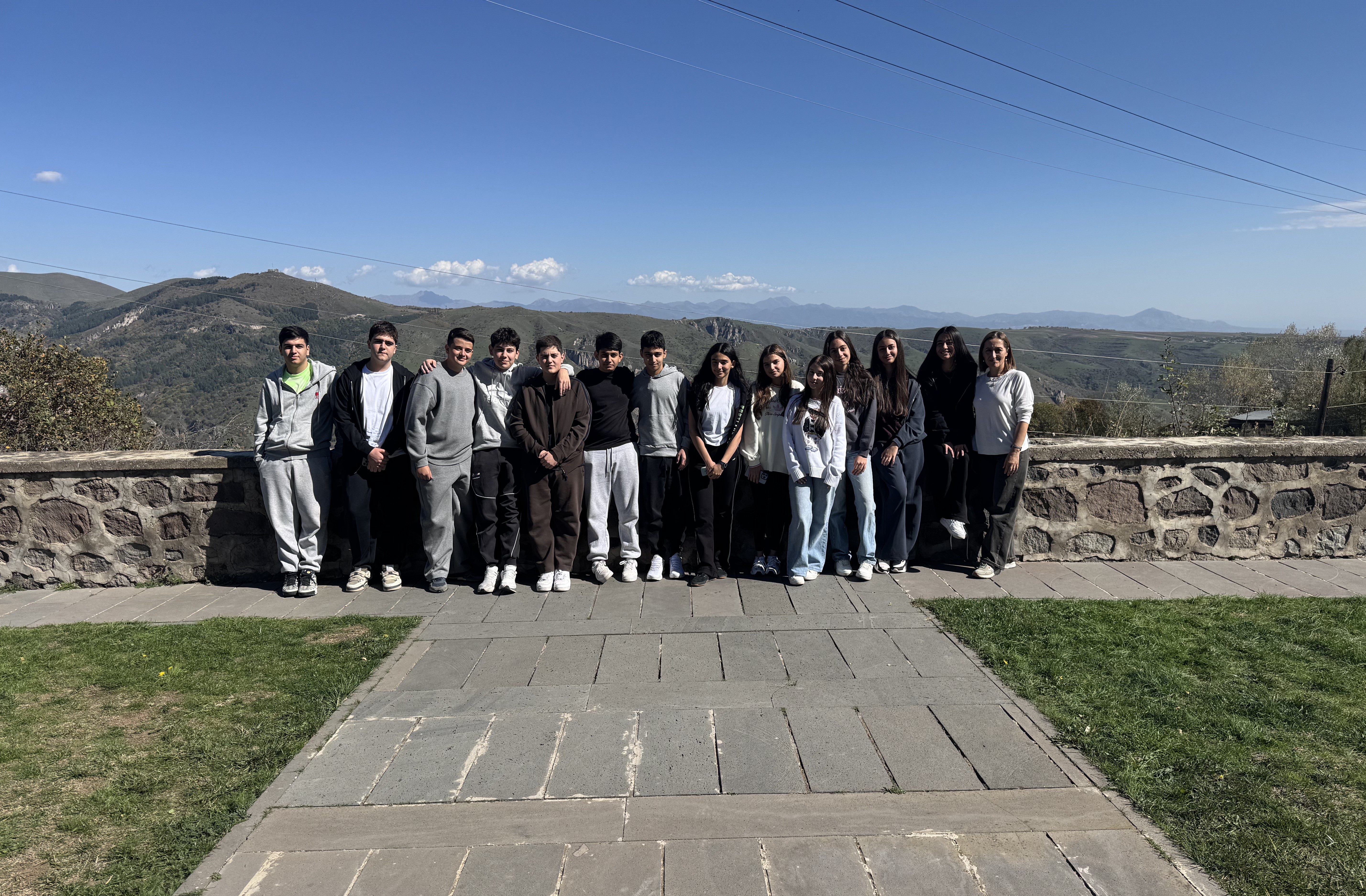
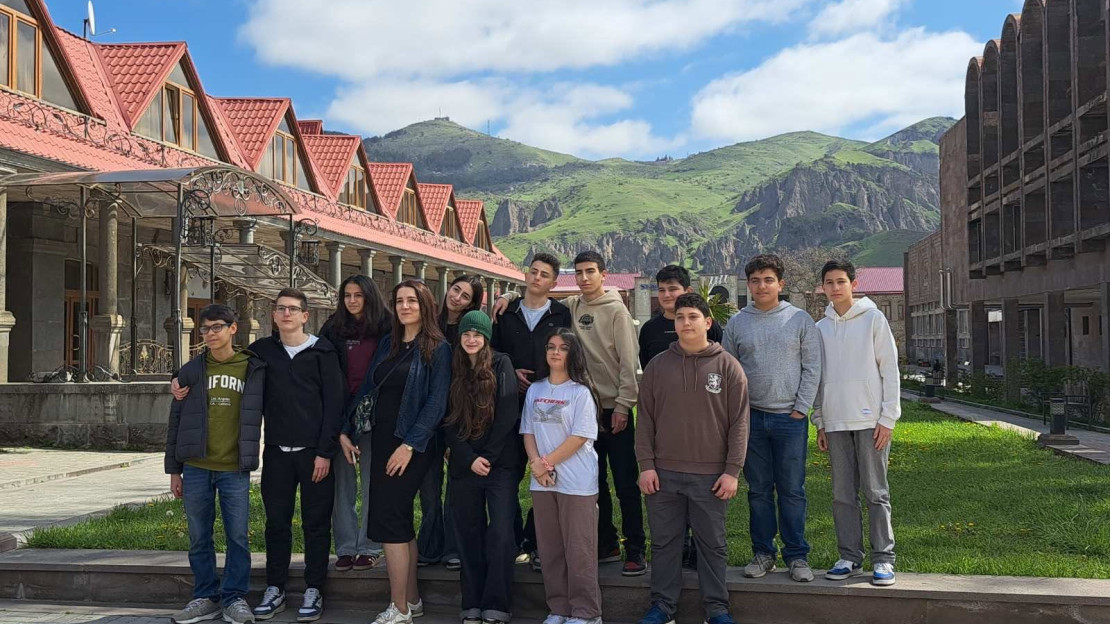
With these objectives in mind, Usum School students set off for one of the most distant destinations within Armenia—the majestic and mountainous Syunik Province, the southern gateway of the country. In the land inspired by the spirit of Garegin Nzhdeh, students participated in an educational city tour of Goris, discovering the rich historical and cultural heritage and natural beauty of southern Armenia.
According to History and Social Studies teacher V. Galstyan, Goris truly stands out in rapidly developing Armenia thanks to its unique architecture, historical atmosphere, and distinctive buildings harmoniously blended into the surrounding landscape. She believes that every Armenian should experience the peace and joy of walking through this remarkable city, known for its preserved historic neighborhoods, stone-built houses, and rich cultural past, making it one of Syunik’s most significant urban centers.
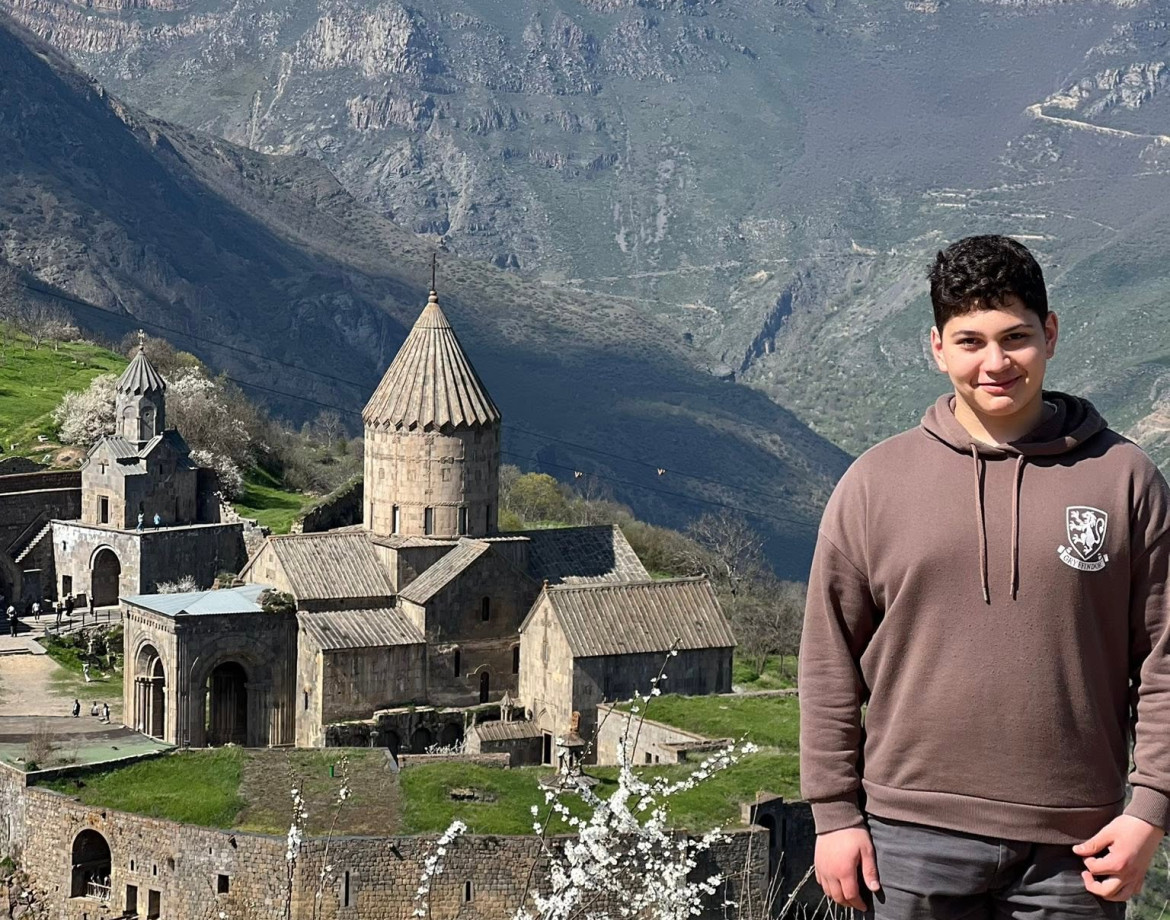
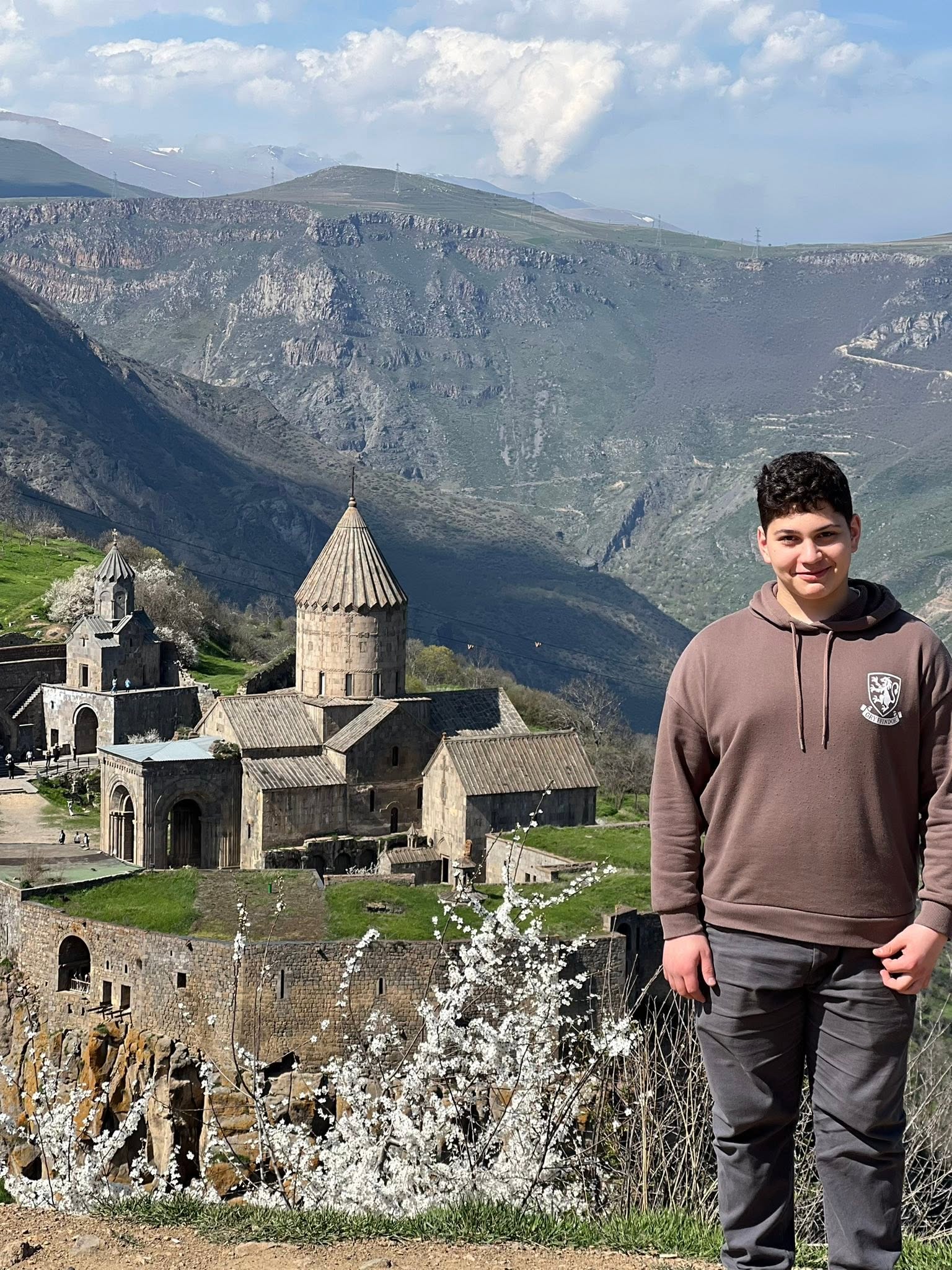
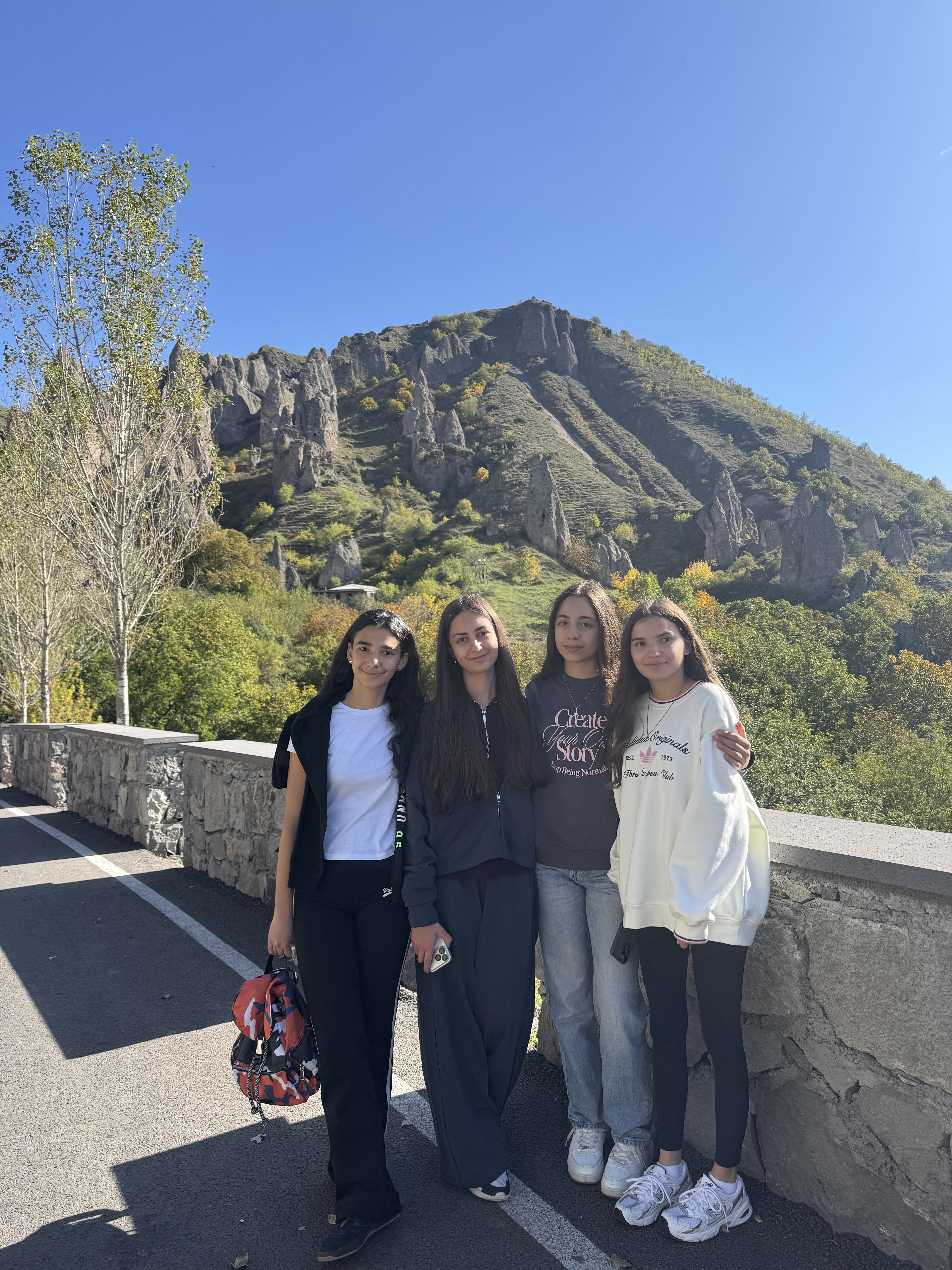
Among the highlights of the trip were visits to the heroic village of Khndzoresk and the Tatev Monastery Complex, which for centuries served as one of Syunik’s spiritual, educational, and cultural centers. Students who had visited Tatev before shared that the monastery, perched on the edge of the Vorotan Gorge, impresses visitors not only with its historical significance but also with its breathtaking surroundings.
Students were equally fascinated by Shaki Waterfall, one of Syunik’s most beautiful natural landmarks, where the power and beauty of nature merge into a stunning spectacle. Visiting these sites allowed students not only to see some of southern Armenia’s most iconic attractions but also to gain a deeper understanding of Syunik’s history, culture, and natural environment.
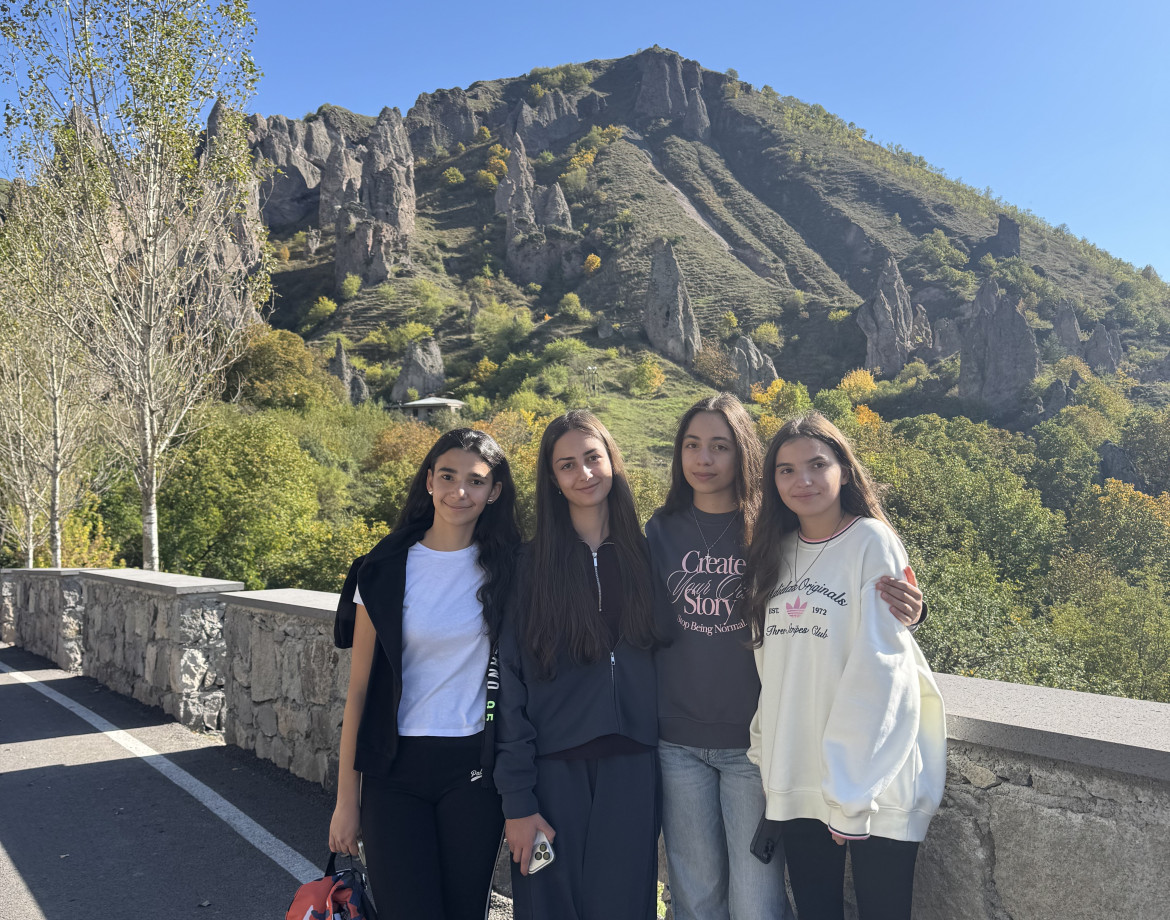
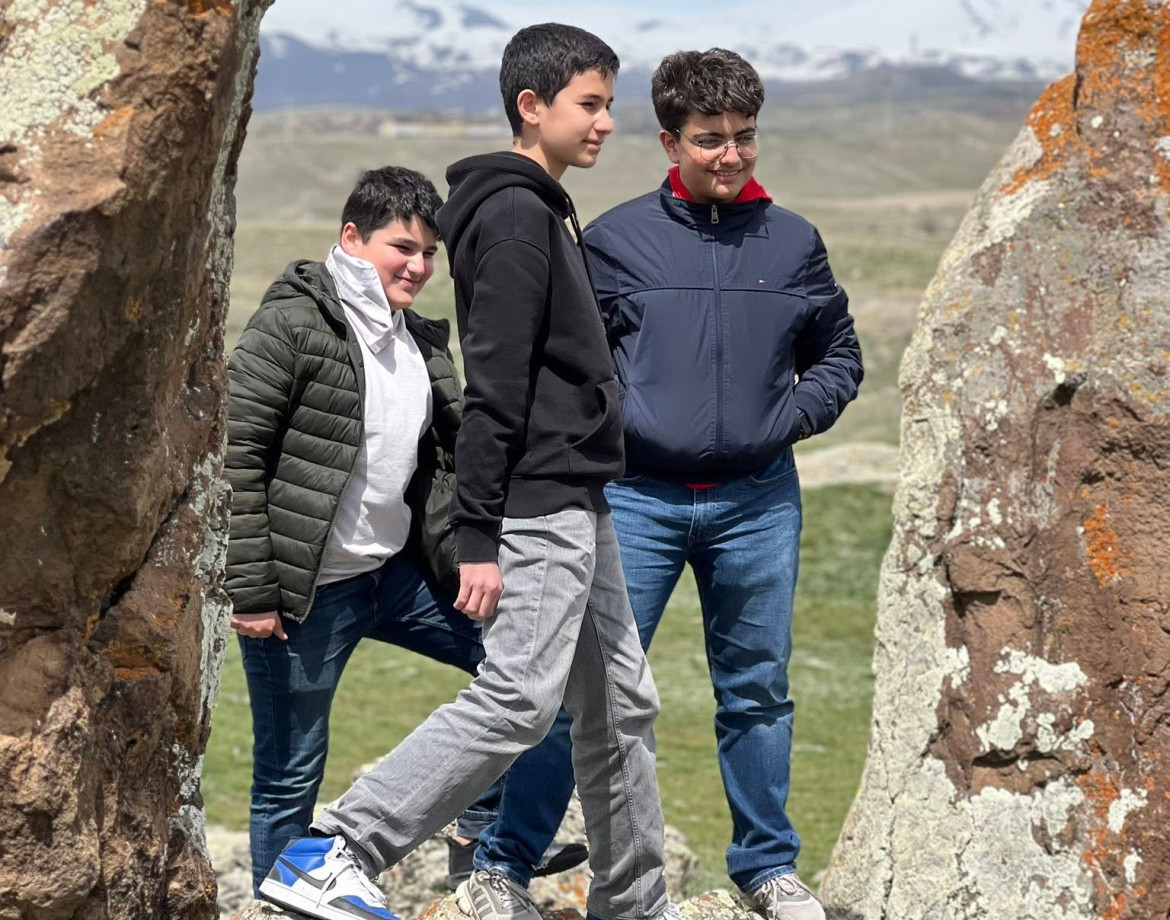
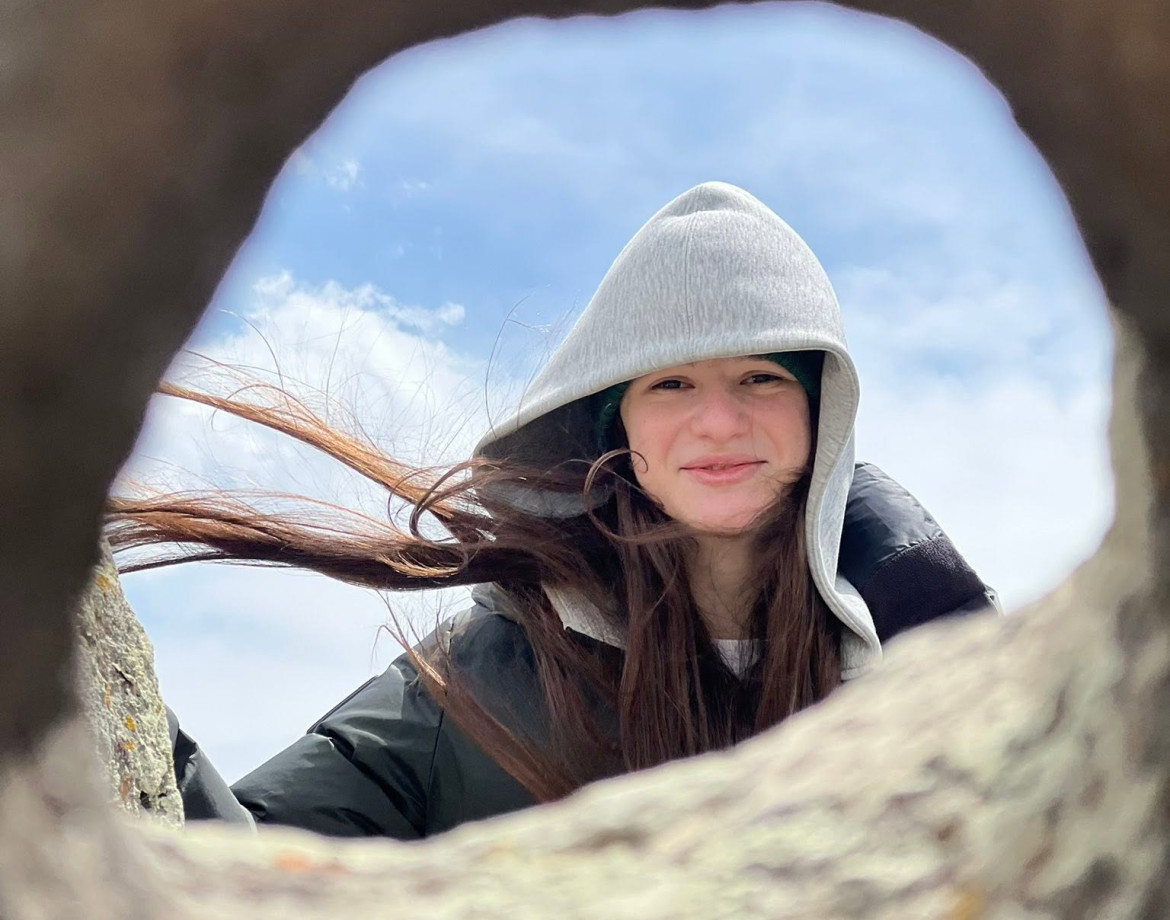
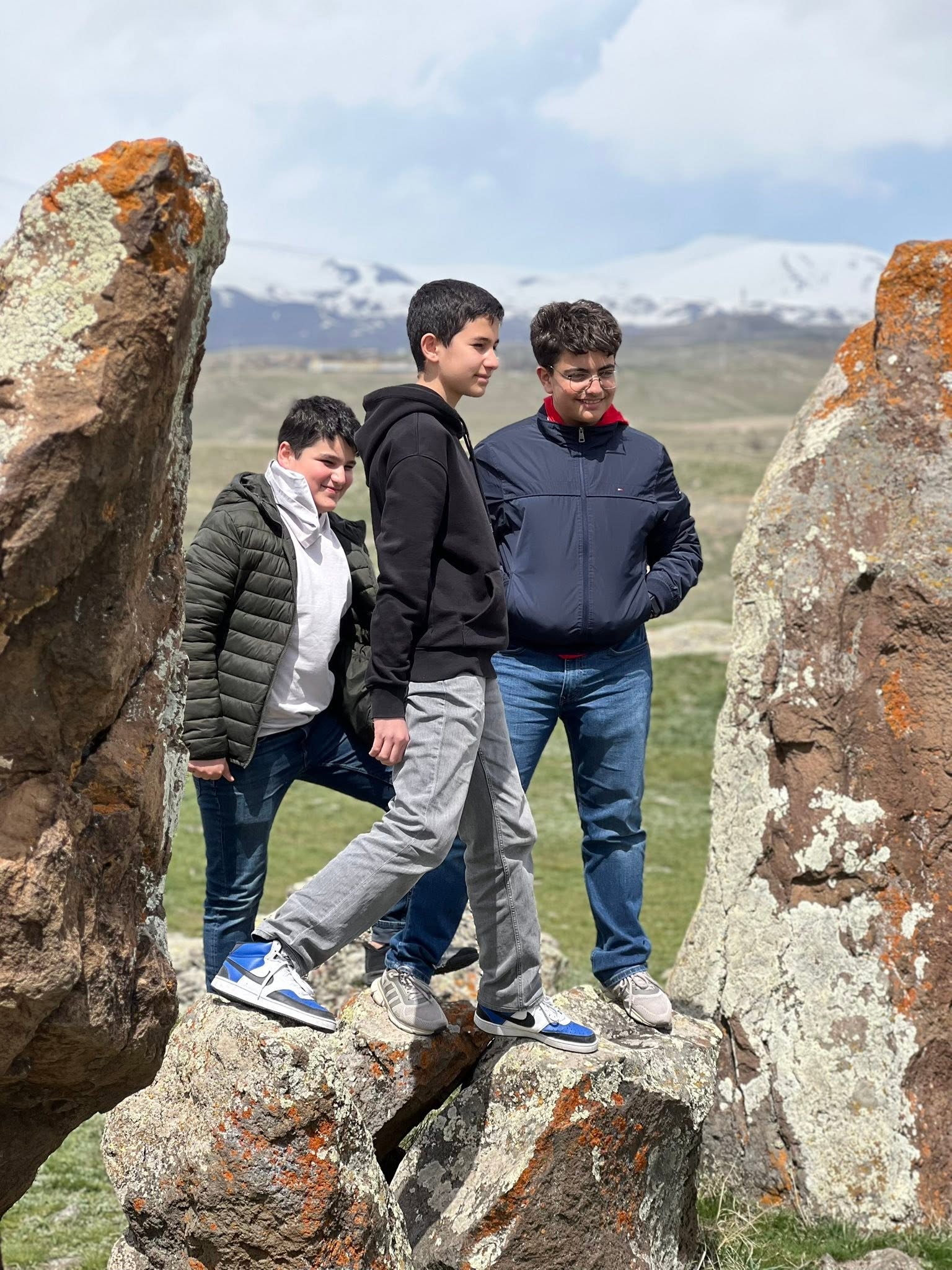
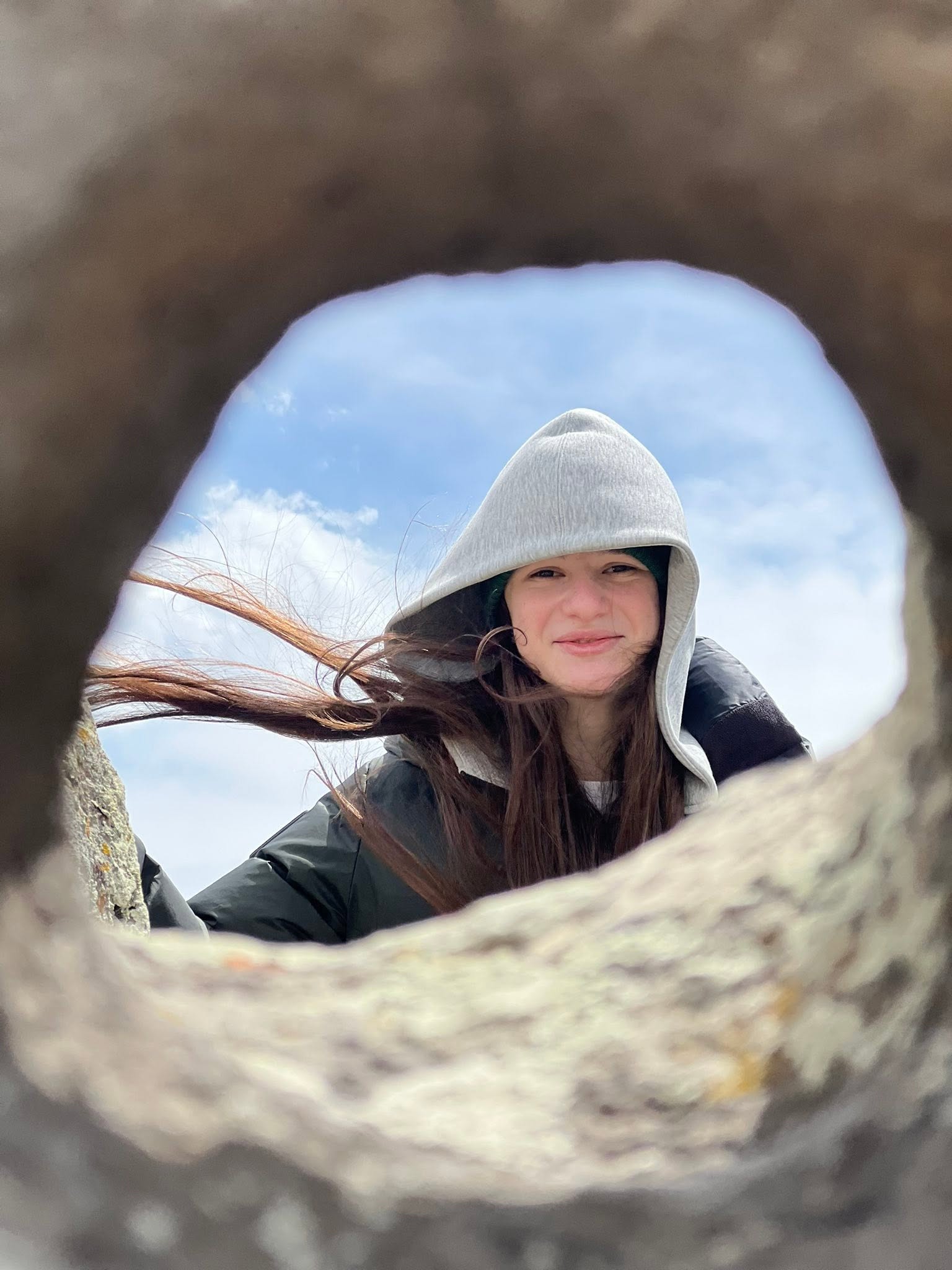
At Karahunj, students explored one of Armenia’s most intriguing and mysterious archaeological monuments. Often referred to as the “Armenian Stonehenge,” this ancient site gave them the opportunity to observe standing stones that have endured for millennia and to learn about their significance and the scientific studies surrounding them. The visit deepened students’ interest in Armenia’s ancient civilization, astronomy, and cultural heritage, making learning more vivid and engaging.
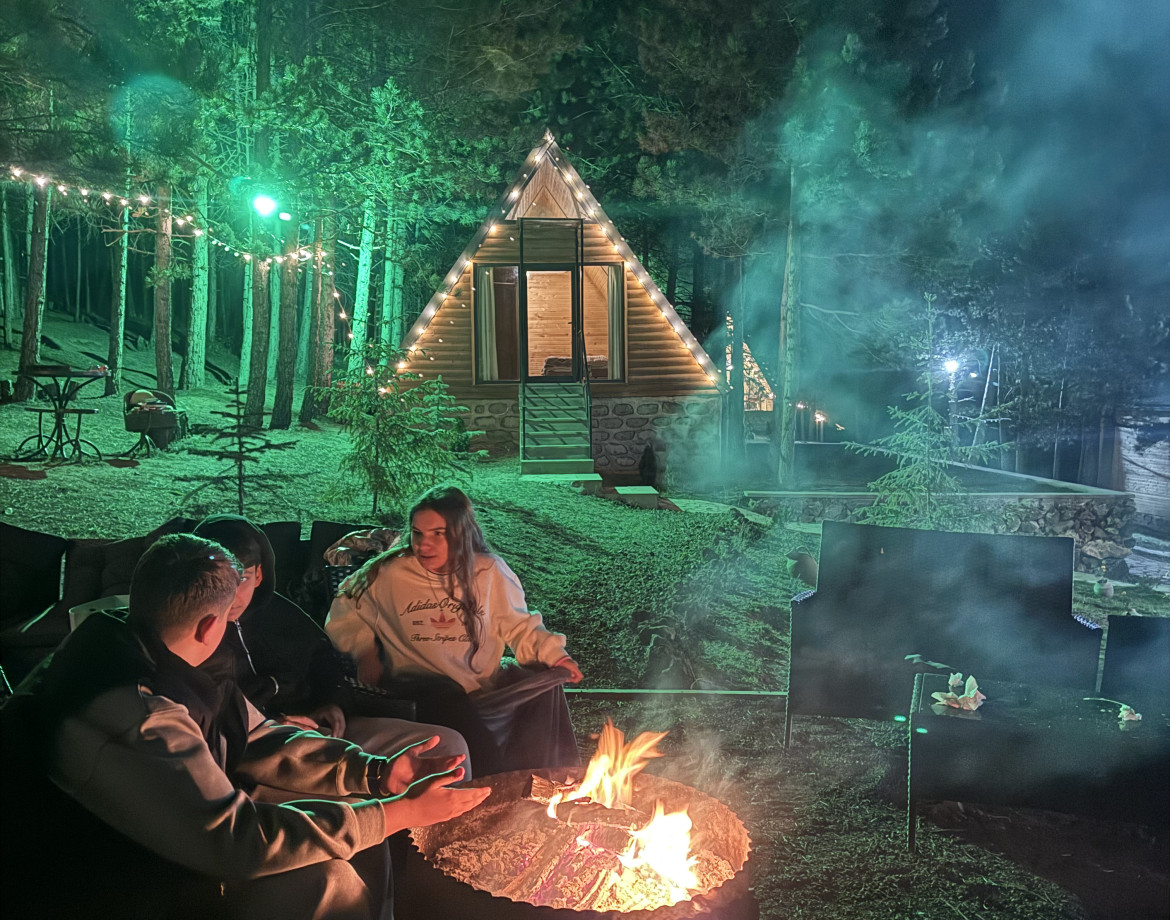
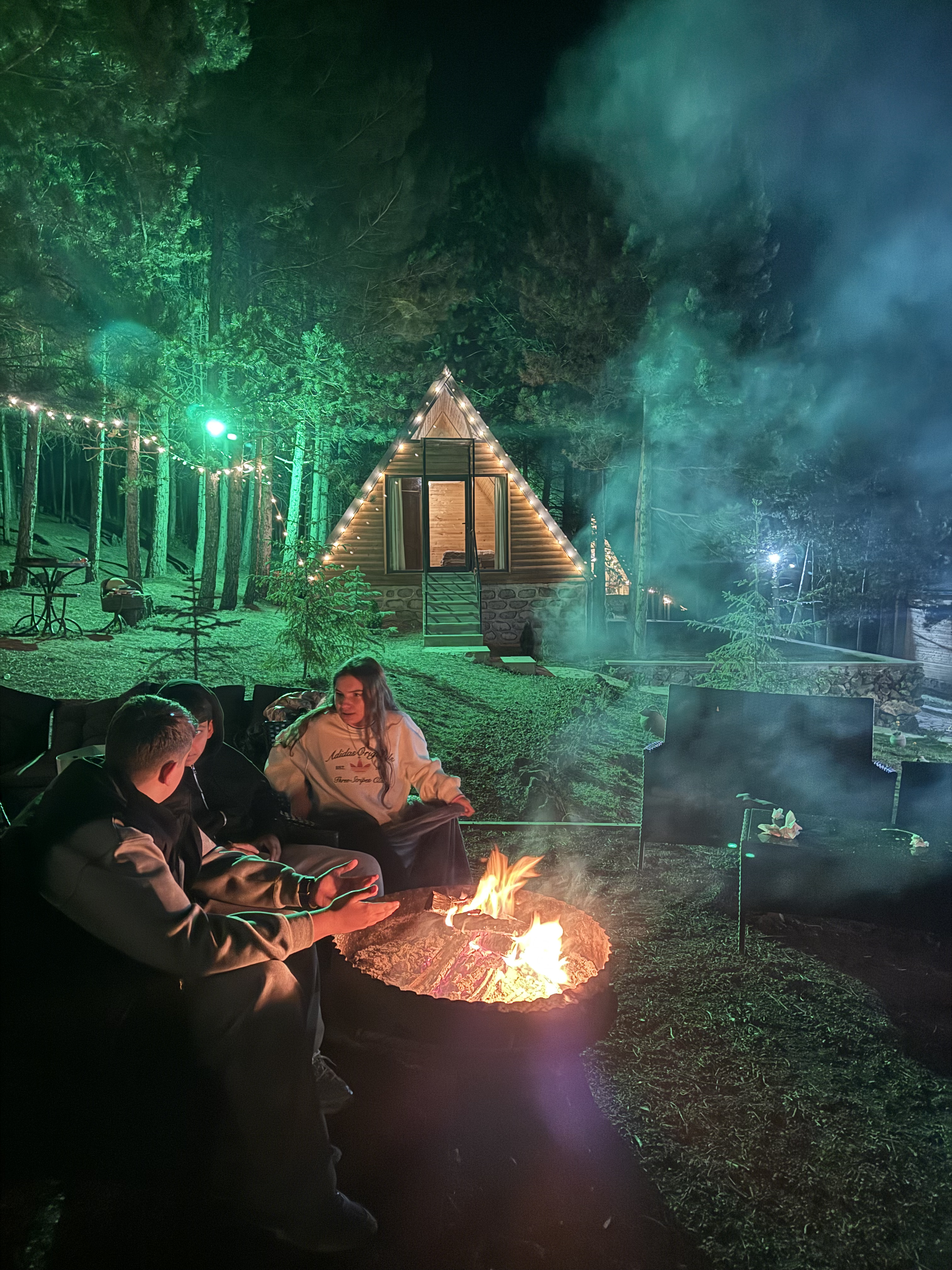
An inseparable part of the two-day journey was the exploration of Syunik’s local cuisine. One of the most memorable experiences was preparing and tasting traditional dishes together with local residents, allowing students to connect more closely with the region’s culture and hospitality.
In conclusion, the trip provided students with a valuable opportunity to connect classroom knowledge with real-life experiences and to gain a deeper appreciation of Syunik’s rich historical, cultural, and natural heritage.
To not think freely is to not think at all!