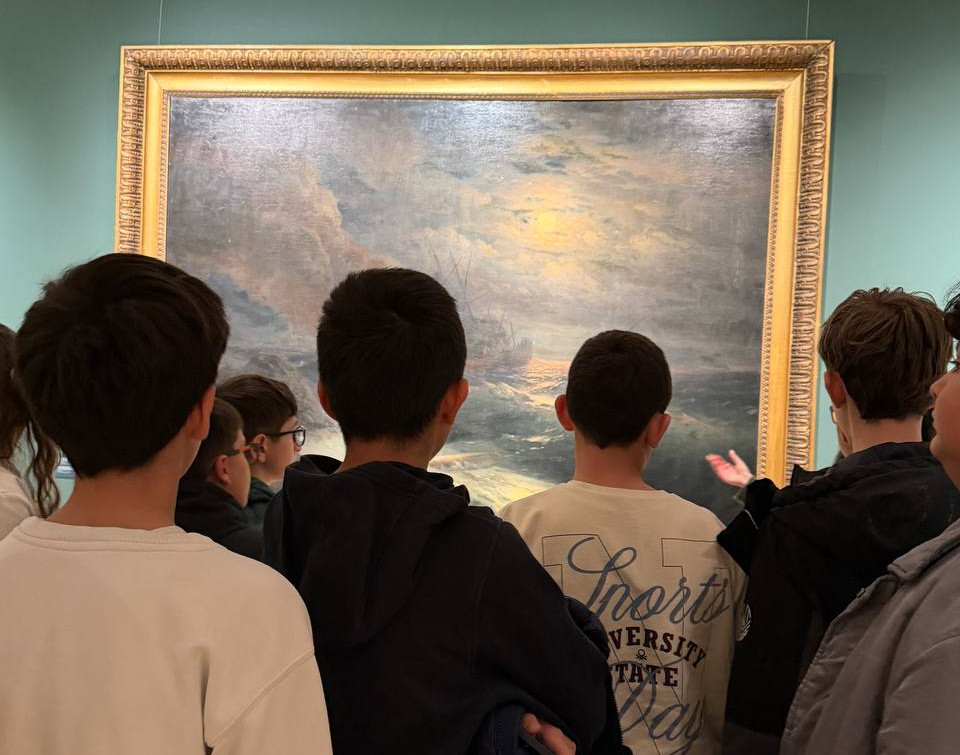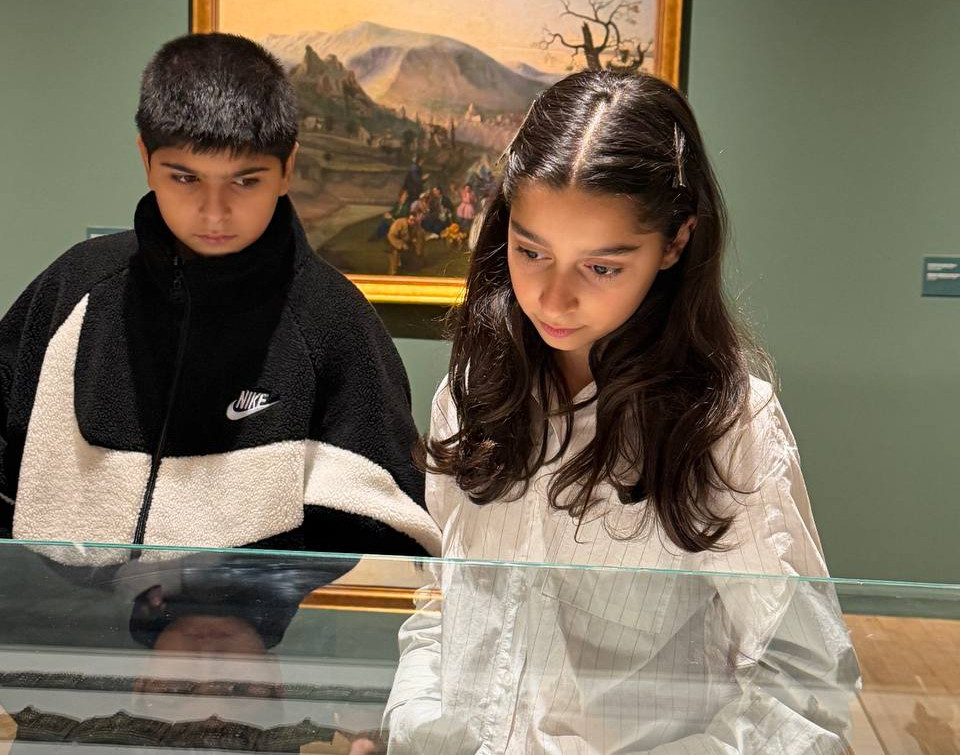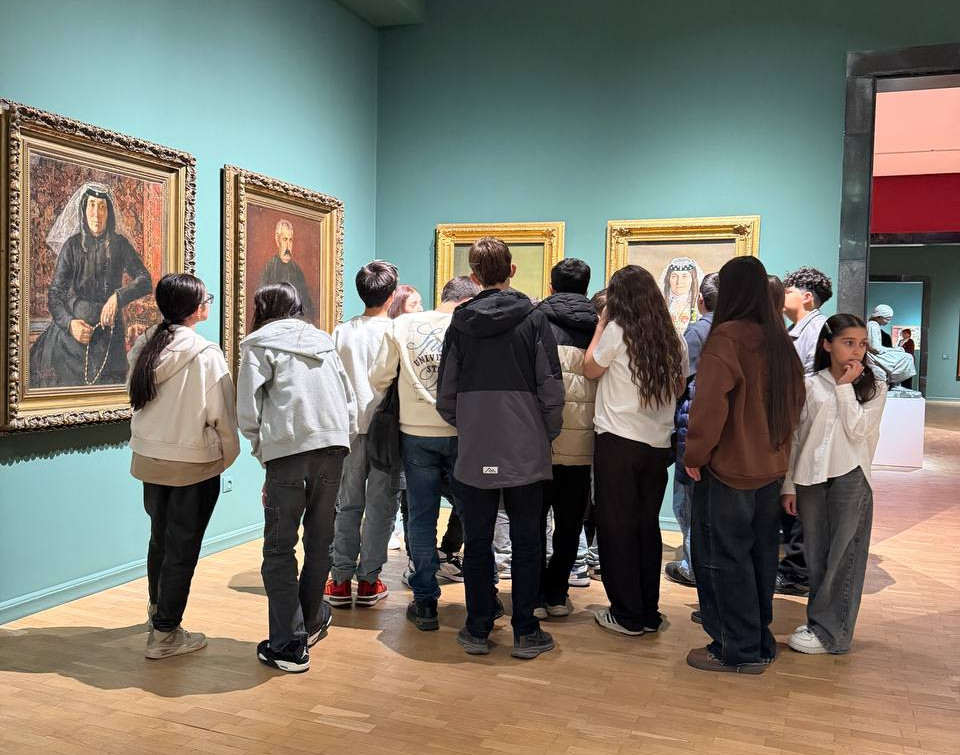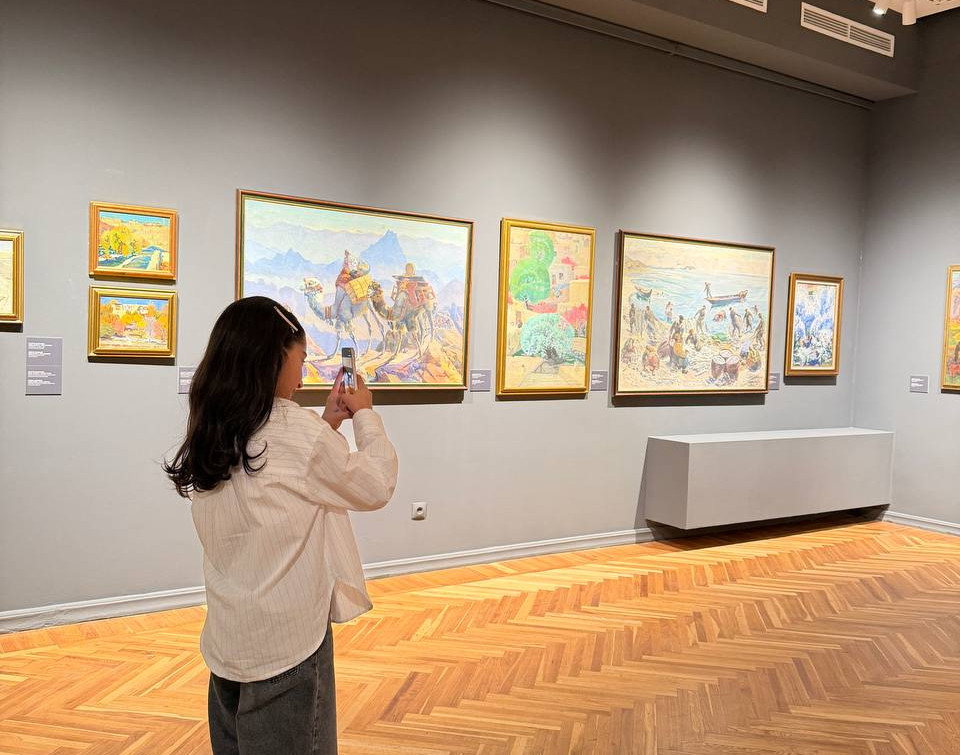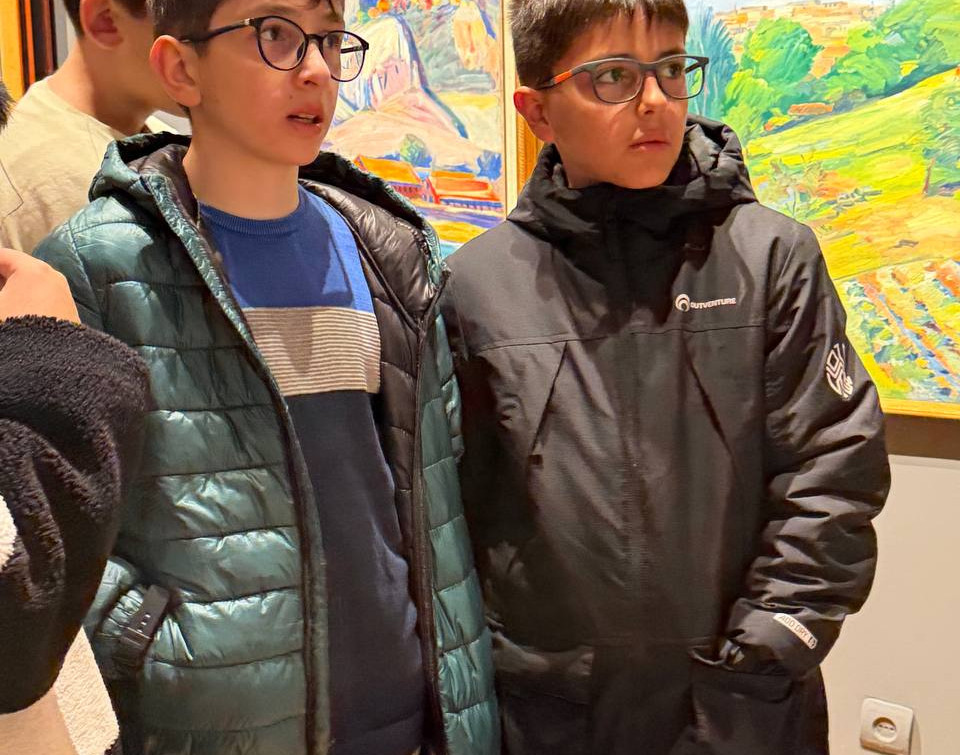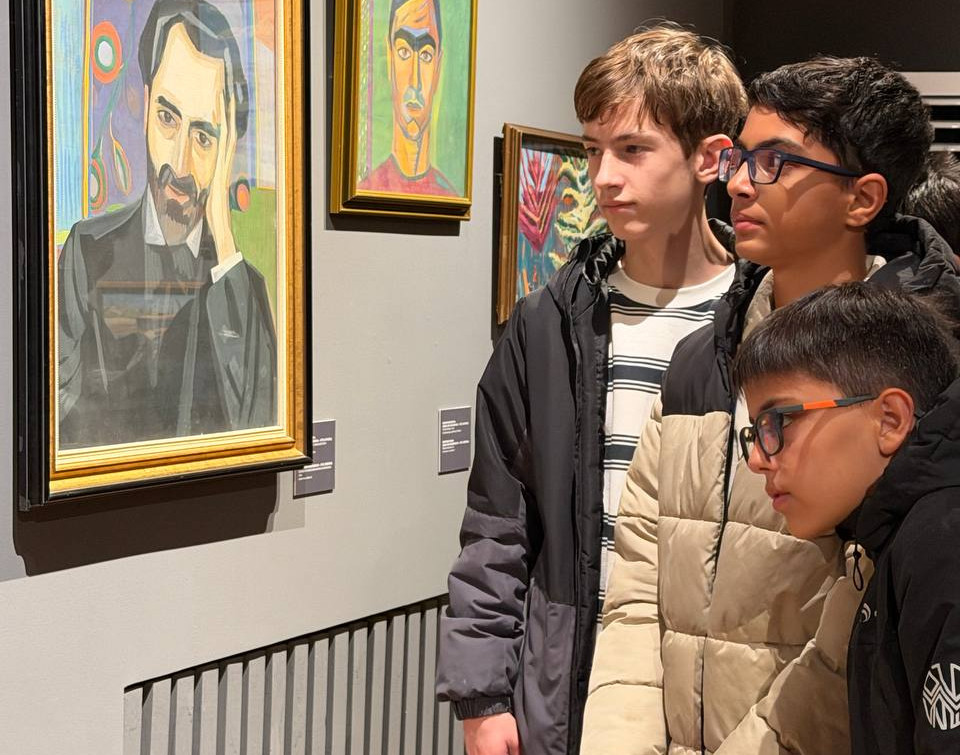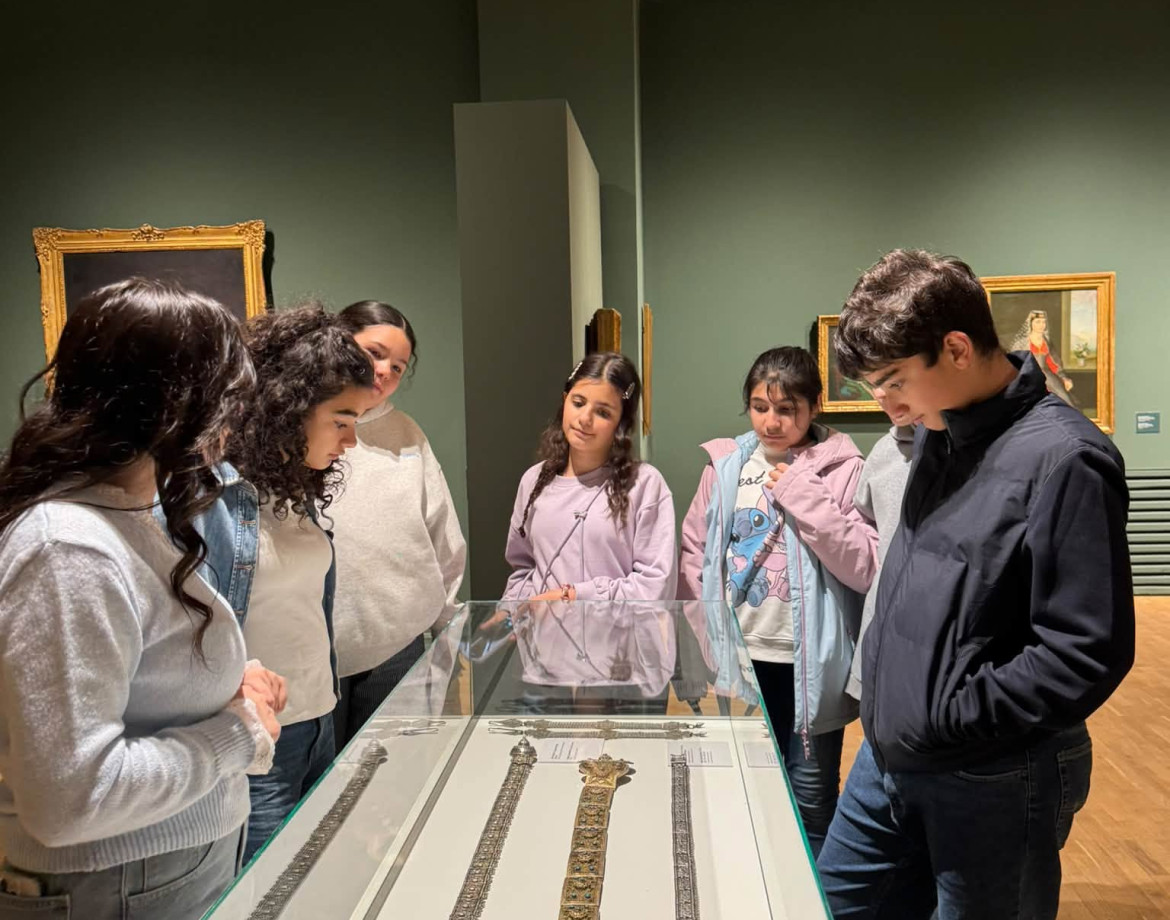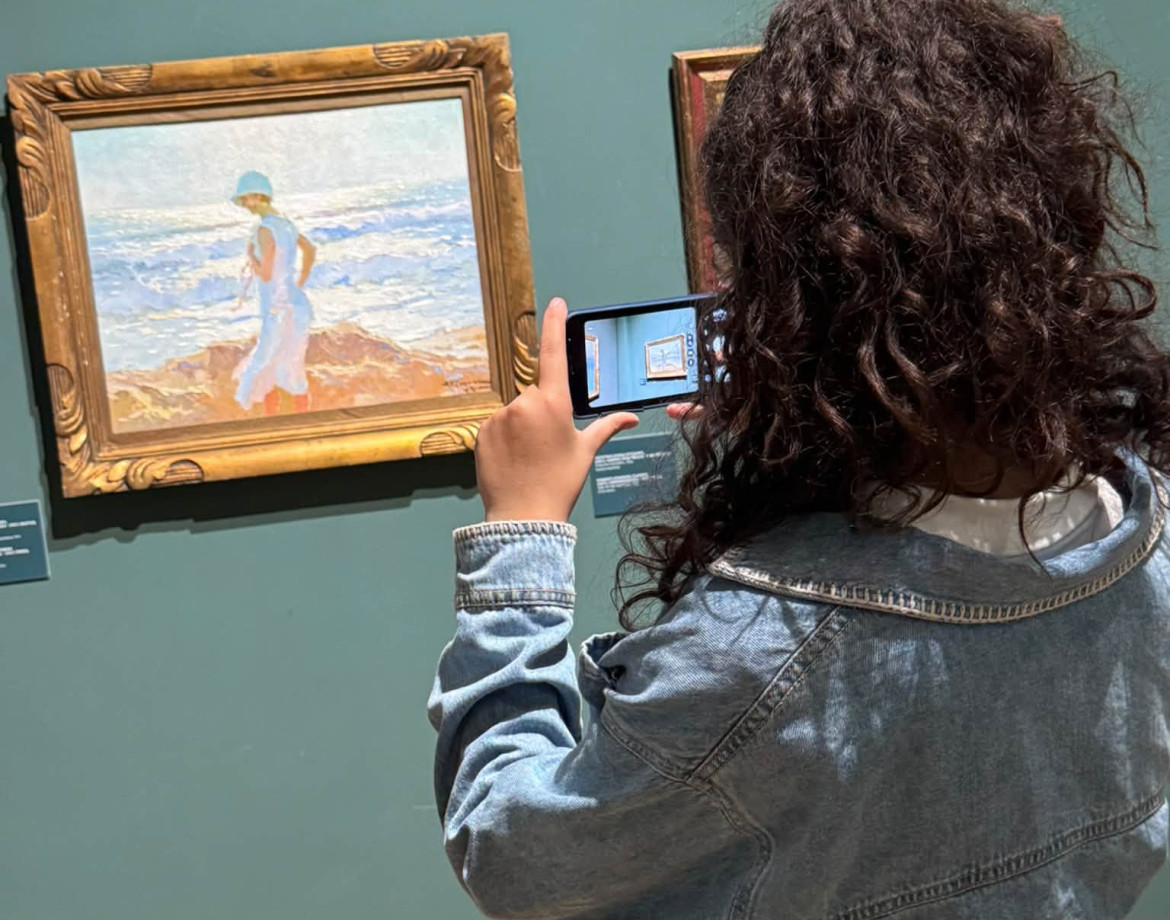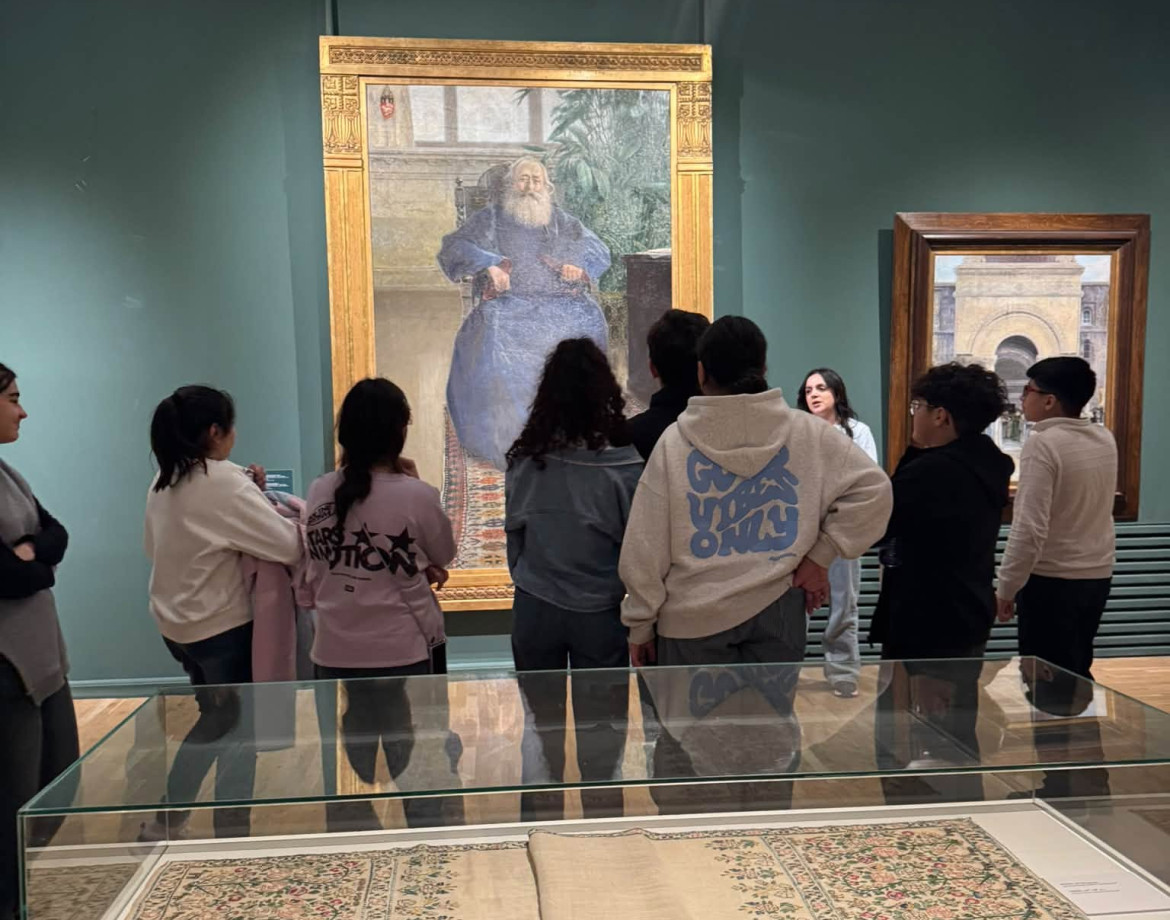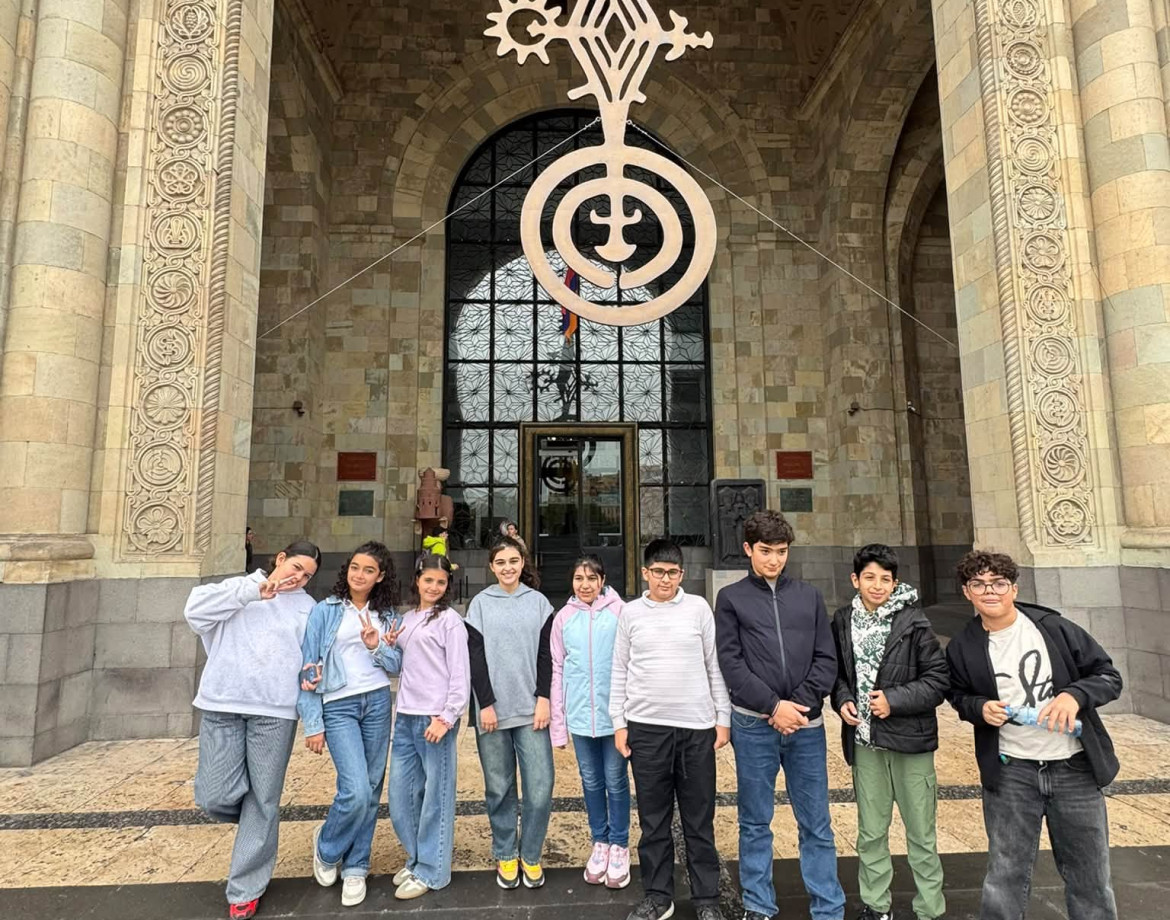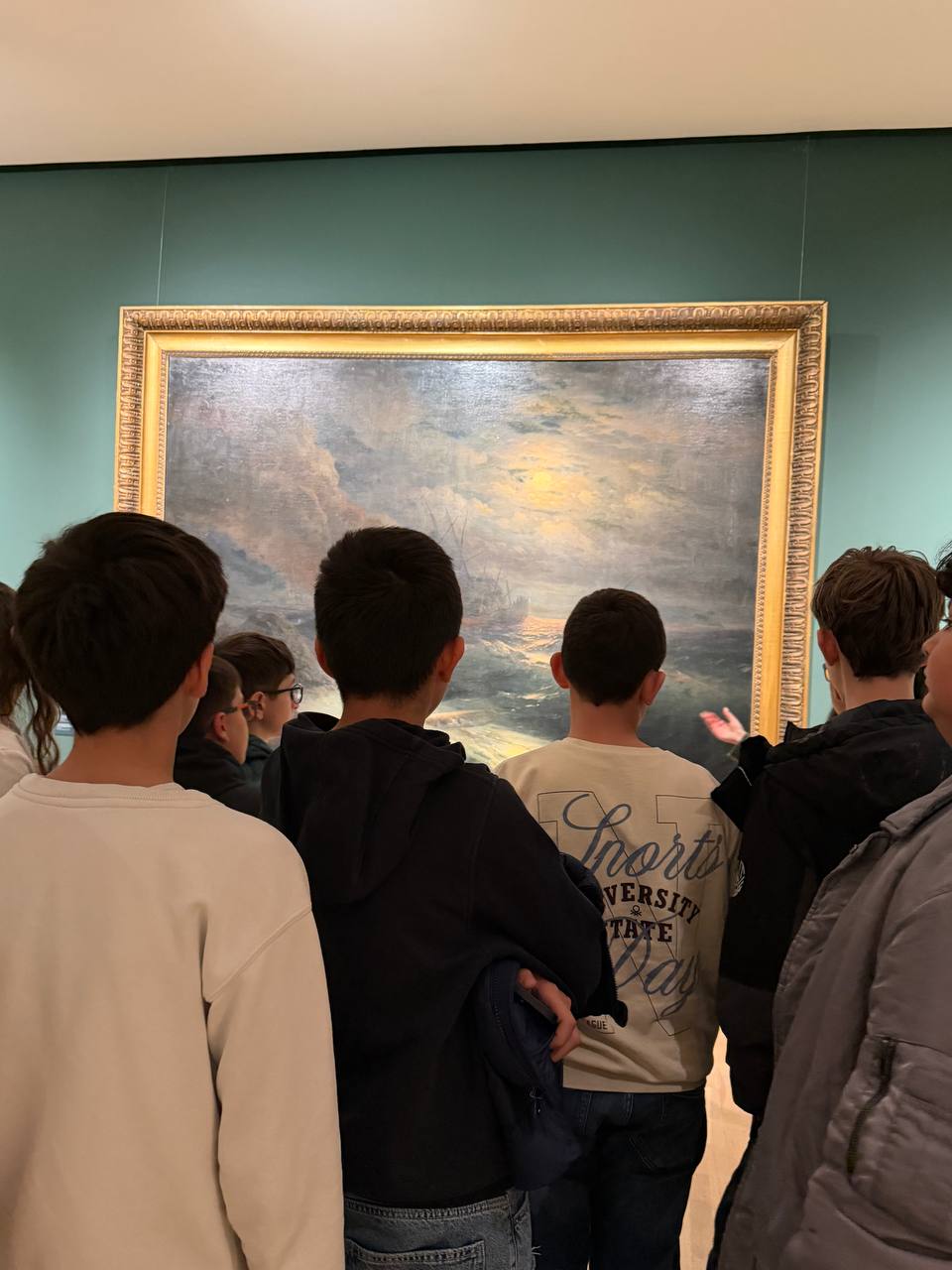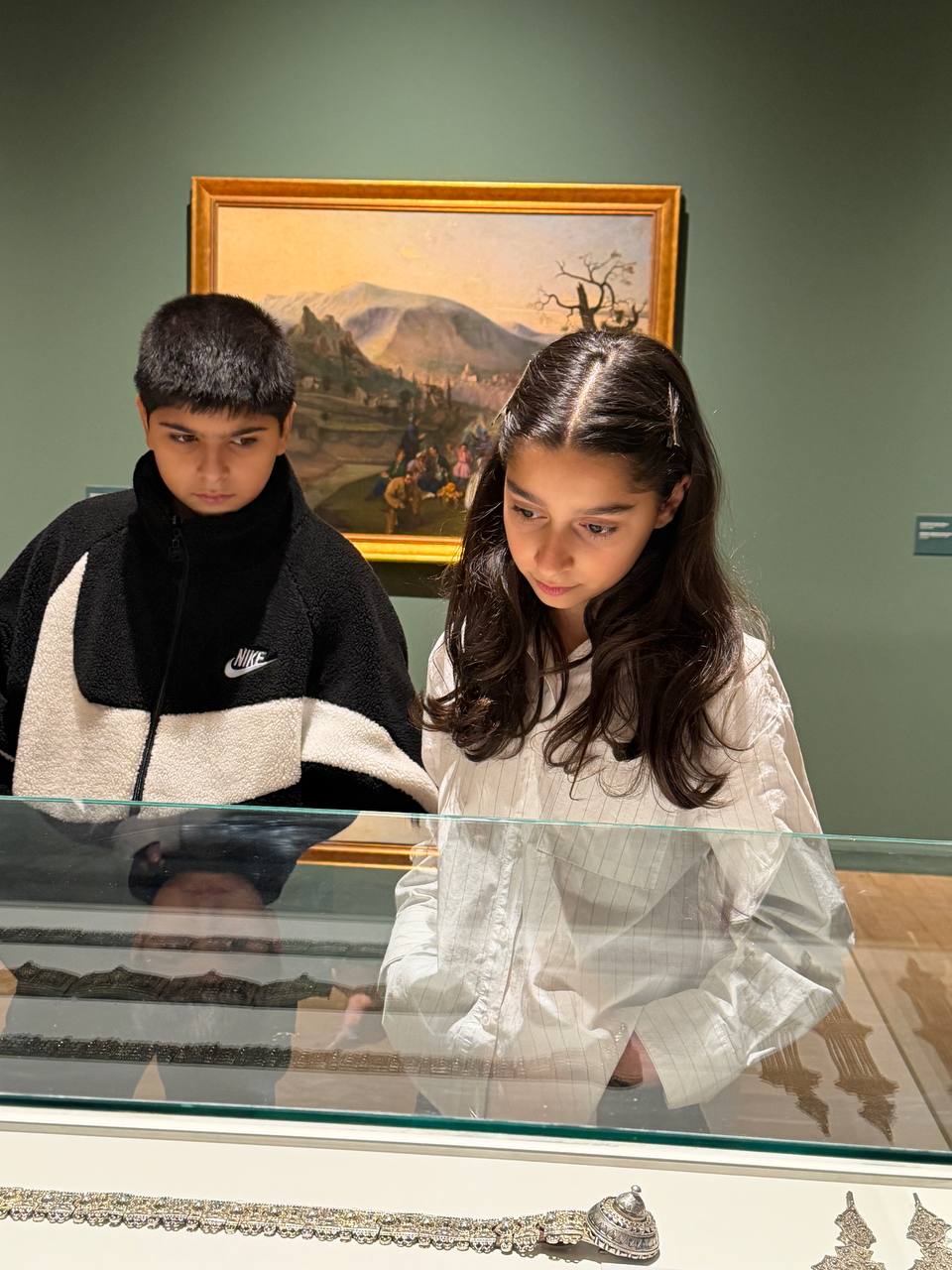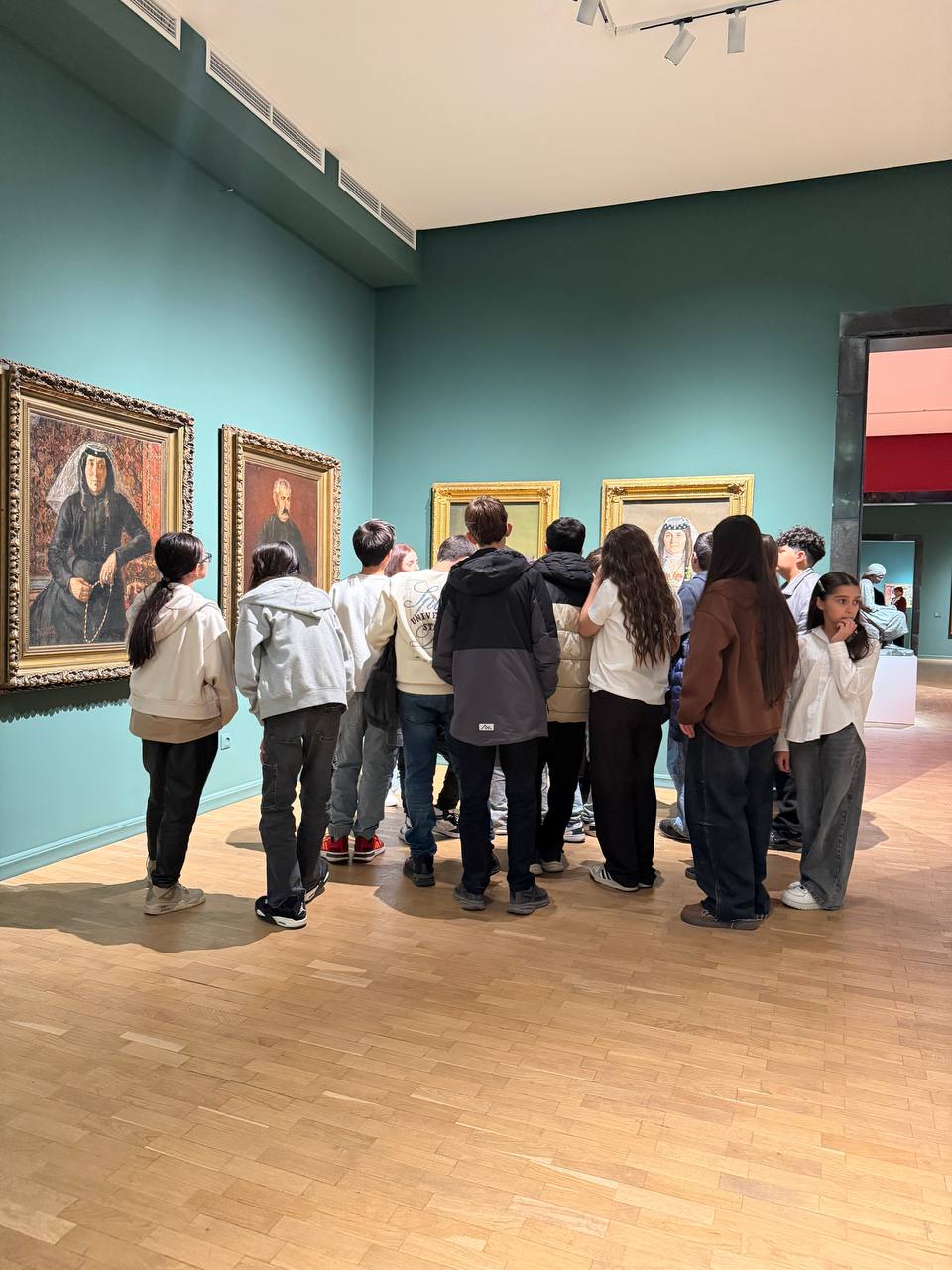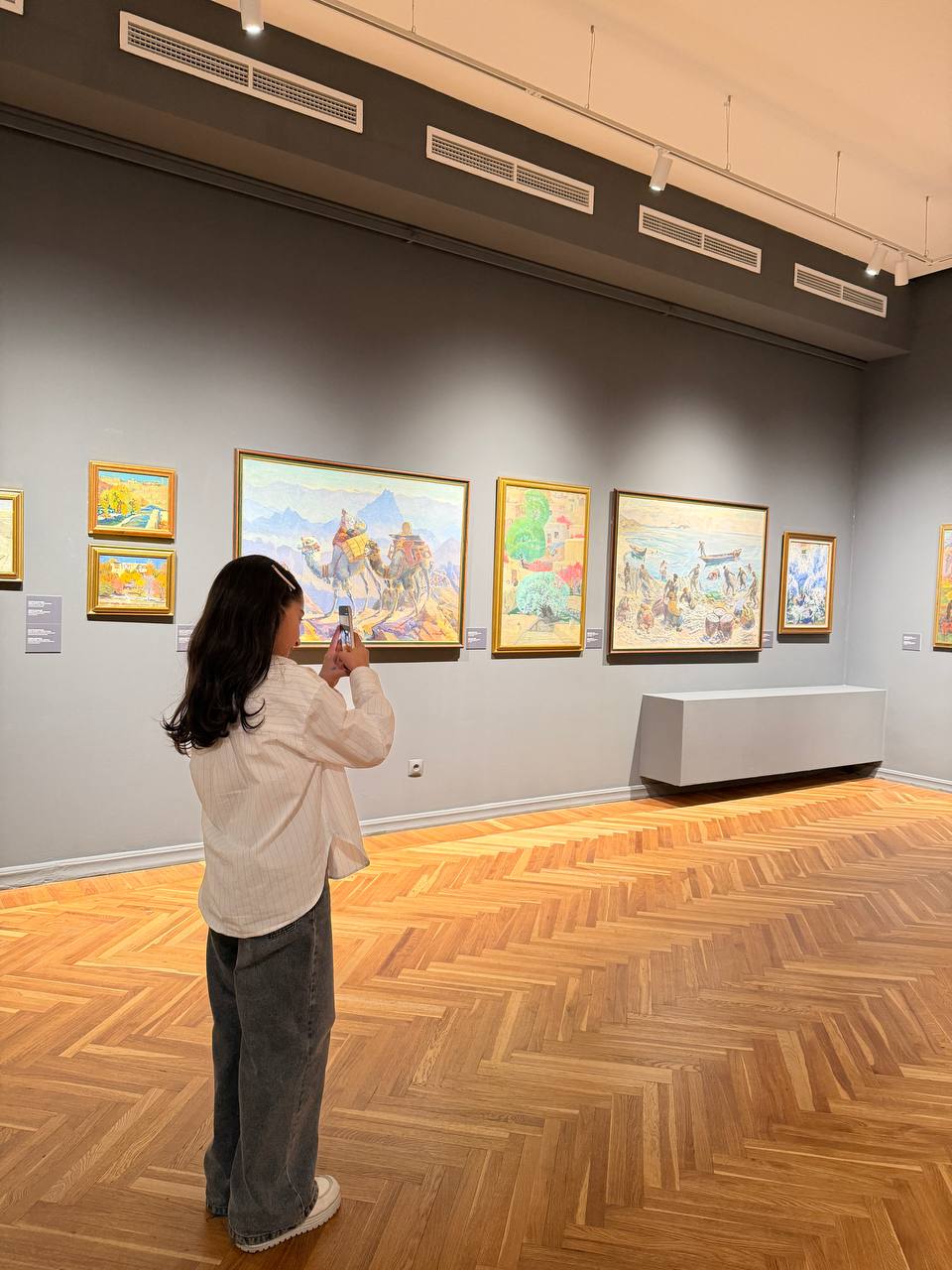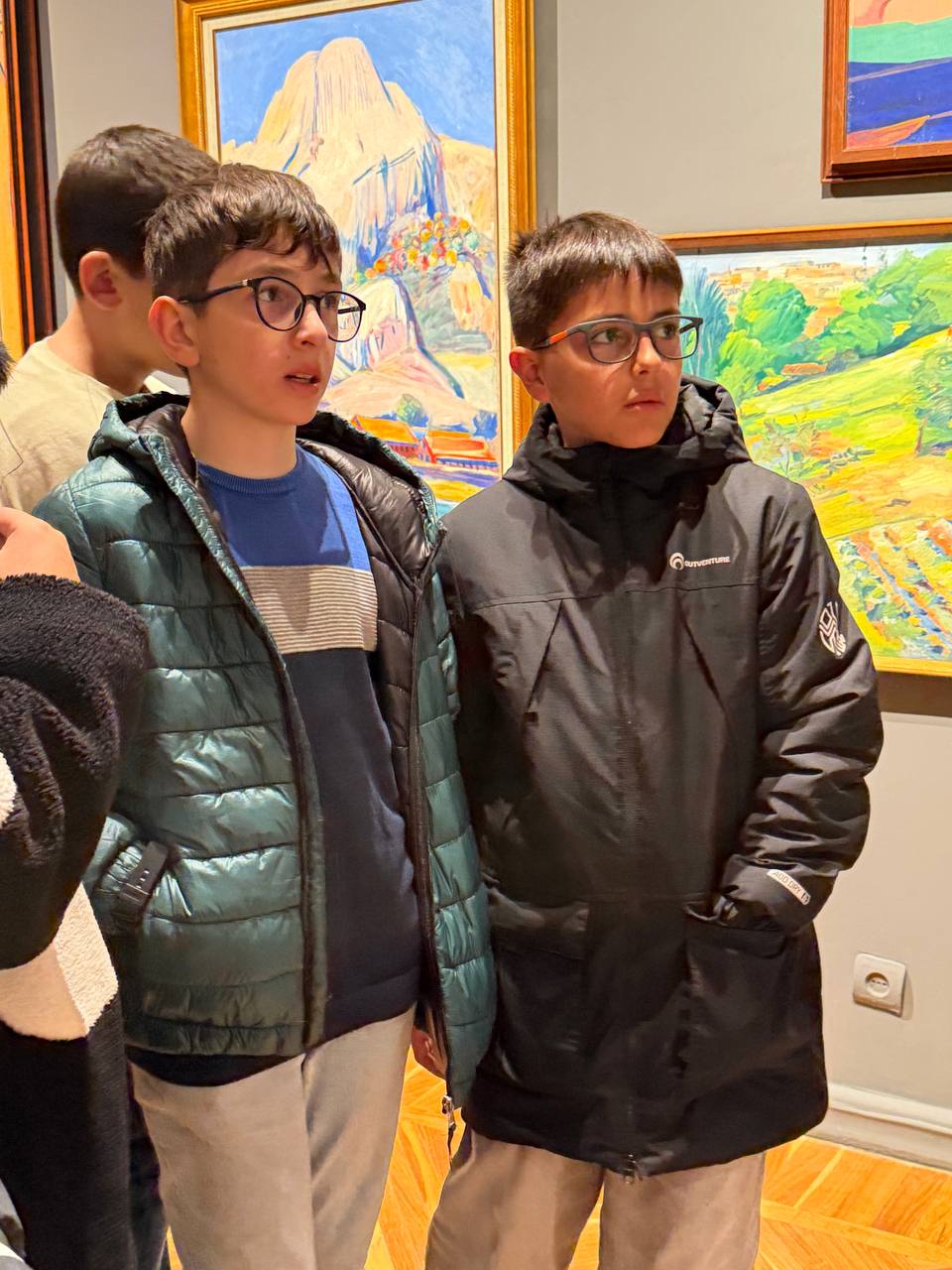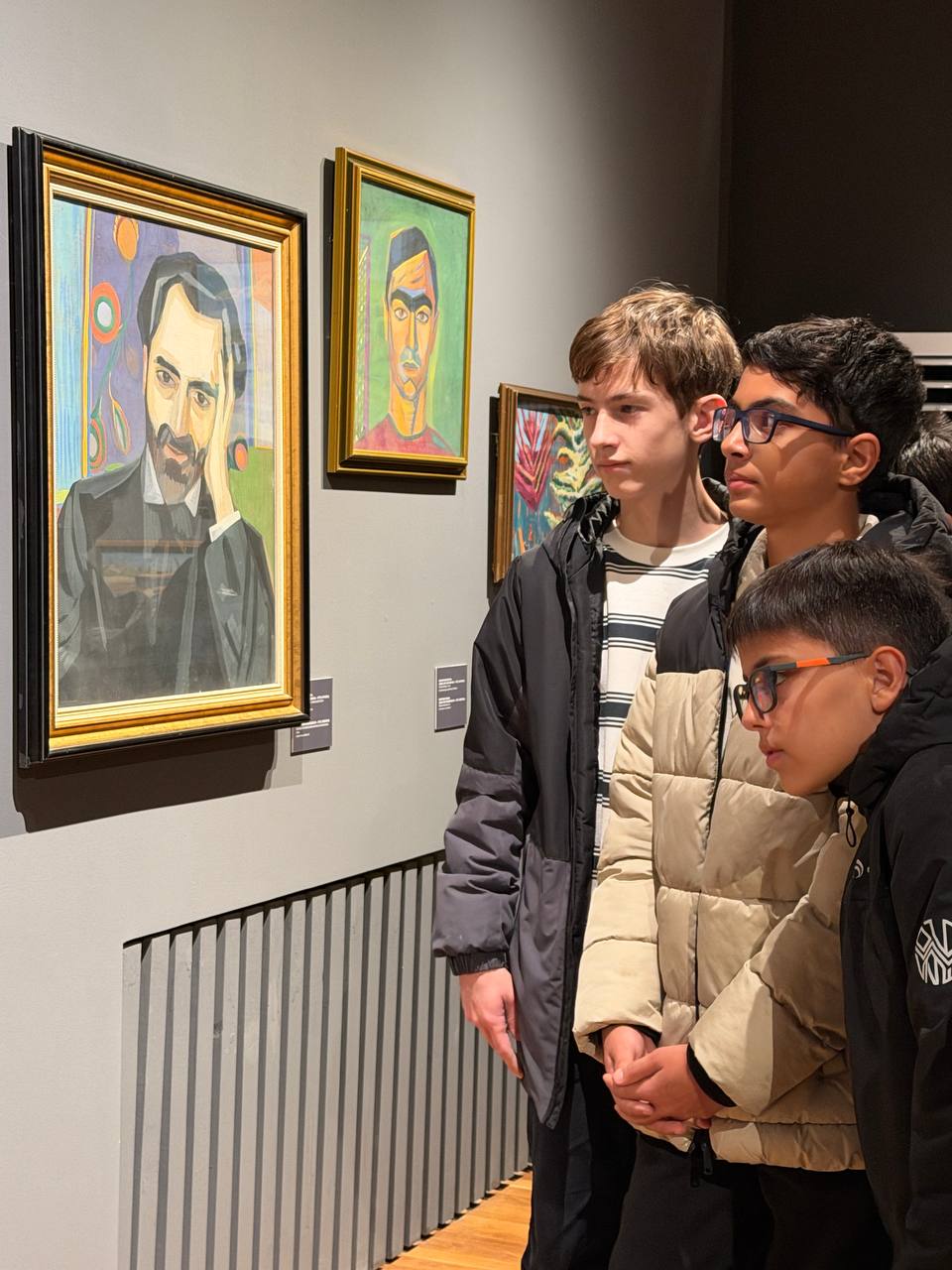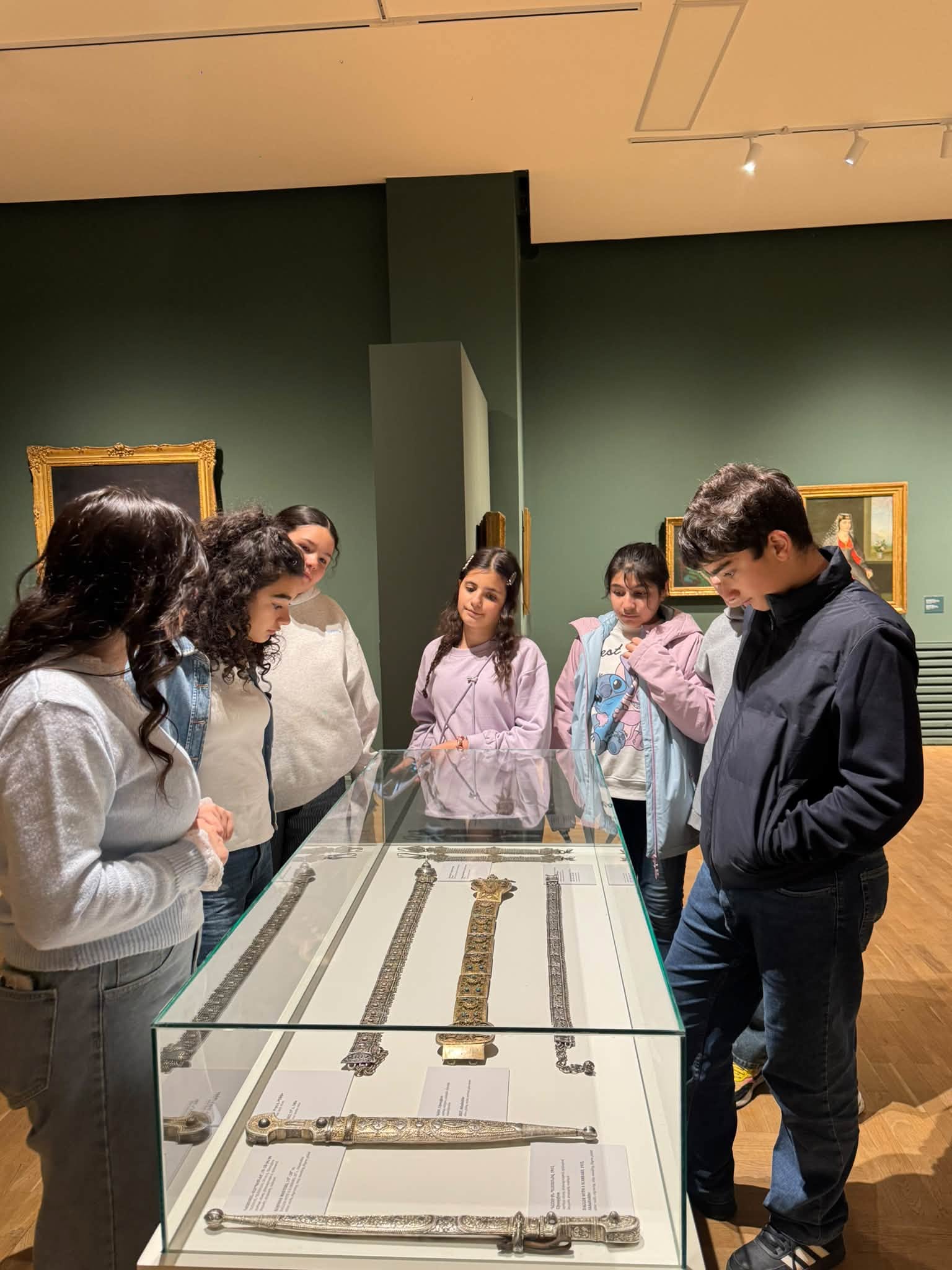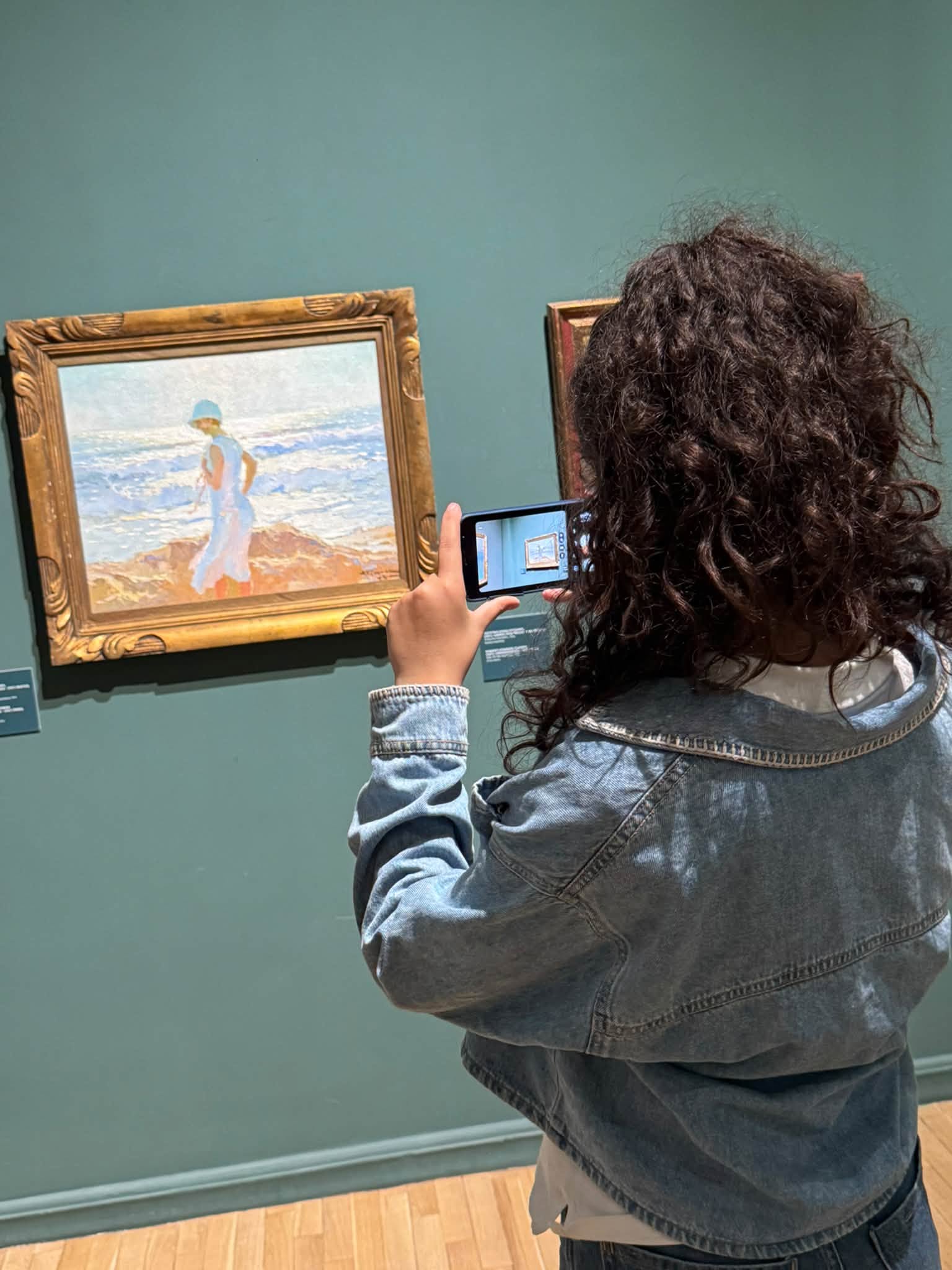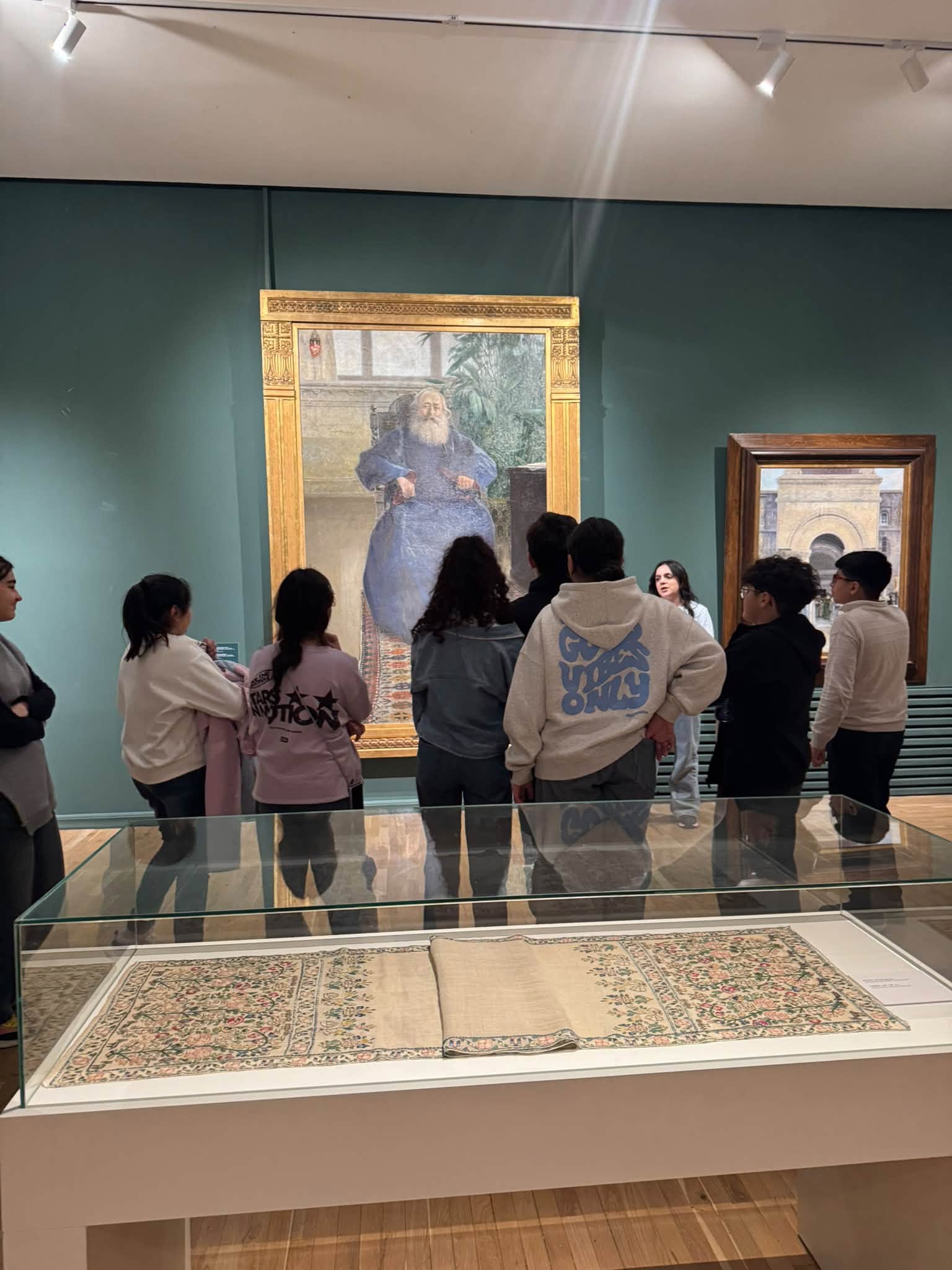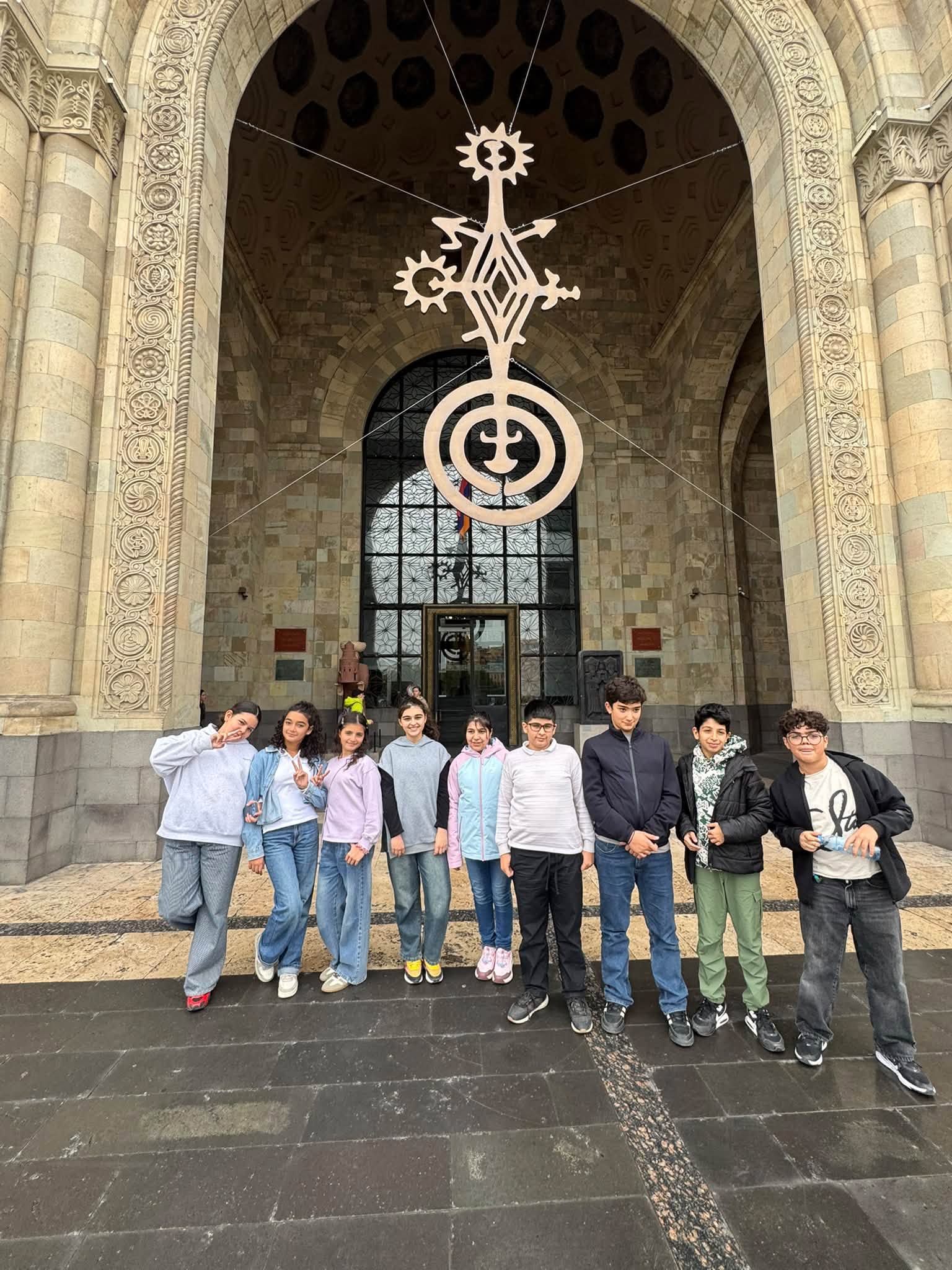

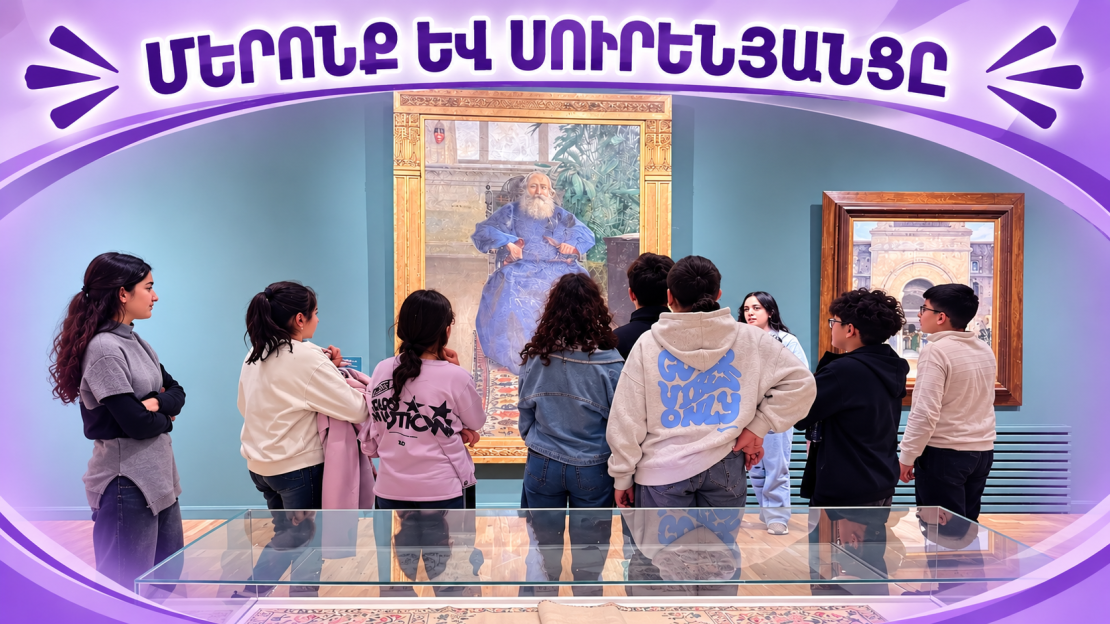
Art can sometimes tell us more than the pages of history. It can preserve human suffering, memory, resistance to injustice, and the call for dignity, bringing events of the past beyond the boundaries of time. These were the ideas explored during the visit of USUM School’s seventh-grade students to the international exhibition “The Face of Humanity: Sureniants’ The Abandoned and Humanist Art” at the National Gallery of Armenia.
The exhibition marks a significant event in the history of Armenian art. More than 130 years after its creation, Vardges Sureniants’ painting The Abandoned (1894) is being exhibited in Armenia, its homeland, for the first time. Brought to Armenia through an exceptional loan from the A. Kasteyev National Museum of Arts of the Republic of Kazakhstan, the painting is the centerpiece of the exhibition.
Equally significant is the presentation of three remarkable works from Sureniants’ artistic legacy in one exhibition space: The Abandoned (1894), Desecrated Shrine (1895), and After the Massacre (1898). These paintings are not only artistic testimonies to the historical suffering of the Armenian people but also universal reflections on human tragedy, violence, injustice, and the violation of human dignity.
For our students, this visit was more than an opportunity to discover works of art. It was a chance to look at history and human destinies from a different, artistic perspective. The scenes depicted in Sureniants’ paintings helped them understand that art is not merely a means of portraying beauty; it is also a powerful way of preserving memory, raising awareness of social issues, and defending human values.
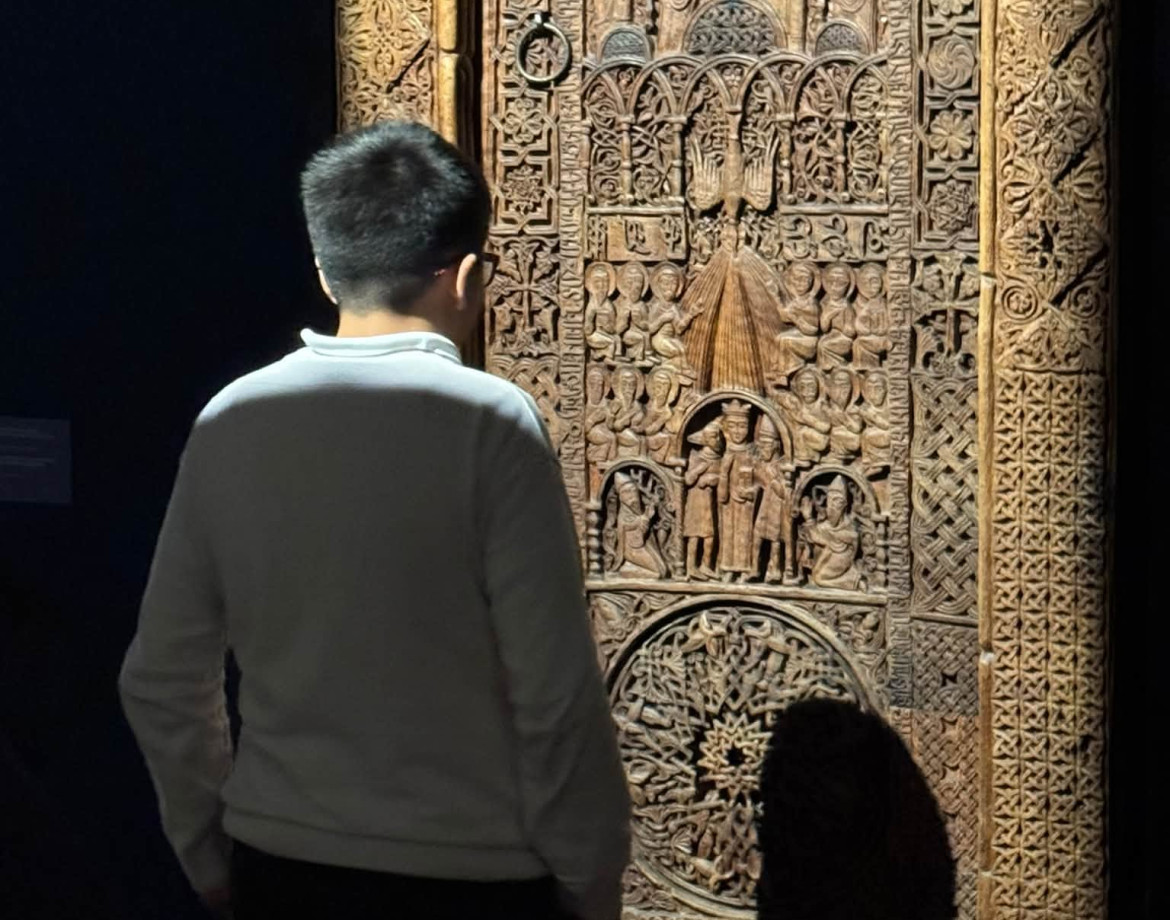
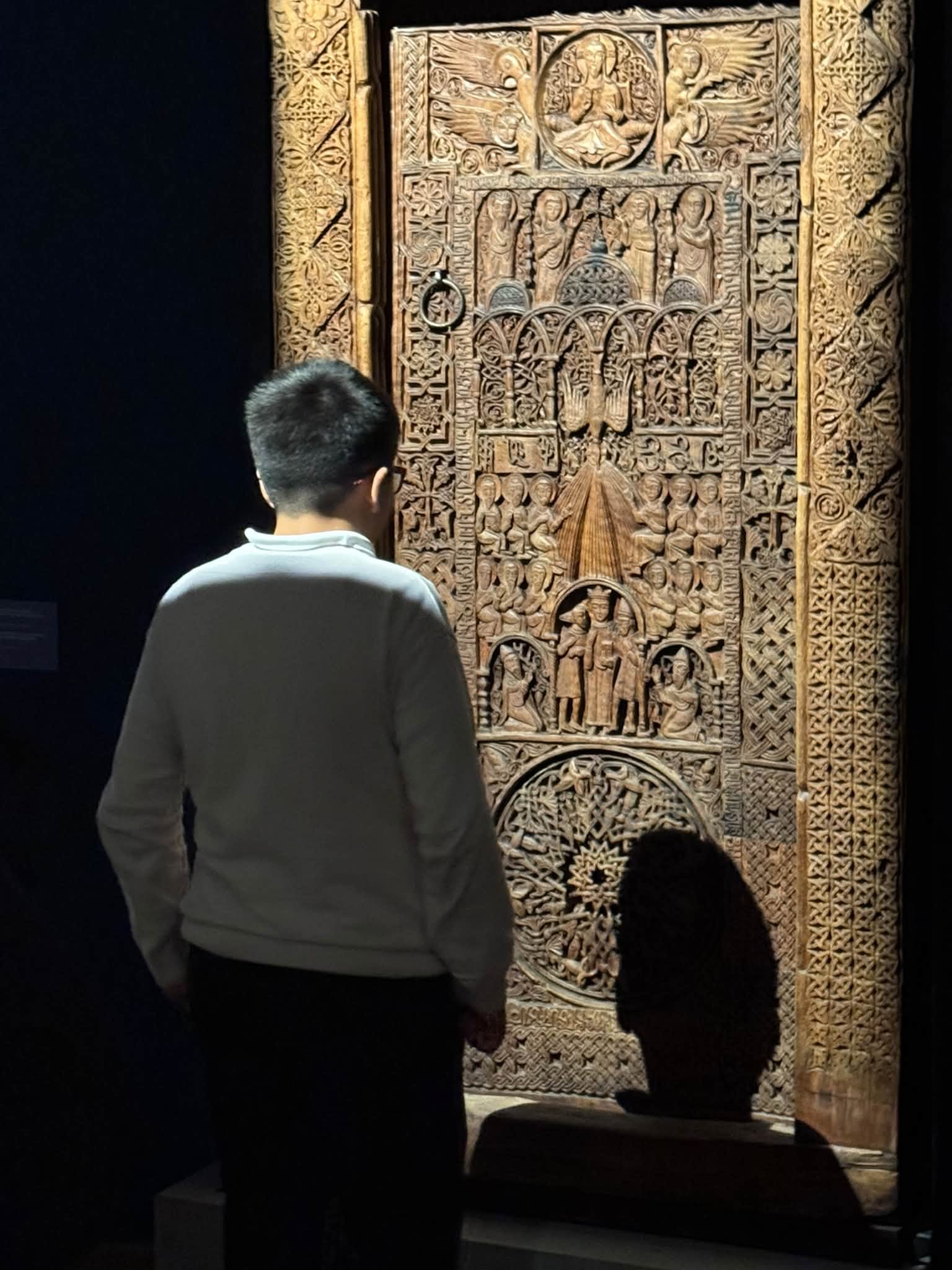
The works of Panos Terlemezian, Sargis Khachaturian, Zhirayr Oragyan, Mariam Aslamazian, Armine Kalents, and other artists presented at the exhibition offered a broader picture of the development of humanist thought. Another particularly remarkable exhibit was the historic door of the Holy Apostles Church—the very door depicted in Sureniants’ The Abandoned. This juxtaposition allowed students to see how a work of art can establish a connection between a real historical object, the past, and contemporary perceptions.
One of the most important lessons of the visit was that history is not simply a collection of dates, names, and events. It is the story of people's lives, their losses, struggles, memories, and values. Art, in turn, can pass all of this on to future generations, encouraging them not only to observe but also to reflect, ask questions, and develop their own perspectives.
The exhibition The Face of Humanity once again reminds us that humanism is not an abstract concept. It begins with the ability to recognize another person's suffering, refuse to remain indifferent to injustice, and uphold human dignity.
For our students, this encounter was a meaningful experience at the intersection of art, history, and values-based education. Perhaps its greatest significance lies in the fact that the experience continues even after leaving the exhibition hall—through the thoughts and questions it leaves behind in each visitor's mind.
To not think freely is to not think at all!