For centuries, education has been at the core of human progress. As early as the 5th century, the creation of the Armenian alphabet by Mesrop Mashtots was not merely a cultural event; it opened the doors to knowledge and laid the foundation for the preservation of national identity. The Armenian alphabet became not only a means of communication, but also a pillar of faith and statehood.
In medieval Armenian schools, education was regarded as a source of light, and a literate individual was seen as strong and free. This idea has been passed down through generations, becoming an essential part of the value system. The comparison of education to light has extended beyond public discourse into state governance, even reflected in the names of institutions. It is no secret that during the periods of the First Republic of Armenia and Soviet Armenia, the ministries of education were referred to as the Ministry of Enlightenment.
Today, as the world develops at an unprecedented pace, the role of education is more important than ever. However, in the face of modern challenges, another crucial question arises: is knowledge alone sufficient, or are unity, cooperation, and mutual support equally necessary?
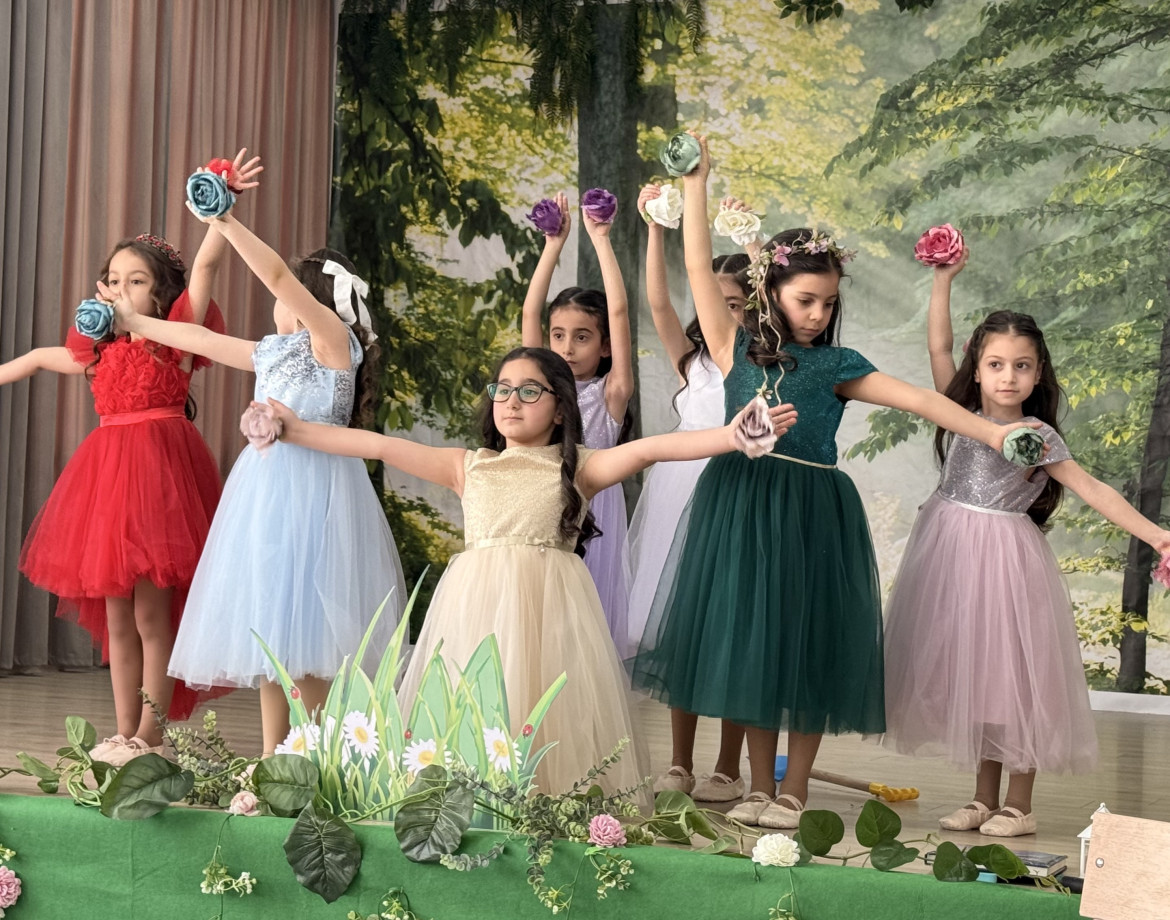
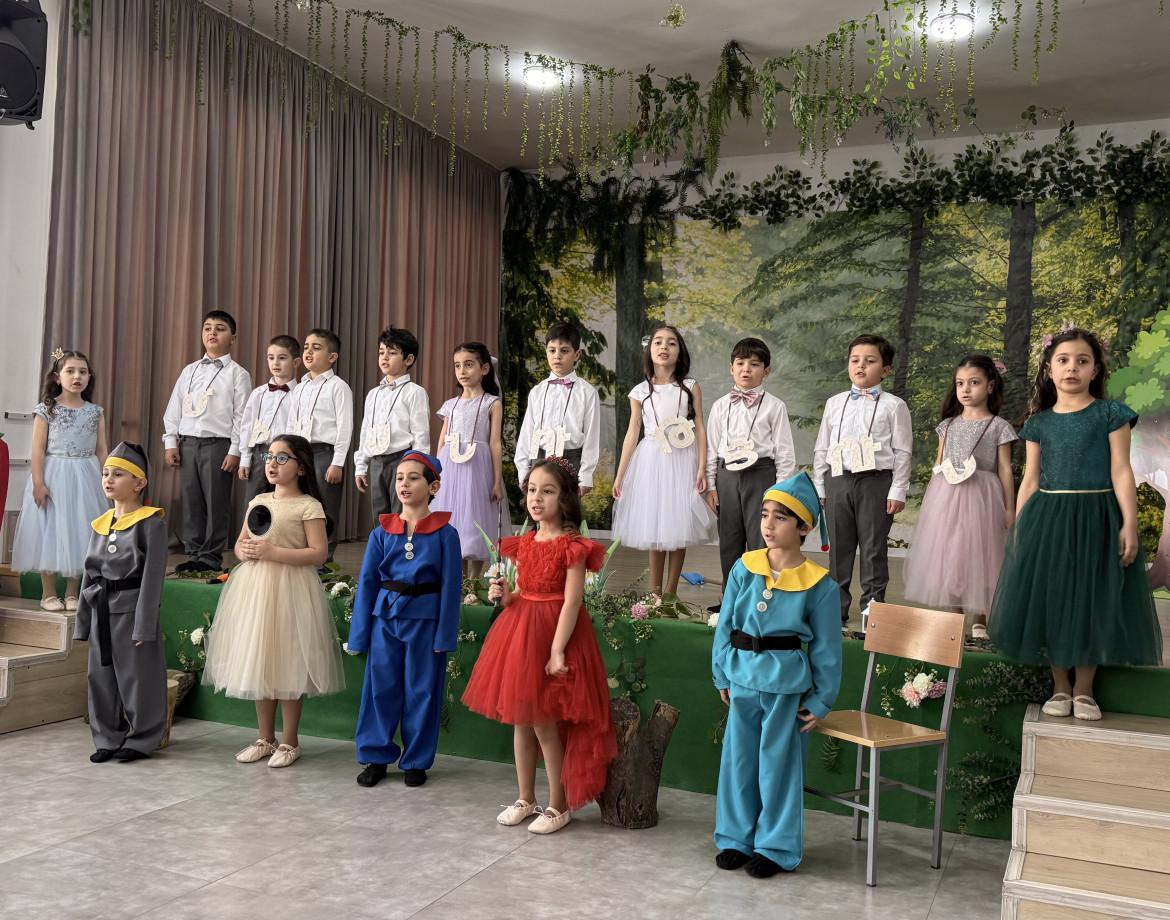
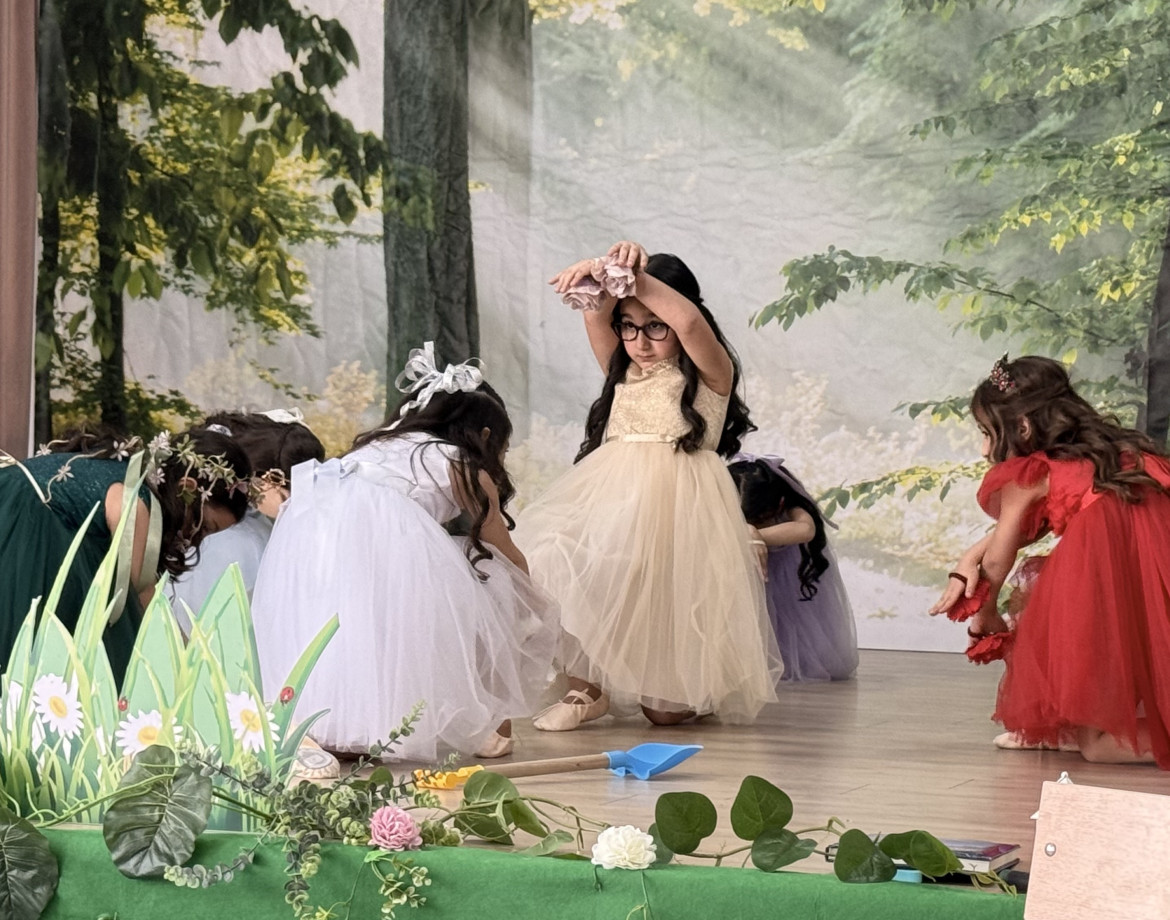
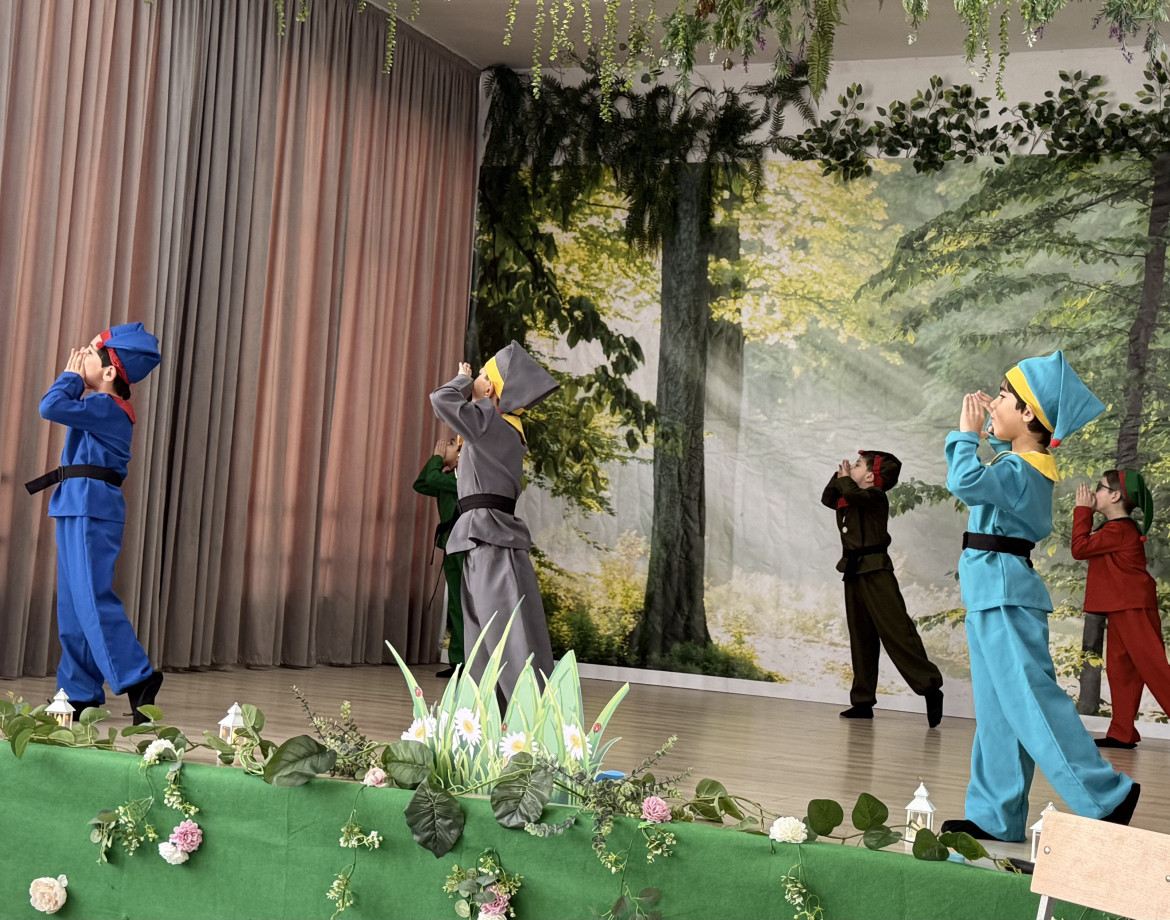
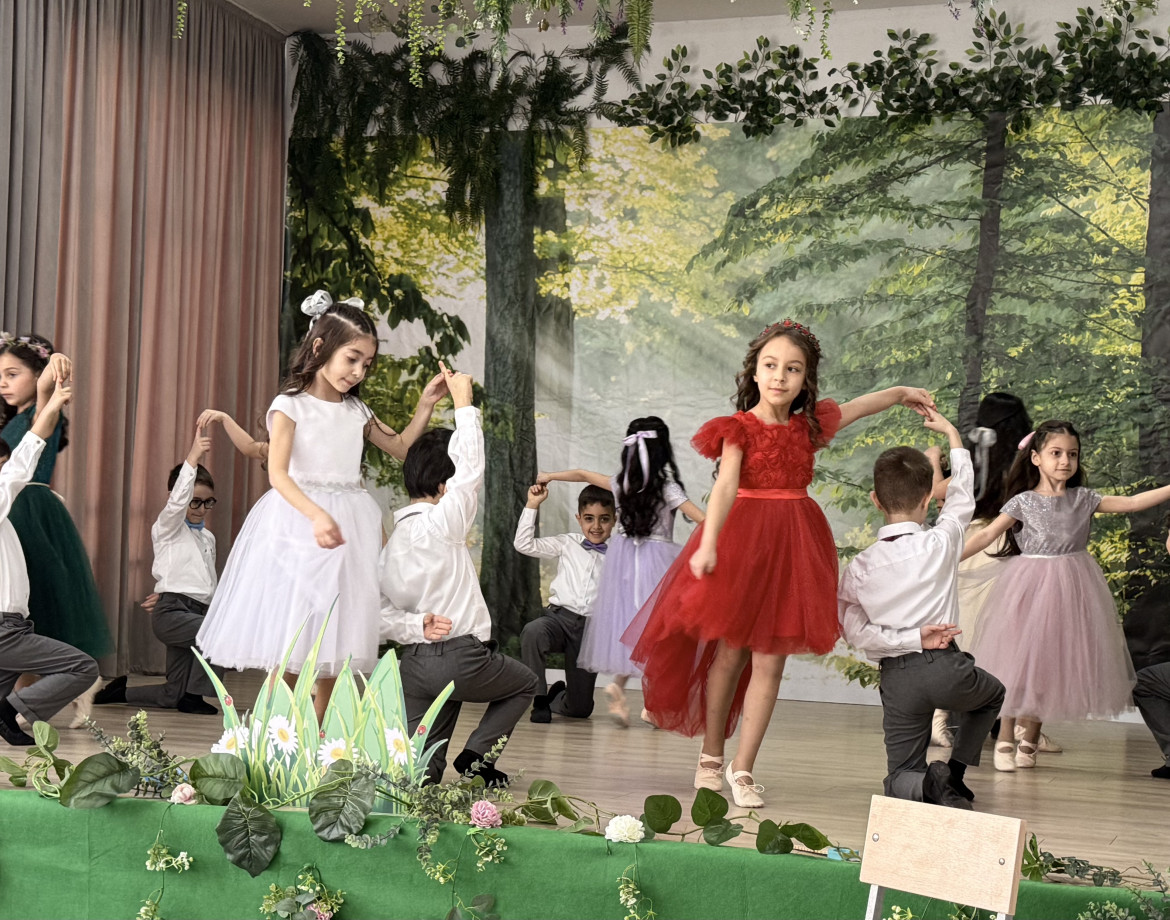
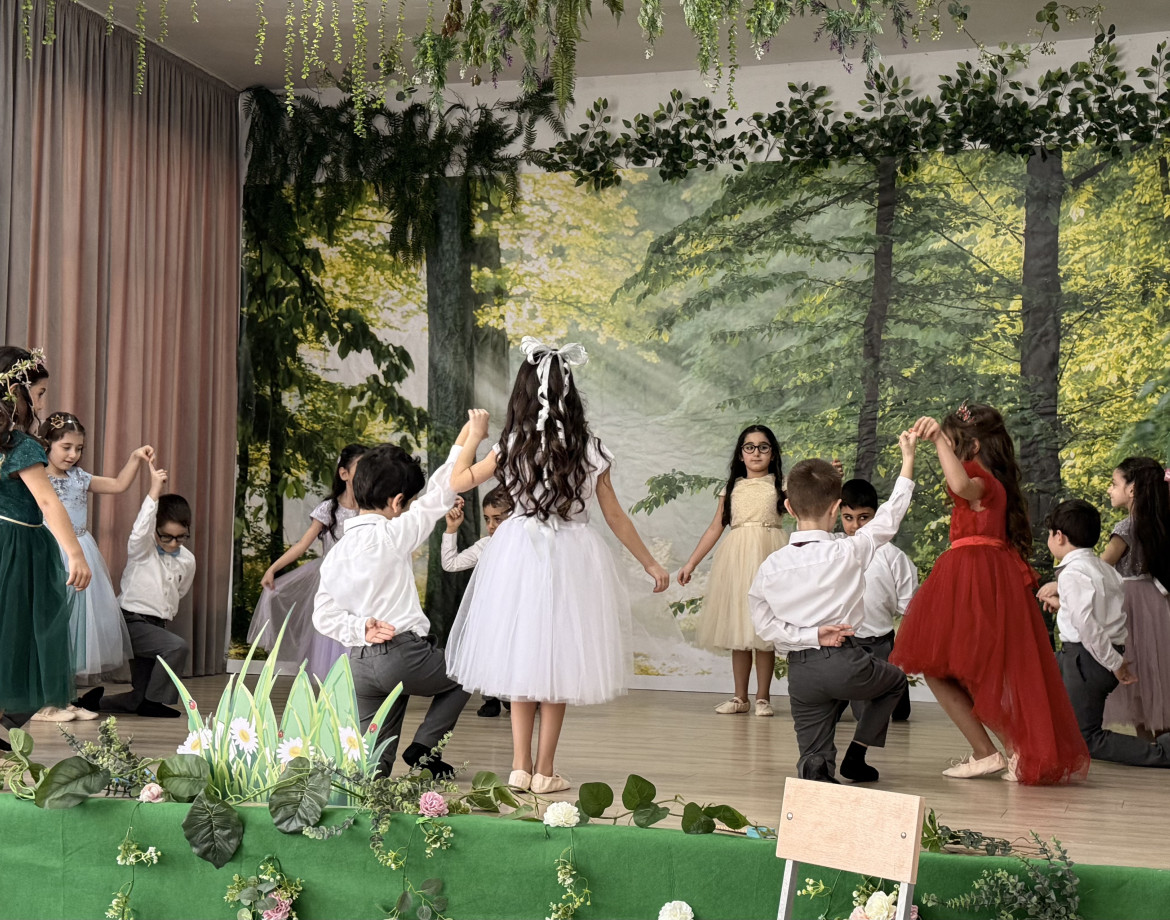
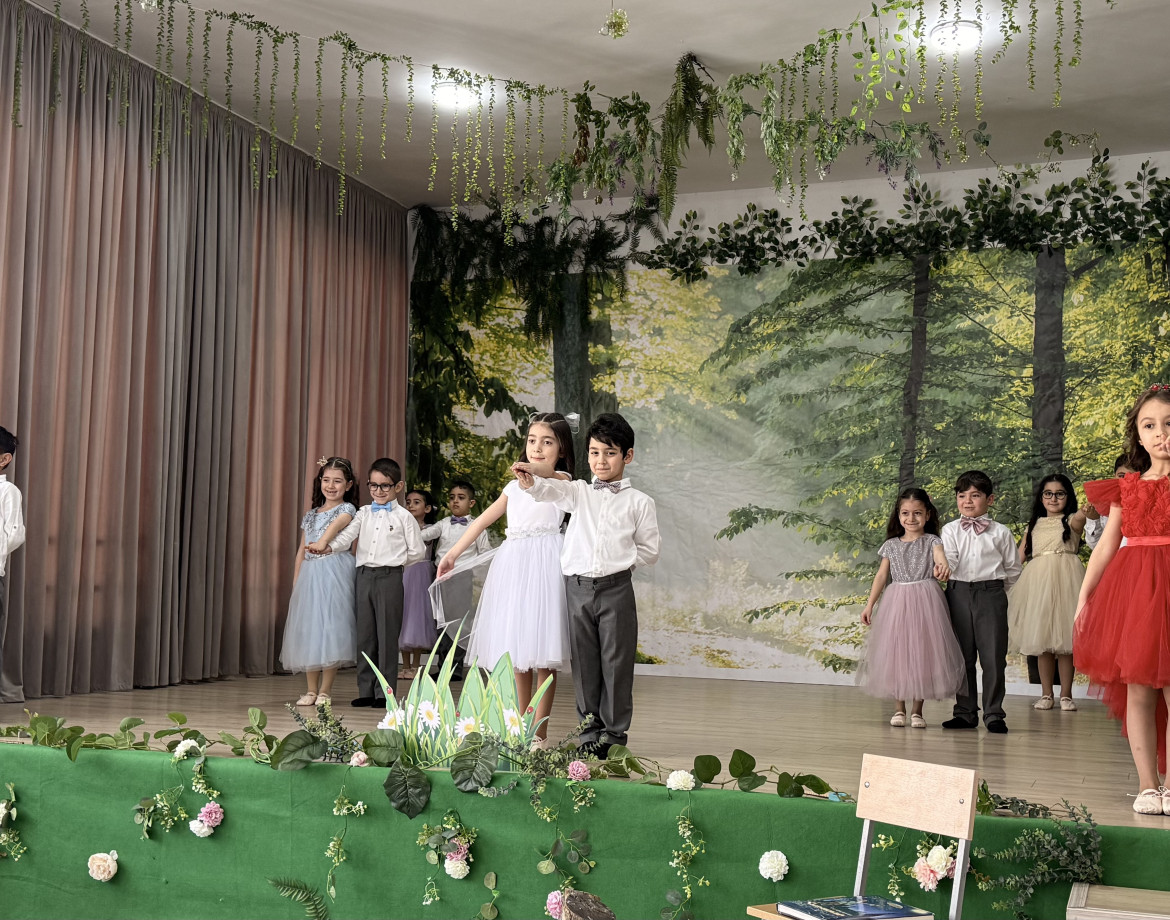
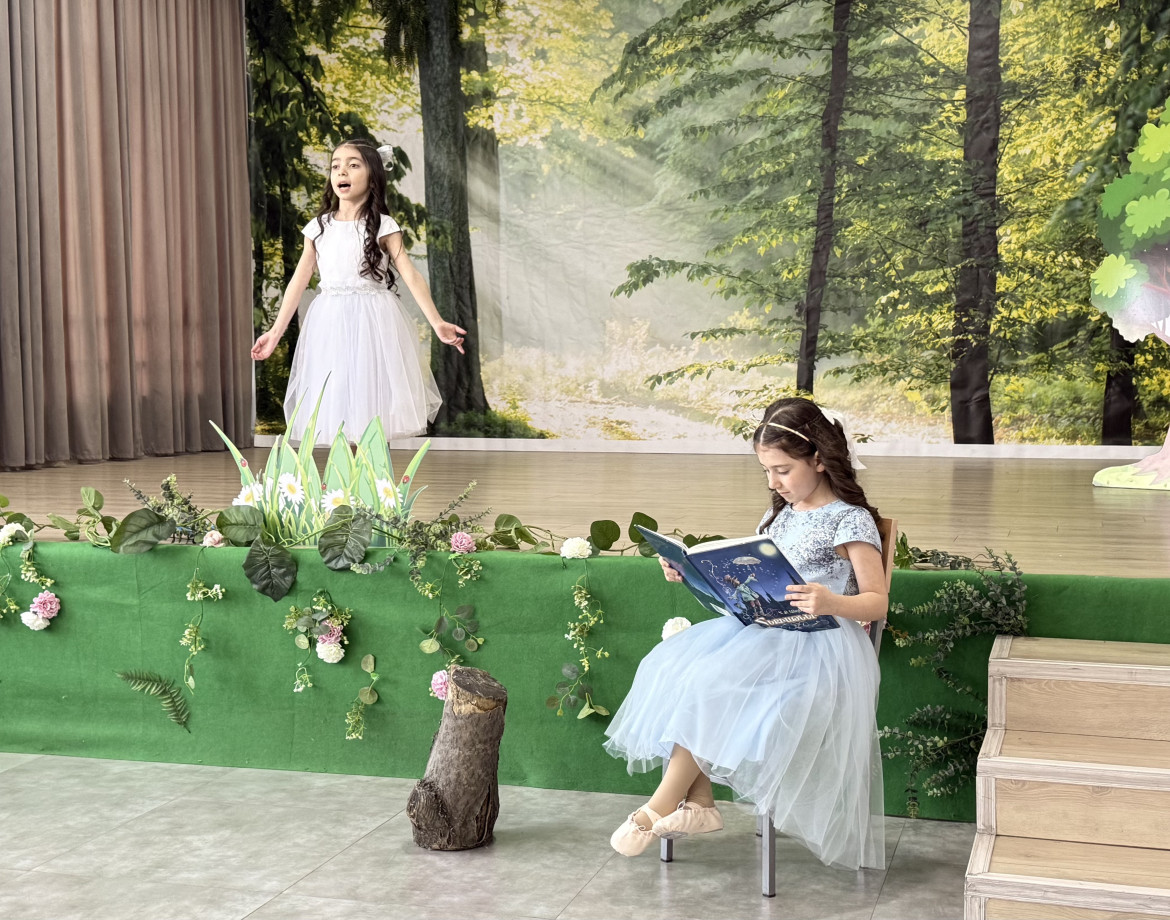
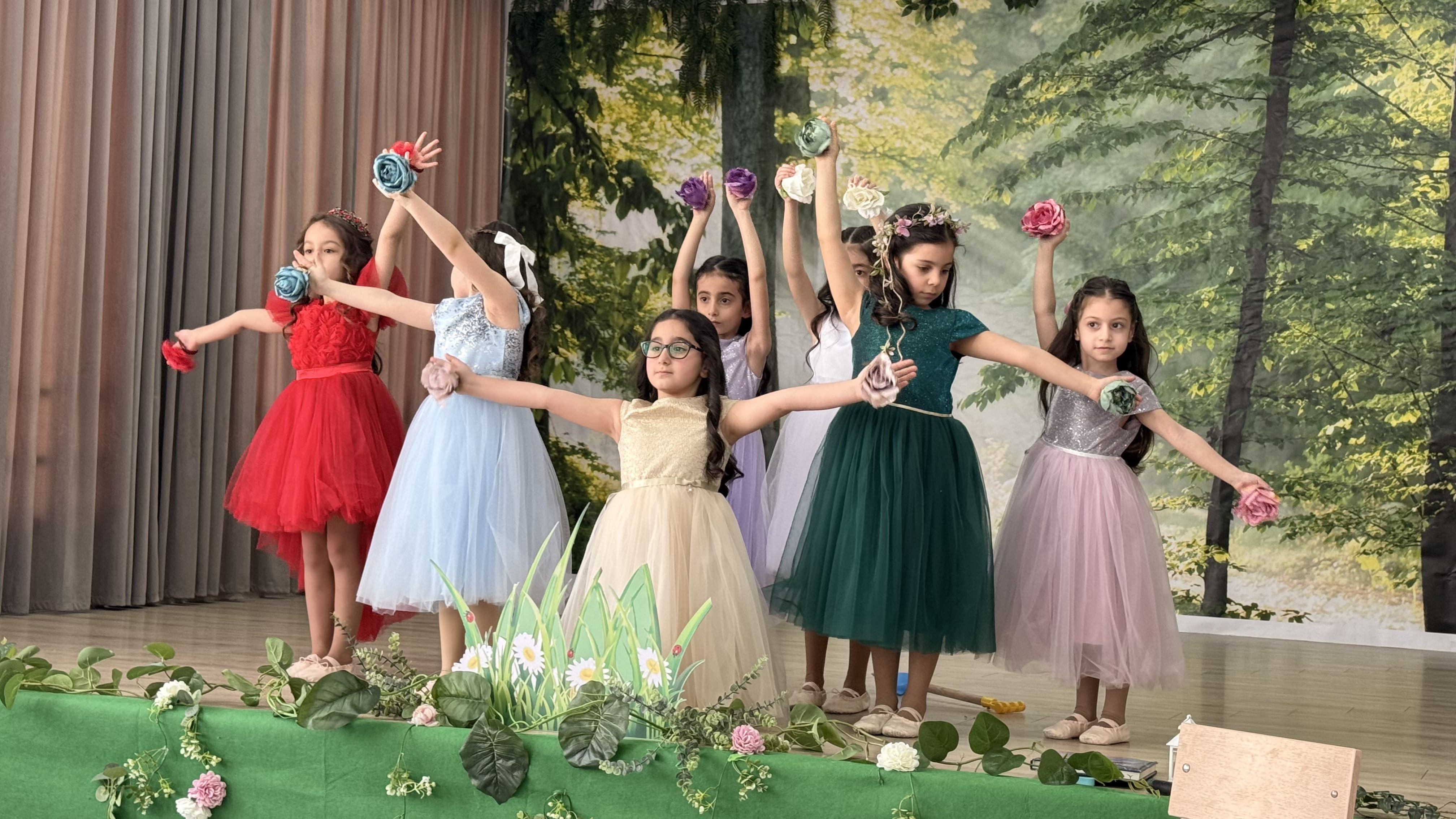
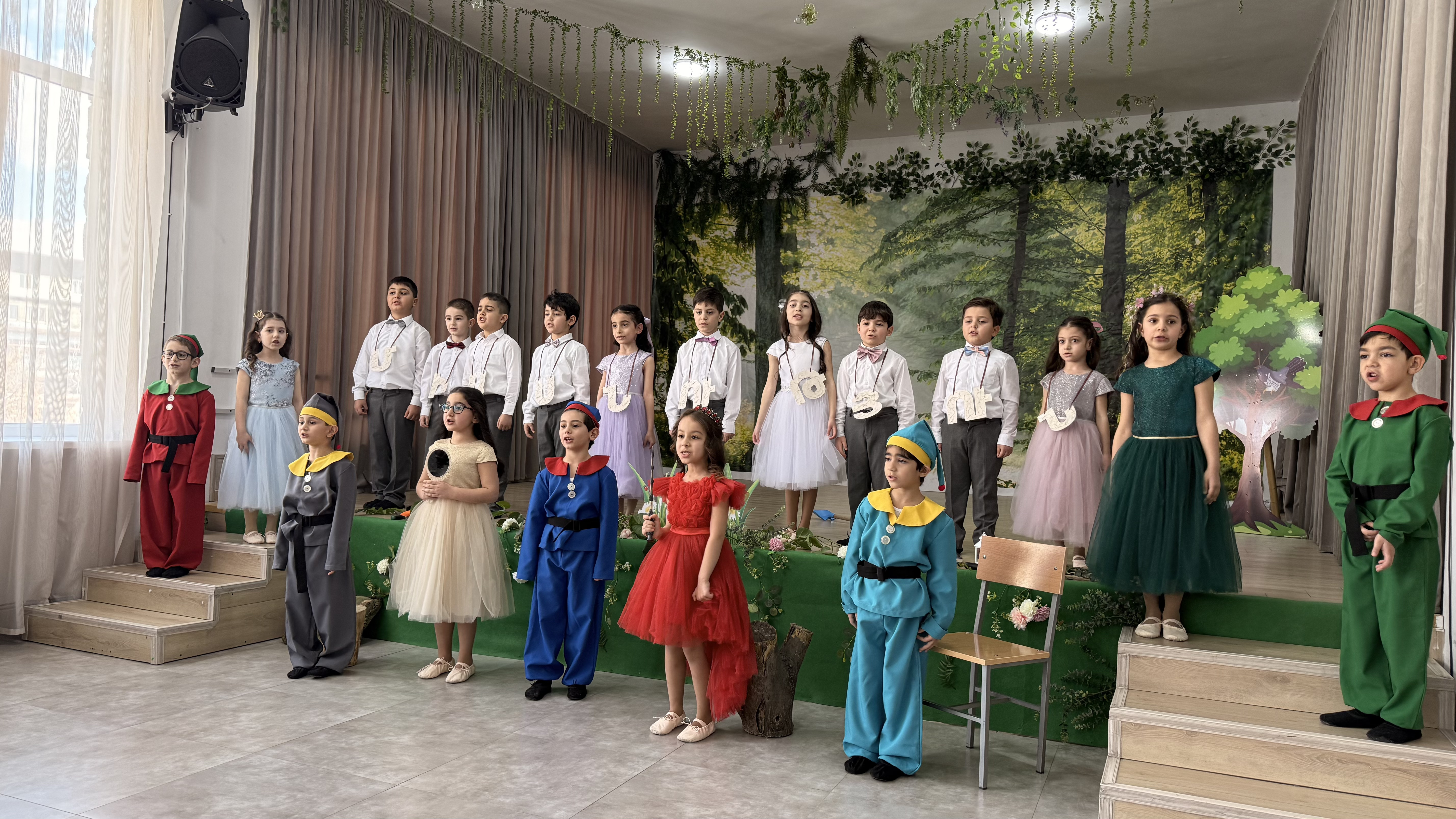
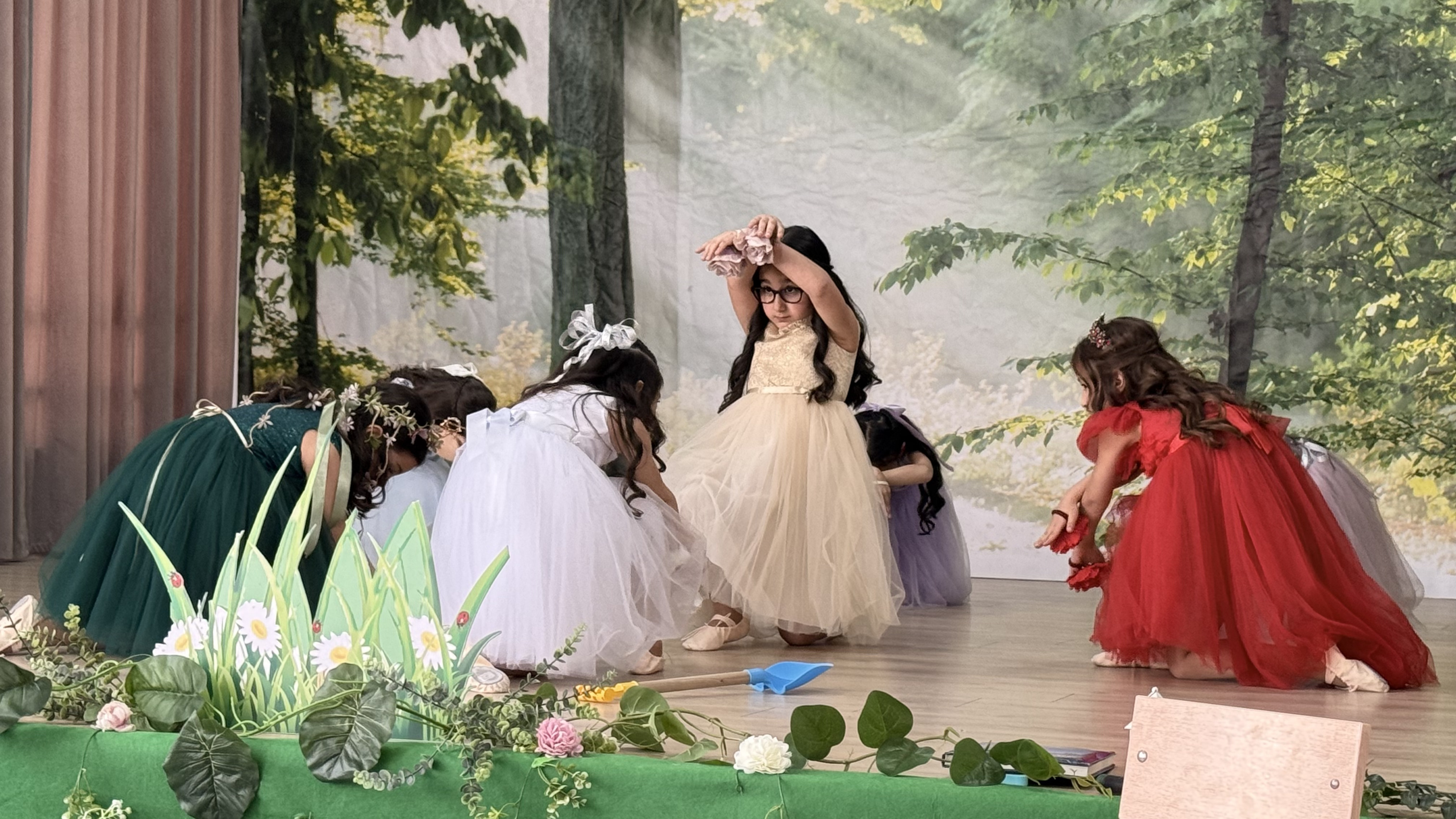
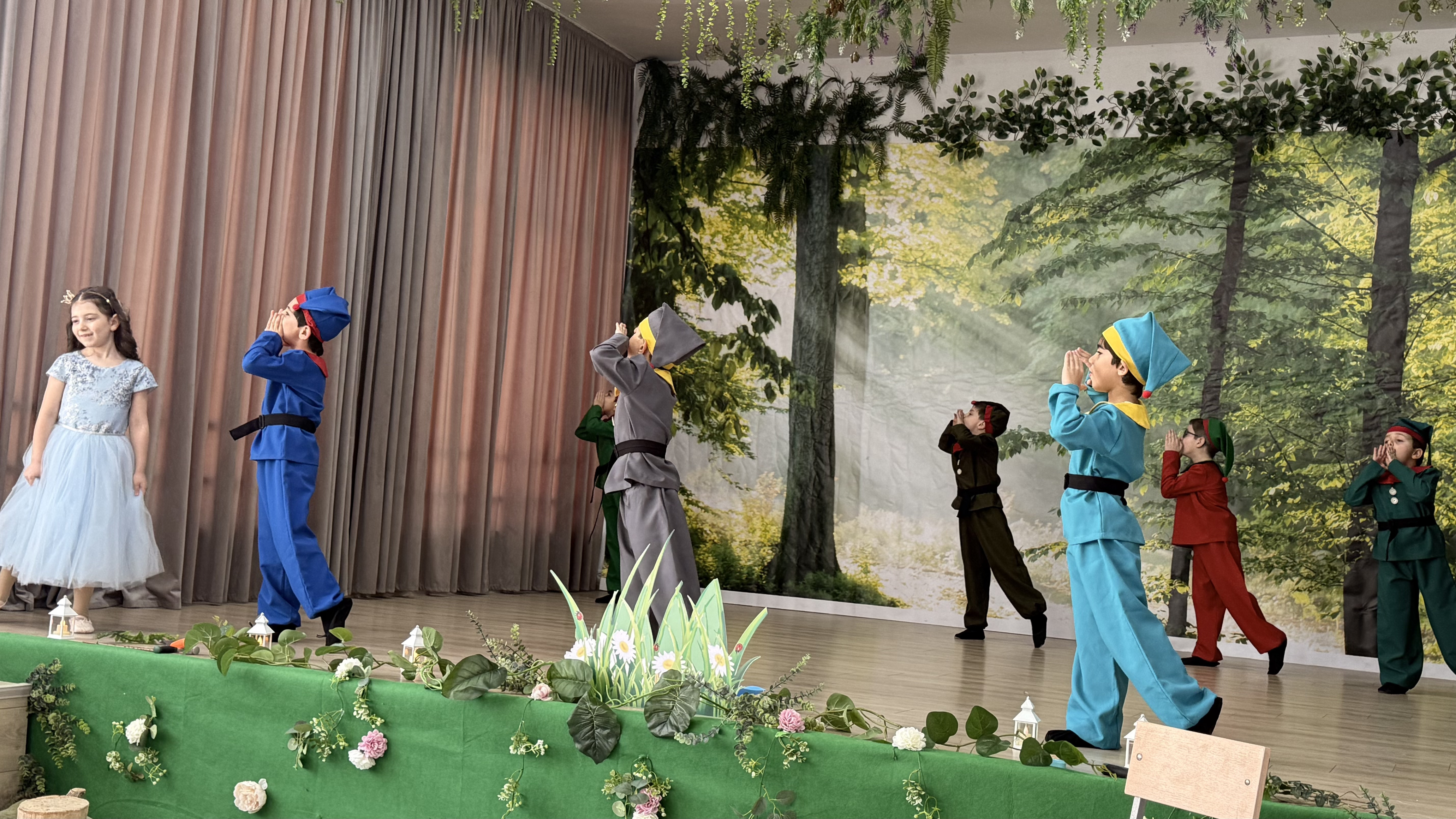
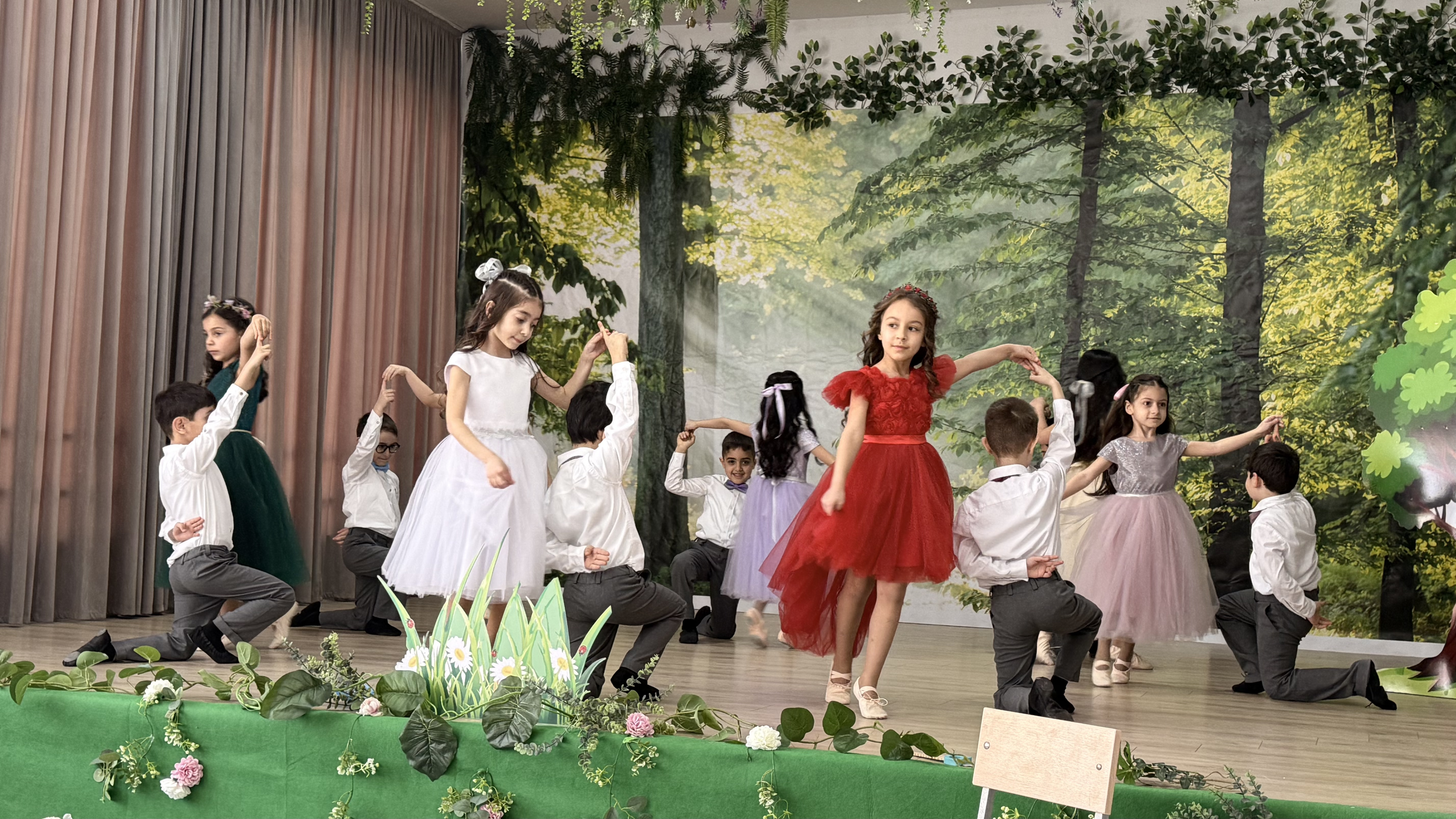
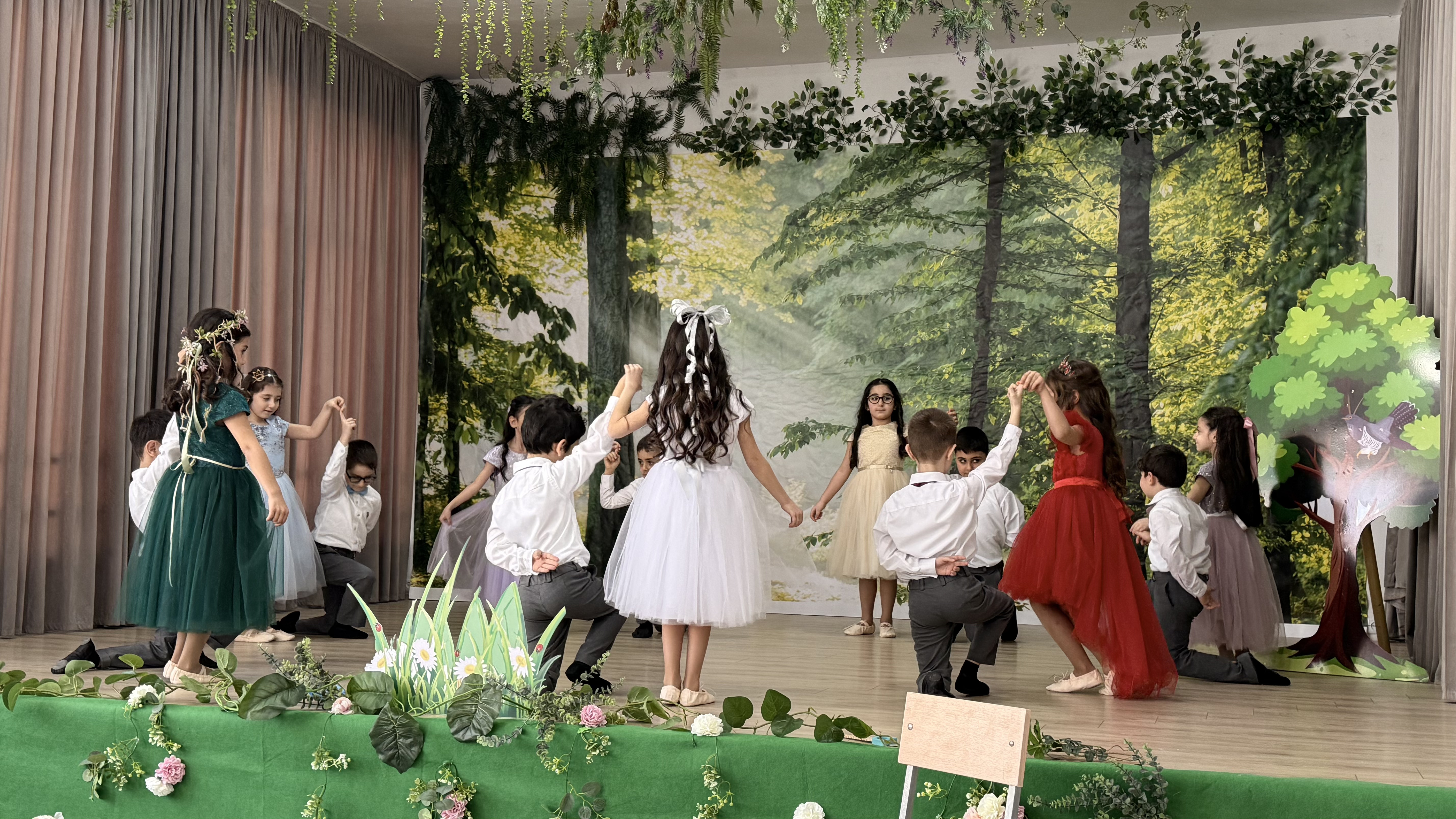
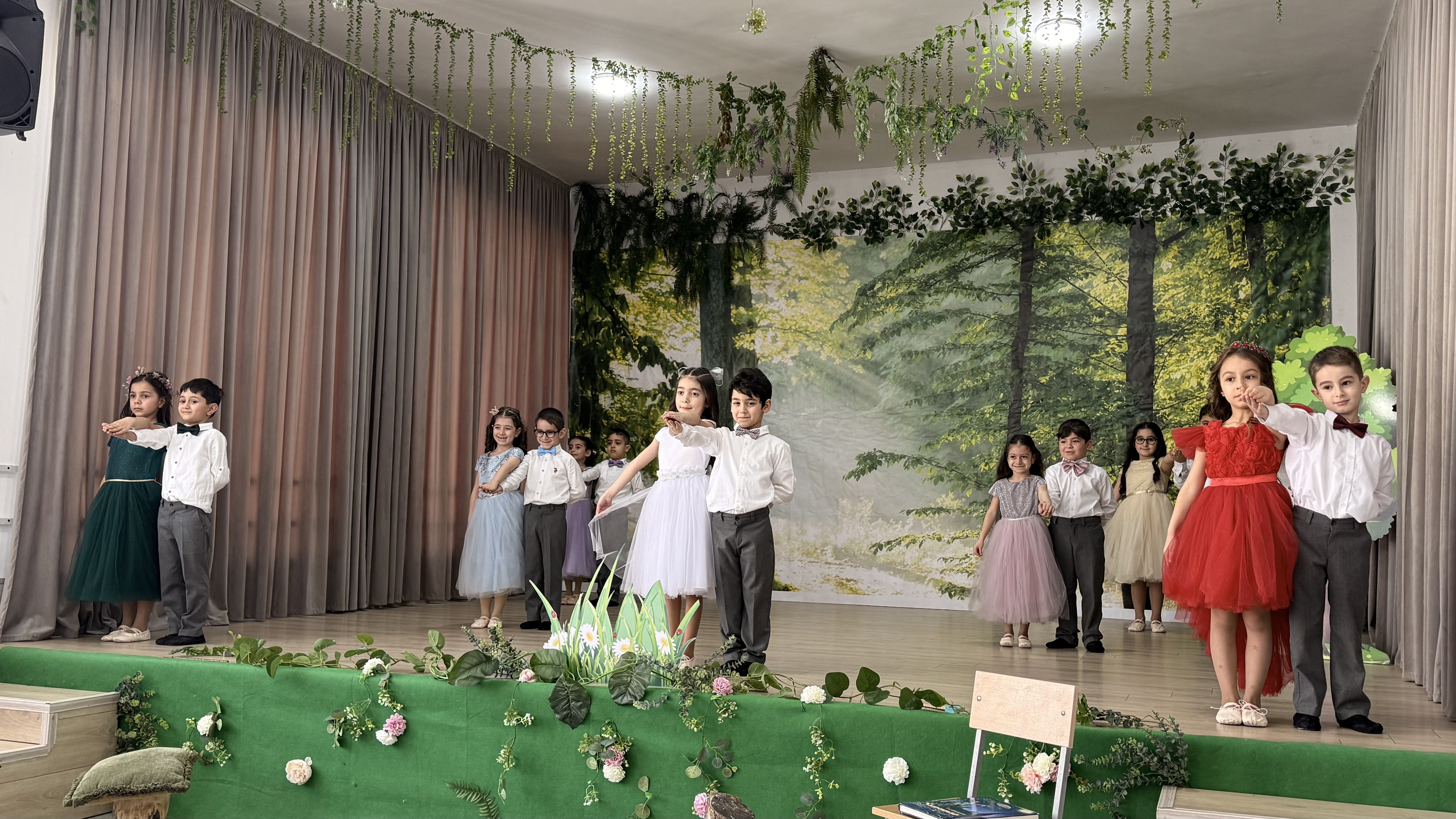
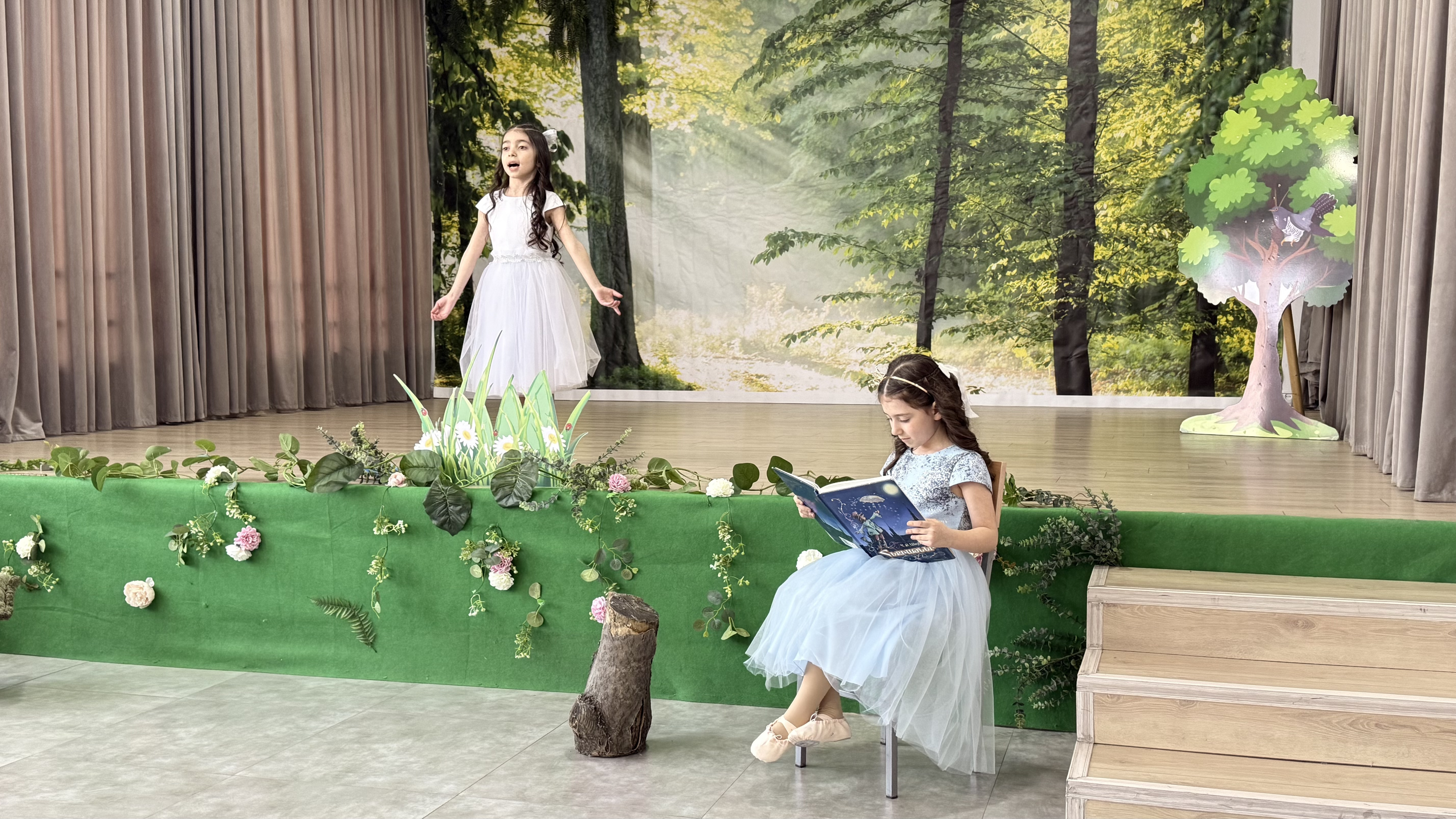
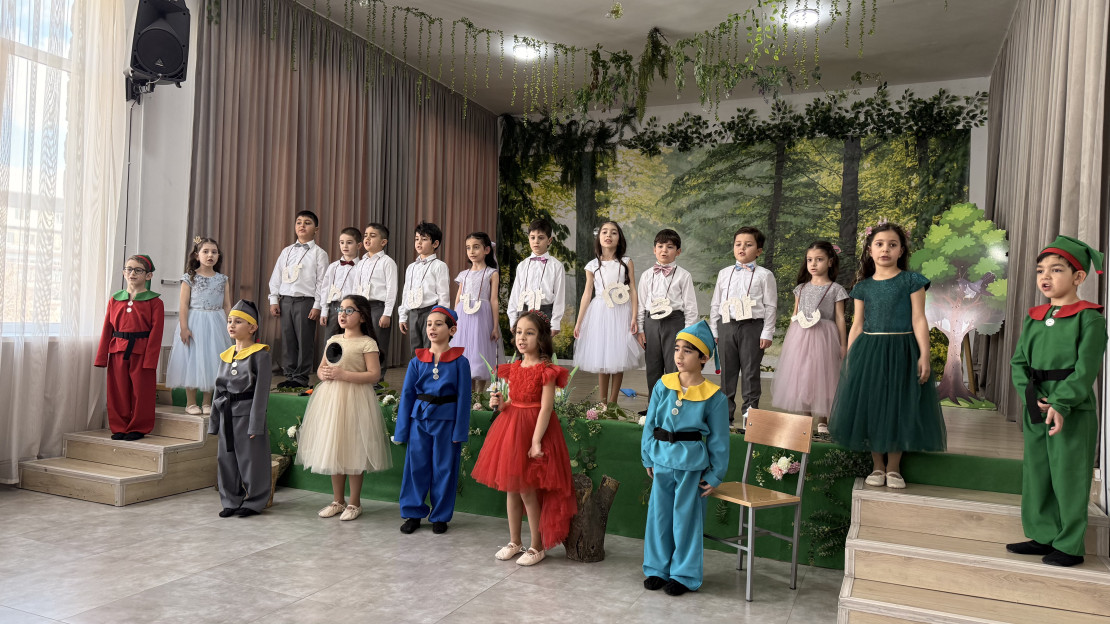
These questions were explored in the stage production “Snow White and the Seven Dwarfs: A New Interpretation,” which presented a modern and profound reimagining of the classic fairy tale. The performance reintroduced a well-known story with new ideological emphasis. Here, Snow White was not merely a beautiful princess; she was a child who loved learning, understood the value of knowledge, and was ready to overcome challenges to achieve her goals.
When compared to the classical version of the tale, as preserved by the Brothers Grimm, the difference is evident. In the traditional narrative, Snow White is largely a passive character—she flees from the evil queen, finds refuge with the dwarfs, and is ultimately saved by a prince. The central themes revolve around beauty, jealousy, and the triumph of good over evil.
In contrast, in the students’ imaginative interpretation, Snow White becomes an active protagonist. She ventures into the forest herself, struggles independently, and finds solutions by awakening the letters. The focus shifts from outward beauty to knowledge, the love of learning, and the power of intellect. The queen is also portrayed differently: not only as evil, but as someone driven by fear of others’ wisdom, who ultimately comes to recognize her own mistakes.
One of the most compelling aspects of the performance is the “revival” of the letters. The letters are presented as symbols of ideas, values, and human qualities. Each letter embodies a noble concept—Mother, Unity, Love, Purpose, Potential, Aspiration, Individuality—while the vowels complete the system, giving meaning to speech and forming the foundation of victory: unity.
The central message of the performance is that letters alone mean nothing, but together they create meaning—just as individuals alone may be weak, but together become invincible. Snow White and the dwarfs overcome evil not through magic, but through cooperation, faith, and a love for knowledge.
Particularly noteworthy is the transformation of the evil queen. Unlike the classical version, she is not destroyed but reaches self-awareness. She comes to understand that true wisdom lies not in preventing others from learning, but in guiding them toward knowledge. This approach carries significant educational value, demonstrating that change is possible for everyone.
The performance clearly articulates its main message: learning is light, unity is strength, and knowledge is freedom. The combination of these values creates the “magic” that ultimately triumphs over evil.
To not think freely is to not think at all!