We are all familiar with the biblical account of the Creation of the world, which tells how God created the heavens and the earth over the course of six days. It is said there that everything has a beginning, whereas God is without beginning, self-sufficient, and eternal. Humanity, nations, and individuals have interpreted Creation and their relationship to it in different ways; yet perhaps our Armenian interpretation is more than a myth, a narrative, or mere imagination.
The legends related to the origin of the Armenian people are also diverse—ranging from credible to legendary, from spiritual and cultural to political. It is noteworthy that stories about our origins have been preserved not only in local written sources or in the treasures of folk tradition. We have been praised and mentioned in the origin legends of peoples such as the Jews, Georgians, Arabs, and even the Sumerians, who have long vanished from the stage of history. In all these narratives, however, a common thread runs through them: the idea of our indigeneity, our being a chosen people of God, our direct connection to Creation, and the continuity of our nation.
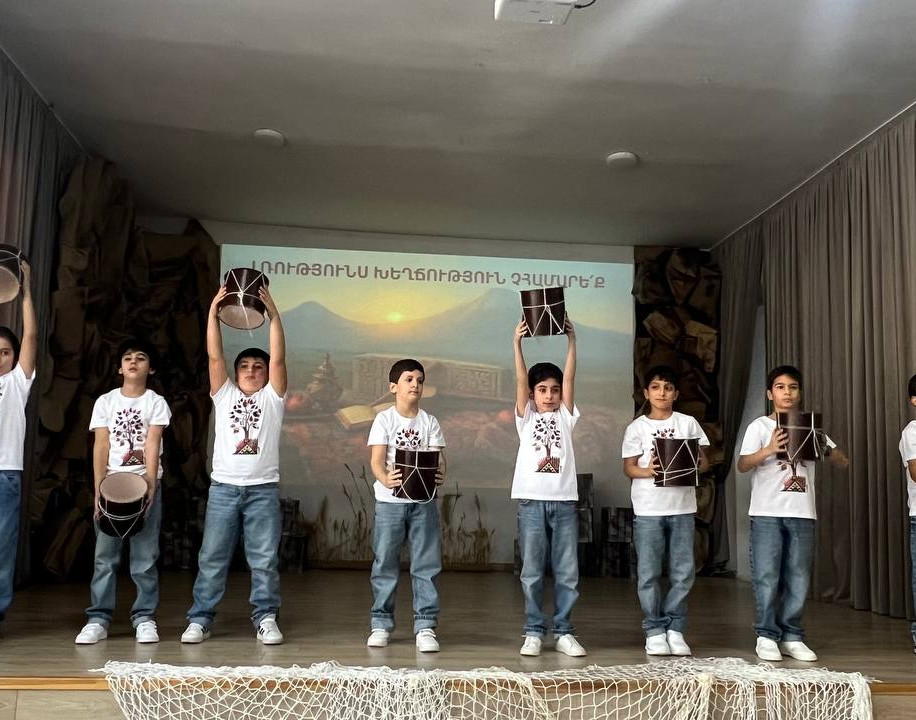
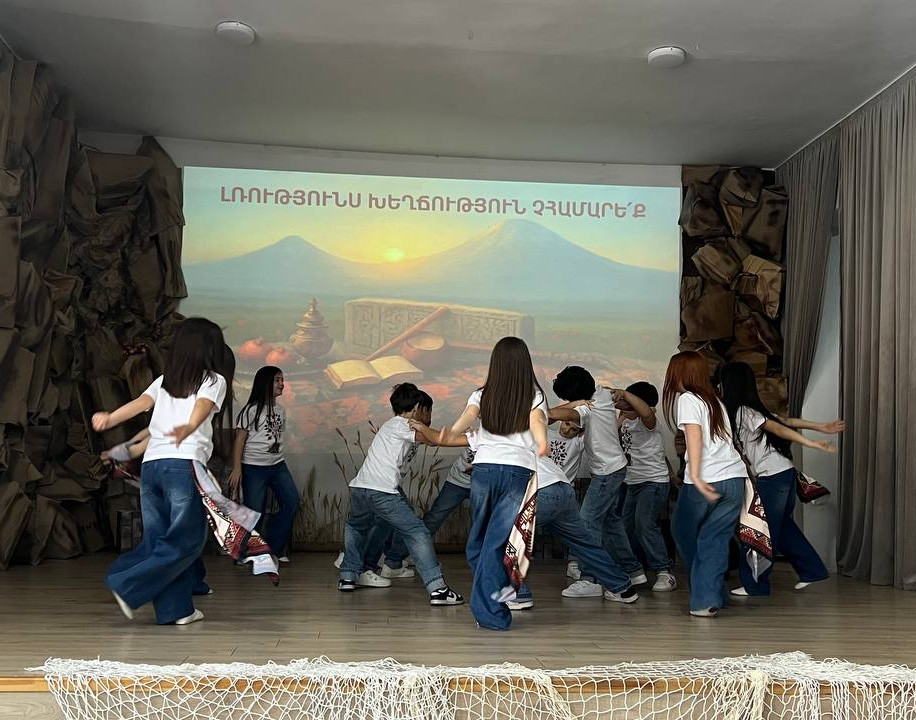
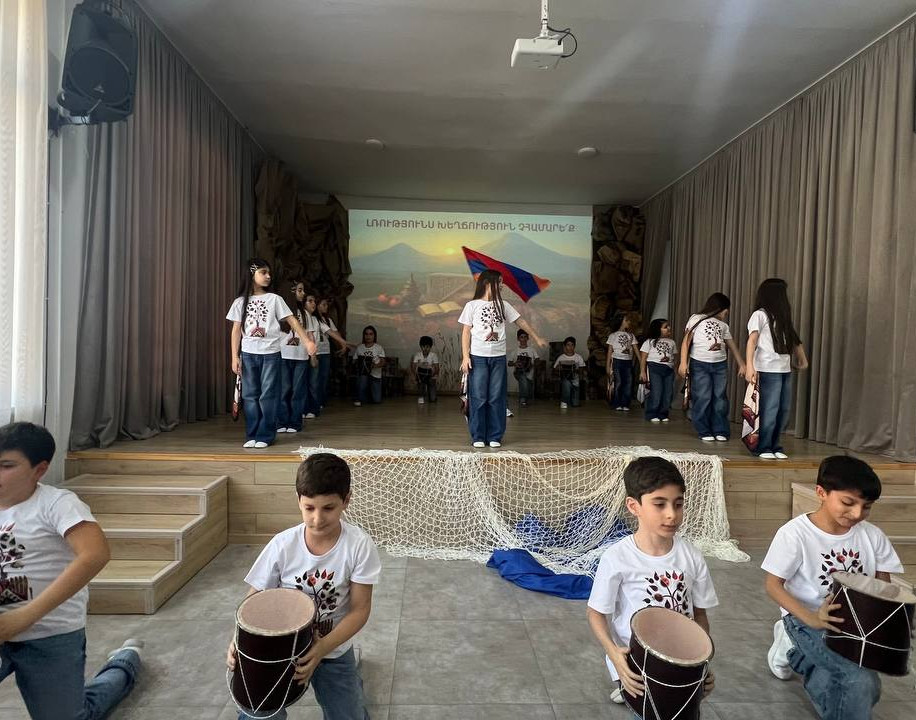
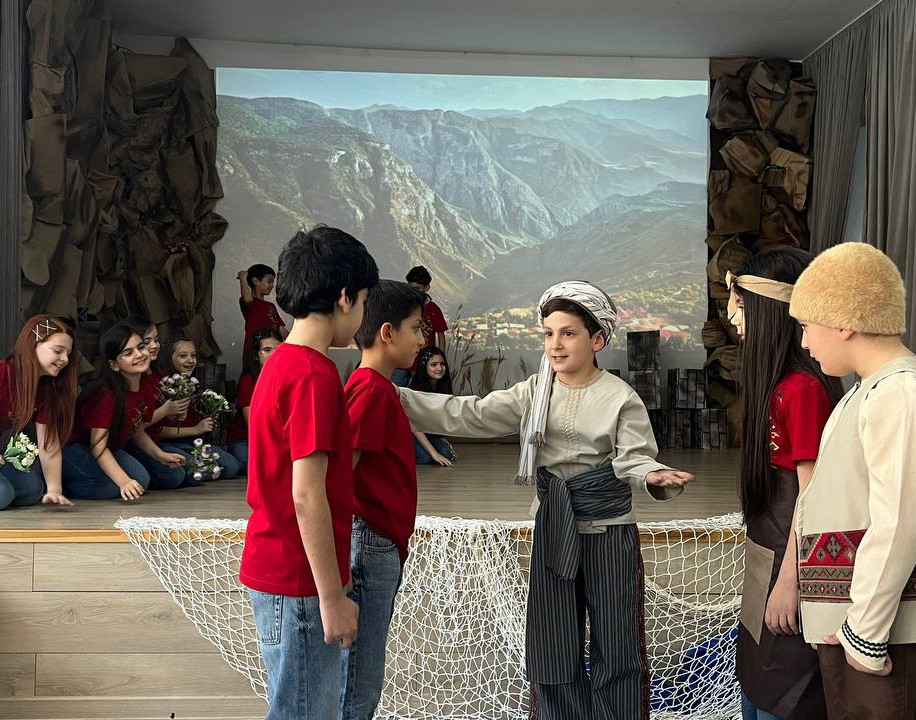
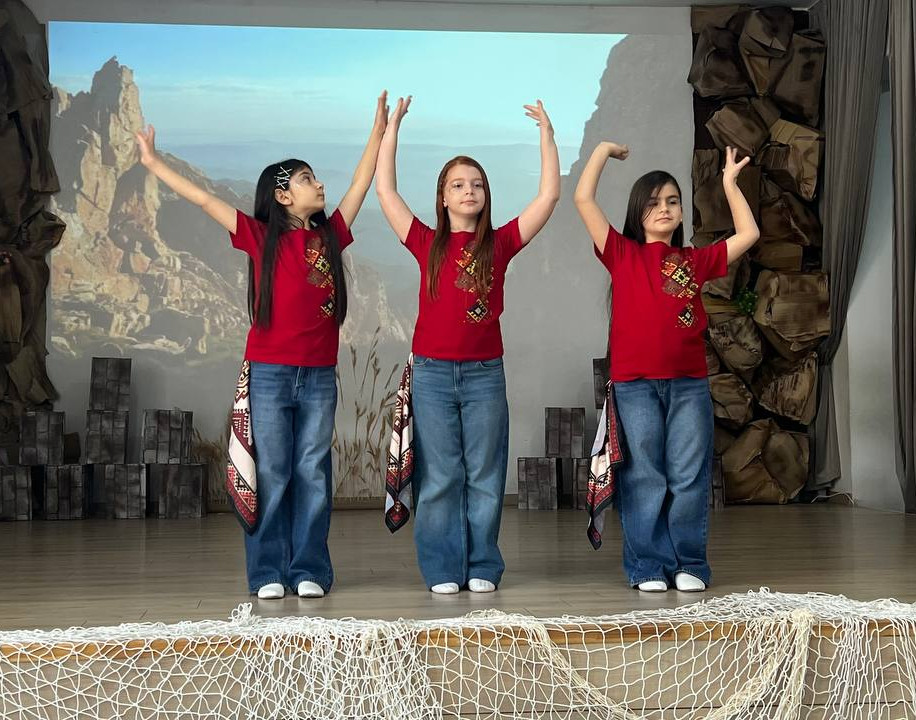
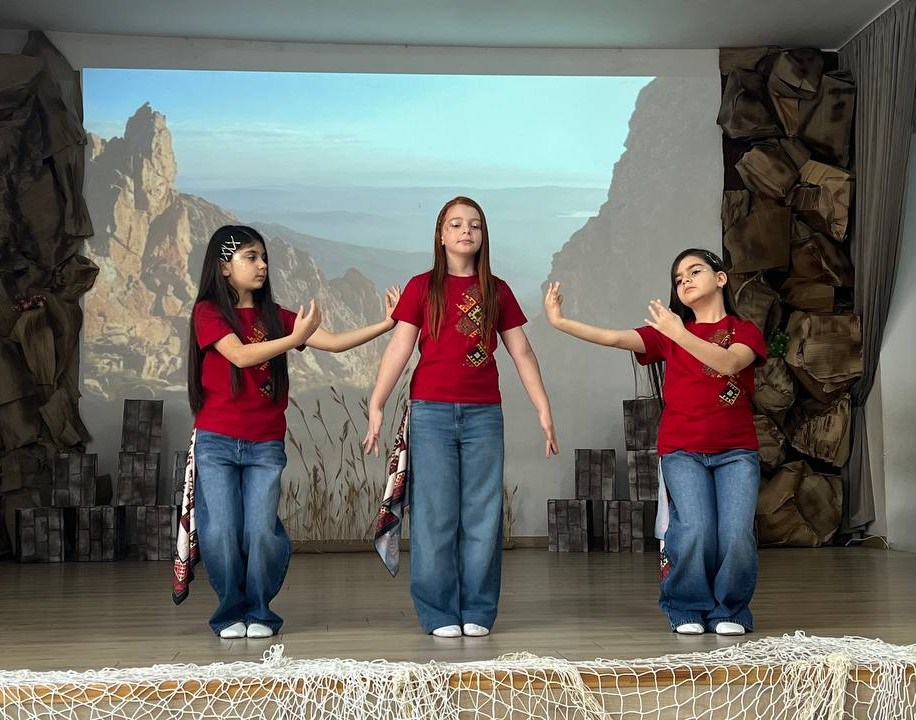
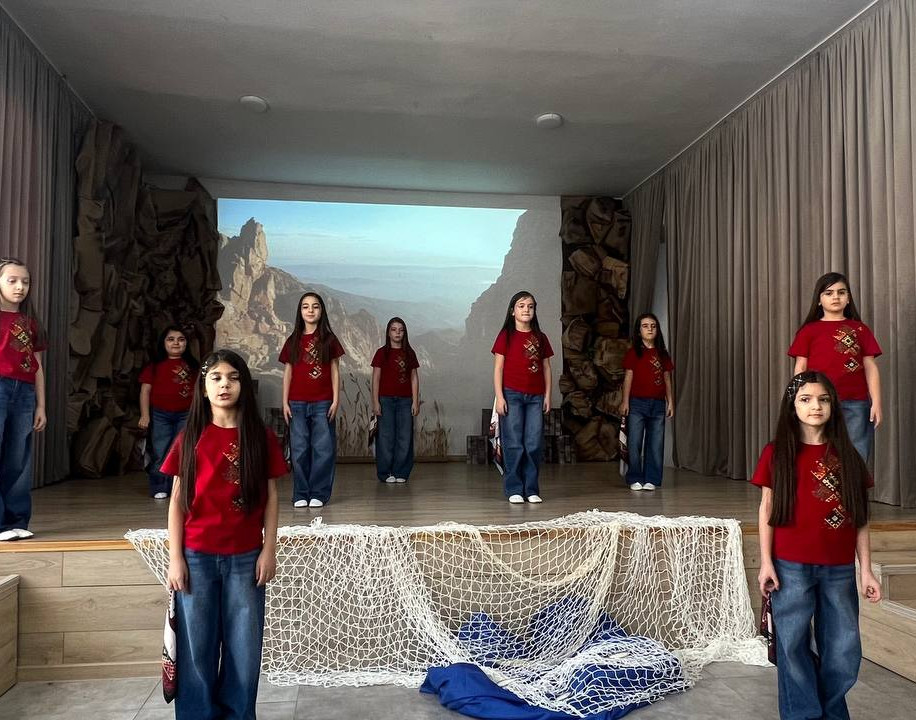
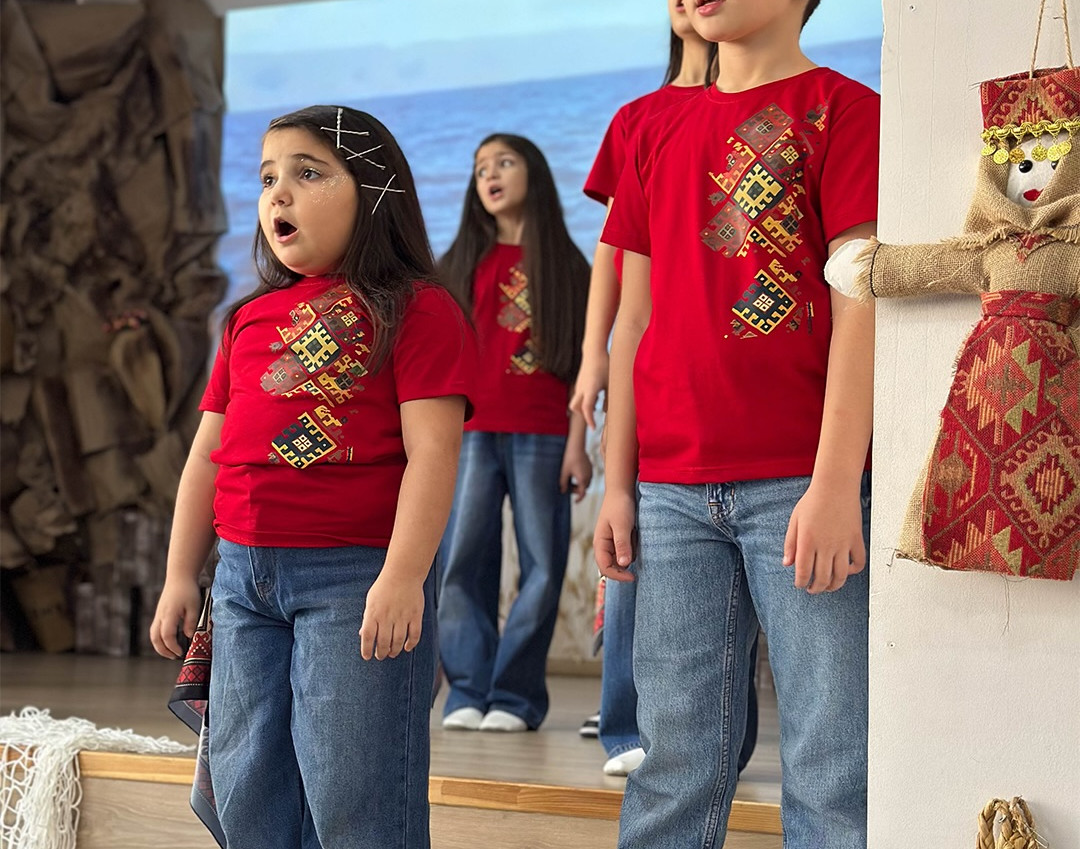
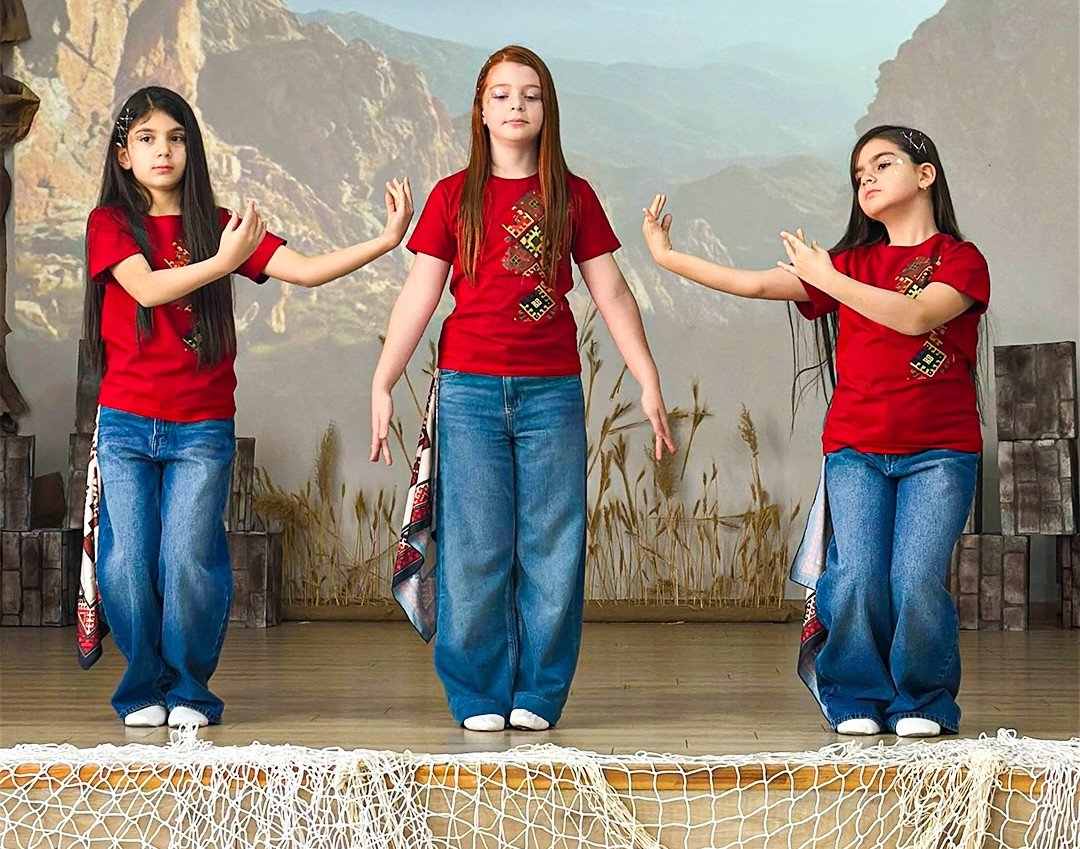
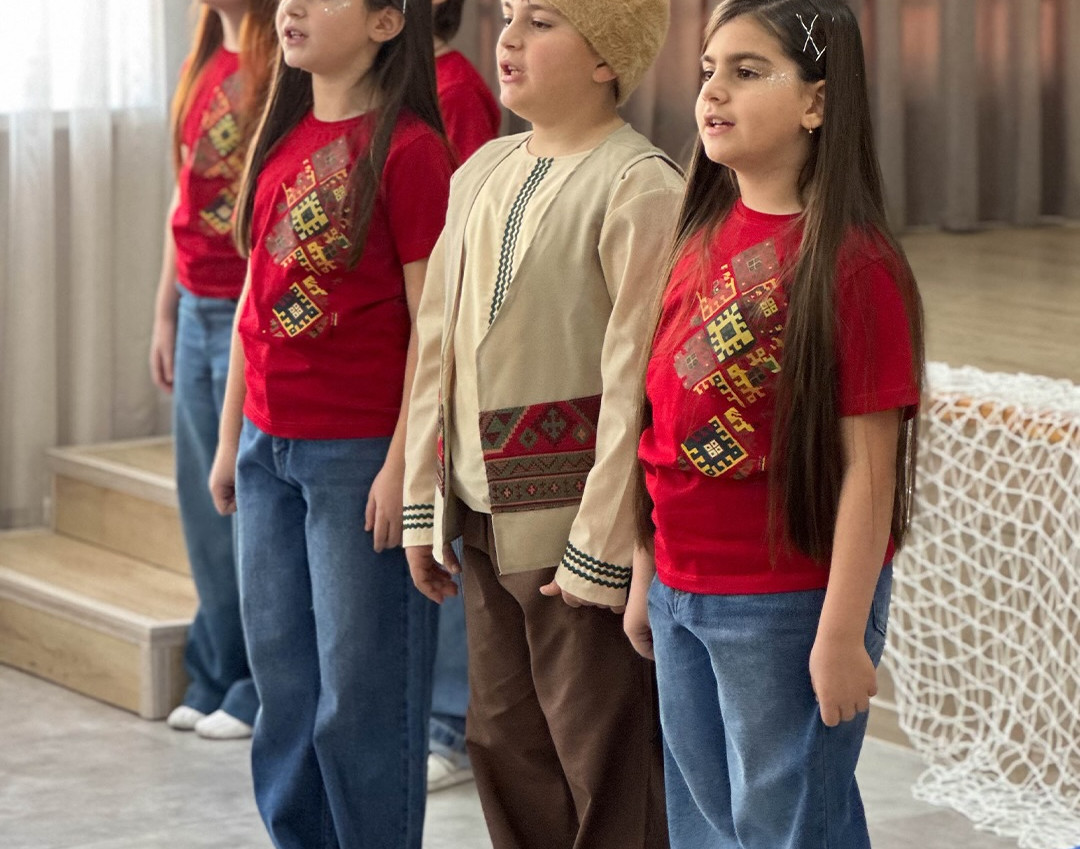
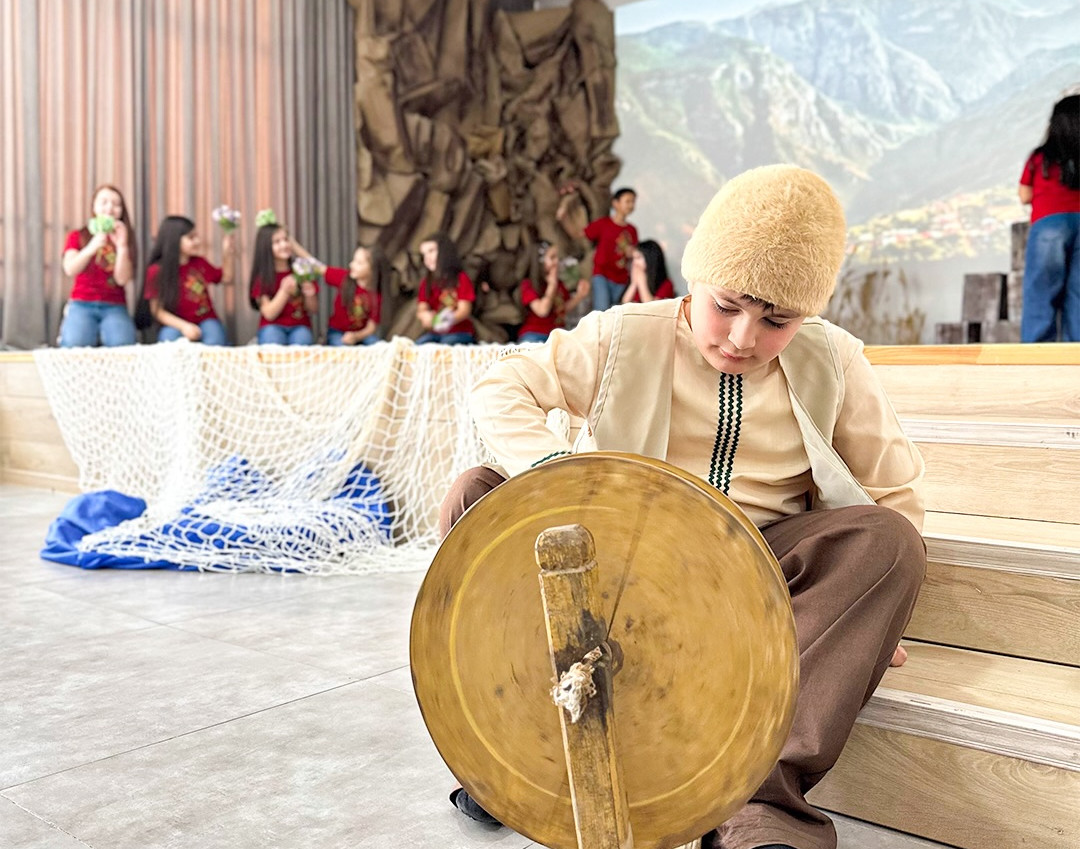
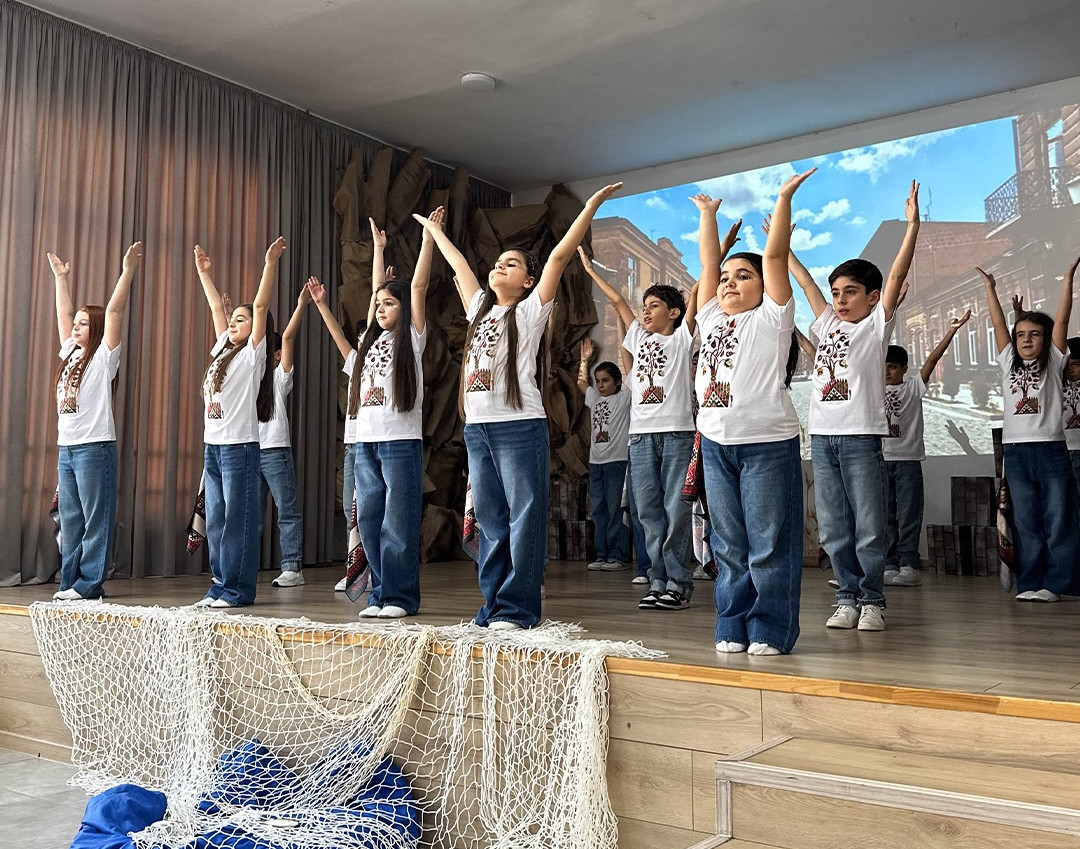
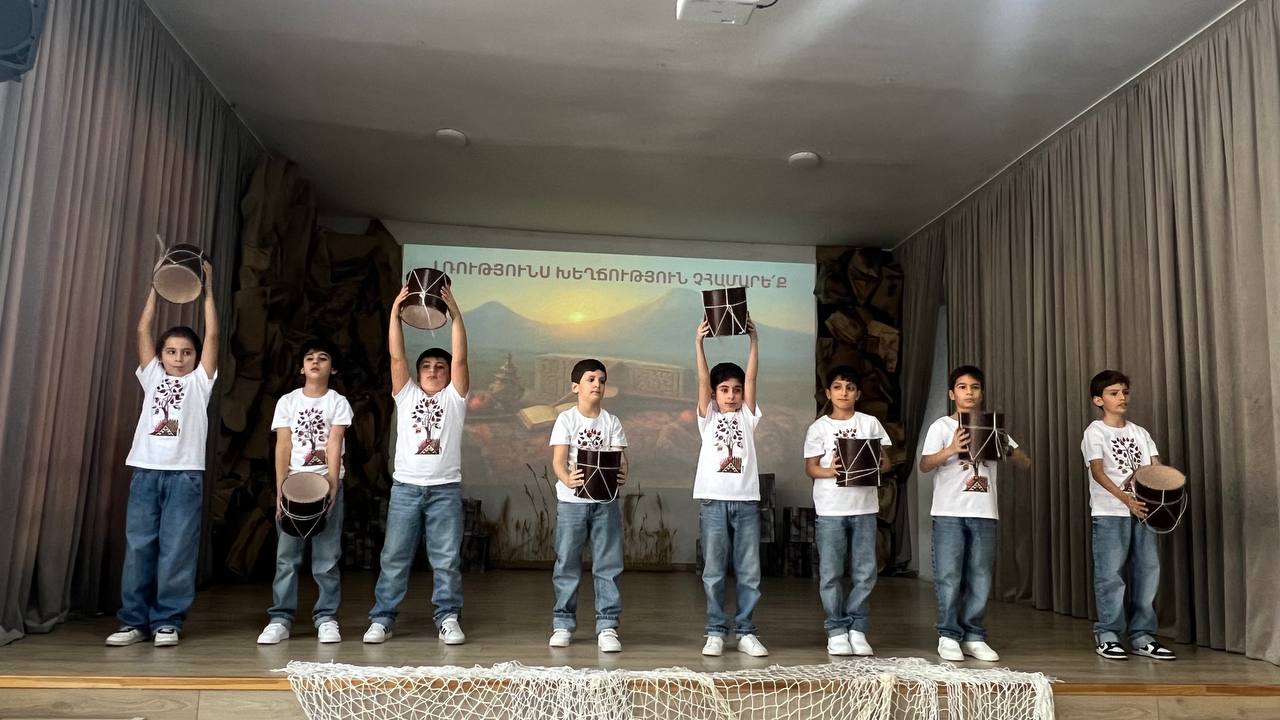
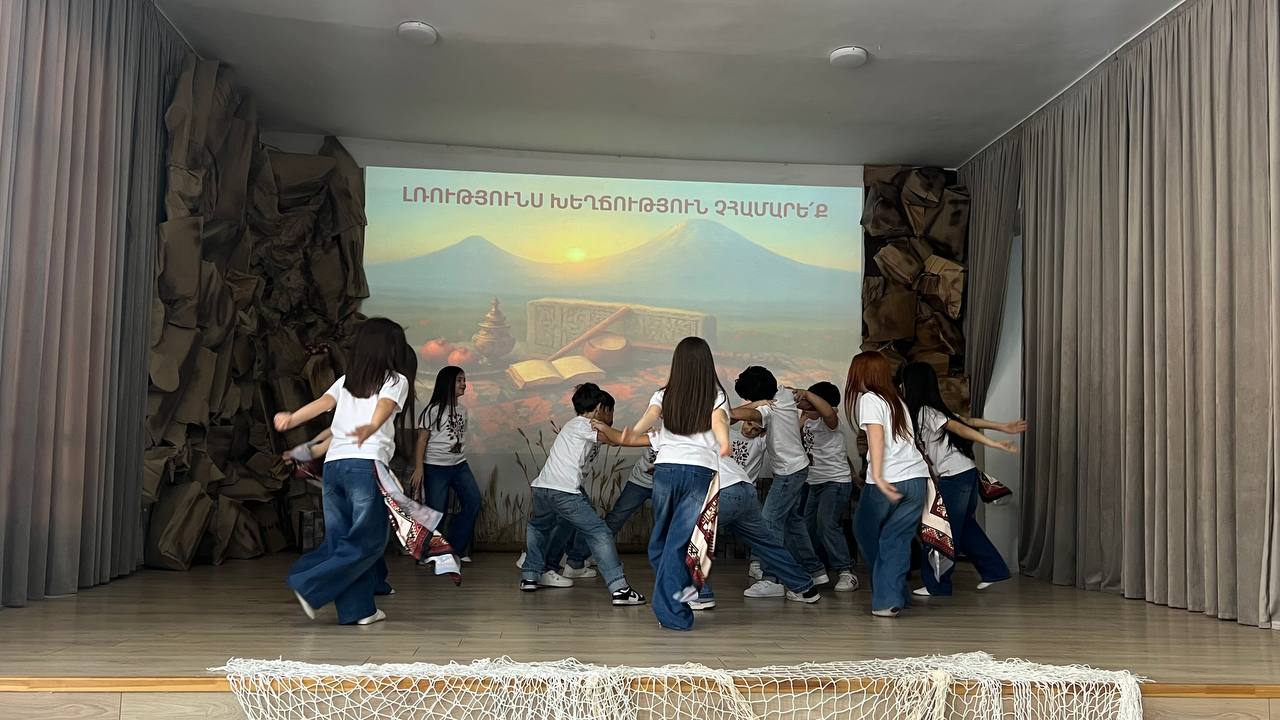
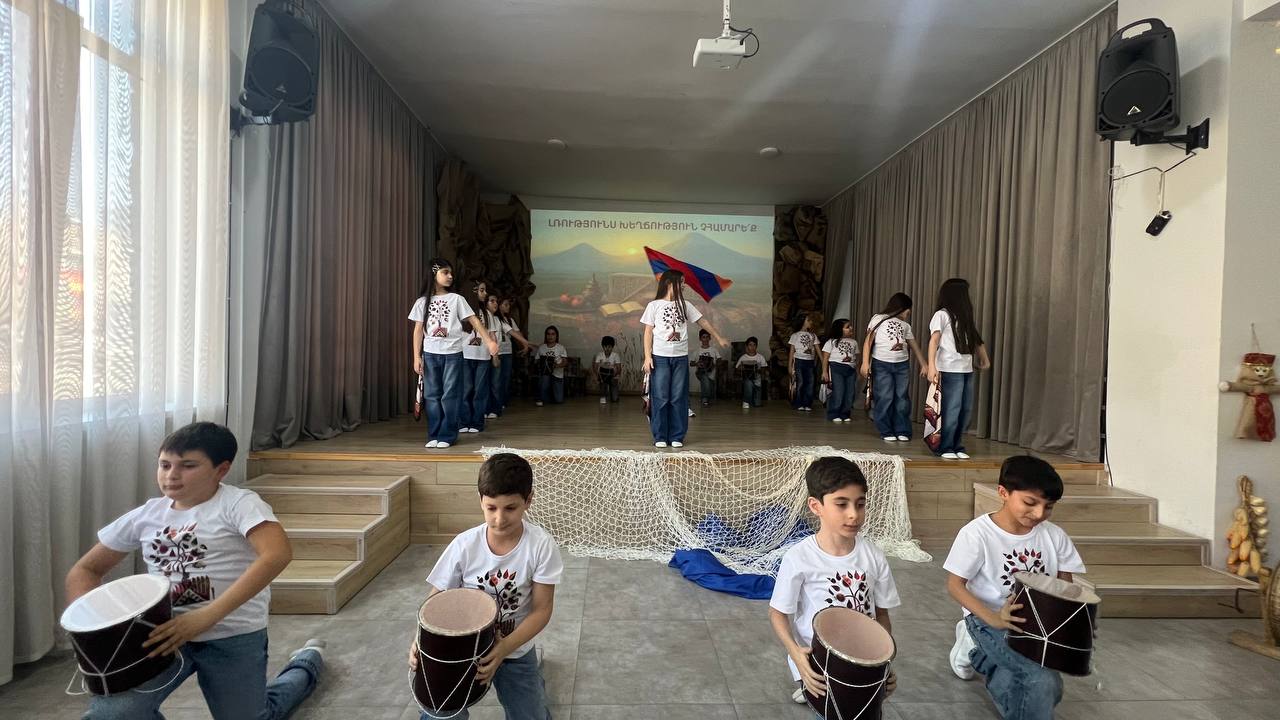
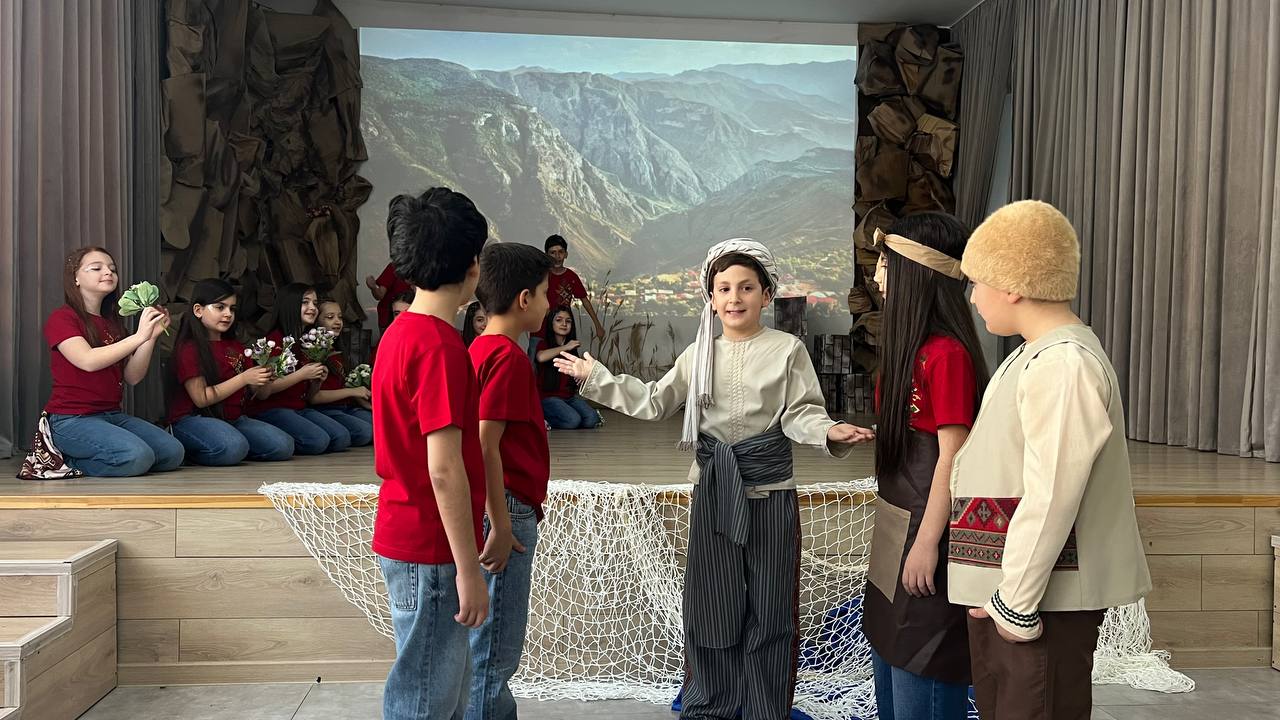
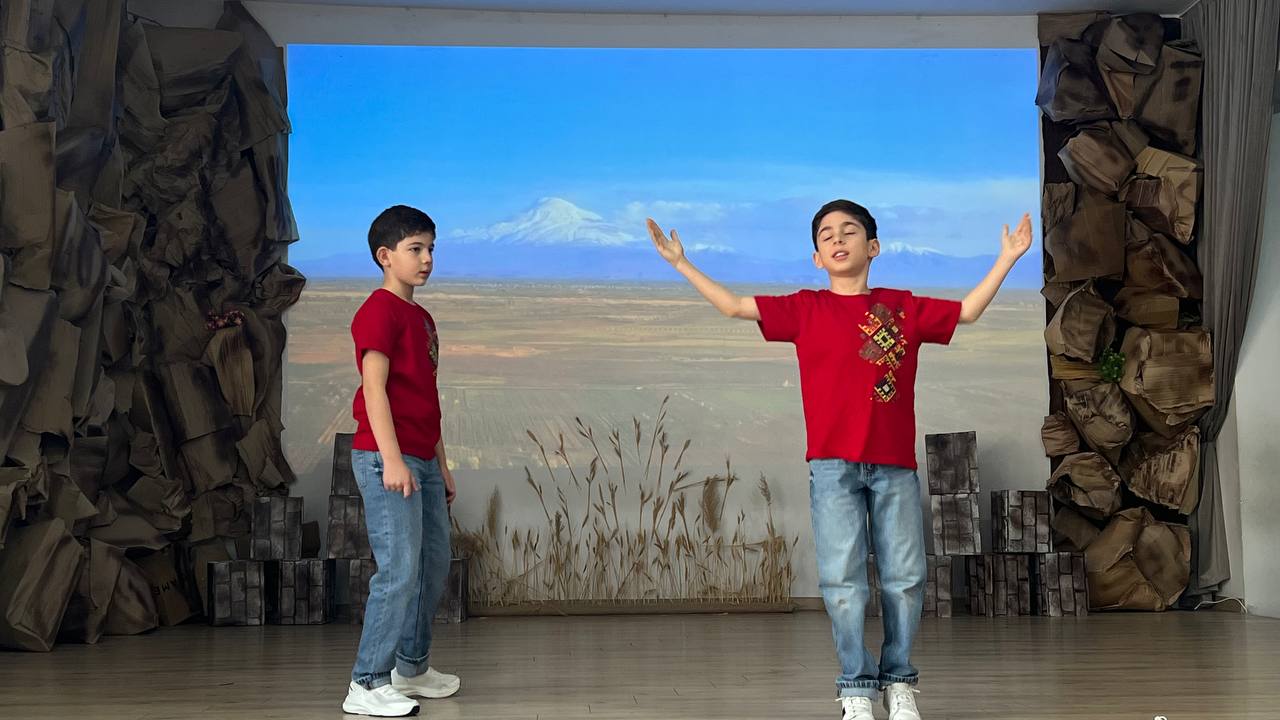
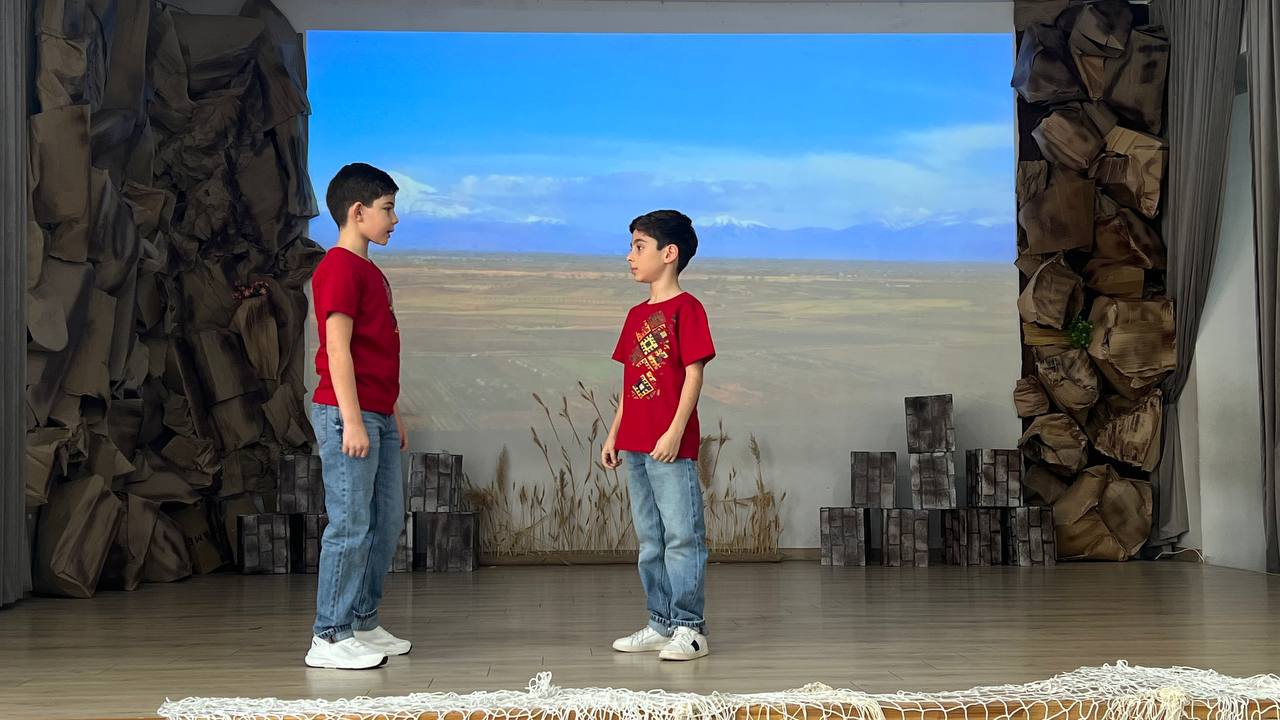
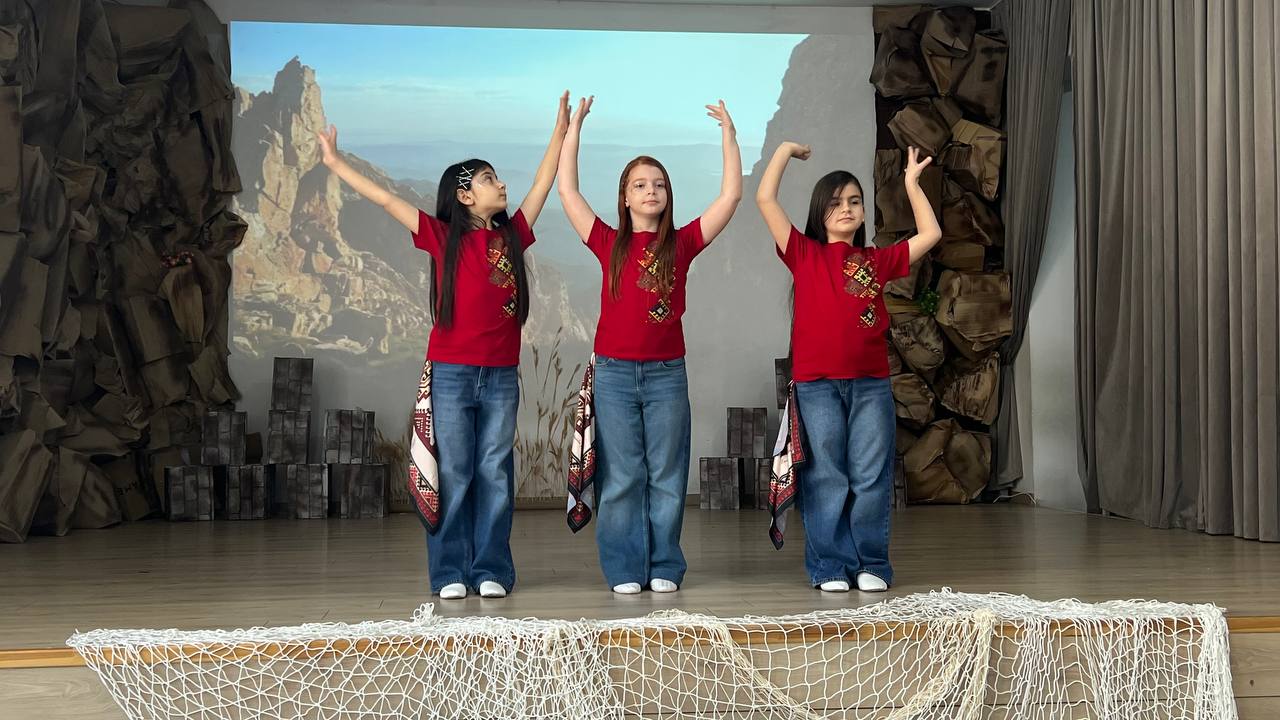
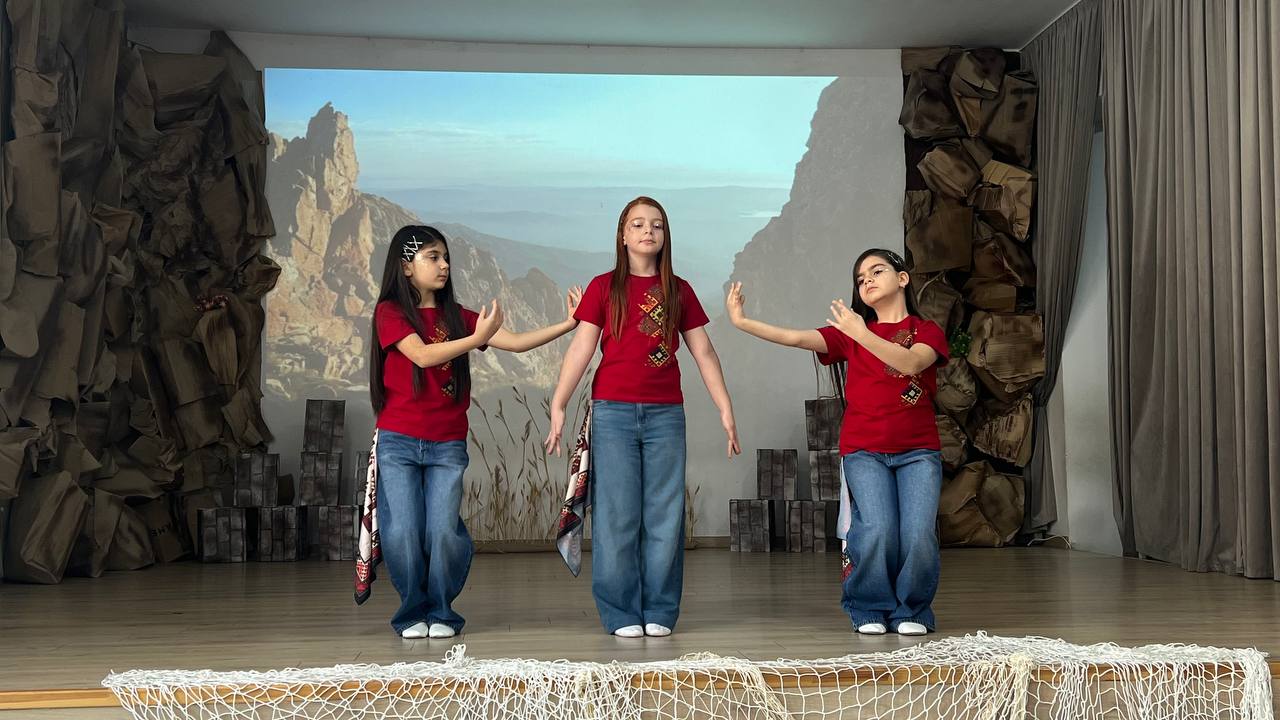
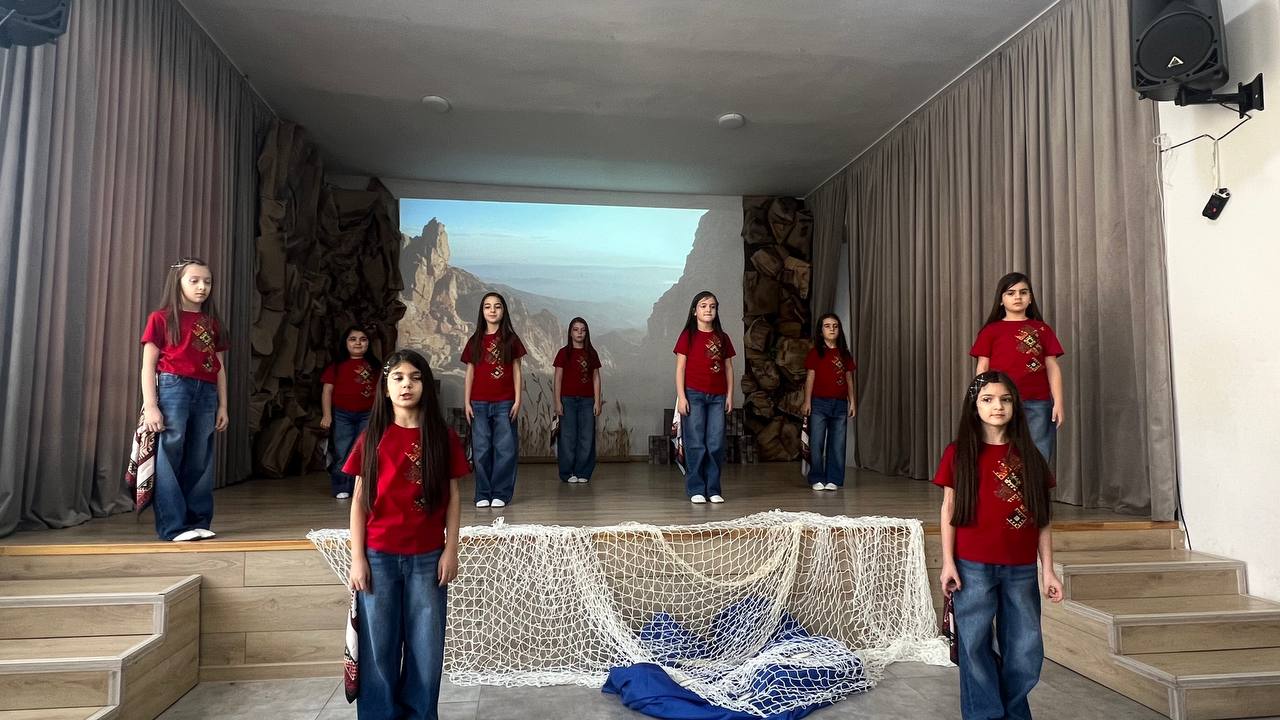
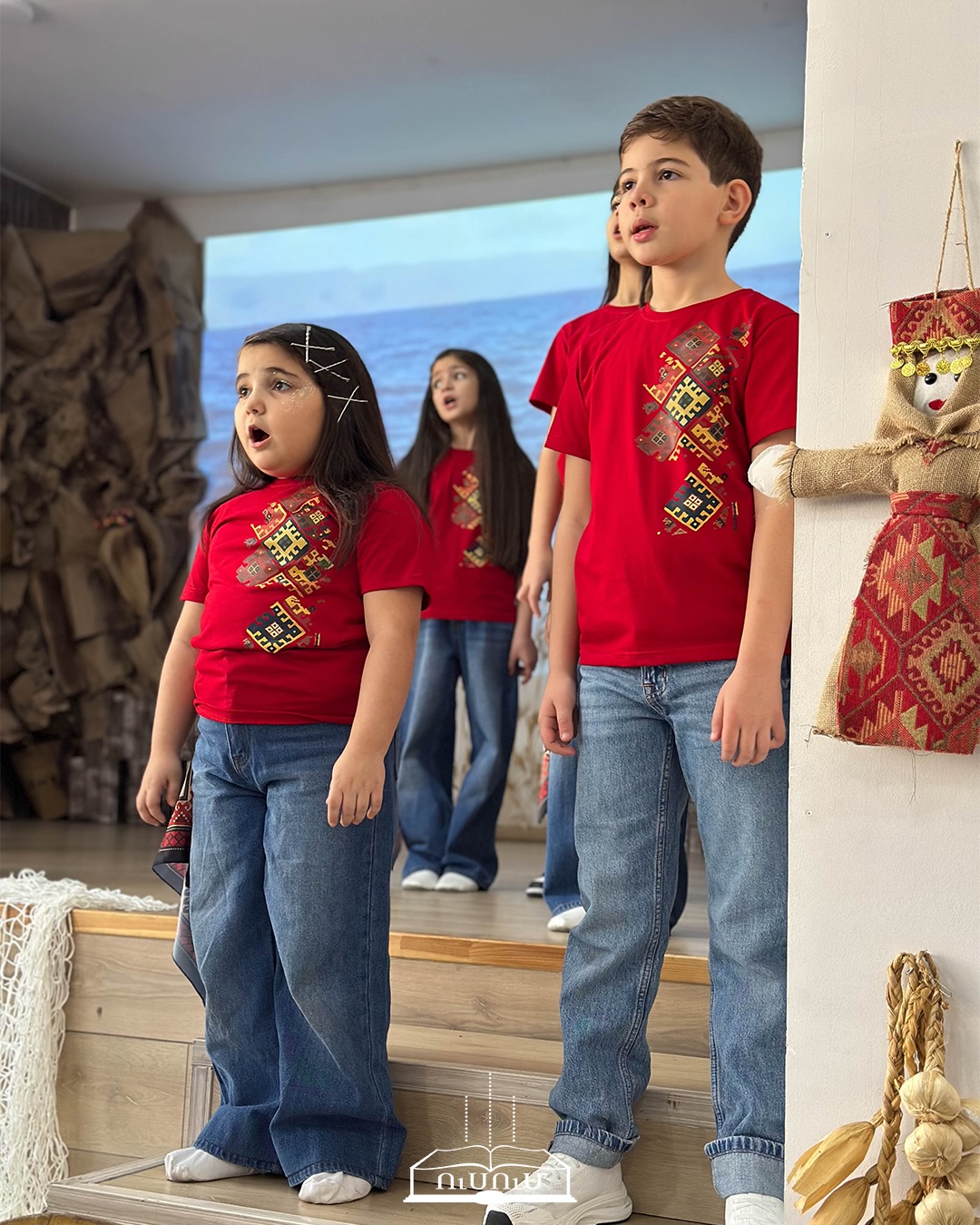
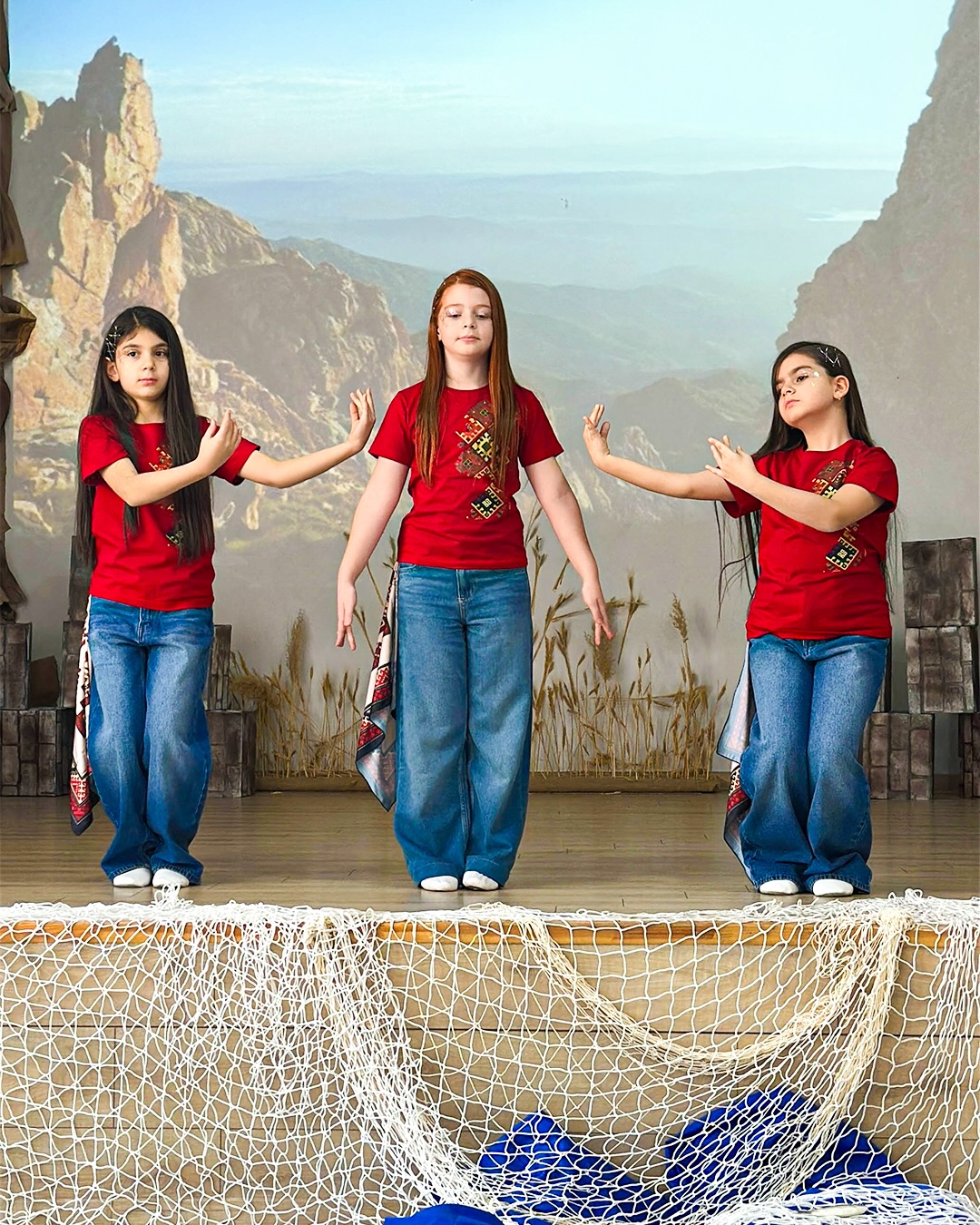
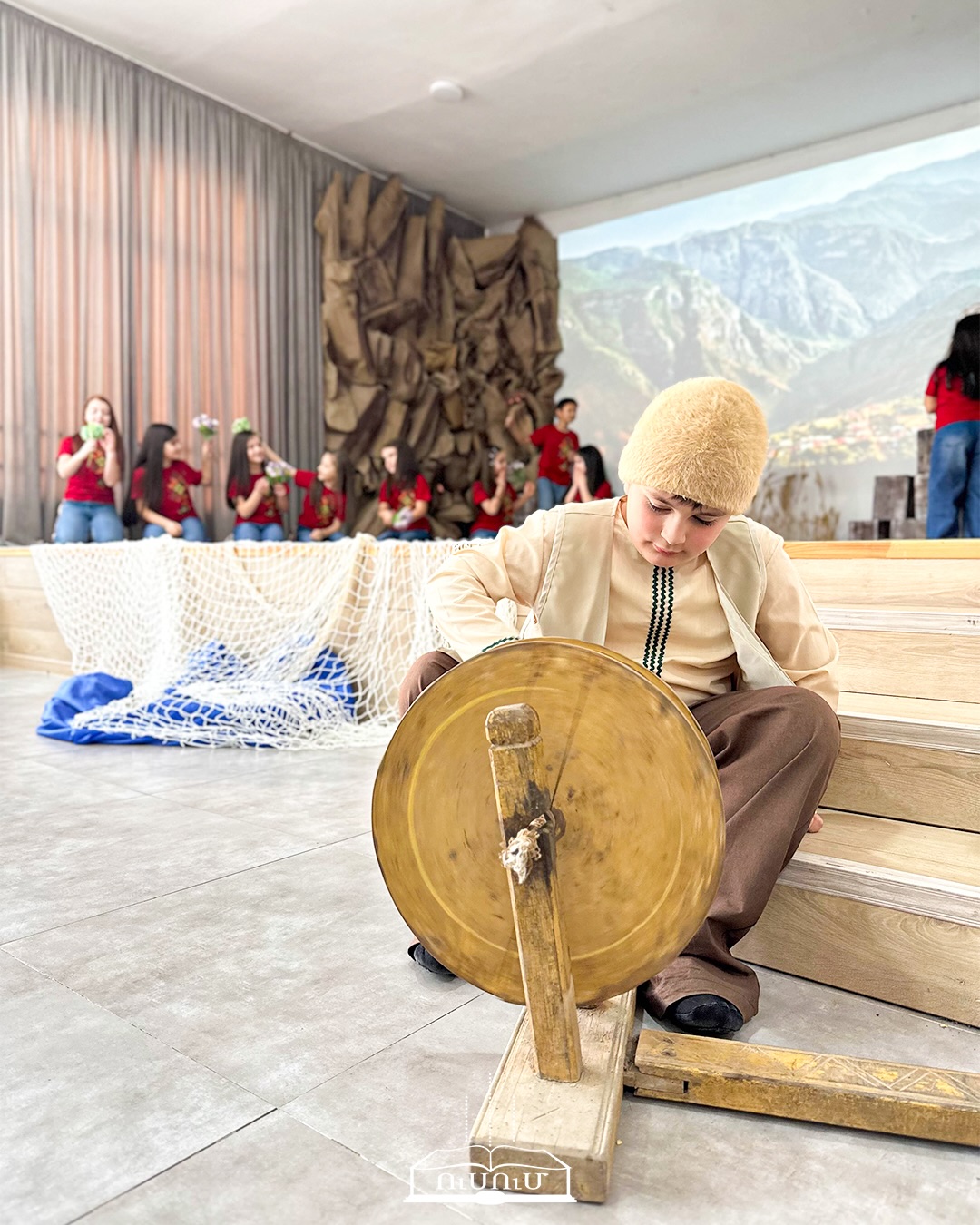
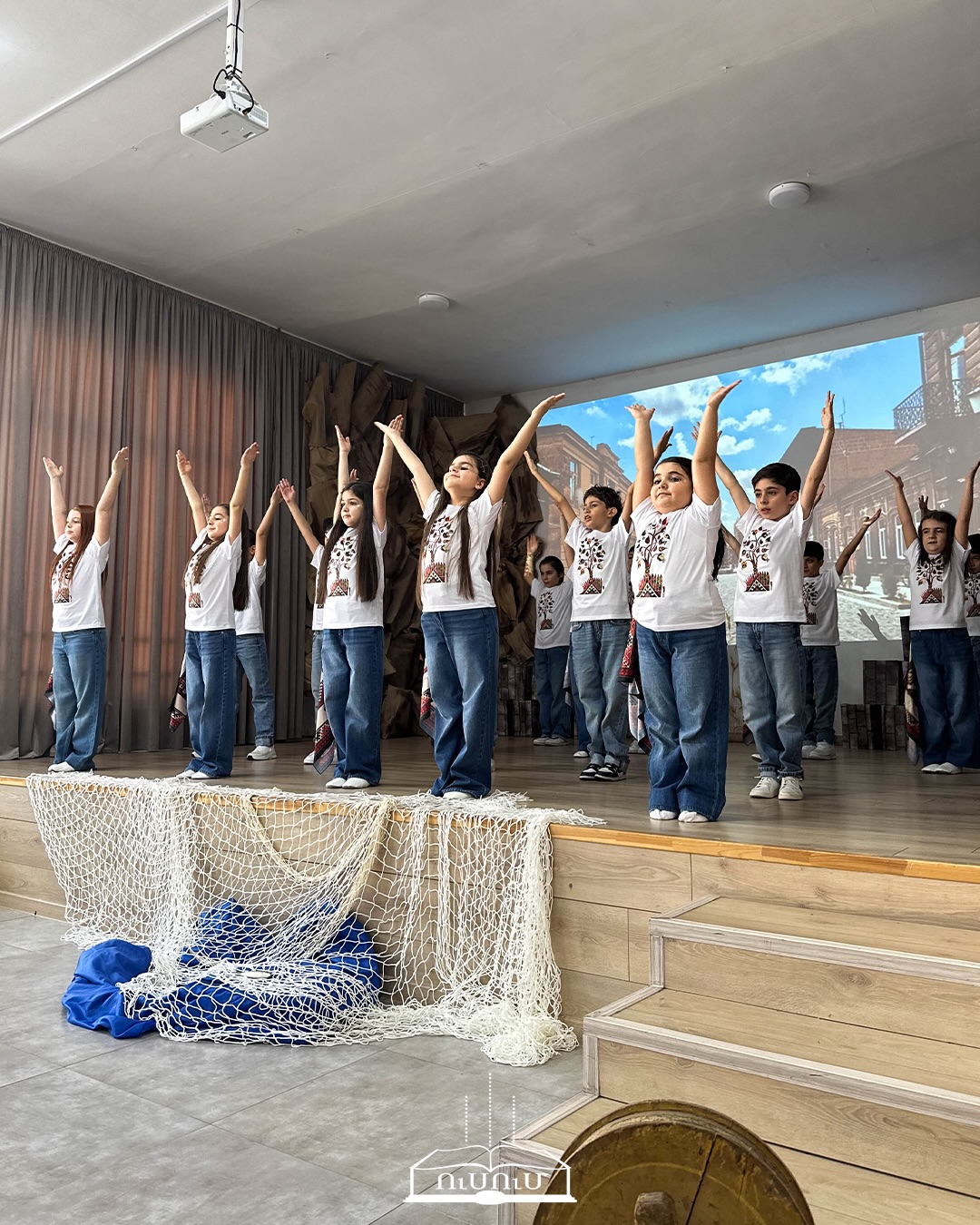
It was precisely this continuity that the third graders’ latest performance was dedicated to. The production began with a symbolic image of Creation and God’s creation of light, then moved to the Armenian Highland, where, according to legend, the Armenian people were born—endowed with stone-like patience, an alert mind, and a creative spirit. Particularly striking at the beginning of the performance was the episode devoted to the special reverence for stone, where stone was presented not merely as a material, but as destiny, culture, and a source of resistance.
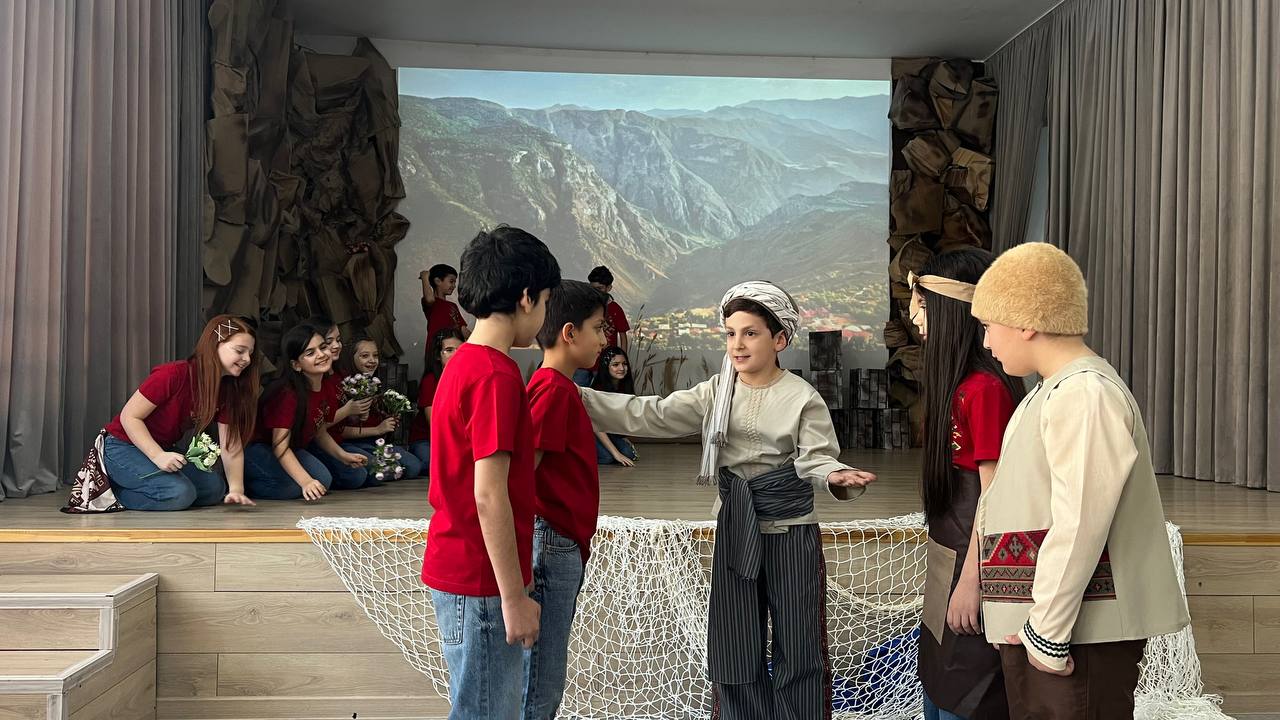
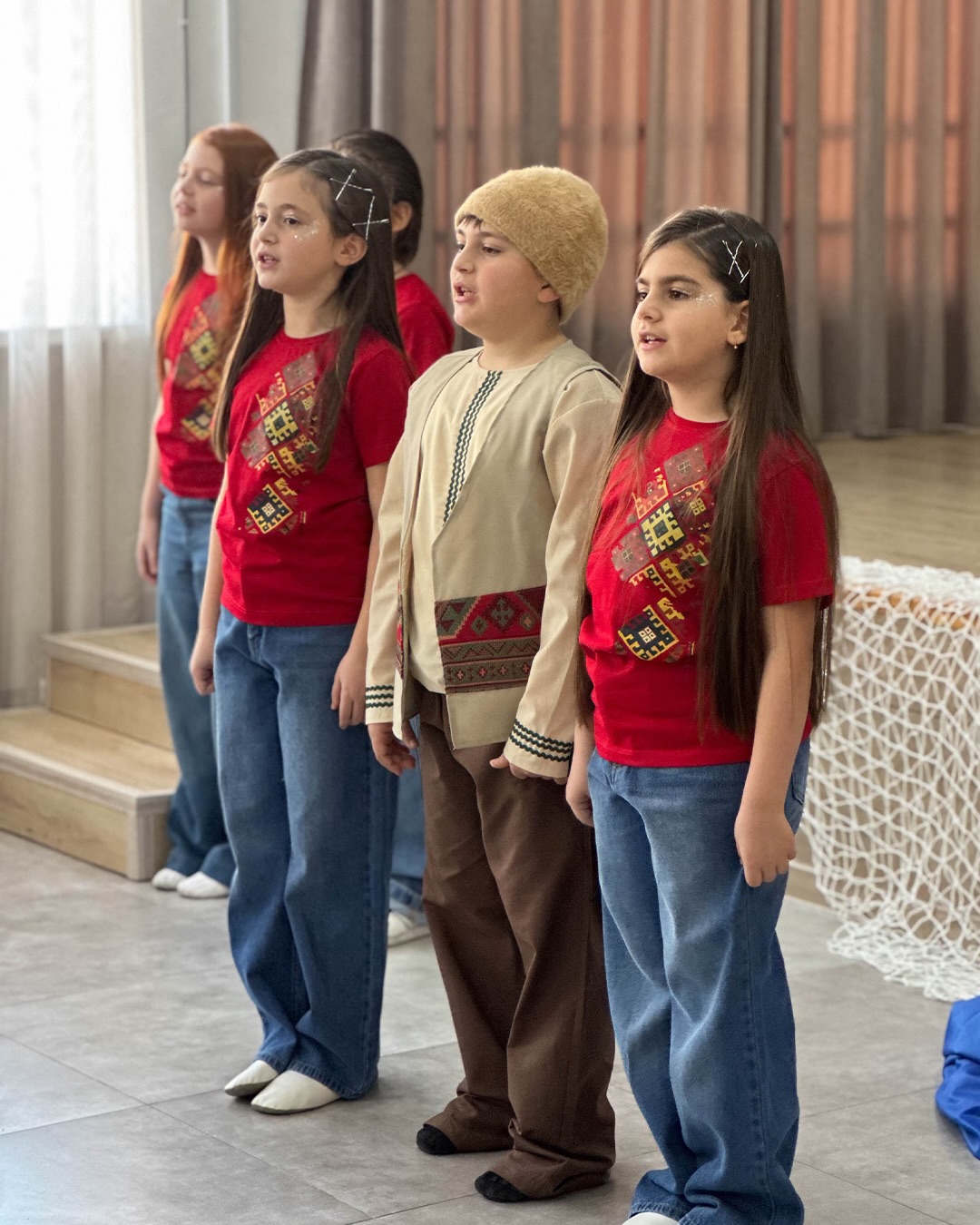
“Lernapar,” poetic imagery, symbolic dialogues, and impressive historical costumes revealed the age-old bond between the Armenian people and stone. On stage, stone was transformed into a monastery, a khachkar, a manuscript, a song, and a prayer.
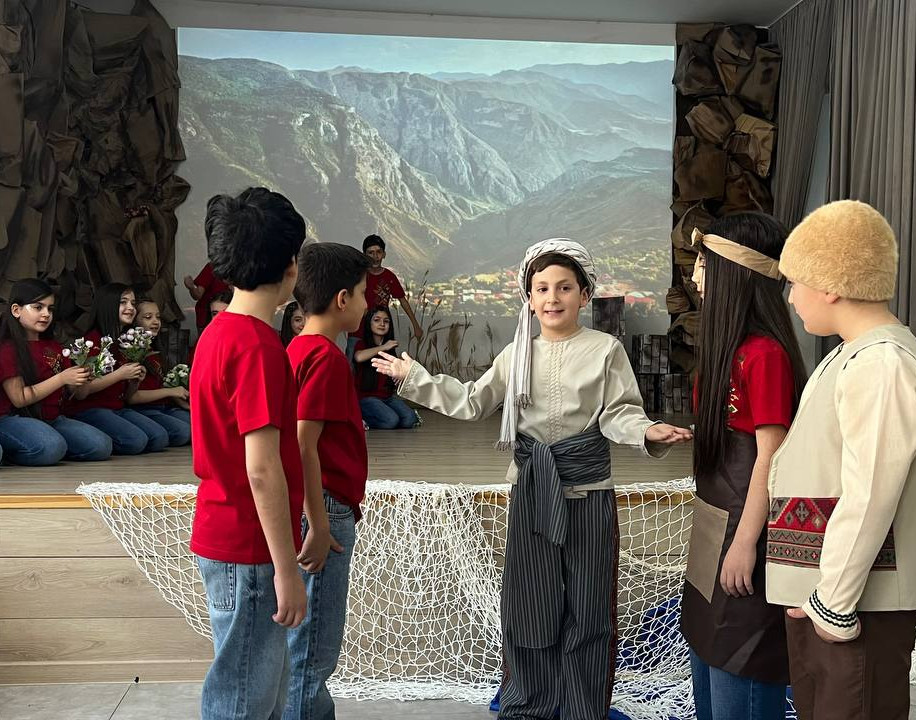
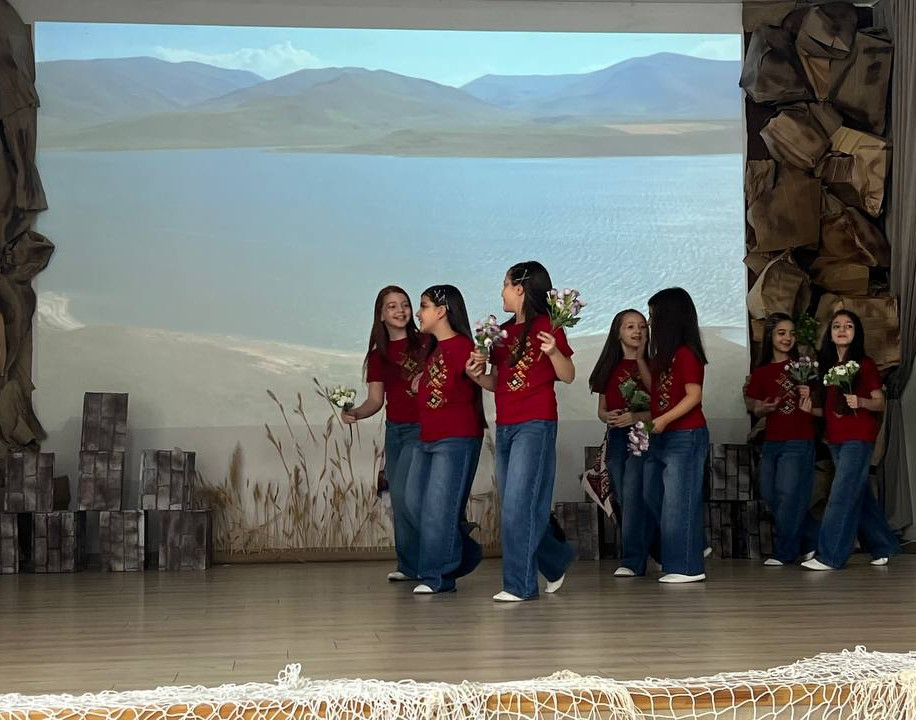
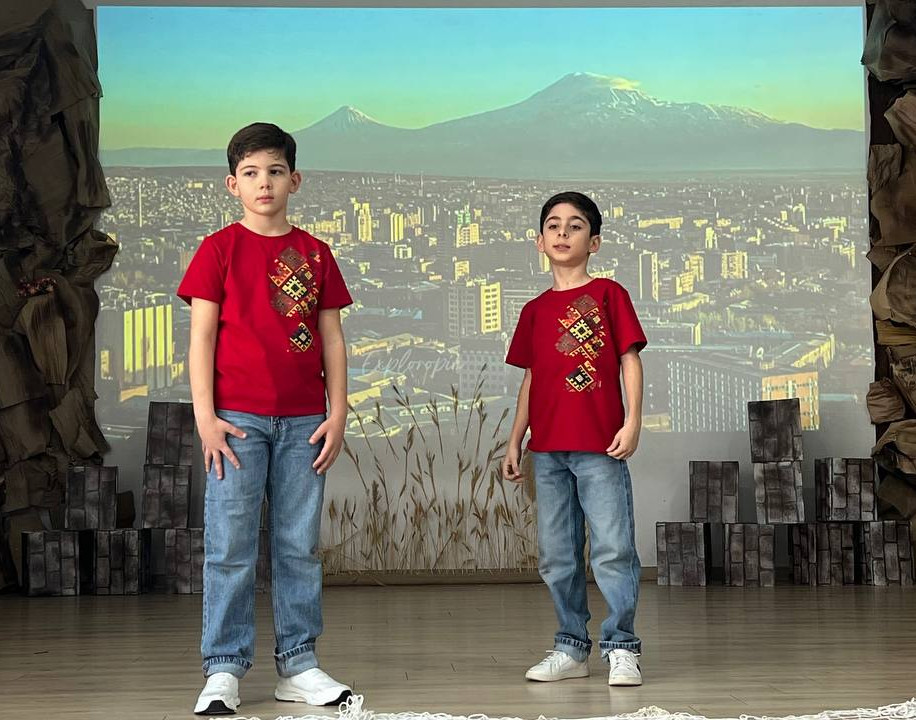
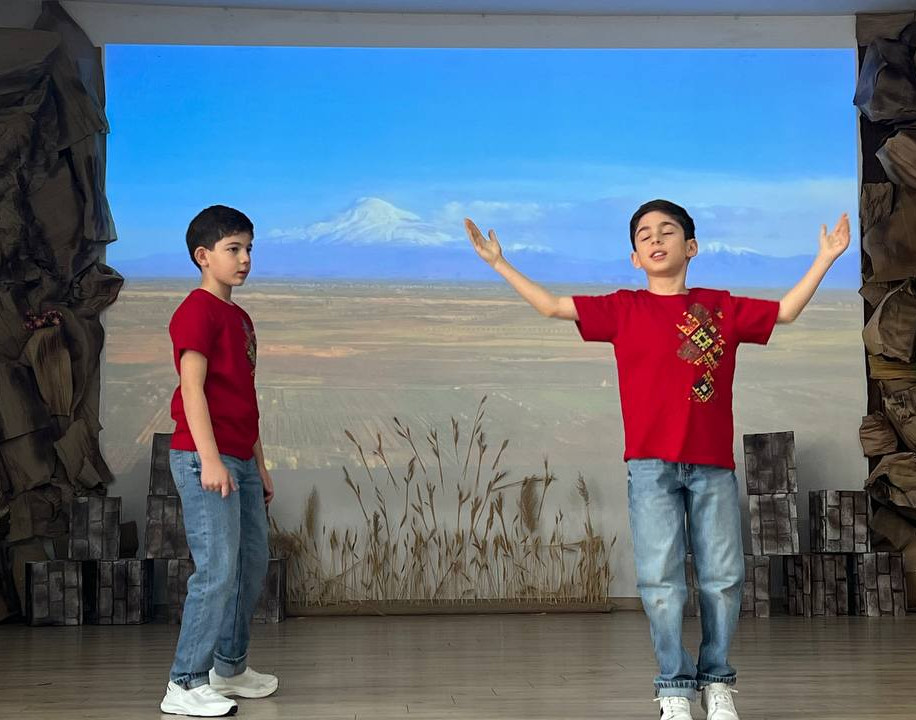
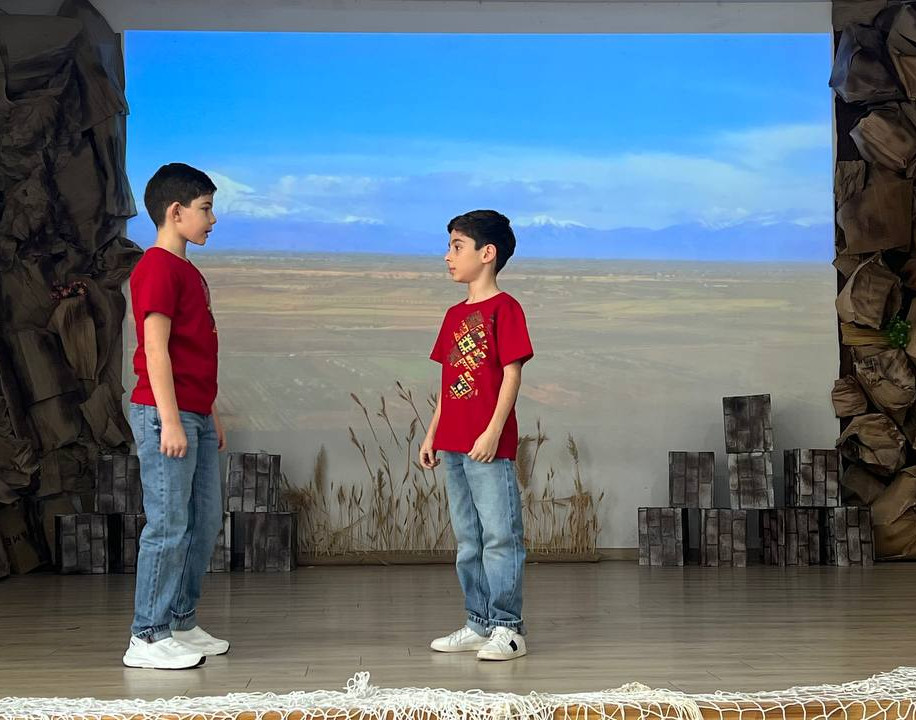
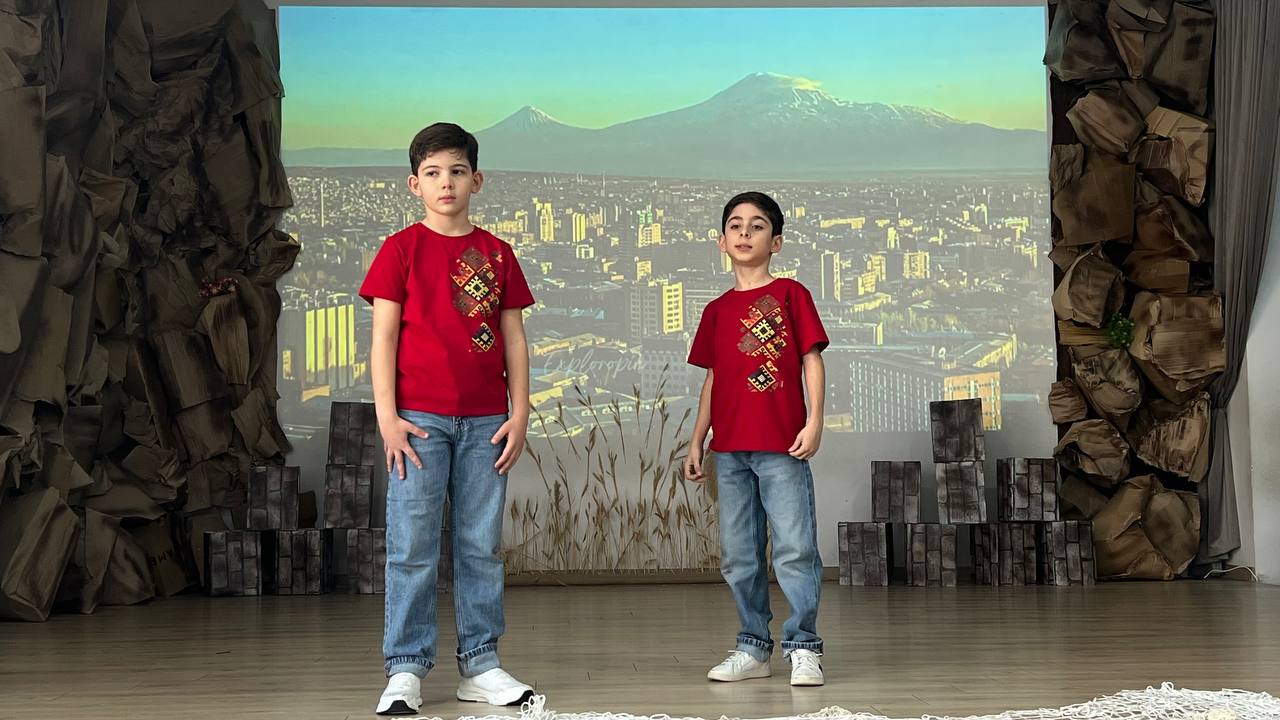
The central storyline of the performance was the dialogue between a father and his son, through which the audience journeyed from historical Armenia to the distinctive regions of present-day Armenia—from Syunik to Gegharkunik, from Ararat to Shirak. Each stop stood out with its unique color, dialect, humor, and philosophy of life, presenting the Armenian people’s diligence, hospitality, faith, and inexhaustible will.
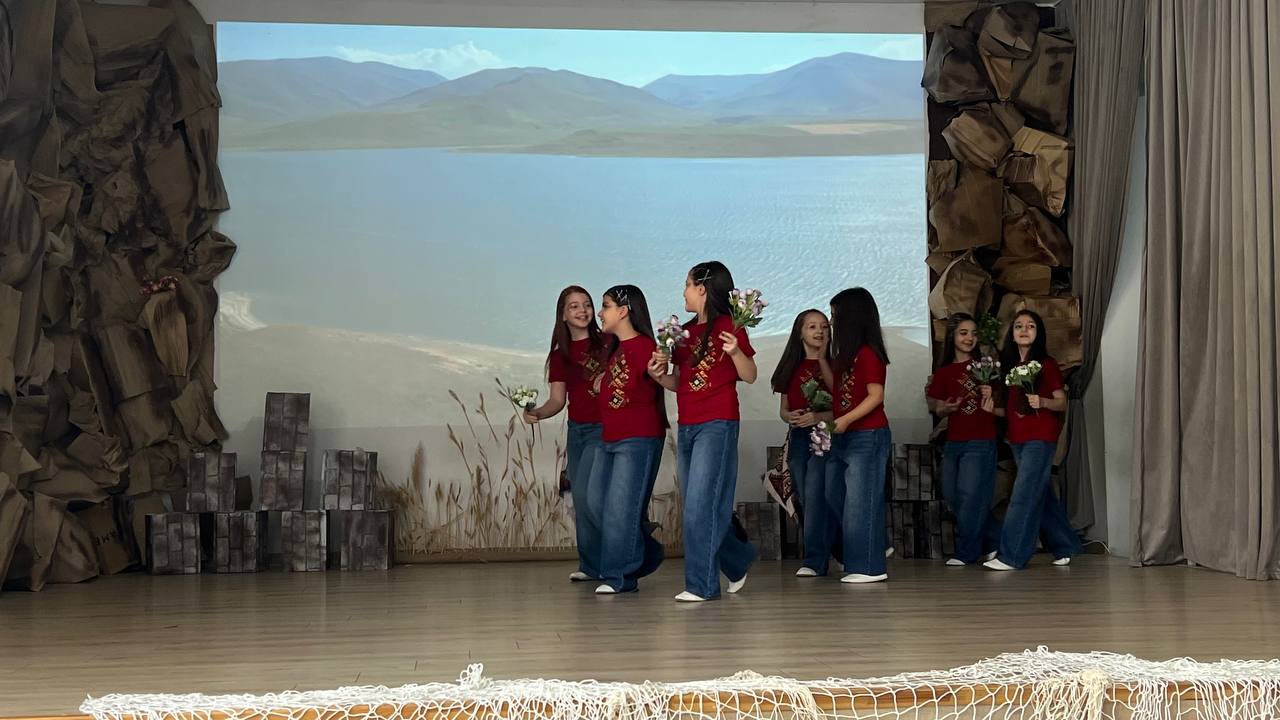
The younger Usum students brought Syunik to life through folk stories about the origin of the name Zangezur, Gegharkunik through legends of Lake Sevan’s blue waters and the protective power of khachkars, and Shirak through the animated figure of Poloz Mukuch, with Gyumri’s sharp humor and its victorious spirit of looking at life with unbreakable optimism.
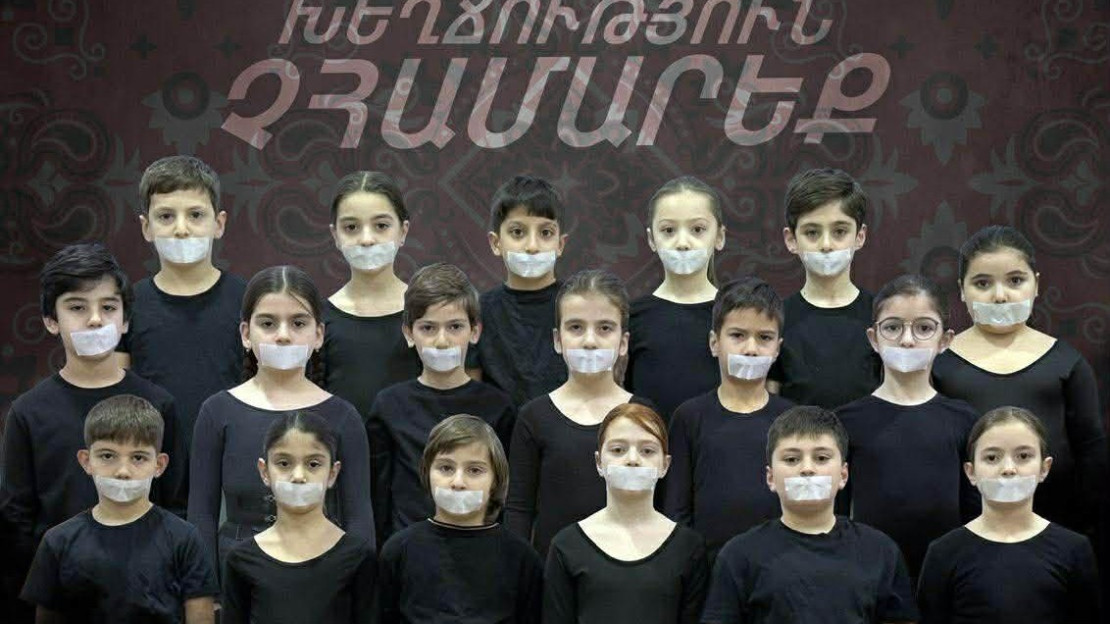
The ideological climax of the event was the final segment, in which the children voiced the idea that the homeland is not a place to be loved merely through words or longed for from afar, but a value to be preserved through action and reclaimed every single day. The Usum students are convinced that the Armenian people’s silence and patience are not signs of weakness, but a steel-like strength rooted firmly in this land.
In essence, “Do Not Mistake My Silence for Weakness” was a journey through the crossroads of our people’s history and a testament to the fact that age does not matter when Armenians have great ideas to voice and a mission to speak again and again about homeland, memory, and identity.
To not think freely is to not think at all!