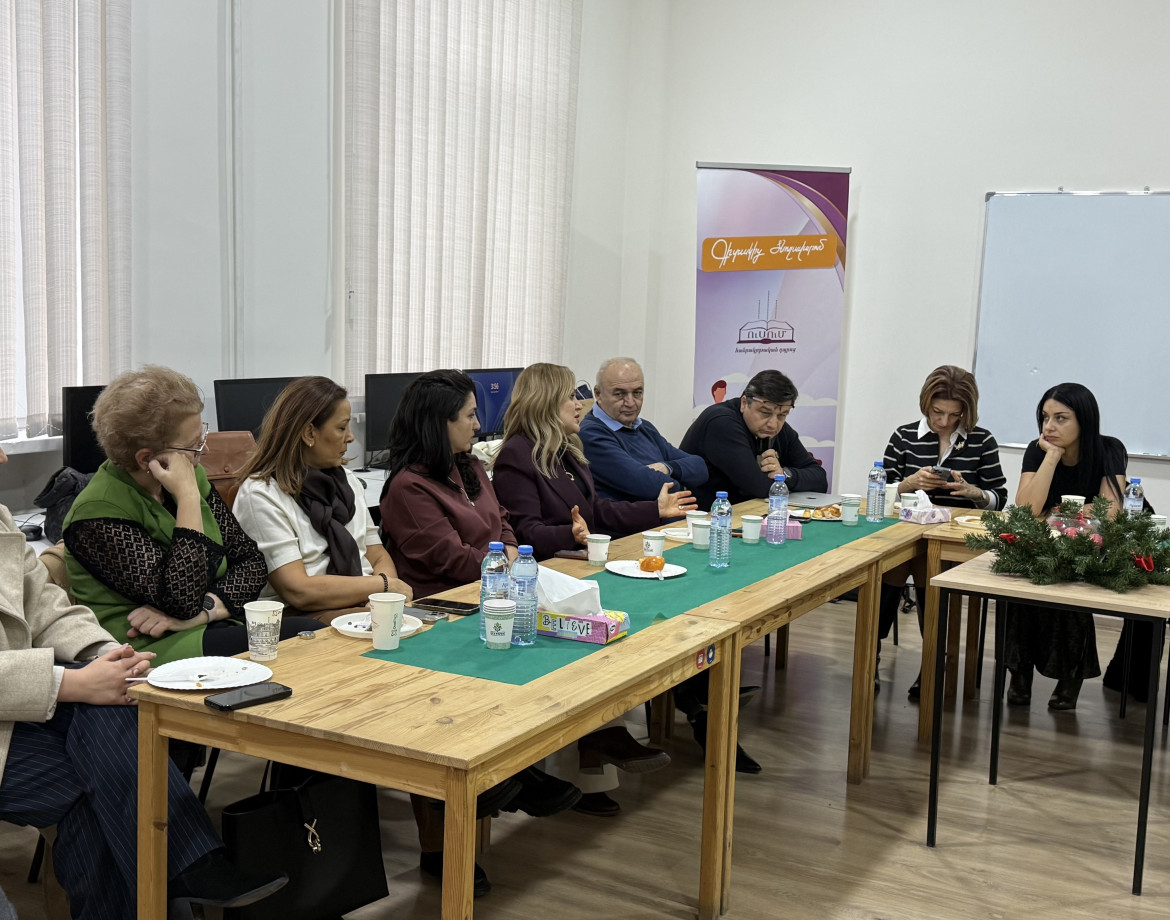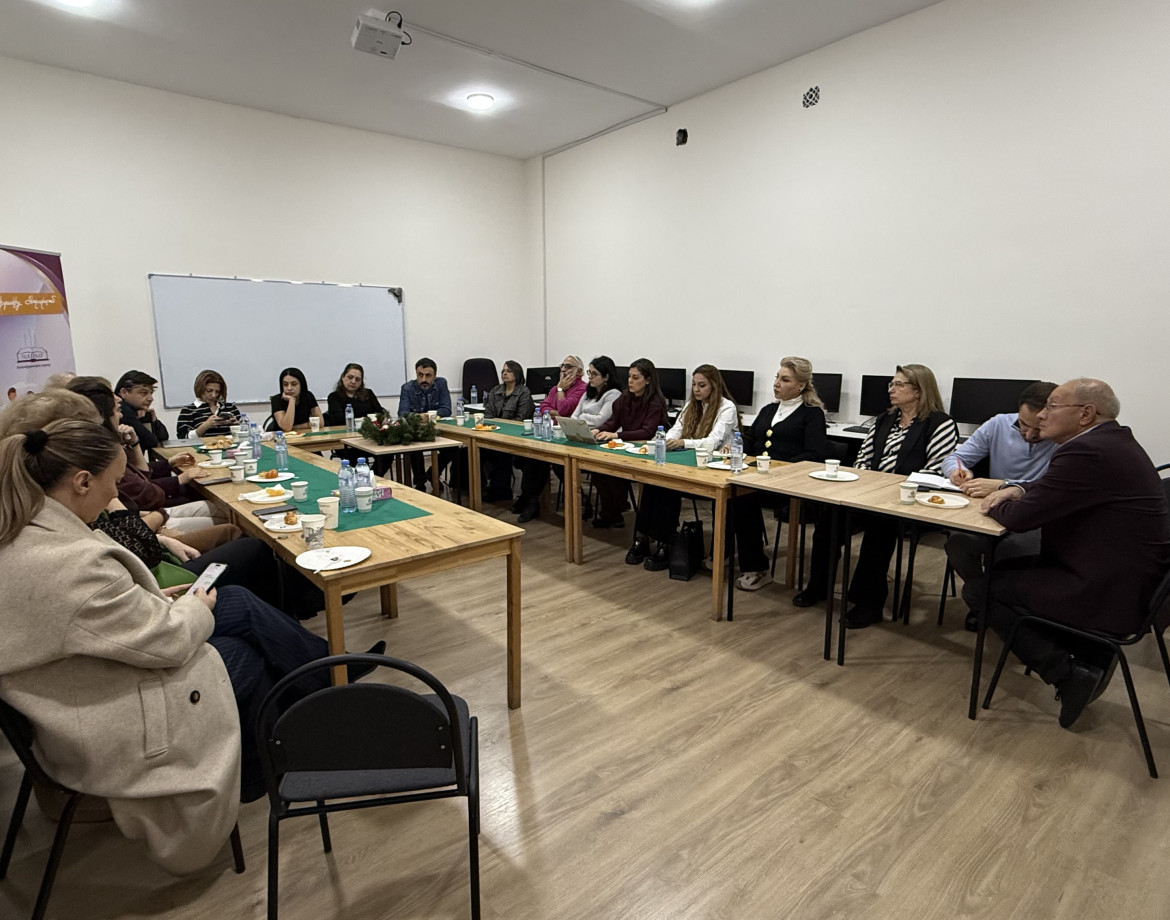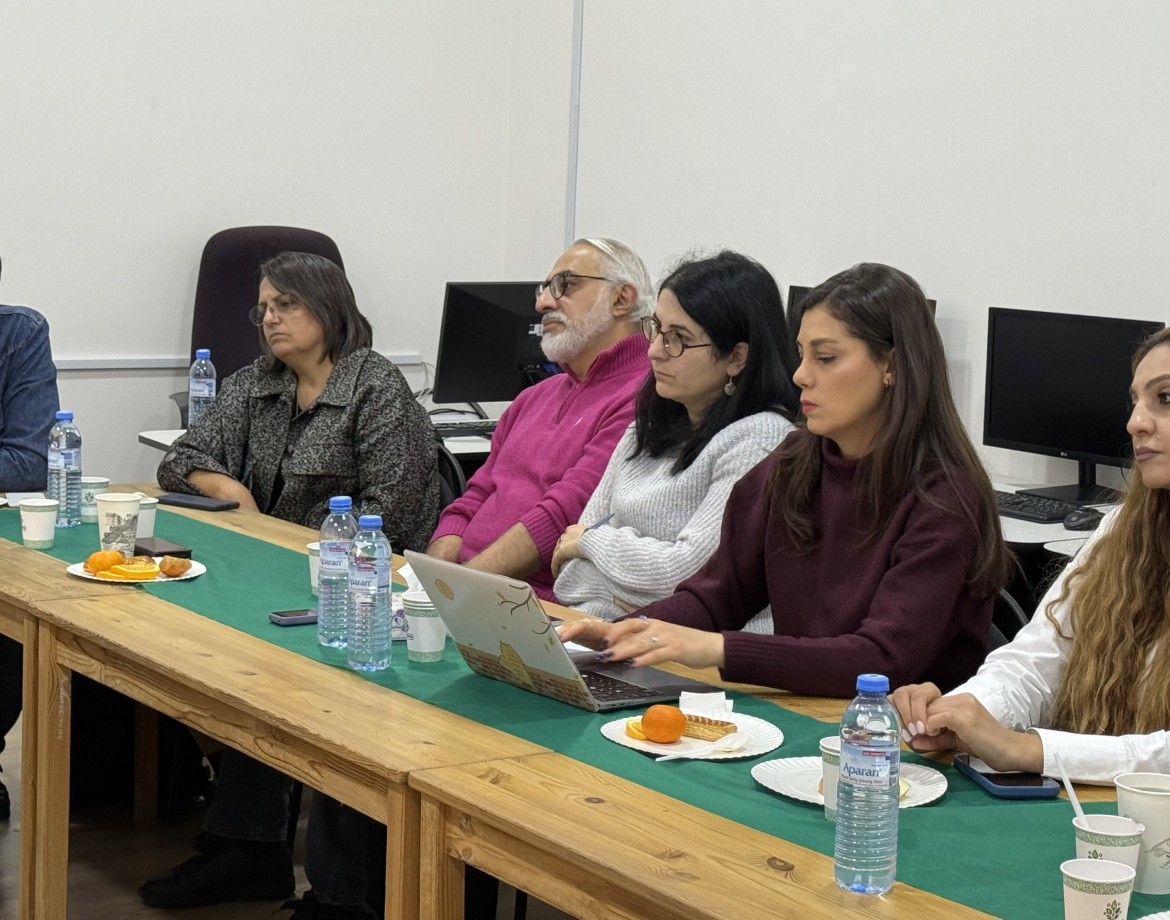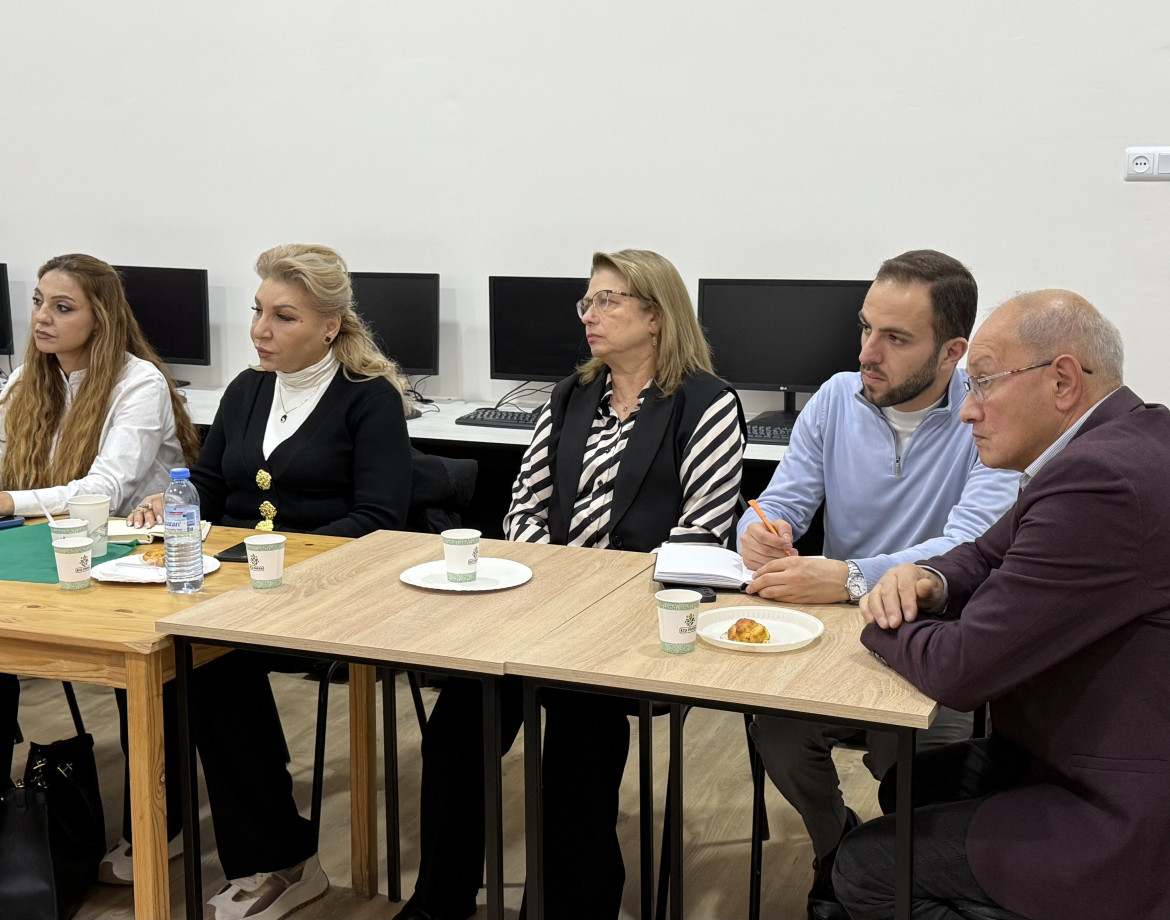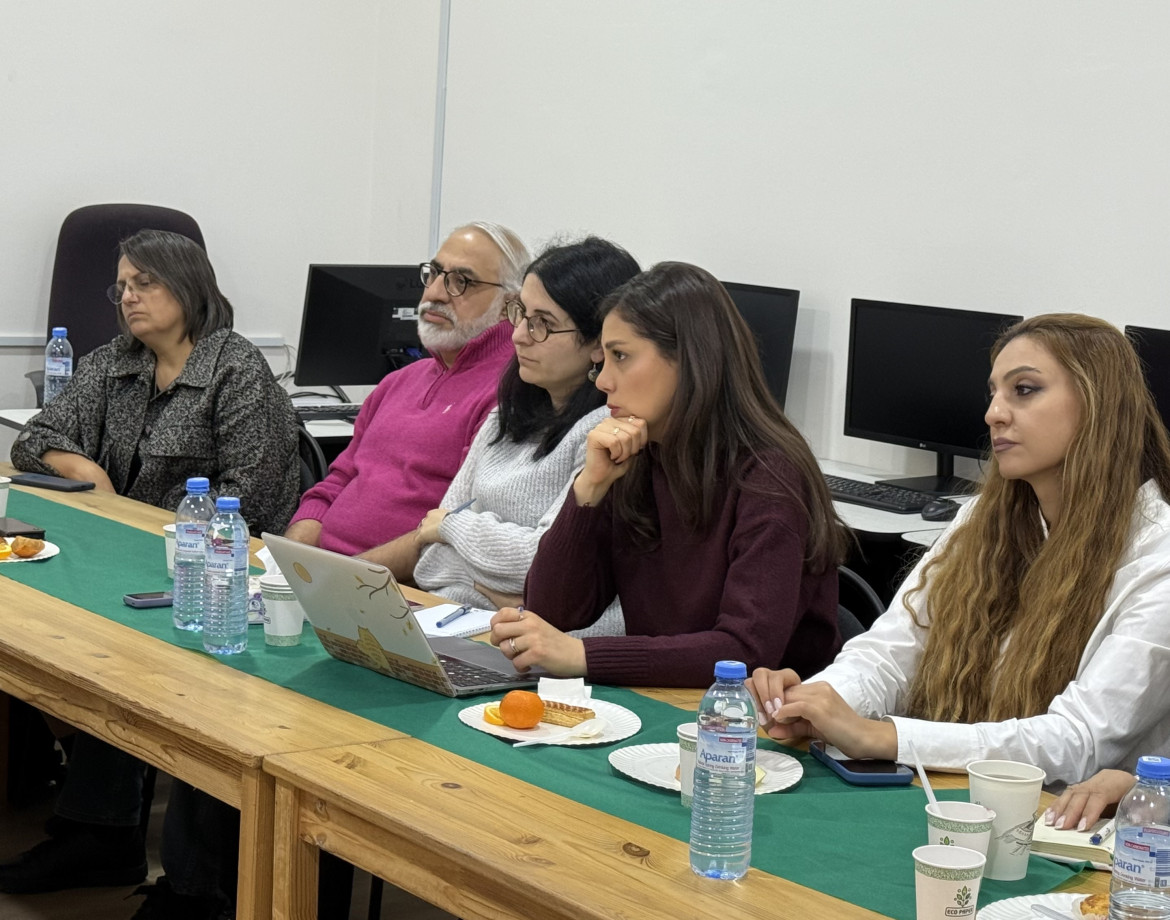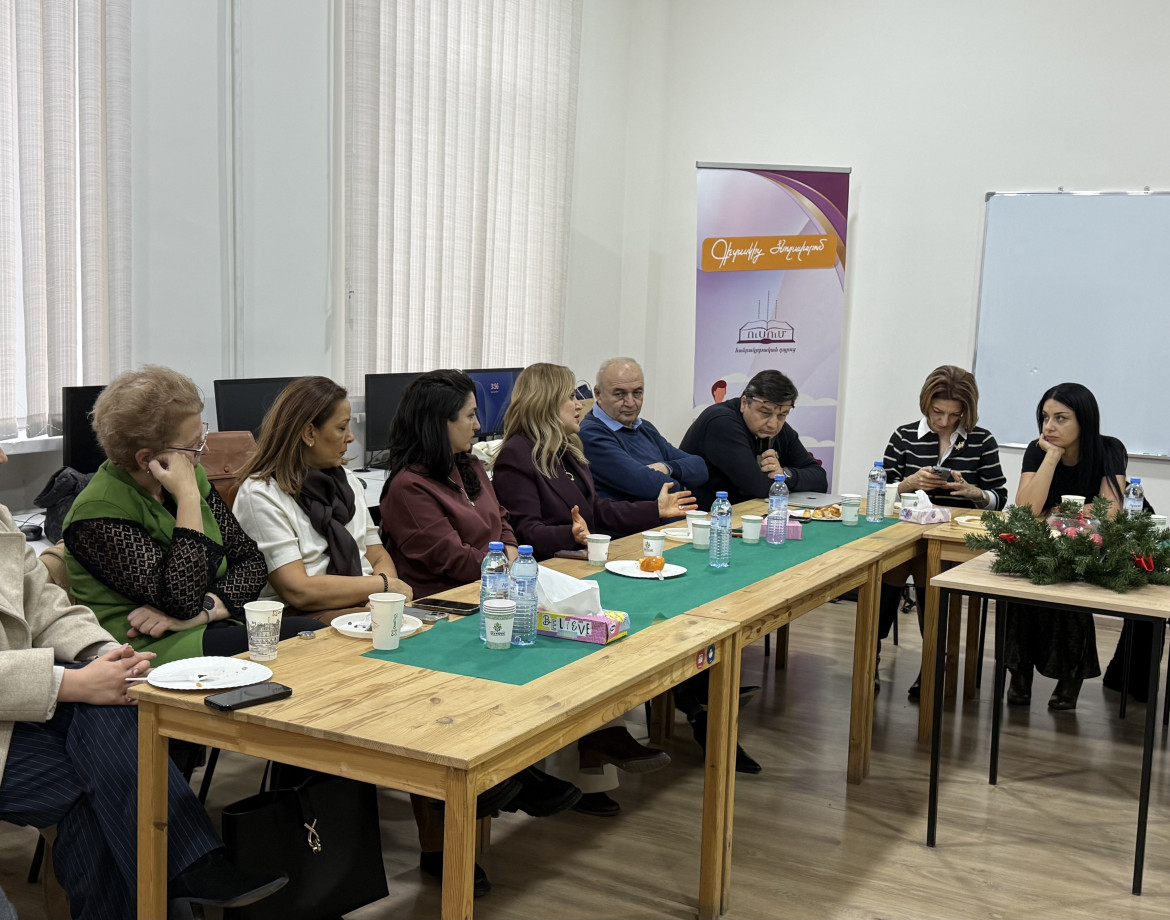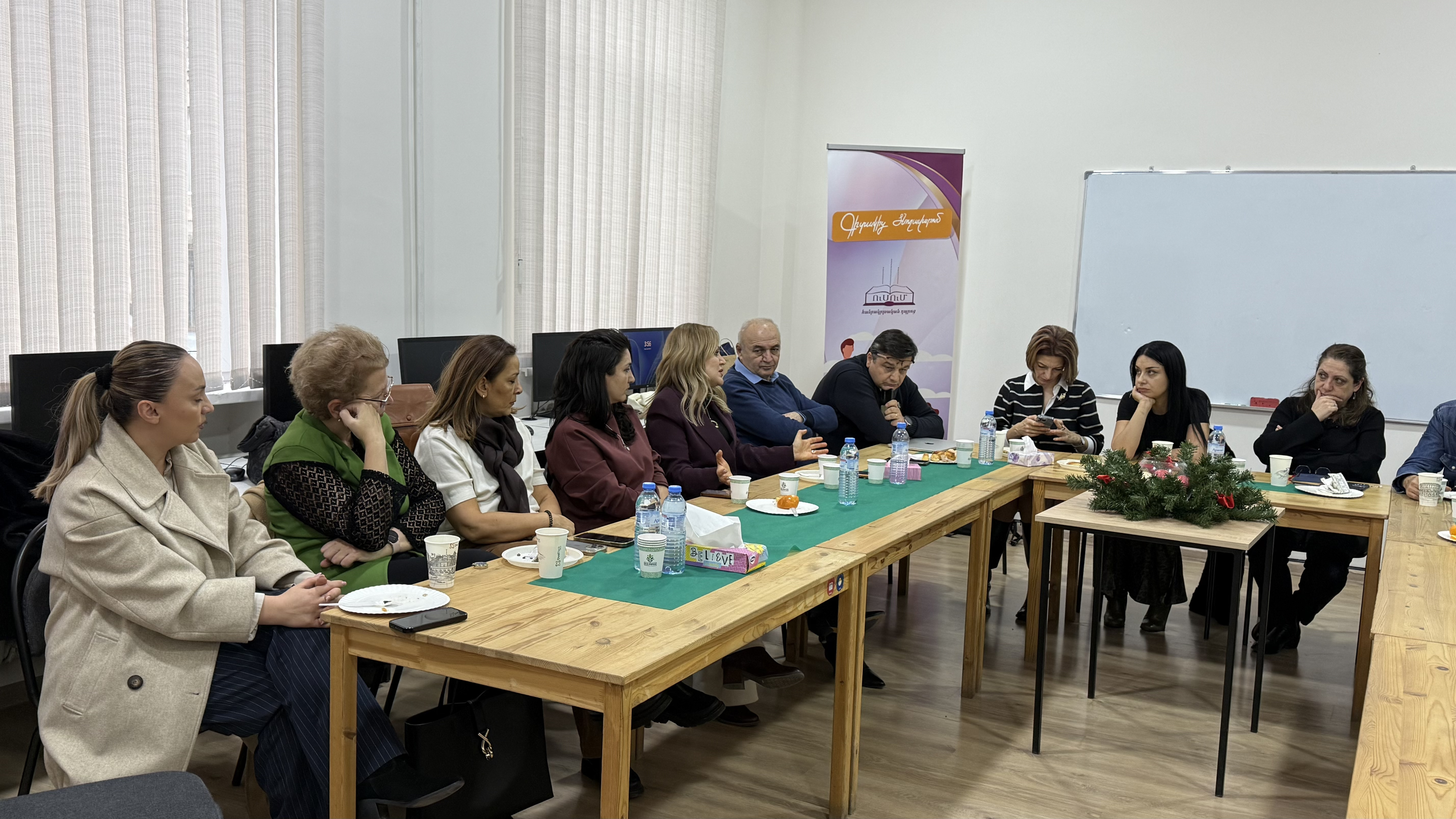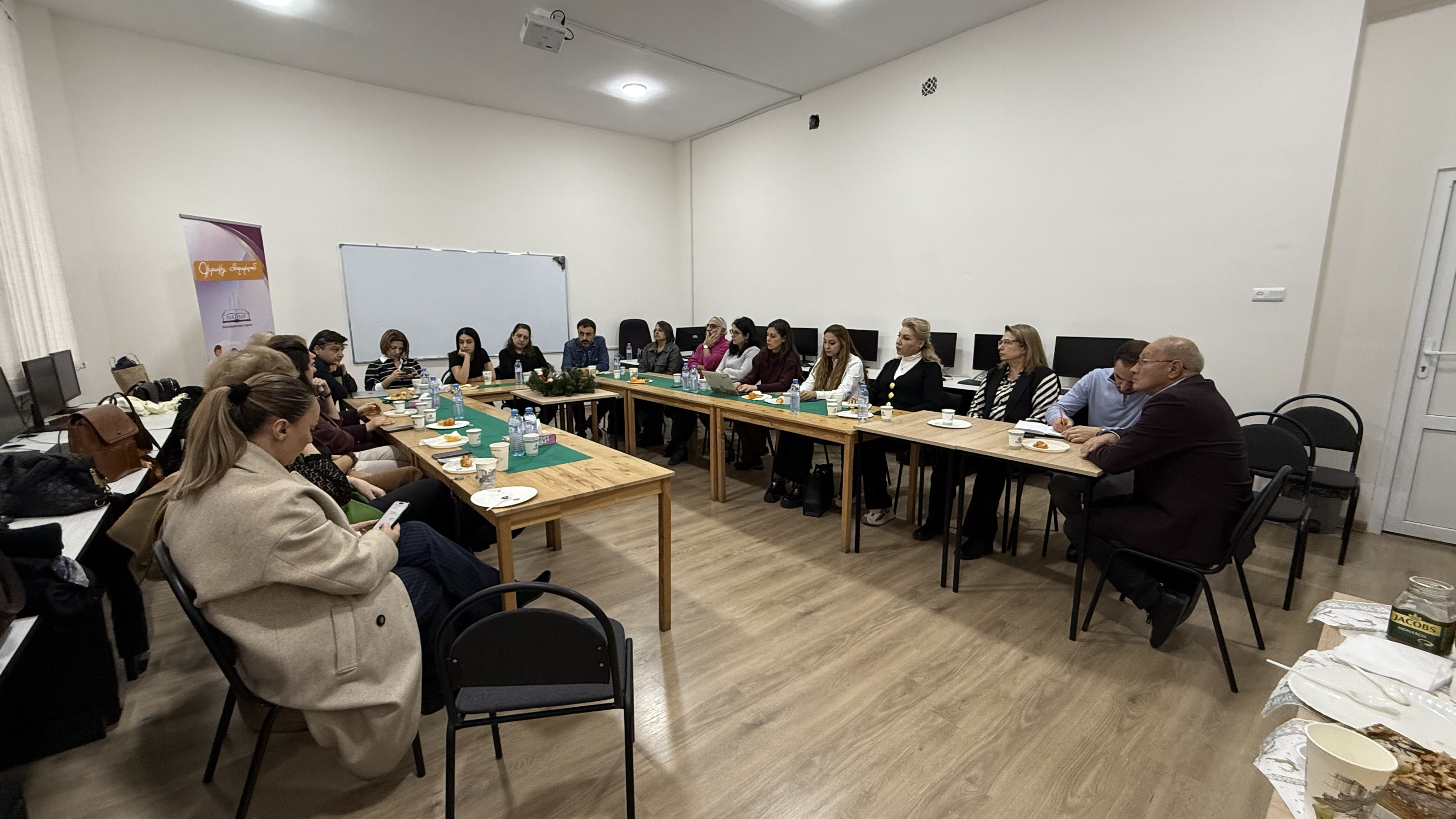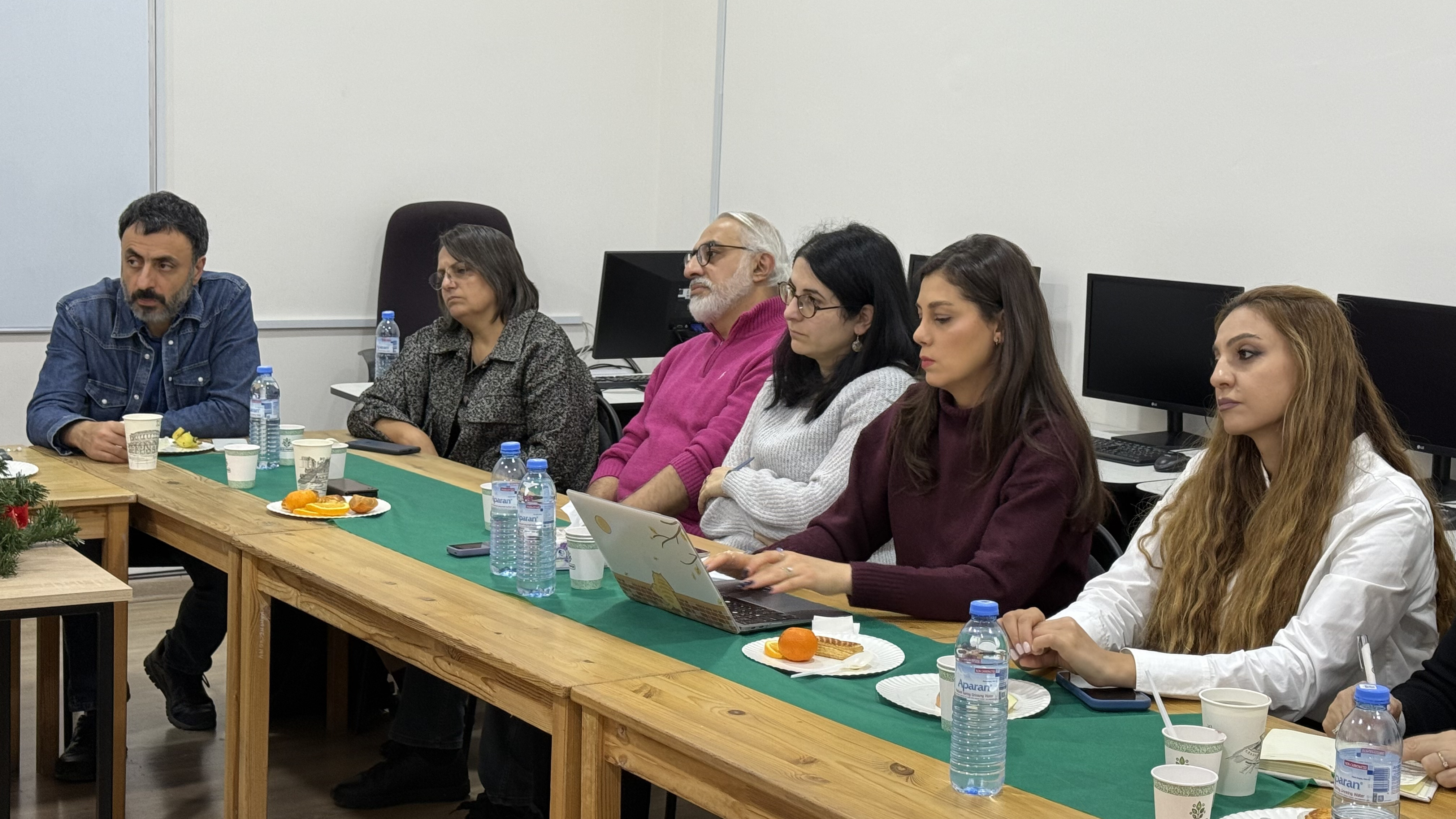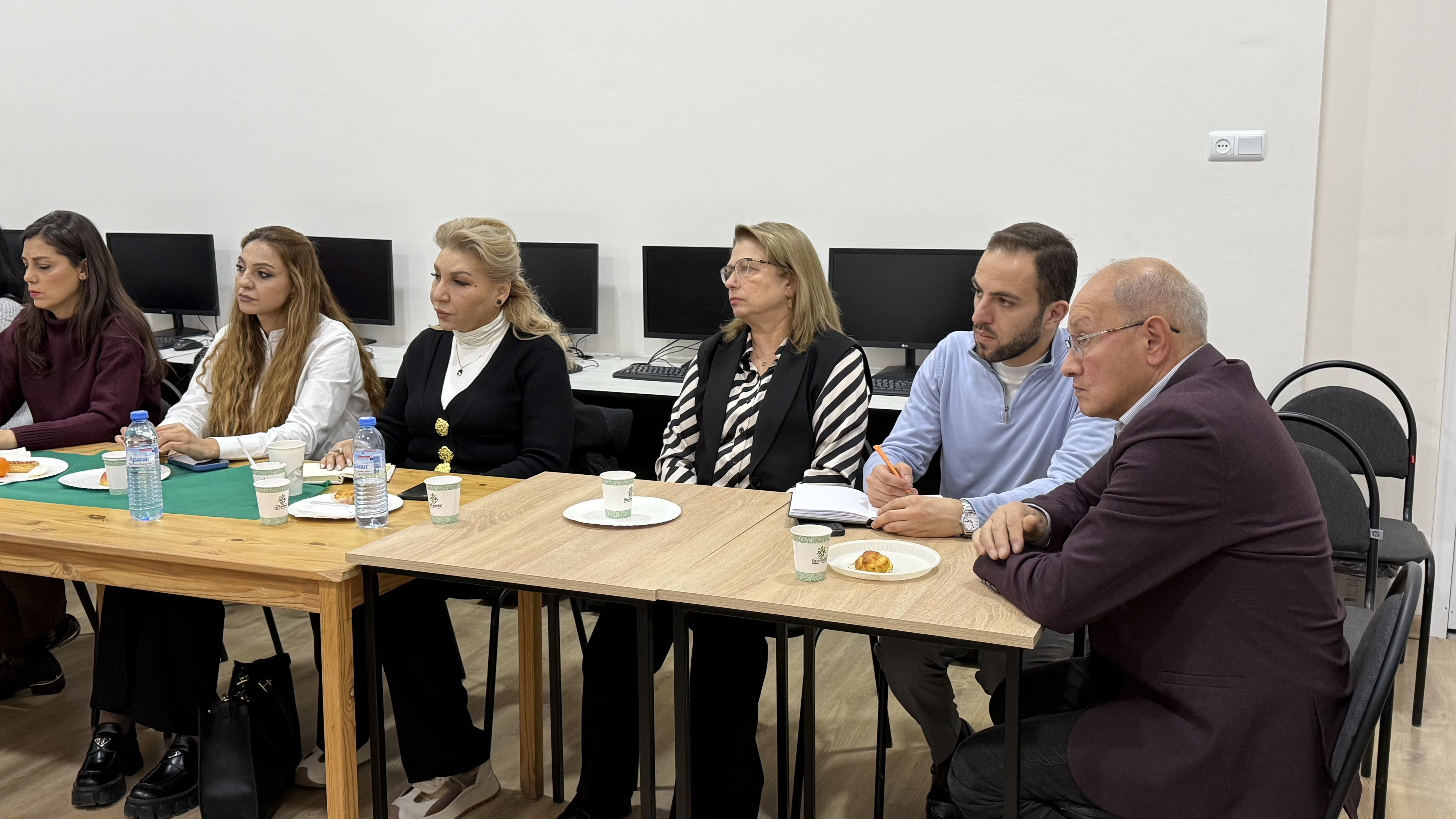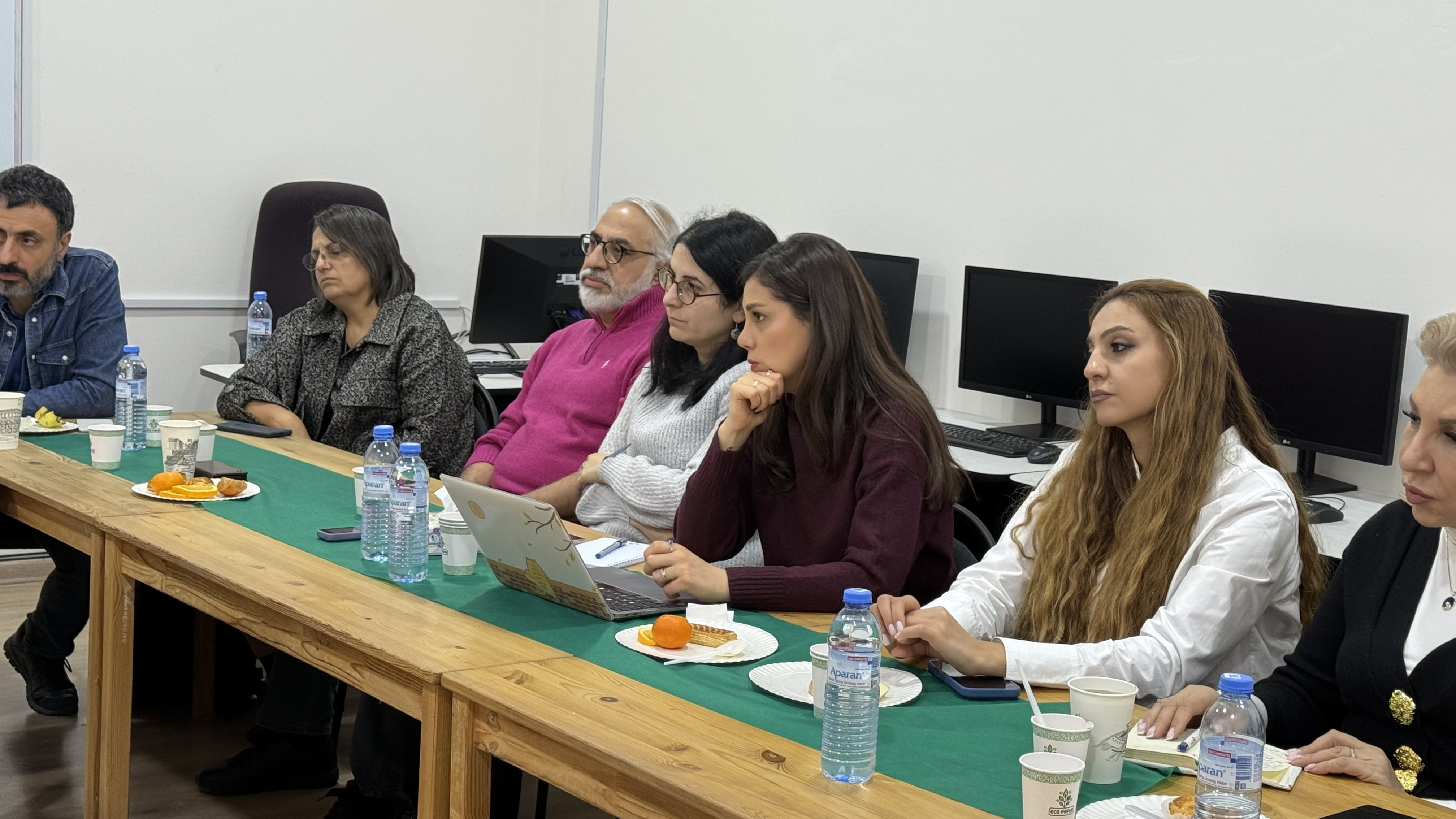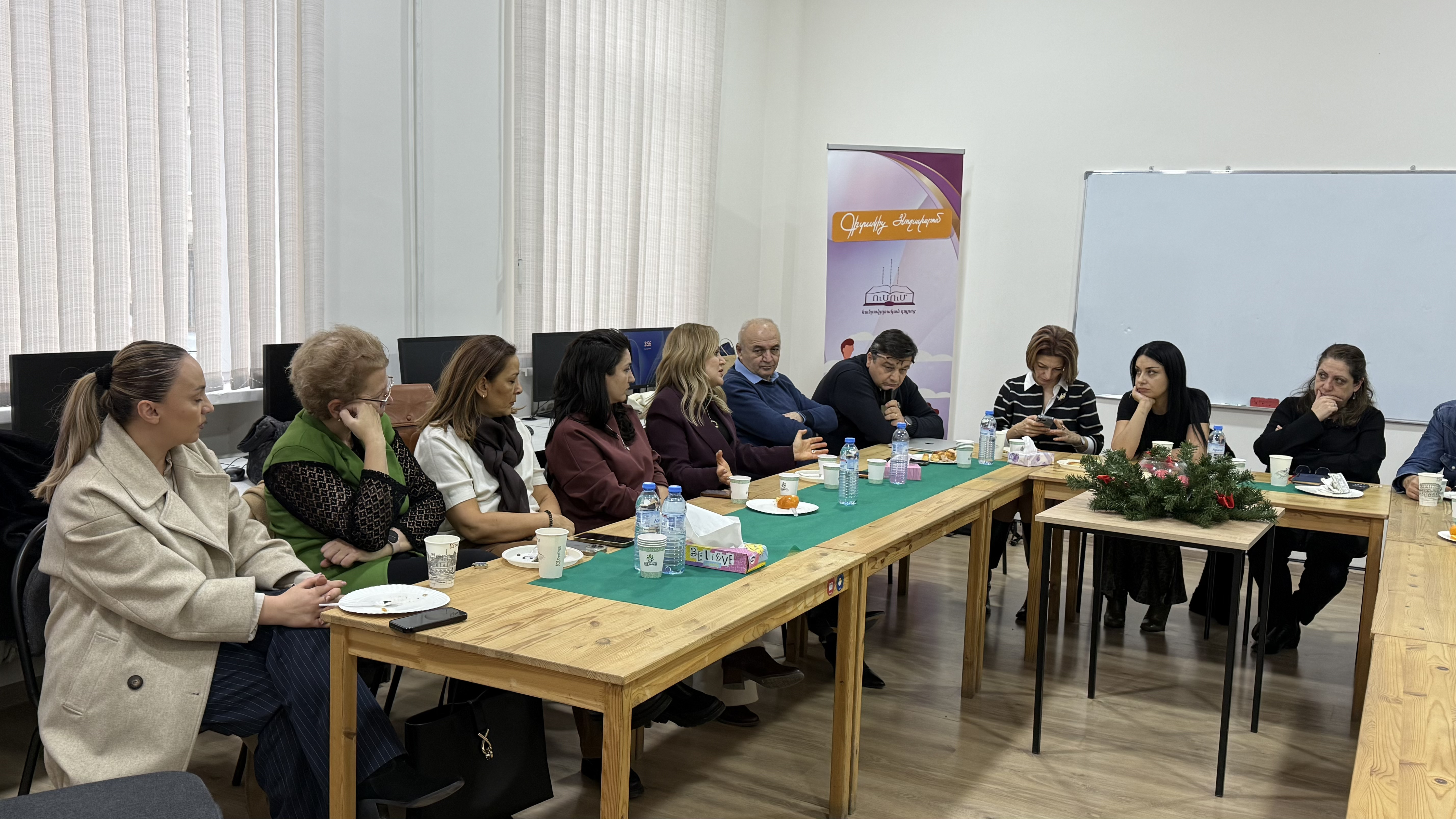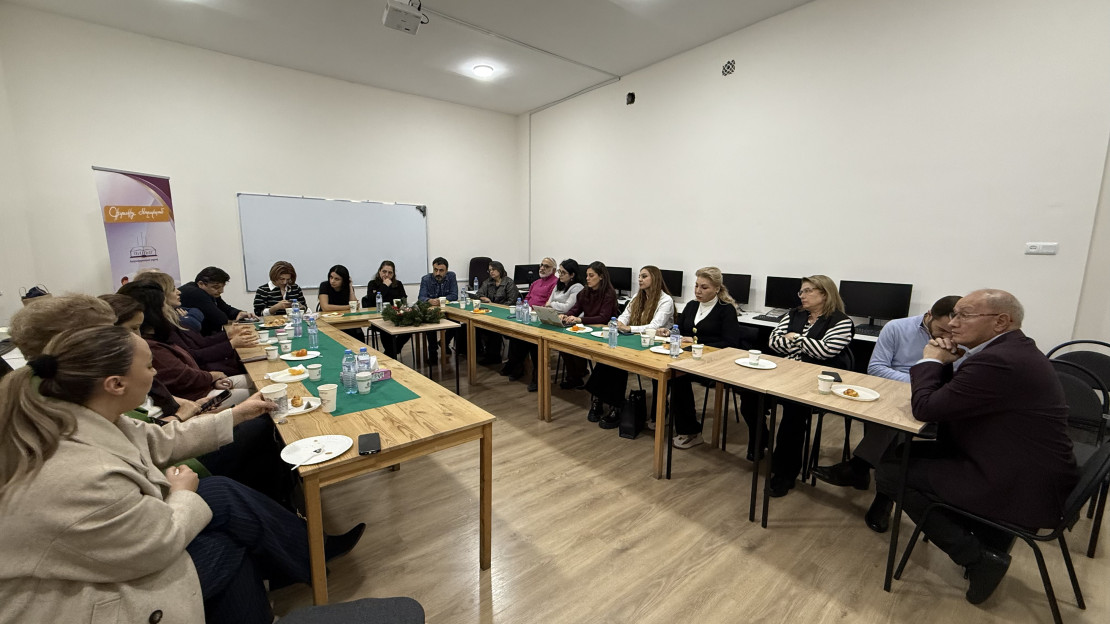
Within the framework of an official reception at “Usum” and for the purpose of discussing regular agenda items, the school hosted directors and deputy directors from 17 schools of the Armenian Association of Independent Schools “One Voice.”
The mission of the “One Voice” Association is to foster the development, advancement, and capacity building of independent schools in Armenia, with the aim of improving national education, as well as enhancing the quality and effectiveness of education. Relying in many areas of its activity on the principles of freedom, self-governance, and self-sufficiency granted to private schools, the Association engages in effective cooperation with state bodies and relevant supervisory authorities to contribute to the improvement of the state’s education strategy and legislative framework in the field of general education.
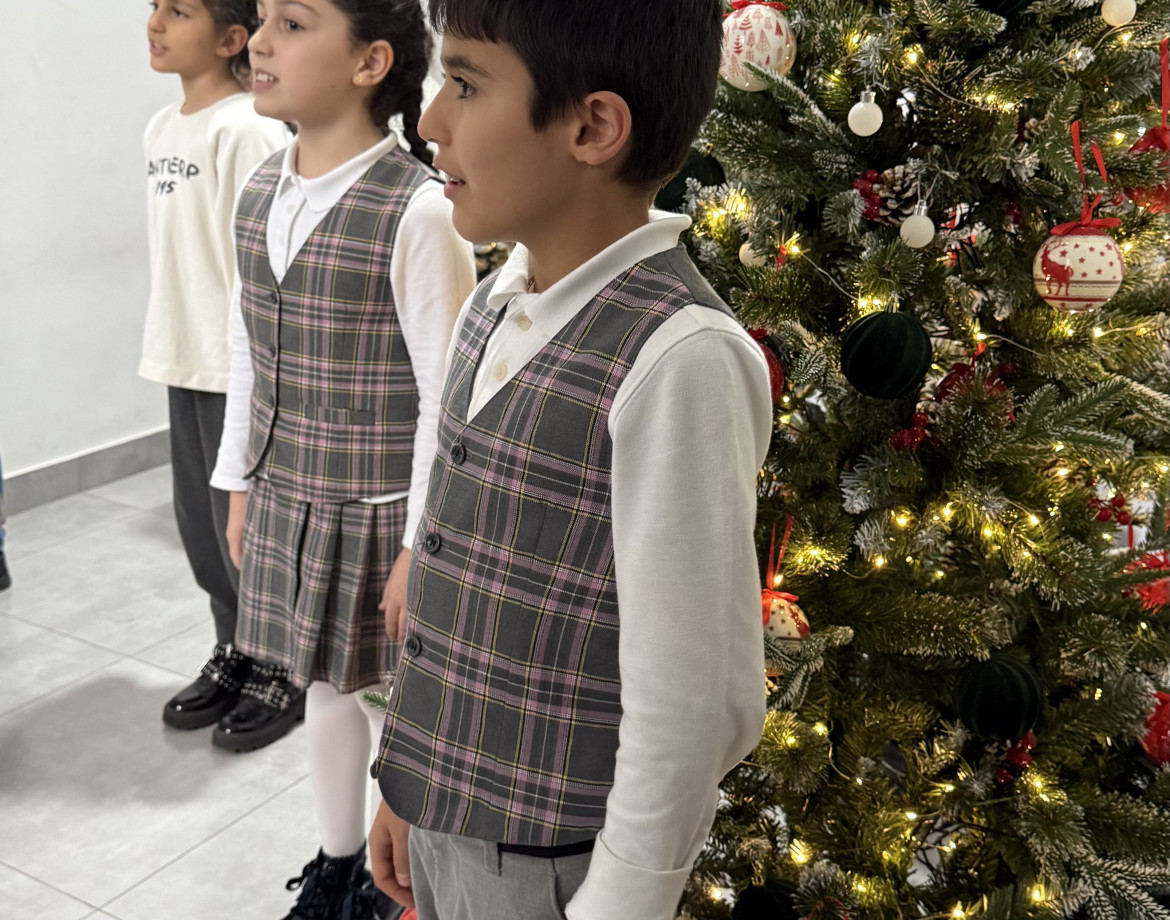
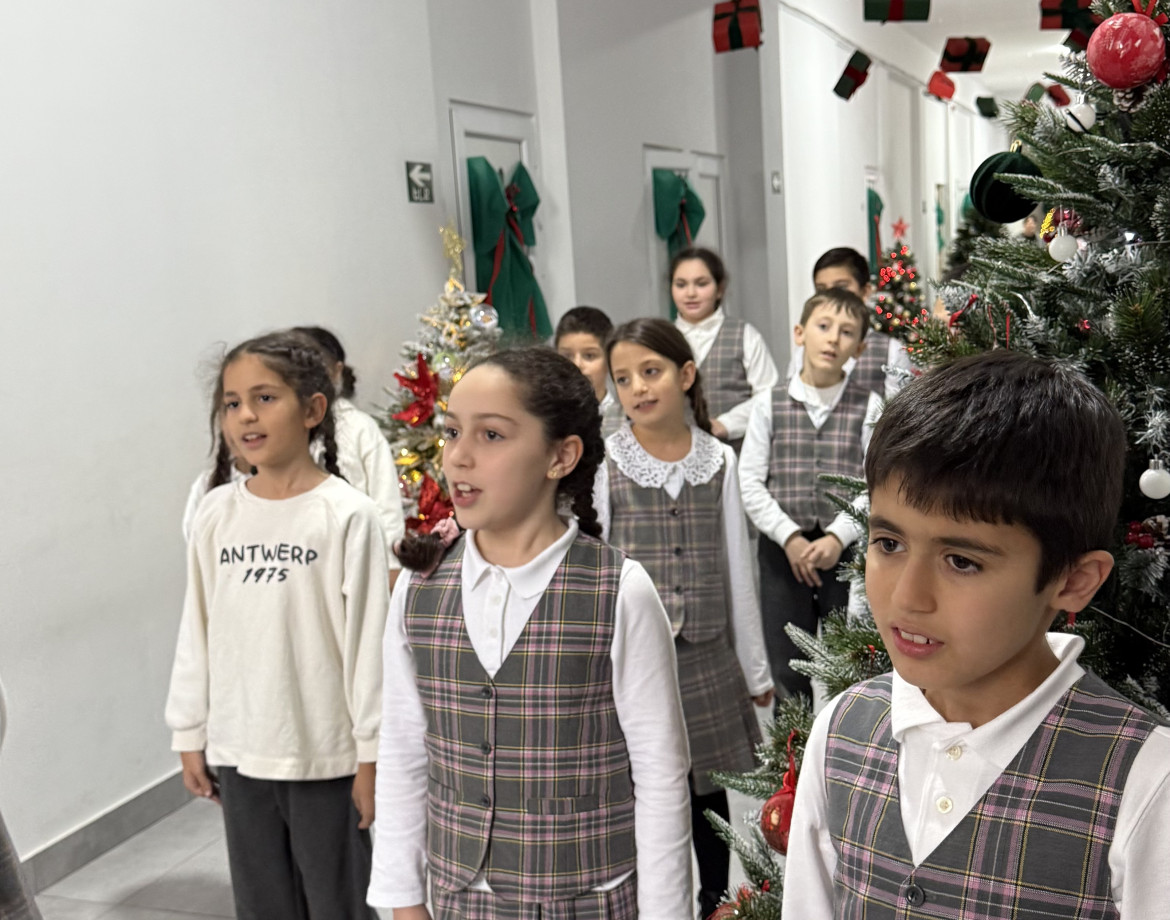
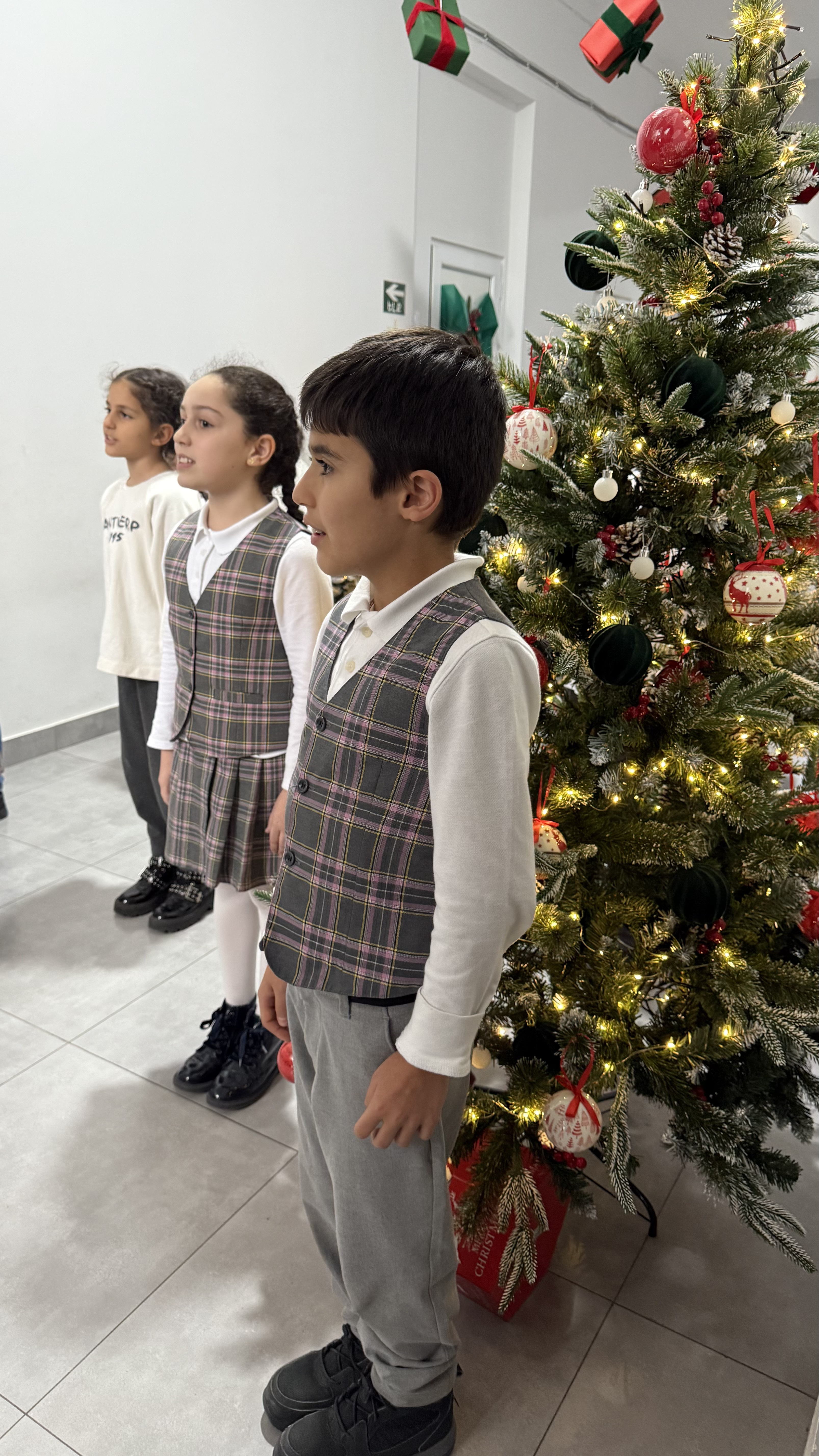
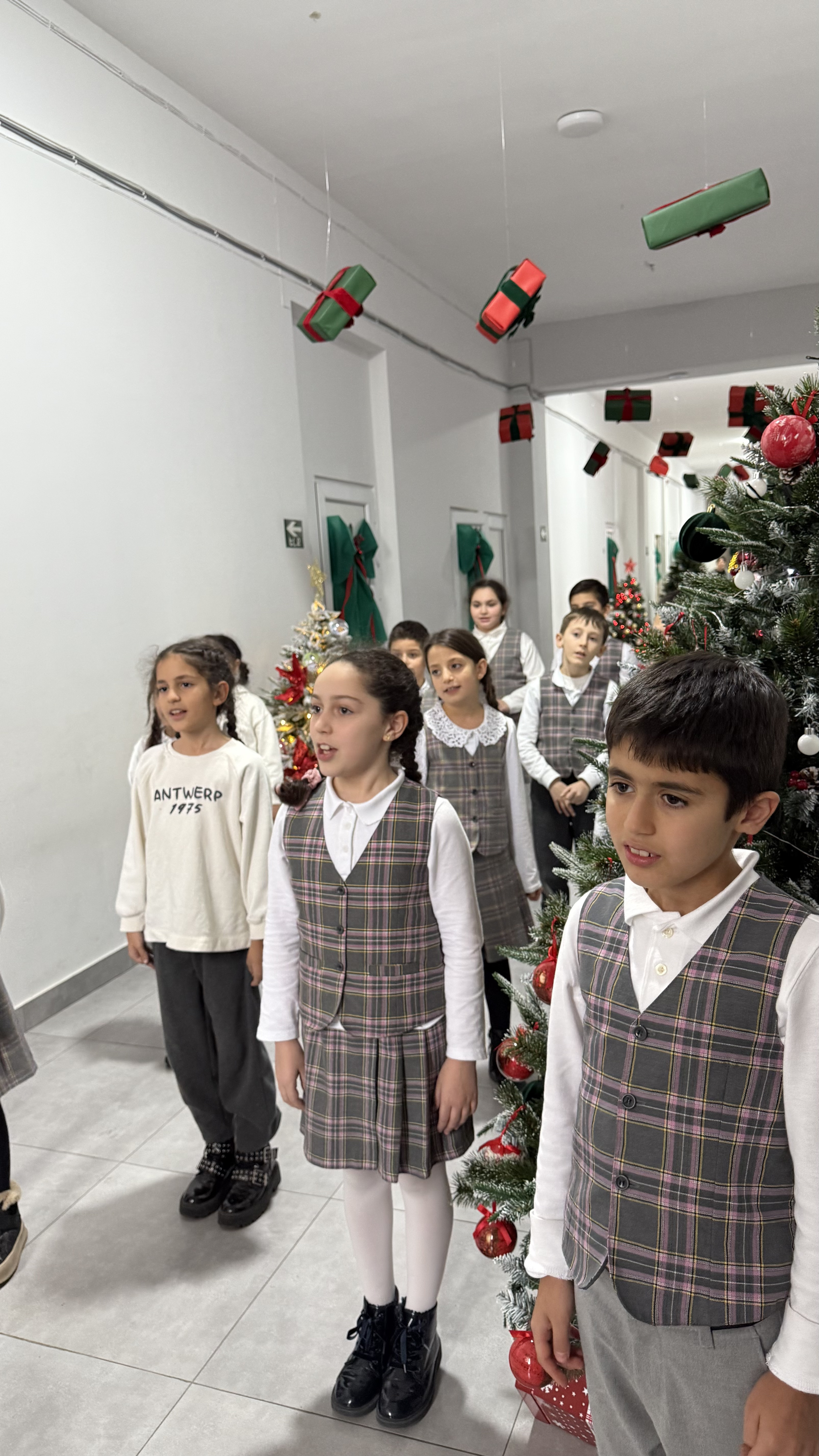
“Usum” is one of the Association’s founding schools and, in its capacity as a founder, hosted the Association’s year-end summary meeting. The constructive and warm atmosphere of the meeting was, perhaps, foreshadowed by the welcoming musical performance presented by younger students and the festive, elegant decorations that filled the school corridors. During the tour, the Deputy Director for Academic Affairs, H. Navasardyan, introduced the guests to the ongoing extended-day learning activities and the structural facilities of the school buildings.
At the opening of the official meeting, at the initiative of the school’s founder, H. Navasardyan, the “Conscious Parenting” series of meetings—brought to life after months of work—was presented as another initiative of “Usum,” aimed at improving the quality of education and enhancing perceptions within the student and parent communities.
The three items included on the agenda—namely, the participation of private schools in voluntary teacher attestation and the awarding of professional categories; qualitative requirements for teaching staff in private schools; and the “Education Management and Leadership” professional development program implemented through cooperation with the Association—were discussed in a notably active and constructive atmosphere.
Addressing the processes related to voluntary attestation, the Director of “Usum” School, S. Tamaryan, noted that while the school does not hinder teachers’ initiative to participate in voluntary attestation and is pleased to have more than a dozen teachers who have successfully passed it, the completion of voluntary attestation should not become an end in itself or a source of unhealthy competition among teachers. According to the Director, voluntary attestation should not be a contest of percentages, but rather a sign of growing commitment; successfully passing it—especially with high results—should be perceived by teachers not only as a source of pride, but also as an increase in responsibility toward students, themselves, and the education system as a whole.
During the exchange of views, school directors also discussed issues related to remuneration for teachers who have passed voluntary attestation, as well as changes in the quality and methods of their work, sharing their schools’ experiences and personal approaches. The prevailing view was that participation or non-participation in attestation often becomes a label for a teacher’s work quality, whereas pedagogy is not solely about academic knowledge.
Within the framework of the other agenda items, participants exchanged opinions on staffing challenges in private schools, as well as on professional development programs for teachers and administrative staff. The founder of “Usum” School, H. Navasardyan, proposed that, beyond discussions, a strategy be developed to address these issues. This strategy would encompass matters raised by him and the participants, such as schools’ involvement in teacher preparation processes and in the crediting of pedagogical qualifications; extending the duration of teaching practicums for students in pedagogical universities; reducing the gap between schools and teacher-training universities by taking supply-and-demand relations into account; and granting private schools the opportunity to become training providers—measures that would also offer long-term support to public education.
At the conclusion of the meeting, the participants expressed their gratitude to “Usum” School for the warm reception and for providing a healthy environment for constructive discussion․

To not think freely is to not think at all!