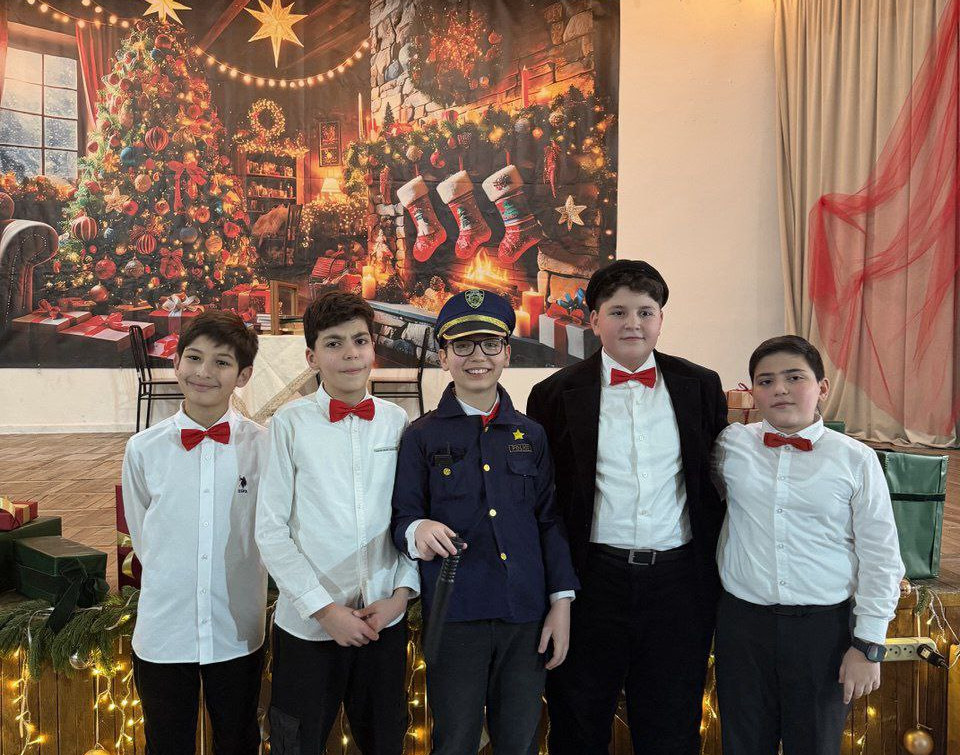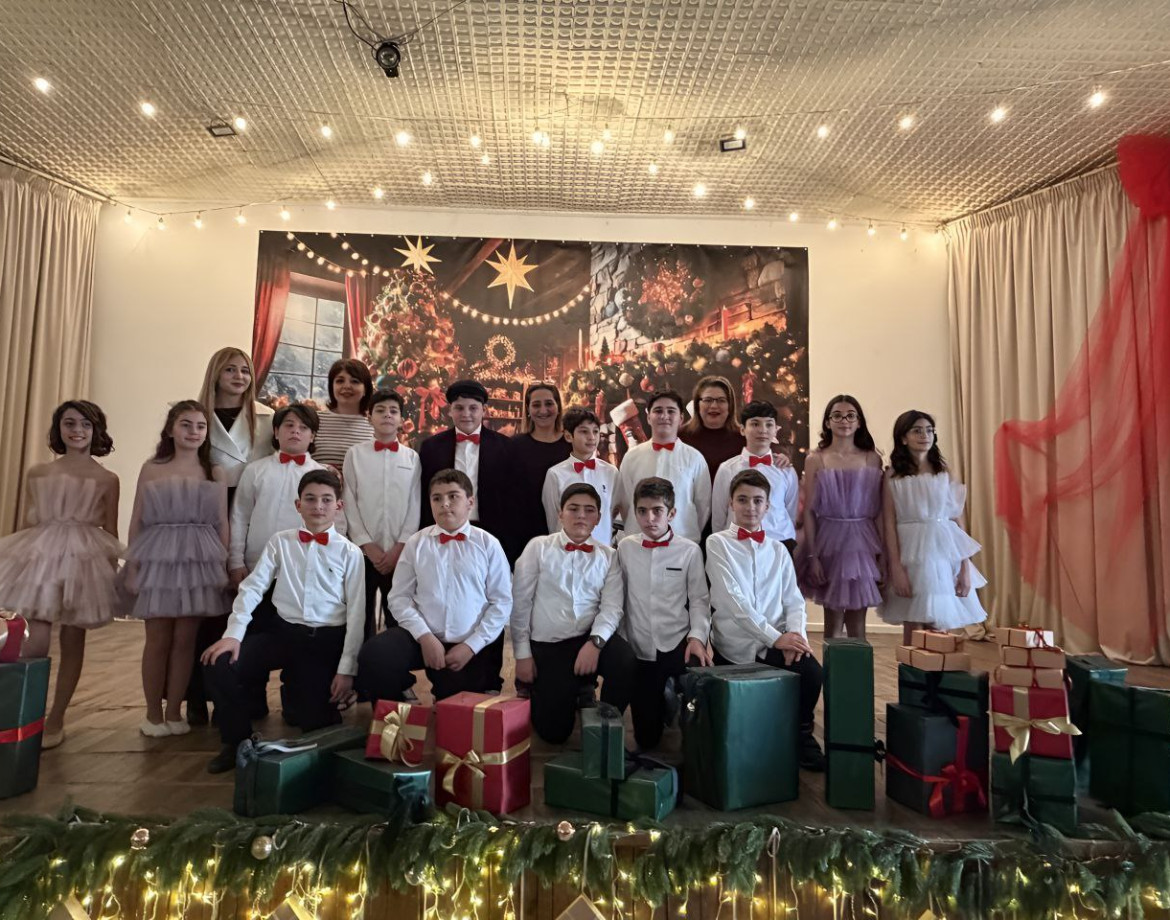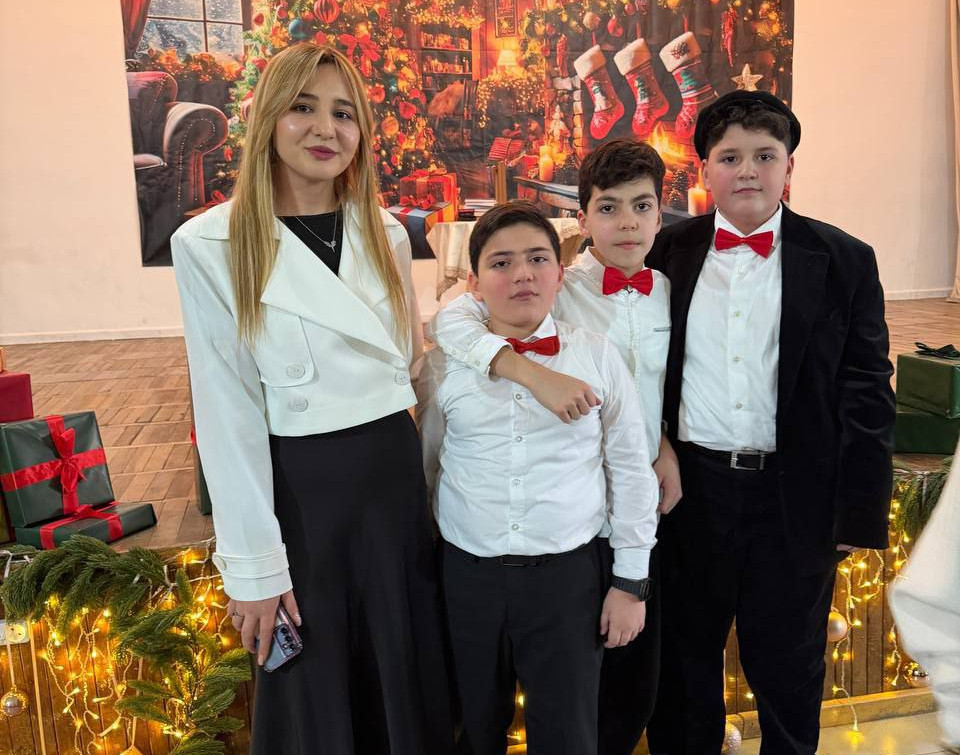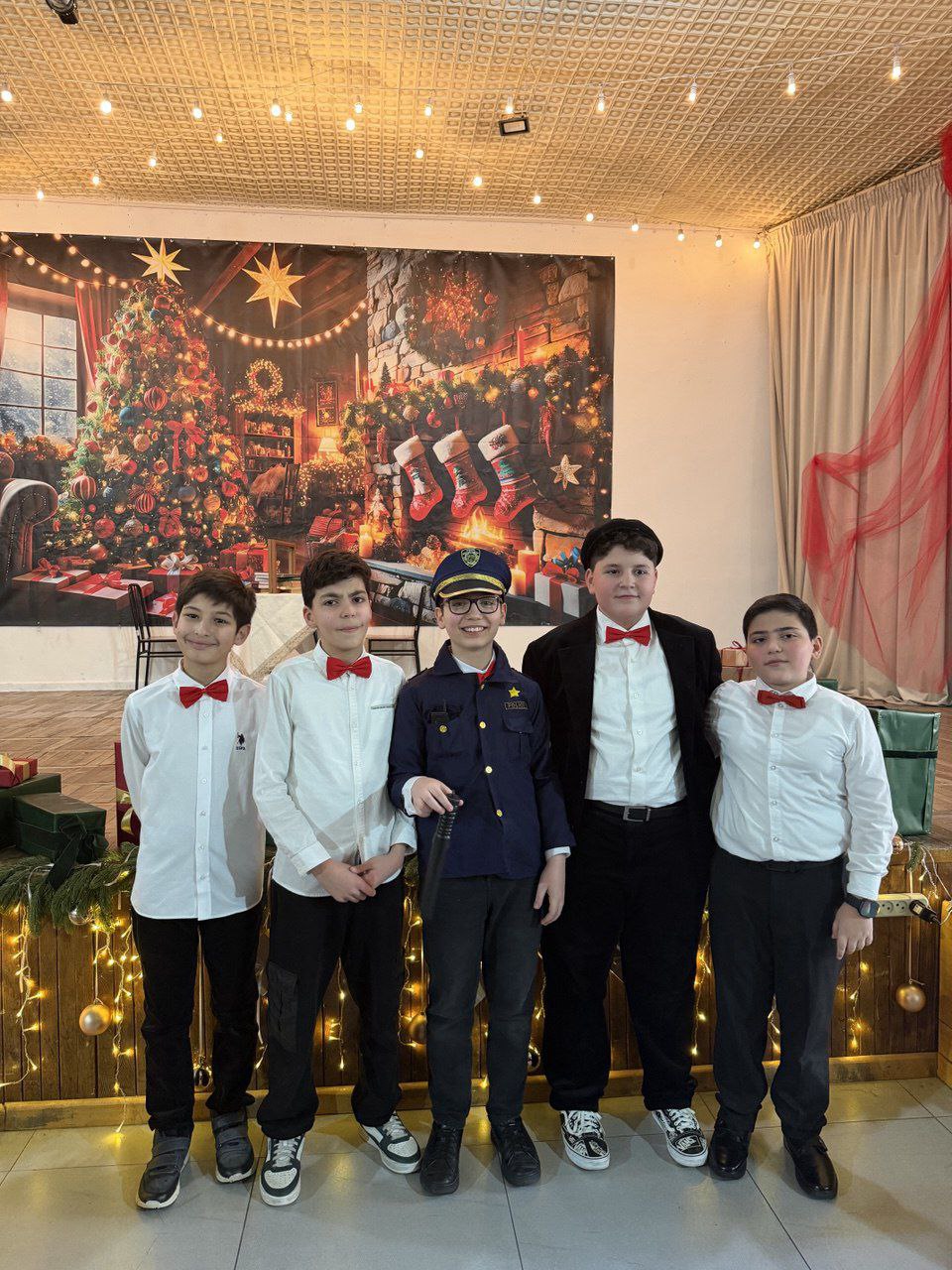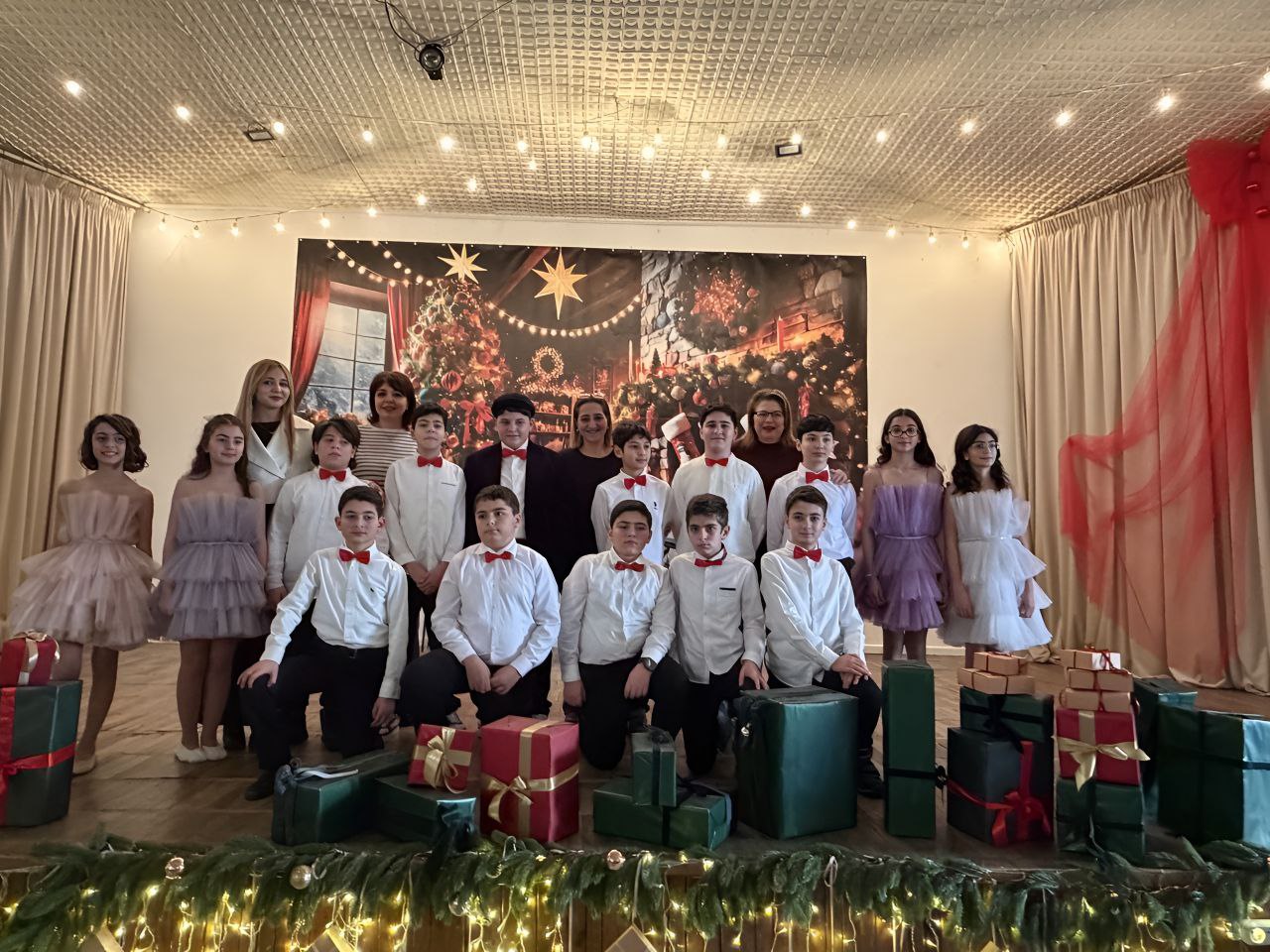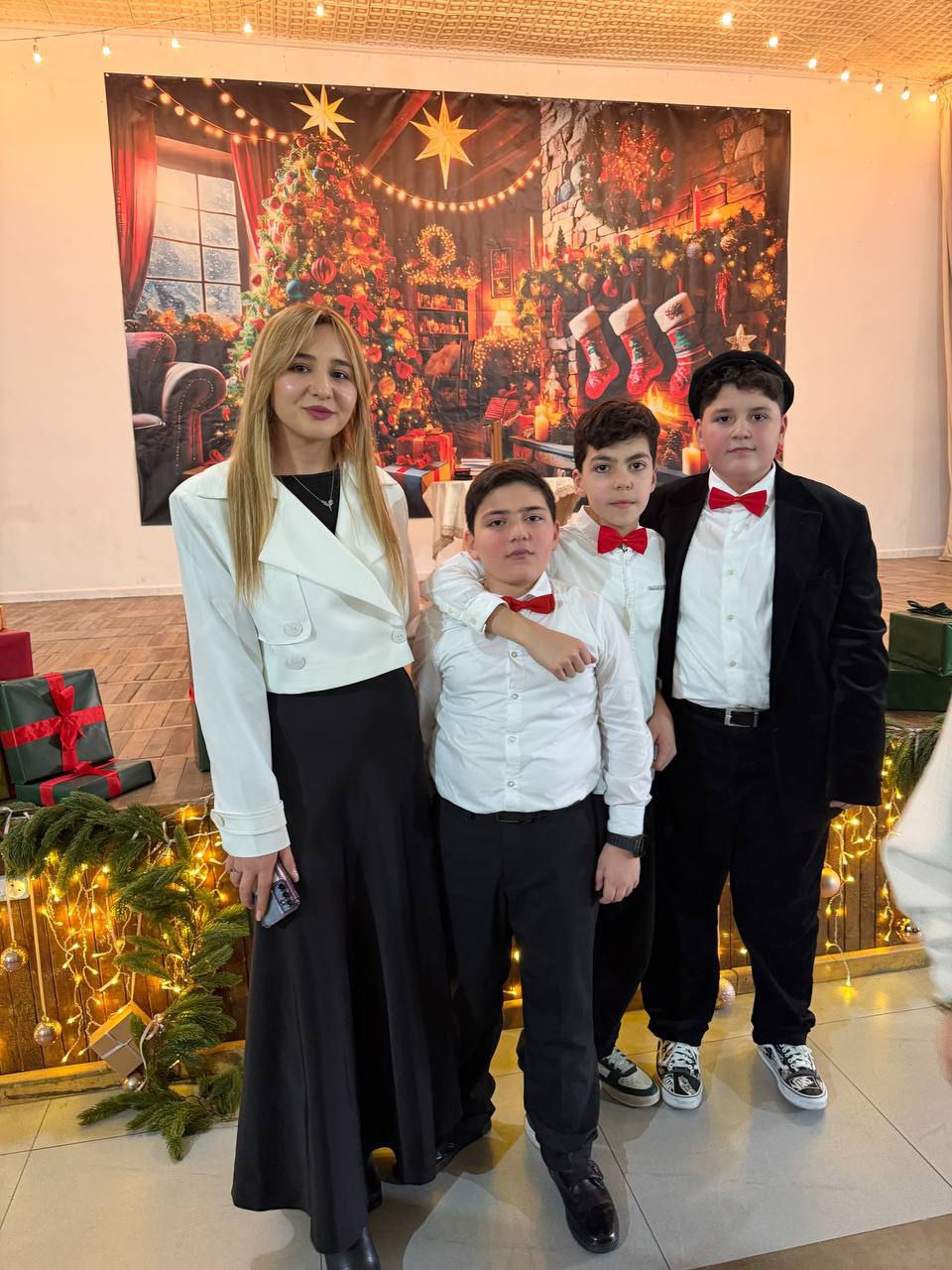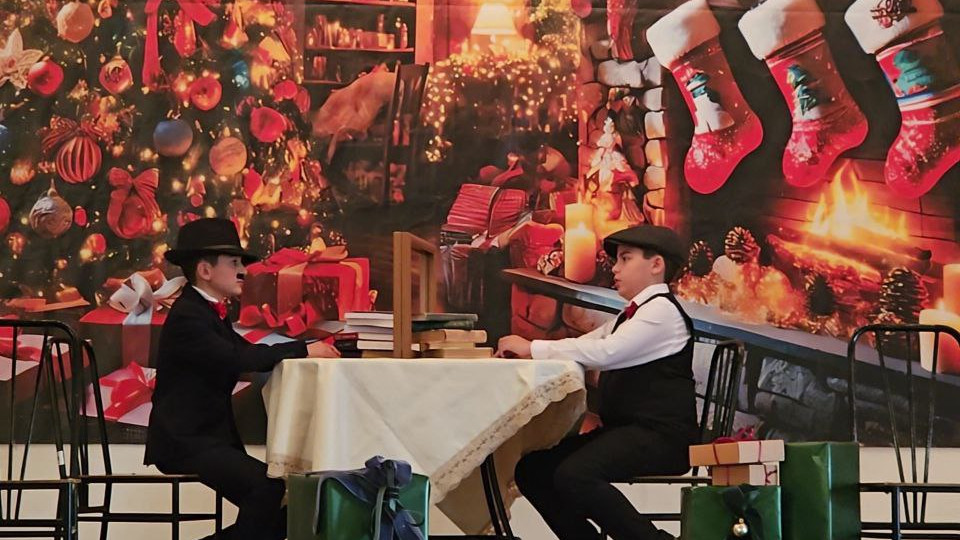
Timekeeping has always played an important role in the history of humankind. The accurate calculation of years, months, and days was determined not only by everyday life and agricultural work, but also by religious and festive traditions. The differences in the calendars used to mark the celebration of Christmas stem precisely from this reality. That is why it was neither surprising nor unexpected for us to see our sixth graders’ festive performance on stage today, which symbolically came to celebrate the Old New Year and to conclude the marathon of Christmas celebrations.
But first, let us understand how the differences between the old and the new calendars emerged. In 46 BC, the Julian calendar was adopted in Rome by order of Julius Caesar. It was based on the solar year and for a long time was considered quite accurate. However, over the centuries it became evident that the Julian calendar had a slight discrepancy compared to the actual solar year: it “lagged behind” by about 11 minutes each year. Over time, this small discrepancy accumulated and resulted in a significant difference in the calendar.
In 1582, at the initiative of Pope Gregory XIII, the Gregorian (new) calendar was introduced, correcting this error by removing several days from the calendar and establishing new rules for leap years. The Western world gradually adopted the new calendar, while a number of churches, including the Armenian Apostolic Church, retained the Julian calendar for liturgical calculations. Thus arose the difference between the old and new calendars, which is why Christmas is celebrated on different dates in different communities, yet with the same profound meaning and faith. And although the entire Christian world has reached a common agreement regarding the New Year and celebrates it on January 1, in many families one can still hear about the Old New Year celebrated on January 13.
Christmas is one of the most symbolic and radiant feasts of Christianity. It embodies the ideas of love, devotion, forgiveness, and human warmth. These values become especially powerful when conveyed through art, and particularly through theatrical performances—most of all when presented by the most innocent participants: children.
The sixth graders’ performance revealed the theme of Christmas through several parallel stories. Interwoven, they created an emotional and ideological unity centered around one simple truth: the true miracle lies within the human heart.
In the first part of the performance, the seemingly simple question “Are children happy?” became the ideological axis of the entire presentation. The anonymous donation, made not ostentatiously but quietly and humbly, emphasized the idea that kindness holds its greatest value precisely in its modesty.
The dynamic dialogues transported the audience into the world of childhood, where the anticipation of Christmas often intertwines with disappointment. A child’s wish addressed to Grandfather Frost—to have a father—became a symbol of an unfulfilled dream. Yet years later, this pain transforms into creative expression and inner reconciliation. Through the characters embodied by the students, this segment reminded us that Christmas is not only about gifts, but also about unspoken words and forgiveness.
The seamless combination of Armenian motifs and Dickensian themes, illustrated through the transformation of Scrooge, aimed to show the audience that it is never too late to change and to fill one’s life with light and meaning.
The concluding words of the performance summed up the core message: the greatest miracle of Christmas is faith and love. When a person is ready to give, to listen, and to understand others, Christmas ceases to be merely a one-day celebration and becomes a permanent state of being.

To not think freely is to not think at all!