
A new school year always feels a little like opening a new page. The schoolyard fills with voices once again, familiar laughter echoes through the hallways, classrooms wait for their students, while first-graders walk through the school doors slightly nervous, slightly impatient, and carrying dreams that are wonderfully big. This is, perhaps, the universal September 1st experience—regardless of country, nationality, continent, or cultural background.
Yet every nation has developed, refined, and passed down its own traditions for celebrating knowledge and education over generations, revealing its distinctive attitude toward learning—or, in some cases, the absence of such an attitude.
In Armenia, September 1, Knowledge and School Day, is a whole chain of ceremonies and traditions that still bears the imprint of the Soviet era, while gradually embracing contemporary approaches year after year. But have we ever wondered what unchanging traditions are preserved in different countries around the world when they welcome the first day of the school year, even amid all the innovative and modern approaches? Is the first day of school September 1 everywhere? And do all children experience it in the same way?
It turns out they do not. And it is precisely these differences that make the world of education so fascinating. For example, in Germany, one of the best-known first-day-of-school traditions is the Schultüte—a large, colorful, cone-shaped container that children receive on their first day of school.
It may be filled with sweets, school supplies, and small gifts. This beautiful tradition dates back to the 19th century and is intended to make a child's first day of school sweeter and more memorable, symbolizing the idea that the fruits of education are sweet as well.
Here, the first day of school is not only the beginning of education but also a family celebration that children remember for many years.
While the school year begins in autumn in Armenia and many European countries, in Japan it begins in April. In March, as the cherry blossoms begin to bloom, Japanese children prepare to embark on a new school year. Schools hold special opening ceremonies during which new students are welcomed into their school community.
The coincidence of the cherry blossoms and the beginning of the school year seems deeply symbolic: just as the trees bloom anew, every child begins a new stage of growth and development.
Japanese school culture also places great importance on unity, discipline, and shared responsibility. Students take part in the everyday life of their schools and learn not only from textbooks but also from the experience of being part of a community.
Not far from Japan, the school year in South Korea begins in mid-March. The start of a new academic year is a particularly meaningful moment for those entering school for the first time. A new classroom, a new teacher, new friends, and new goals—all become symbols of change and a new beginning.
The calendar may be different, and so may the traditions, but the feeling remains the same: “I am starting something new.”
Let us return to the northern reaches of Finland, where the school year begins in August. Finnish school life places strong emphasis on children's independence and on the idea that education should contribute to a person's well-being and quality of life.
Perhaps that is why the beginning of the school year is perceived less as a “return to lessons” and more as the beginning of new opportunities. In the United Kingdom, everything may seem familiar and traditional to us: the school year begins in September.
The first day of the school year is especially important for children who are moving to a new school or beginning their education for the first time.
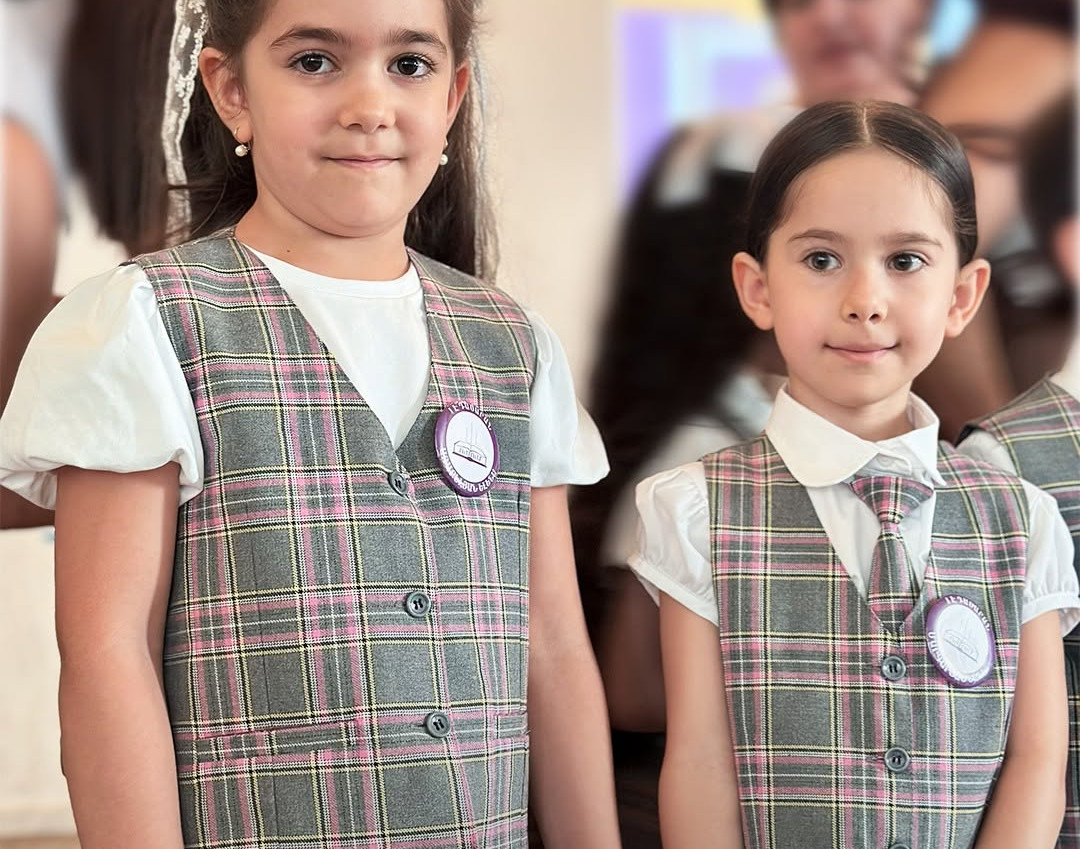
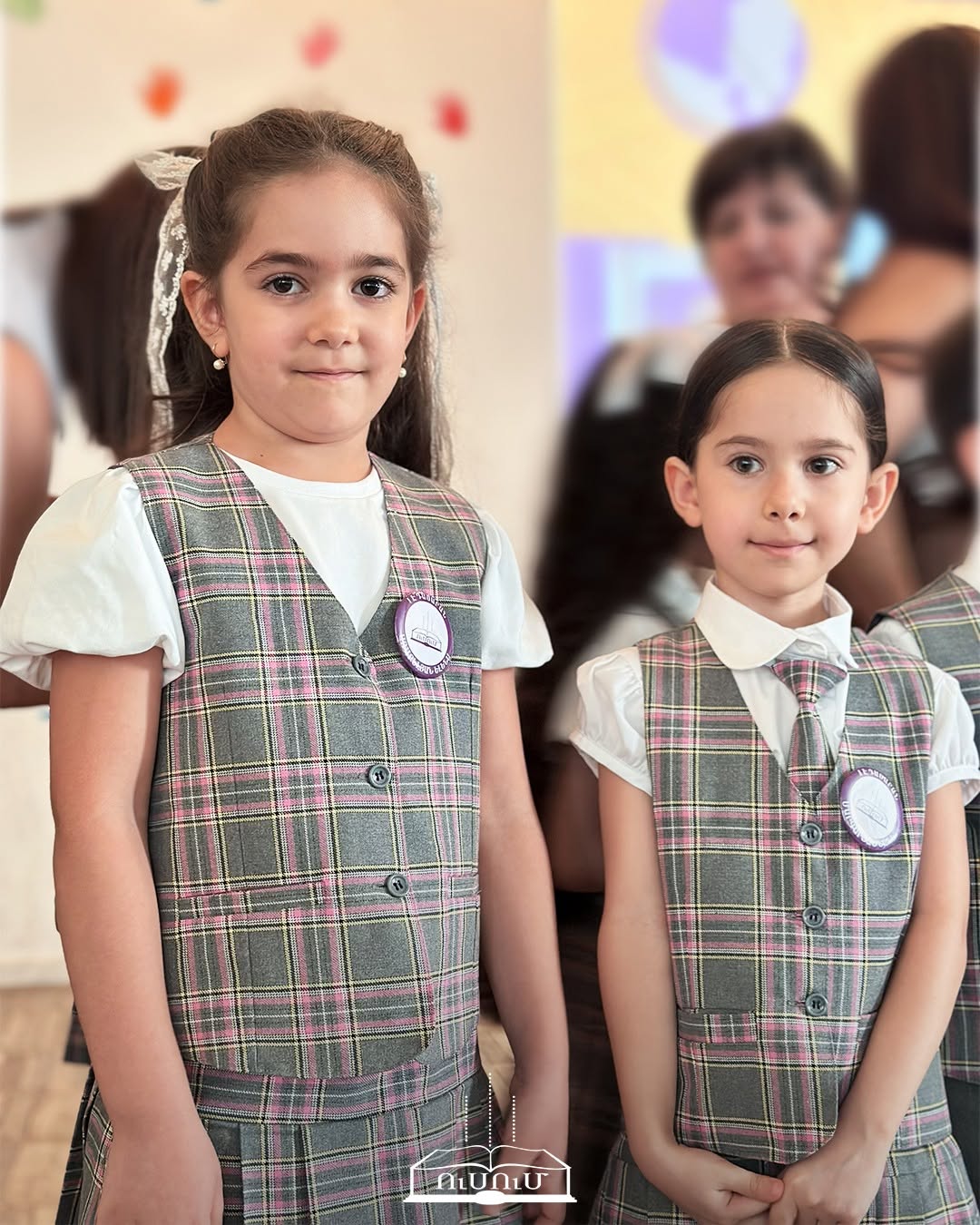
In Britain, almost all schools, up to the secondary level, maintain a strict school-uniform tradition. Here, the uniform does not simply symbolize looking alike; rather, it represents understanding one's place within the school community and recognizing the boundaries and responsibilities that come with it.
And then there is sunny Australia, where the school year begins at the start of the year—in January or February, depending on the state or territory. This means that while students in Armenian schools are preparing for their winter holidays, many children in Australia are beginning a new school year.
This difference once again reminds us that school calendars may vary, but the purpose of education remains the same.
Different countries, different seasons, different dates, different traditions. In one place, a child arrives at school carrying flowers; somewhere else, they receive a large cone filled with sweets; and in another country, the new school year coincides with the first blossoms of spring. Yet everywhere, the first day of school represents one important idea: a new beginning.
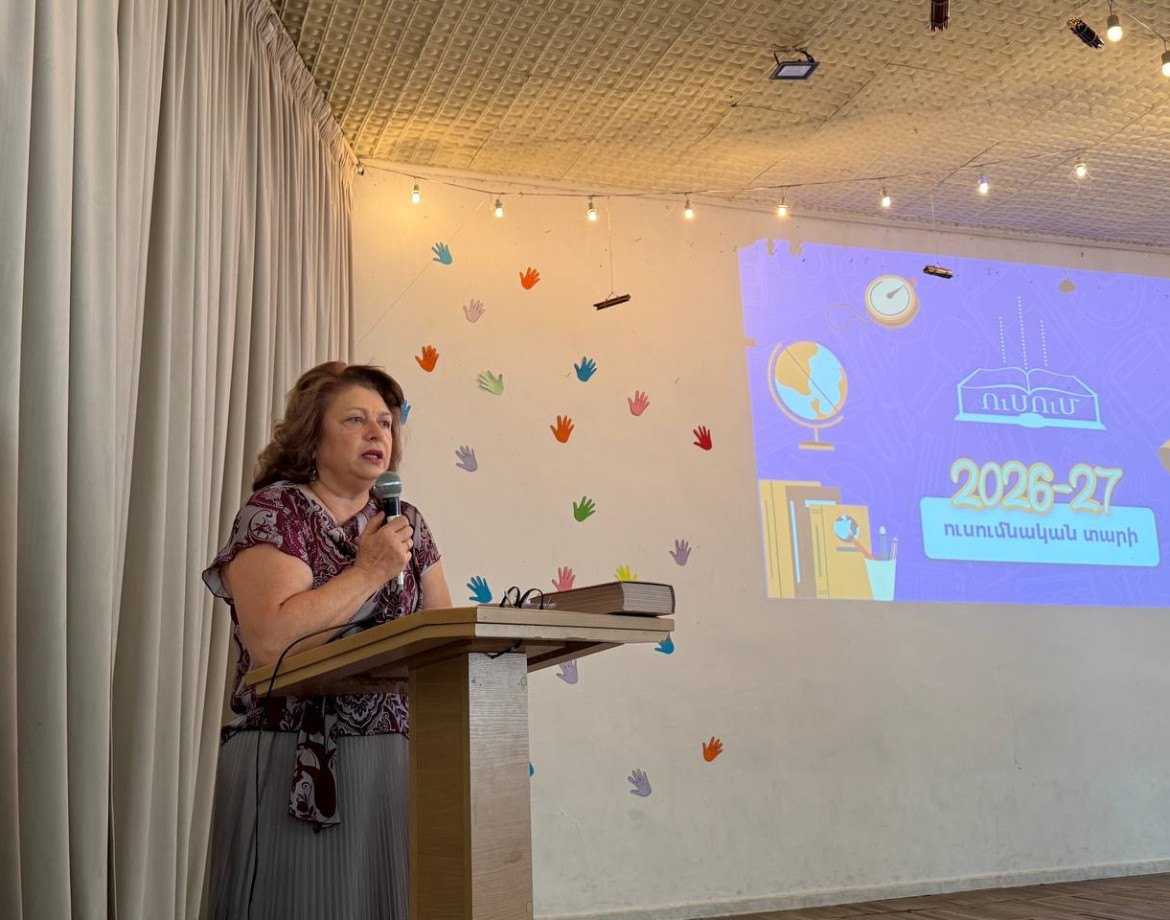
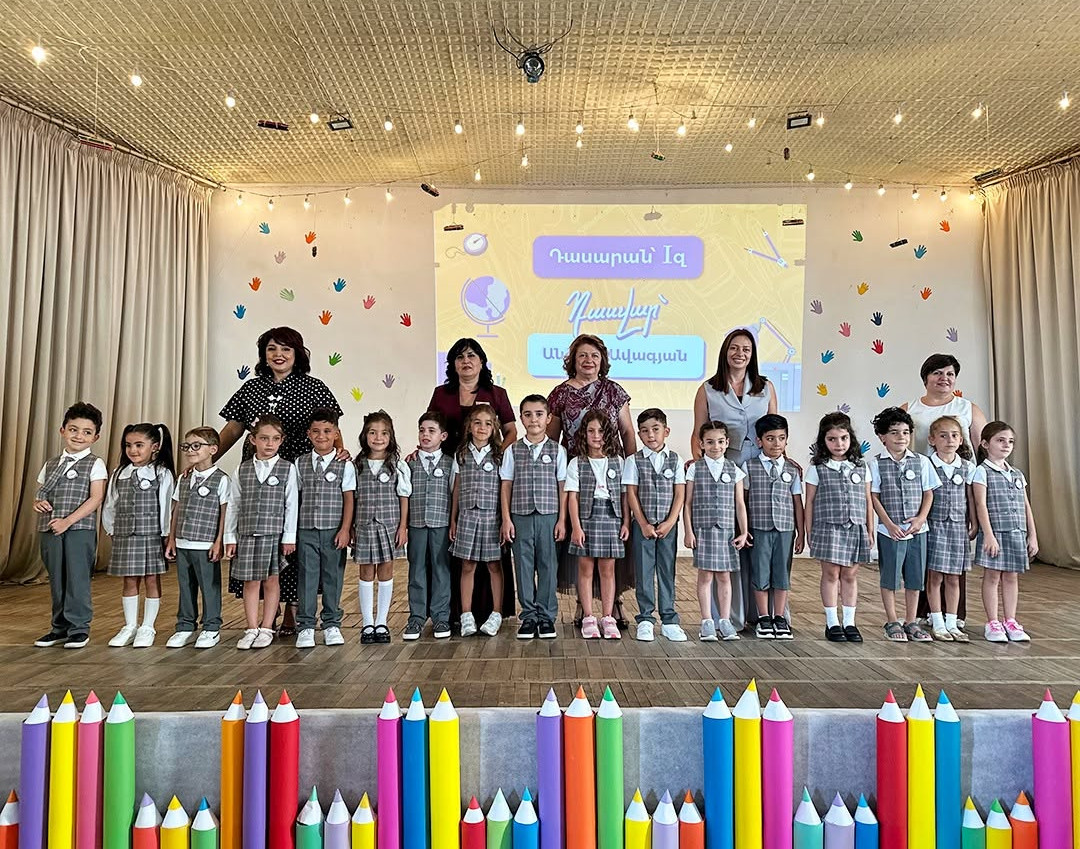
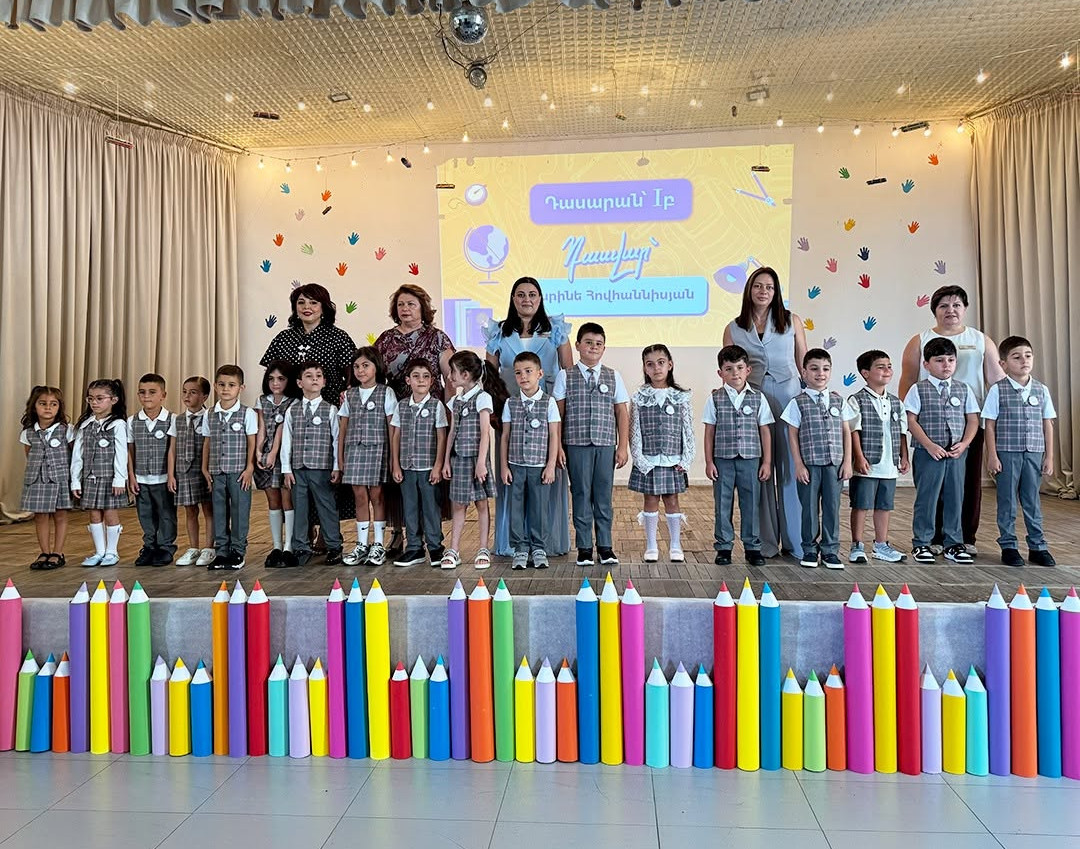
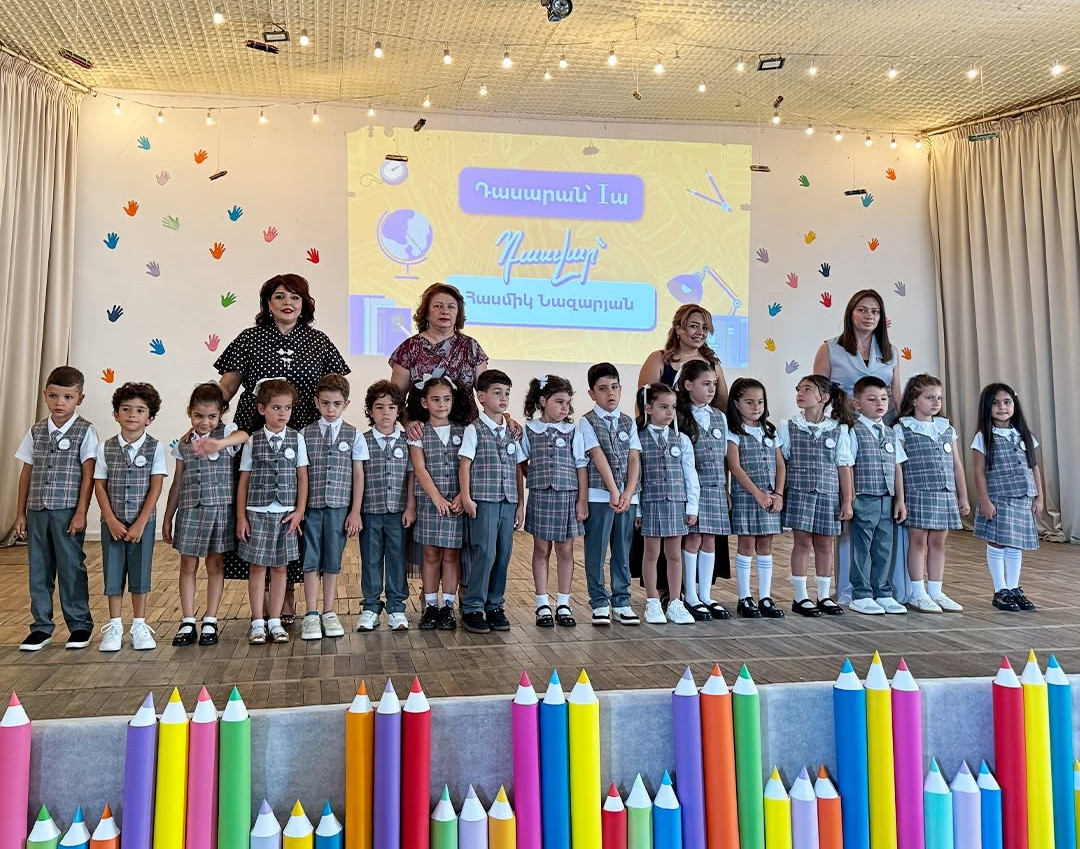
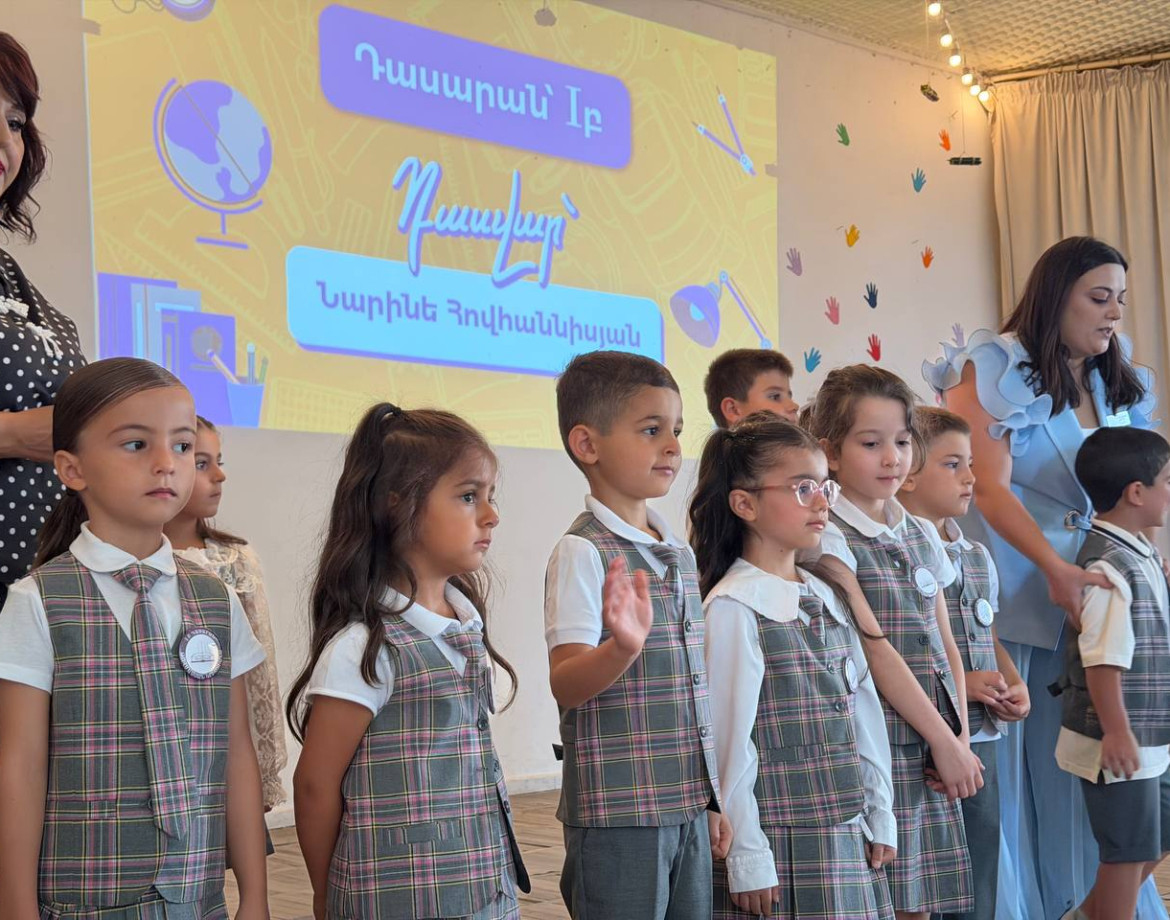
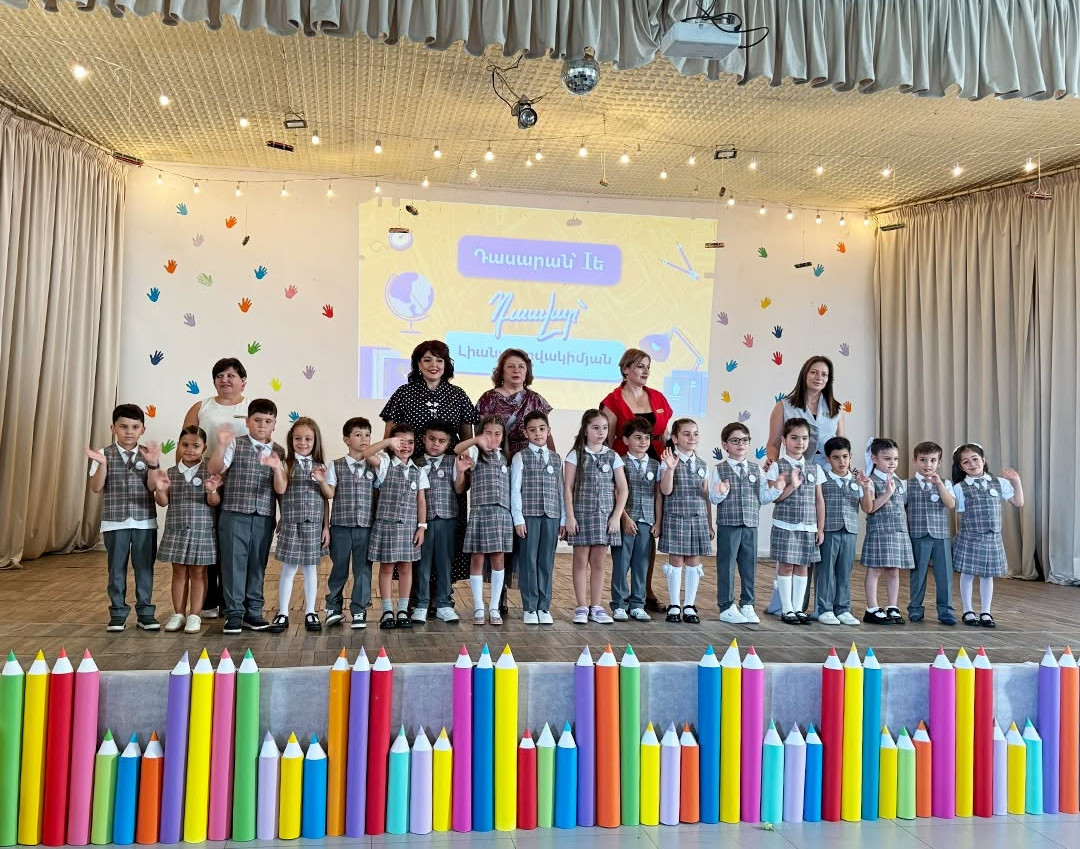
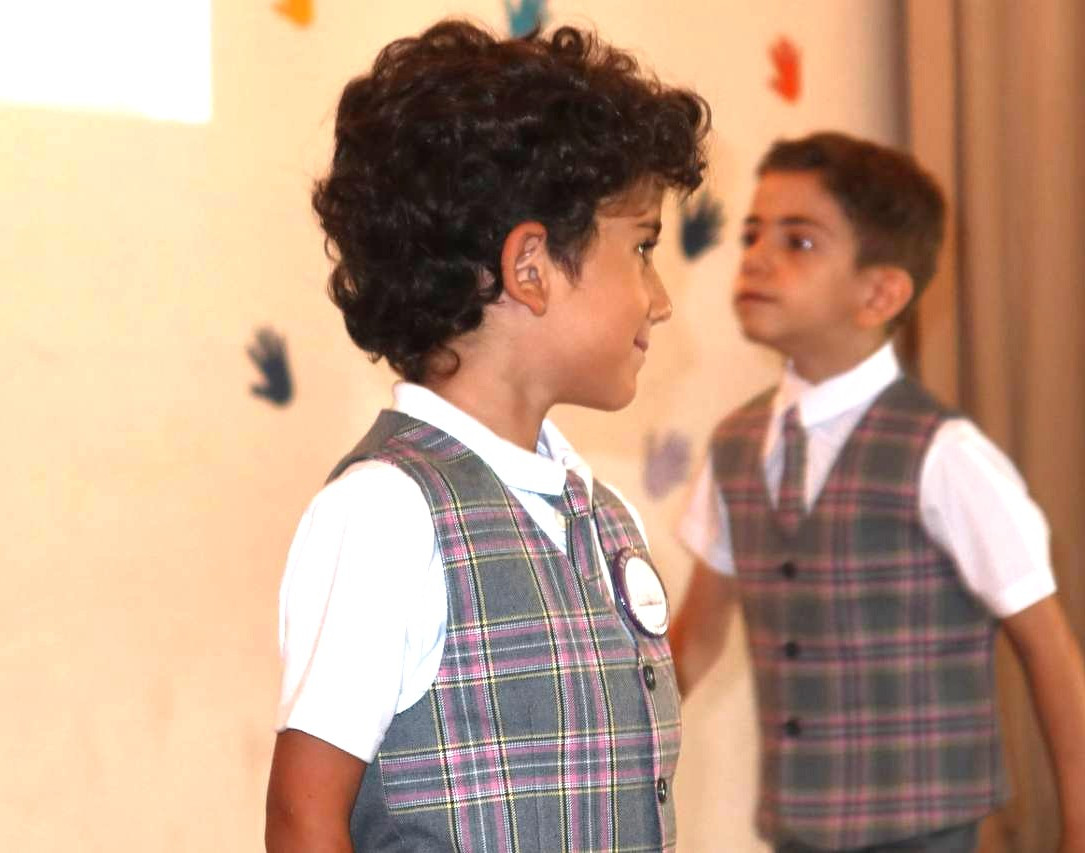
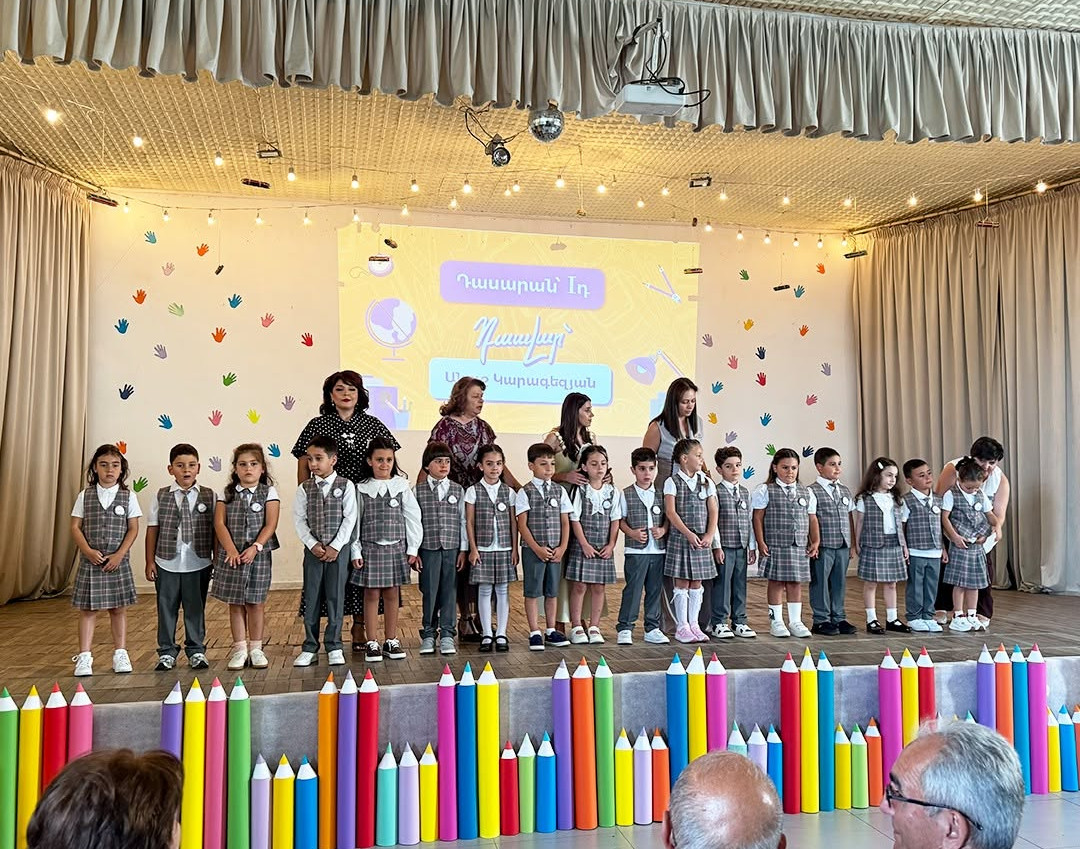
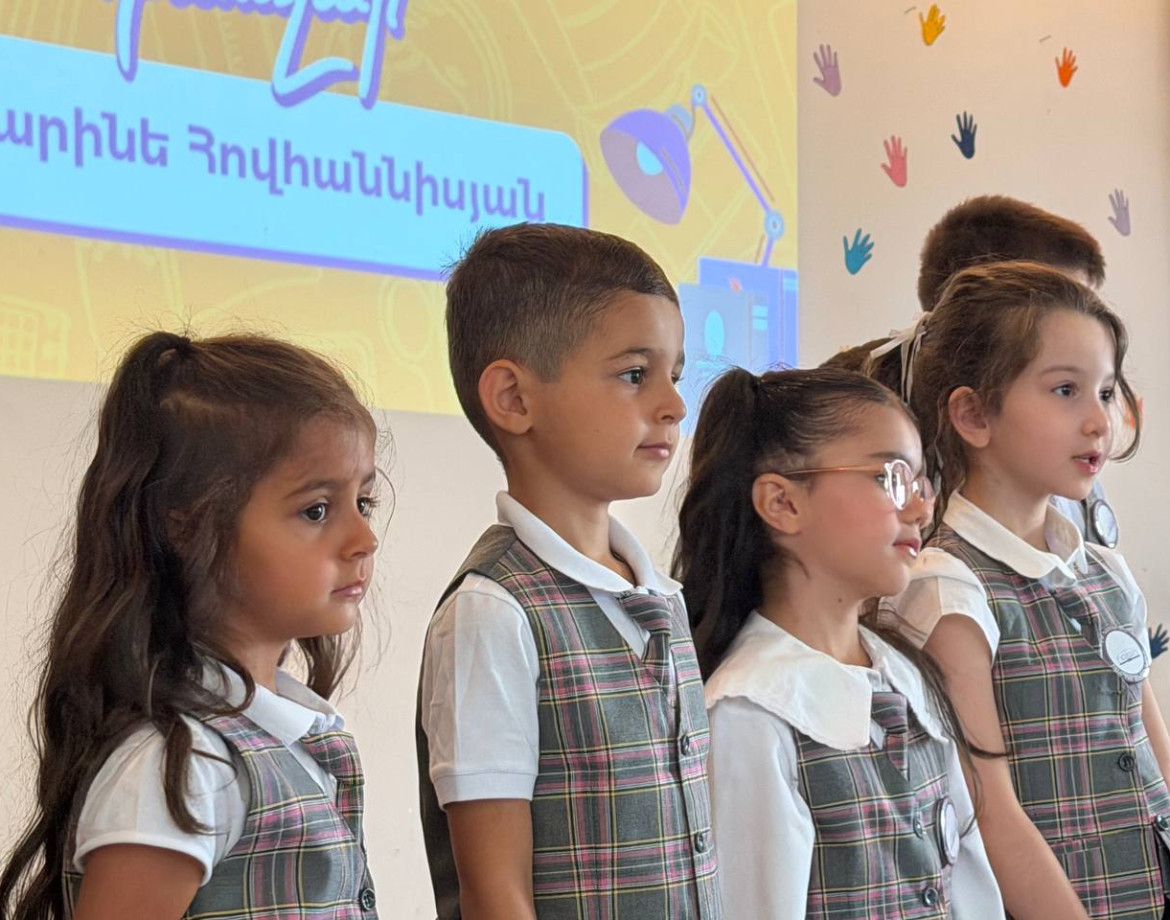
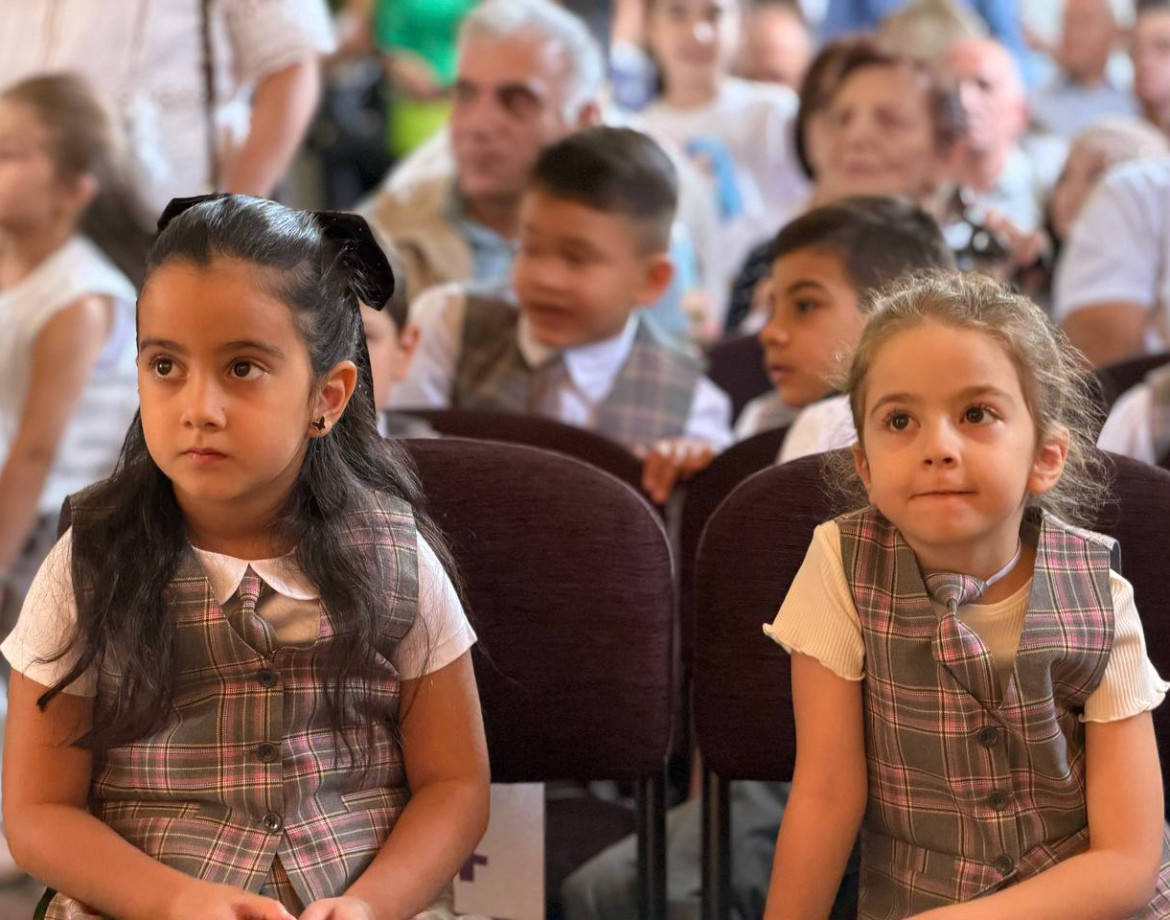
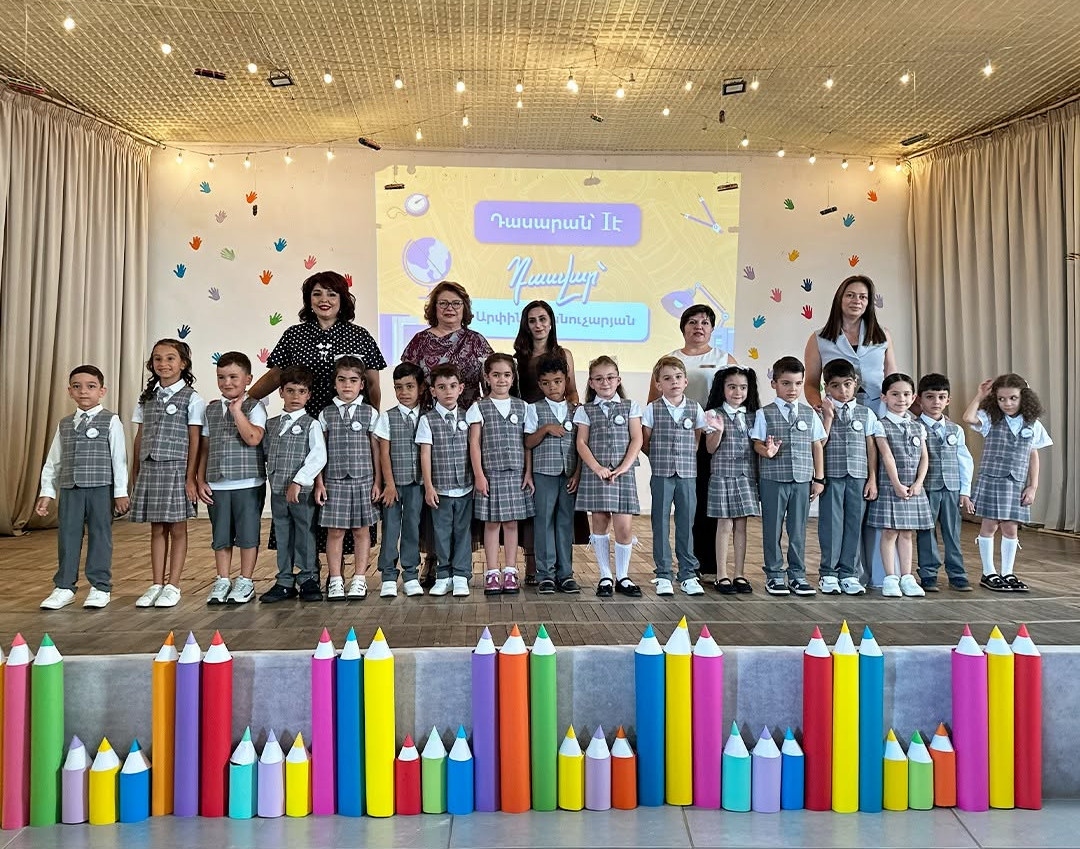
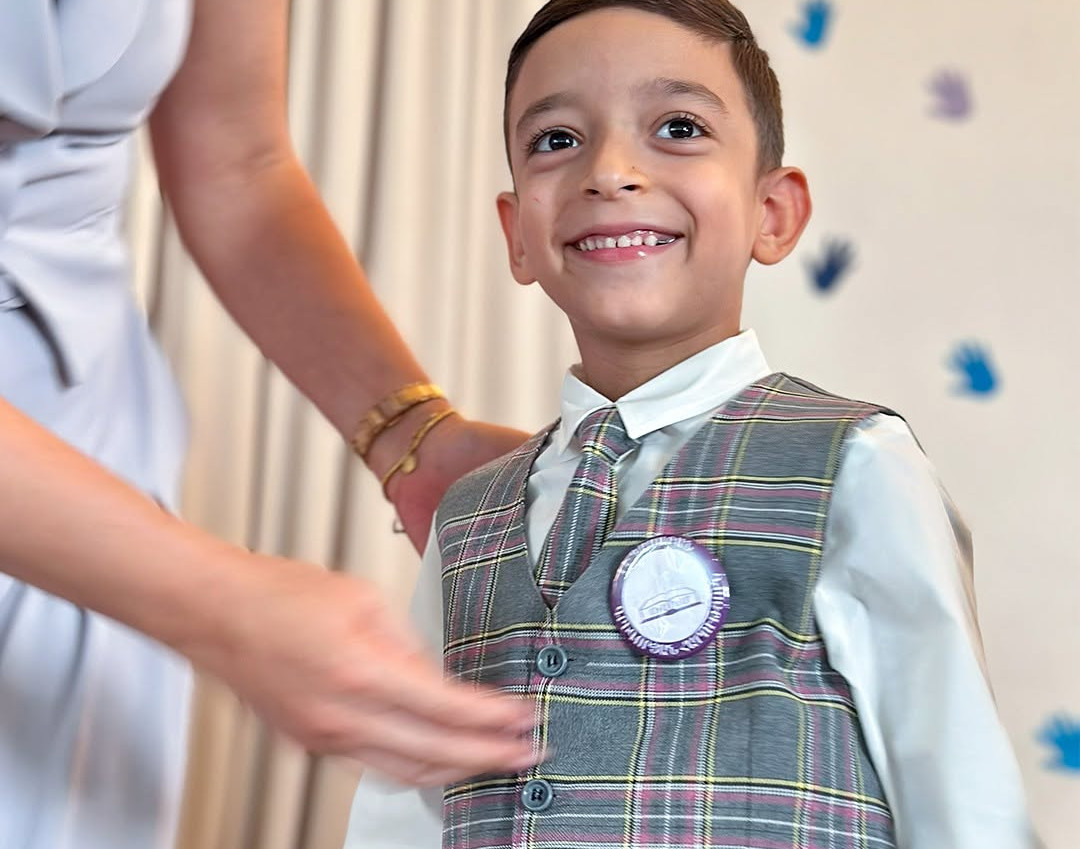
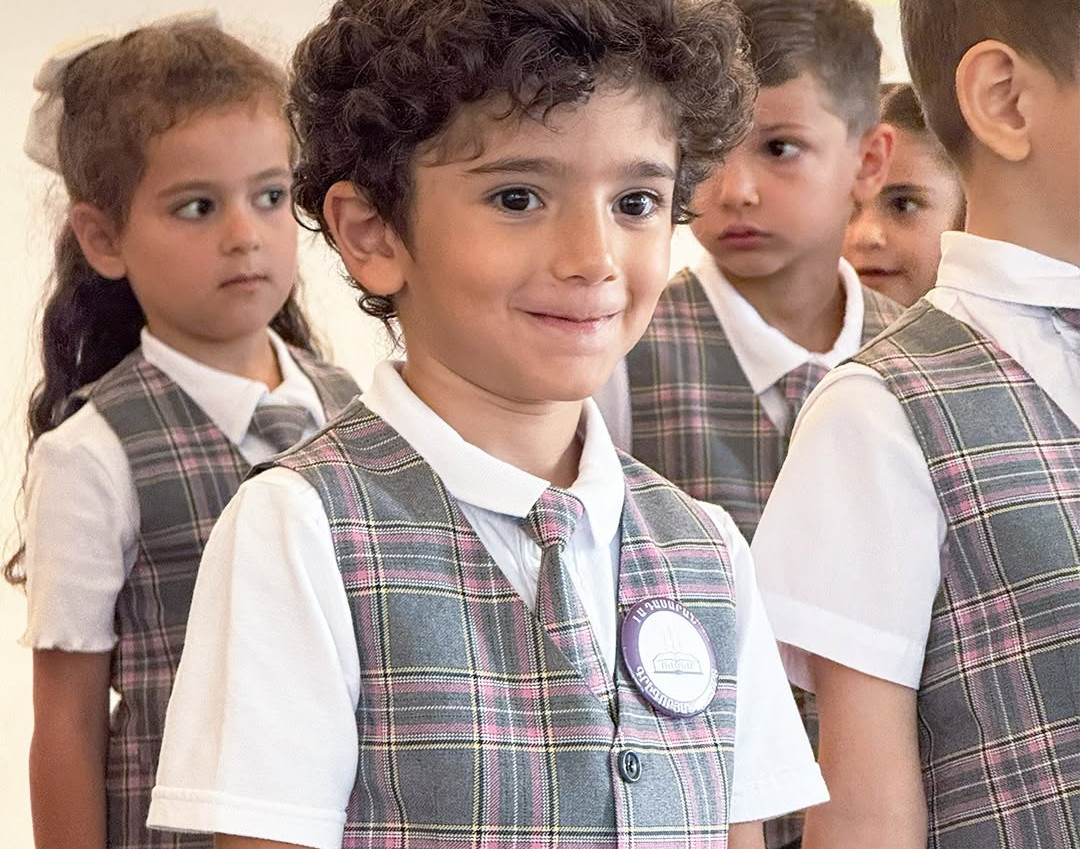
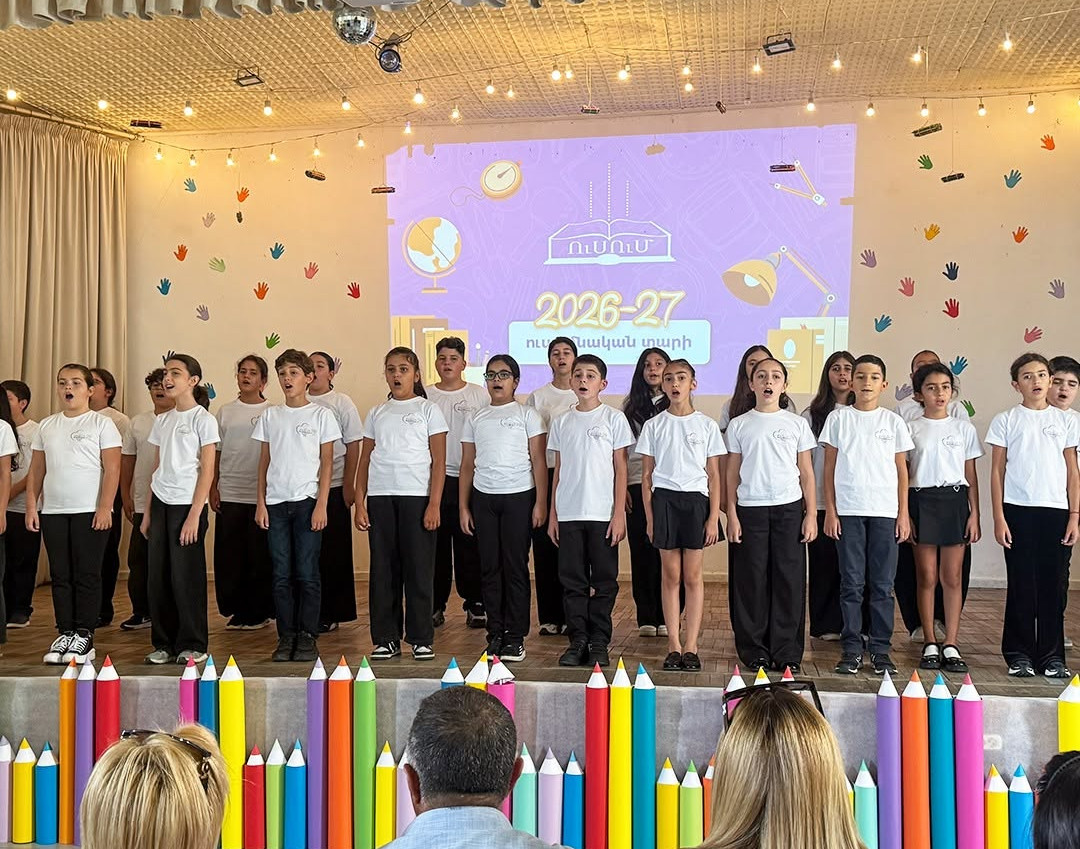
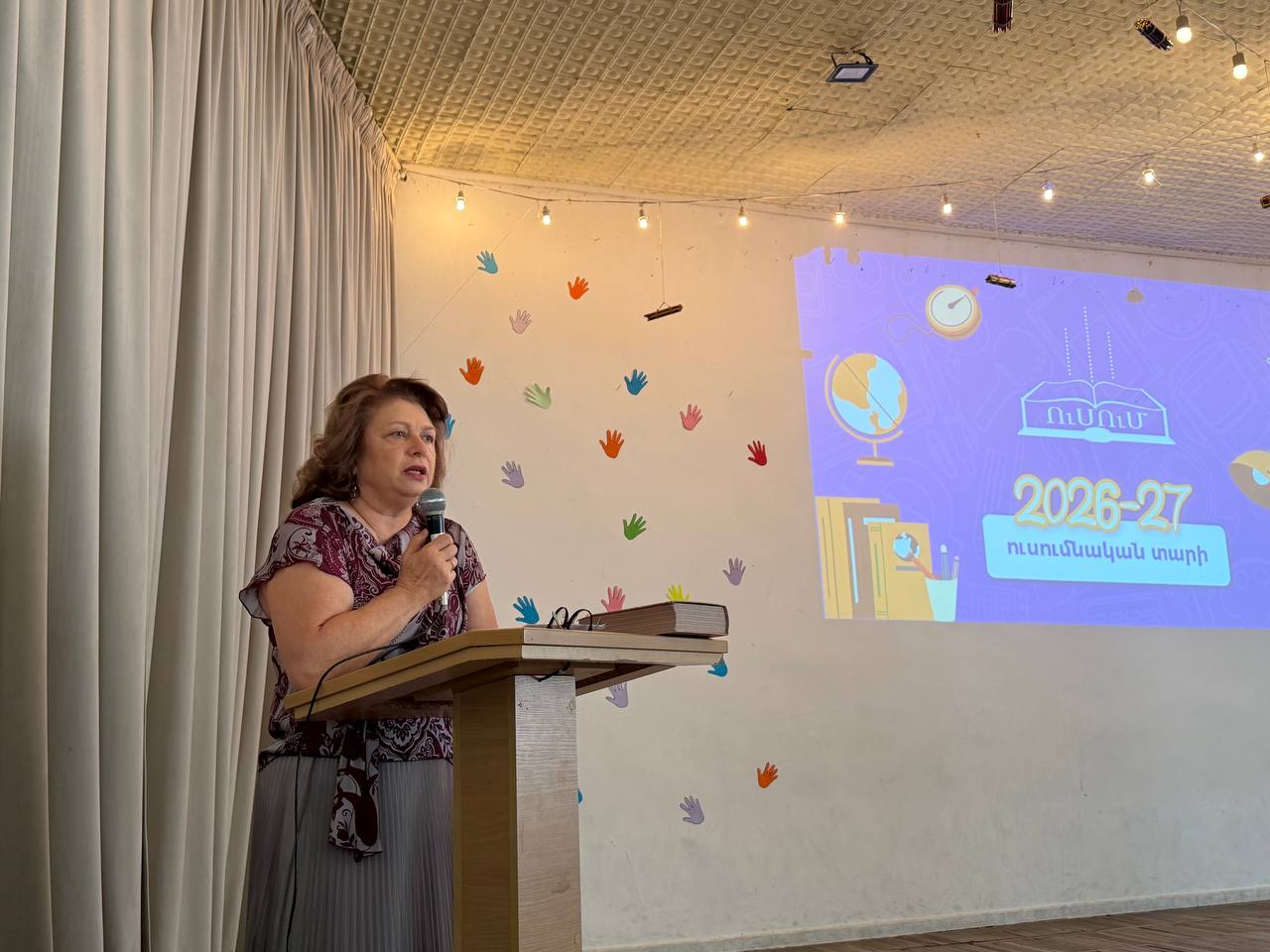
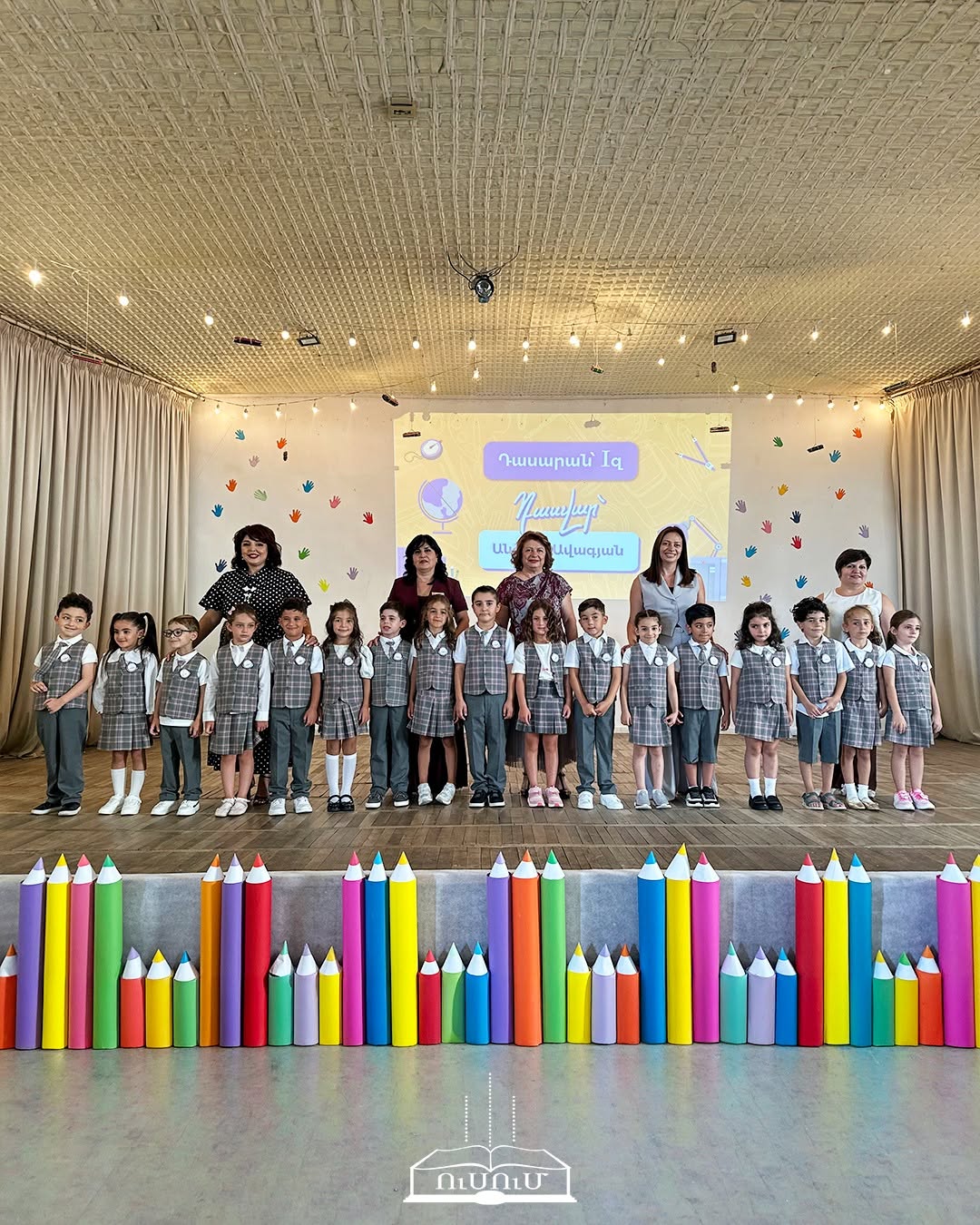
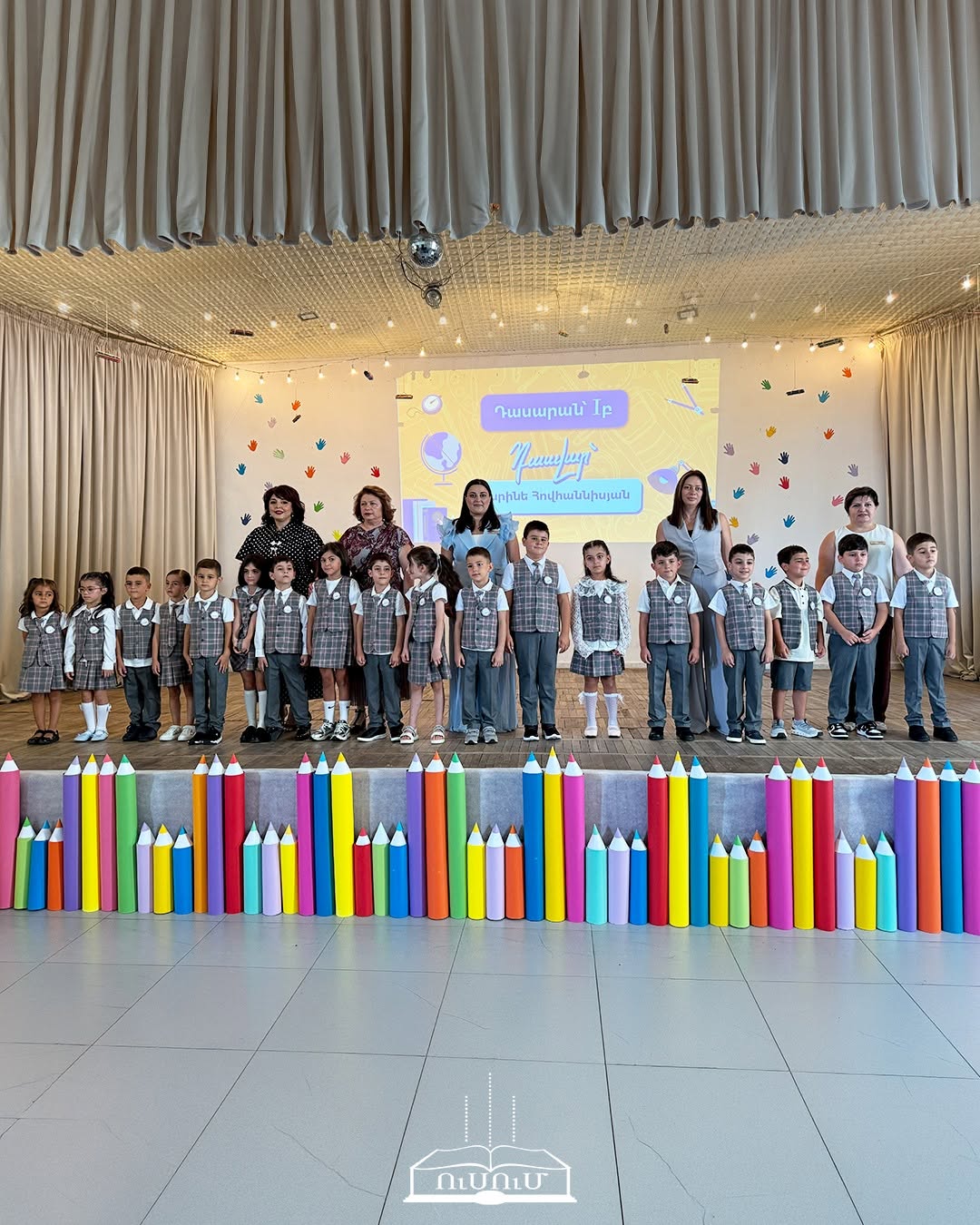
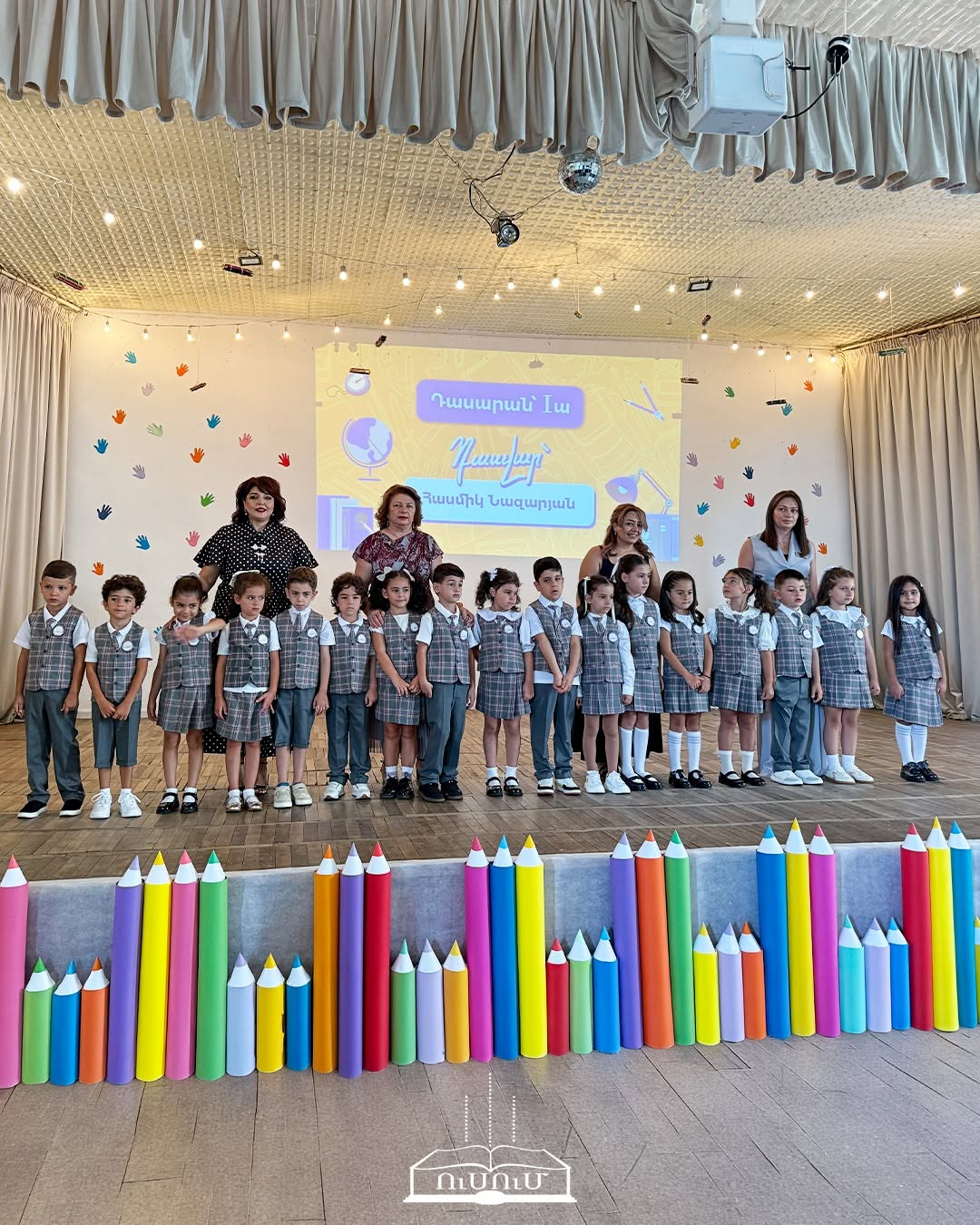
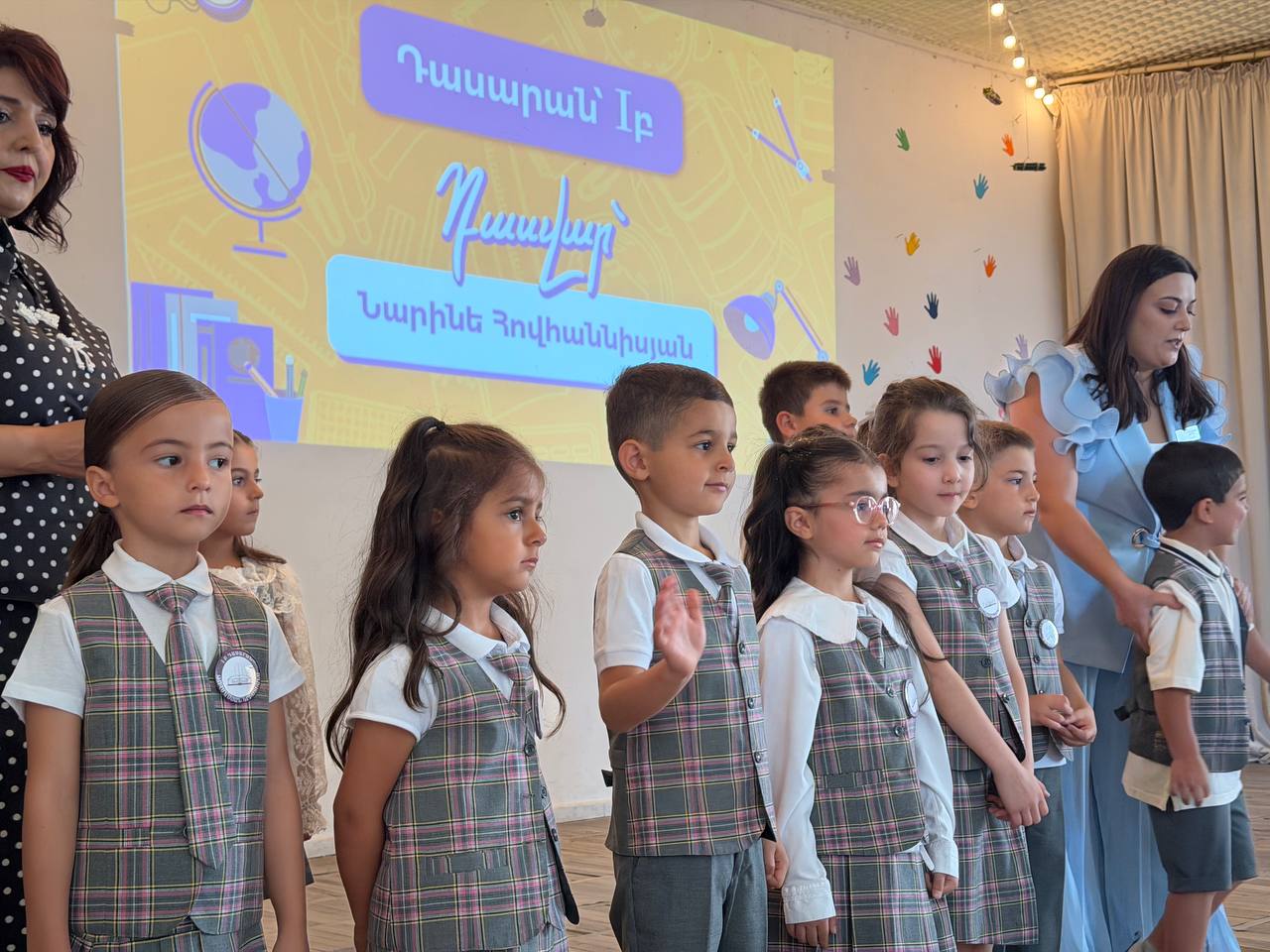
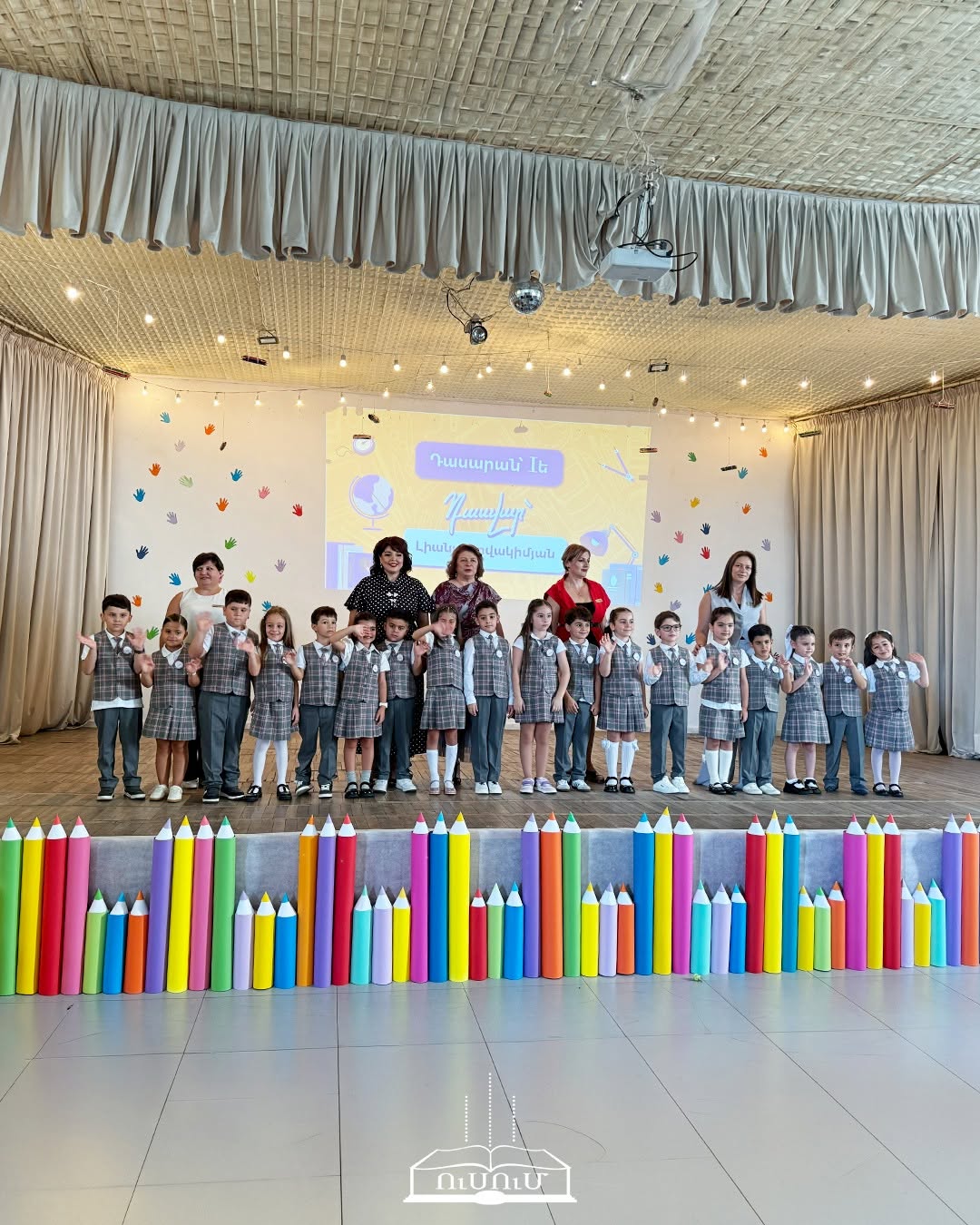
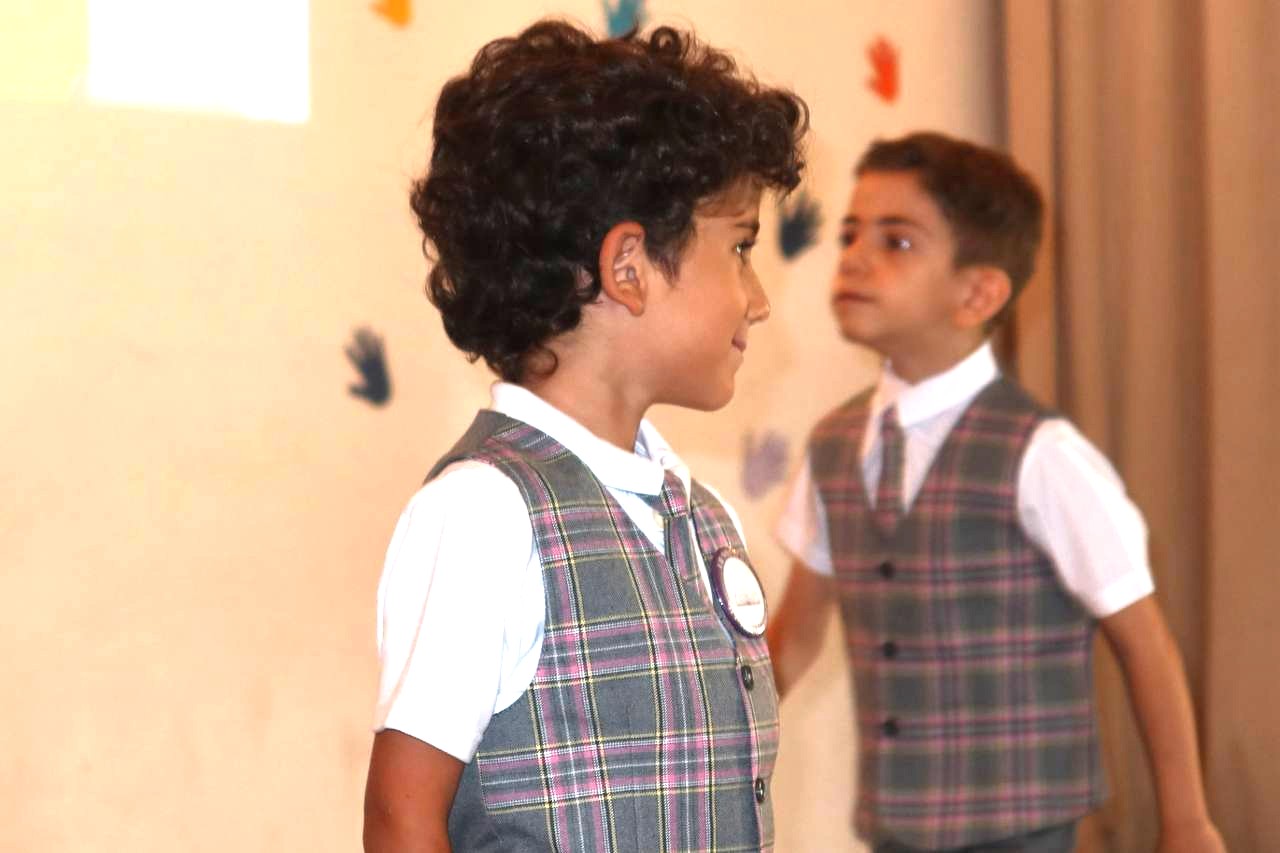
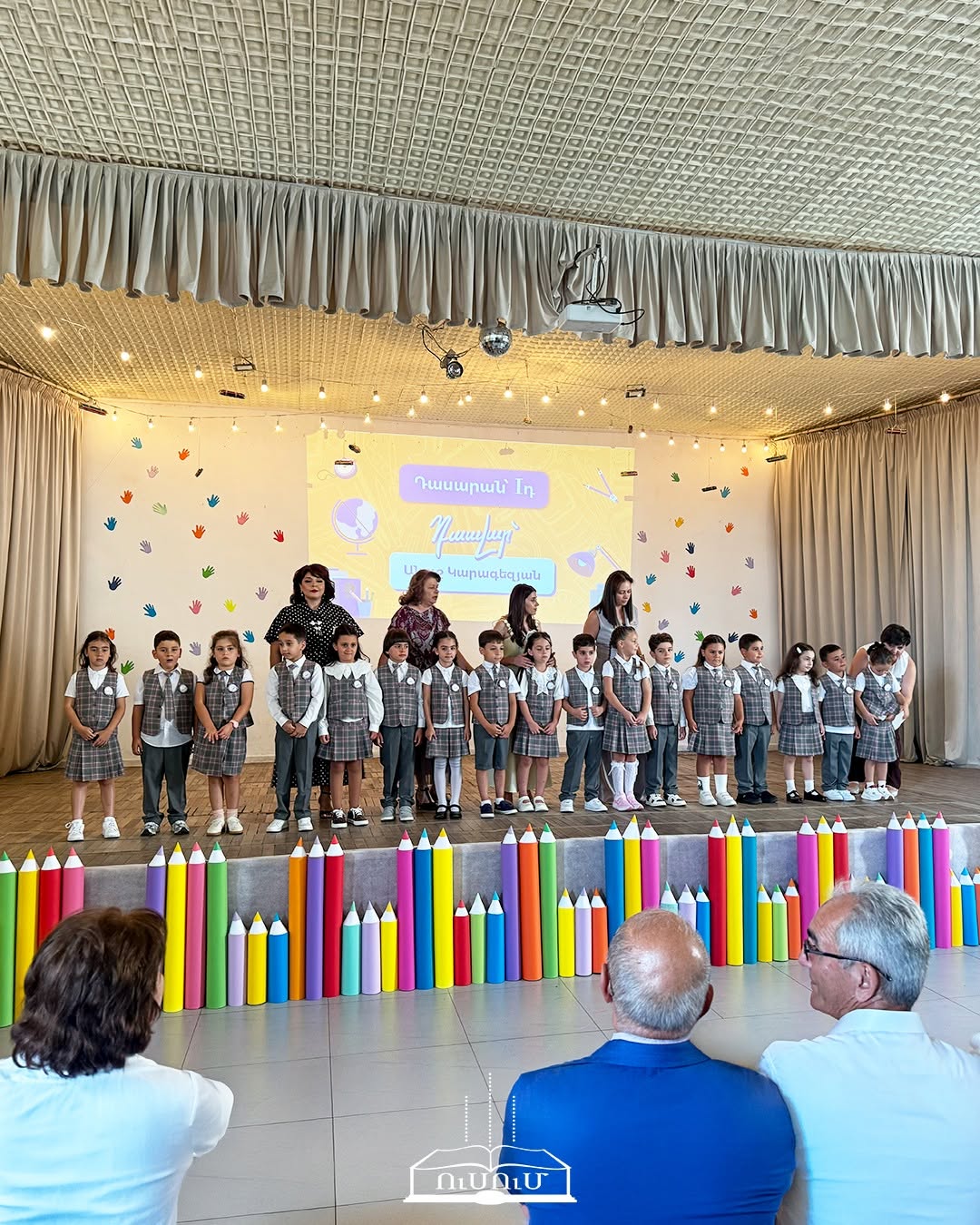
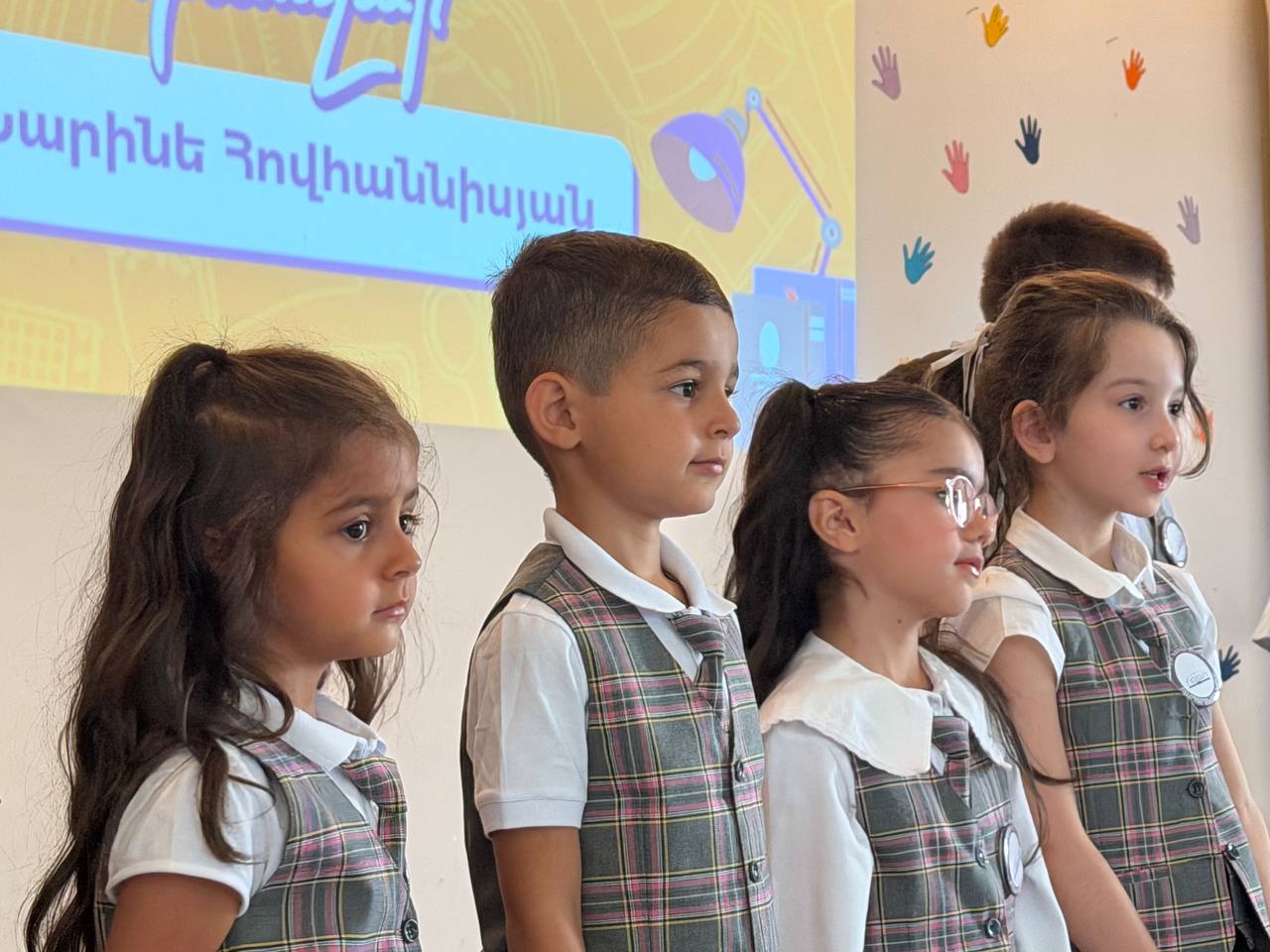
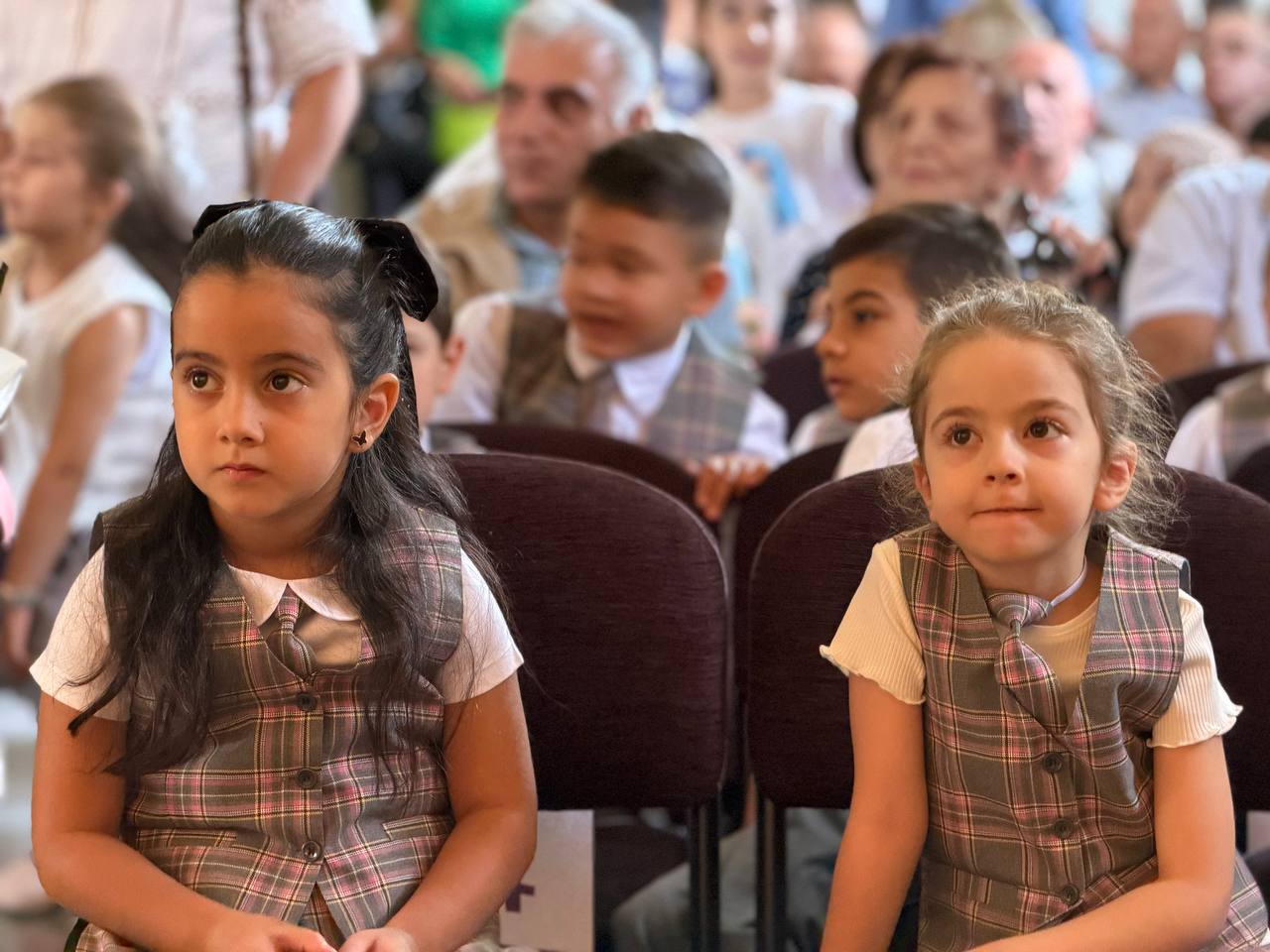
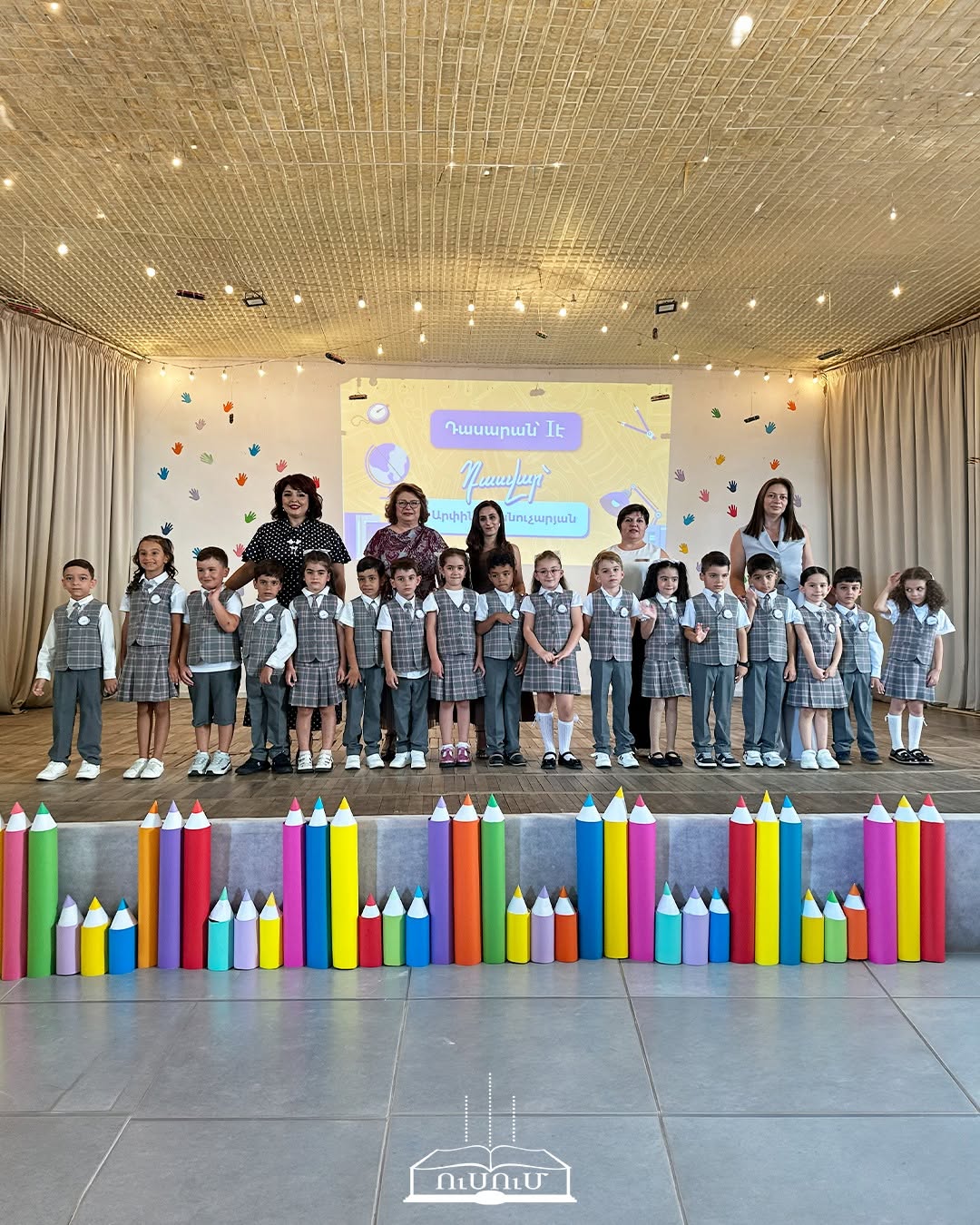
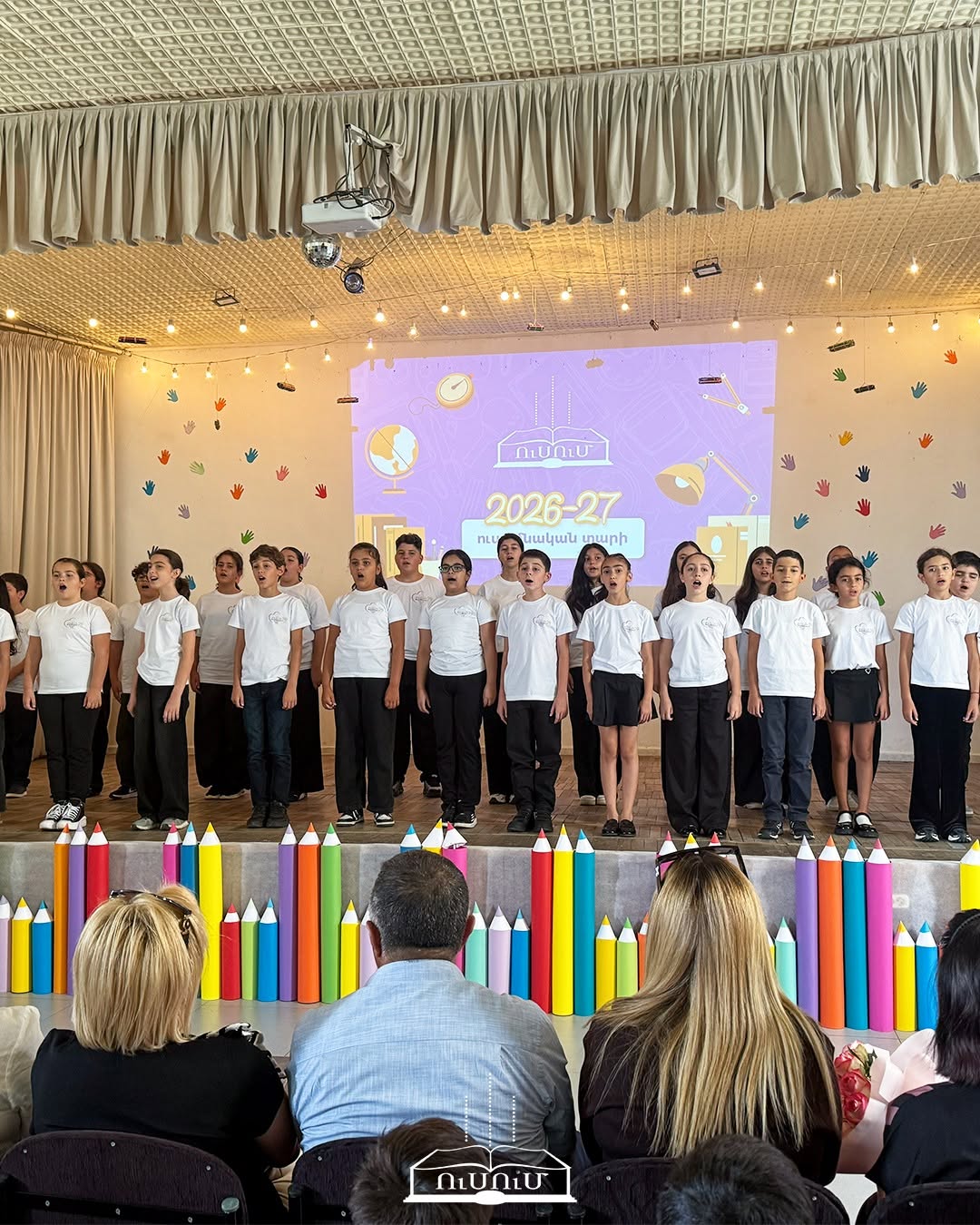
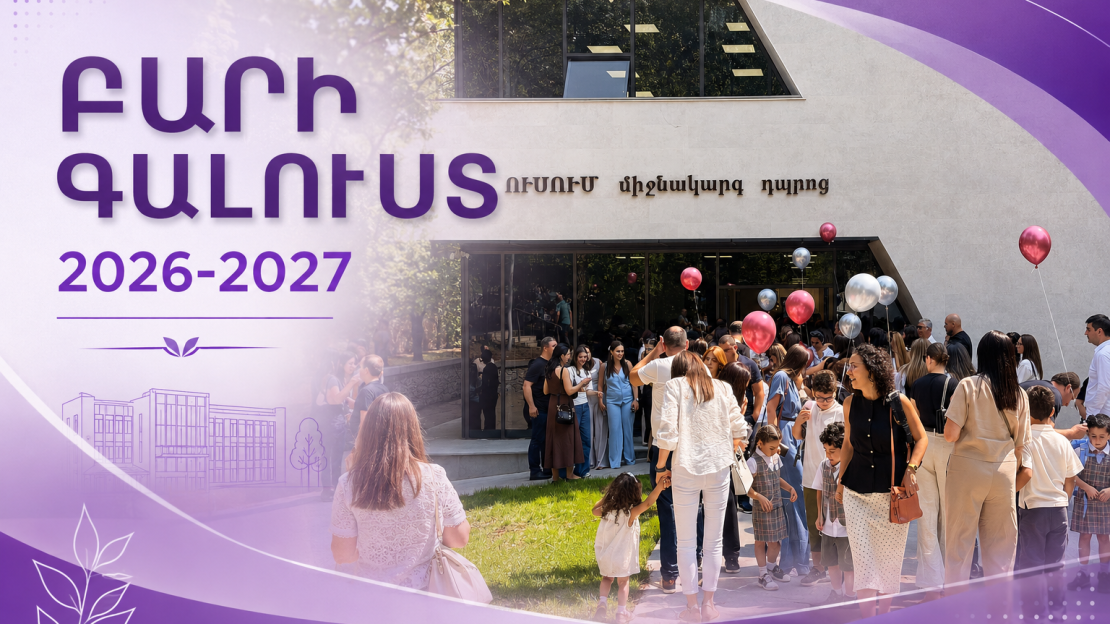
And now, let us return to Usum School, where this September 1st was more than just a new beginning.
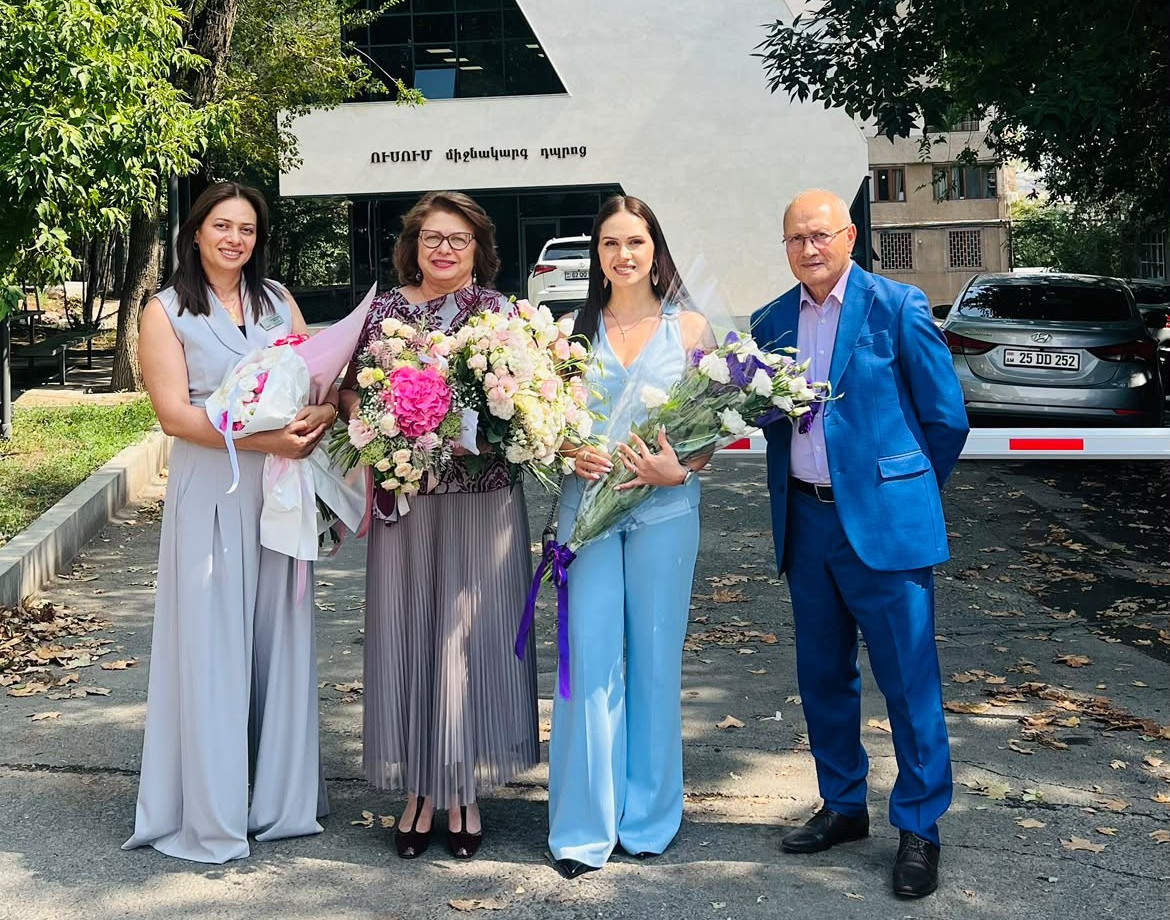
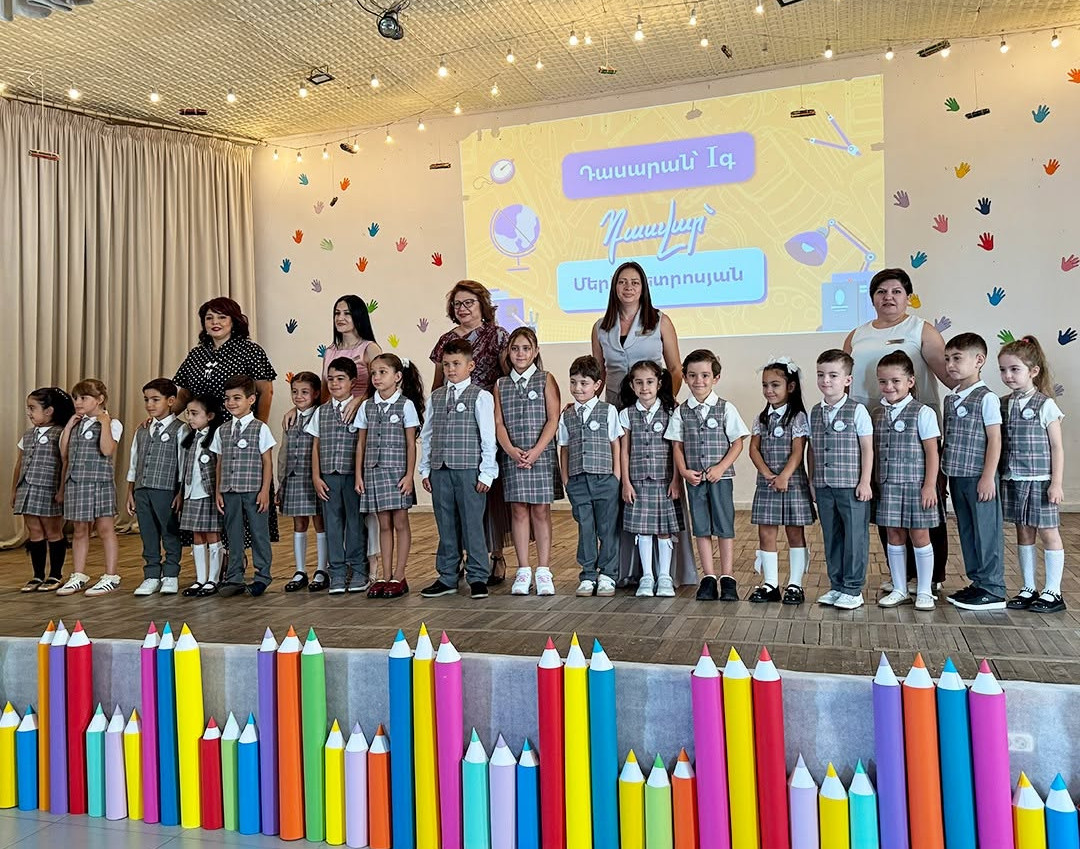
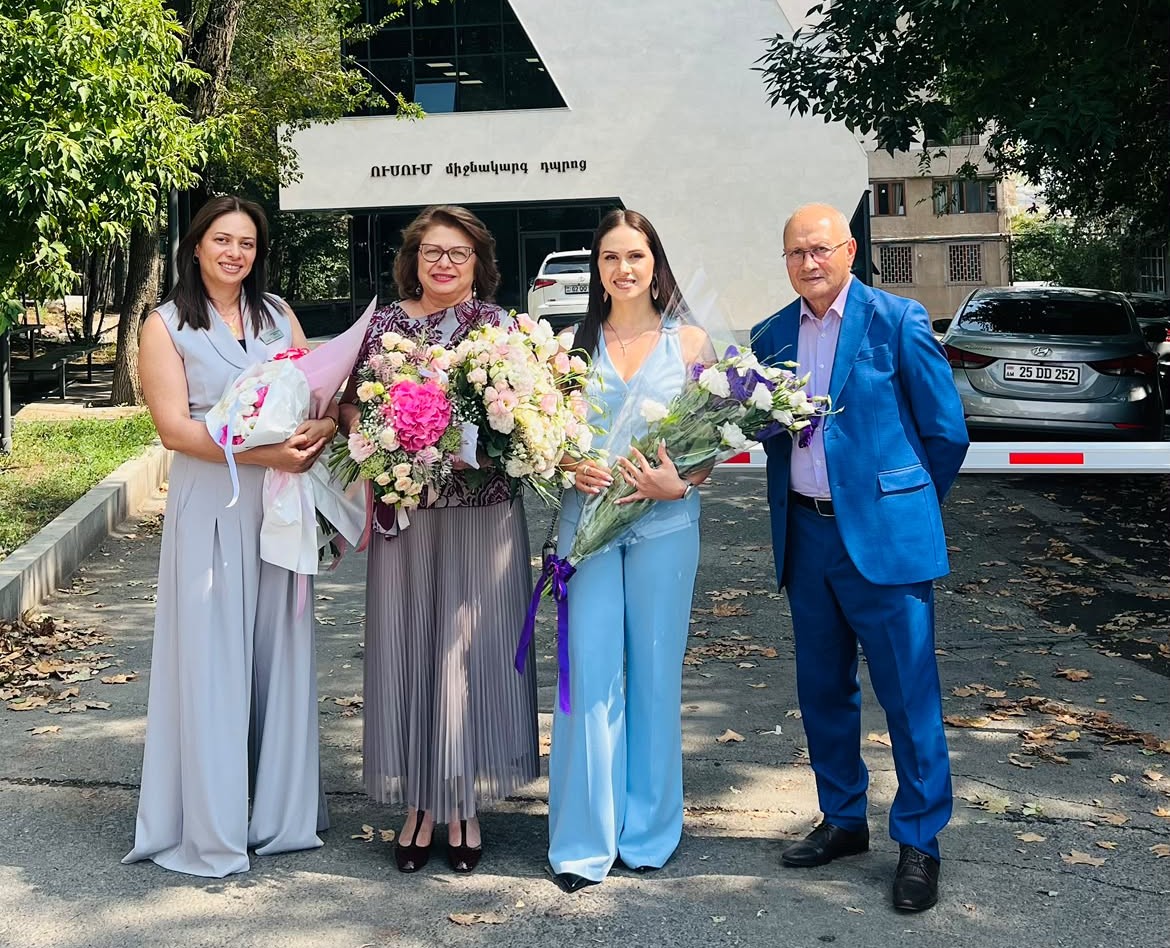
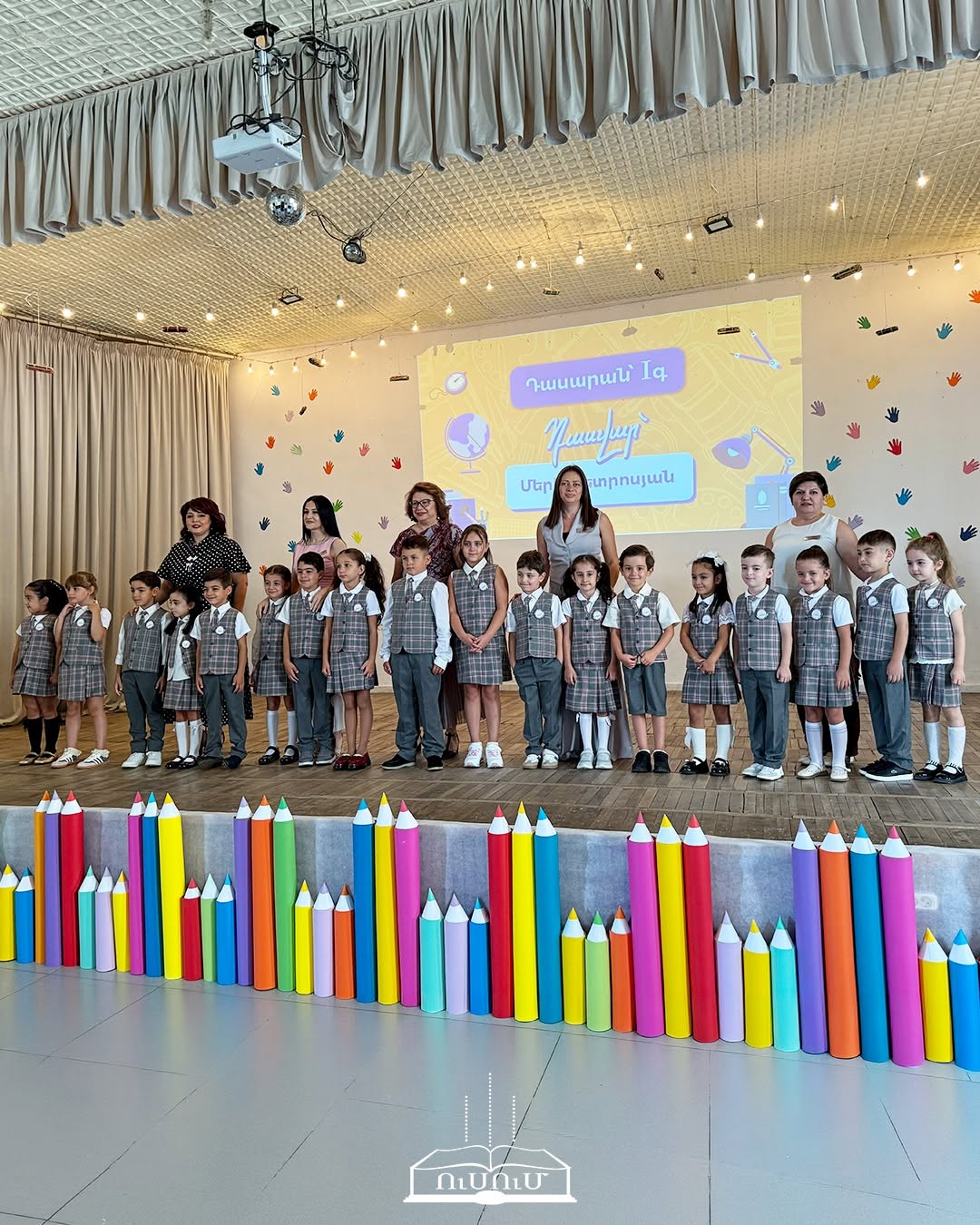
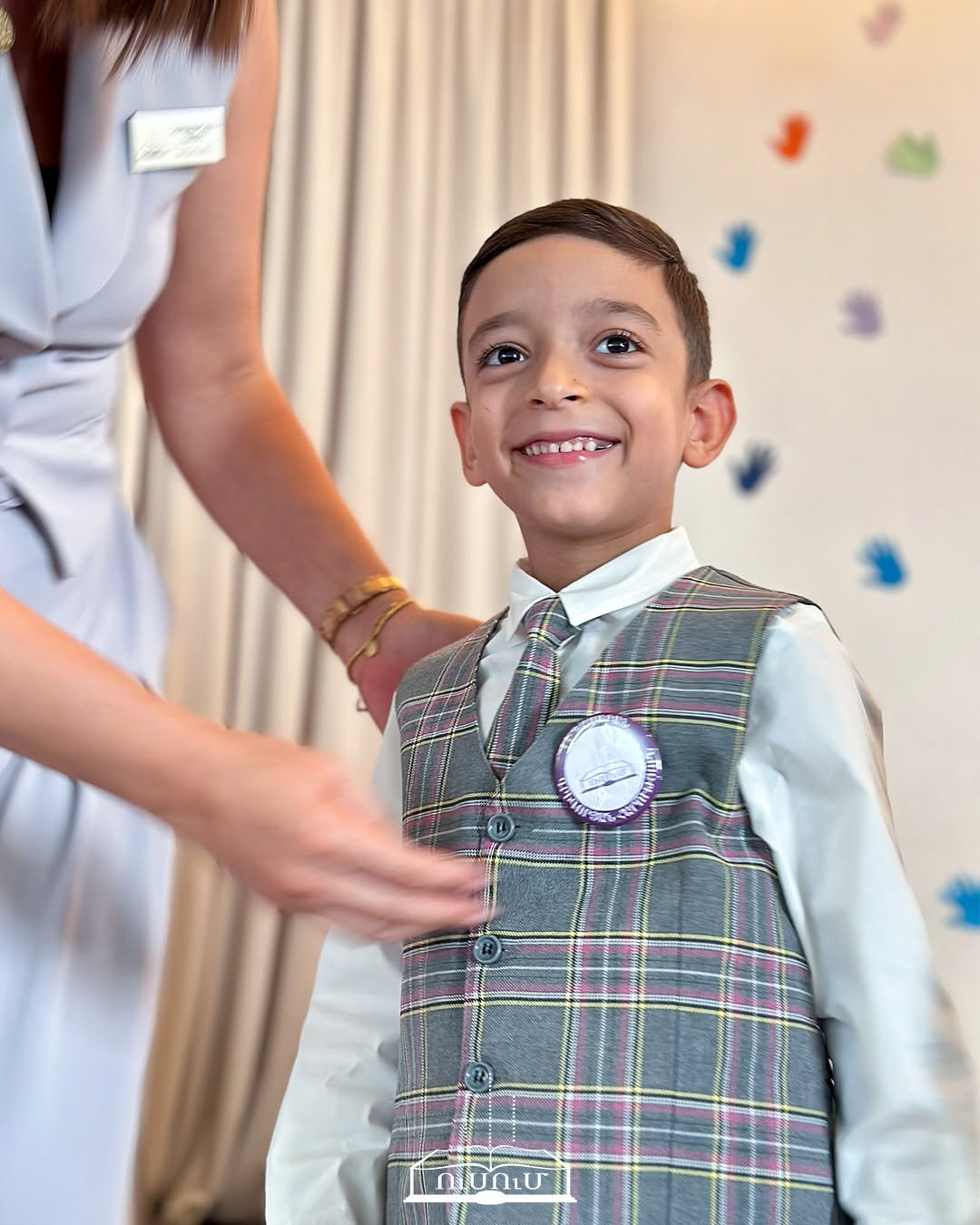
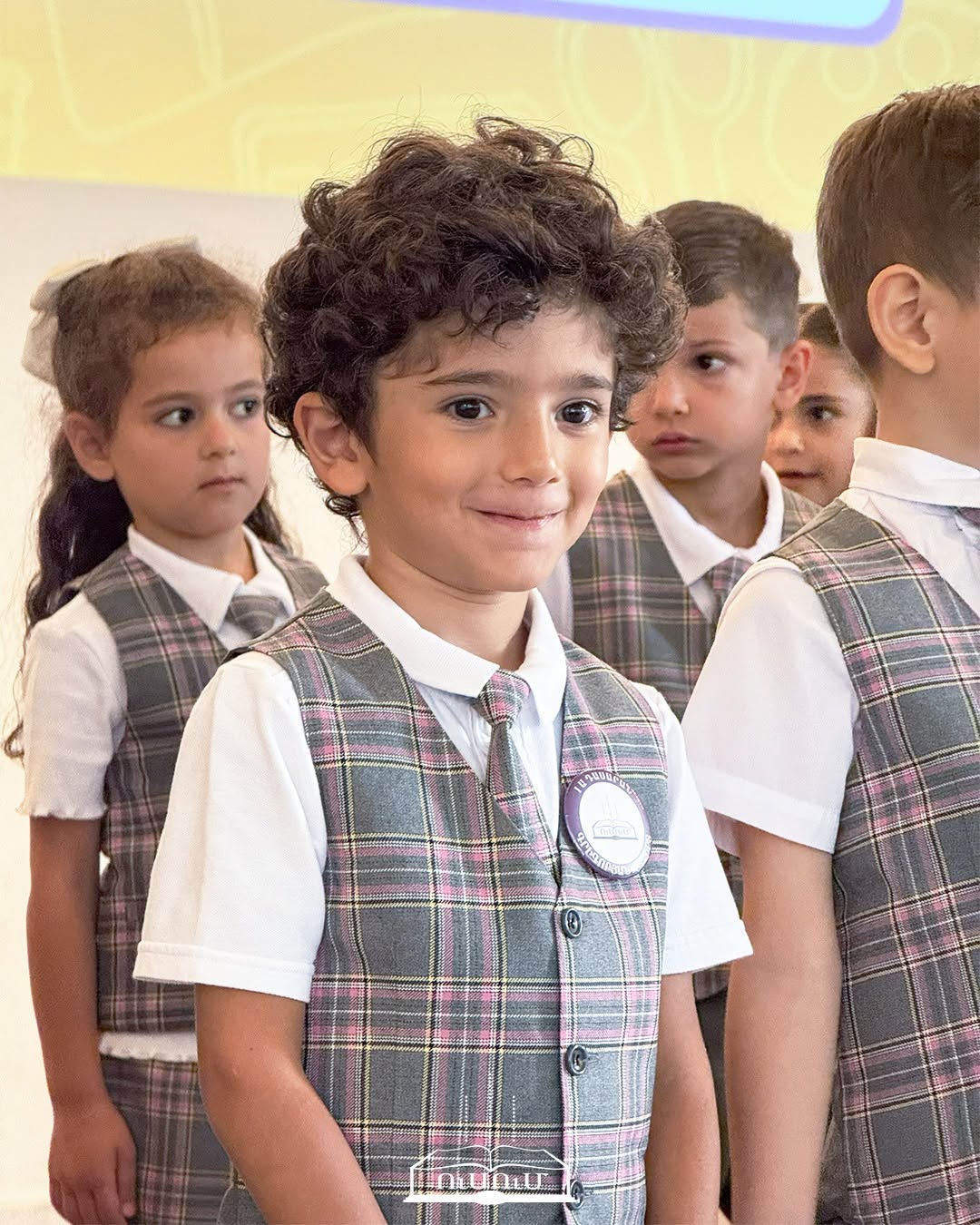
On the eve of the new school year, the school officially opened its fourth building—with bright classrooms, a modern and thoughtfully adapted interior, and innovative exterior design solutions. It is a new educational environment where around seventy first-graders will take their very first steps into school life.
To say that the impressions created by the new building’s interior and exterior design, as well as by the atmosphere it creates, were simply positive would hardly do them justice.
The school community is confident that every reform introduced each September is another step toward building a 21st-century educational environment—one adapted to the needs of each individual and of the entire community.
As it approaches its thirtieth anniversary, Usum School begins the new academic year with a promise and a confidence: to learn, to create, and to innovate.
To not think freely is to not think at all!