
In the history of Armenian culture, music is not merely a branch of art, but also one of the most important means of preserving and transmitting identity. The origins of Armenian music date back to pre-Christian times. In ancient Armenia, music was closely connected with rituals, celebrations, and everyday life. Gusan bards and storytellers conveyed history, heroic episodes, and folk wisdom through song.
After the adoption of Christianity, ecclesiastical music was formed, becoming one of the most significant branches of Armenian musical culture. In this period, Mesrop Mashtots played a crucial role, as he not only created the Armenian alphabet but also contributed to the development of spiritual hymnography. During the developed Middle Ages, the system of Armenian sharakans (liturgical hymns) was established, with Nerses Shnorhali as one of its most prominent representatives. His works combined poetic depth with musical harmony, becoming the pinnacle of Armenian church music.
In later centuries, Armenian musical art reached a new stage through figures such as Hambardzum Limondjian and Christapor Kara-Murza. Armenian music began to develop in parallel with European and global culture, incorporating symphonic and operatic forms. In this context, three major figures stand out — Komitas, Aram Khachaturian, and Arno Babajanian — whose work can be viewed as a single continuous cultural process.
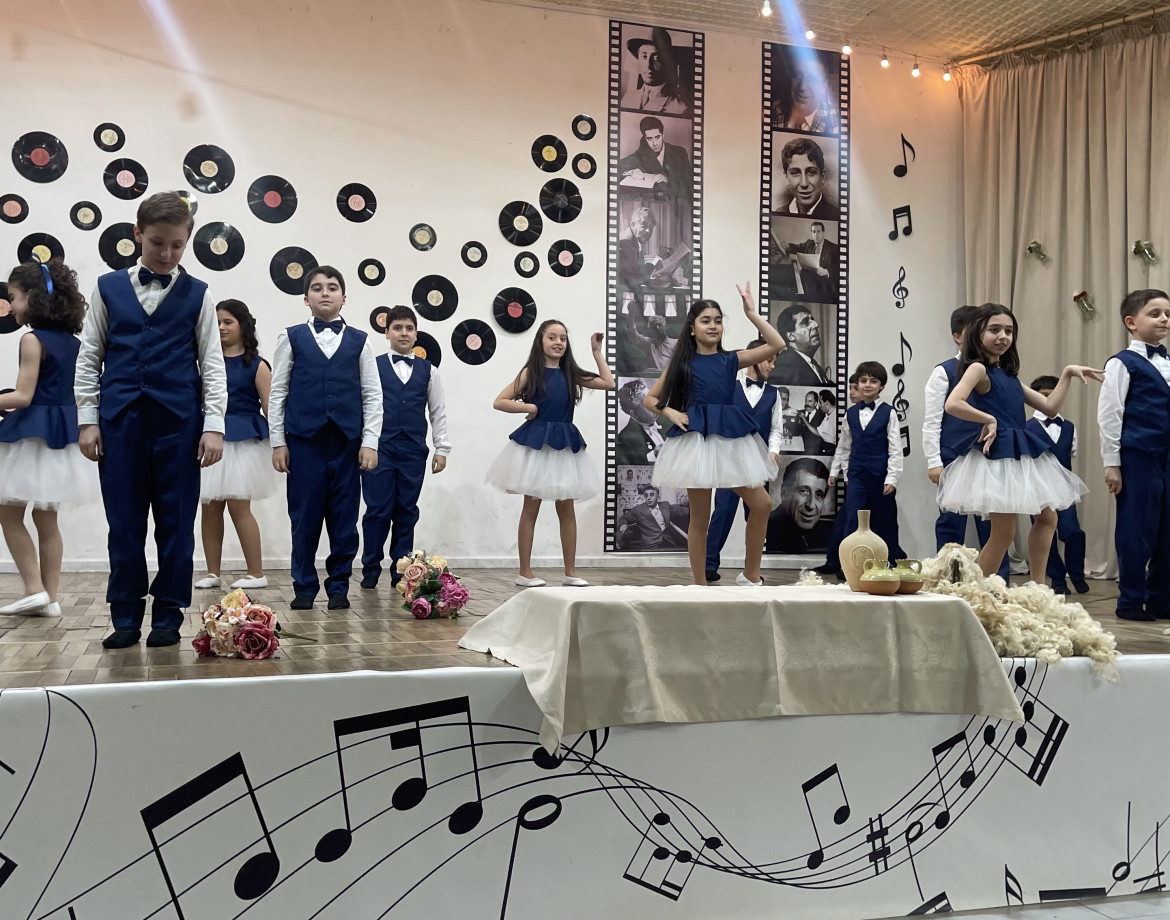
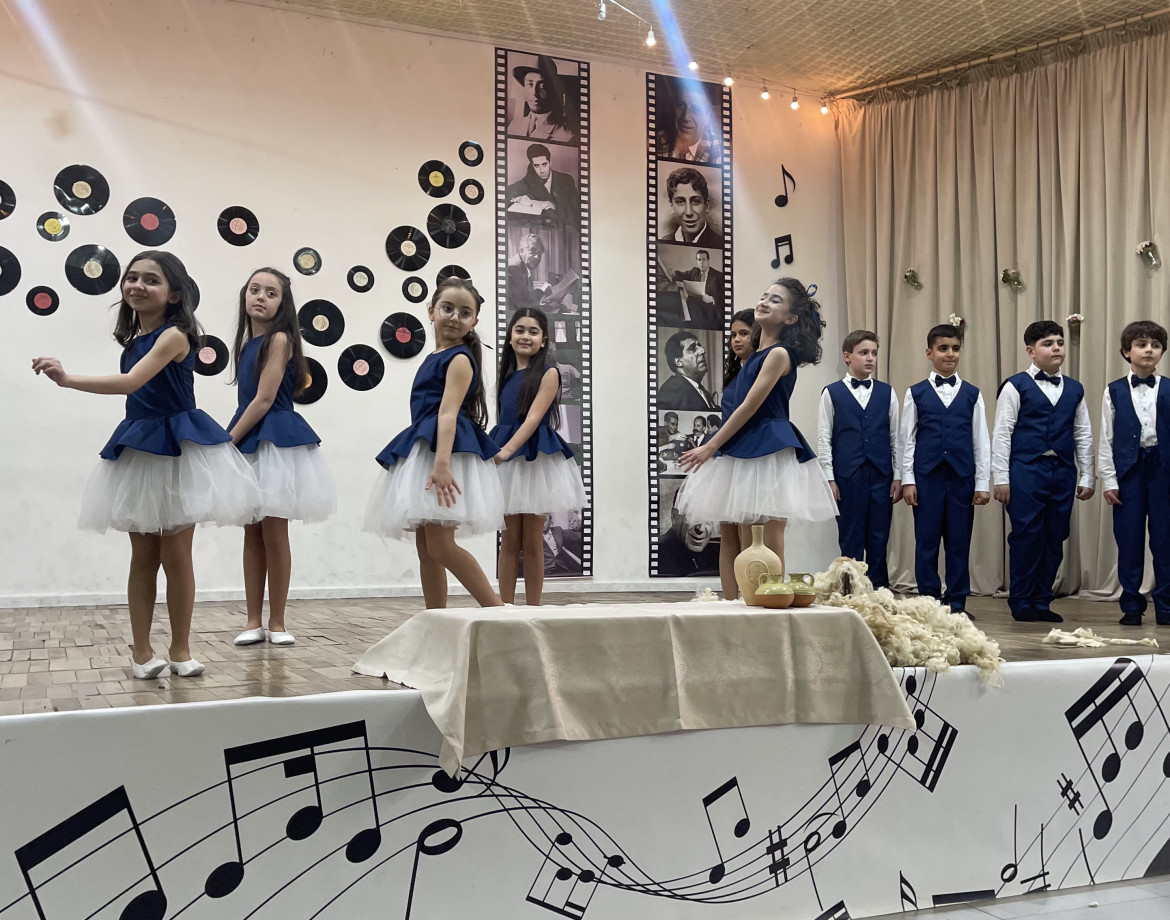
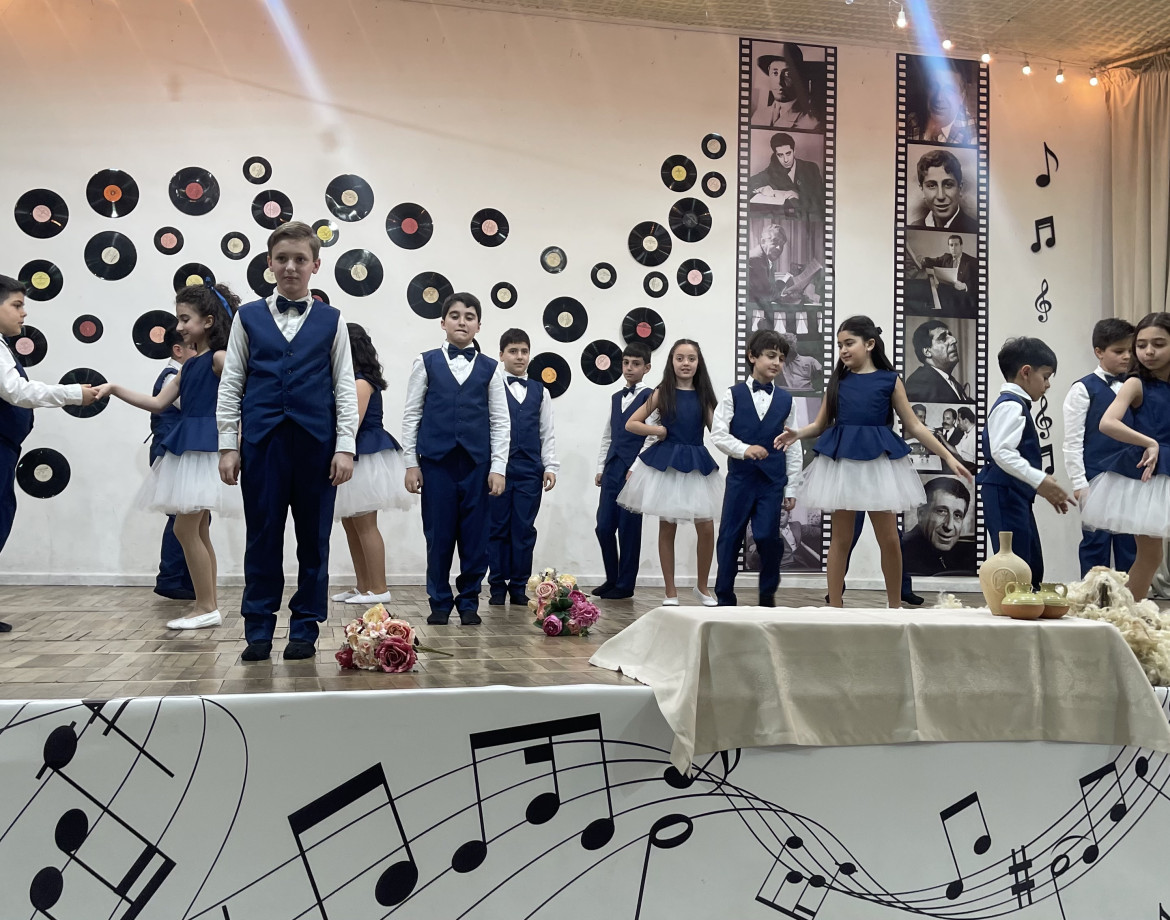
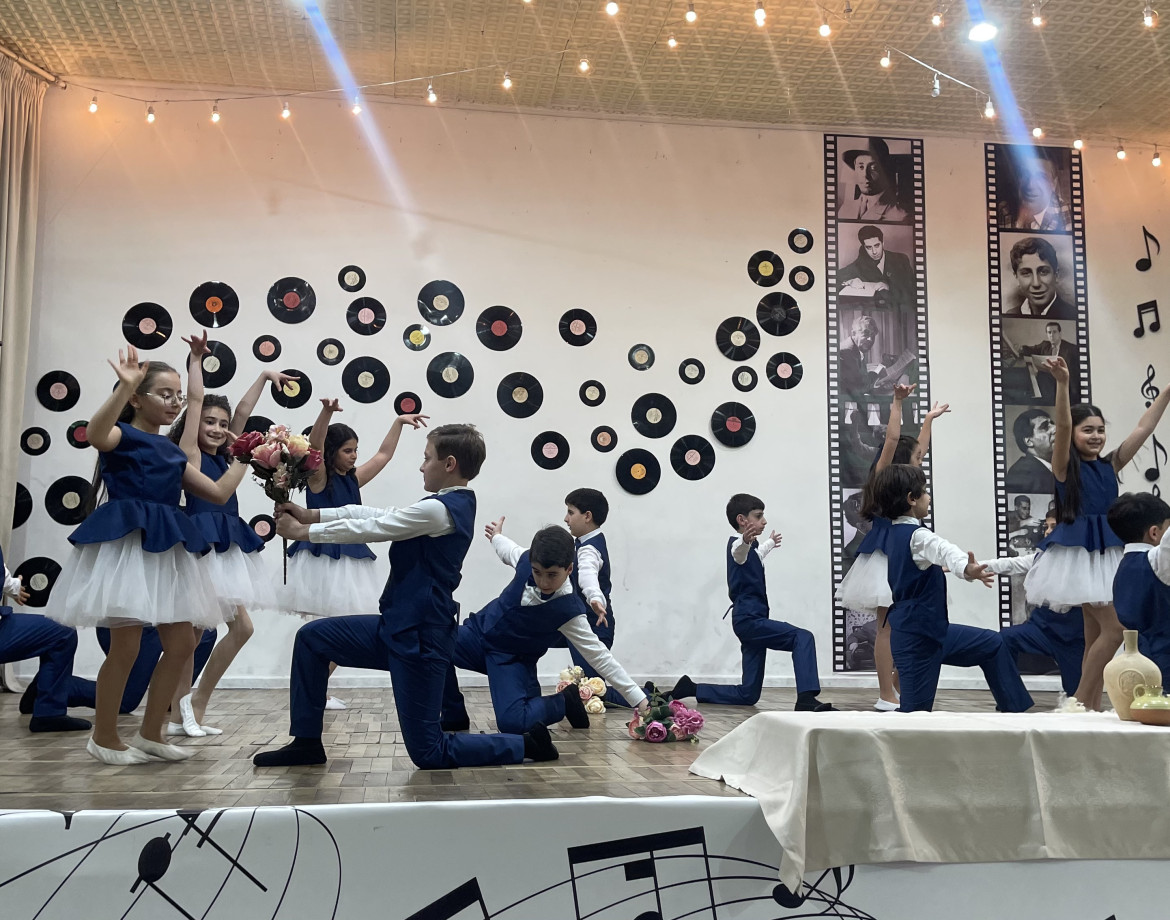
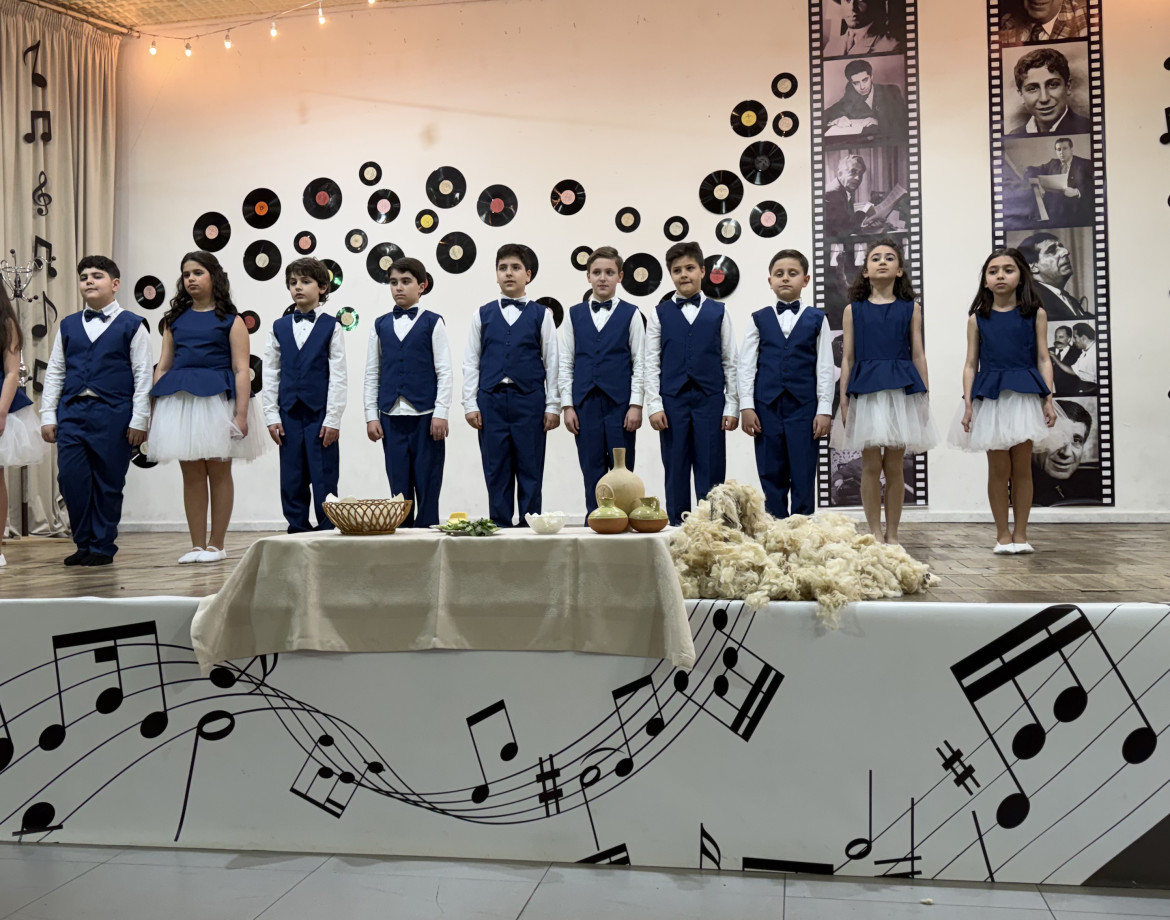
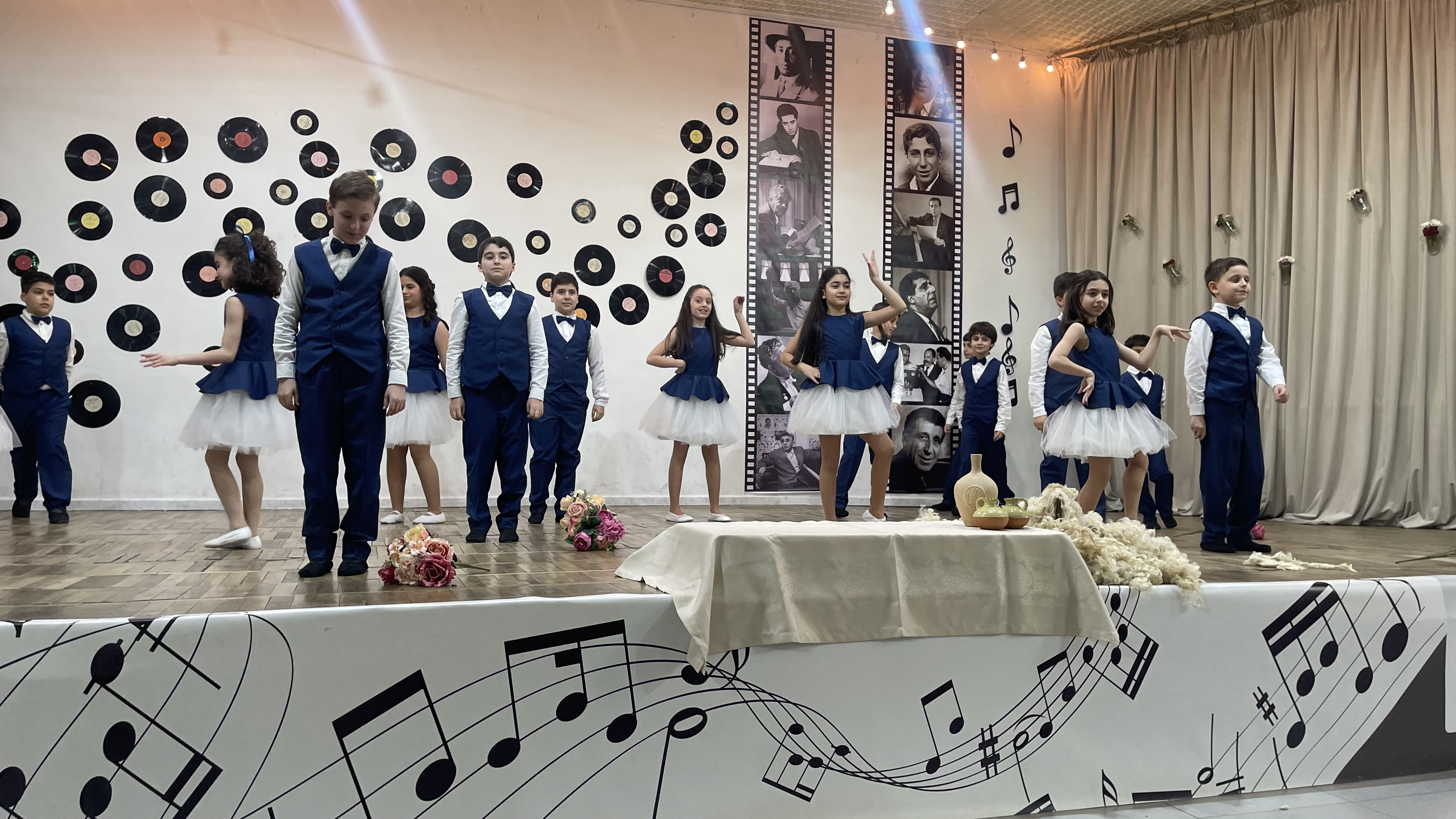
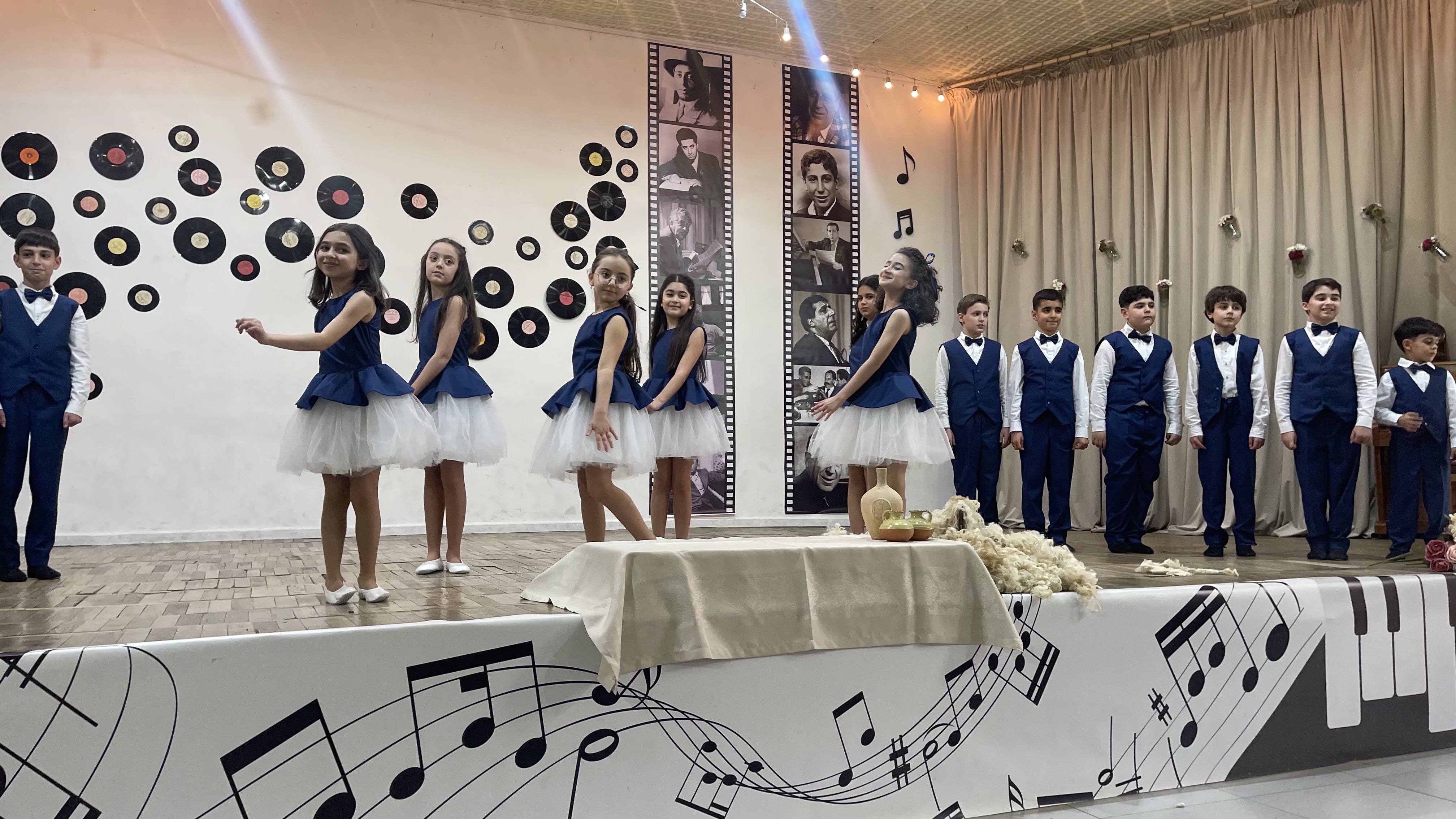
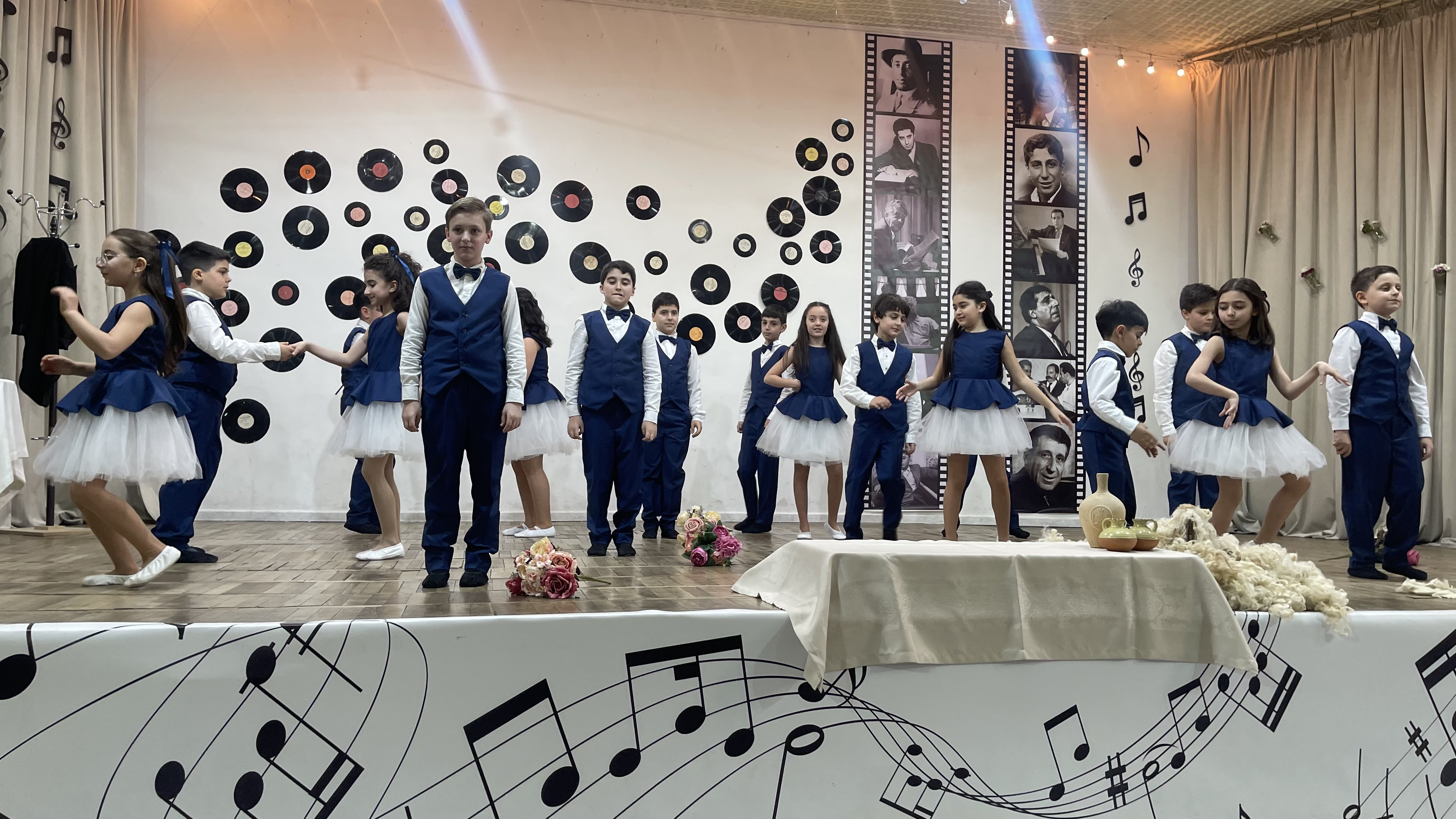
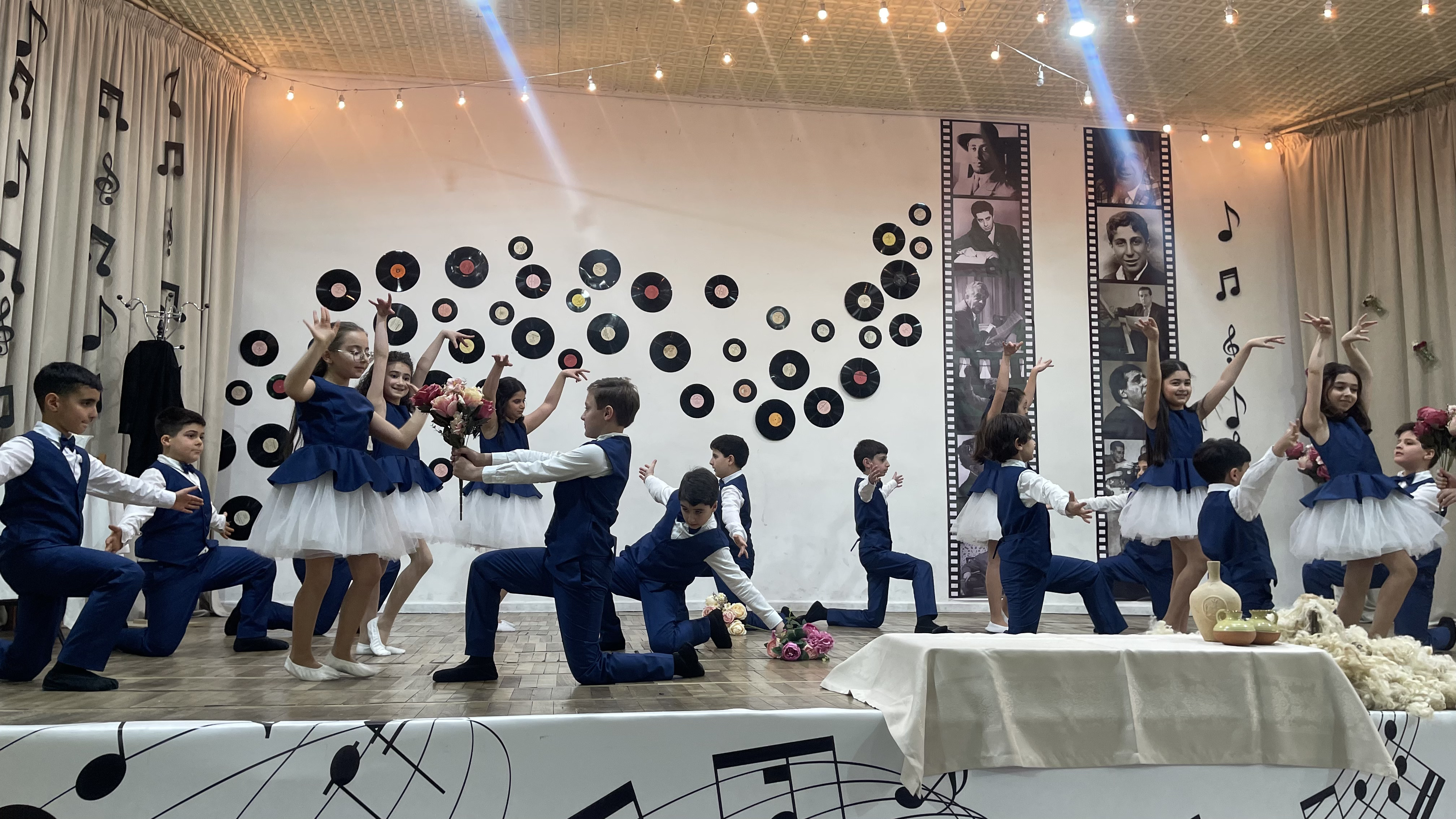
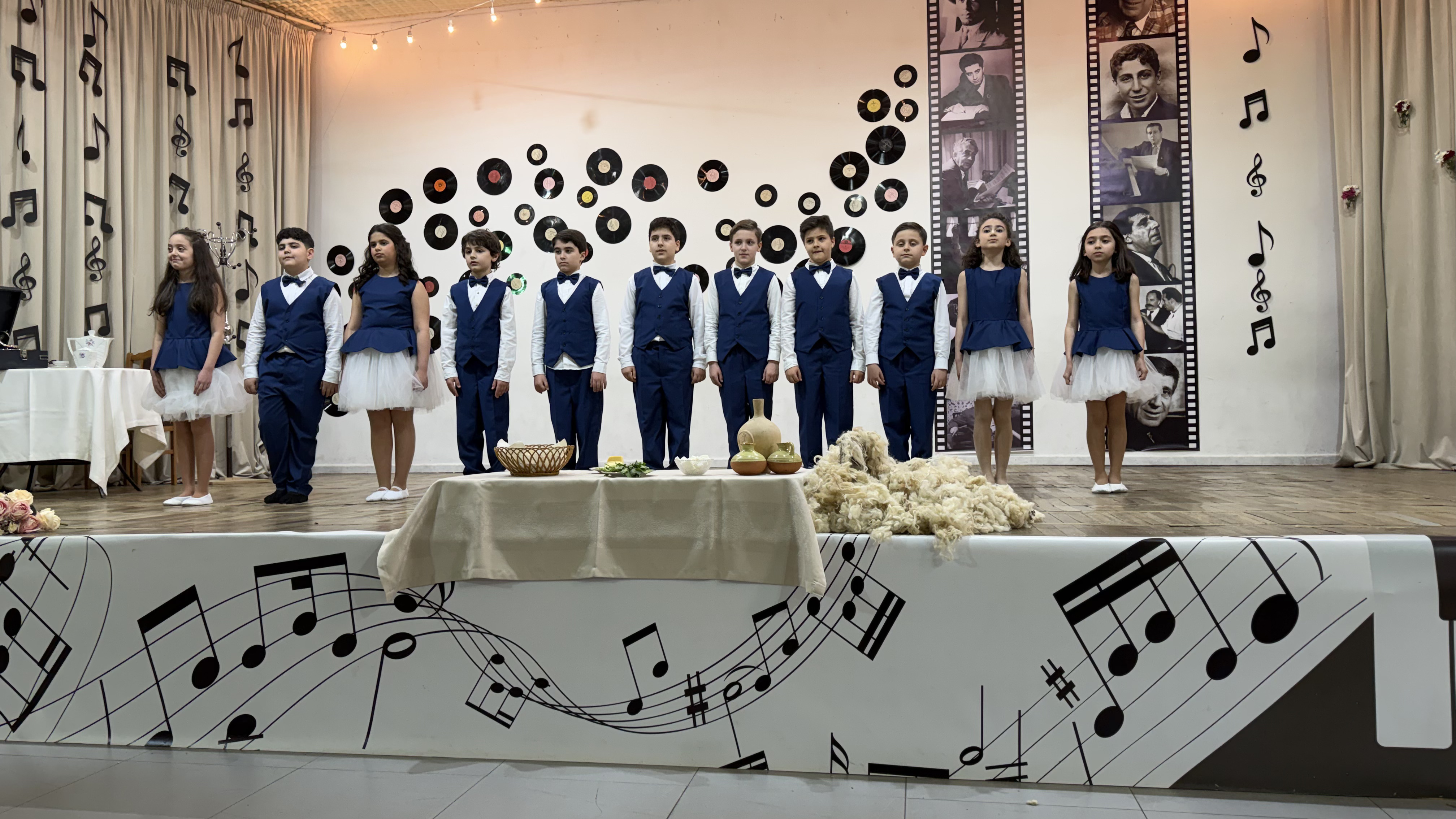
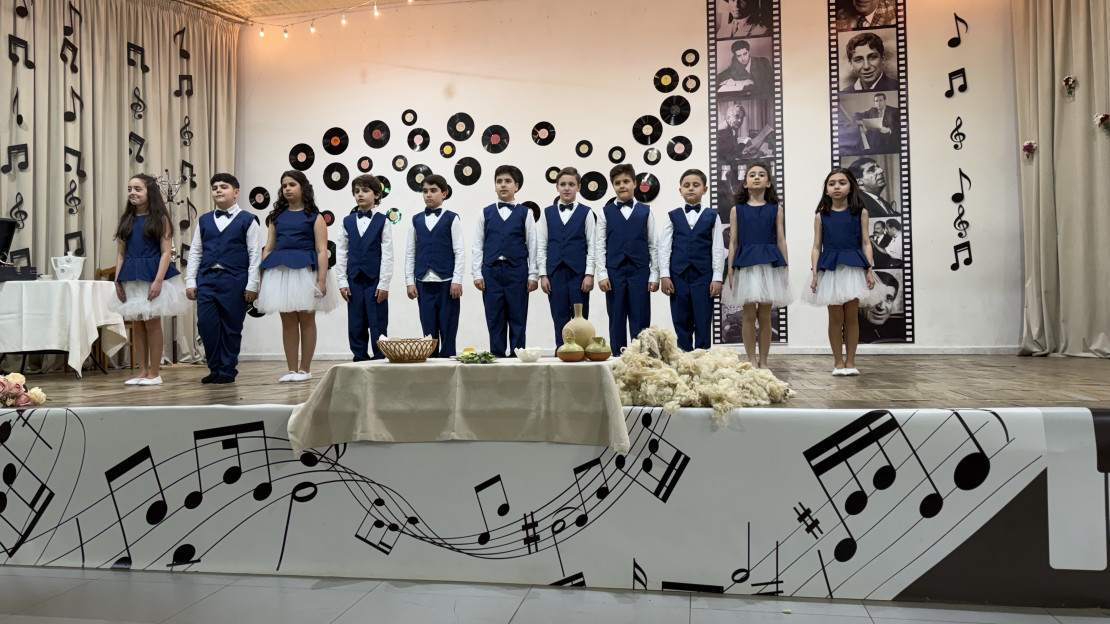
The celebration of these cultural pioneers was the central theme of a small graduation event organized by fourth-grade students. The students emphasized that Komitas’s work was not limited to composition. His main mission was the “purification” and systematization of Armenian music. He understood that folk music is not merely sound, but the spiritual history of a people.
The organizers believe that Komitas restored what was at risk of being lost. He identified the unique characteristics of Armenian melody, removing foreign influences and shaping a distinct national musical language.
As portrayed on stage, Komitas appeared not only as an artist but as a cultural “reconstructor,” laying the foundation without which further development would have been impossible.
With a smooth transition, the students highlighted the bridge that followed Komitas. If Komitas established the national foundation, then Aram Khachaturian transformed it into a global phenomenon. His works are both national and universal — a defining feature of great art. The students demonstrated how Armenian rhythms and melodies were preserved within Khachaturian’s symphonic and ballet compositions. Thus, Armenian music moved beyond local boundaries and became part of global culture. The young students once again proved that national art can be modern, competitive, and relevant on the international stage.
In the next act, Arno Babajanian came to life on stage through his film music, modern and multi-genre approach, and the fusion of classical, jazz, and popular styles. Here, a different cultural dynamic emerged: while Komitas preserved and Khachaturian presented, Babajanian united generations and musical tastes.
In conclusion, the event demonstrated that culture does not develop randomly. It requires a foundation, continuity, and innovation.
To not think freely is to not think at all!