

In the 21st century, people live within enormous flows of information. The internet, social networks, radio, television, and digital platforms have become an inseparable part of our everyday lives. In these conditions, media education gains special importance, as it teaches not only how to use information but also how to understand, analyze, and evaluate it.
Media education develops critical thinking. It helps learners distinguish reliable information from false information, understand the influence of media on society, and responsibly create and share their own content. These skills are especially important for school students, who receive much of their information from the digital environment.
Media education began to take shape in the first half of the 20th century alongside the rapid spread of mass media. At first, it was connected with studying the influence of cinema and the press, and later it also included television, digital media, and radio. The first organized media education programs appeared in the 1930s in the United Kingdom. Their aim was to teach school students to understand the social impact of cinema and the press. Later, during the 1960s and 1970s, media education began to develop actively in Canada, Australia, and a number of European countries, already as a separate educational field.
At the international level, the spread of media education was greatly supported by UNESCO. Since the 1980s, the organization has implemented programs and published guidelines aimed at introducing media and information literacy into educational systems.
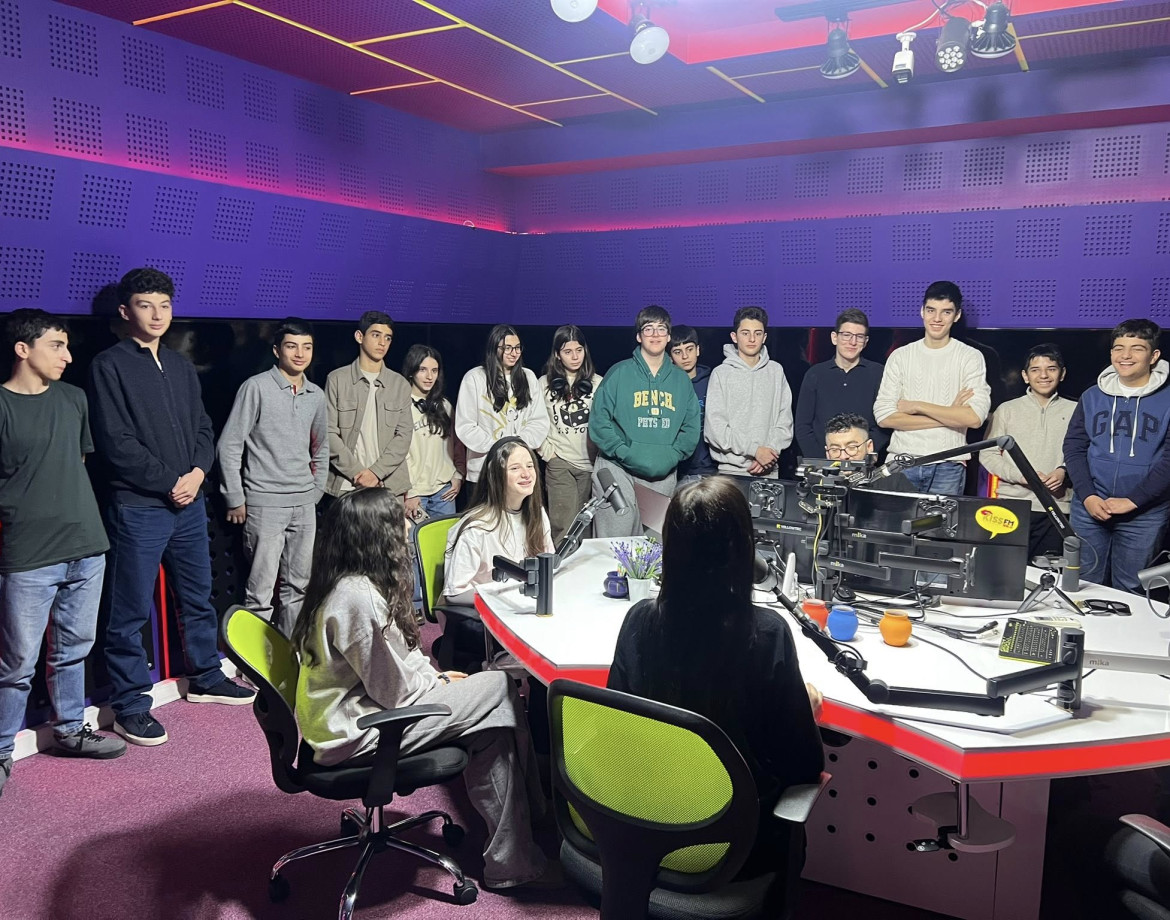
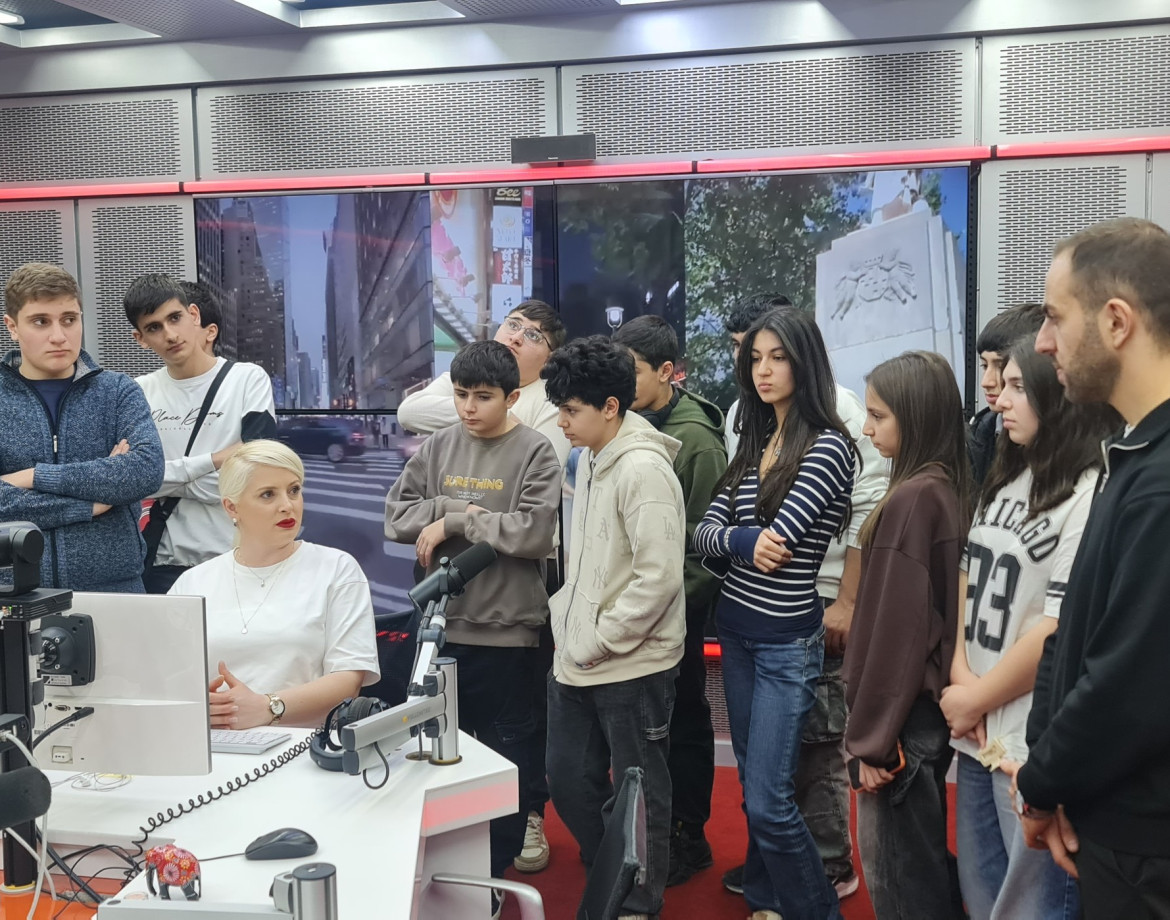
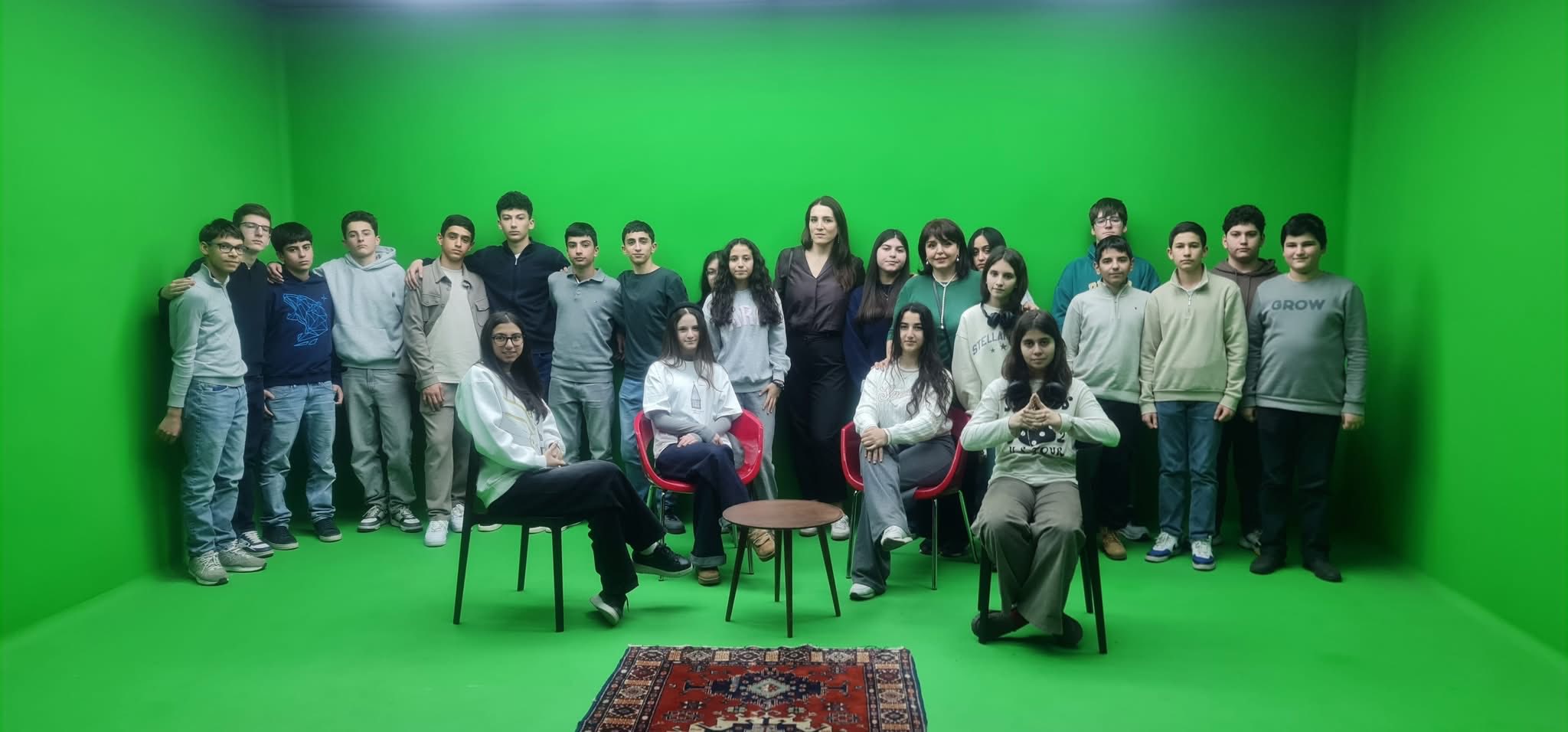
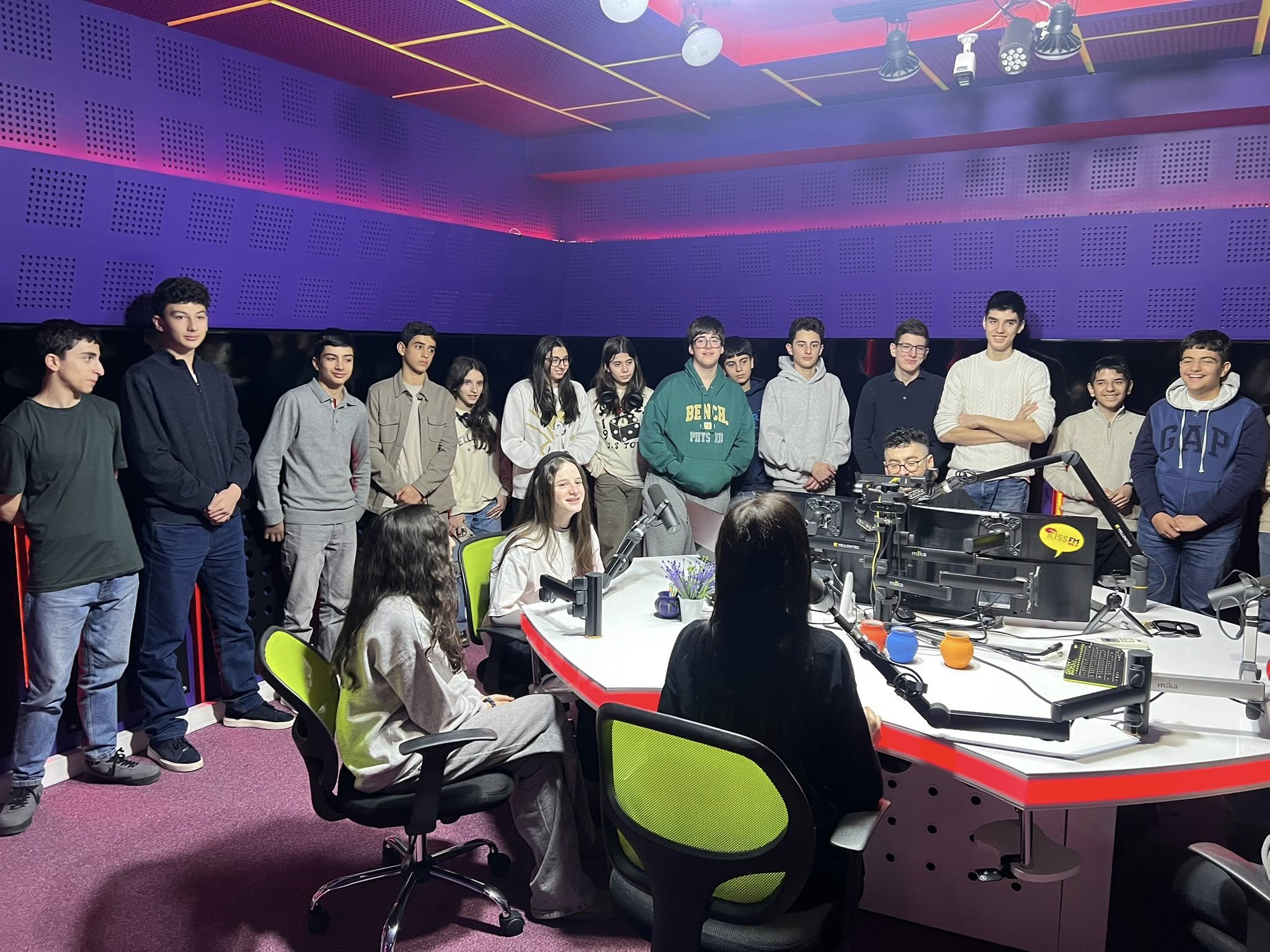
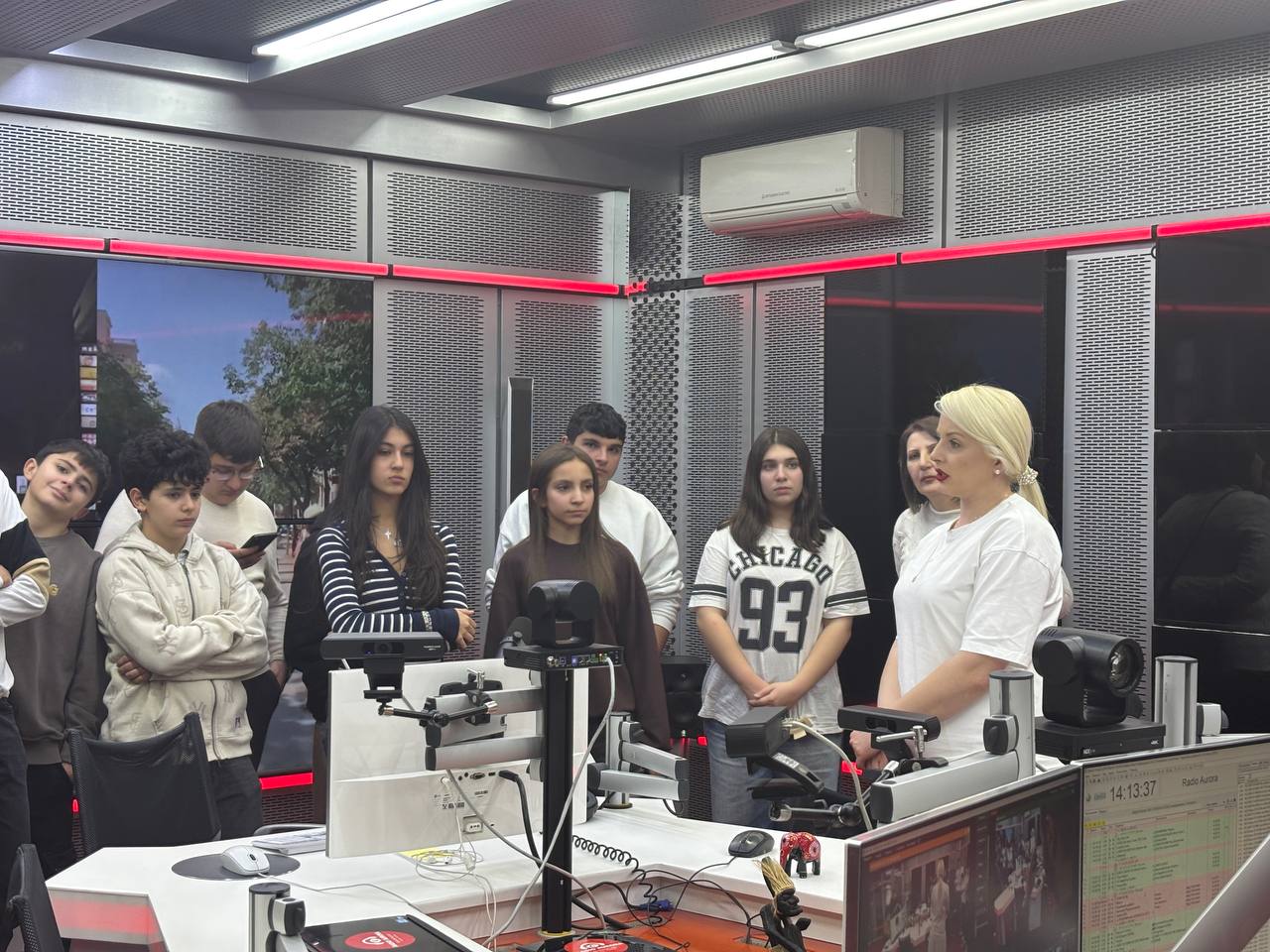
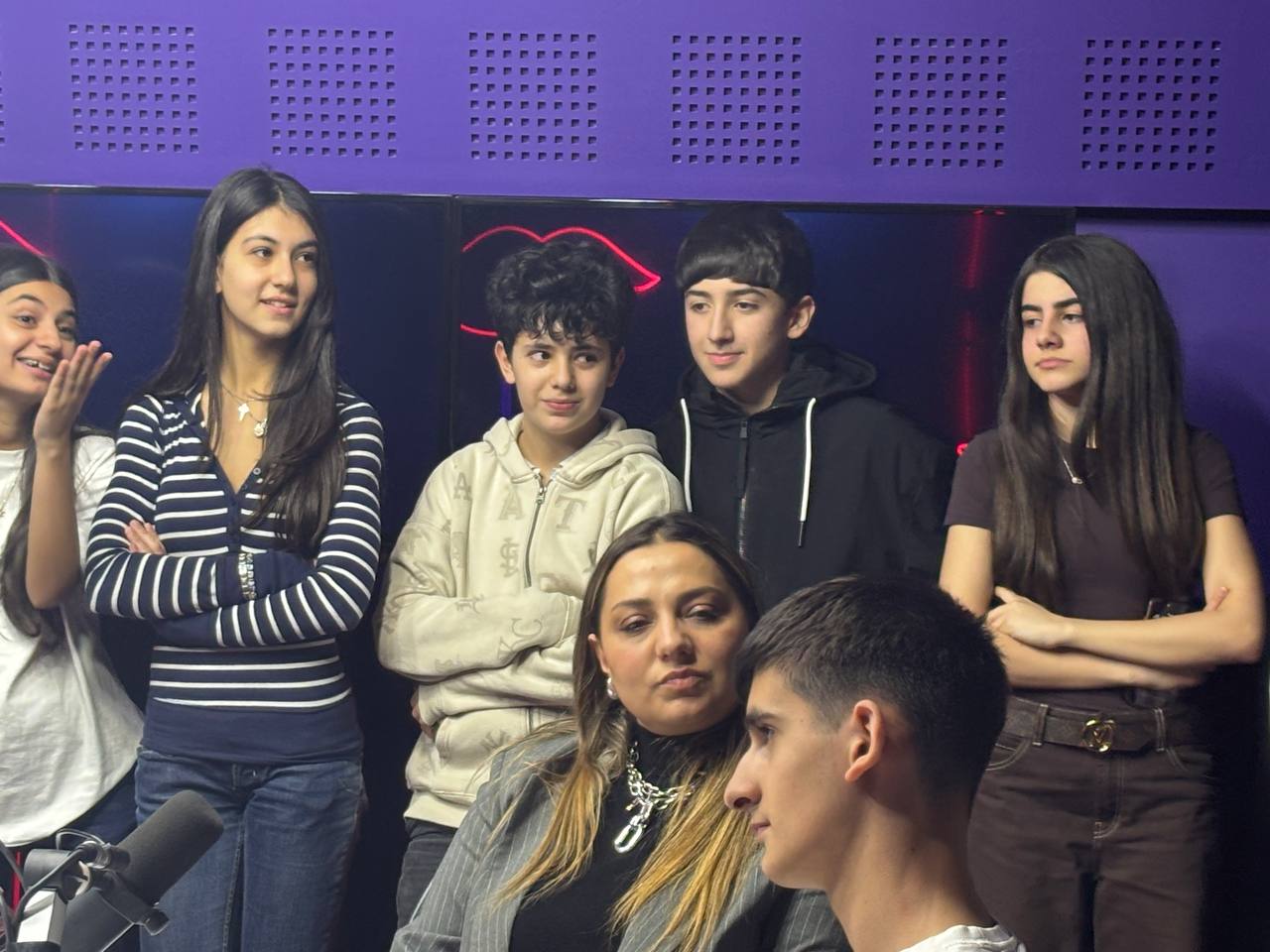
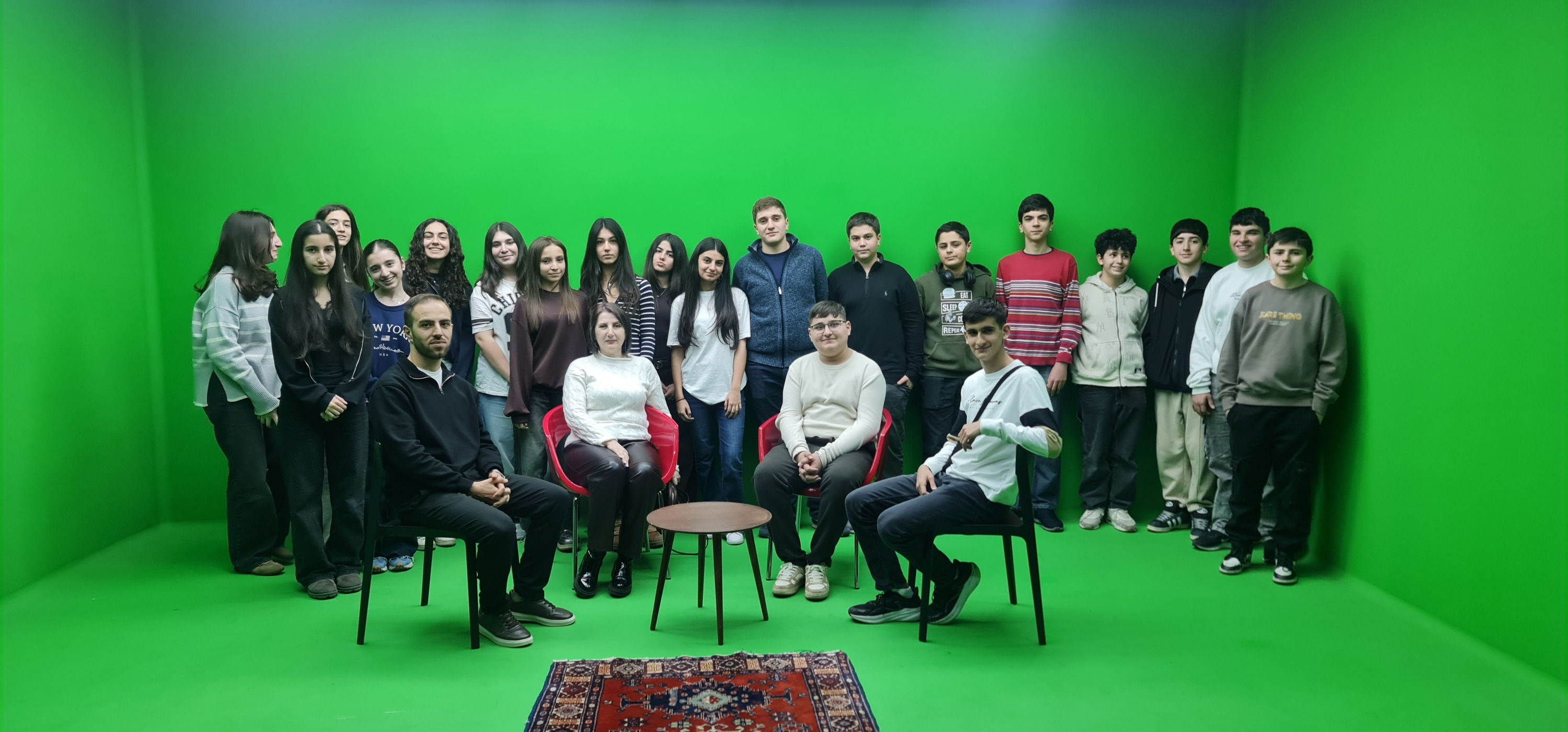
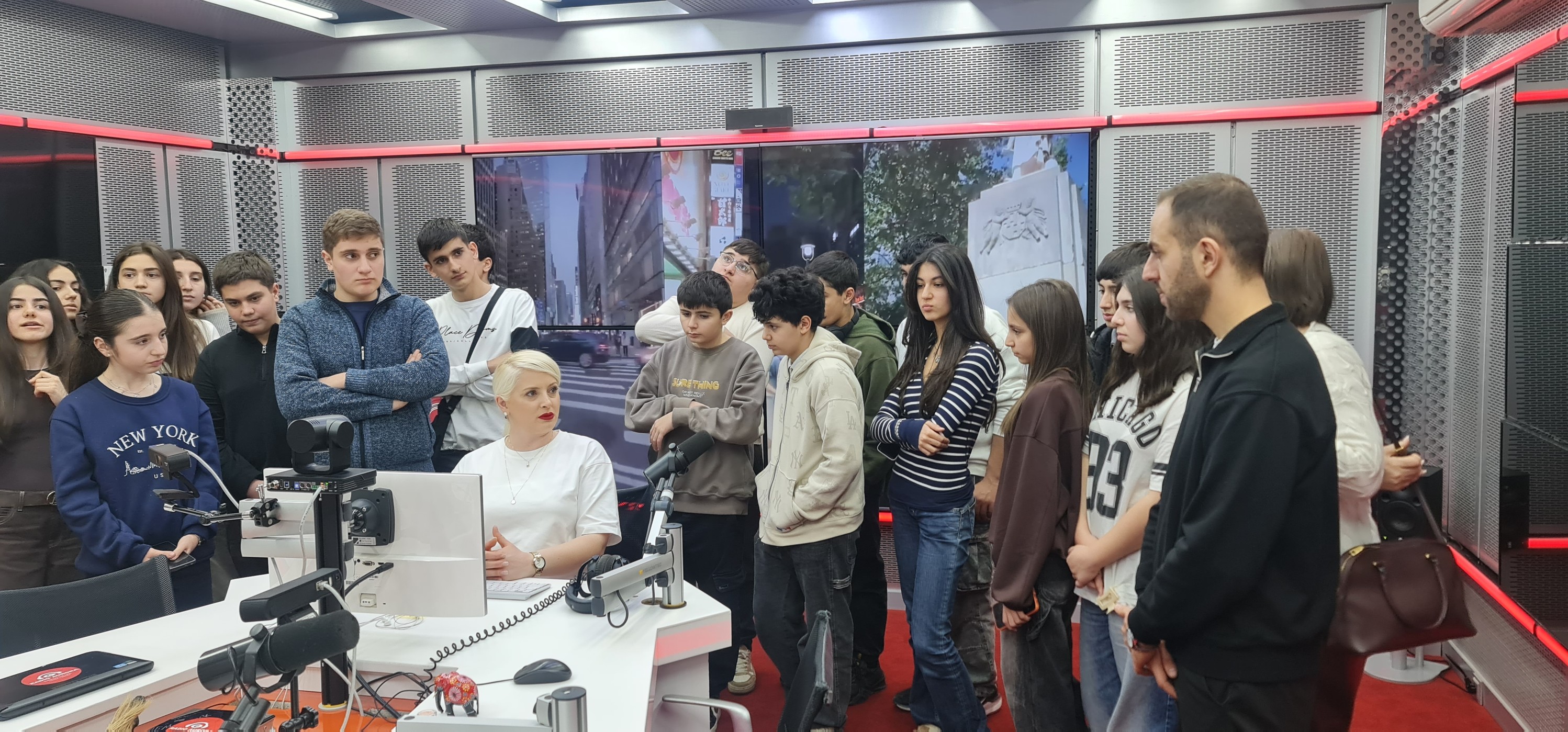
A critical and conscious approach to media is also emphasized at “Usum” School. Clear evidence of this is the students’ visits over the years to the Shant TV, the Public Television Company of Armenia, the Public Radio of Armenia, and Radio Arevik. In recent years, another stable tradition has been established: ninth-grade students make a curriculum-based educational visit to Aurora Holding, which broadcasts through the official Radio Aurora frequency and the youth-oriented Kiss FM frequency.
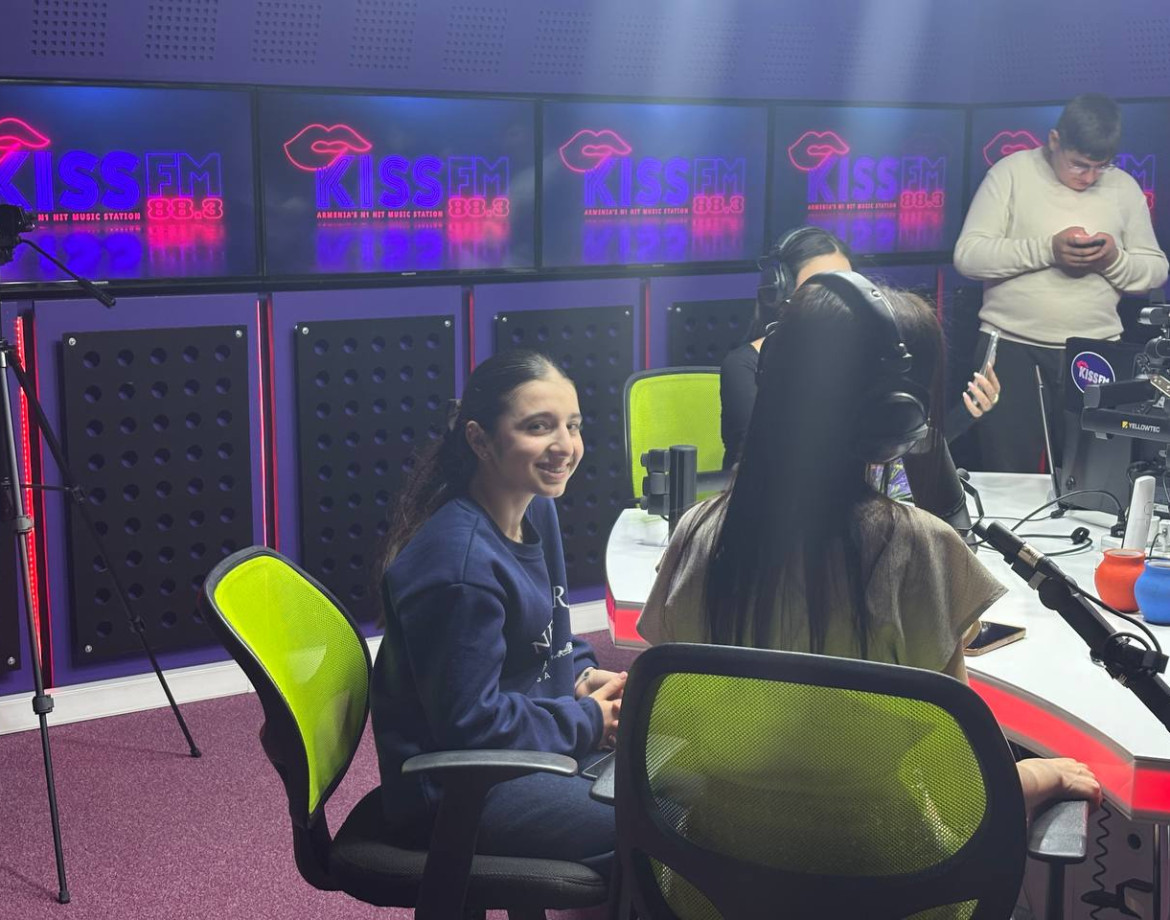
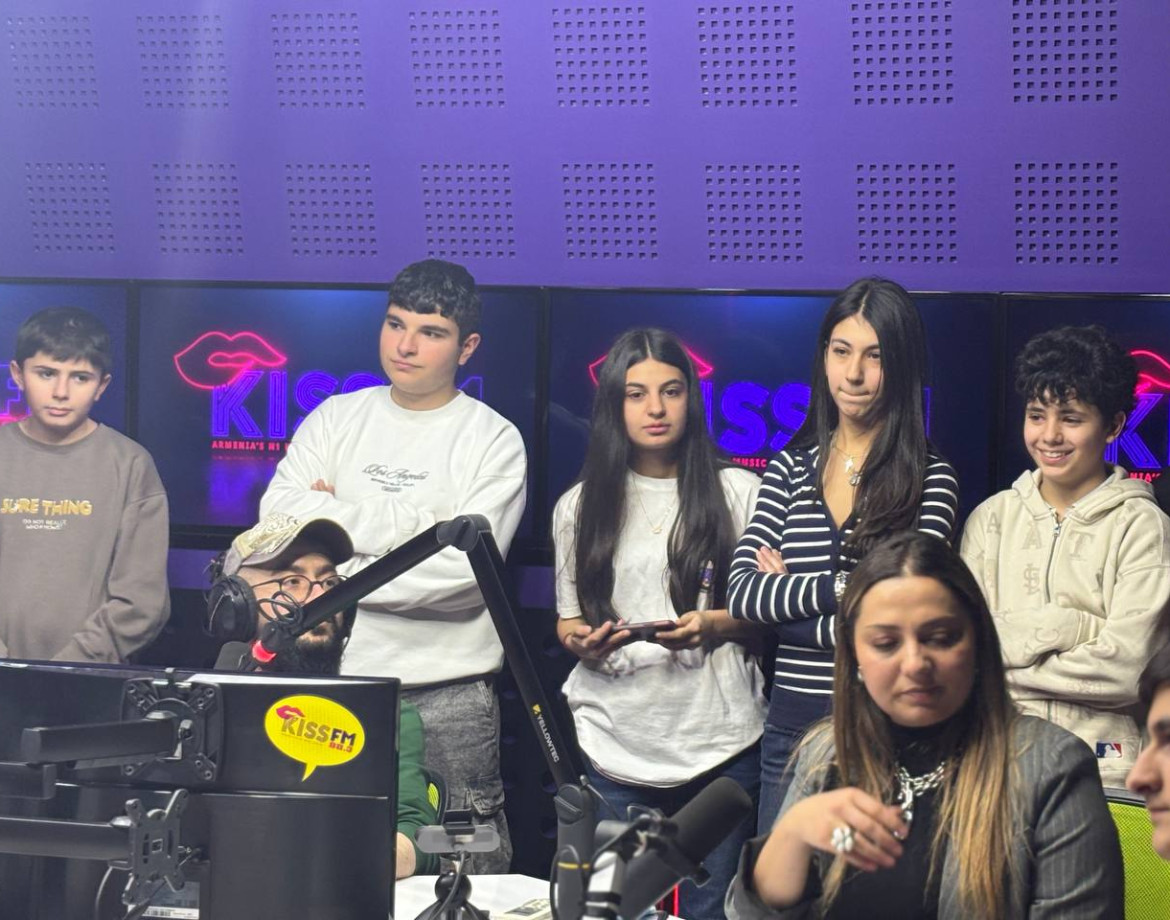
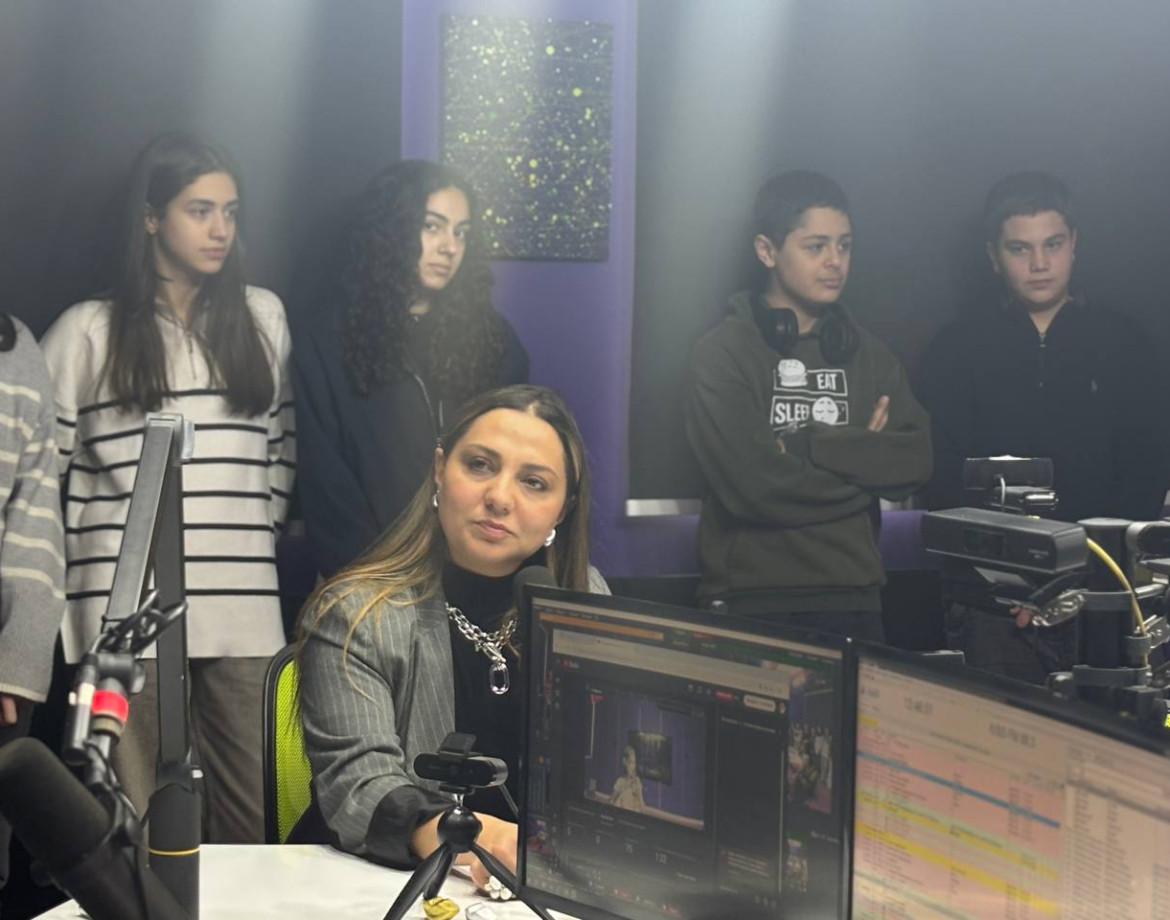
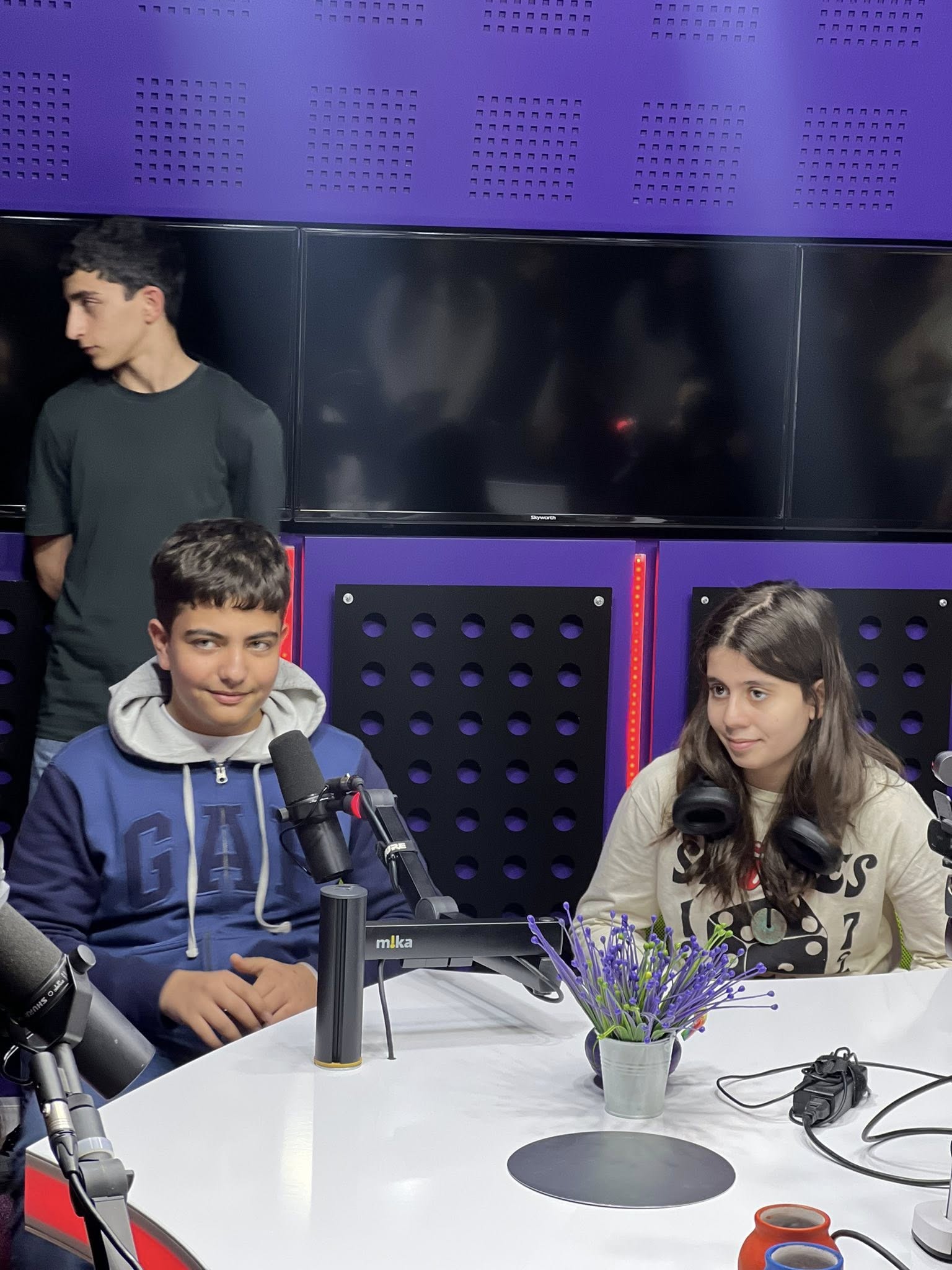
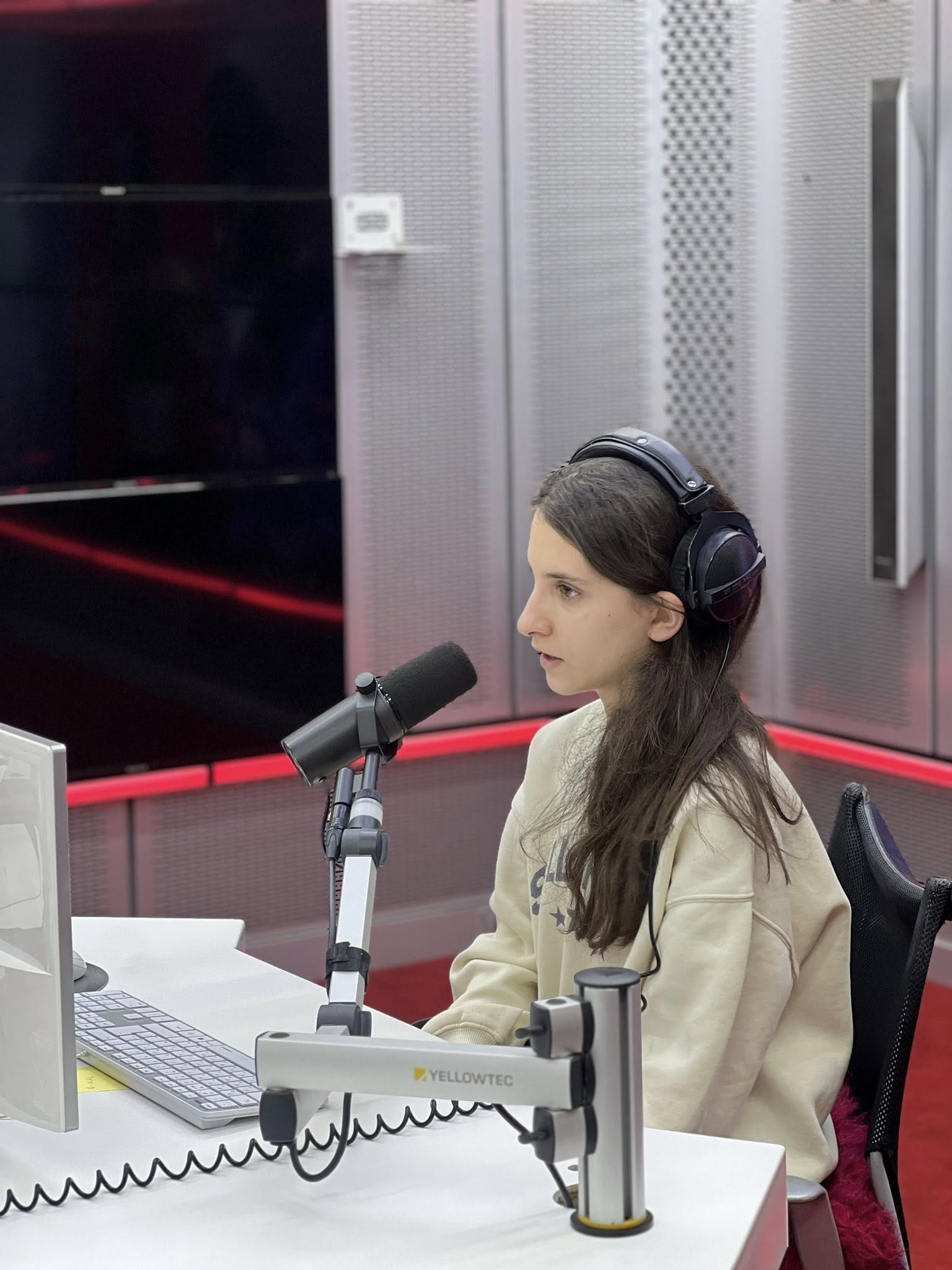
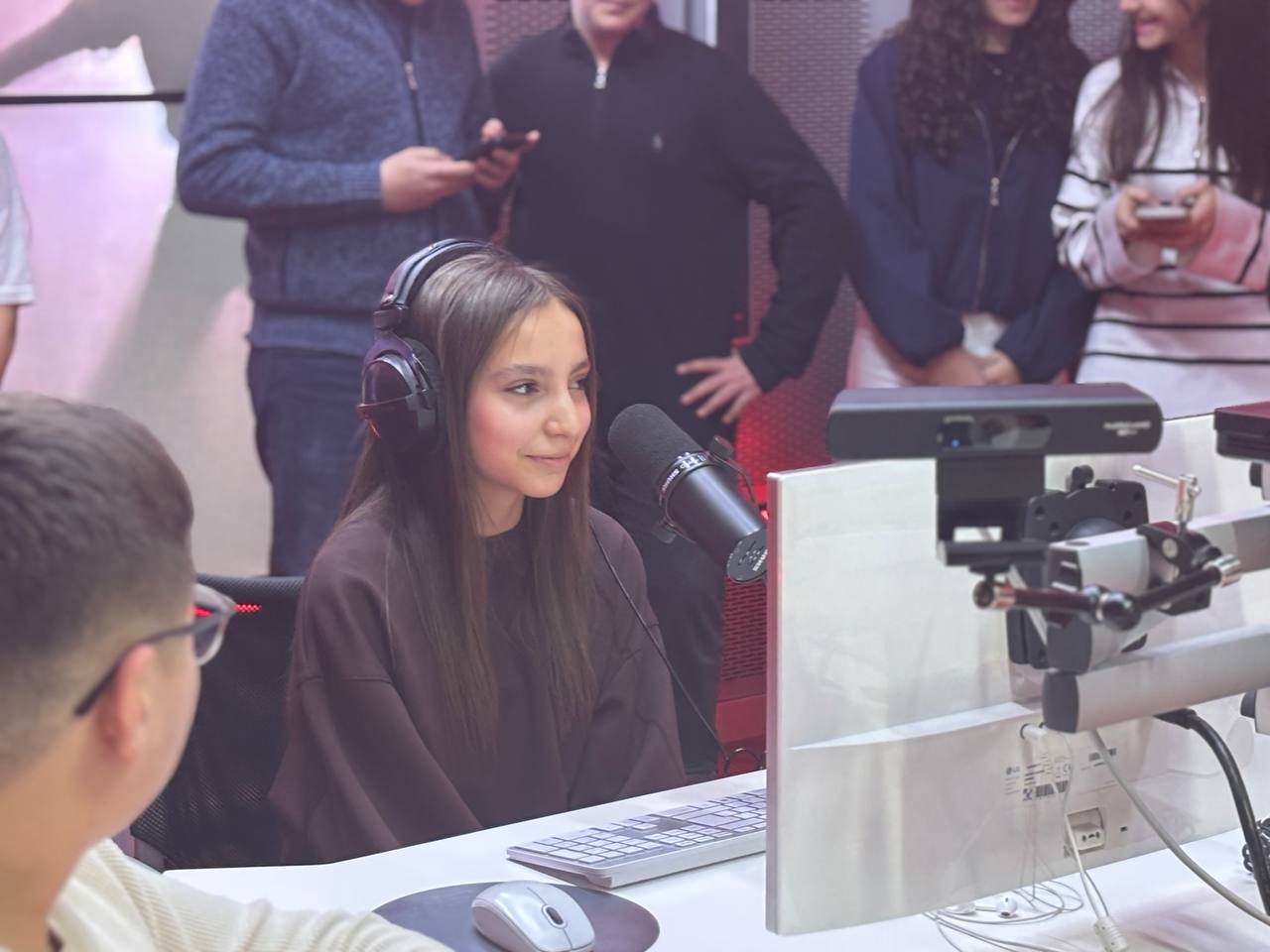
During the recent visits, the students not only learned about the work of the radio station, the responsibilities of hosts and sound engineers, and the structural and ethical aspects of radio commentary, but also personally became guests of entertainment programs broadcast on two radio frequencies. Making their “debut” on live radio, the students exchanged ideas about the importance of introducing the subject “Career Guidance,” the educational opportunities and challenges of the modern world, the upcoming stage of university admission, and their interests beyond school. Within the program, the students also had the opportunity to interact with the well-known theater and film actress Araqsya Melikyan, in whose participation the ninth graders had earlier attended the premiere of the performance “The Capture of Tmkaberd.”
In a conversation with us, Radio Aurora host L. Aghajanyan noted that recording a broadcast is probably the students’ favorite part, as the student sitting behind the microphone begins to personally realize the serious responsibility carried by a radio host who goes on air. At the same time, our interlocutor emphasized that welcoming Usum students has become a stable tradition, which in some sense has grown into a form of friendship.
To not think freely is to not think at all!