Human history shows that knowledge has always been the driving force of progress. Since ancient civilizations, people have understood that learning is the only way to understand the world, build societies, and shape the future. In Ancient Egypt, Mesopotamia, and China, literacy and arithmetic formed the foundation of state governance, while in Ancient Greece, knowledge gained philosophical depth, becoming a means to shape a thinking human being.
In Armenian history, the importance of knowledge has held a special place. The Armenian alphabet, created by Mesrop Mashtots, became not only an educational tool but also a pillar for preserving national identity. For centuries, schools, books, and teachers have been the forces helping the Armenian people maintain their language, culture, and faith, even in the most difficult times.
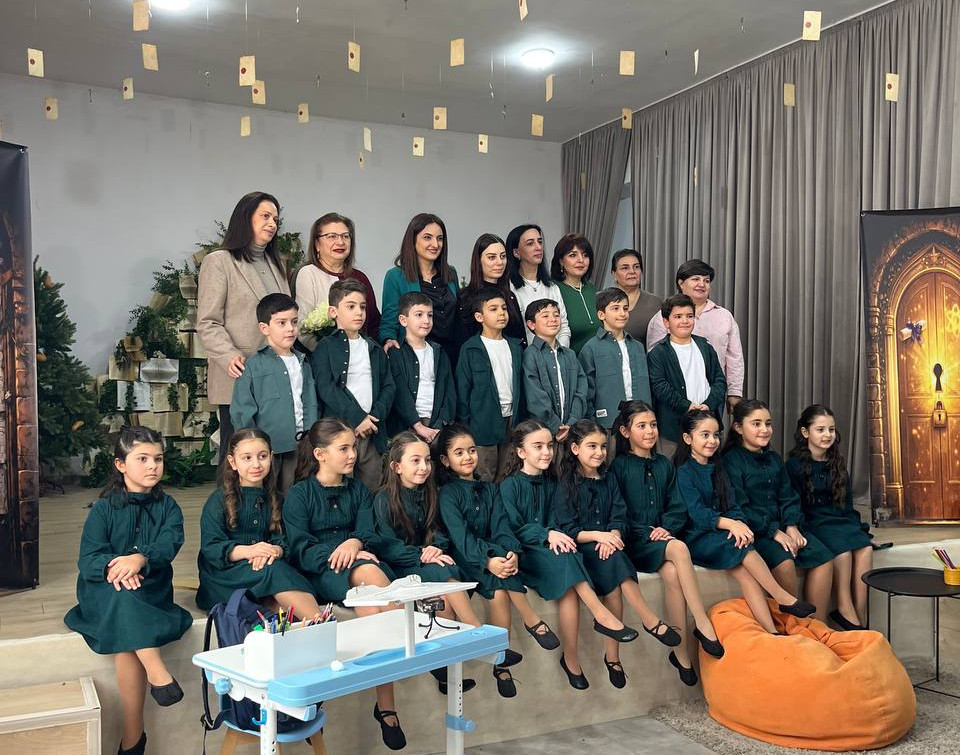
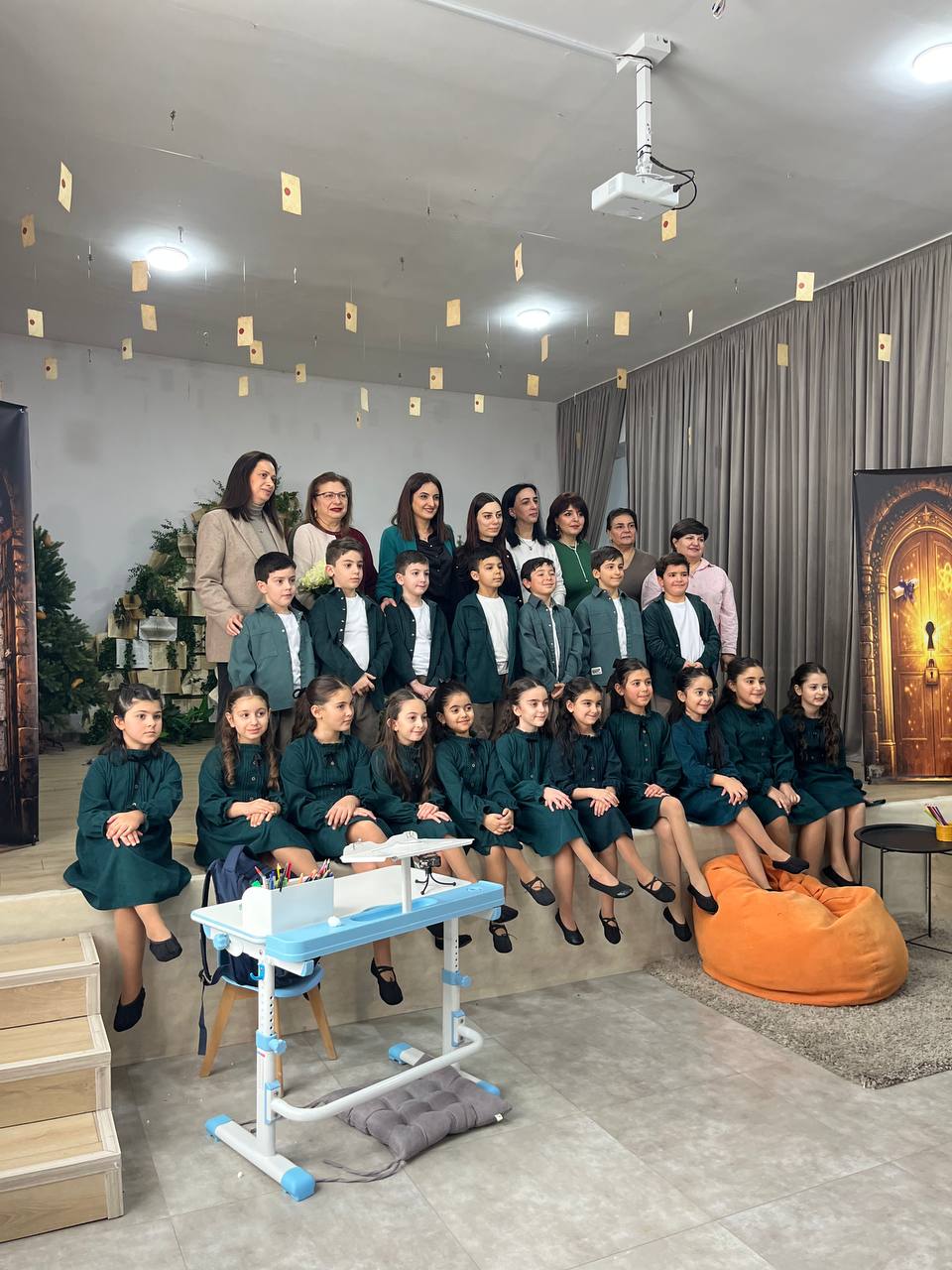
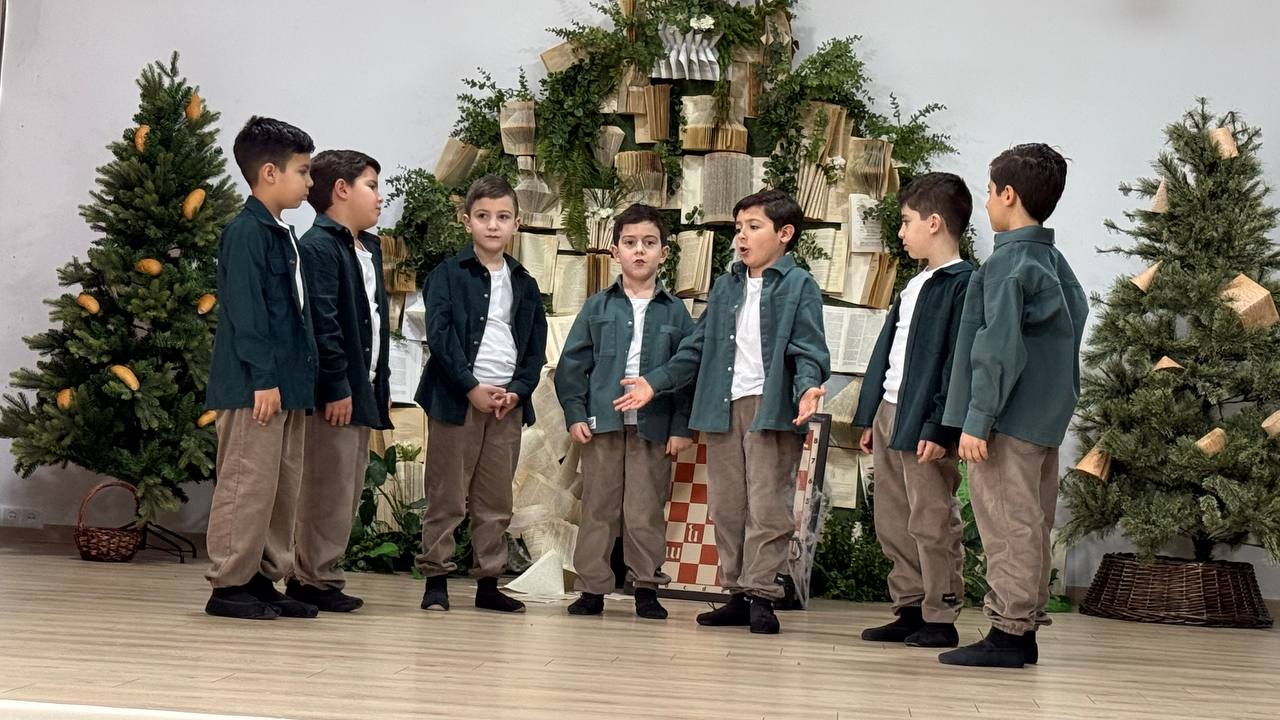
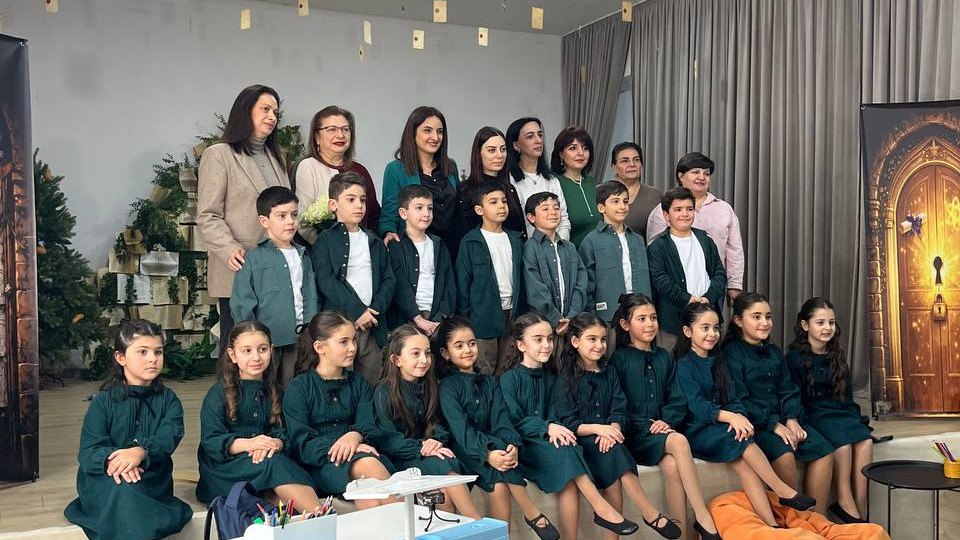
This historical path reveals a simple truth: knowledge is not just information; it is power, freedom, and the ability to choose. This very idea became the foundation for the second-grade students’ staged educational performance, “In the World of Unlearned Lessons,” which conveyed the value of knowledge to the audience in a modern and child-friendly way.
The performance began with the song “Present or Absent,” creating a lively school atmosphere and reminding everyone of the importance of being prepared for class, attentive learning, and taking responsibility. The song immediately transported the audience into a classroom, setting the stage for the main ideas of the performance.
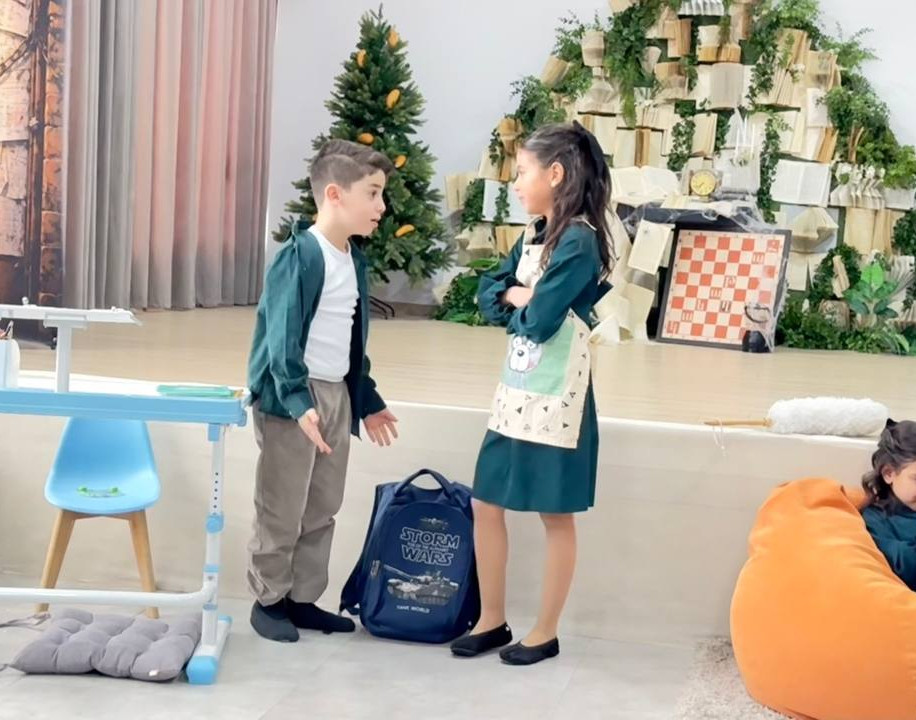
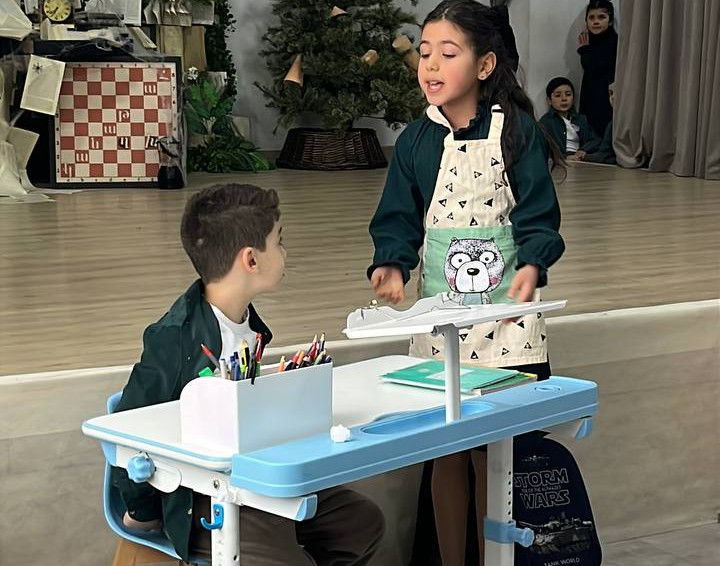
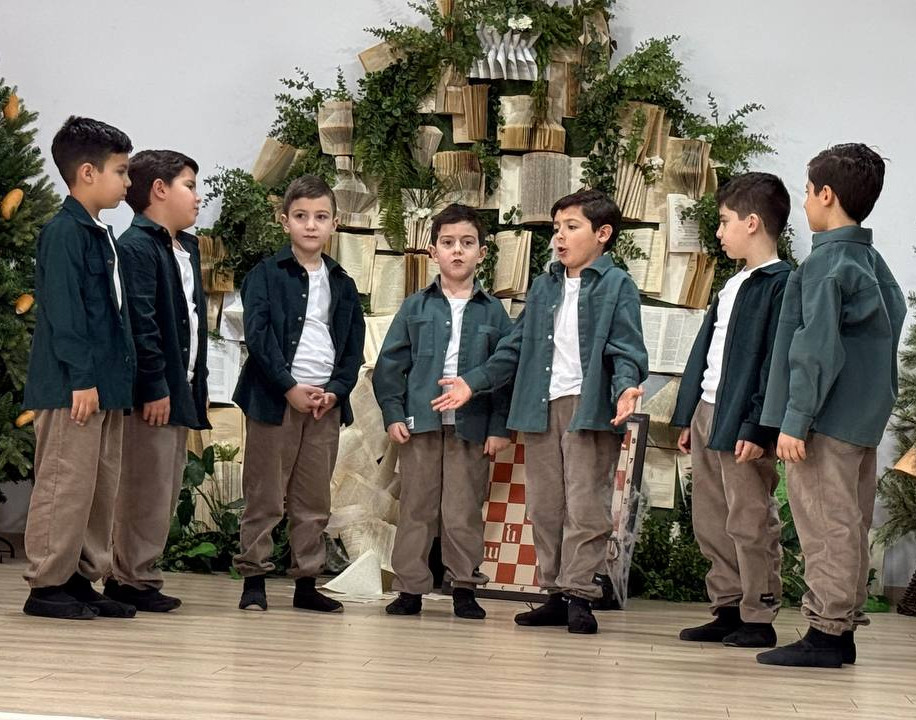
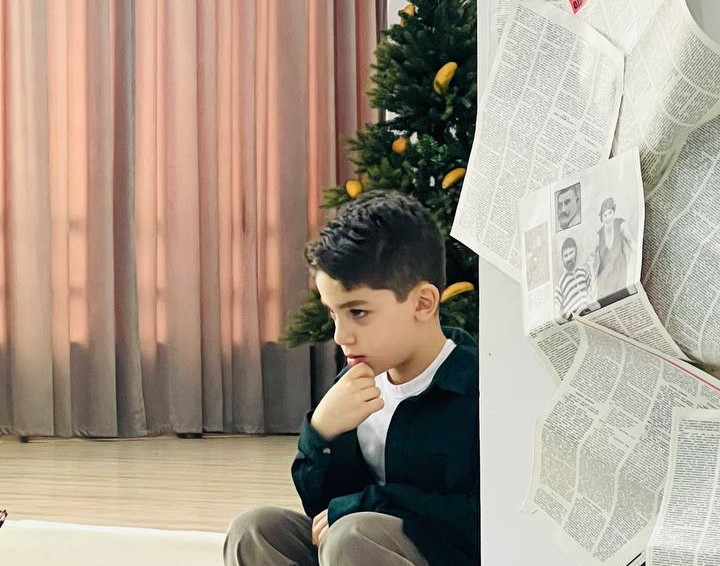
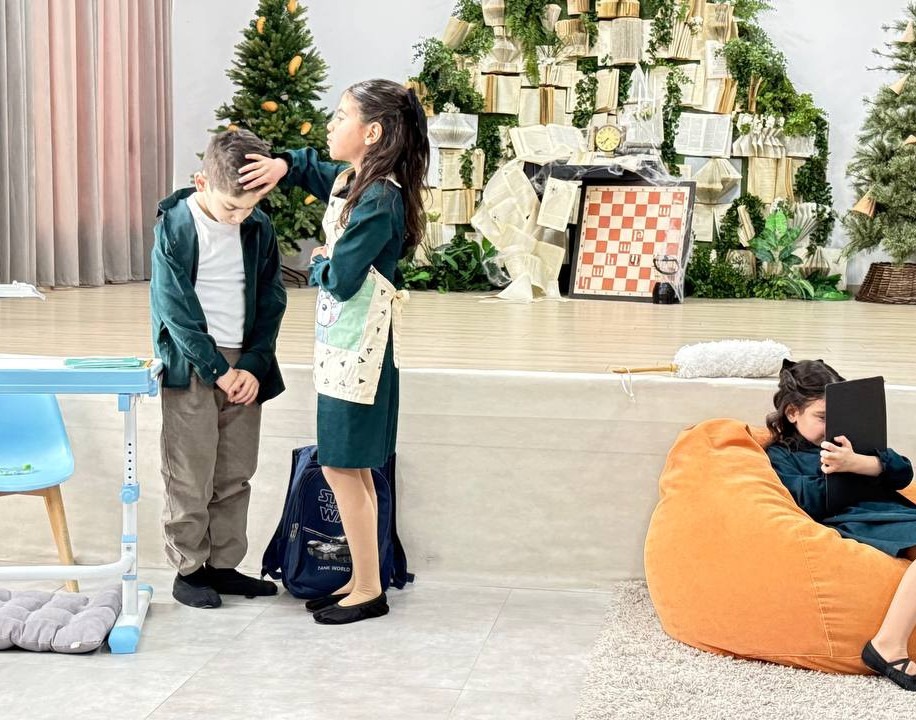
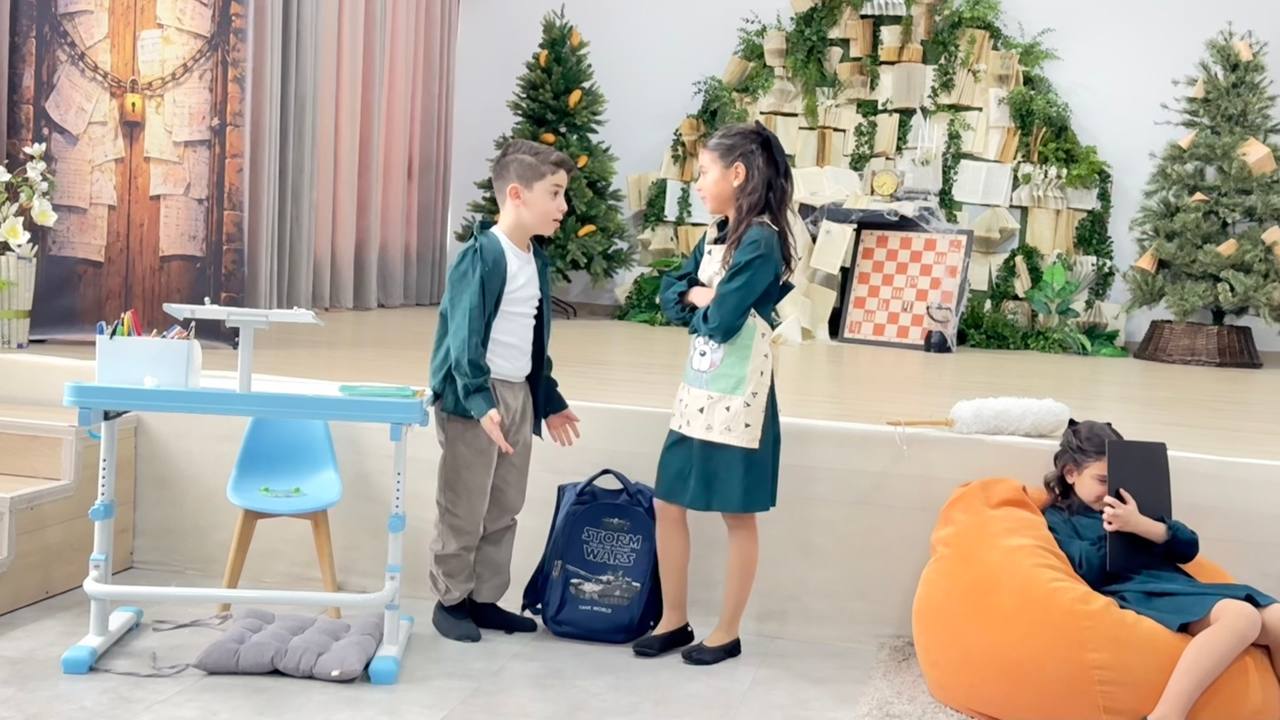
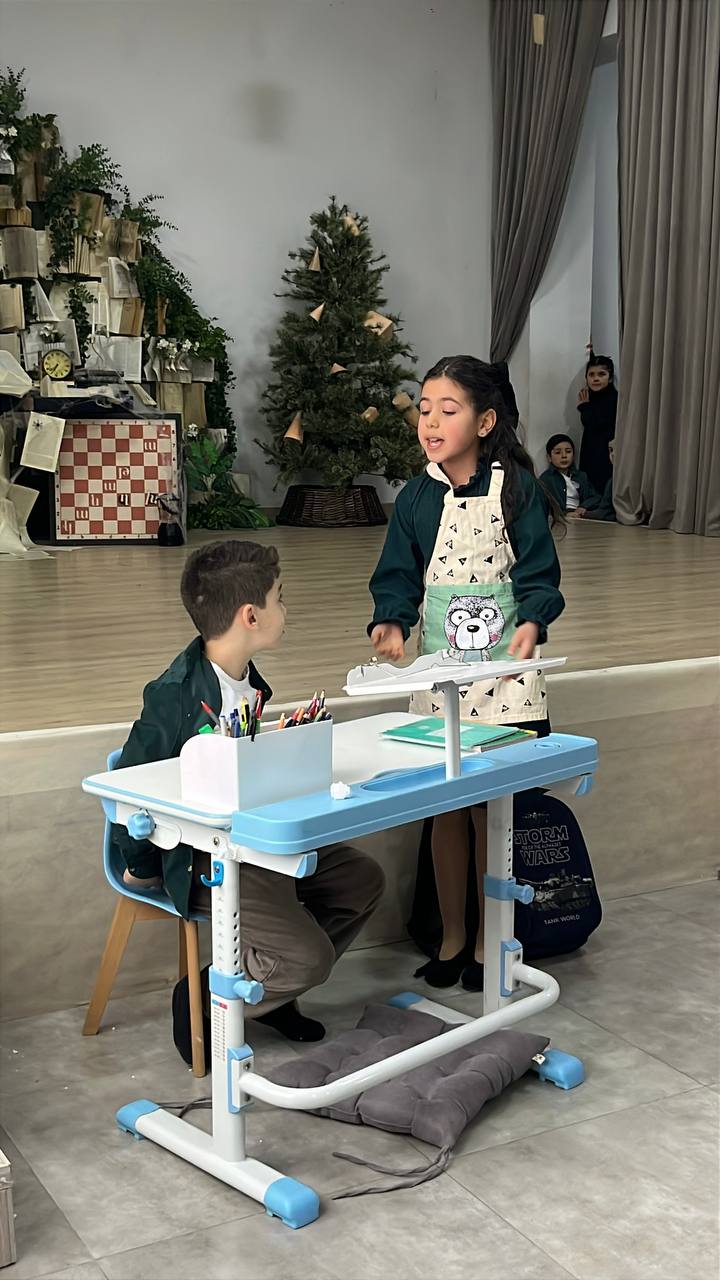
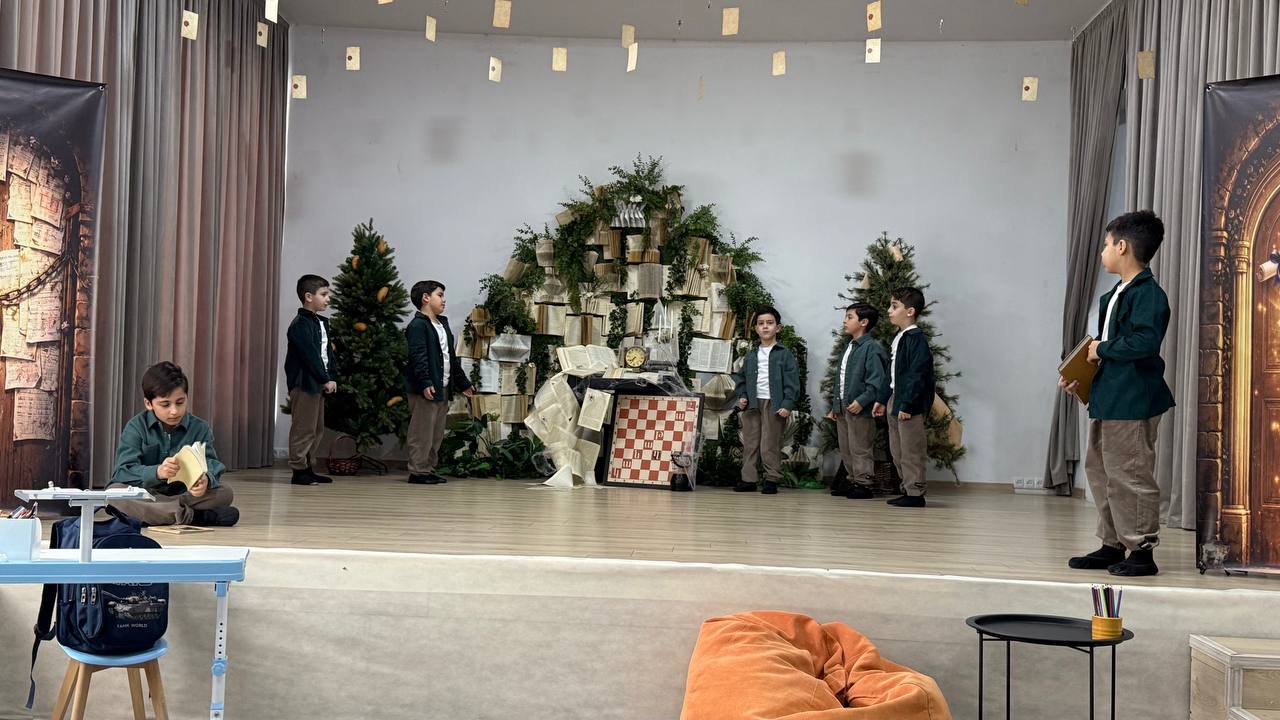
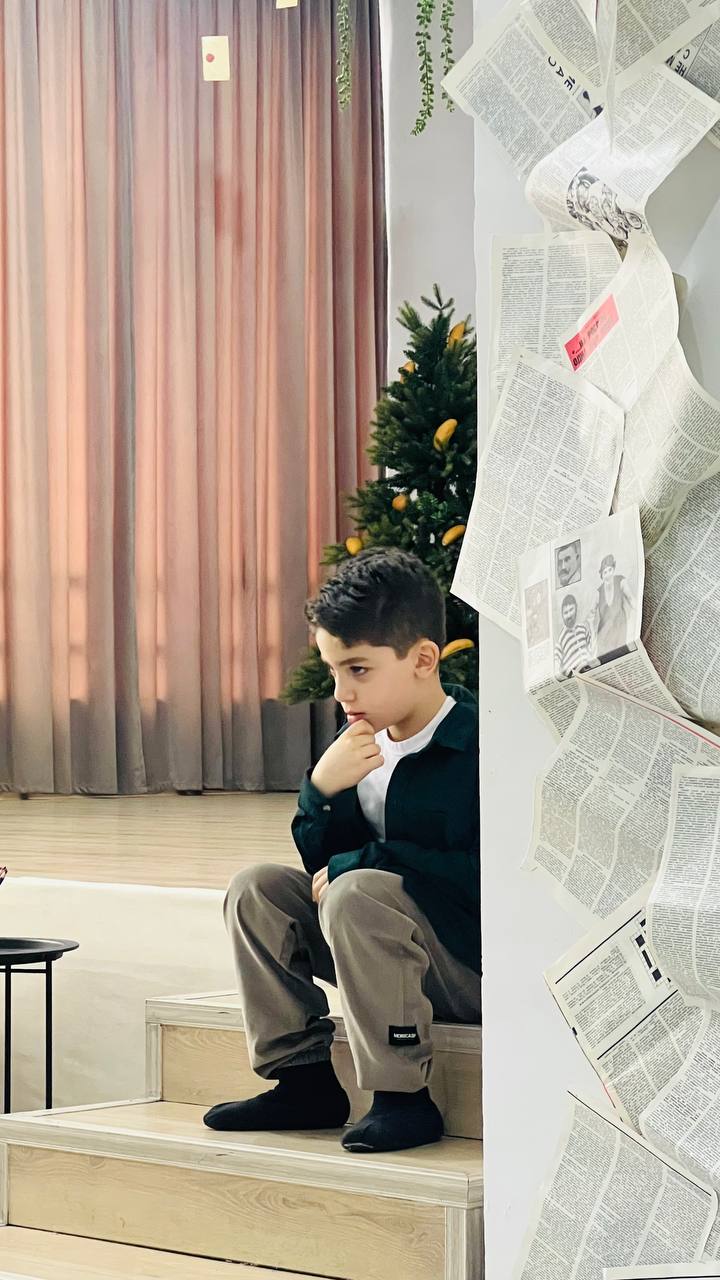
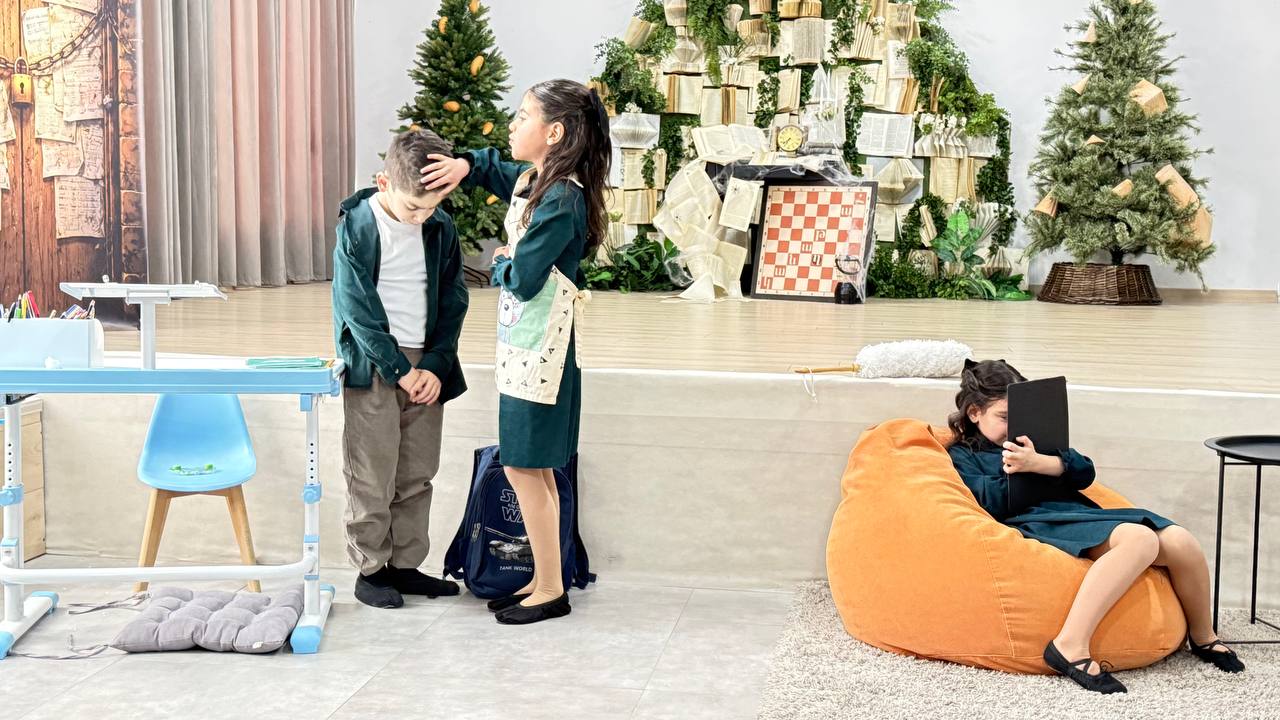
In the first scene, the plot revolved around a character embodying a student tired of studying, undervaluing lessons, and convinced that knowledge is not crucial for his future. Through conversations with his mother and sister, the inner struggle of the child was revealed, as well as the educational role of family—guiding without forcing, but offering clear values.
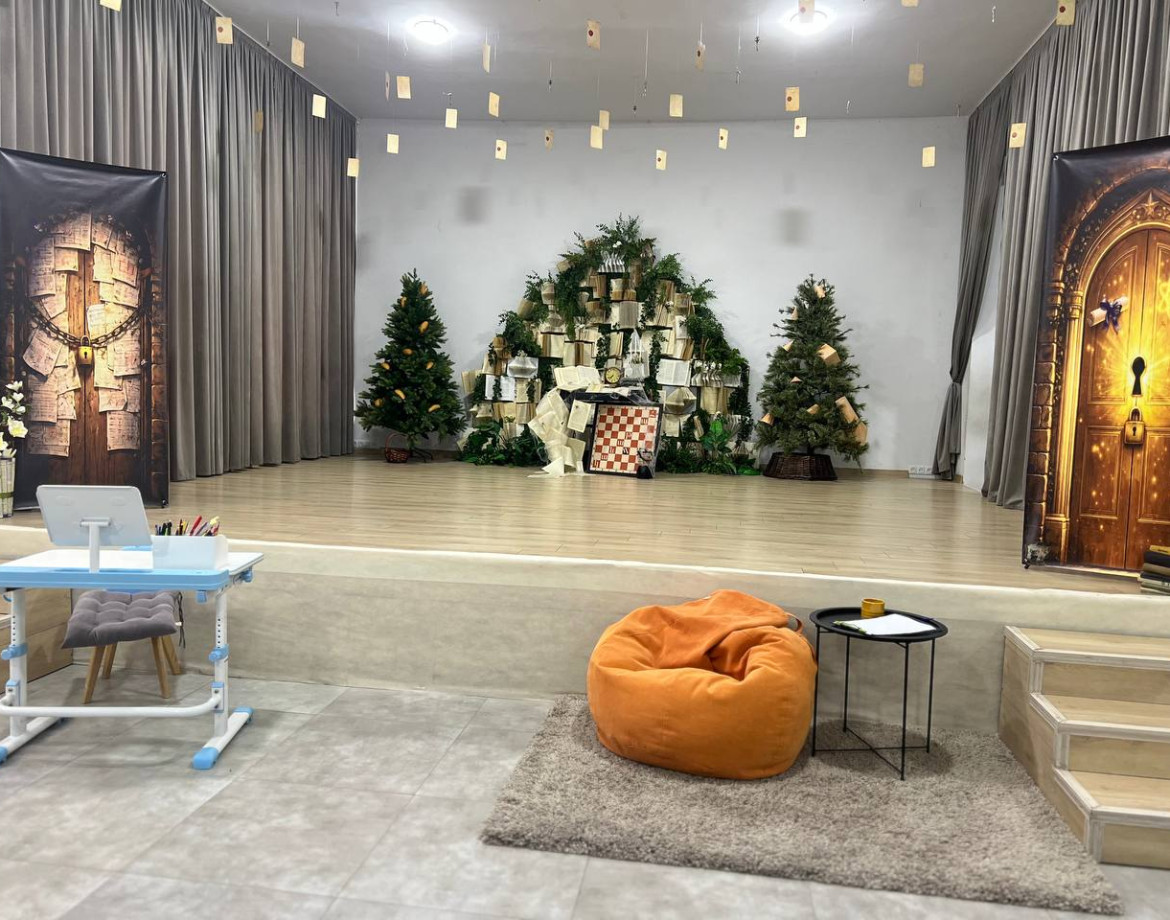
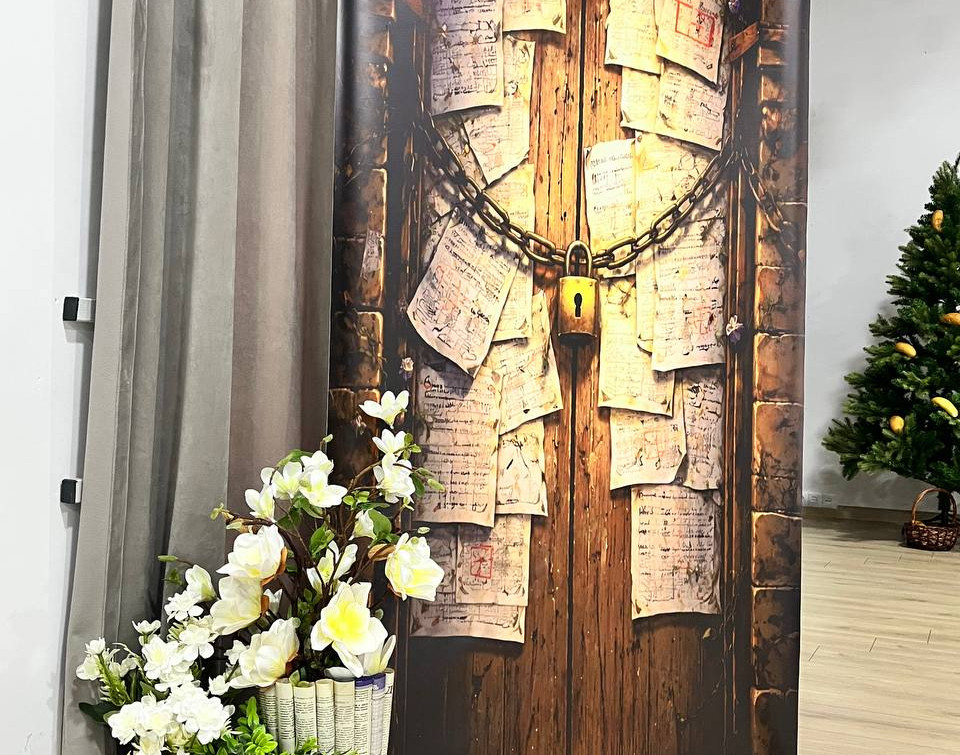
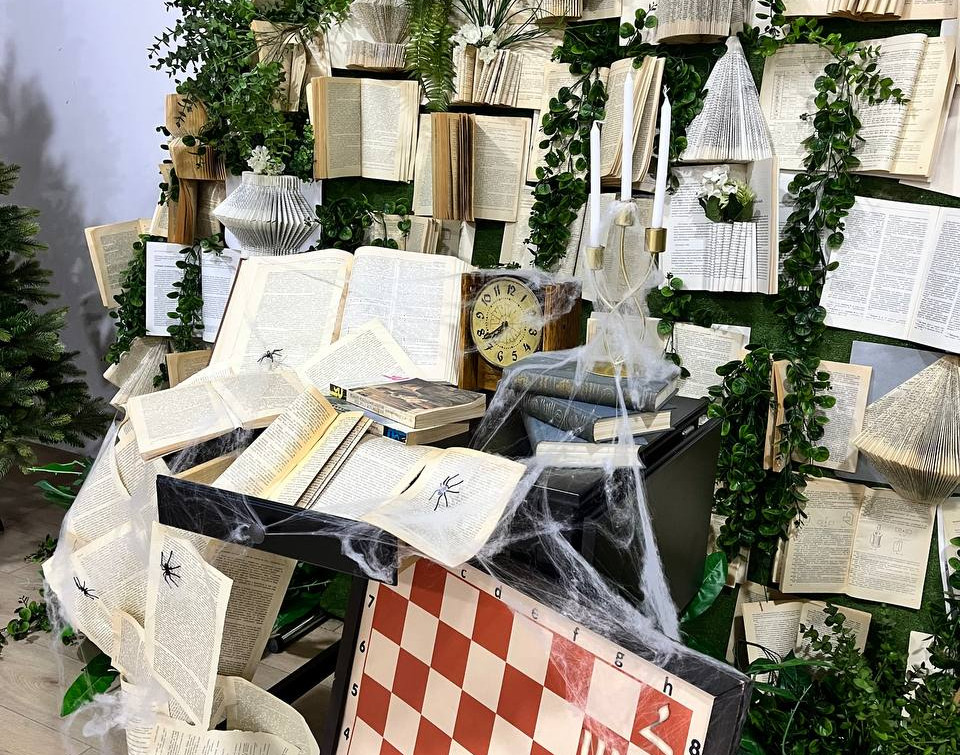
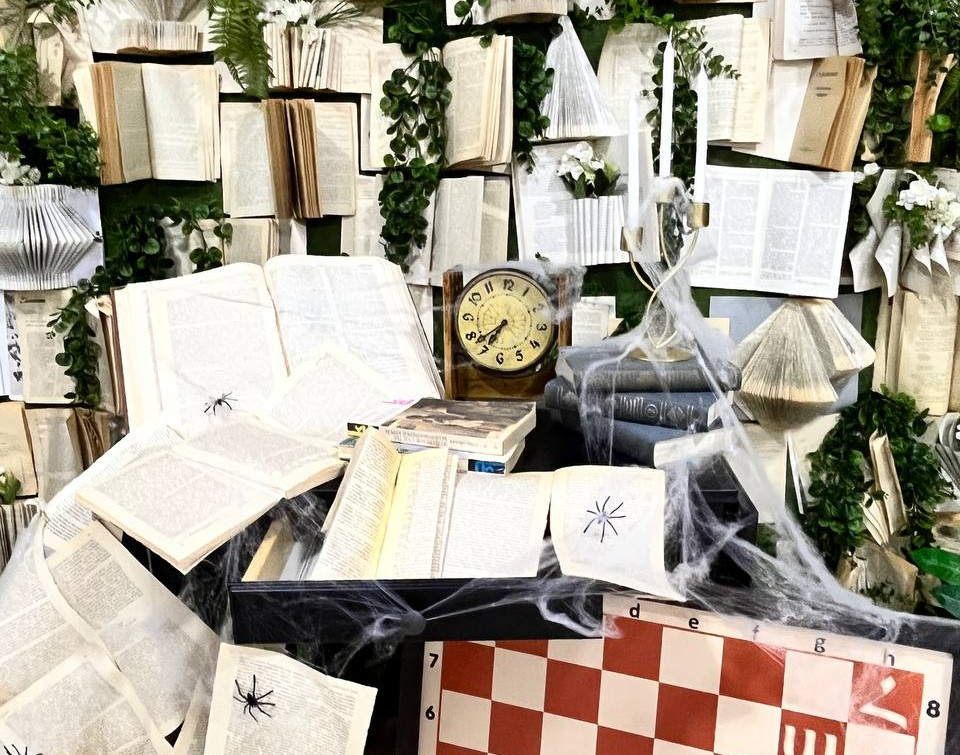
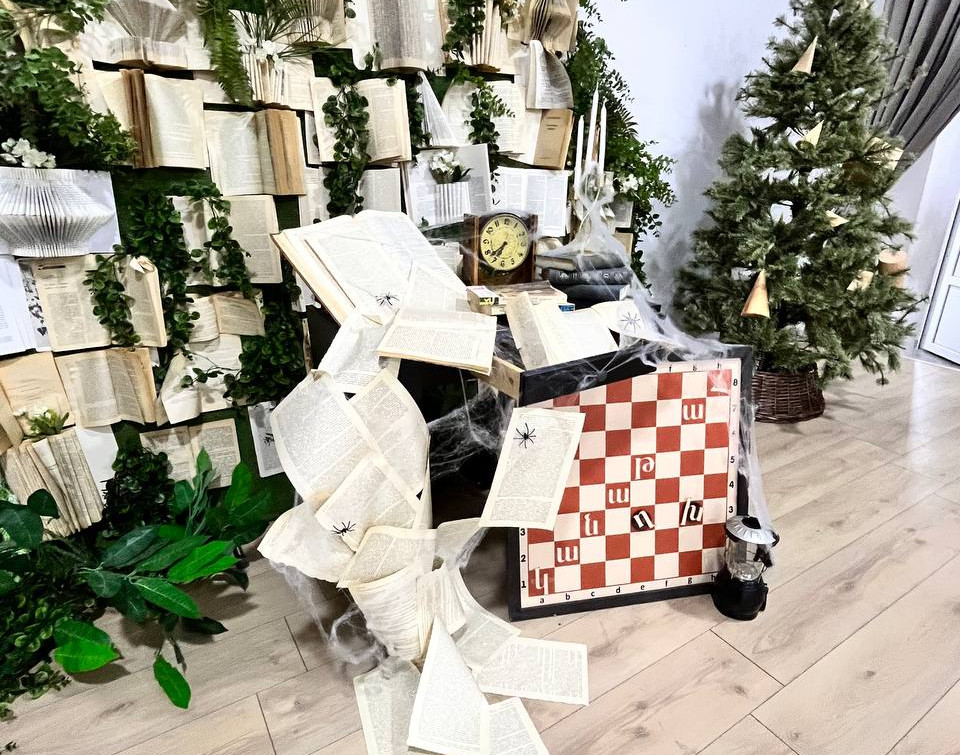
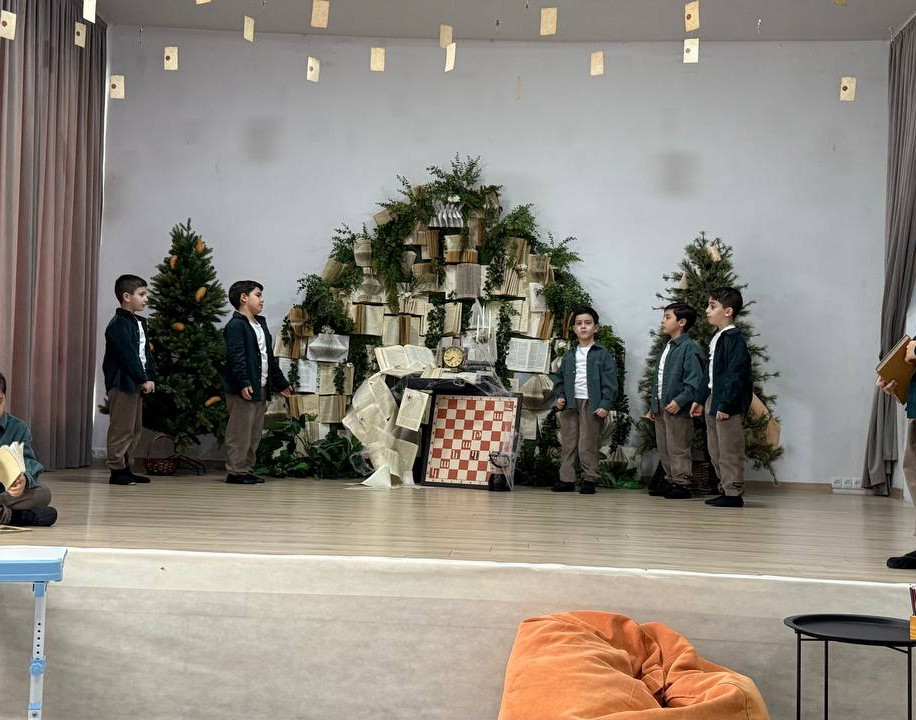
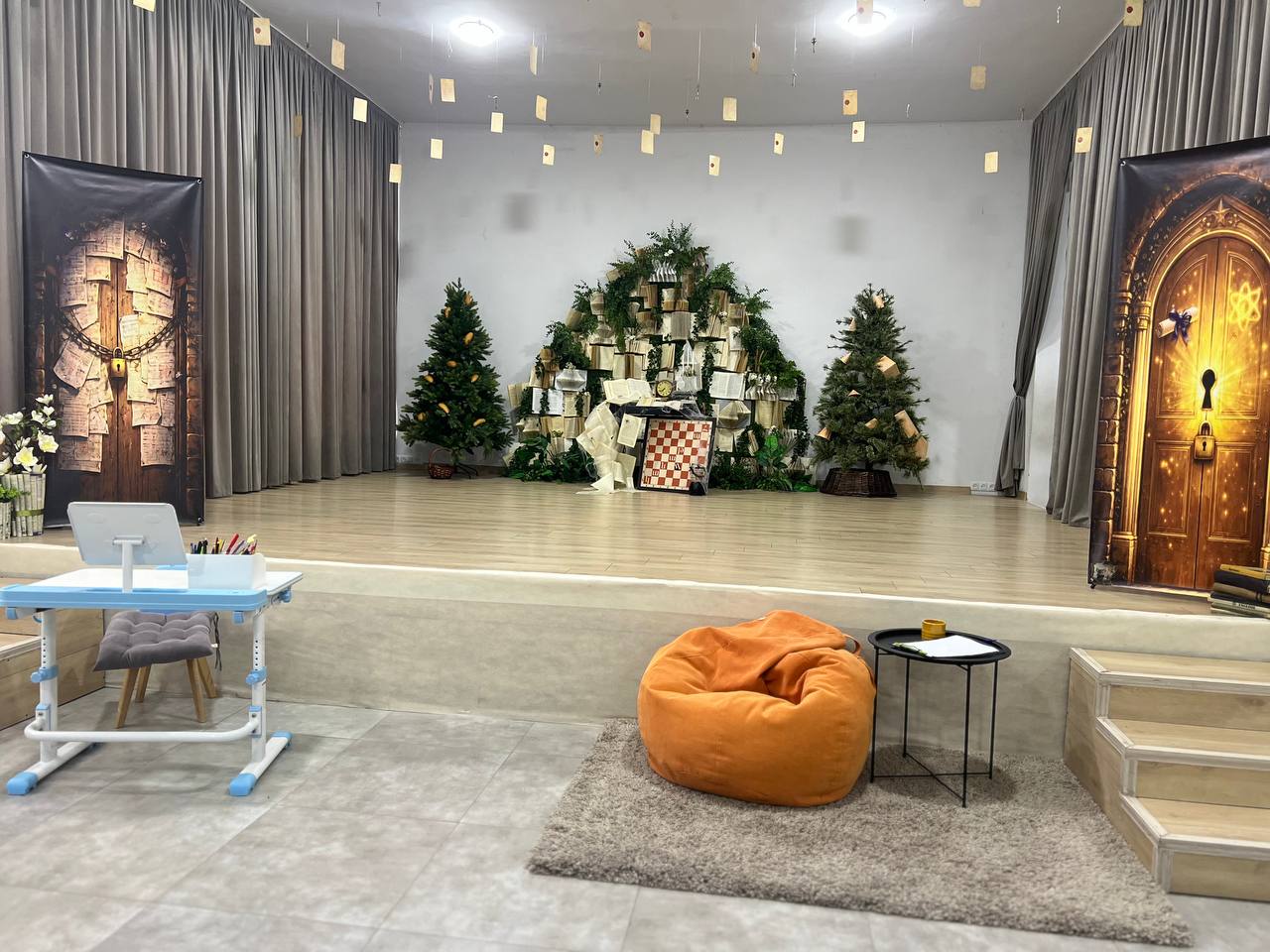
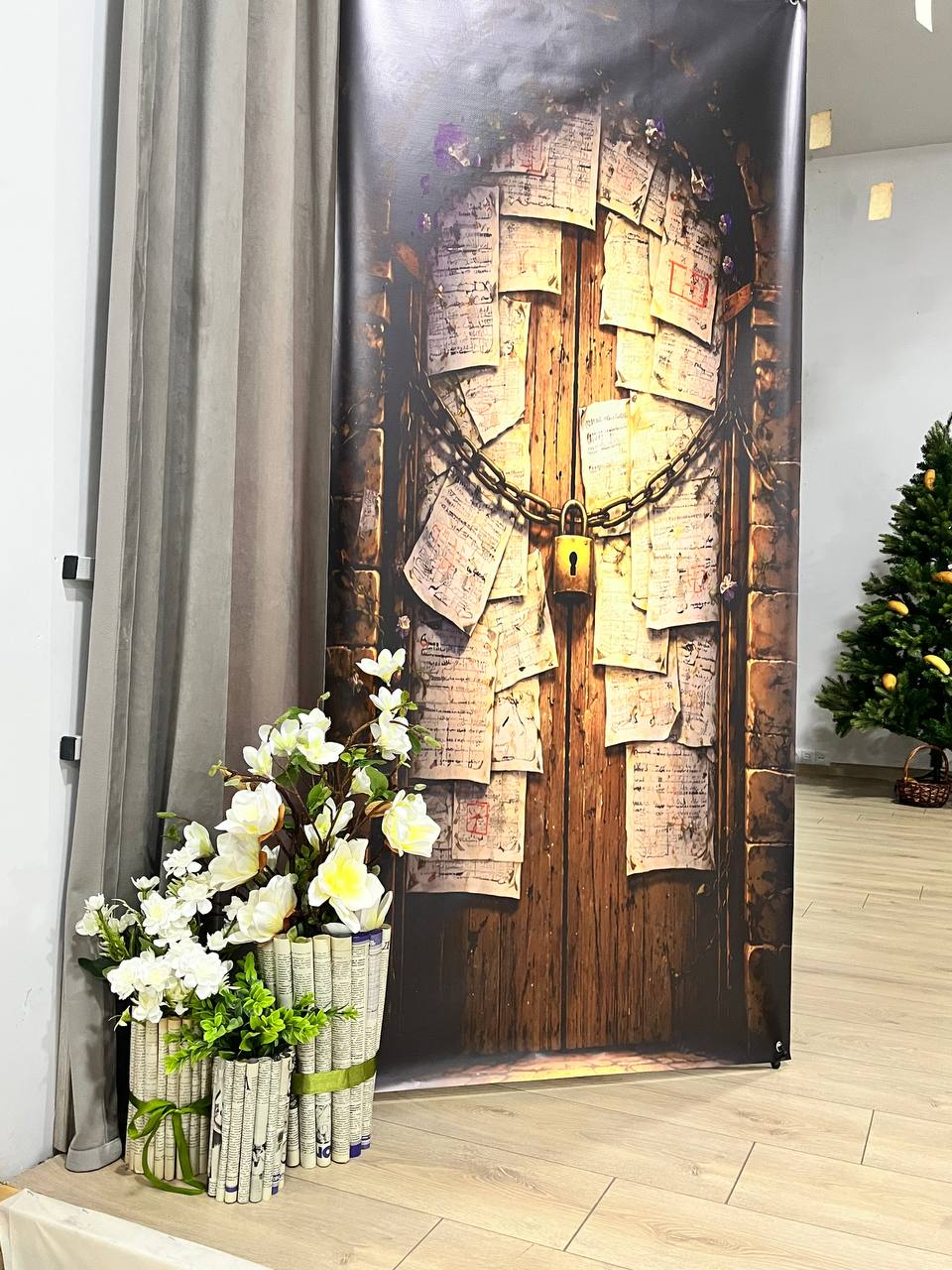
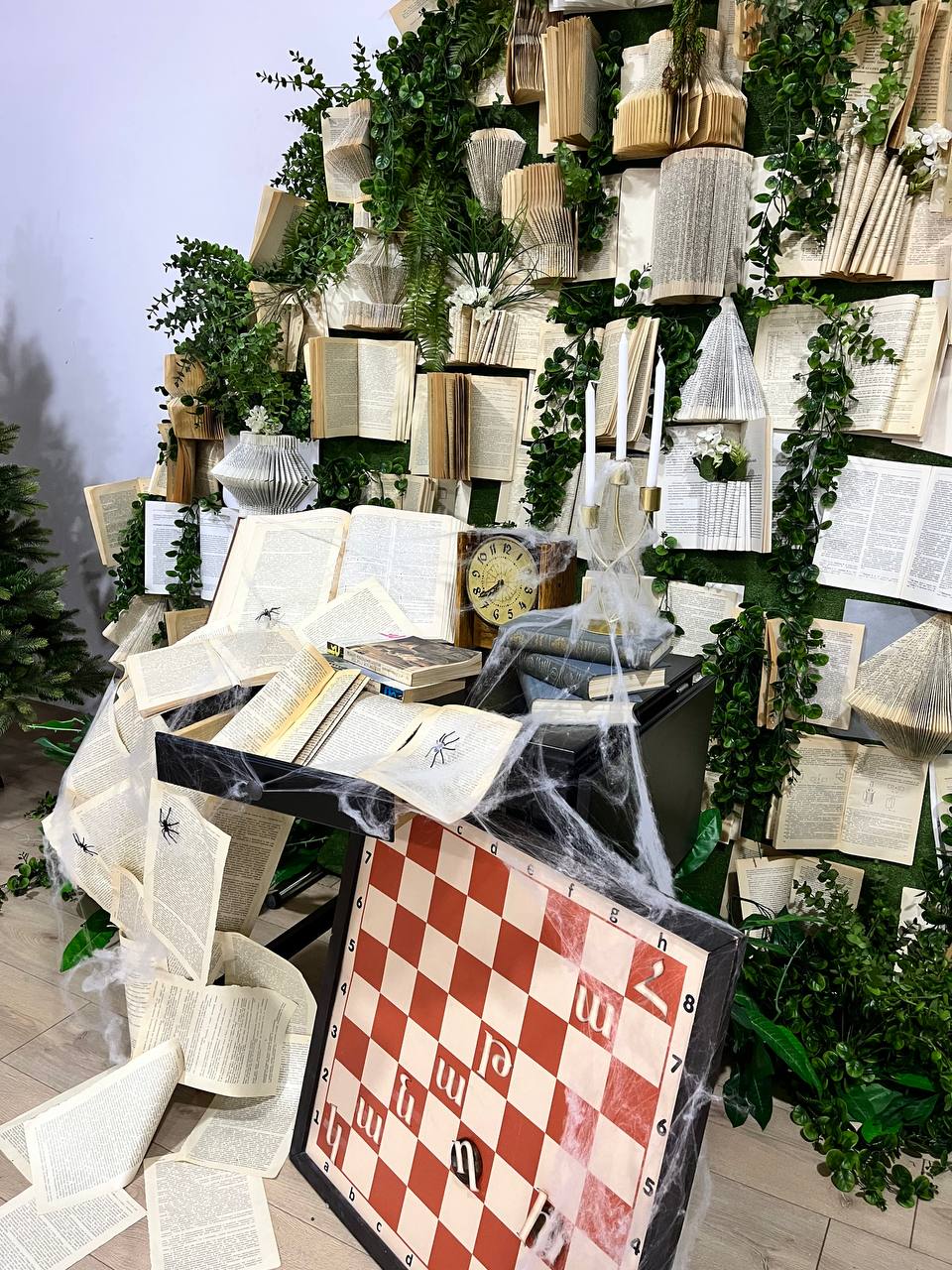
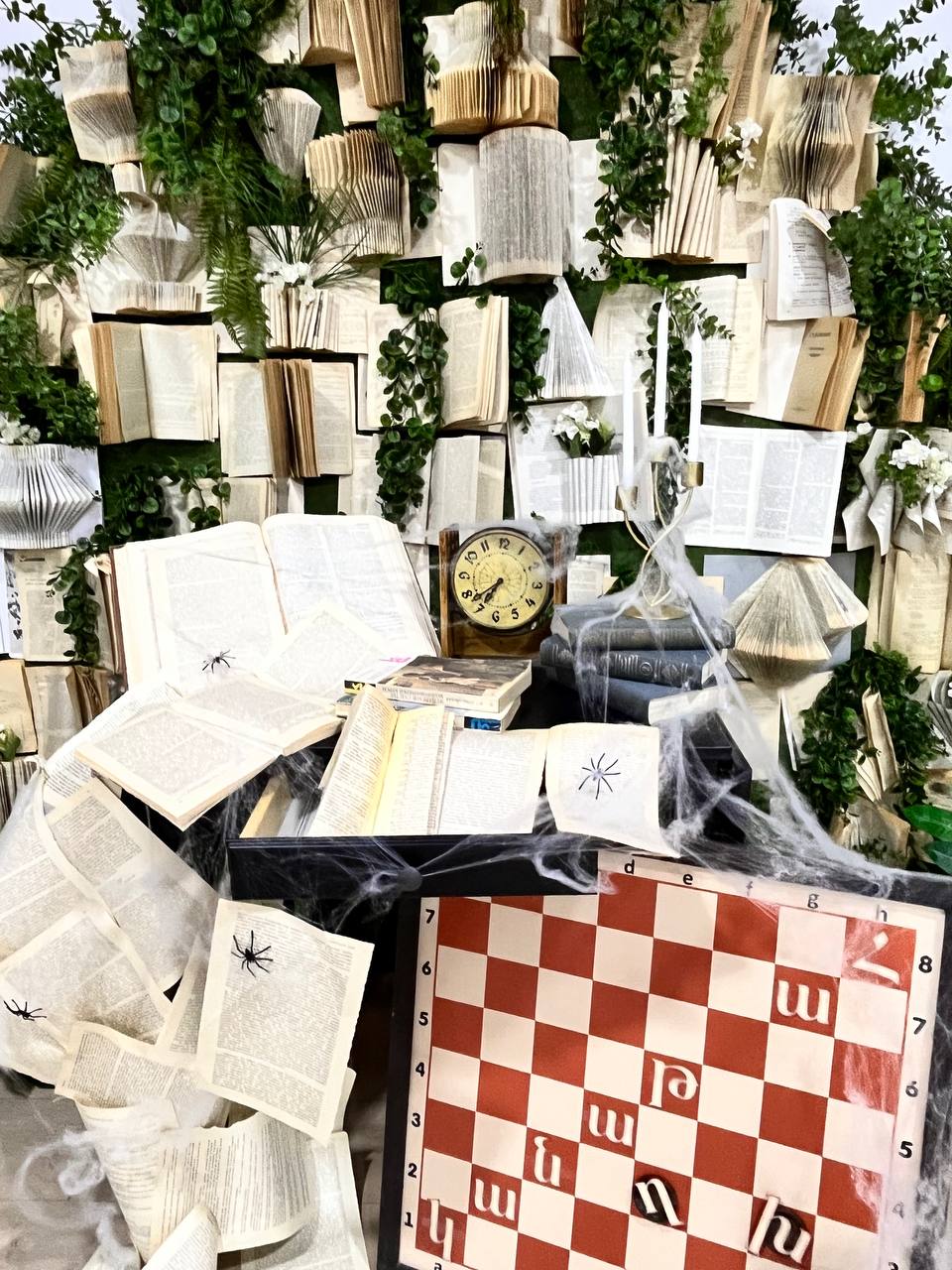
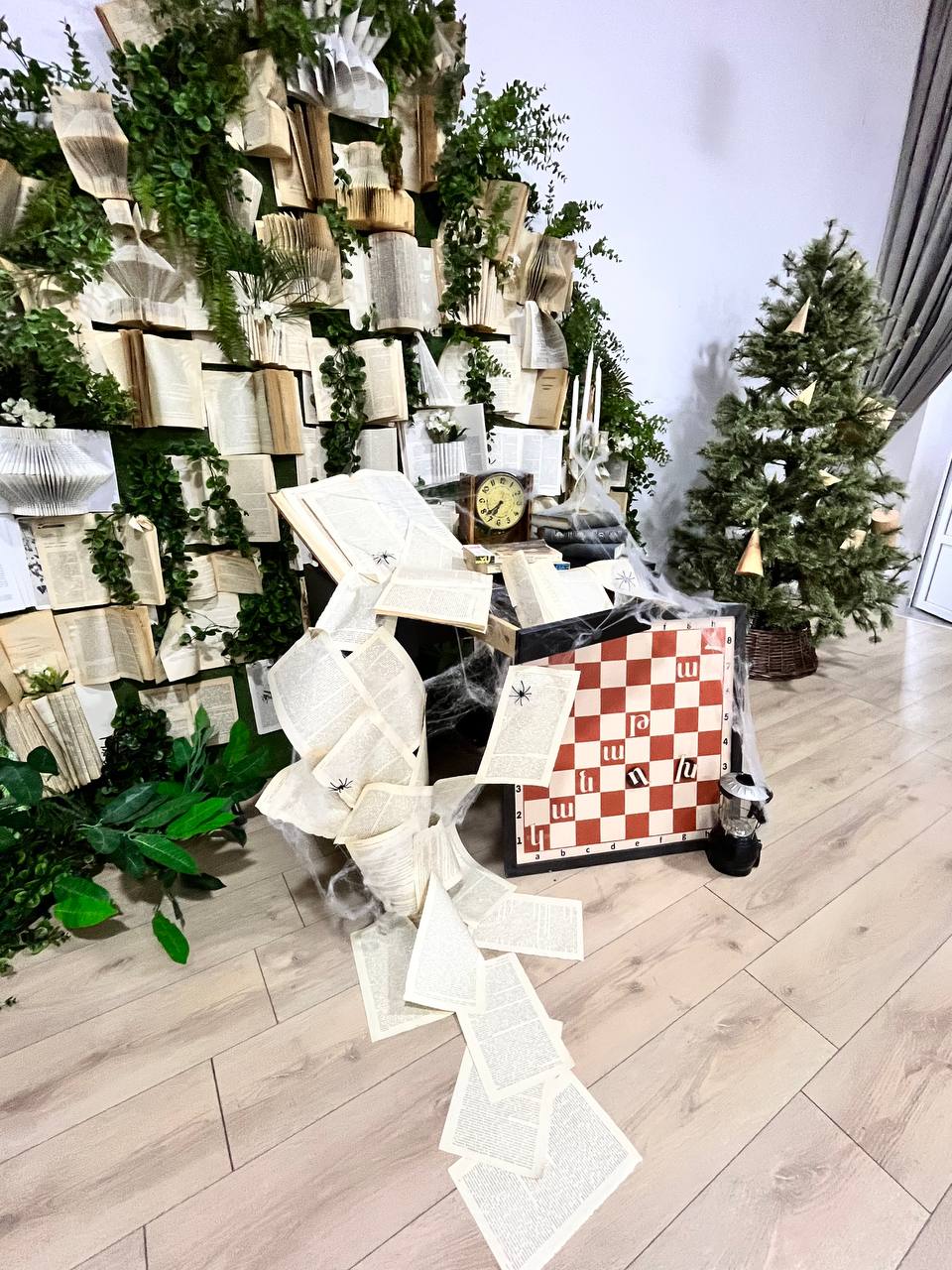
The plot gained momentum when “animated” textbooks appeared on stage, representing the voice of knowledge. They reminded the students that each lesson is a key, and failing to take it could leave a person empty-handed in front of locked doors, confronting the challenges of the “World of Unlearned Lessons.”
The performance emphasized the value of time—it does not stop, wait, or return. In the climax, the children realized that learning is not an obligation but freedom, and knowledge is the only power capable of opening doors and leading them out of the maze.
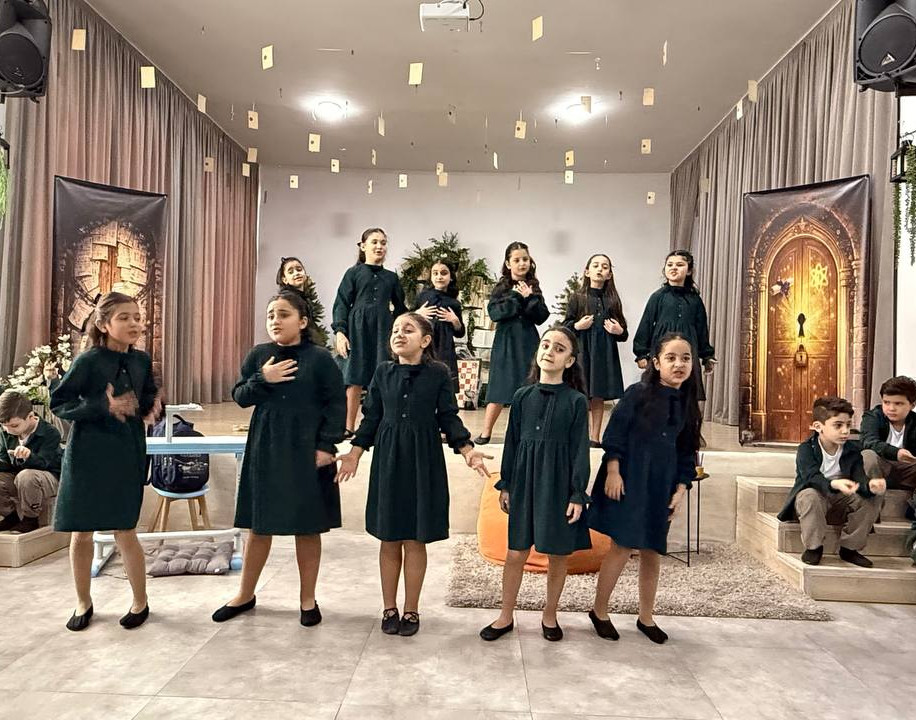
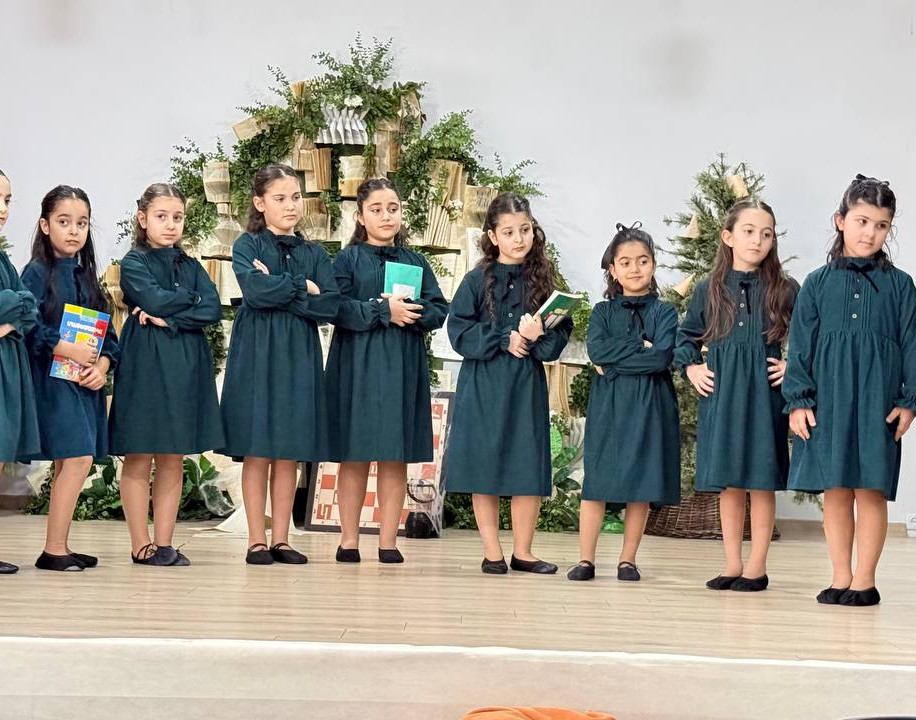
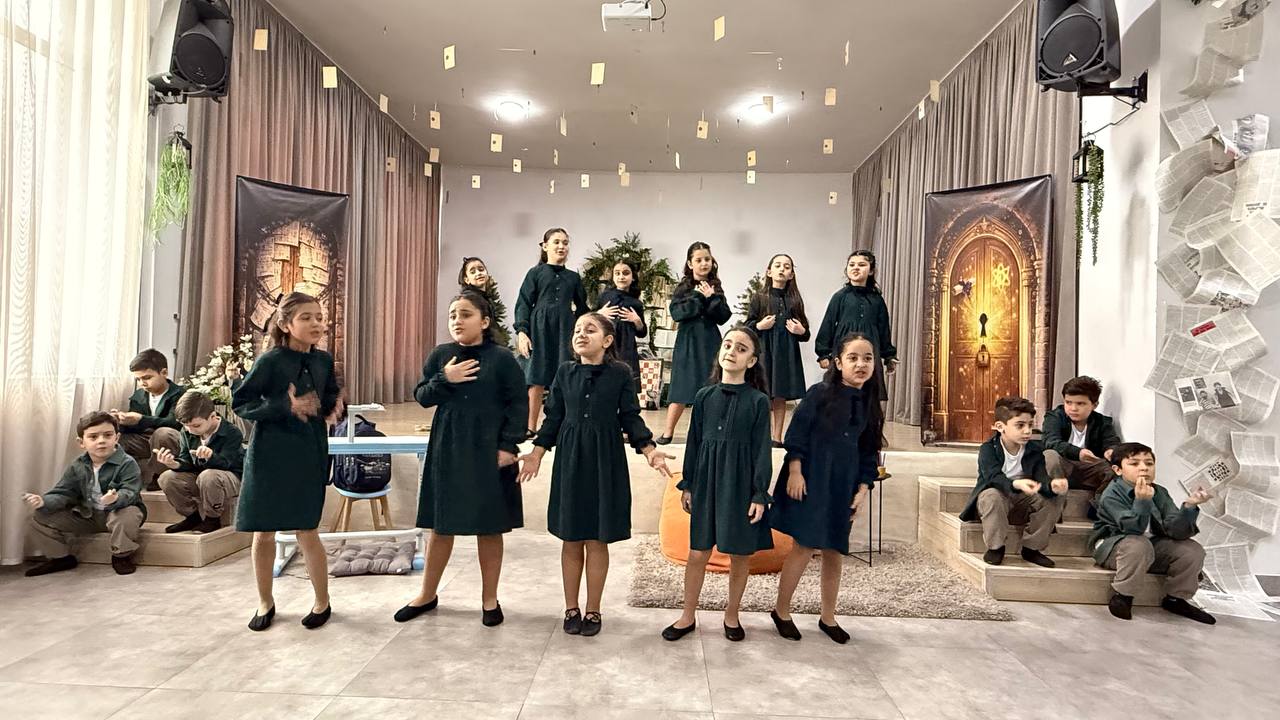
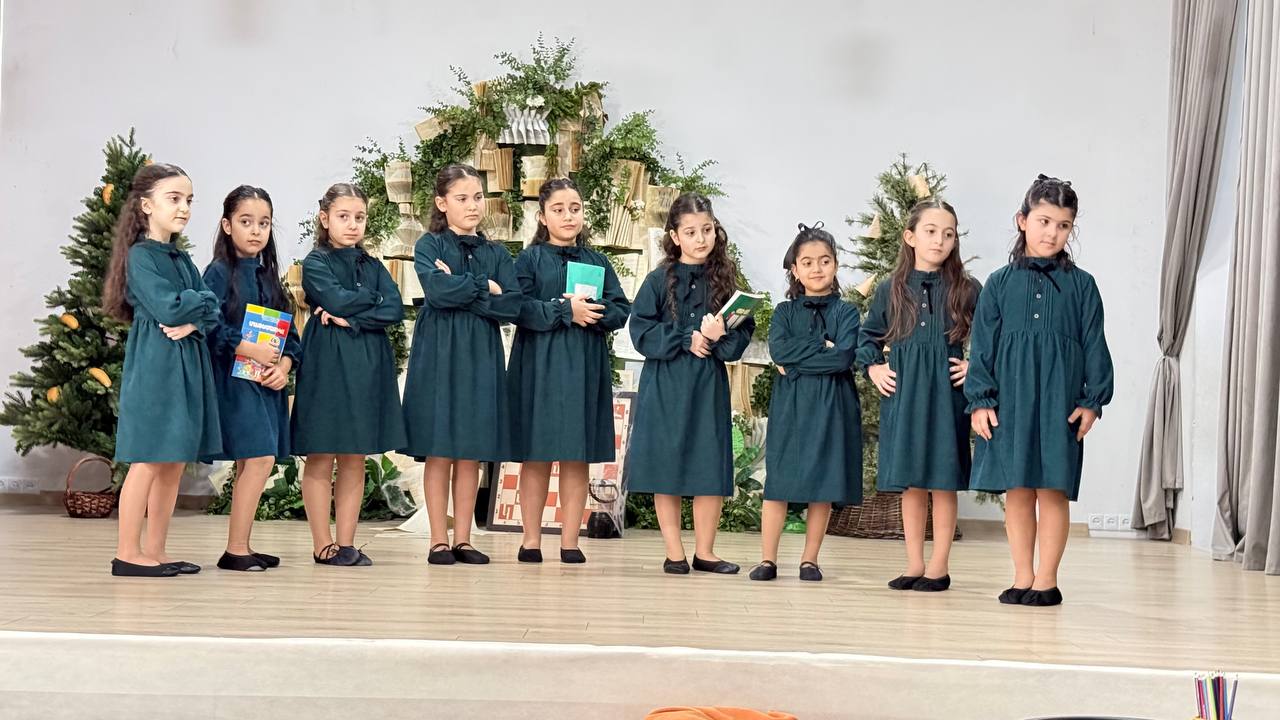
In the final scene, girls entered the stage representing books, summarizing the core message of the performance. Through song, dance, and speech, the powerful idea was conveyed: knowledge is power, not only for the individual but also for the homeland. It is the most effective tool to protect the country, develop society, and create a competitive future. Every learner contributes to the progress of their nation with their knowledge.
“In the World of Unlearned Lessons” served as a bridge between the past and the present, showing that across centuries, the value of knowledge has not changed. Only the forms have evolved, while the essence remains the same: those who learn gain strength, direction, and a future.
To not think freely is to not think at all!