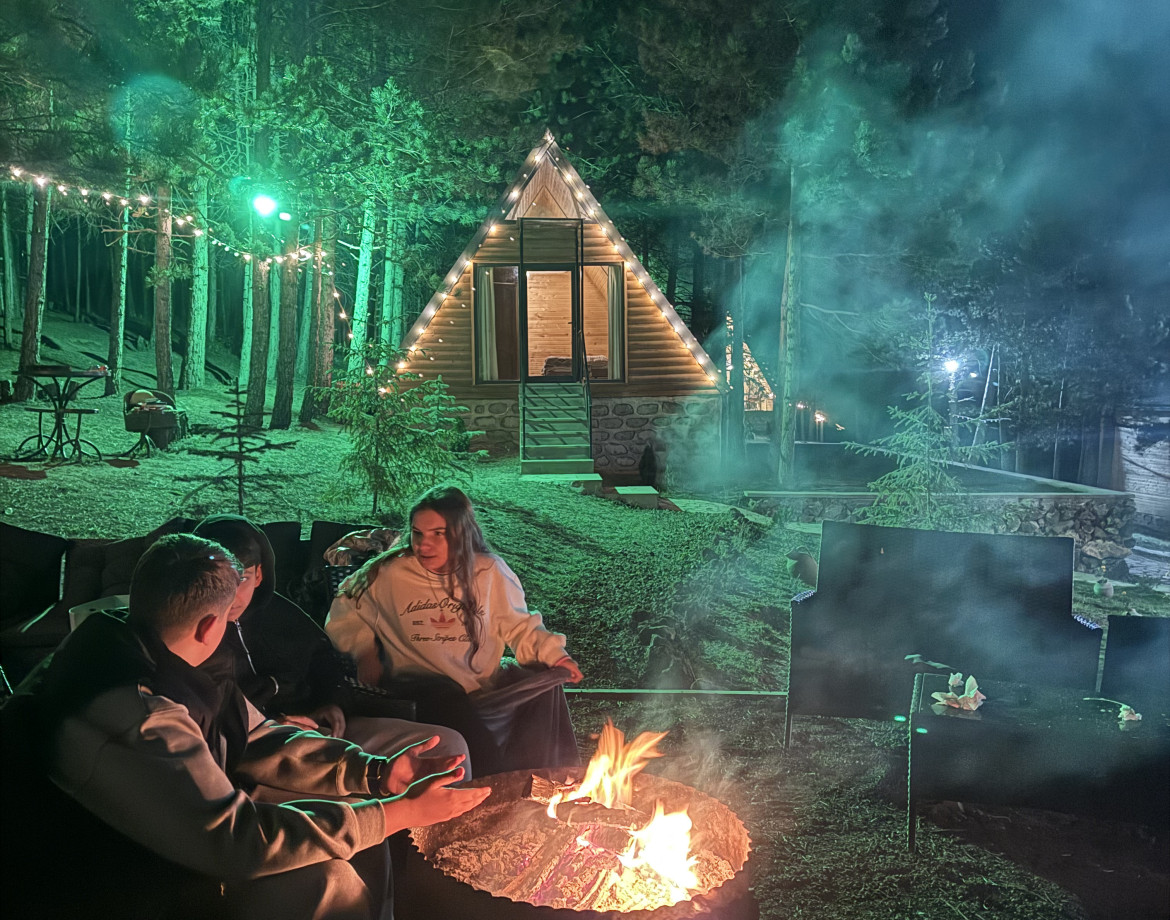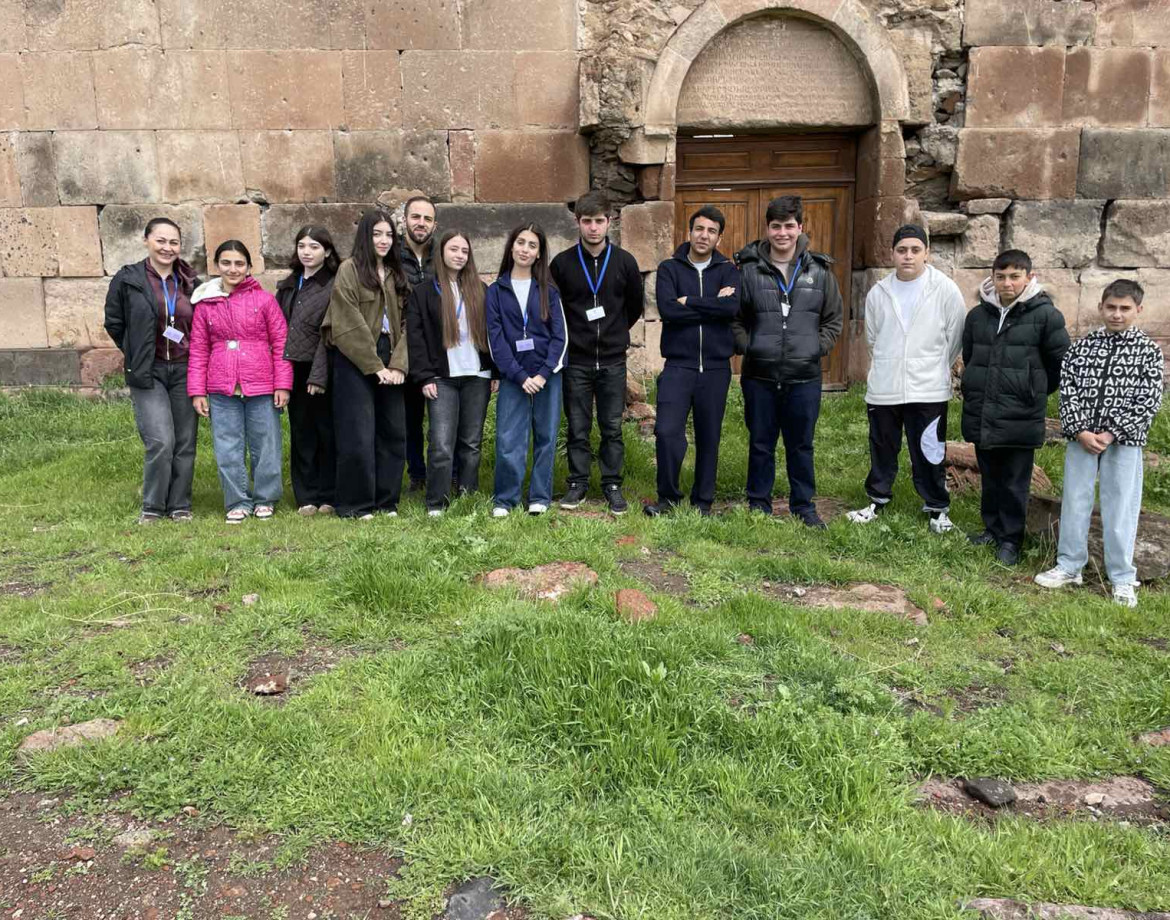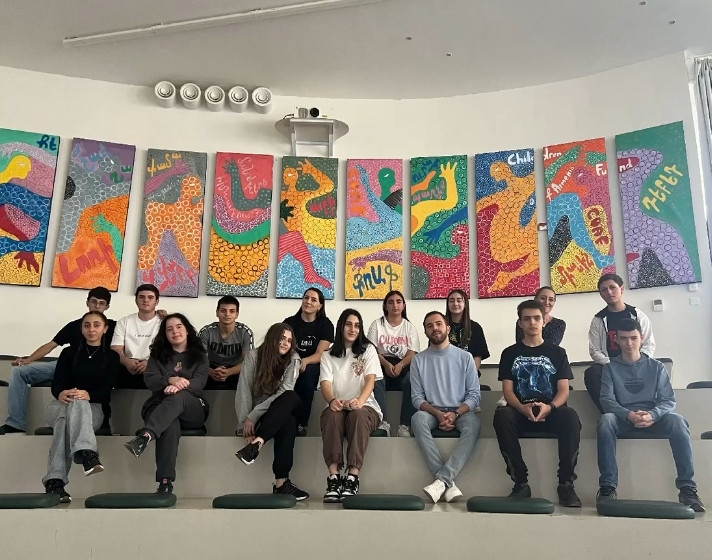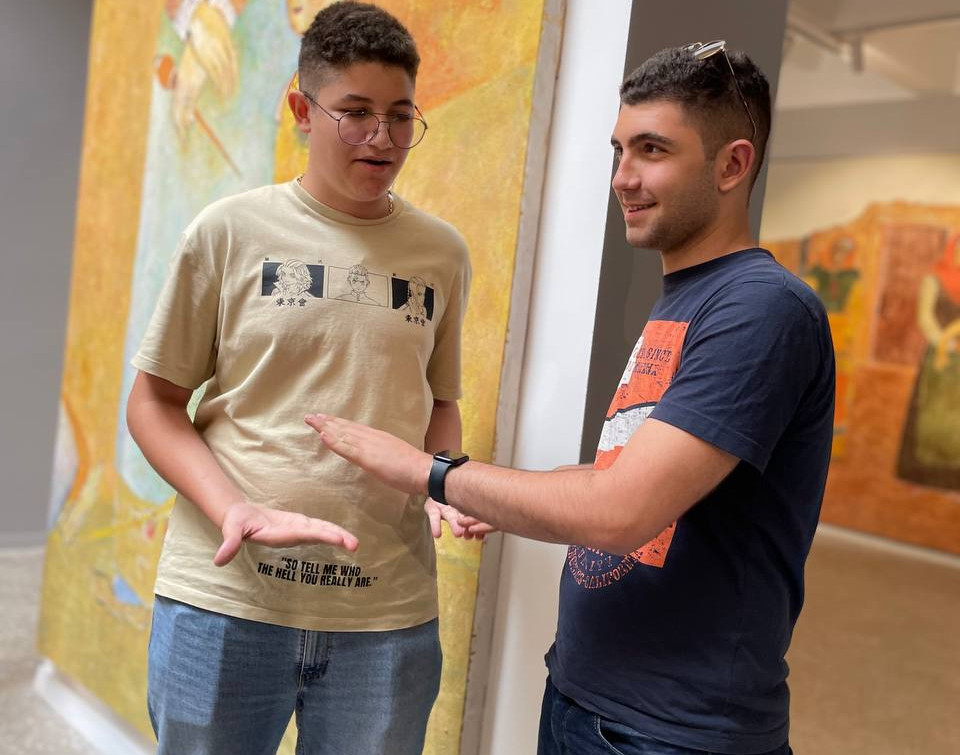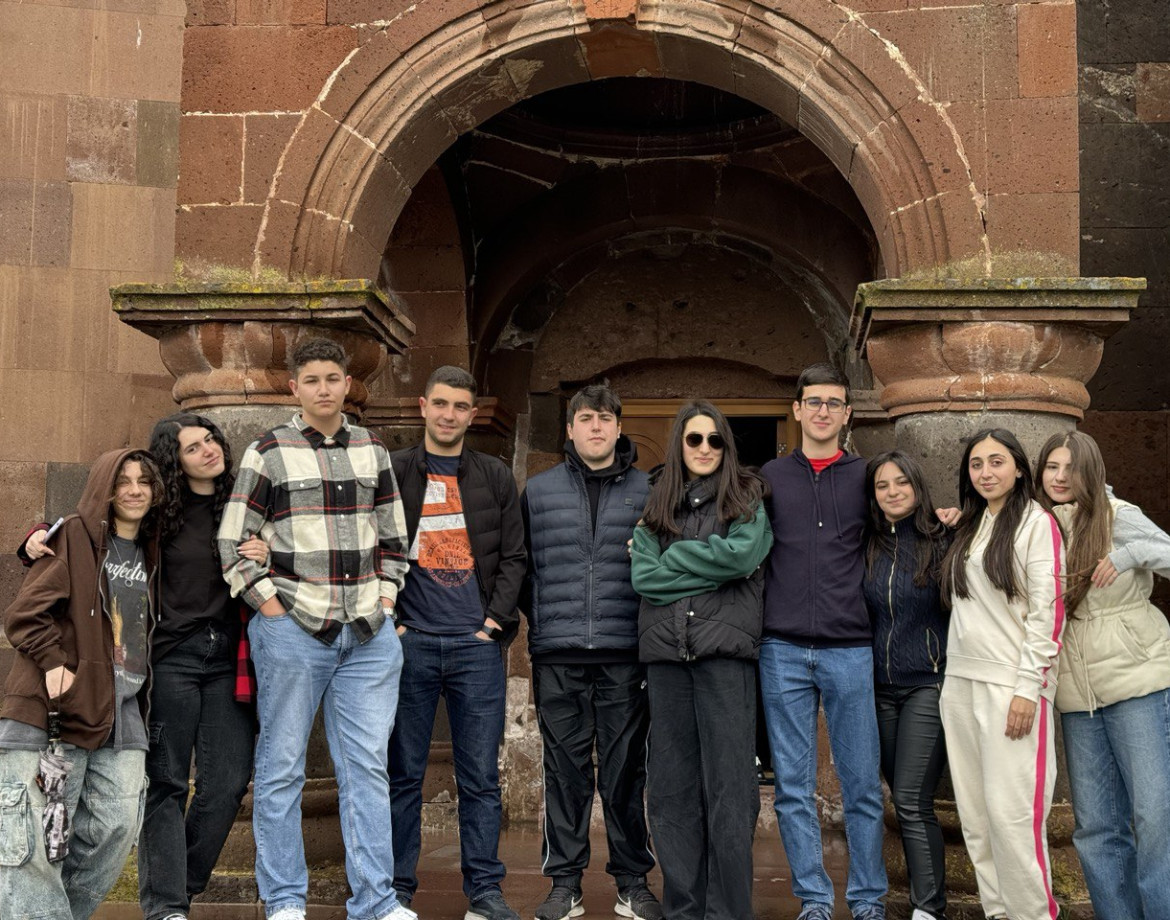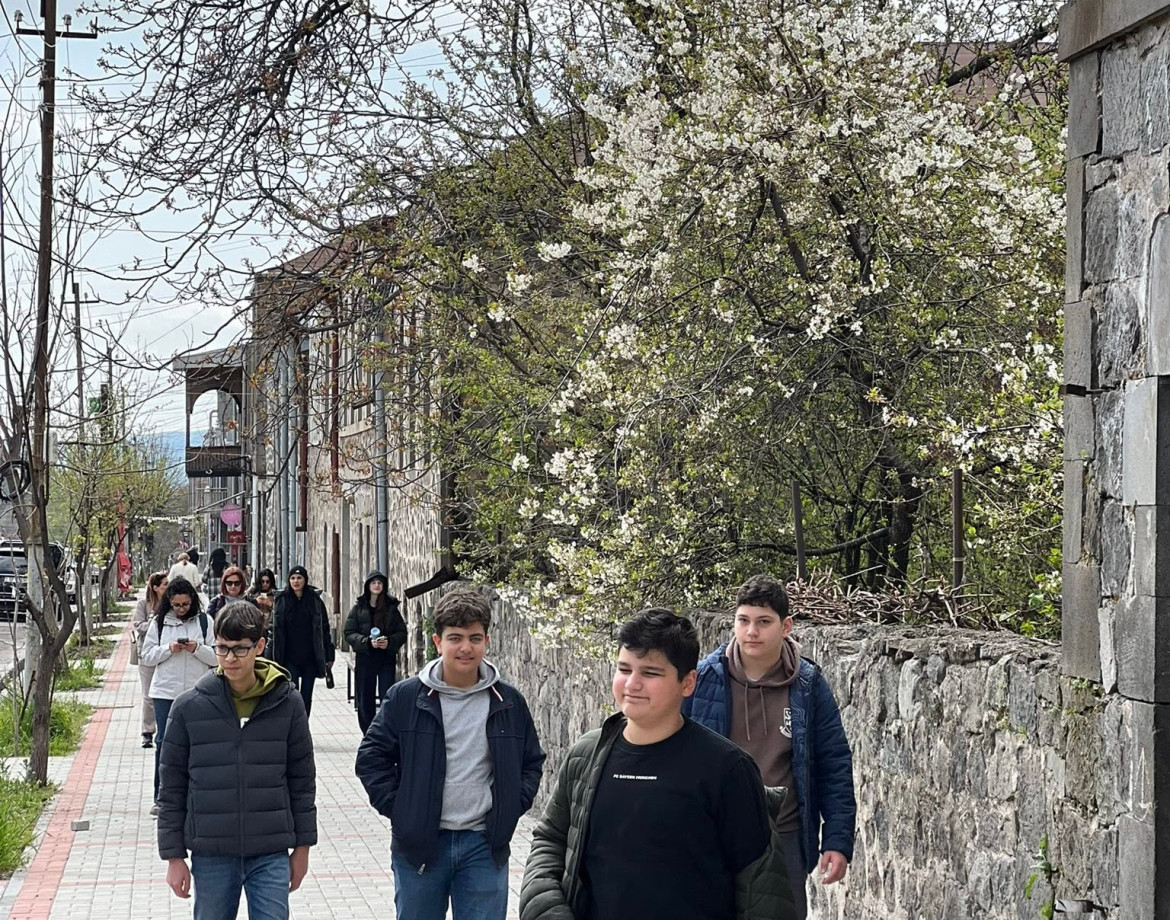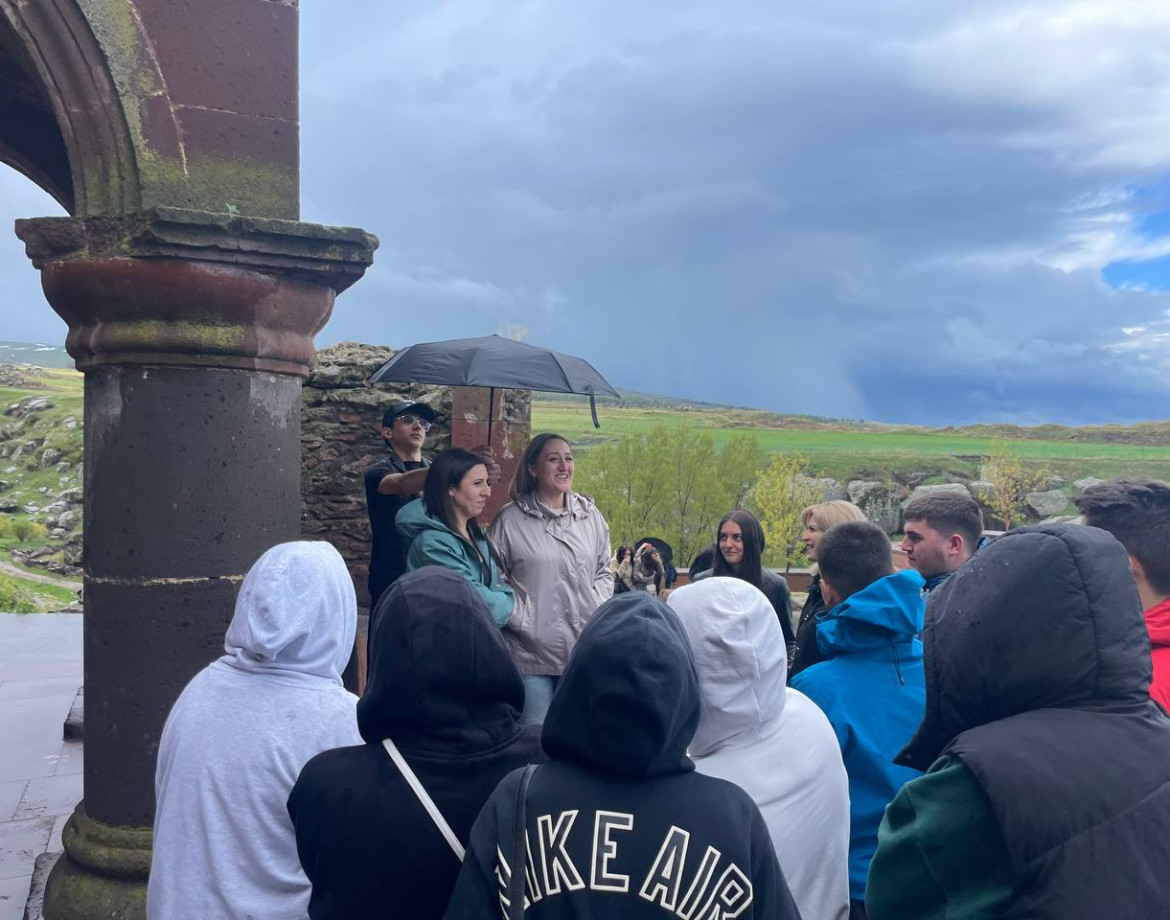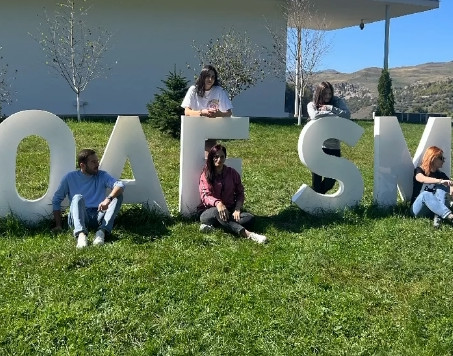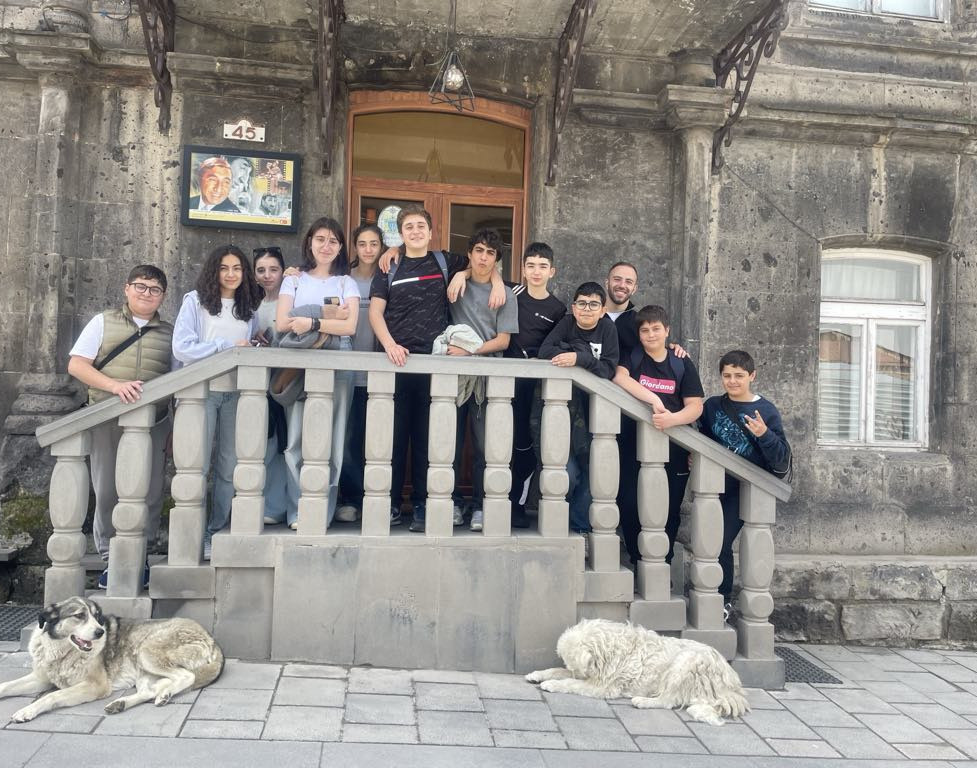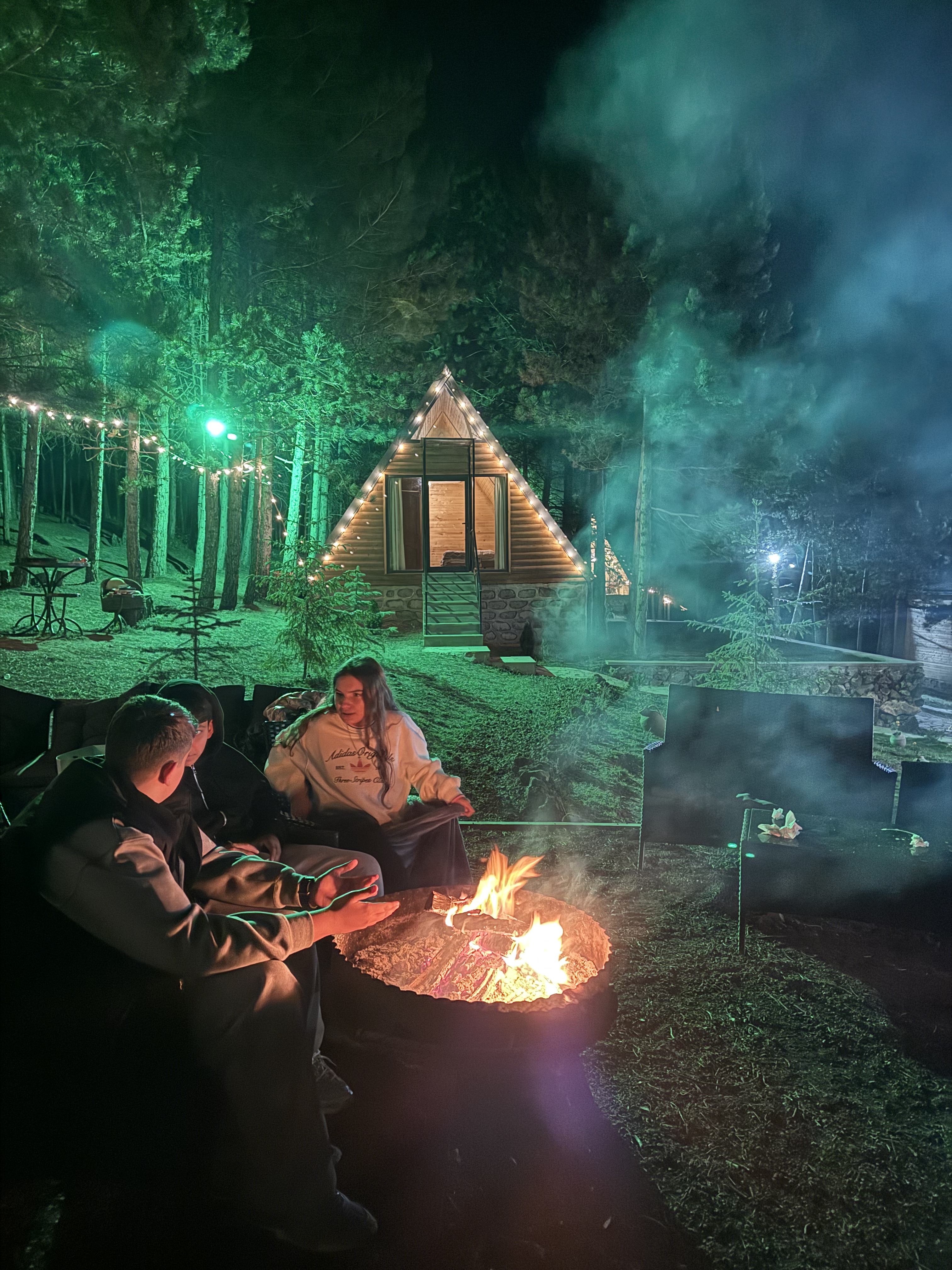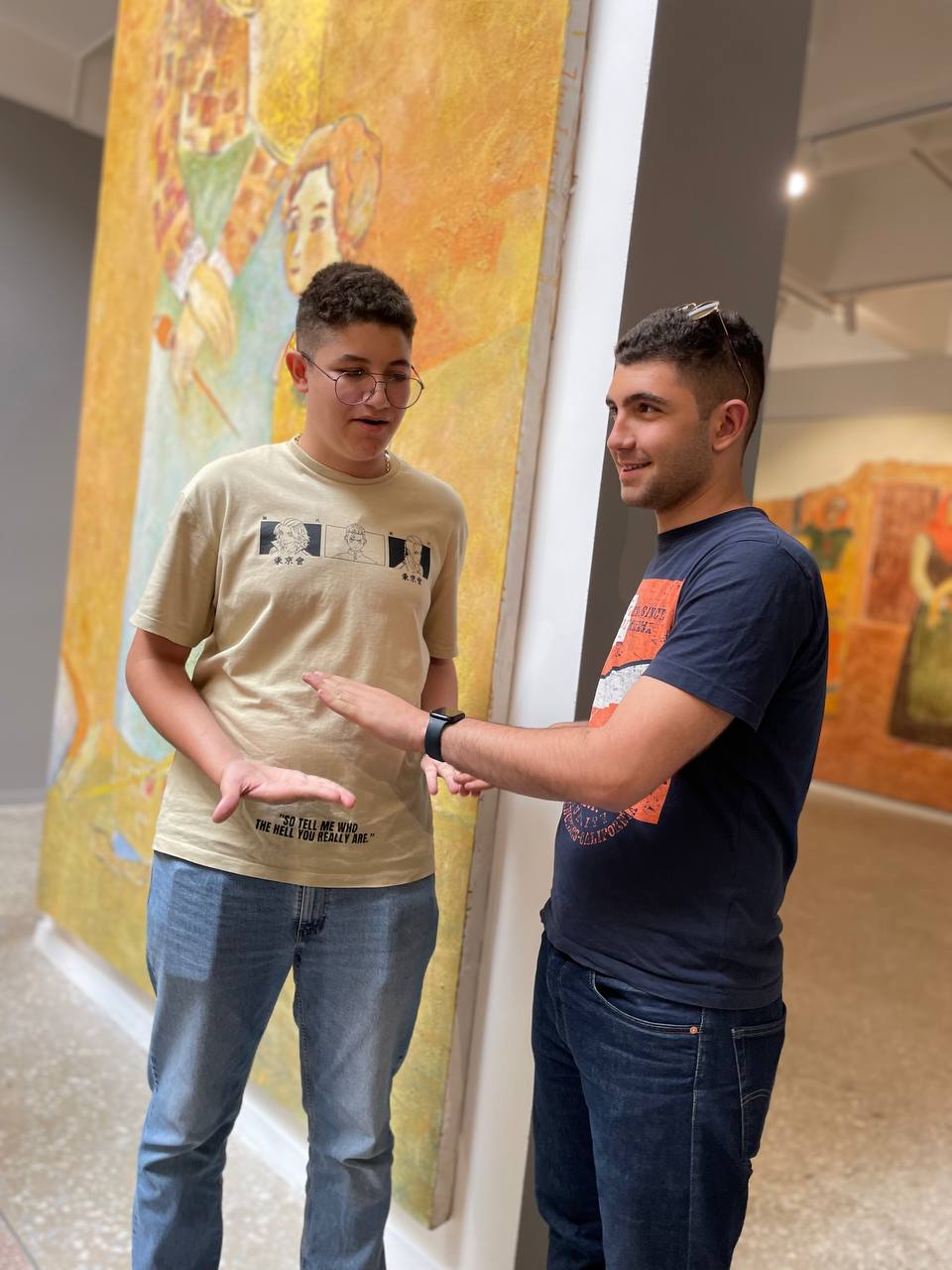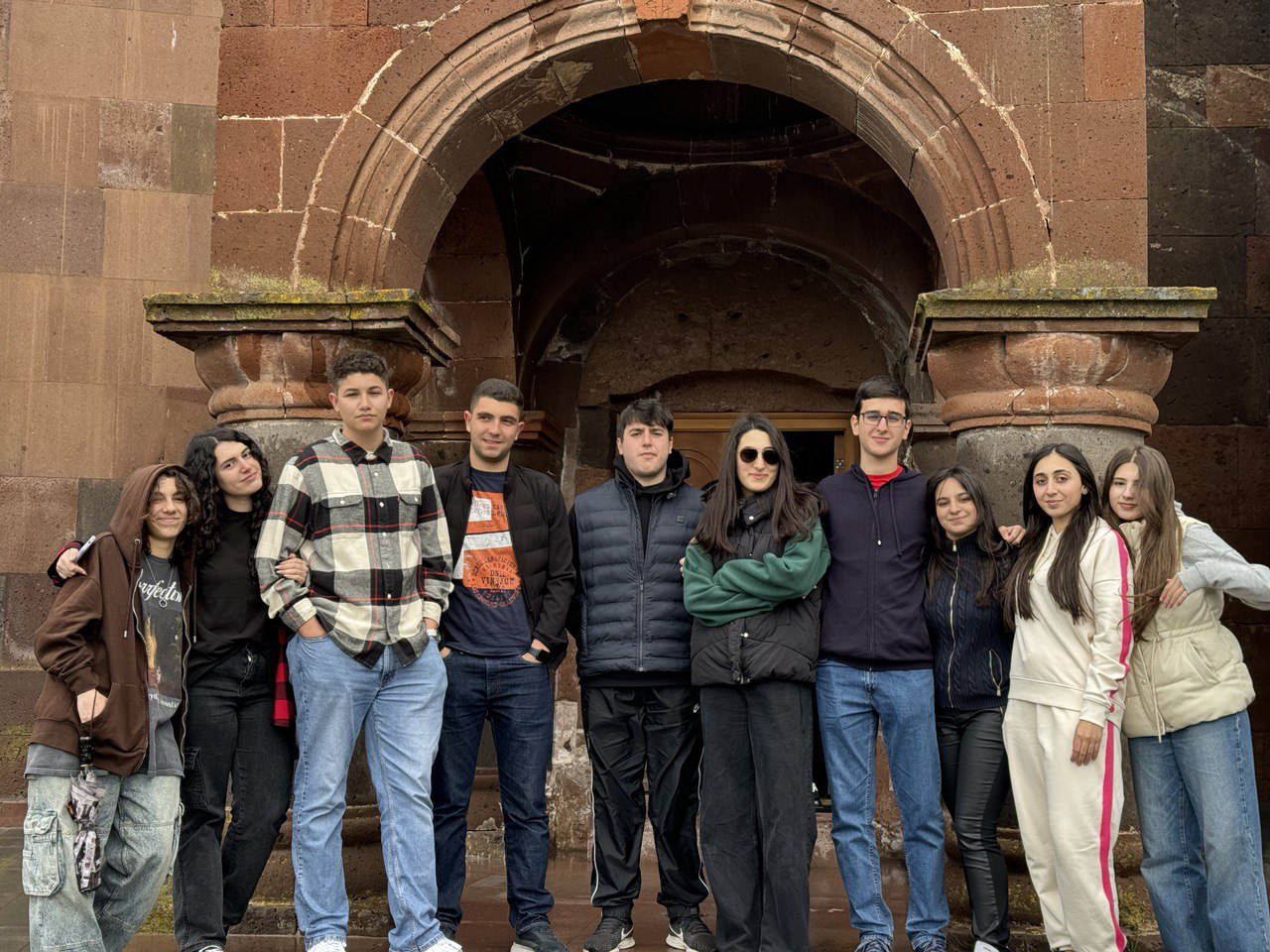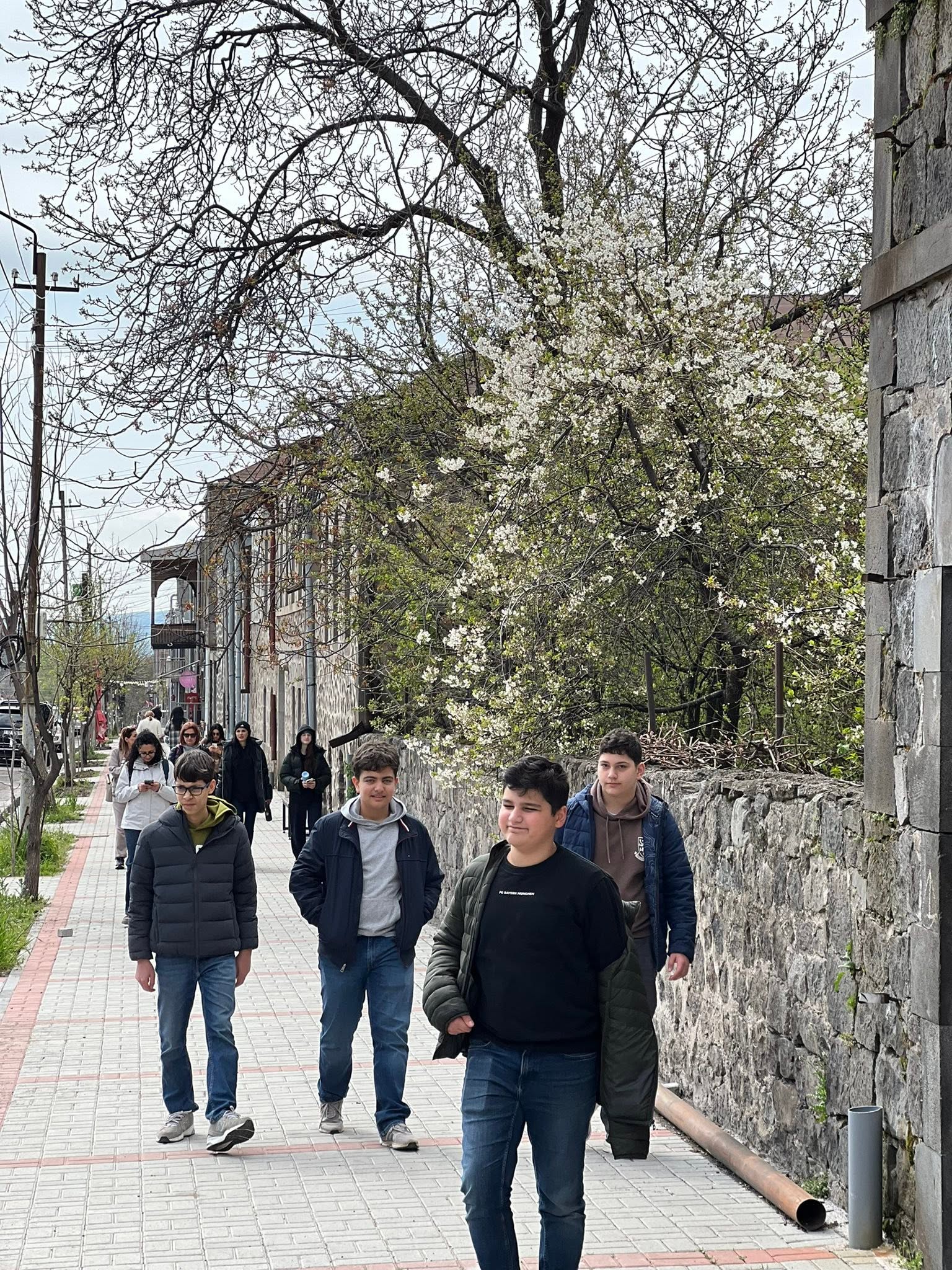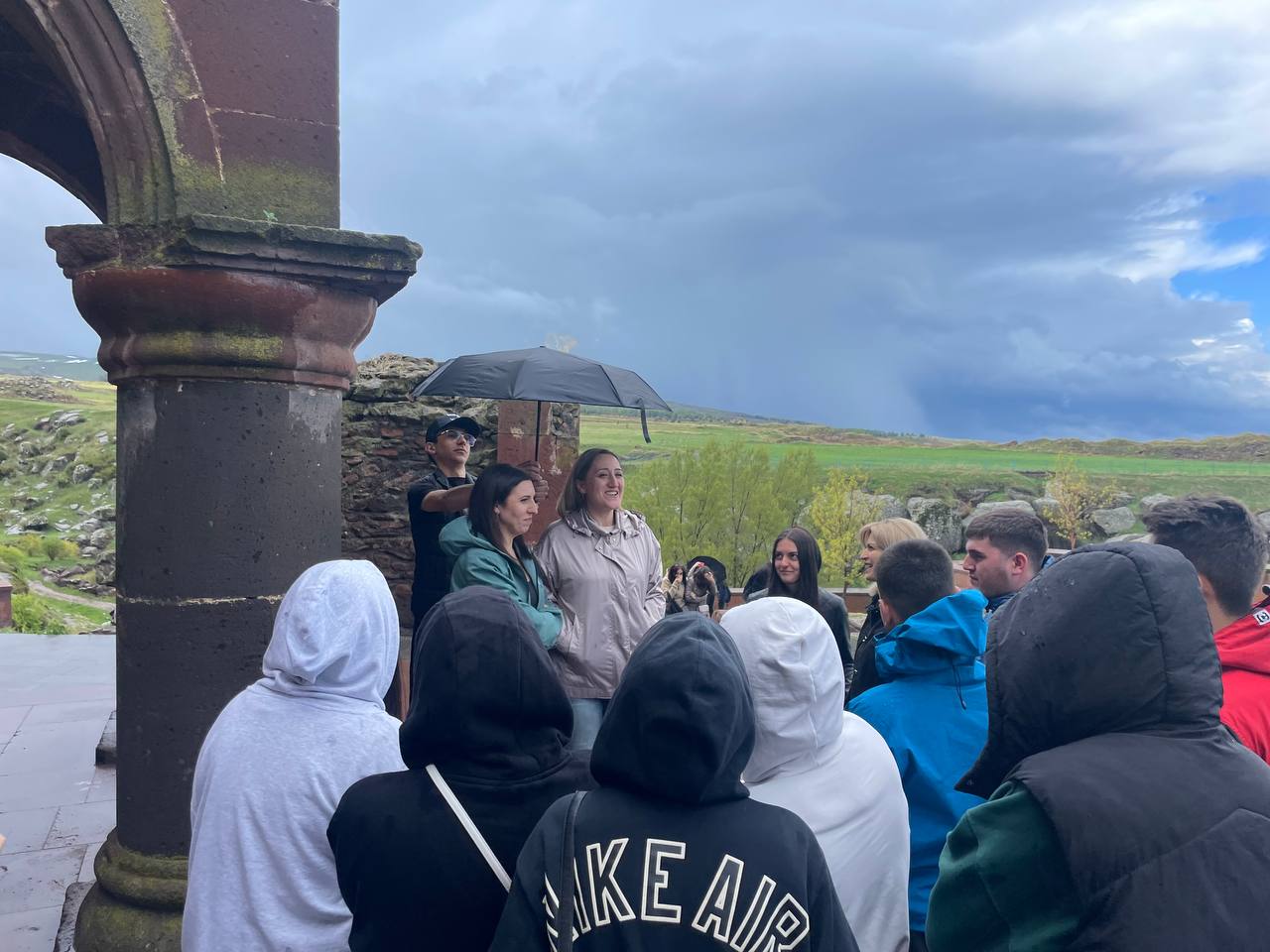

Education begins with questions, and sometimes those questions arise not in the classroom, but on the road. When a student stands before the walls of Amberd Fortress, walks through the old streets of Gyumri, listens to the bells of Tatev Monastery, or gazes into the depths of the Debed Gorge, they begin to understand what no textbook can fully convey.
This very idea lies at the heart of Usum School's homeland studies program. We believe that to truly know one's homeland, one must see it, feel it, hear it, and experience it. That is why educational field trips are an integral continuation of our learning process.
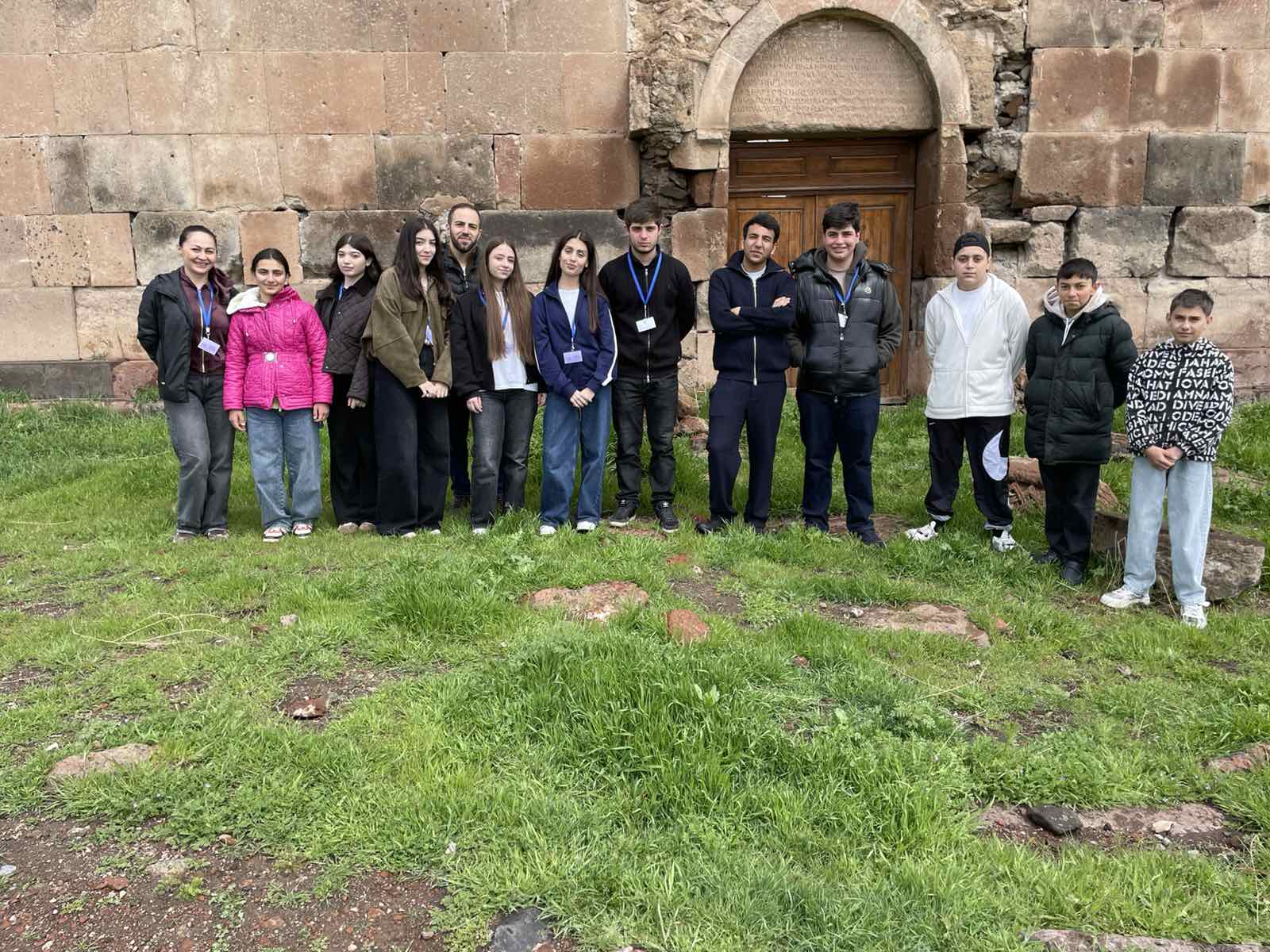
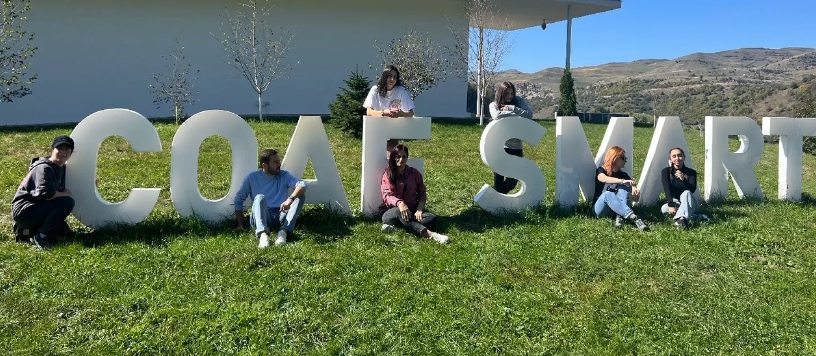
Throughout the academic year, our students travel to all regions of the Republic of Armenia. These journeys do not begin when students board the bus, nor do they end when they return to school. They begin in the classroom through the study of historical sources, maps, and academic topics, and continue on site, where theoretical knowledge meets reality.
Each itinerary is carefully designed to present Armenia from different perspectives. Behind every route, every destination, and every educational objective stands a dedicated team, including the school's Student Affairs and Activity Affairs coordinators. In an interview with usumschool.am, Deputy Director L. Sudjoyan explained that the routes for educational field trips are developed in line with the school's educational priorities. They are based on recommendations submitted by the subject departments of Armenian Language and Literature, History and Culture, and Natural Sciences. According to the coordinator, this collaborative approach makes it possible to select destinations that strengthen interdisciplinary connections and provide students with a deeper understanding of the topics they study.
It is worth taking another journey—at least in our thoughts—through Armenia's regions to appreciate the educational value behind each destination.
In the Shirak Province, the Marmashen Monastery Complex, Harichavank, and the city of Gyumri reveal the richness of medieval Armenian architecture, national identity, and urban culture. Walking through Gyumri's black-tuff streets, students discover that a city itself can become a living history textbook.
In Aragatsotn, Aruch, Dashtadem, and Amberd tell the story of Armenian statehood, medieval fortifications, and architectural achievements. Here, history ceases to be merely a sequence of dates and becomes a tangible reality that students can literally walk through.
In Armavir, Zvartnots Cathedral and the Mother See of Holy Etchmiadzin offer students an opportunity to explore not only the masterpieces of early medieval Armenian architecture but also the spiritual and cultural values that have shaped Armenian identity.
In the Ararat Province, visits to Zangakatun and Khor Virap connect literature with history. Within a single day, students travel from the poetic world of Paruyr Sevak to one of the most significant landmarks of Armenian historical memory.
In Vayots Dzor, Smbataberd Fortress, Noravank Monastery, and Yeghegis tell the story of medieval fortresses, monasteries, centers of learning, and the harmonious relationship between nature and Armenian civilization.
In Syunik, Goris, Tatev, and Khndzoresk become an endless source of discovery. Cave settlements, architectural masterpieces, and breathtaking landscapes remind students that Armenia's history is a continuous story spanning thousands of years.
In the forests of Tavush, Makaravank, Matosavank, Goshavank, Lastiver, and Jukhtak Monastery demonstrate the harmony between nature and culture. Every trail tells a story, and every stop inspires new questions.
In Lori, Dsegh and the Debed Gorge bring literature beyond the pages of textbooks. Visiting the birthplace and home museum of Hovhannes Tumanyan, together with the surrounding landscapes that inspired his works, enables students to experience Armenian literature in an entirely new way.
According to L. Sujoyan, the greatest value of these journeys lies not in the number of places visited, but in the transformation that takes place within each student. They learn to observe, ask questions, compare, think critically, collaborate beyond the classroom, take responsibility for preserving cultural heritage, and realize that their homeland is far more than a place marked on a map.
In conclusion, Usum students firmly believe that homeland studies begin the moment they return home carrying not only photographs but also new questions, deeper knowledge, and a renewed sense that this country is truly their own.
After all, a road may lead to a monastery, a fortress, or a museum. But a thoughtfully designed educational journey always leads to self-discovery.
To not think freely is to not think at all!