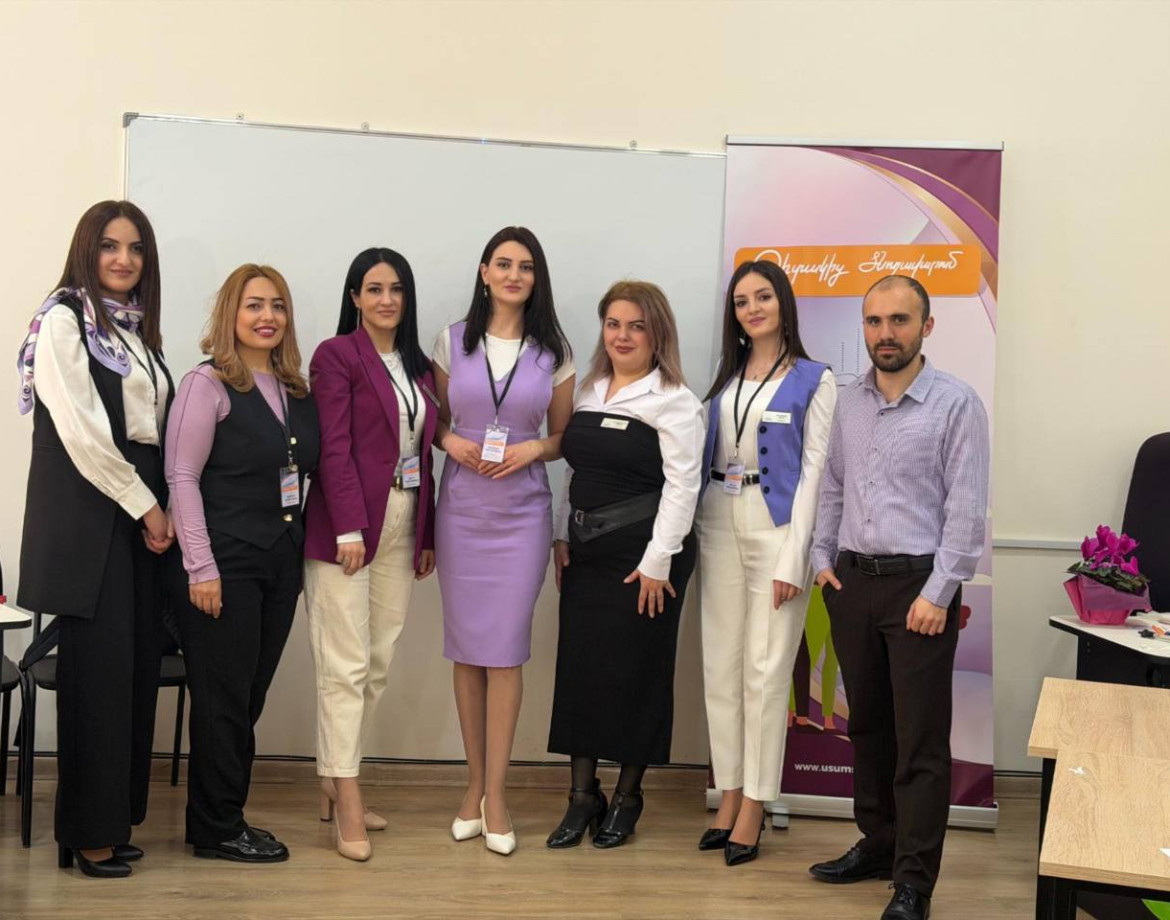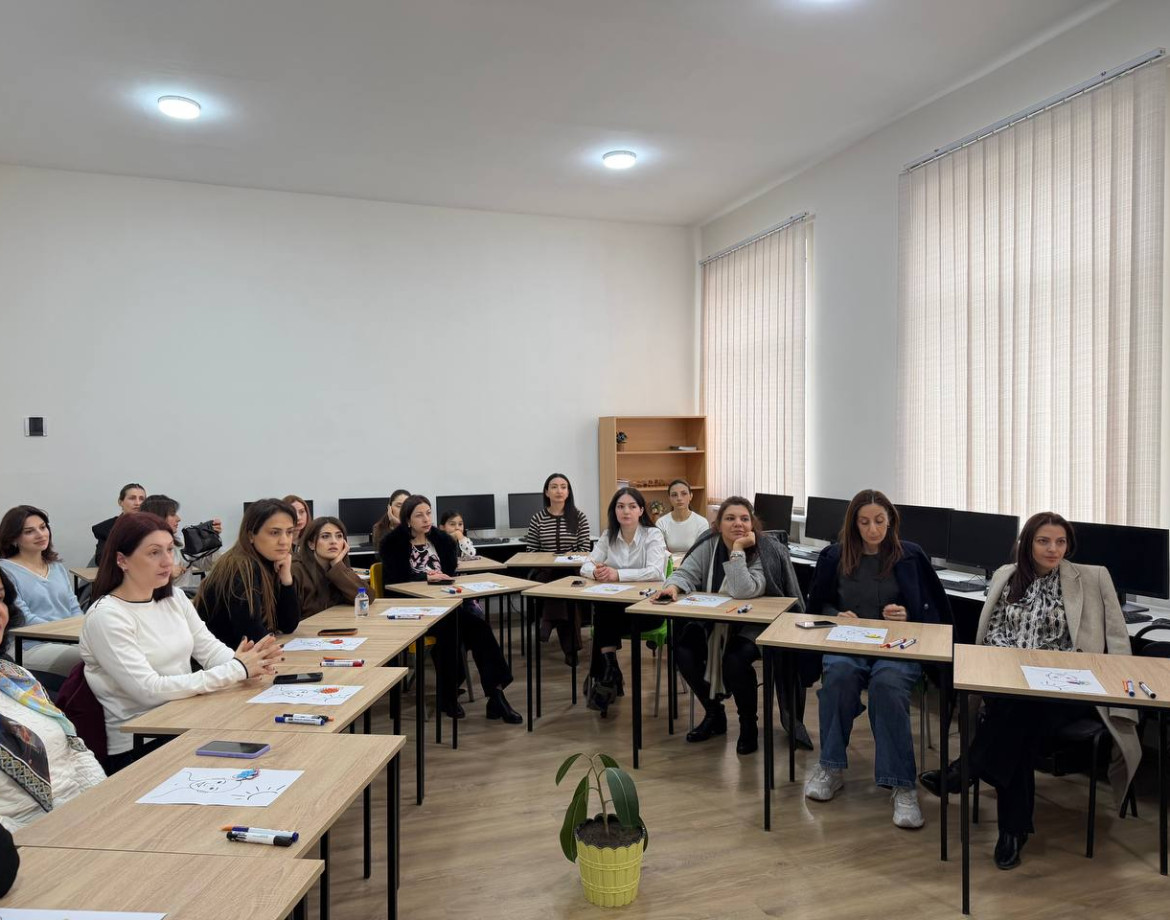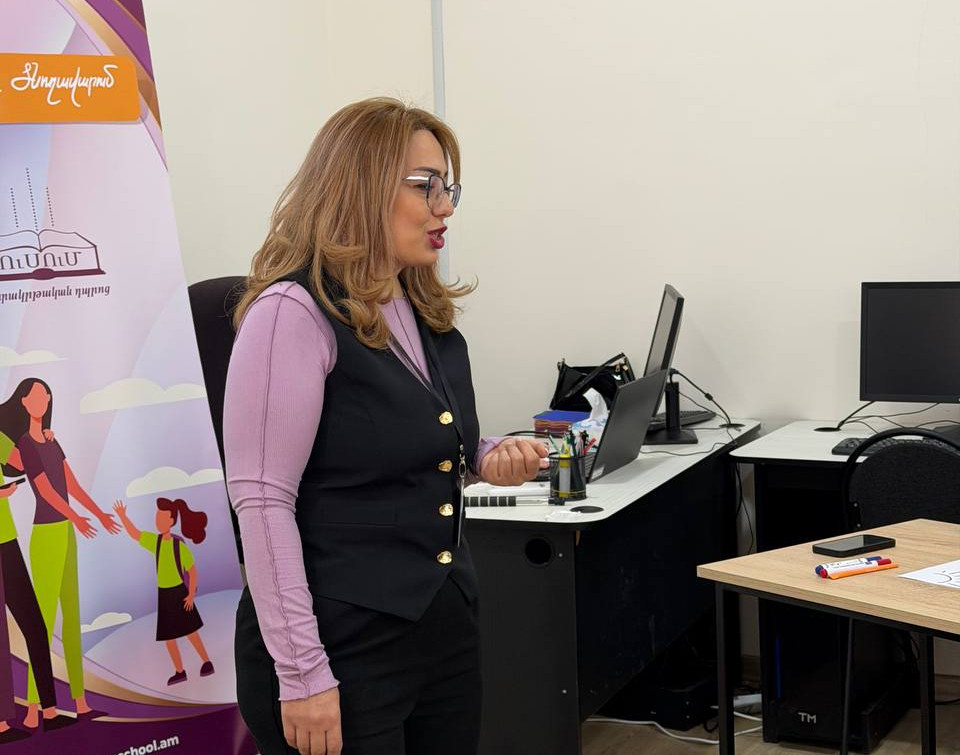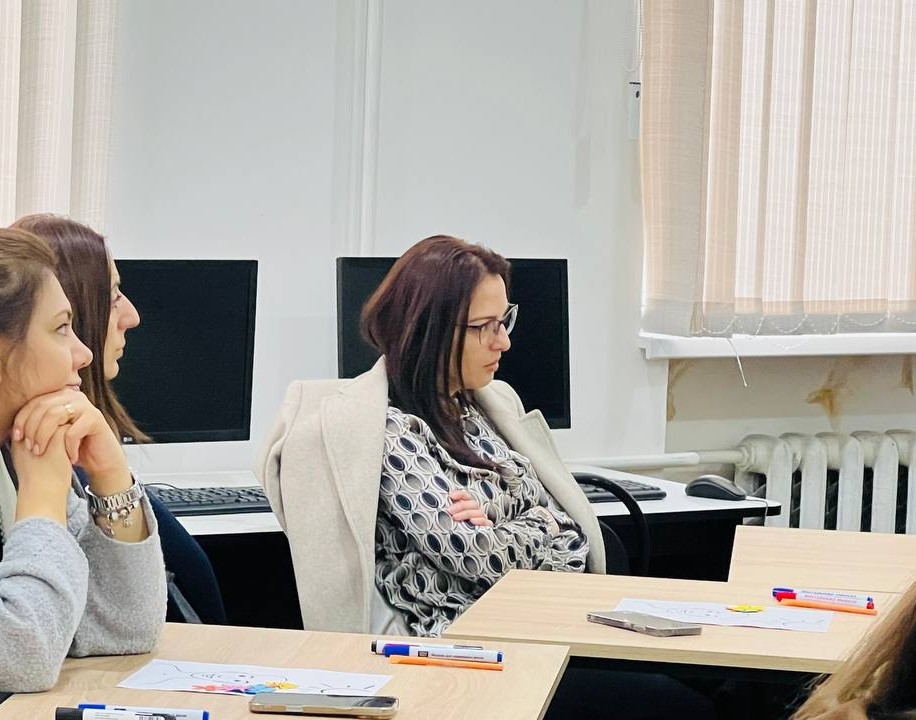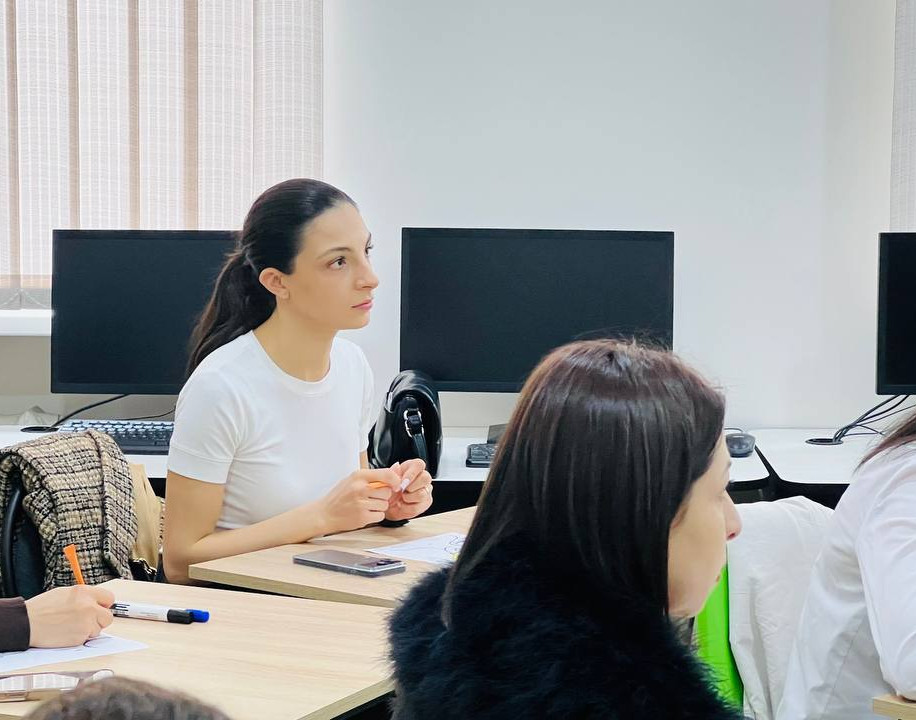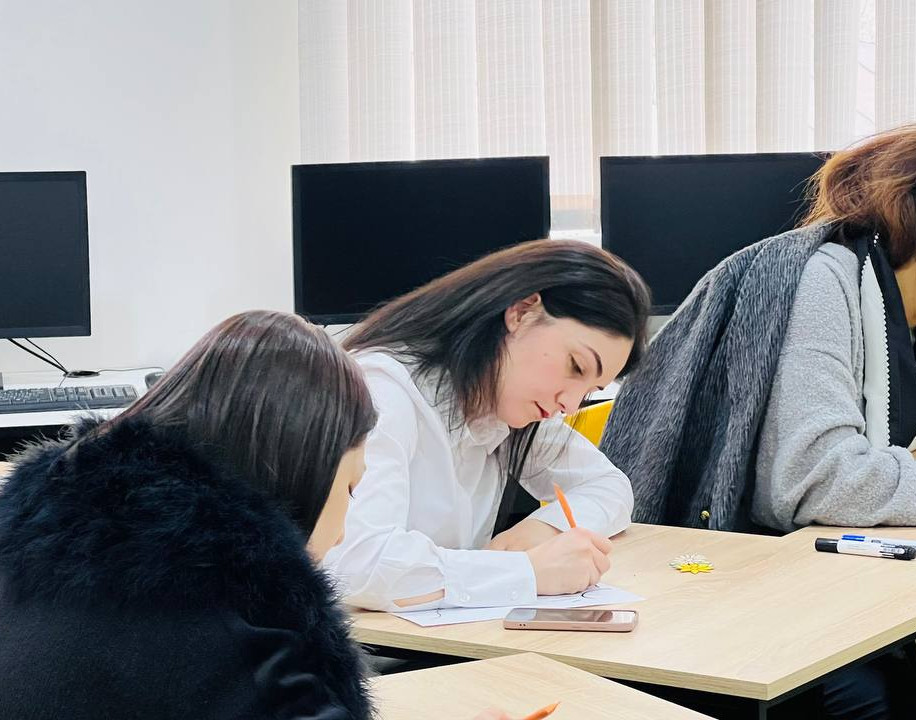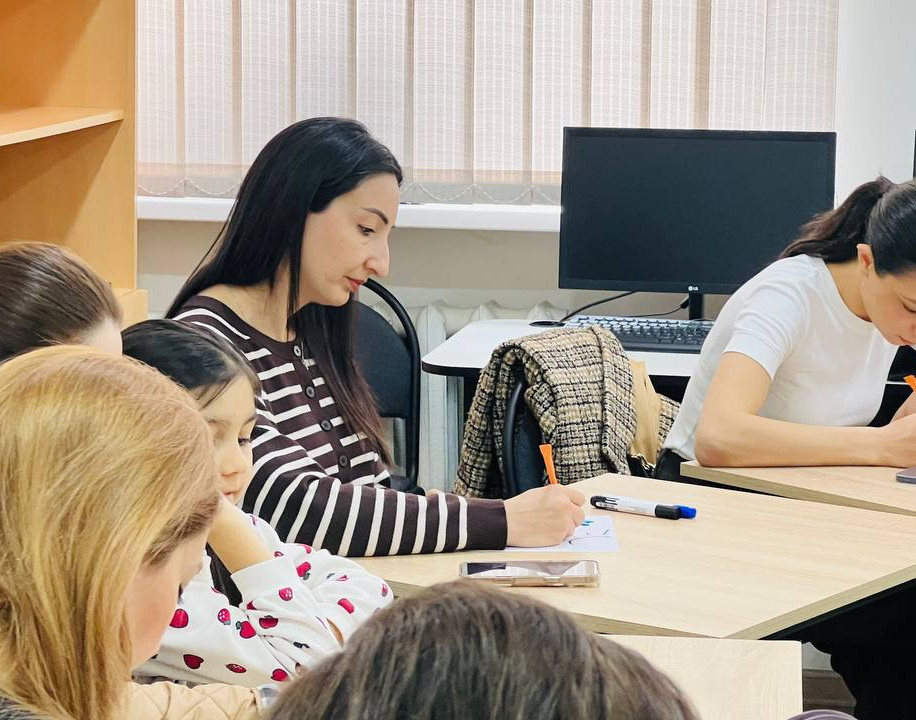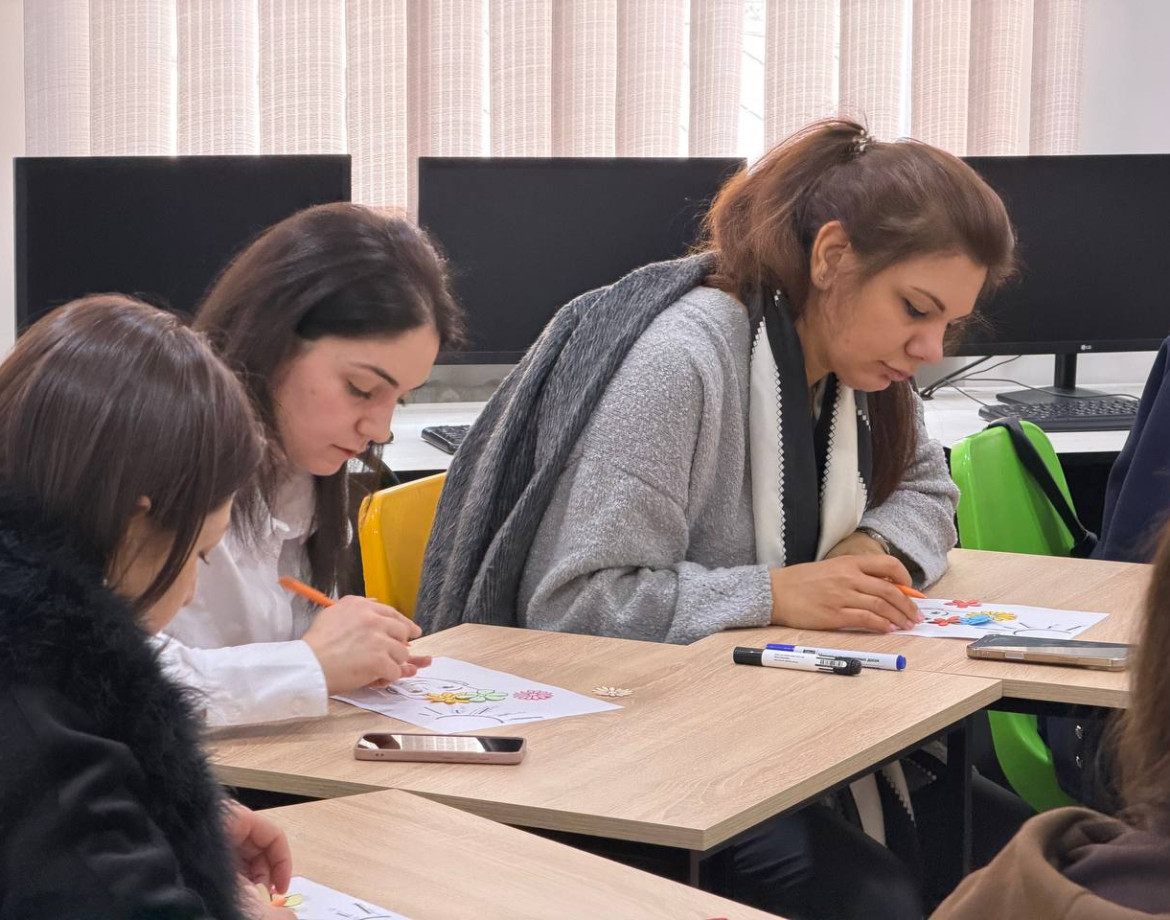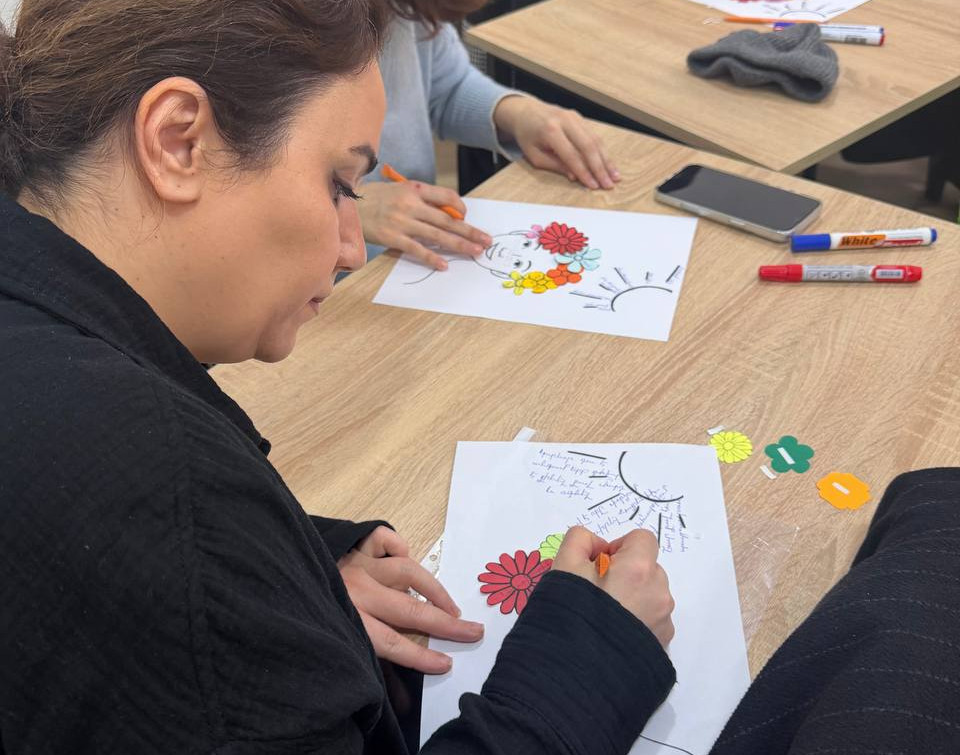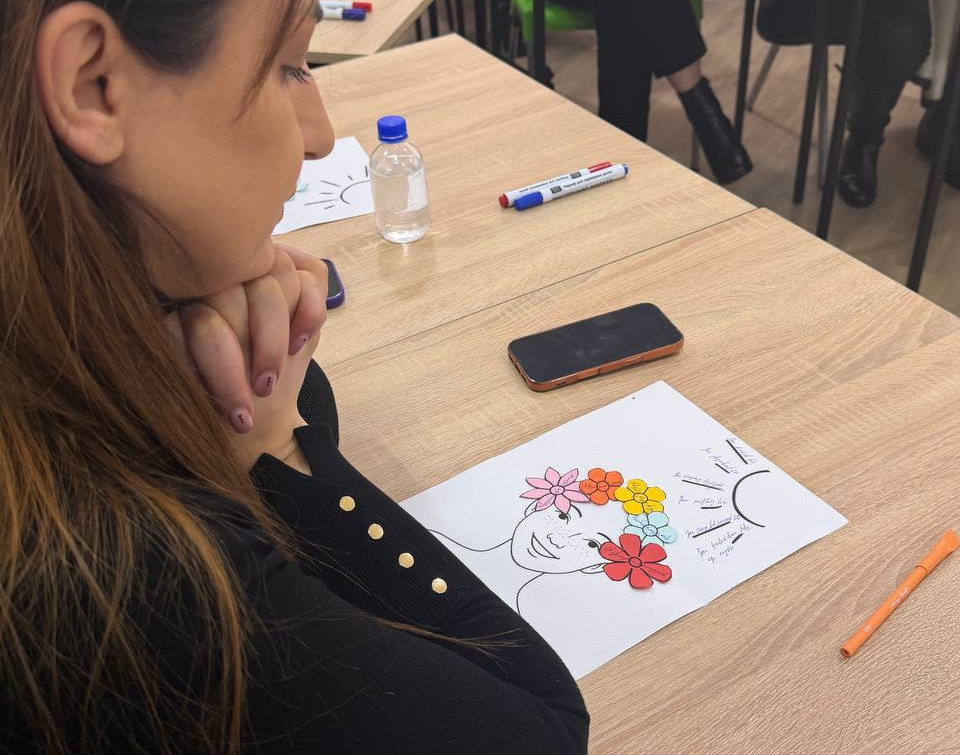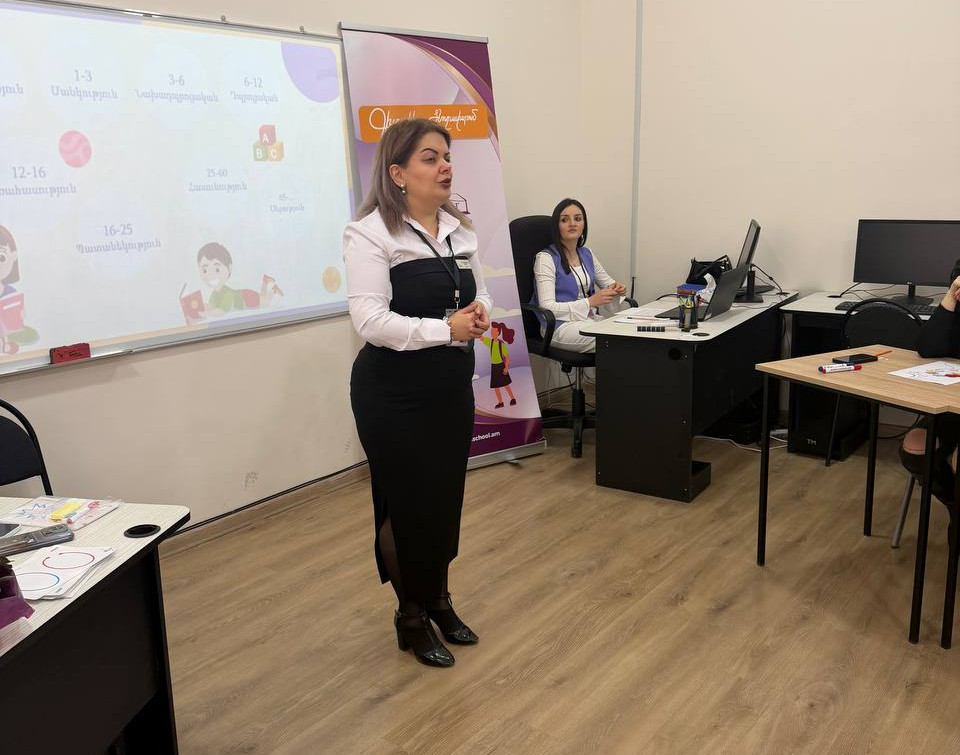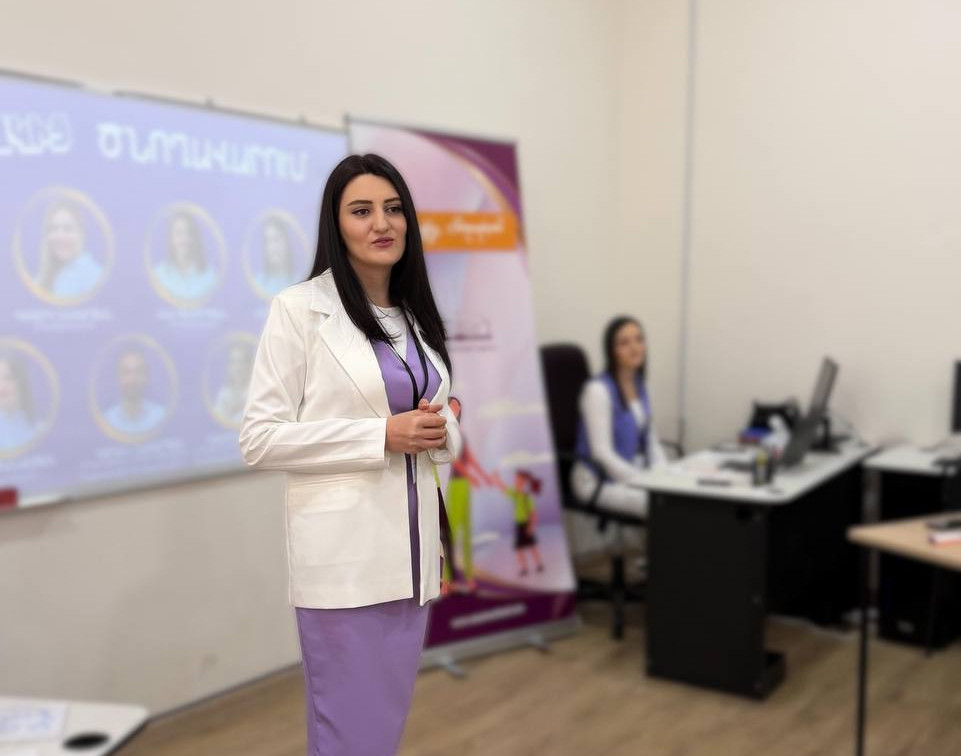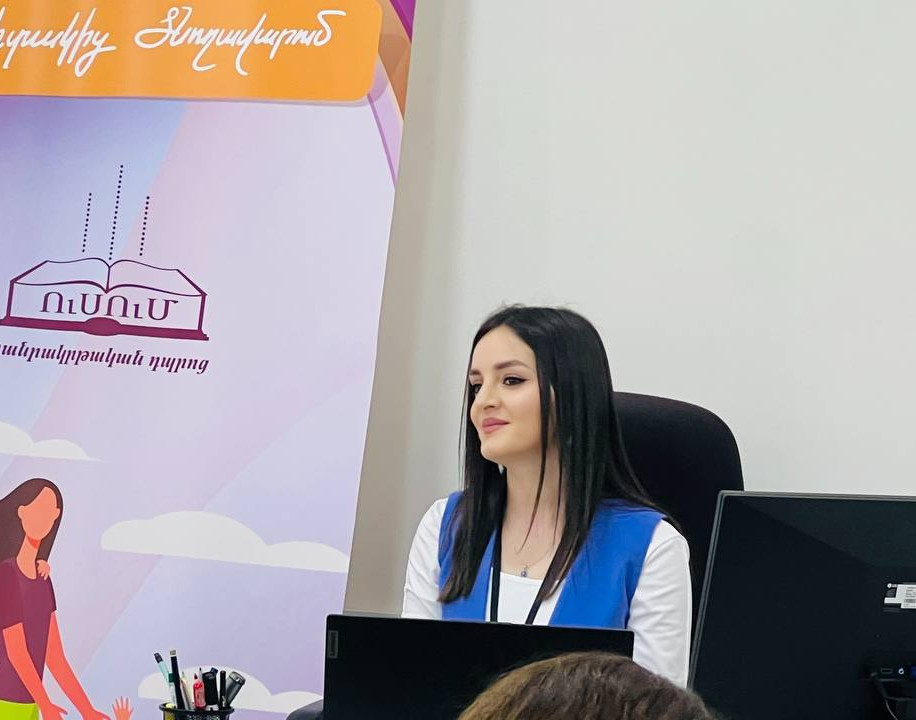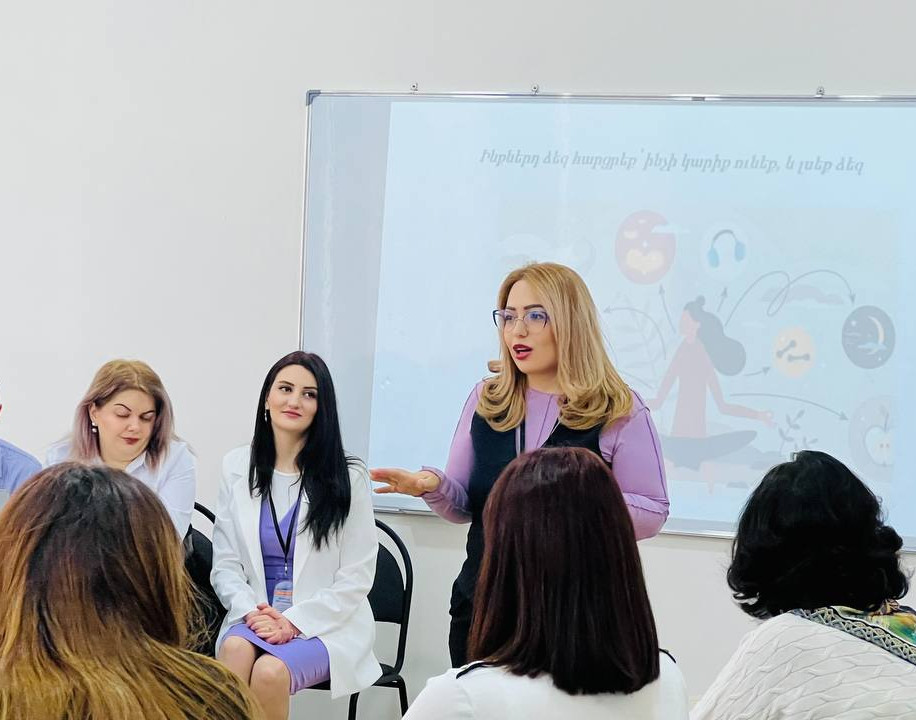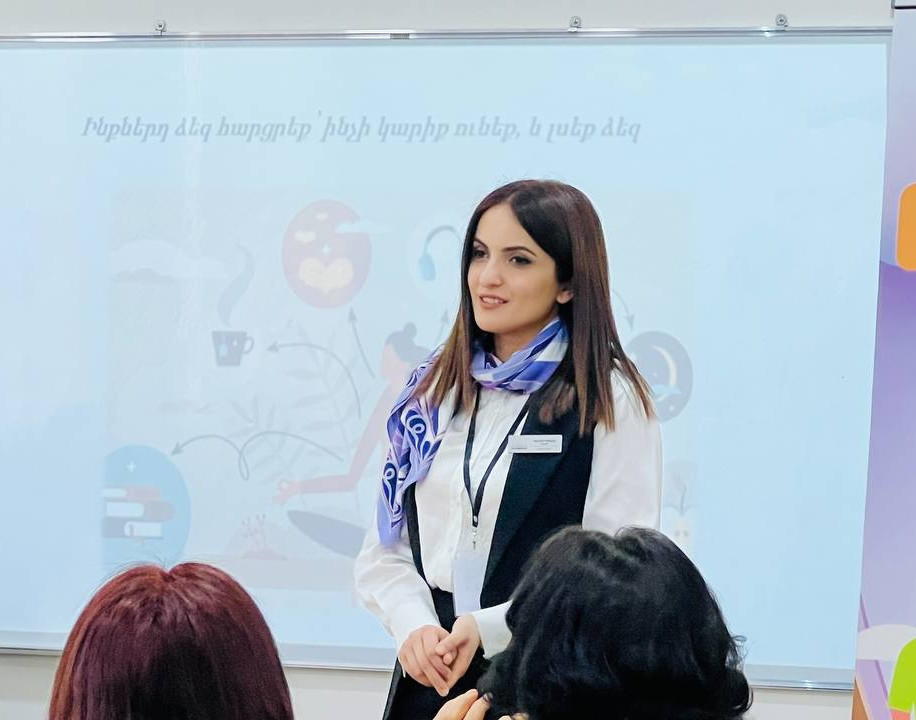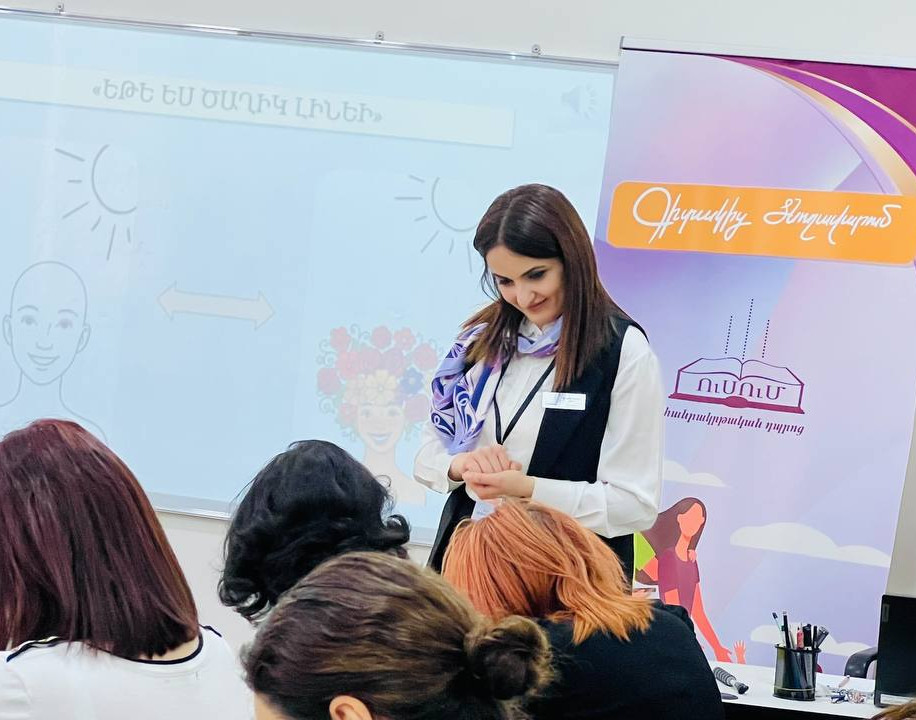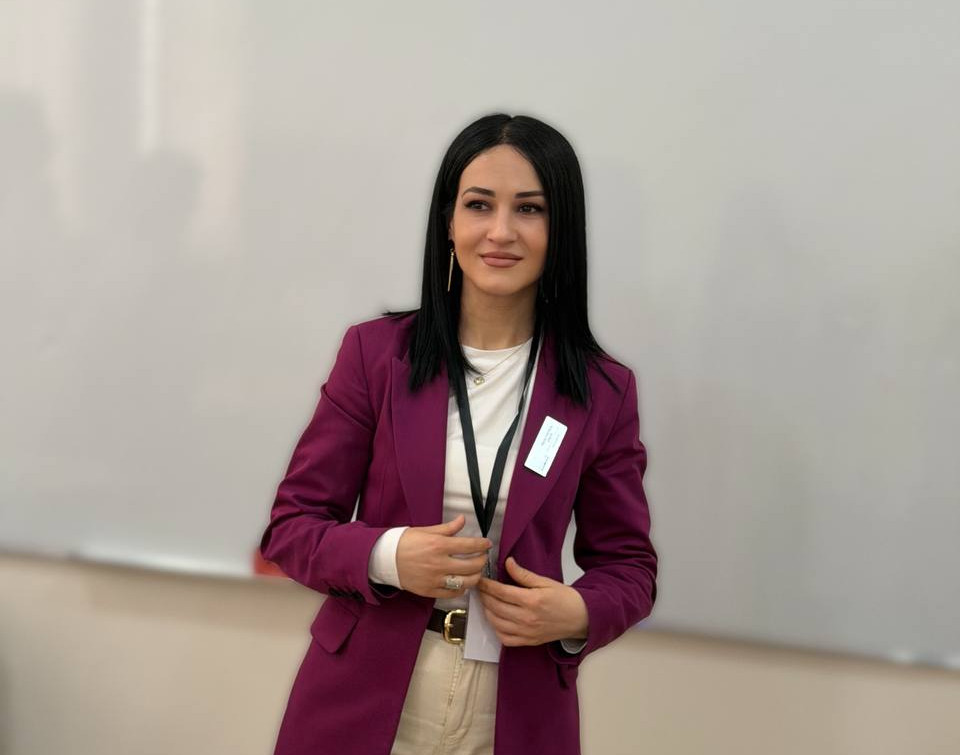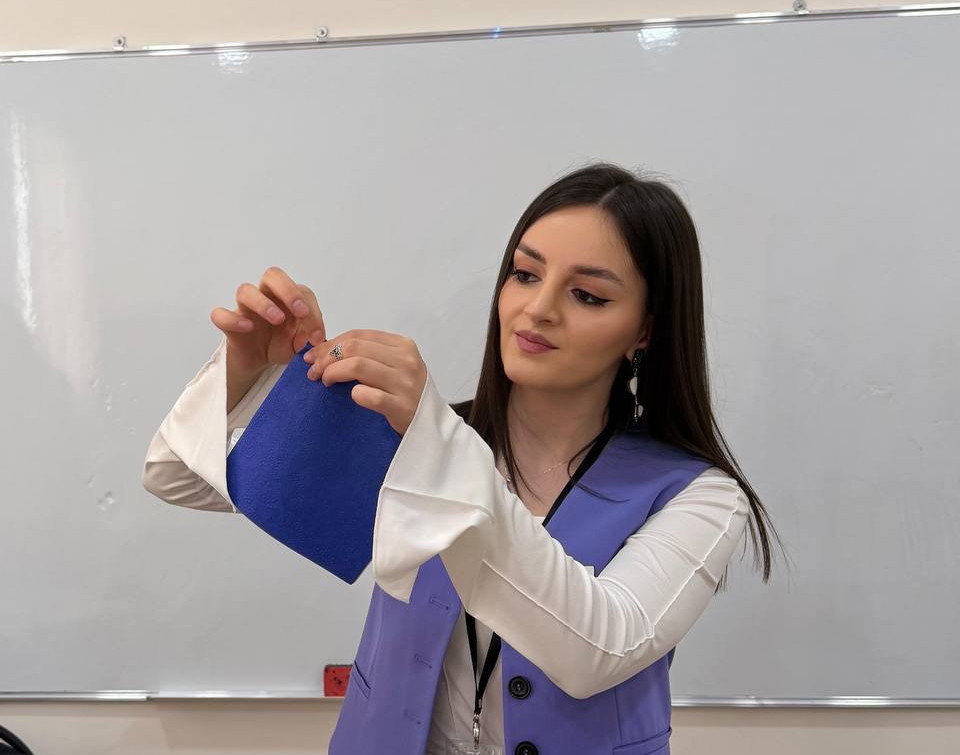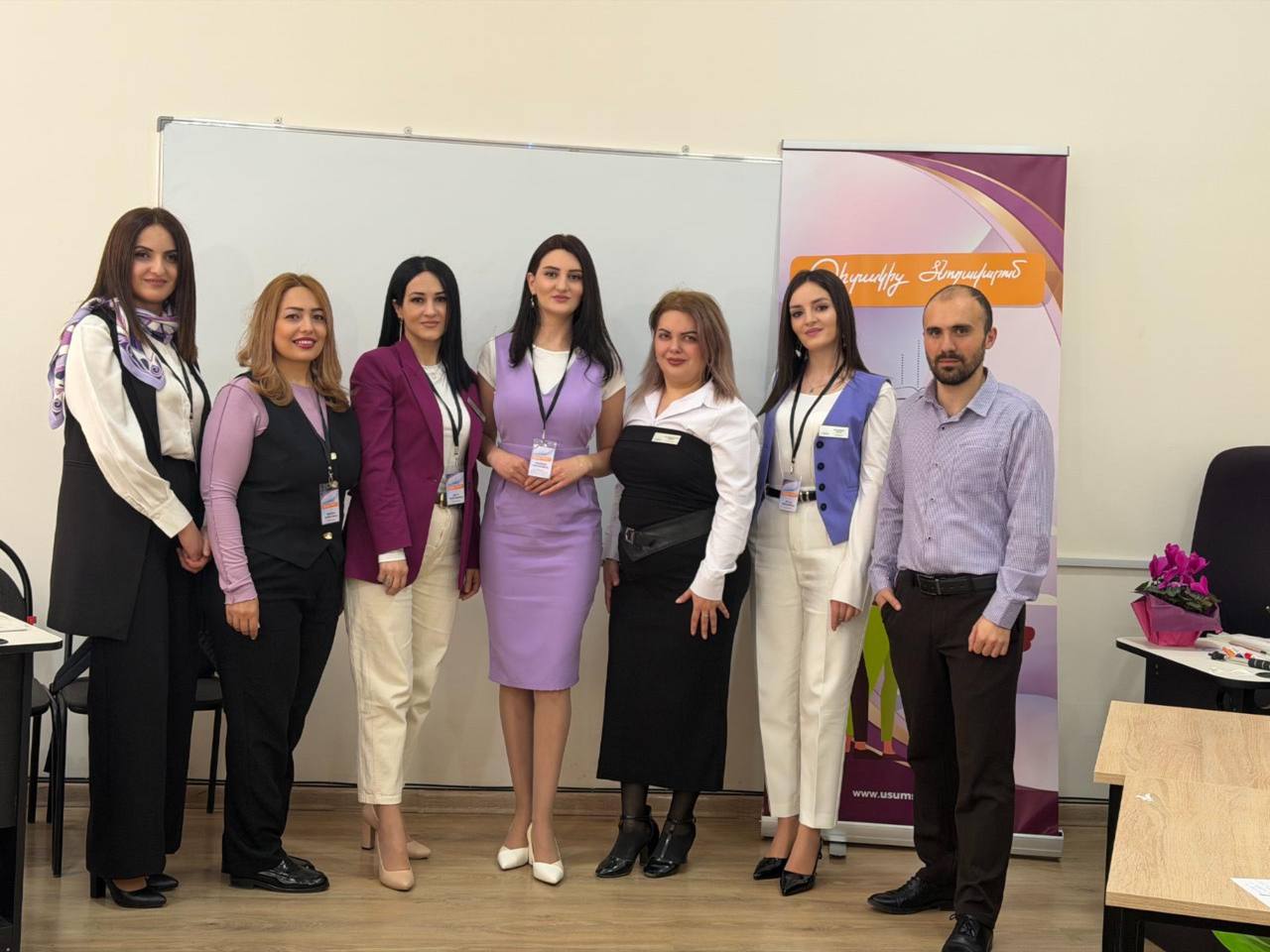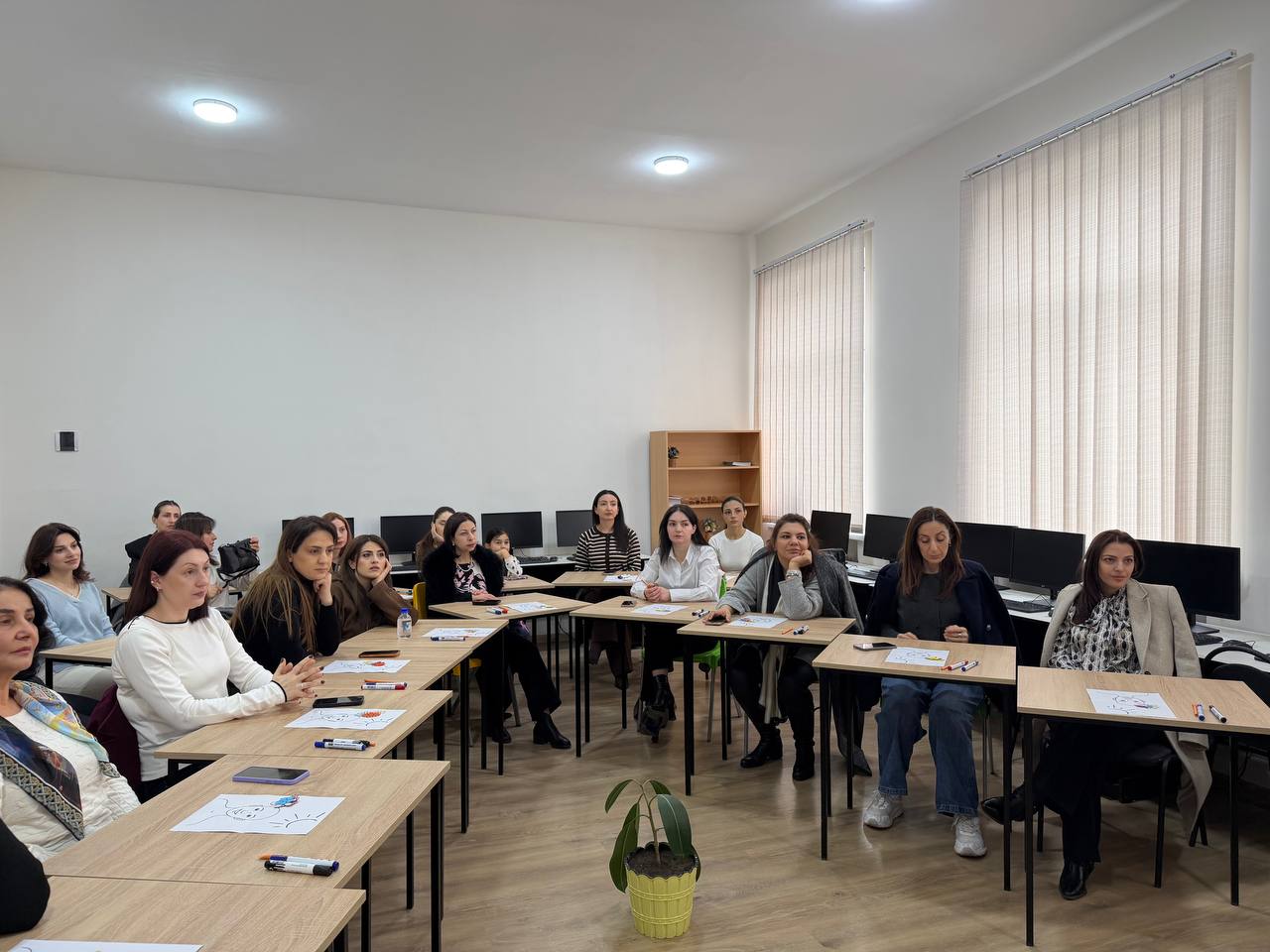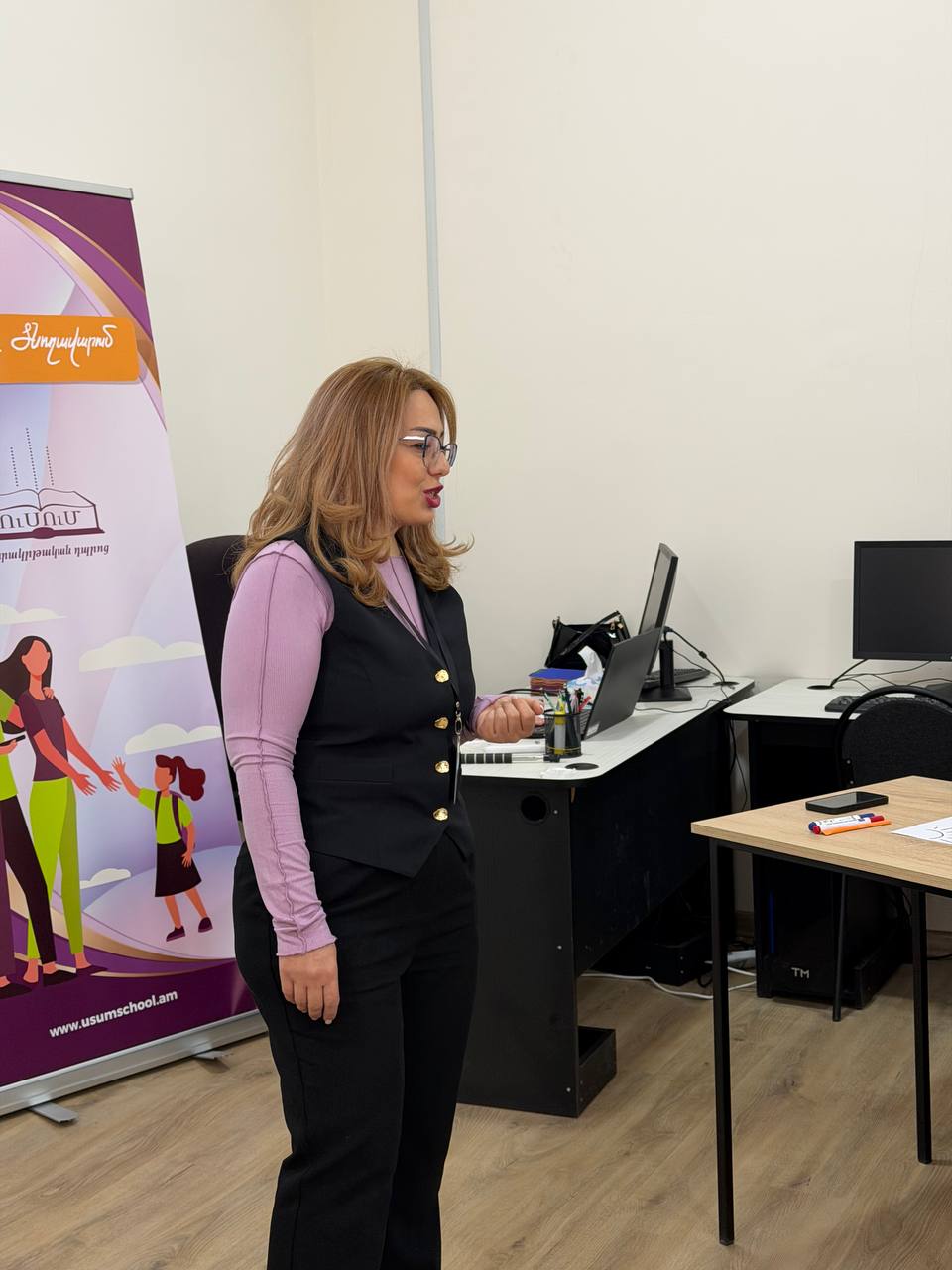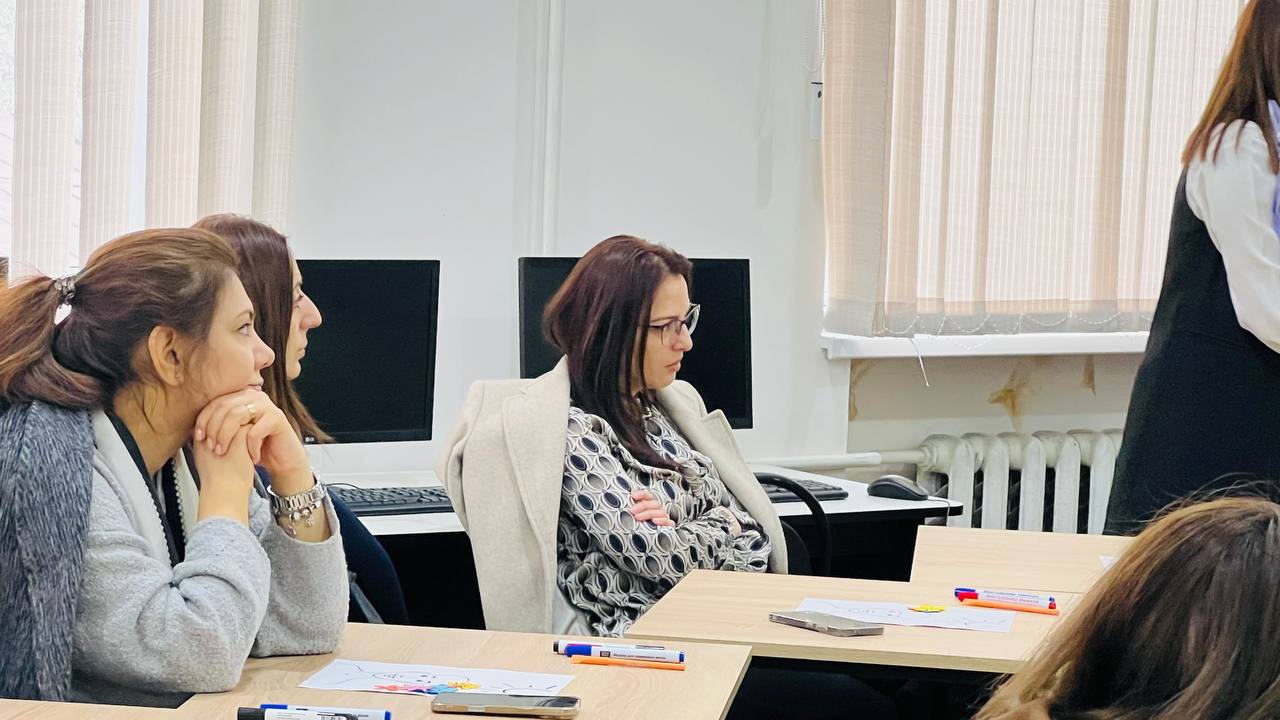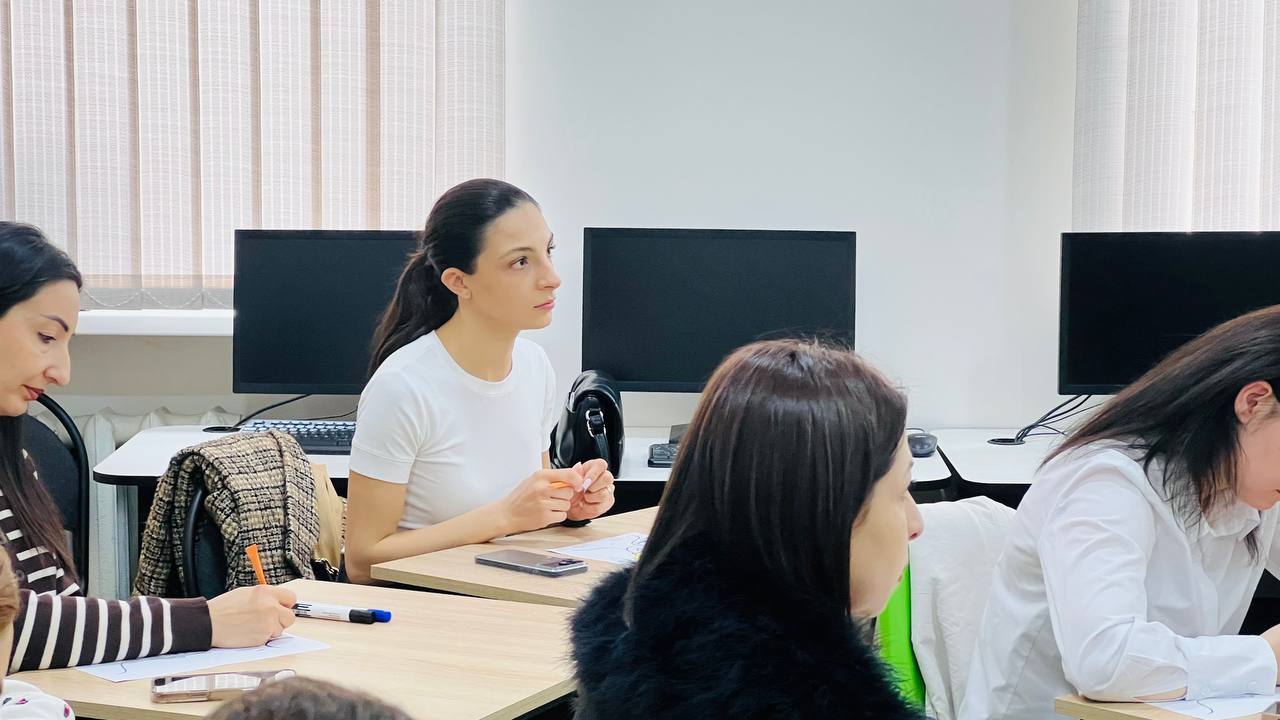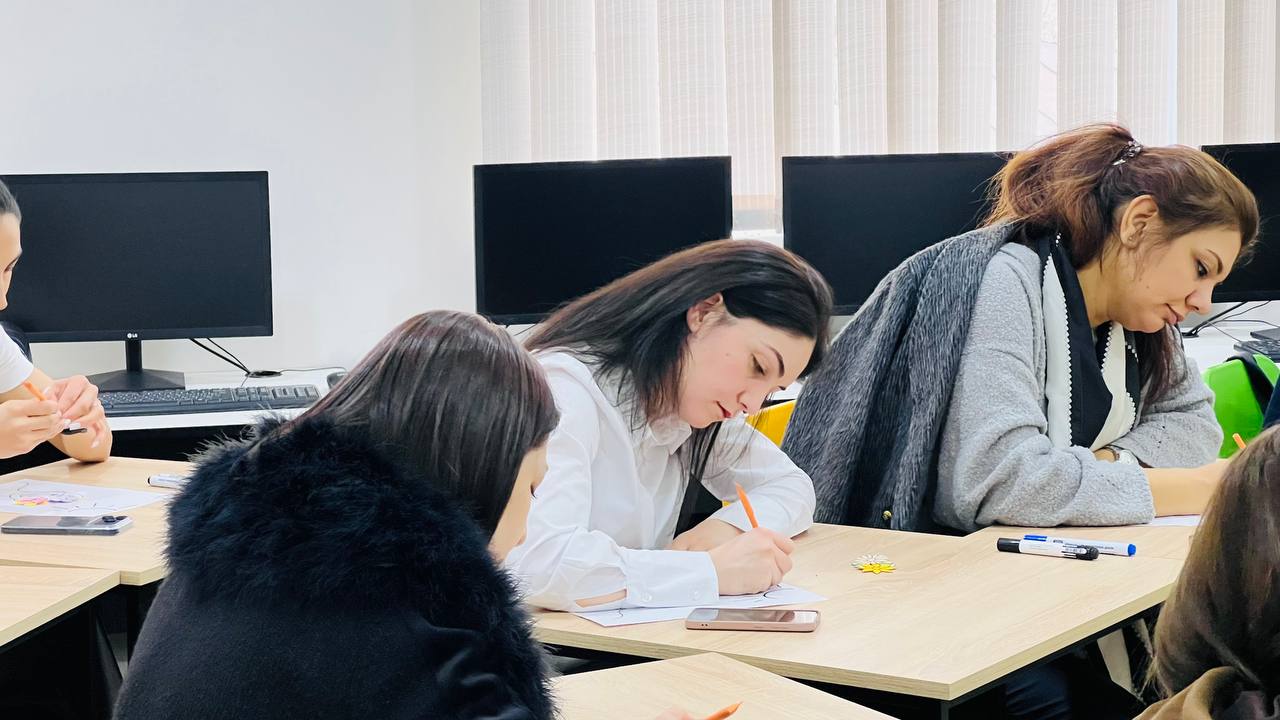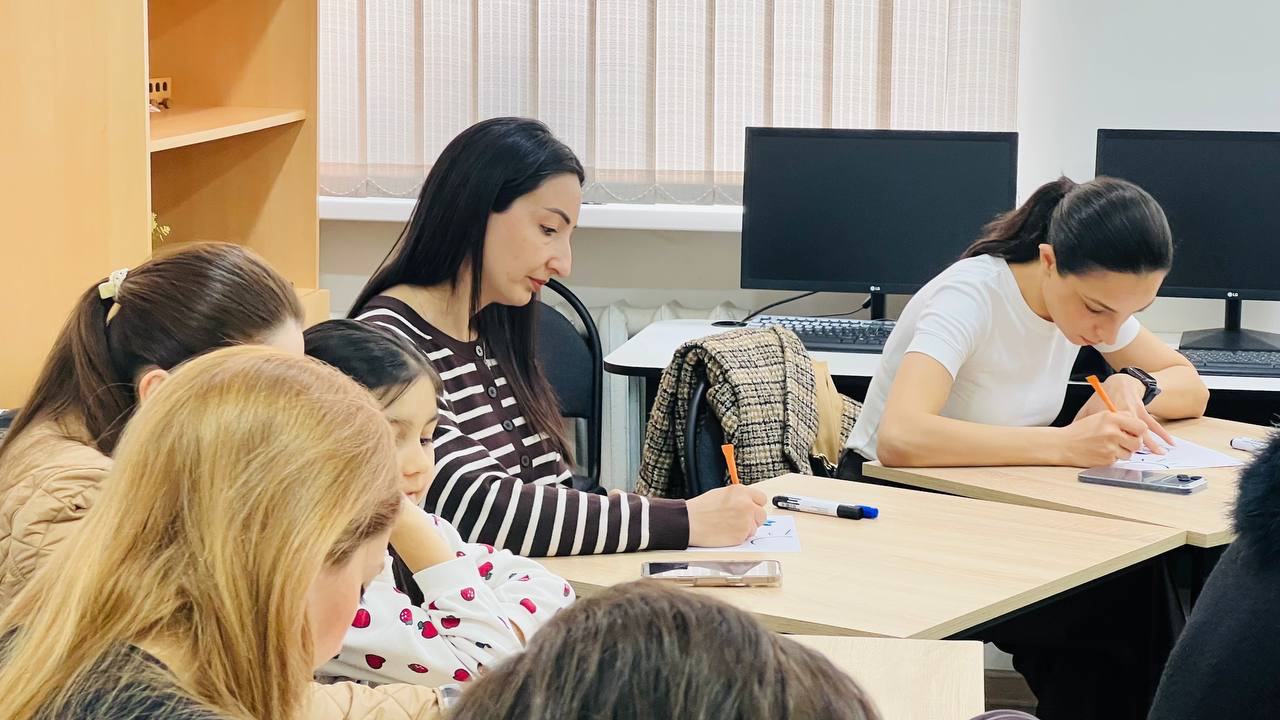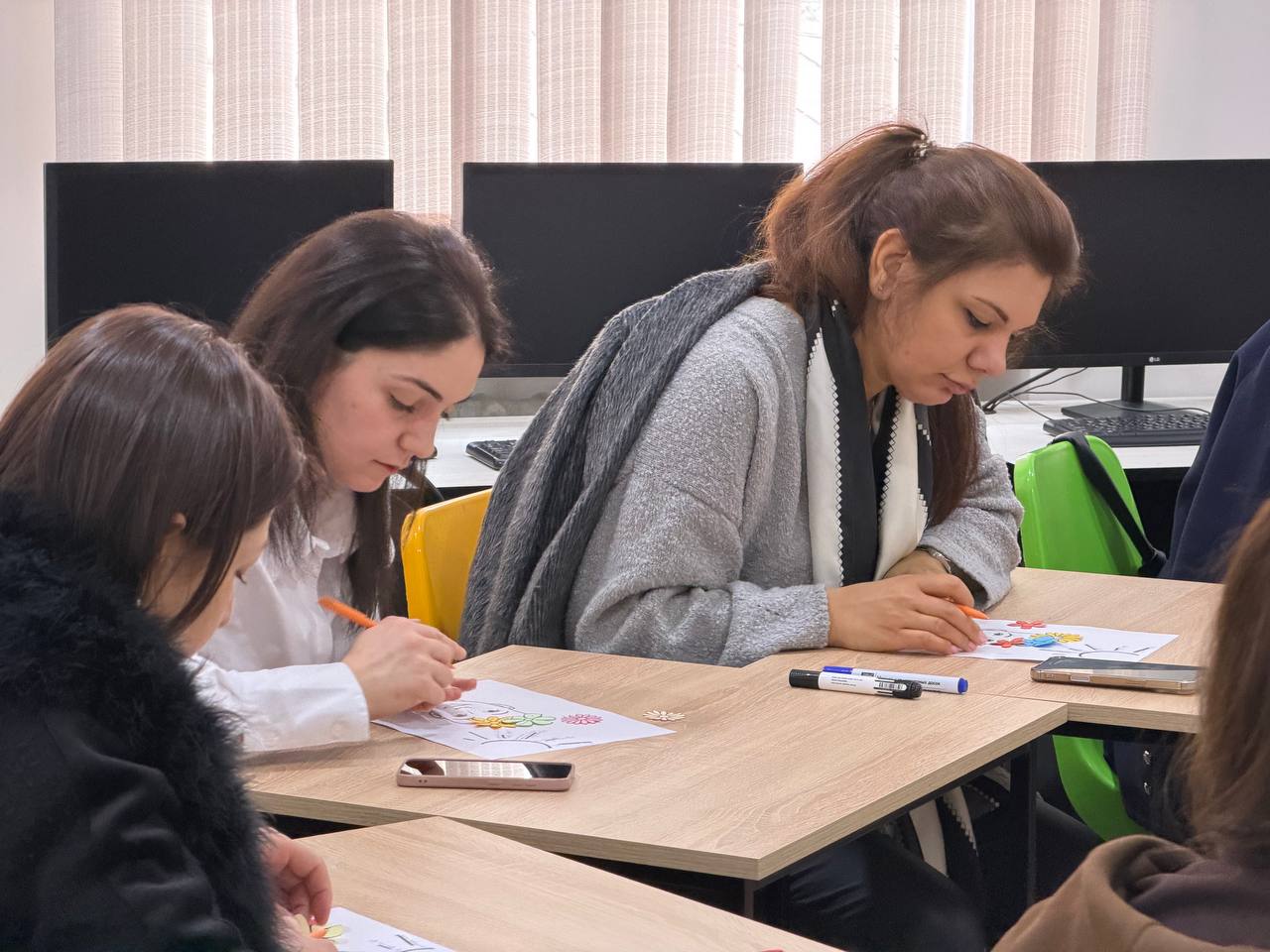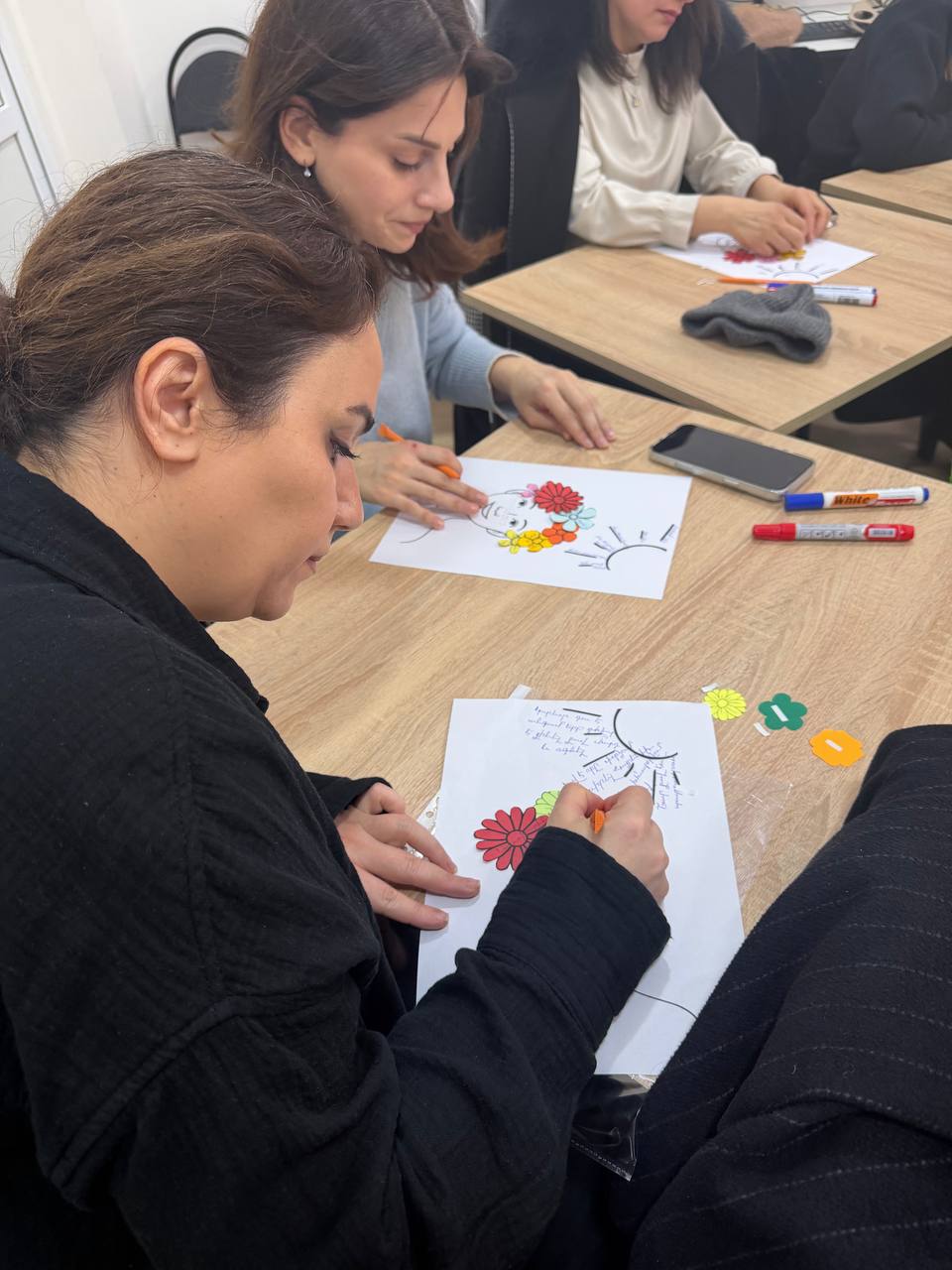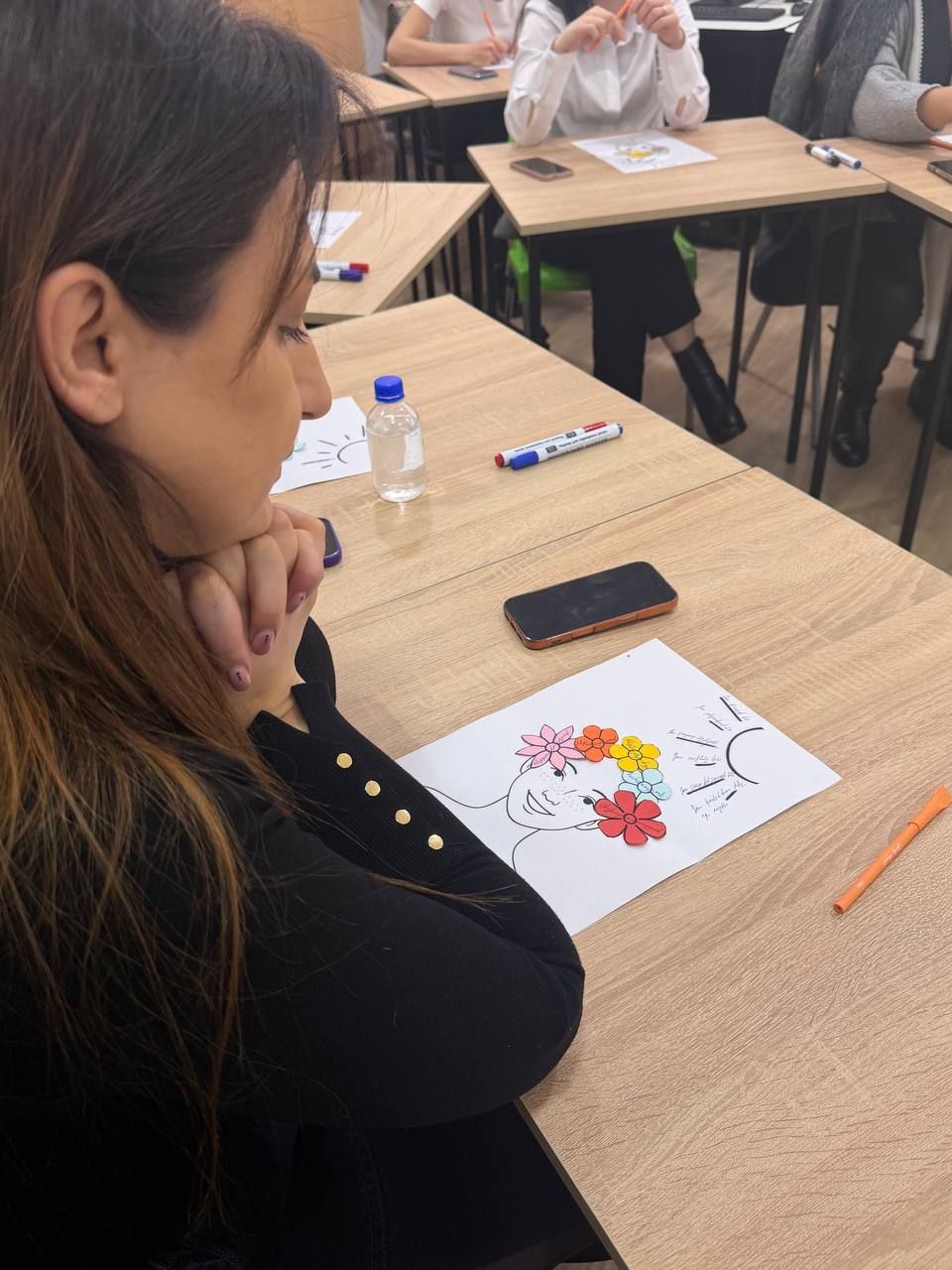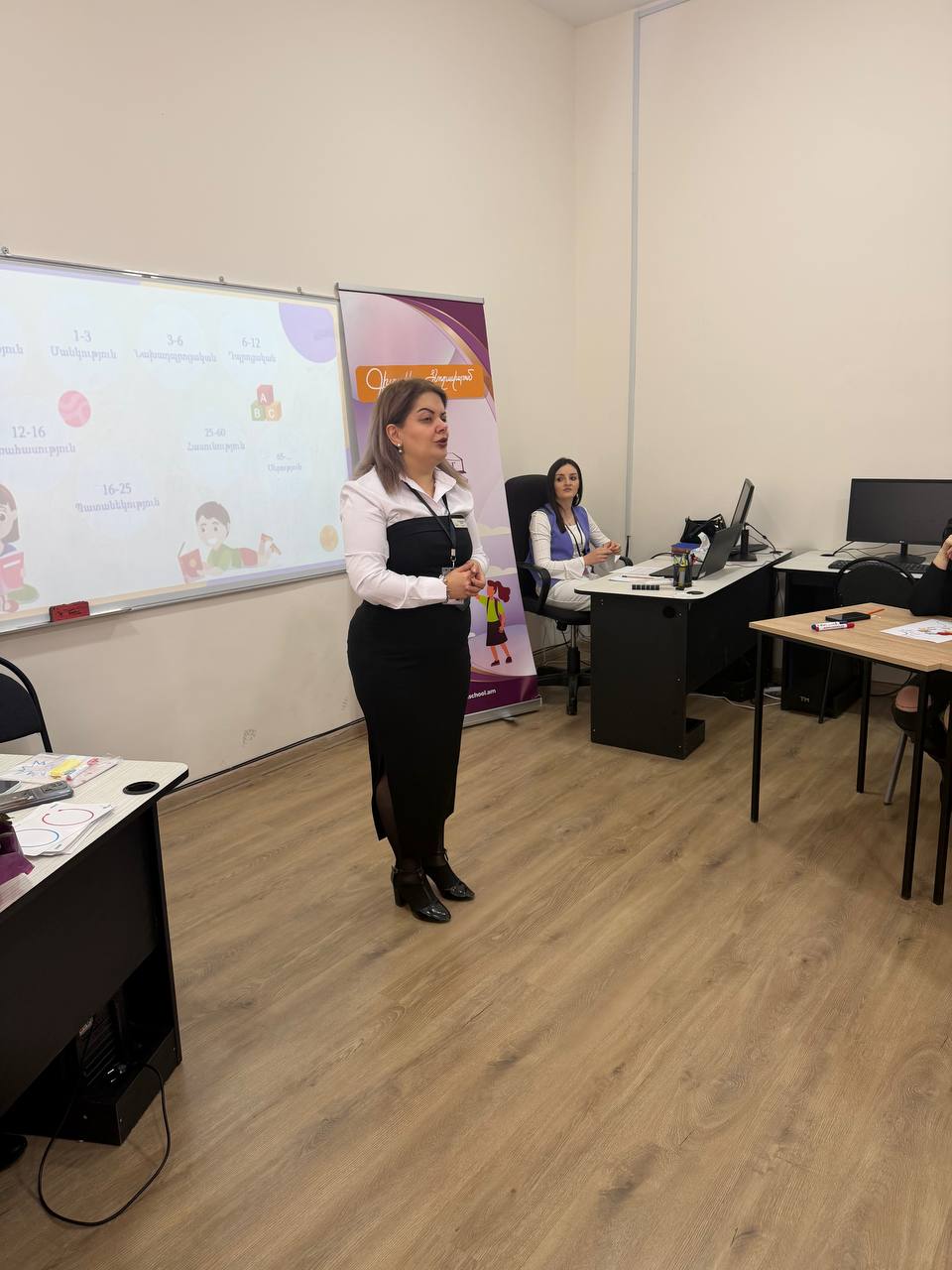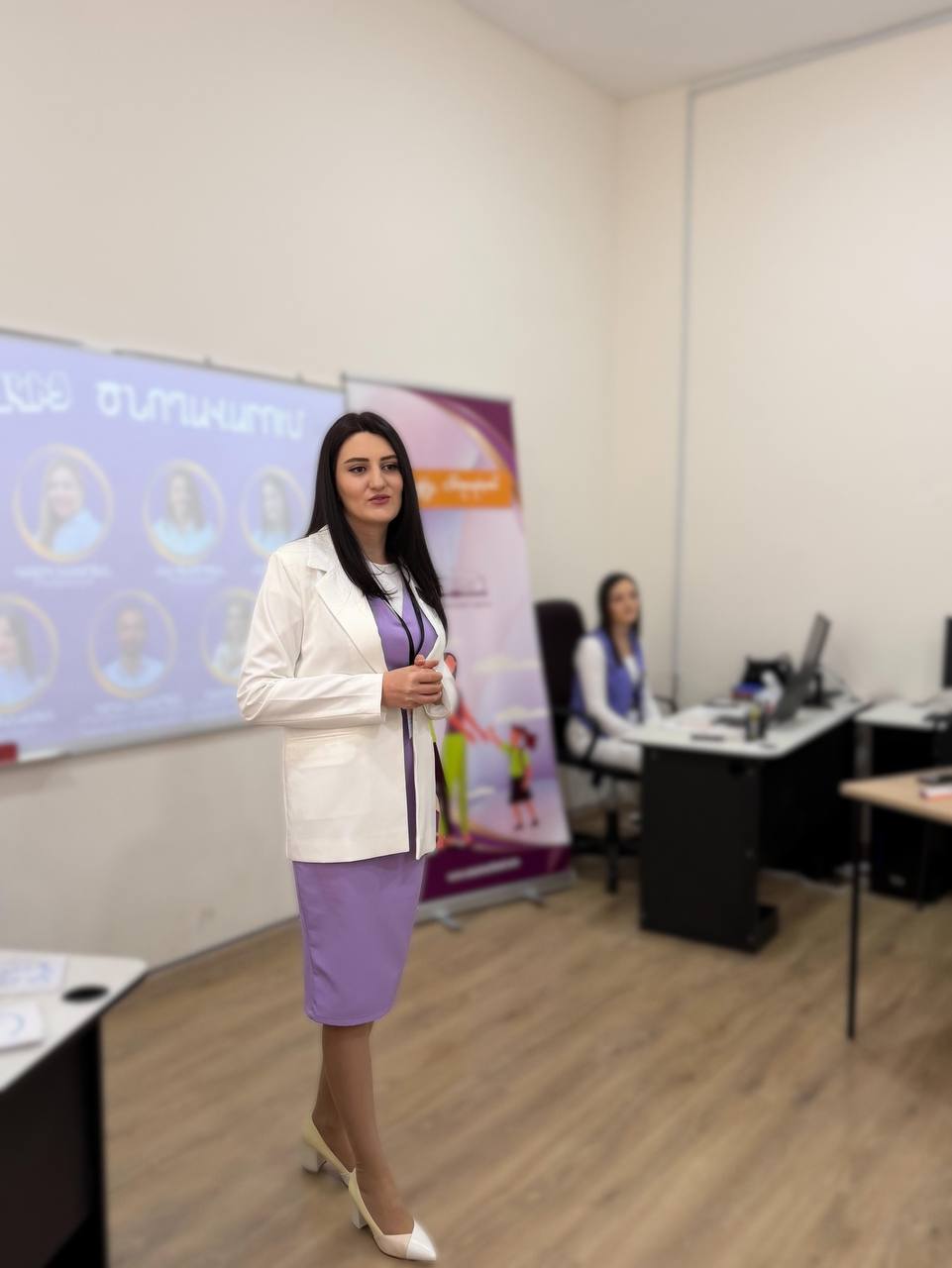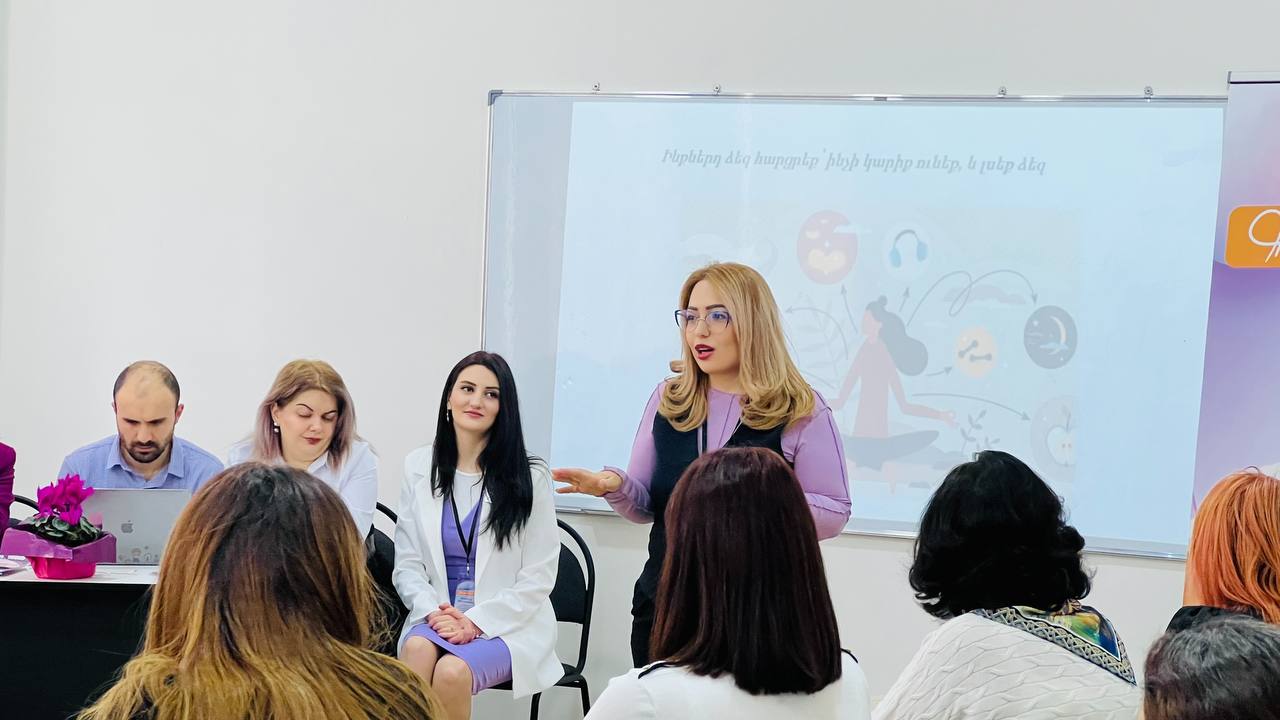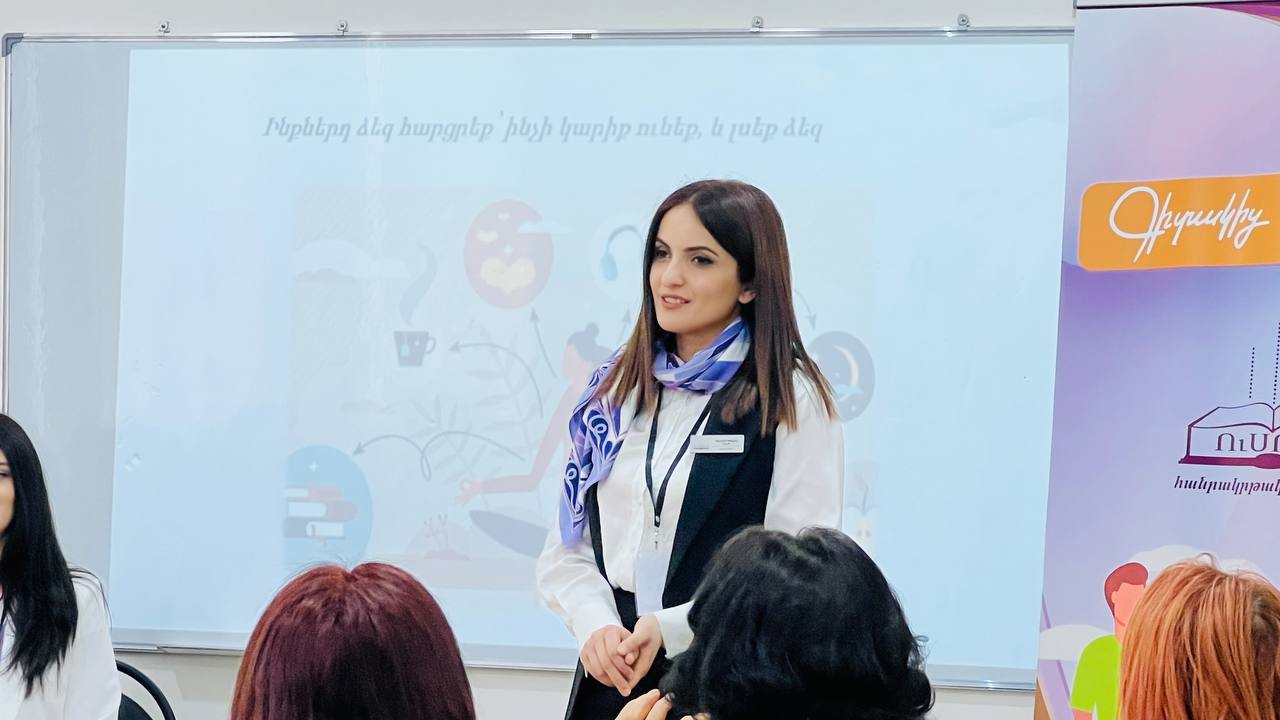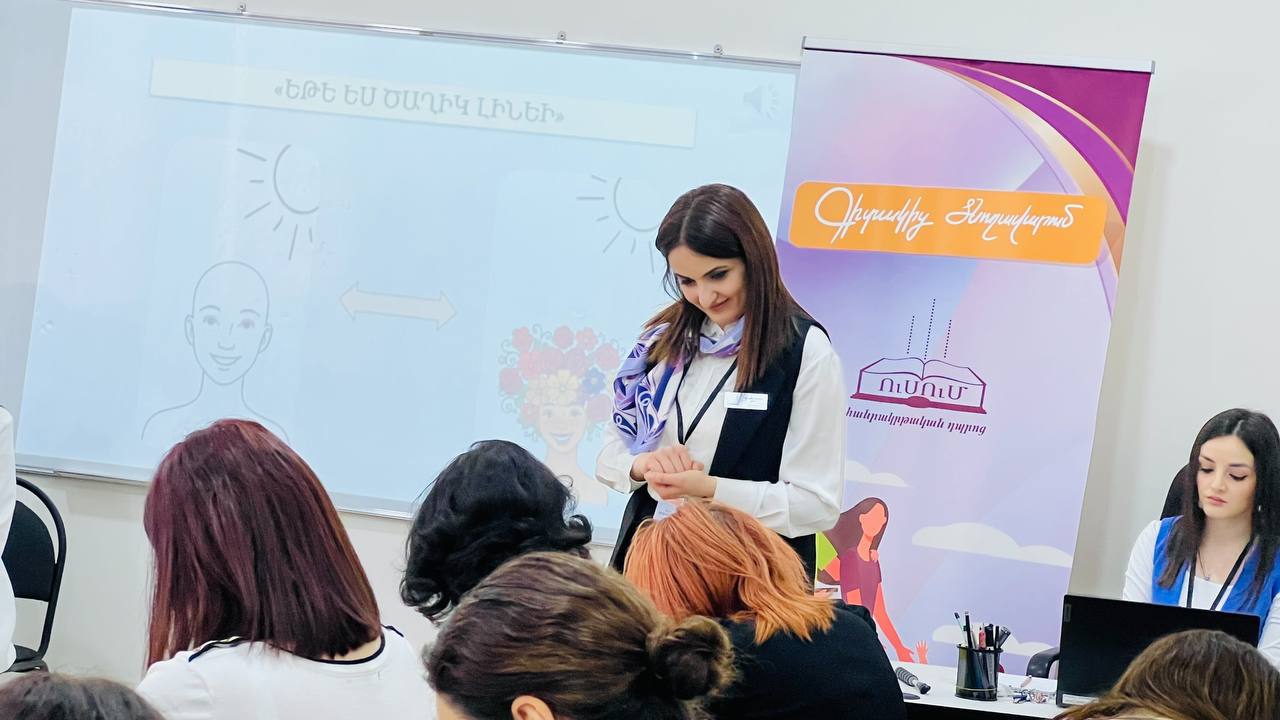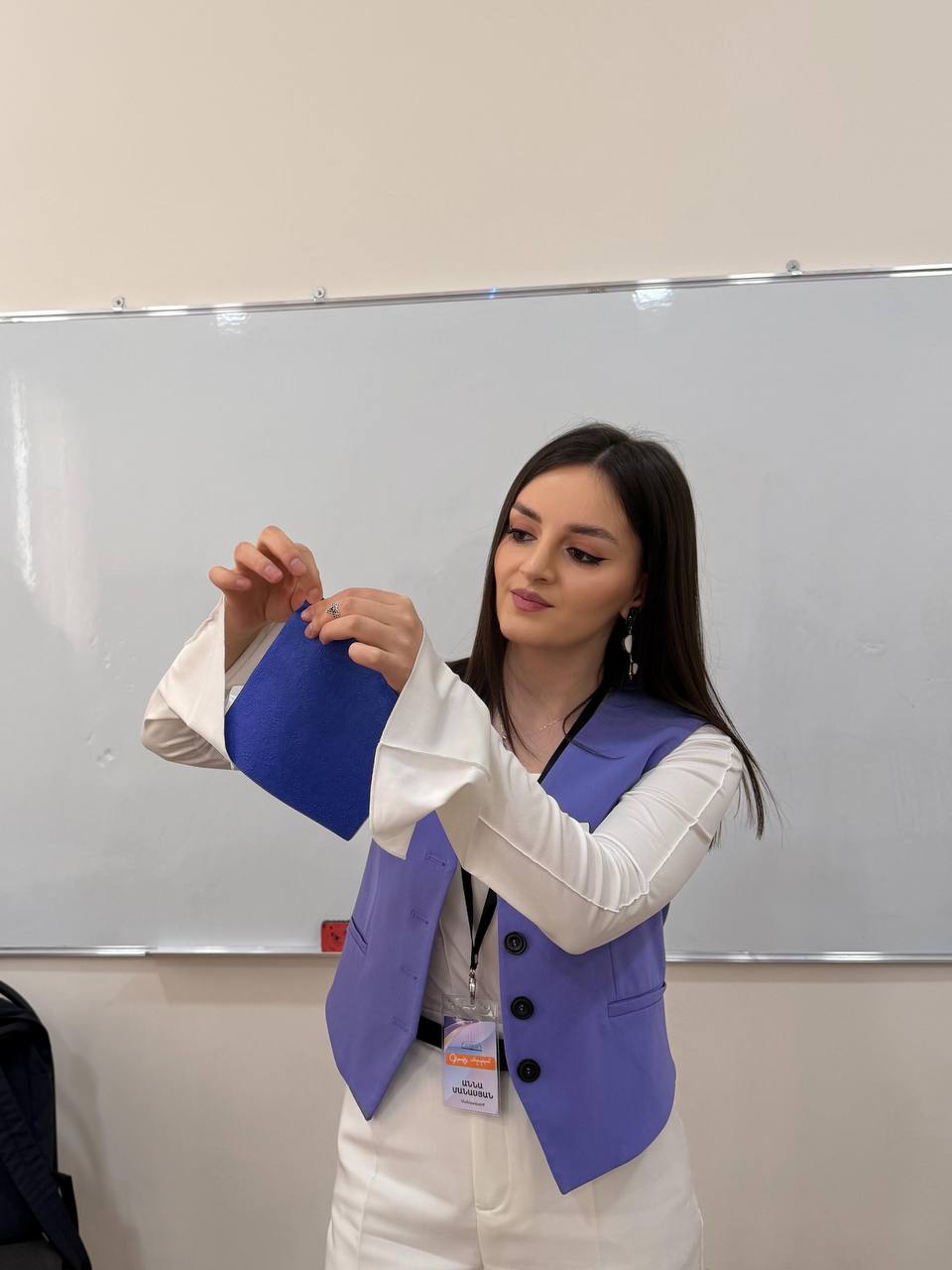

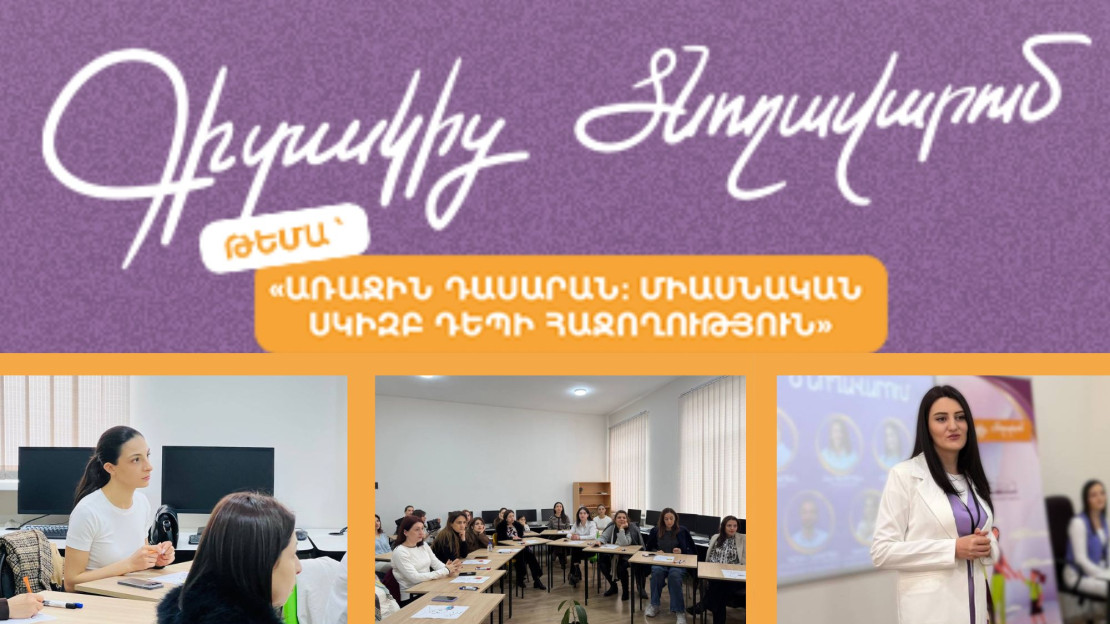
Today, another session of the “Usum” School’s authorial parenting course took place. Among the meetings held within the school’s own premises, this one stood out for the unprecedented number of participants. Considering the steadily expanding reach of the course, it is worth turning our attention to global approaches to parenting education.
In recent decades, the idea of parenting seminars and parental education programs has become widely распростран across many countries of the world. The aim of such programs is to help parents better understand the psychological characteristics of child development, build effective communication within the family, and prevent behavioral problems in children. International experience demonstrates that scientifically developed parenting education programs can have a significant positive impact not only on families but also on society as a whole.
The roots of modern parenting courses trace back to the 1970s, when one of the most famous and widely used programs—Triple P – Positive Parenting Program—was launched in Australia by psychologist Matthew Sanders. Today, this program is implemented in more than 30 countries and is considered one of the most extensively researched models of parenting education. Its effectiveness is supported by a substantial scientific base: studies have been conducted in more than 40 countries, hundreds of academic articles have been published, and thousands of specialists have been trained within the framework of the program. Research shows that in some communities the implementation of the program led to a reduction of about 23 percent in cases of child abuse, around 10 percent in child injuries, and about 9 percent in the number of children entering the foster care system. Economic assessments have also demonstrated that every dollar invested in the program can generate more than ten dollars in social benefit.
Although international parenting education programs share similar goals, they differ in their structure and methods of implementation. For example, The Incredible Years program, created in the United States in the 1980s, is likewise aimed at educating parents and preventing behavioral problems in children. However, unlike Triple P, it places greater emphasis on small-group work, the use of video materials, and role-playing exercises. Research indicates that in families participating in the program, children’s behavioral problems may decrease by approximately 30–50 percent, while parents’ use of positive parenting practices significantly increases.
Another well-known model, Parent Management Training, which was also developed in the United States, focuses more directly on addressing specific behavioral difficulties. Compared with the previously mentioned programs, it places greater emphasis on practical strategies for managing children’s behavior. Parents who turn to this program often do so when problems have already emerged and expect solutions to existing challenges rather than preventive guidance. According to research, children’s behavioral problems decrease significantly in about 60–70 percent of families participating in the program.
Comparing the parenting initiative implemented at our school with international experience allows us to make several observations. The school’s initiative is primarily carried out within the educational community, in the format of school–parent cooperation, while not excluding the possibility of addressing a non-Armenian-speaking audience in the future. It is noteworthy that during the previous meetings we have already had parents of non-Armenian origin among the participants. Another advantage of the program implemented at our school is that it is directly connected with the children’s everyday educational environment. It enables parents to better understand the values and educational approaches of the school, while also not excluding the possibility of a child integrating into another school’s educational system or philosophy.
In conclusion, it can be stated that the “Conscious Parenting” seminars are conceptually aligned with international parenting education programs, as they likewise aim to develop conscious and responsible parenting. At the same time, they are distinctive in that they are implemented within the logic of an educational model and within the framework of an educational community, thereby fostering closer cooperation between the educational system, parents and children.
To not think freely is to not think at all!