The arrival of spring has long been associated in the cultures of different peoples with the rebirth of life, fertility, and the creative power of women. Since ancient times, the idea of motherhood has been sanctified in various beliefs and cults. In the ancient world, goddesses of fertility and motherhood were revered, and within Armenian cultural tradition, a special place was given to the worship of the goddess Anahit as a symbol of motherhood and life-giving power. To say that women have been rightfully valued figures in Armenian society would be an understatement. Perhaps one of the clearest manifestations of the exaltation of women is that pagan Armenians did not limit themselves to the image of the Golden Mother Anahit in their pantheon, but also bestowed special reverence upon Nane, the goddess of family and the hearth.
Over time, the concept of motherhood acquired social and legal significance as well. At the beginning of the 20th century, women’s rights movements emerged in Europe and America, demanding equal working conditions, voting rights, and social protection. In 1910, at the International Conference of Working Women held in Copenhagen, it was proposed to establish an International Women’s Day. In 1911, it was celebrated for the first time in several European countries, and in 1975 March 8 was officially included in the UN calendar as International Women’s Day.
In Armenia, March 8 is officially celebrated as International Women’s Day, and since 1995 April 7 has been designated as Motherhood and Beauty Day. Thus, from March 8 to April 7, an entire month dedicated to honoring women has been formed in our country. This period symbolizes not only the social role of women but also the exceptional significance of motherhood within the family and in the continuity of the nation.
In Armenian culture, the concept of “mother” has long transcended biological boundaries and become part of national identity. We say Motherland, Mother Tongue, Mother Church, emphasizing the primary source from which our existence is nourished. The maternal figure has been a central theme in Armenian literature and art throughout all periods, embodying sacrifice, patience, and boundless love.
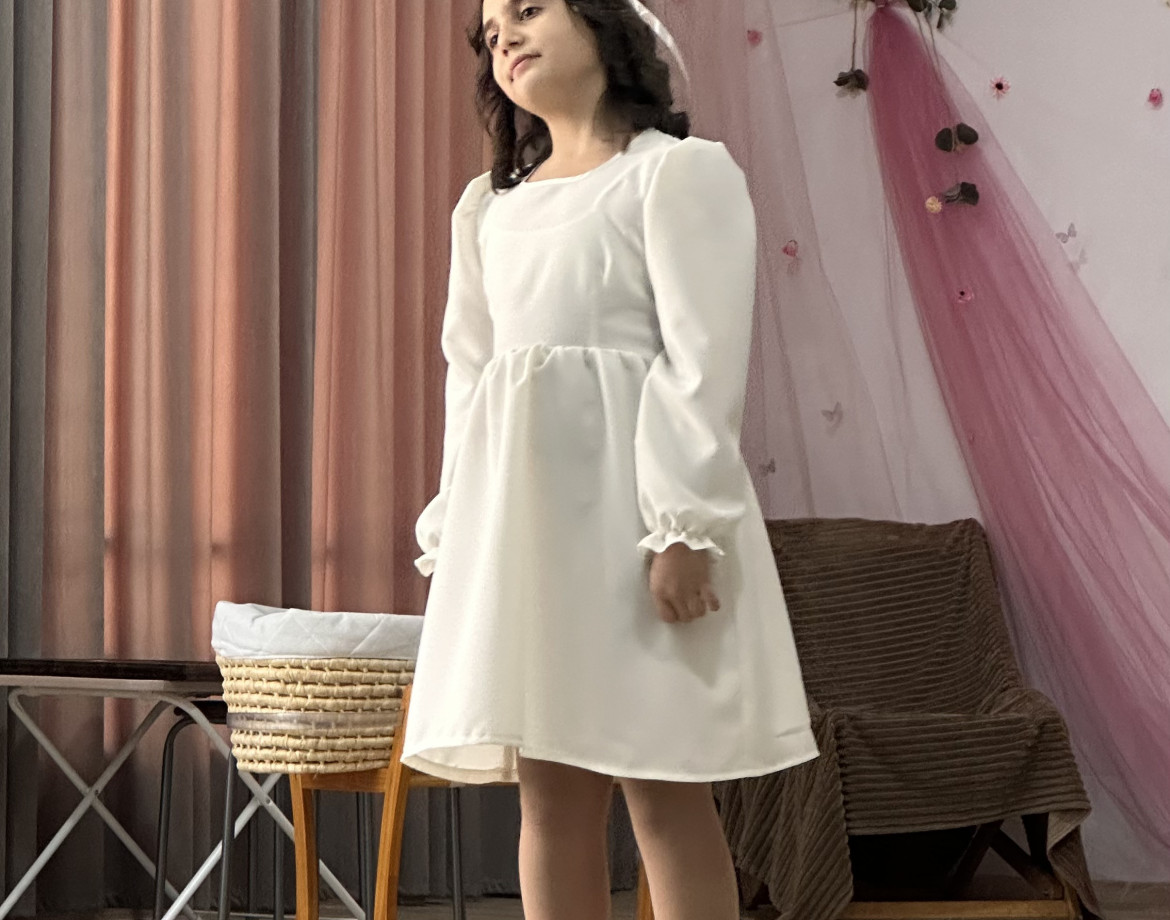
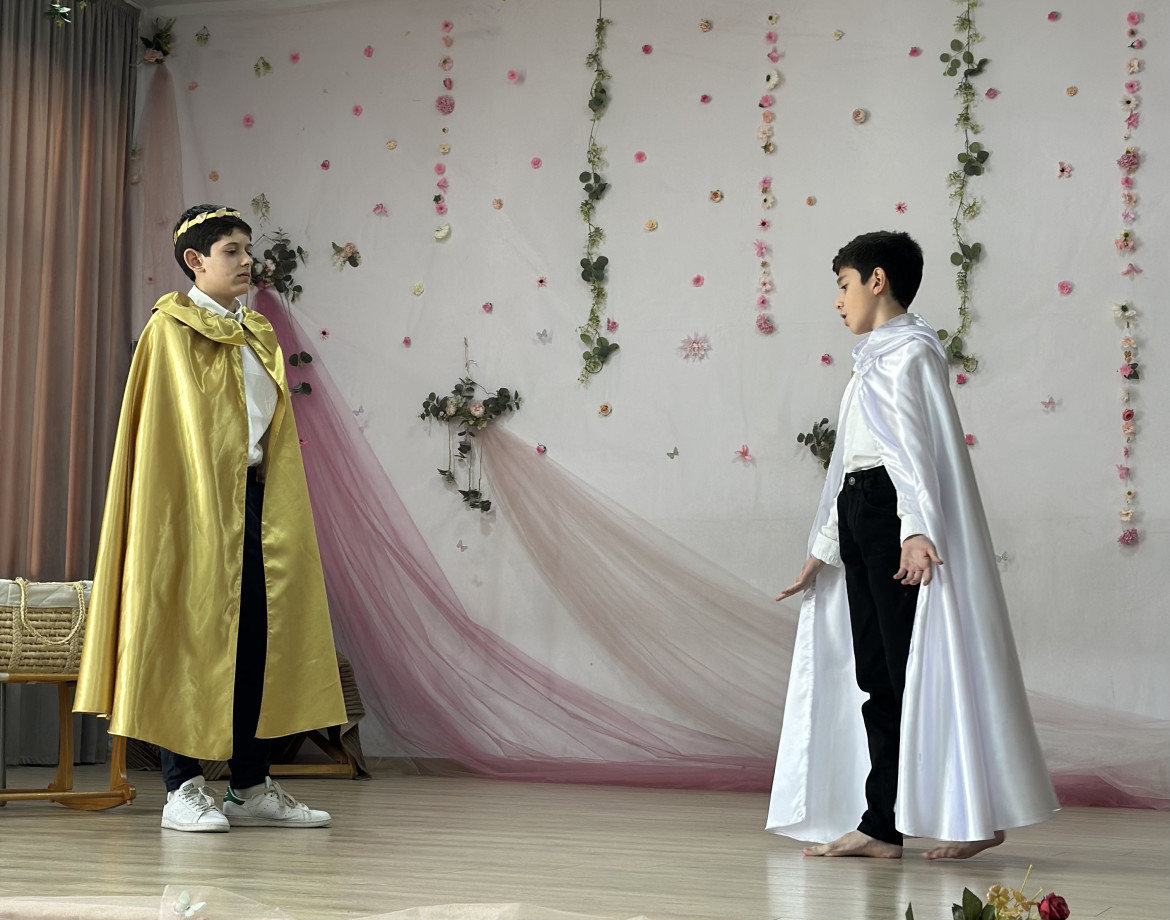
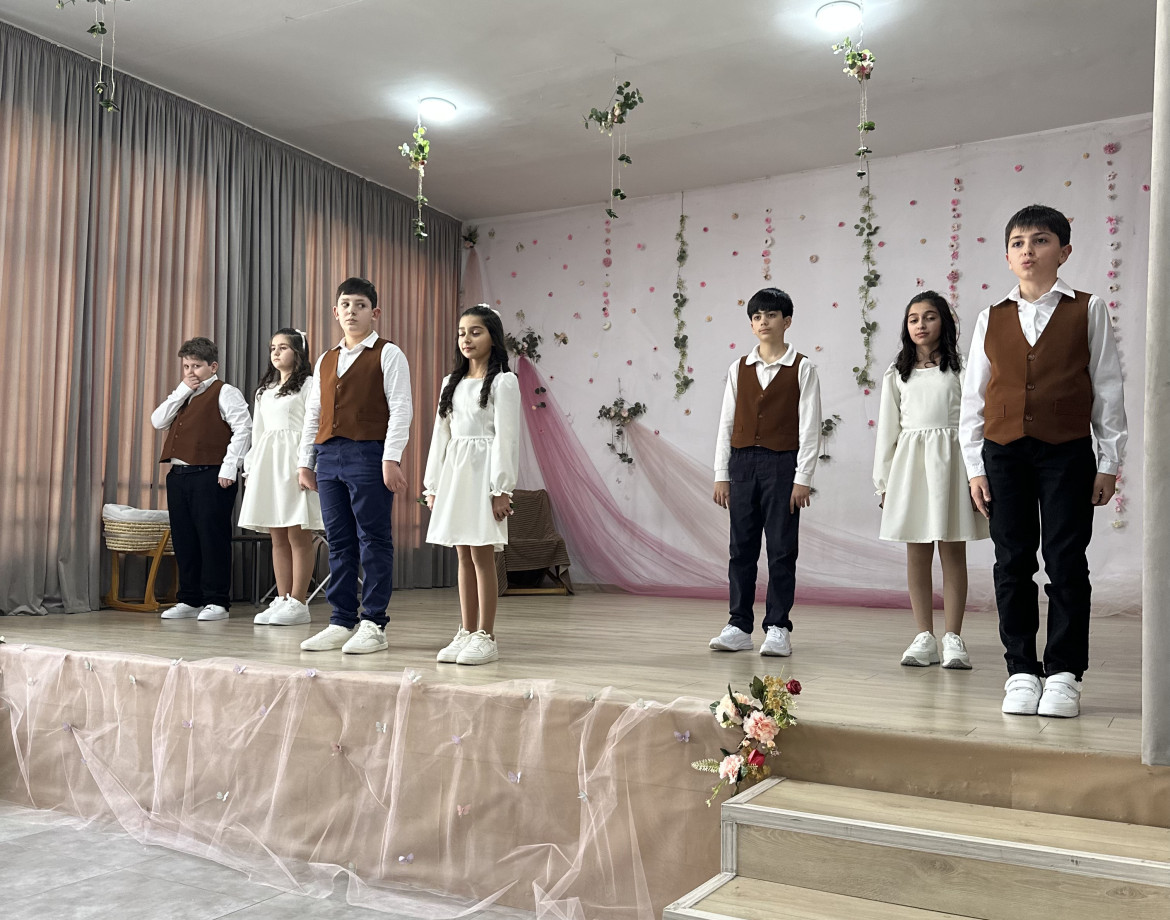
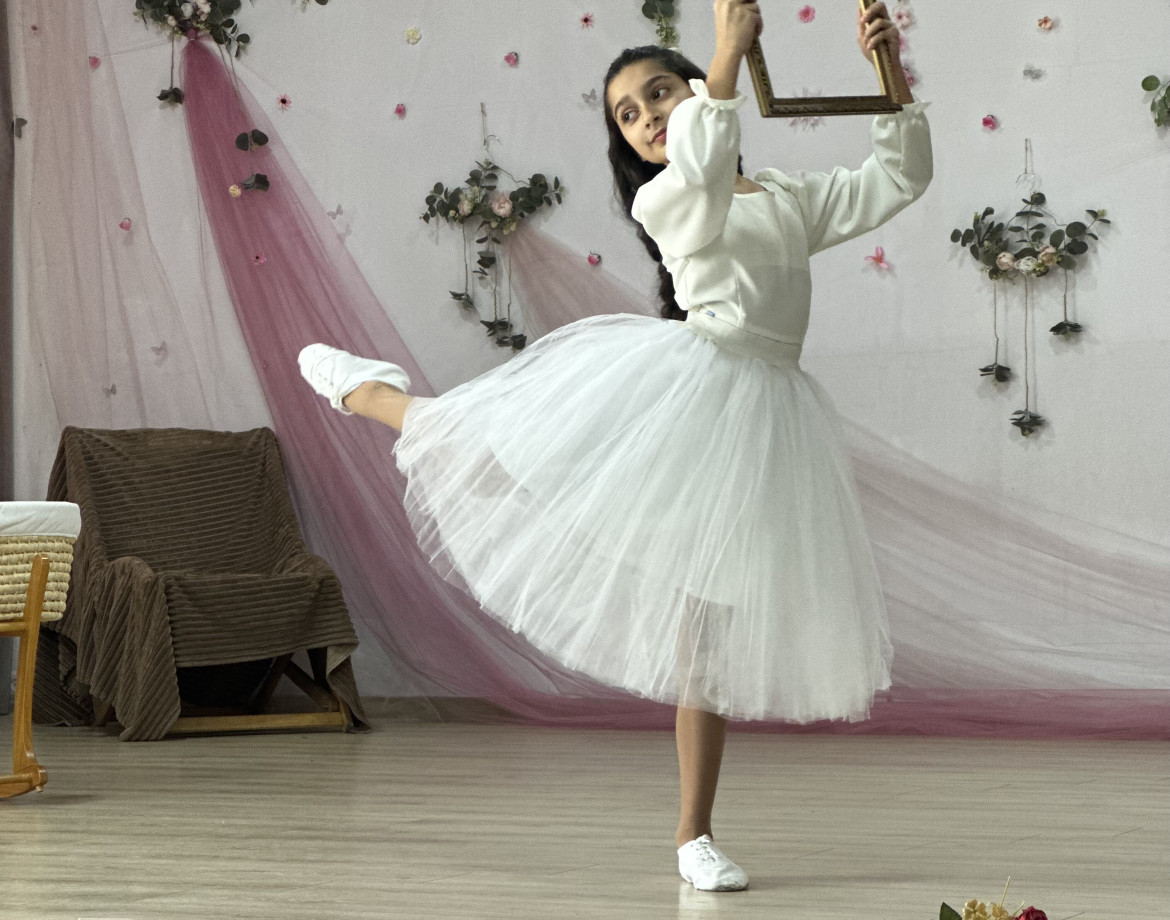
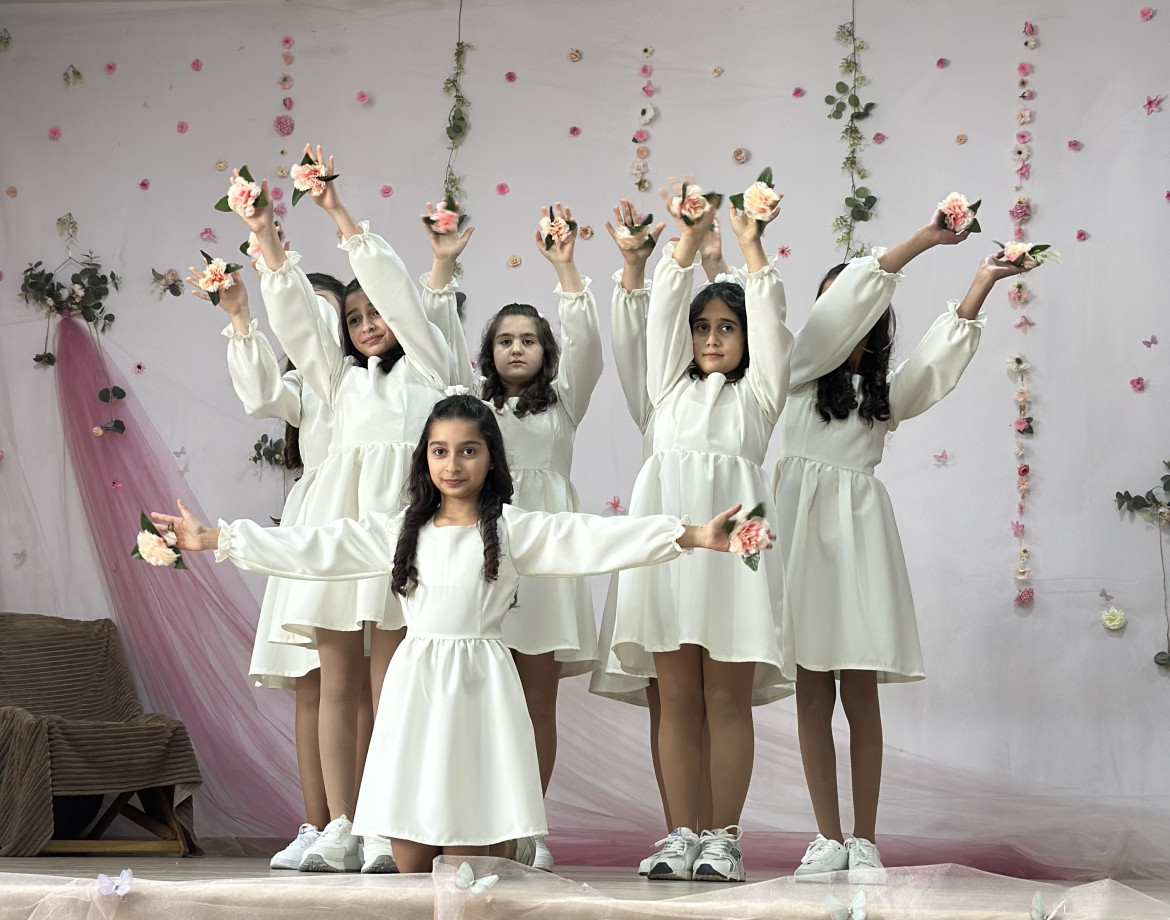
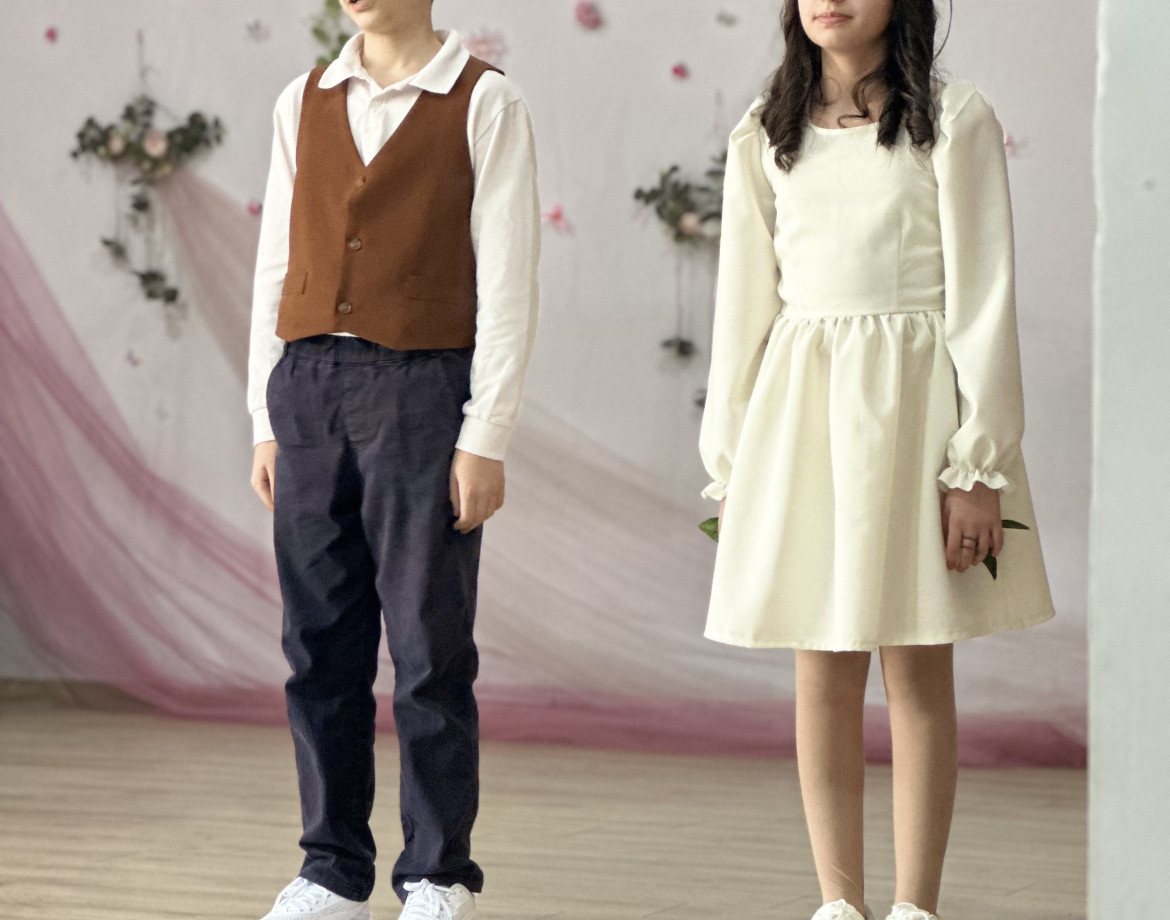
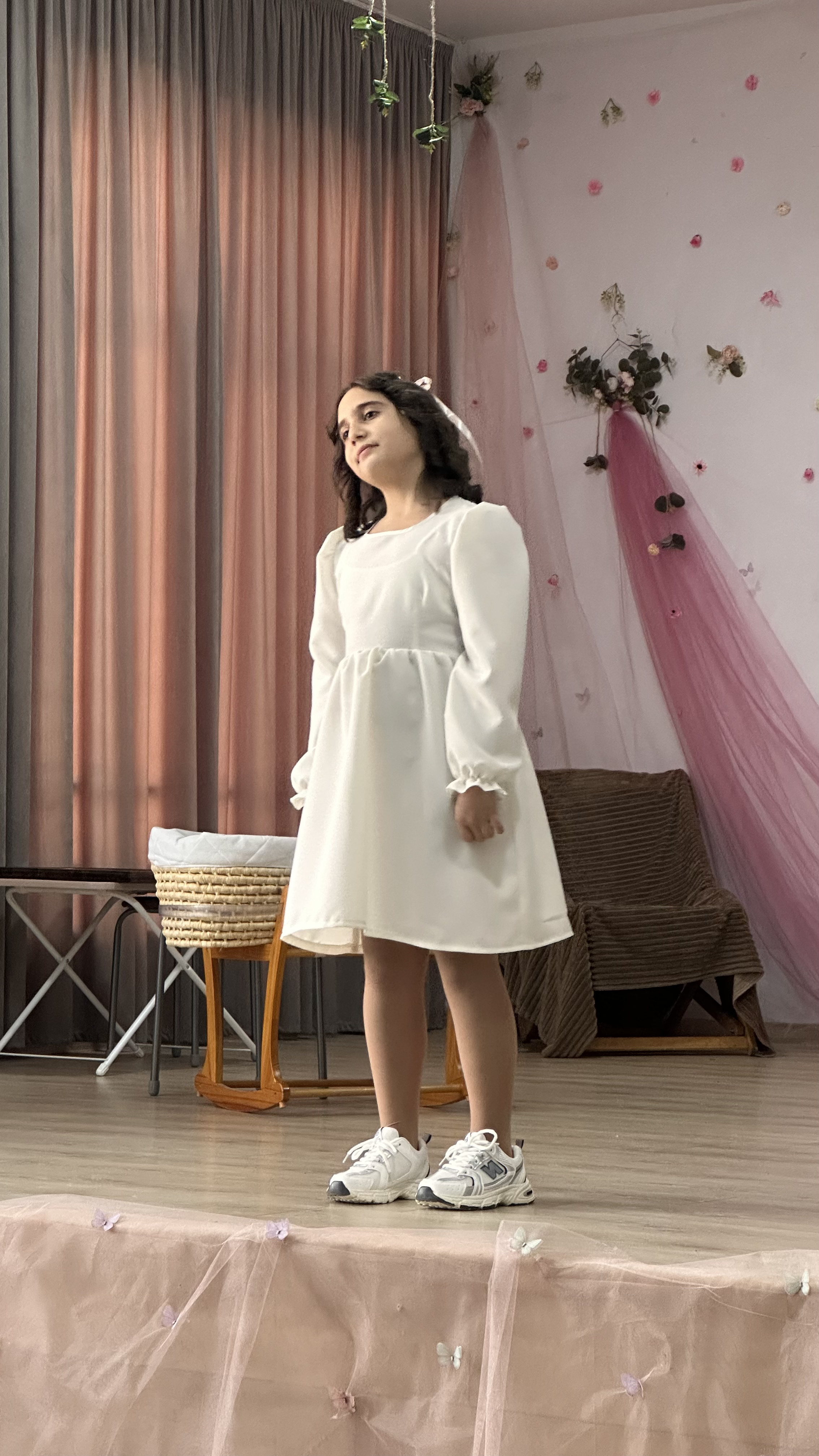
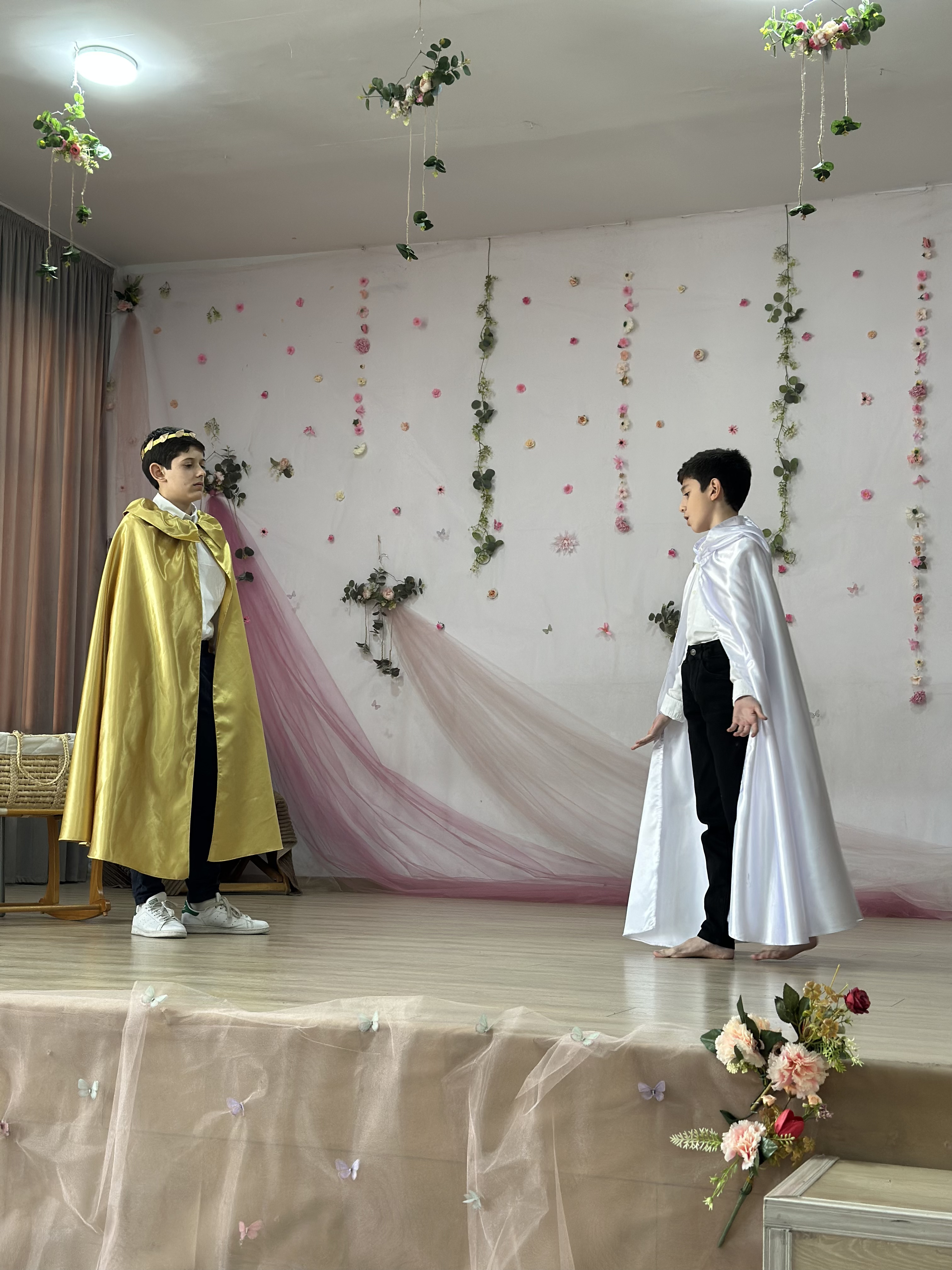
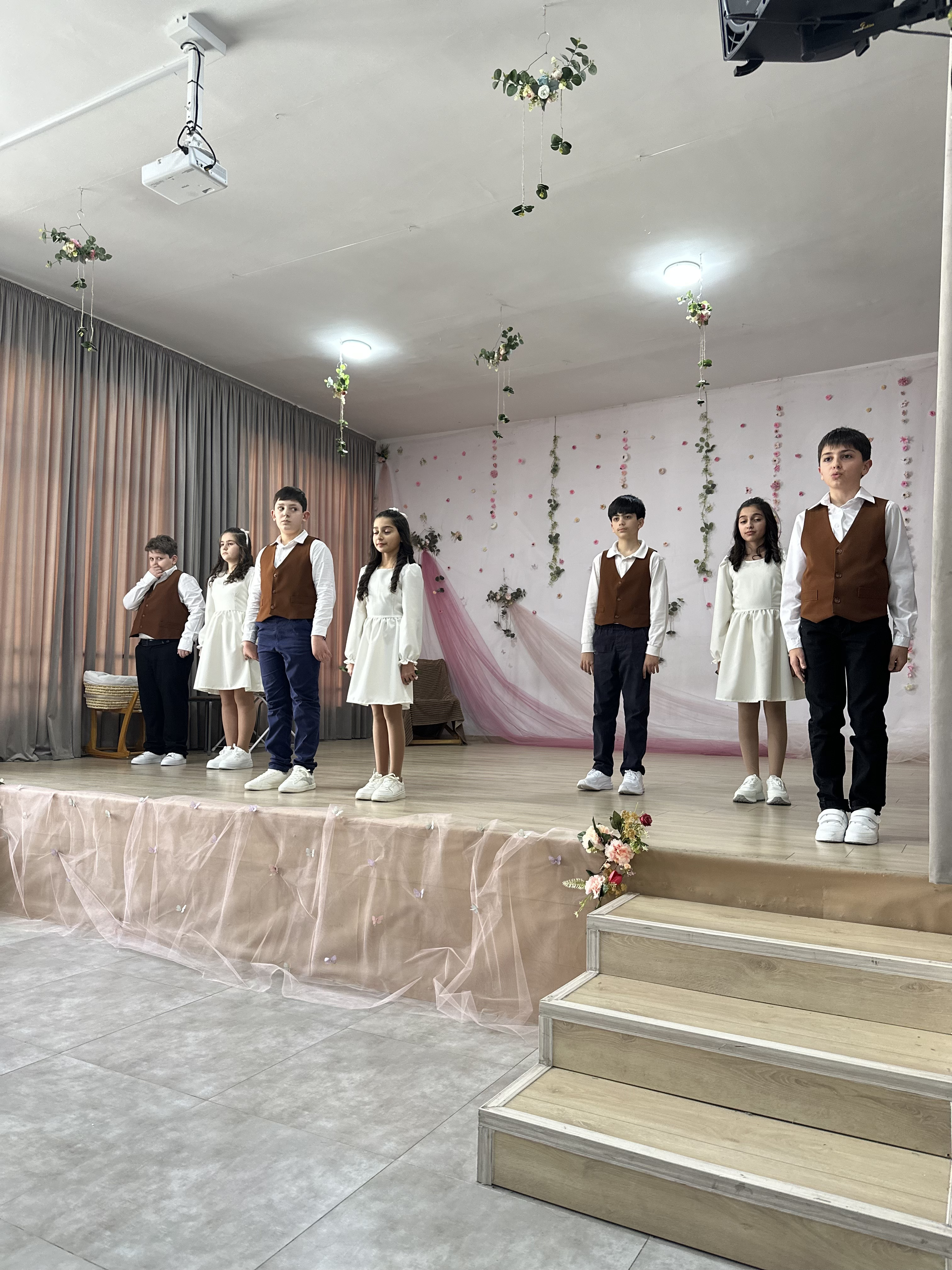
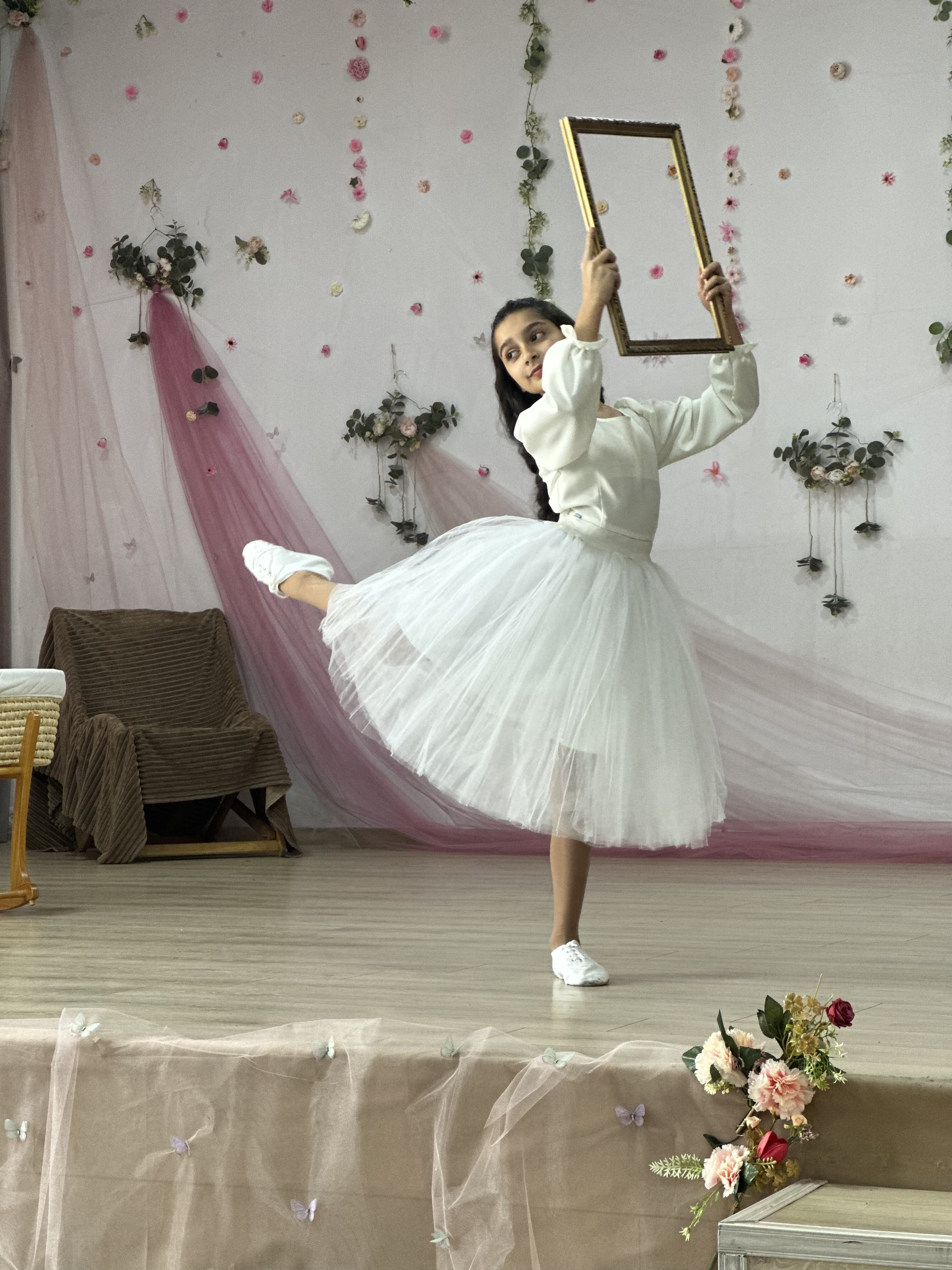
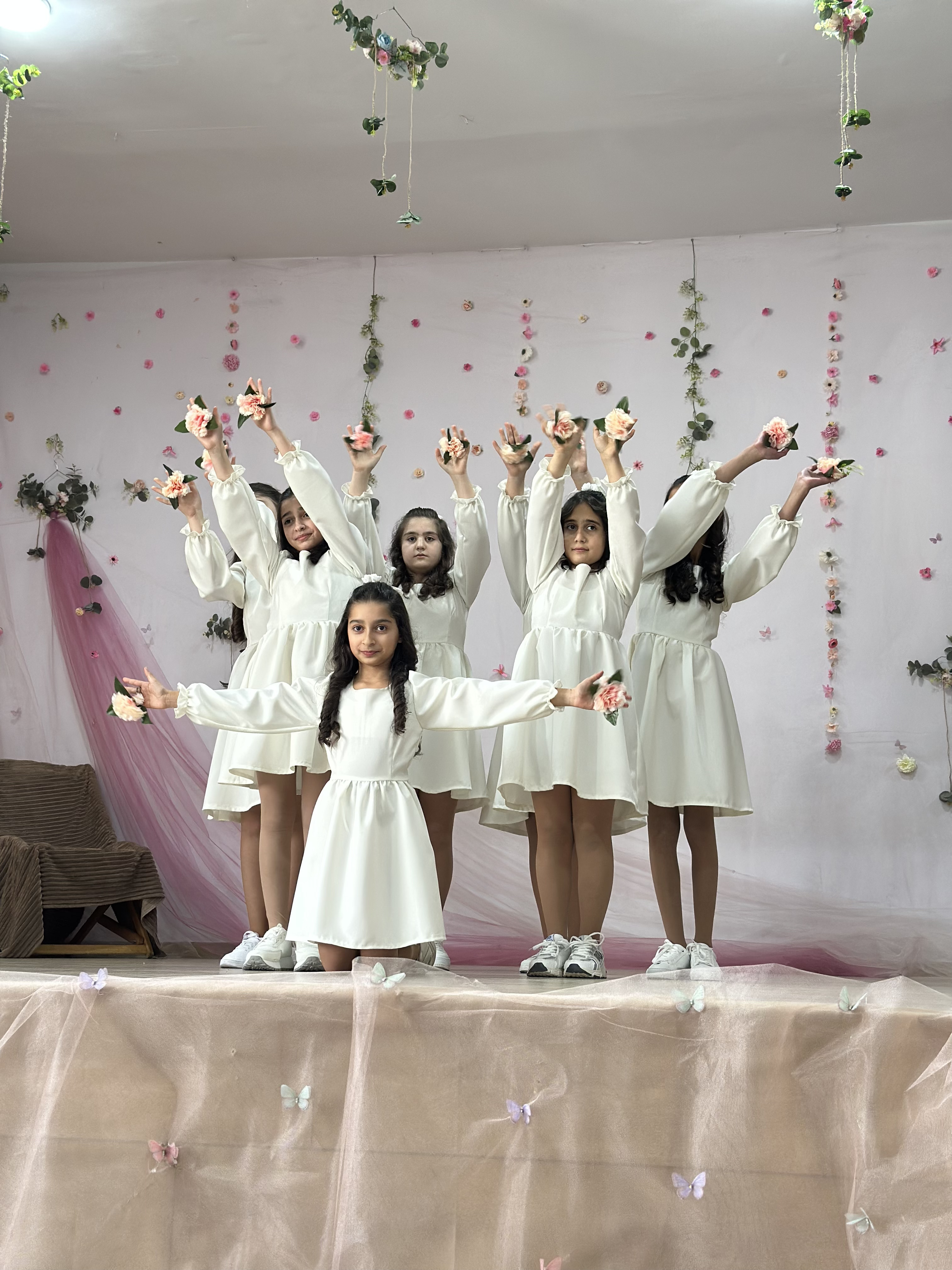
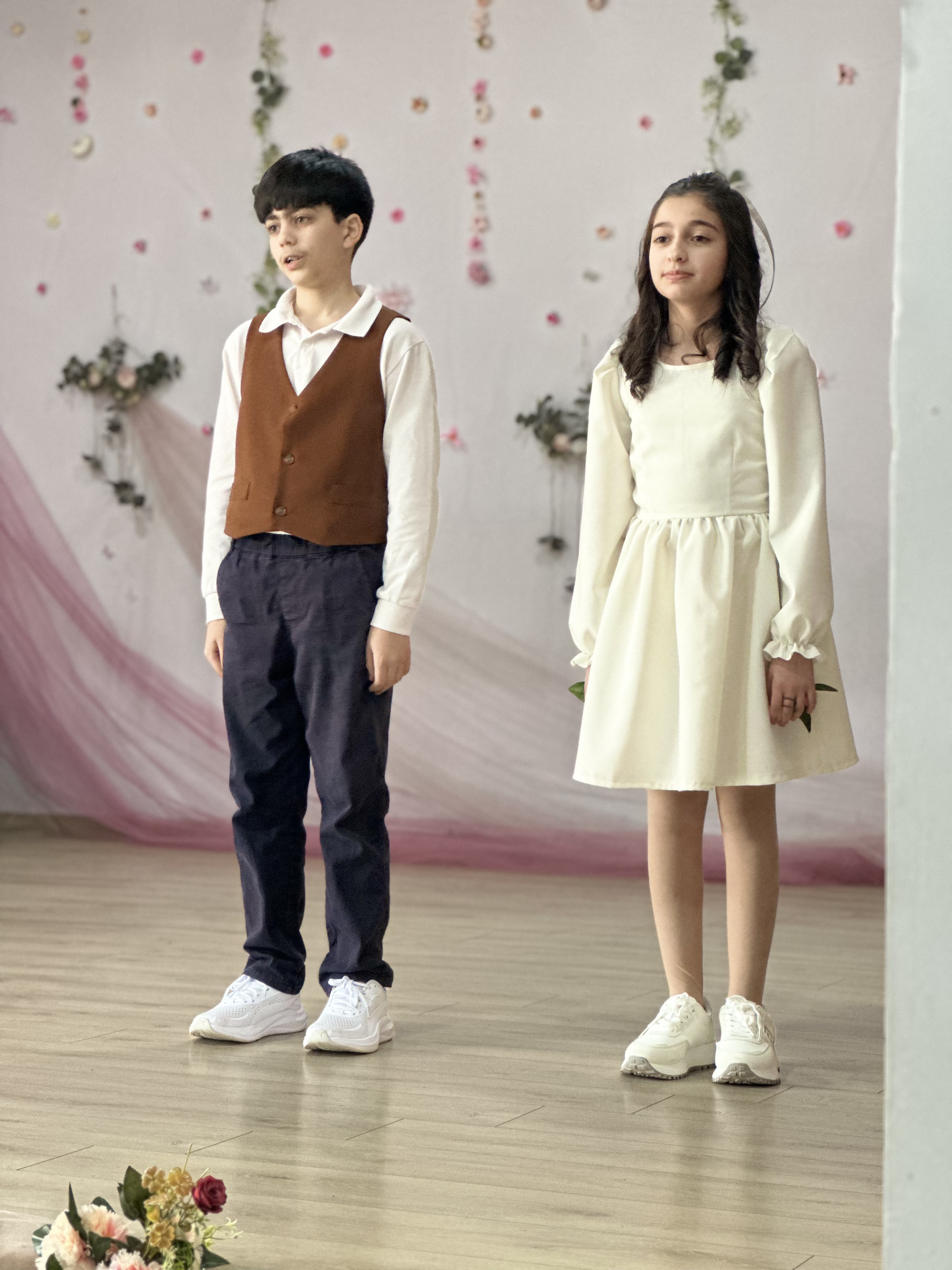
It is within this historical and value-based context that the literary and musical performance presented by the sixth graders, titled “The Spring of the World Is a Mother’s Heart,” should be viewed.
The event began with a symbolic idea: God could not be everywhere, and so He created mothers. The words spoken on stage gradually revealed the multilayered meaning of the word “mother” as the beginning of life, the root, and the path of existence. In the children’s interpretation, the concept moved beyond the family framework and became a universal value, transcending religion and nationality.
Accompanied by the gentle sounds of a lullaby, the students presented the idea of generational continuity. The dialogue between mother and grandmother unfolded the reality of motherhood — not ideal, yet filled with immeasurable love. The performance emphasized the idea that motherhood is not a demand for perfection, but a constant choice to live and to love.
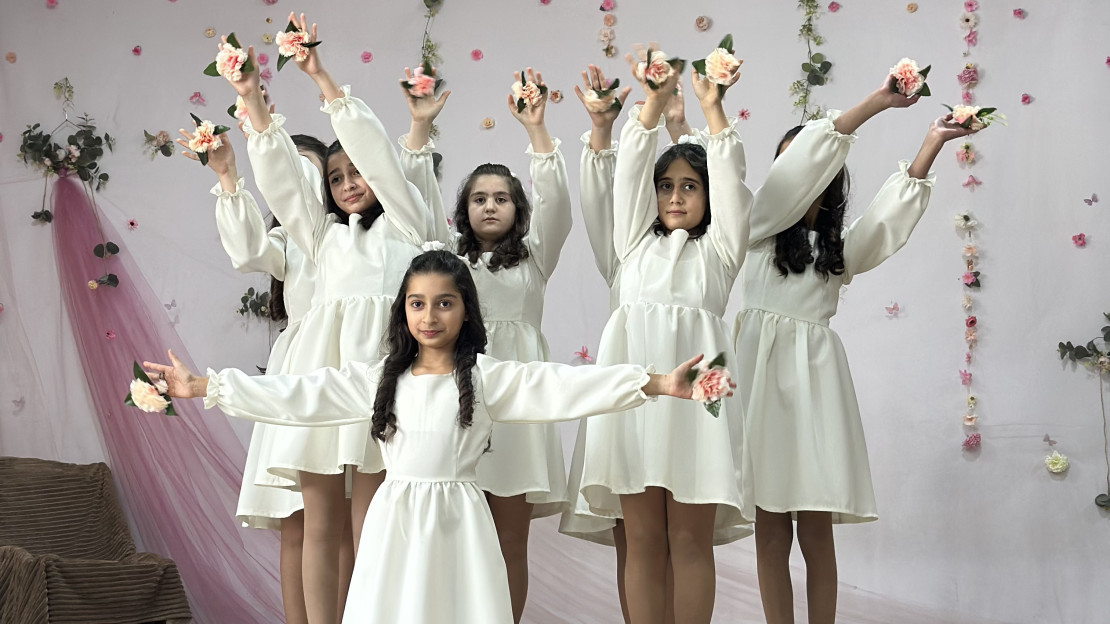
One of the central themes of the event was the comparison between motherhood and spring. In the students’ words, spring became a symbol of life, hope, and rebirth, while maternal love was portrayed as the true force behind that renewal. The choreographic piece “Tree” symbolized roots, generational continuity, and blossoming. The family scene, in which the parents sacrificed their rings for their son’s future, was one of the most touching moments of the event, highlighting parental selflessness — a love that exists without the need for loud declarations.
“The Spring of the World Is a Mother’s Heart” was not only an announcement of spring’s arrival and the awakening of emotions, but also an opportunity to reassess values, reminding us that maternal love is the force that preserves the family, shapes the individual, and ensures the continuity of life.

To not think freely is to not think at all!