Throughout human history, the pursuit of happiness has been a constant and universal aspiration. Today, as we live in an era of rapidly advancing technologies, where artificial intelligence has become an inseparable part of our lives, an important question arises more than ever: can technological progress truly grant us real happiness?
One of humanity’s greatest achievements—artificial intelligence—has now permeated and reshaped our daily lives, workplaces, and educational systems. It assists, accelerates, calculates, and solves problems—often faster and more accurately than we do. Yet there remains a realm where even the most advanced systems fall powerless: the world of human emotions. And it is precisely here that the most complex and beautiful journey toward happiness begins.
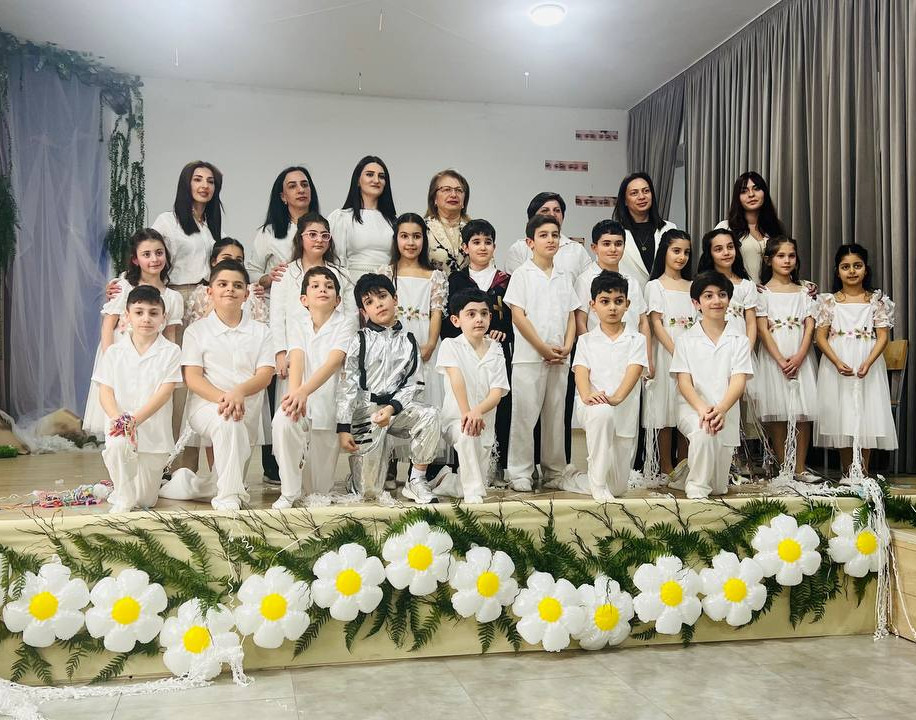
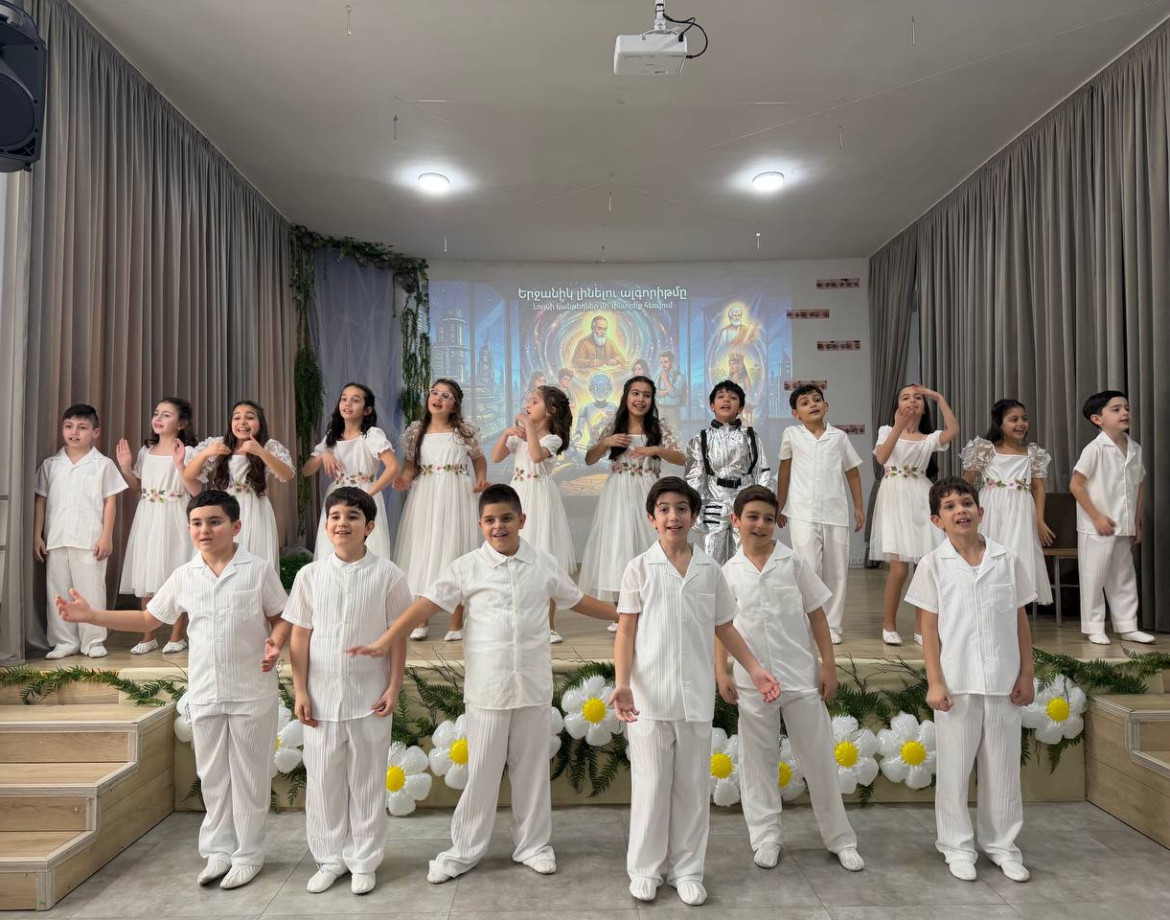
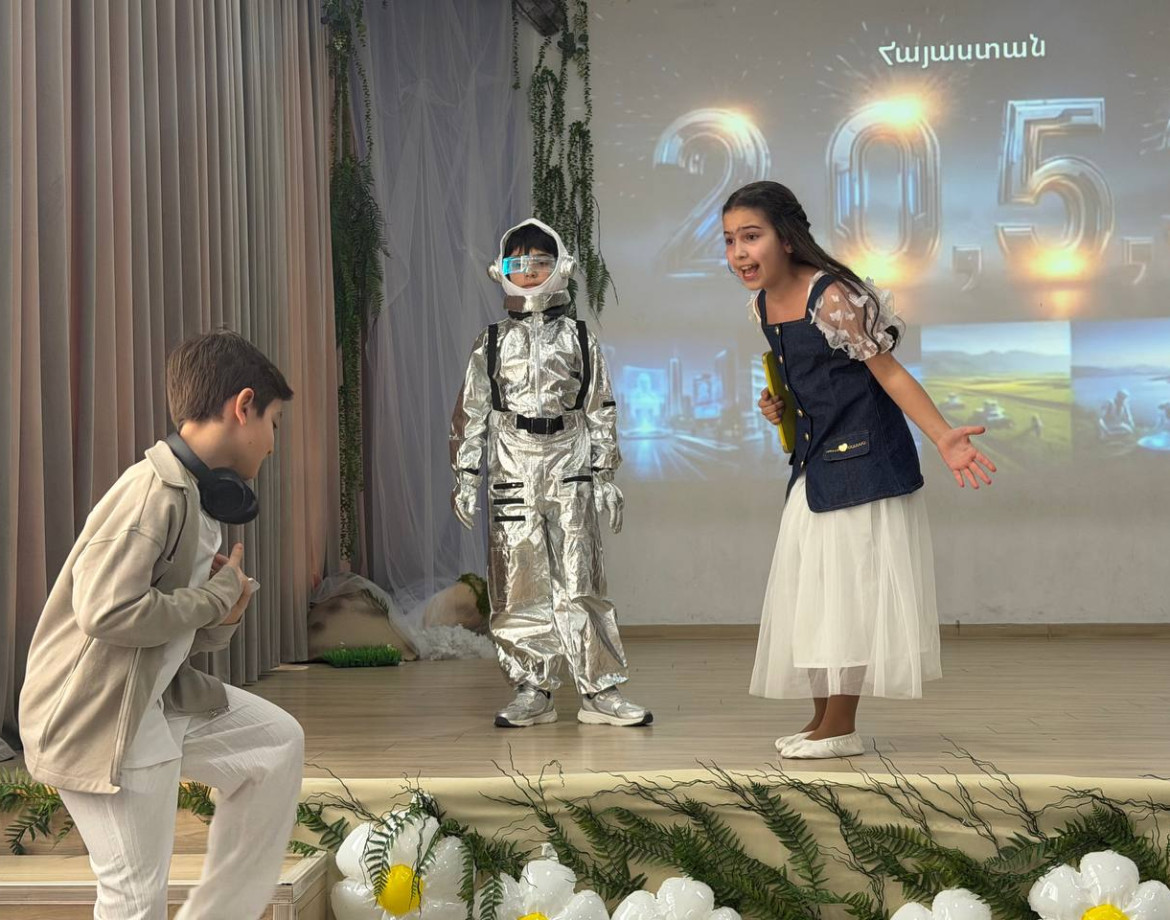
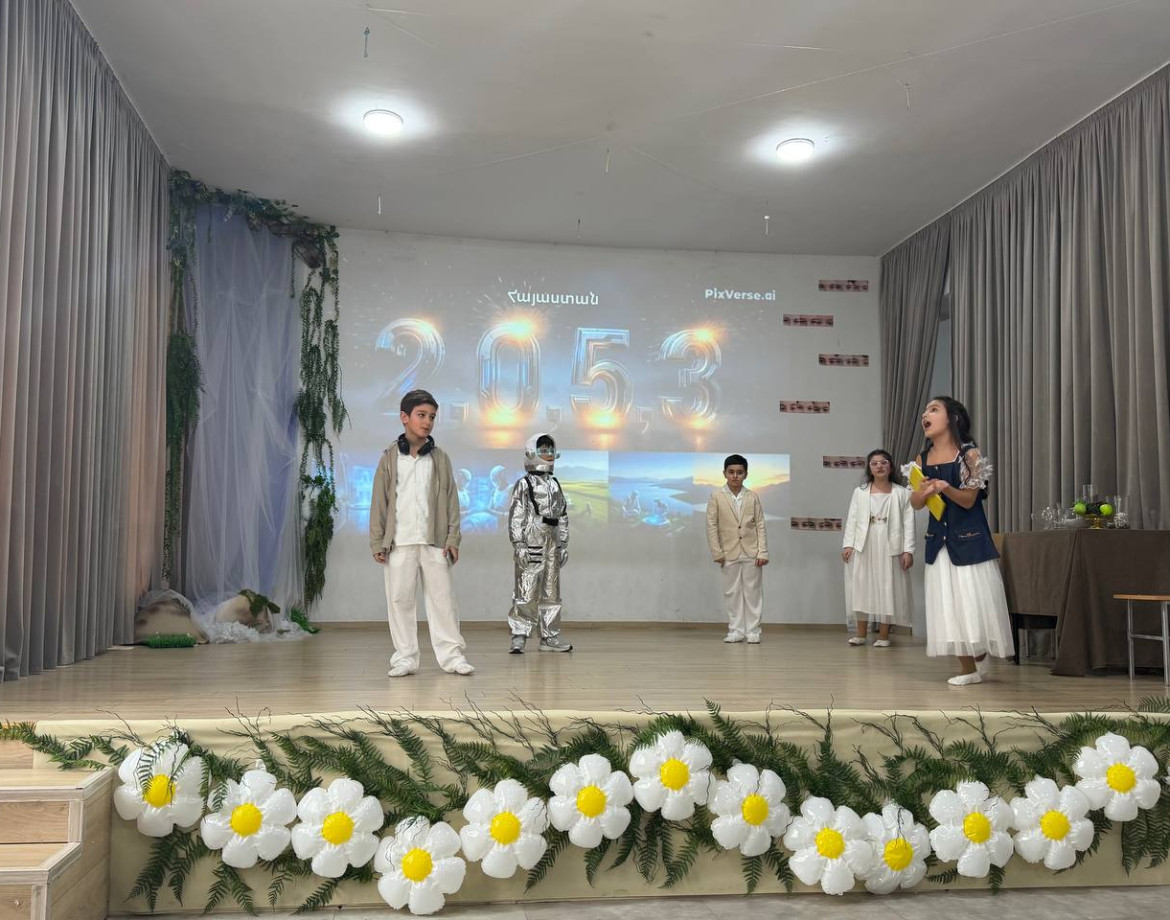
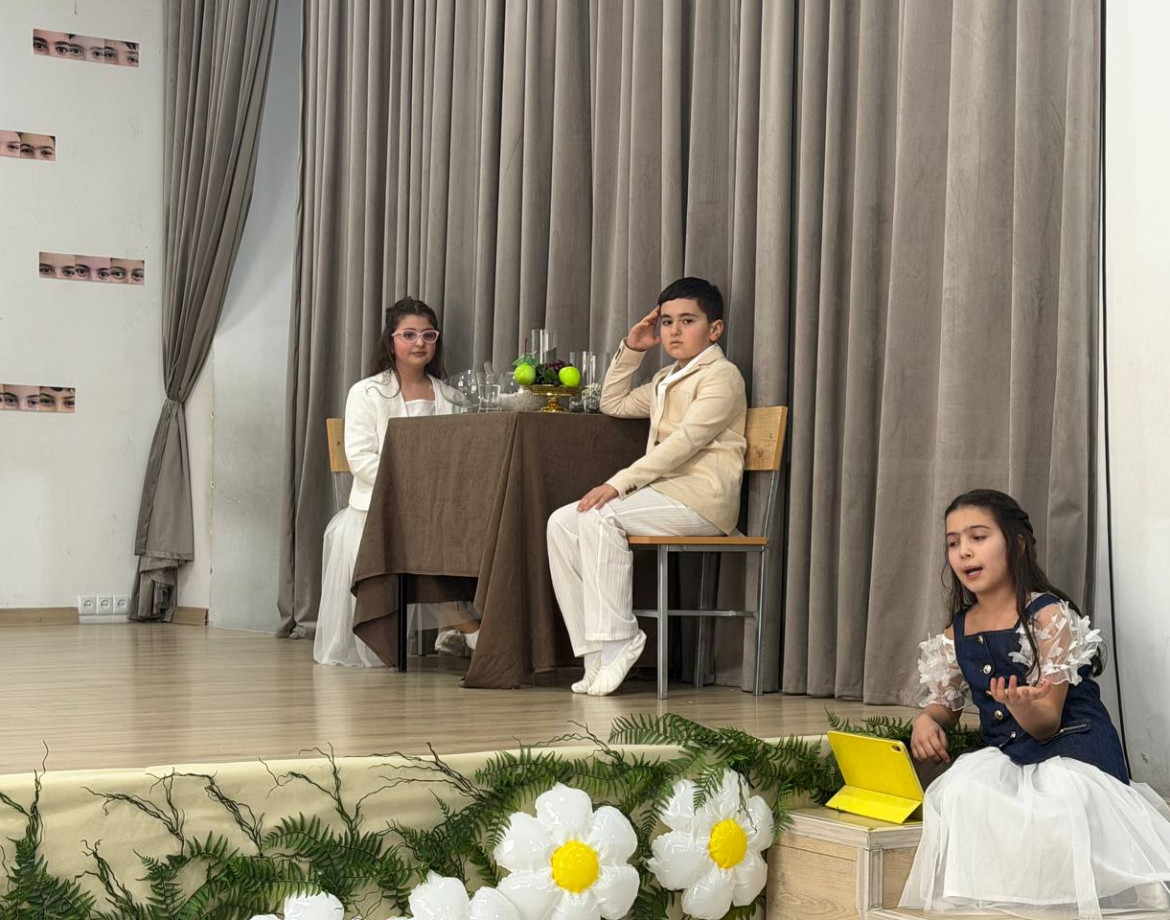
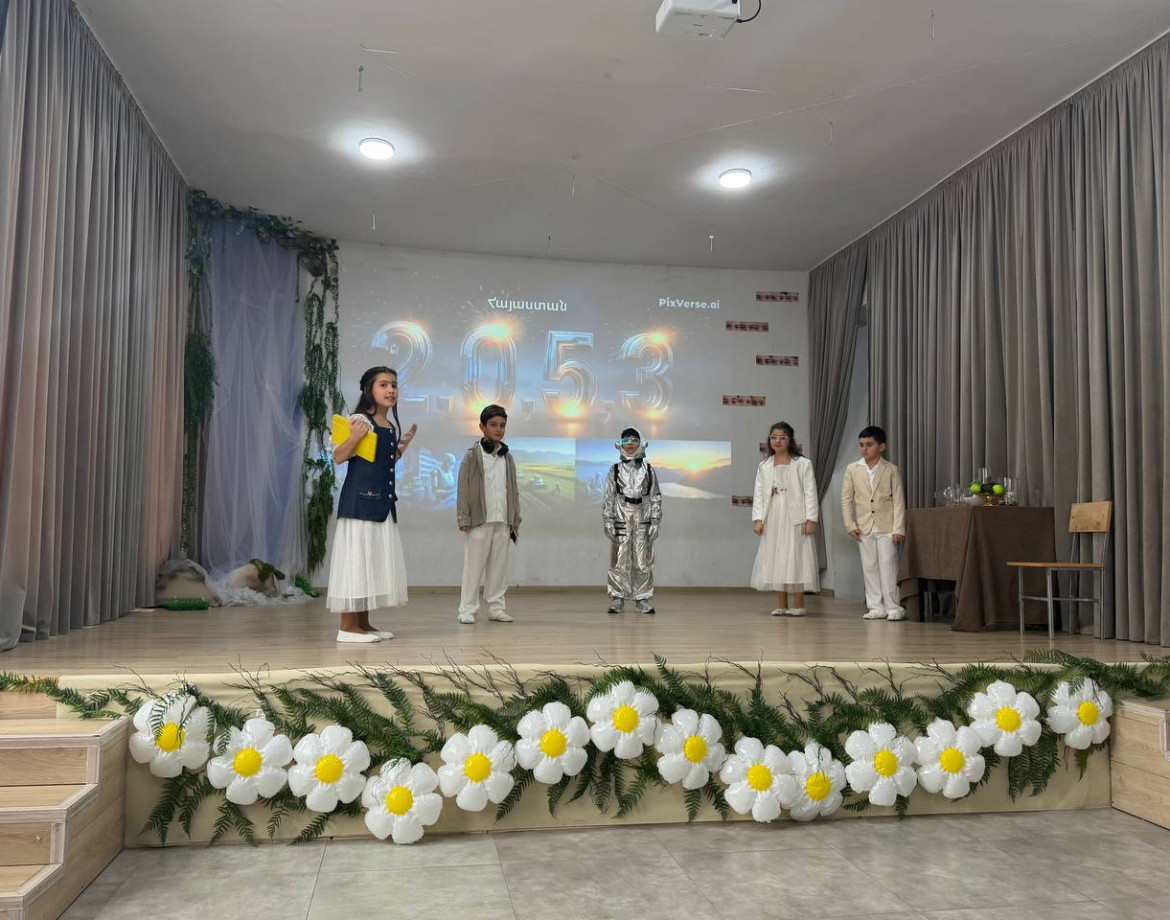
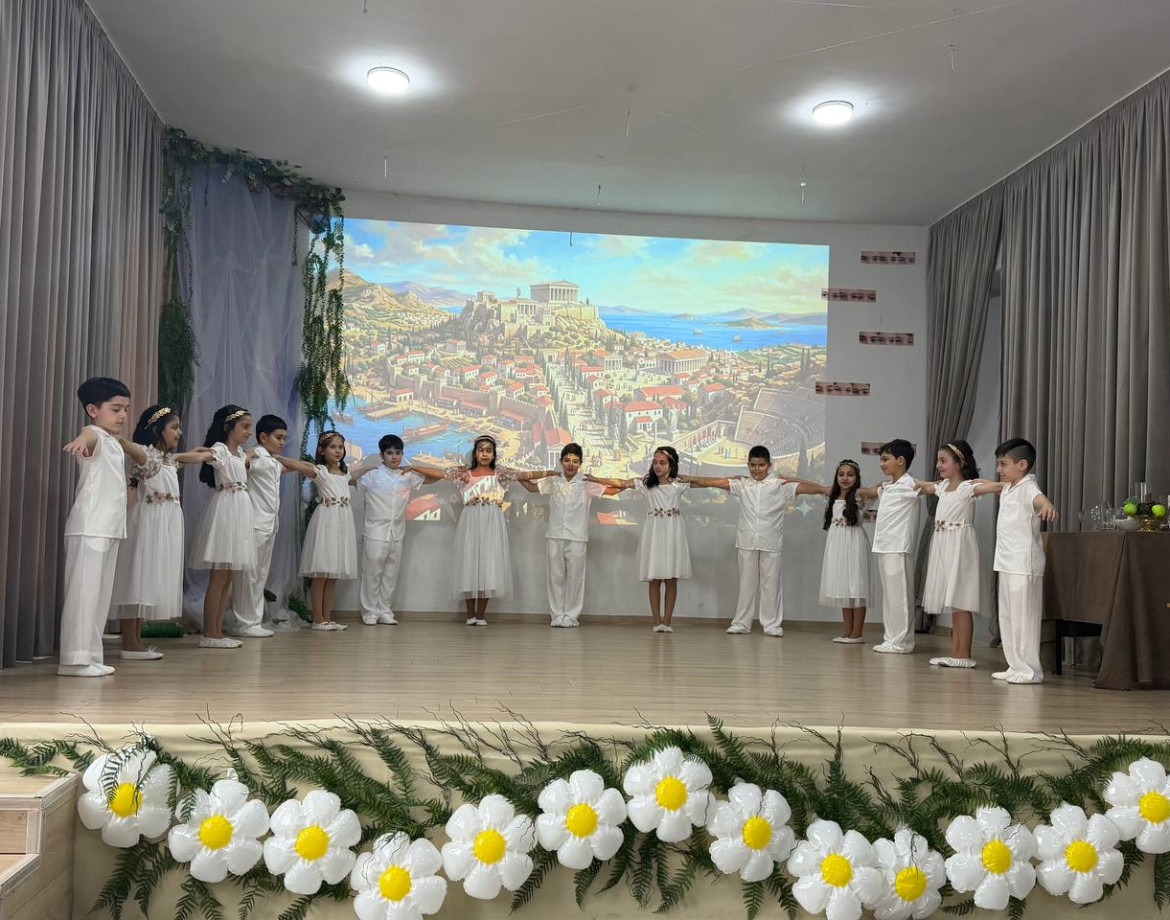
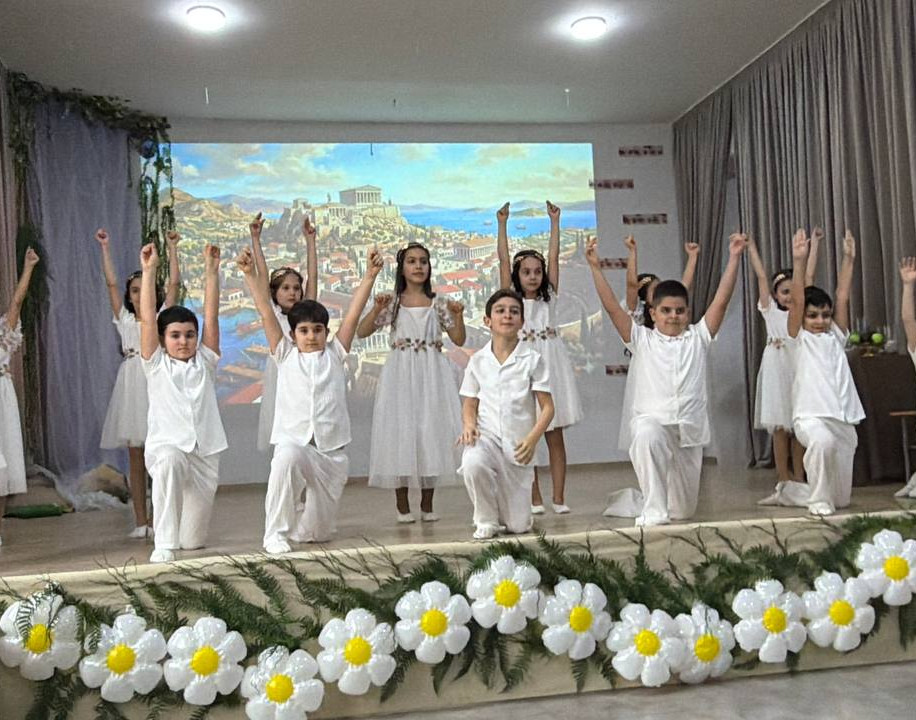
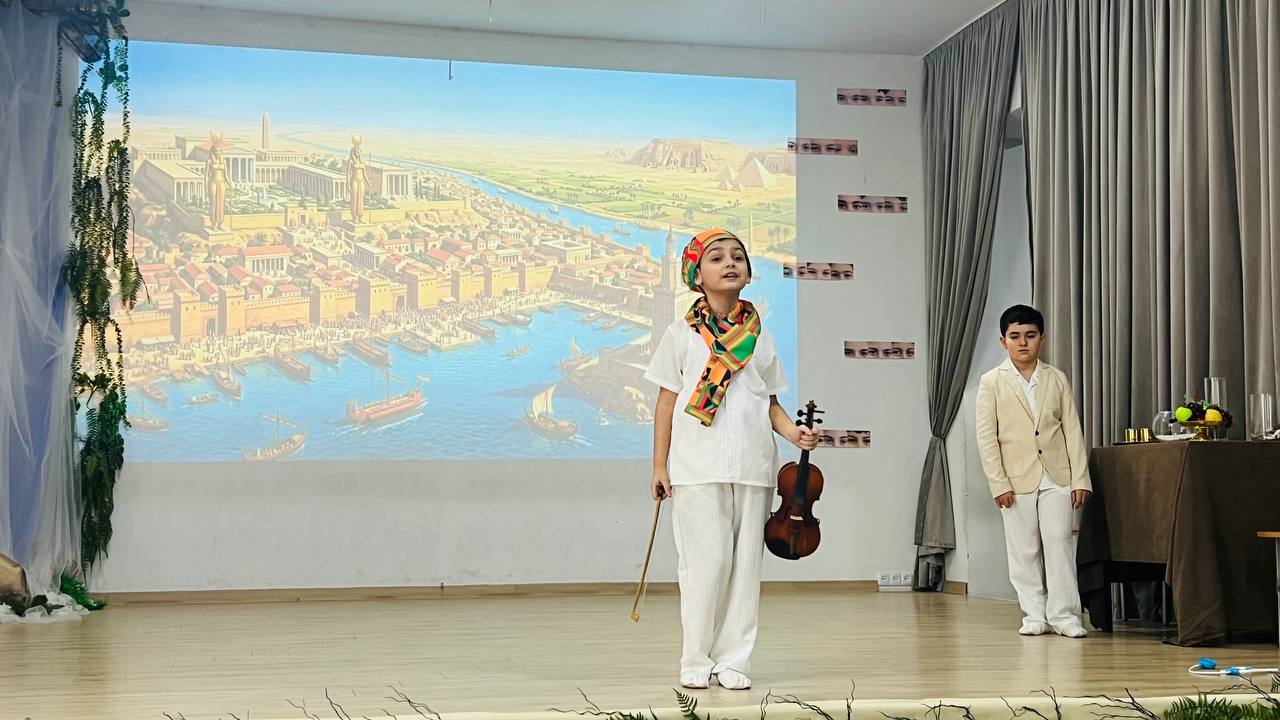
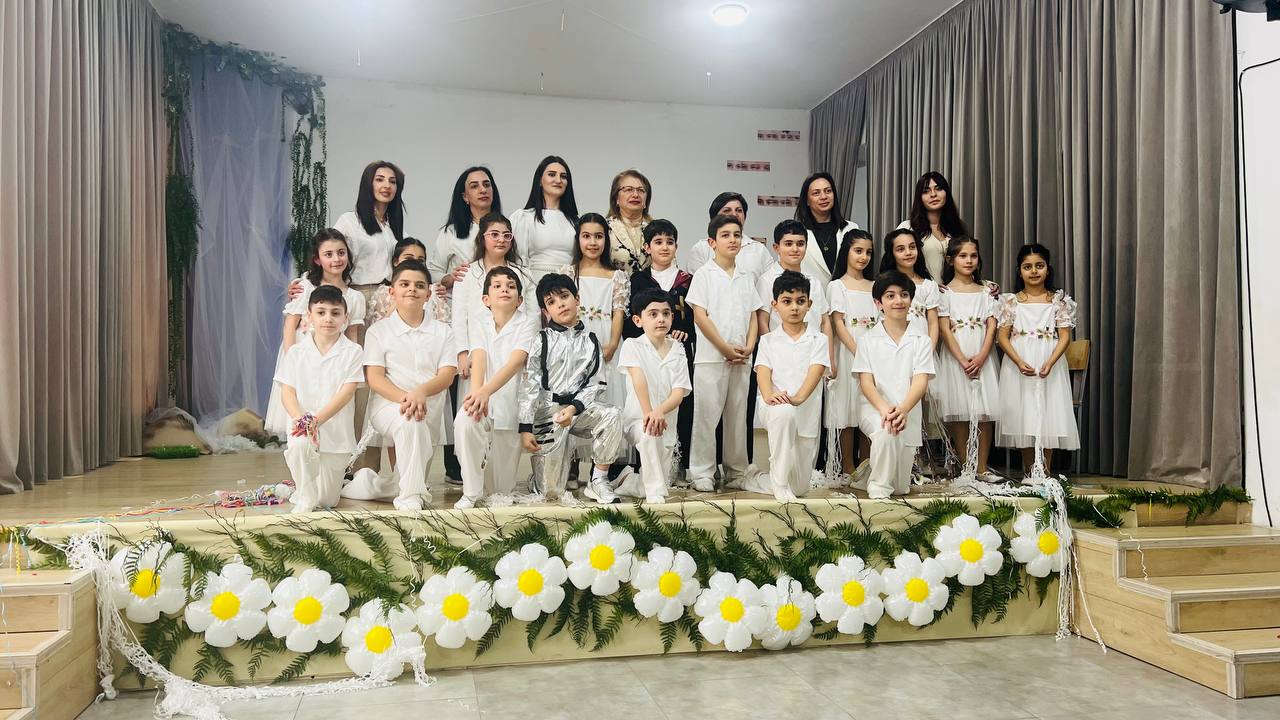
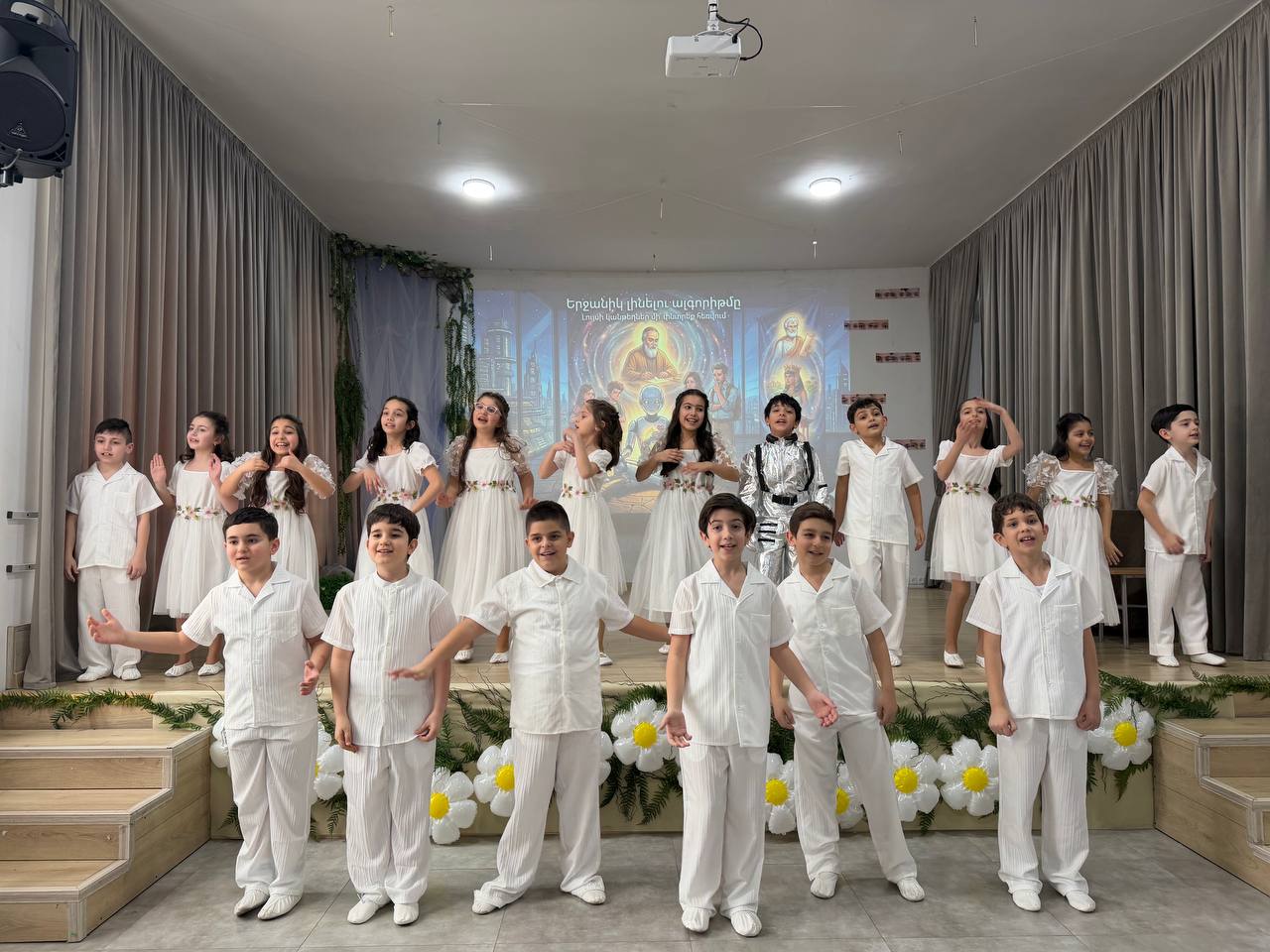
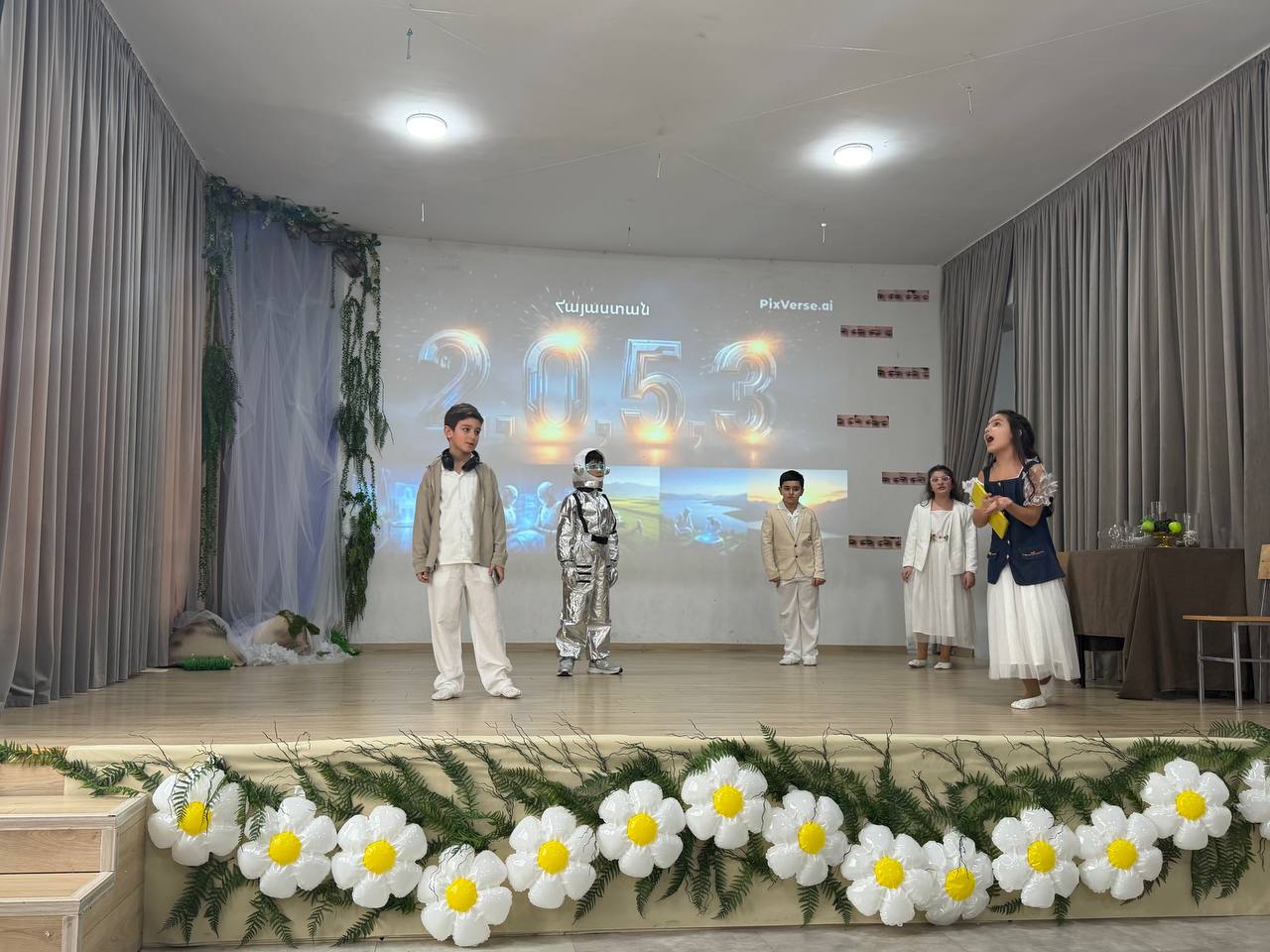
The perception of happiness has varied across different eras, shaped by culture, values, and human experience. Still, at its core has always been the human being—with their emotions, relationships, and inner world. It is symbolic that on this very day—the International Day of Happiness—the third-grade students of “Usum” School took the stage to guide us through their own exploration of happiness.
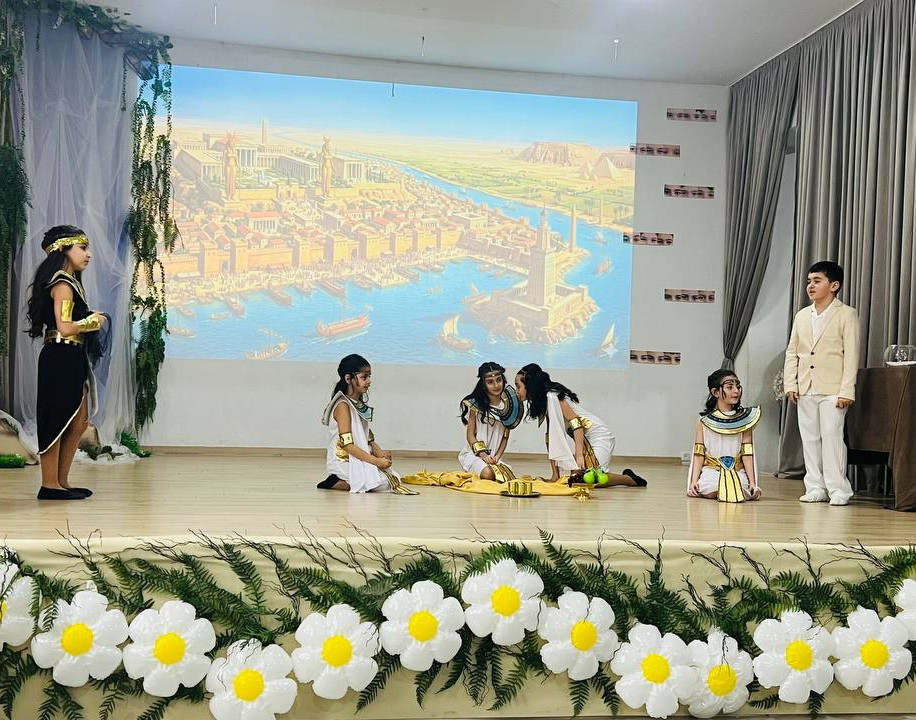
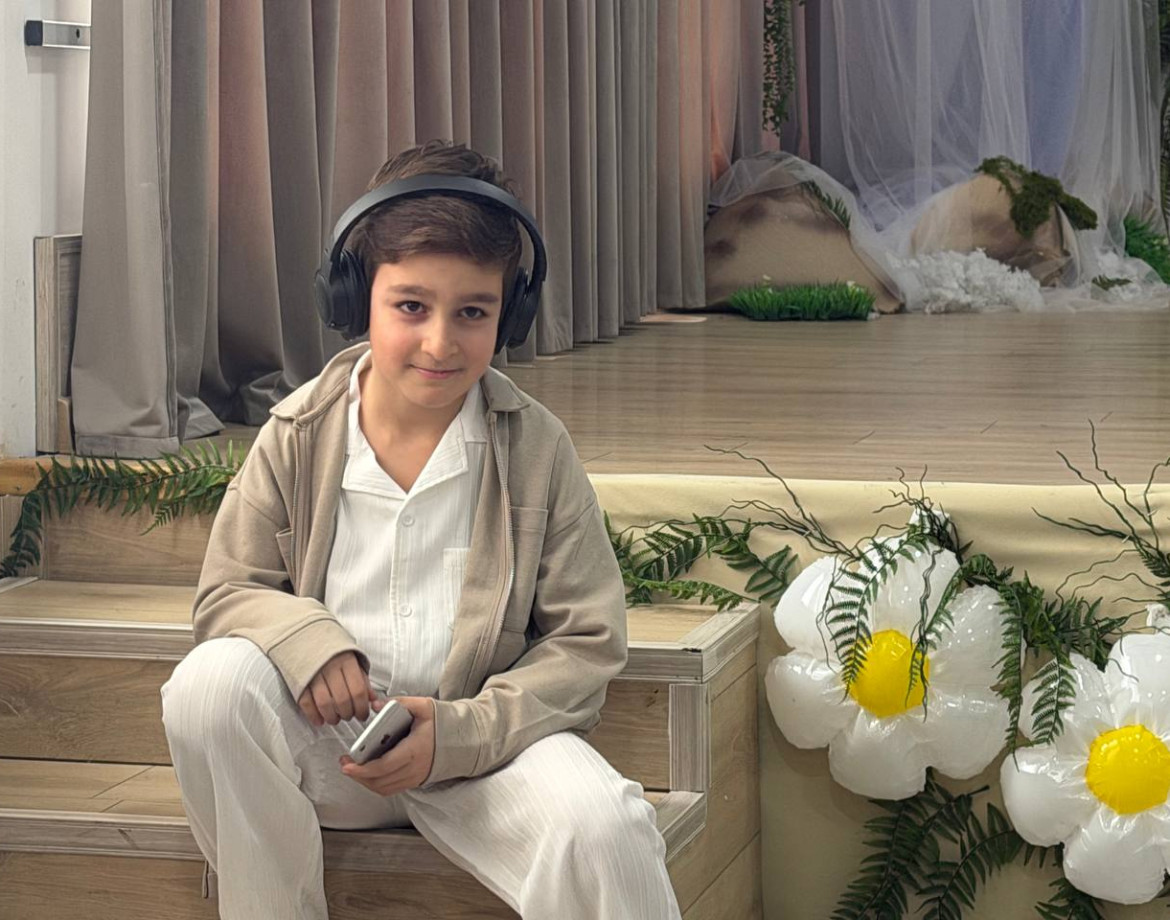
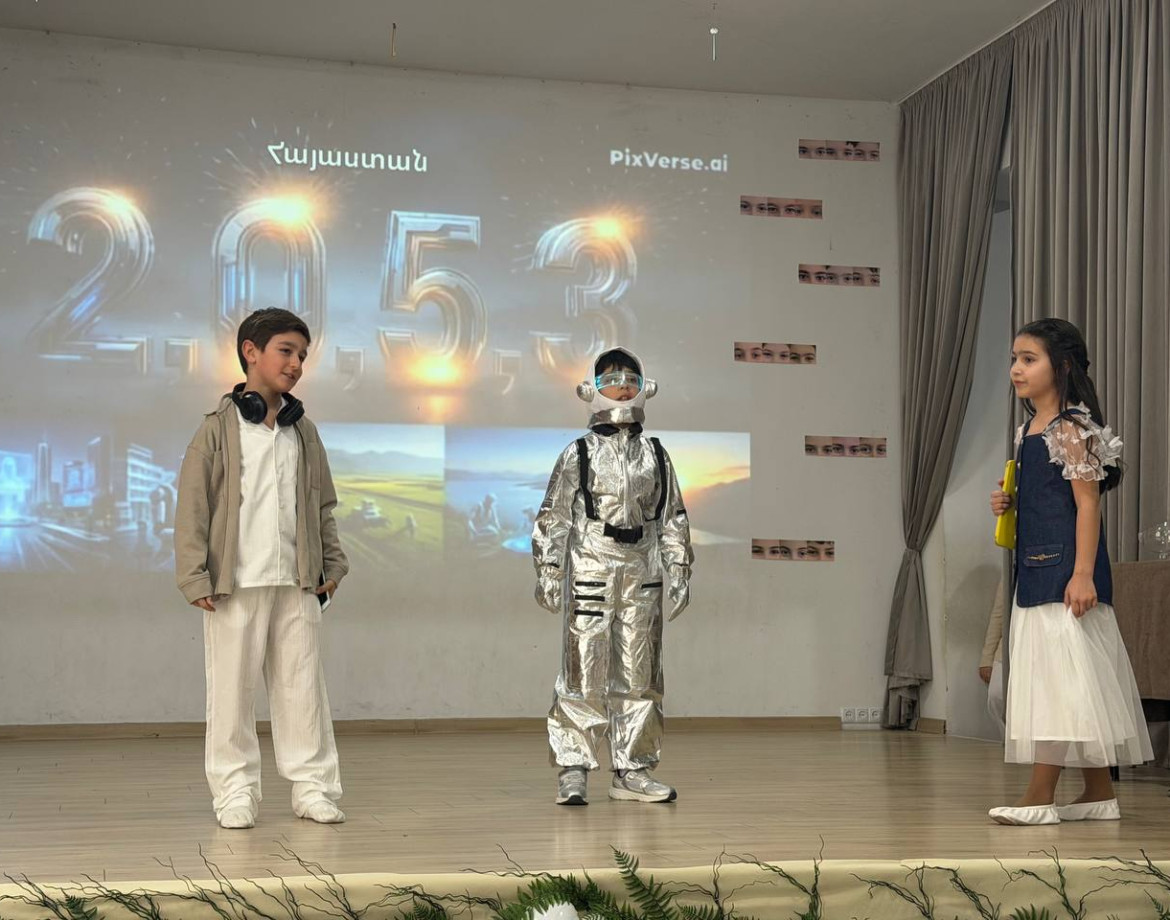
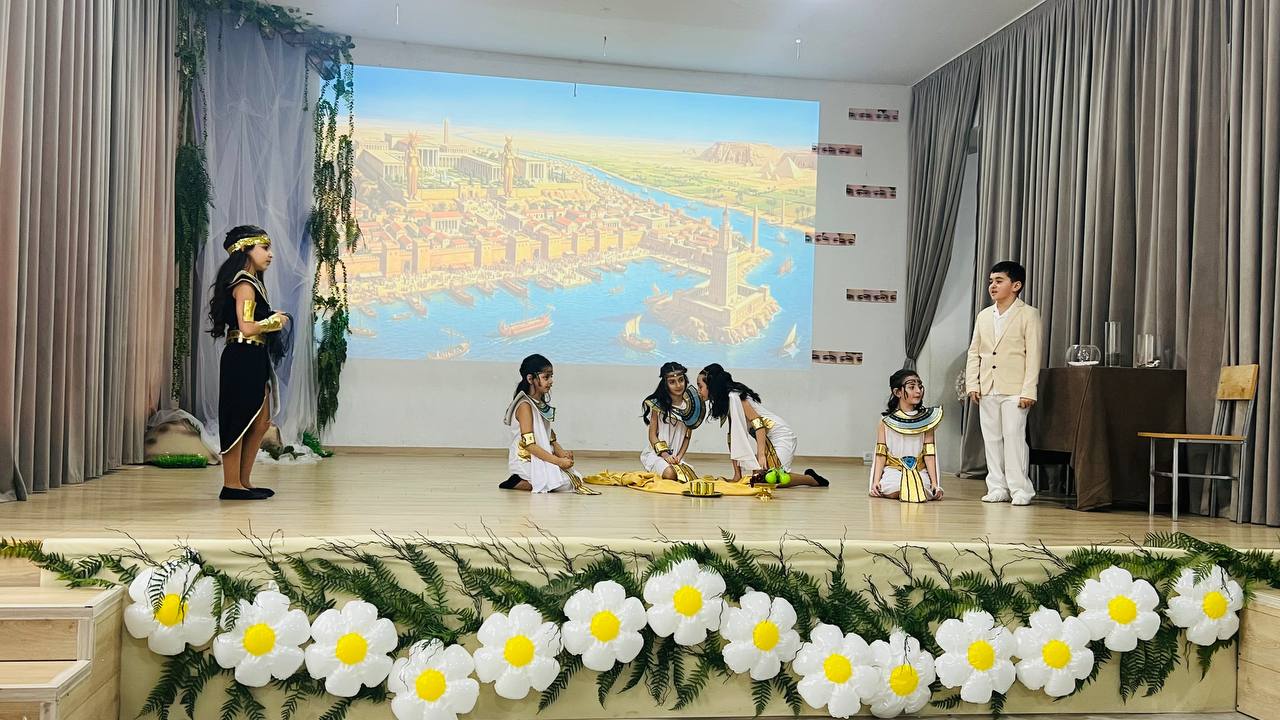
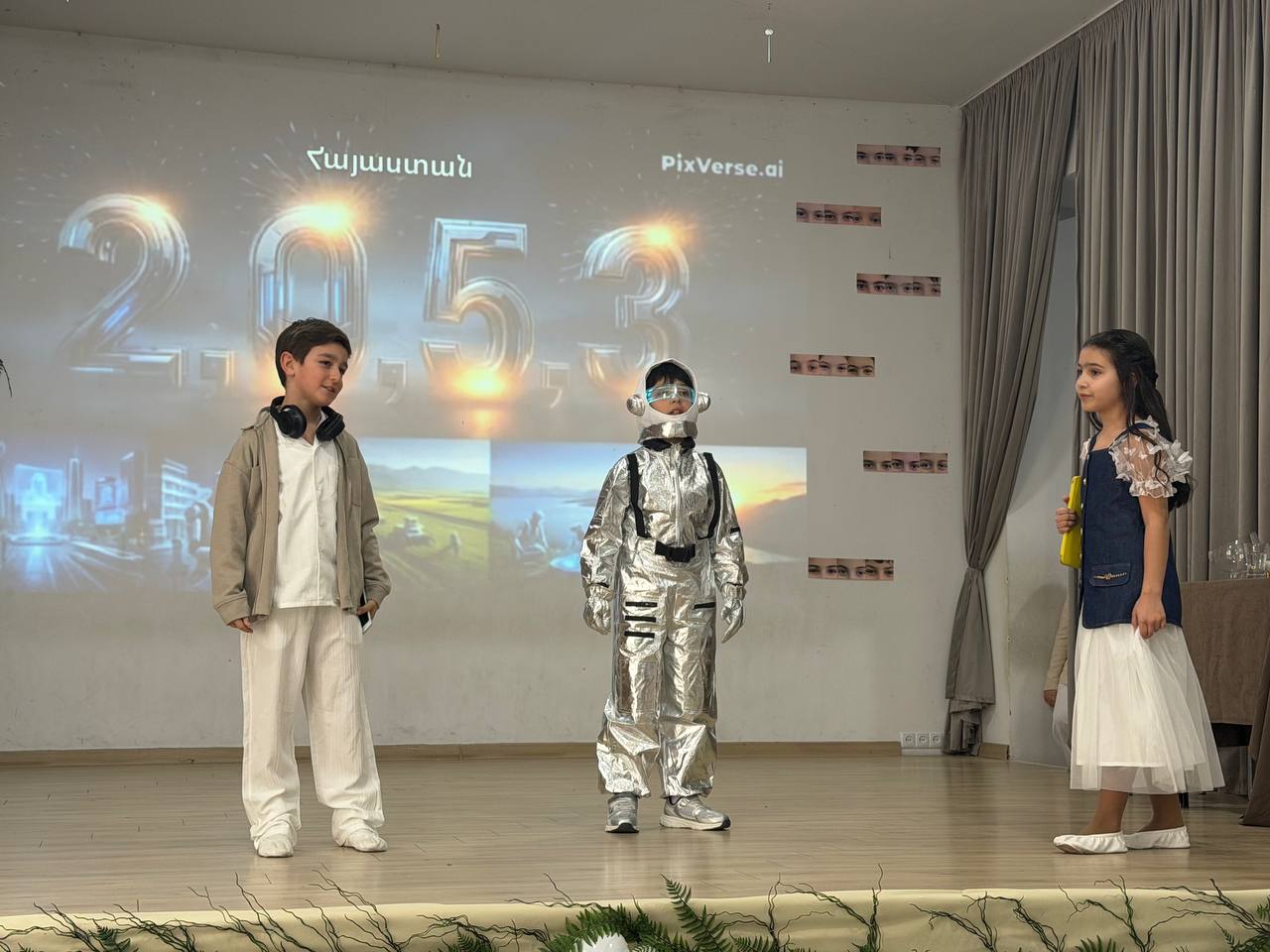
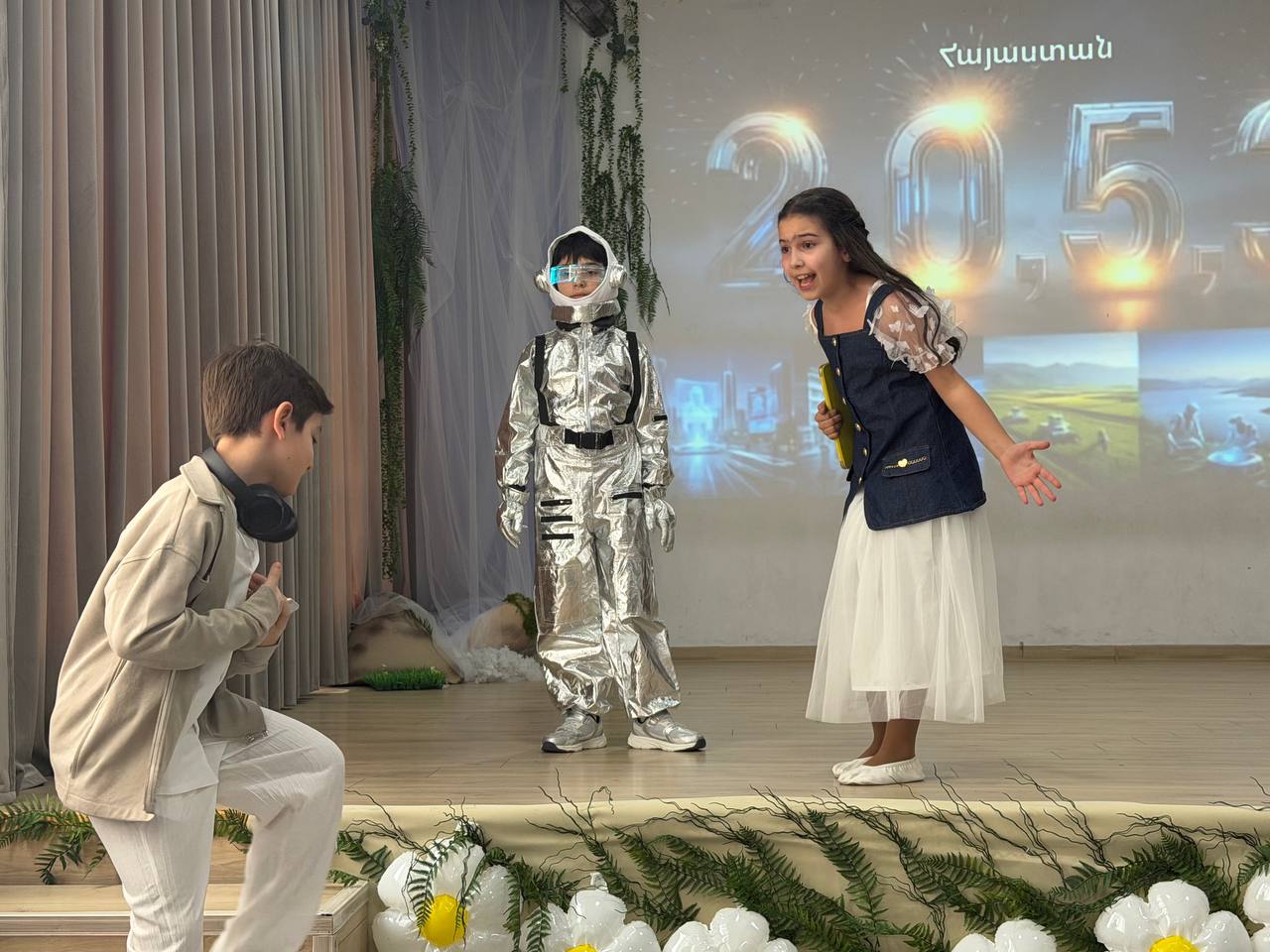
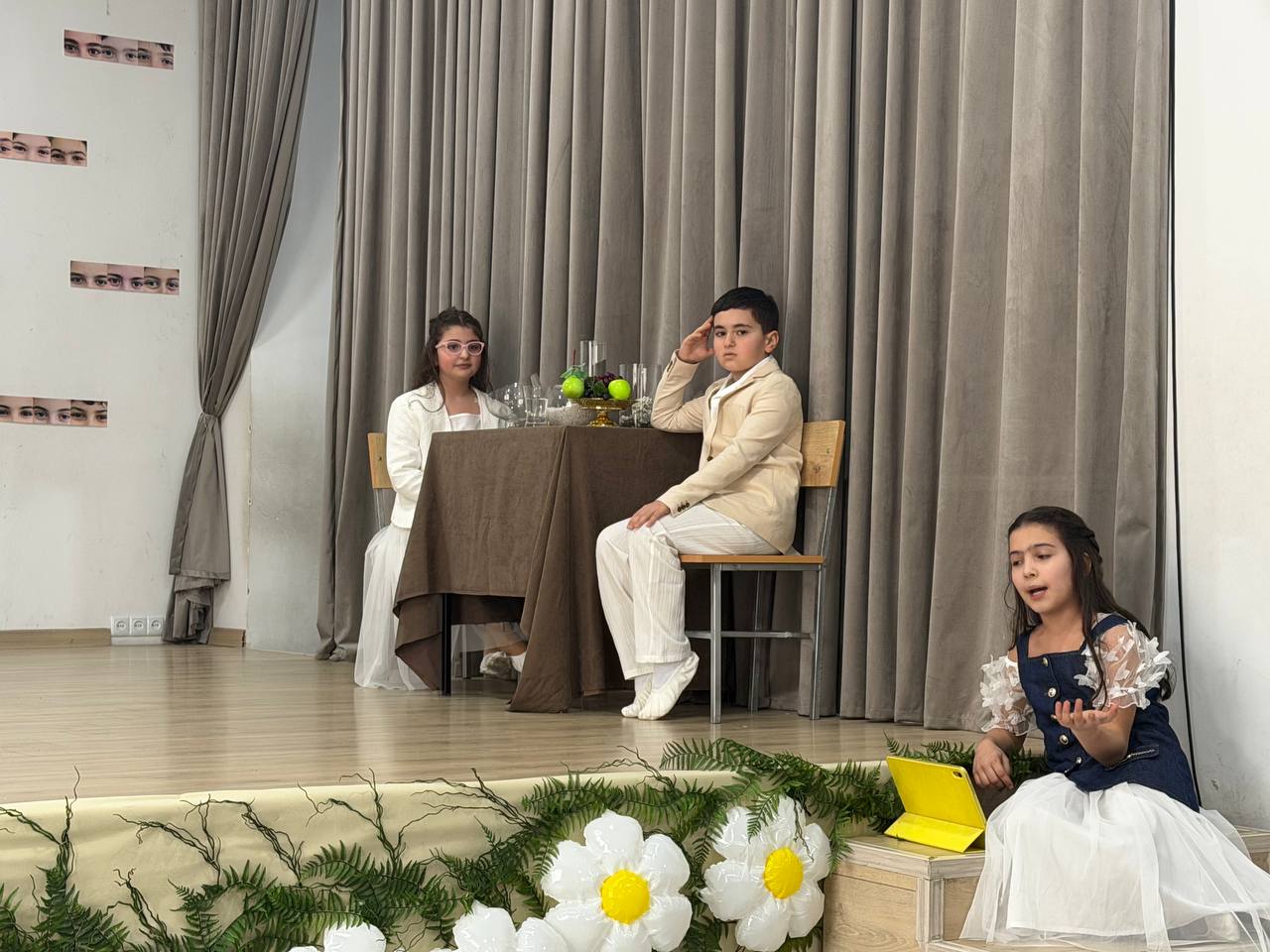
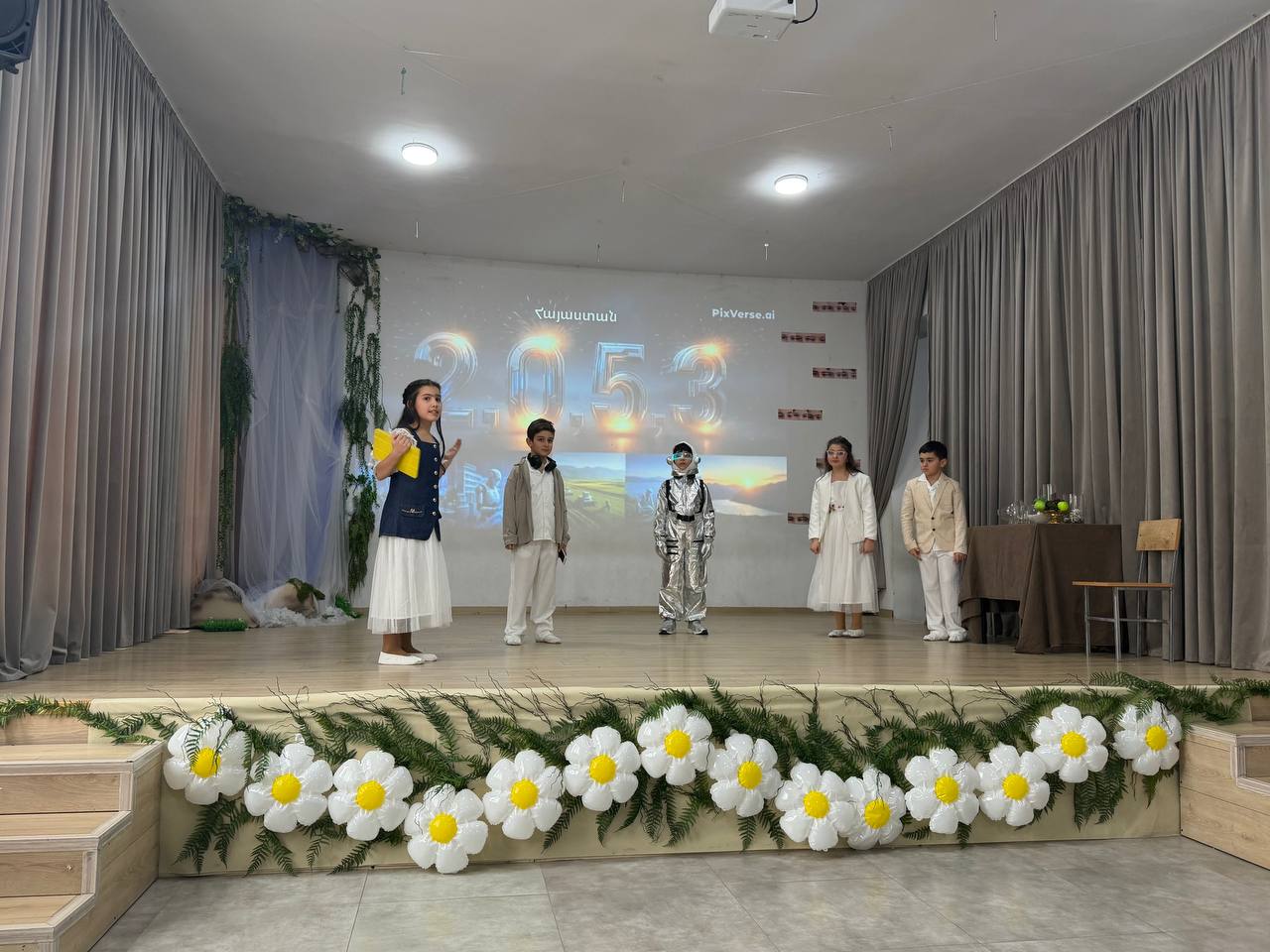
On the school stage, the future unfolded—set in the year 2053, a world where everything exists: technology, comfort, an organized life, and even “Meta Logos,” a robot that shares the burdens of the household. It performs every task flawlessly—without fatigue, without pause, without resistance. Yet within this perfection, something is missing. The house is full of devices, but empty of feelings. Words are spoken, but warmth is absent. People stand side by side, yet remain distant from one another.
It is here that the most profound character of the performance—Meta Logos—emerges not merely as a robot, but as a mirror. It does not feel, it does not love, it does not experience… but it sees. It sees what humans often fail to notice—their own coldness and distance. Its emotionless yet precise analysis sounds almost like a verdict: “happiness… not detected.”
And so, this “unfeeling” being becomes the very guide that leads humans back to empathy, awareness, and the understanding that happiness lives in the smallest details. The journey it proposes through time transforms not into a scientific experiment or a metaphysical phenomenon, but into a spiritual awakening.
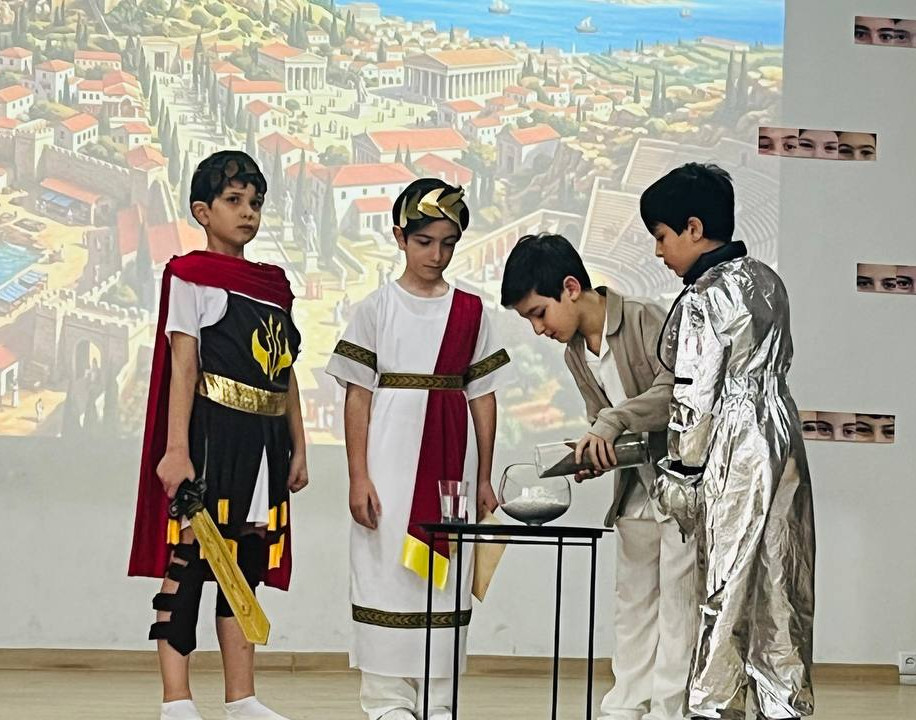
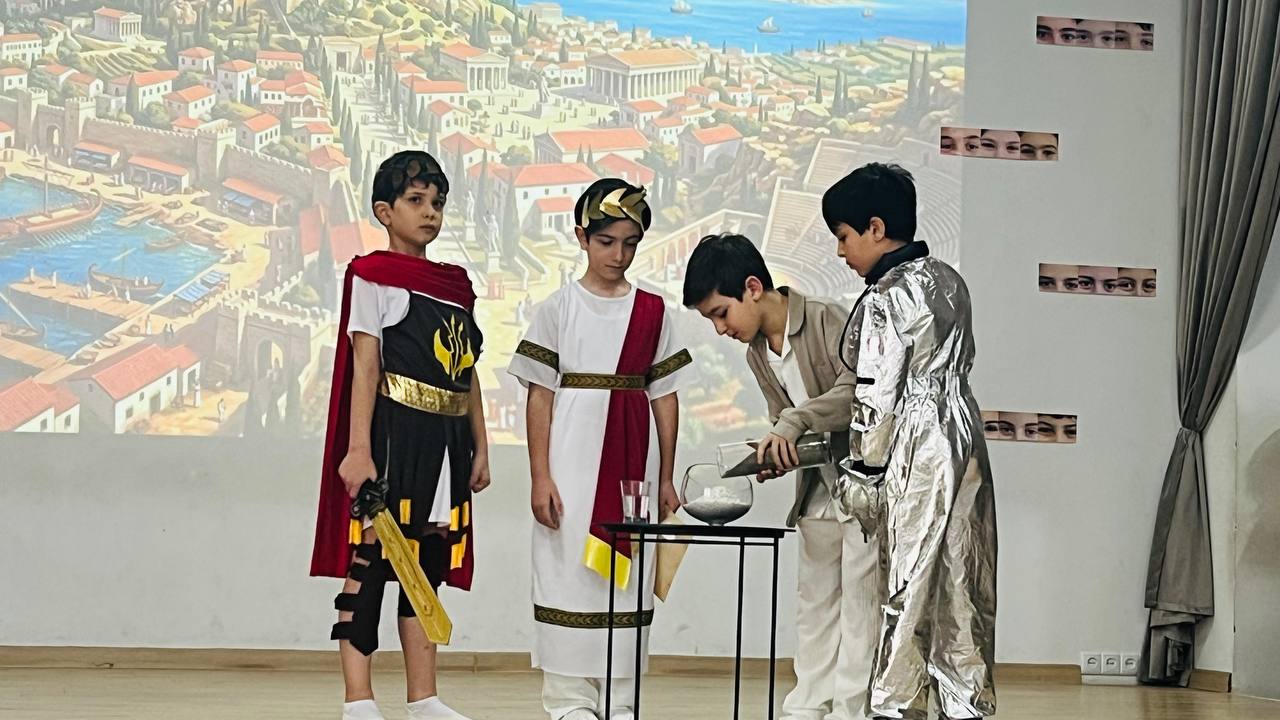
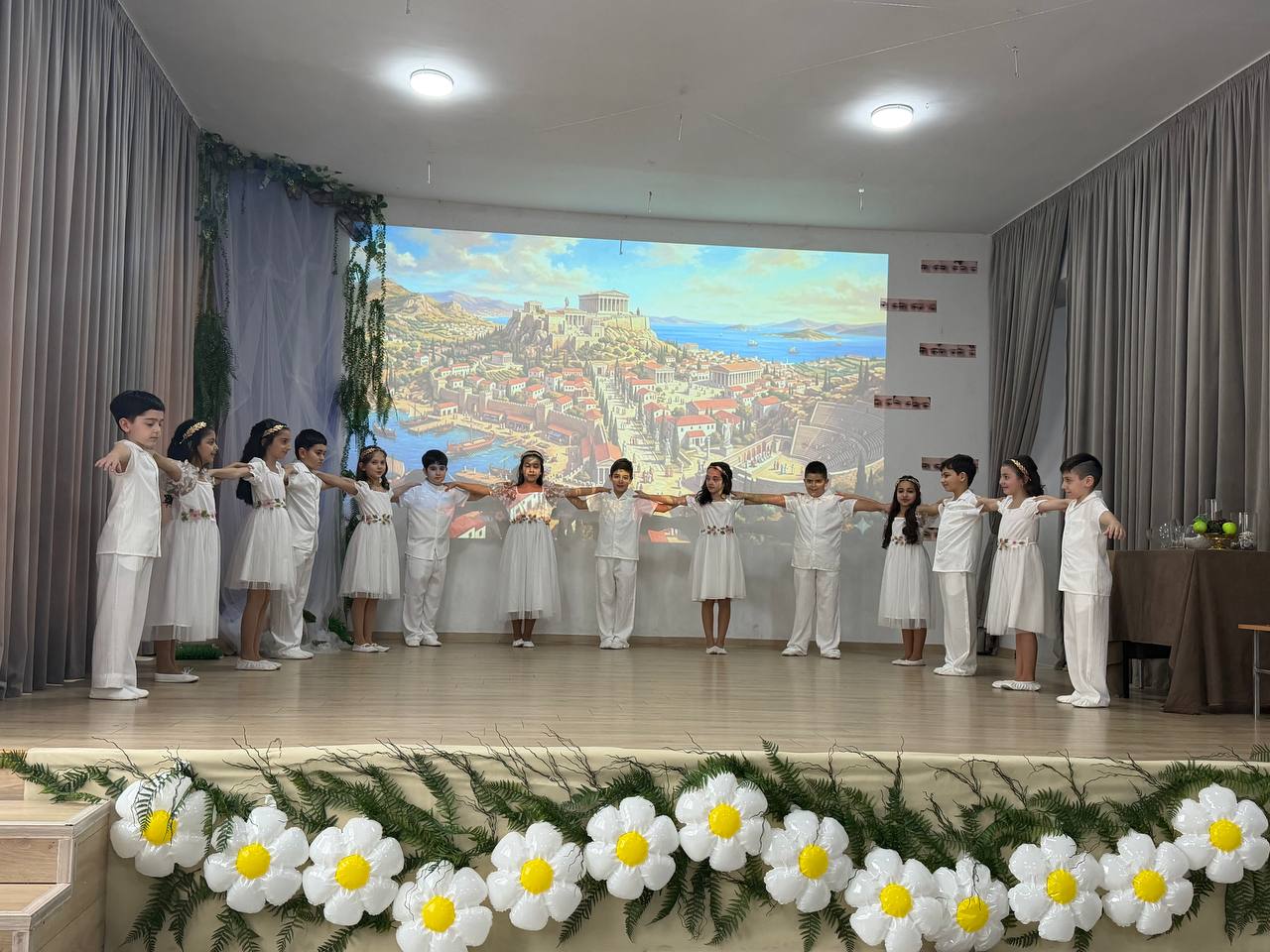
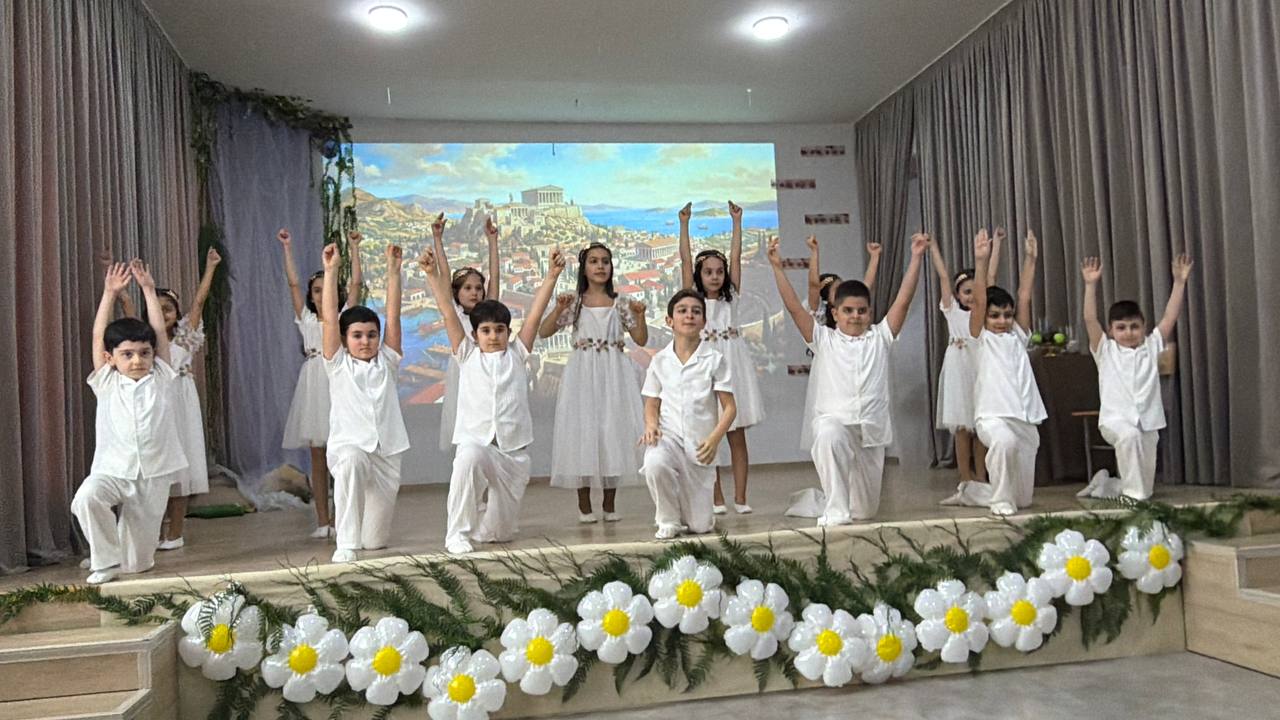
In Ancient Greece, the encounter with Aristotle reveals a simple yet profound truth: happiness is not a random feeling, but a conscious choice. Through this meeting, the family begins to realize that happiness can be found in many forms—in work, in creativity, in poetry, in the quiet peace of a clear conscience.
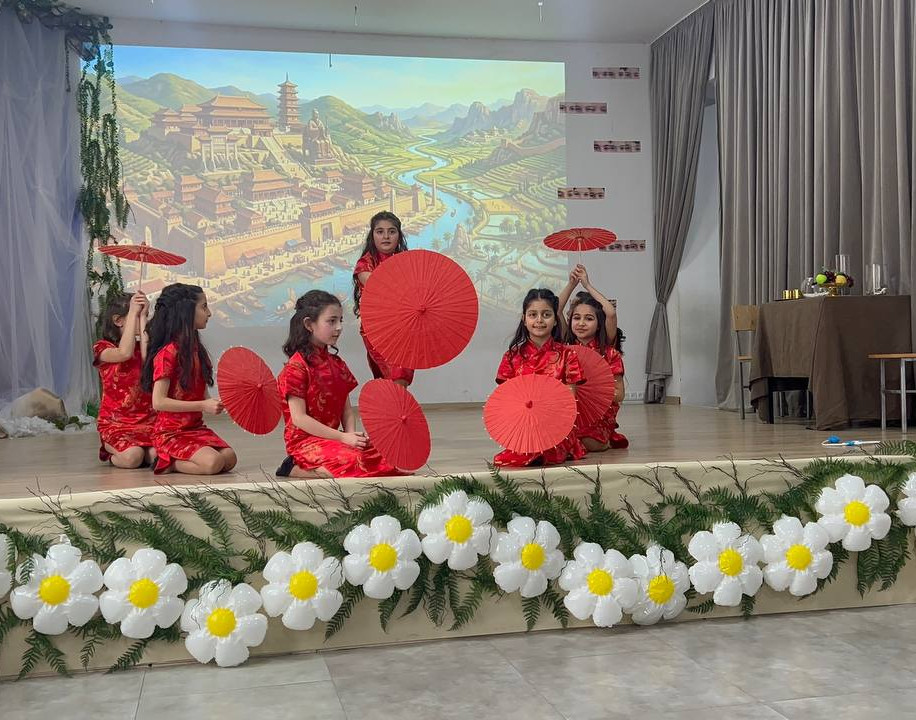
The students also reflect the Confucian idea that happiness is not something to be chased in distant places—it is near us, built day by day through small acts of care, love, and respect.
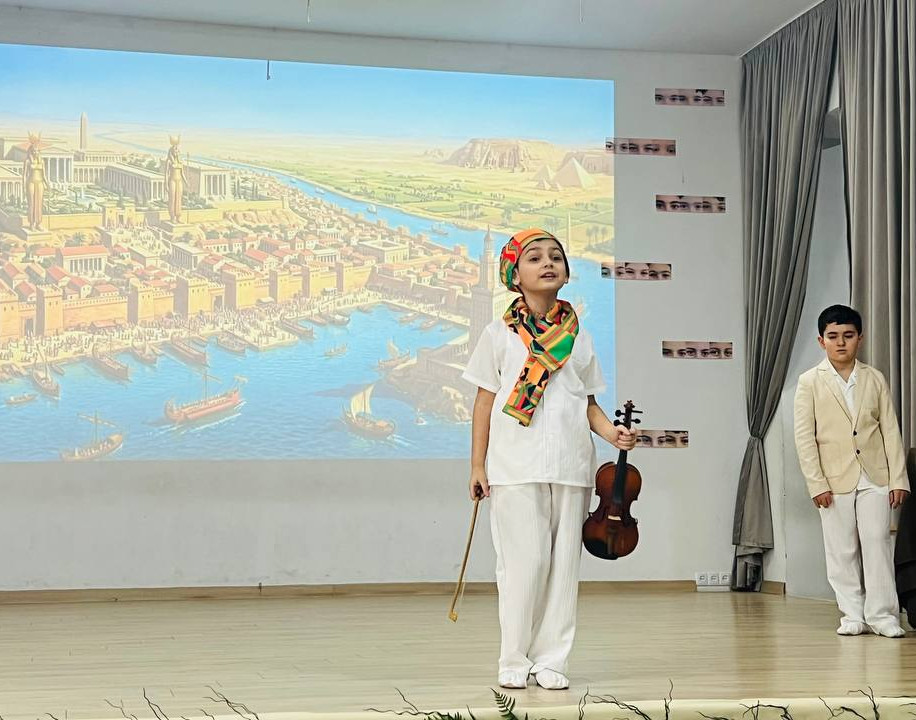
In the next scene, medieval Armenia unfolds with its mystical depth and spiritual vastness inspired by Narekatsi. Here, happiness is no longer expressed through words, but through silence, inner light, and reflection. It ceases to be external and becomes a state of the soul—forgiveness, compassion, conscience, love, and faith.
Having traveled through time, the family returns to their once-familiar—yet now distant—year 2053. Nothing has changed outwardly: the same house, the same walls, the same technologies. But the people have changed. They begin to see one another, to listen, to feel. And in that moment, the house ceases to be just a “well-programmed space” or an address—it becomes a place one longs to return to.
And then comes one of the most moving moments: the robot, who has felt nothing throughout the entire journey, suddenly speaks about humans—with admiration, almost with envy. It speaks of tears of joy, of a mother’s love, of the anticipation of reunion, of the simple words, “I love you.”
In that moment, the most important truth becomes clear:
the robot understands happiness—but cannot feel it;
humans, on the other hand, can feel it—even if they forget to recognize it.
Perhaps that is why its words are so deeply touching—because they come from one who lacks what we so often take for granted.
“The algorithm of happiness is not written in systems. It is written in hearts,” said Meta Logos.
Be happy, dear human…

To not think freely is to not think at all!