One of the true gems of Armenian animation—Found Dream—holds a special place in all of our childhood memories. The creators of the beloved and well-known Armenian animated film Found Dream were greatly inspired by the works of Walt Disney while making the film. This was mentioned by the film’s director and production designer, Hovik Dilakyan, in an interview with the International Film Institute of New York.
“Found Dream” tells the story of a little girl who is able to walk through paintings, discovering new worlds and characters along her journey. The animated film, created by the Dilakyan brothers, was released on Soviet screens in 1976. The voice of the young girl was performed by Hripsime Kirakosyan, the grandfather was voiced by Edgar Elbakyan, and the old man’s character was brought to life by Frunzik Mkrtchyan.
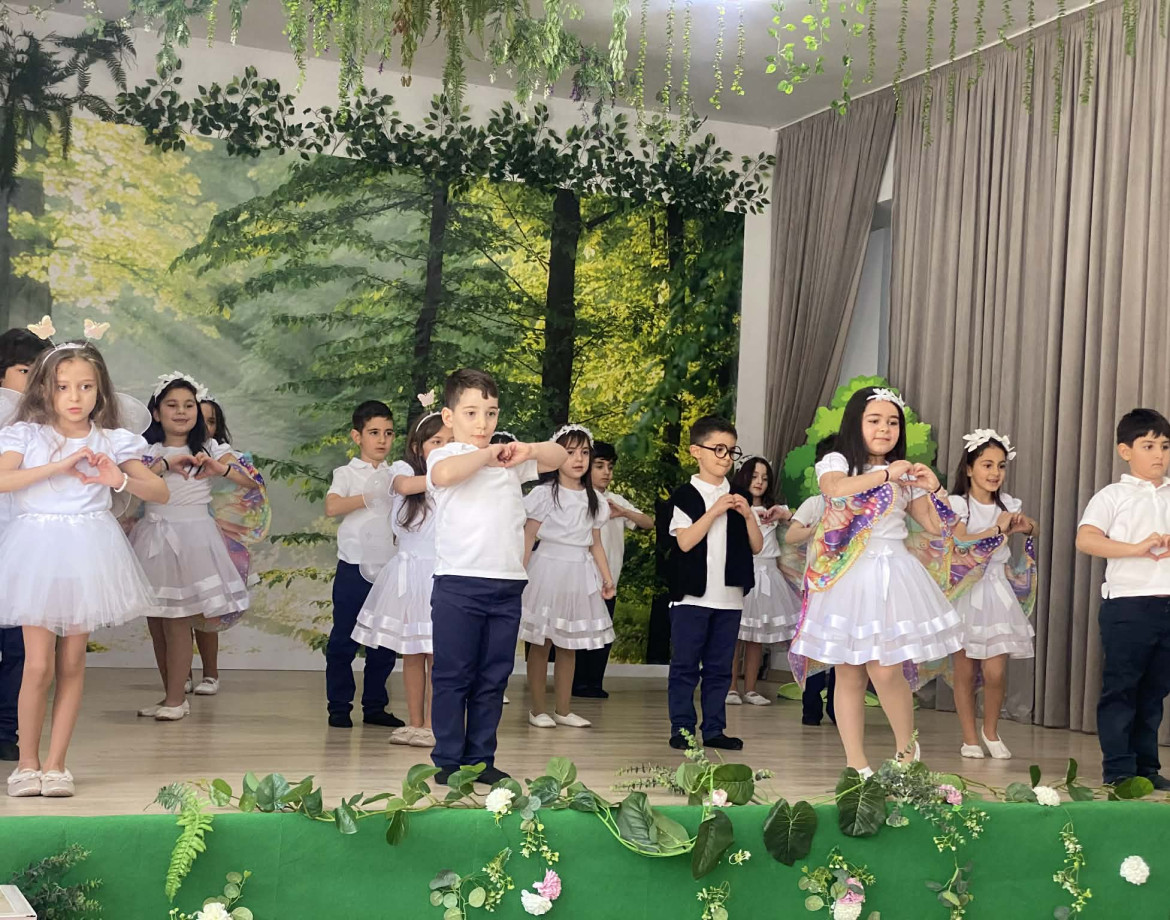
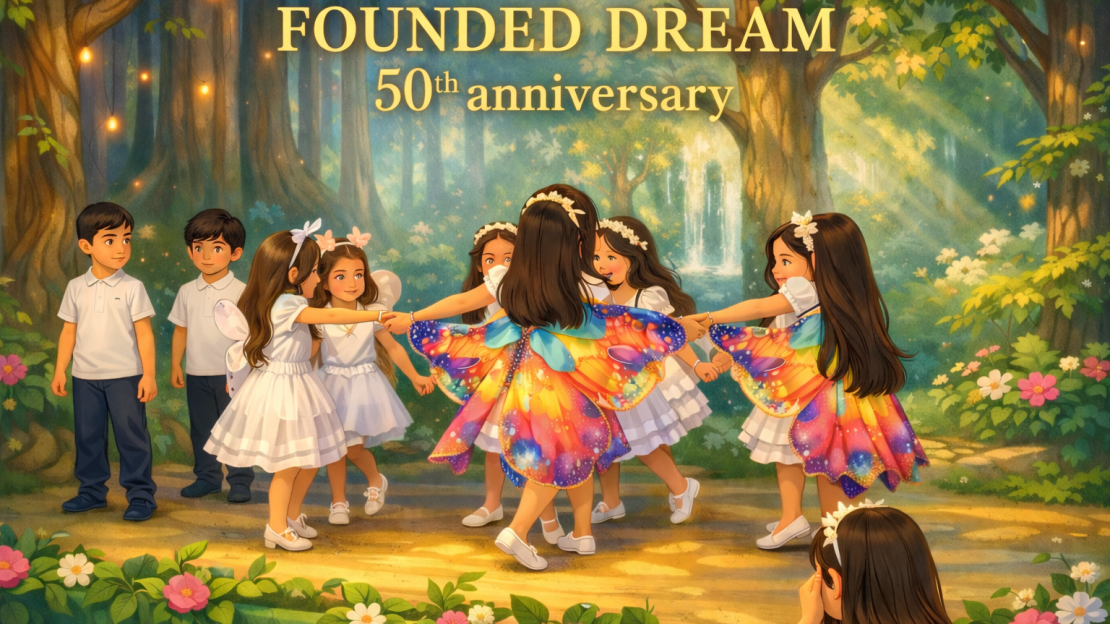
First released in 1976, this animated film, which speaks equally to children and adults, celebrates its 50th anniversary this year. On this occasion, it was brought to life on the stage of “Usum” in a slightly reimagined form, while preserving its motivational and philosophical core.
At the center of the performance was little Victoria, who—like the heroine of the animated film—dreamed of discovering a world still beyond her reach: the world of books. Her warm conversation with her grandfather became the emotional starting point of the play, uniting a child’s simple dream with the loving care of an elder. The motif of the grandfather’s “lost sleep” gained a deeper meaning on stage as well, becoming a symbol not only of physical rest but also of inner peace.
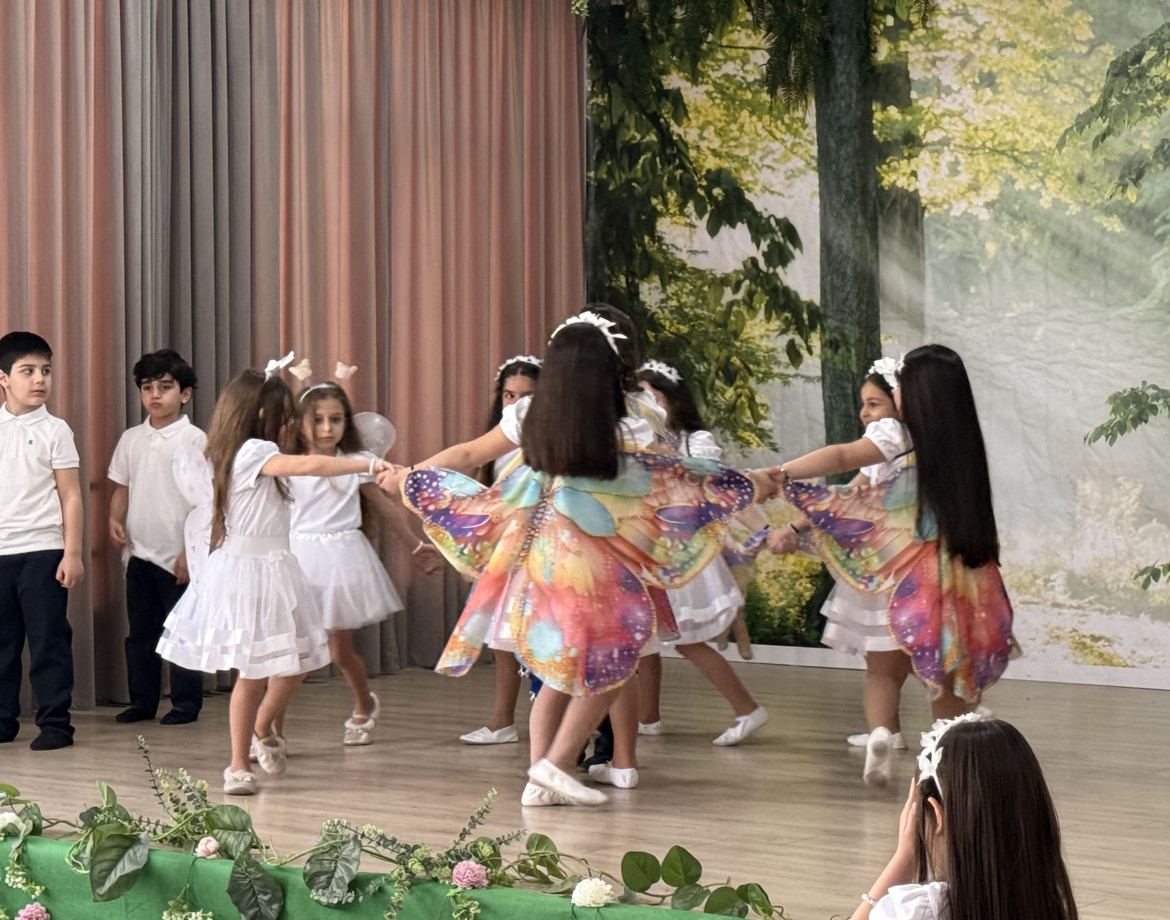
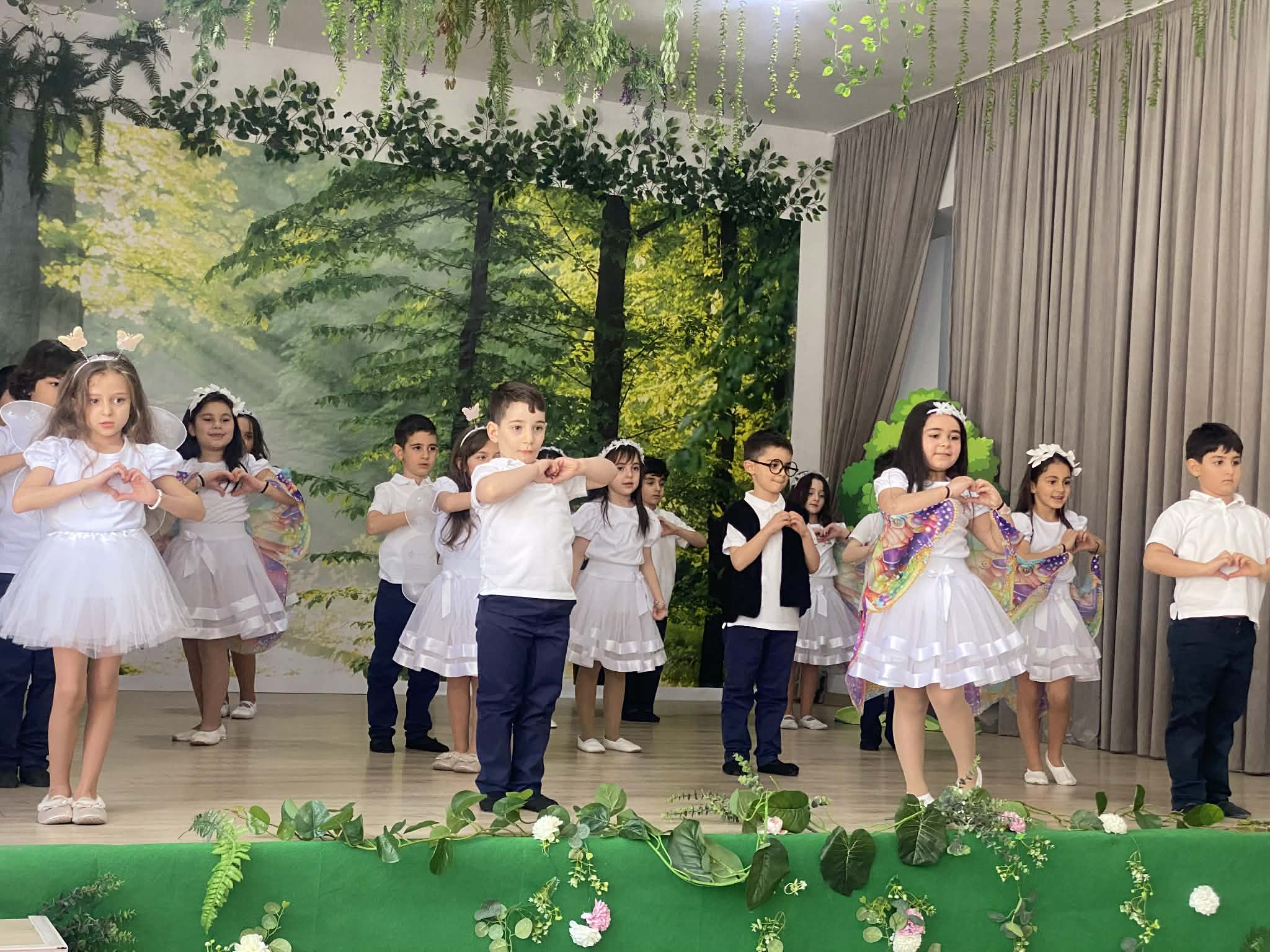
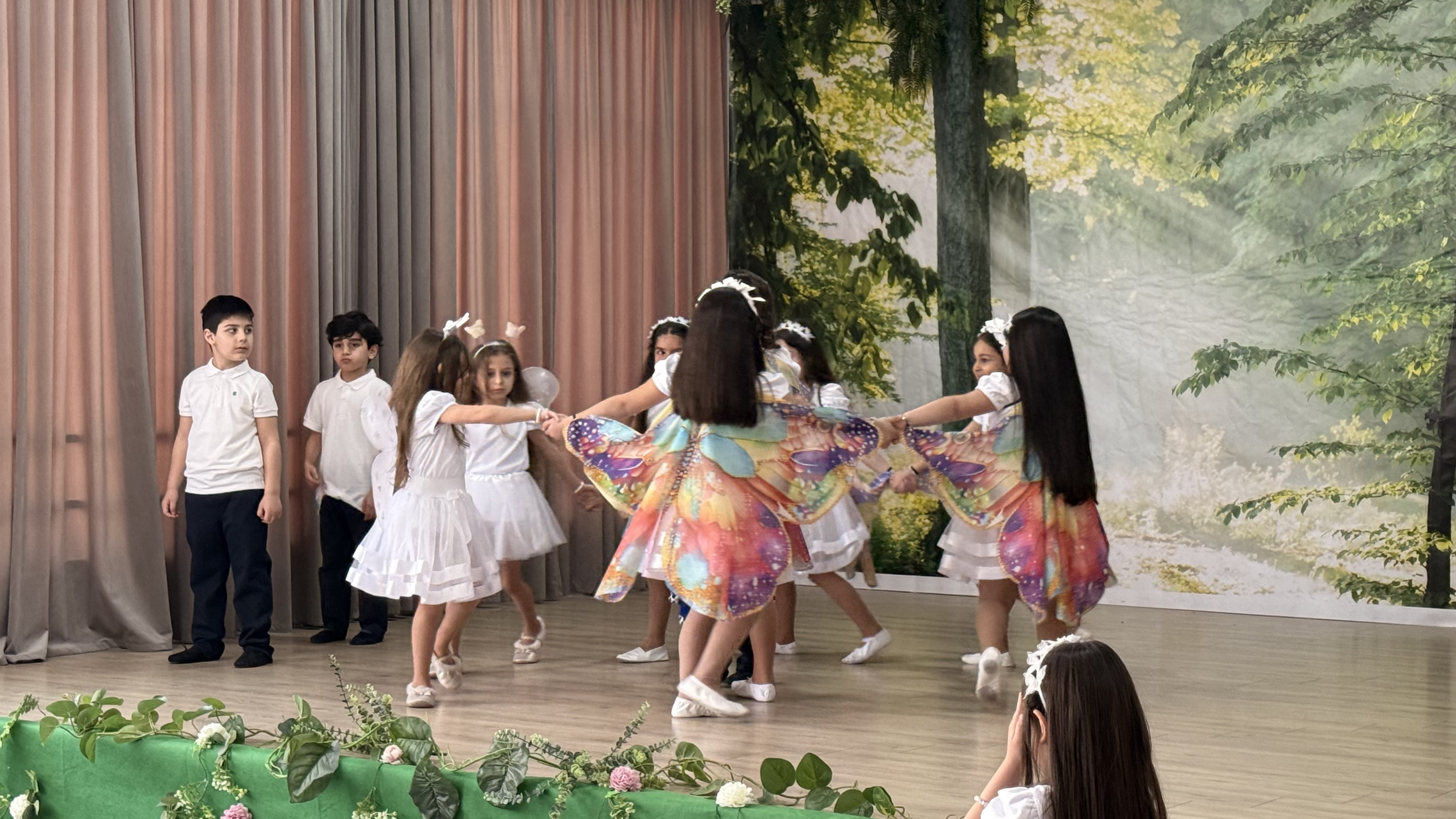
In the dreamlike scene, the butterflies—just as in the film—act as guides, leading the girl along the path toward her goal. However, in this staging, that journey takes on a new dimension: it is no longer just a search for meaning, but a discovery of knowledge.
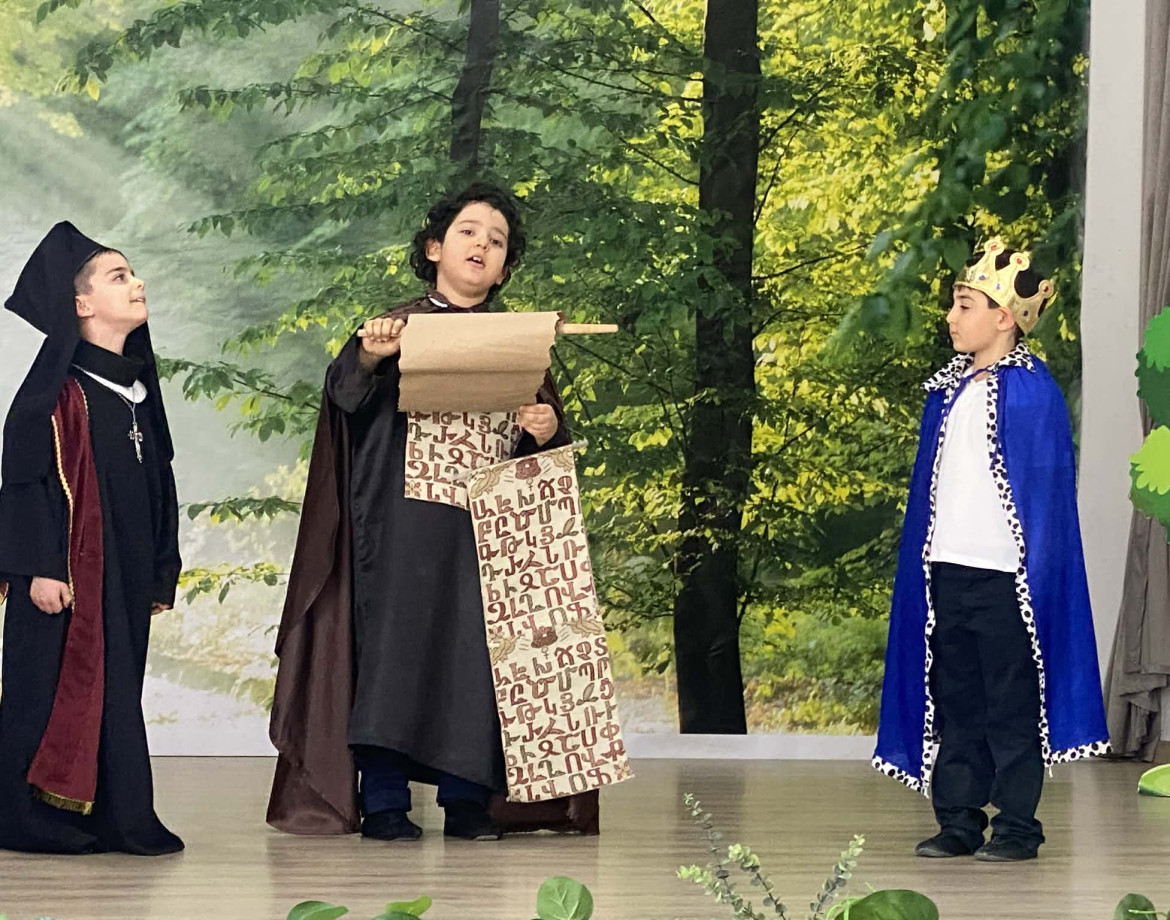
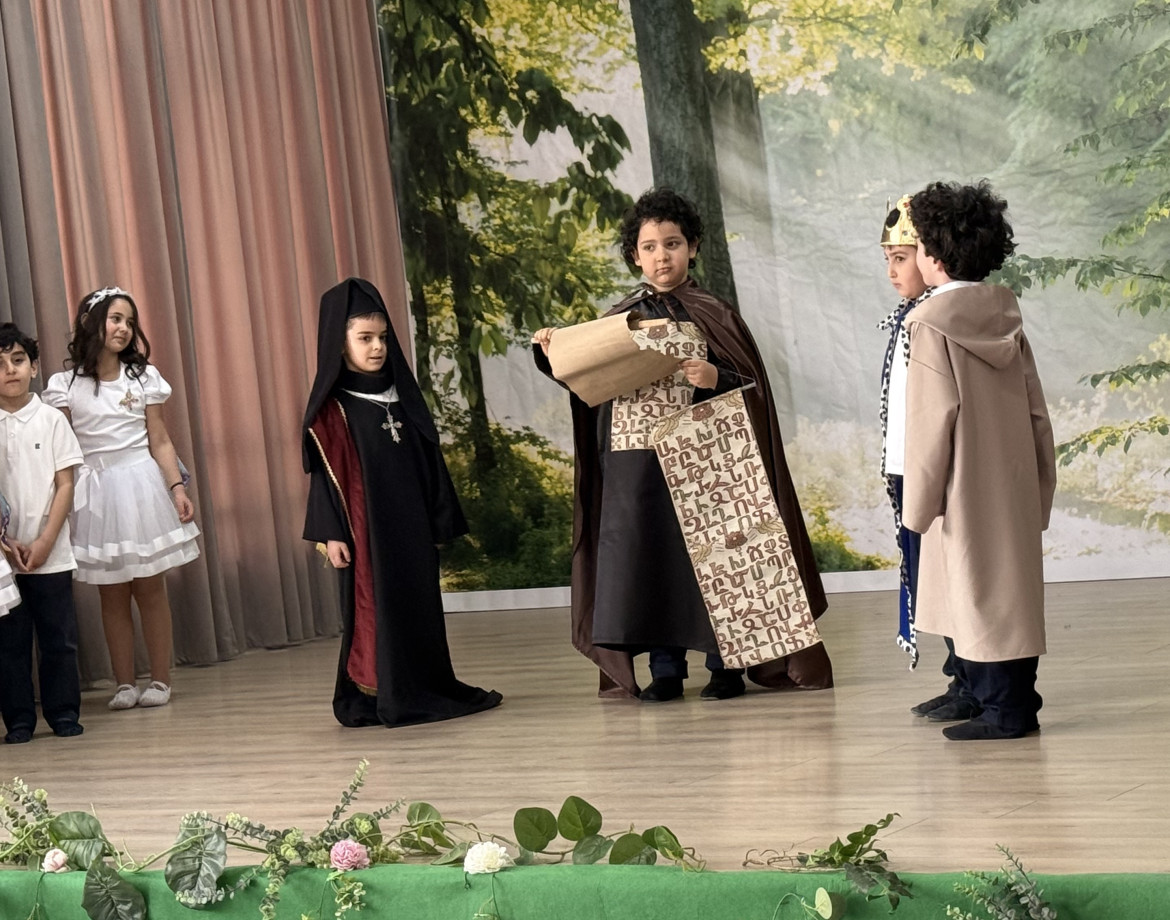
The “golden key” found in the chest—the primer—initially causes disappointment, but gradually transforms into the greatest revelation. The encounter with schoolchildren, their sincere and simple explanations, as well as the historical episode of the creation of the Armenian alphabet, open up an entire world of knowledge, culture, and identity.
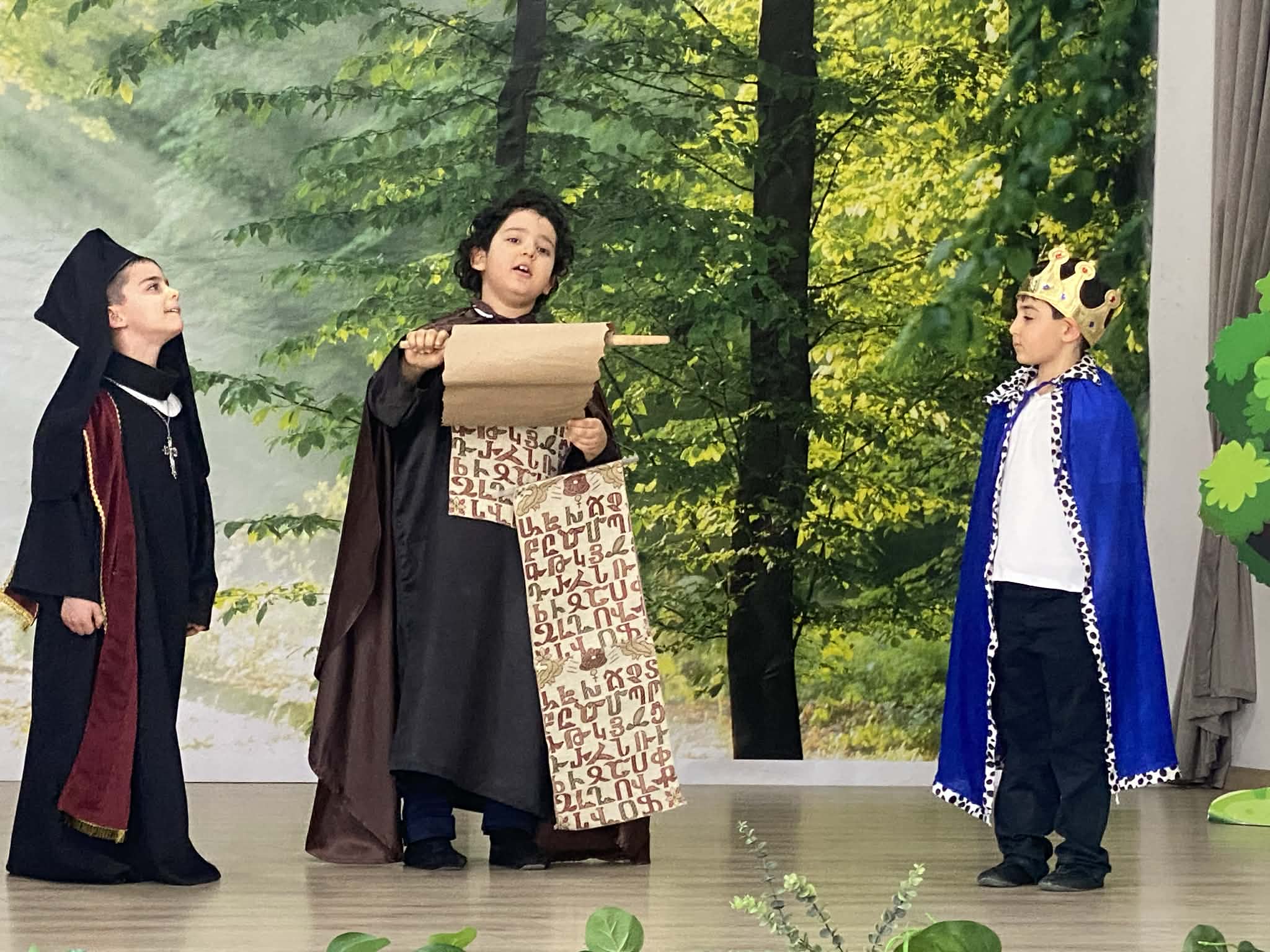
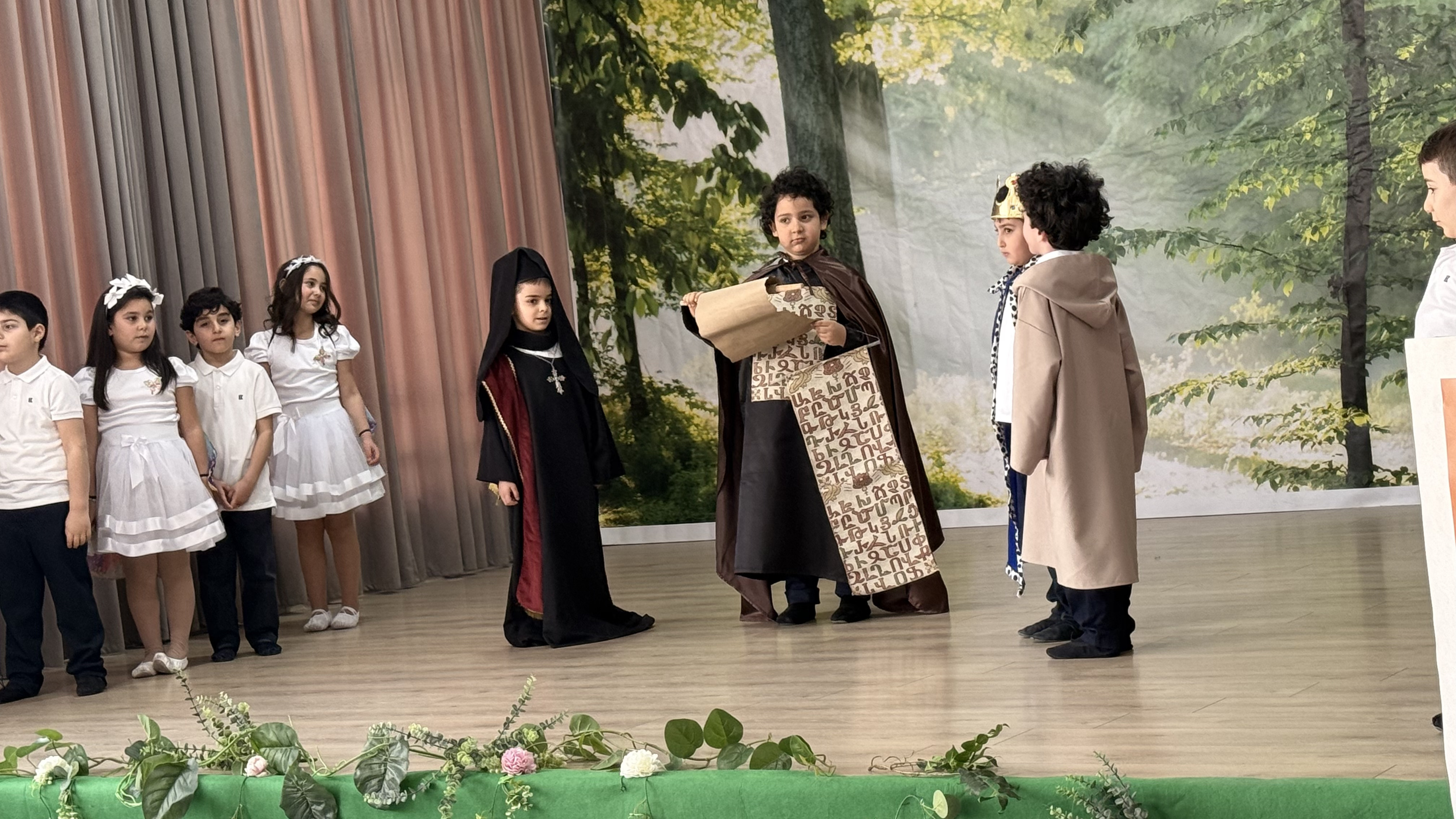
In this part, the figures of Mesrop Mashtots, Sahak Partev, and Vramshapuh come to life, transporting the audience to a historical moment when the Armenian alphabet was born as a guarantee of the nation’s continuity. For Victoria, this becomes a turning point: she realizes that the “golden key” she has been searching for is, in fact, the very book that teaches one to read, to think, and to understand the world.
At the end of the performance, as in the animated film, the moment of return is filled with warmth and renewed meaning. The girl is no longer the same—she has embarked on the path of knowledge, confident and inspired. Her reunion with her grandfather becomes not only a moment of togetherness, but also of realization: his “lost sleep” returns to the very place where the future begins—in a child’s first steps, in the desire to learn, and in a bright and hopeful path ahead.
In conclusion, the stage adaptation of “Found Dream” became a beautiful bridge between a classic animated masterpiece and a modern educational vision. It once again reminded us that dreams come true when they meet knowledge, and that the most important keys are often hidden in the simplest things.

To not think freely is to not think at all!