
Museum education is one of the essential components of the modern educational process, as it enables learners, while acquiring knowledge, not to rely solely on textbooks but also to engage with real cultural environments and directly encounter the foundations upon which that knowledge is built. In this sense, the museum functions spatially as a “living classroom,” where history, art, and folk values are presented in a visible, tangible, and accessible way. Such educational visits contribute to the broadening of students’ worldviews, foster observational and analytical thinking, and help cultivate a sense of responsibility toward the preservation of cultural heritage.
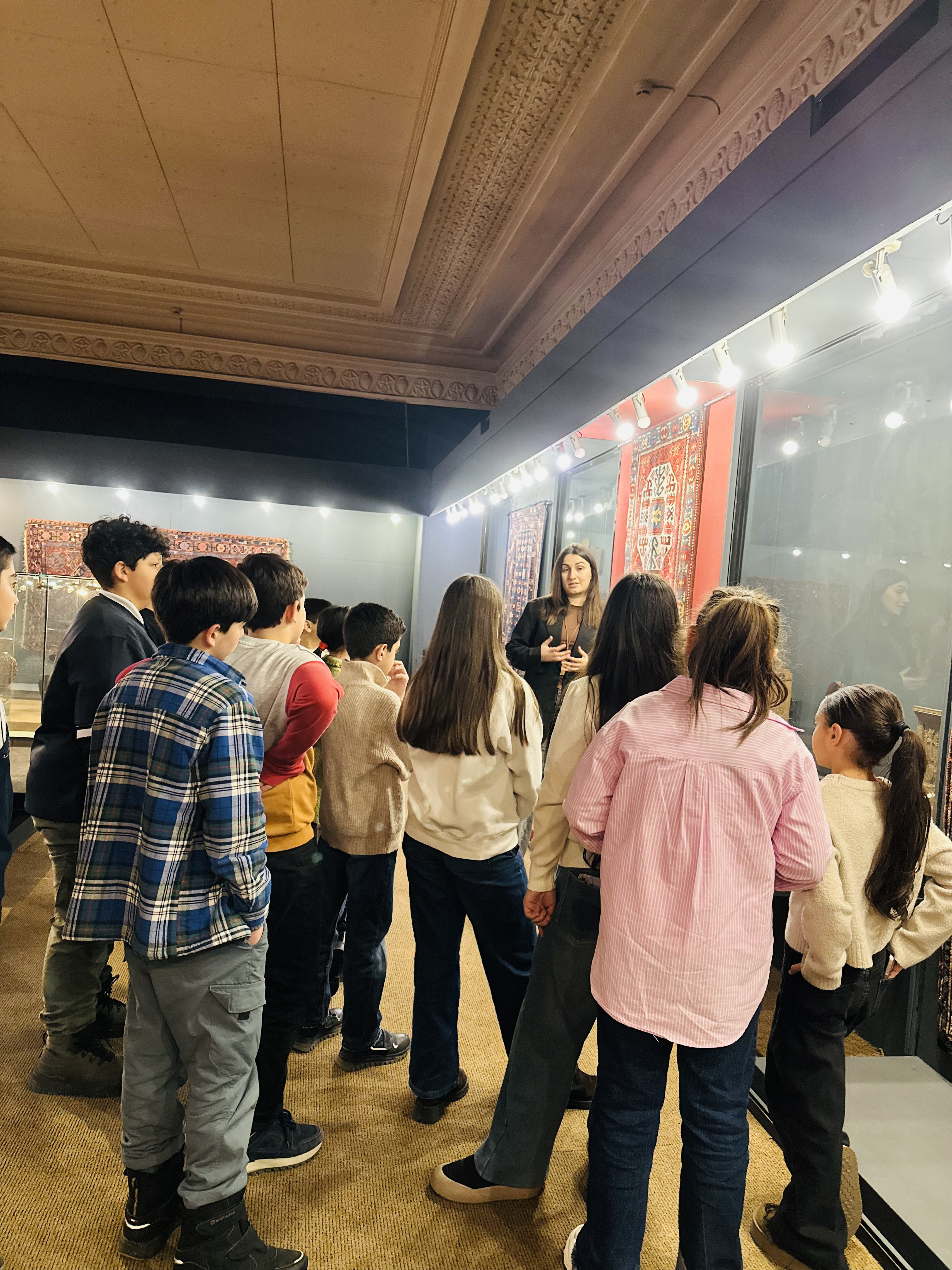
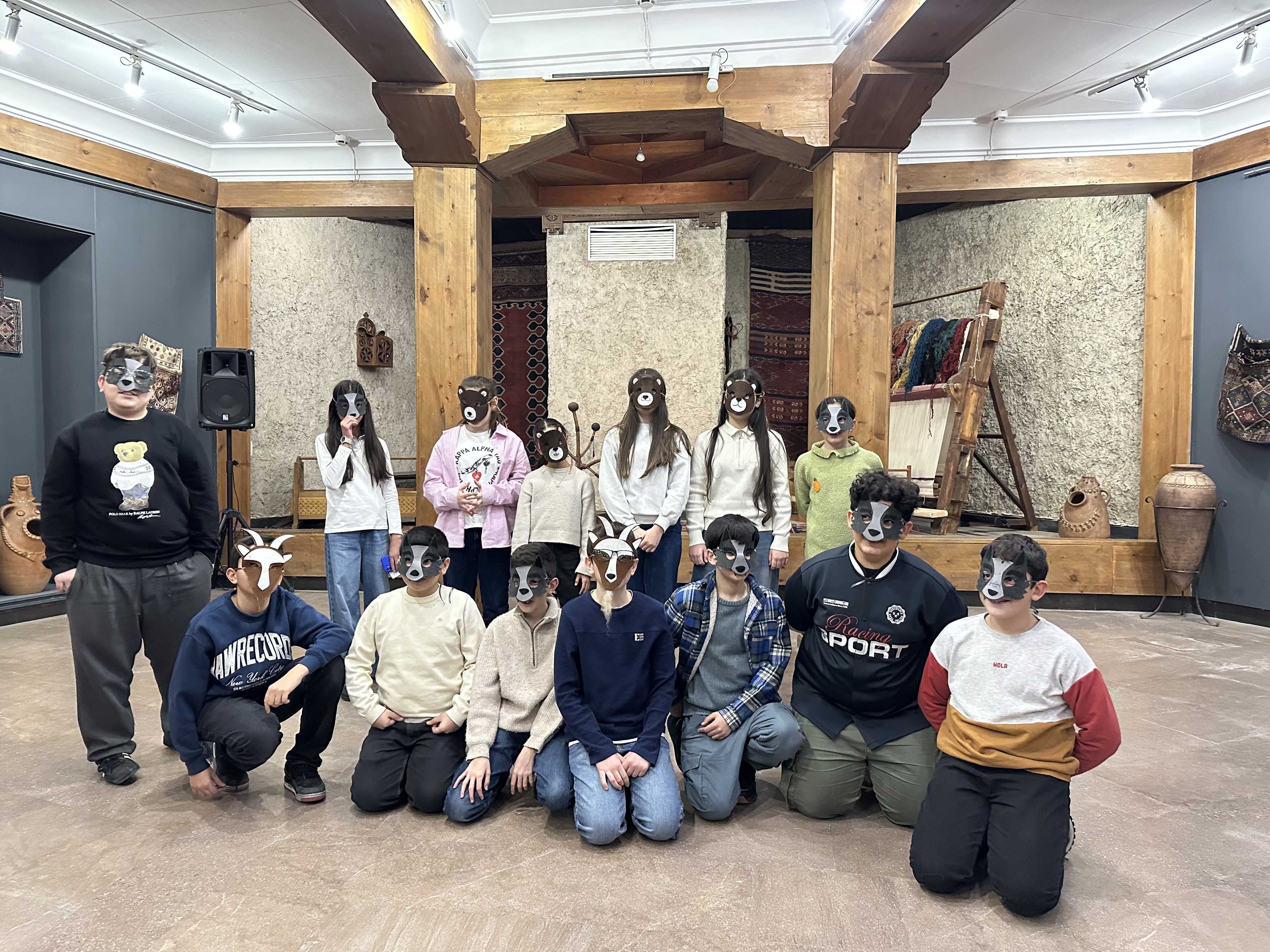
With this expectation, the destination of our school’s sixth graders’ latest educational and exploratory visit was the Hovhannes Sharambeyan Museum of Folk Art, which is one of the most important centers for the preservation of Armenian culture, traditional handicrafts, and national identity. The purpose of the visit was not only to familiarize students with examples of folk art, but also to help them understand how the cultural mindset of the Armenian people has been formed and preserved throughout the centuries.
The idea behind the establishment of the Museum of Folk Art dates back to the first half of the 20th century, when various cultural scholars and artists began collecting applied art objects from different regions of Armenia. The museum was officially founded in 1978 and today bears the name of art historian and devoted cultural figure Hovhannes Sharambeyan. Its collection includes thousands of exhibits representing diverse branches of Armenian folk art, such as carpet weaving, embroidery, woodworking, metalworking, pottery, leatherworking, and other forms of decorative and applied art. Each exhibit holds not only artistic value but also tells the story of the lifestyle, beliefs, mindset, and aesthetic preferences of people from a particular historical period.
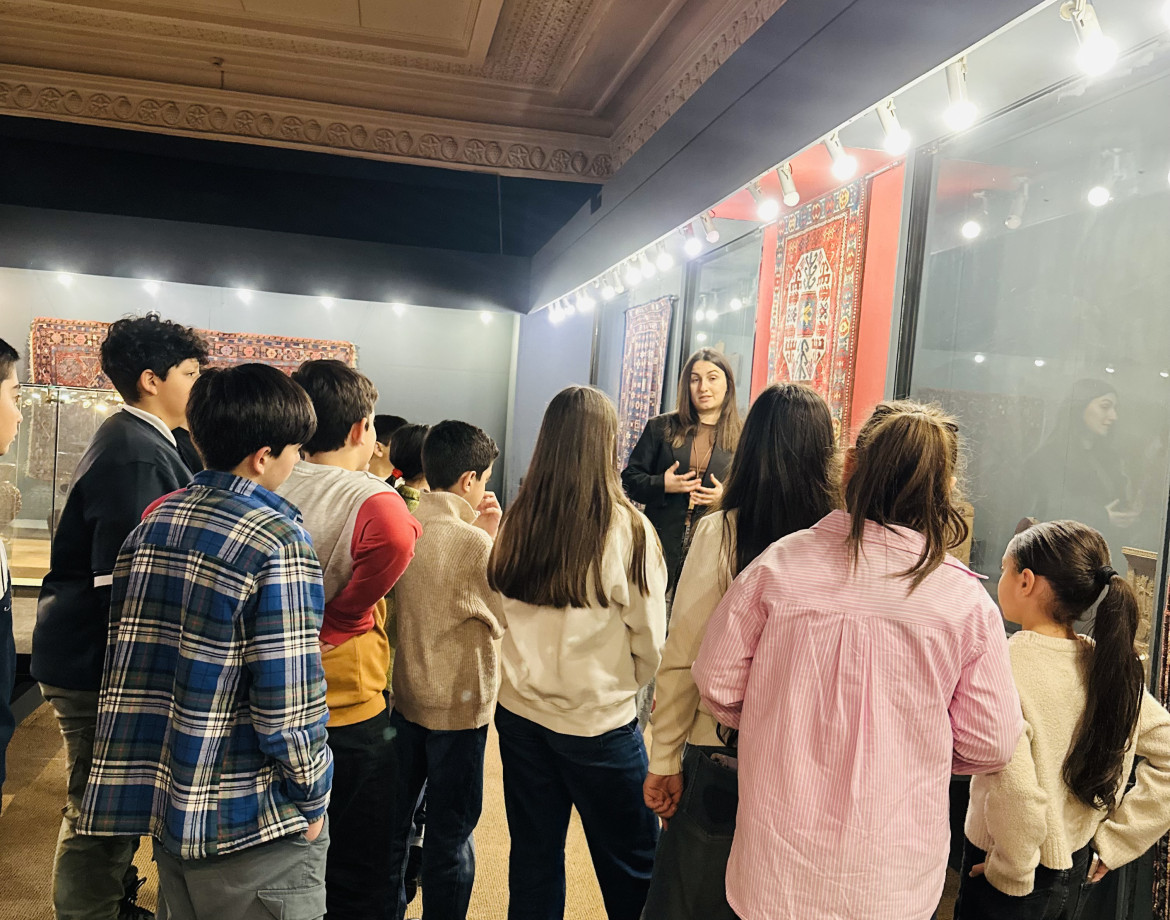
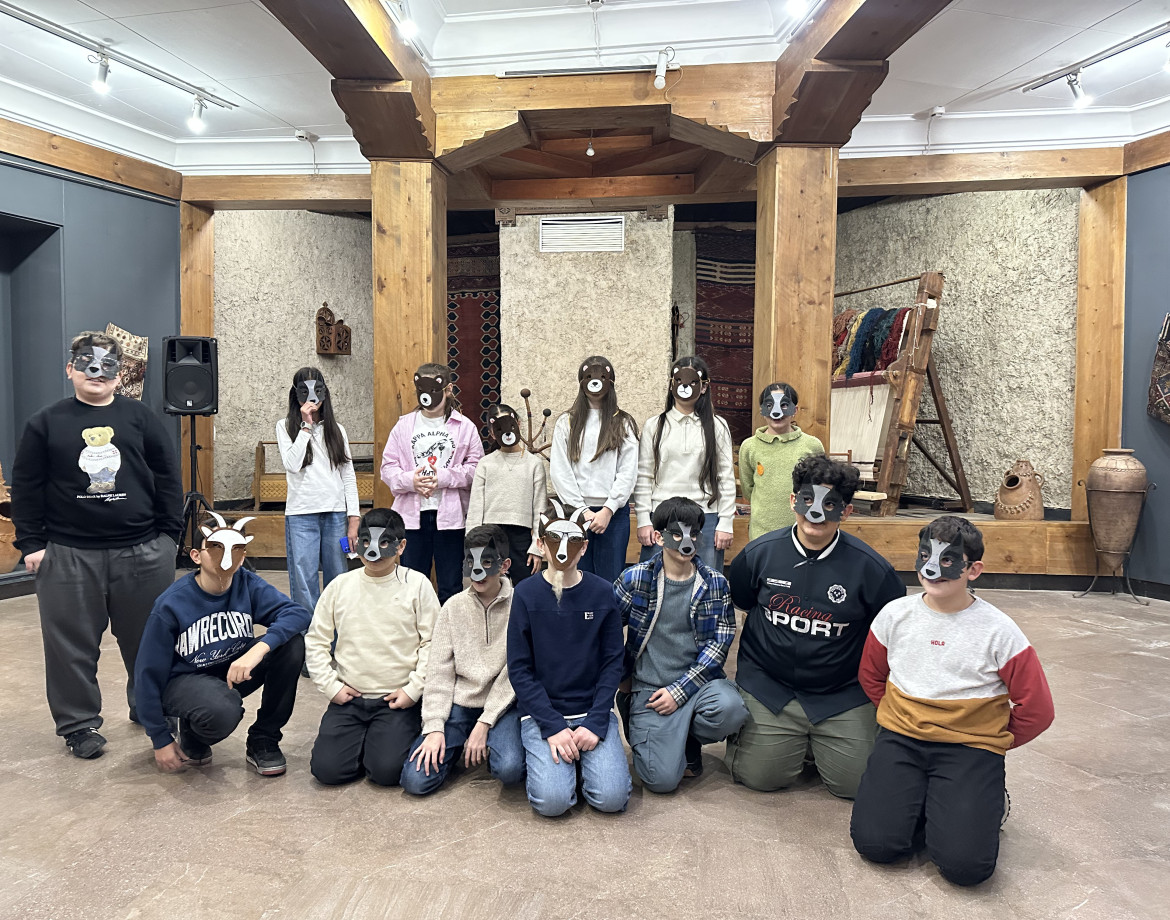
During the guided tour, the students explored the exhibitions with great interest, noting the diversity of ornamental patterns, the symbolic use of colors, and the delicacy and precision of handcraftsmanship. It was especially instructive for them to see how ordinary everyday objects—such as carpets, elements of clothing, household utensils, or jewelry—are presented as works of art. Perhaps the most striking realization for the children was that art is not limited to paintings and sculptures, but also includes the simplest household items that have been an integral part of everyday life.
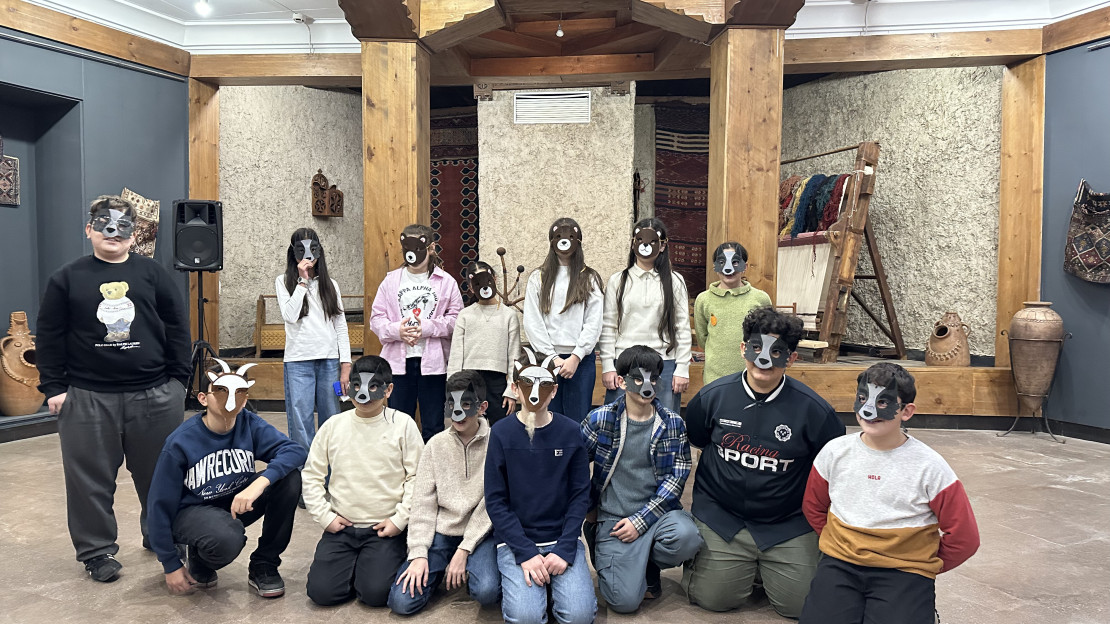
The visit also carried important practical significance, as it was organized within the framework of an educational program dedicated to the celebration of Barekendan. Among ritual festivities, Barekendan stands out for its joyful games and theatrical performances, which likely explains the choice of this particular educational program.
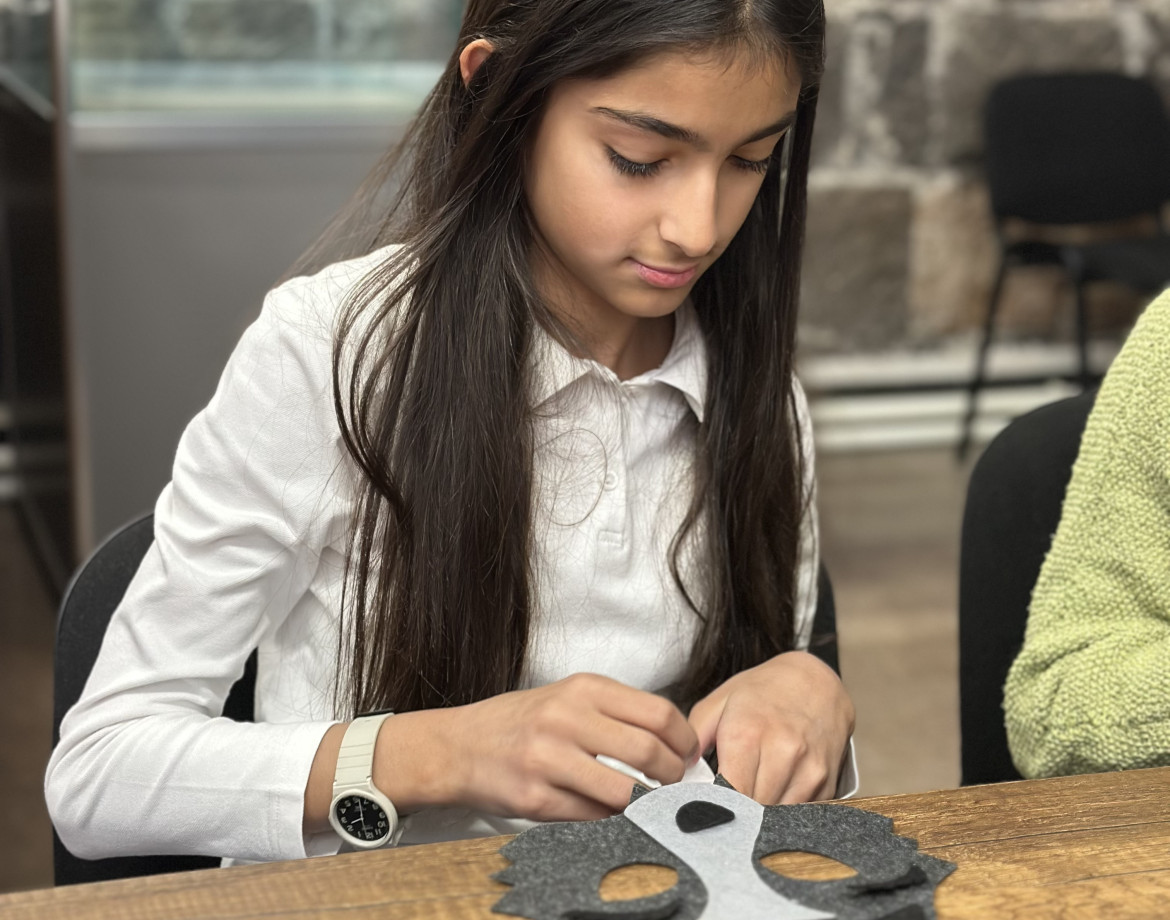
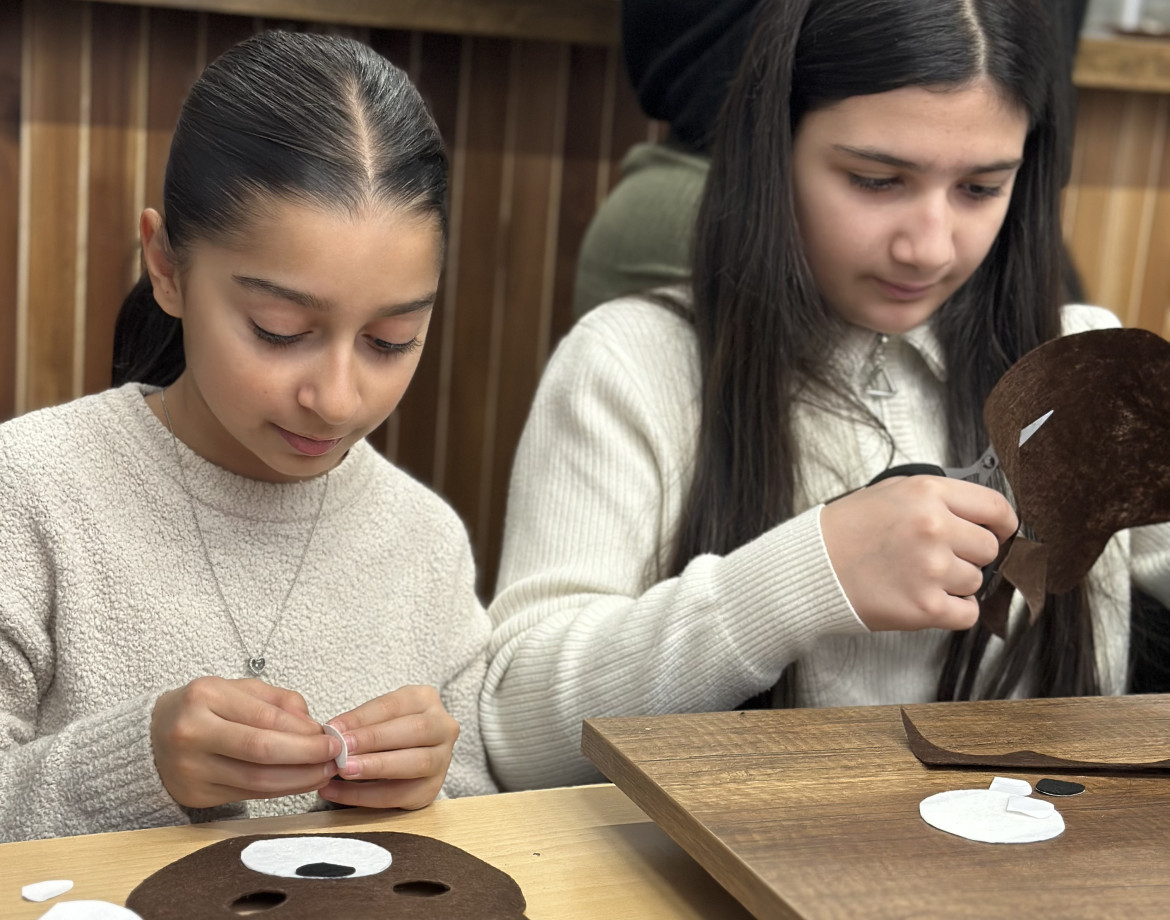
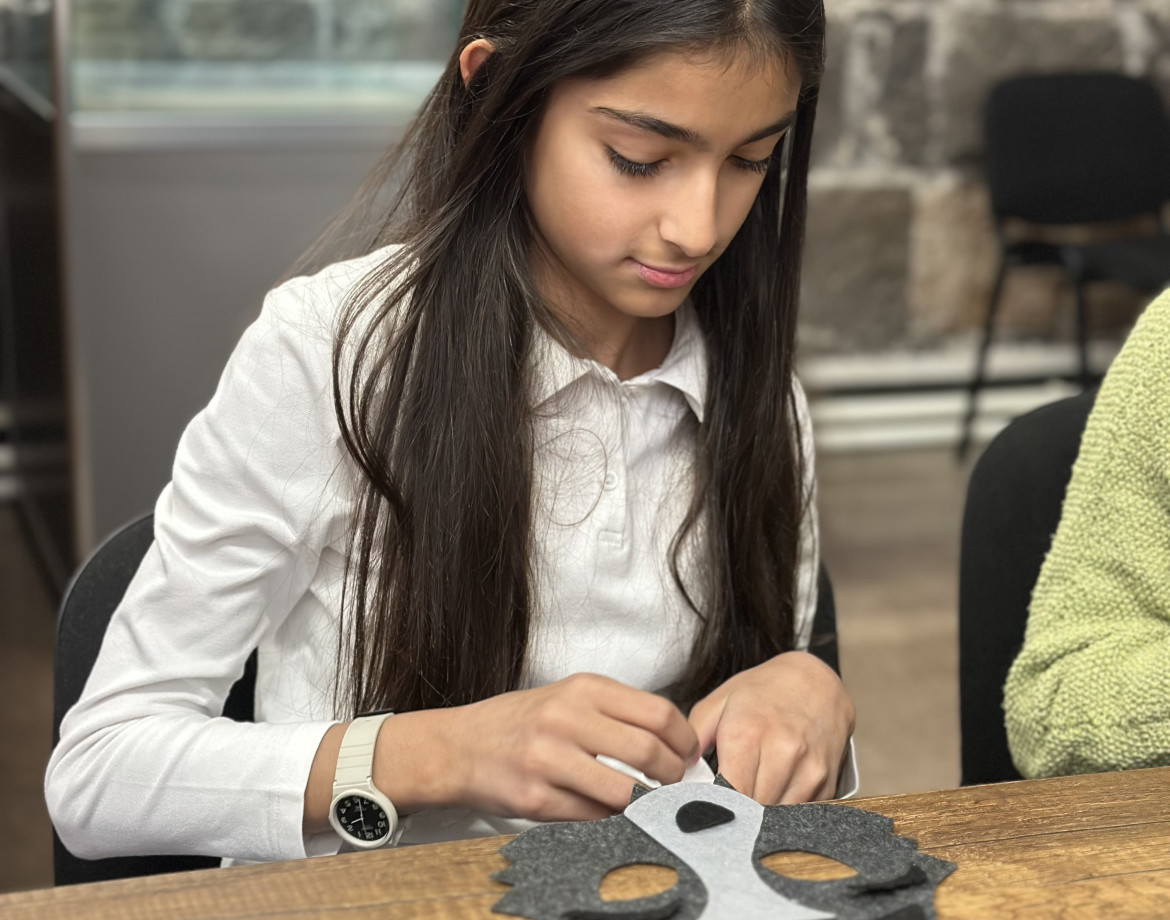
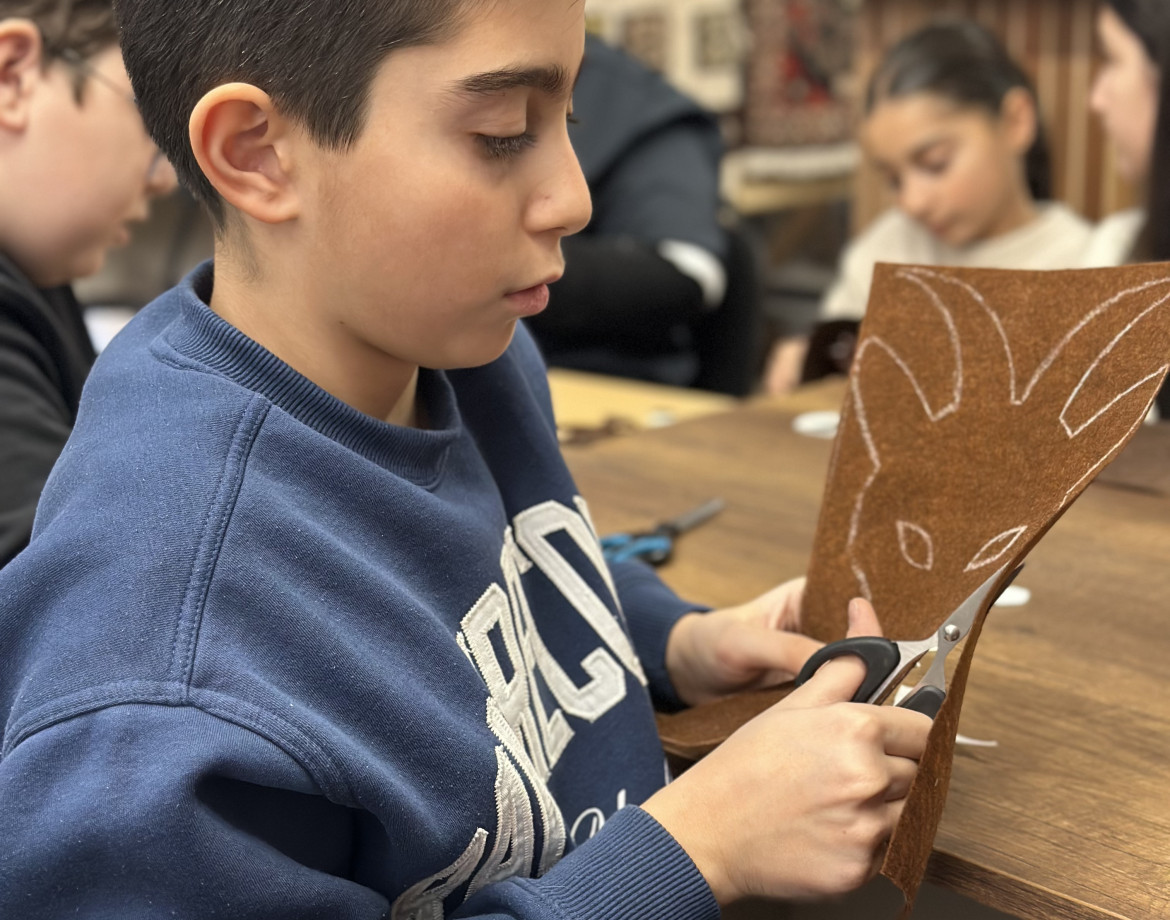
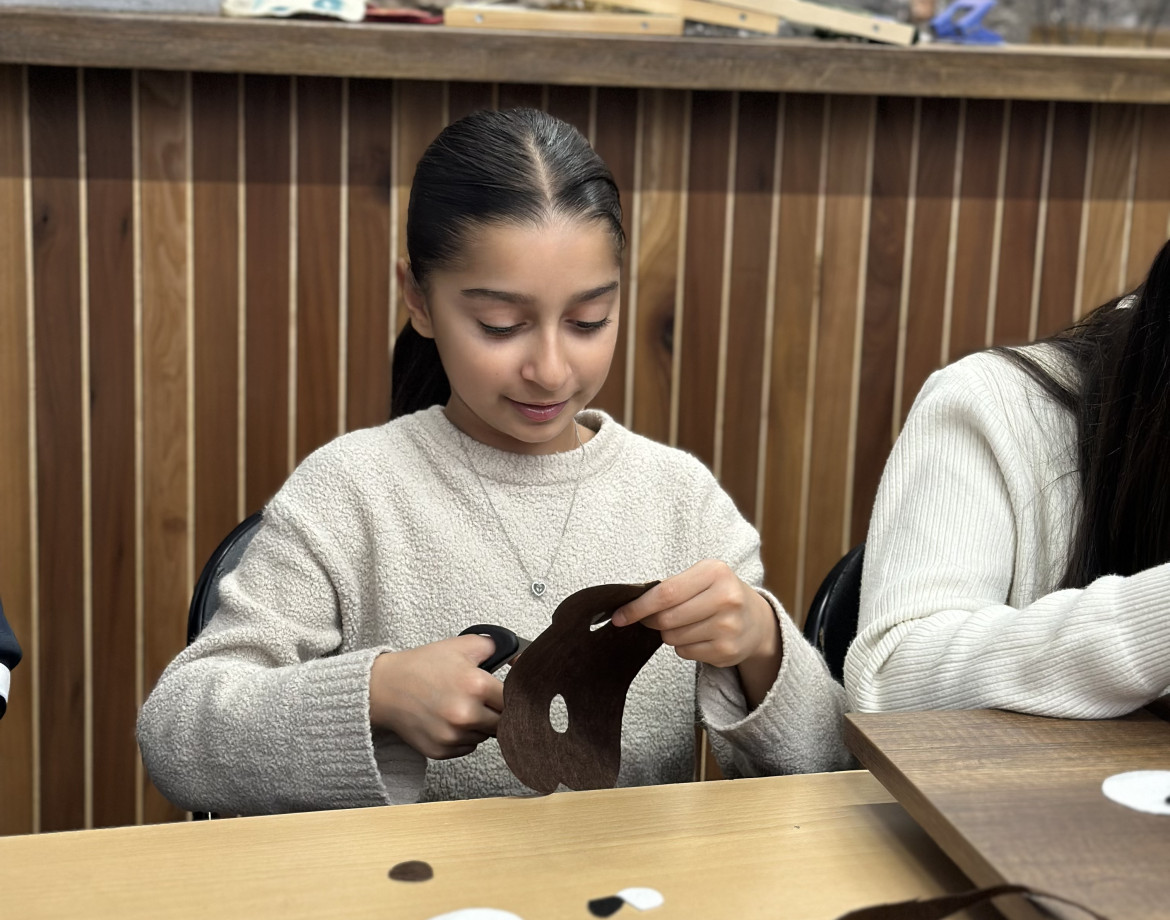
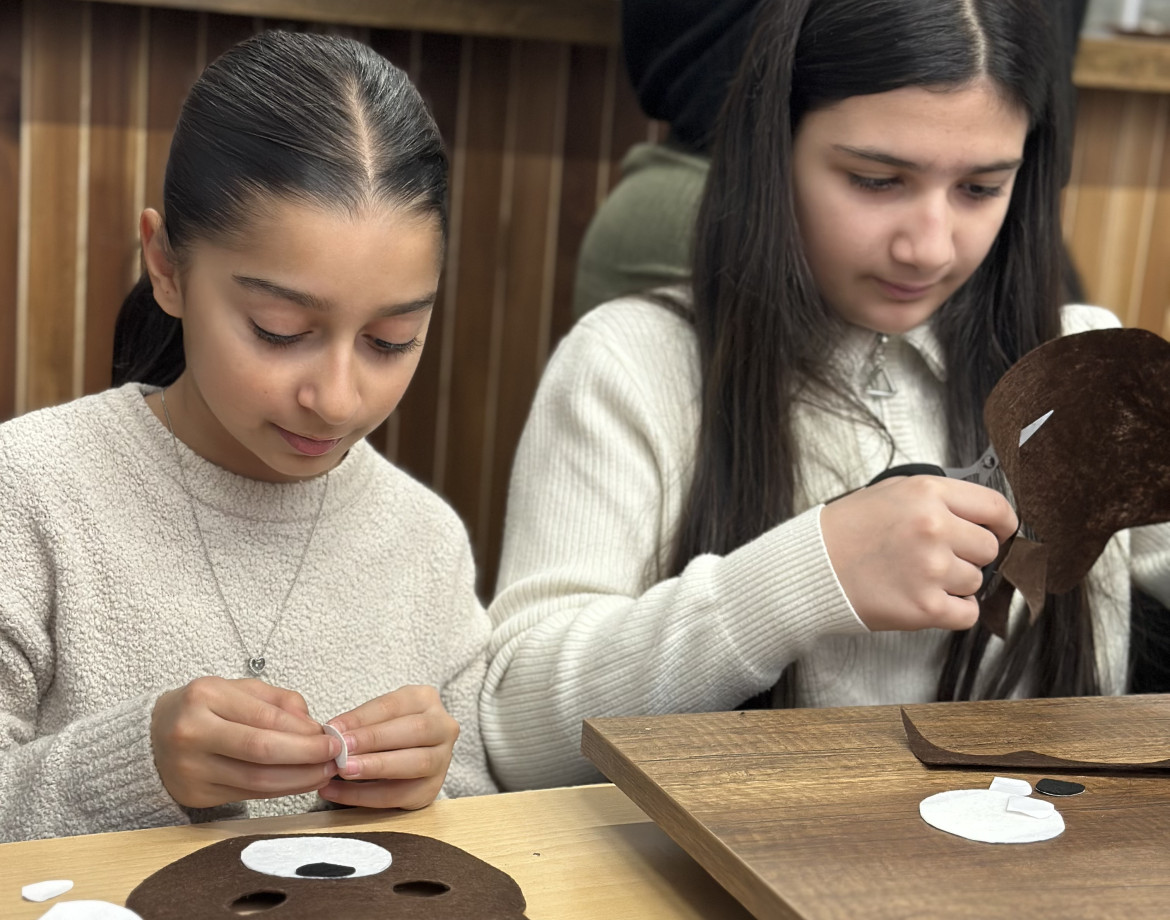
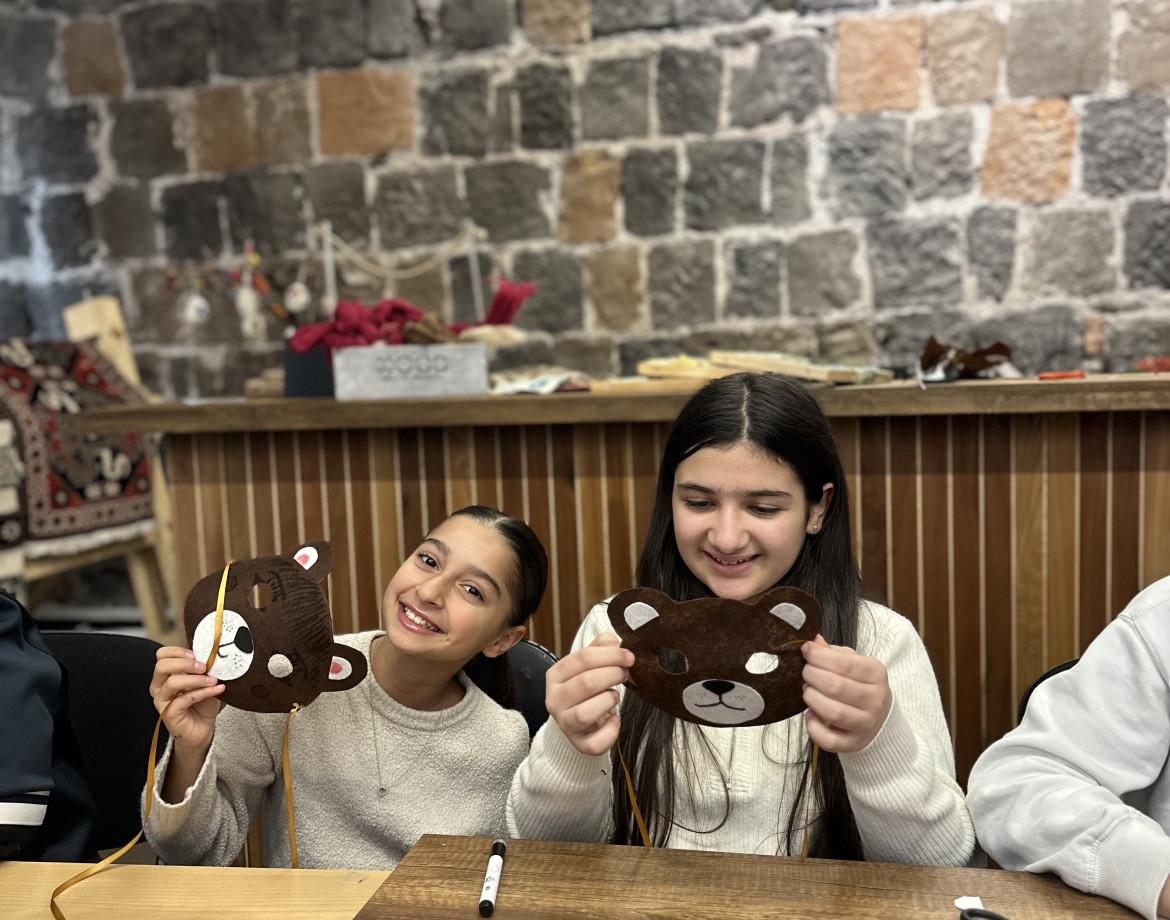
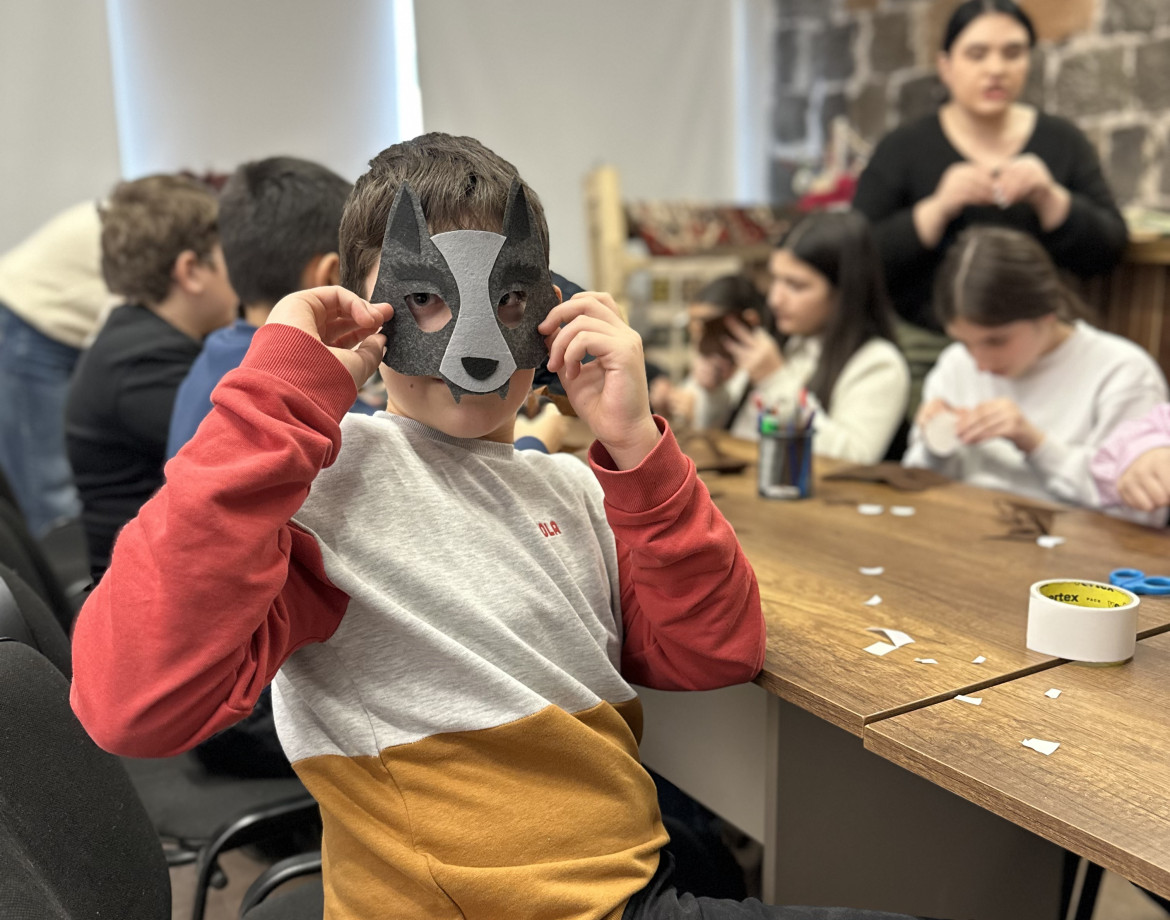
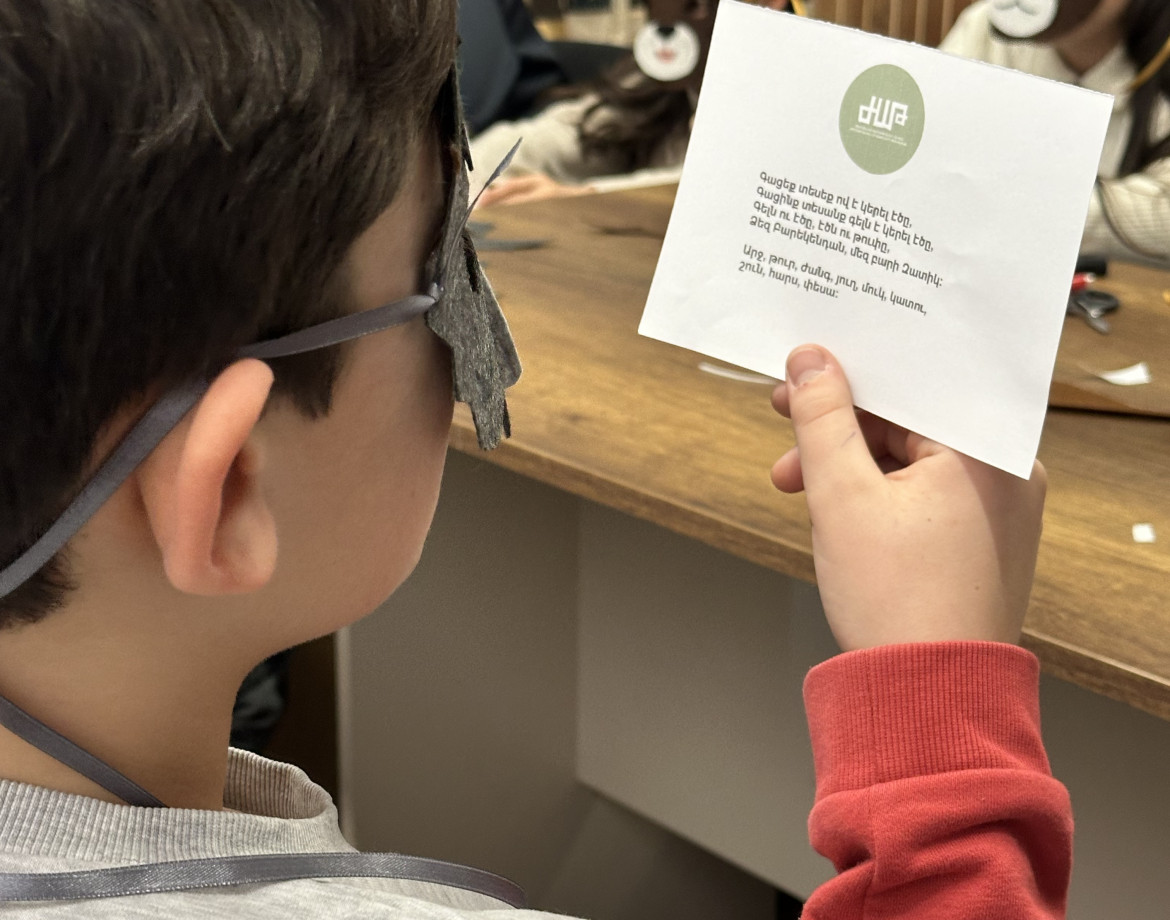
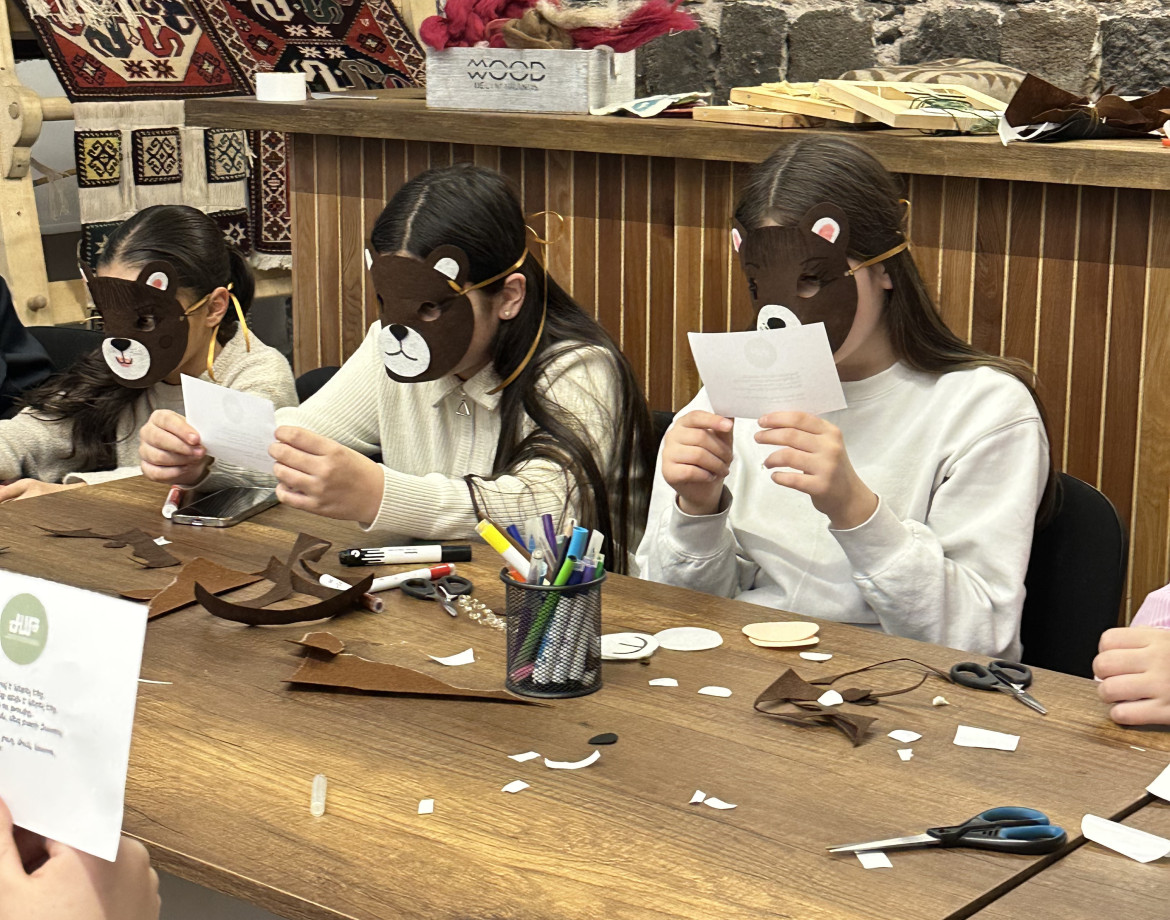
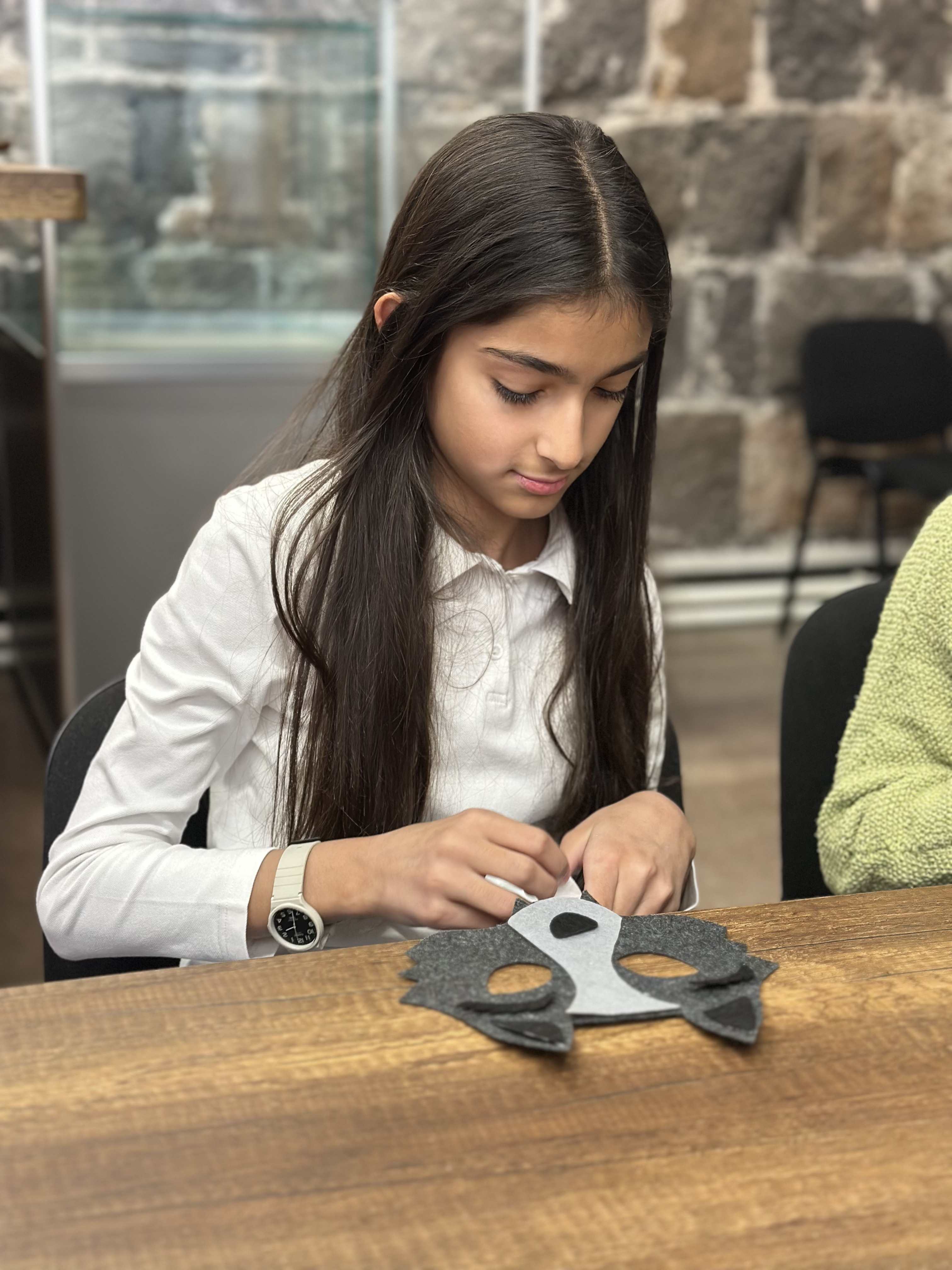
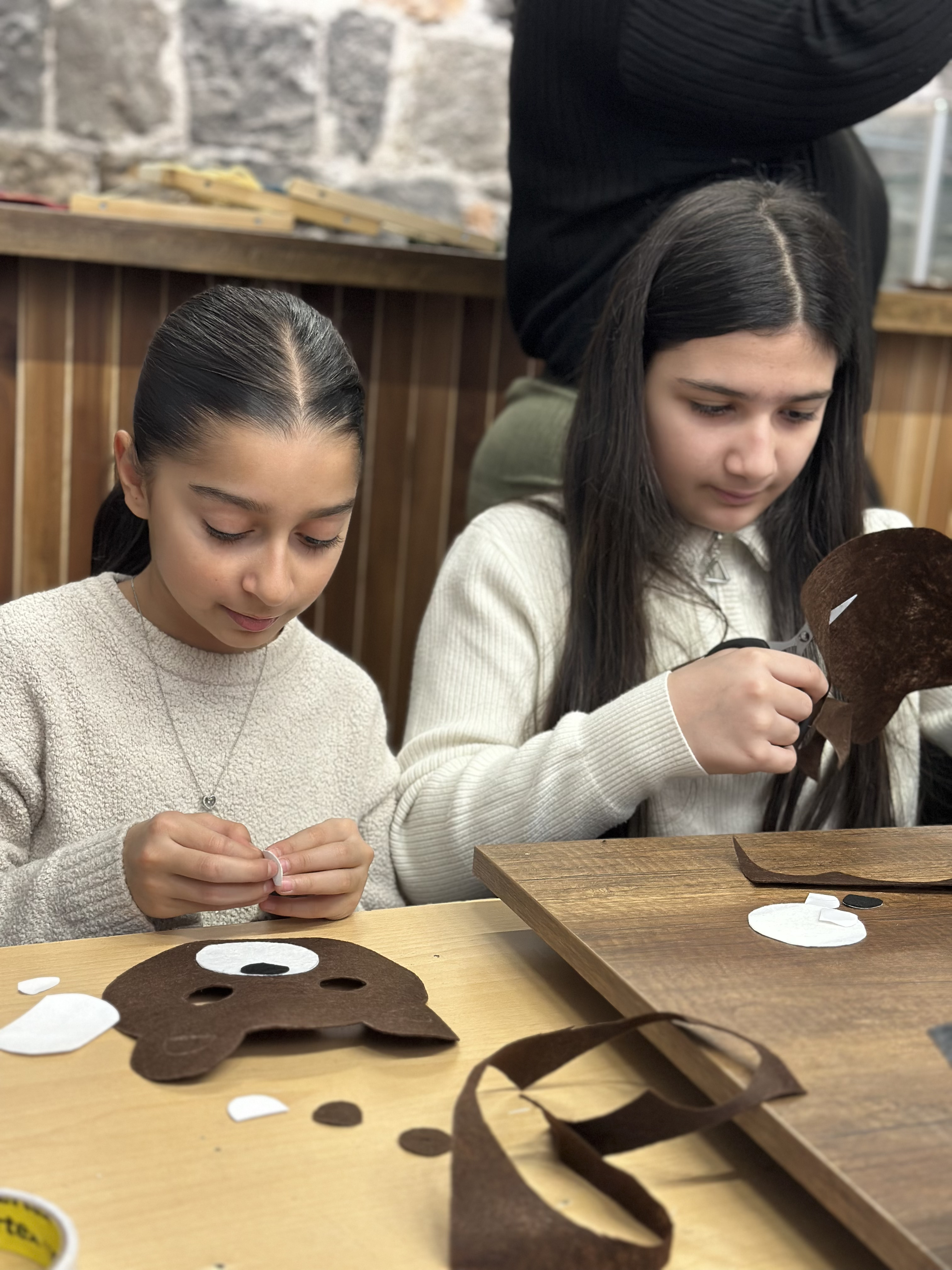
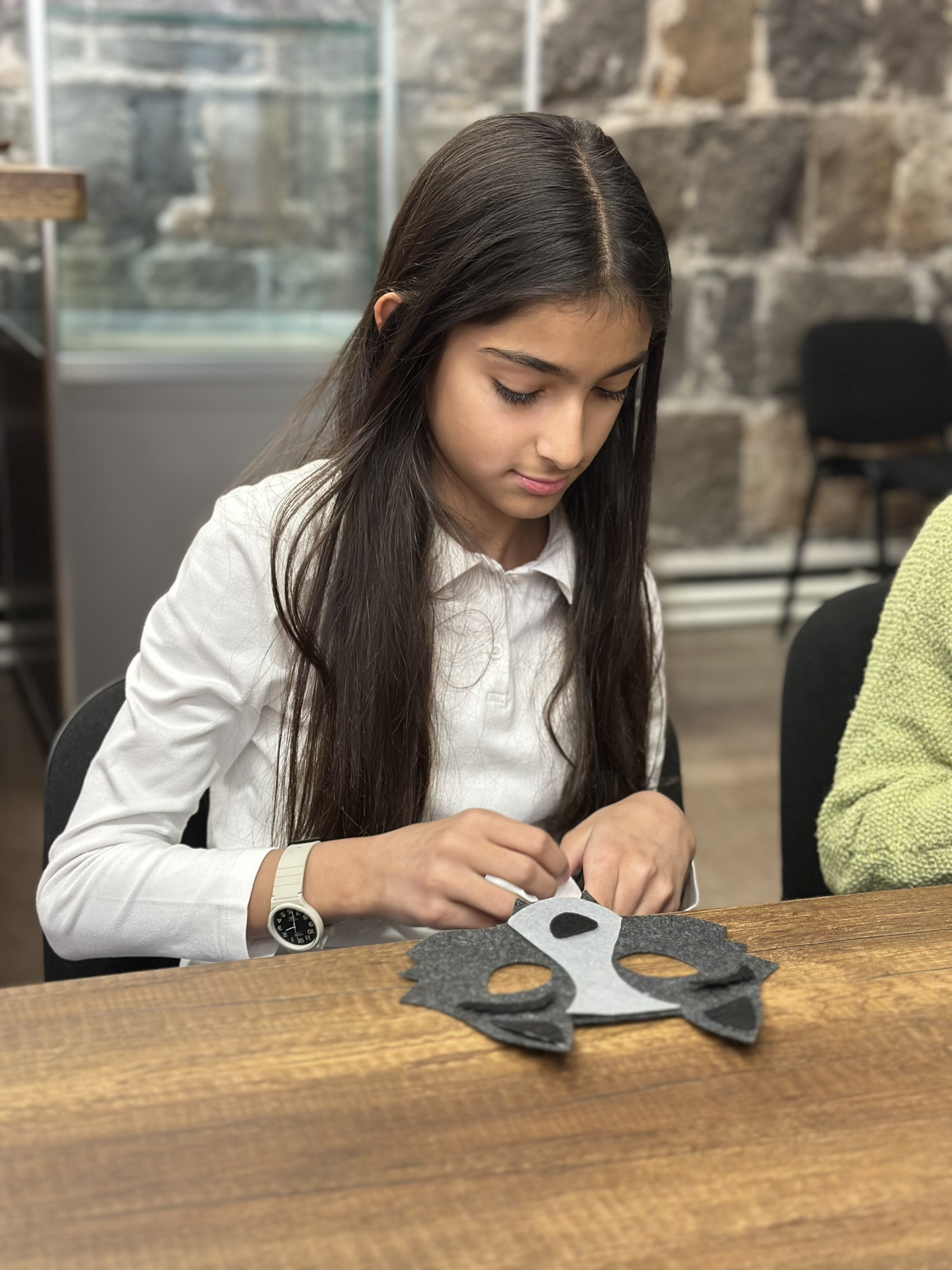
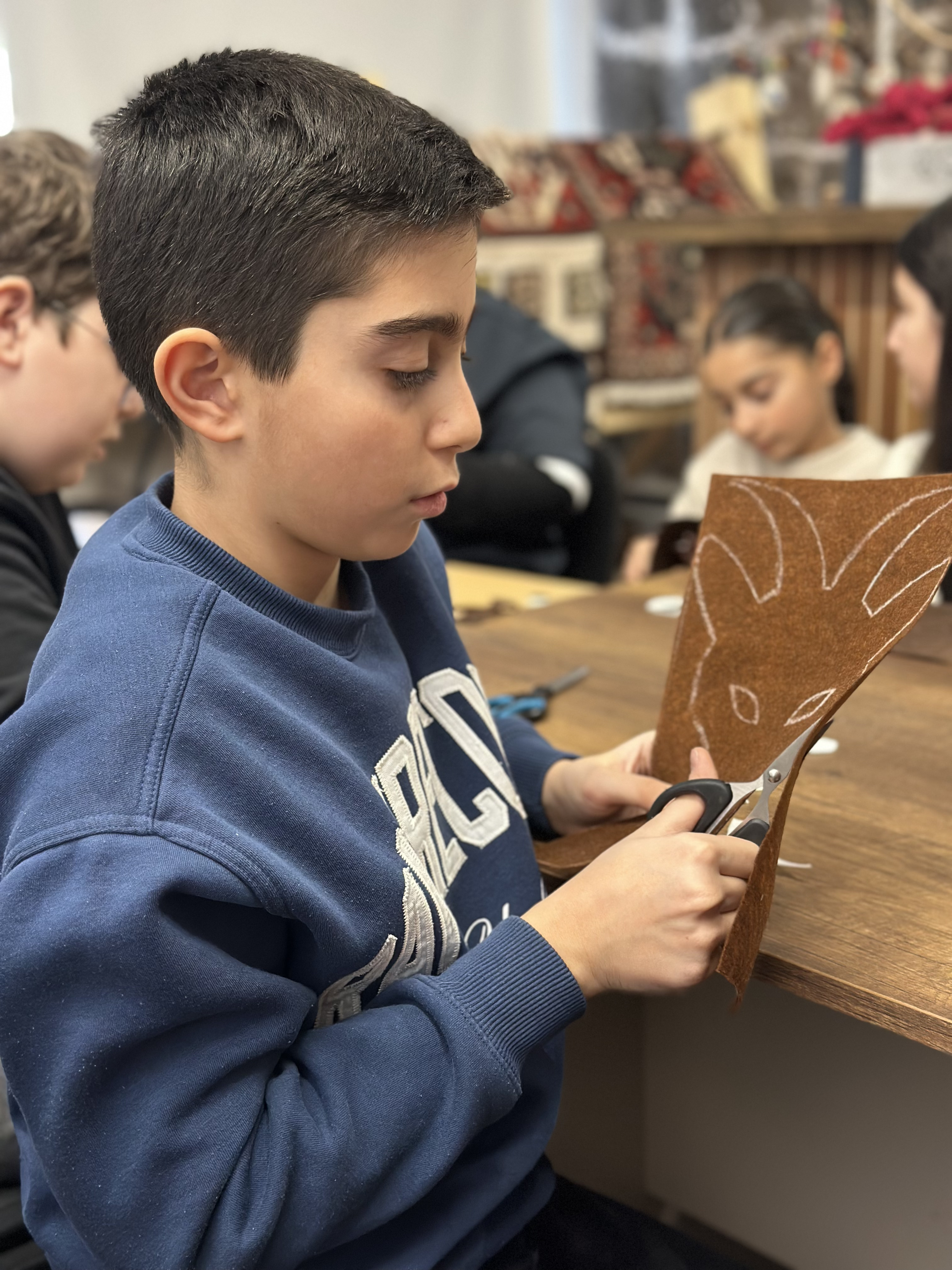
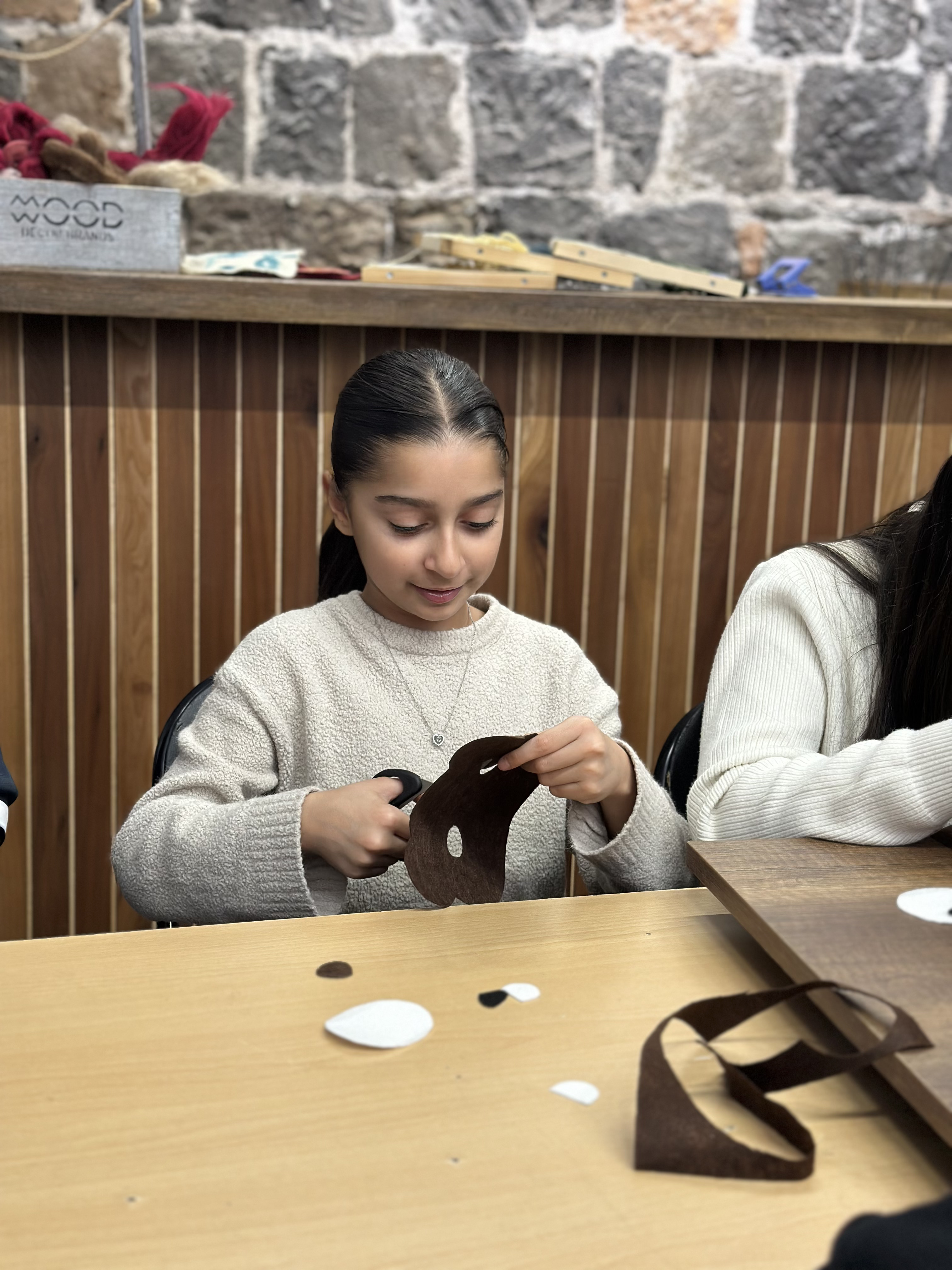
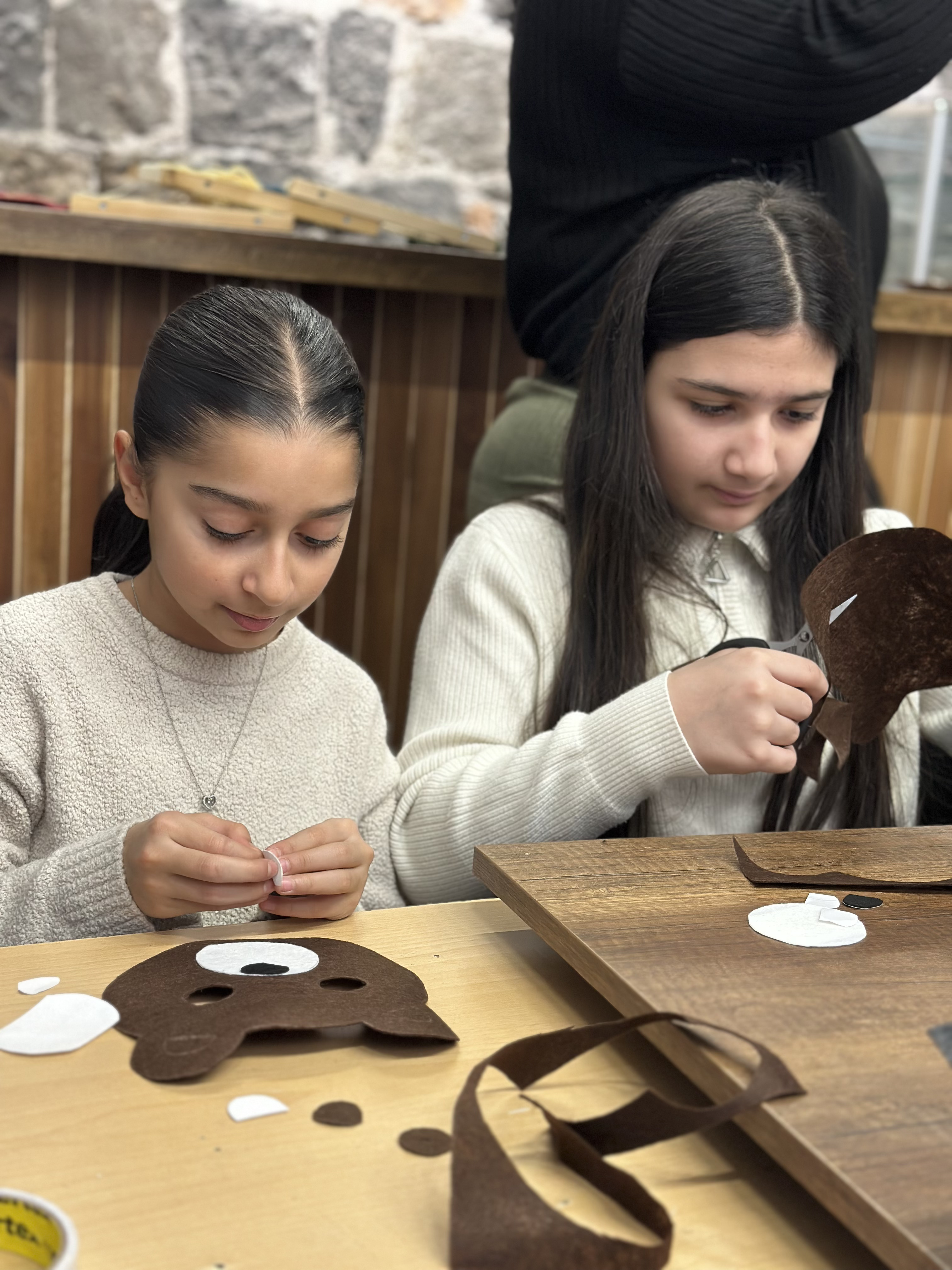
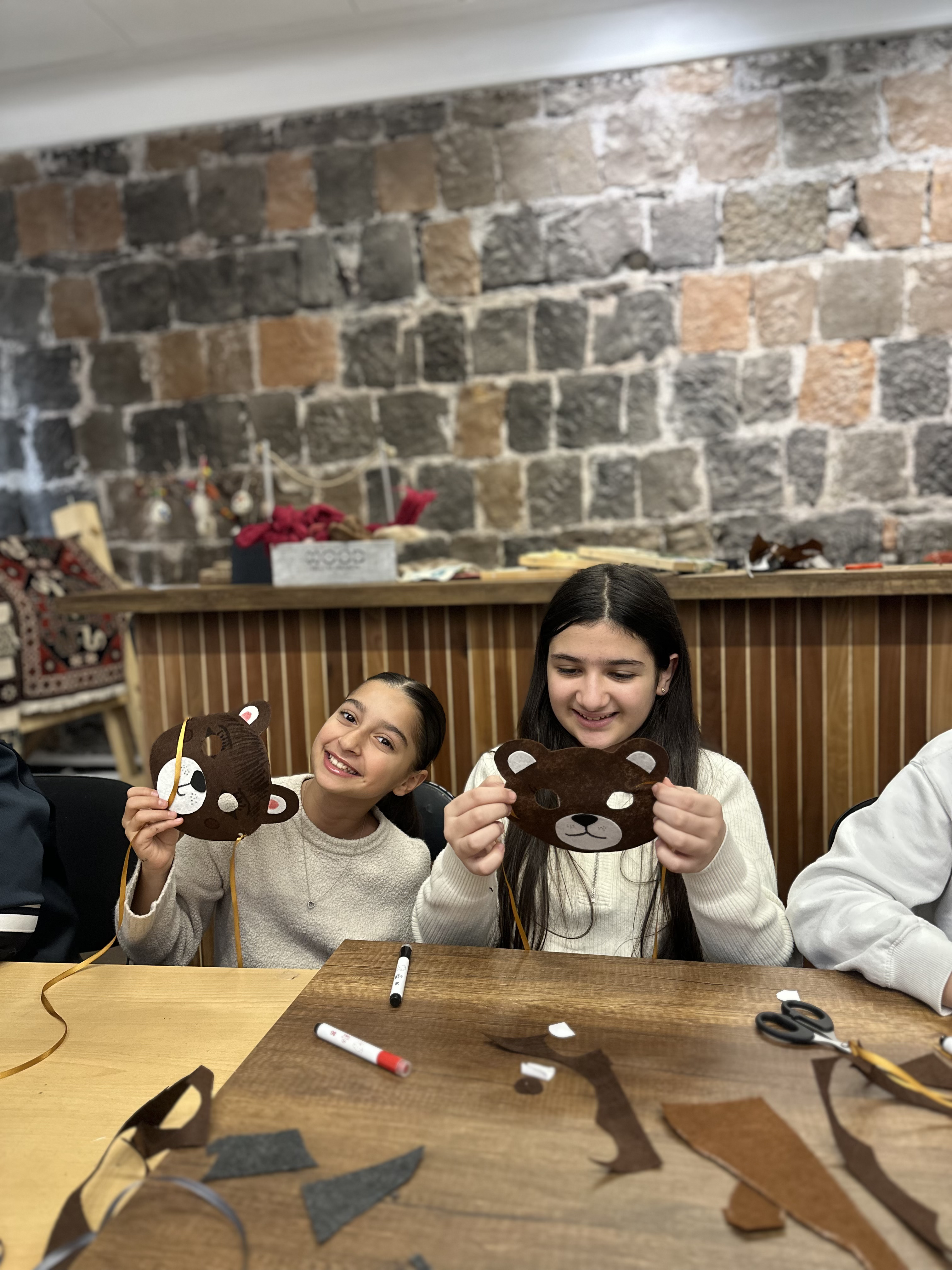
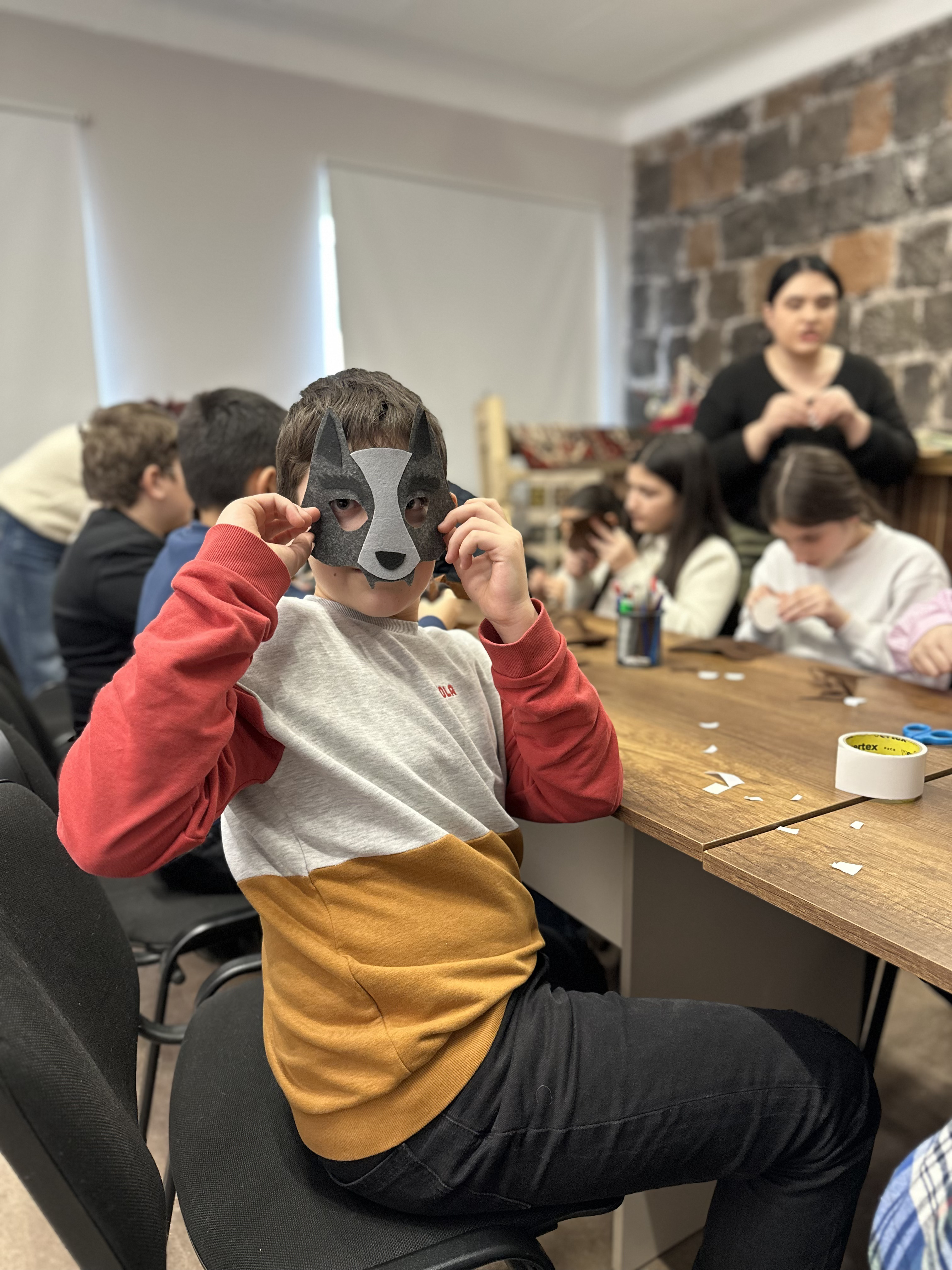
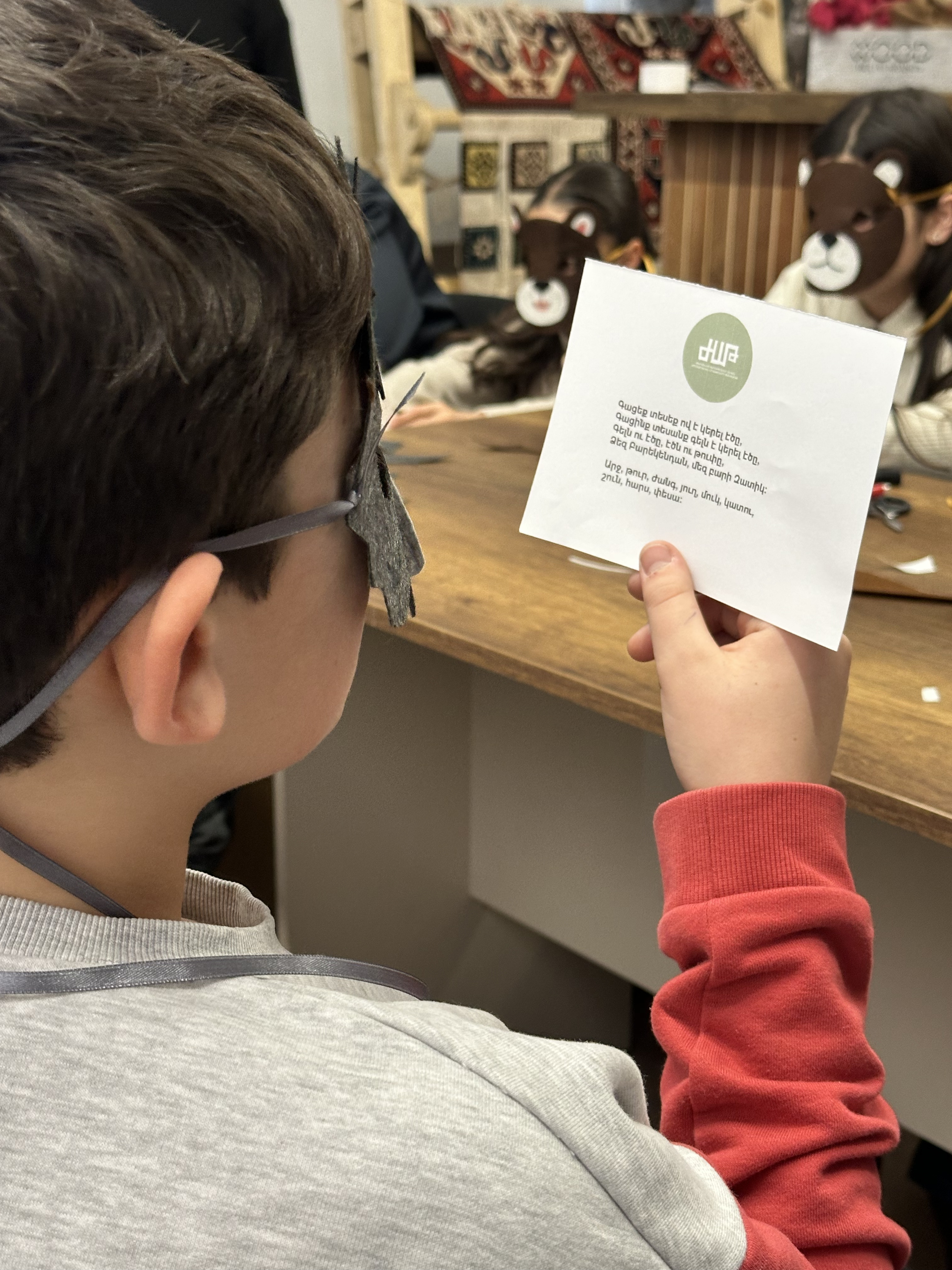
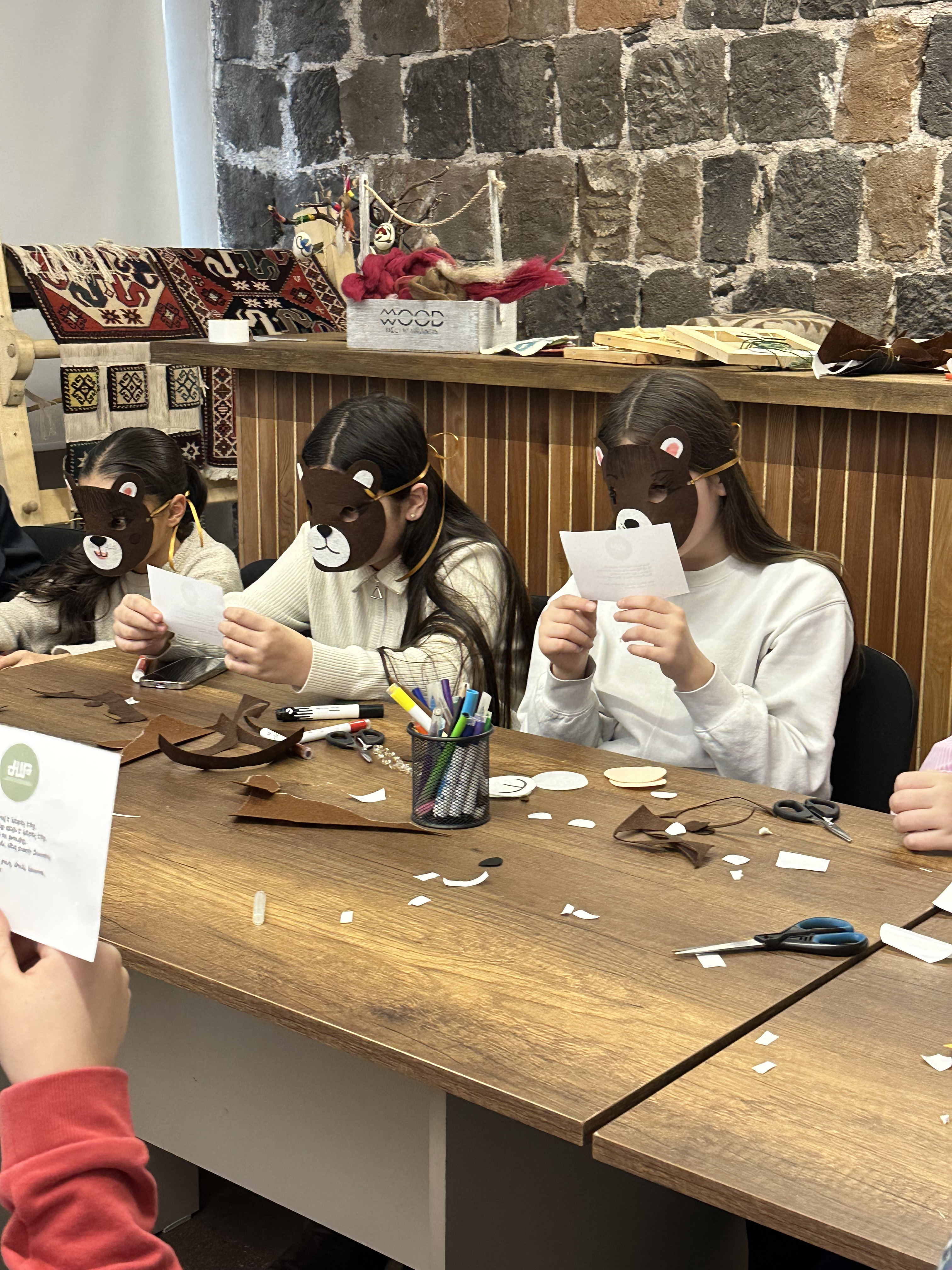
In the evening, when adults tired from feasting would gather at home, the door would suddenly swing open and a group of masked children would burst in noisily, singing and beating drums. Their appearance was meant to be as comical as possible: they wore funny masks or smeared their faces with soot or flour, coloring them with charcoal. The children staged scenes from village life or performed witty skits. In order to keep this tradition alive and bring the festive spirit of Barekendan into the museum, the Museum of Folk Art offers students and other participants of the educational program a creative and entertaining mask-making activity.
In conclusion, it can be stated that a visit to the Museum of Folk Art—regardless of the specific educational program—is not only an interesting excursion destination, but also a profound hands-on experience that brings learners face to face with their own culture and a way of life shaped by cultural values. Once again, it proves that museum education is an effective means of uniting knowledge, values, and experience, thereby fostering a generation that appreciates culture, thinks critically, and feels connected to its national heritage.
To not think freely is to not think at all!