Fairy tales are among the oldest cultural heritages of humanity. From the earliest times, when people gathered around a campfire, they told stories to pass on their experiences, beliefs, and the most important values of life. Through fairy tales, generations have learned to distinguish between good and evil and to appreciate honesty, friendship, and compassion.
Over the centuries, different nations of the world have created their own fairy tales. Many of them have become part of universal culture, going beyond national boundaries and gaining new meanings across time and space. Among these are the works of the great Danish storyteller Hans Christian Andersen and the Brothers Grimm, whose characters continue to speak to the deepest emotions of the human soul.
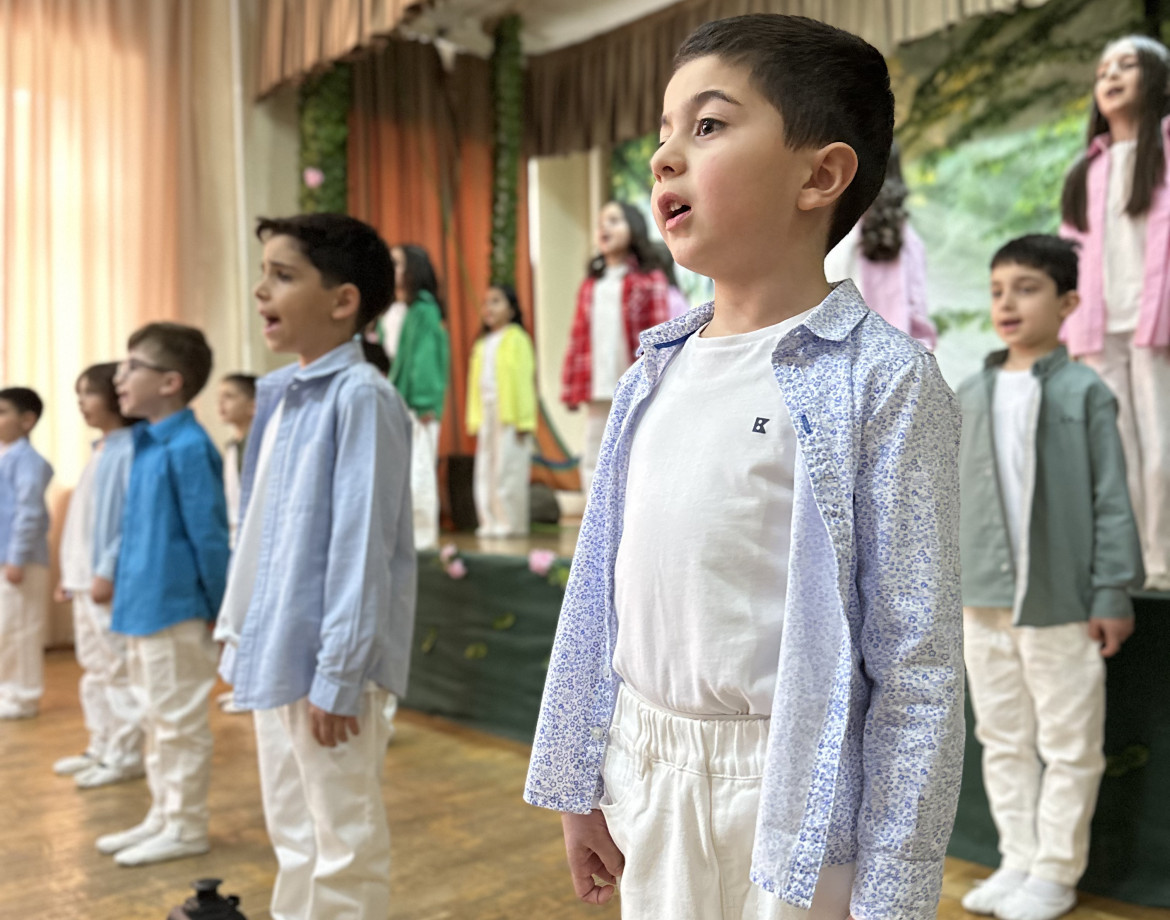
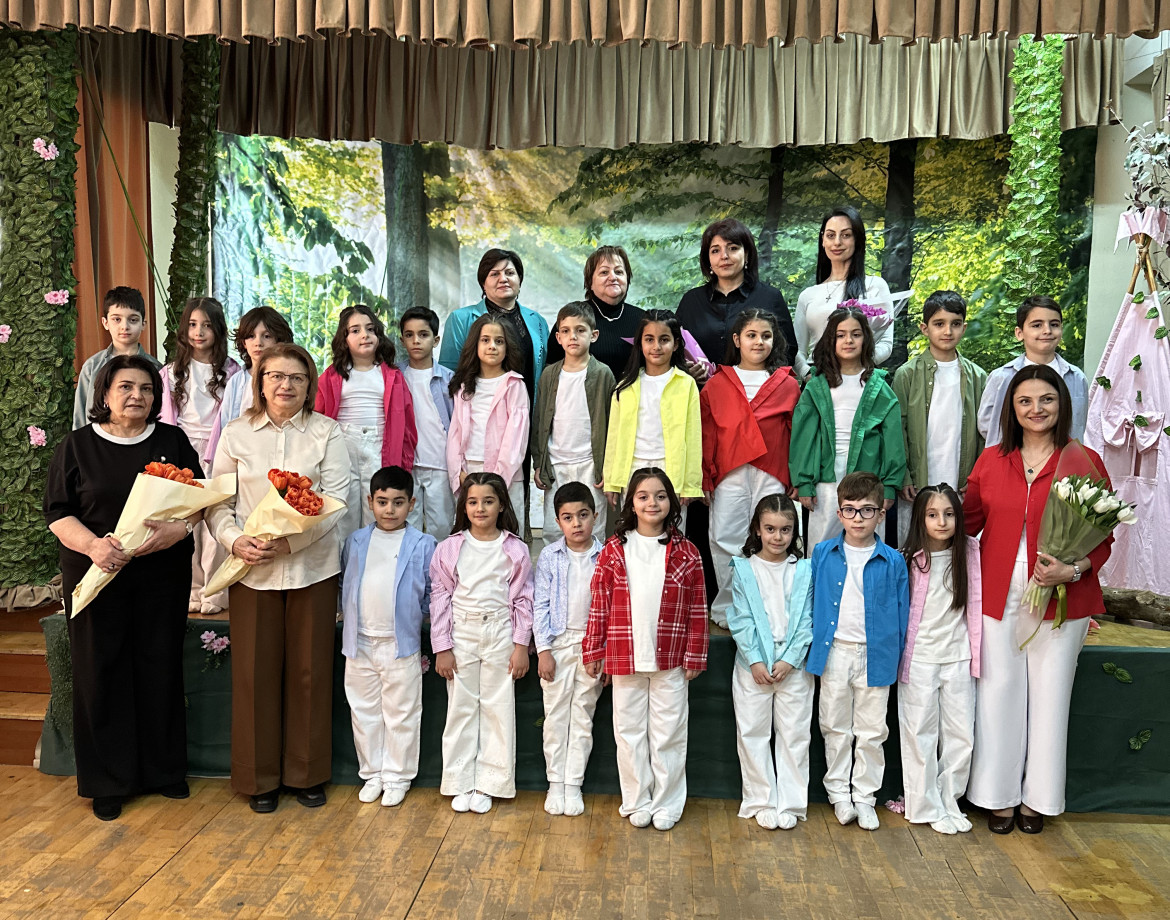
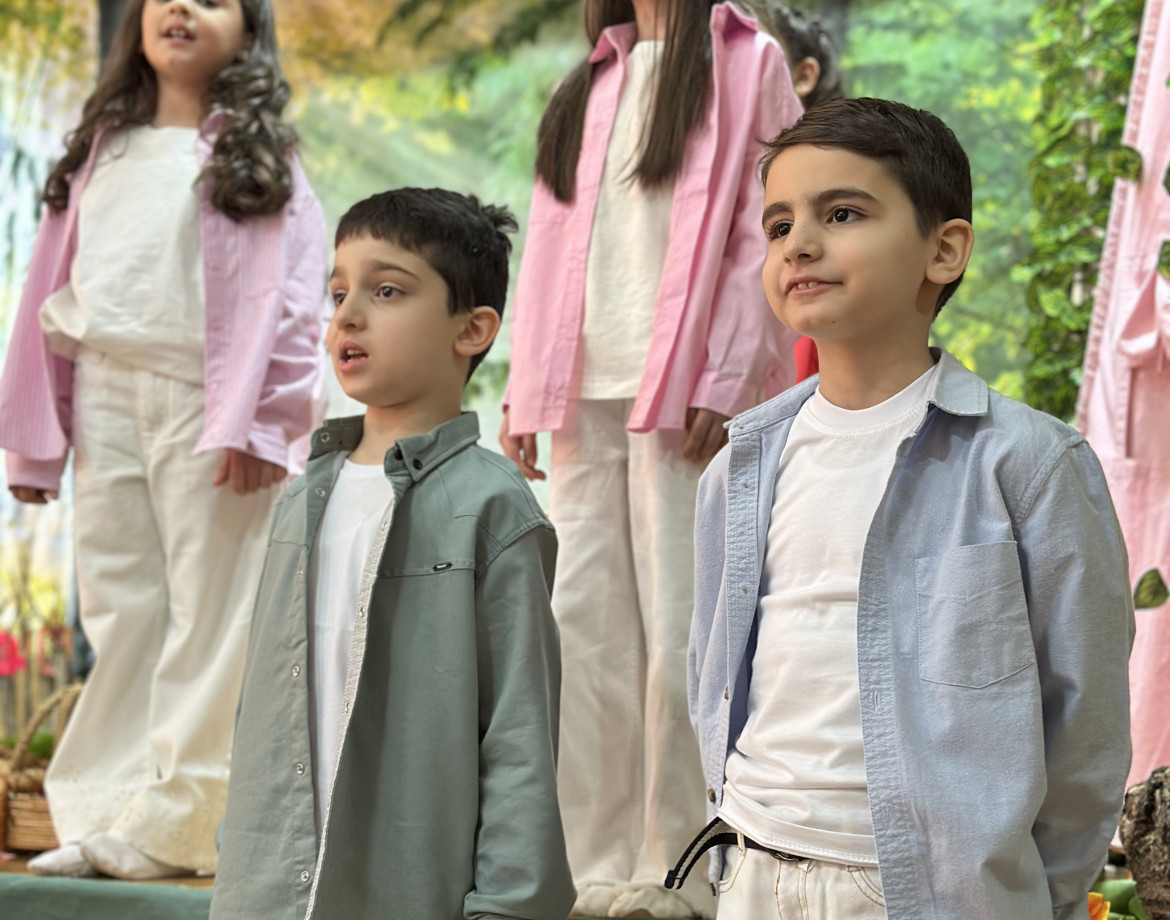
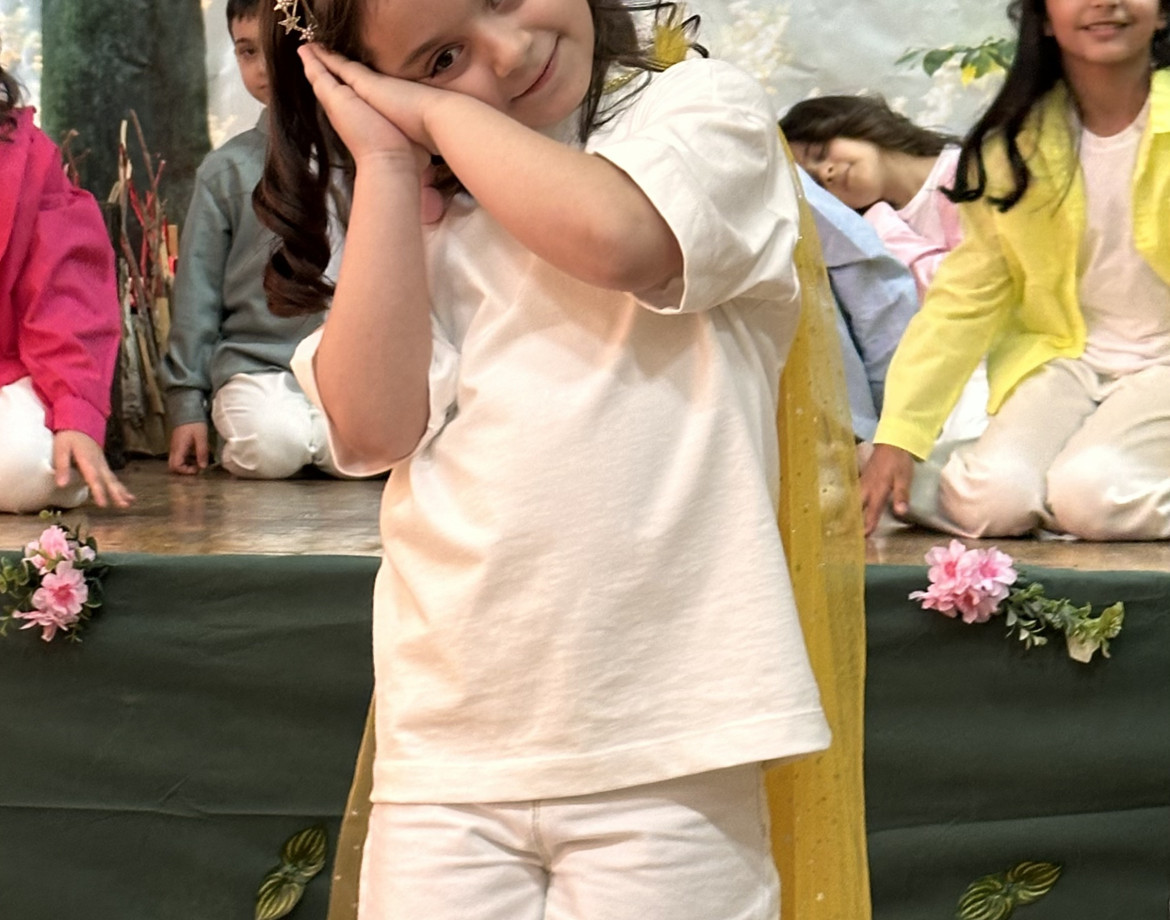
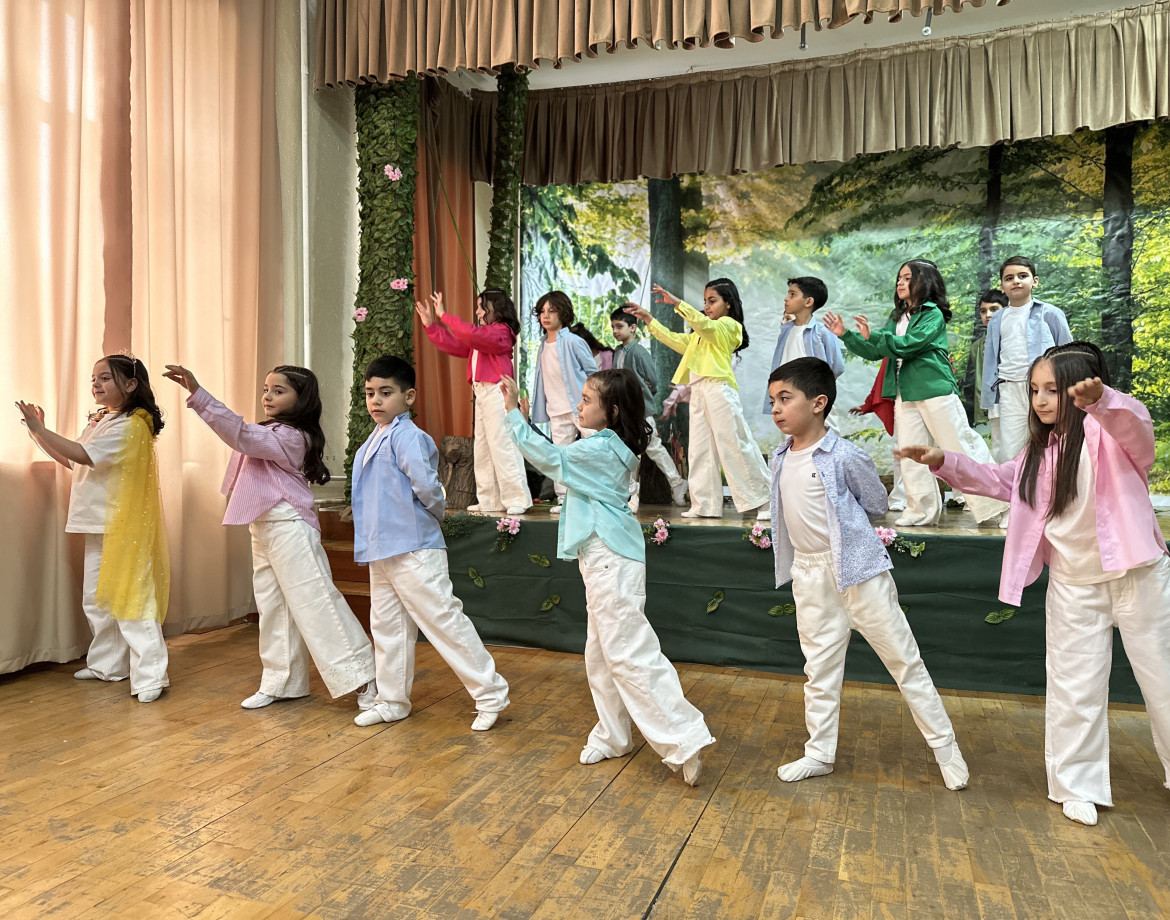
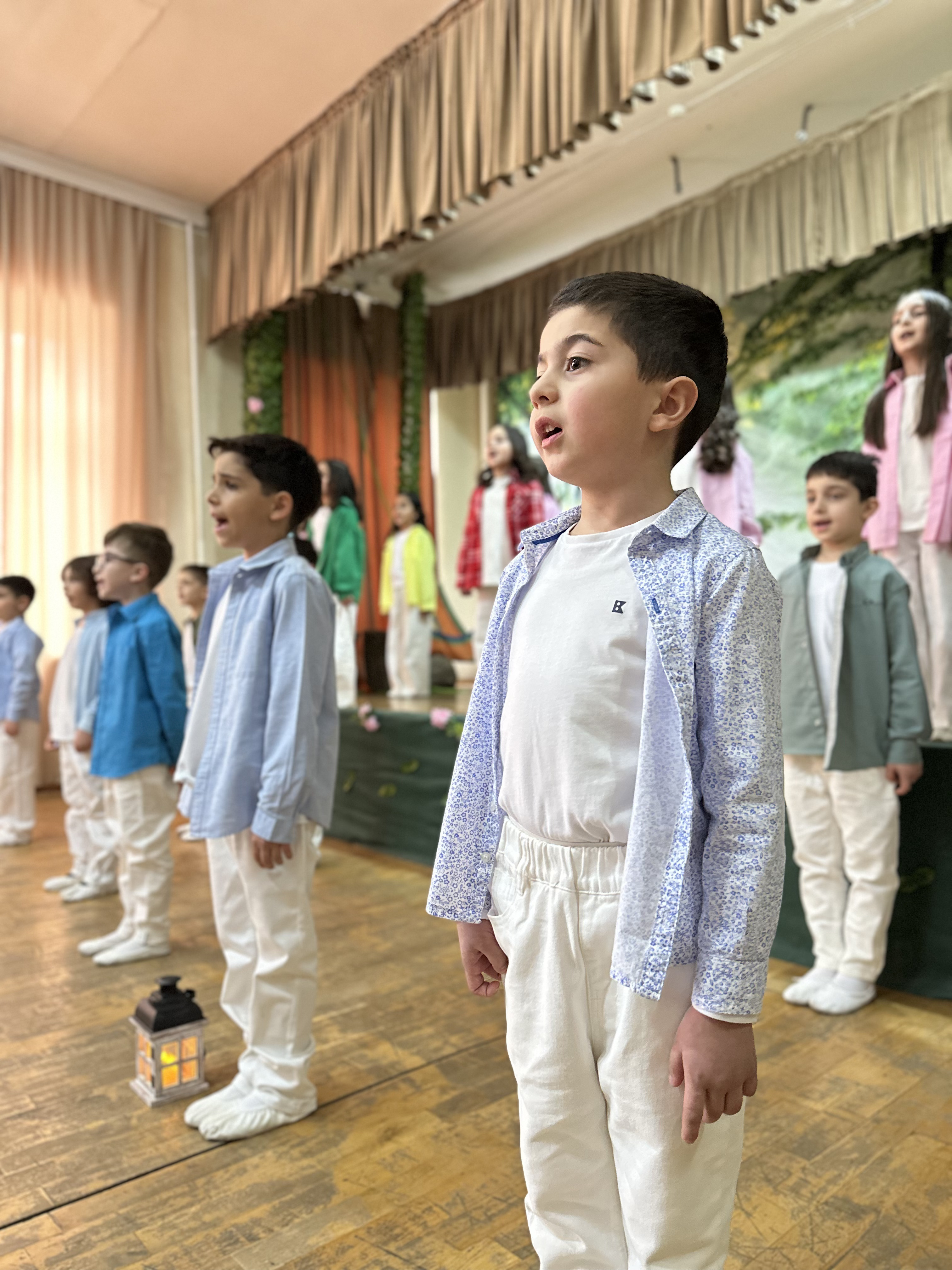
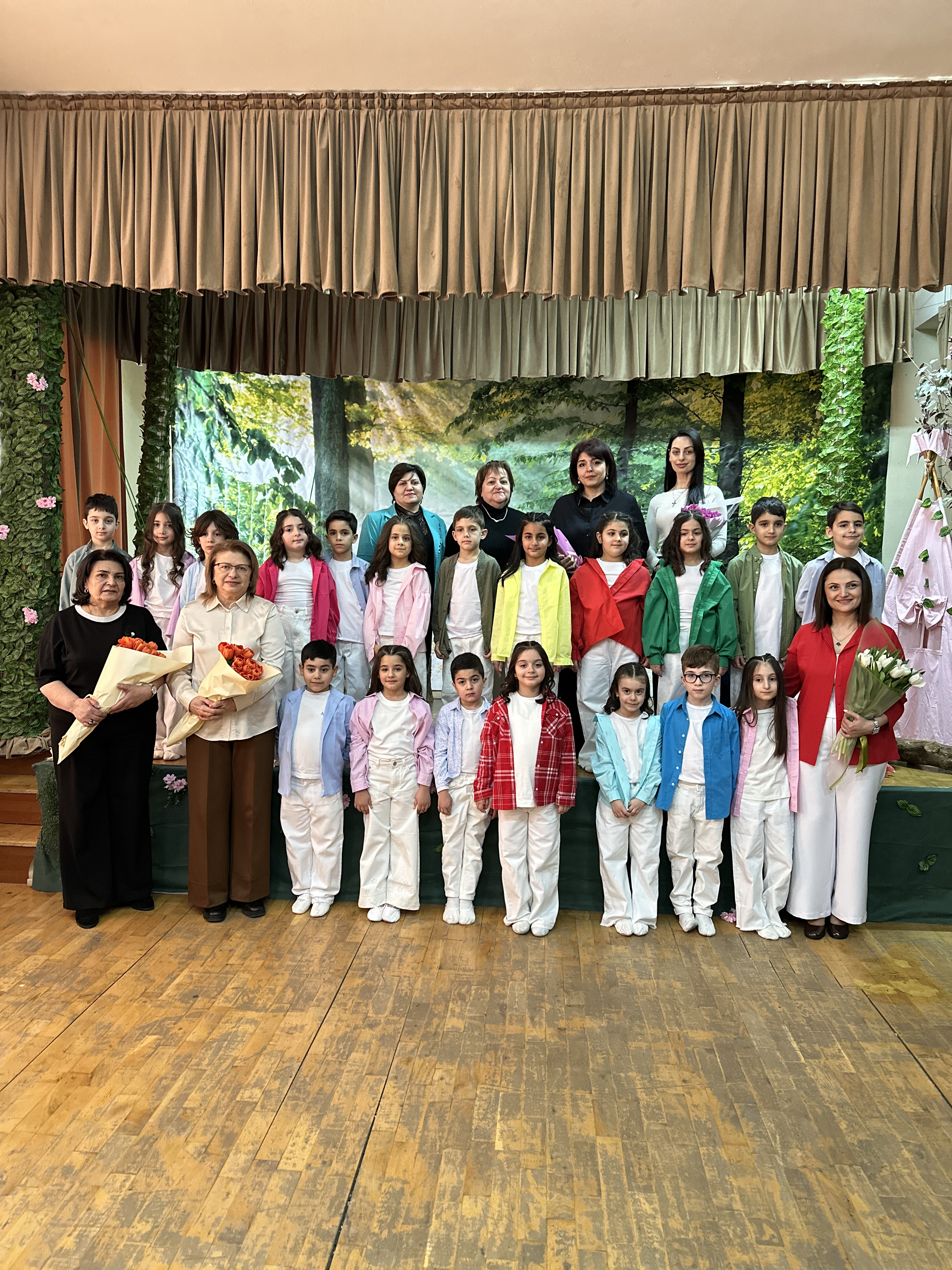
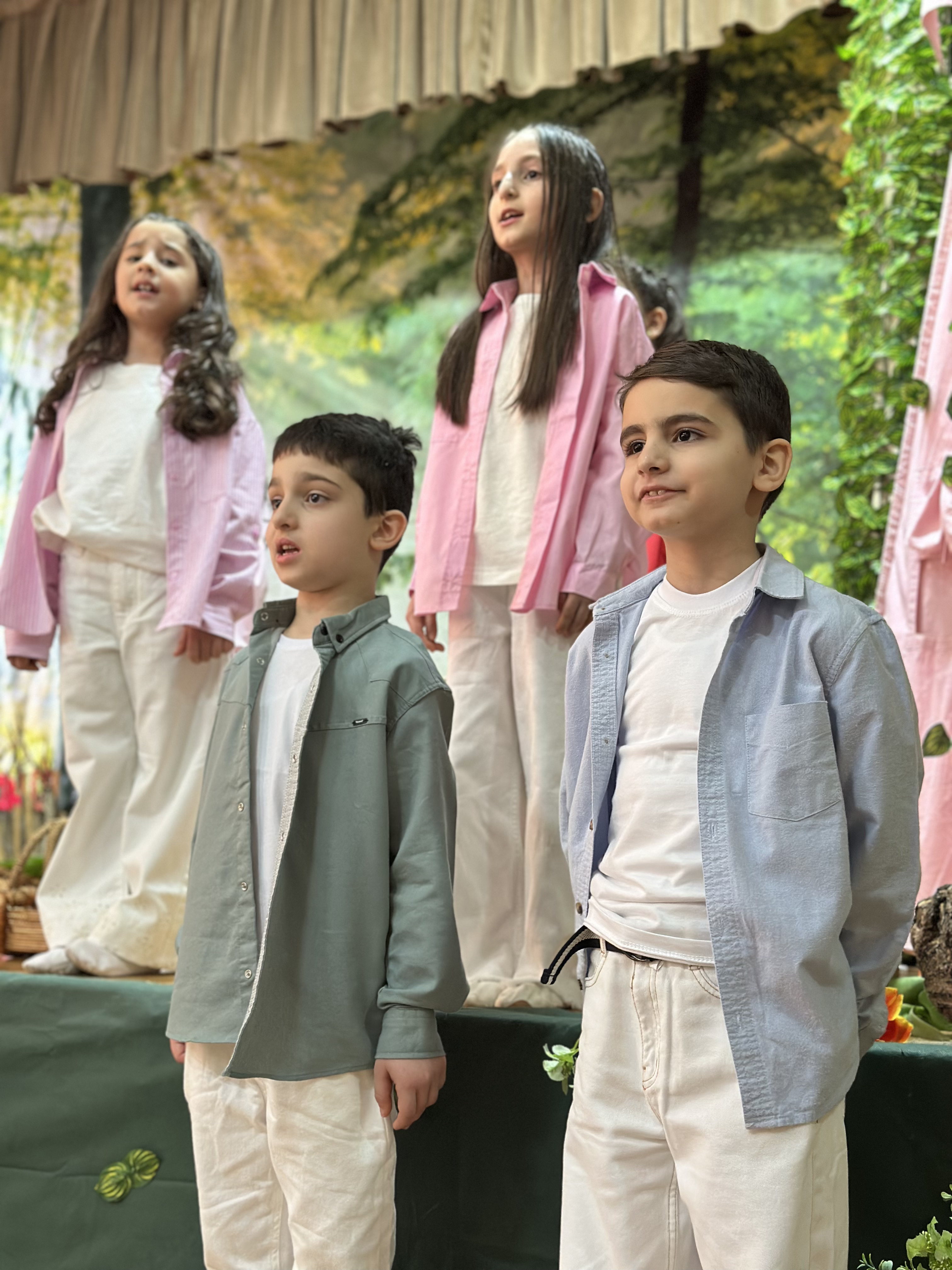
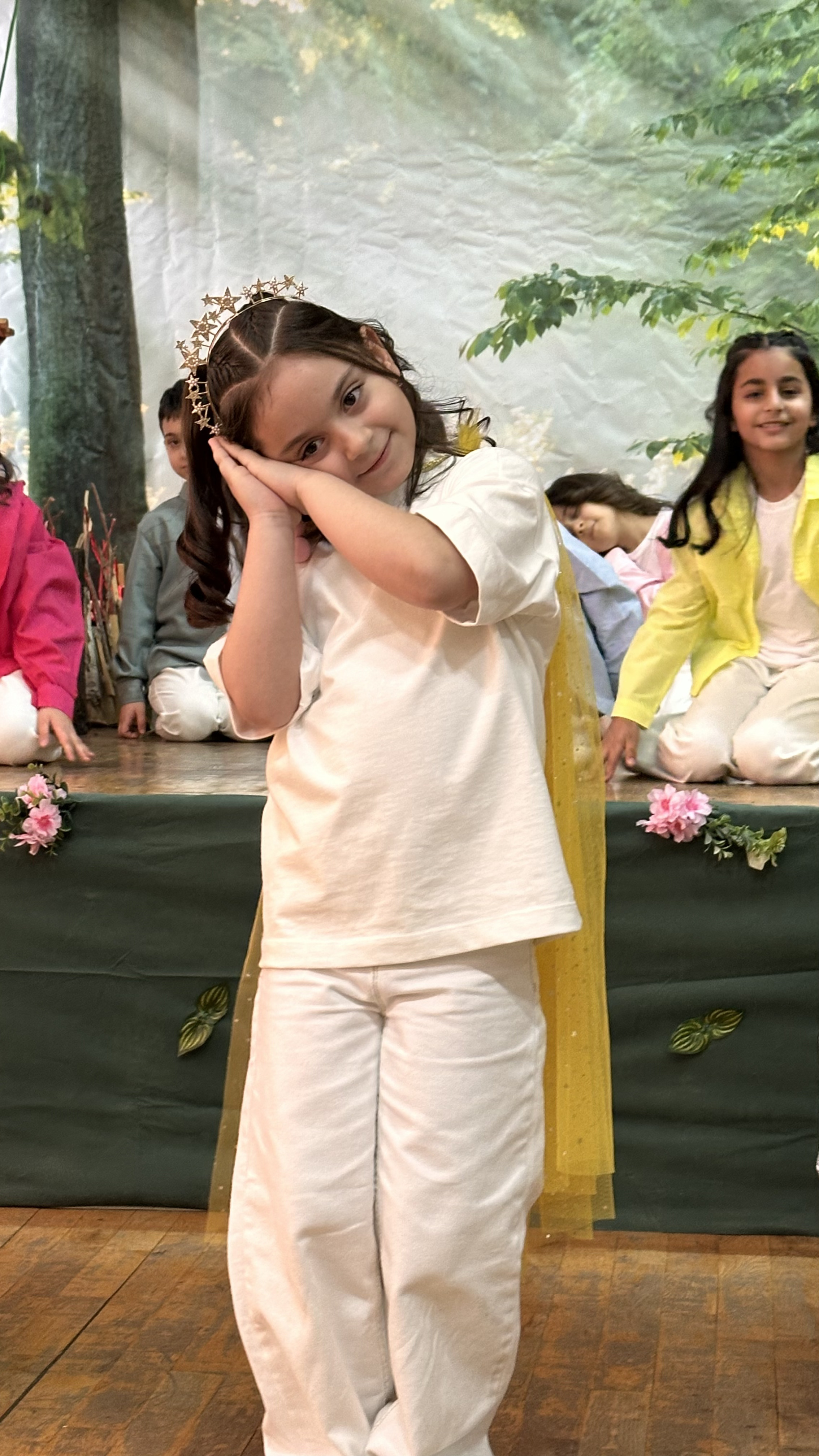
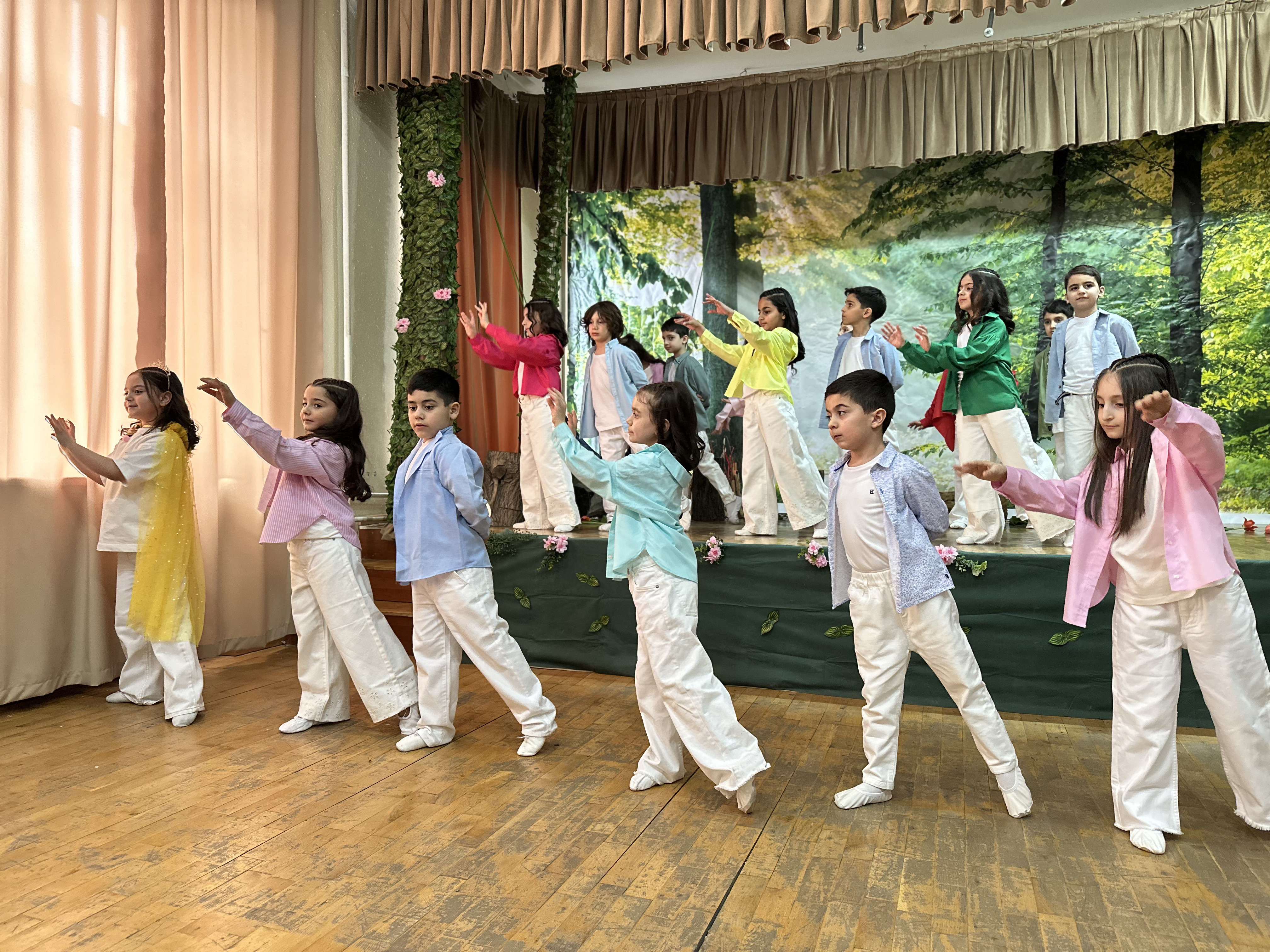
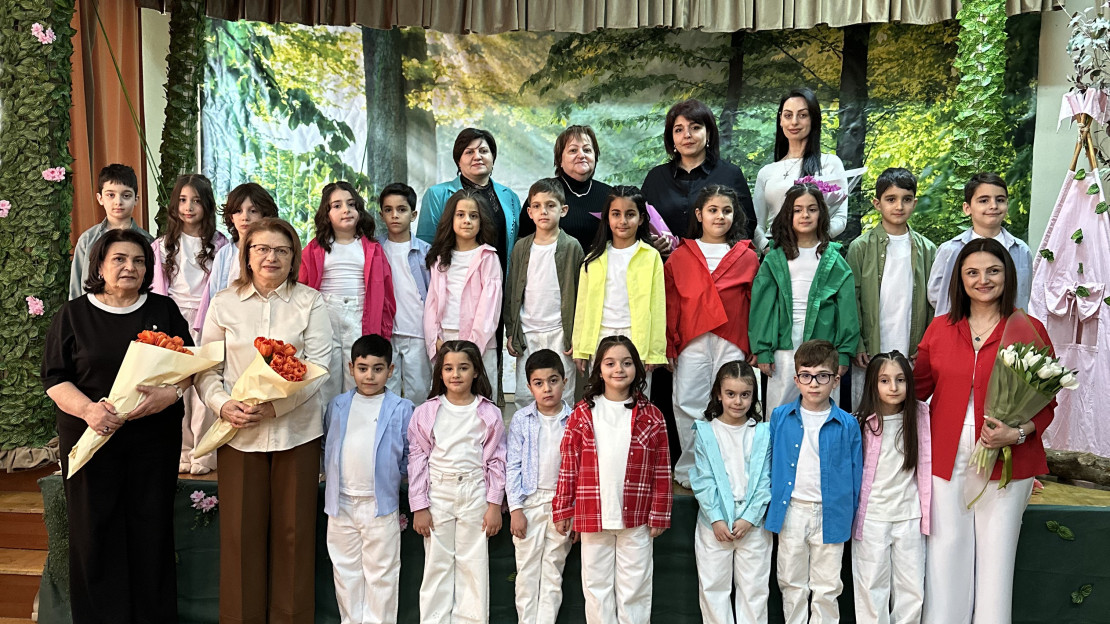
The world of fairy tales has never been limited to children's imagination alone; it has often become a platform for reflecting on human values, moral choices, and essential questions of life. It was precisely to convey this idea that today the second-grade students of Usum School took the stage with the children’s performance “The Mysterious Walk.” The play was based on Andersen’s and the Brothers Grimm’s characters, as well as elements of folk tales, through which themes of friendship, honesty, rejection of envy, overcoming loneliness, and love were explored.
The performance began with calm and mysterious conversations set in nature. As the children gathered around a campfire, the audience was transported into the magical world of the Snow Queen, where they sought to uncover the reasons behind human loneliness, which is often associated with evil. Yet the students offered a unique interpretation: very often we are not truly evil or indifferent—our hearts simply freeze from loneliness. As a result, people may seem cold and harsh on the outside while, in reality, they carry deep loneliness within.
In the next part of the performance, the children turned to another famous fairy-tale character—Snow White. Through their dialogue, they explored the idea of envy and reflected on why people struggle to love one another without comparison or competition. This part of the play revealed human fears. The young students suggested that when a person builds their entire identity on outward beauty or on the desire to be the best, they begin to fear the success of others.
The children were convinced that a person is not an object whose value can be measured by comparison with others. The most truthful “mirror,” they believed, is the one in which a person compares themselves only with their past self—trying each day to become kinder, wiser, and more attentive to others.
The philosophical climax of the performance came in the following scene, when the students reflected on three flaws that sometimes try to find their way into our hearts despite our efforts to resist them: indifference, envy, and deceit. The second graders expressed the belief that indifference freezes the human heart, envy steals joy, and deceit breaks trust between people. Therefore, true peace and friendship can exist only where there is trust, care, and honesty.
In conclusion, “The Mysterious Walk” was not merely a theatrical performance but also a living conversation about values. Through the characters of fairy tales, the audience encountered the depths of human emotion and rediscovered the idea that kindness, friendship, and honesty never lose their power over time.

To not think freely is to not think at all!