The masquerade is one of the oldest and most symbolic festive formats in the cultural history of humankind. Even in ancient civilizations, people used masks during celebrations to embody pagan gods, the forces of nature, or mythological figures. In Ancient Rome, the mask was not only a means of external transformation but also a tool of inner liberation: it allowed individuals to temporarily abandon social constraints and assume new roles.
In medieval Europe, masquerades took on a more organized and splendid form. Particularly famous were the masquerades held in Italian cities, where people—regardless of social status—became equal beneath their masks. These festivities were accompanied by music, dances, and symbolic games that united the community and created an atmosphere of freedom and creativity.
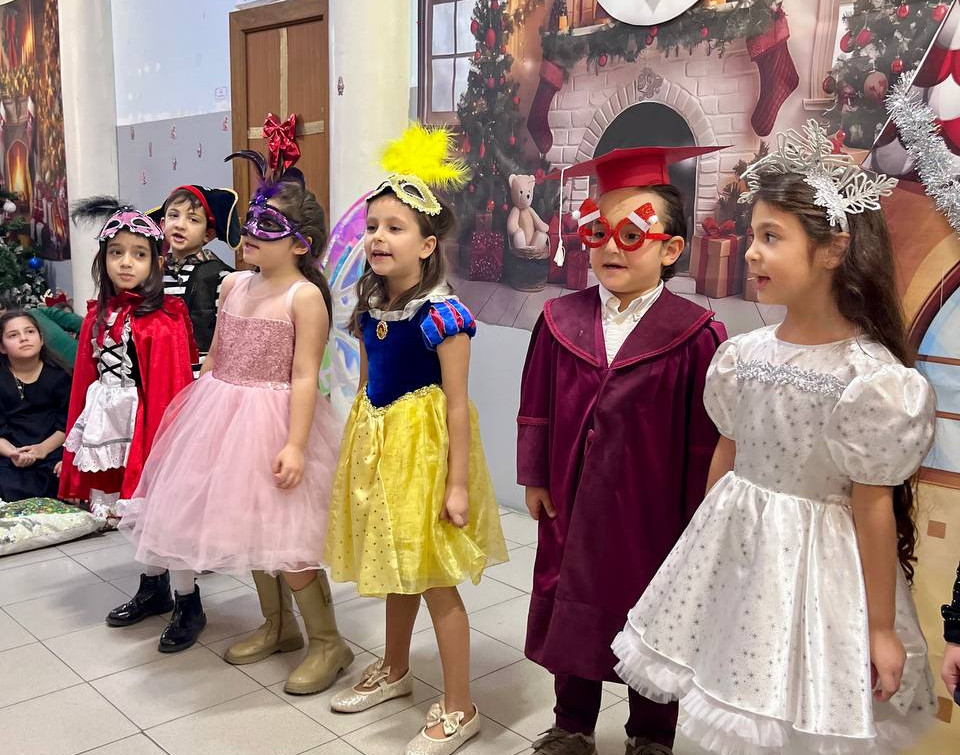
Over time, the masquerade moved beyond the realm of adult entertainment and entered educational and children’s settings. It became an effective way to nurture children’s imagination, transmit values through role-playing, and foster a culture of cooperation. The idea of the masquerade gained special meaning during the New Year celebrations, becoming closely associated with fairy tales, wonder, and the symbolism of new beginnings.
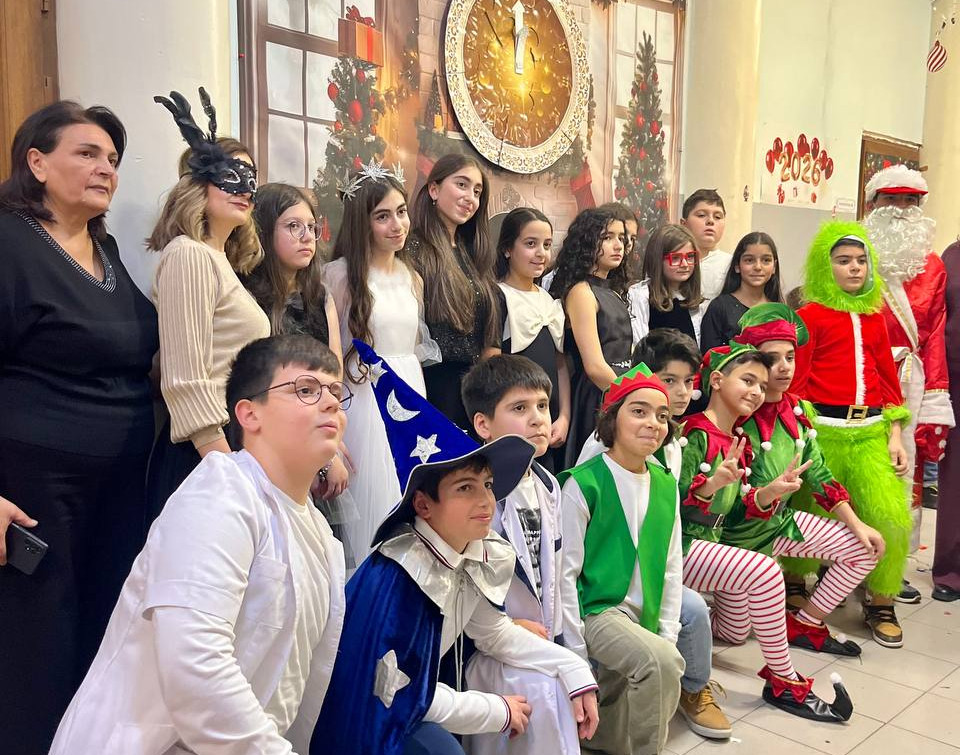
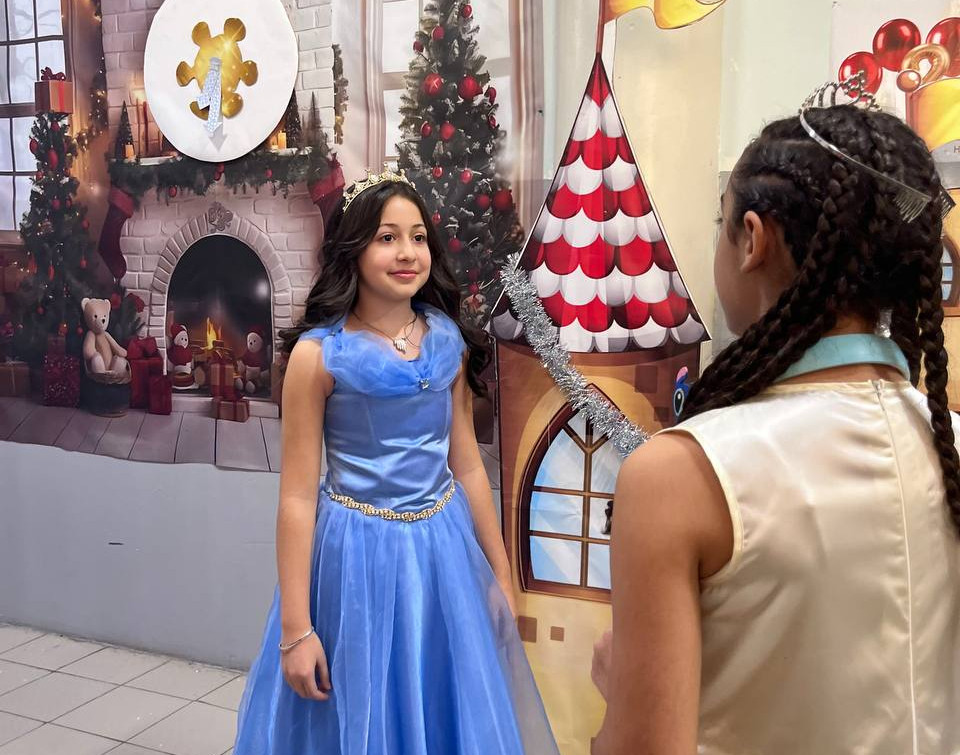
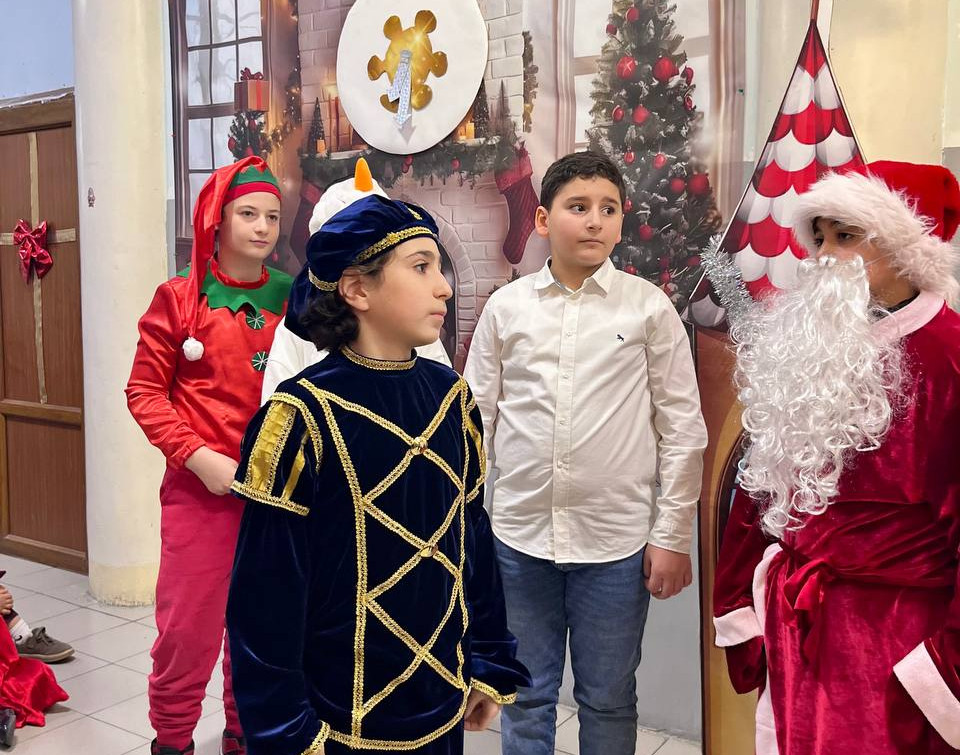
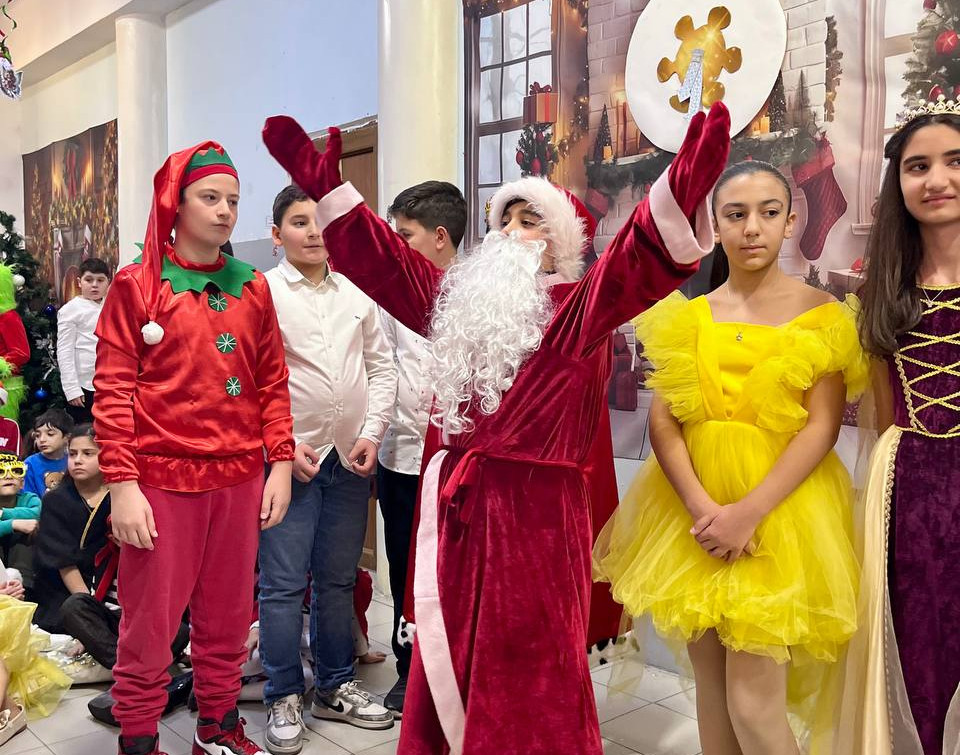
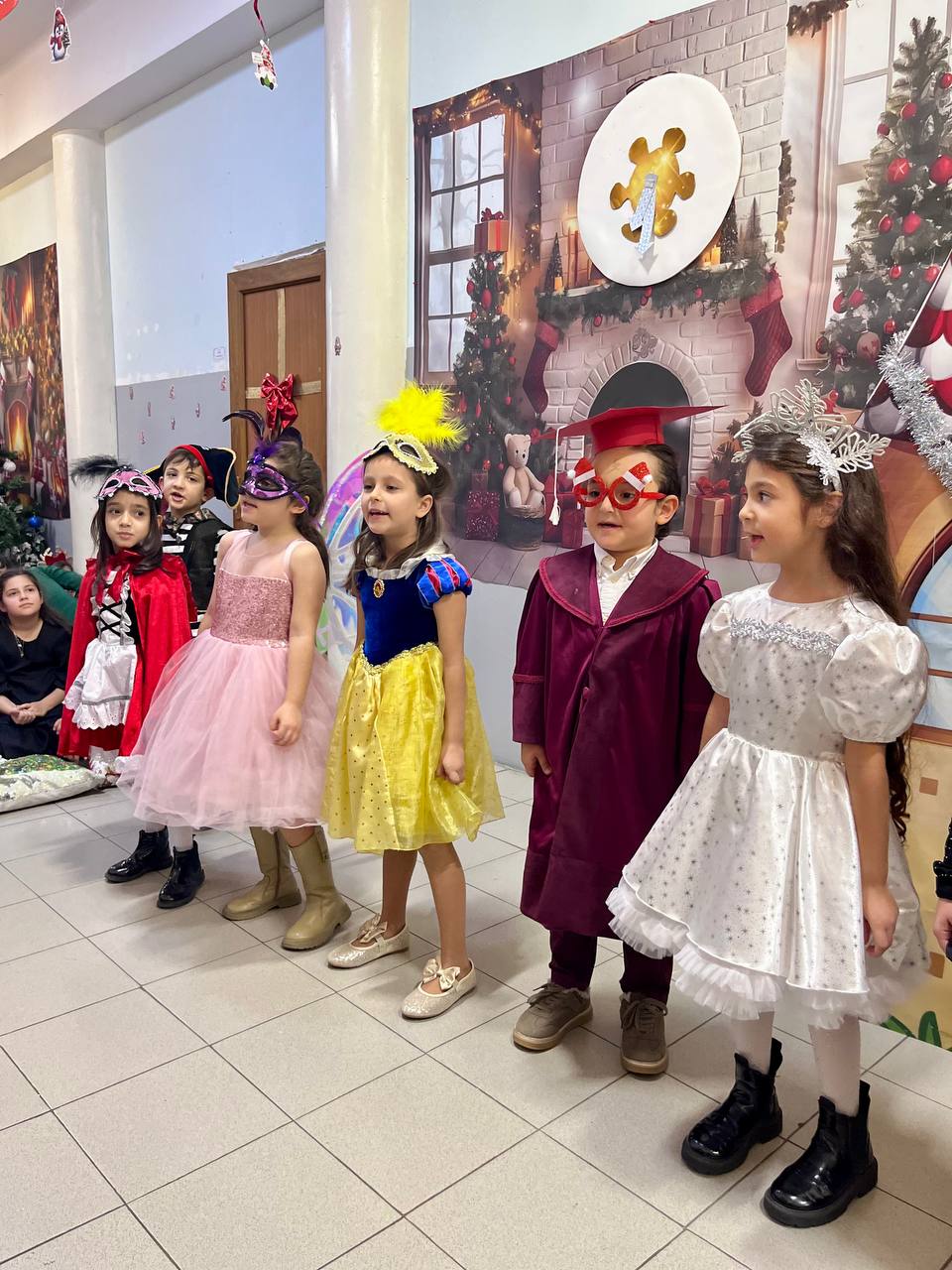
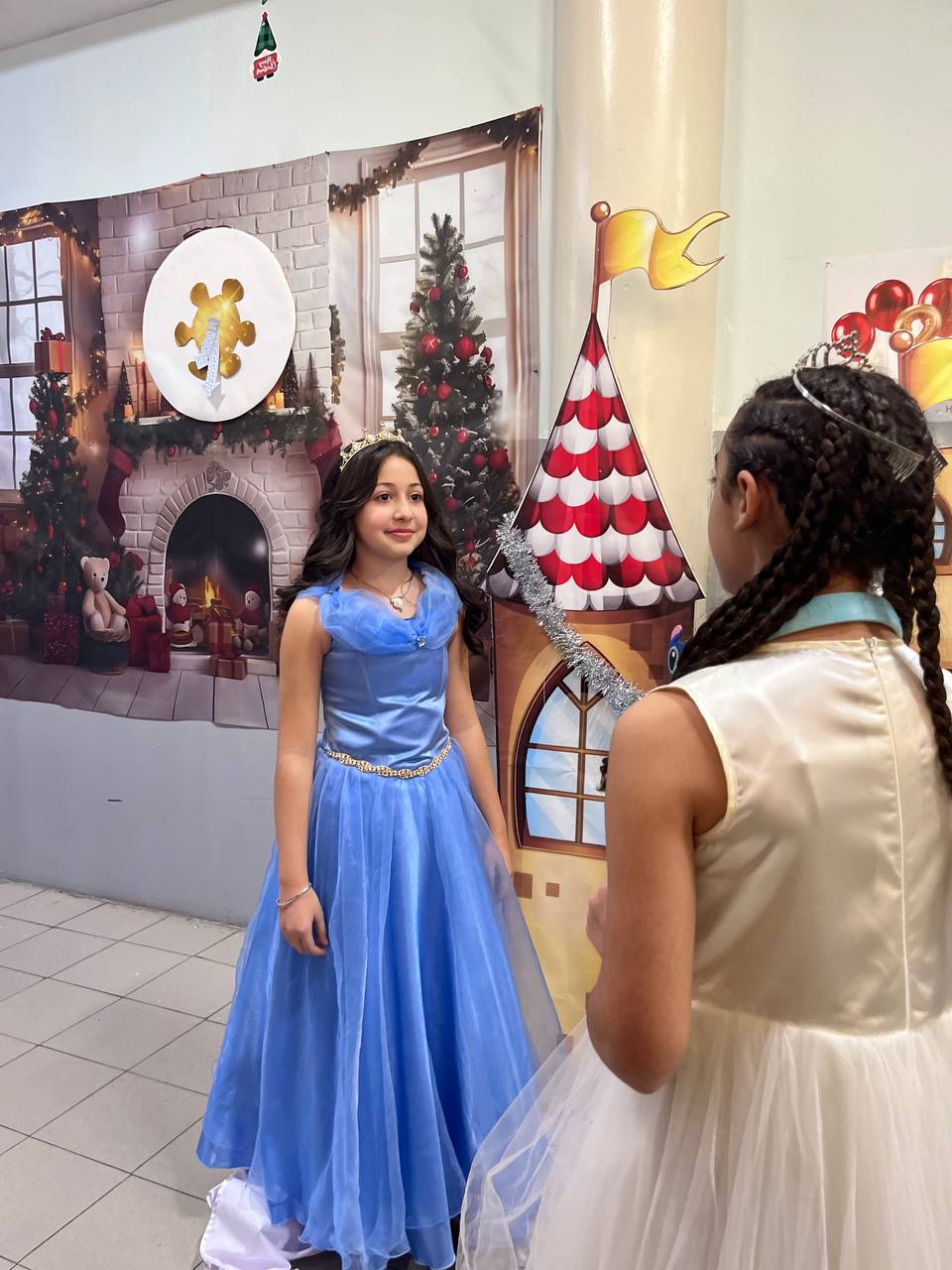
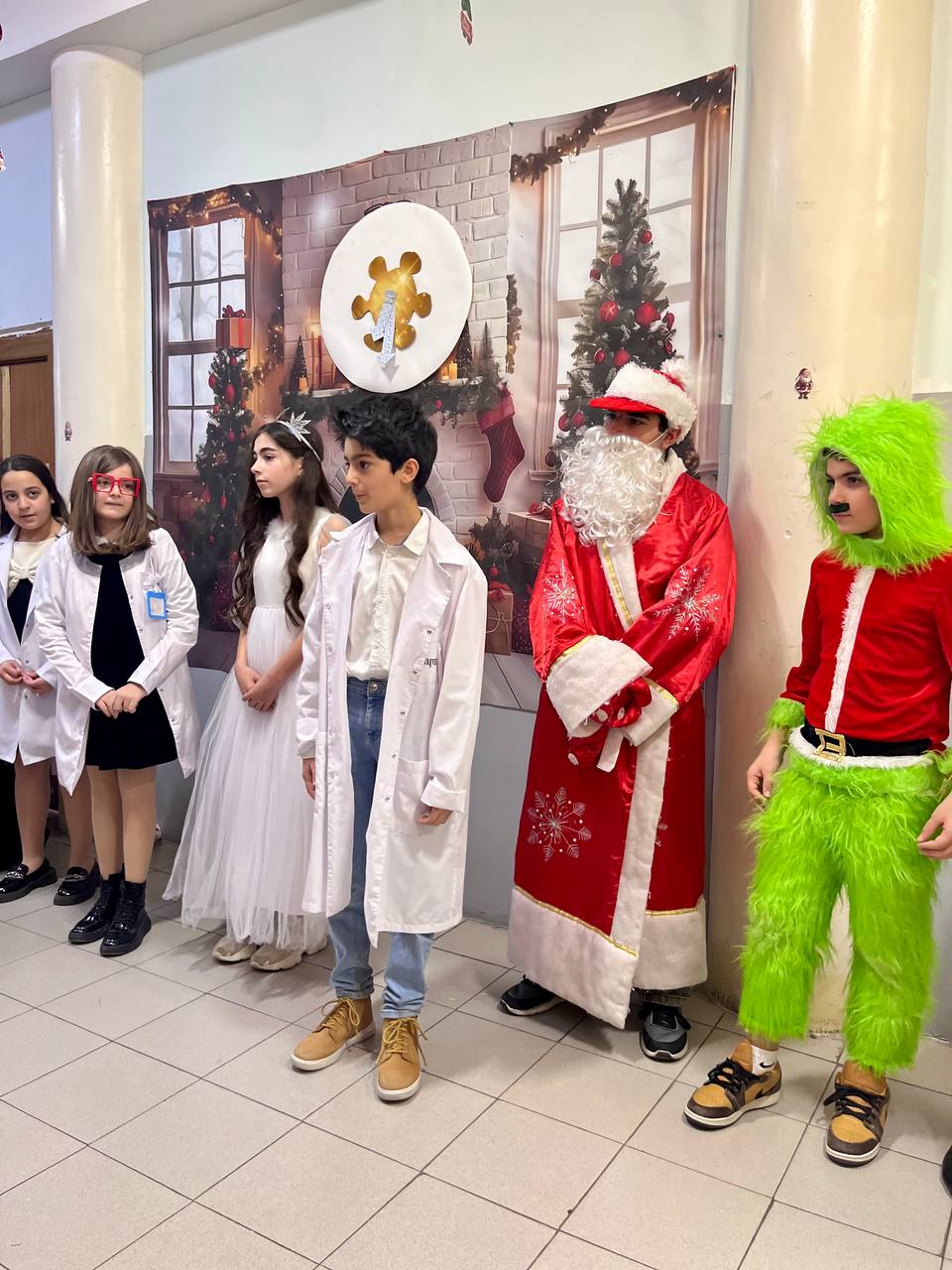
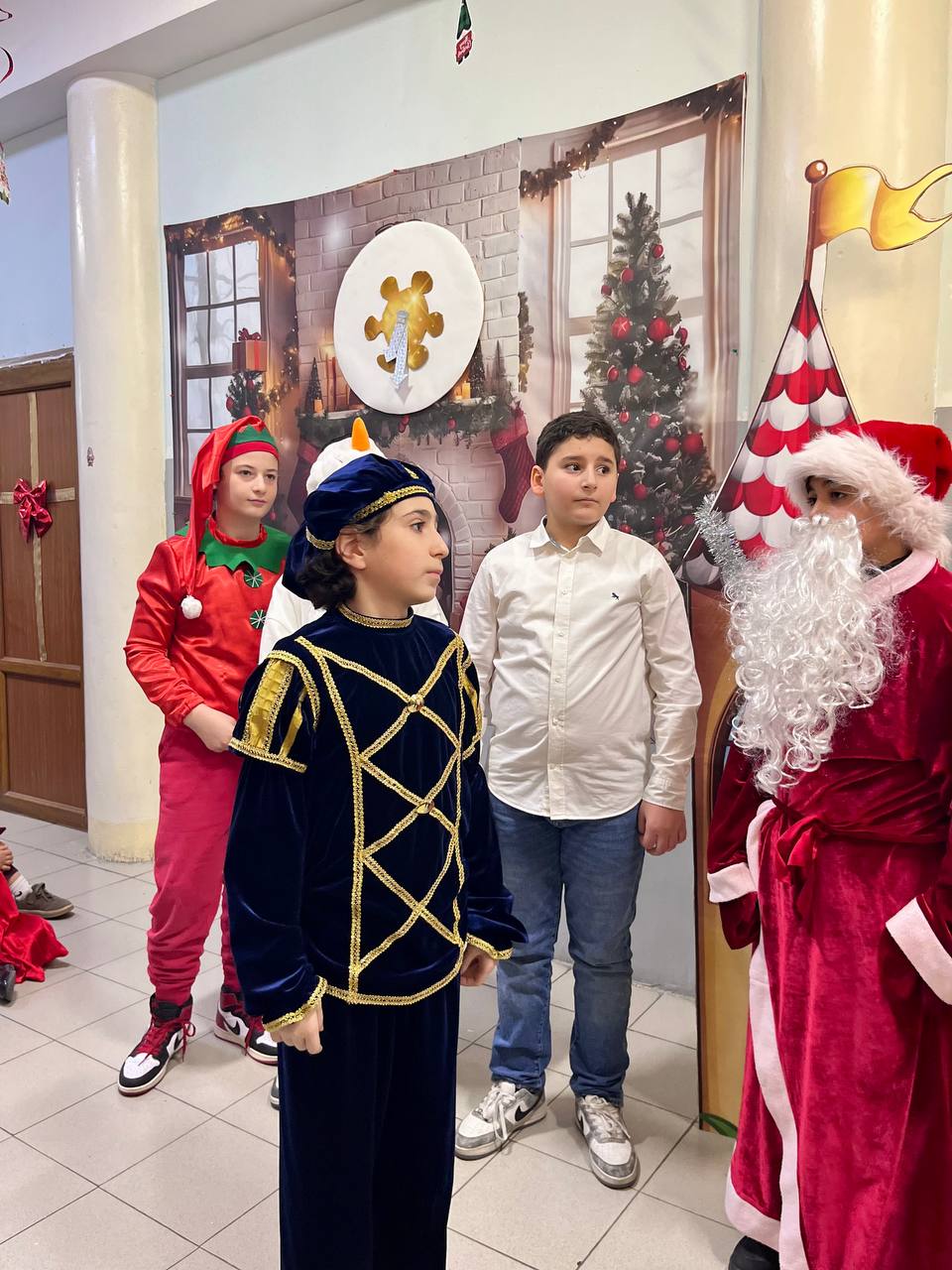
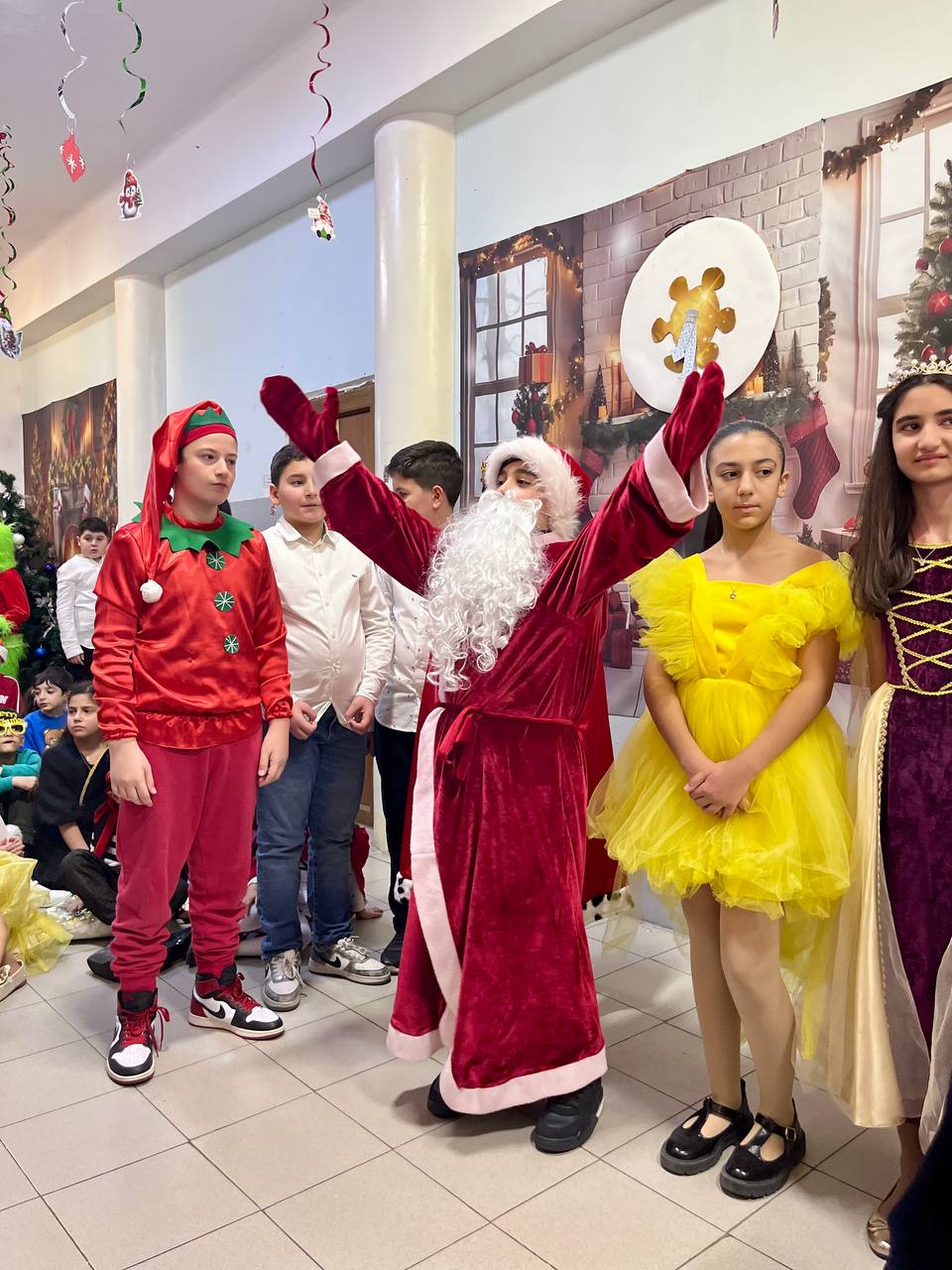
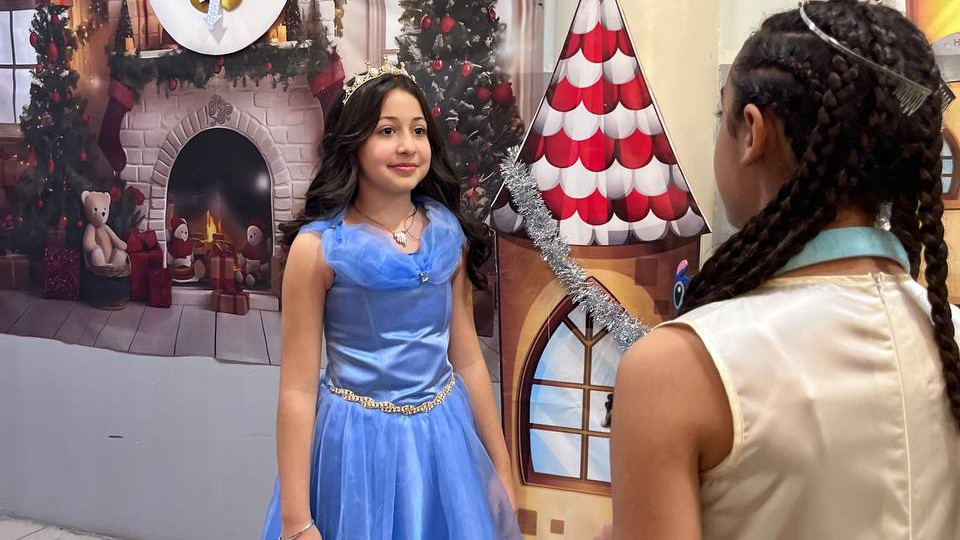
This age-old tradition found its modern continuation in the New Year masquerade organized at our school under the title “The Mystery of the Lost Clock.” The distinctive format of the event aimed to bring together children of different ages and classes in a festive atmosphere, engaging them in a value-based and educational fairy-tale story.
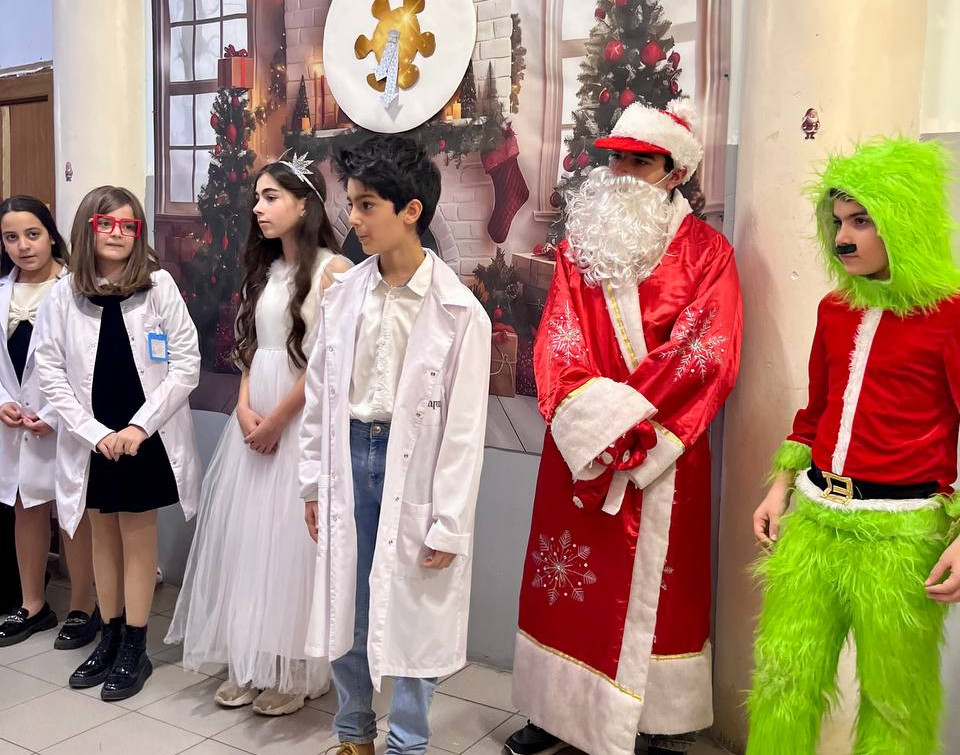
The celebration was opened by Santa Claus and Snow Maiden, whose warm words and good wishes created a joyful New Year mood. Soon, however, the fairy-tale atmosphere turned into an adventure: it was discovered that the New Year clock had gone missing, and without it, the arrival of the New Year was in jeopardy.
Throughout the story, accompanied by scientists from the New Year Academy of Sciences, the children moved through various laboratories, overcoming thematic challenges in pursuit of their final goal. Each laboratory symbolized an essential value—love, kindness, loyalty, diligence, unity, and friendship.
Through games, teamwork, and mutual trust, the children assembled all the parts of the clock as a manifestation of achieving their shared objective. In the final stage, a magical formula was to be pronounced, the clock would start working again, the Christmas tree lights would shine, and the hall would be filled with joyful New Year music.
Once again, the event highlighted that a masquerade is not merely a festive performance but a powerful educational and formative tool that unites the traditions of the past with the values of the present, passing them on to the younger generation. It is no coincidence that role-playing is also one of the methods used in the learning process, making messages more vivid and purposeful.
To not think freely is to not think at all!