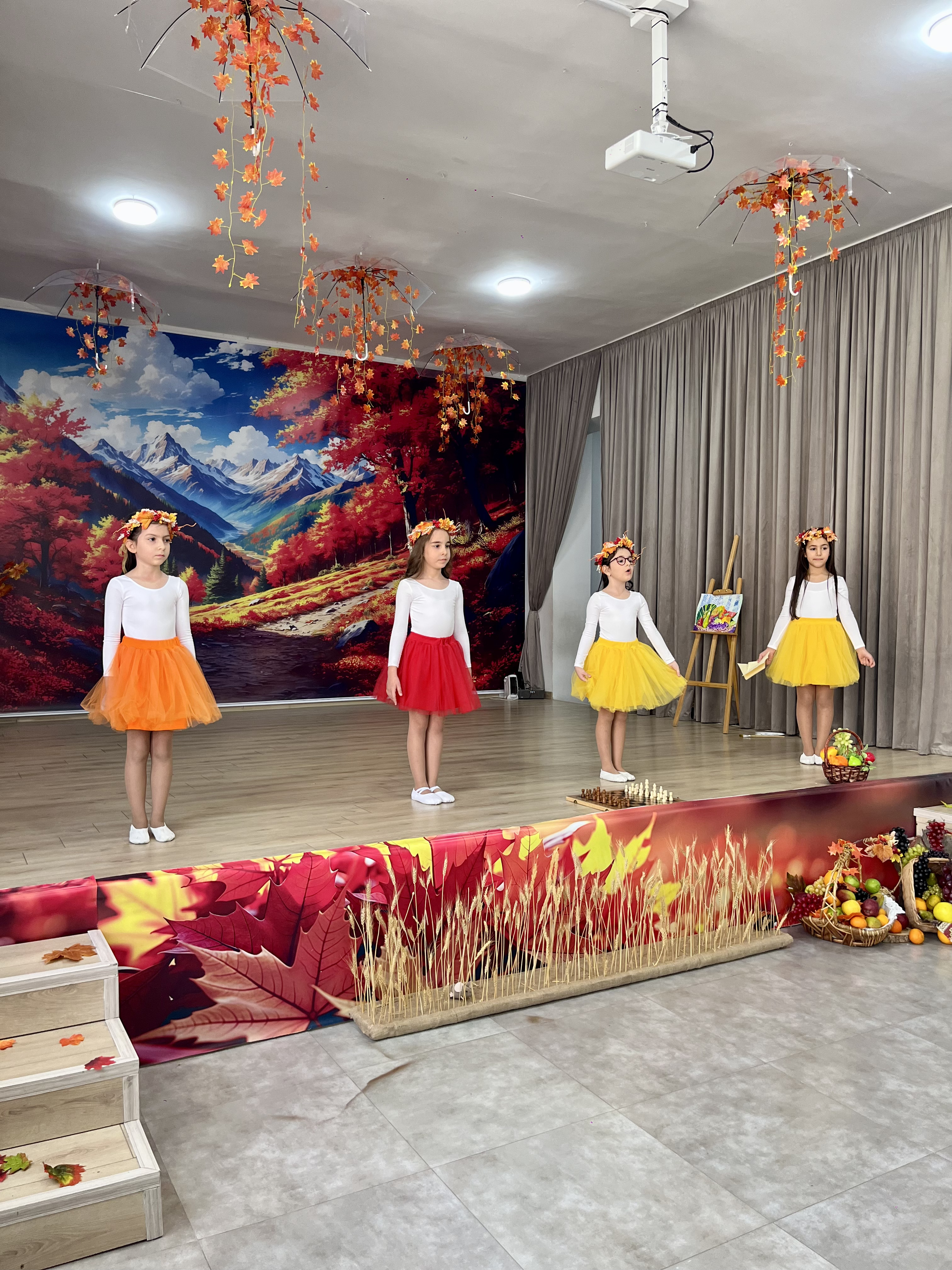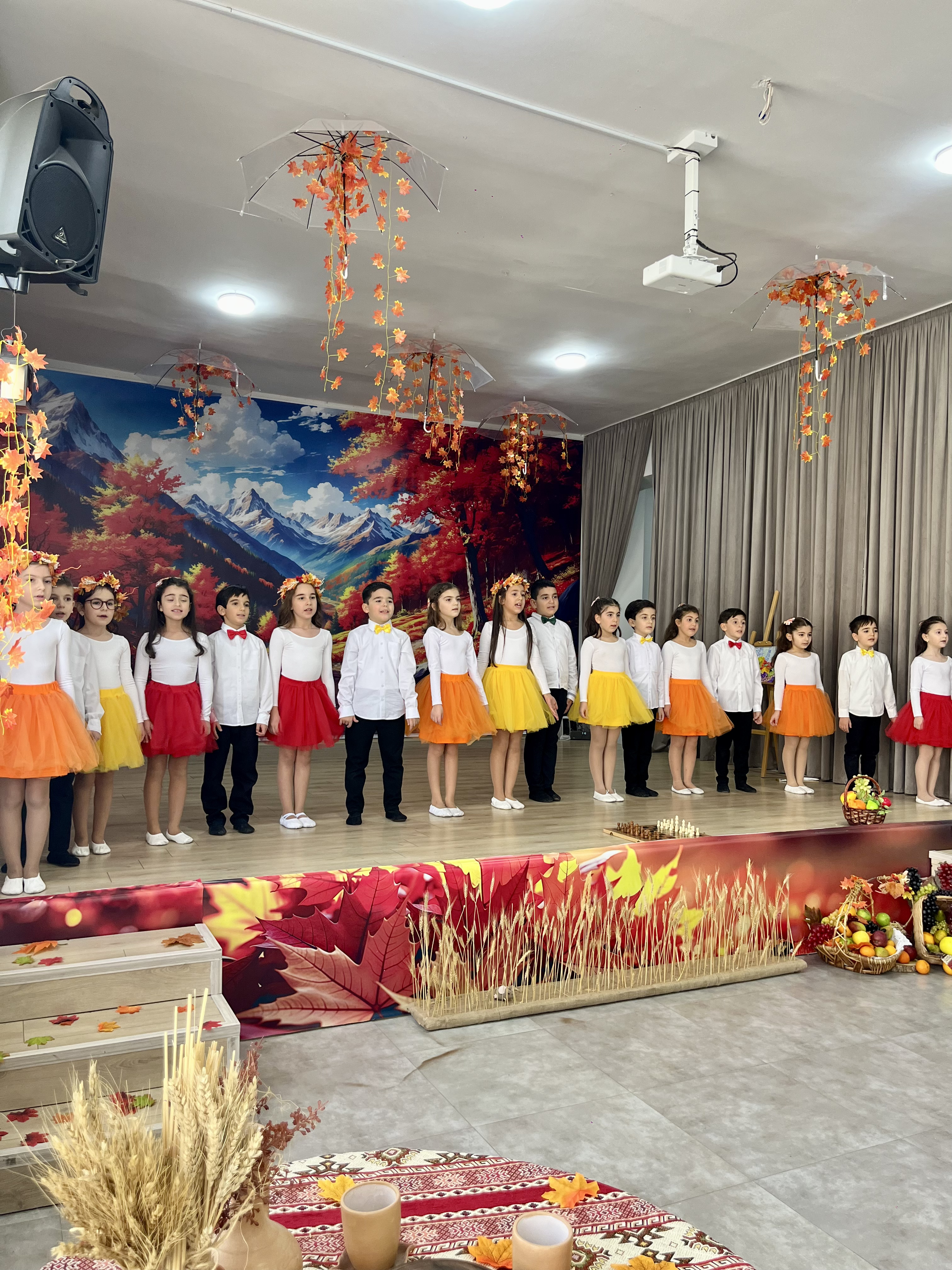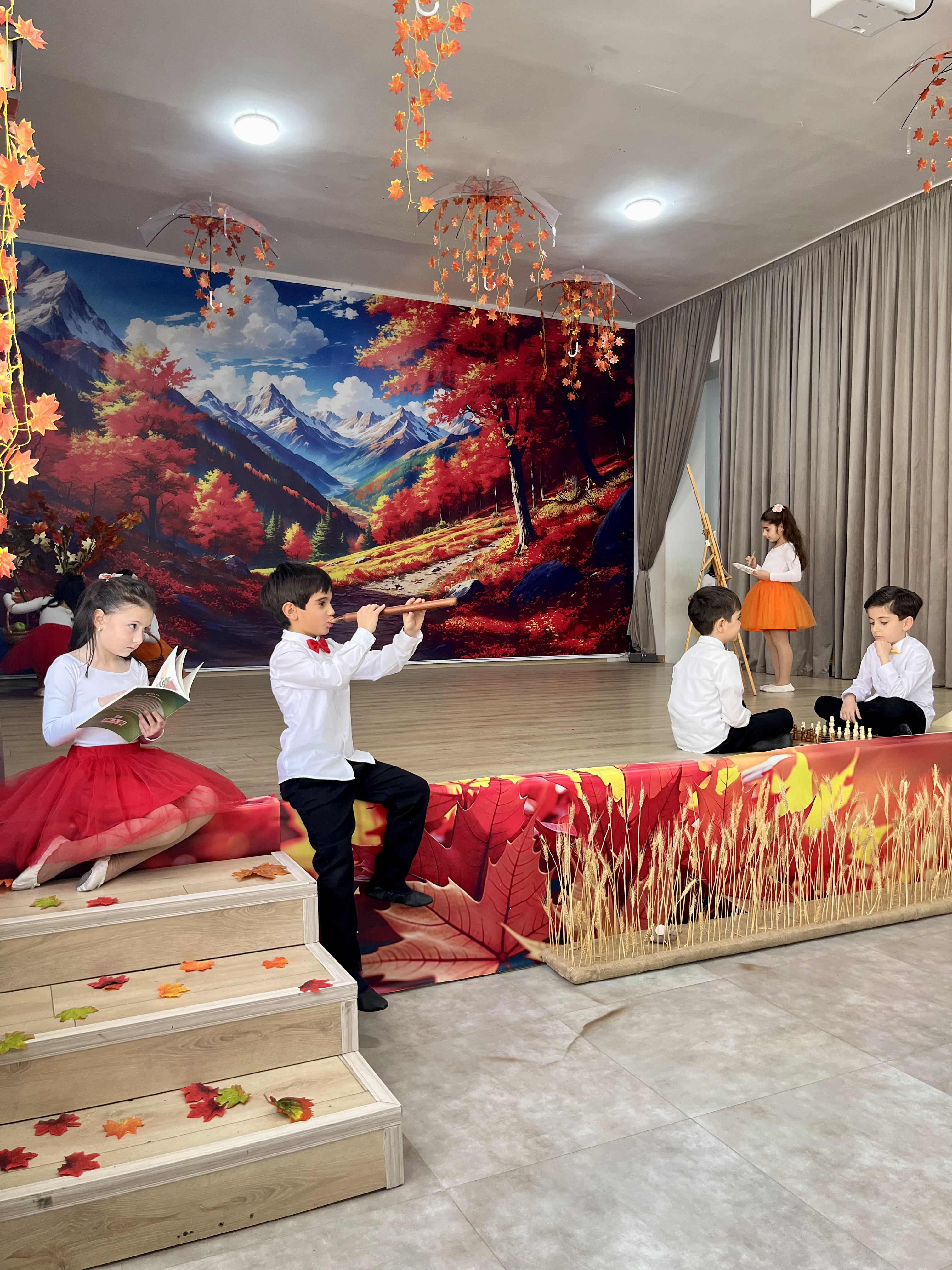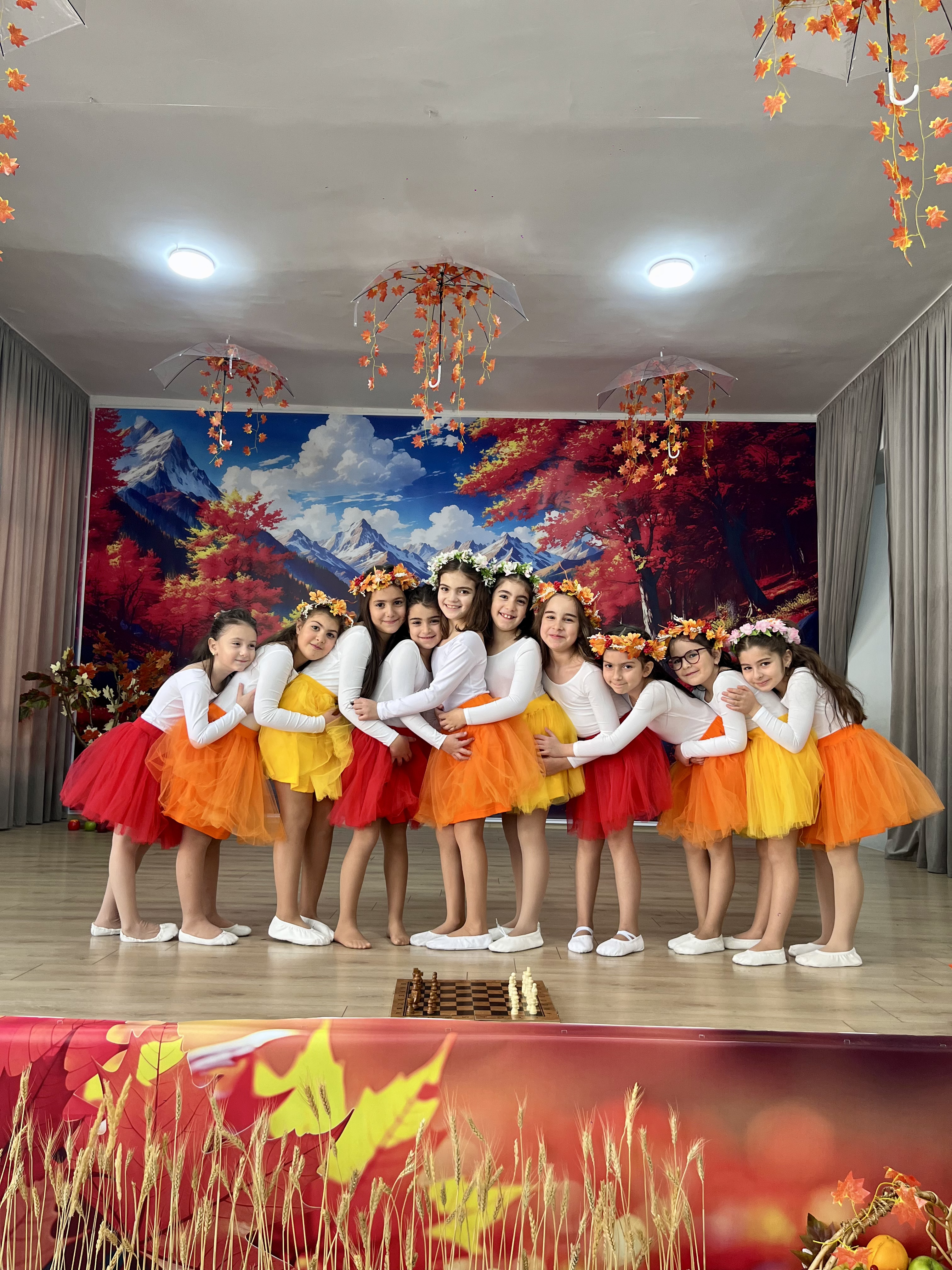
Autumn holds a special place among the seasons; it is a bridge from the dizzying lightness of hot summer to the calm and stillness of winter. Each autumn day carries its own color, charm, warmth, and emotional depth. Yet autumn is not merely a transformation of nature—it is considered, in many cultures around the world, a symbolic period for harvesting, taking stock of one’s fruits, acknowledging shortcomings, and giving thanks for success.
And the idea that autumn brings sadness is, perhaps, only a stereotype. The Japanese love this season so dearly that they celebrate *Momiji-gari*, the Festival of Red Leaves, with magnificent displays of color. The Anglo-American Thanksgiving and the German *Erntedankfest*, also known as the Day of Gratitude, are marked with the same enthusiasm. Once rooted in church rites and dedicated to praising abundant harvests and divine generosity, this holiday is now celebrated worldwide, recognizing no nationality or religion. It embodies a single belief: to express gratitude—not only for autumn, but for everyone and everything—for success, knowledge, kindness, and values.
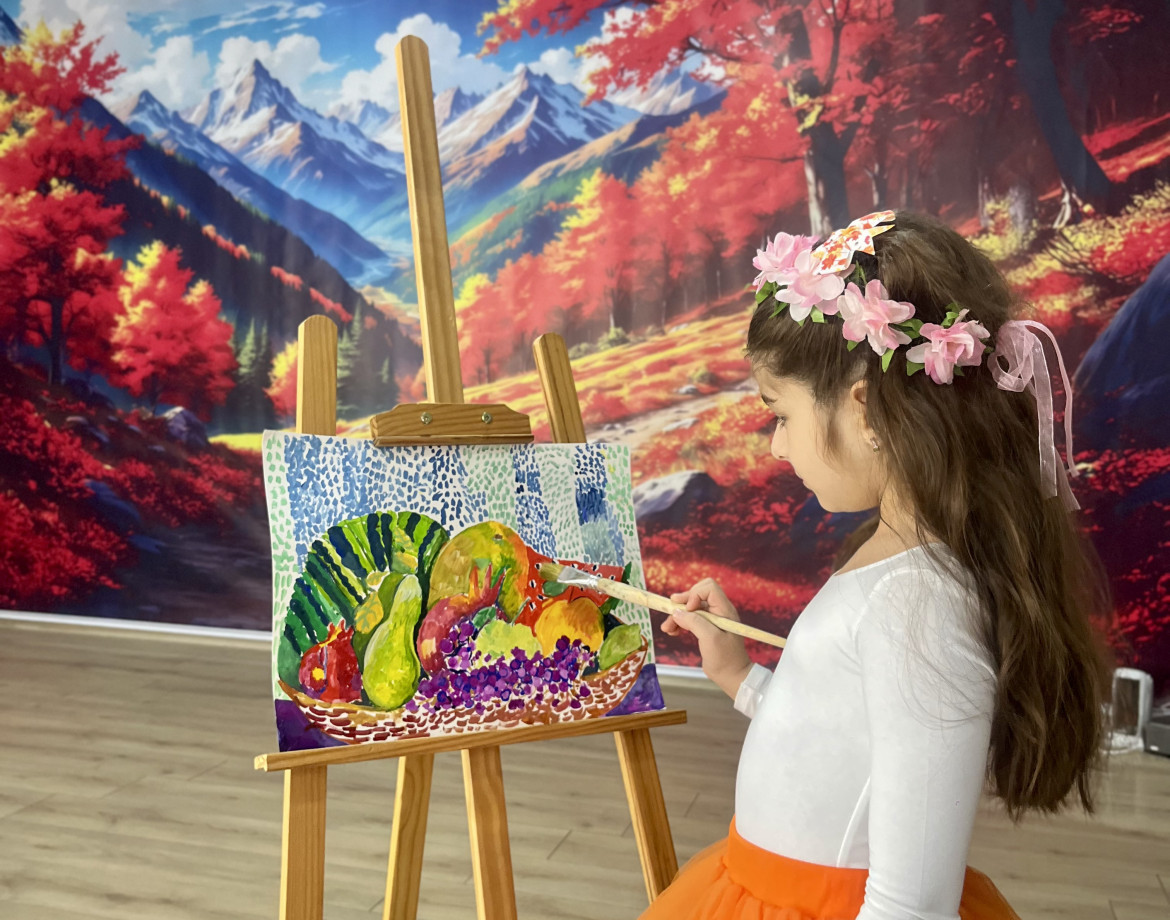
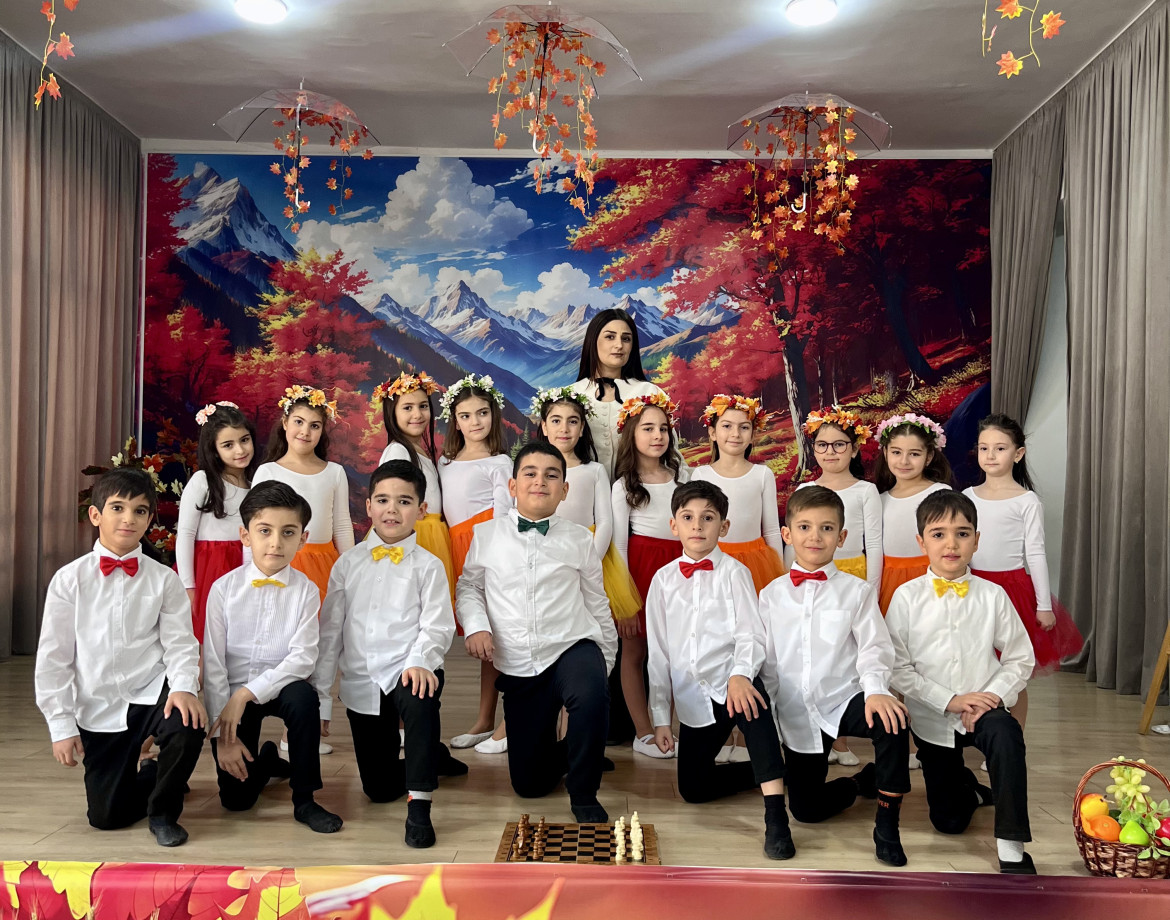
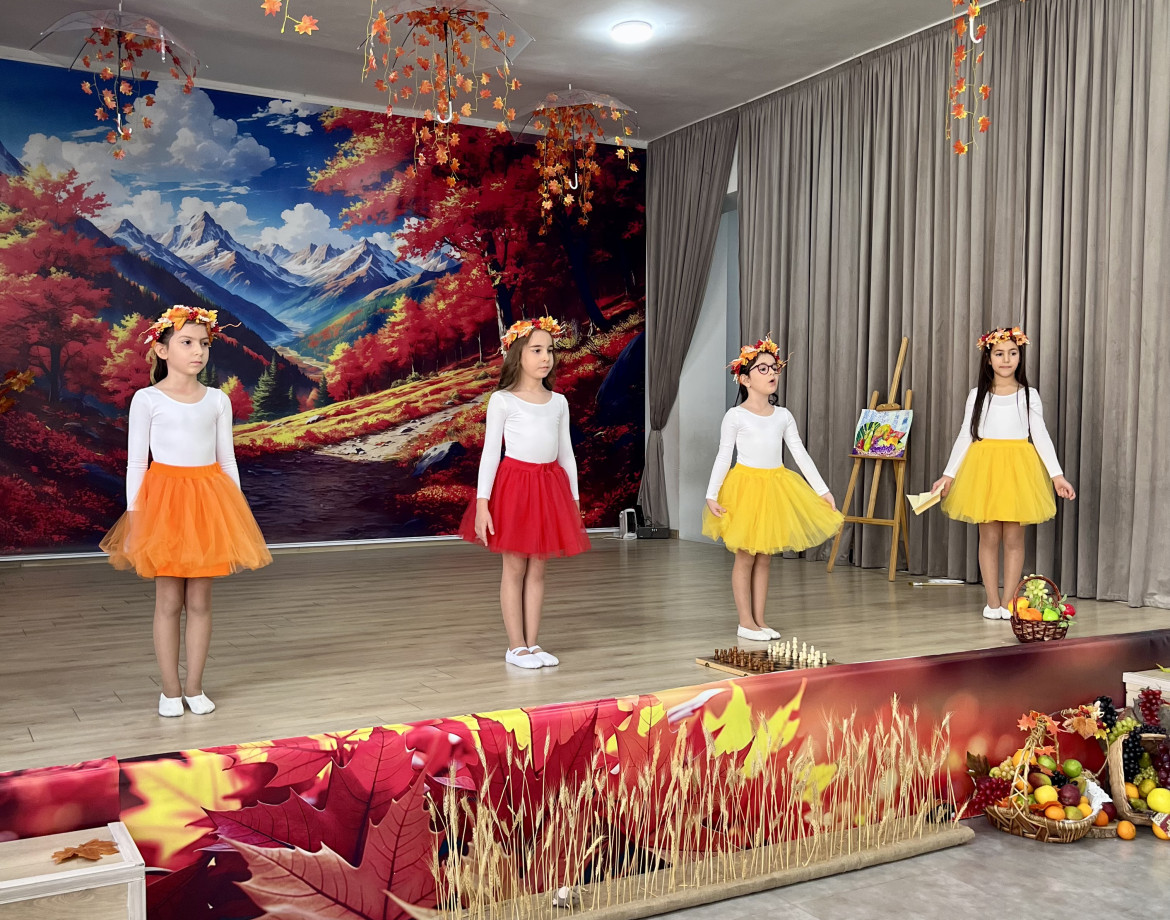
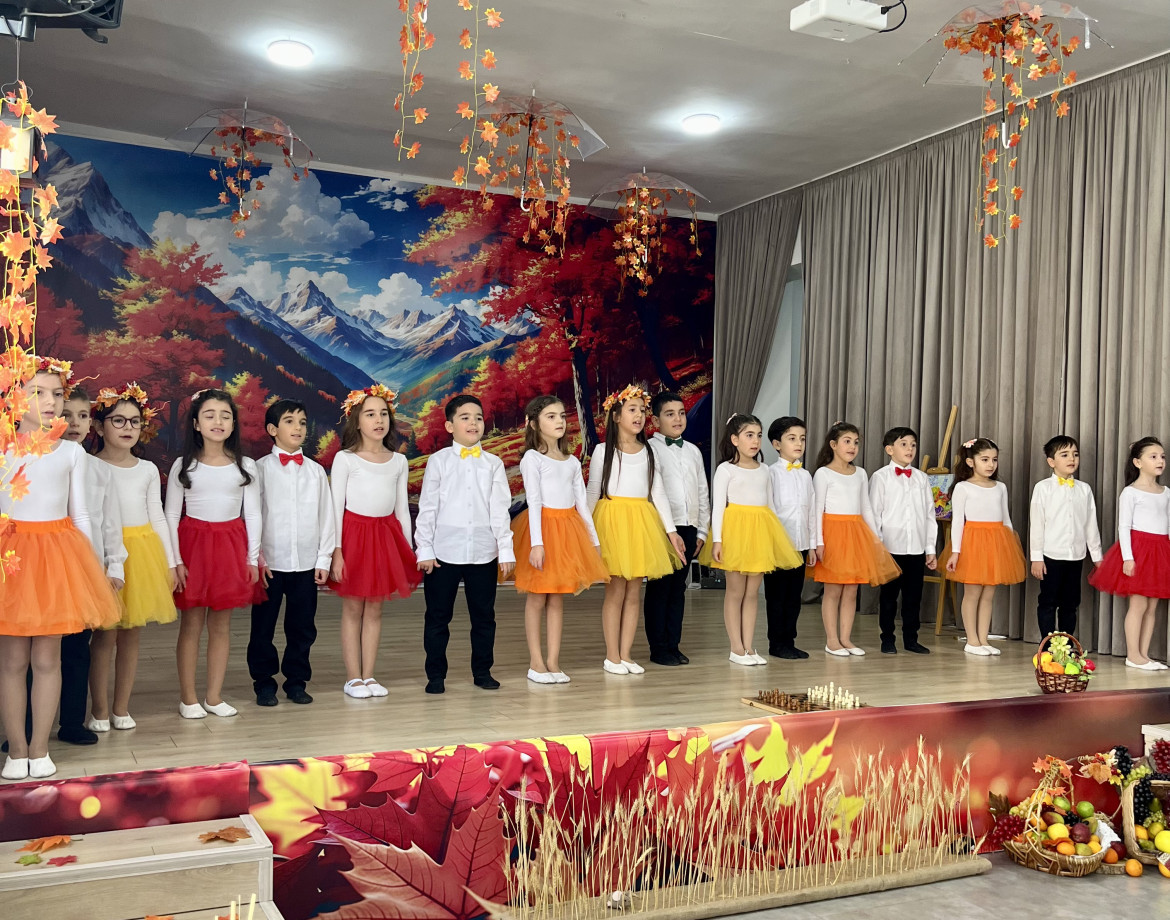
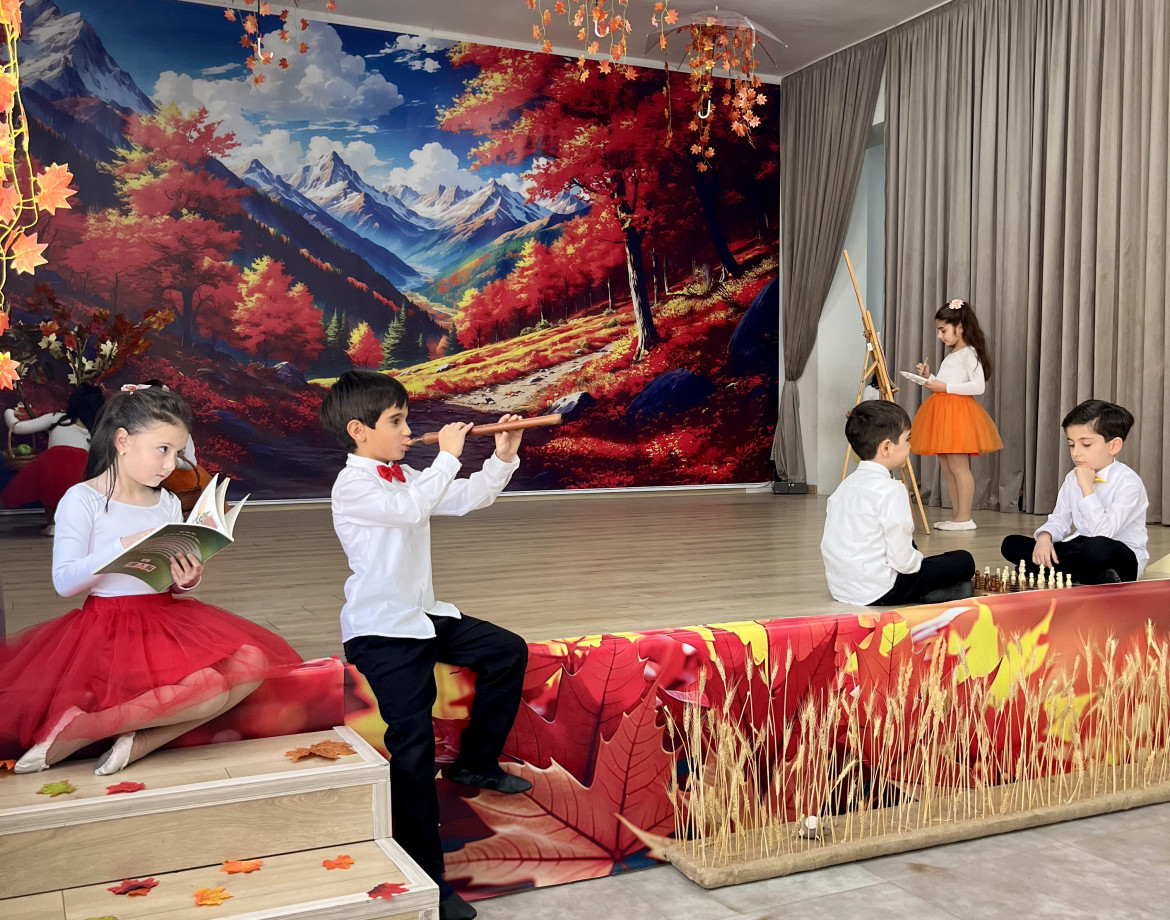
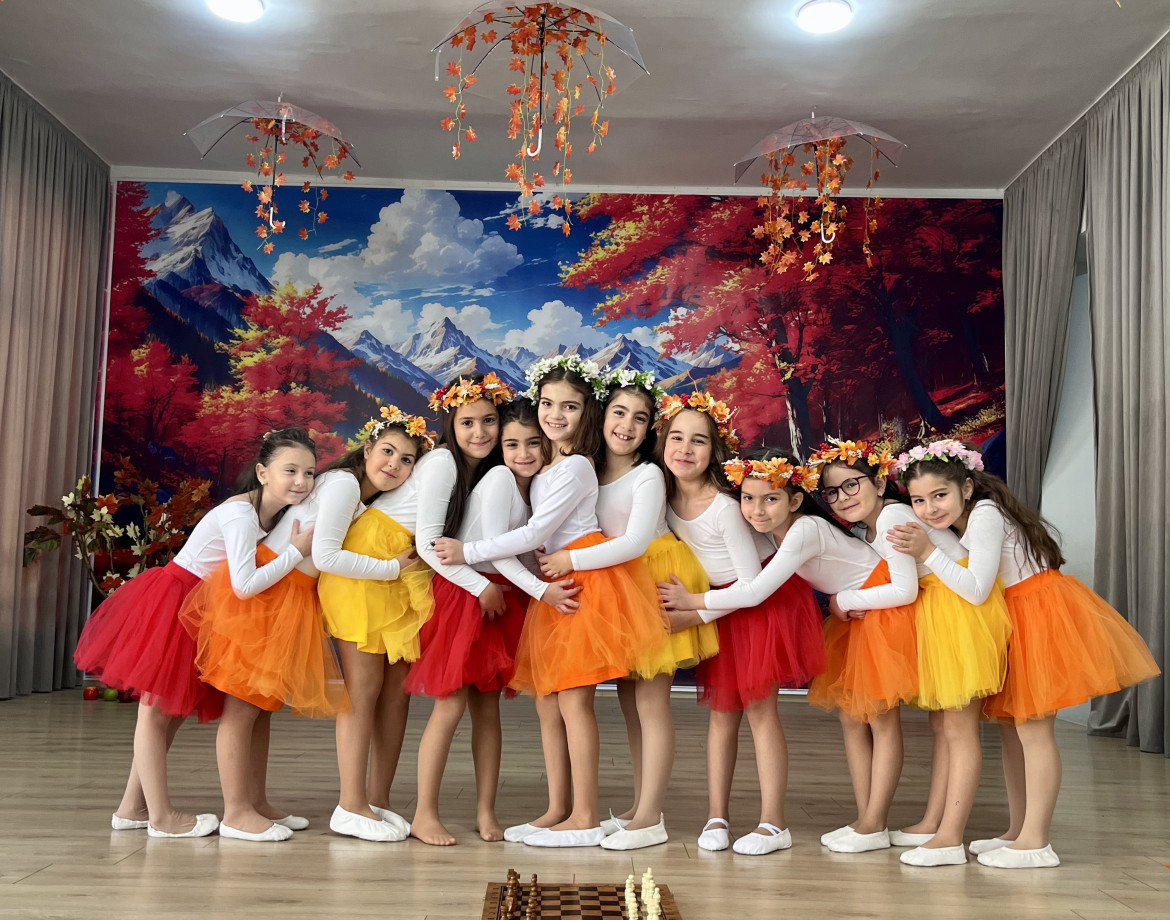
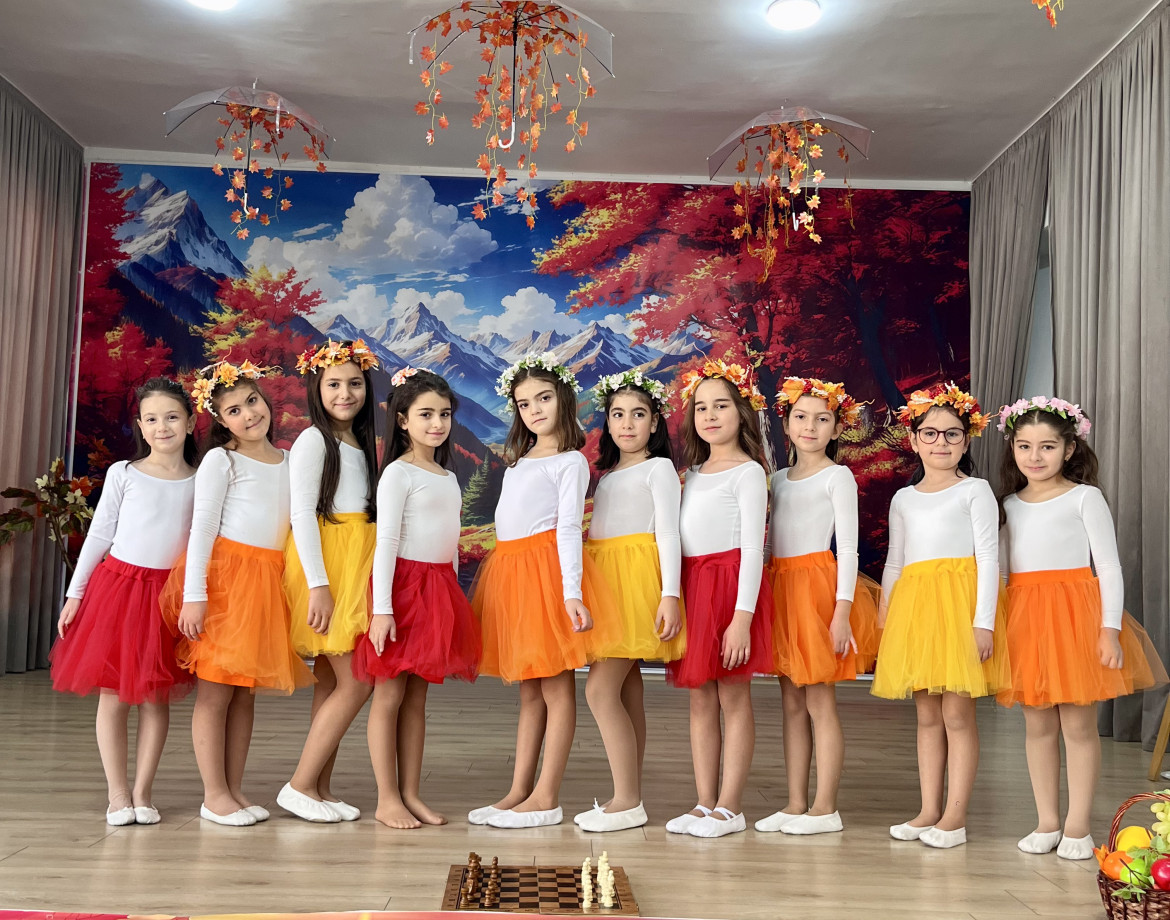
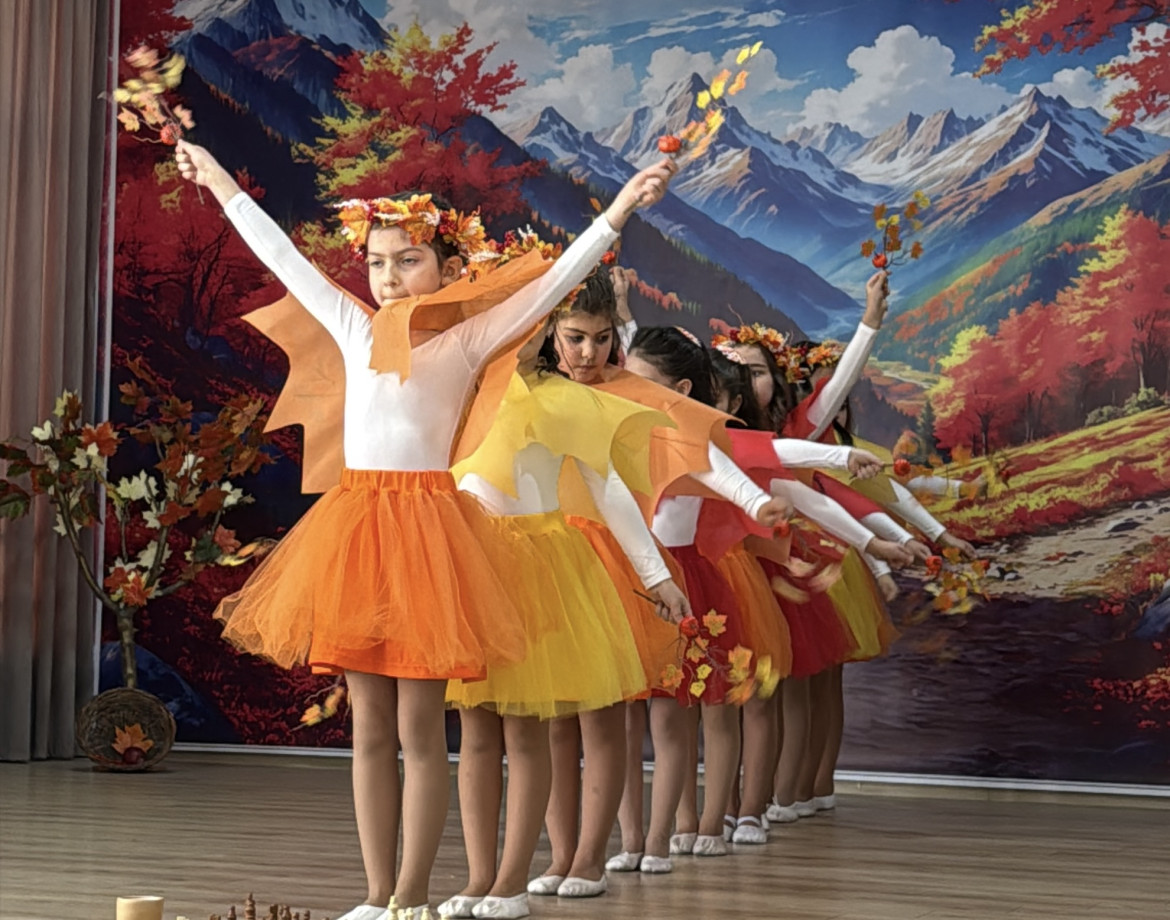
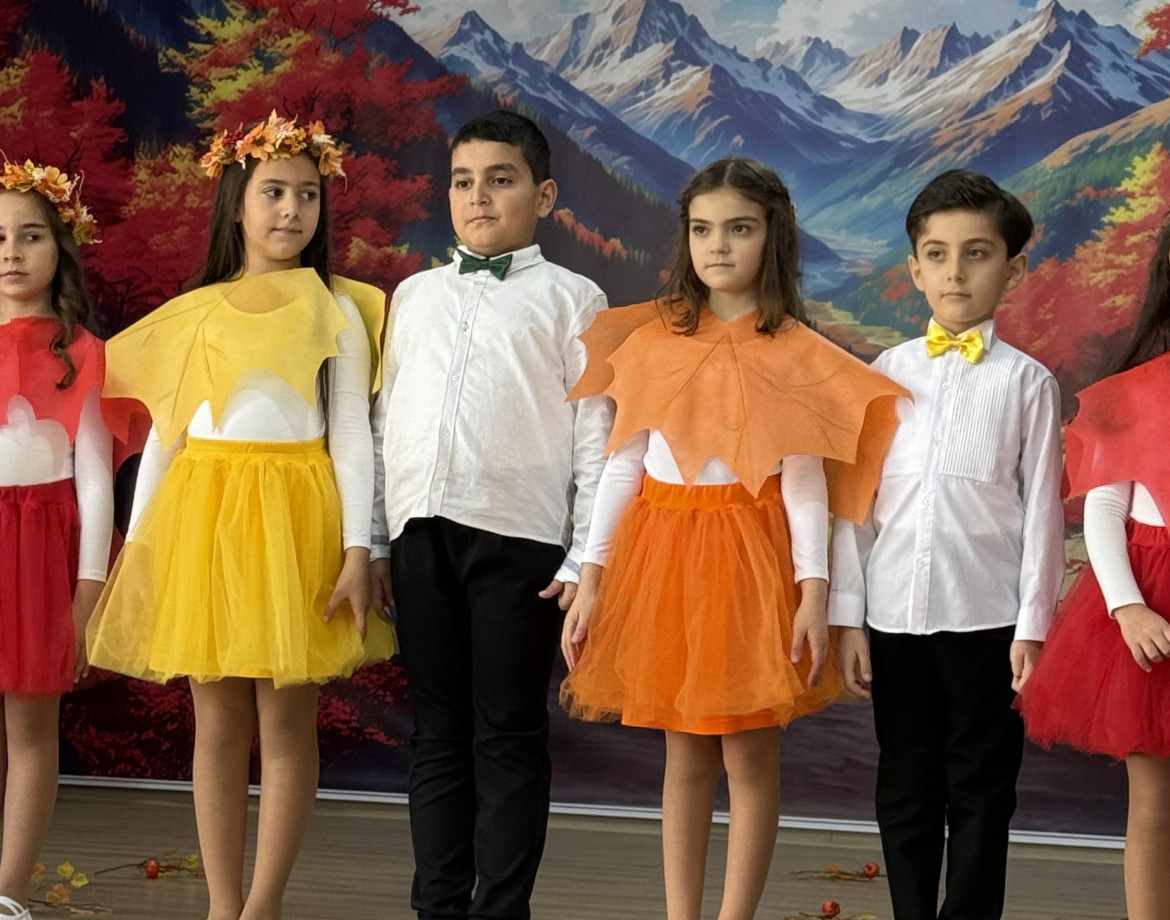
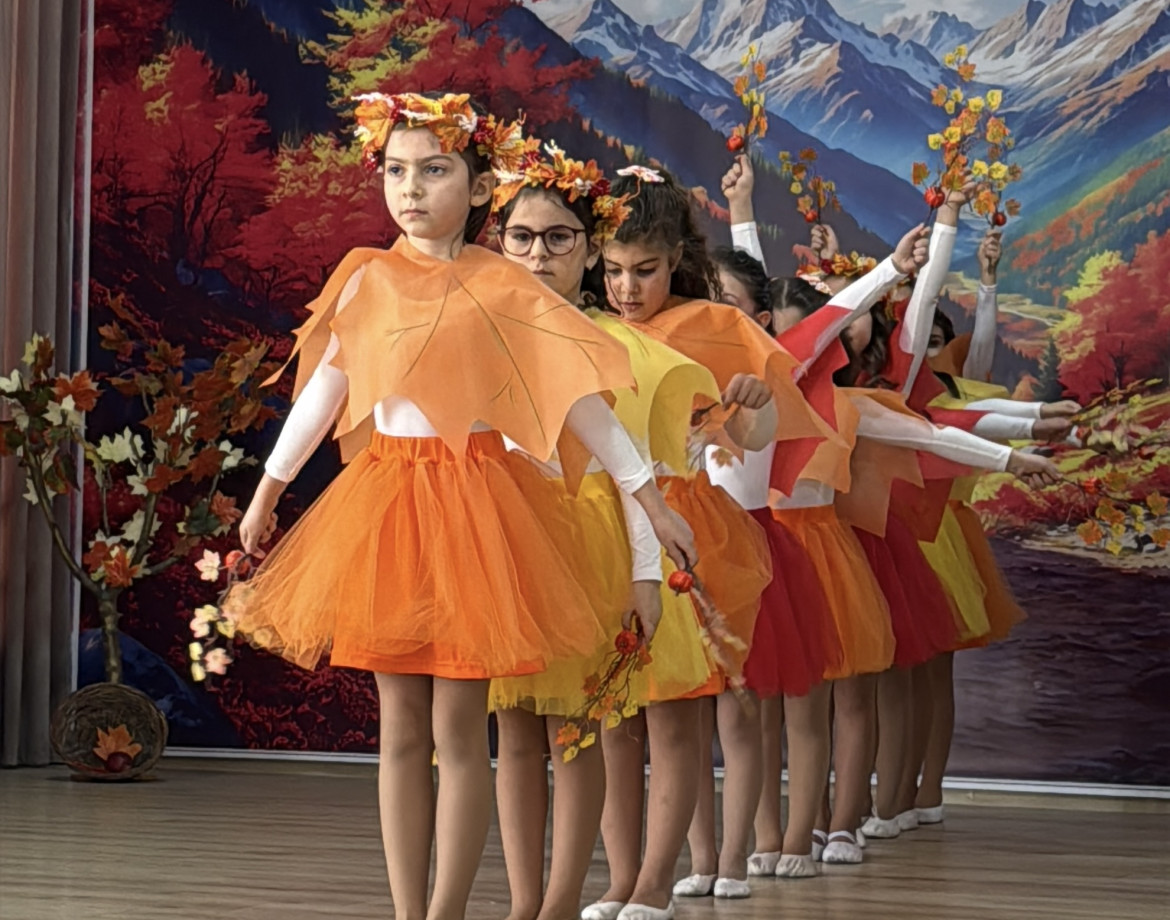
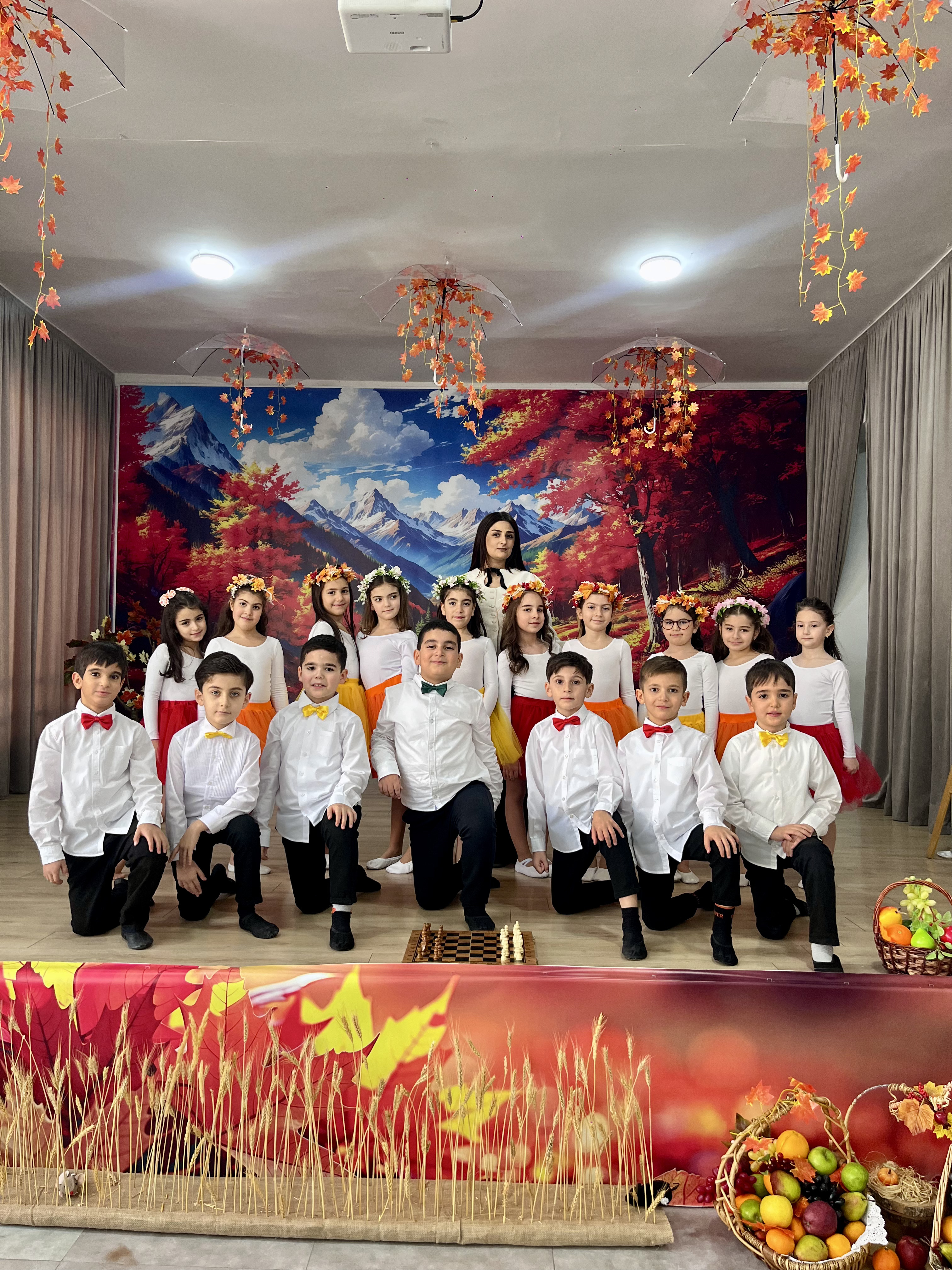
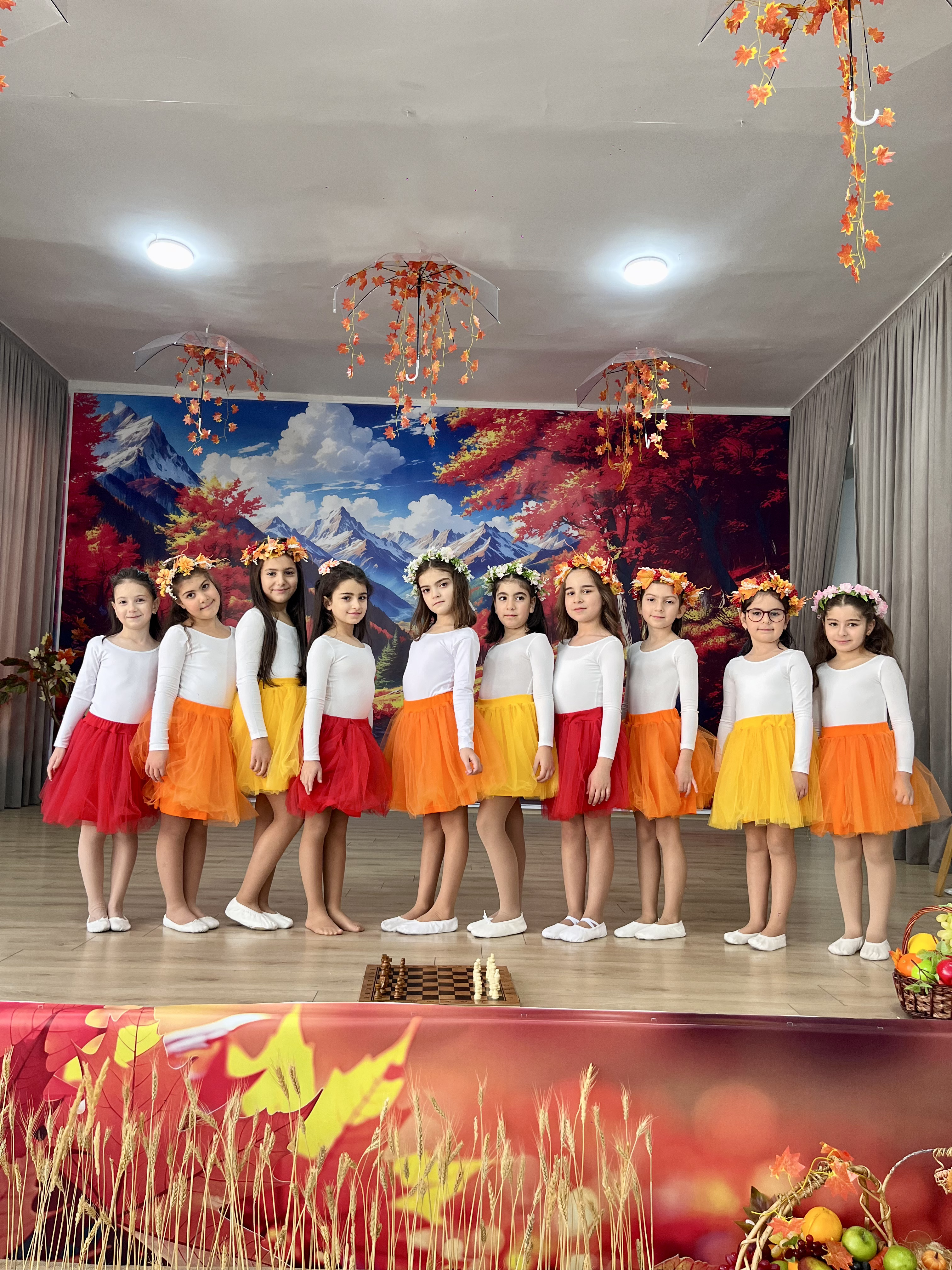
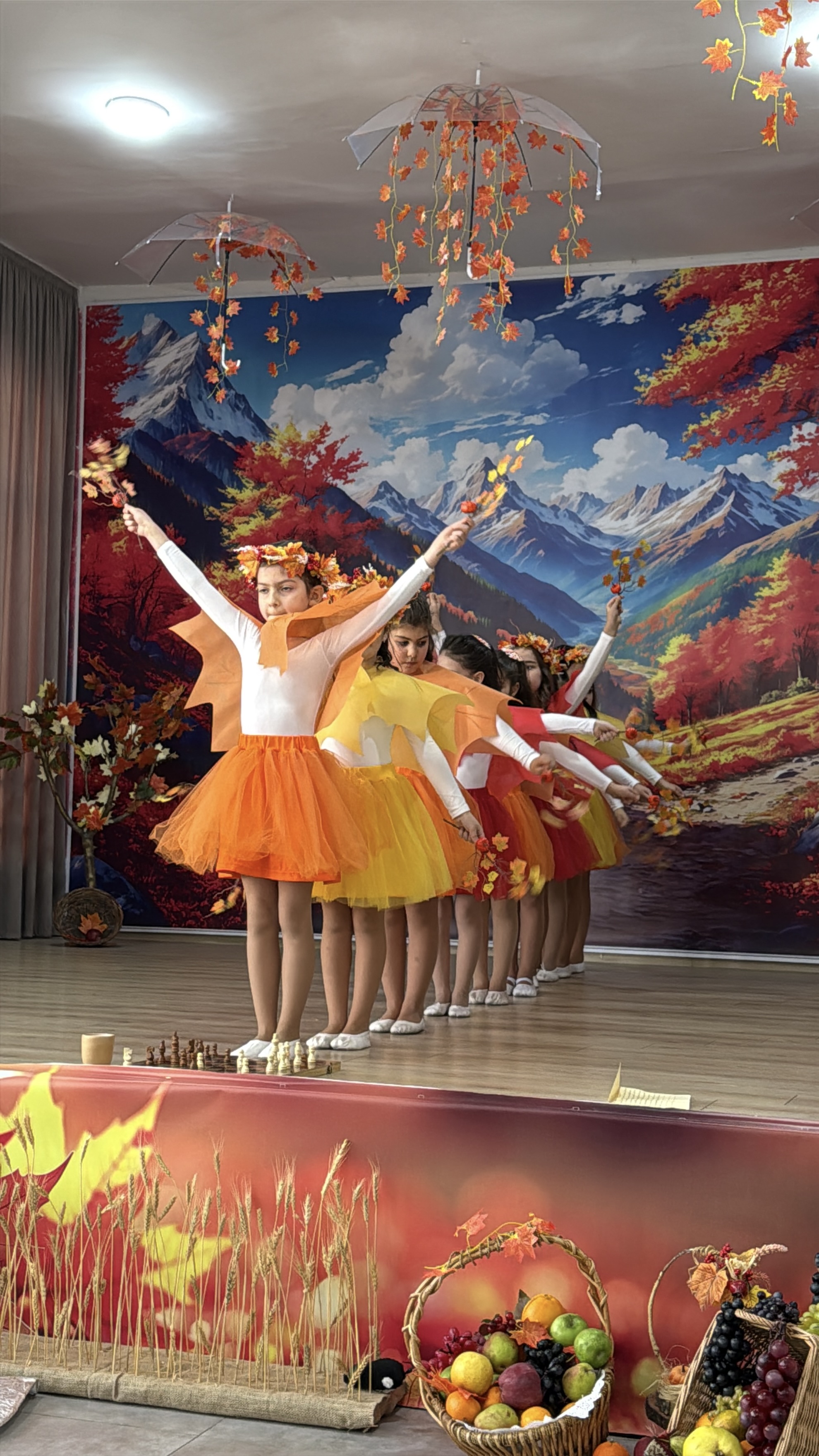
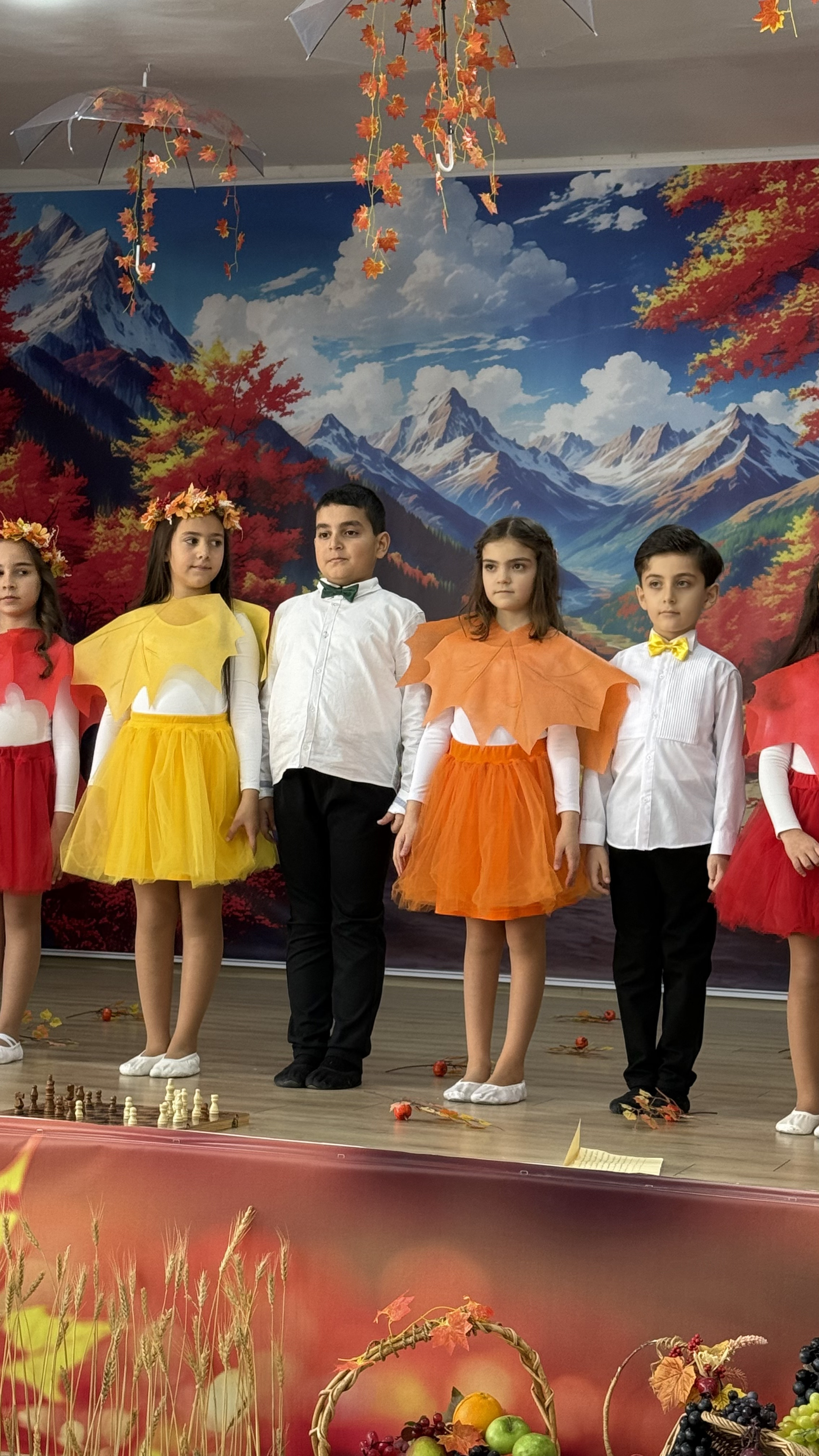
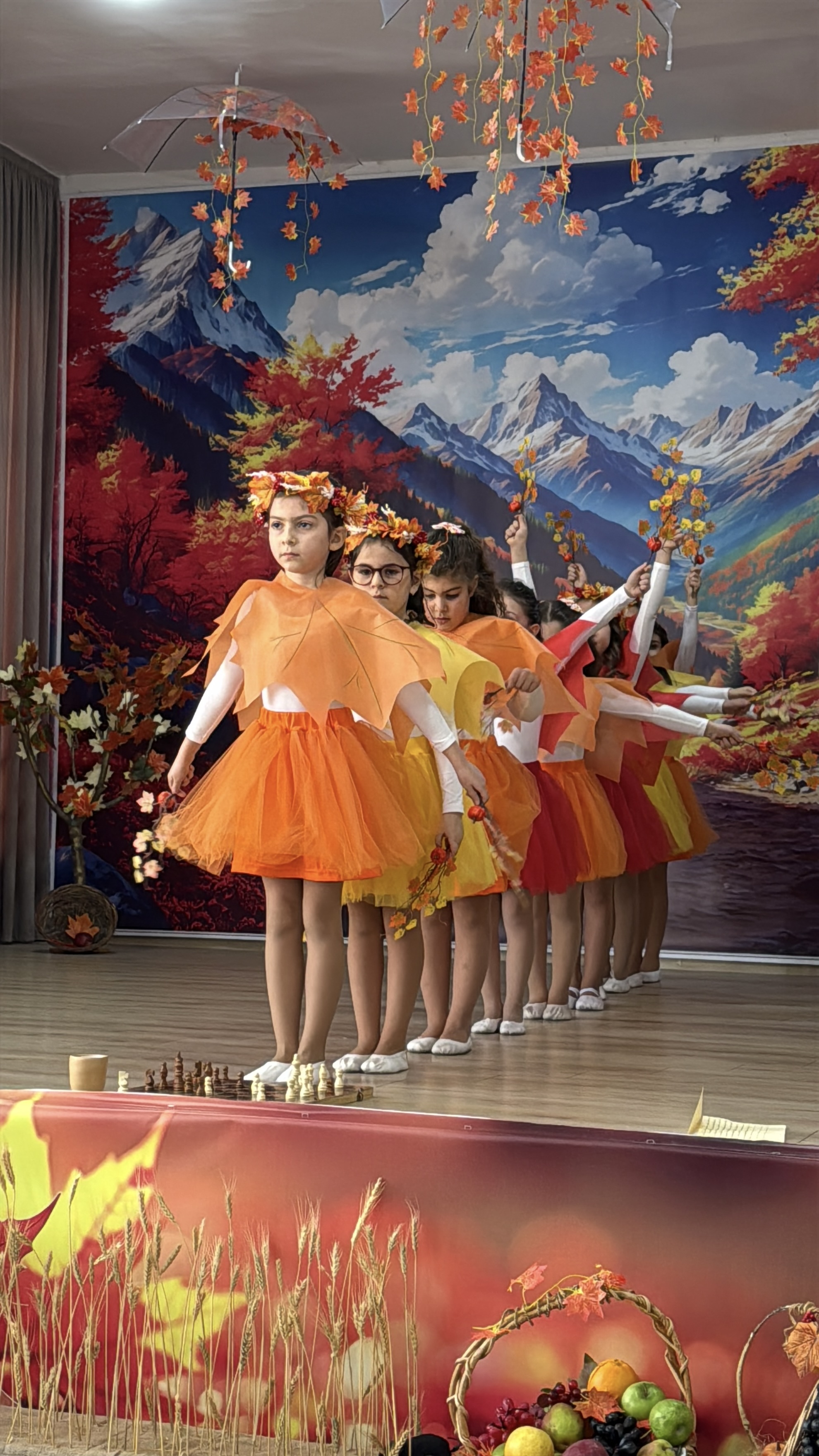
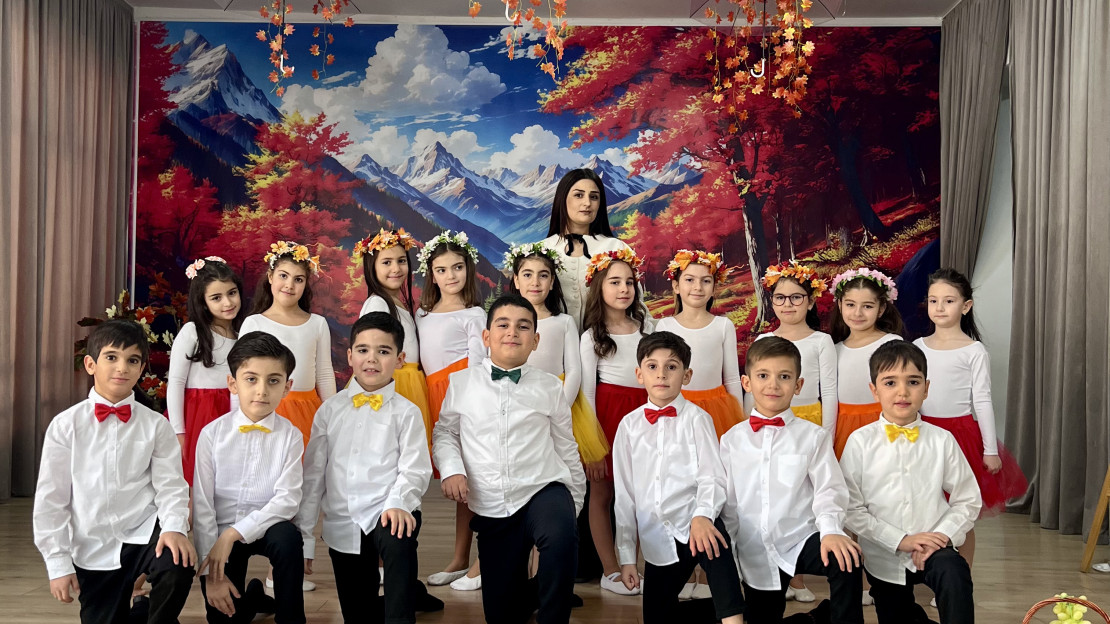
A stage adorned with autumnal hues, but breathing with the spirit of gratitude. The second graders’ rich and artistic presentation was more than a simple celebration; it was a revelation of the deeper essence of autumn—through the living personification of months, poems, theatrical scenes, songs, dances, and a spirit of homeland love.
Full of imagery and childlike sincerity, the performance was a seamless chain of personifications and allegories, where the summer months gently bid farewell to the stage, leaving it to the three sisters of autumn, each represented through its own symbolic character.
Beyond the playful scenes, the event also breathed life into classical Armenian poetry—Teryan’s lyrical melancholy, Sahyan’s tender reflections, and Tumanyan’s joyful wistfulness—all reverberating with ancestral reverence, family warmth, happiness, and love, subtly wrapped in the motif of autumn.
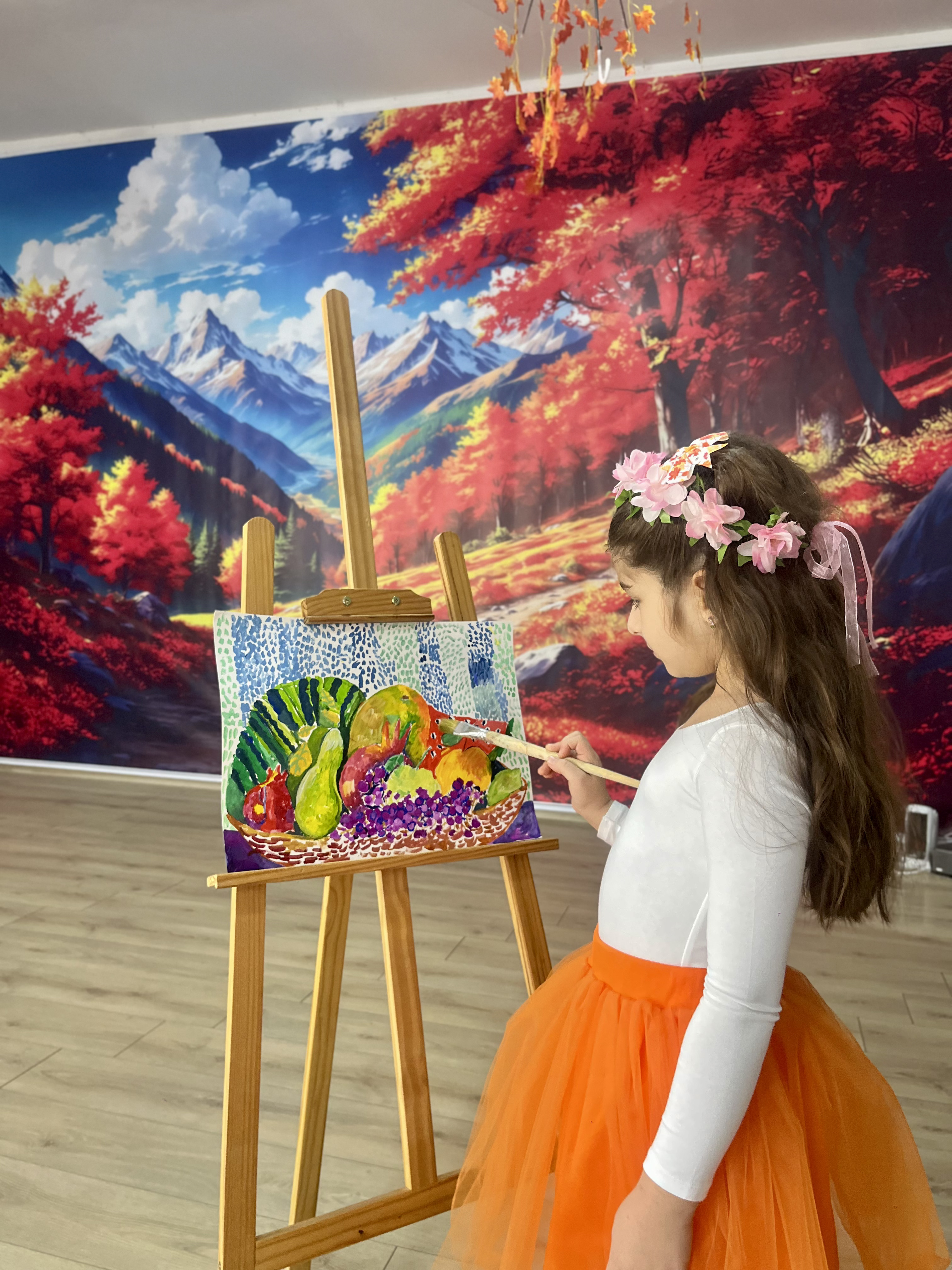
Equally symbolic was the emphasis on creativity and cultivation as a timeless marker of our people’s diligence—from Noah the Patriarch’s commandment to plant the vine, all the way to the present day. And it is no coincidence that many in attendance agreed that the love of work must be cultivated not by force, but drop by drop. In this sense, the message of the event reached far beyond the season of autumn.

To not think freely is to not think at all!