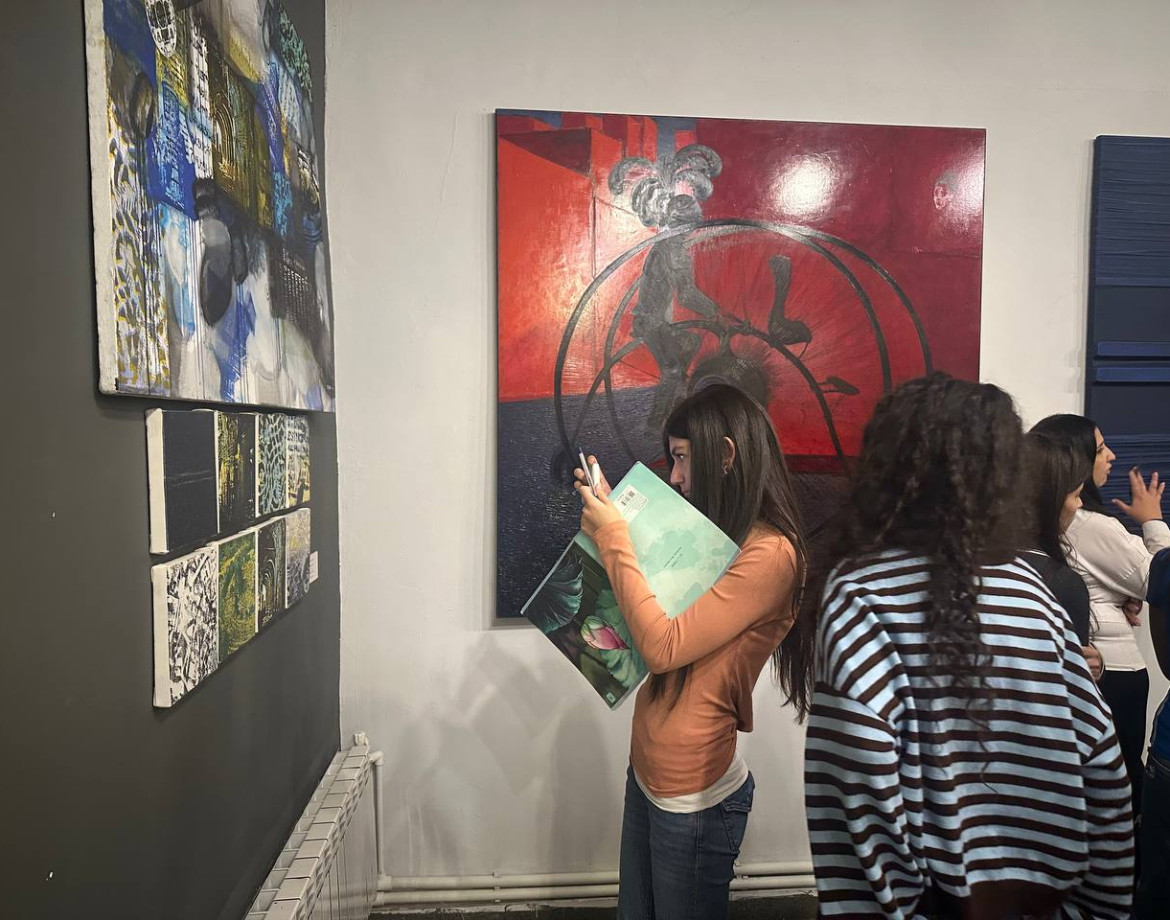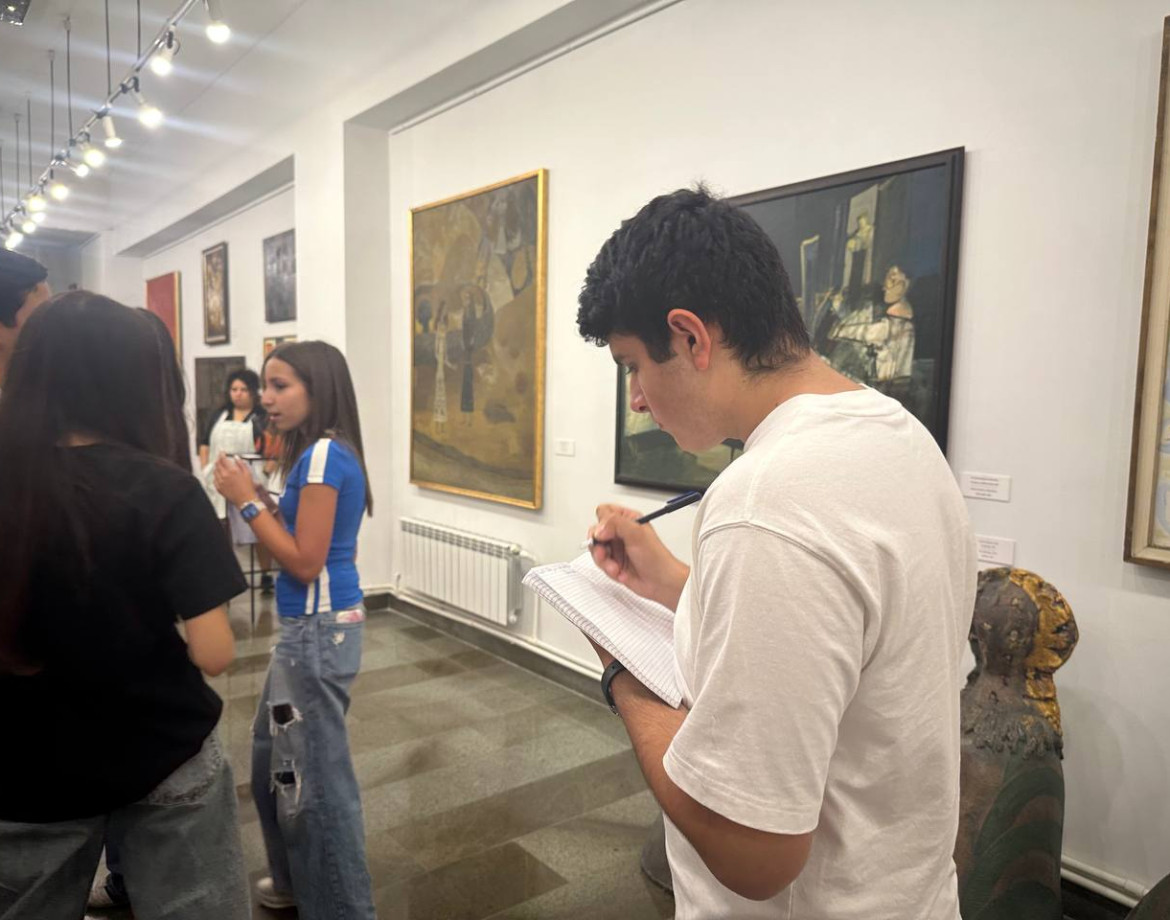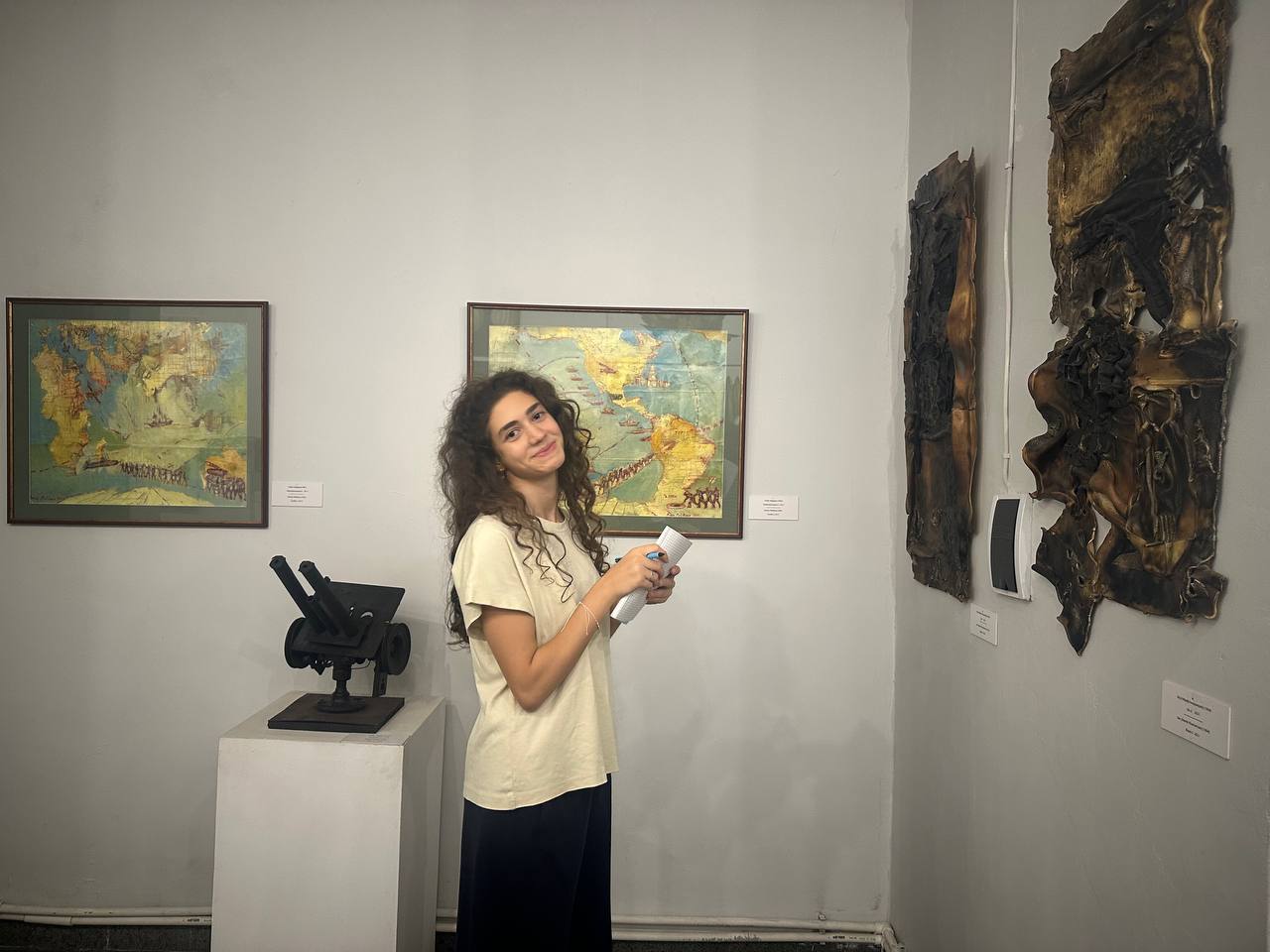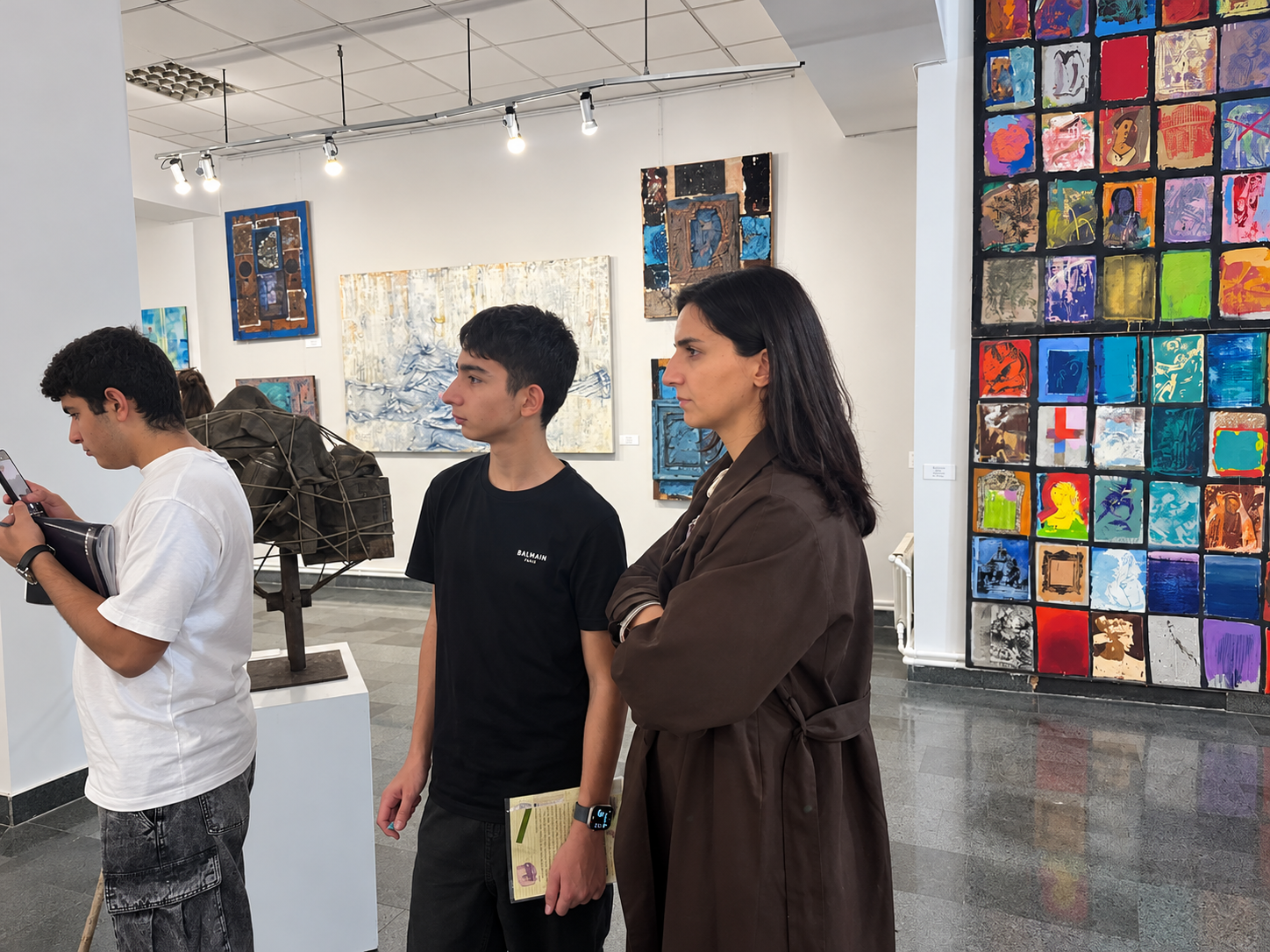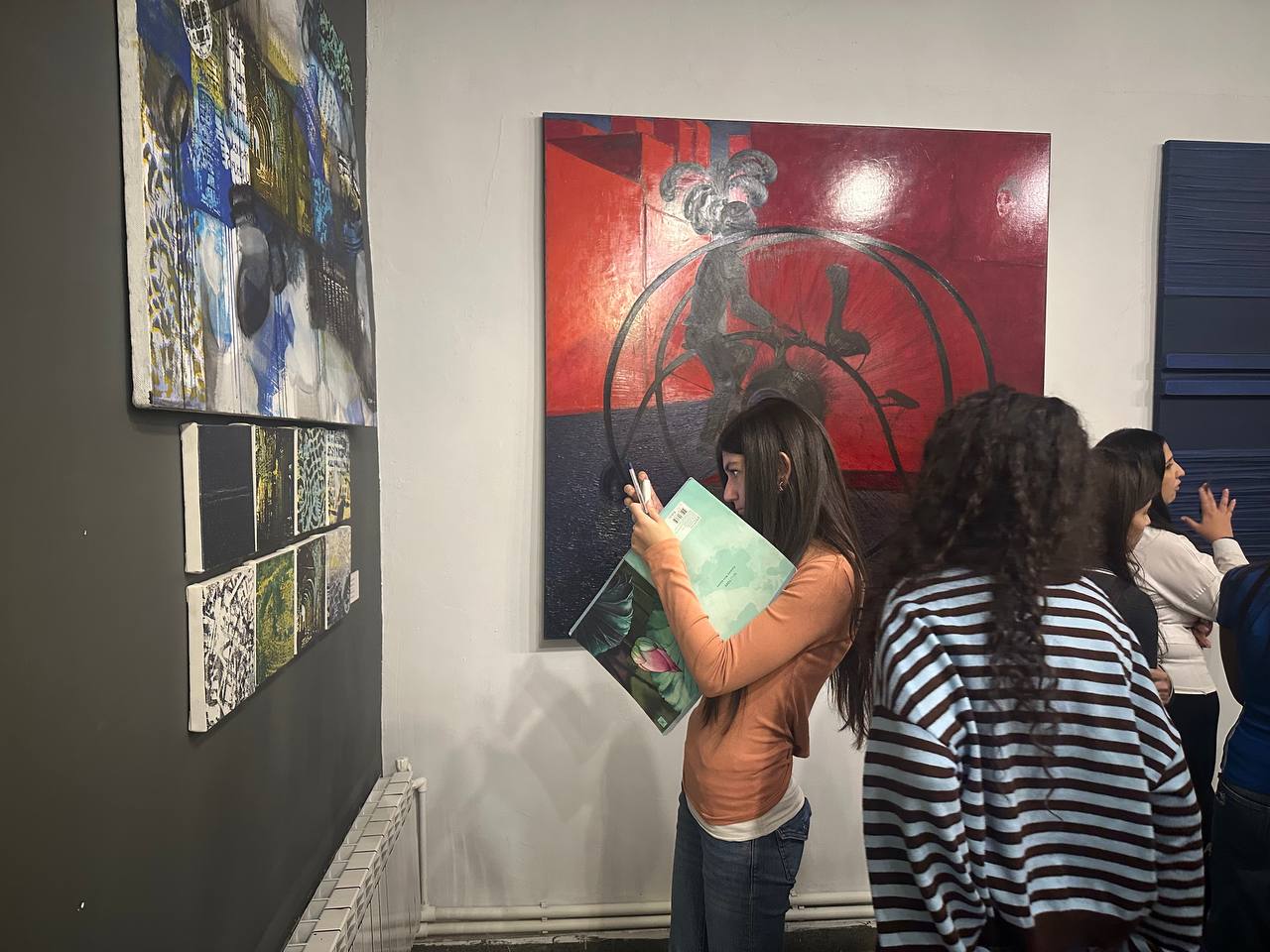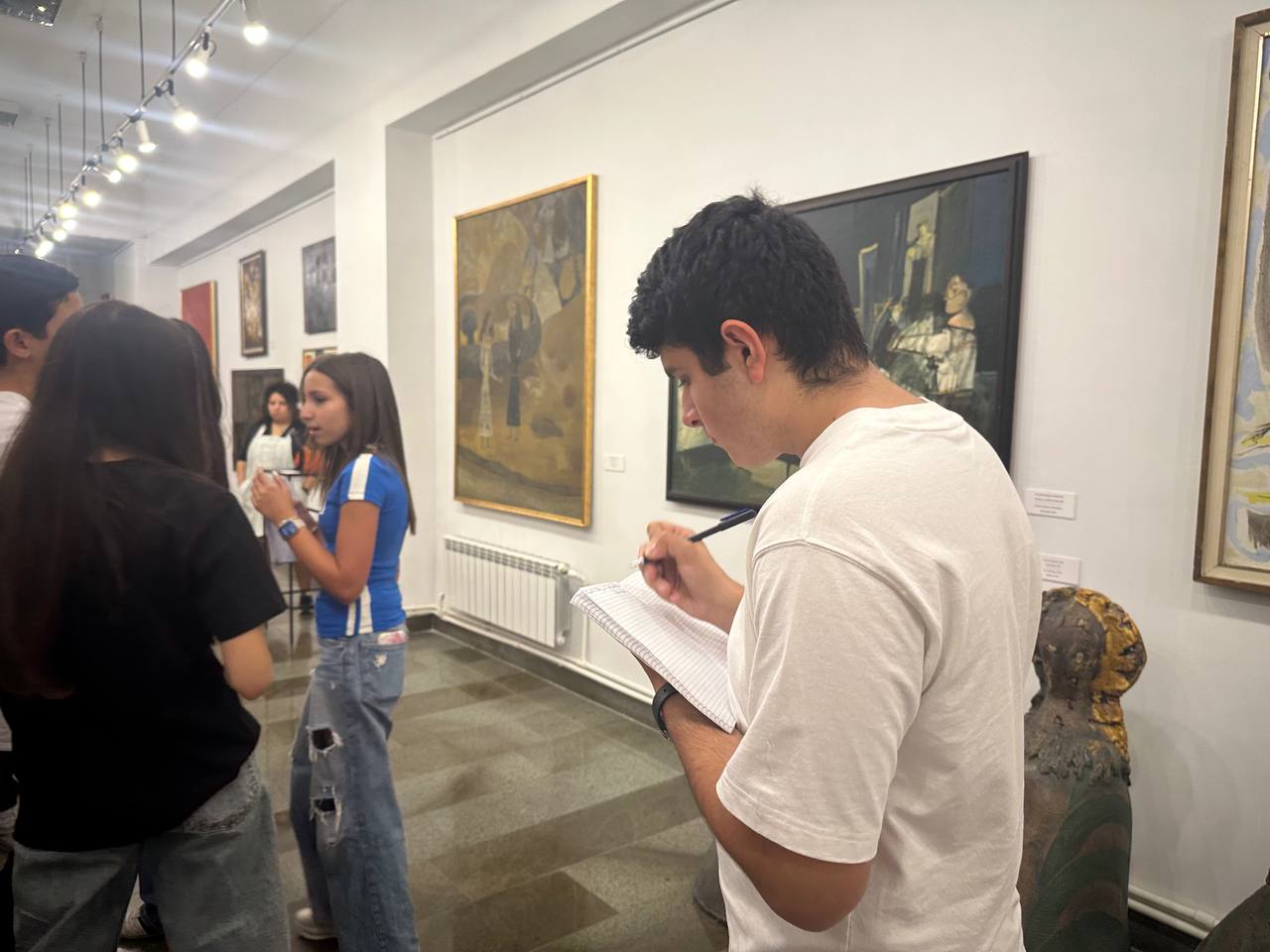


To fully appreciate a work of art, it is sometimes necessary to see it not on the pages of a textbook or on a screen, but to stand before it. The visit of the 10th-grade students to the Museum of Modern Art in Yerevan was precisely this kind of educational experience. As a mandatory curricular visit stemming from the «Art» subject, it aimed to connect the theoretical material studied in class with actual works of art, while the observations and notes made at the museum will later serve as a basis for classroom analysis and discussion.
The Museum of Modern Art in Yerevan was founded in 1972 on the initiative of art historian Henrik Igityan. The establishment of the museum was strongly supported by Grigor Hasratyan, the then Mayor of Yerevan, as well as by prominent Armenian artists of the 1960s. It became the first museum specializing in modern and contemporary art in the territory of the former Soviet Union and remained one of the region’s important centers of contemporary art for more than two decades.
The history of the museum becomes even more significant when viewed in the context of the cultural environment of the time. During the Soviet period, Socialist Realism dominated official art, while many directions of modern art existed outside the accepted artistic framework. Under these circumstances, the establishment of the museum was an important cultural initiative. The museum also developed thanks to donations from Armenian artists: its first exhibition consisted entirely of works by Armenian artists of the 1960s from Armenia and the Diaspora.
The generation of Armenian artists of the 1960s became an important foundation of the museum’s collection. The exhibition includes works by Minas Avetisyan, Ashot Hovhannisyan, Martiros Petrosyan, Hakob Hakobyan, Gayane Khachatryan, Vruyr Galstyan, the Elibekyan brothers, Harutyun Kalents, Rudolf Khachatryan, Ashot Bayandur, and other artists. Over time, the collection was also expanded with works by artists of the 1980s and subsequent generations.
An important stage in the development of the museum came in 2007, when it was provided with a new building where works by artists of the middle and younger generations also began to be presented. Thus, the museum’s collection offers an opportunity not only to become familiar with significant chapters of Armenian art of the 1960s, but also to observe the subsequent transformations in artistic language.
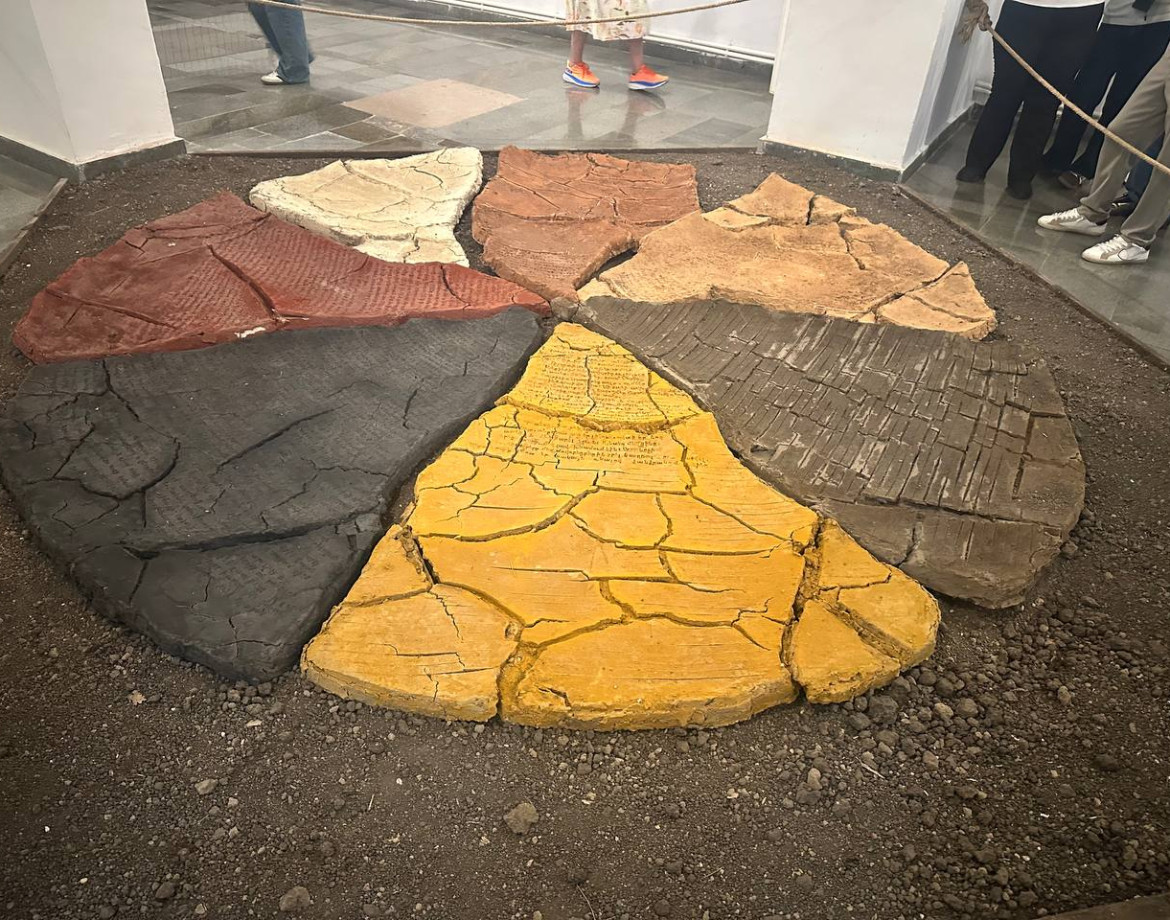
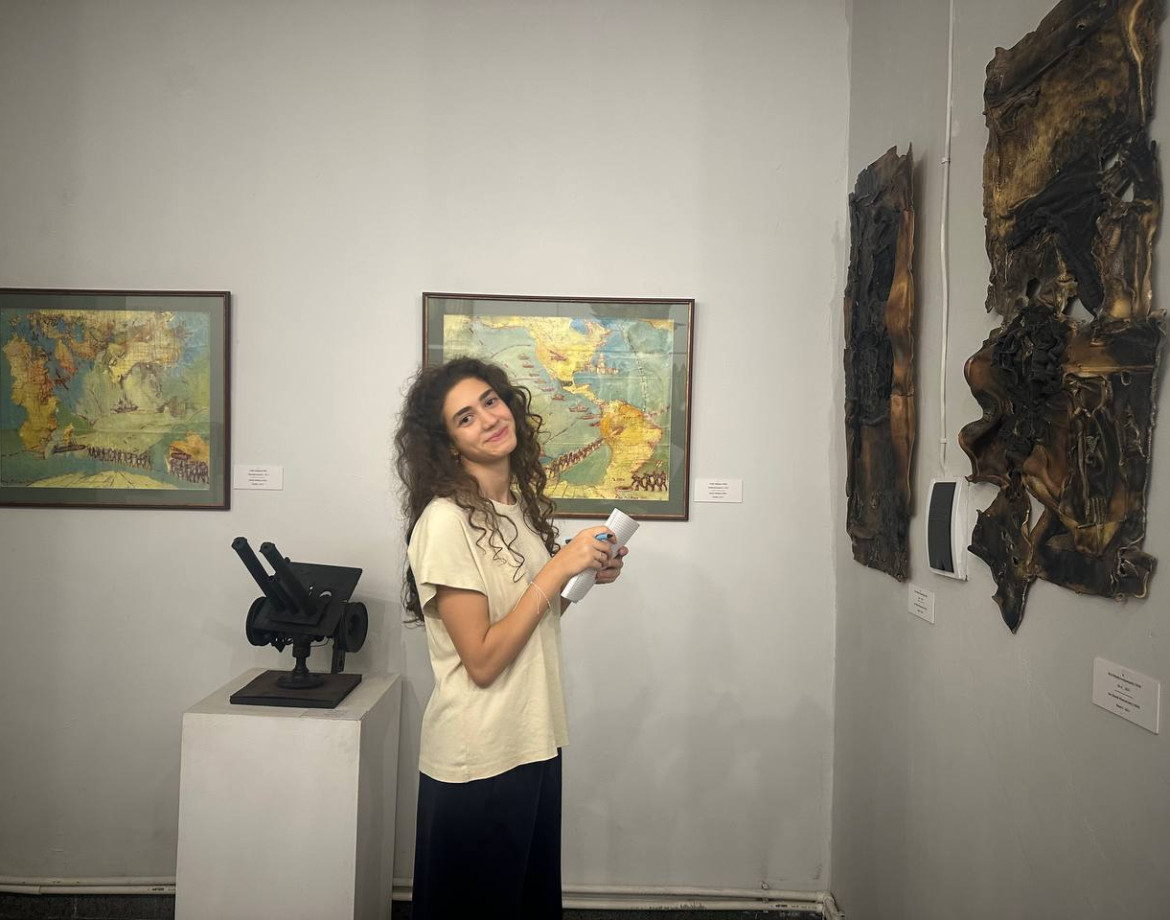
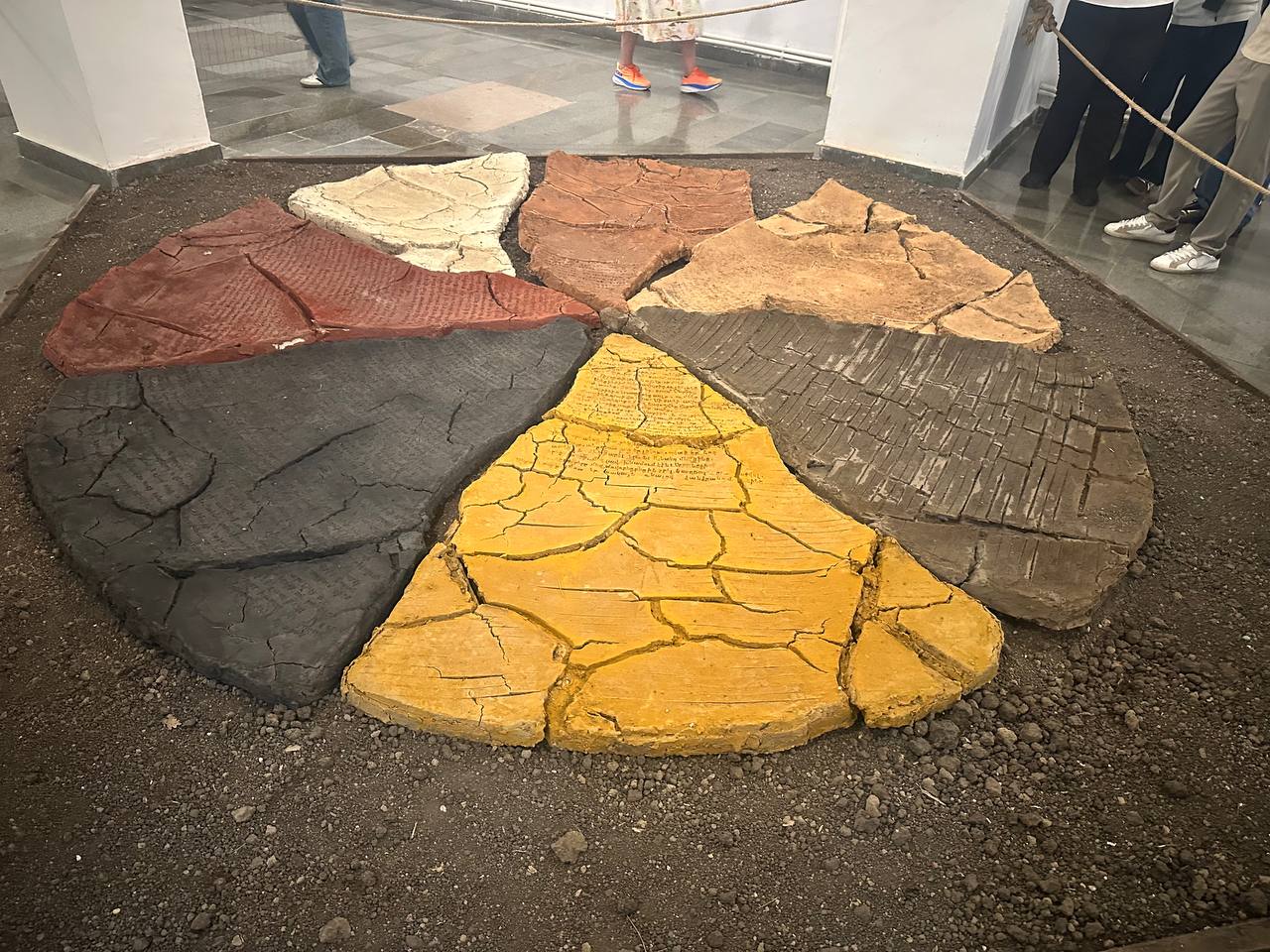
The museum’s collection includes numerous examples of painting, graphic art, and sculpture. The works presented here differ both in their thematic scope and in their artistic language. In some works, color is the primary means of expression; in others, it is form or space. In certain works, artists move away from a direct representation of reality and attempt to convey an idea through conventional, abstract, or symbolic solutions. This diversity makes contemporary art particularly interesting as an object of observation and interpretation.
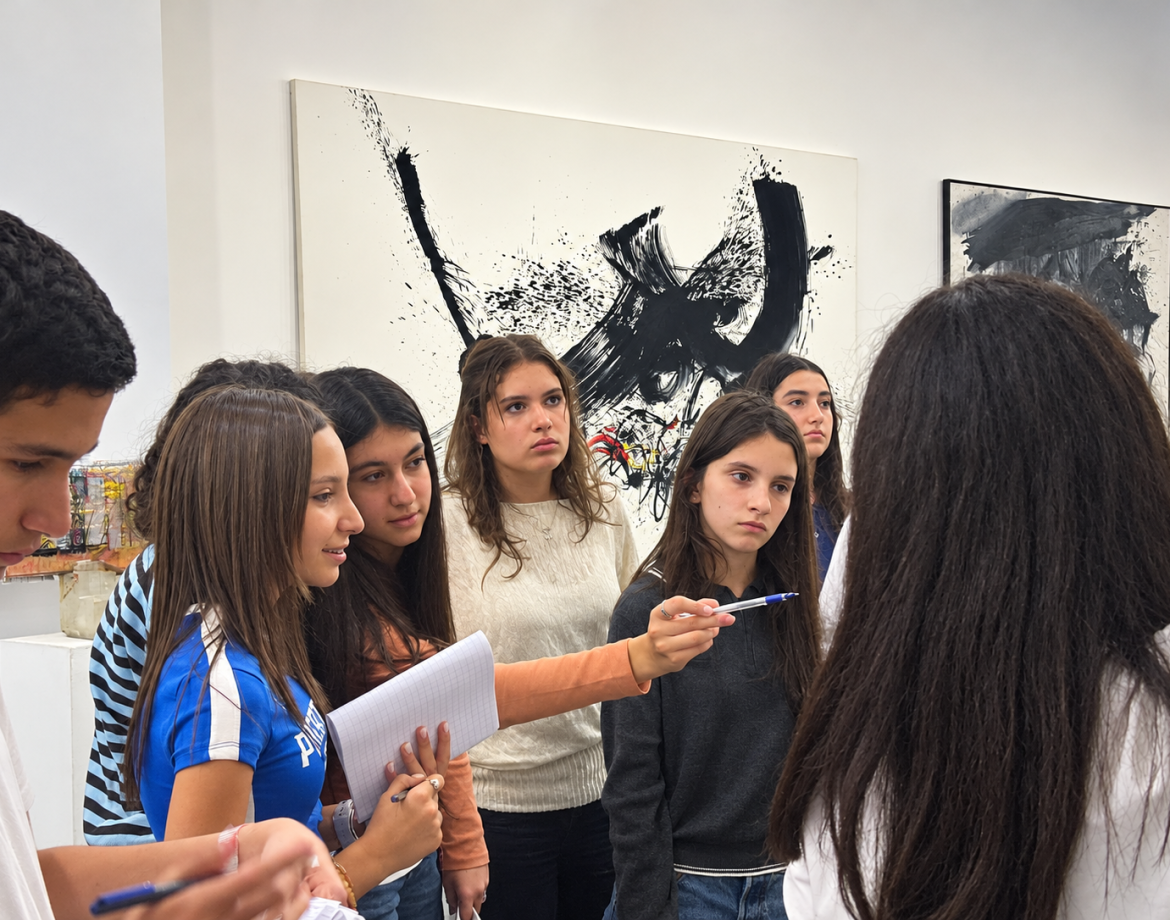
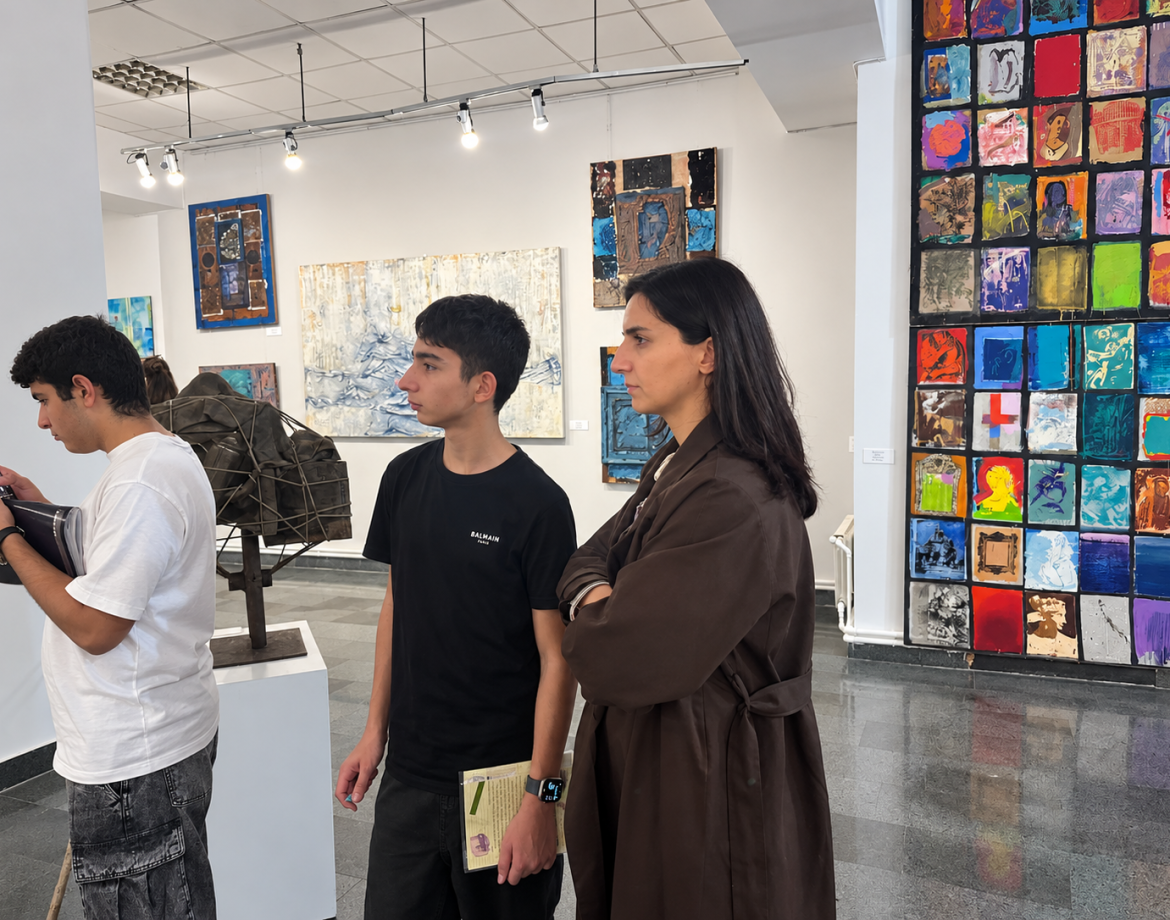
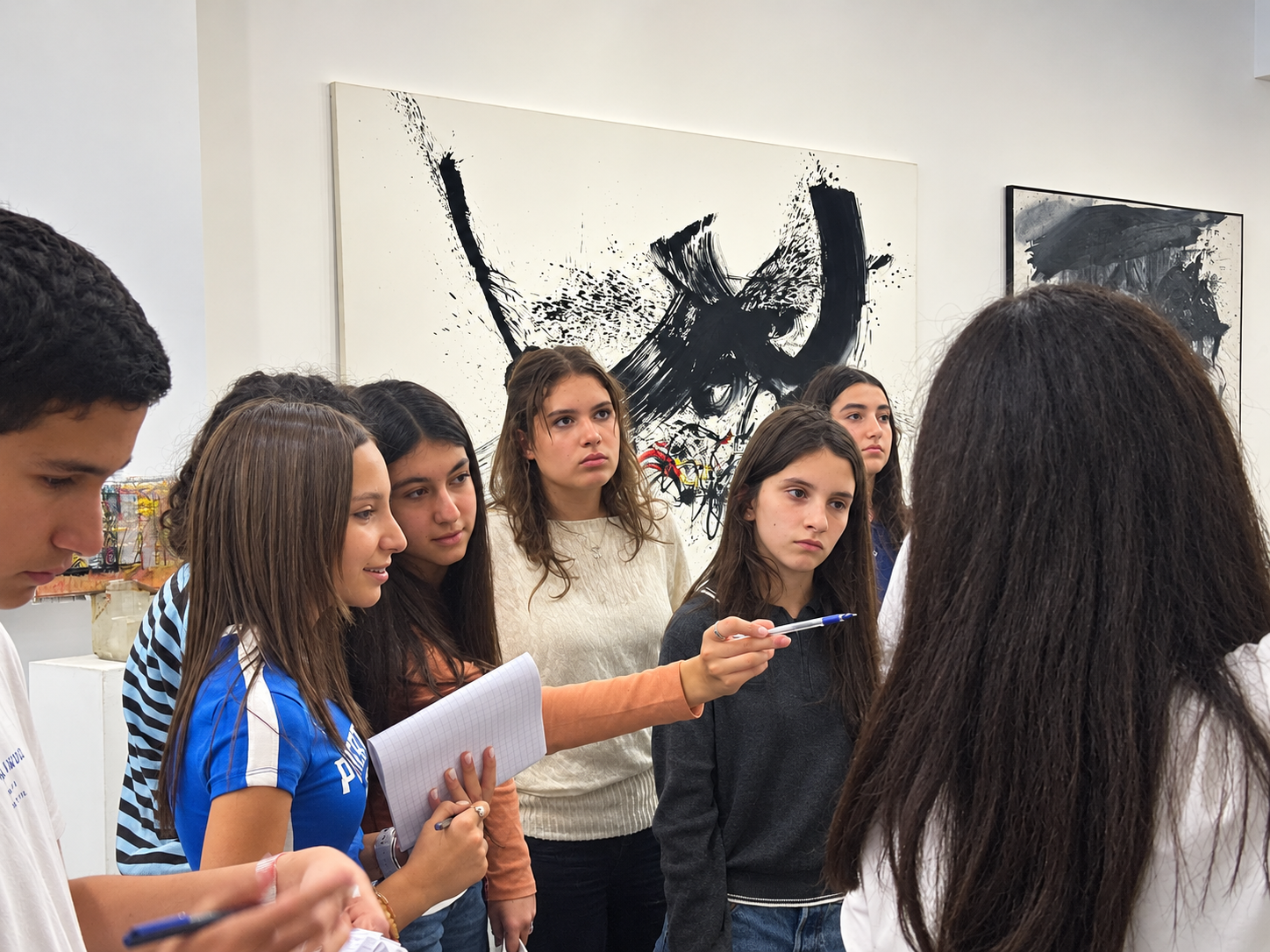
For the 10th-grade students, observation was a key component of the visit. During the tour, they took notes, identifying works that attracted their attention and recording the artists, themes, colors, compositional solutions, and questions that arose during the visit. These notes were not simply a collection of facts; they are intended to become a basis for further classroom work, where students will return to the works they encountered and attempt to analyze them in a more systematic way.
Through this approach, a museum visit becomes not a one-time cultural event, but a continuation of the educational process. In the classroom, students will have the opportunity to compare their observations, discuss different interpretations, substantiate their own viewpoints, and examine works of art within their historical and cultural contexts.
During the visit, the students also focused on questions that are essential to the analysis of a work of art: How does the artist construct the composition? Why is a particular color scheme chosen? How does form influence the mood of the work? How is an individual artistic language connected to its historical period? What does the viewer contribute to the interpretation of a work? And, from an economic perspective, are these works competitive in value alongside classical works of art?
These questions are particularly important when studying contemporary art, as it does not always offer a single, definitive answer or one ready-made interpretation. The same work may have different meanings for different viewers, while its analysis requires not only visual perception, but also an examination of its context, the artist’s intentions, and the expressive means employed.
Therefore, the visit of the 10th-grade students to the Museum of Modern Art in Yerevan can be viewed as an expanded format of the «Art» lesson. The museum became an environment where textbook concepts—color, form, composition, style, character, artistic means of expression, and historical period—were connected with specific works of art.
And the notes made at the museum are only the beginning. In the upcoming lessons, they will become the basis for analysis, comparison, and discussion, allowing students not only to describe what they saw, but also to explore how a work of art is created and what kind of dialogue it can establish between the artist, the historical period, and the viewer.
To not think freely is to not think at all!