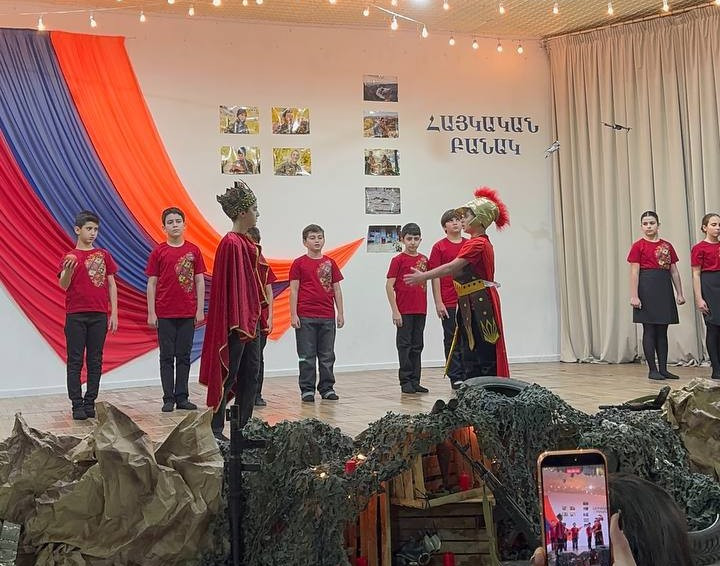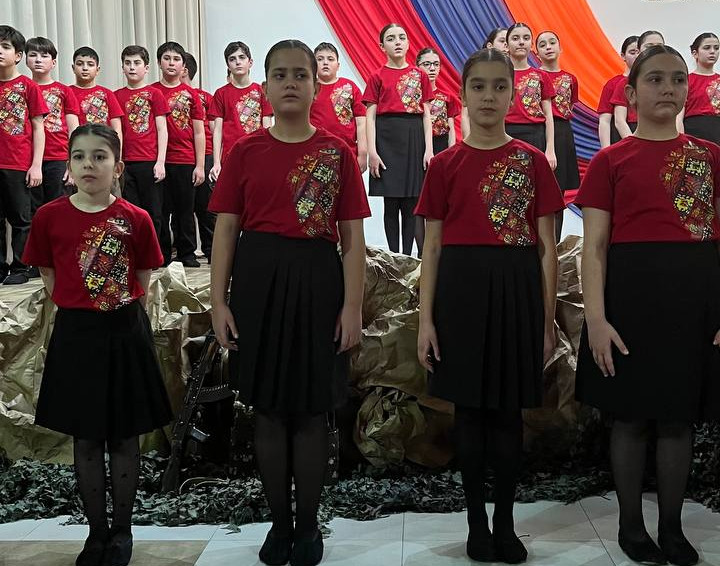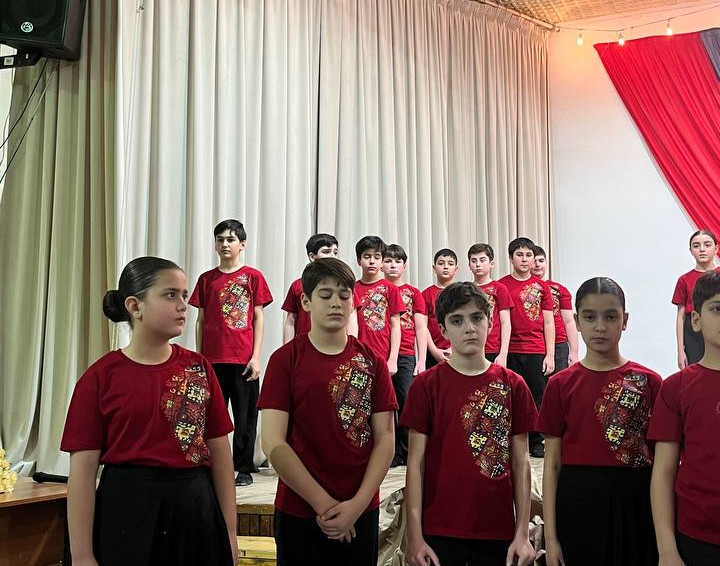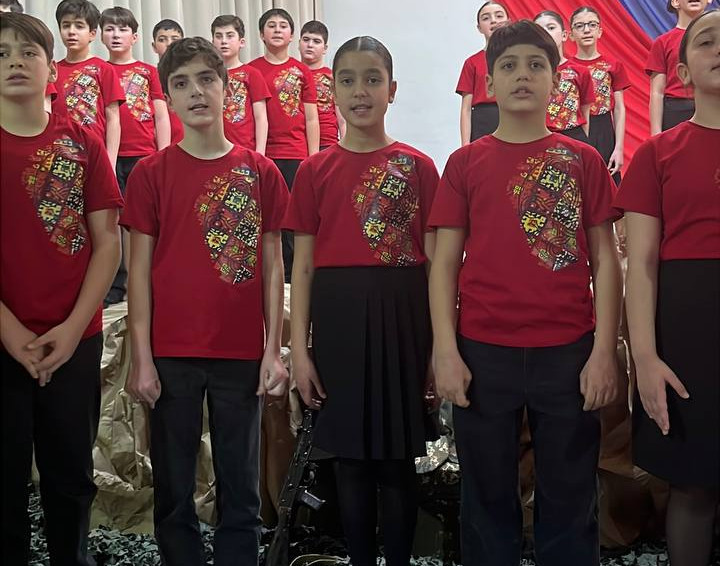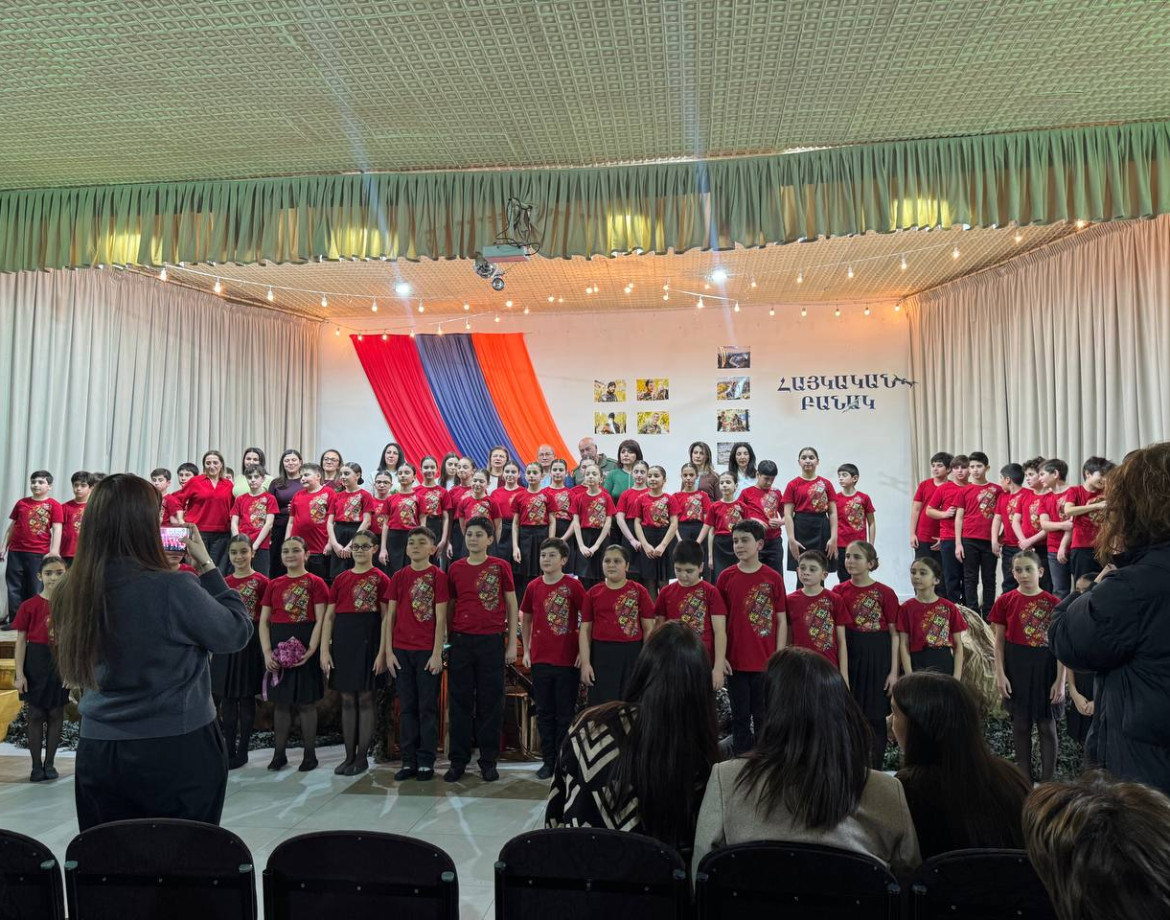
The Armenian Army is an inseparable part of the history and national identity of the Armenian people. Its mission is not only to defend the borders of our statehood, but also to serve as the bearer of centuries-old traditions of strength, resilience, and patriotism. The establishment of the Armenian Army was a historical process born out of the necessity to ensure national security and preserve independence. Even today, it conveys an essential message to every Armenian: to protect the land, safeguard the state, and believe that the guarantee of lasting peace lies simultaneously in a strong army and a solid rear.
On January 28, 1992, during the intense days of the Artsakh War, the Government of the Republic of Armenia adopted the historic decision “On the Ministry of Defense of the Republic of Armenia,” which marked the beginning of the formation of the Armenian national army. A leading role in the establishment of the Armenian Army was played by Sparapet Vazgen Sargsyan, who was appointed Minister of Defense on December 5, 1991. From its very first days, the Armenian Army demonstrated devotion to the homeland, unbreakable combat will, and a victorious spirit—values that laid the foundation for the history of newly independent Armenia.
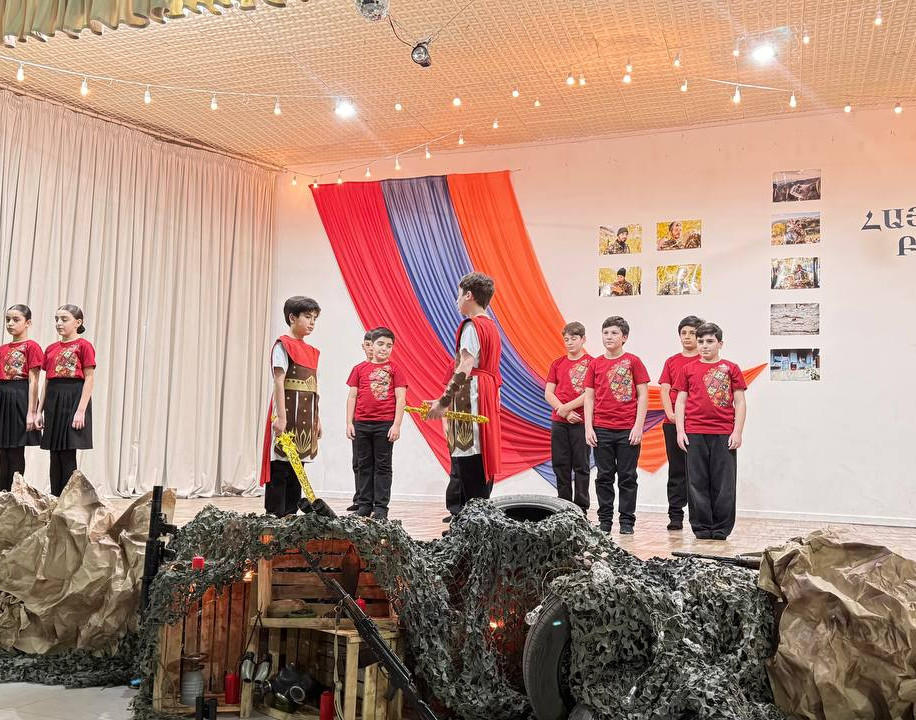
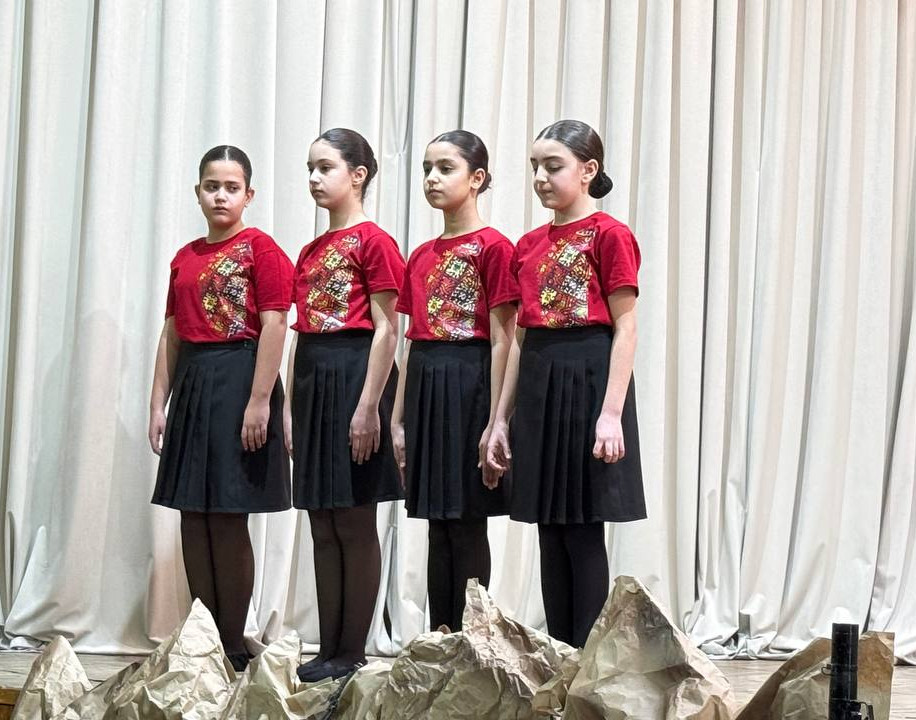
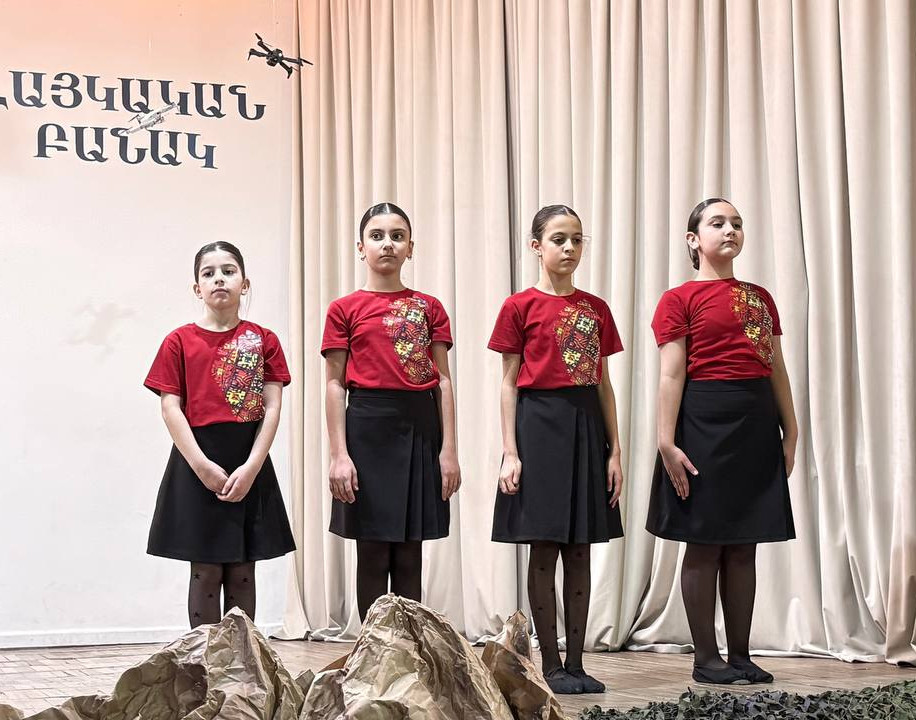
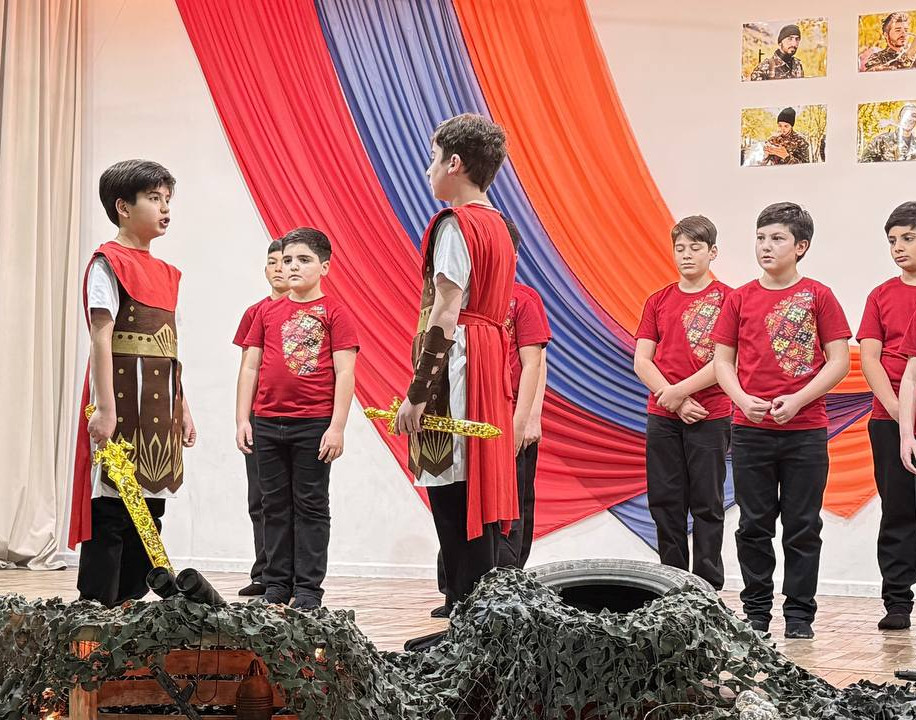
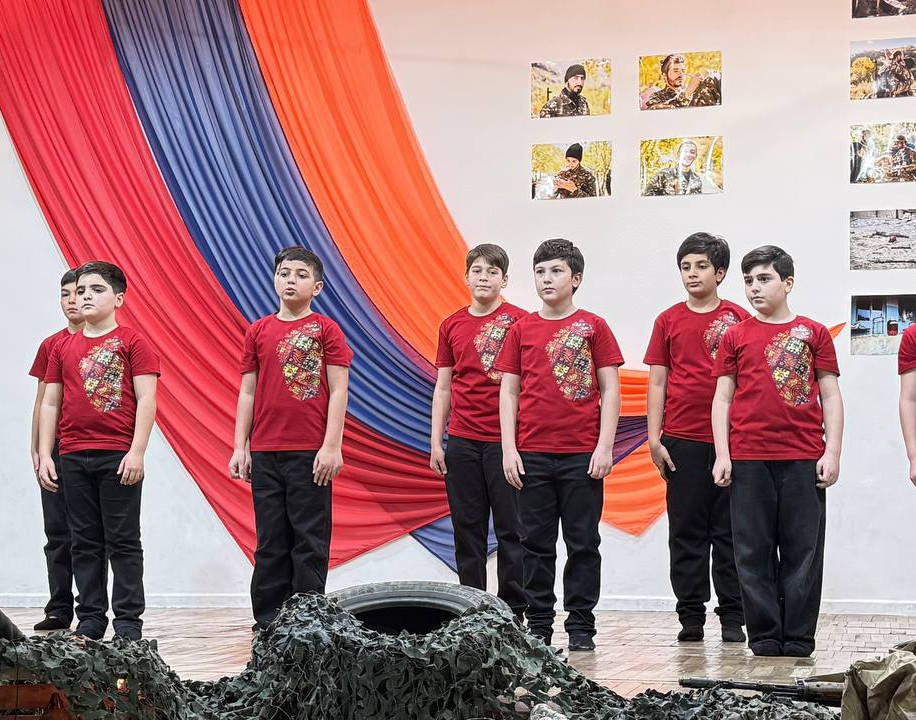
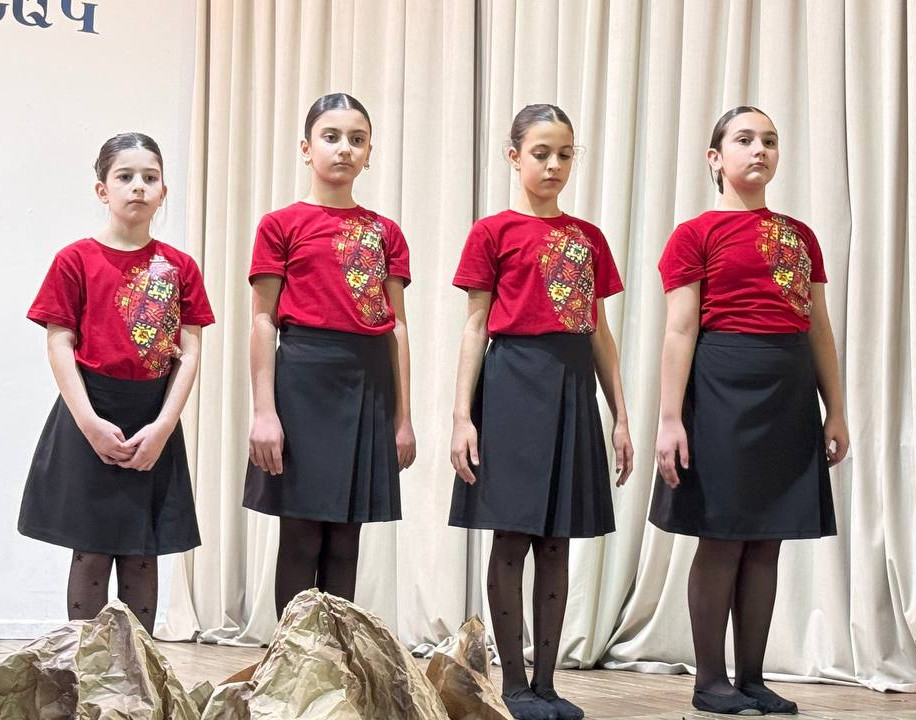
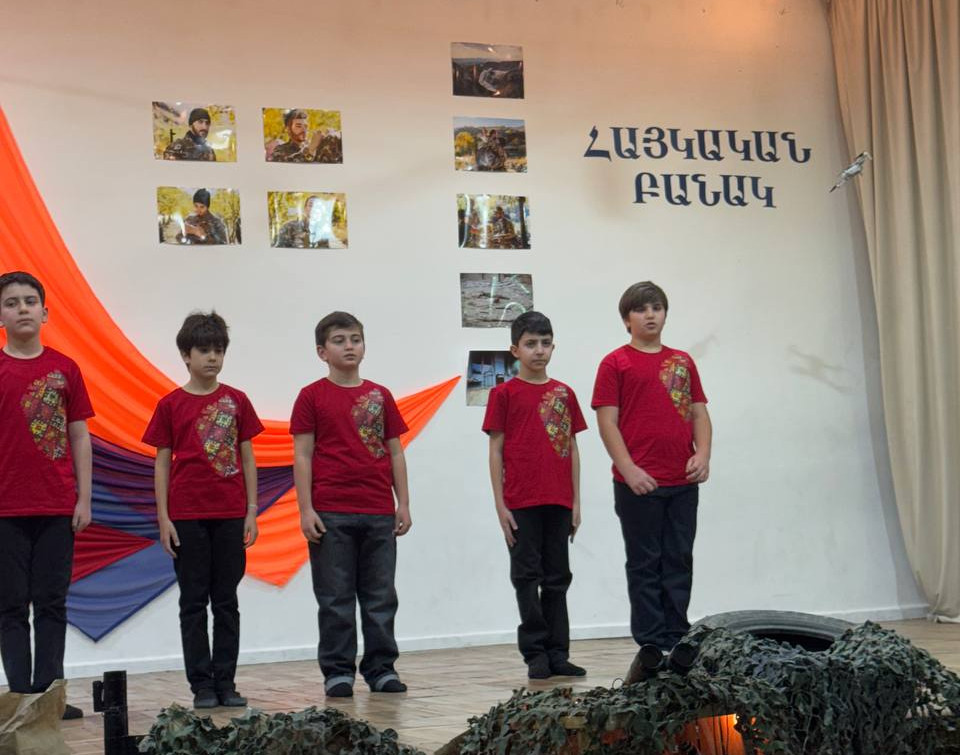
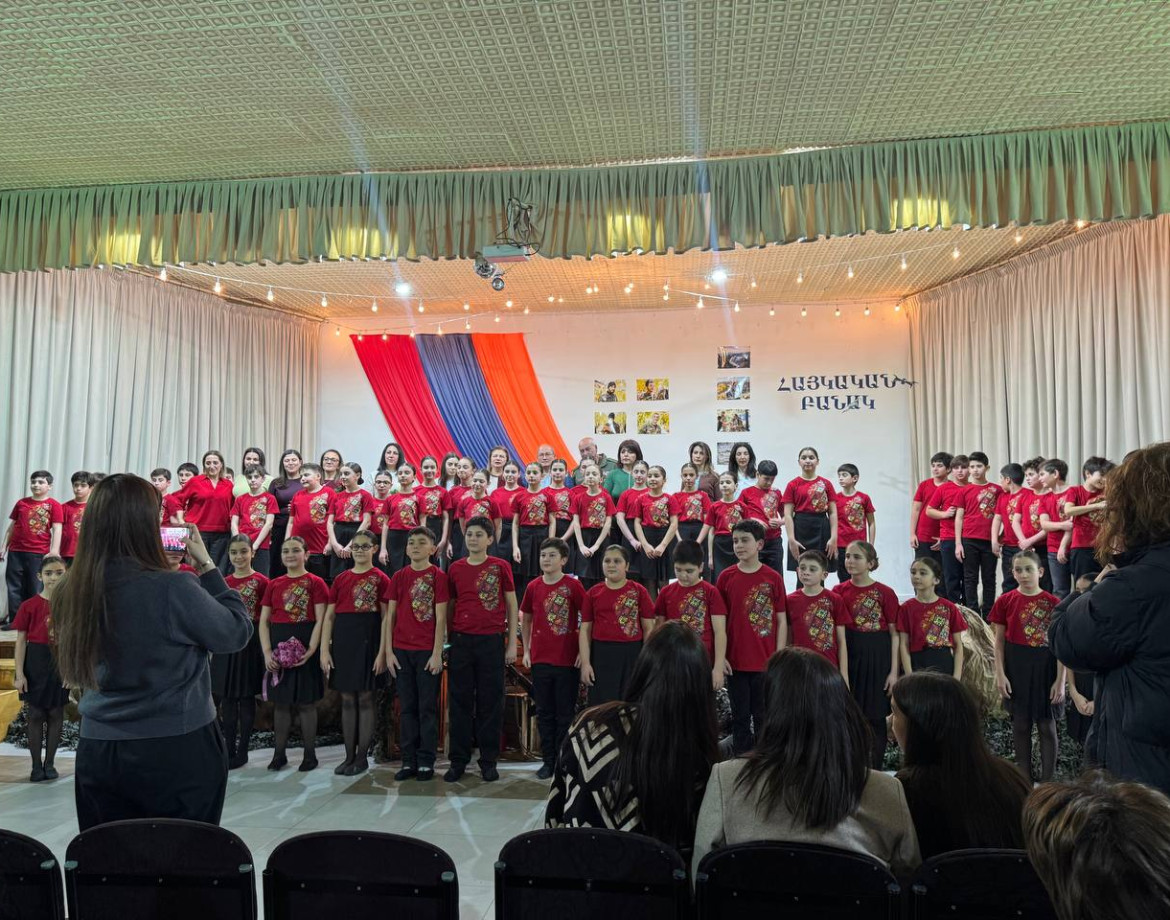
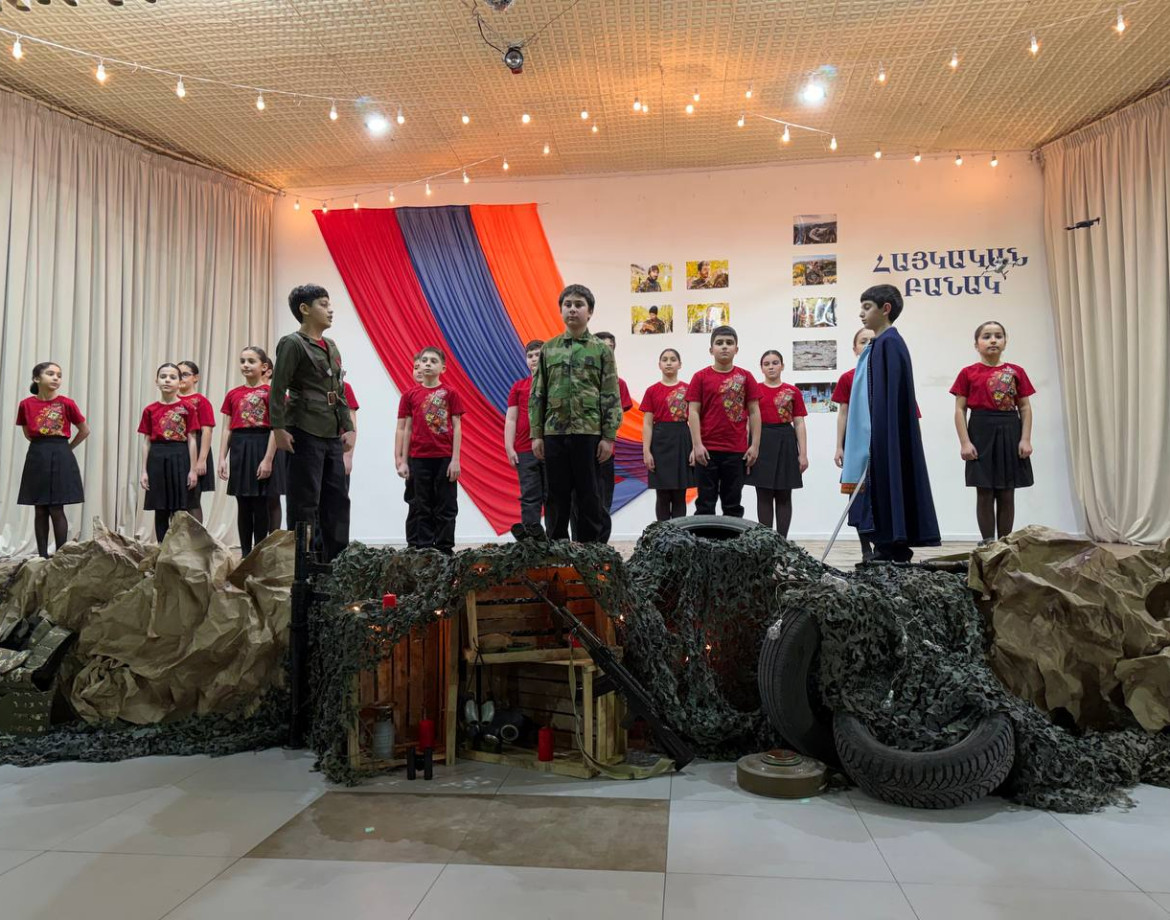
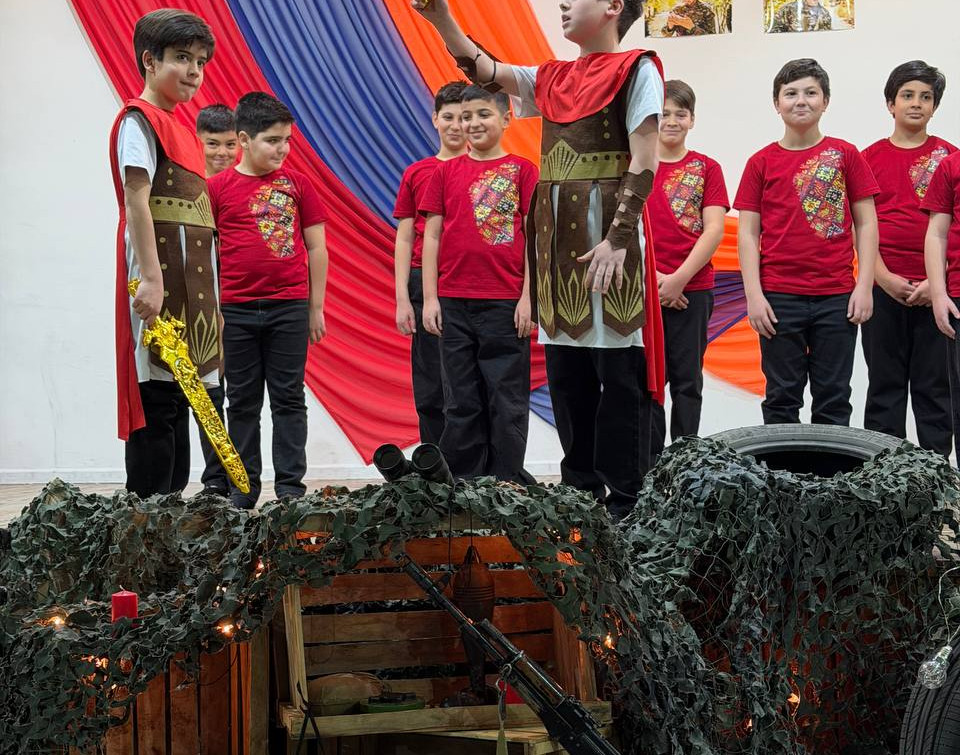
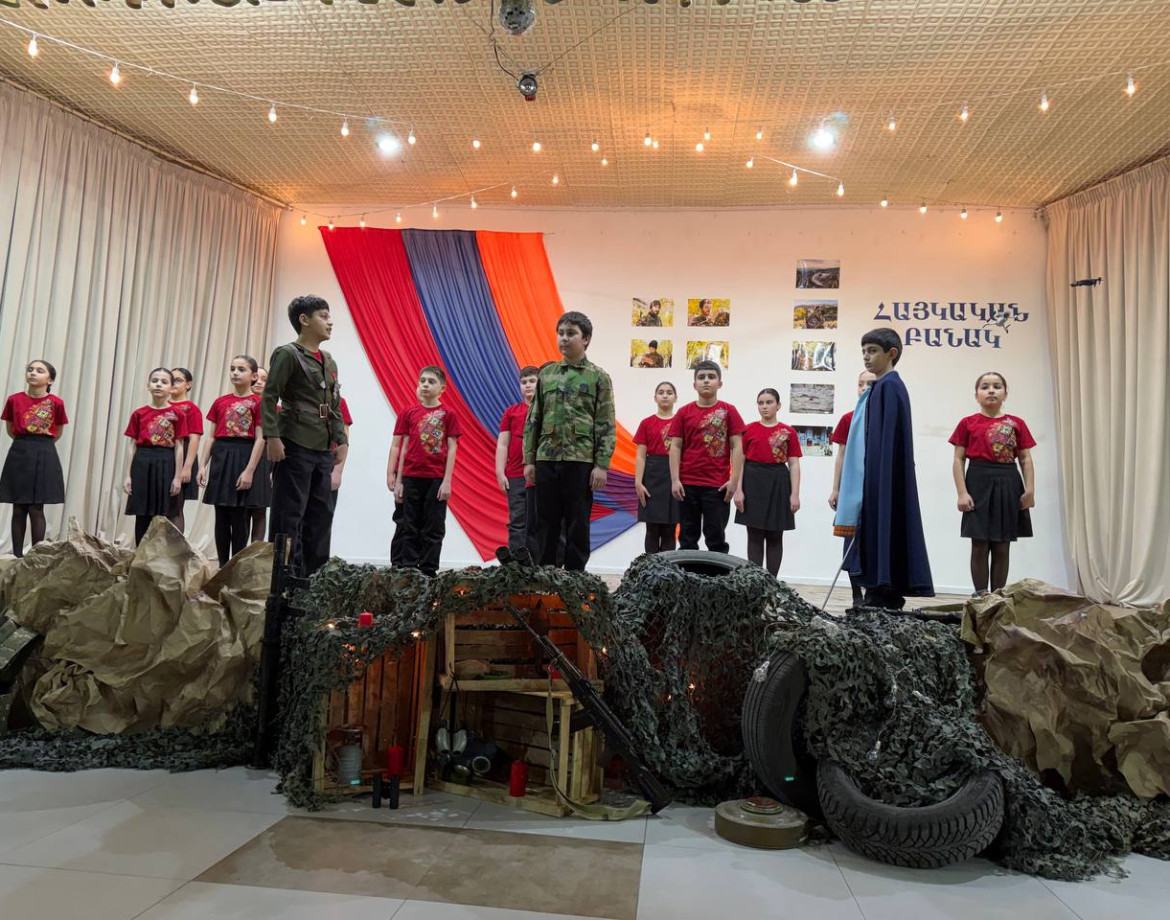
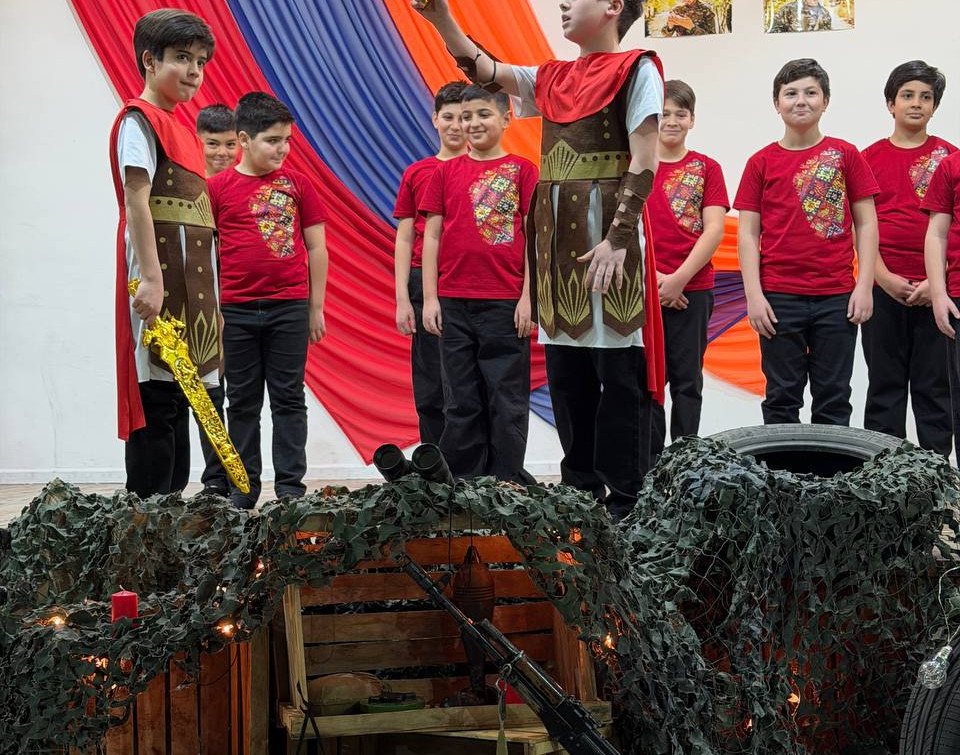
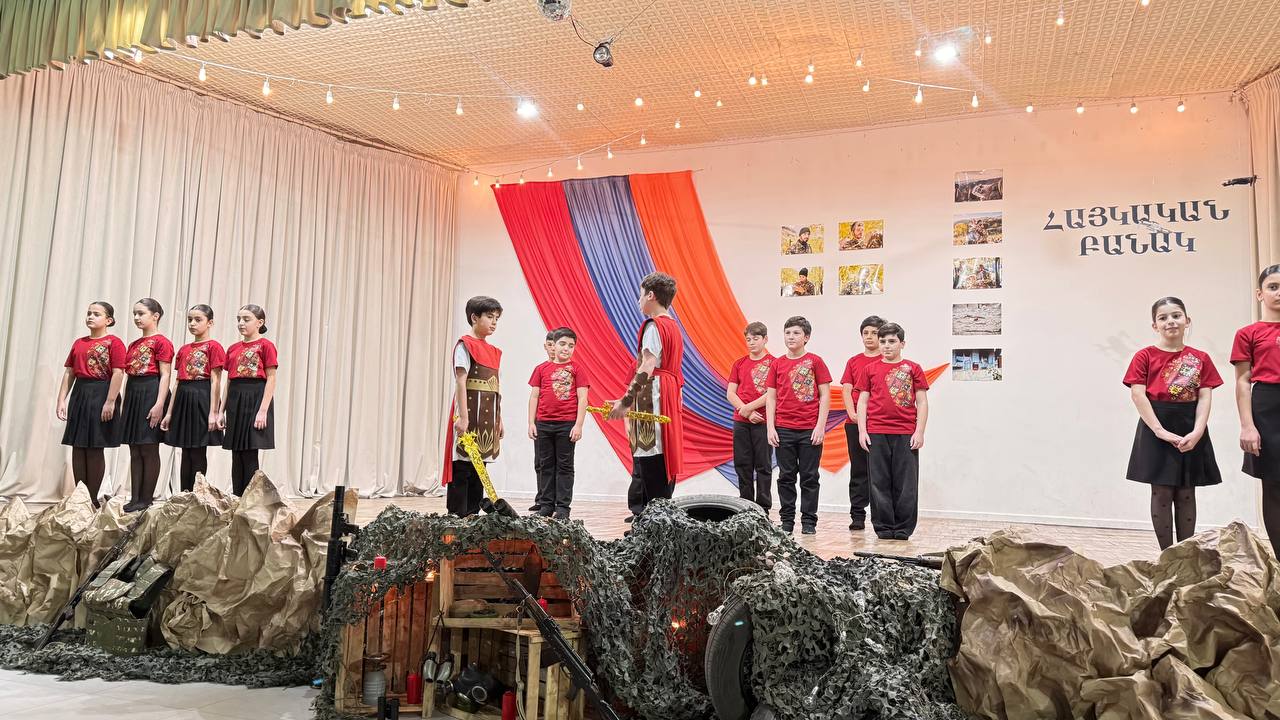
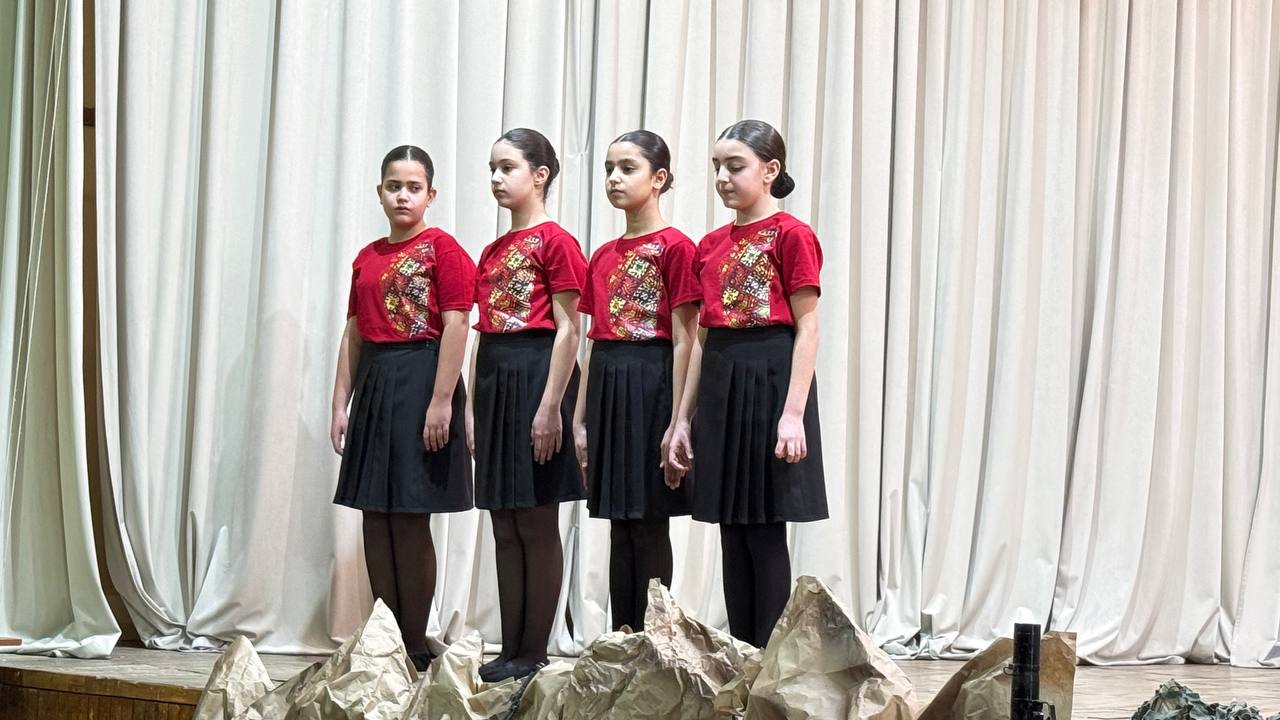
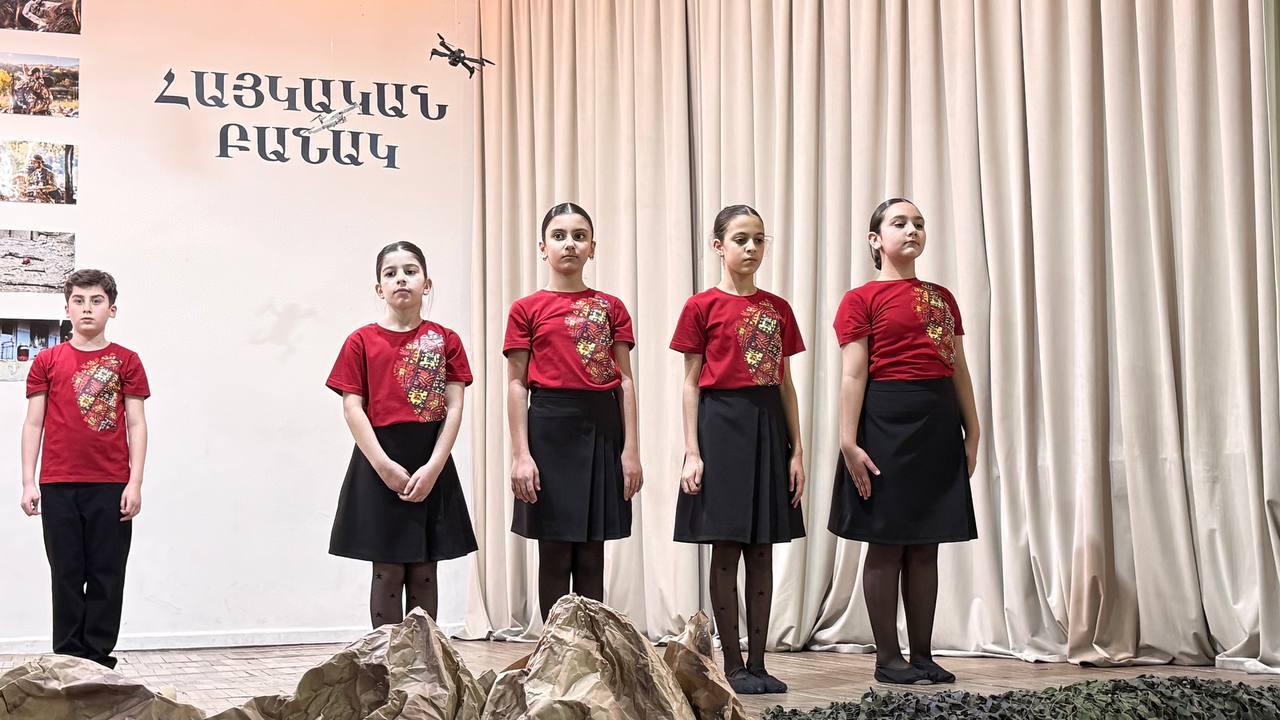
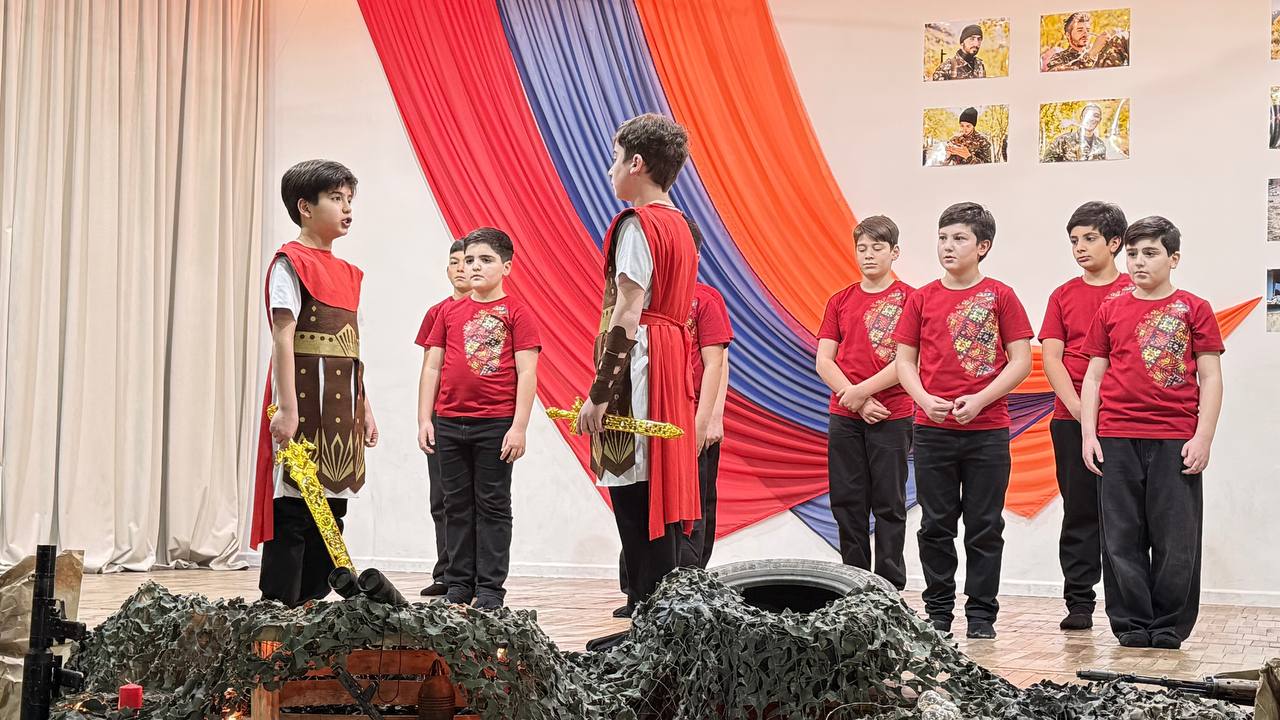
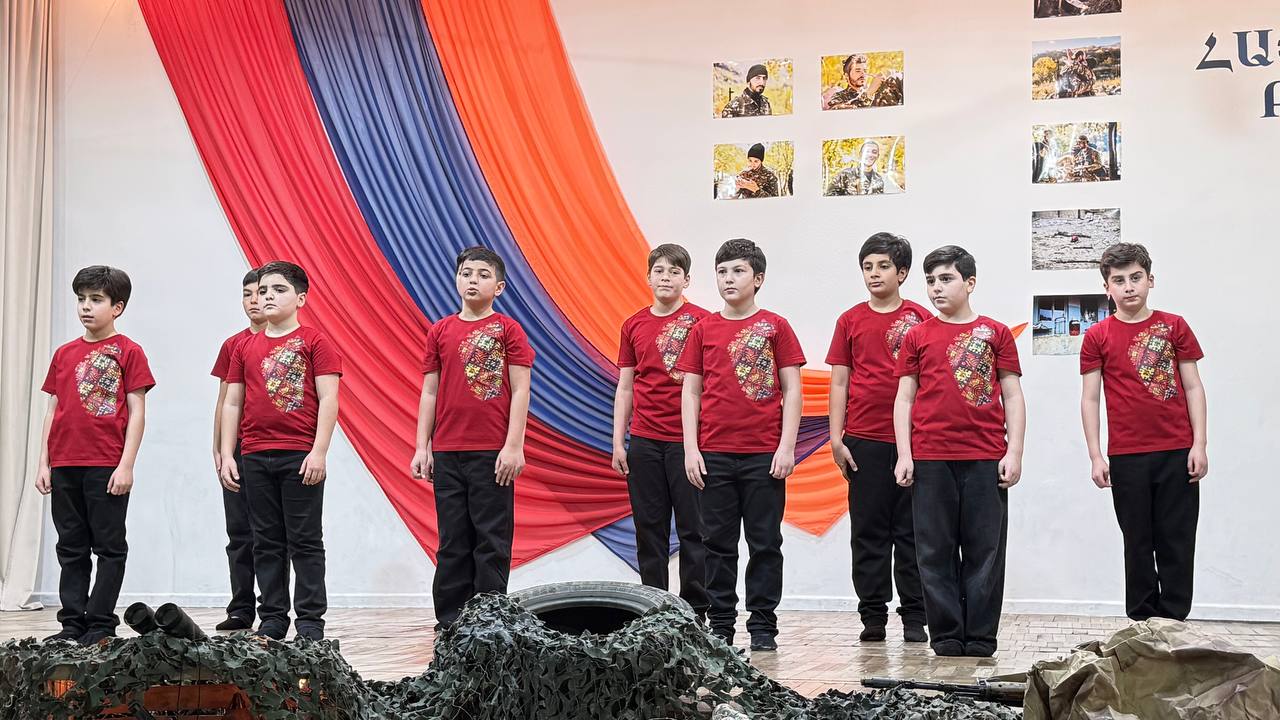
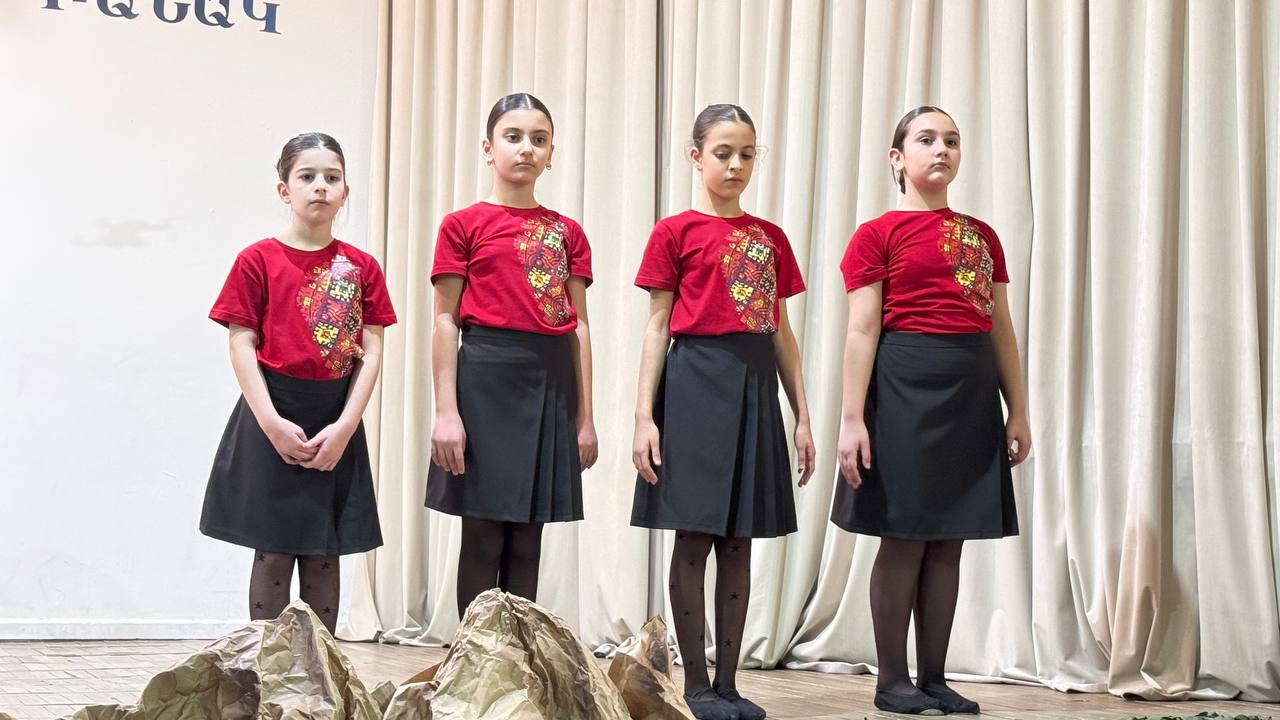
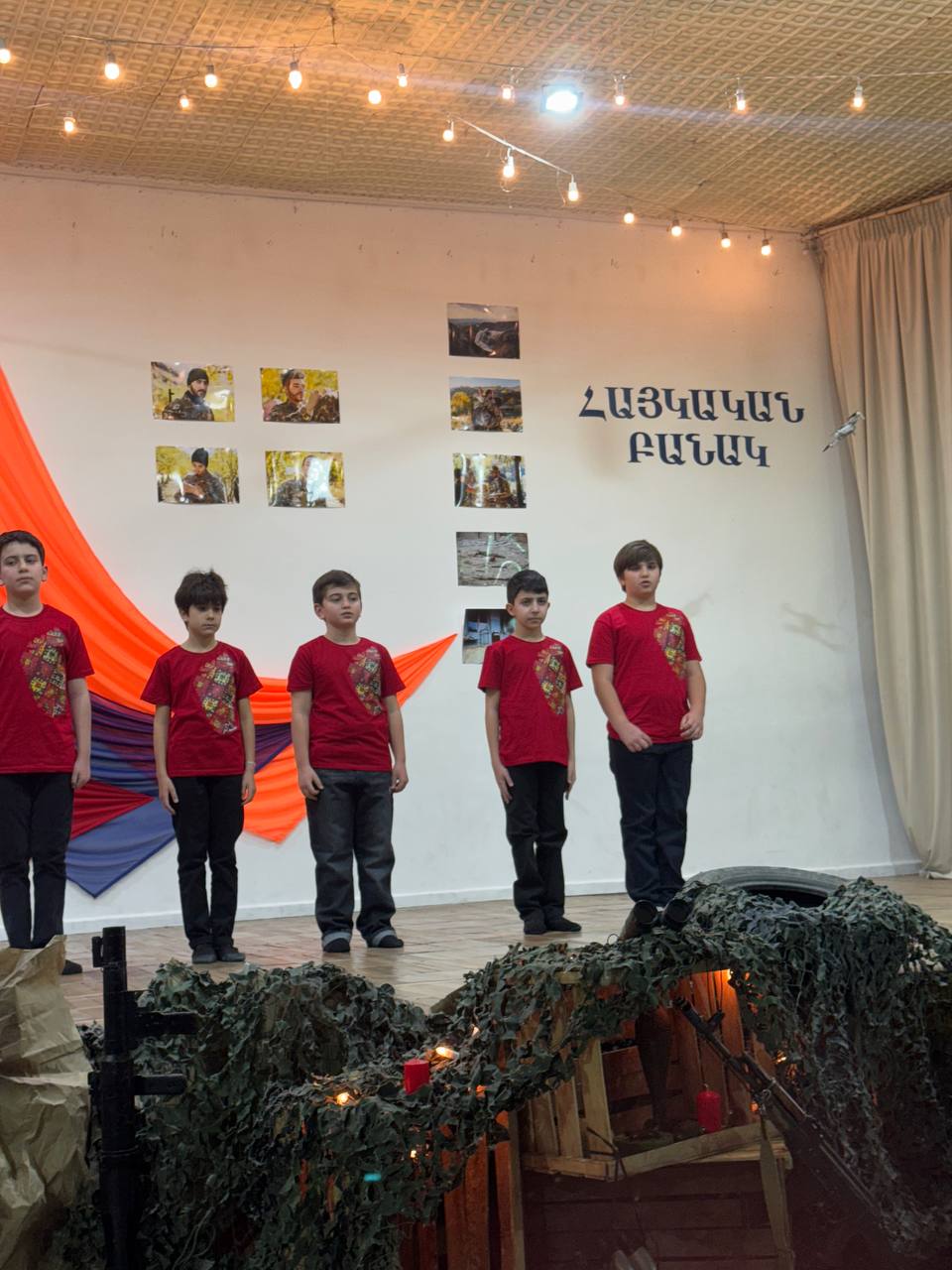
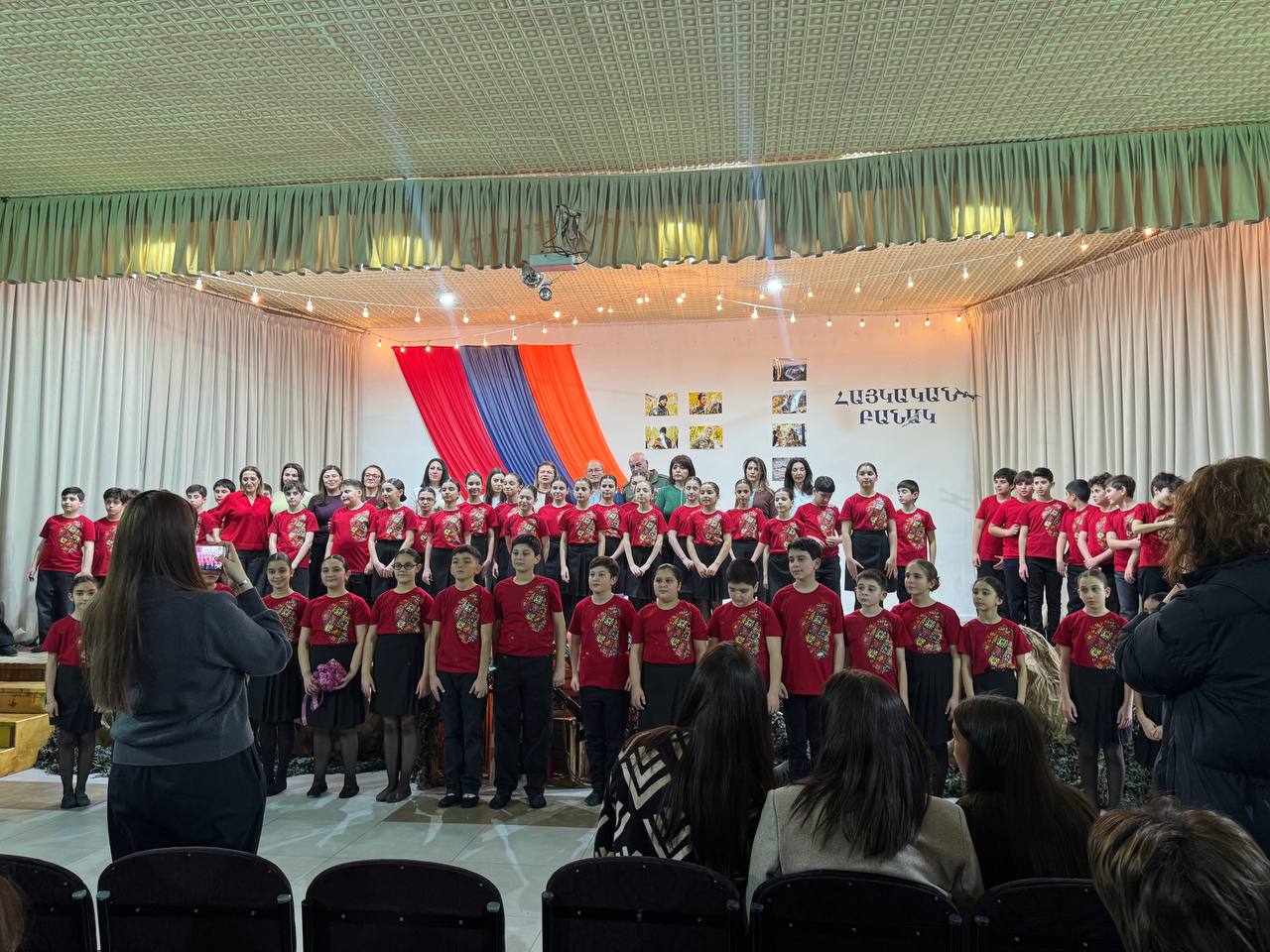
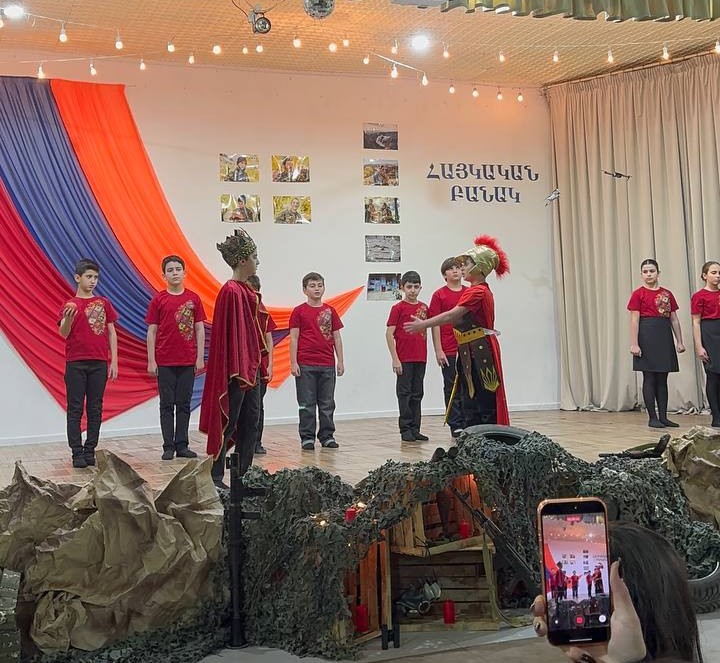
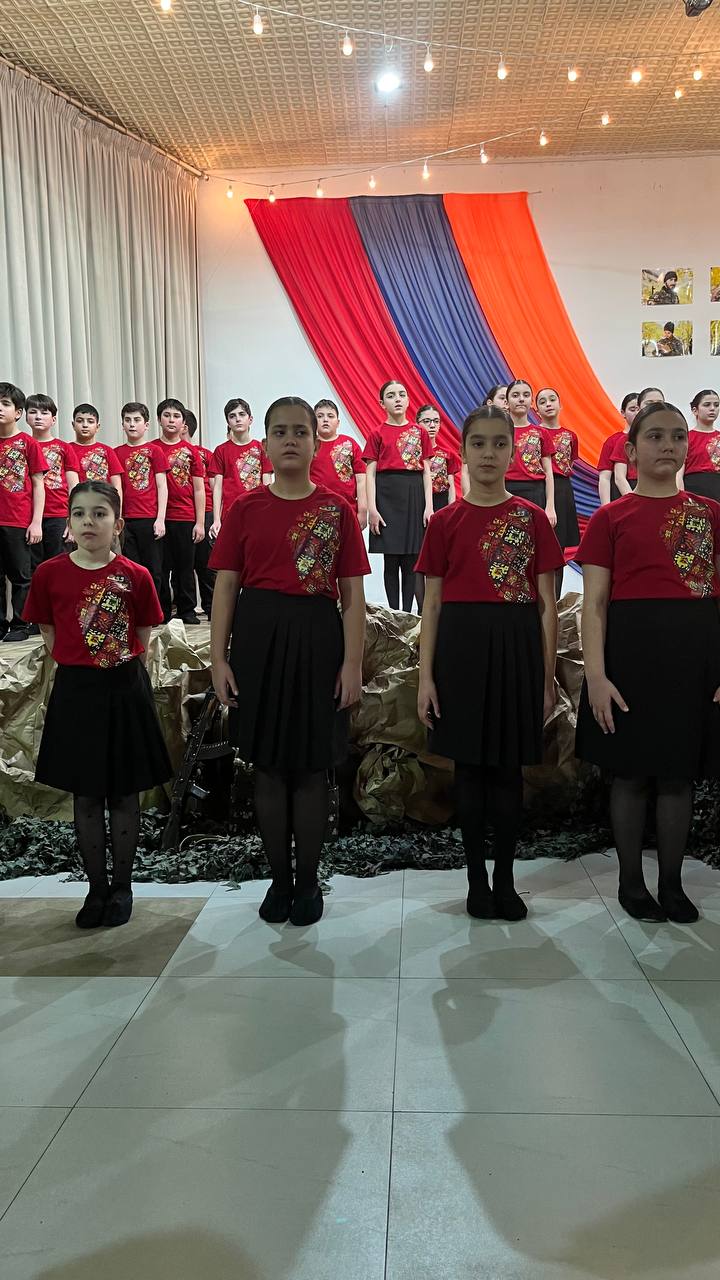
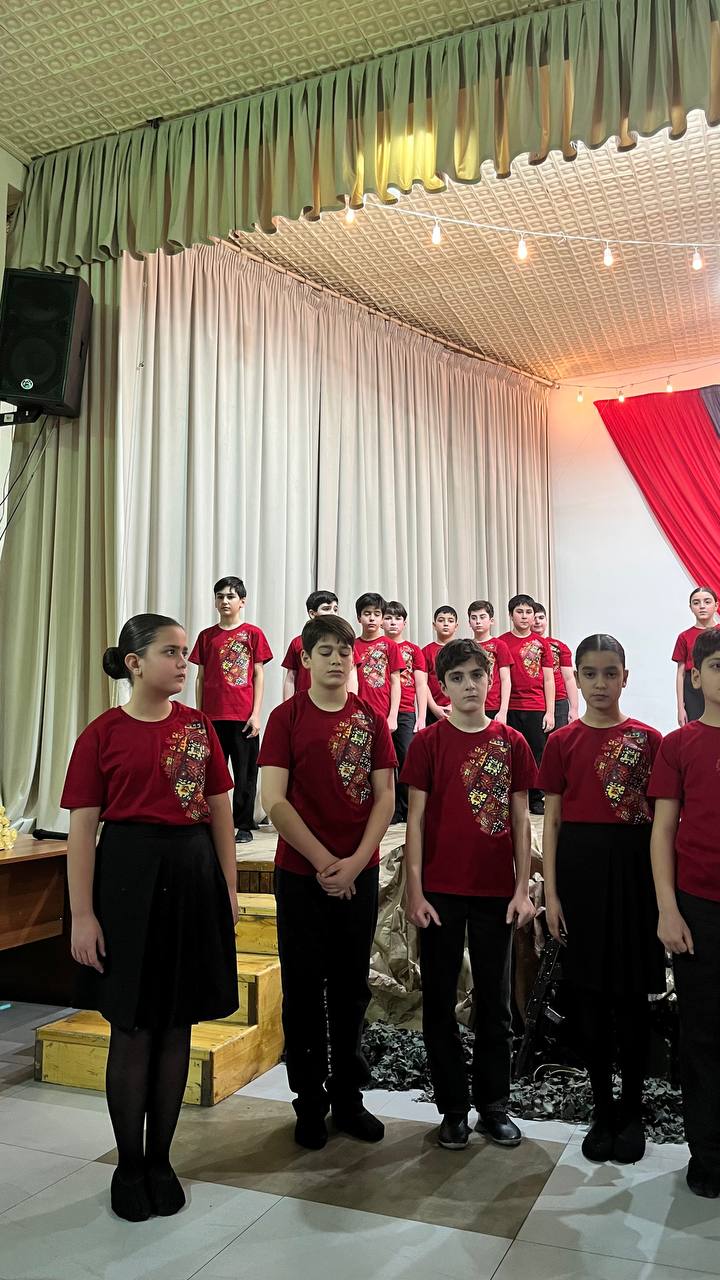
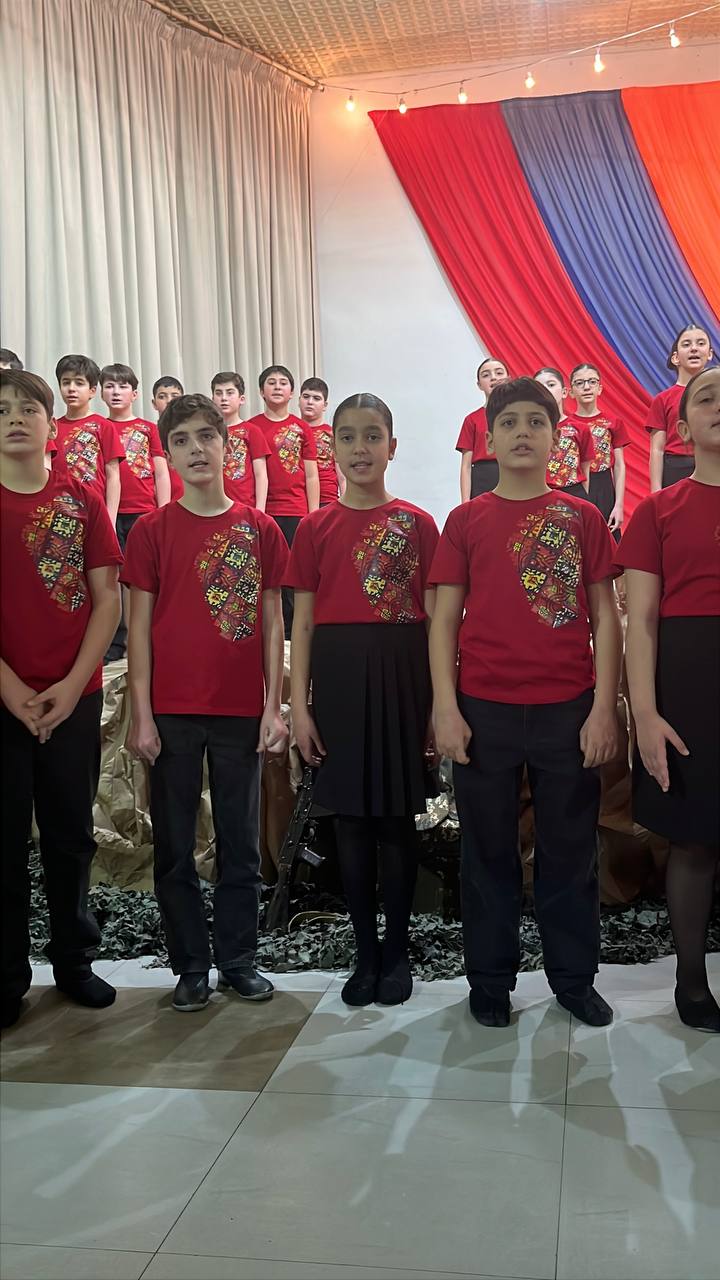
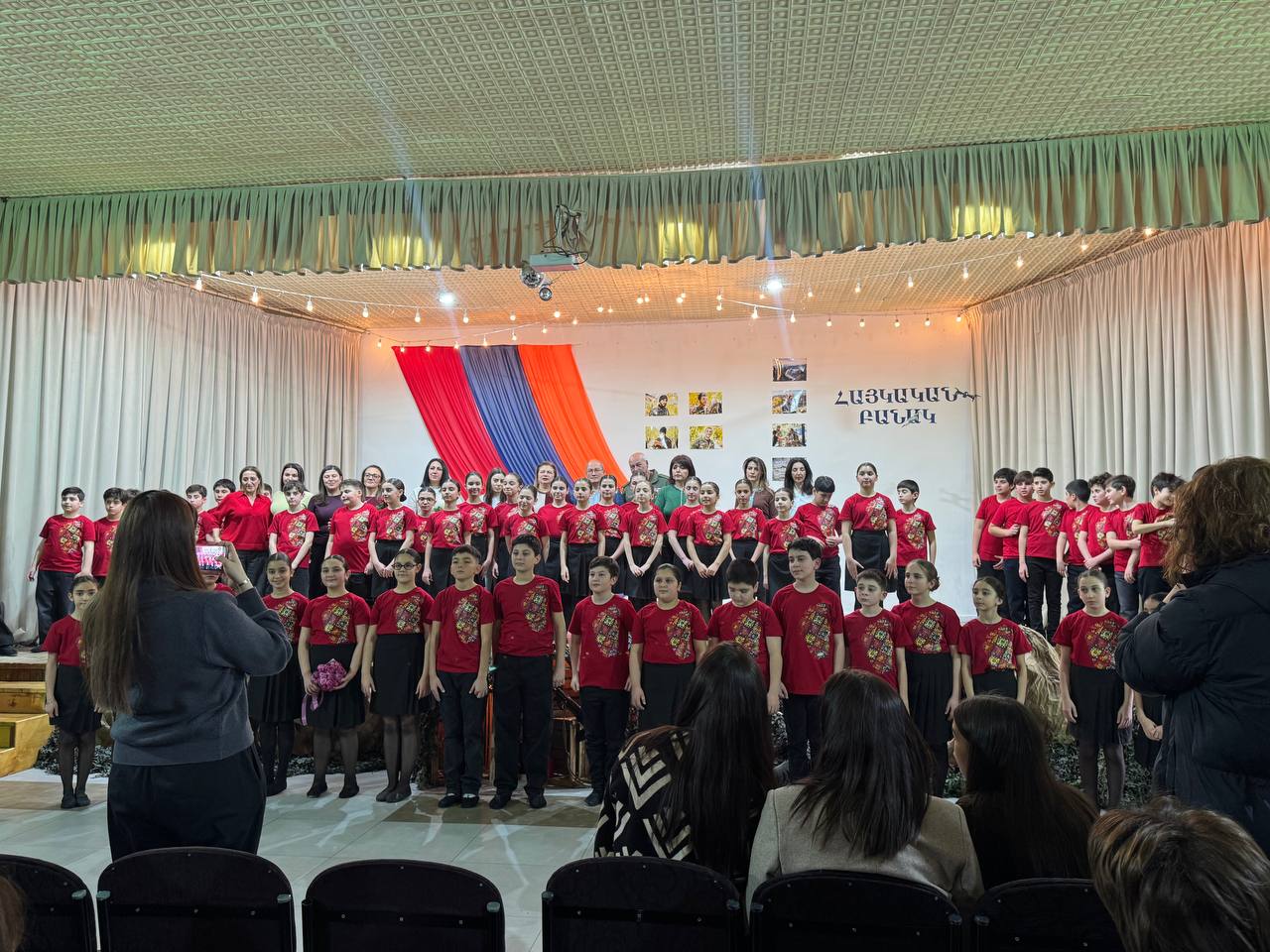
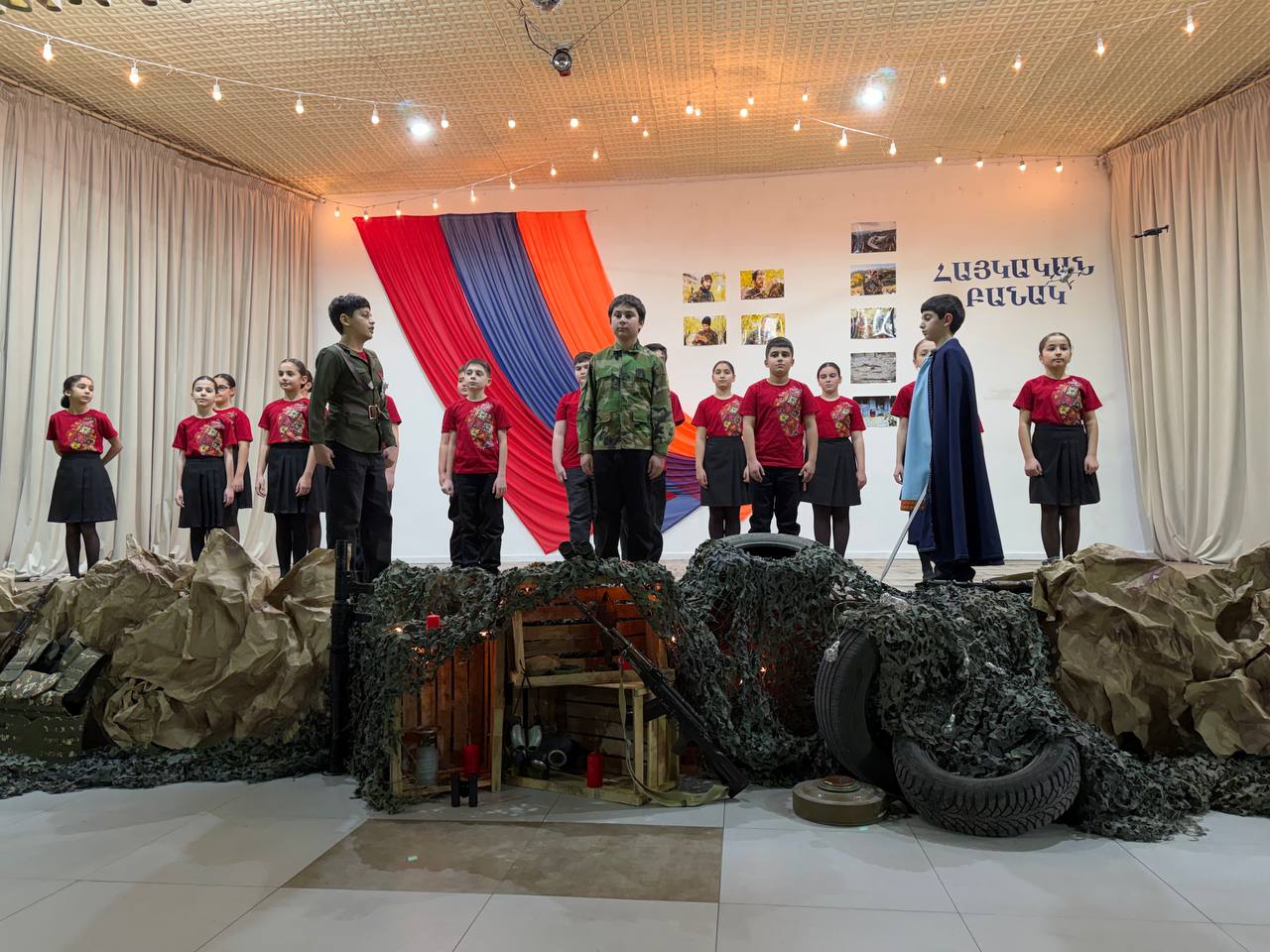
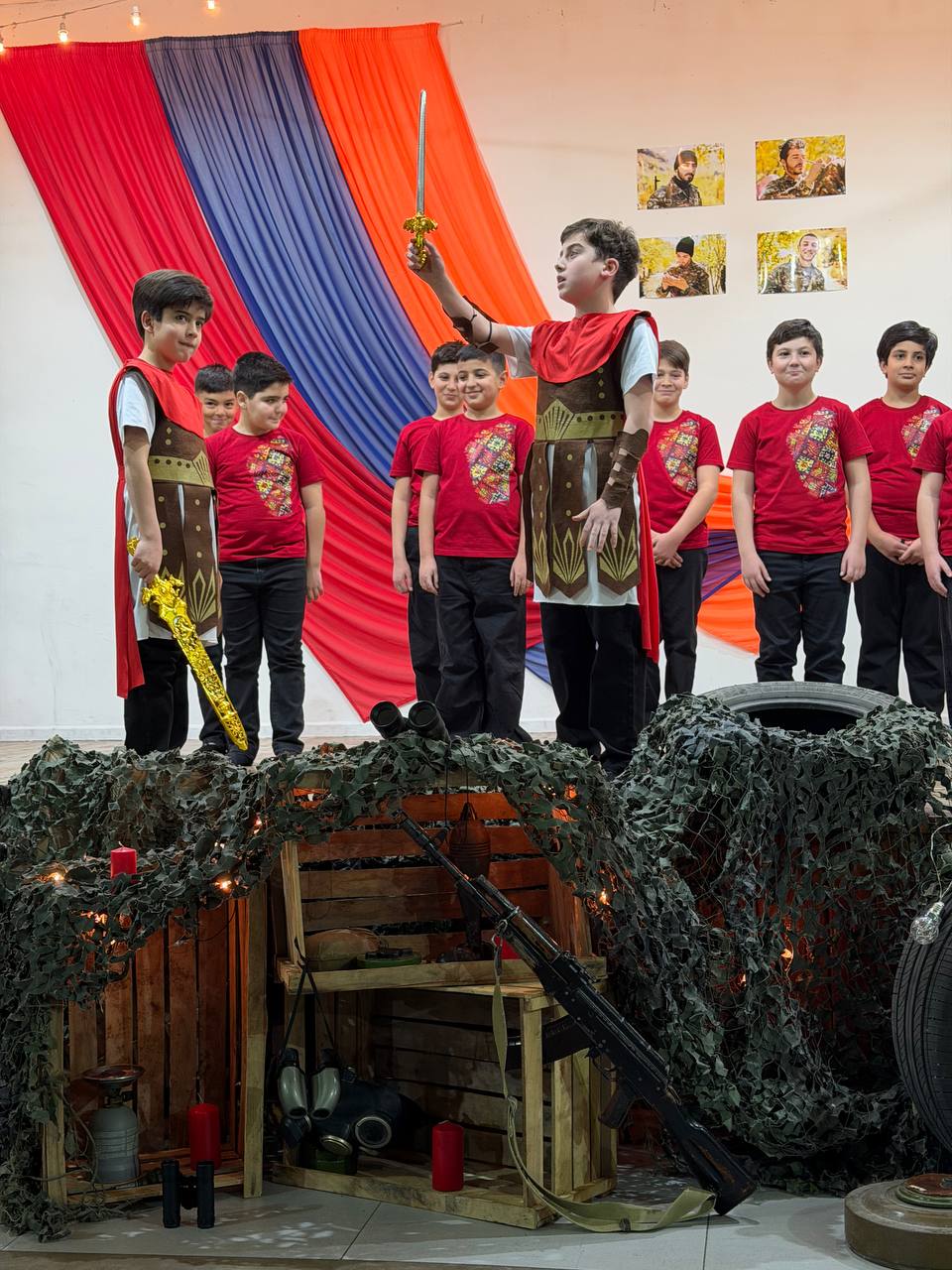
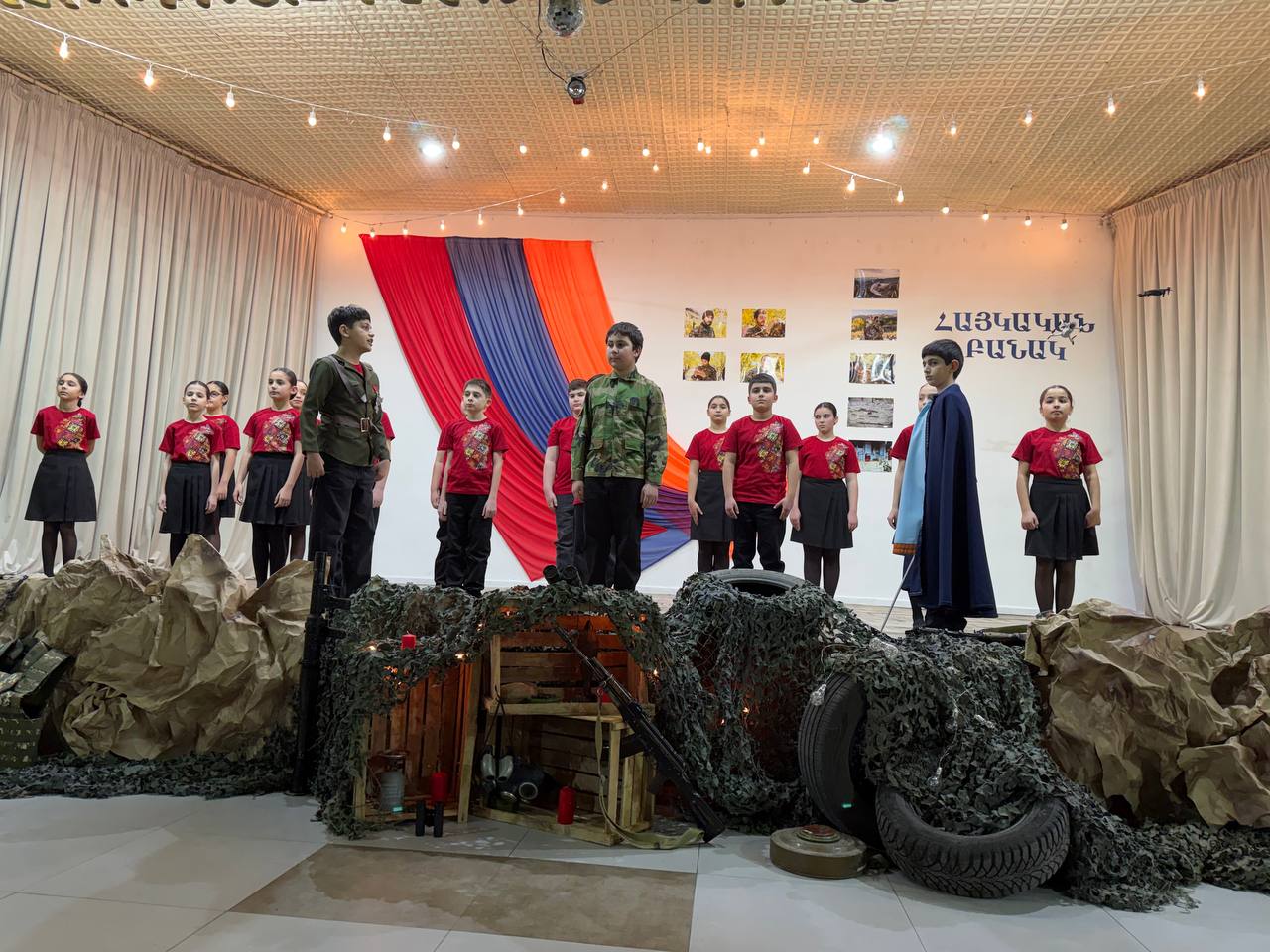
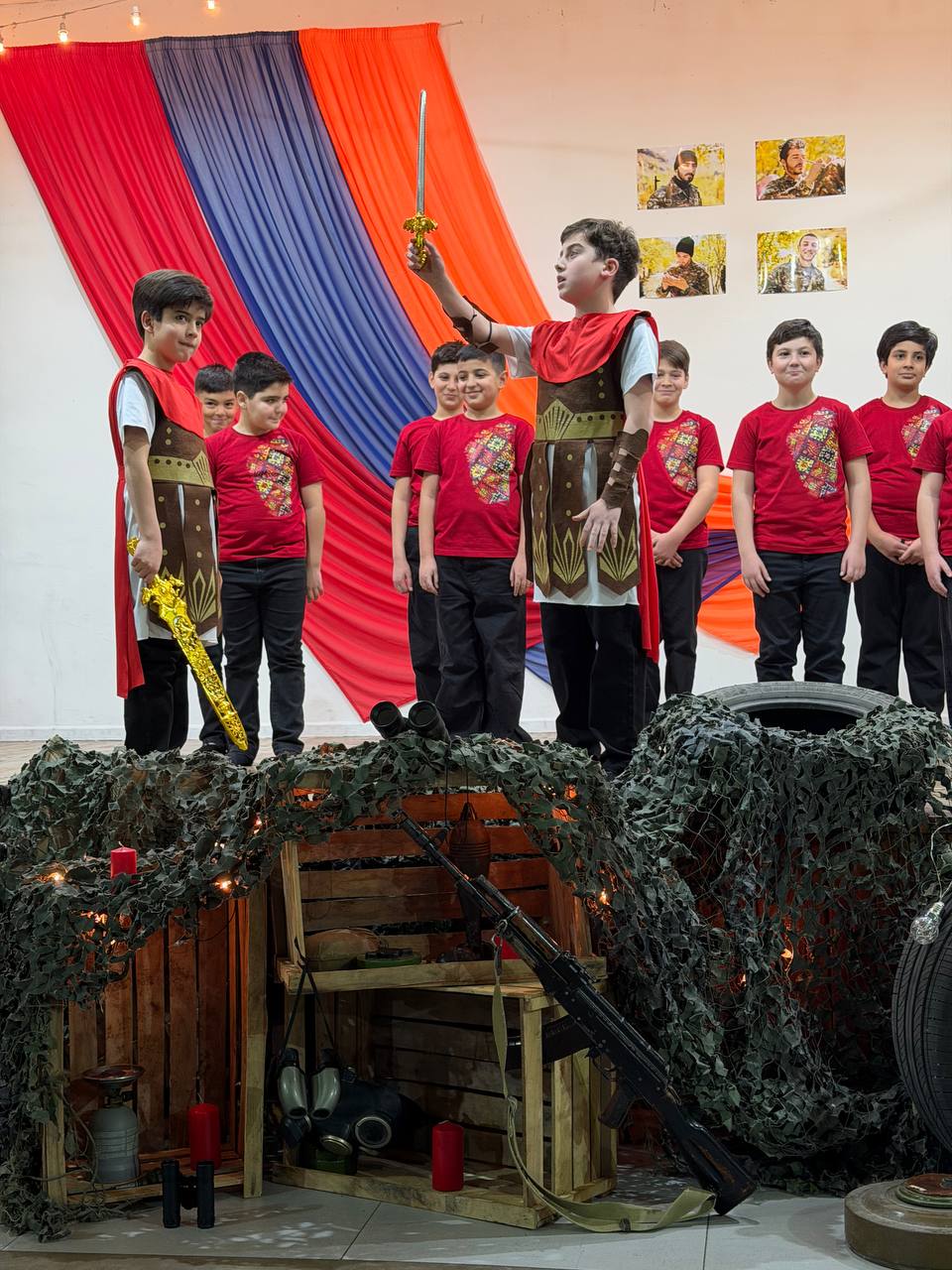
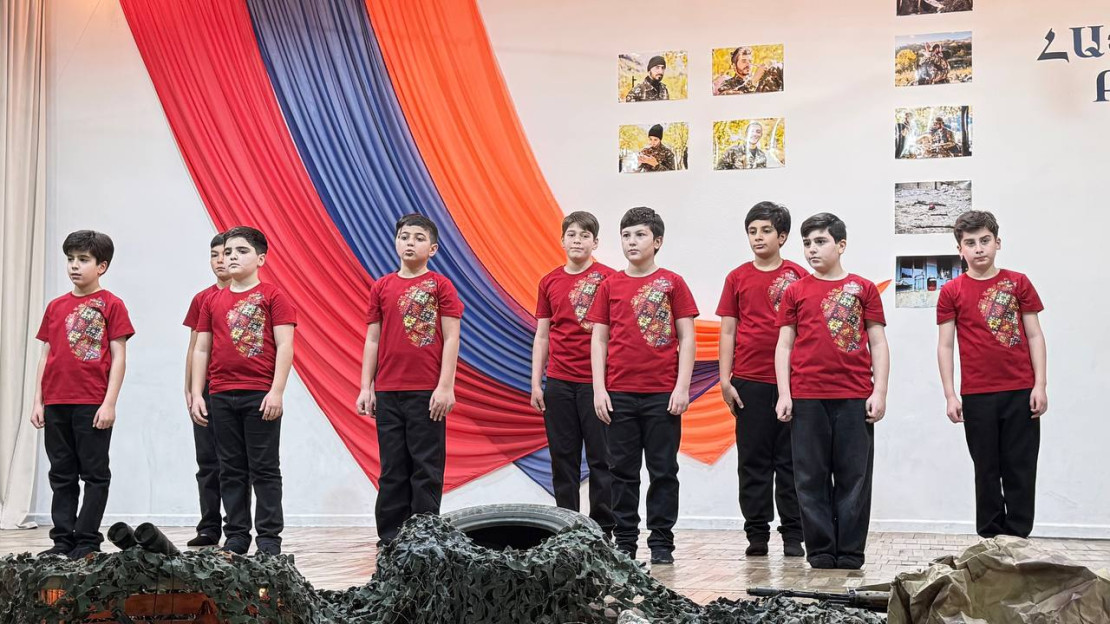
It was precisely this history that the fifth-grade students brought to life on the school stage, tracing the origins of army-building back to Hayk and the victorious bow of the Haykian era. Appearing on stage with a musical and epic prelude, the students united pioneers of military leadership from different periods—from Hayk and Aramanyan Nahapet to Mushegh Mamikonian, from Garegin Nzhdeh to Vazgen Sargsyan. These remarkable and time-transcending combinations aimed to reshuffle the cards of history and, even if only imaginatively, bring together the past and present of the Armenian Army, uniting heroic experience with contemporary responsibility. Despite these temporal shifts, the portrayal of the characters was grounded in the belief that armies are strengthened not only by an abundance of weapons, but also by faith, responsibility, and fighting spirit. A special place in the event was given to the heroic battle episodes of the past four decades, which breathed not pain and loss, but the spirit of heroism and rebirth. Evidence of this were the martial dances and songs of awakening that filled the performance.
Skilled in Kochari and Yarkhushta, the fifth-graders are confident that the future of the homeland is in their hands, and that they believed in every word and promise they voiced from the stage. The emotional finale of the performance delivered an eternal message to generations: the homeland begins at the border, the border with the soldier, and the existence of the state with a vigilant army—one ready not only to die, but also to live.
In his congratulatory and appreciative closing remarks, Director S. Tamaryan noted that this event was first and foremost about instilling the will to live and create, and only then about fostering pride and enthusiasm. He emphasized that peace and security are preserved solely through a strong and vigilant army, and reminded that each new generation must remain faithful to the legacy of the previous one—through awareness of generational continuity, history, and patriotism.

To not think freely is to not think at all!