In different cultures around the world, knowledge and the need for learning have been valued not only in historical origins but also expressed through fairy tales, legends, and folk wisdom. Fairy tales often feature heroes who overcome difficulties not by force, but through intelligence, wisdom, and accumulated knowledge. In this way, cultures have conveyed an important idea to younger generations: knowledge is the greatest power.
In the fairytales of Eastern peoples, the wise hero is able to solve even the most difficult problems using cleverness, while in European fairy tales, we often meet characters who value skill alongside knowledge as a key to success. The same idea is also present in Armenian folk tales, where a clever and eager-to-learn hero always triumphs, while ignorance and laziness lead to failure.
In Armenian culture, this idea gained deeper meaning especially from the 5th century onward, when the creation of a written language allowed generations to preserve the characters and life experiences found in oral stories. The alphabet created by Mesrop Mashtots became the “key” through which knowledge became accessible to everyone, making real what had previously existed only in fairy tales.
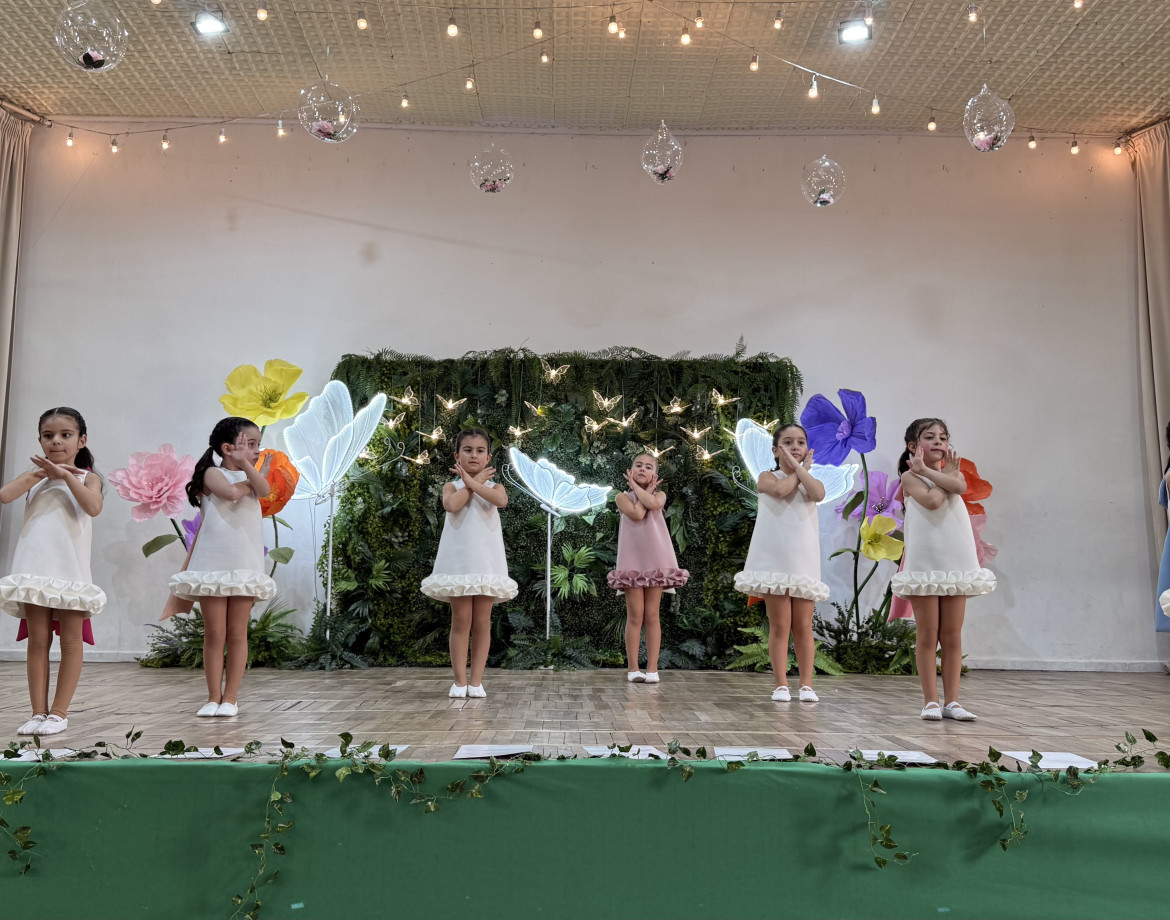
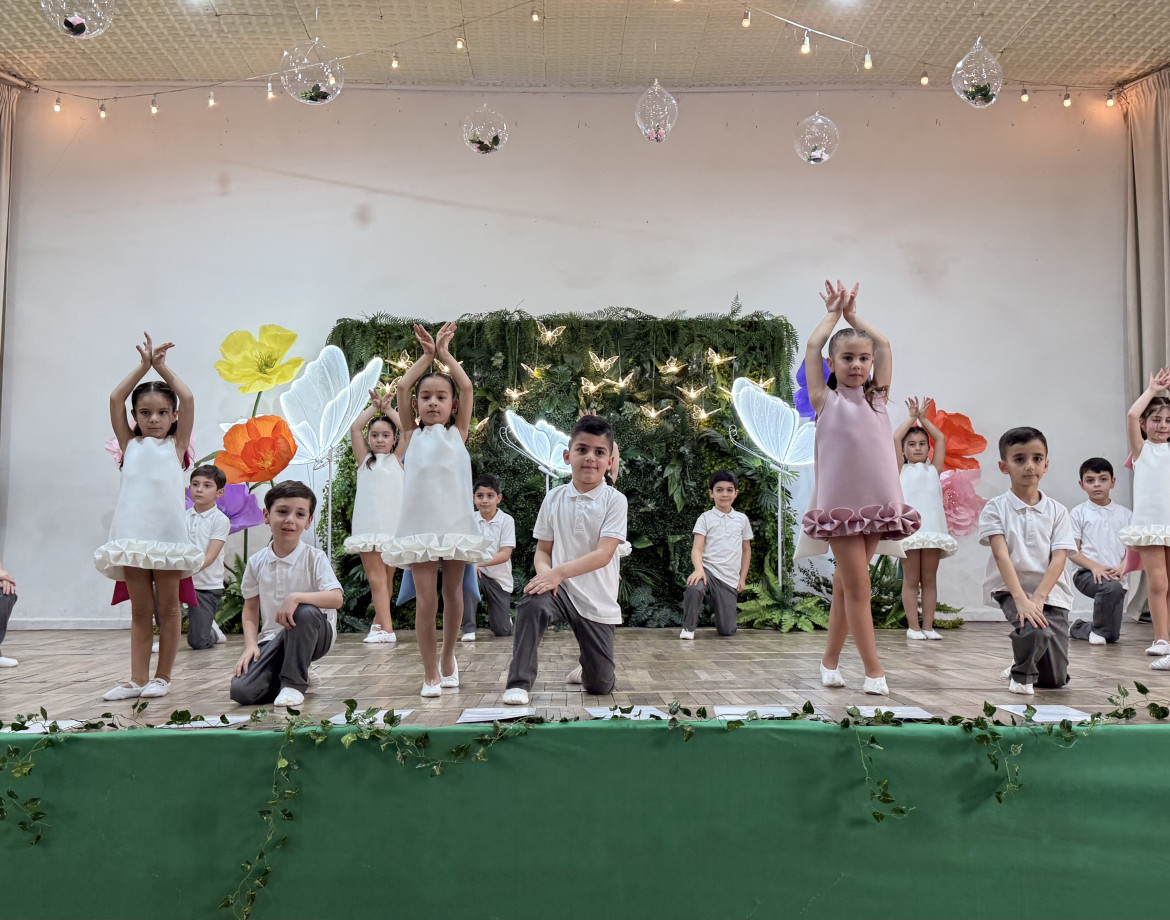
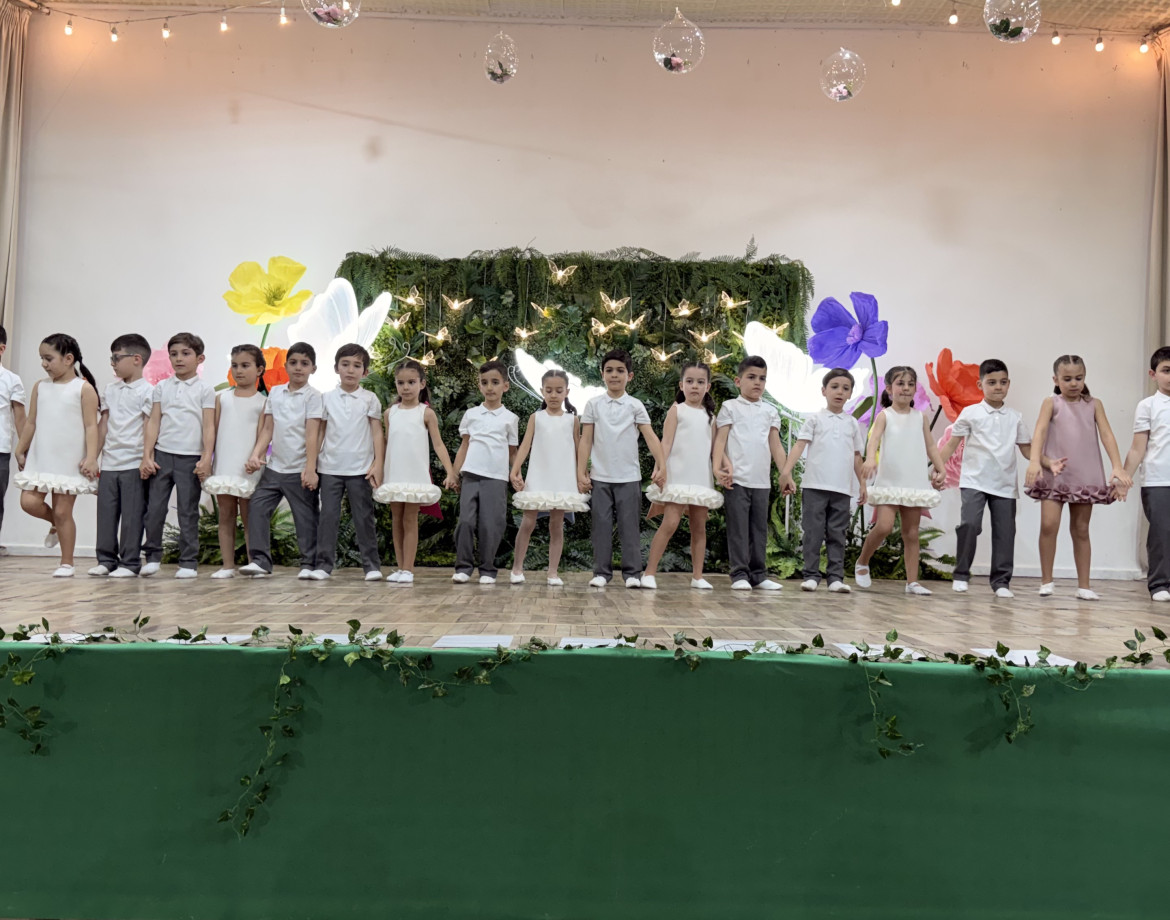
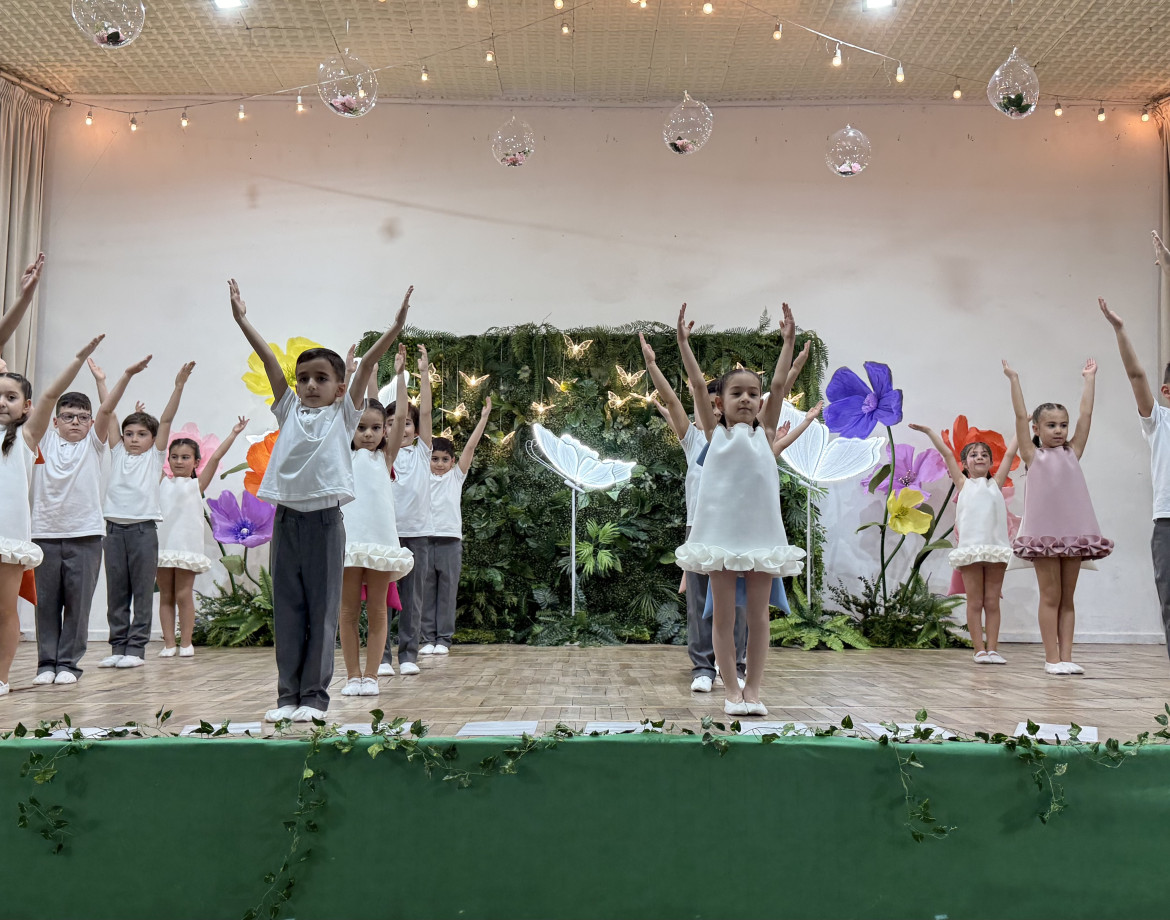
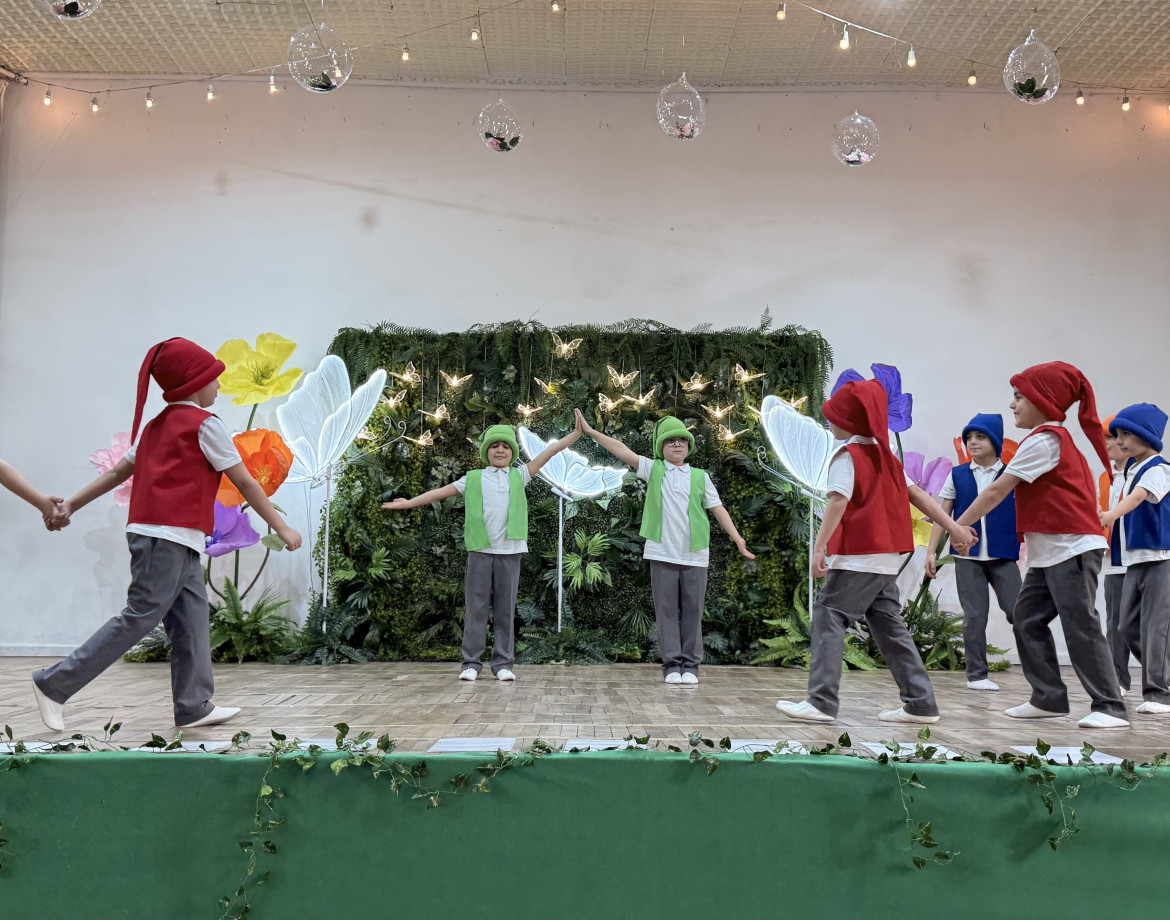
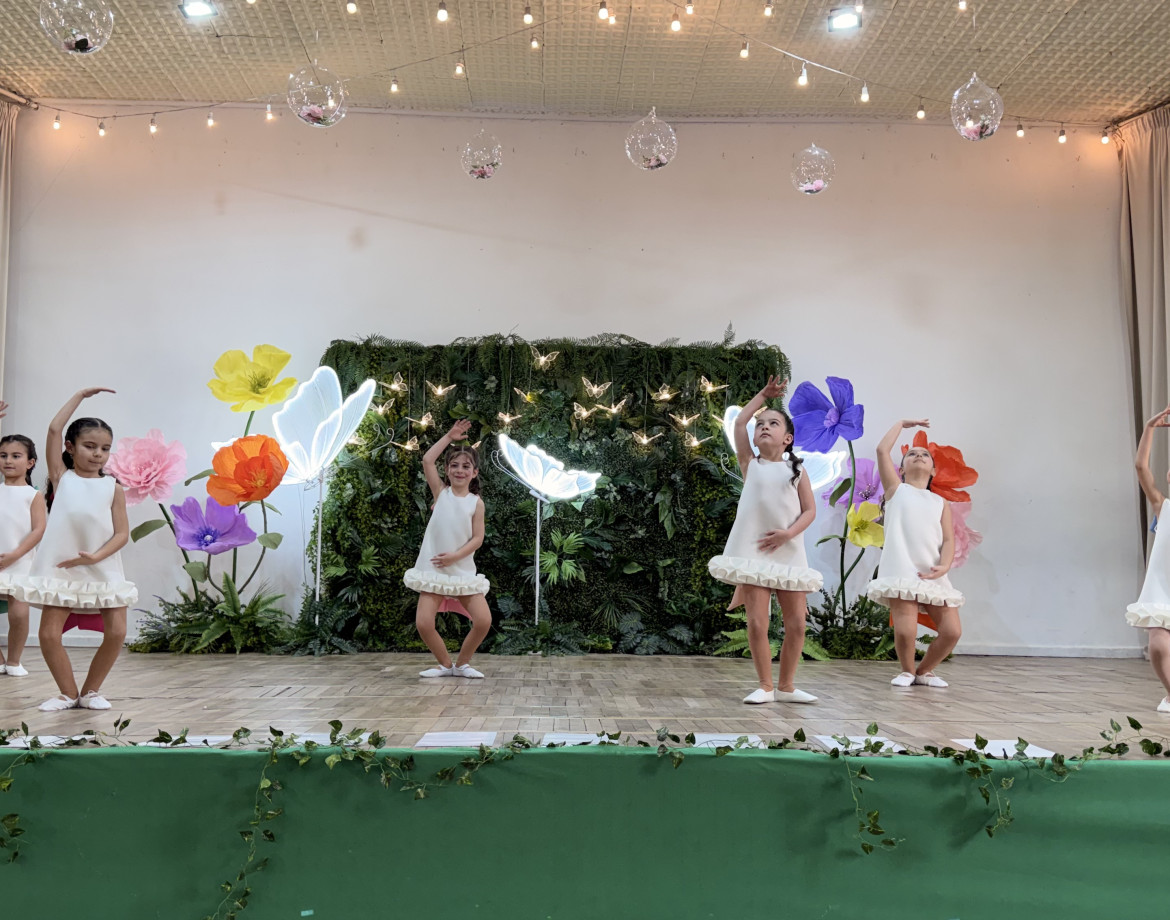
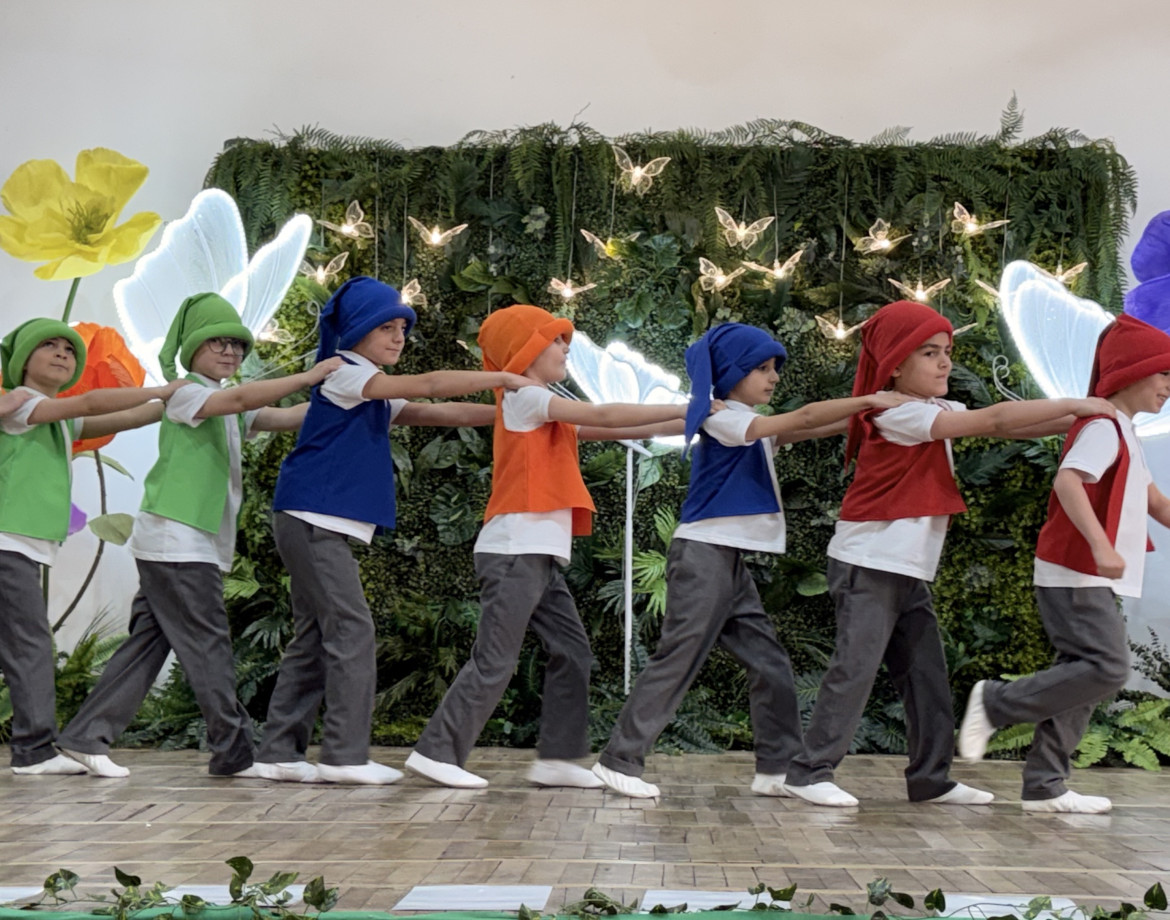
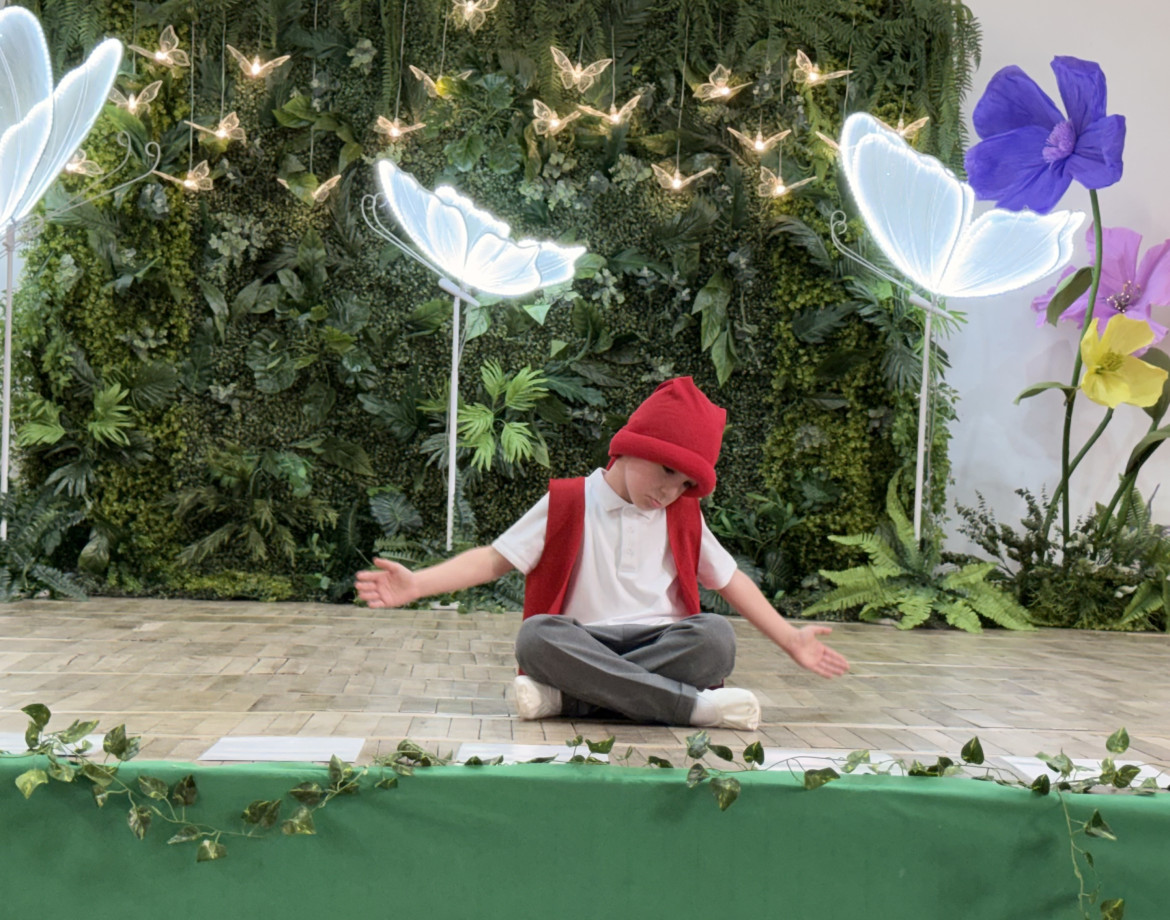
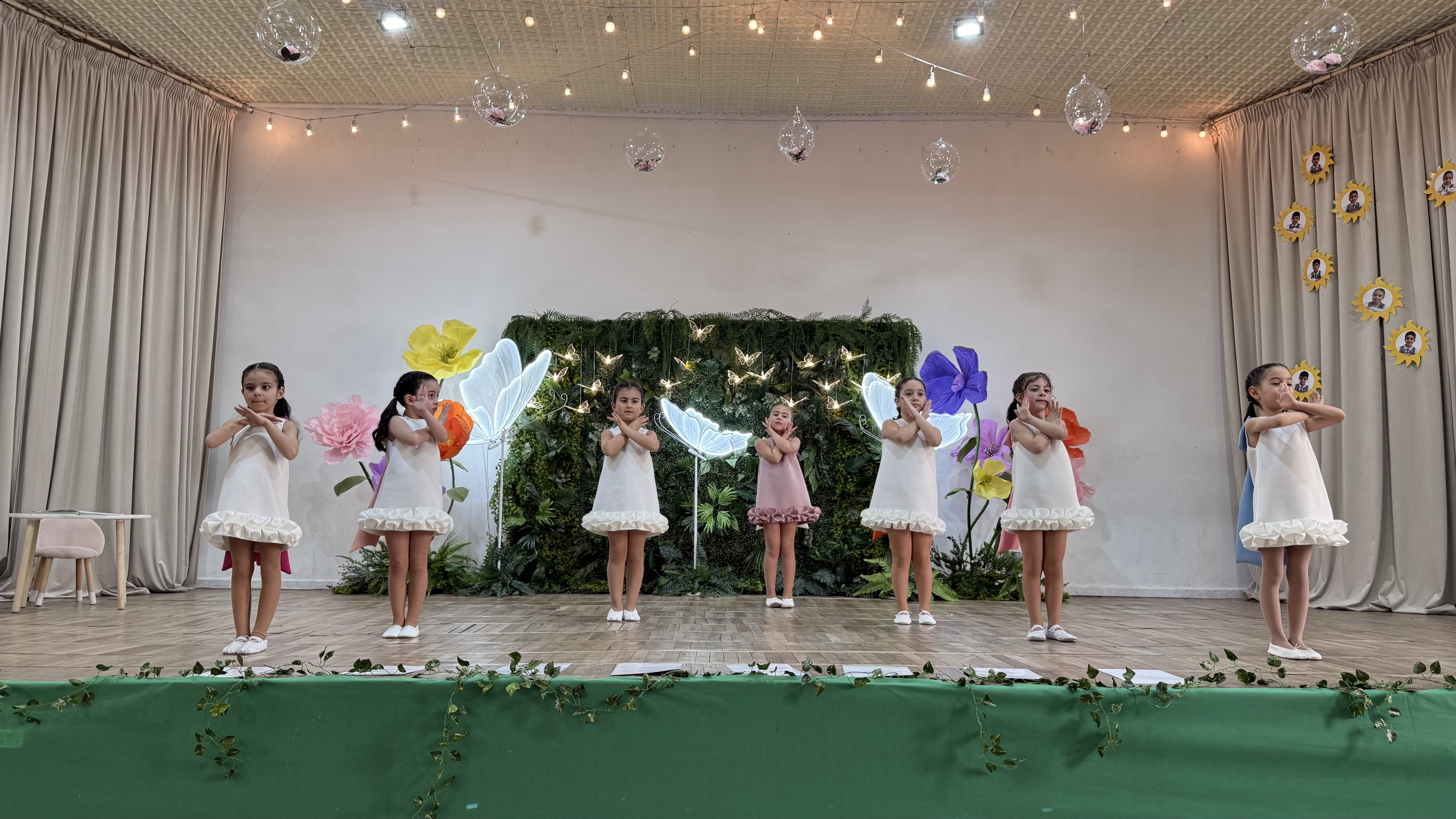
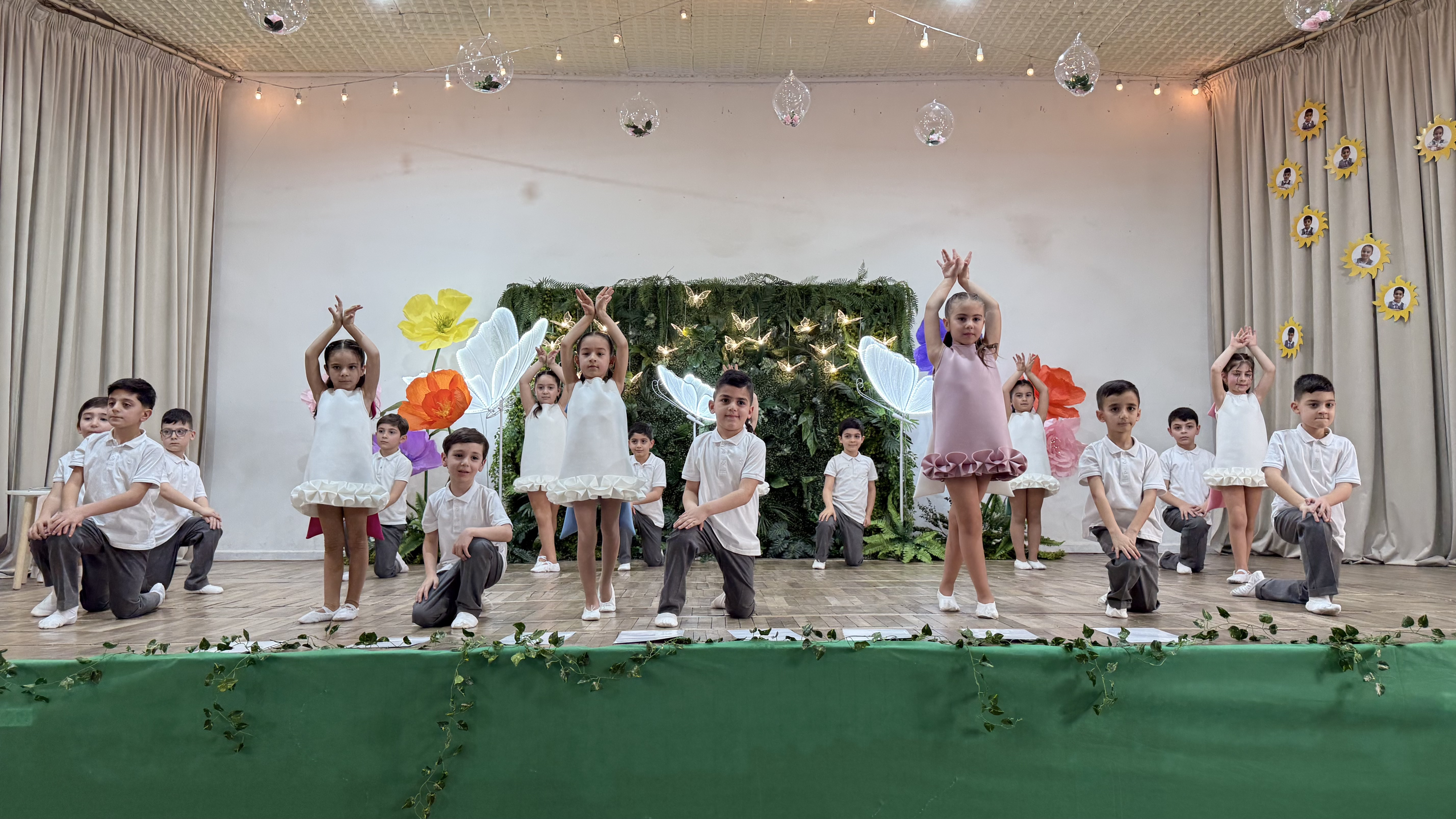
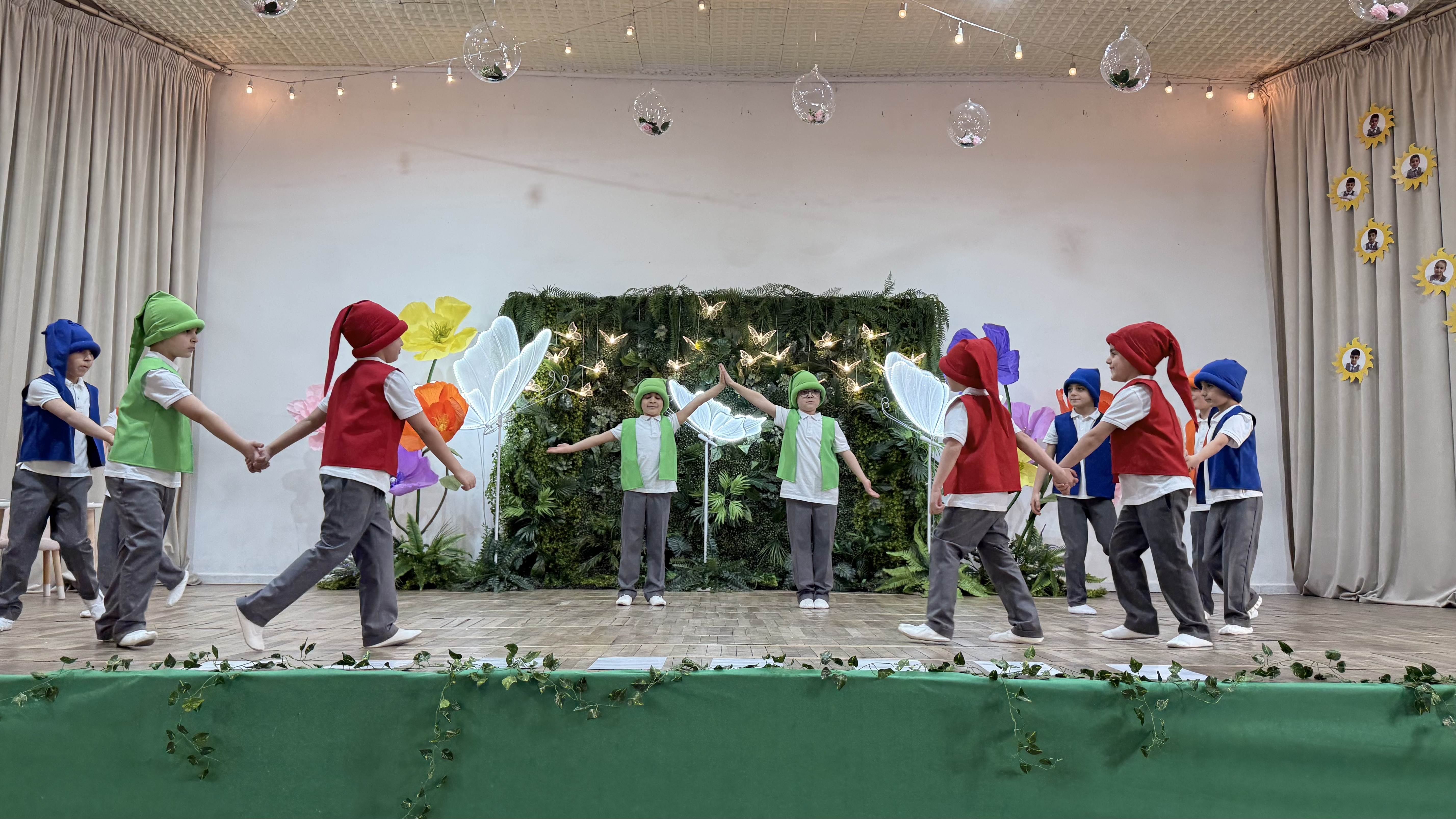
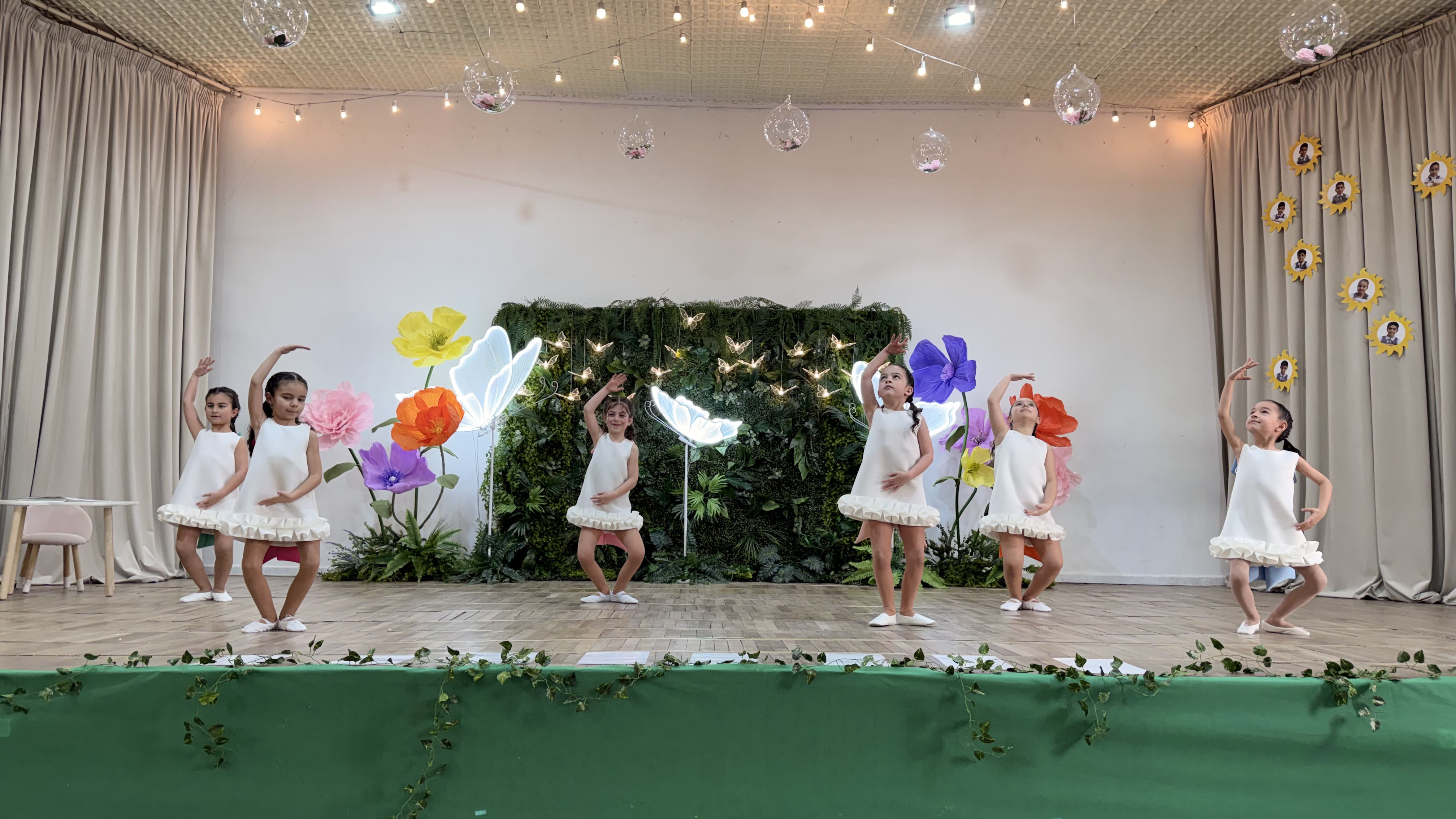
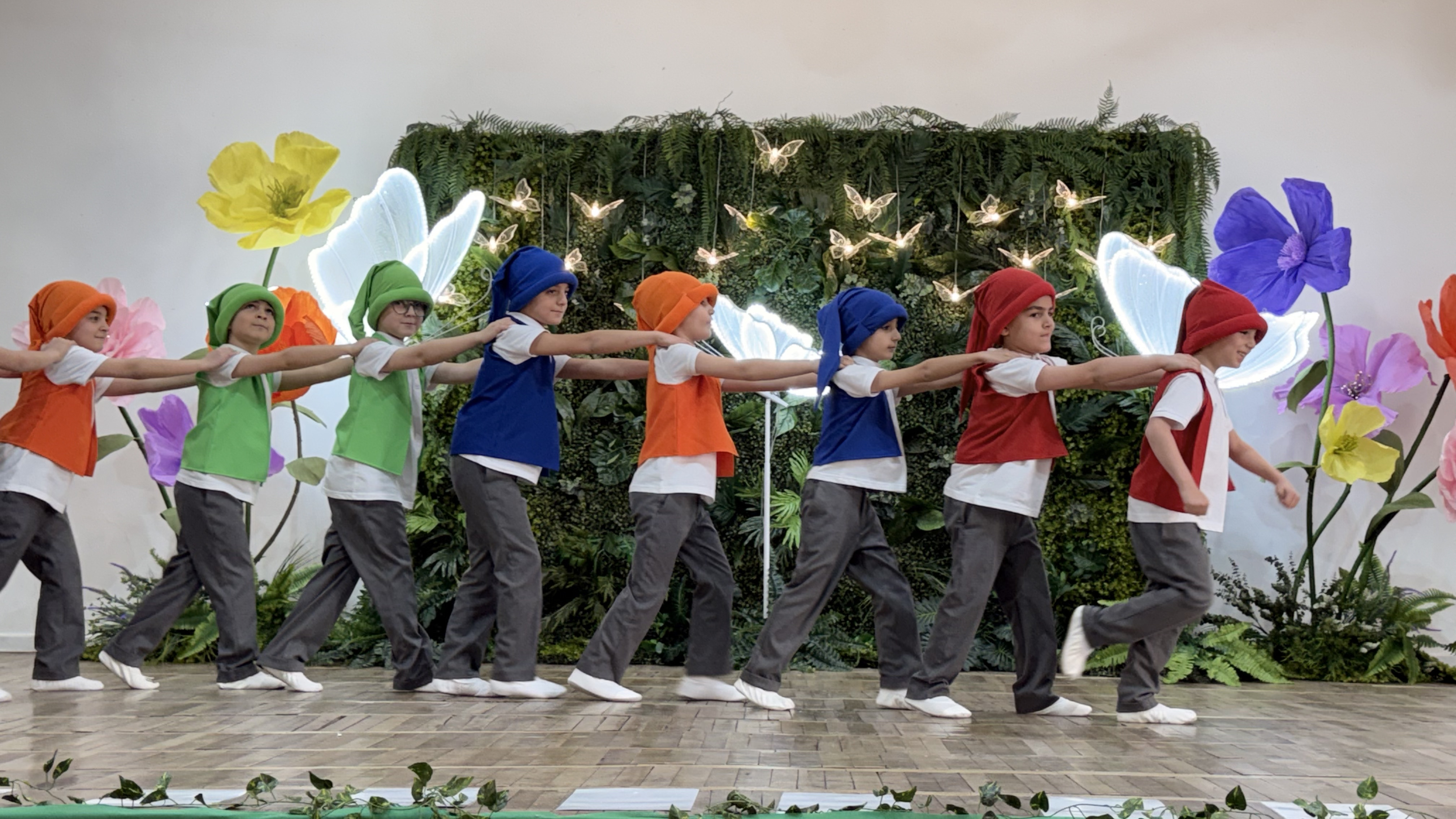
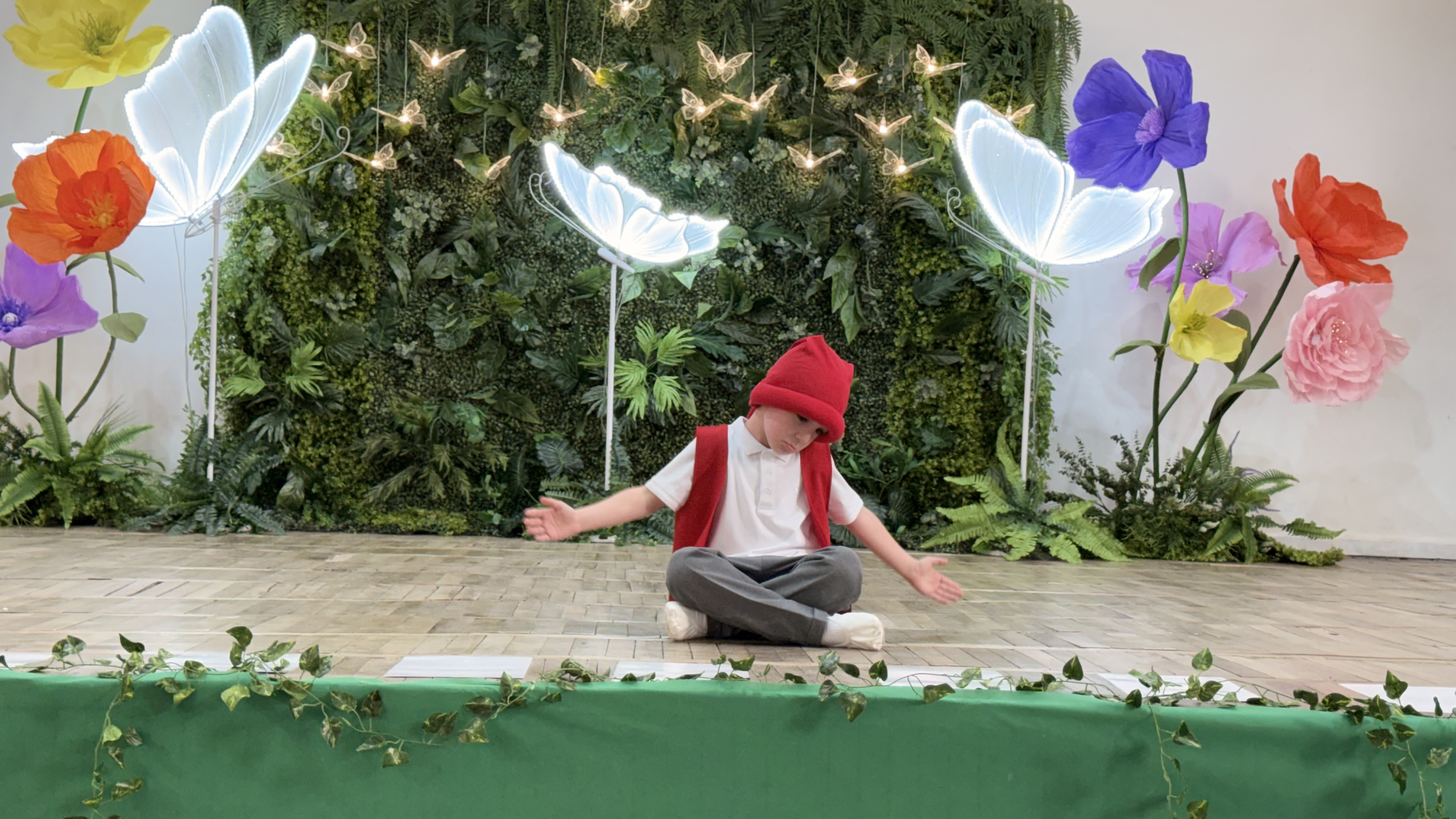
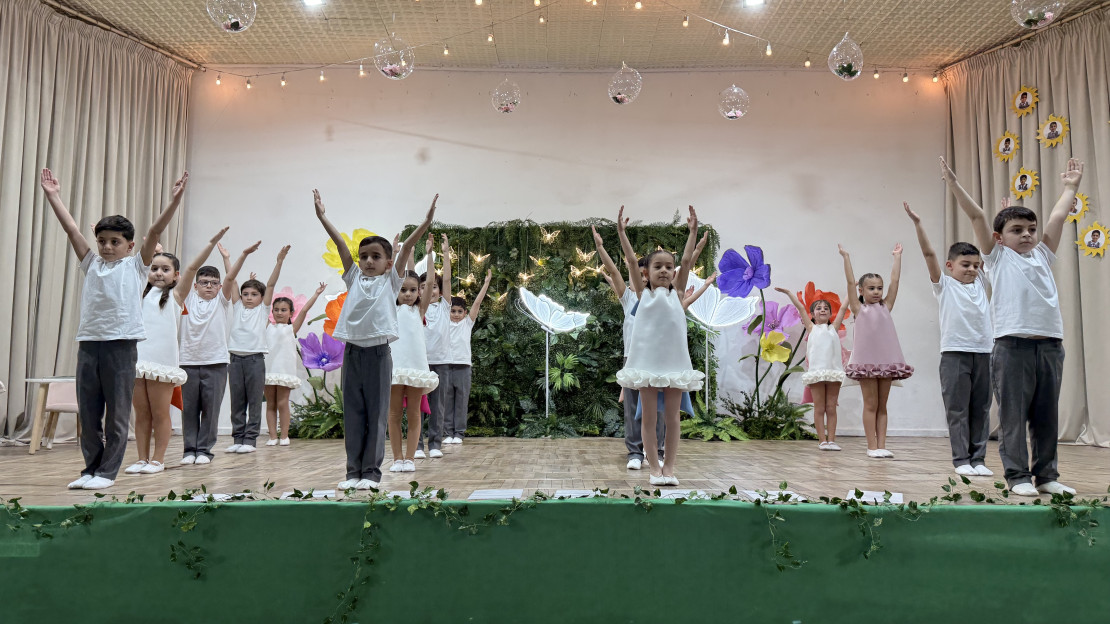
The performance “Have the Sun in Your Heart” was built around these ideas, presenting a child’s journey toward knowledge, light, and values in a fairy-tale language. The performance begins with a simple but profound scene: a little girl meets Gitunik and tells him about children she saw harming nature. Here, the first message of the performance is already expressed: kindness and awareness begin with consciousness, while indifference comes from ignorance.
The girl dreams of entering a fairy-tale world where she can receive what she does not yet have in reality—knowledge, education, and opportunity. She admits that she does not attend school but has a strong desire to learn and hear a fairy tale that no one has ever heard before.
When she falls asleep, the fairy-tale world begins. Butterflies, as symbols of hope and dreams, give her the alphabet book, presenting it as the best companion on the path of life and the key to the vast world. At first, the girl does not understand how a book can change her life, but her journey is just beginning.
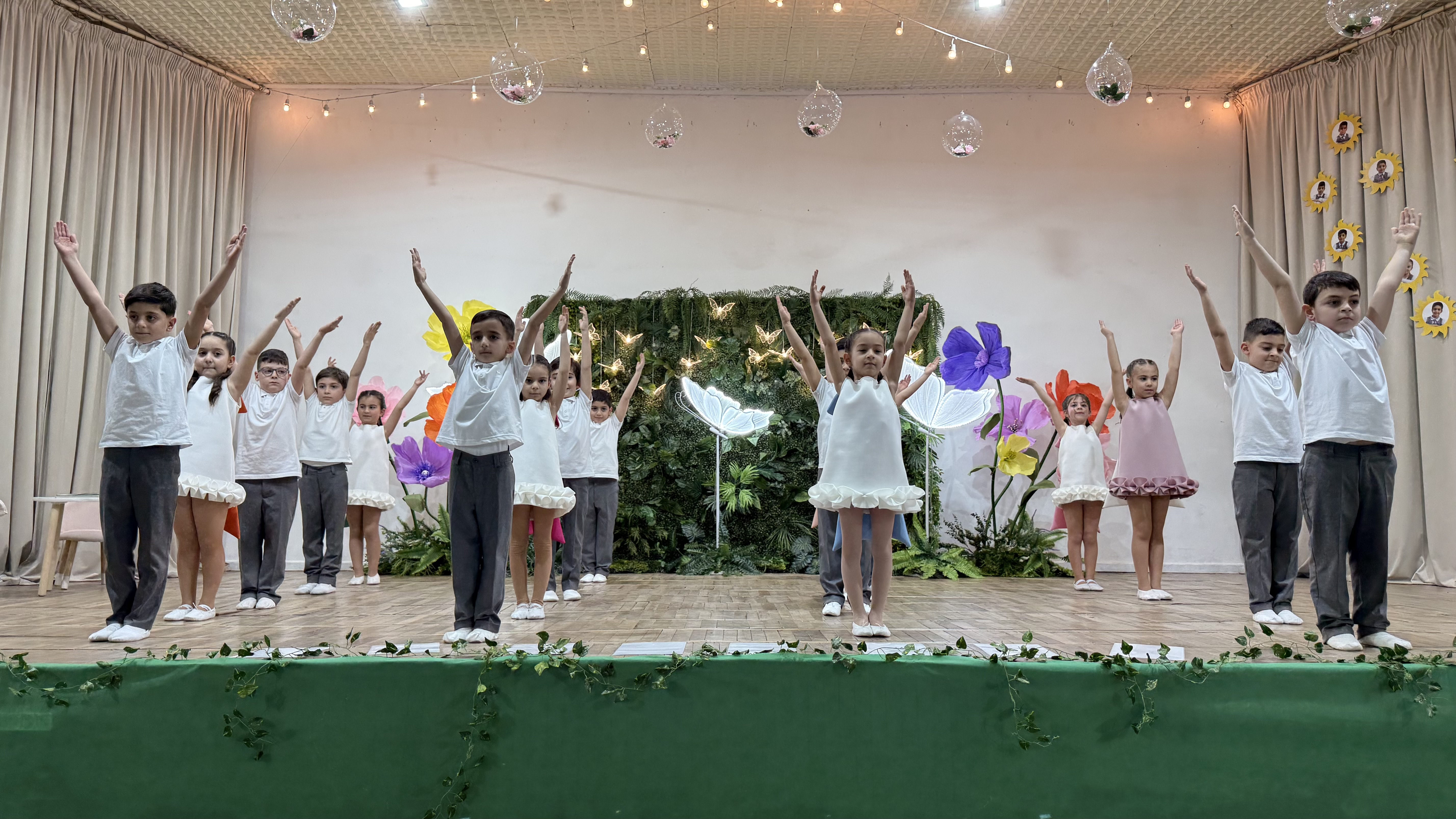
The youngest students’ performance emphasizes the necessity of harmony in a world that can sometimes seem harsh, highlighting the importance of “little suns”—the children themselves. This imagery gradually reveals the main idea of the performance. In the end, the heroine understands that the alphabet book in her hands is not just a book but the beginning of knowledge, a way to think and explore the world. The children demonstrate the value of the Armenian alphabet as a foundation of unity, strength, and culture, showing that connection and cooperation make our surroundings harmonious, just as Mashtots’ letters fit together.
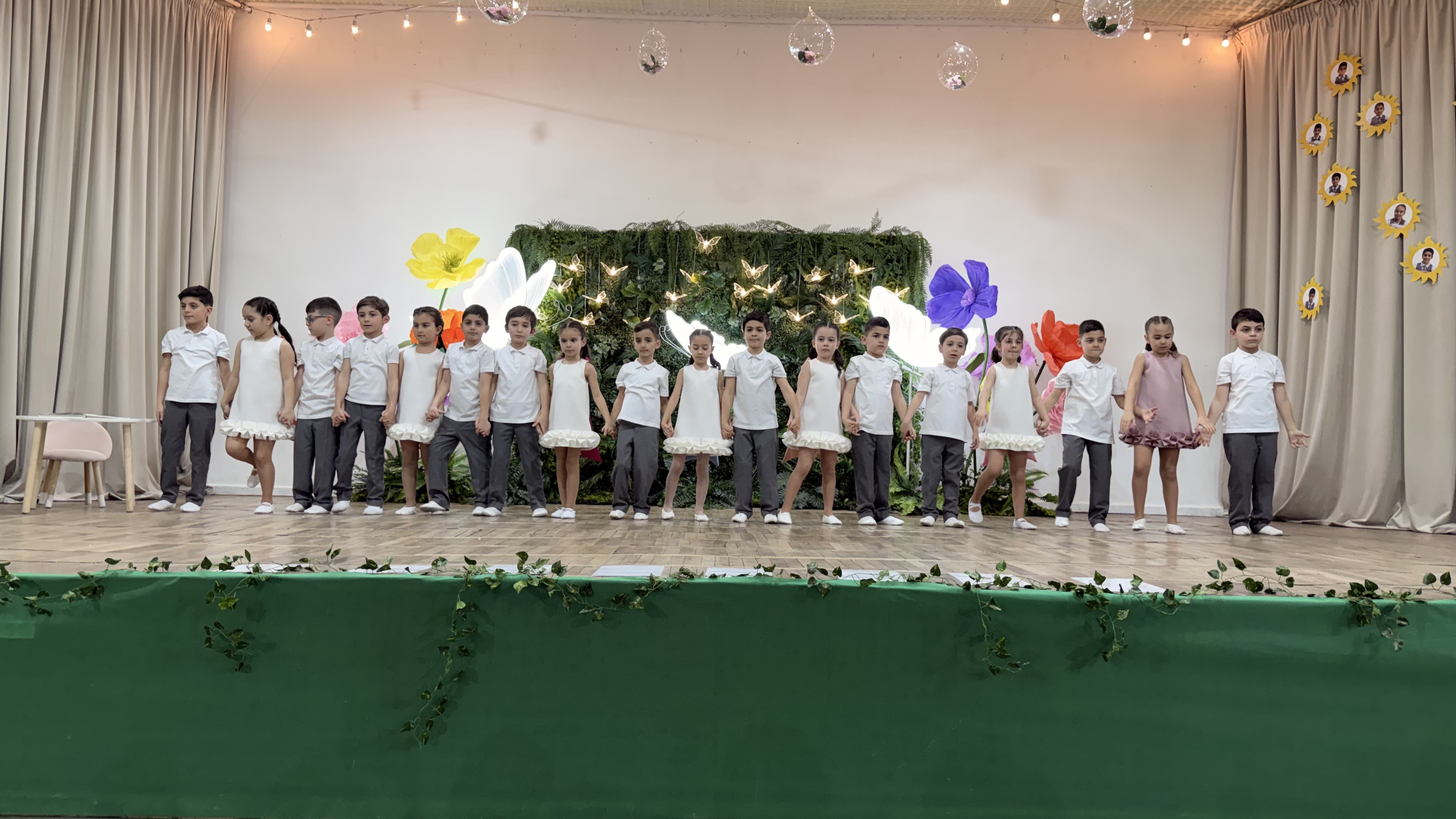
At school, the girl discovers another important truth: the greatest achievement is not knowledge alone, but also friendship. Learning together, helping each other, and moving forward side by side becomes a source of strength. Alongside this, the performance also emphasizes the concept of homeland, presented as a whole: language, nature, culture, and memory.
At the conclusion of the event, the sun gains another form—becoming not only a natural phenomenon but also an inner state, a value, and a guide. When the girl awakens, she sees the alphabet book beside her and realizes that her dream can become reality. The performance ends with a simple but profound call: live with light, share kindness, and never forget that everyone can have the sun in their heart.
To not think freely is to not think at all!