
French writer and aviator Antoine de Saint-Exupéry’s famous work The Little Prince is one of the most beloved and profound creations of world literature. It was written in 1942 while the author was living in New York City and was first published in 1943. To this day, it continues to touch generations of readers around the world. The English translation, titled The Little Prince, appeared before the original French edition, which was published in 1946. The book has been translated into more than 250 languages and dialects and is rightfully considered one of the best-selling books in the world, with over 140 million copies sold. It has also been awarded the title of “Best French Book of the 20th Century.”
Although often presented as a children’s tale, the book is in fact a philosophical work about the world of adults, human relationships, love, responsibility, and the true values of life.
The plot is well known to all of us: this fairy-tale treatise tells the story of a little boy who travels from planet to planet, meeting different people and discovering various aspects of human nature through each encounter. One of the central ideas of the work is that what matters most cannot be seen with the eyes: “It is only with the heart that one can see rightly.” The book places great emphasis on friendship, loyalty, care, and inner purity—values that remain meaningful and relevant even today.
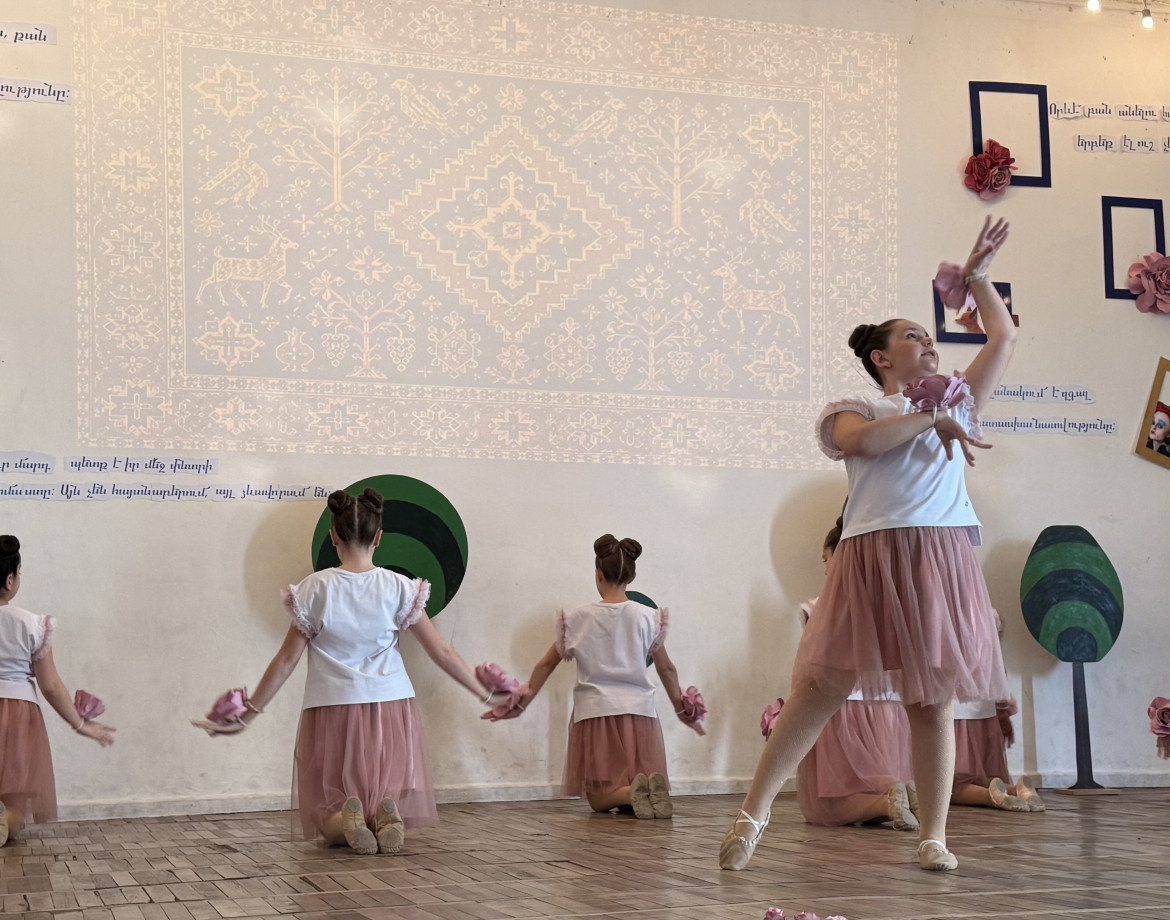
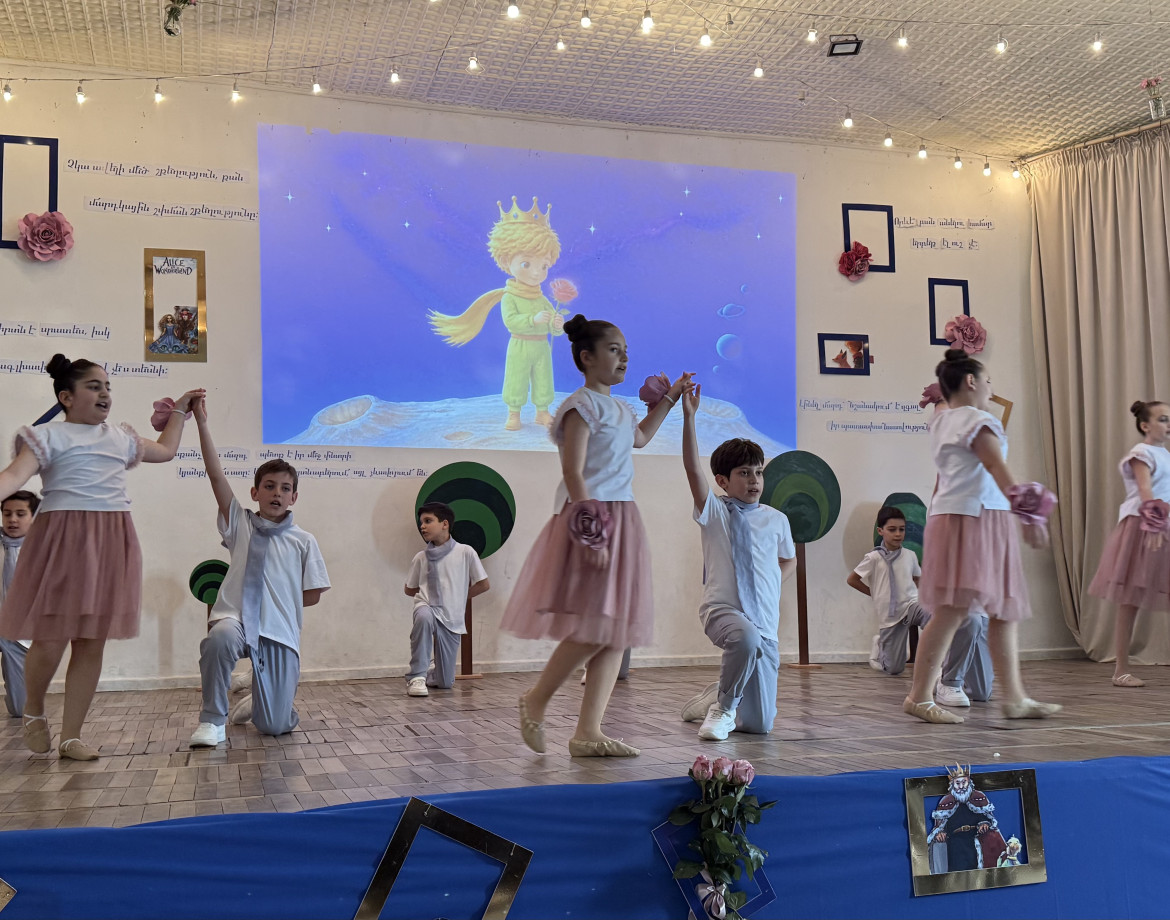
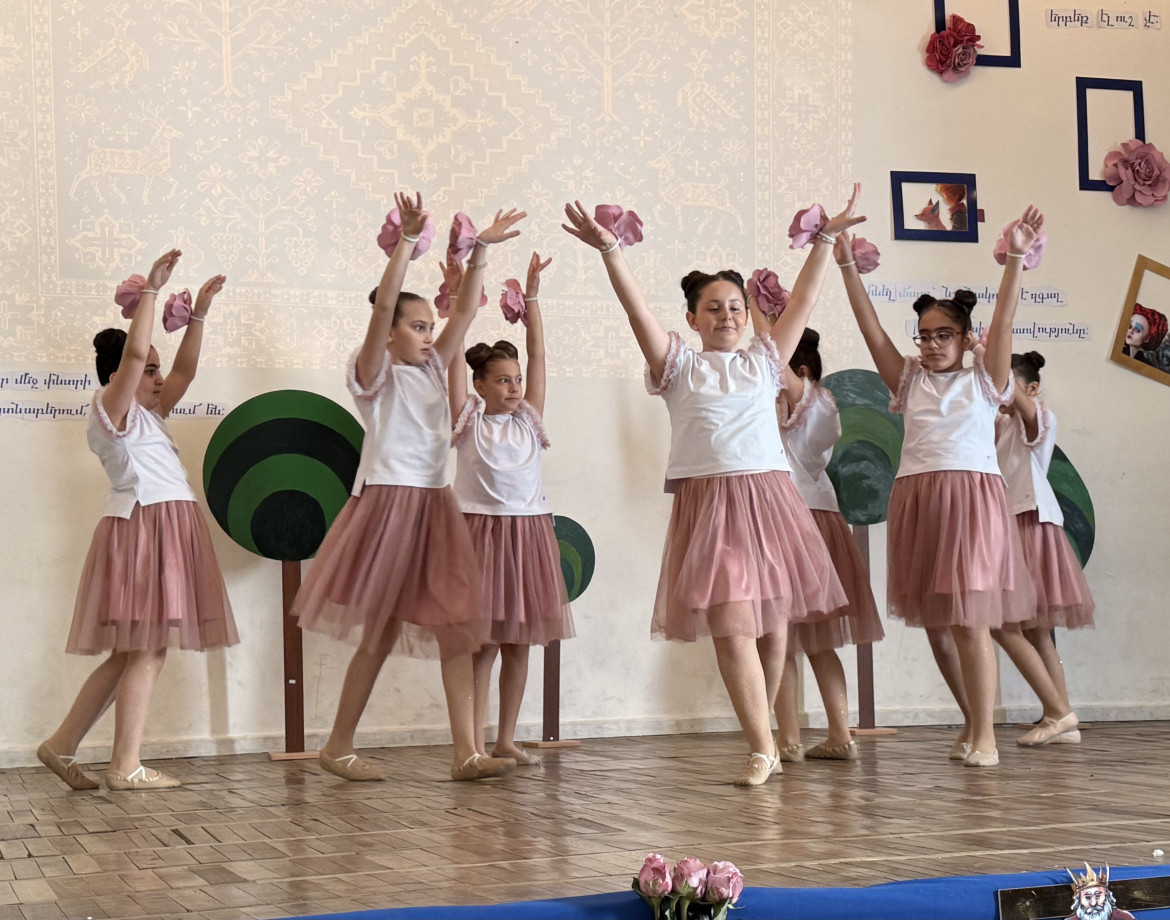
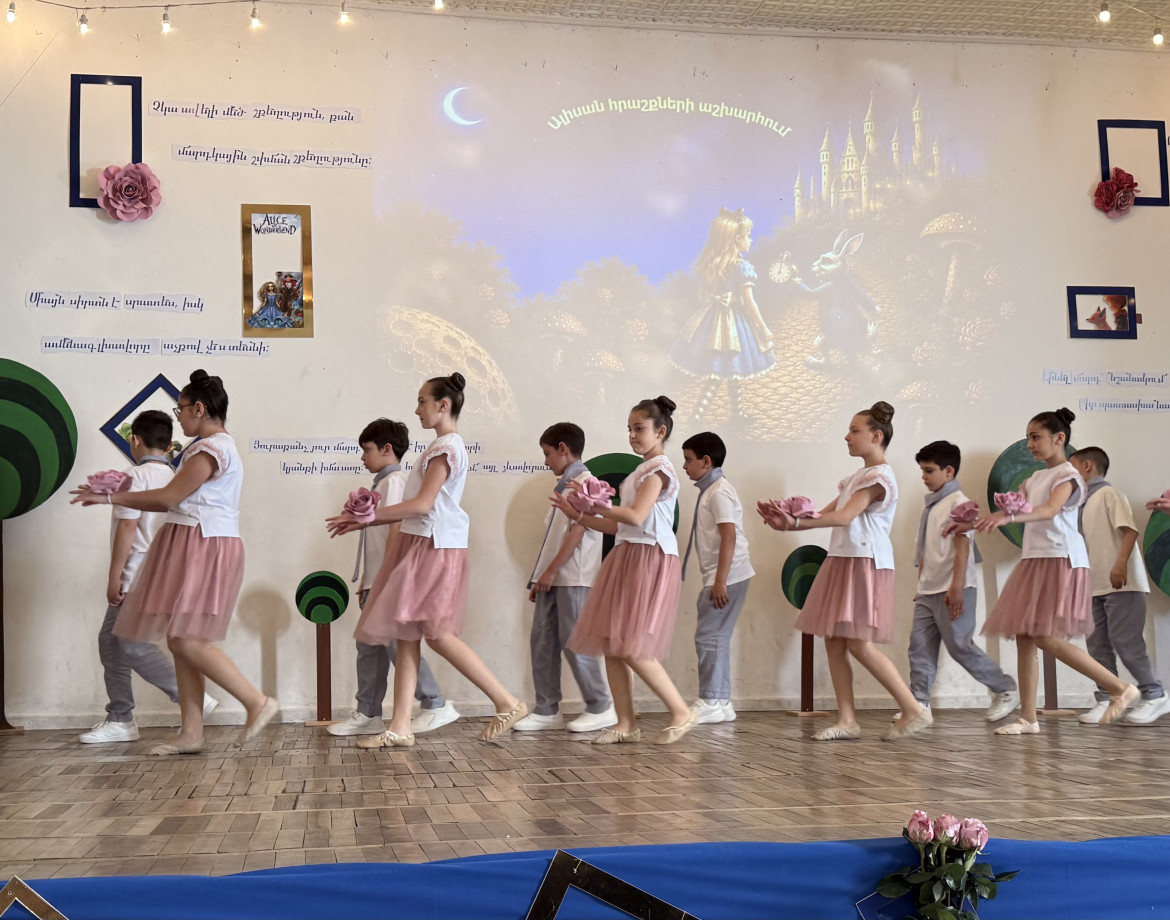
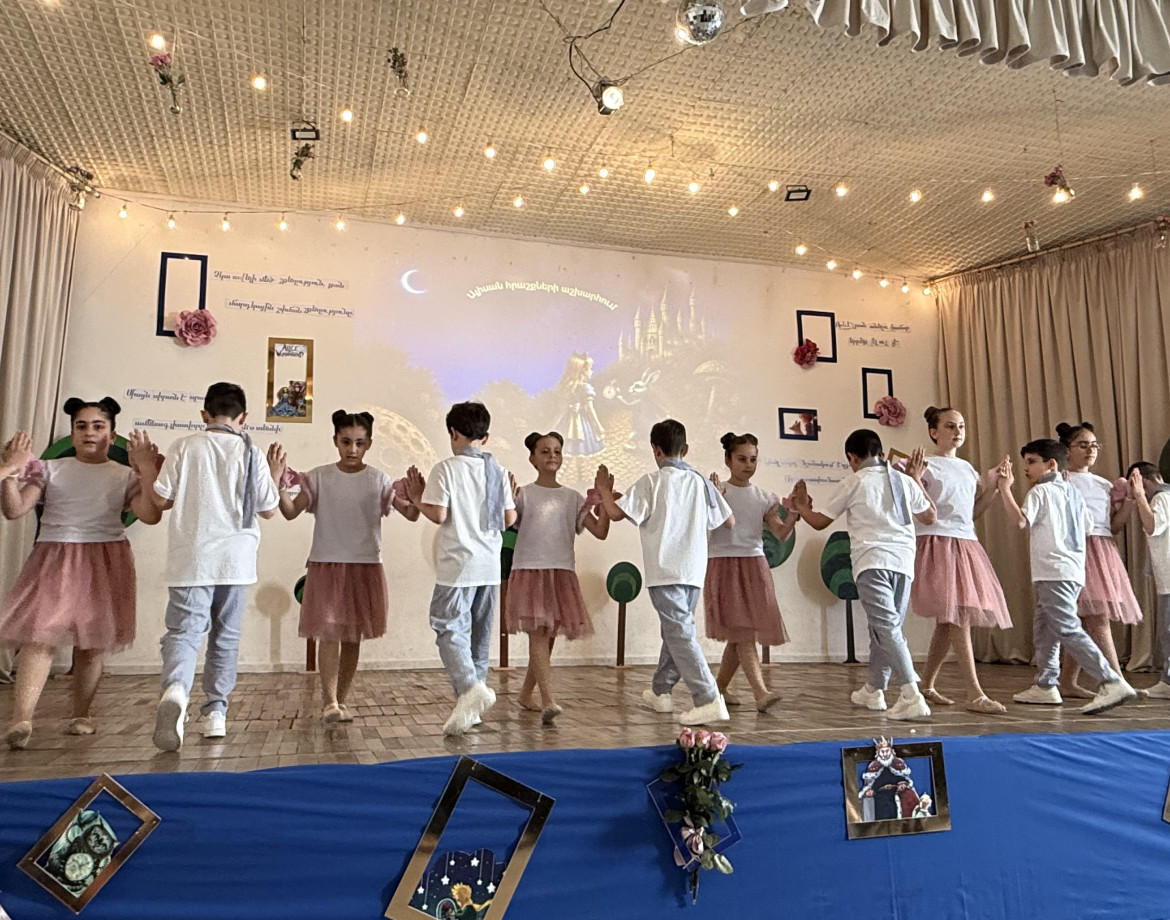
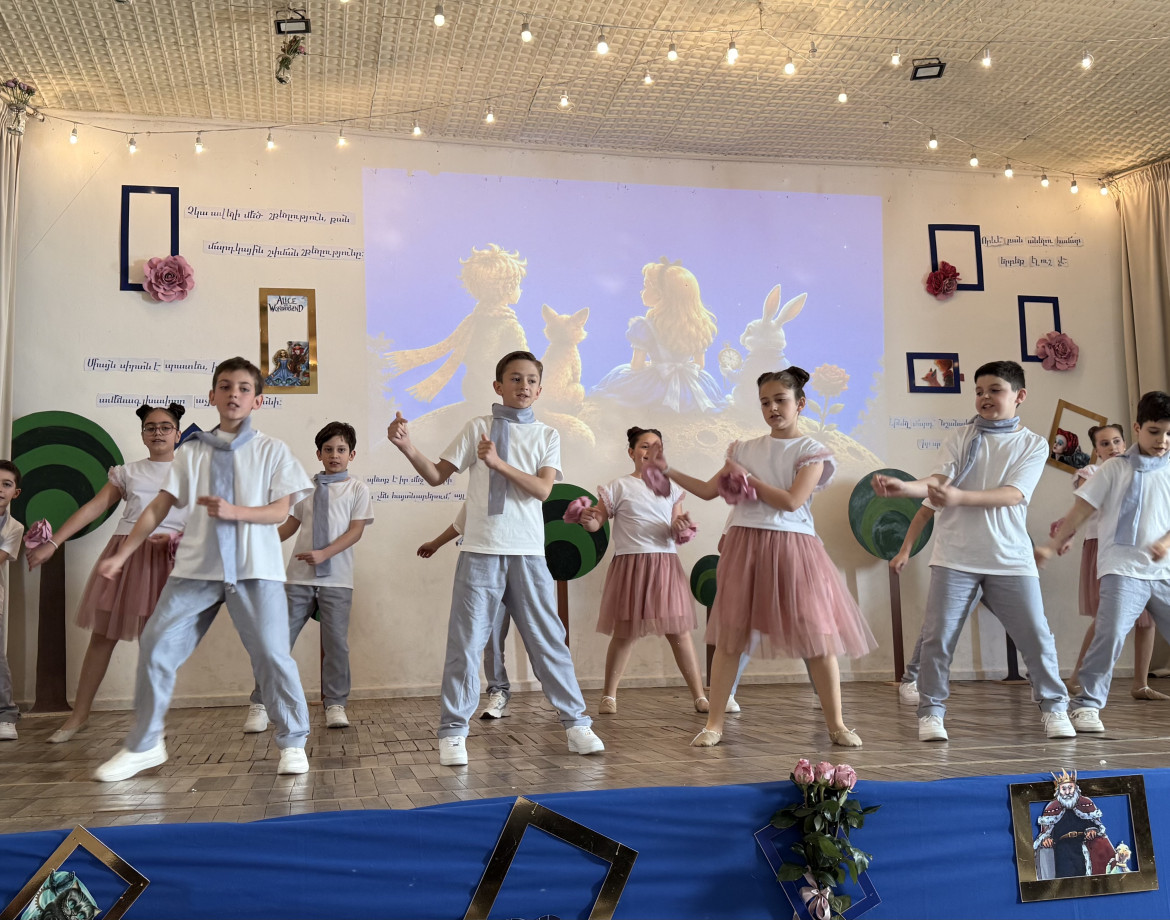
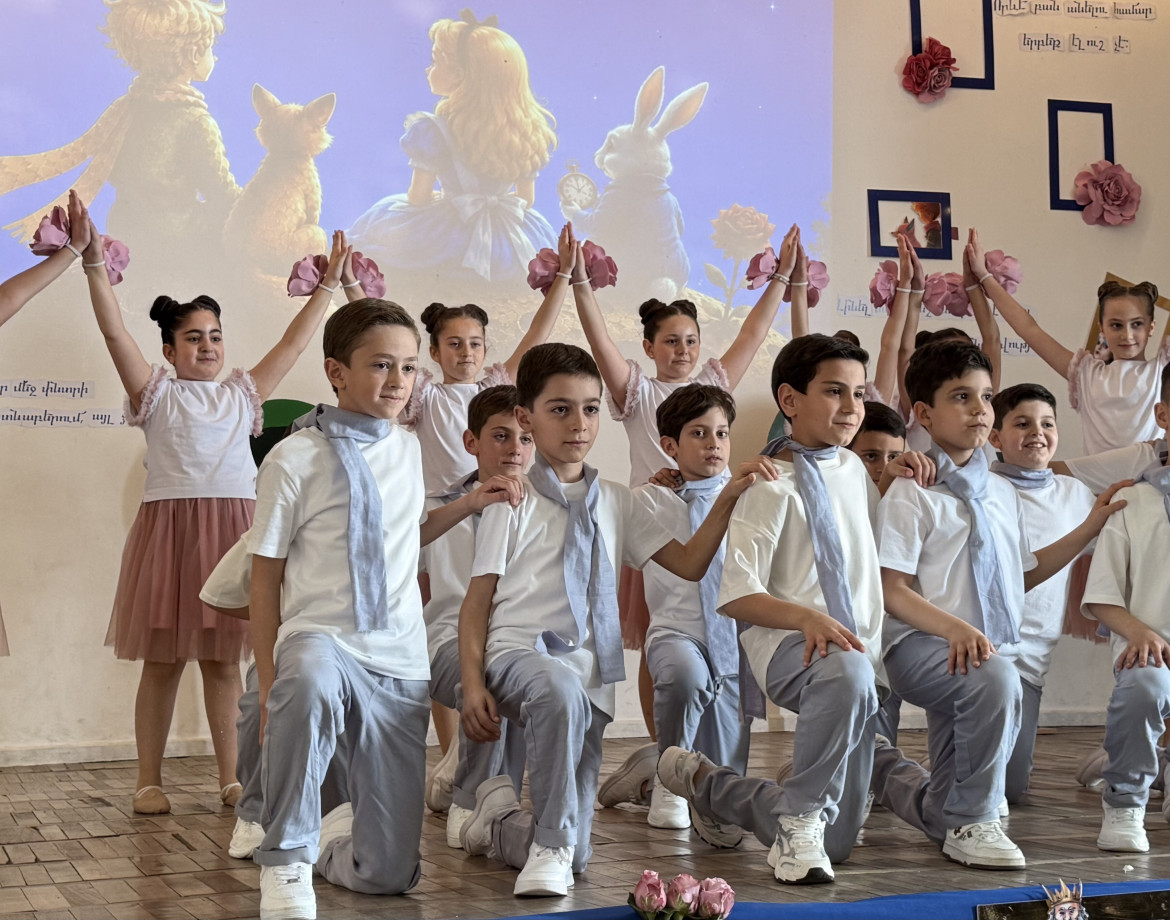
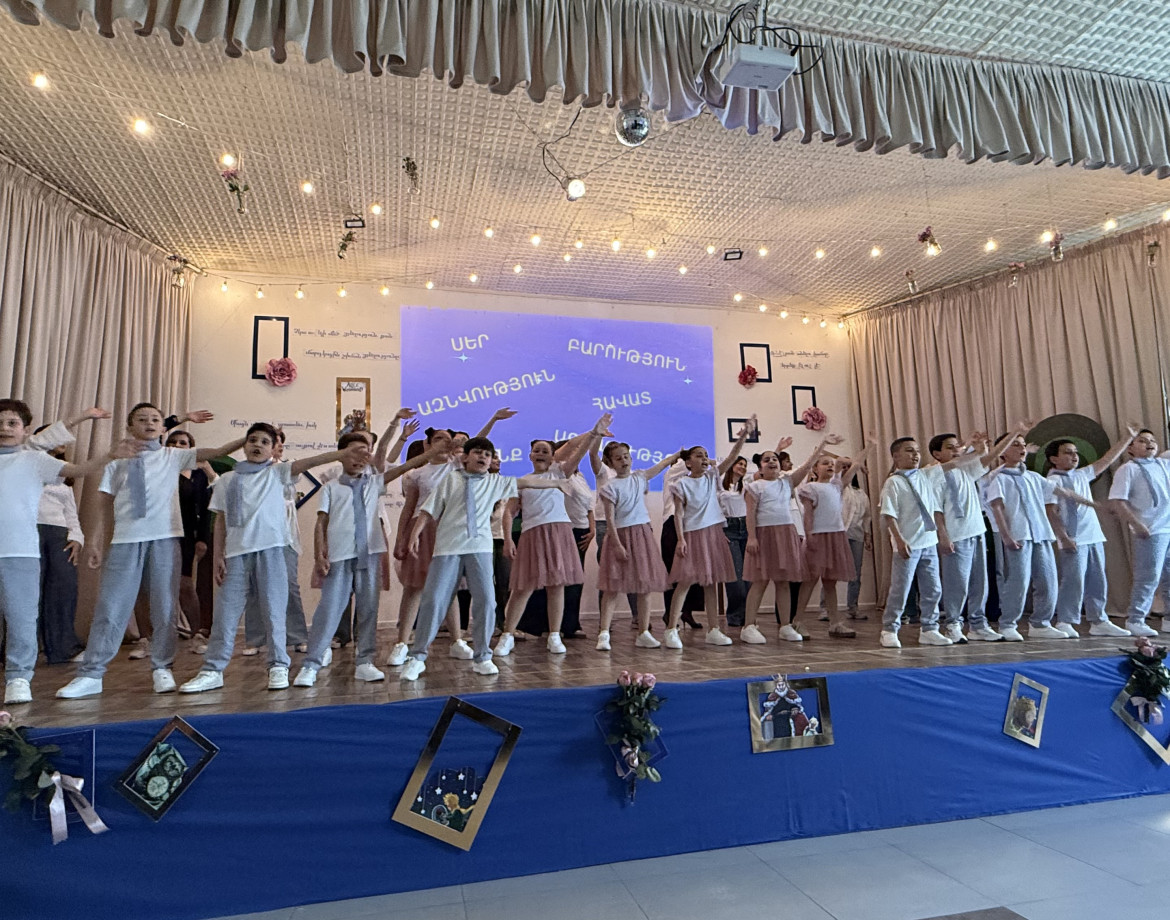
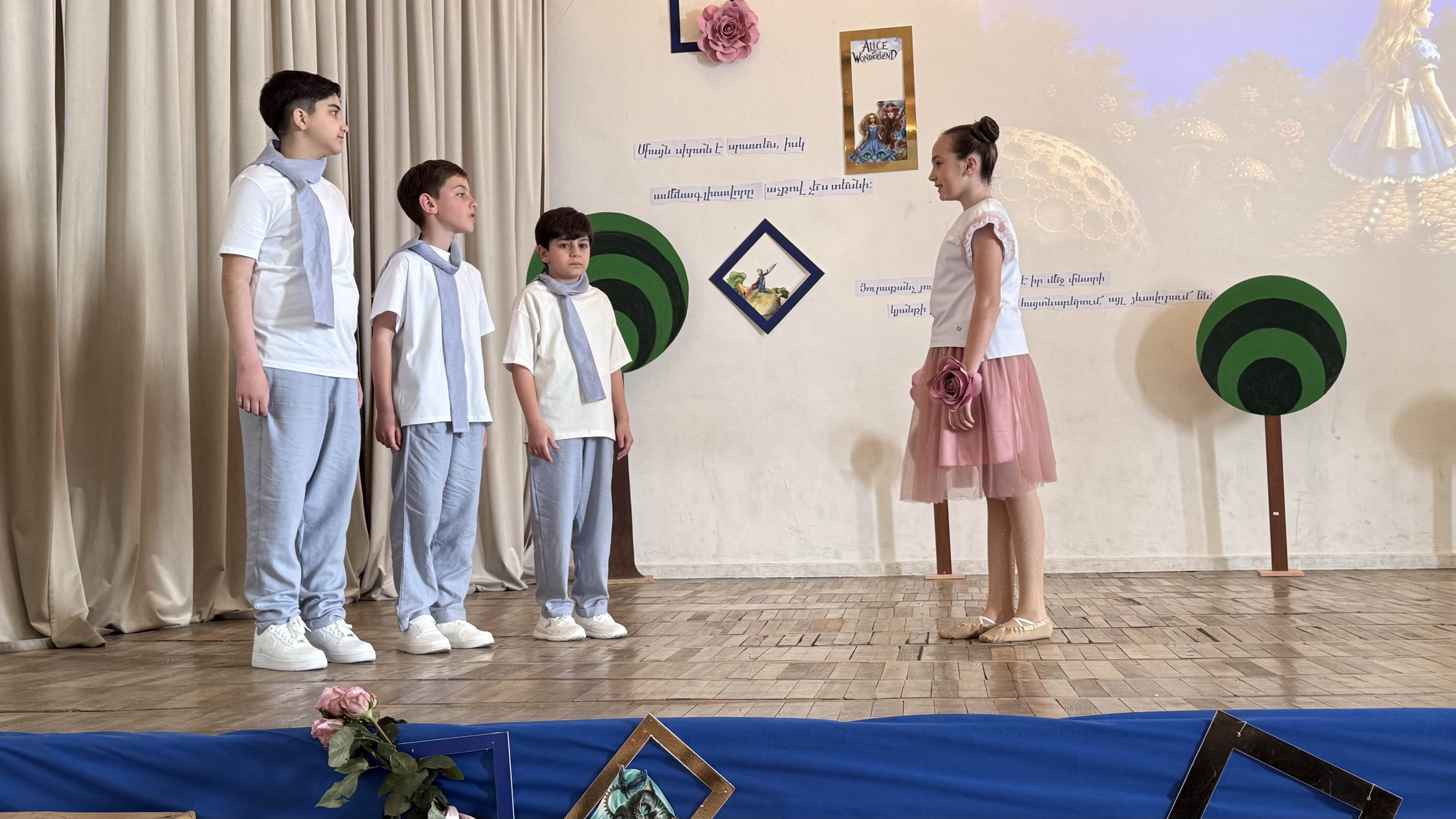
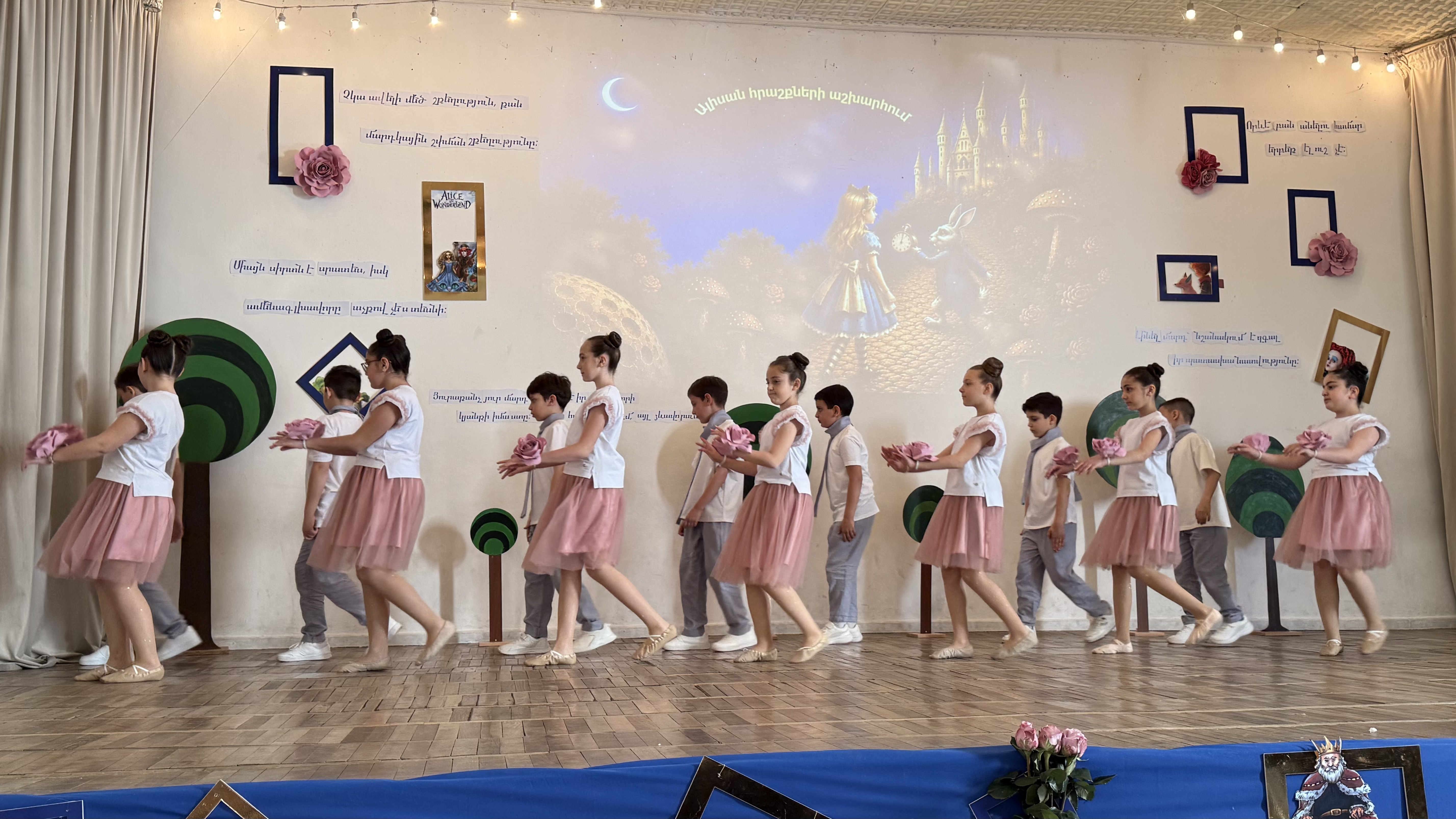
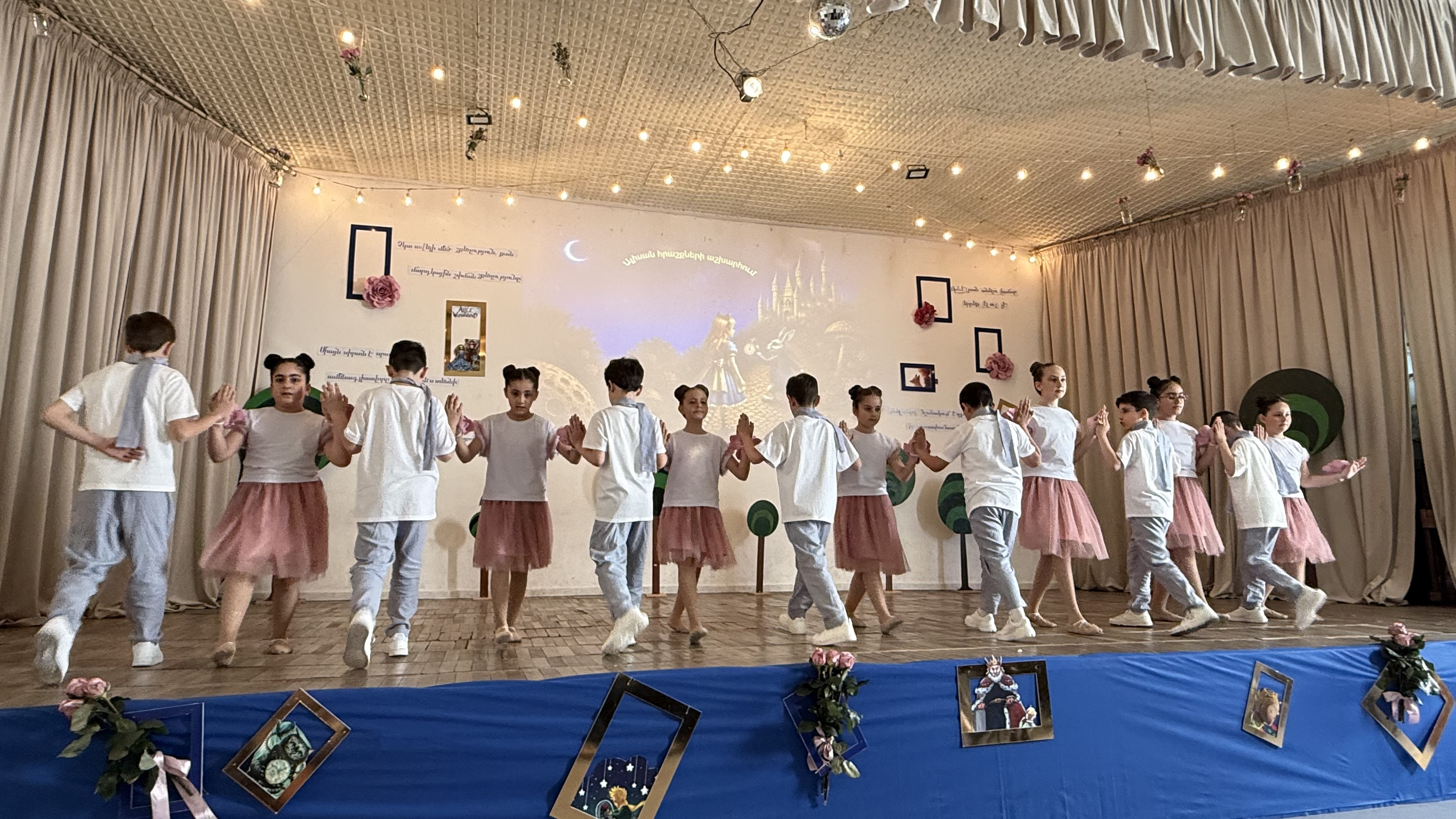
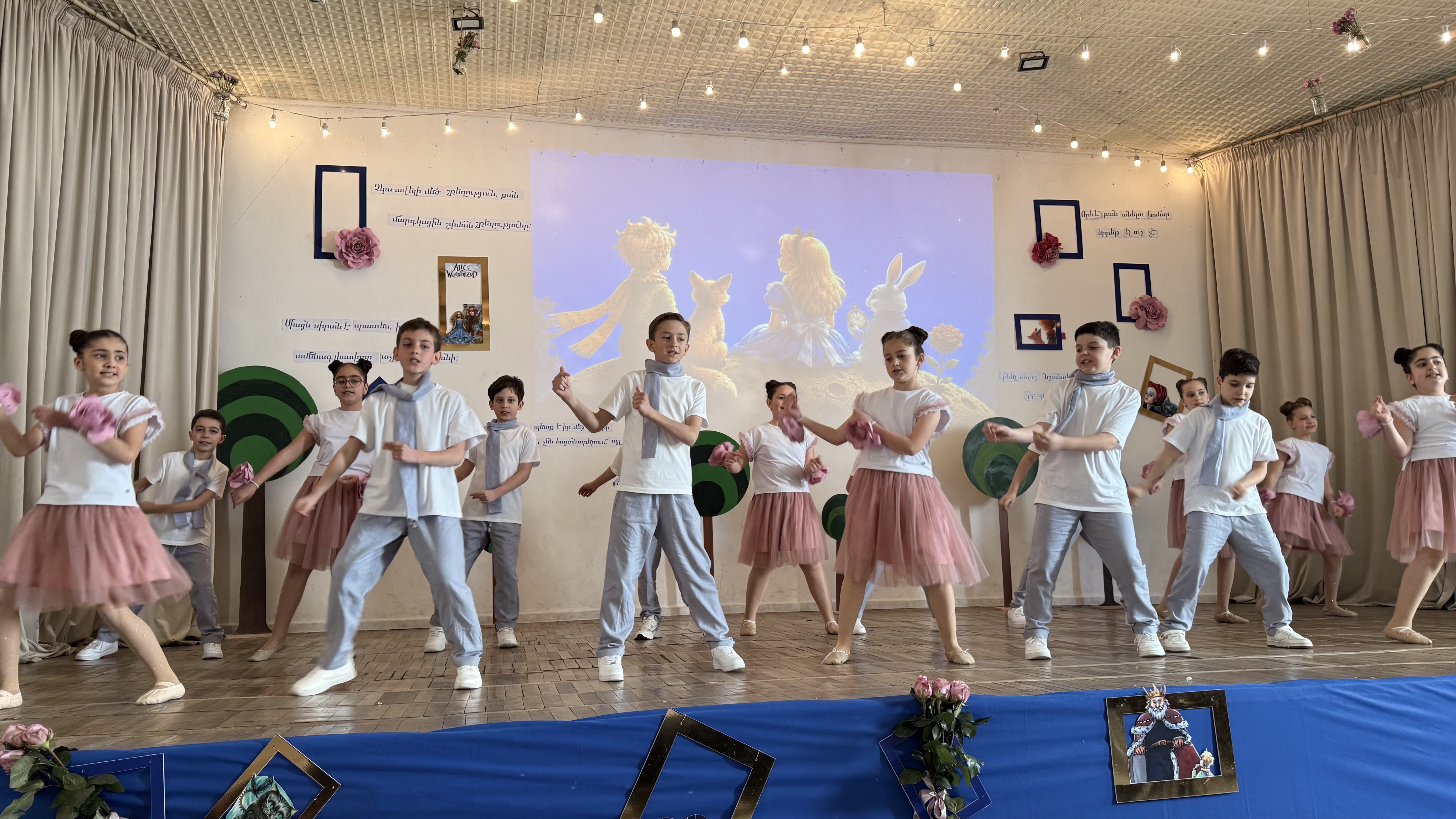
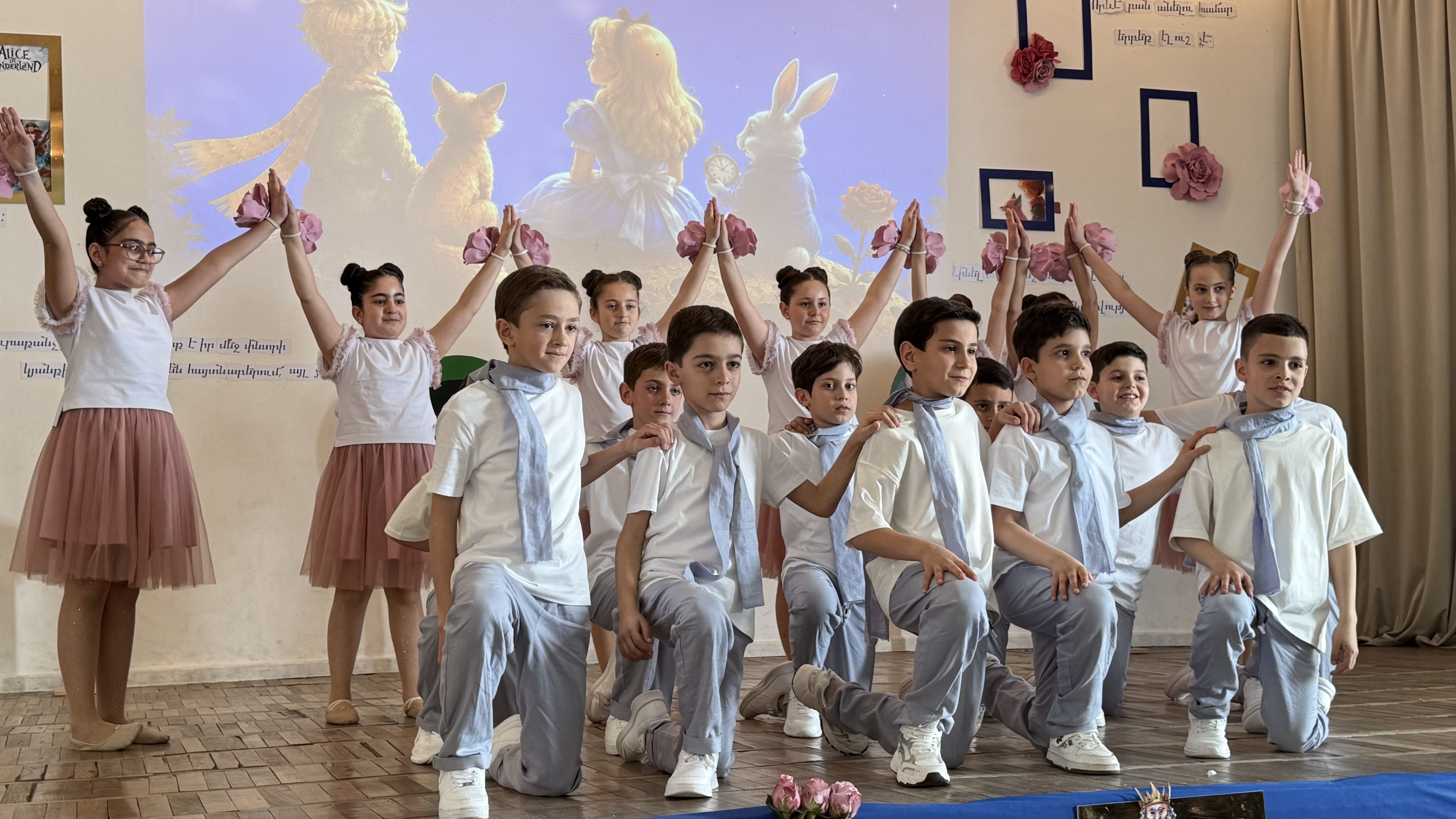
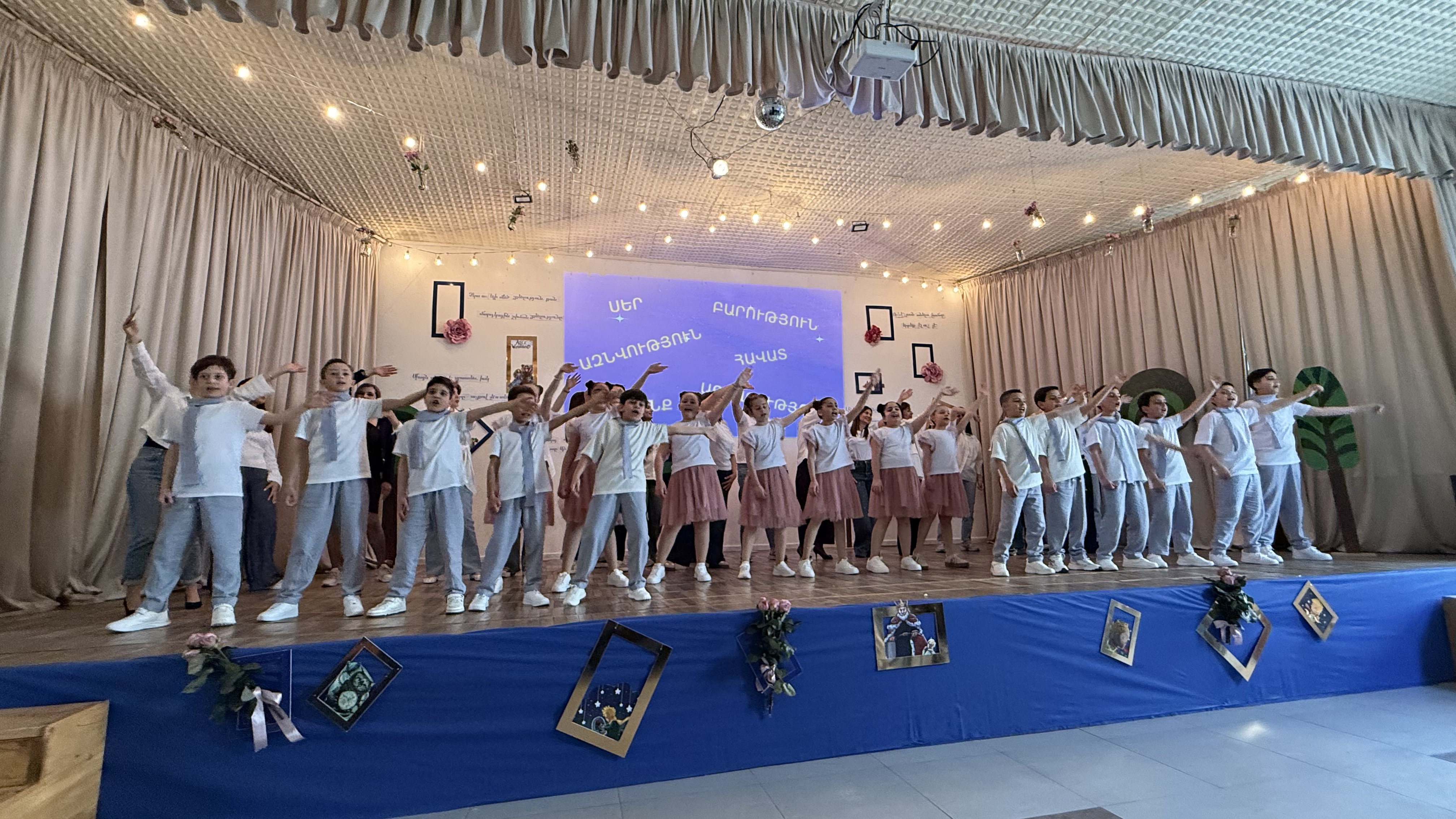
These very ideas formed the foundation of the literary and musical performance presented by the fourth-grade students of “Usum” School, where the pupils sought to convey the deep message of the work through speech, music, and dance.
The harmonious celebration of words, music, choreography, and thoughtful dialogues aimed to transport the audience into the mysterious world of childhood, love, friendship, and responsibility. The event opened with Antoine de Saint-Exupéry’s famous reflections, reminding everyone that “all grown-ups were once children.” The students portrayed the innocence and sincerity of childhood, emphasizing that a person’s spiritual world is shaped from an early age.
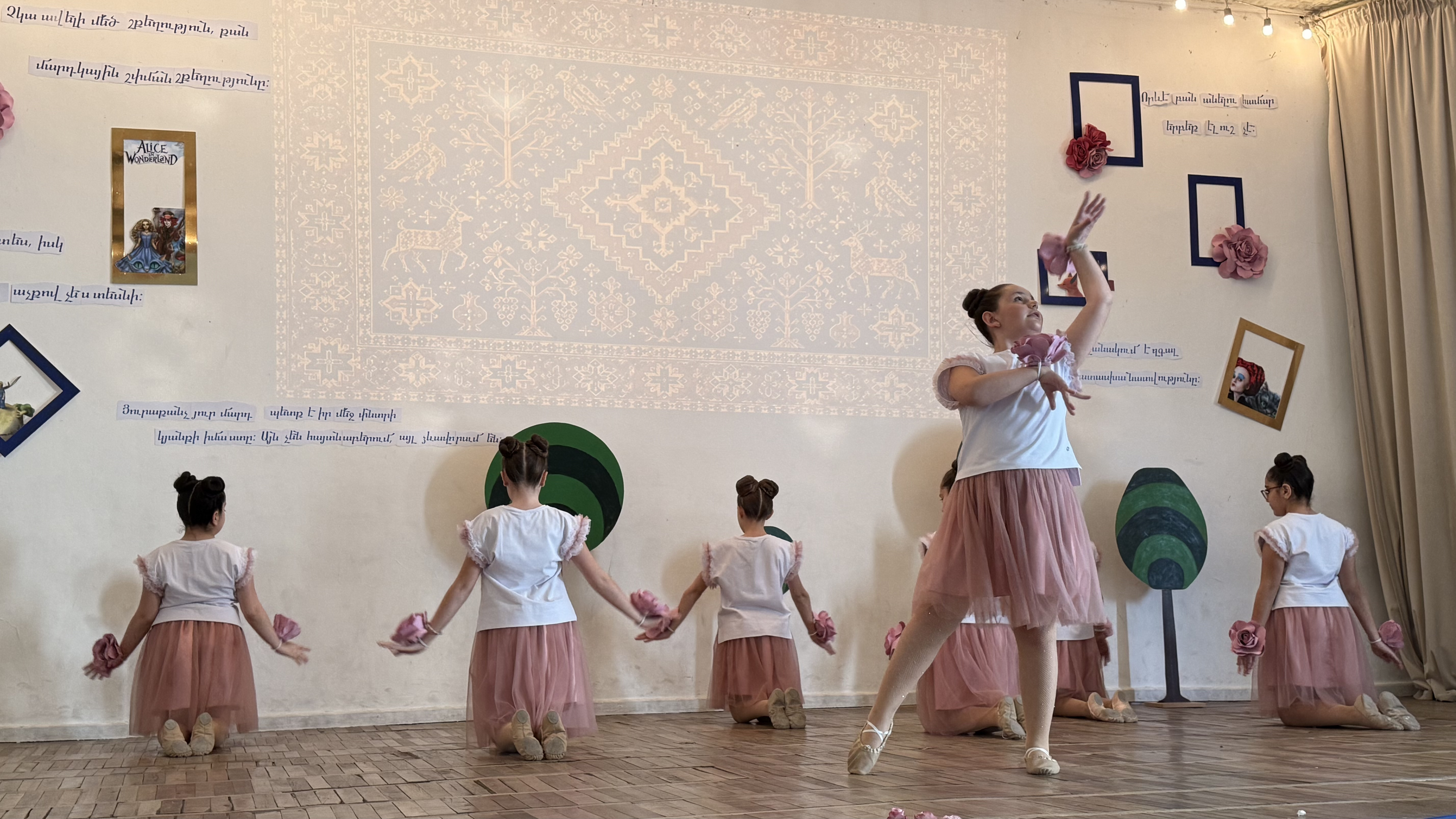
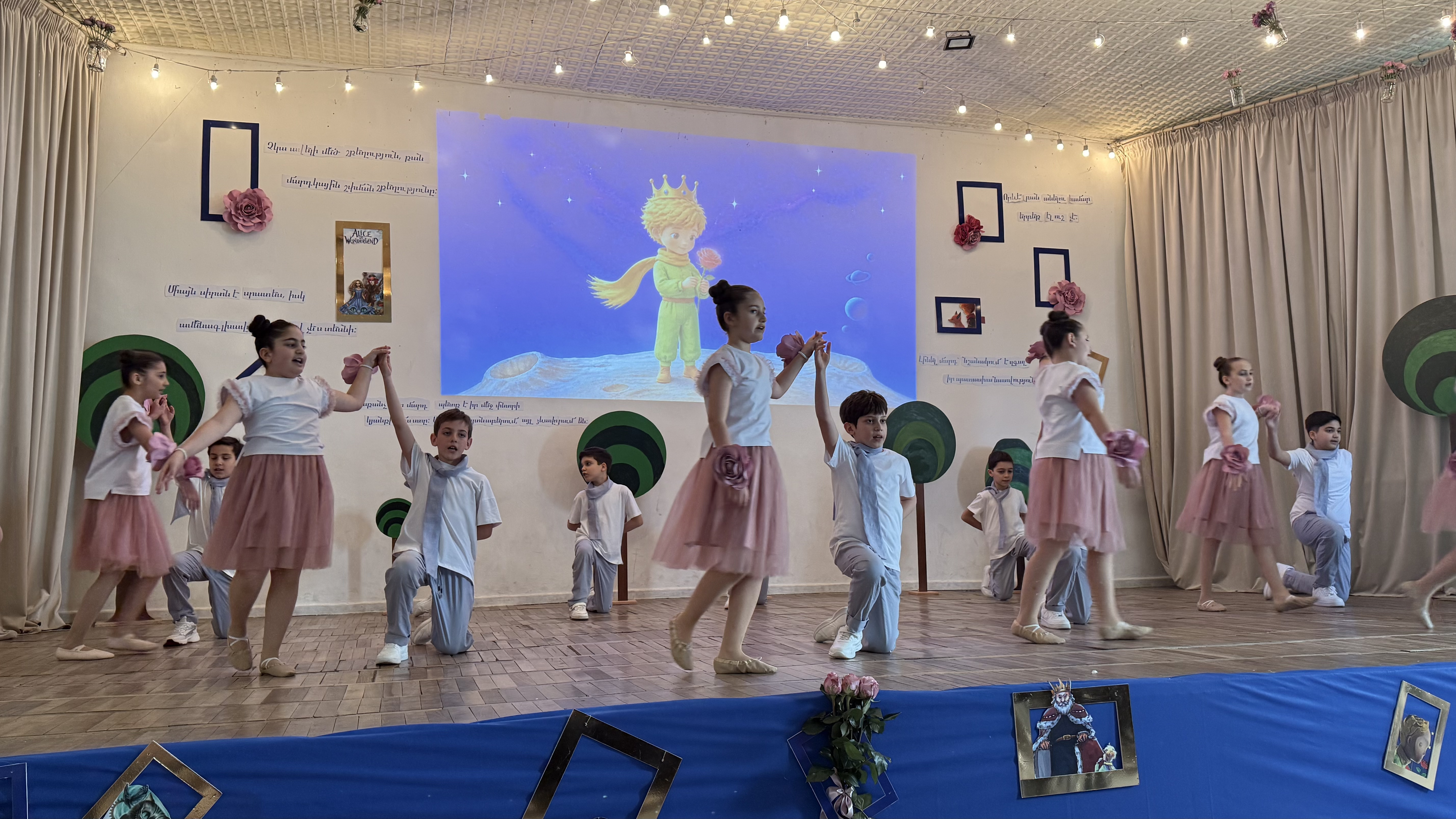
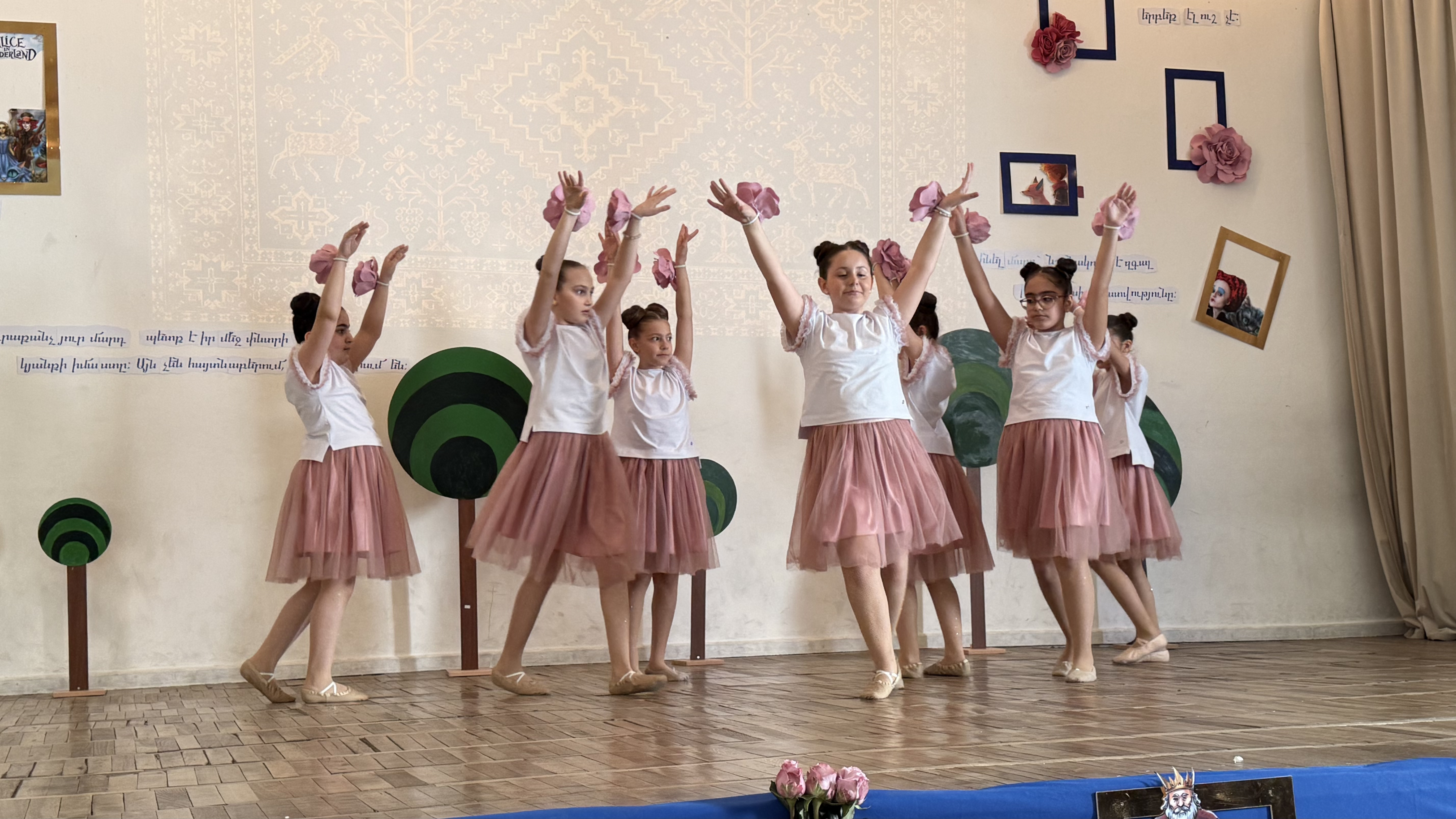
One of the most touching parts of the performance was the musical and dance number “The Little Prince and the Rose,” which expressed the ideas of love, devotion, and care. This was followed by reflections on the human soul, friendship, and mutual understanding, reminding the audience that the soul, just like the body, also needs nourishment.
Especially impressive were the scenes dedicated to the meeting between the Little Prince and the Fox, as well as the musical number “The Prince and the Fox.” Through their performance, the students conveyed one of the book’s and life’s greatest truths: we are forever responsible for those whom we have tamed.
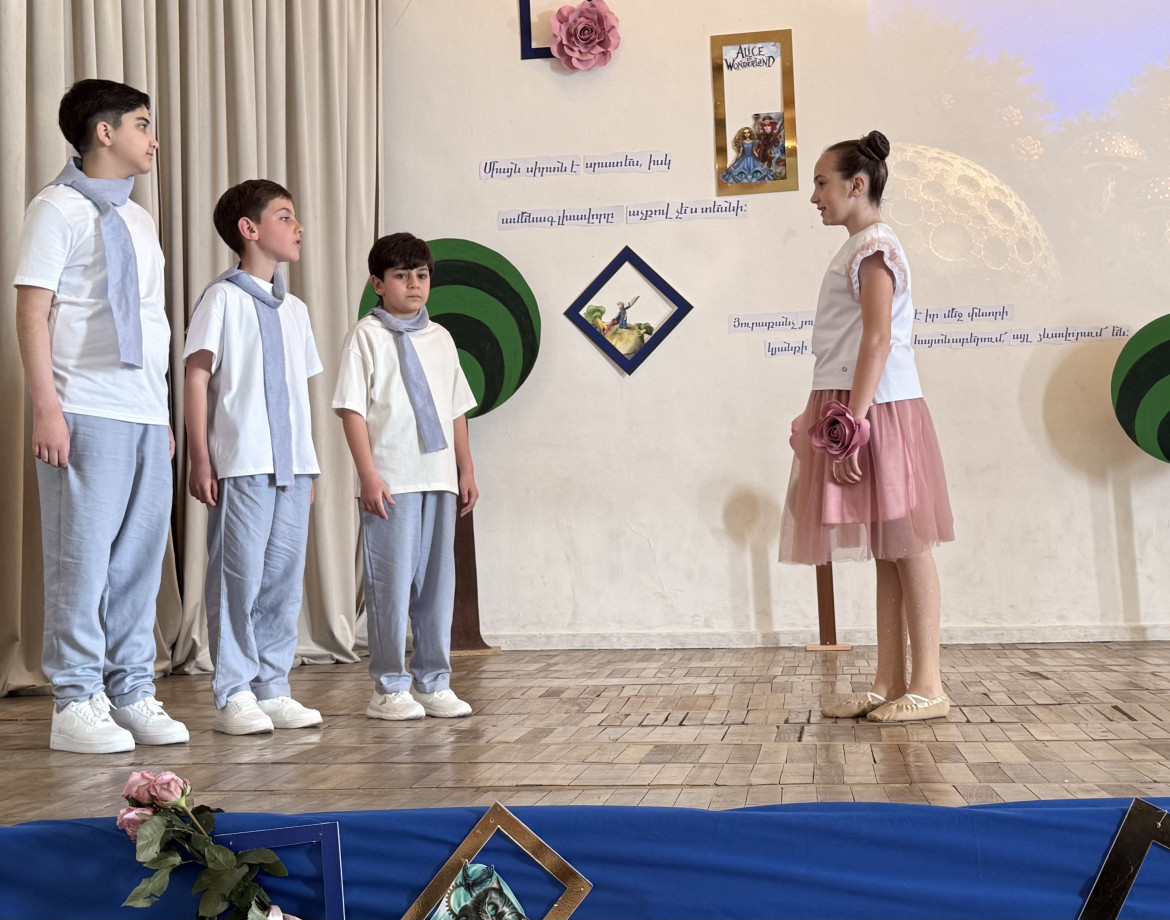
The stage also brought to life the Little Prince’s journeys across different planets. Through the dialogue between the King and the Little Prince, the students highlighted the importance of self-awareness and the ability to evaluate oneself honestly.
Particular interest was sparked by the philosophical dialogue between Alisa and the Prince, which explored the meaning of life, the importance of choice, and the value of time. The students’ acting conveyed the idea that it is important not only to have a purpose, but also to understand the significance and priority of that purpose.
In the final part of the performance, the children emphasized that the world can become warmer and more humane if people live according to the values rooted in the story and preserve both the environment and their inner spiritual purity.
The event concluded with a beautiful performance of the song and dance “Good Friend,” leaving the audience with the most important message of all: to love, appreciate, and never lose the people and friends who are dear to us.
To not think freely is to not think at all!