The primer book is the first and one of the most important steps in every person’s educational journey. It is not merely a book, but an opportunity through which a child discovers the magic of letters, learns to read, write, and understand the world around them. In the Armenian context, the primer holds a special significance, as it is closely connected to our national identity, culture, and history, rooted in the Armenian alphabet created by Mesrop Mashtots. For this reason, the completion of the primer in our country becomes a festive event, celebrating not only the end of a learning phase but also the child’s first conscious achievement.
But are we the only ones who celebrate the primer as a gateway to opportunity? Apparently not. Primer celebrations, although organized differently around the world, share the same goal: to inspire children, value knowledge, and show that the path to success begins with letters.
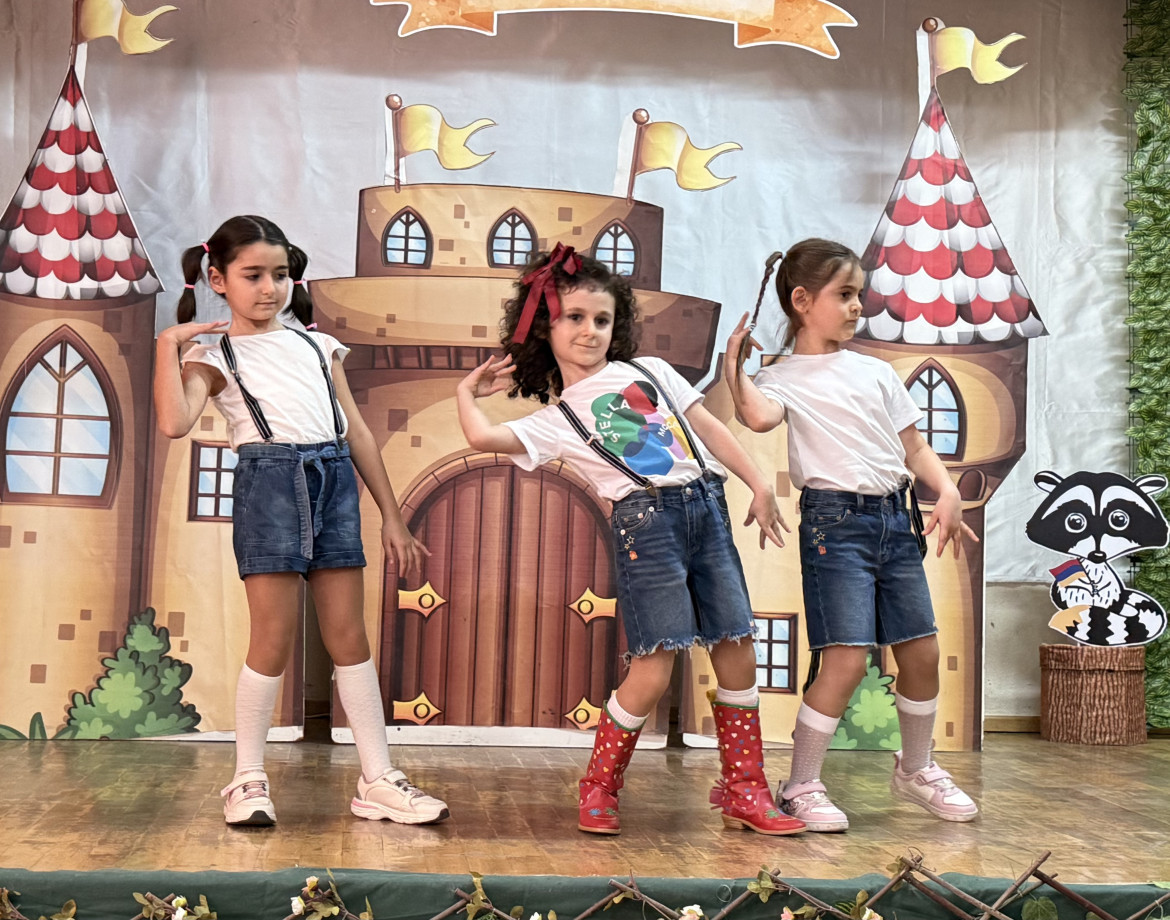
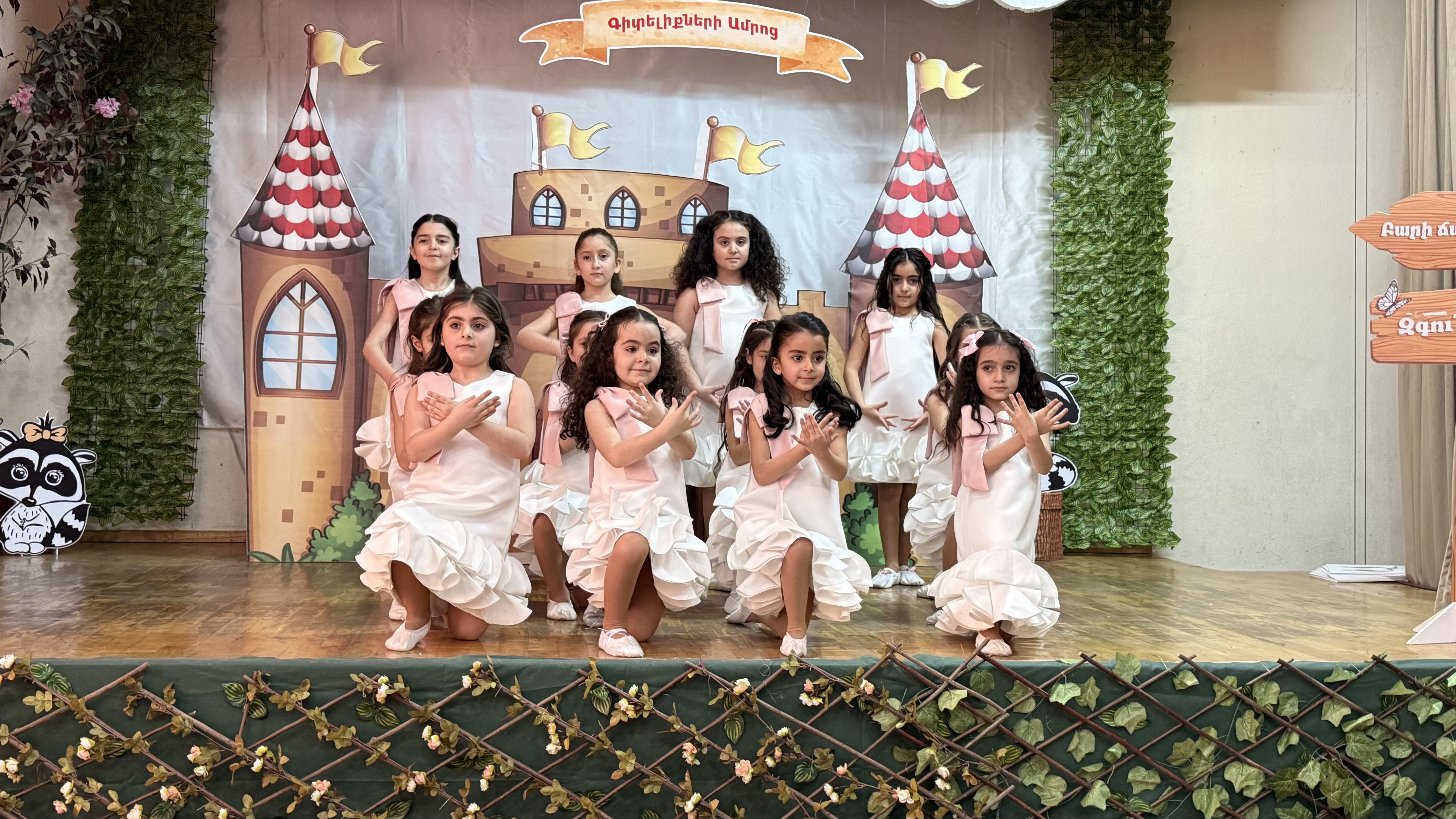
In Armenia, the primer ceremony is primarily a large-scale staged event, with roots stretching back to the Soviet era. During the Soviet period, these celebrations were more playful and lively than in many other countries. In the “Farewell to the Primer-Book” events, children took part in games, contests, and problem-solving challenges. Entertaining characters often appeared, either “interfering” with or “helping” the children, turning the entire event into a small, interactive show full of movement and excitement.
In Germany, while there isn’t a staged primer celebration, the end of the first school year is marked in a very festive way. Children receive their famous “Schultüte,” large colorful cones filled mostly with books—after all, the child is now literate. Not only in Germany but across the Western world, this is first and foremost a family celebration, an opportunity to organize a small party and celebrate a child’s next milestone, sometimes with small school performances or songs.
Across the Atlantic, in the United States, first-grade completion is marked by “reading nights,” where children demonstrate and compete in their reading skills in front of an audience. This is often preceded by a themed week when children come to school dressed as their favorite ABC character, setting a festive and engaging tone.
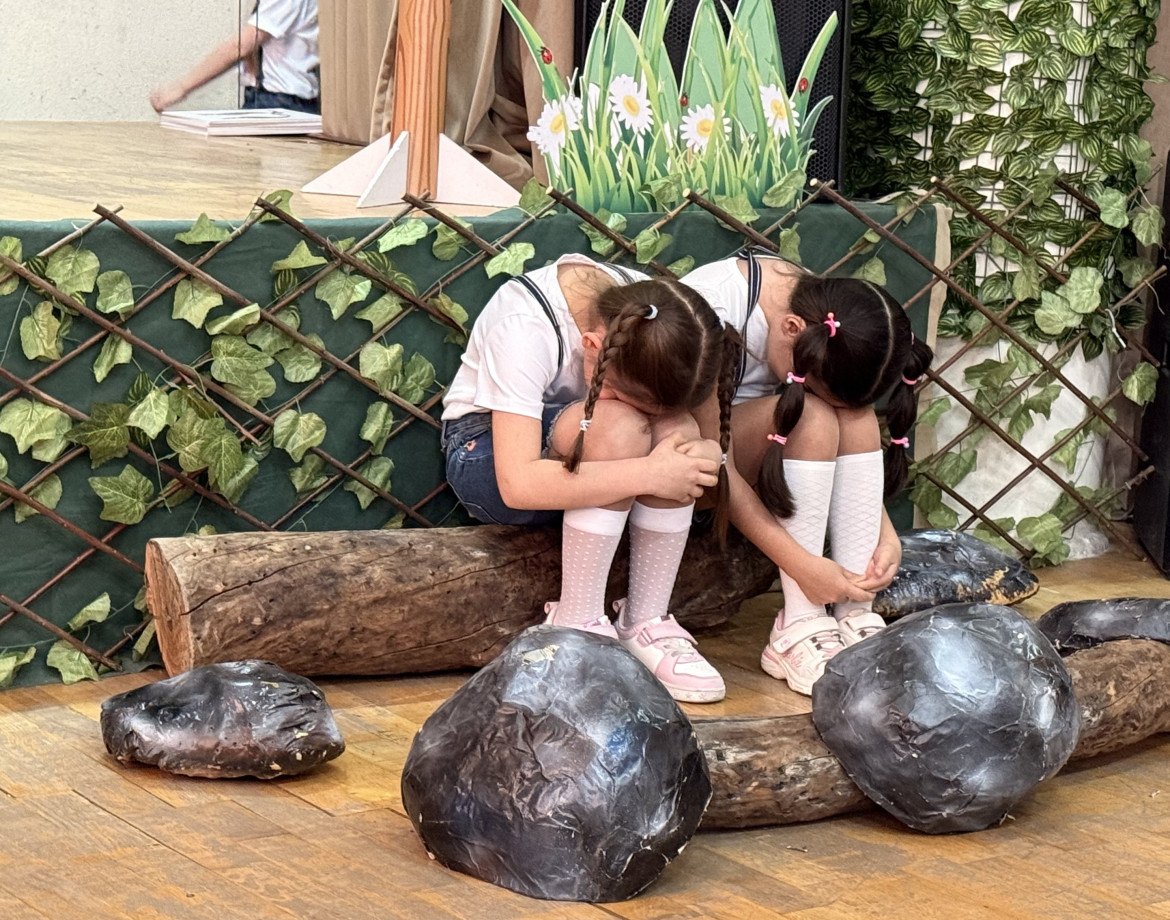
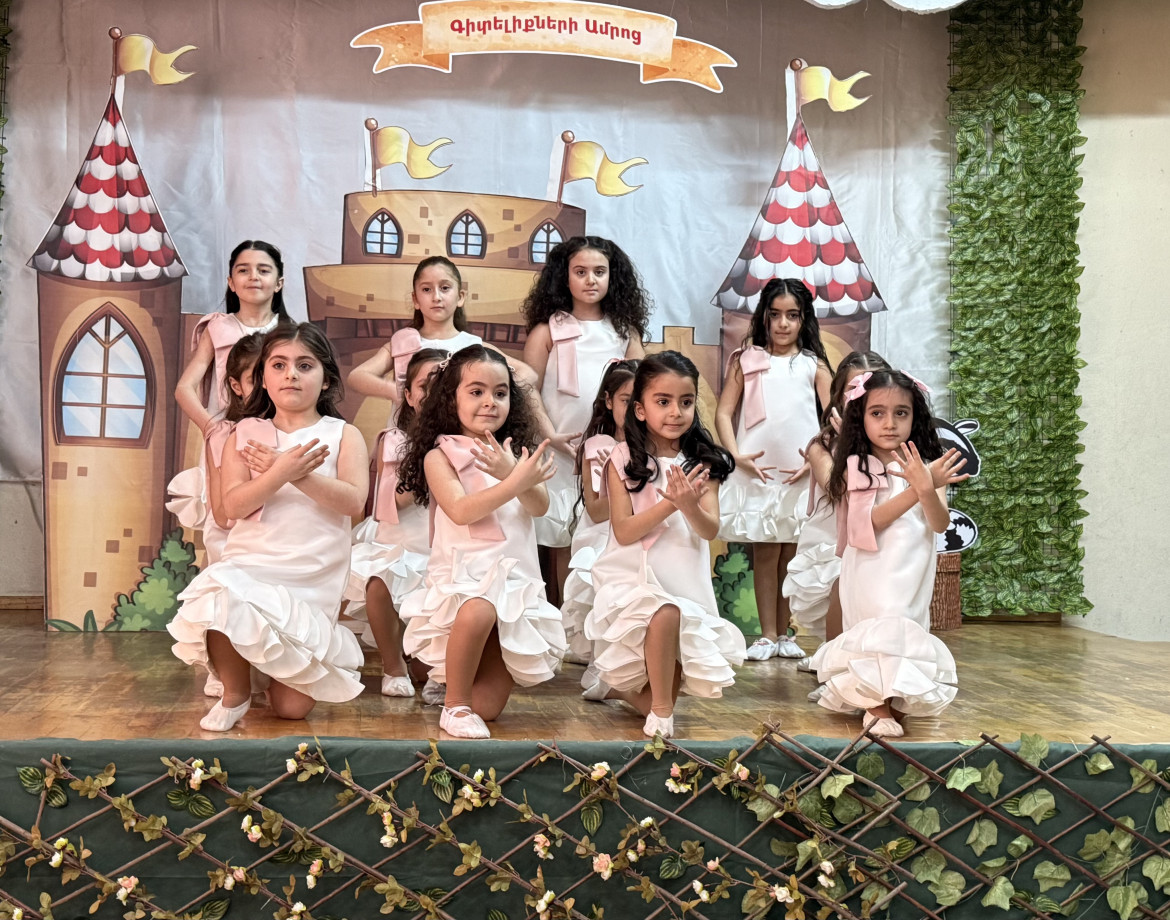
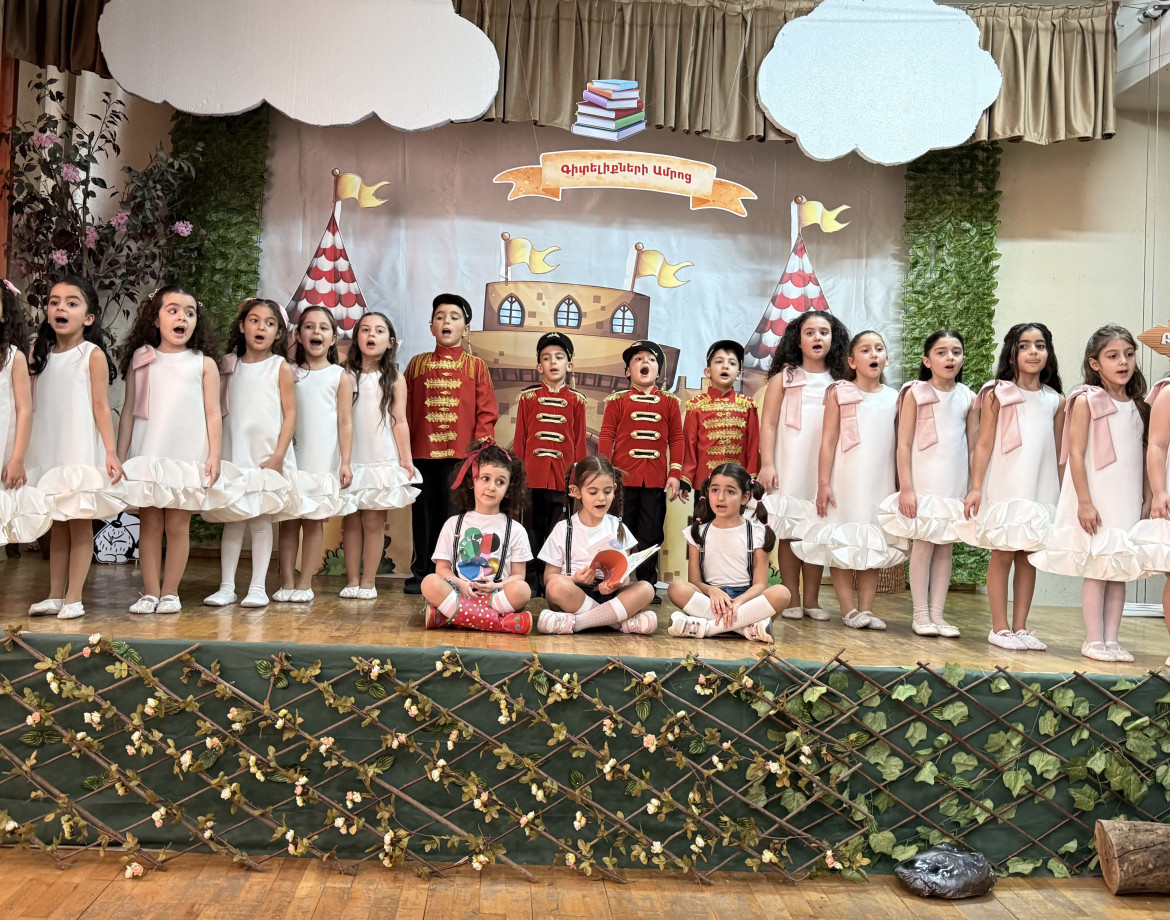
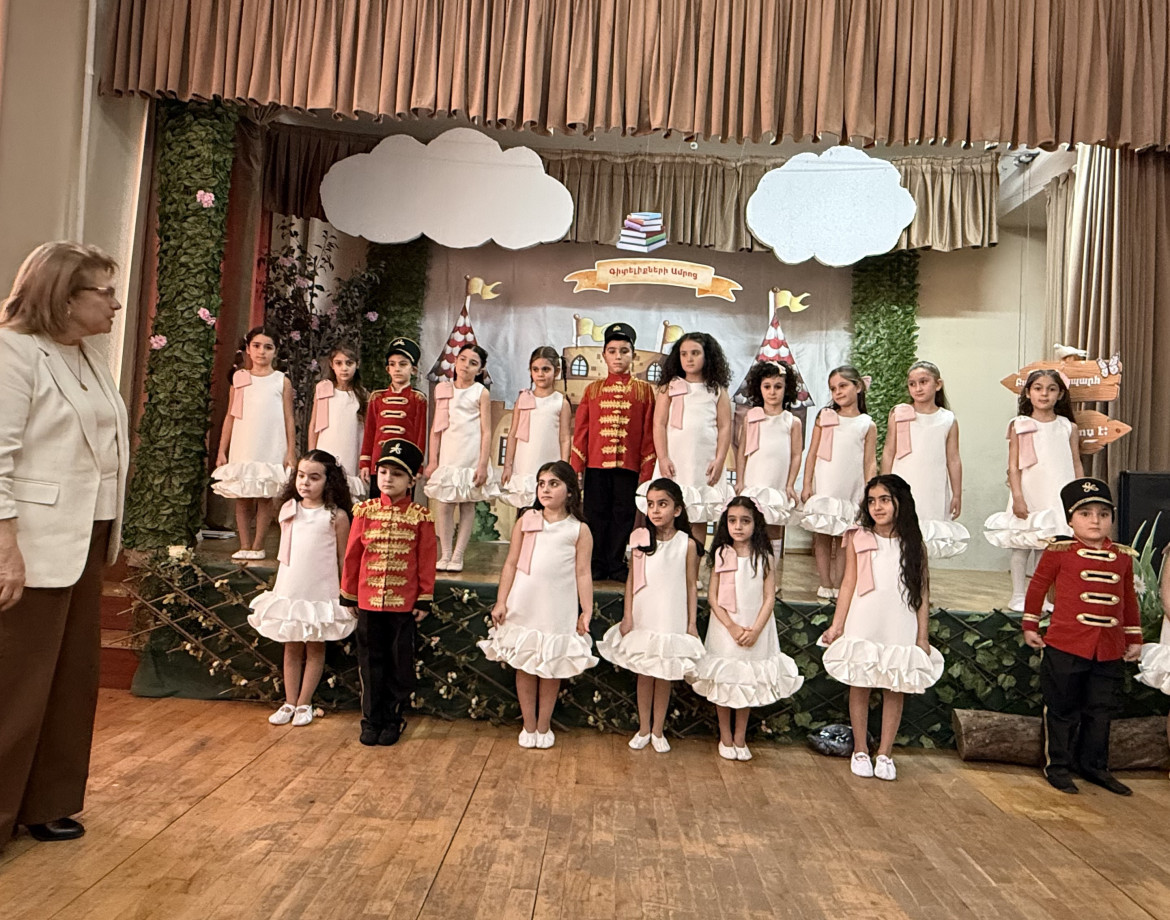
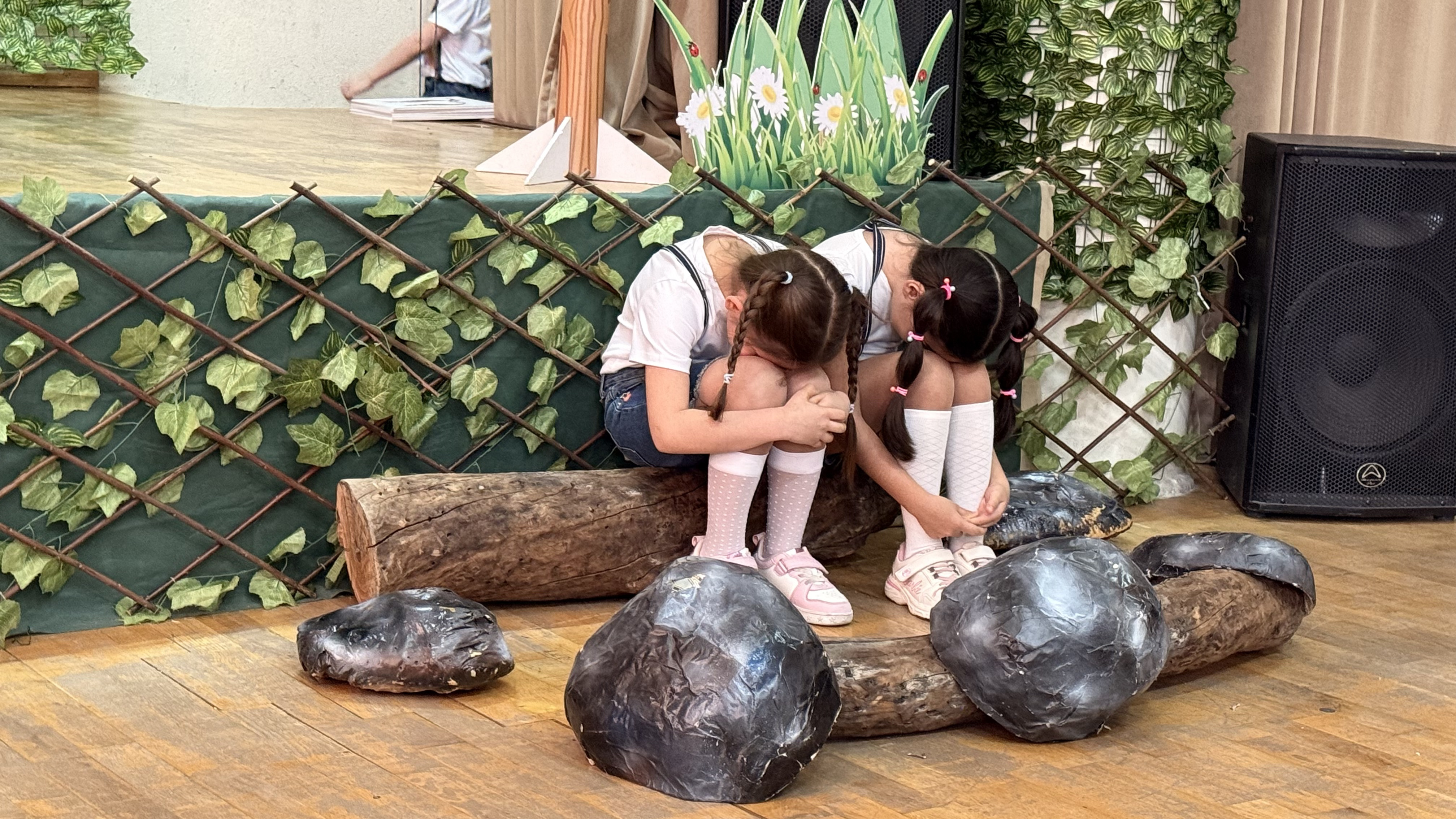
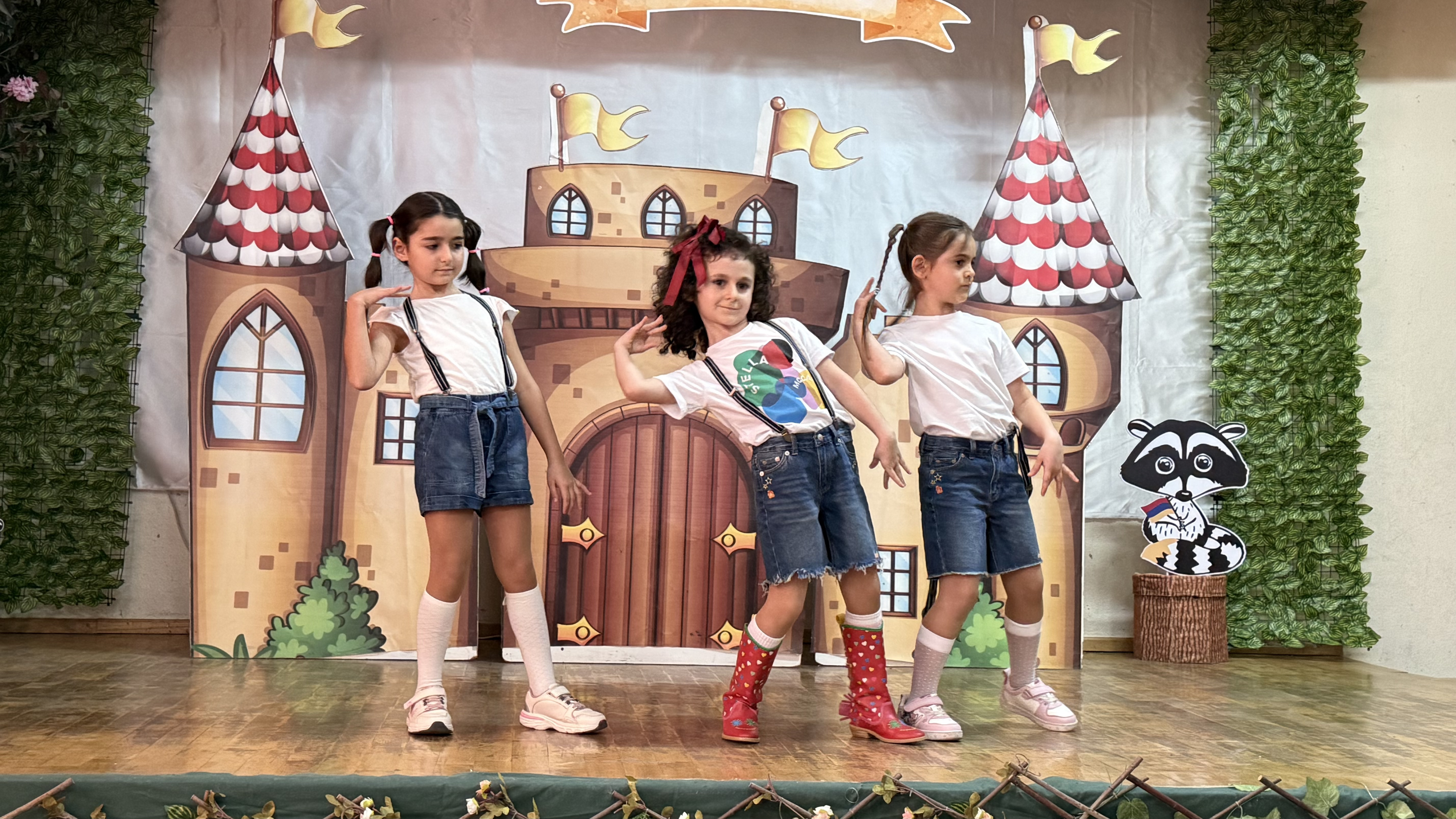
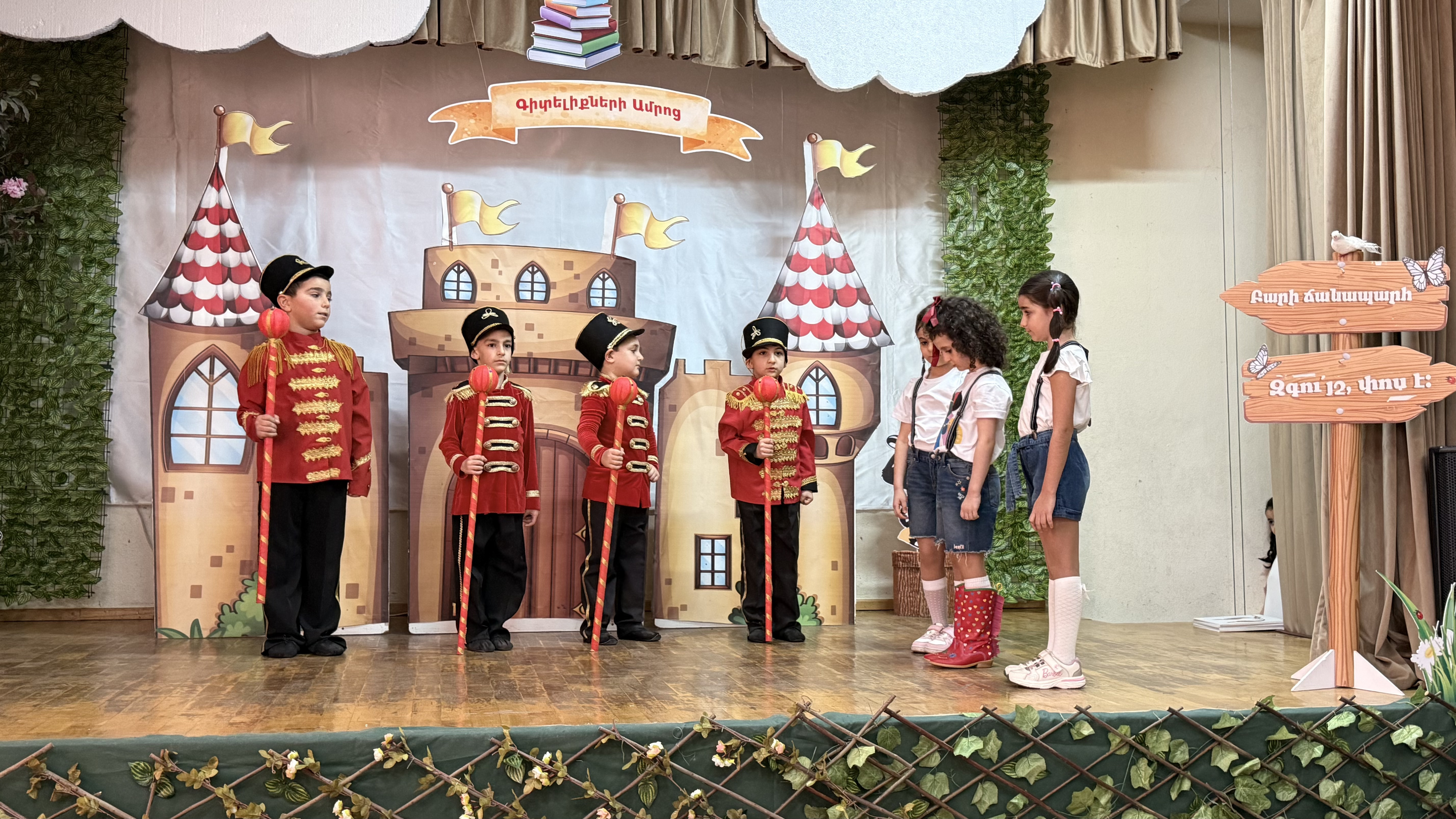
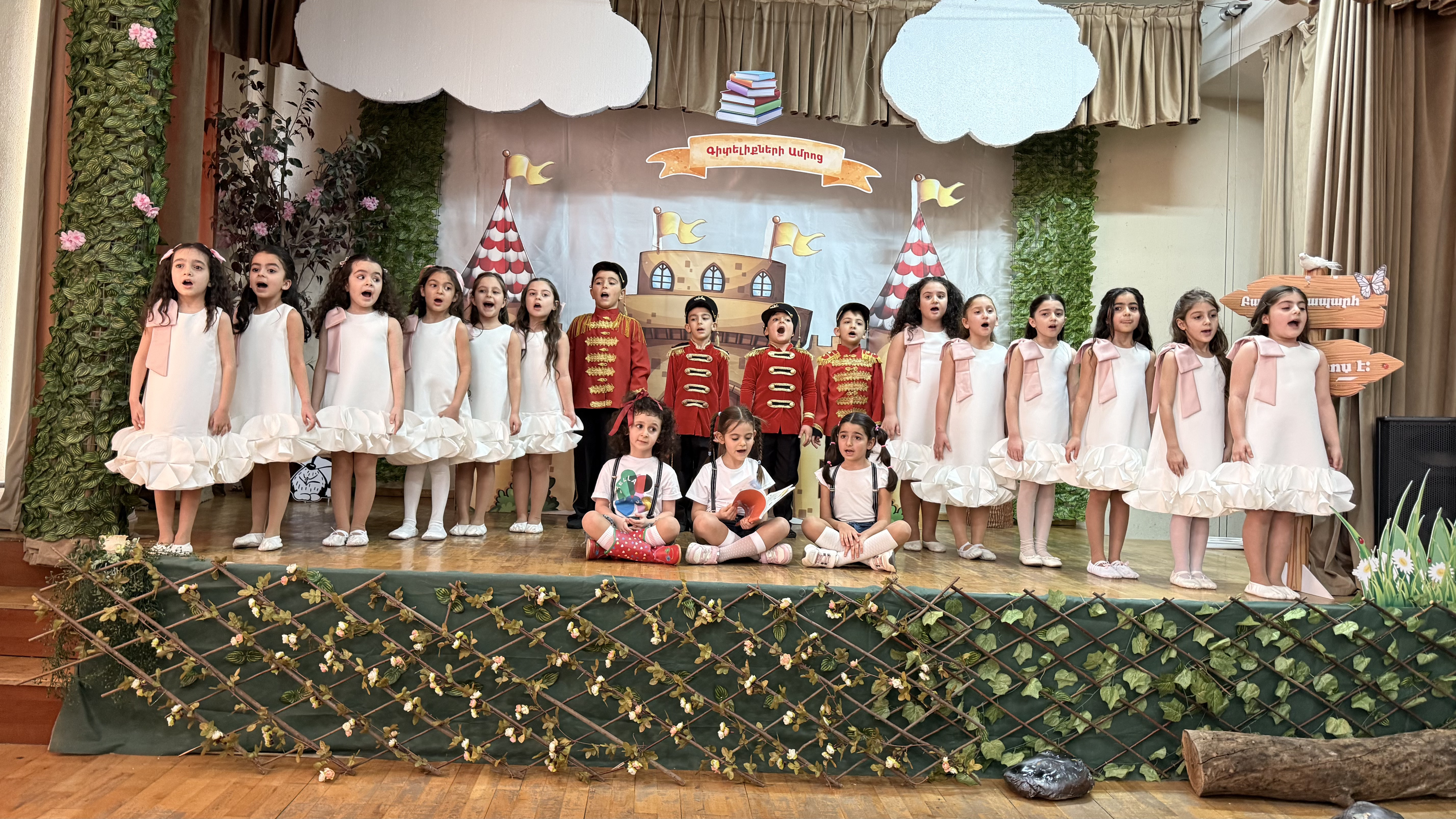
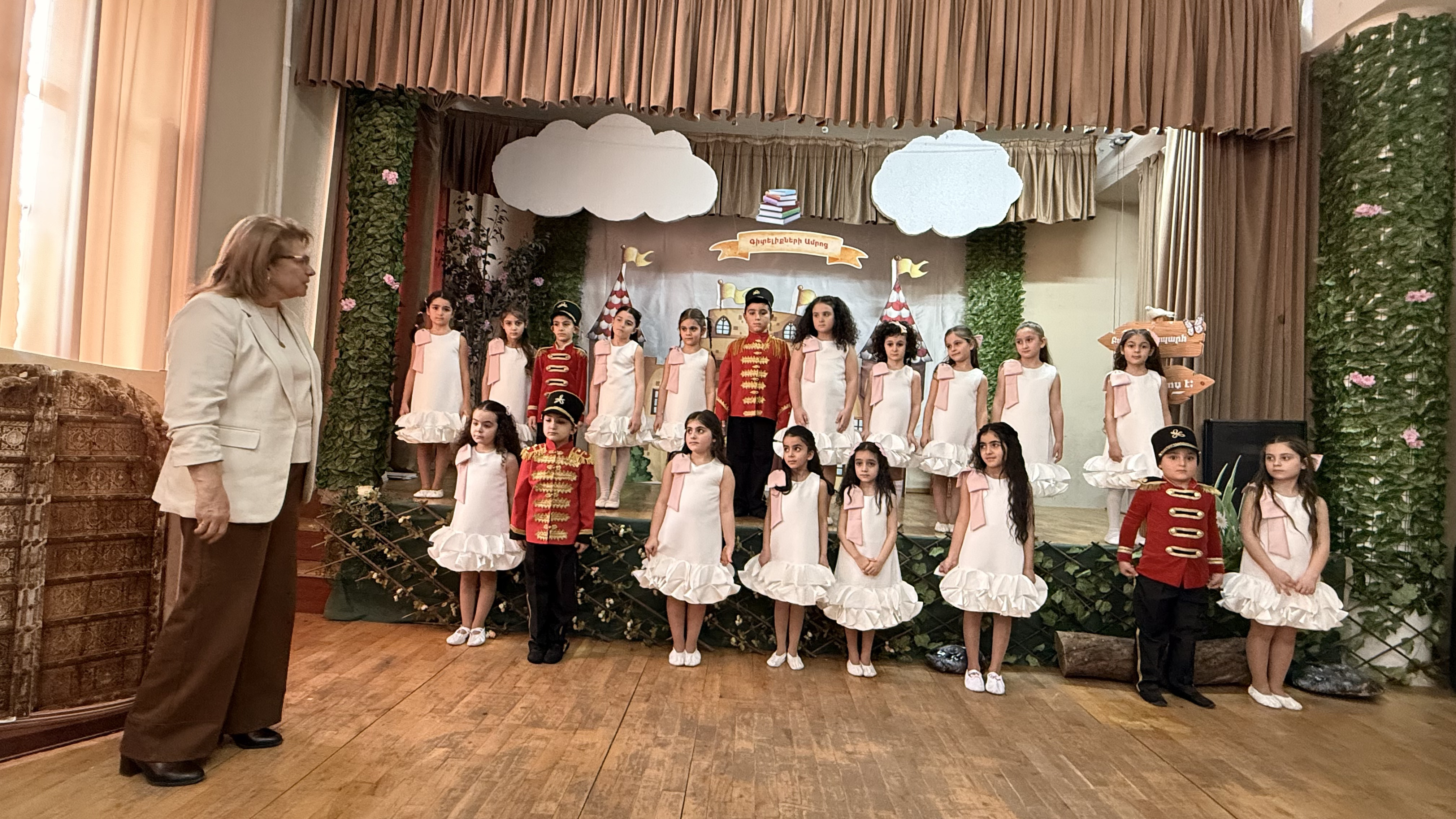
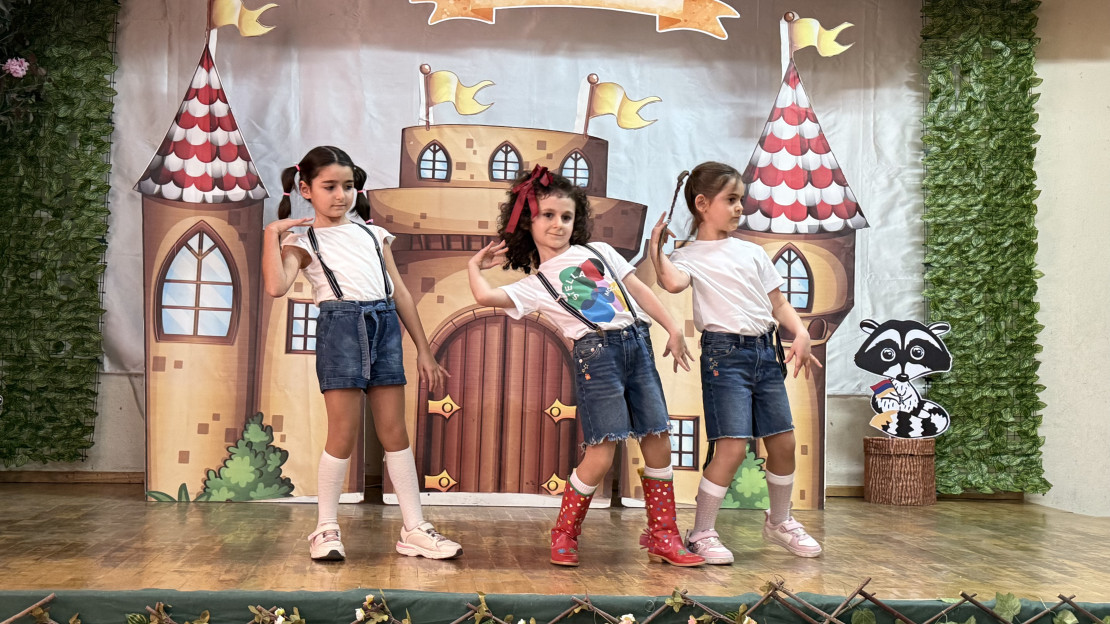
Returning to Armenia and the “Usum” school, children achieve their first victories even before the school year ends, eager to “open the doors to success” ahead of everyone else. Our story begins with a child standing at a crossroads in life. Unable to read the road signs, he attempts to choose randomly, hoping luck will guide him. But his choice leads him astray, and he falls into a pit. There, he meets others who, like him, had relied on luck and ended up in the same situation. Together, they realize that their misfortunes are not random and decide to help each other and seek the secret to success.
The purpose of the event is to instill the understanding that success is never solely the result of luck; it is achieved through knowledge and hard work. The storyline subtly conveys that, however difficult and tiring learning the alphabet may be for the child, the teacher, or the parent, the result is equally enjoyable and fulfilling. Our youngest students learn that a book is a person’s best friend, opening new worlds and strengthening the mind.
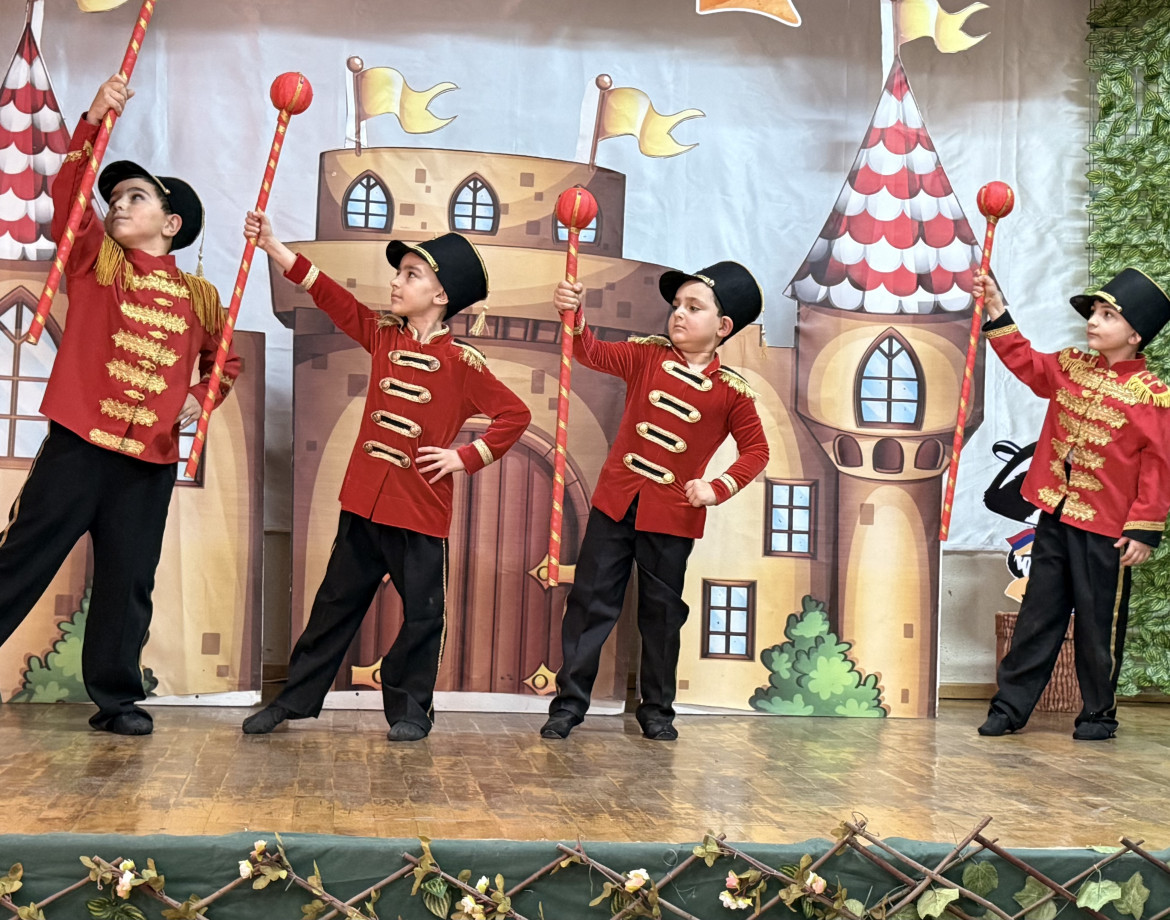
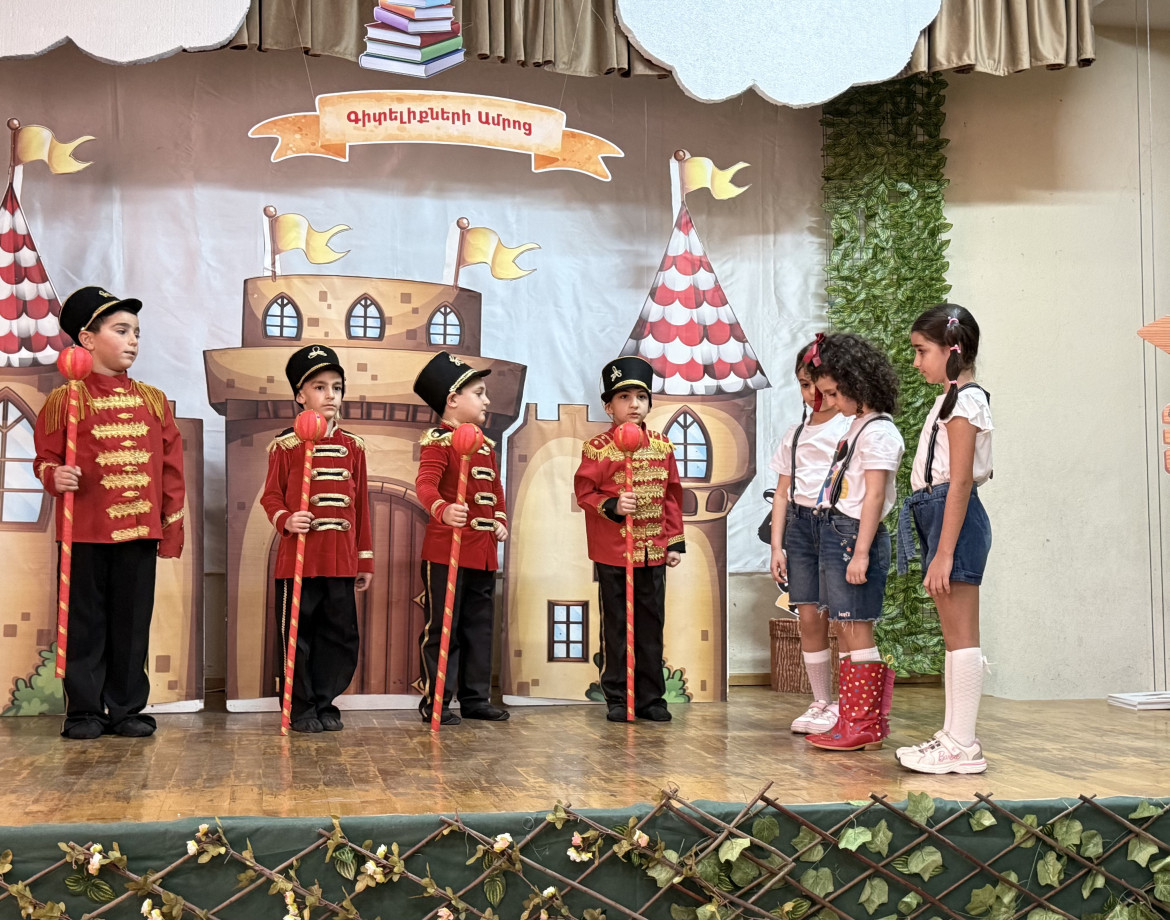
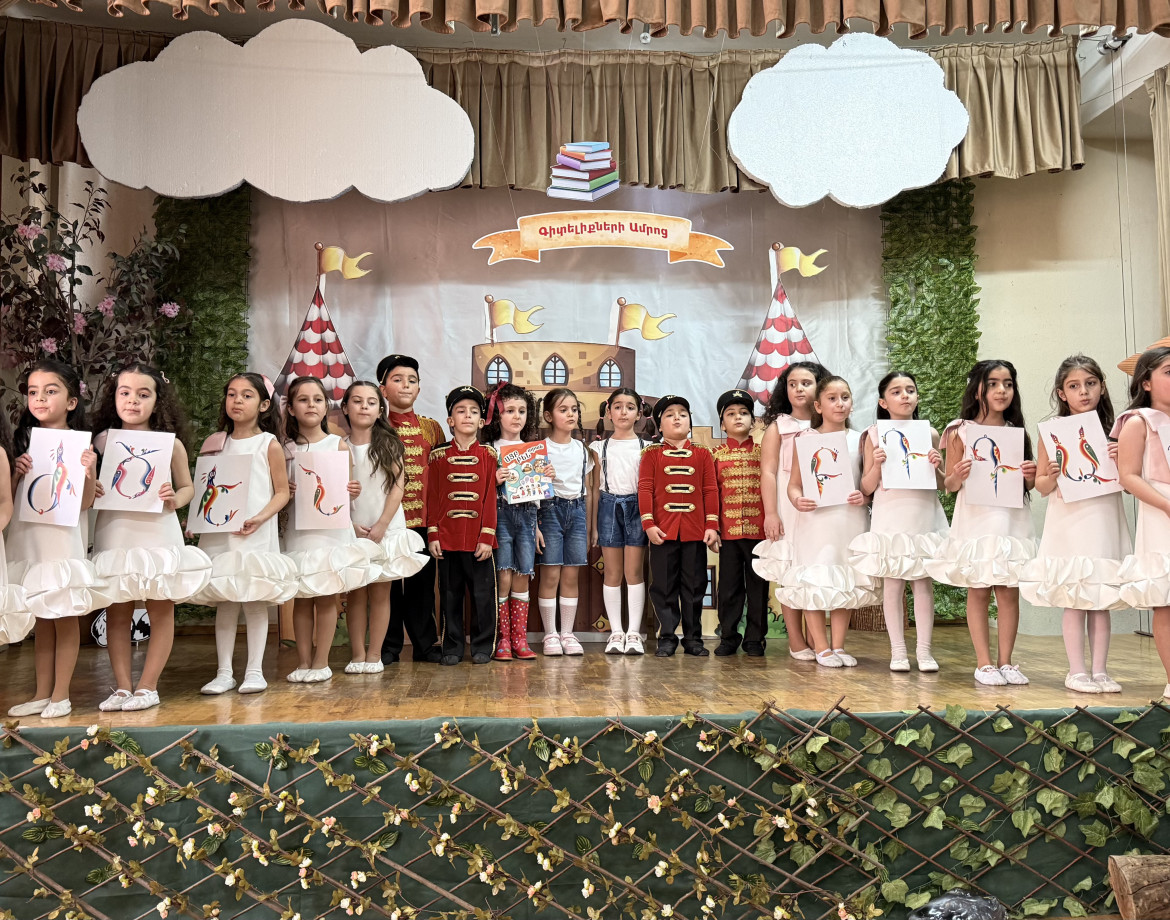
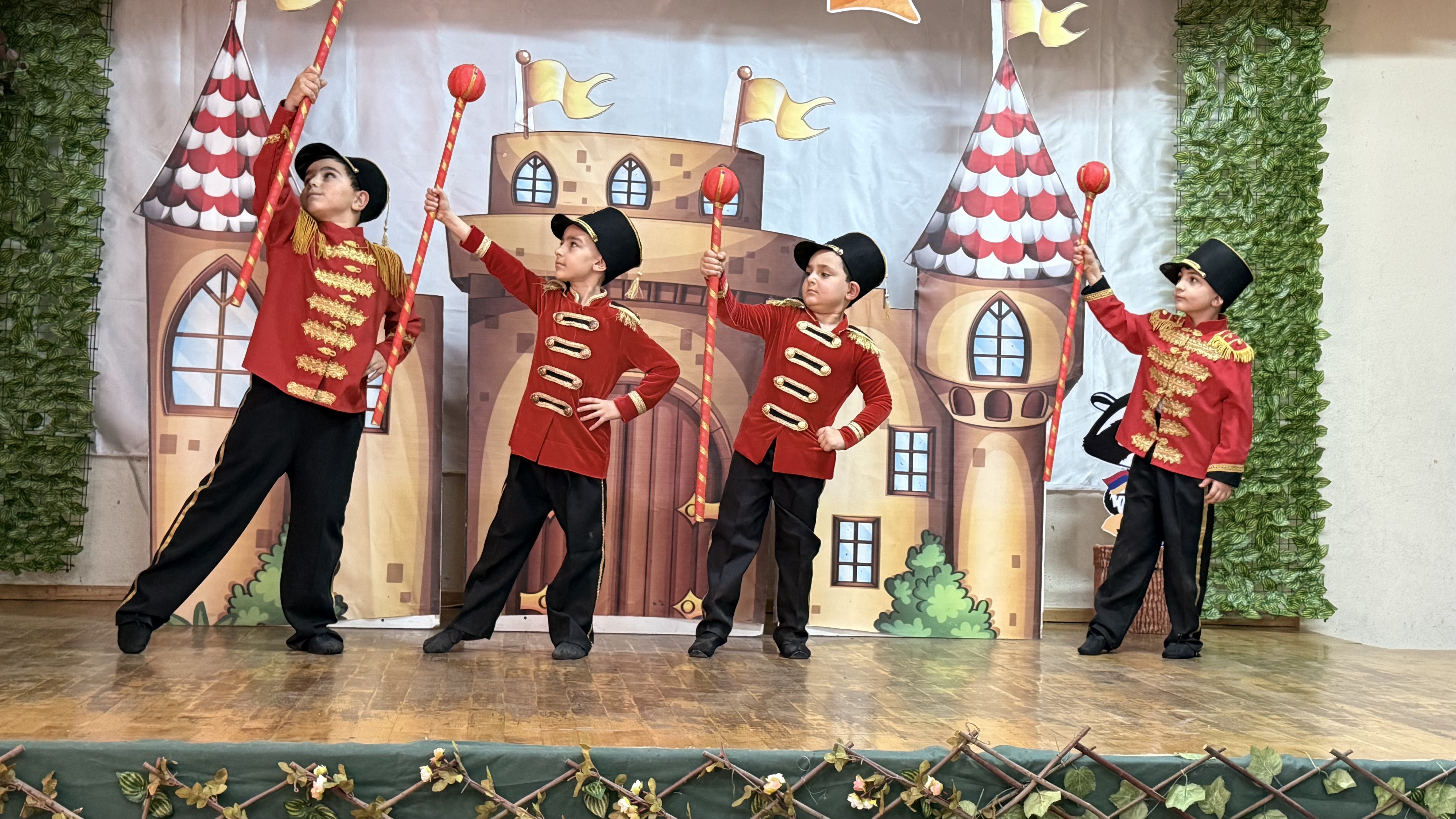
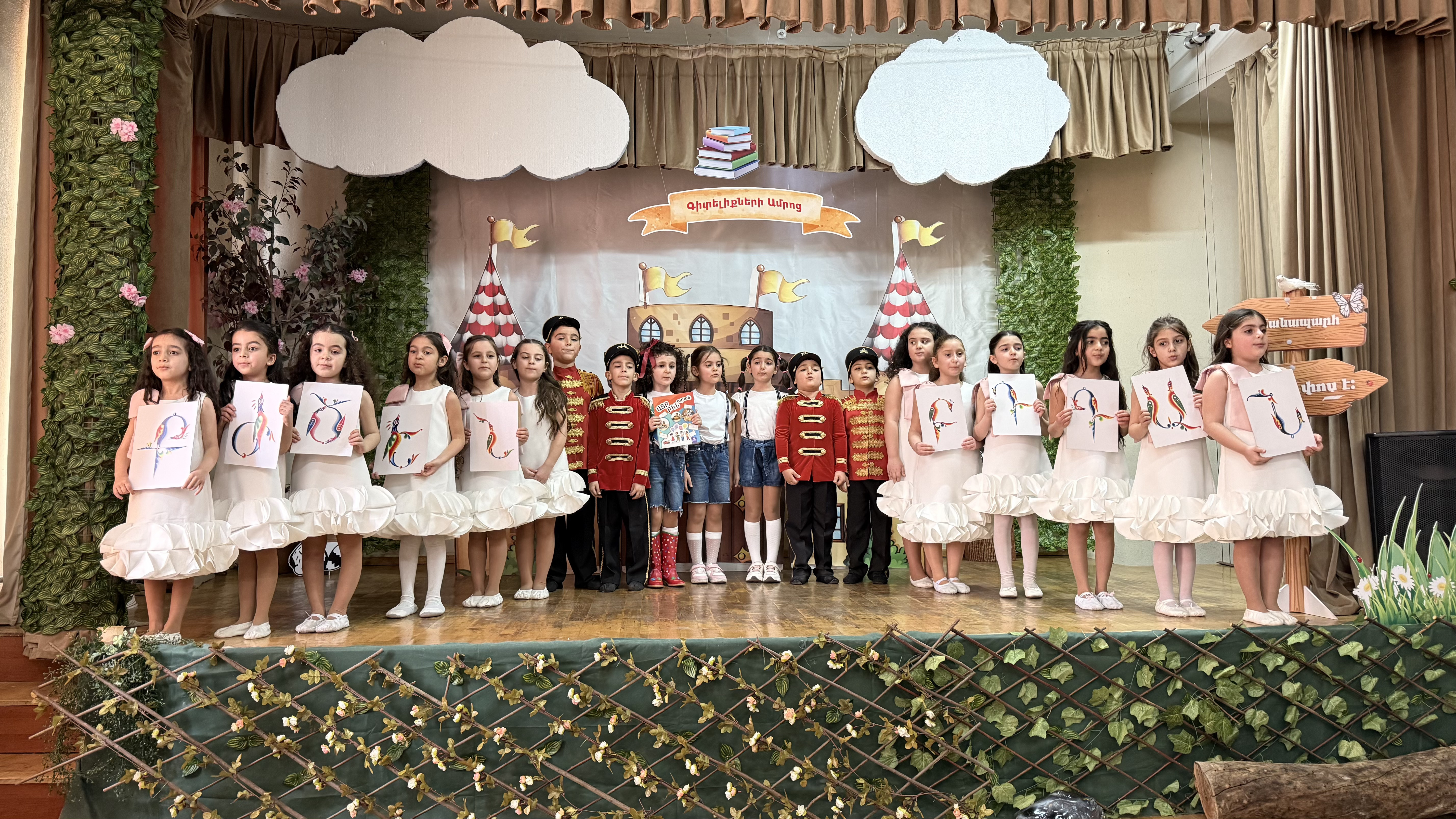
The performance also carries a patriotic message. The Armenian letters are depicted as an entire army, defending one’s identity and helping overcome life’s difficulties. Students are encouraged to understand friendship and responsibility through the letters, which are not just randomly ordered signs, but friends who know their role and value.
By the story’s end, the children realize that their earlier failures were not due to a lack of luck but to a lack of knowledge. By learning to read and write, they acquire the “key” that opens the doors to the castle of success. They understand that every goal is achievable if one is willing to learn, work hard, and move forward.
To not think freely is to not think at all!